
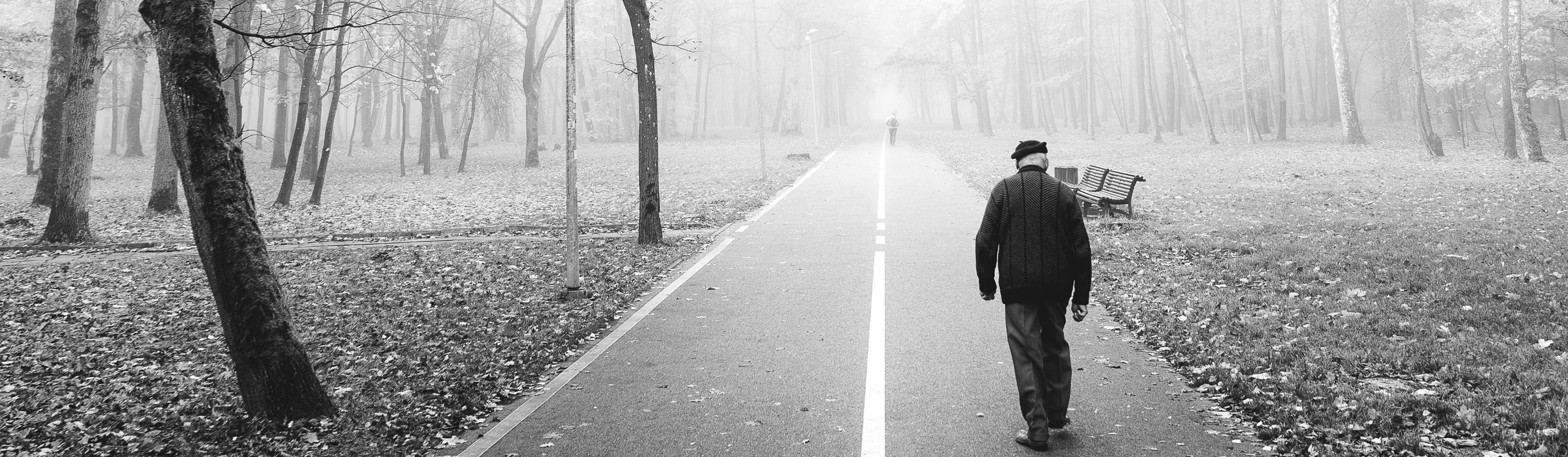
Feeling Alone Can Affect More Than Your Mood
Loneliness after 50 is easy to shrug off as just part of getting older, especially when life changes, retirement, loss, health issues, or a smaller social circle start shifting your routine. The problem is that it isn't only emotional. Social isolation can seriously affect both physical and mental health, especially for older adults. Here are 20 ways loneliness can affect your health.
1. It Can Raise Your Stress Levels
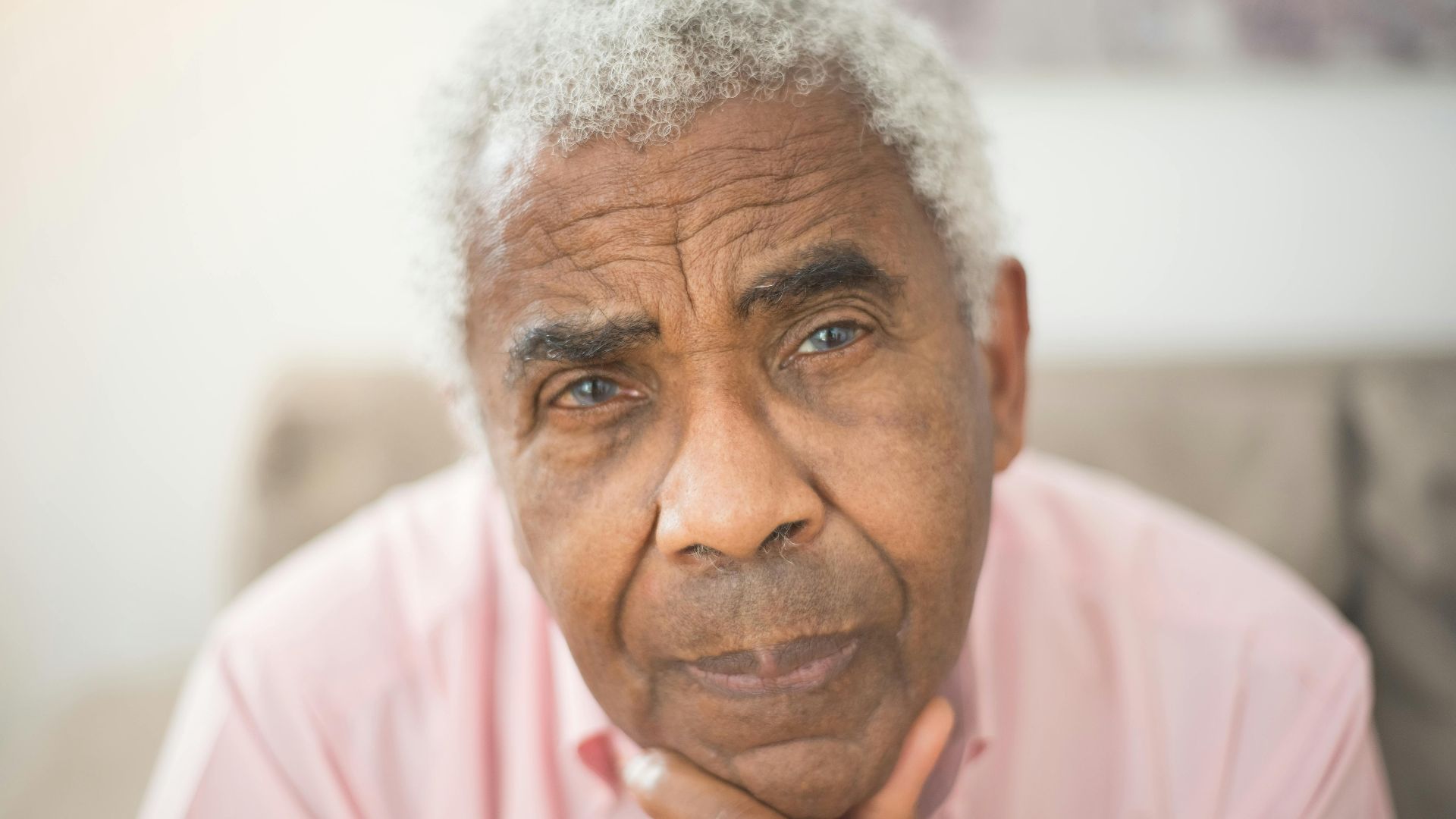
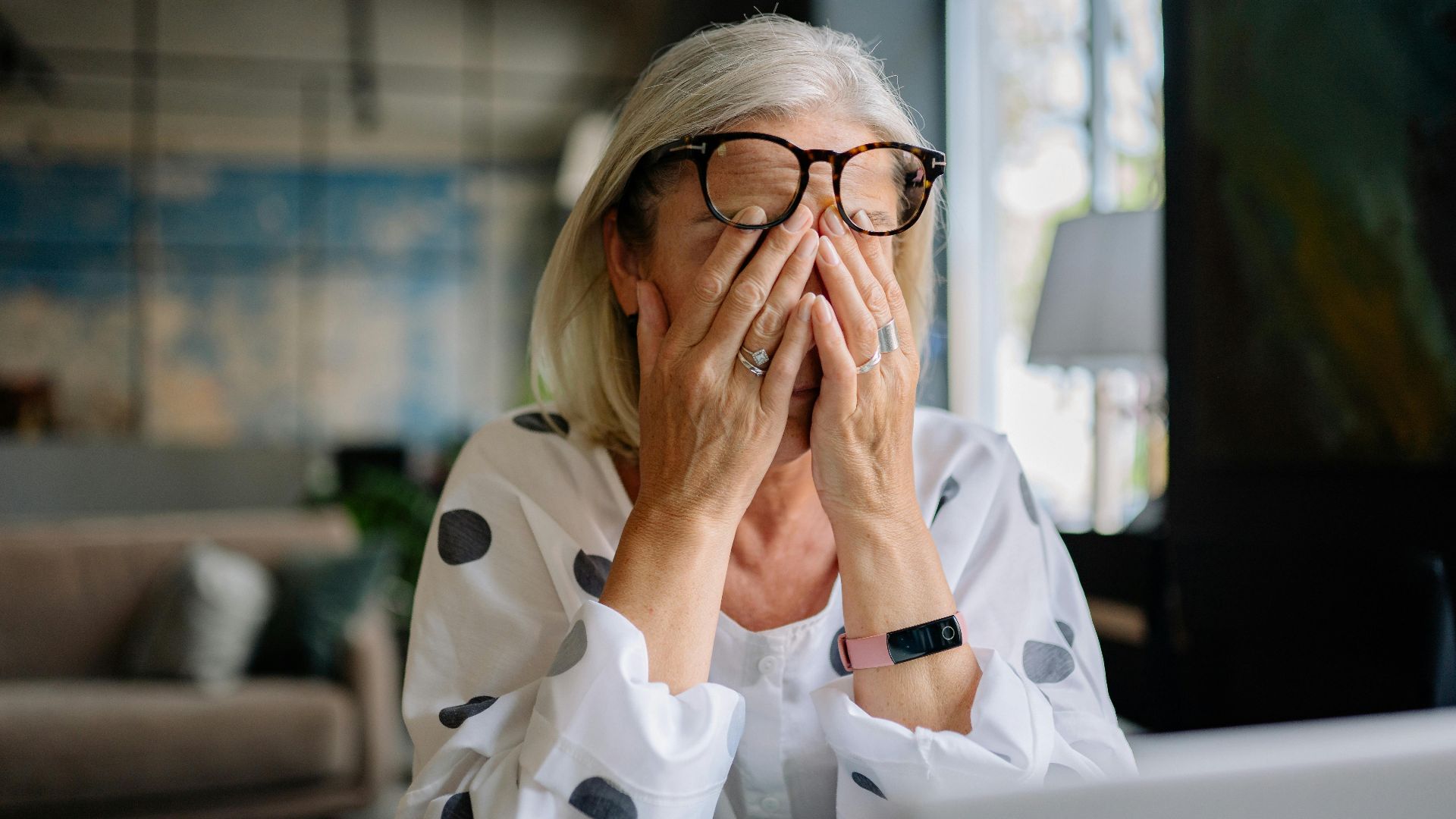
Loneliness often acts like a steady source of stress instead of a passing feeling. When that stress lingers, your body may stay in a more tense, worn-down state than it should. Over time, that's not doing your system any favors.
2. It May Affect Your Heart Health
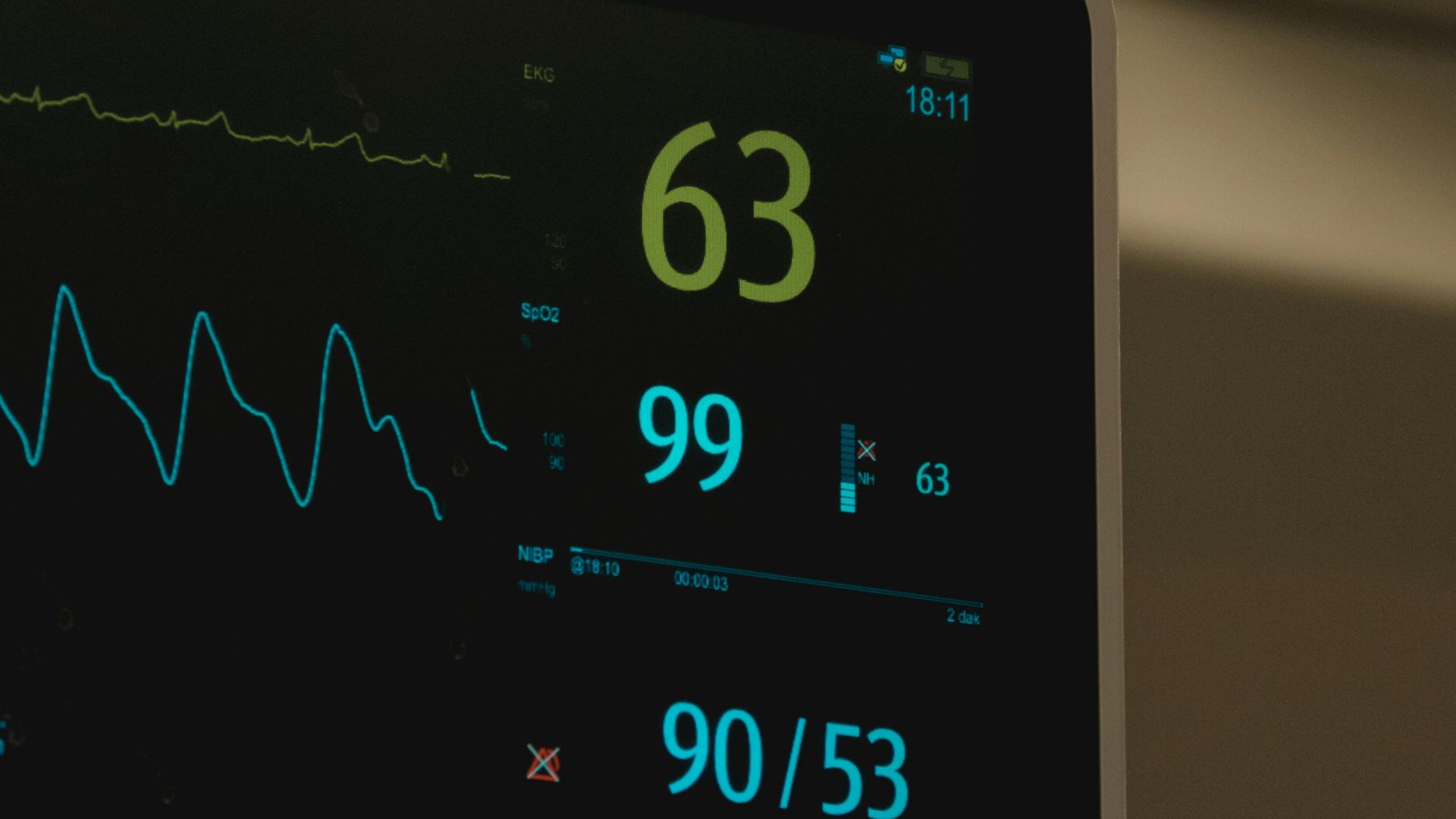
Being lonely isn't just hard on your emotions. Research summaries from major health agencies link loneliness and social isolation with a higher risk of heart disease. That makes social connection a lot more important than many people assume.

3. It Can Be Linked to Stroke Risk
Stroke is another health issue that shows up in the loneliness conversation more than you might expect. Public health sources include stroke among the conditions associated with social disconnection. That doesn't mean loneliness guarantees it, but it does mean the connection is serious enough to pay attention to.
4. It Can Make Depression More Likely
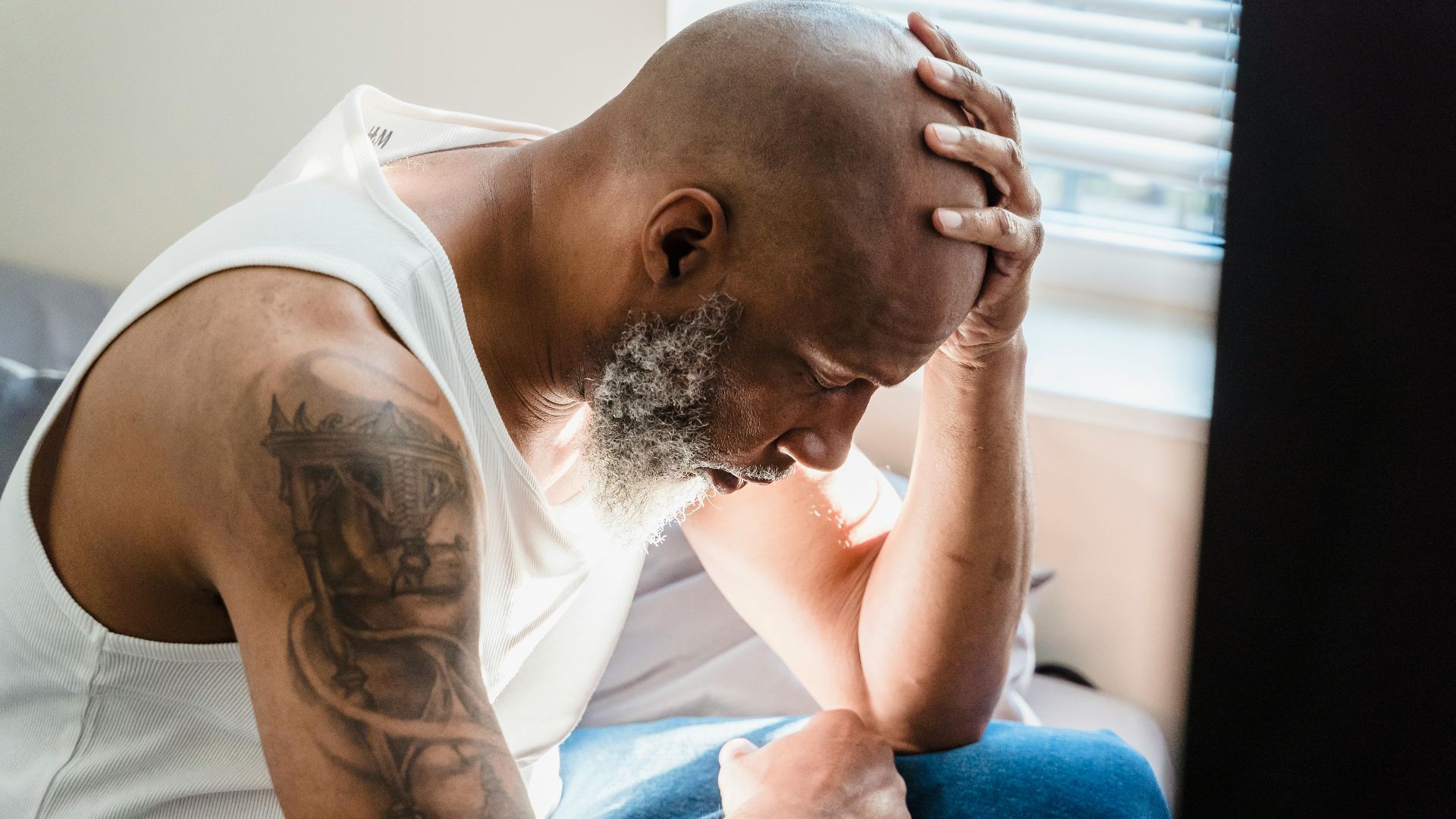
This one isn't especially surprising, but it still matters. Loneliness can increase the risk of depression, and that can quietly change daily life, motivation, and overall well-being. After 50, it can be easy to normalize feeling low, but something more serious may be going on.
5. It May Increase Anxiety
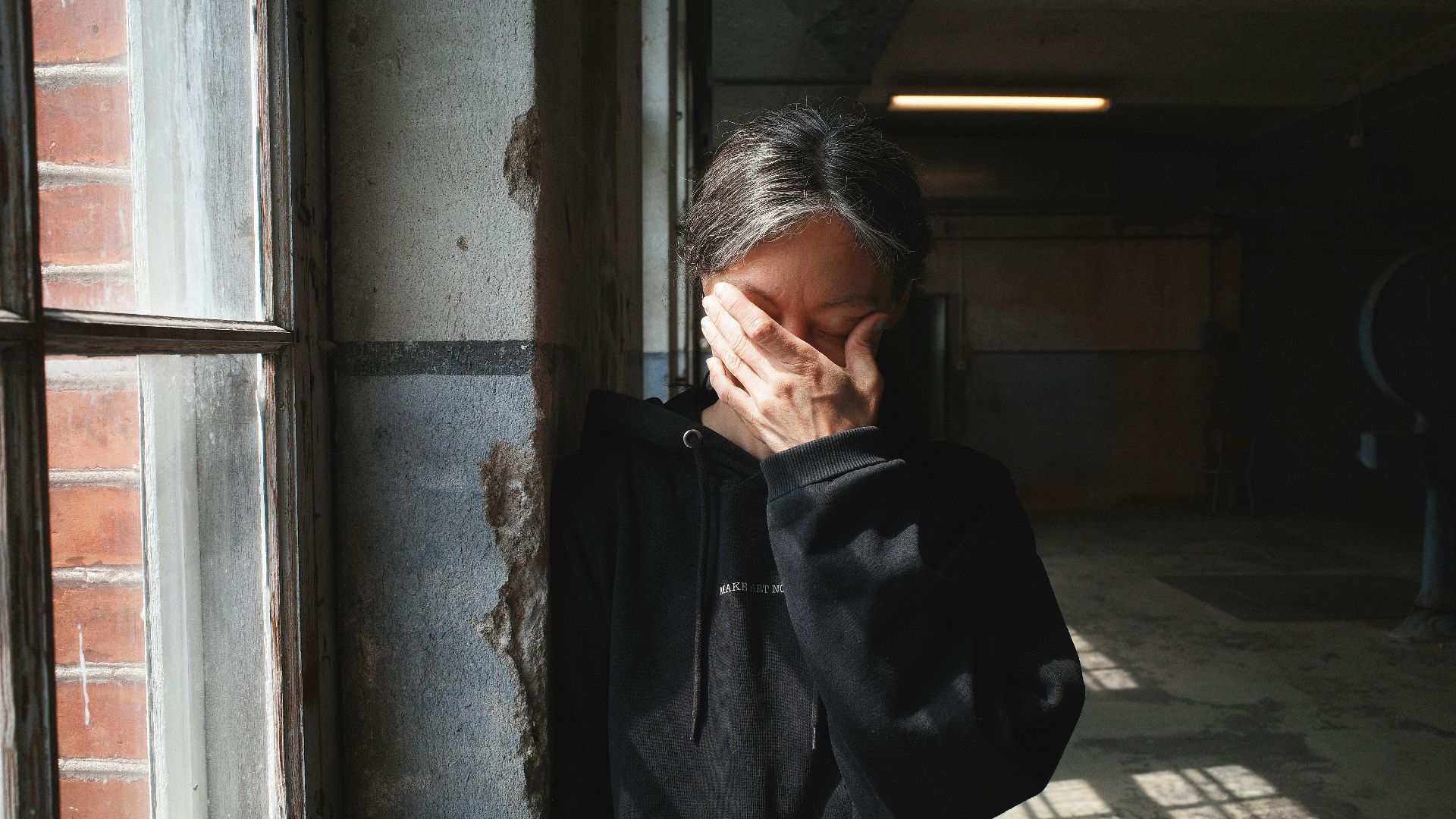
Feeling cut off from others can also feed anxiety. When people feel unsupported or disconnected, the mind can start working overtime in unhelpful ways. That emotional strain has a physical cost too, even when it starts in your thoughts.
6. It Can Hurt Sleep
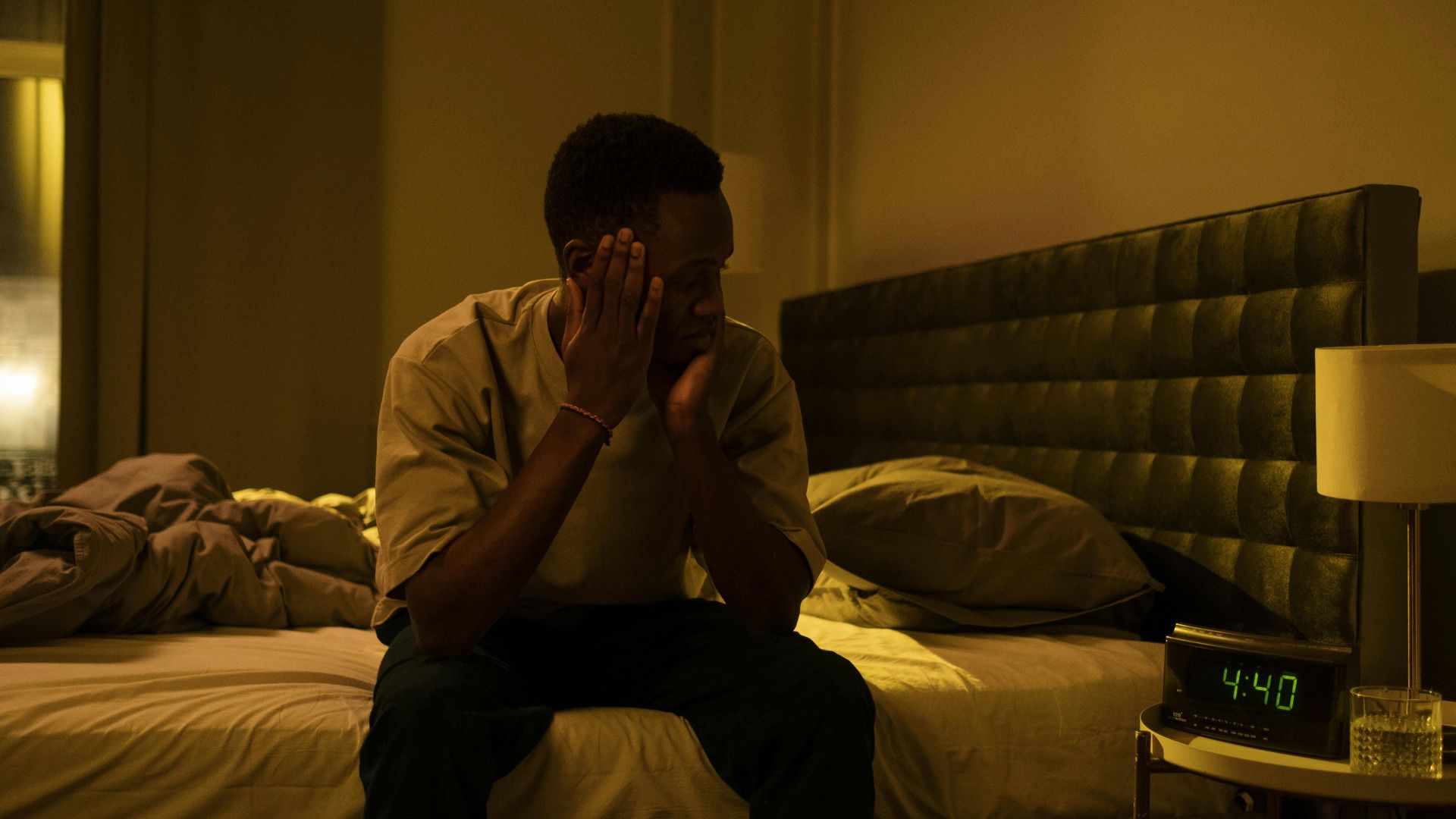
Loneliness and stress often travel together, and sleep is one of the first places that can show wear. If you're not resting well, everything else tends to feel harder, too. The body rarely thrives when nights are restless and days feel emotionally flat.
7. It May Affect Cognitive Health
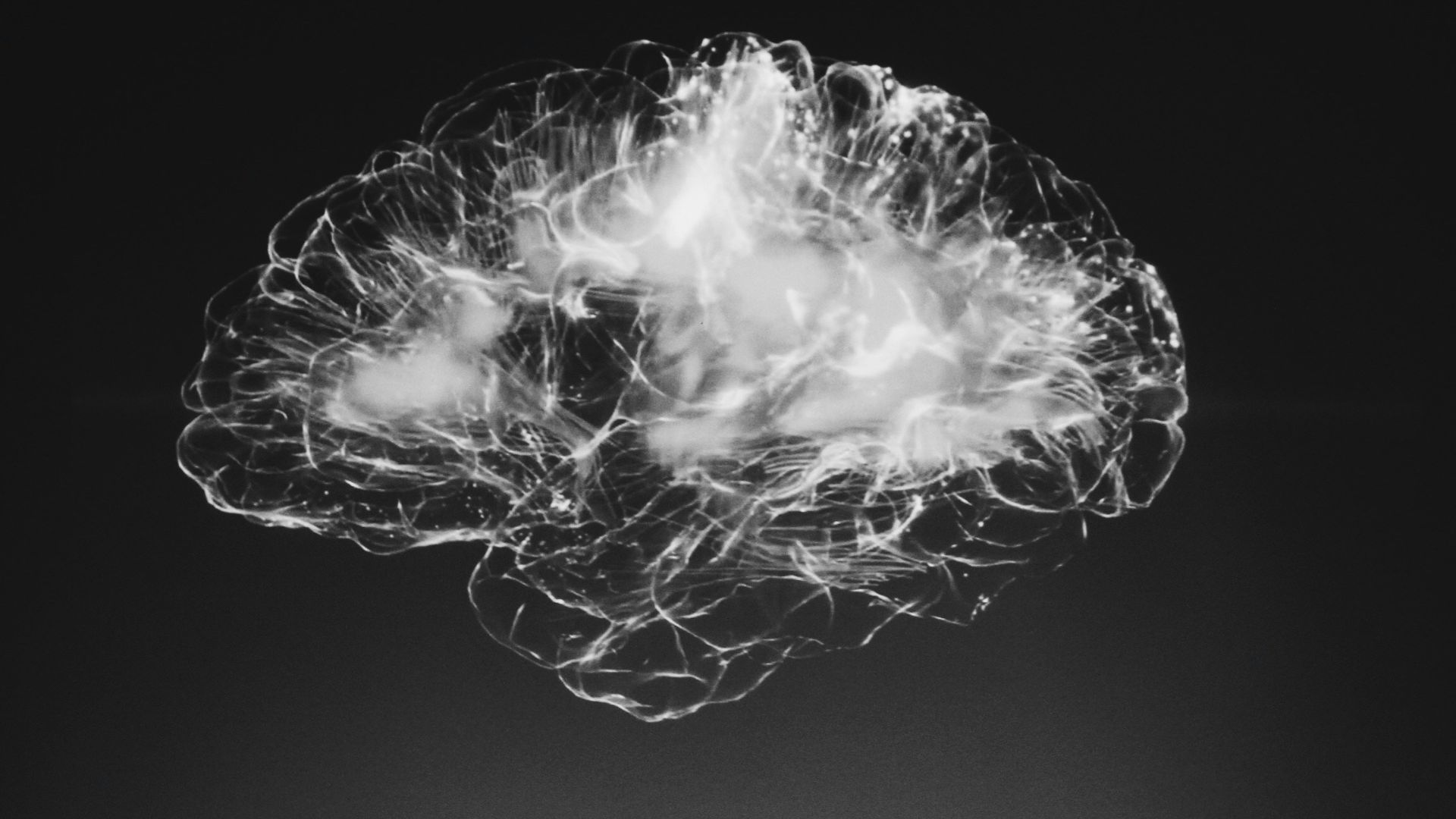
Researchers have warned that loneliness and isolation can affect cognitive health in older adults. That means the impact isn't just emotional or cardiovascular. Your brain can feel the strain, too.
8. It's Been Linked to Cognitive Decline
Cognitive decline is one of the more unsettling effects associated with loneliness in later life. Research has found that loneliness and isolation are linked with higher risk of cognitive decline. That's a strong reminder that connection is part of healthy aging, not a social extra.
9. It May Raise Dementia Risk
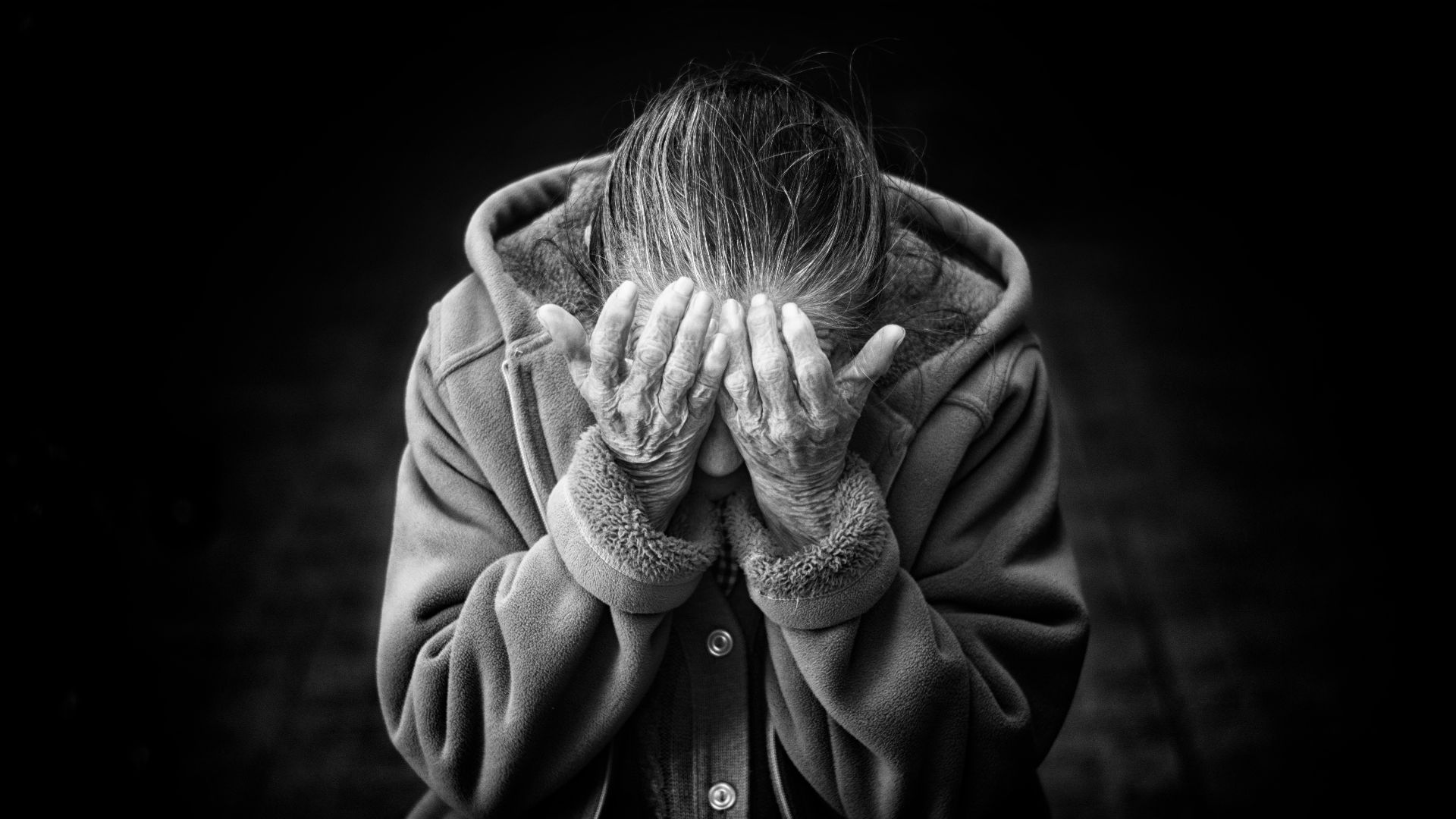
Loneliness has also been linked with a higher risk of dementia in later life, which is one reason it gets taken so seriously in aging research. That doesn't mean feeling lonely automatically leads to dementia, but it does suggest that long-term social disconnection can have real consequences.
10. It Can Weaken Overall Well-Being
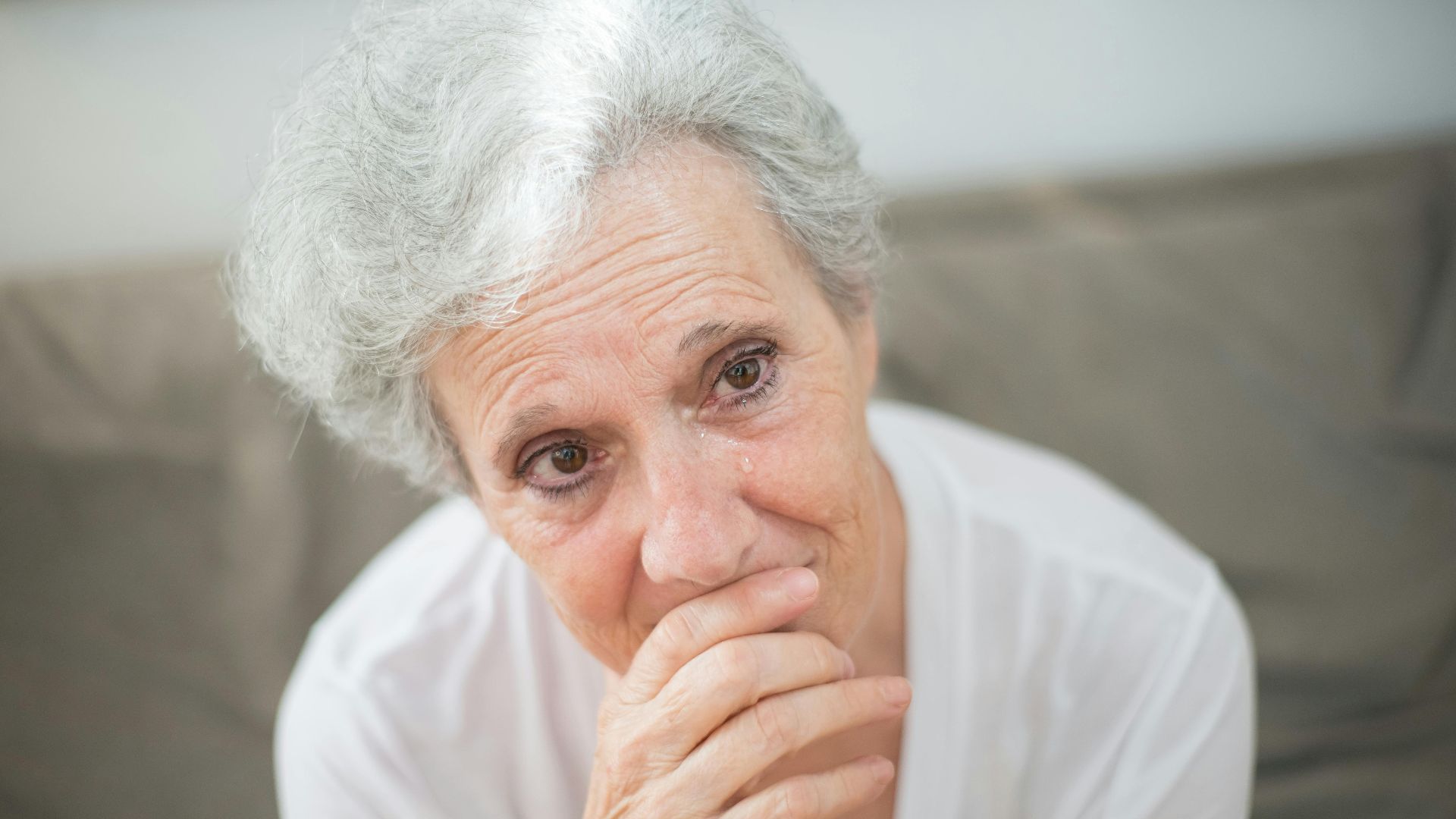
Sometimes the effect is less one diagnosed condition and more a steady decline in how well you feel day to day. When loneliness becomes chronic, it can wear down your sense of energy, resilience, and general health. That slow drain counts too, even if it is harder to measure.
11. It May Make Chronic Illness Harder to Manage
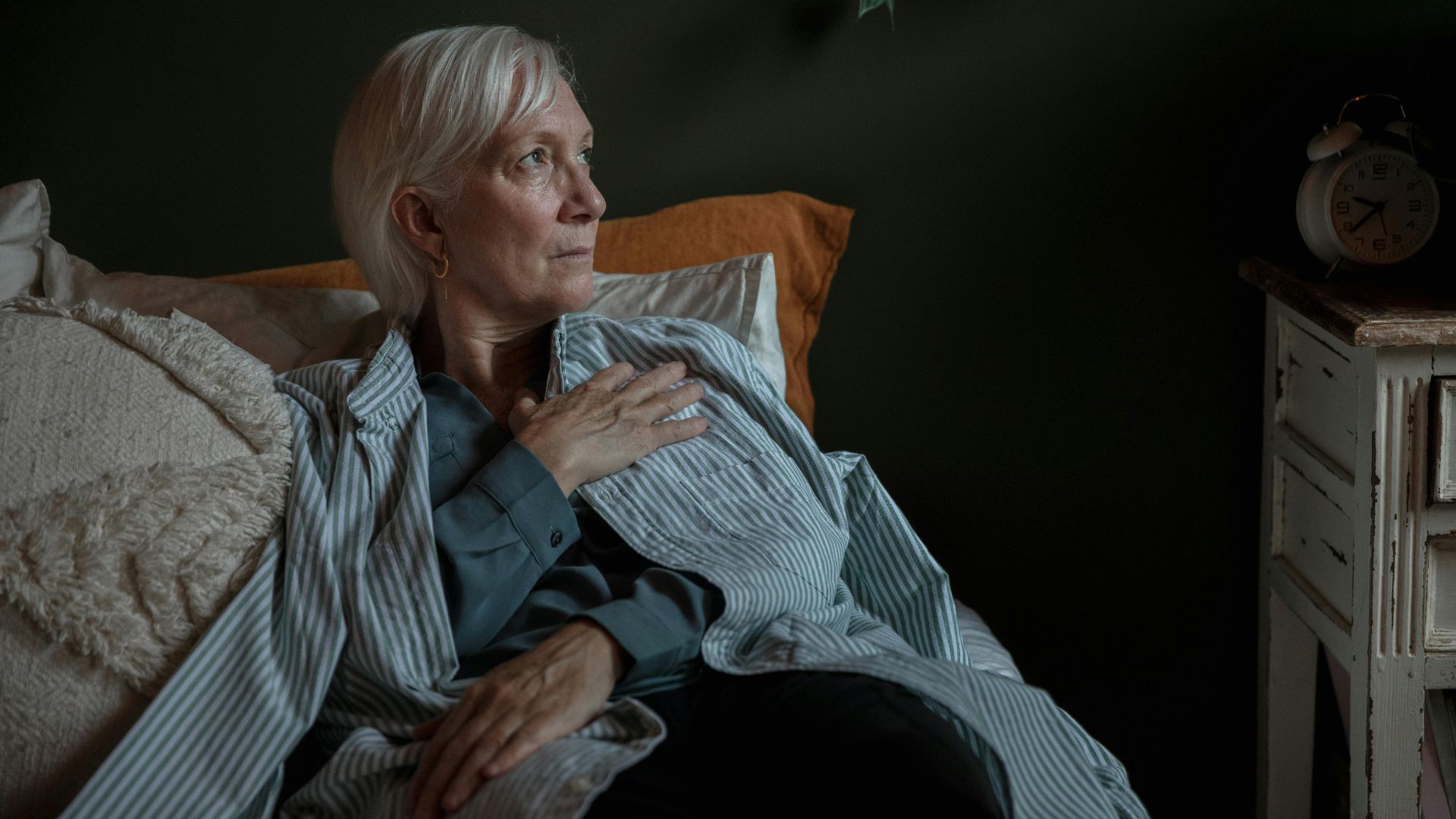
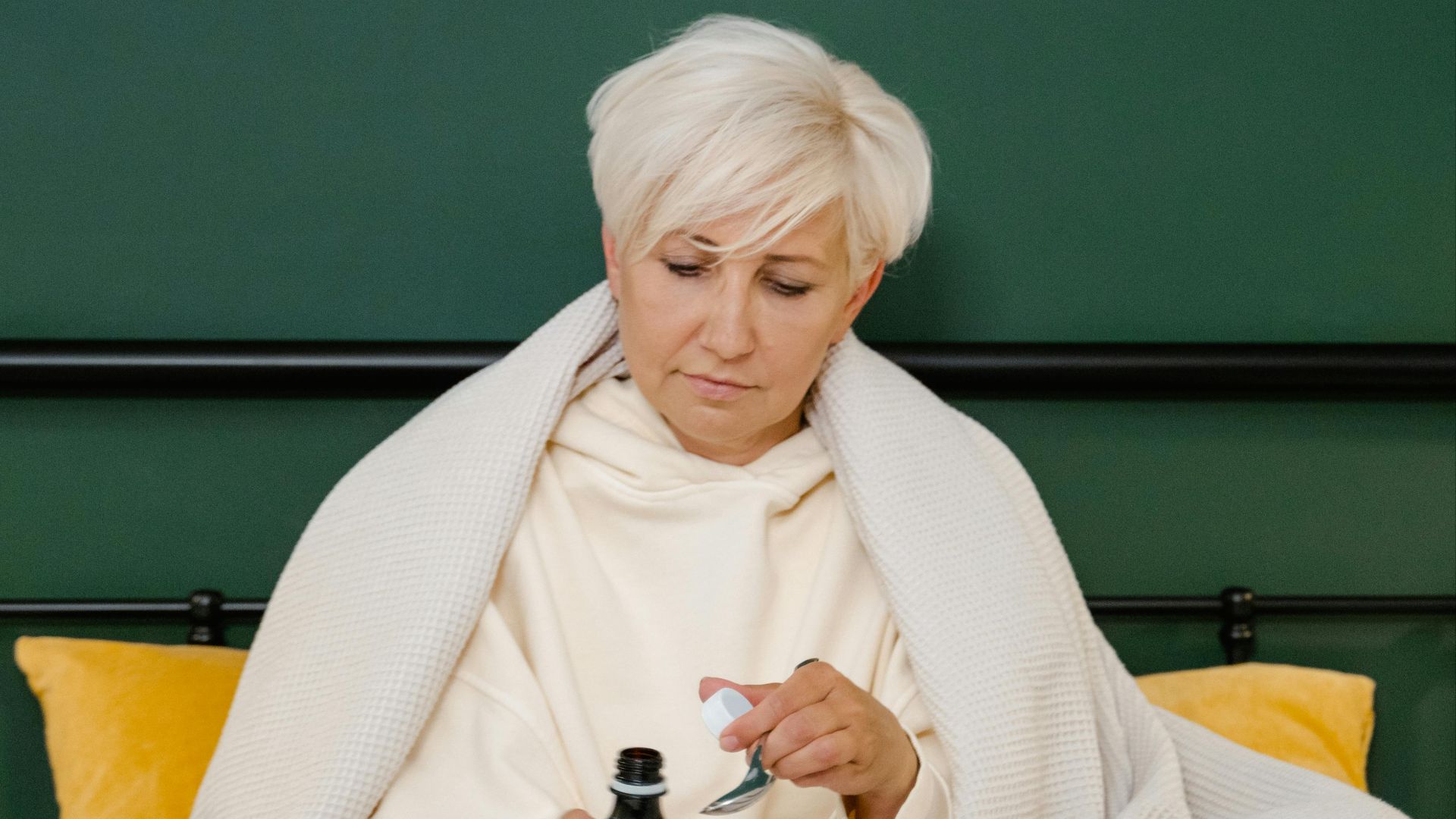
After 50, many people are already juggling medications, appointments, or ongoing conditions. Loneliness can make that harder by increasing stress and reducing the sense of support that helps people stay on top of their health. Feeling alone can make everyday care feel heavier than it already is.
12. It Can Reduce Physical Activity
When you feel isolated, it's often harder to stay engaged in the world. That can mean fewer walks, fewer outings, and less movement overall. A lonelier routine can slowly become a more sedentary one, and your body usually notices.
13. It Can Affect Your Immune Response
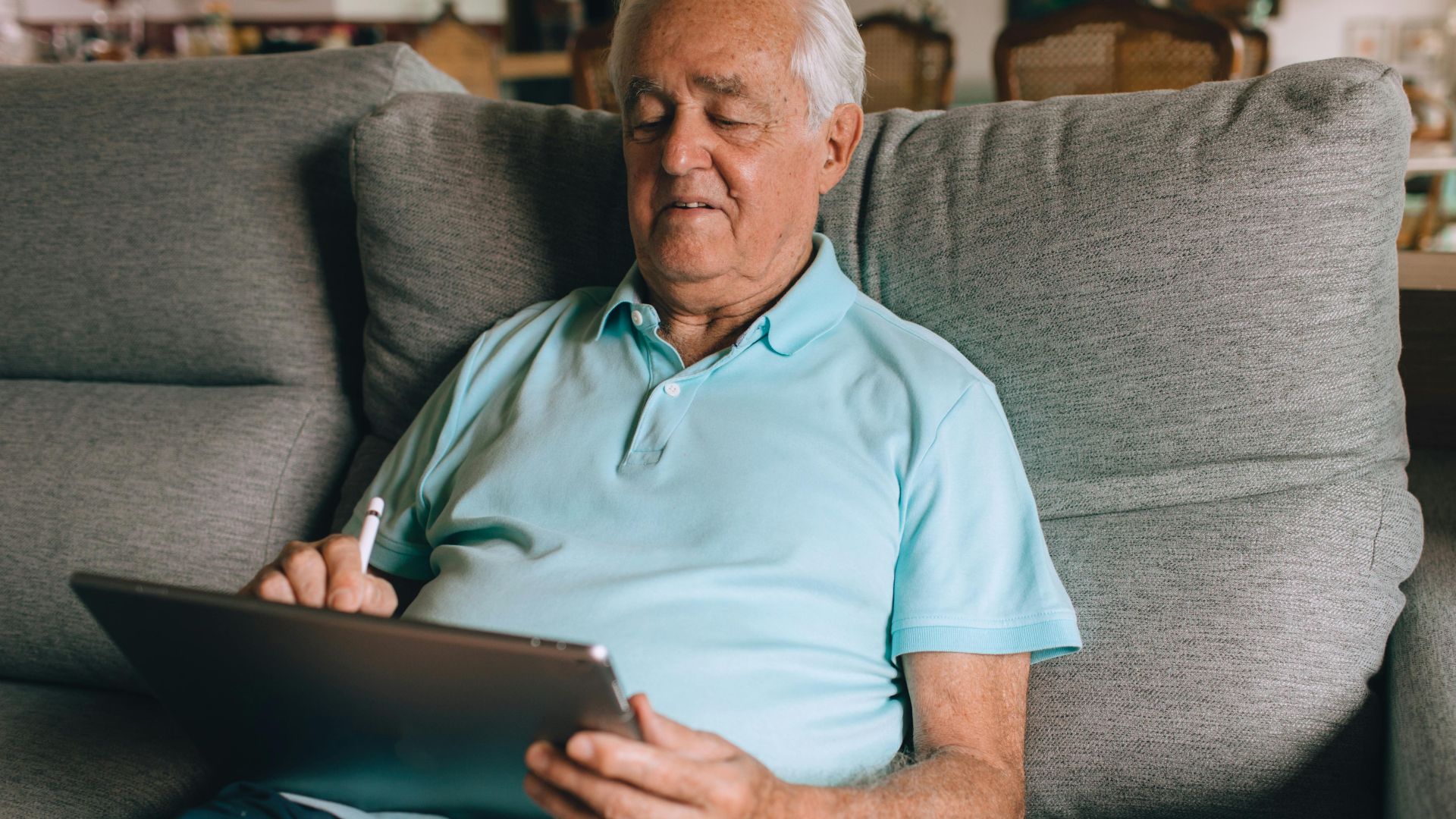
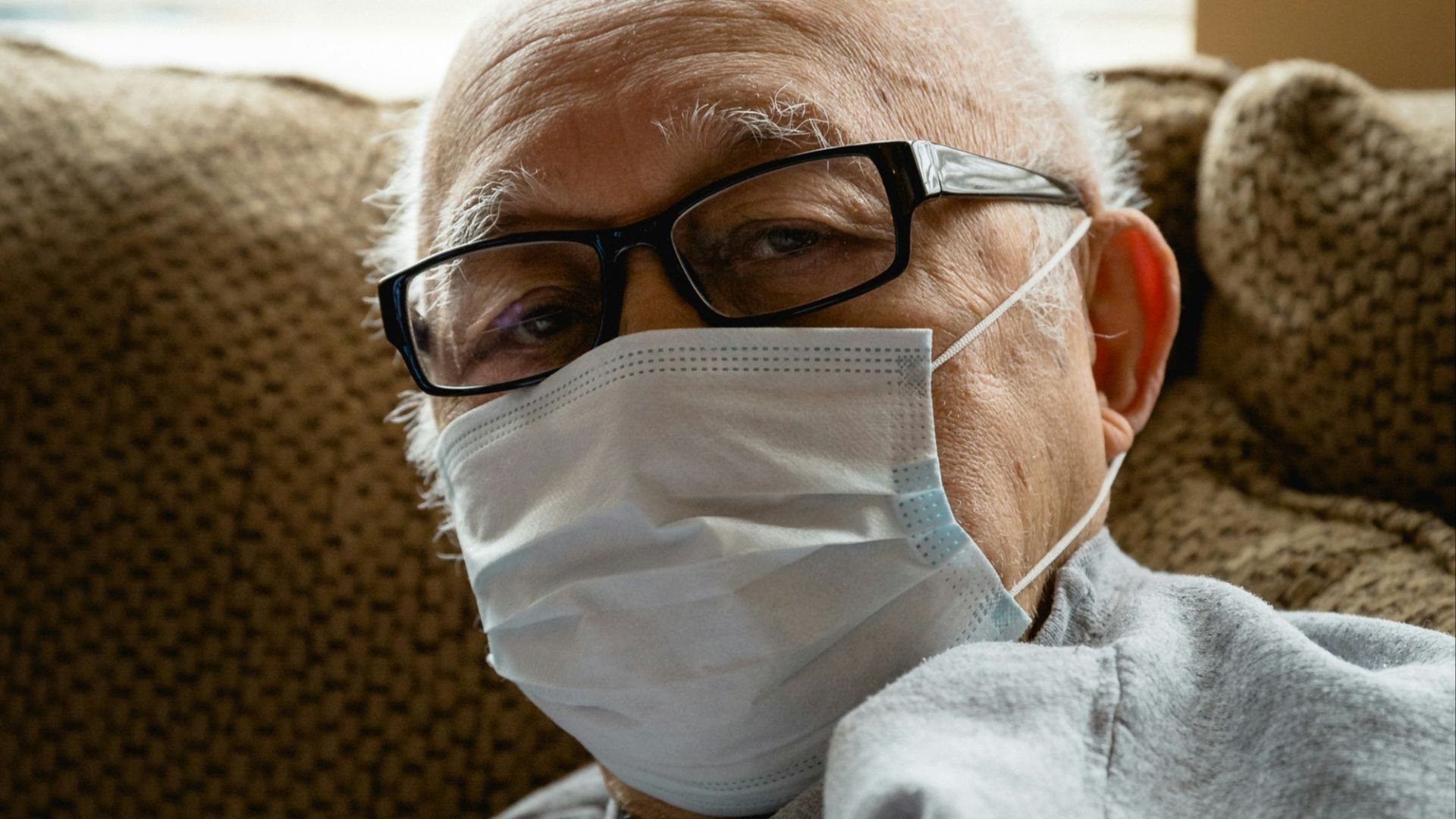
Long-term stress doesn't stay politely in one category. It can influence how the body functions more broadly, including the systems that help you stay well. When loneliness becomes chronic, the physical wear can show up in places you don't immediately connect to social life.
 Michael Williams II on Unsplash
14. It May Increase Inflammation-Related Wear & Tear
Health researchers often talk about chronic stress as something that builds up over time, and loneliness can be part of that picture. Even when you can't point to one dramatic symptom, the body may still be carrying the burden.
15. It Can Make You Feel More Fatigued
Loneliness can be exhausting in a way that's easy to underestimate. Between poorer sleep, more stress, and less emotional support, people often feel more drained than they expect. It is hard to feel physically strong when your mental and social world feels thin.
16. It May Increase Risk of Premature Death
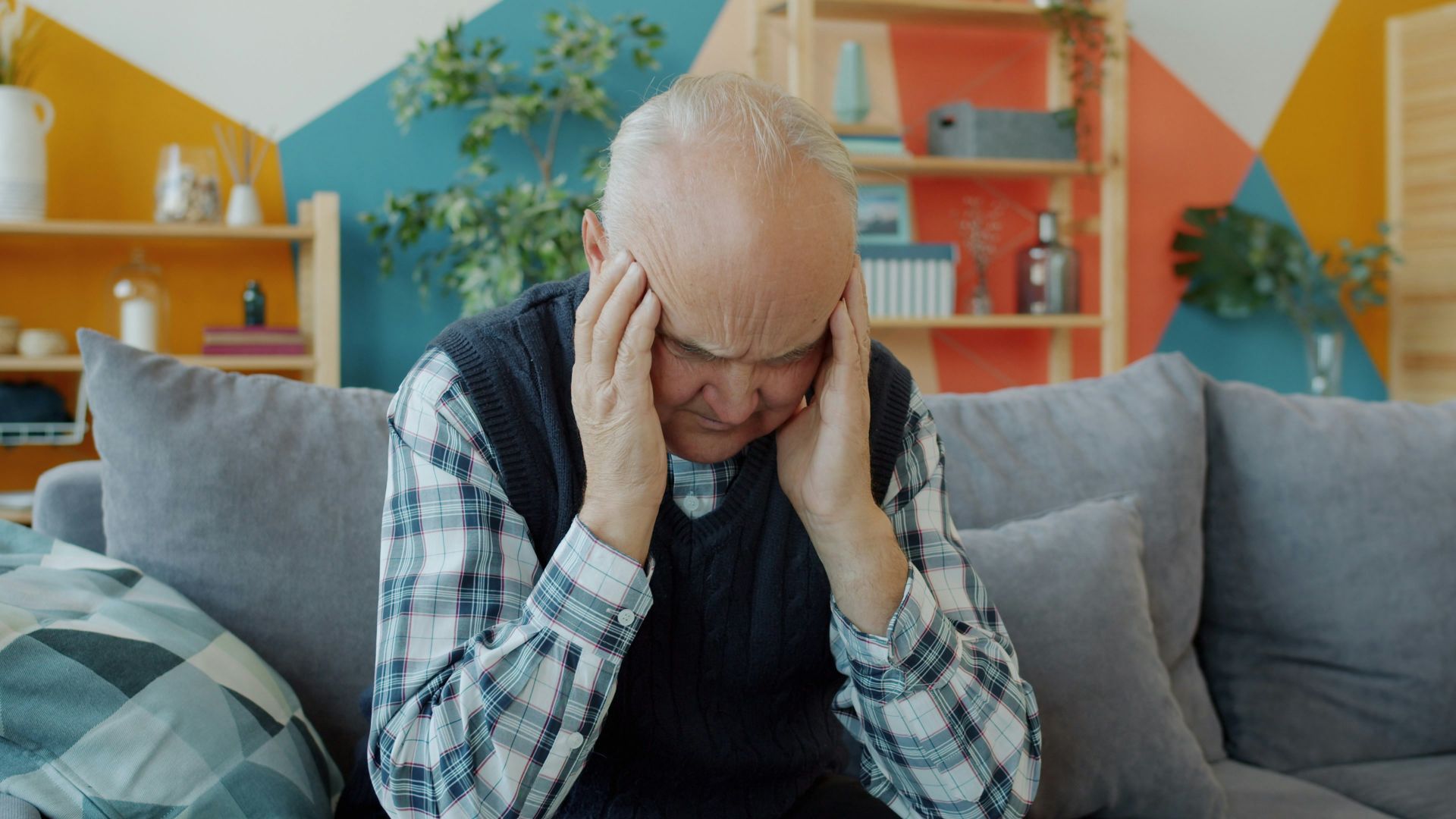
This is one of the starkest findings in the field. Social isolation is linked to a 29 percent higher risk of premature mortality. That is a striking health consequence for something people still sometimes dismiss as just feeling lonely.
17. It Can Make Recovery Harder After Illness
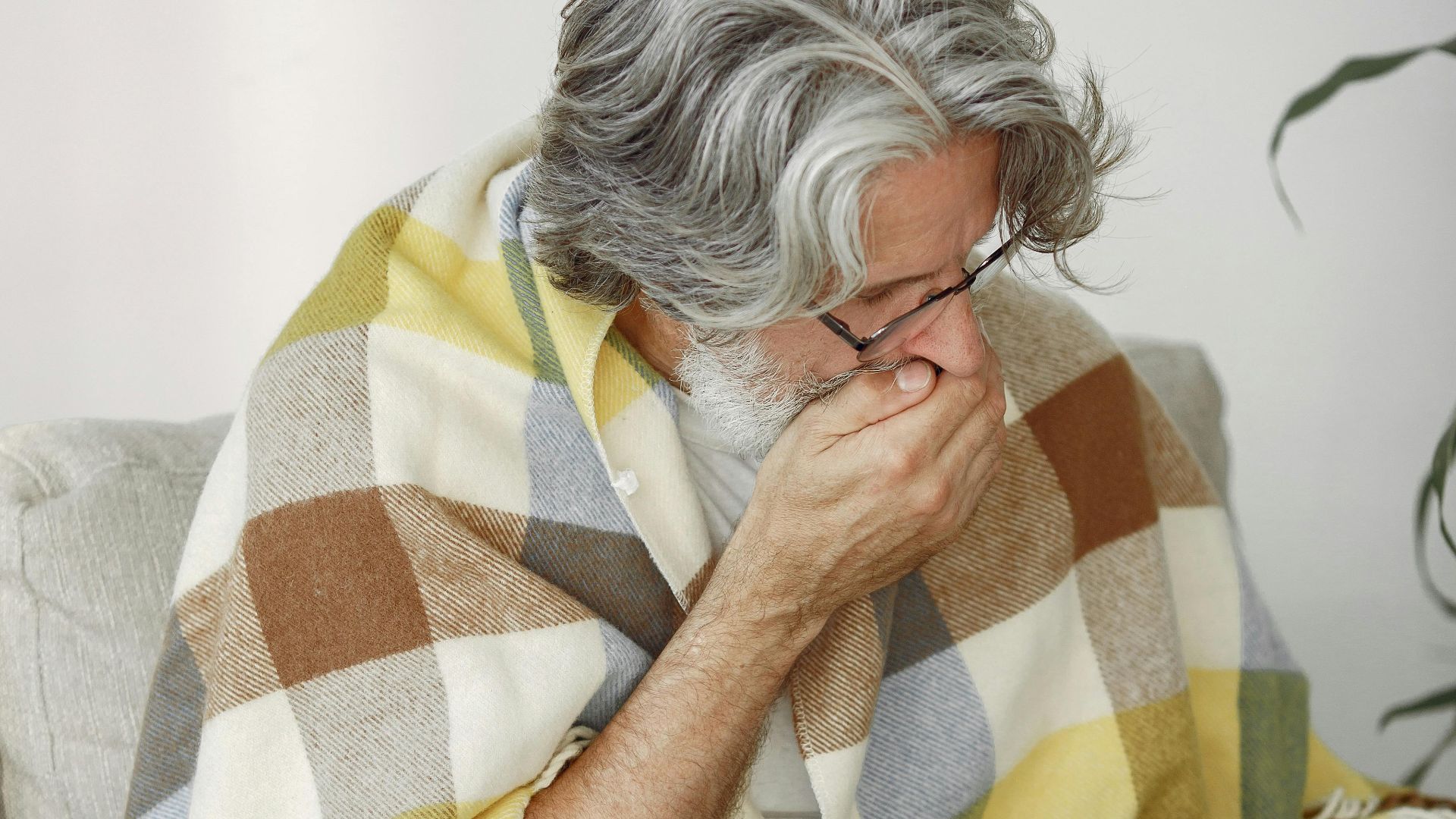
Recovery often goes better when people feel supported and connected. When loneliness is part of the picture, motivation and resilience can take a hit, and everyday health setbacks may feel much harder to bounce back from. Healing isn't only physical, even when the problem starts in the body.
18. It Can Increase Feelings of Frailty
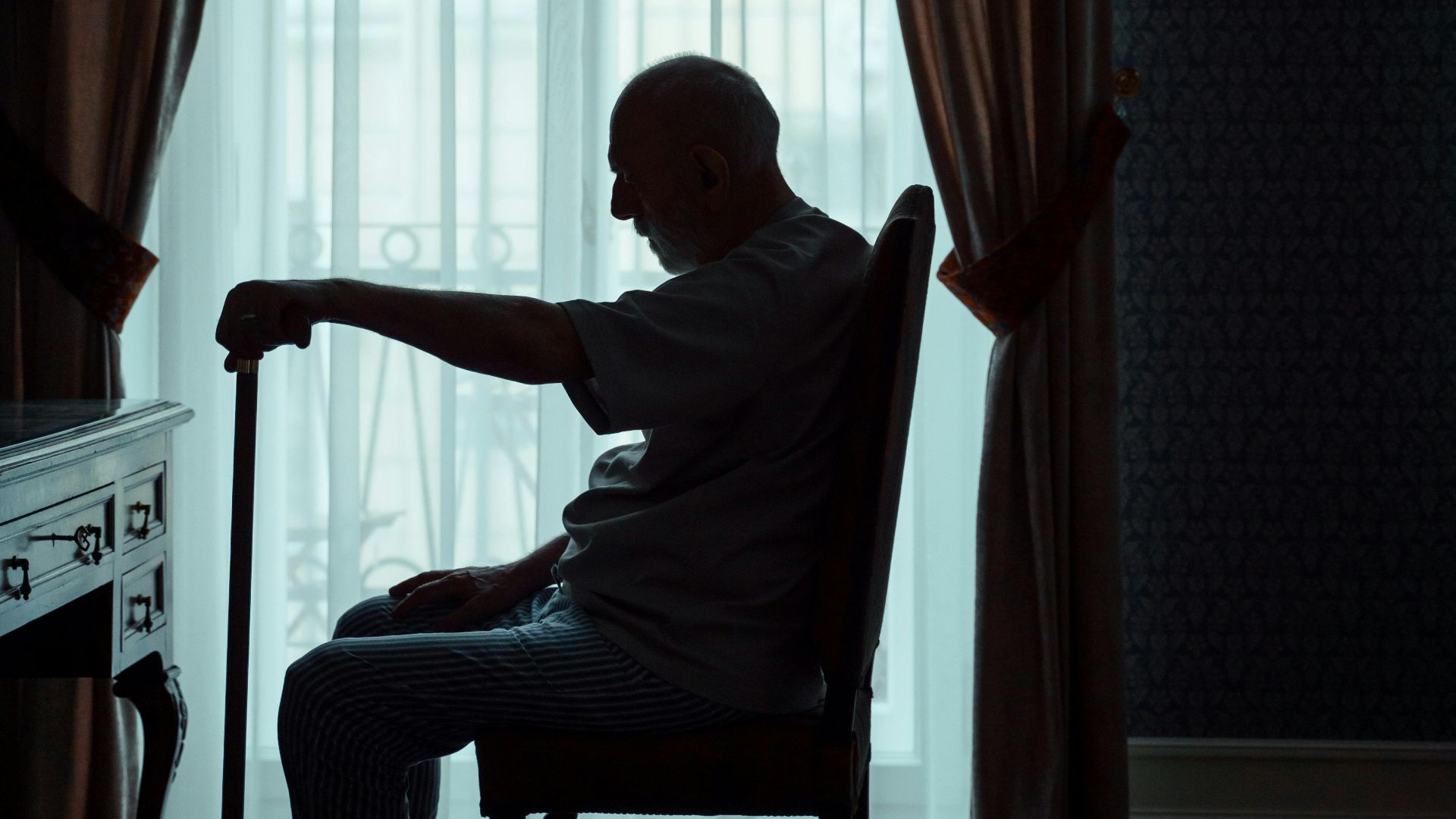
After 50, health and confidence often influence each other more than people realize. Loneliness can chip away at both by making daily life feel smaller, heavier, and less supported. Over time, that can leave people feeling less strong and less steady, even before a major health event happens.
19. It Can Affect Mental & Physical Health at the Same Time
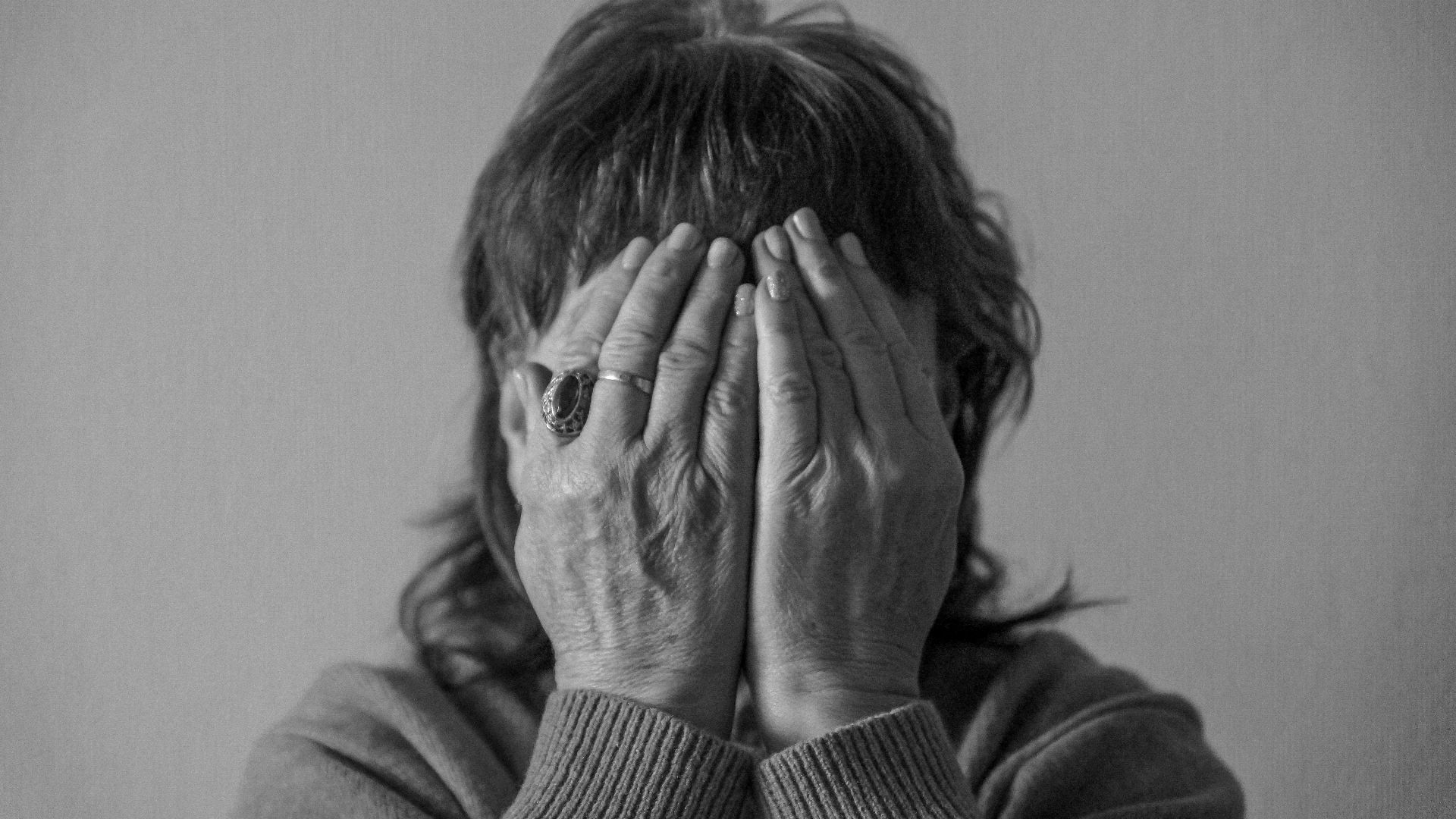
One of the hardest things about loneliness is that it doesn't stay in one lane. It can affect mental health, cognitive health, emotional well-being, and physical health all at once. That overlap is part of what makes it so important to take seriously.
20. It Can Quietly Shrink Your Quality of Life
Even when loneliness doesn't immediately show up as a diagnosis, it can still make life less healthy in a broad everyday sense. It can reduce joy, motivation, activity, and your feeling of being supported or valued, all of which matter more with age. Healthy aging isn't just about avoiding illness—it's also about staying connected enough to feel like your life still has people in it.
KEEP ON READING


20 Natural Ways You Can Boost Your Immune System

20 Ways To De-stress & Relax After Work

The 10 Most Common Diseases & The 10 Most Rare