What's Normal and What's Not
Periods can come with a wide range of symptoms, and they don't always mean something is wrong. At the same time, if you're experiencing new or unusual symptoms, like heavy bleeding, severe cramps, or lightheadedness, it's a sign you should chat with a doctor to ensure there isn't an underlying condition at play. Remember: you know your body best, so don't brush things off if your cycle brings on major changes. Here are 10 uncommon period symptoms you should never ignore, along with 10 that you usually shouldn't need to worry about.

1. Extremely Heavy Bleeding
If you’re changing a pad or tampon every hour or two, that’s not something to dismiss. Heavy bleeding can interfere with daily life and may point to a serious underlying issue that needs immediate medical attention. You should also treat it as an emergency if you experience dizziness or lightheadedness, as it may signal severe blood loss.
2. Periods That Last Longer Than a Week
A period that keeps going past seven days can be a sign that something isn’t functioning as it should. Sometimes it happens once and settles down, but when prolonged bleeding becomes a pattern, it may be linked to hormonal changes, fibroids, polyps, or other concerns. It's worth chatting to your doctor if your cycle frequently lasts longer than a week.
3. Severe Pain That Affects Normal Function
Cramping is common, but pain that leaves you stuck in bed or forces you to miss work, school, or normal activities deserves attention. Severe menstrual pain can sometimes be tied to conditions like endometriosis or fibroids rather than standard period discomfort. If your cycle is disrupting your ability to function, that’s a sign not to ignore it.

4. Bleeding Between Periods
Spotting can happen for different reasons, but bleeding between periods shouldn’t be ignored if it keeps happening or seems unexplained. It may be connected to hormone fluctuations, polyps, fibroids, infection, or other medical issues. Even if it seems light, the fact that it’s happening outside your regular cycle is enough to keep a close eye on it and get it checked out.
5. Feeling Dizzy, Weak, or Faint During Your Period
If your period leaves you dizzy, shaky, weak, or like you might pass out, that can be a sign that the bleeding is too heavy or that your body is struggling with too much blood loss. Those symptoms go beyond ordinary discomfort and may point to anemia or another issue that needs medical attention.
6. Very Large Blood Clots
Small clots can be a normal part of a heavier flow, but very large clots are more concerning. When clots are frequent, unusually big, or paired with heavy bleeding and severe pain, they can signal that something else is going on that warrants a thorough look by a doctor. Never assume new or intense symptoms are harmless.
7. Cycles That Suddenly Become Much More Irregular
A little variation in cycle length is normal, but a sudden shift from predictable periods to ones that are all over the place can be a big red flag. If your periods start coming much closer together, much farther apart, or disappear for long stretches, it may point to a hormonal or reproductive health issue. A major change in your usual pattern often matters more than one odd month.
8. Period Pain That Keeps Getting Worse Over Time
Cramps are normal, but that’s different from pain that progressively becomes worse and worse, especially over the years. If your period seems harder to manage with each passing cycle, it may suggest an underlying condition that needs to be examined by a health professional.

9. Period Symptoms That Disrupt Your Life Every Month
Even symptoms that are regarded as common shouldn’t be accepted as normal if they disrupt your daily life. Heavy bleeding, pain, or intense premenstrual symptoms that make you miss plans, work, or responsibilities are worth discussing with a doctor. Any time you experience anything new or unusual, that's something you shouldn't ignore.

10. Severe Mood Changes Tied to Your Cycle
It’s common to feel more emotional before your period, but extreme mood swings are different. If your cycle brings intense depression, rage, anxiety, or emotional distress that affects relationships or daily functioning, that may go beyond standard PMS, and you should book an appointment to chat with your doctor.
While you should never ignore these period symptoms, you should know that your cycle can temporarily change and affect your body in many ways, and not all of them are warning signs. If you experience any of the next 10 symptoms, rest assured: they're usually completely normal.

1. Mild to Moderate Cramping
Annoying and painful as it is, mild to moderate cramping is extremely common during periods because the uterus contracts to shed its lining. For many people, that discomfort can be very unpleasant, but it should still be manageable and shouldn't point to anything serious. The difference usually comes down to whether the pain stays tolerable or starts interfering with normal life, at which point, you may want to chat with your doctor.
2. Bloating Before or During Your Period
Bloating is one of the most familiar (and, for many, most annoying) period symptoms, and hormone shifts are often behind it. It may show up in the days before your period starts and then ease once your cycle moves along. If you find that your clothes don't fit like they usually do during your period week, don't worry; your body will often go back to normal afterwards.
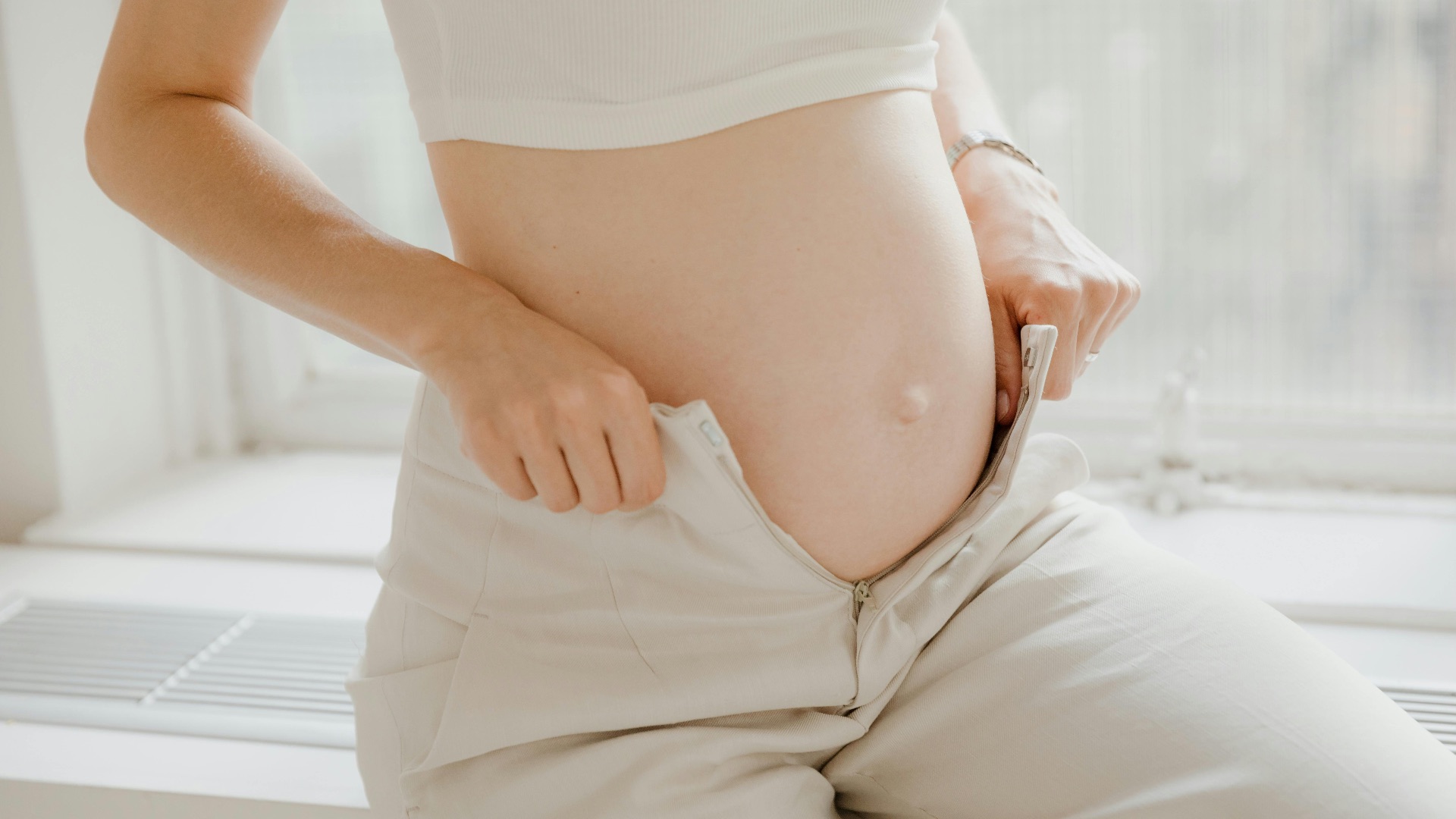
3. Tender or Swollen Chest
Breast tenderness before or during your period is very common and usually comes down to normal hormonal fluctuations. You might notice soreness, swelling, or extra sensitivity that fades once your cycle begins or ends. If it follows a familiar monthly pattern, it’s generally not something to panic over.
4. Moodiness or Irritability
Feeling more emotional, impatient, or short-tempered before your period is something many people deal with. You might feel bad about your irritability after your cycle ends, but it's nothing to be worried about. That said, if you're always lashing out at people...

5. Fatigue Around the Start of Your Period
It’s not unusual to feel more tired than usual right before or during your period. Hormonal changes, cramping, disrupted sleep, and general discomfort can all leave you low on energy for a few days. As long as it’s mild and not paired with heavy bleeding or faintness, it’s usually not a major concern.

6. Food Cravings or Appetite Changes
Wanting more sugar, salt, carbs, or just more food in general before your period is incredibly common. After all, hormonal changes can affect both appetite and the kinds of foods you’re drawn to during that part of your cycle. If you frequently experience mood swings during your period, you may be more prone to emotional eating as well.

7. Headaches That Follow Your Usual PMS Pattern
Some people get headaches around the same point in their cycle every month, and that can be part of normal hormonal changes. If the headaches are mild, familiar, and predictable, they’re often just part of your premenstrual routine. It becomes more concerning when they’re sudden, severe, or noticeably different from what you usually experience.
8. Blood Clots on Heavier Days
Seeing blood clots during a heavier day of bleeding can look scary, but it’s often completely normal. Menstrual blood can clot when the flow is heavier and leaves the body more quickly. It’s usually the very large clots, or clots that come with excessive bleeding, that are more concerning.

9. Acne Flares Around Your Cycle
Breakouts that show up before your period are a common result of hormonal changes. For many people, the timing becomes pretty predictable, and you may notice clusters around your chin or mouth area. It usually isn’t a sign that anything is wrong, so rest assured.

10. Slight Cycle Variation from Month to Month
Not every cycle arrives on exactly the same day each month, and a little variation is usually normal. A period that comes slightly earlier or later than expected doesn’t automatically mean something is off. What matters more is a major shift in your overall pattern, not a small amount of drift. If your cycle is often unpredictable and doesn't follow a set pattern, you may want to talk to your doctor.