Simple Ways to Manage Portions Without Overthinking It
Portion control doesn’t have to feel restrictive or complicated, because with the right habits and tools, it can become a natural part of how you eat rather than something you constantly monitor. By making small adjustments to how food is served, measured, and consumed, you can create a more balanced approach that supports consistency without feeling overly strict. Here are 20 portion control tips and tools that make dieting effortless.

1. Use Smaller Plates and Bowls
Switching to smaller dishware naturally limits how much food you serve yourself. This visual adjustment helps portions look satisfying even when they’re reduced. Over time, it can retrain your perception of what a normal portion looks like. It also reduces the likelihood of unintentionally overfilling your plate.
2. Measure Portions Occasionally
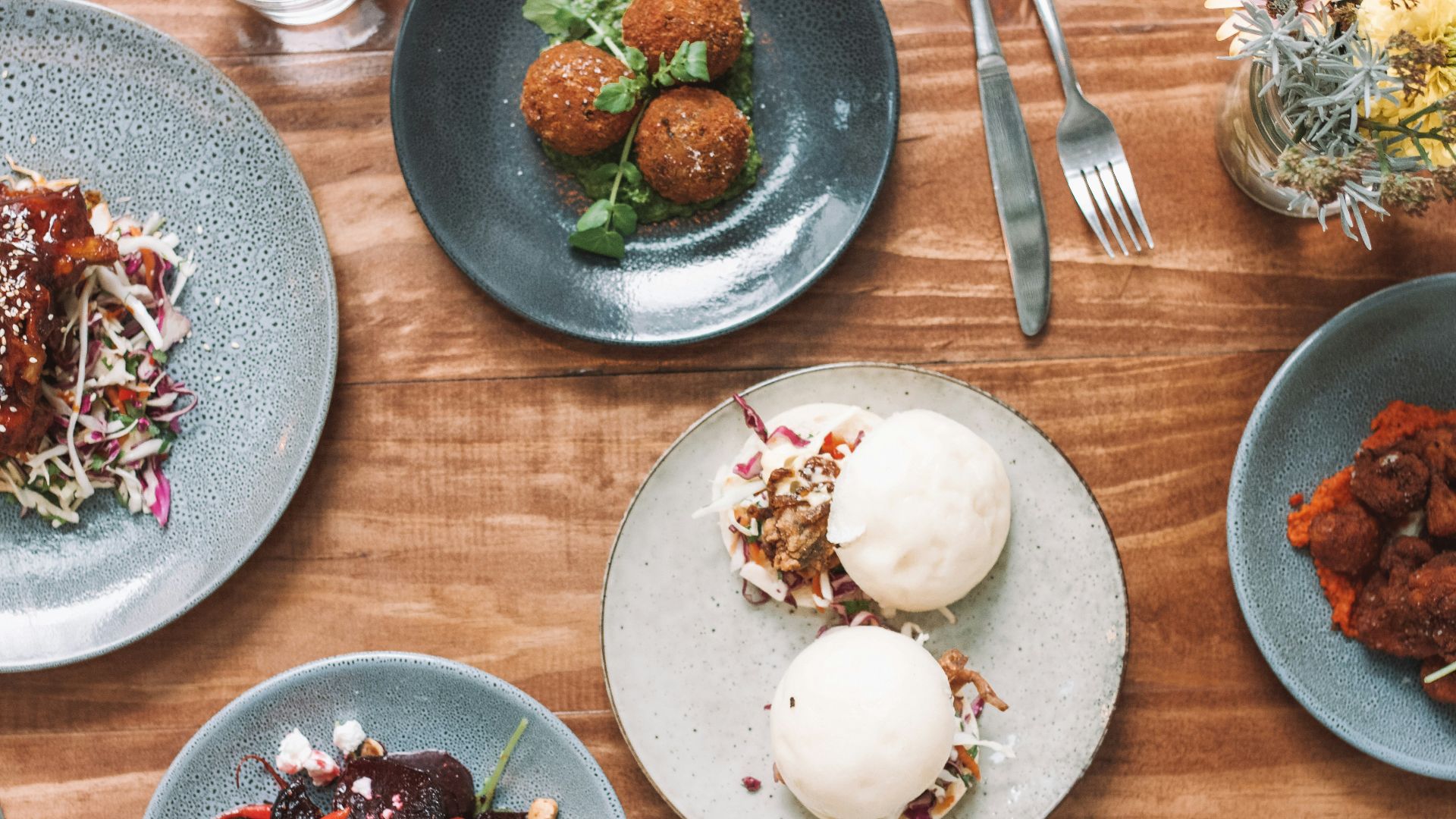
Using measuring cups or a kitchen scale from time to time helps you understand proper serving sizes. You don’t need to measure everything forever, but it builds awareness. Once you’re familiar, estimating becomes much easier. This habit creates a more accurate baseline for everyday eating.
3. Pre-Portion Snacks in Advance
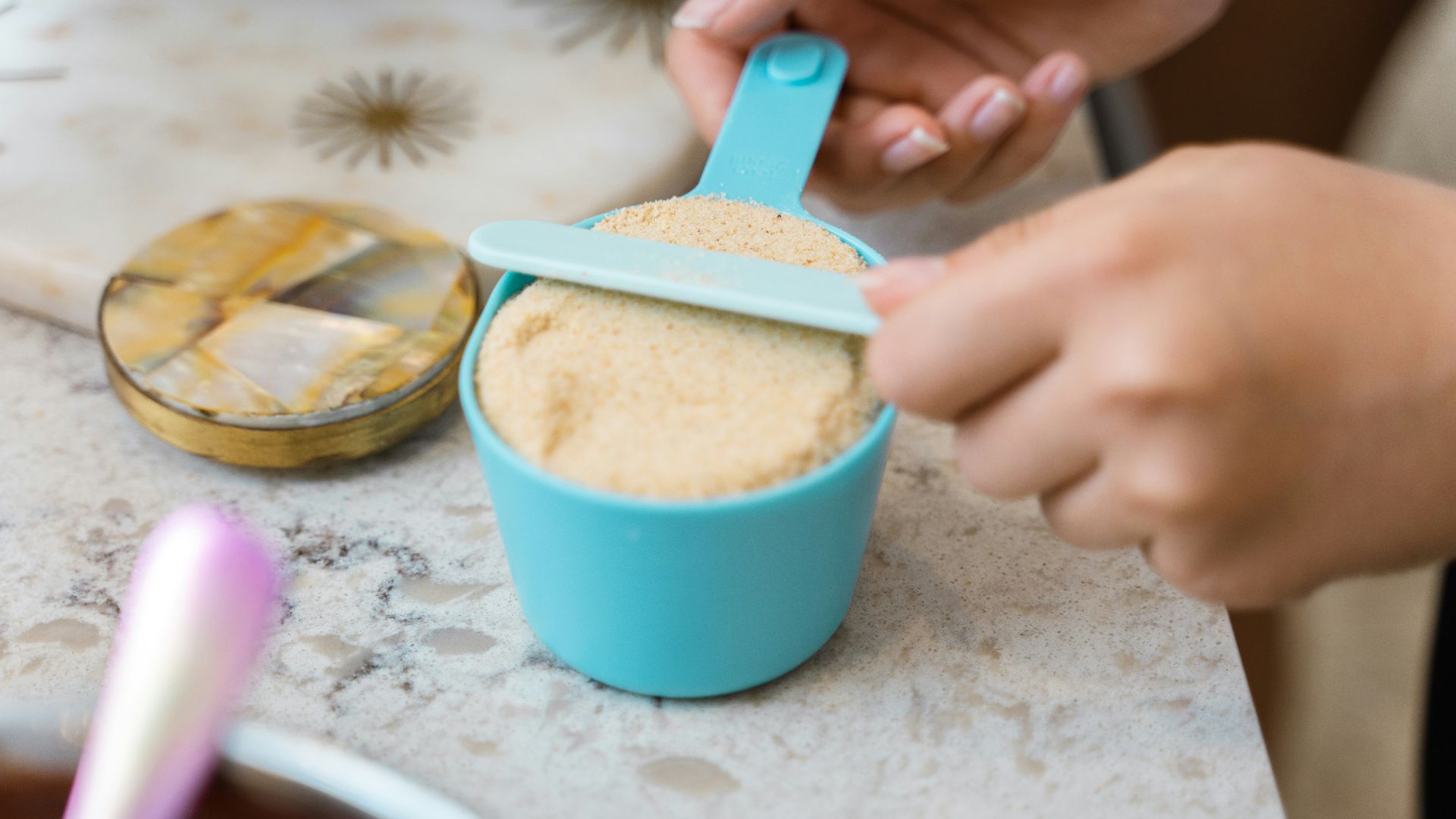
Instead of eating directly from large packages, divide snacks into smaller portions ahead of time. This reduces the chance of mindless overeating. It also makes it easier to grab a controlled amount when you’re hungry. Having ready-to-go portions supports better consistency.
4. Avoid Eating Straight From the Package
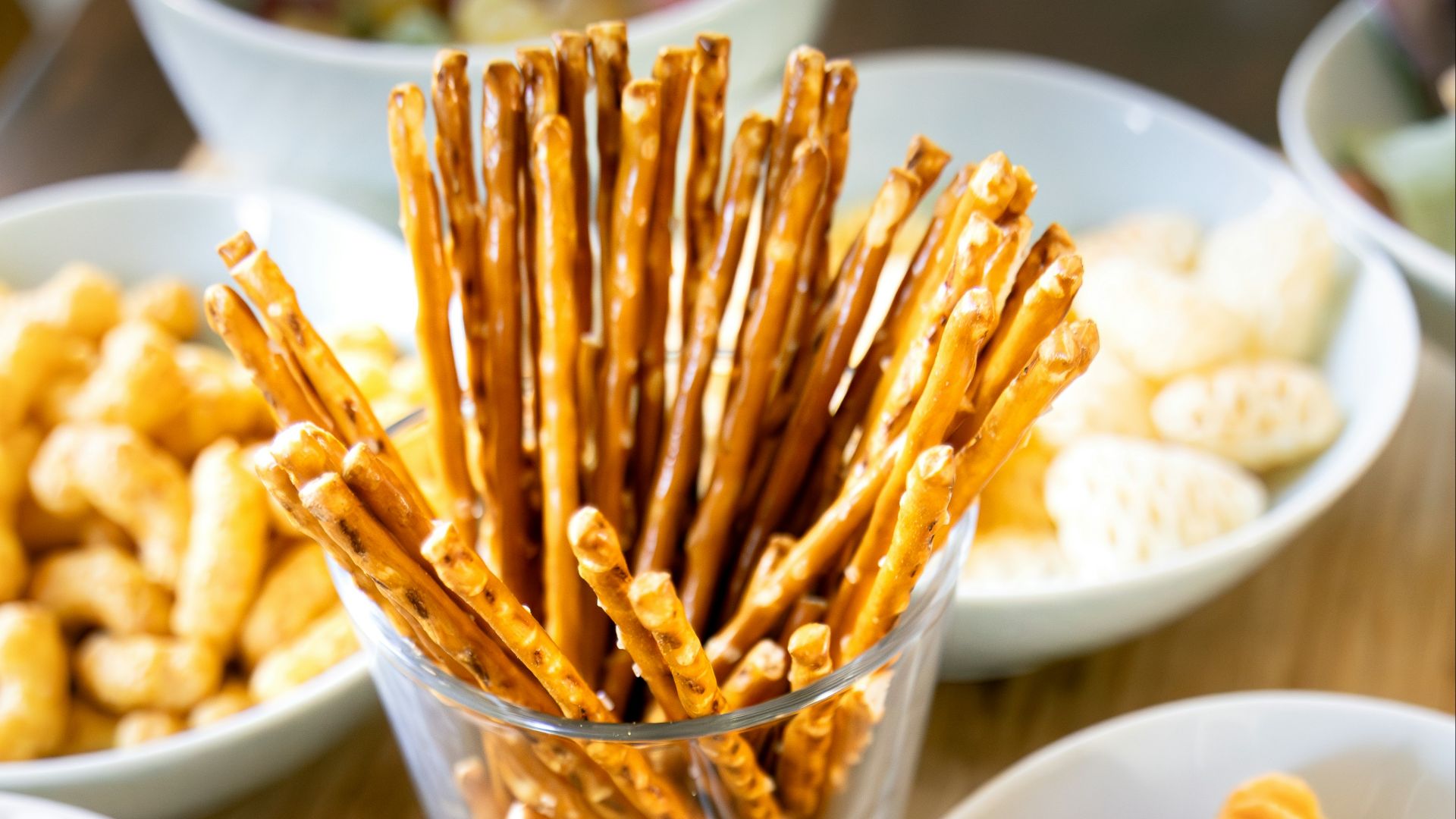
Eating directly from a bag or container makes it harder to track how much you’ve consumed. Serving food onto a plate creates a clear stopping point. This simple habit adds structure without extra effort. It also encourages more mindful eating overall.

5. Fill Half Your Plate With Vegetables
Using vegetables to take up a large portion of your plate helps manage overall calorie intake. They’re typically lower in energy density while still being filling. This approach supports balance without strict counting. It also adds volume to meals without excess calories.
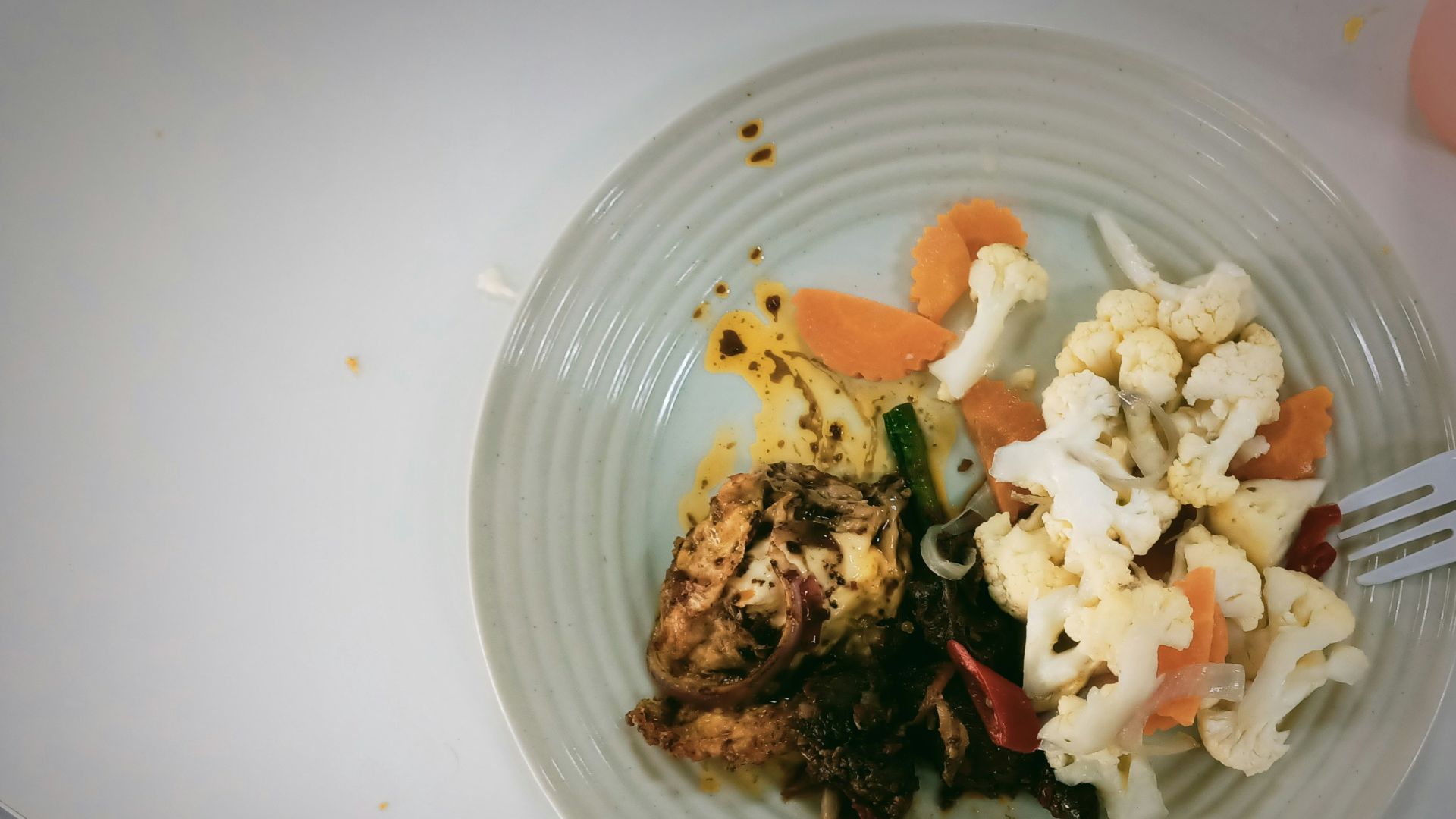
6. Use Your Hand as a Guide
Your hand can serve as a quick reference for portion sizes, such as a palm for protein or a cupped hand for carbs. This method is practical when measuring tools aren’t available. It’s an easy way to stay consistent in different settings. Since your hand size is personal, it naturally scales portions to you.
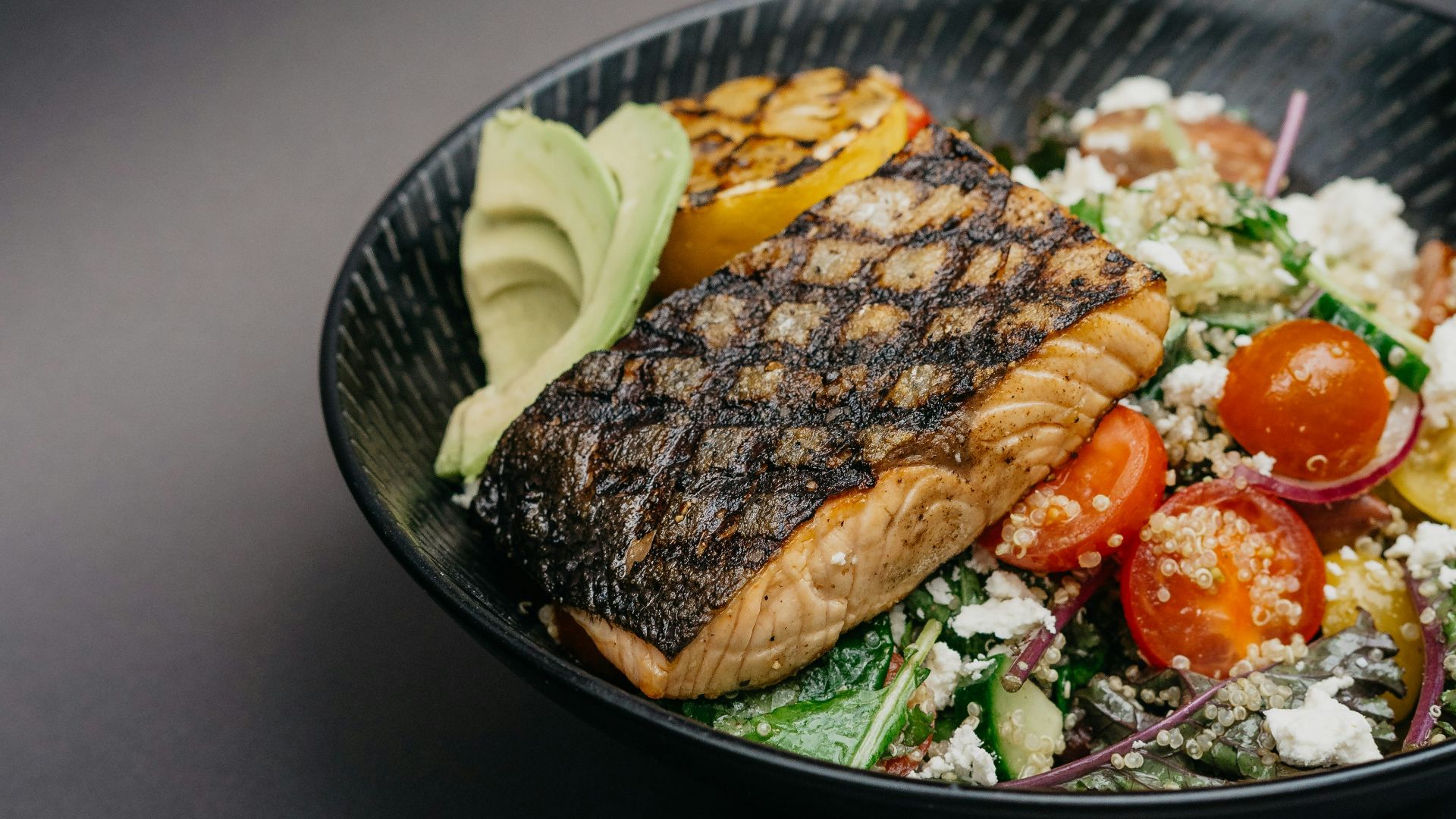
7. Eat Slowly and Pause Mid-Meal
Slowing down gives your body time to signal fullness, which can prevent overeating. Taking a brief pause halfway through a meal helps you assess whether you’re still hungry. This habit supports more mindful eating and also makes meals feel more satisfying overall.
8. Store Leftovers Immediately
After serving your meal, putting away extra food reduces the temptation to go back for seconds. It creates a clear boundary between your portion and what’s left. This small step can make a noticeable difference and also keep food fresh for later meals.
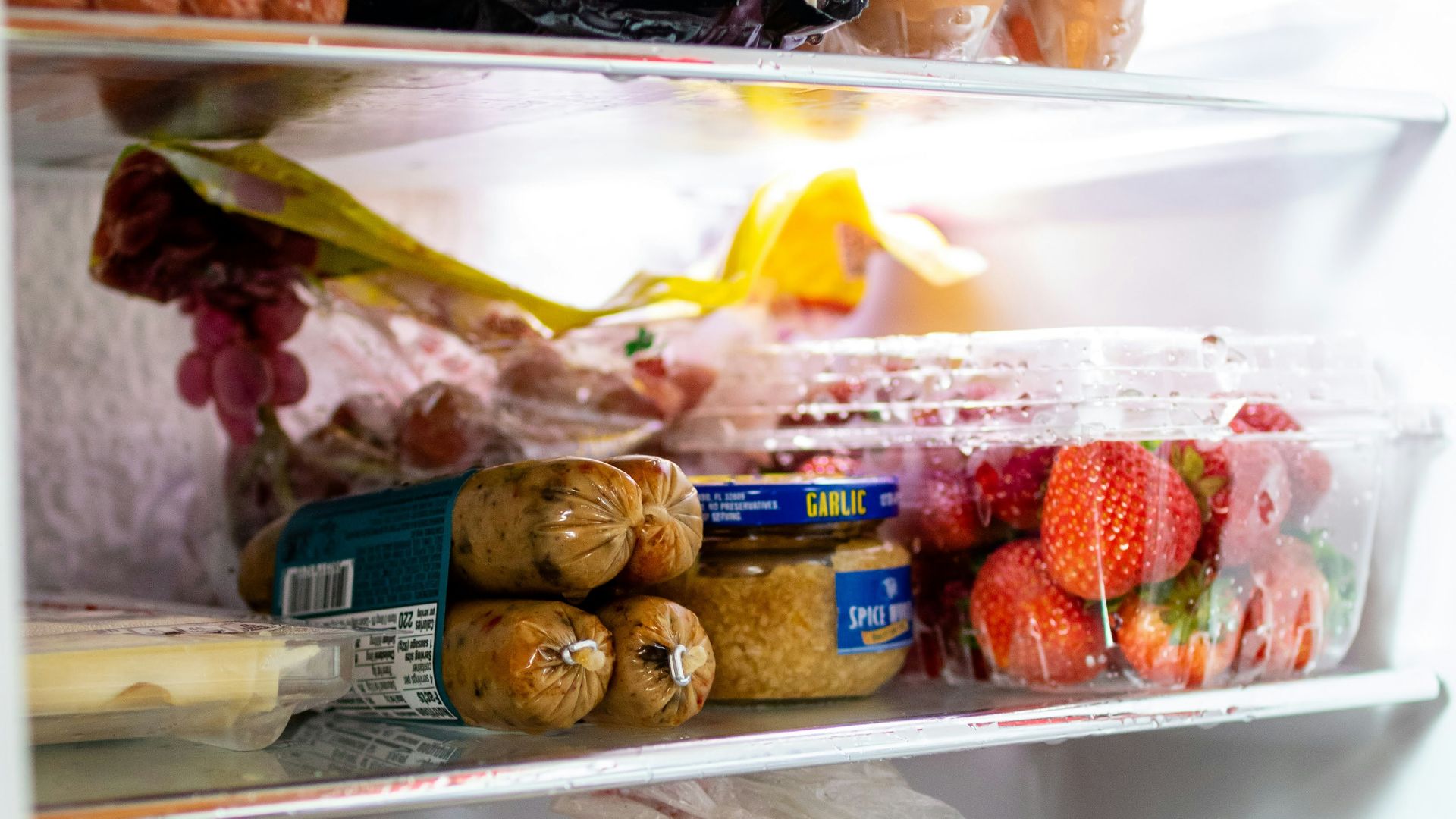
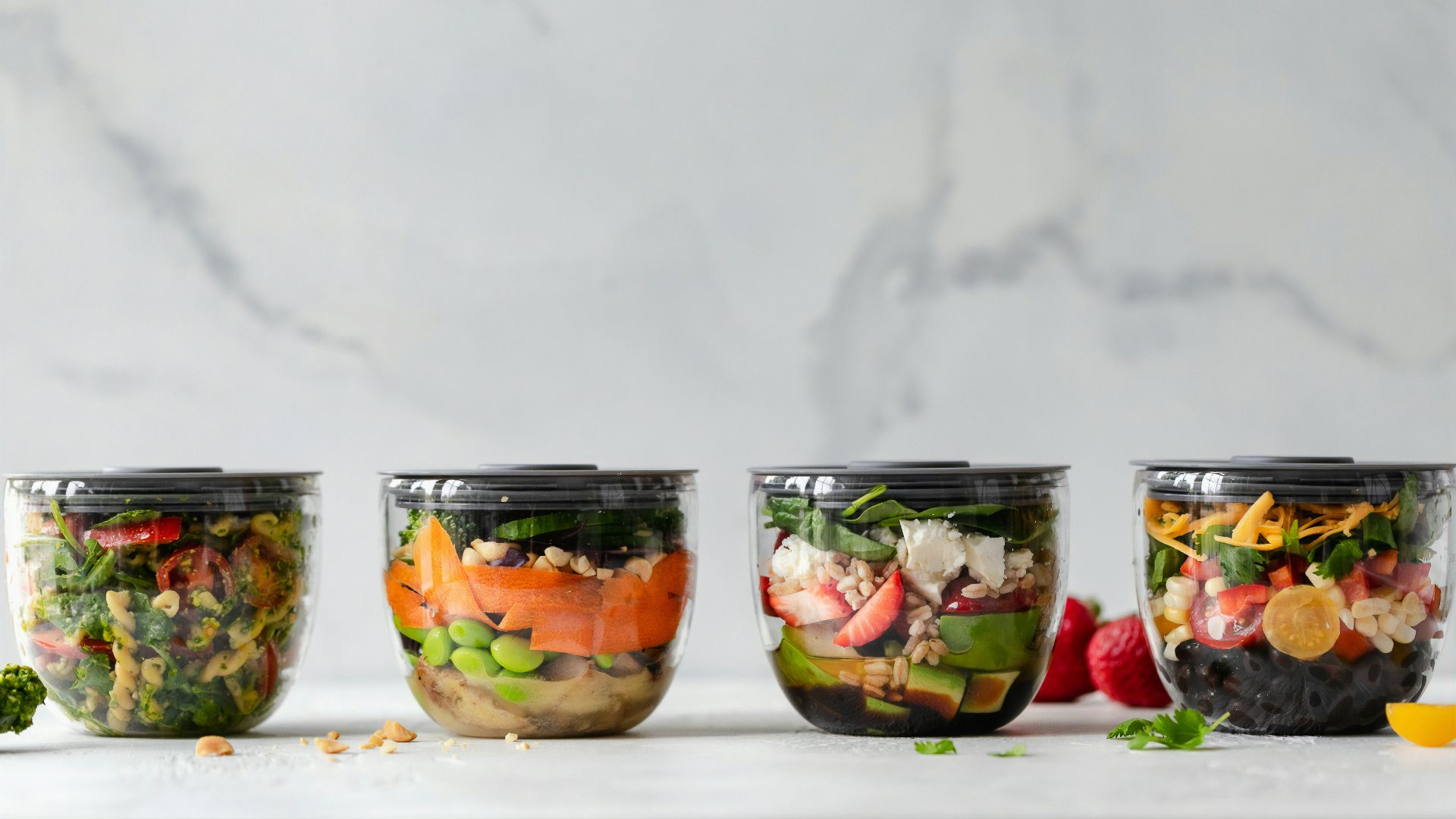
9. Use Portion-Control Containers
Specially designed containers with labeled sections help guide balanced serving sizes. They remove guesswork and provide a visual structure for meals. This can be especially helpful when preparing food in advance. They also make meal prep more organized and efficient.
10. Limit Distractions While Eating
Eating while watching screens or multitasking can lead to unintentional overeating. Focusing on your meal helps you stay aware of portion size and fullness. This awareness often leads to better control naturally and improves your overall eating experience.

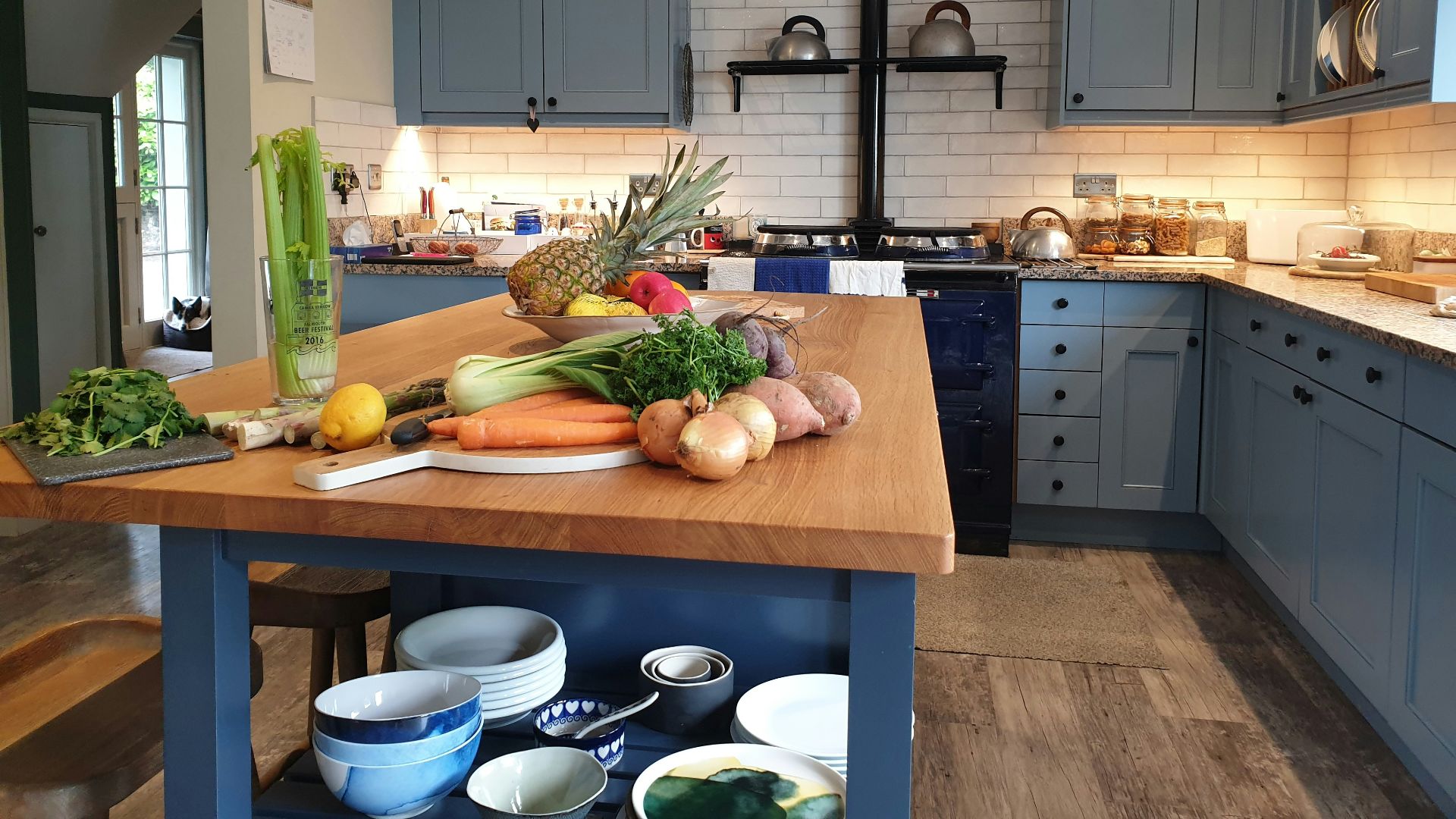
11. Serve Food in the Kitchen, Not at the Table
Plating your meal in the kitchen instead of placing serving dishes on the table reduces the likelihood of second helpings. It creates a physical barrier to overeating. This approach makes portions more intentional.
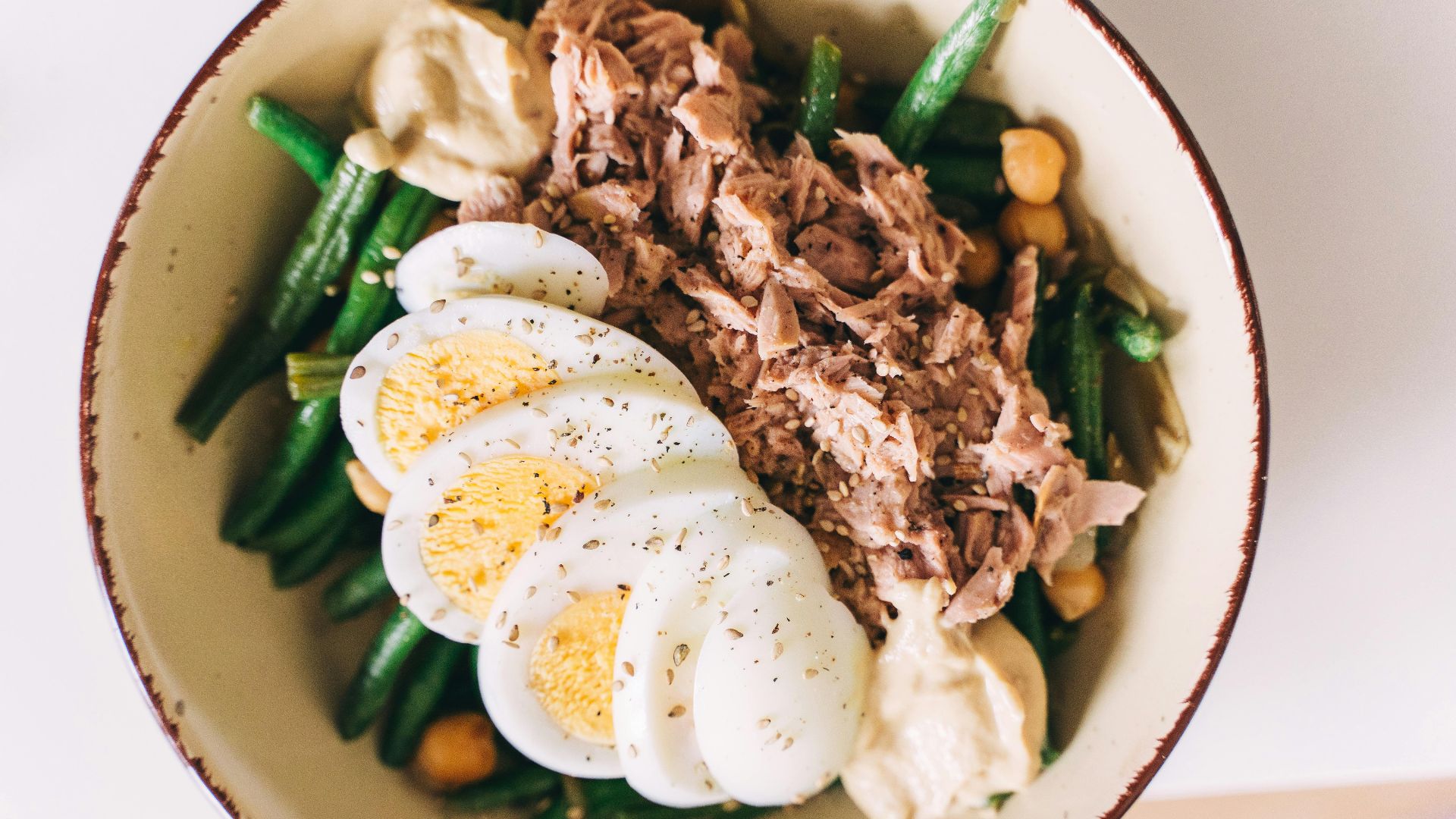
12. Choose High-Protein Foods
Protein-rich foods tend to be more filling, which can help you feel satisfied with smaller portions. Including them in meals supports appetite control and can reduce the need for additional servings.
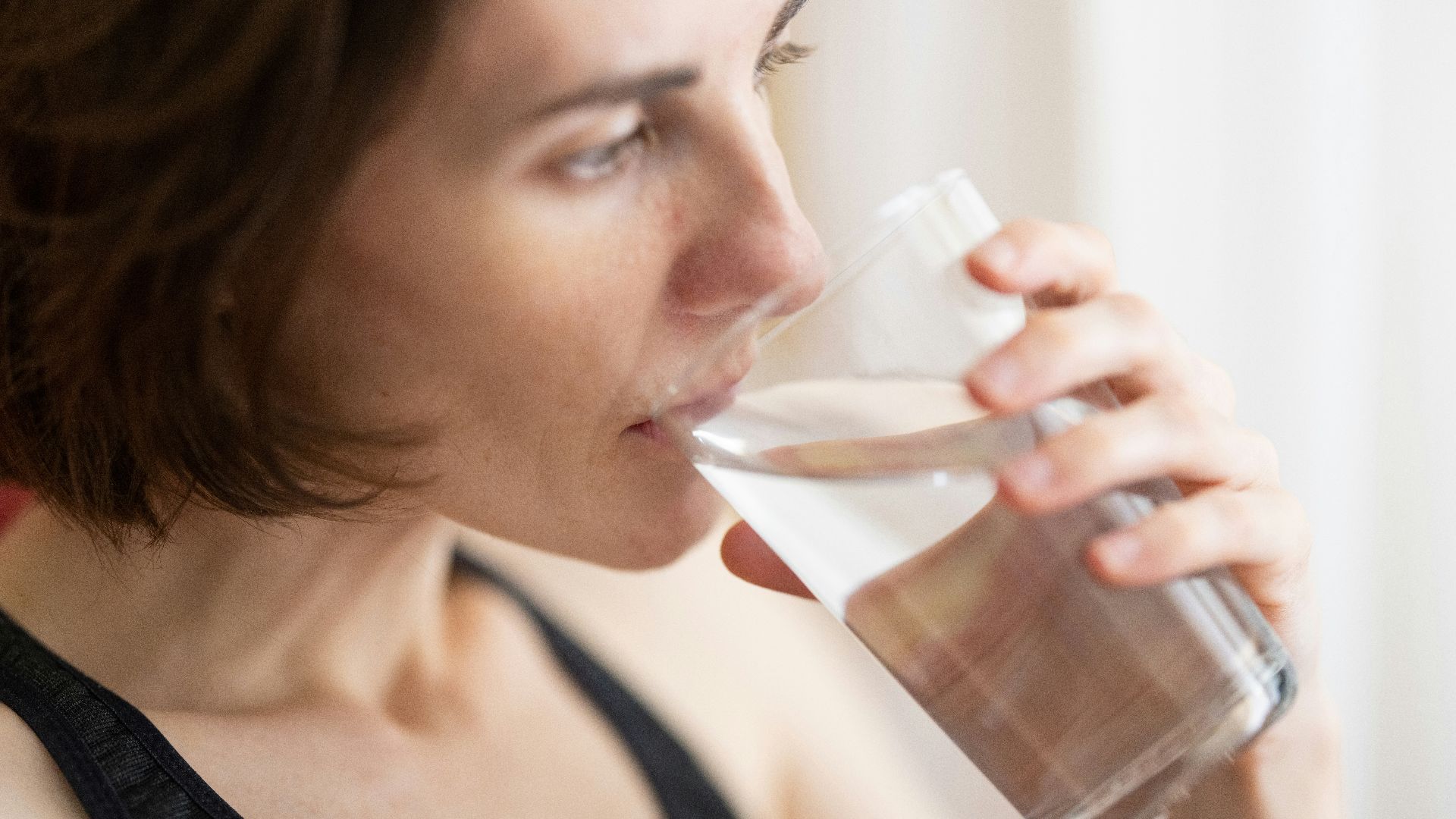
13. Drink Water Before Meals
Having a glass of water before eating can help reduce excessive hunger. It also supports proper hydration, which can influence appetite. This simple habit can make portions feel more satisfying.
14. Avoid Overloading Your Plate
Serving too much food at once can encourage you to eat more than needed. Starting with a moderate portion allows you to reassess before adding more. This keeps portions flexible but controlled.
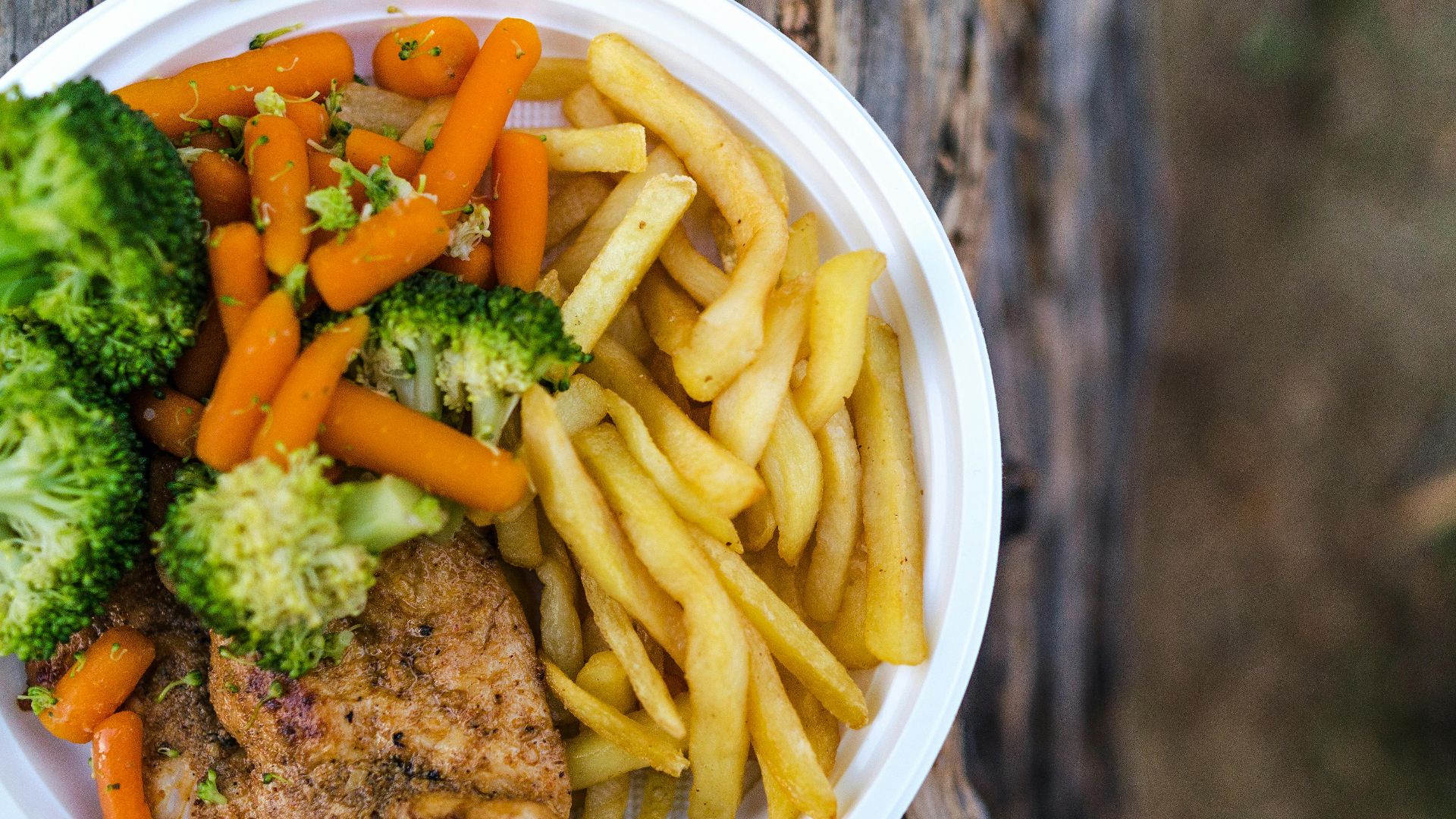
15. Use Visual Plate Dividers
Imagining your plate divided into sections for different food groups helps create balance. This method doesn’t require tools but still provides structure. It’s a practical way to guide portion sizes daily.
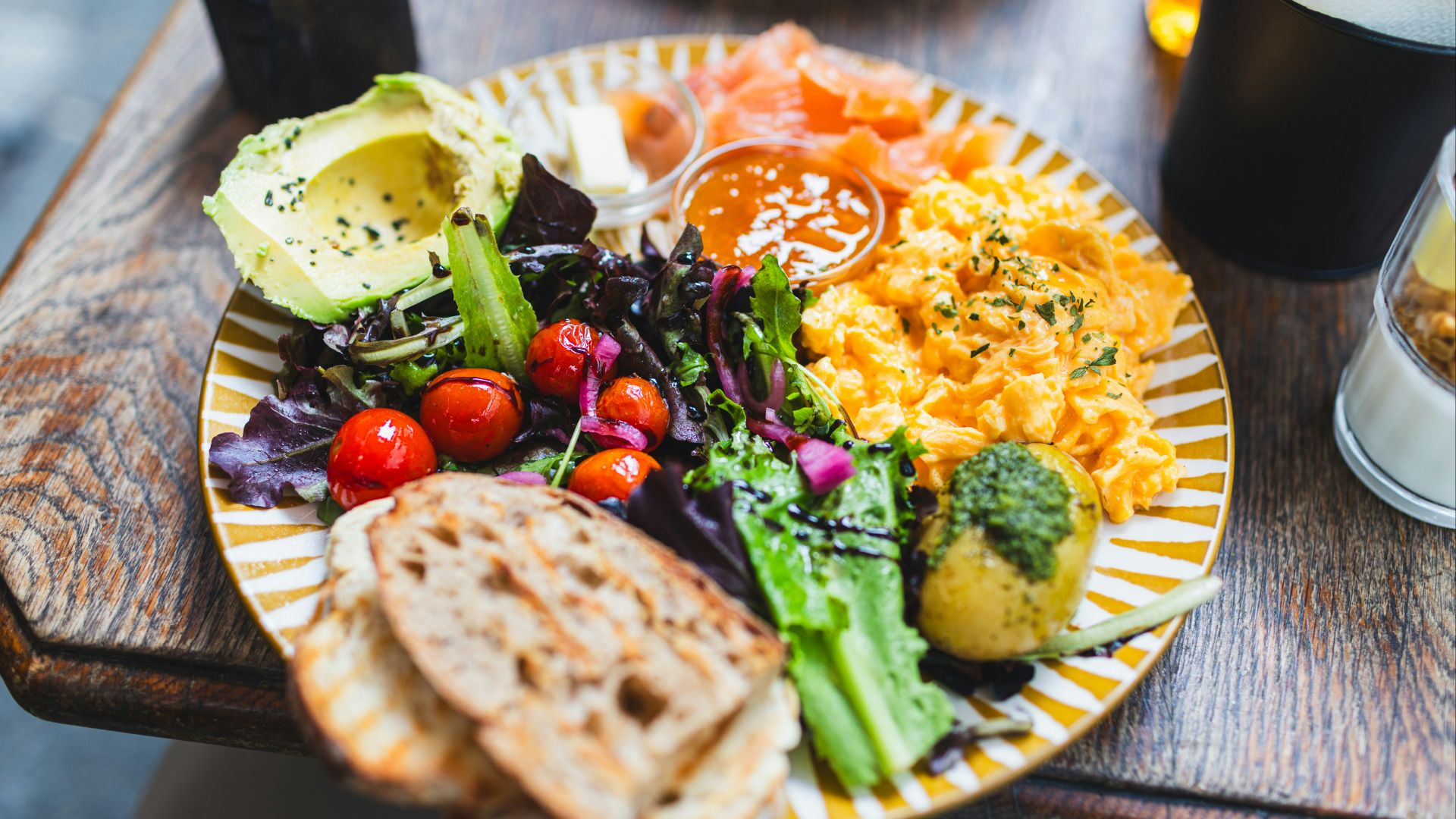
16. Keep Treats in Smaller Sizes
Buying individually portioned treats or dividing them at home can prevent overeating. It allows you to enjoy them without losing track of quantity. This approach supports moderation rather than restriction.
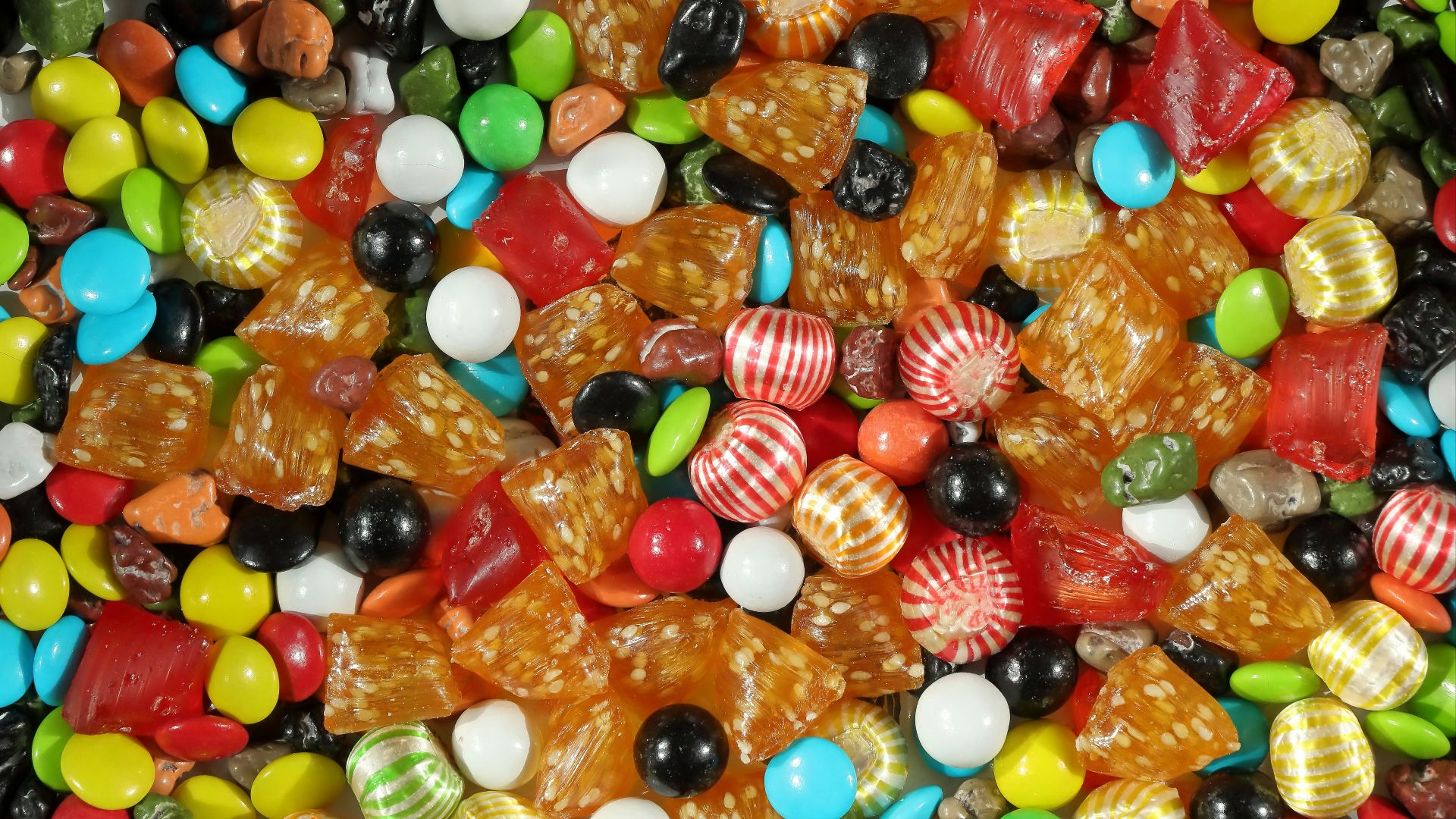
17. Pay Attention to Hunger Cues
Learning to recognize when you’re actually hungry versus eating out of habit helps regulate portions. This awareness develops over time with practice and encourages eating based on need rather than routine.
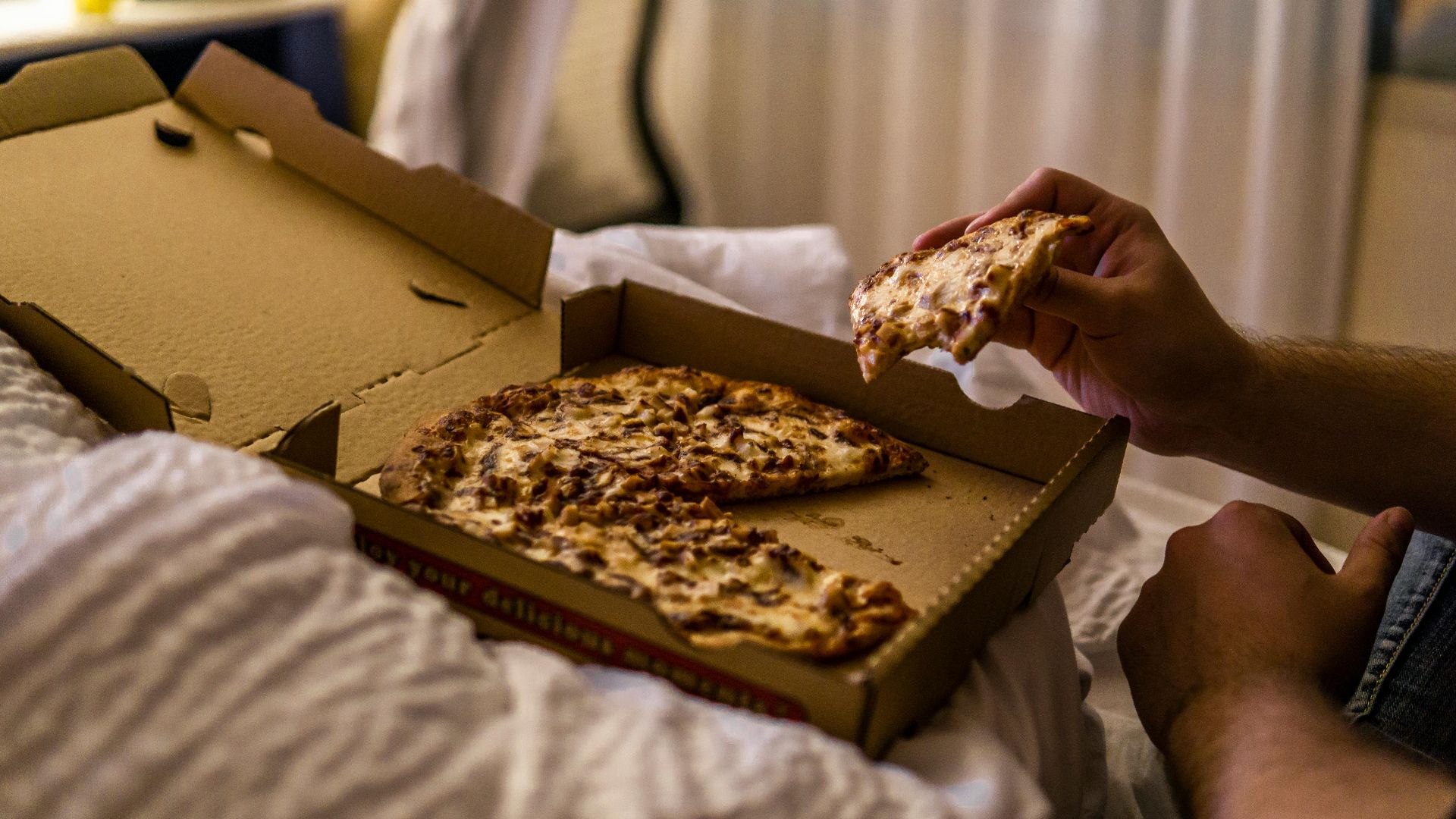
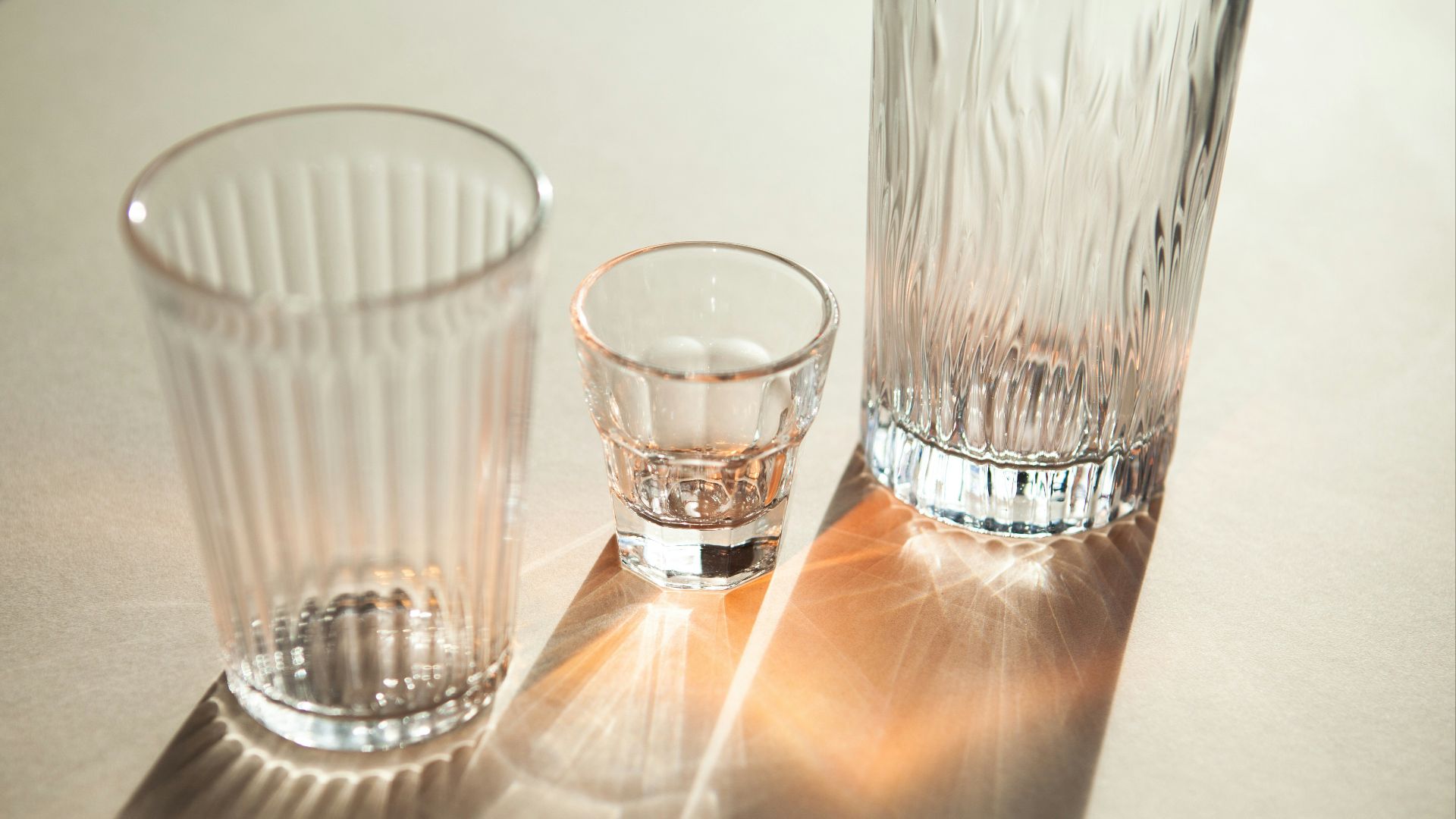
18. Use Tall, Narrow Glasses for Drinks
Research suggests people tend to pour less into taller, narrower glasses compared to short, wide ones. This can help reduce portion sizes for calorie-containing beverages. It’s a subtle but effective visual trick.
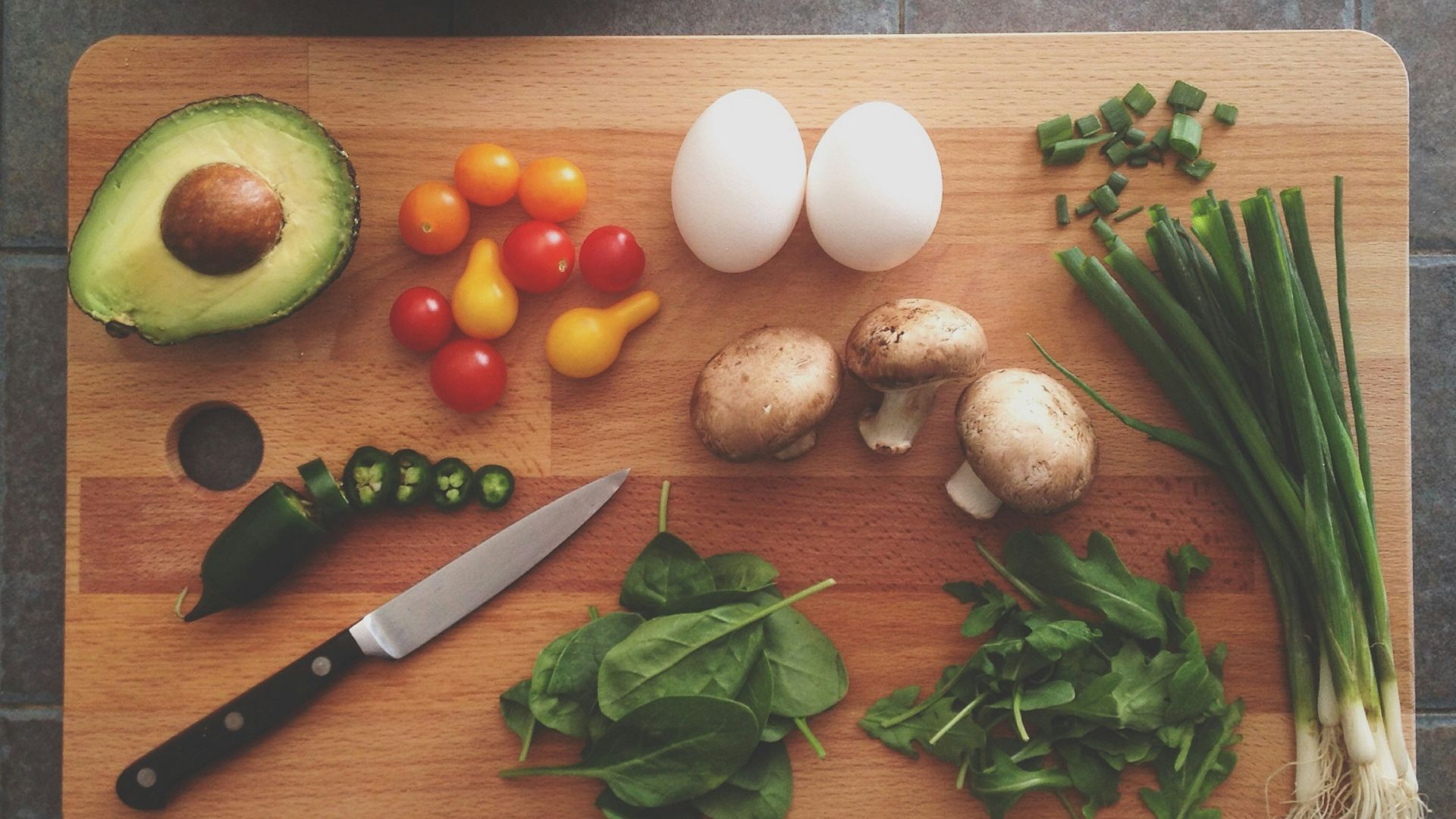
19. Plan Meals Ahead of Time
Deciding what and how much you’ll eat in advance reduces impulsive portion choices. It also helps ensure meals are balanced.
20. Keep a Consistent Eating Routine
Eating at regular times can help regulate appetite and prevent overeating later. When your body expects food at certain times, portion control becomes easier. Consistency supports long-term habits without extra effort.
KEEP ON READING

20 Ways Perimenopause Changes Fitness and Appetite


20 Unhealthy Obsessions People Have
20 Gut-Friendly Fermented Foods For Everyday Meals