

The Appointments Are Easy to Delay. The Health Risks Are Easier to Miss.
Preventive care can feel like one more thing wedged into an already busy week, somewhere between picking up prescriptions, calling the insurance company, and figuring out why the pharmacy changed its hours again. For many older adults, screenings get pushed back because nothing feels wrong, and no one wants another appointment on the calendar. That’s understandable. It’s also risky, because changes in blood pressure, bones, hearing, mood, memory, and kidney function can start without you noticing. A good screening plan doesn’t mean chasing every test available; it means checking the right things based on age, symptoms, family history, health history, and past results. These are the health screenings and preventive checks seniors often keep delaying.

1. Blood Pressure Checks
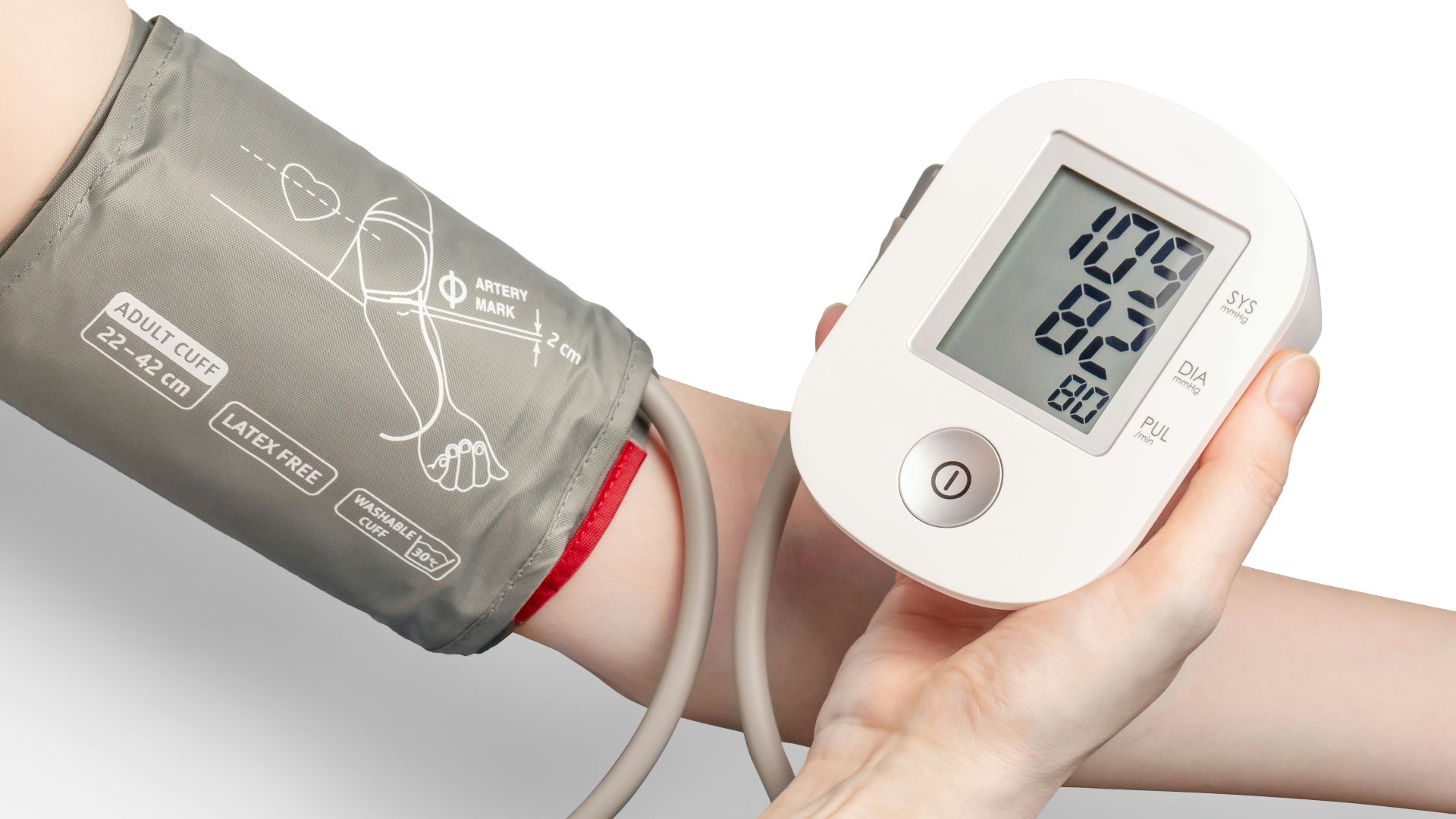
Blood pressure checks take only a few minutes, which somehow makes them easier to brush off. High readings often don’t come with obvious symptoms, yet they can raise the risk of stroke, heart disease, kidney disease, and other serious problems when they aren’t addressed.
2. Cholesterol Panels
A cholesterol panel can show whether the heart and arteries need closer attention. Seniors with diabetes, high blood pressure, heart disease, a smoking history, or a family history of heart problems may need testing more often than someone whose numbers have been steady for years.

3. Blood Sugar Screening
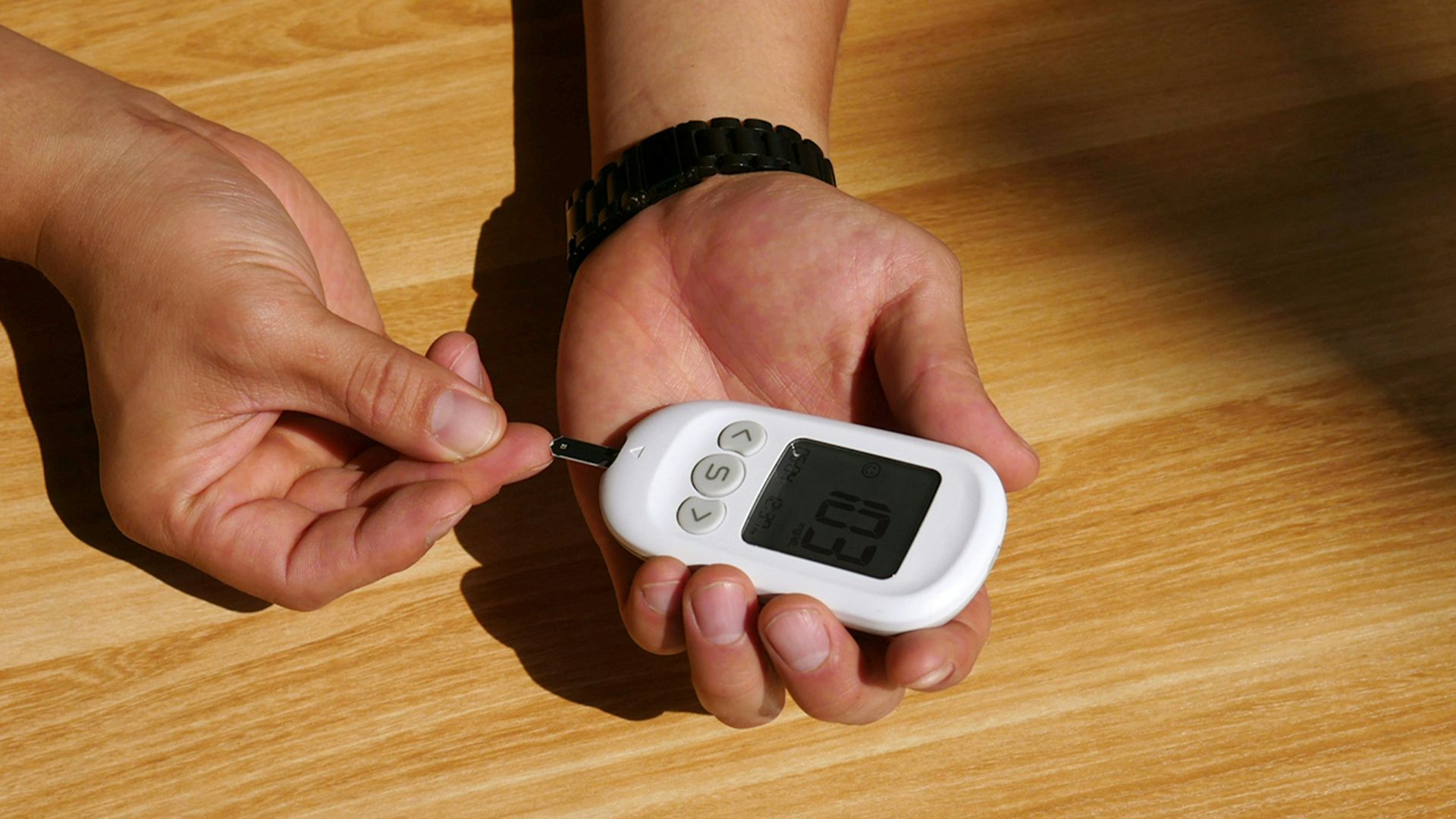
Blood sugar screening may include an A1C test, fasting blood sugar test, or another test chosen during a medical visit. It’s especially worth asking about for people with excess weight, high blood pressure, a family history of diabetes, or symptoms like unusual thirst, blurry vision, or frequent urination.
4. Bone Density Scans
A bone density scan checks whether bones have become fragile enough to break more easily. It’s commonly recommended for women 65 and older, and it may also come up earlier for people with prior fractures, long-term steroid use, low body weight, or other risk factors.

5. Colorectal Cancer Screening
Colorectal cancer screening is easy to postpone because, frankly, nobody is thrilled about this category of appointment. Stool-based tests and colonoscopy can find cancer or early warning signs, and adults over 75 should ask whether continued screening still makes sense for their health and screening history.

6. Lung Cancer Screening
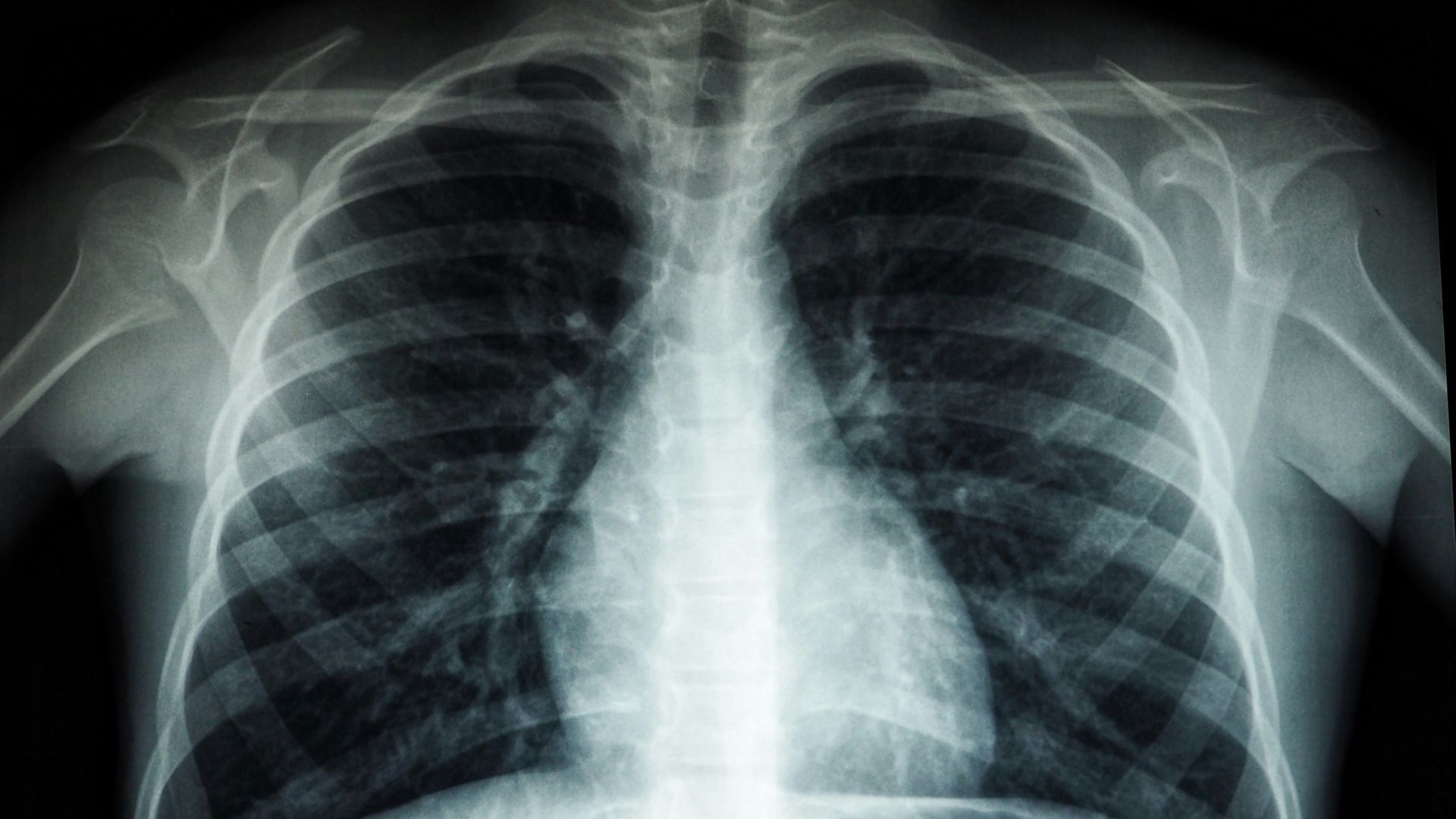
Lung cancer screening isn’t meant for every senior. It’s usually considered for adults in the eligible age range who have a significant smoking history, and the test used is a low-dose CT scan rather than a regular chest X-ray.

7. Abdominal Aortic Aneurysm Screening
This ultrasound checks for a bulge in the large blood vessel that runs through the abdomen. It’s most clearly recommended as a one-time screening for men ages 65 to 75 who have ever smoked, while others should ask whether their own risk makes it worth discussing.

8. Vision Exams
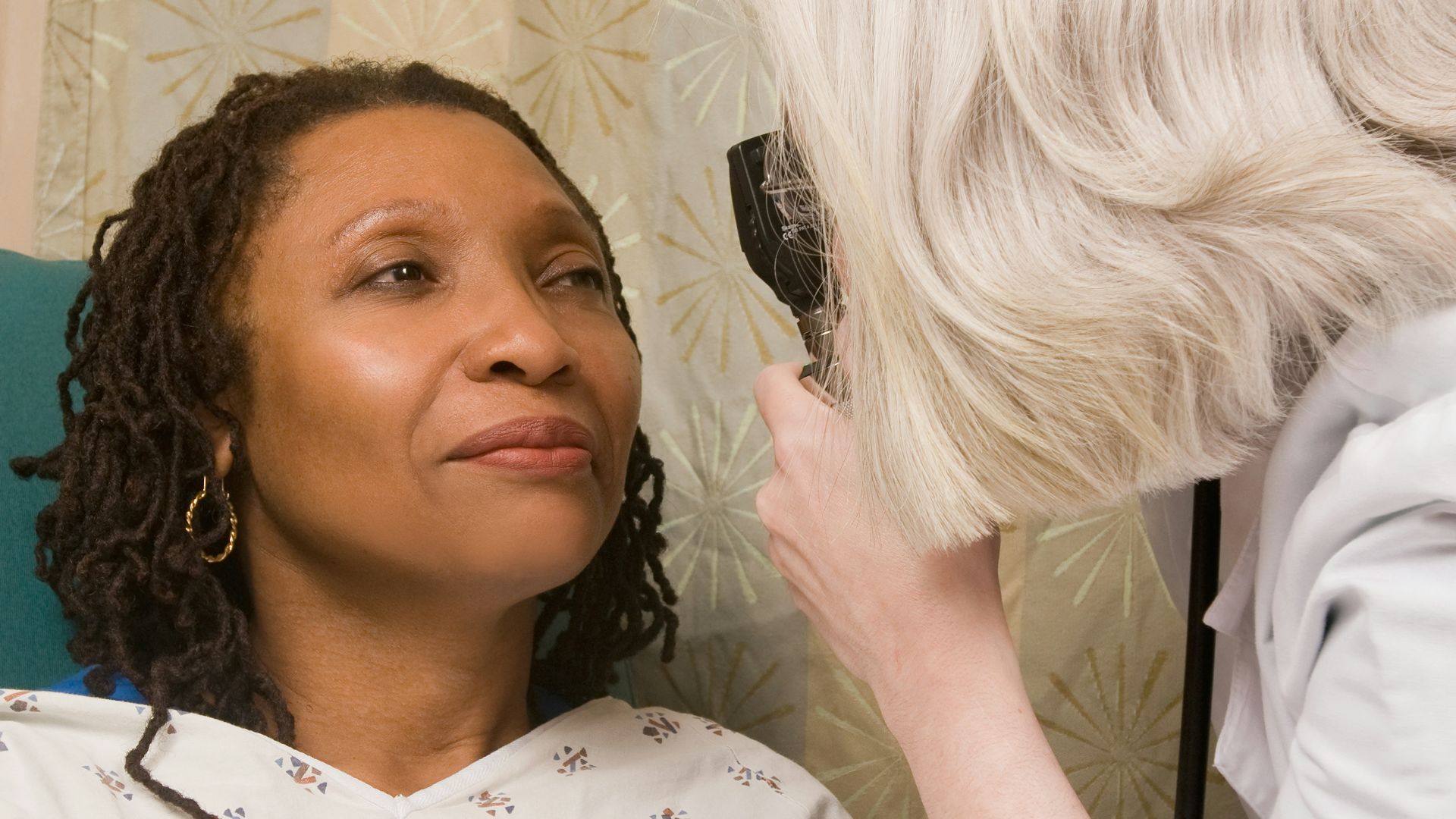
A full eye exam can catch problems that don’t always show up right away. Glaucoma, cataracts, diabetic eye disease, and age-related changes can affect driving, reading, balance, and independence.
9. Hearing Tests
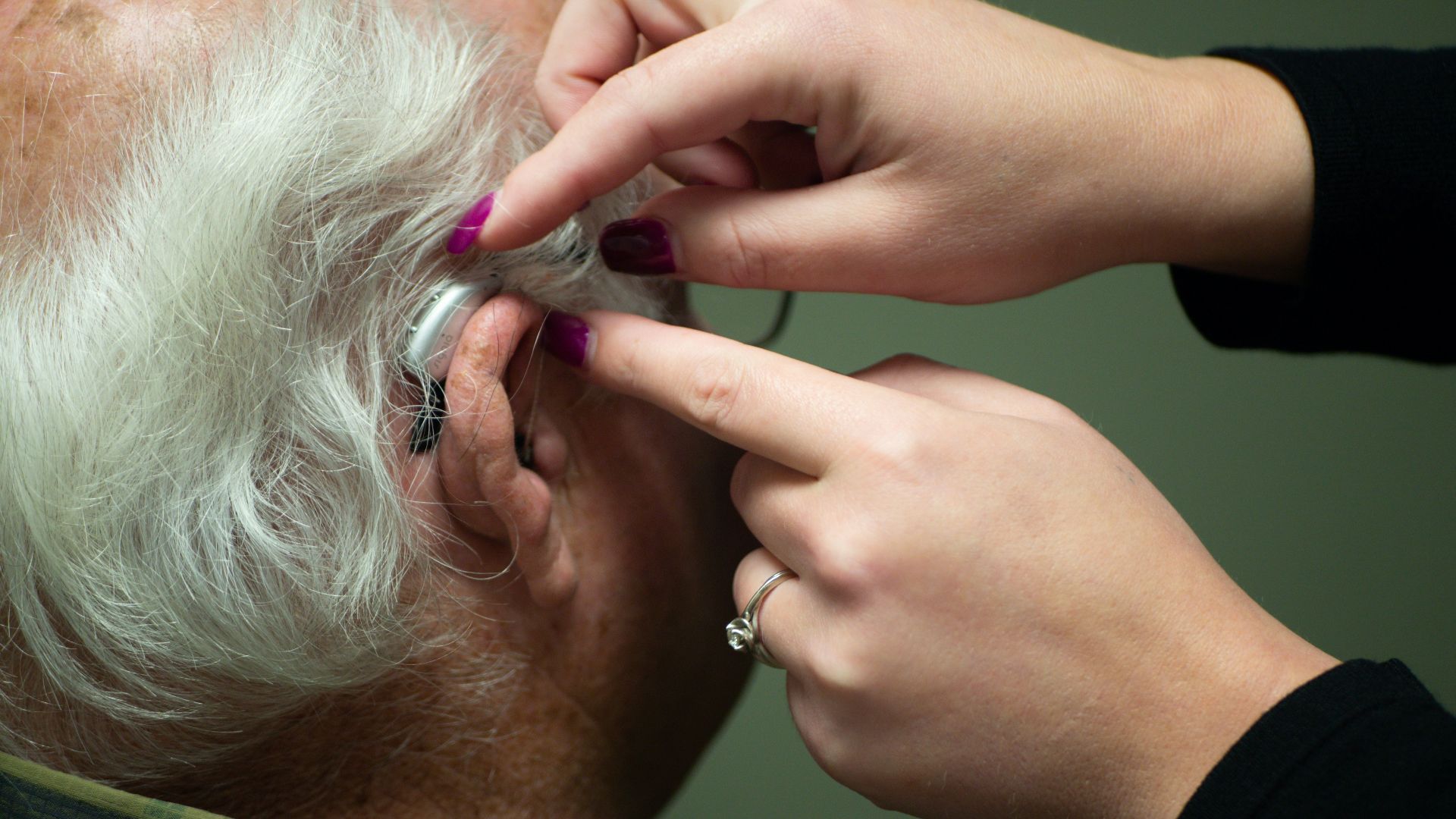
Hearing changes can creep in slowly. A hearing test can clarify what’s happening and may lead to treatment that makes appointments, phone calls, family visits, and safety alerts easier to manage.
10. Dental Exams
Dental care still matters for seniors with dentures, implants, crowns, or only a few natural teeth left. Regular exams can catch gum disease, tooth decay, oral sores, infection, dry mouth, and denture problems before they become uncomfortable when eating, speaking, or sleeping.

11. Skin Checks
Routine whole-body skin screening for every symptom-free adult isn’t always necessary, but it should stay in the back of your mind. Seniors should still bring up changing moles, new growths, bleeding spots, nonhealing sores, heavy sun exposure, past skin cancer, or family history, because those details can change the advice.

12. Depression Screening
Depression in older adults doesn’t always look like obvious sadness. It can show up as low energy, sleep changes, irritability, appetite changes, loss of interest, or pulling away from people, and a short screening can help turn all of that into an actual conversation instead of you suffering in silence.

13. Cognitive Screening
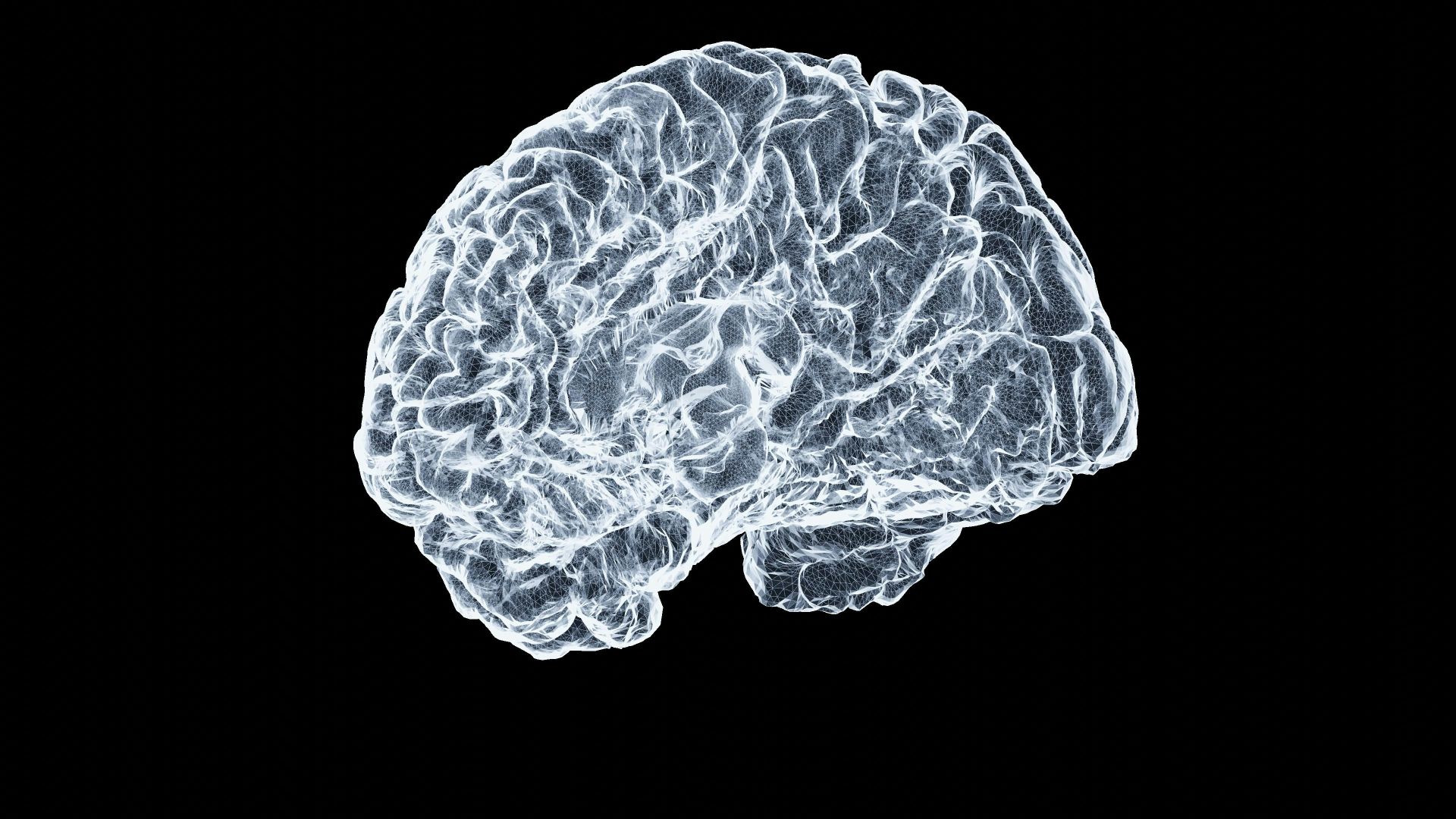
Forgetting a neighbor’s name or walking into the kitchen and blanking for a second doesn’t automatically mean you’re struggling with dementia. A cognitive check can help identify meaningful changes in memory, attention, language, or problem-solving, especially when the person or their family notices a real shift.
14. Fall Risk Assessment
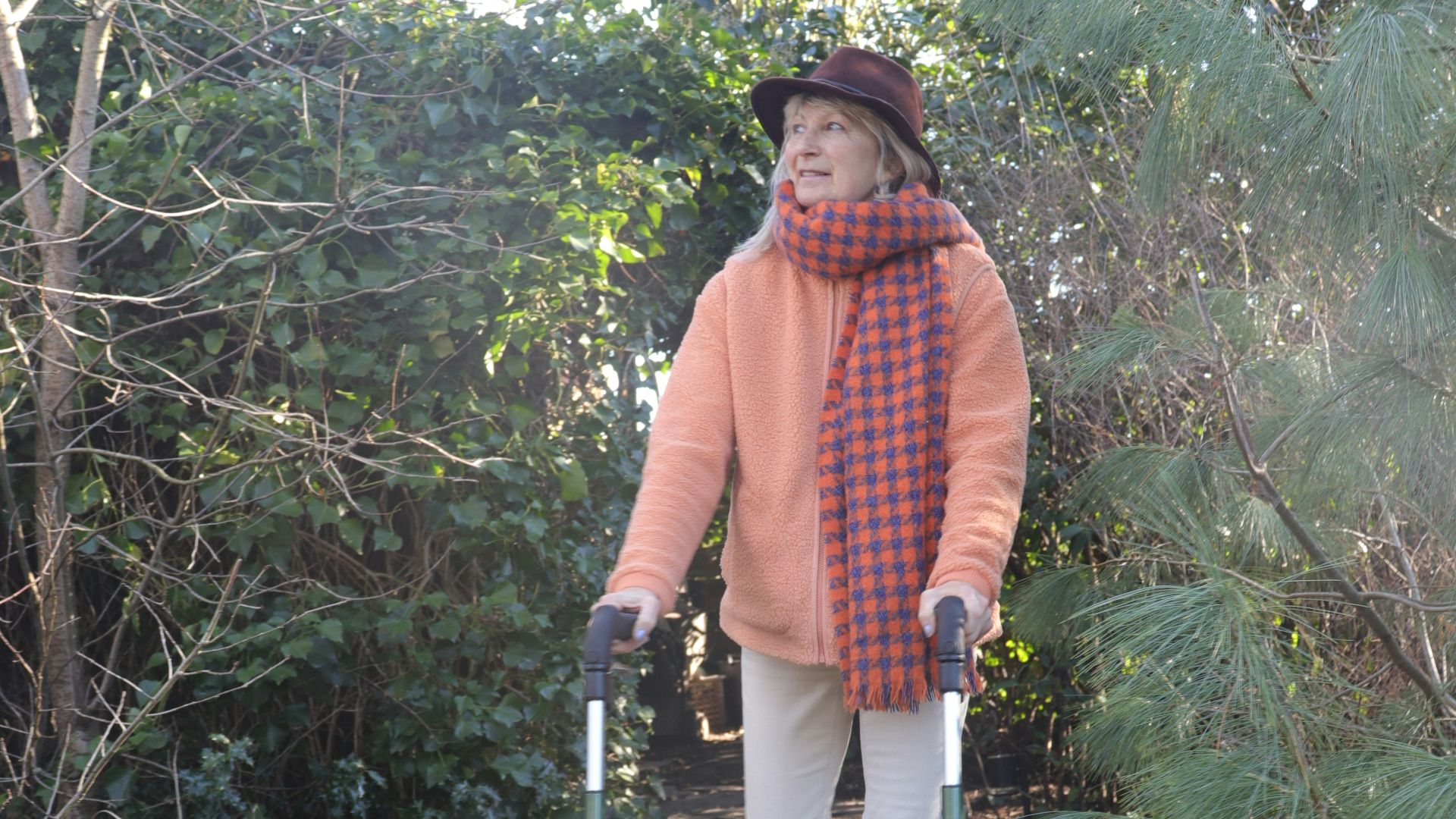
Falls can change an older adult’s confidence and mobility quickly, even when the injury seems minor at first. A fall risk review may look at balance, medications, footwear, vision, dizziness, muscle strength, and home hazards, then point toward changes that are actually doable.
15. Pneumonia Vaccine Review
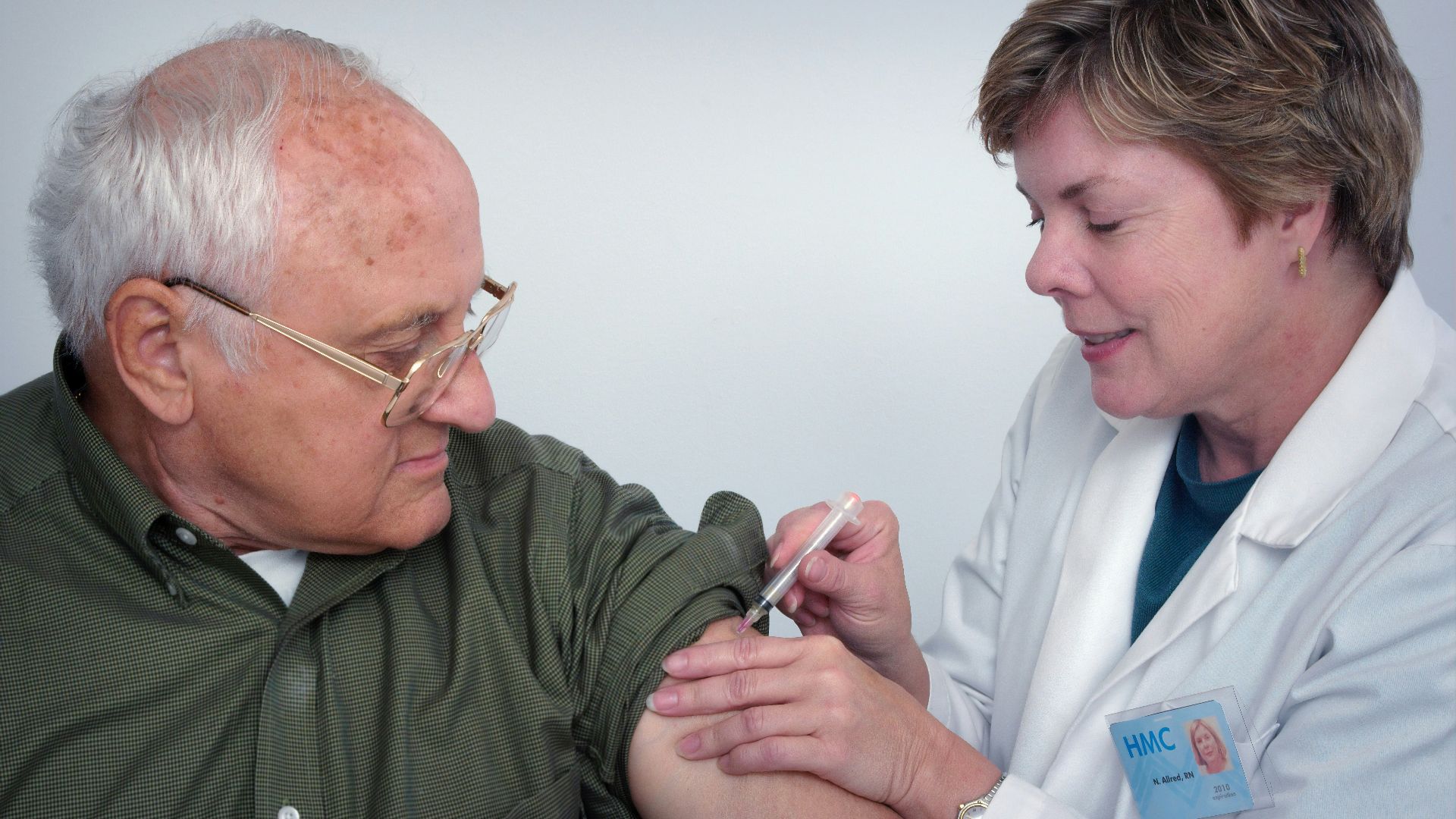
Yes, even vaccine screenings belong on a preventive-care checklist. Older adults should confirm whether they’re up to date on pneumococcal vaccination, especially if they haven’t been the most thorough in their record-keeping.
16. Shingles Vaccine Review
Shingles can cause a painful rash, and the nerve pain that sometimes follows can stick around long after the skin clears. Adults 50 and older should check whether they’ve completed the recommended shingles vaccine series, even if they’ve already had shingles before.

17. Flu Shot Check
The flu shot needs a yearly check because the vaccine and circulating strains change over time. For older adults, staying current matters because the flu can lead to more serious or long-term illnesses.
18. Kidney Function Testing
Kidney disease can develop quietly, especially in people with diabetes, high blood pressure, cardiovascular disease, a family history of kidney disease, or a past kidney injury. Blood and urine tests can help show whether the kidneys are filtering well or whether closer follow-up is needed.

19. Thyroid Testing
Routine thyroid screening for every symptom-free adult isn’t settled enough to present as a blanket must-do. Testing may still be worth considering when fatigue, weight changes, constipation, mood shifts, temperature sensitivity, or changes in heart rhythm occur.

20. Elder Abuse Screening
Elder abuse screening can feel uncomfortable, and that discomfort is part of why it gets missed. Simple questions about safety, neglect, money pressure, isolation, caregiving stress, and control can help uncover problems an older adult may not feel safe bringing up alone.

KEEP ON READING



20 Ways To Get Your Vitamins And Minerals

20 Ways Doing Less Can Actually Improve Your Health