
What’s Going On in Your Head?
Is there anything more irritating than knowing your ears hurt without a clear reason? Though it seems like an easy enough diagnosis, earaches can show up for plenty of reasons—and they’re not always caused by an infection. Come with us as we explore a few common reasons why that pesky pain happens, and a few remedies you can try to alleviate the discomfort.

1. Middle Ear Infection
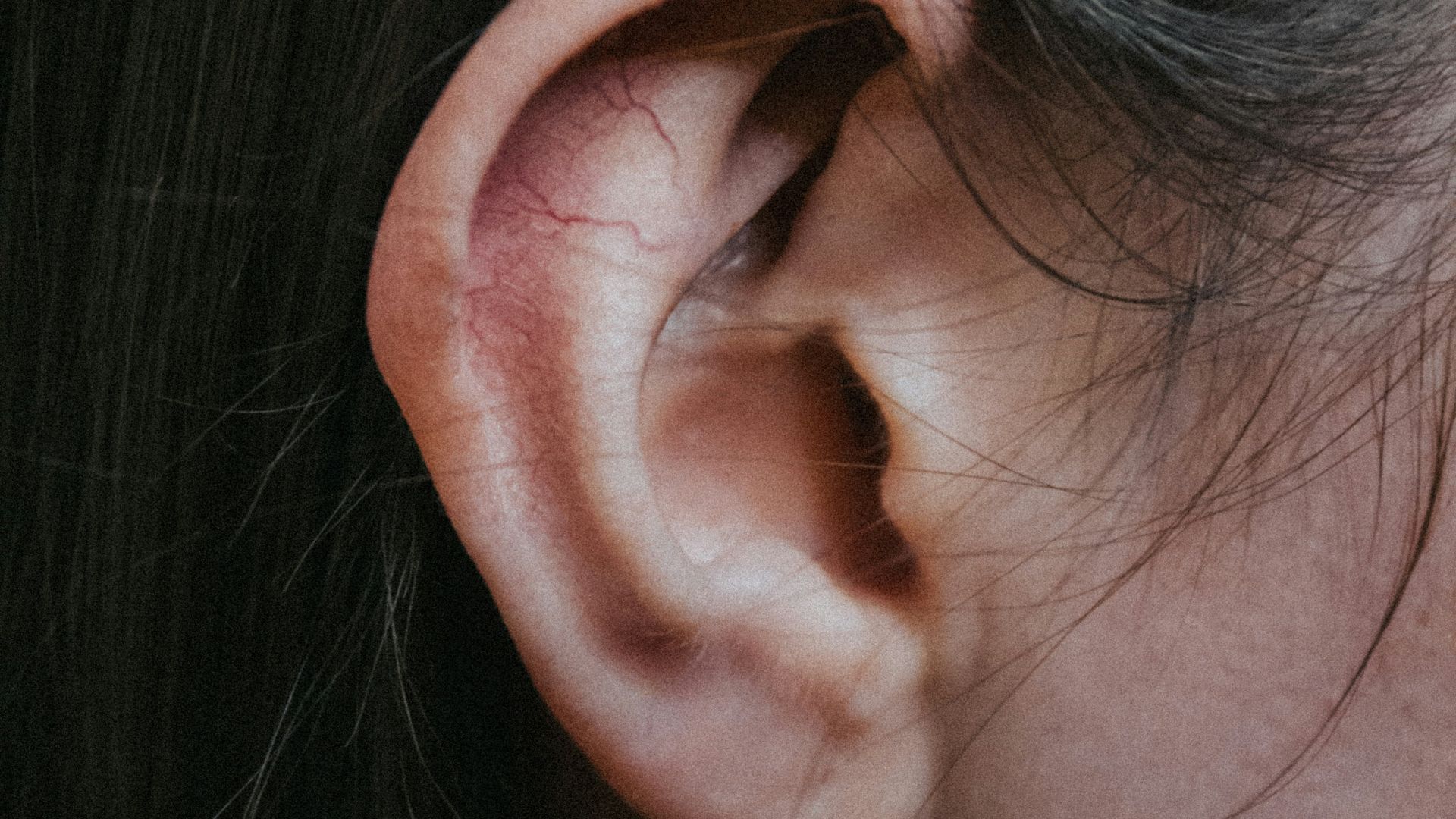
First and foremost, a middle ear infection happens when fluid builds up behind the eardrum and germs begin to grow. Naturally, this is a prime suspect for earaches. If you’re suffering from an infection, you may notice pain, muffled hearing, fever, or even a full feeling in the ear.
2. Swimmer’s Ear
Swimmer’s ear is another type of infection or irritation in the outer ear canal, usually after water stays trapped inside. Once it happens to you, the ear may feel sore, itchy, swollen, or painful when you touch it. Despite the name, you don’t have to be a swimmer to get it, and some people even suffer through it after a particularly rough shower.

3. Earwax Buildup
Earwax usually protects your ear and is nothing to fear (or get rid of within reason), but too much of it can block the canal and cause discomfort. You might feel pressure, reduced hearing, ringing, or a plugged sensation.
4. Sinus Infection
We’re back to infections! Sadly, a sinus infection can create pressure around the nose, cheeks, forehead, and—you guessed it—ears. Because the sinuses and ears are connected through nearby passages, swelling can make your ear feel achy or blocked. You might even have facial pressure or nasal drainage.
 Serafima Lazarenko on Unsplash
5. Eustachian Tube Dysfunction
Try not to get too hung up on the name. To boil it down, your eustachian tubes help balance pressure in the middle ear, but they can get swollen or blocked. When that happens, your ear can experience all kinds of nasty things, like popping, crackling, aching, or feeling full.
 Dylann Hendricks | 딜란 on Unsplash
6. Sore Throat
It might not seem like it, but a lot of things in our bodies are connected. So, believe it or not, throat pain can travel to the ear because these areas share nerve pathways. That’s actually why swallowing can make your ear hurt even when the ear itself isn’t infected.

7. Dental Problems
Speaking of your mouth, toothaches, cavities, gum infections, and dental abscesses can also cause pain that feels like it’s coming from your ear. You’ll want to pay close attention; this kind of earache may be worse when chewing or biting.

8. Jaw Joint Problems
The temporomandibular joint, often called the TMJ, sits pretty close to the ear. That means that anything like clenching, arthritis, or even jaw strain can make ear pain show up alongside other symptoms. Keep an eye out for additional upsets, such as clicking, stiffness, or tenderness.
 Bangun Stock Production on Unsplash
9. Pressure Changes
We all know to chew gum when we’re flying, but airplanes aren’t the only major pressure change that causes ear pain. Diving, driving through mountains, or even riding in an elevator can cause pressure changes that bother the ears.

10. Injury or Irritation
Of course, an earache can also come from everyday hiccups, like scratching the ear canal, using earbuds too often, cleaning too aggressively, or getting something stuck in there. Make no mistake—a small irritation can feel surprisingly uncomfortable in such a sensitive area, so it’s best to treat your ears with care!
So, is there anything you can do if you’re actually dealing with ear pain? While some earaches need medical care, mild discomfort can improve with simple at-home steps that help make you more comfortable. Let’s explore a few ways you can soothe the pain.
1. Use a Warm Compress
A warm compress can help soothe ear pain and relax the area as a whole. You don’t need to do much more than place a warm, not hot, cloth against the affected ear for about 10 to 15 minutes. This can be especially helpful when the pain feels dull or pressure-related.

2. Try an OTC Pain Reliever
Pain relievers like acetaminophen or ibuprofen can help reduce earache discomfort. Always follow the dosage directions on the label, especially when giving medicine to children, and be sure to clear with your doctor before popping the cap.
 National Cancer Institute on Unsplash
3. Keep Your Head Elevated
Resting with your head slightly raised may reduce pressure in the ear. So, it’s time to prop your head with an extra pillow! You can also sit upright while relaxing. It’s a small adjustment that can actually make it easier to sleep when your ear’s uncooperative.
 Nikolay Kolosovskiy on Unsplash
4. Stay Hydrated
As if we needed another reason to drink more water! Drinking fluids can support normal drainage in the throat, nose, and ears, and swallowing more often can also help your ears adjust when they feel blocked. Opt for healthy items, though, like water, warm tea, or broth.

5. Chew or Swallow Gently
If jaw pain caused your earache, there’s no need to make it worse. Chewing gum, sucking on a lozenge, or swallowing can help open the eustachian tubes. This approach is more helpful than you think, especially after those pressure changes we talked about.
6. Use Steam Carefully
Steam may help loosen congestion that’s contributing to ear pressure, but you’ll want to be careful not to burn yourself! You can sit in a steamy bathroom or breathe in warm, moist air from a bowl at a safe distance. Just keep it gentle; getting too close to hot water can irritate your skin even more.
 Wolfgang Hasselmann on Unsplash
7. Avoid Putting Objects in Your Ear
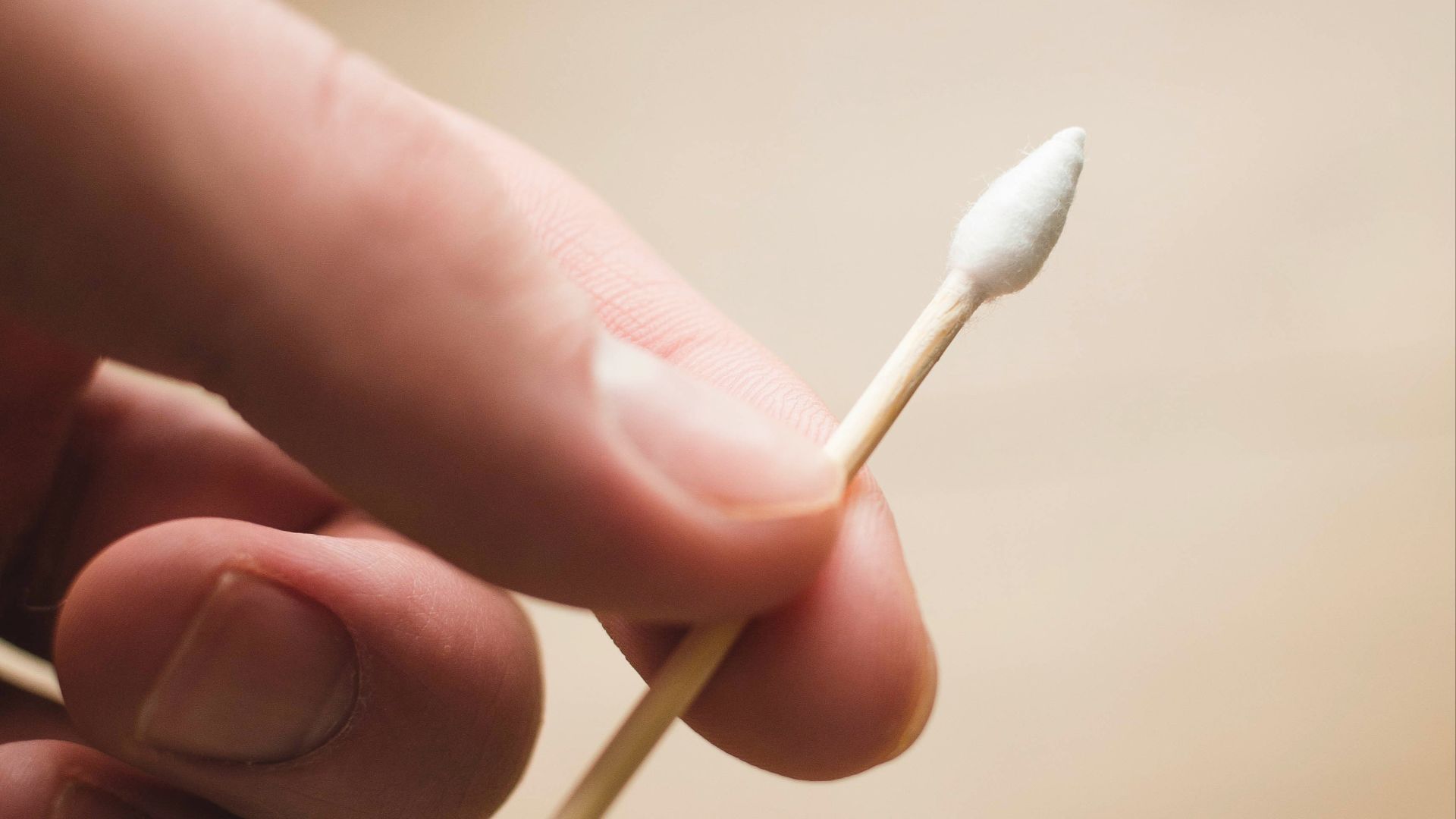
We know it’s tempting to reach for cotton swabs when your ear’s blocked, but that only makes things worse. Pushing into the ear canal can easily pack wax deeper or irritate sensitive skin, so let your ear rest (unless a professional says otherwise).
8. Treat Nasal Congestion
Easing congestion may also help your ear feel better, especially if you’re sick. Popular methods like a saline spray, gentle nose blowing, or an appropriate allergy medicine can reduce swelling around the passages connected to the ear.

9. Keep the Ear Dry
Moisture usually aggravates irritation all the more, especially if swimmer’s ear is part of the problem. That means that when you’re showering, try not to let water run directly into the affected ear. You should also skip swimming until the pain improves or a healthcare provider says it’s safe.
10. Know When to Get Medical Care
Home care can only do so much—it isn’t a substitute for medical attention in the face of concerning symptoms. Call a healthcare provider if the pain is severe, lasts longer than 48 hours, or comes with additional symptoms like a fever, discharge, swelling, dizziness, or hearing changes.