Your Body's Built-In Repair System
You might not think about it often, but your body is an incredible machine that's constantly working behind the scenes to keep you functioning at your best. From sealing up a tiny paper cut to fighting off a viral invader and mending broken bones, the human body has a remarkable and complex set of mechanisms designed to detect damage, respond to threats, and restore balance, oftentimes all without you having to lift a finger. These 20 fascinating examples of self-healing will give you a whole new appreciation for what's happening just beneath the surface every single day.

1. Blood Clotting Seals Your Wounds
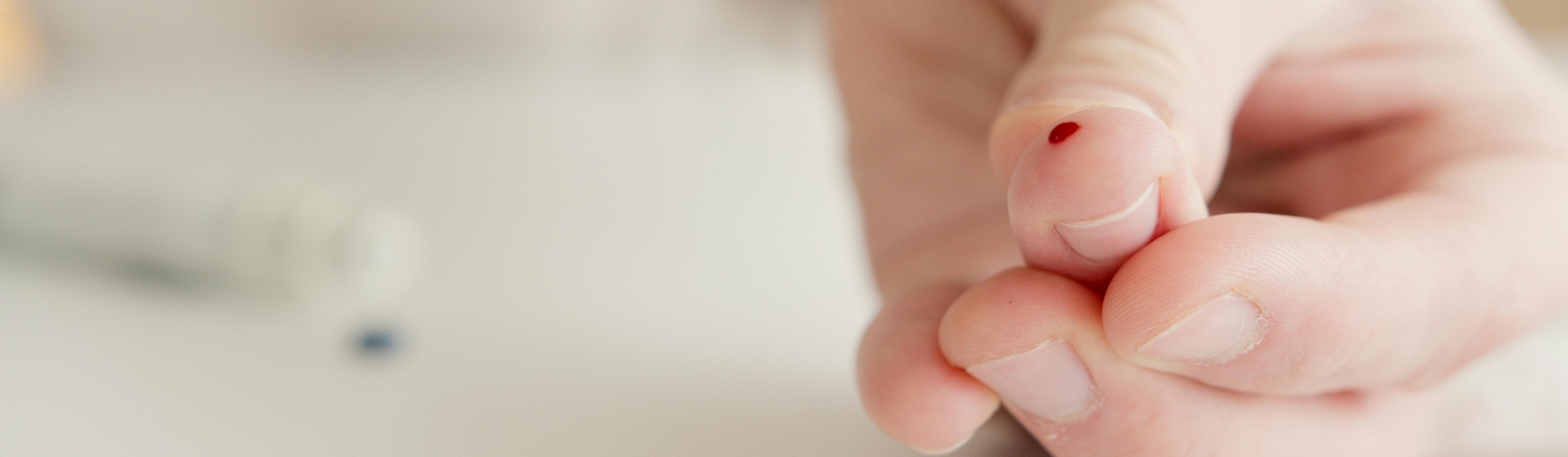
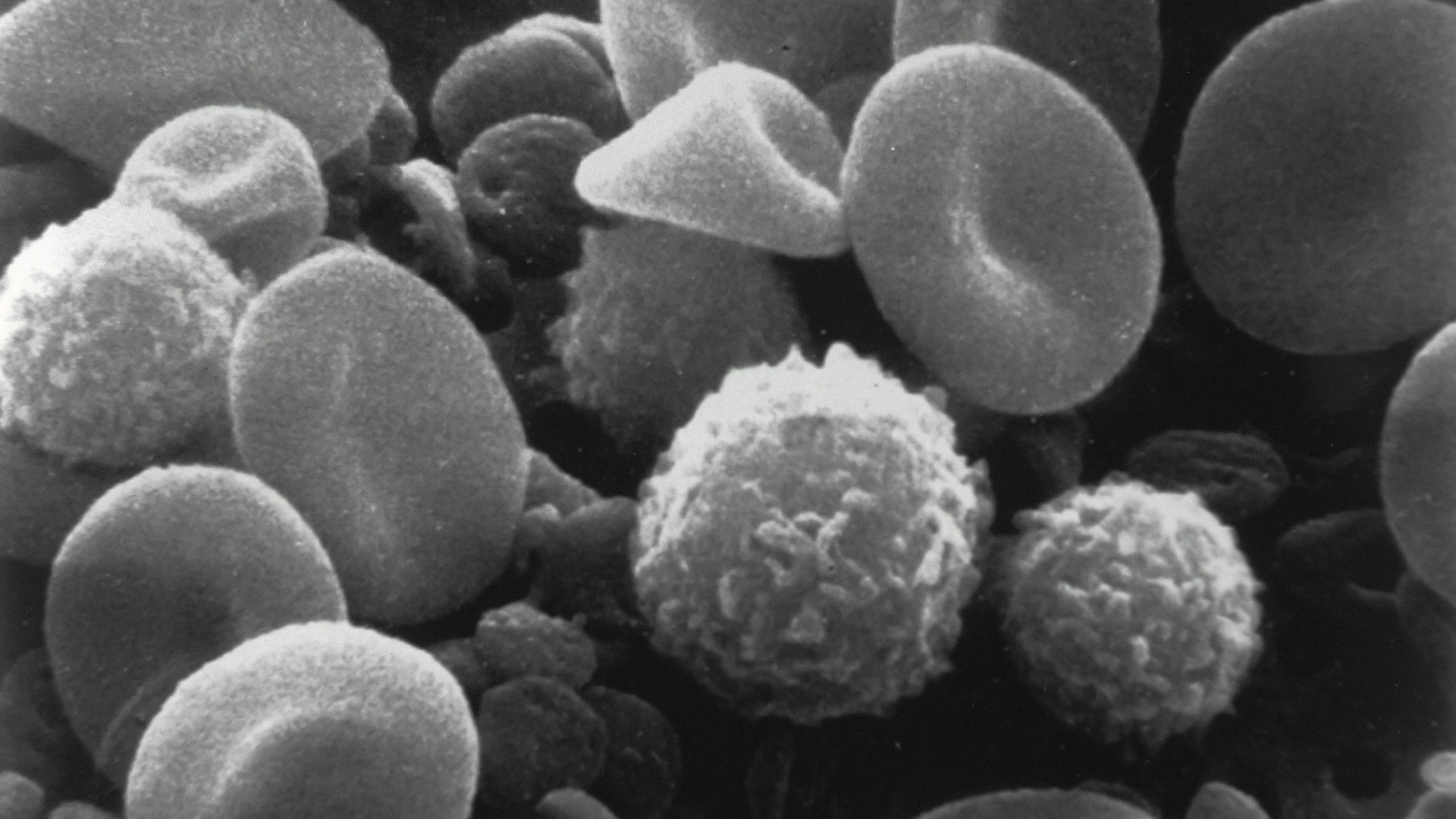
When you cut yourself, your body immediately launches a clotting response to stop the flow. Platelets, which are tiny cell fragments in your blood, rush to the site of injury and clump together to form a temporary plug. Clotting proteins then reinforce this plug into a firm clot, giving the underlying tissue time to begin repairs.

2. Skin Regenerates After Injury
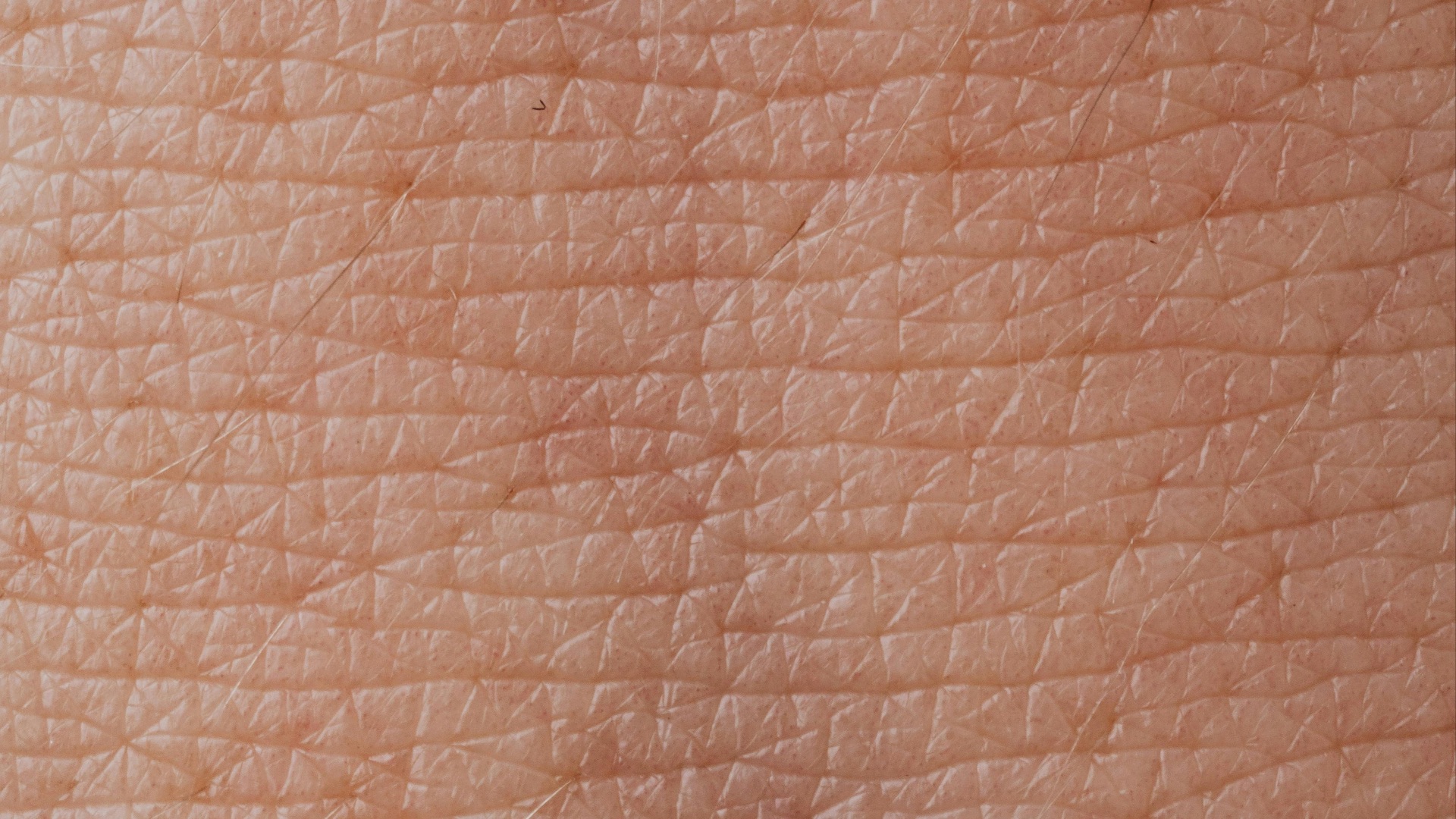
Your skin is your body's largest organ, and it has an impressive ability to rebuild itself after damage. Cells called fibroblasts migrate to the wound site and produce collagen, a structural protein that forms the foundation of new tissue. Over days and weeks, fresh skin cells gradually replace the temporary repair material, eventually closing the wound entirely.
3. Broken Bones Rebuild Themselves
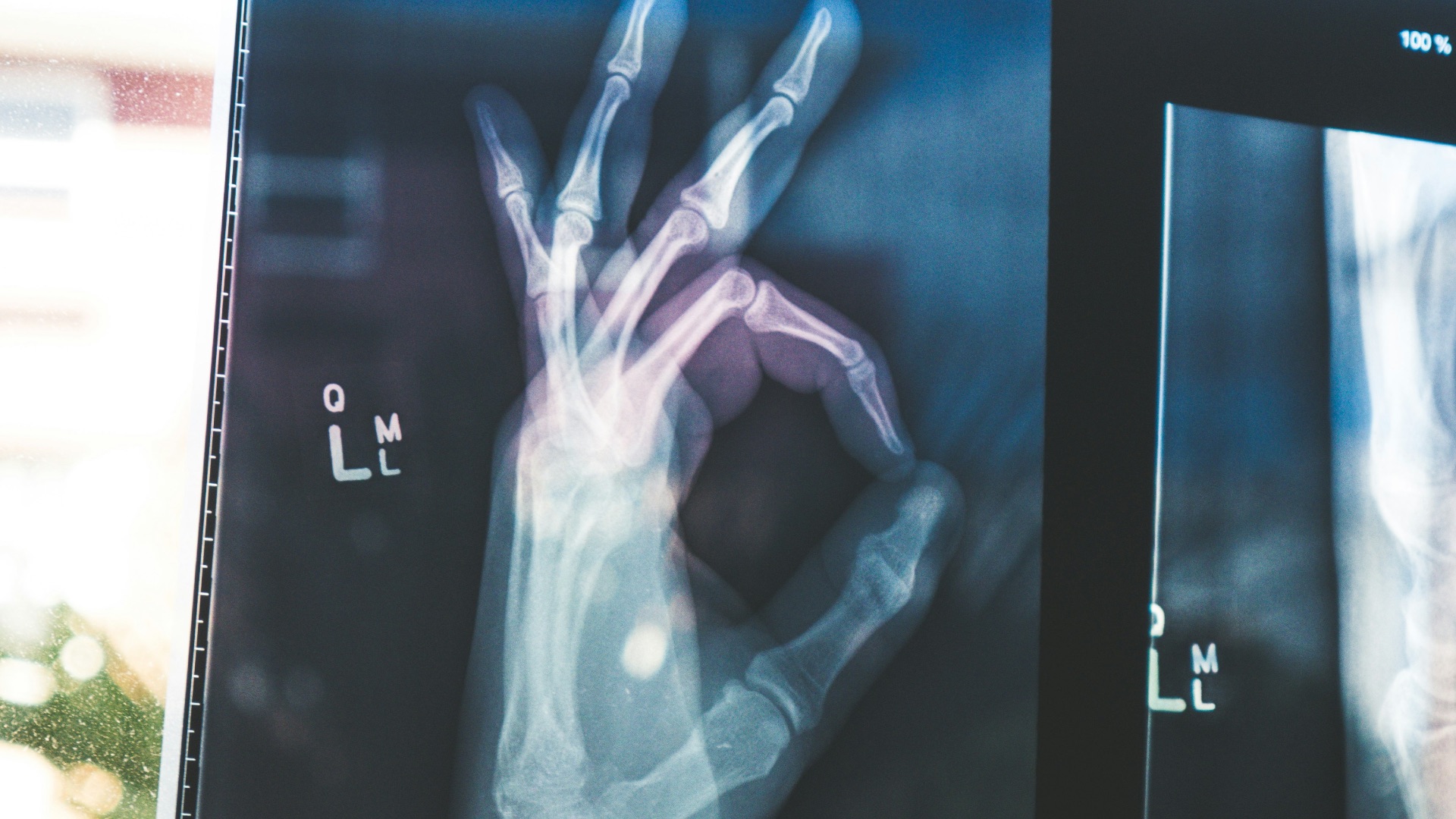
A broken bone sounds like a serious, permanent problem, but your skeletal system has a sophisticated process for mending fractures from the inside out. In the days following a break, the body forms a soft callus of cartilage around the fracture site to stabilize it, which is then gradually replaced by hard bone tissue. Given enough time and proper immobilization, many fractures heal so completely that the repaired area becomes just as strong as it was before.
4. Inflammation Clears Out Damaged Cells
Inflammation often gets a bad reputation, but it's actually a critical and intentional part of the healing process. When tissue is damaged, your immune system sends white blood cells to the area to clean up debris, fight potential infection, and prepare the site for new tissue growth. Without this inflammatory response, wounds would struggle to progress past the initial injury phase.
 National Cancer Institute on Unsplash
5. The Liver Regrows Lost Tissue
Of all your organs, the liver stands out for its exceptional ability to regenerate after damage or surgical removal. Research has shown that the liver can regrow to its original size even after losing a significant portion of its mass, making it one of the few organs capable of true regeneration. This is the reason living donors can safely donate a portion of their liver and have it grow back to full function over time.
6. Nerve Fibers Can Slowly Repair
The nervous system is one of the trickier systems when it comes to healing, but peripheral nerves (those outside of the brain and spinal cord) do have the ability to repair themselves after injury. When a peripheral nerve is damaged, the surviving portion can gradually regrow at a rate of roughly an inch per month, guided by special support cells. Recovery can take months or even years, depending on the extent of the damage, but meaningful restoration of function is possible in many cases.

7. Your Immune System Remembers Past Invaders
Every time you fight off an infection, your immune system keeps a detailed record of what it encountered. Specialized memory cells store information about the pathogens you've been exposed to, allowing your body to mount a much faster and stronger response if the same invader shows up again. This is the biological principle behind why you rarely get chickenpox twice and why vaccines are so effective.
8. Stomach Lining Renews Constantly
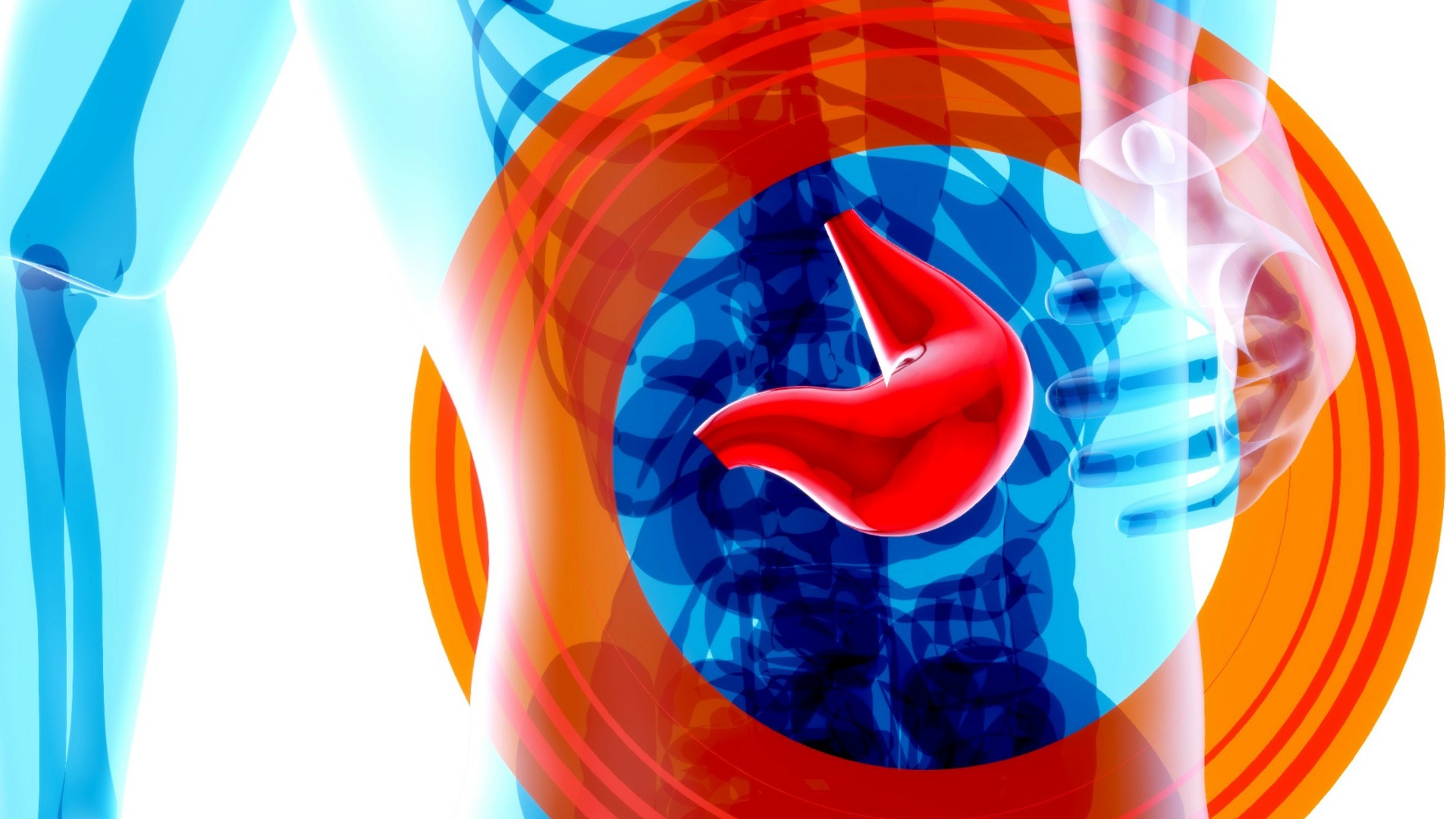
Your stomach produces powerful acids to break down food, which means the lining is constantly exposed to a harsh and potentially damaging environment. To handle this, the stomach replaces its entire mucosal lining roughly every three to five days, cycling out old and damaged cells before they cause problems. This rapid renewal is what prevents the stomach from digesting itself under normal circumstances.

9. Lungs Clear Out Irritants Automatically
Your respiratory system has a built-in cleaning mechanism that works continuously to keep your airways clear of dust, bacteria, and other particles. Tiny hair-like structures called cilia line the airways and move in coordinated waves, sweeping debris upward and out of the lungs. Mucus traps the particles, and coughing or swallowing then removes them from the body entirely.

10. Muscles Repair Microscopic Tears After Exercise
When you exercise intensely, you're actually creating tiny tears in your muscle fibers, and that's a good thing. Satellite cells, which are specialized muscle stem cells, activate in response to this damage and work to repair and reinforce the affected fibers. The result is stronger, slightly larger muscle tissue, which is exactly why consistent training leads to increased strength over time.

11. Cartilage Slowly Rebuilds in Low-Stress Conditions
Cartilage has long been considered one of the body's slower-healing tissues because it lacks a direct blood supply, which limits how quickly nutrients can reach damaged areas. However, research has shown that cartilage cells called chondrocytes can produce new matrix material to repair minor wear and damage over time, especially in low-impact areas. Giving joints adequate rest and proper nutrition supports this process and helps preserve joint health over the long term.

12. The Cornea Heals Surface Scratches Rapidly
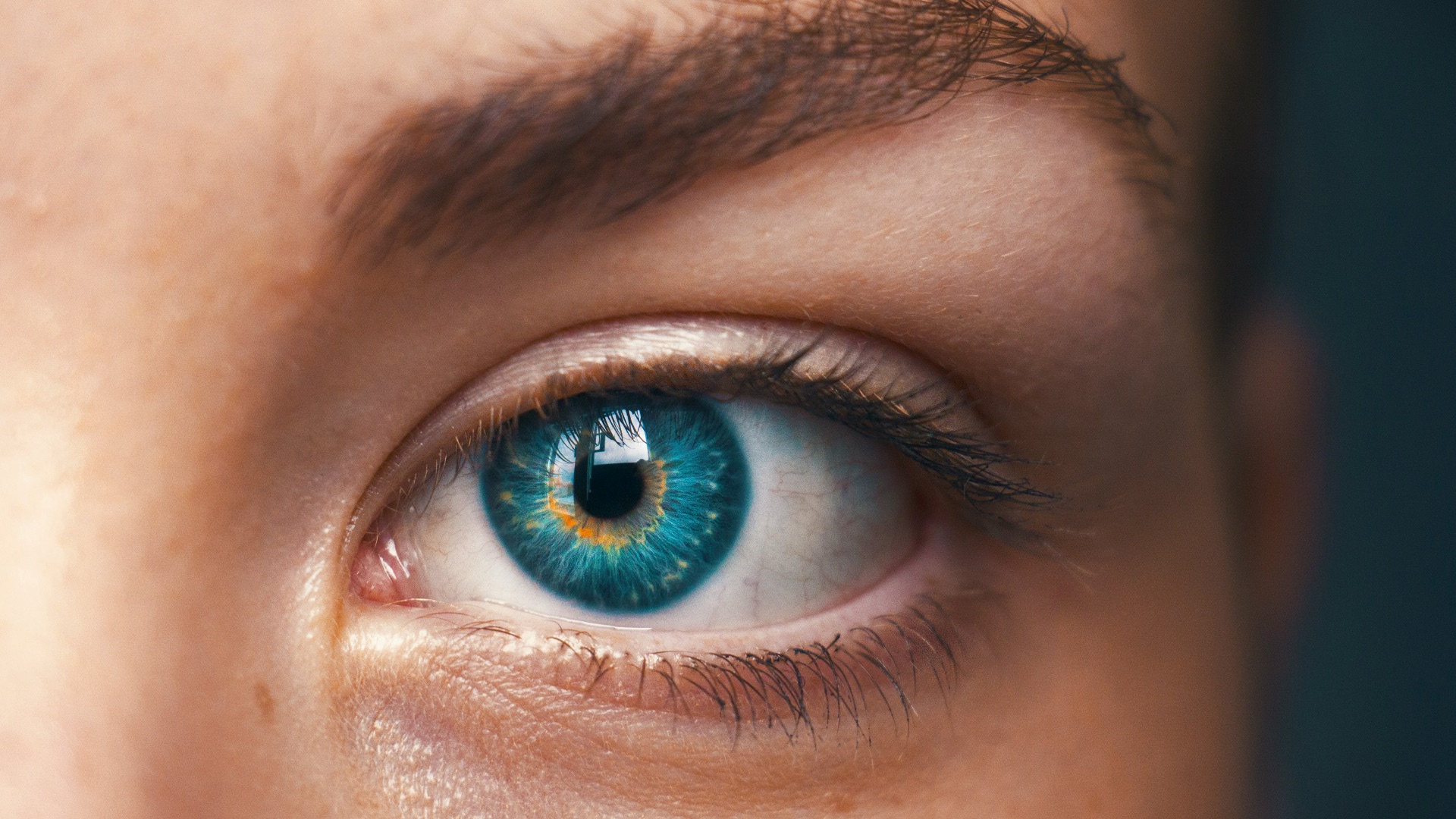
A scratched cornea (the clear outer layer of your eye) sounds alarming, but minor surface scratches often heal within 24 to 48 hours. Corneal epithelial cells are highly active and migrate quickly to cover any gaps left by surface damage. This rapid response is part of why many people who scratch their eye overnight wake up with significantly reduced discomfort by the following morning.
13. Cells Repair Their Own DNA
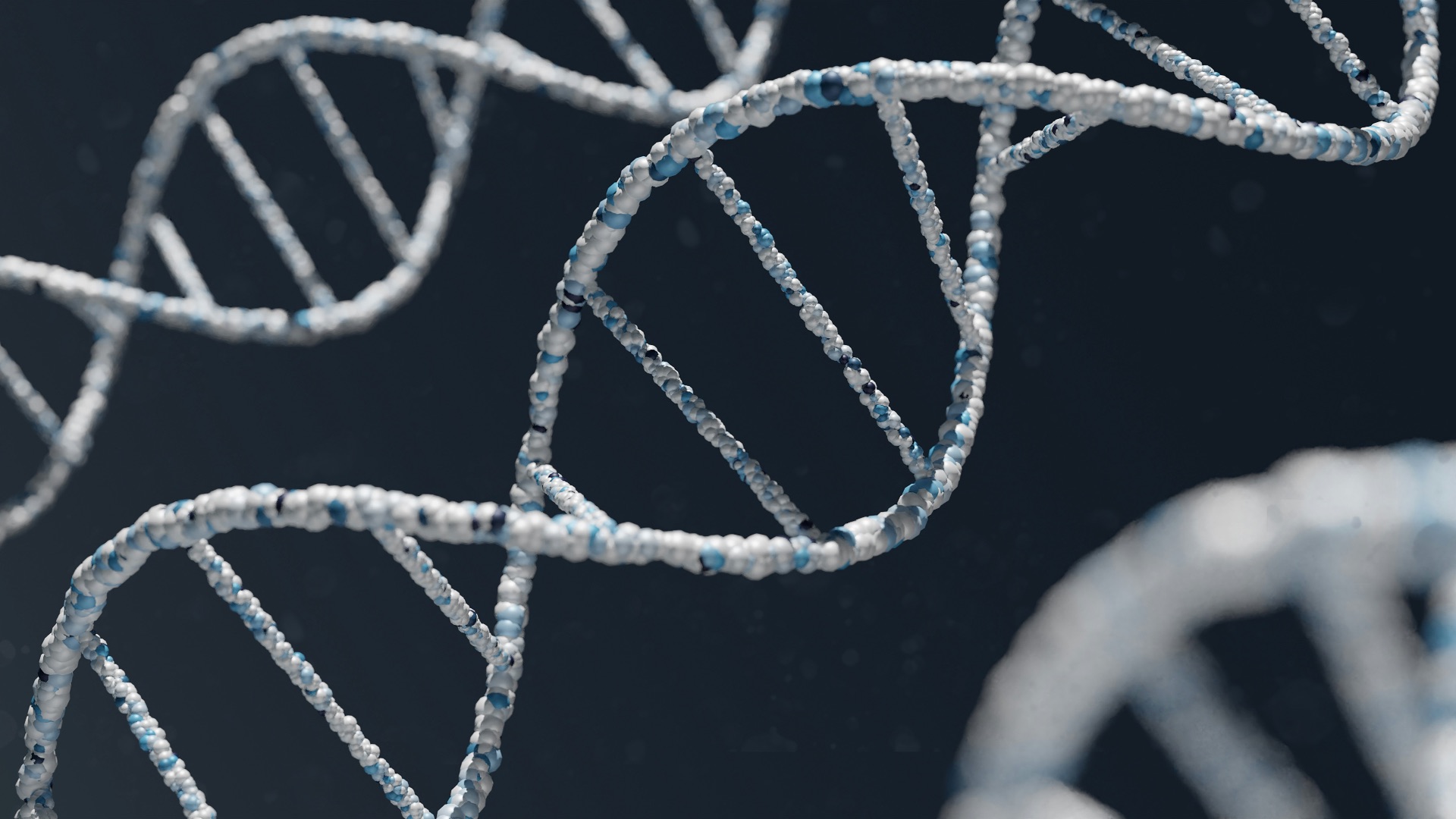
Every day, each of your cells sustains thousands of instances of DNA damage from sources like UV radiation, environmental toxins, and normal metabolic processes. Fortunately, your cells are equipped with dedicated repair enzymes that scan DNA strands for errors, excise the damaged sections, and fill in the correct sequence. This constant molecular maintenance is one of the key reasons your cells don't accumulate errors quickly enough to cause widespread dysfunction.
14. The Spleen Filters and Recycles Blood Components
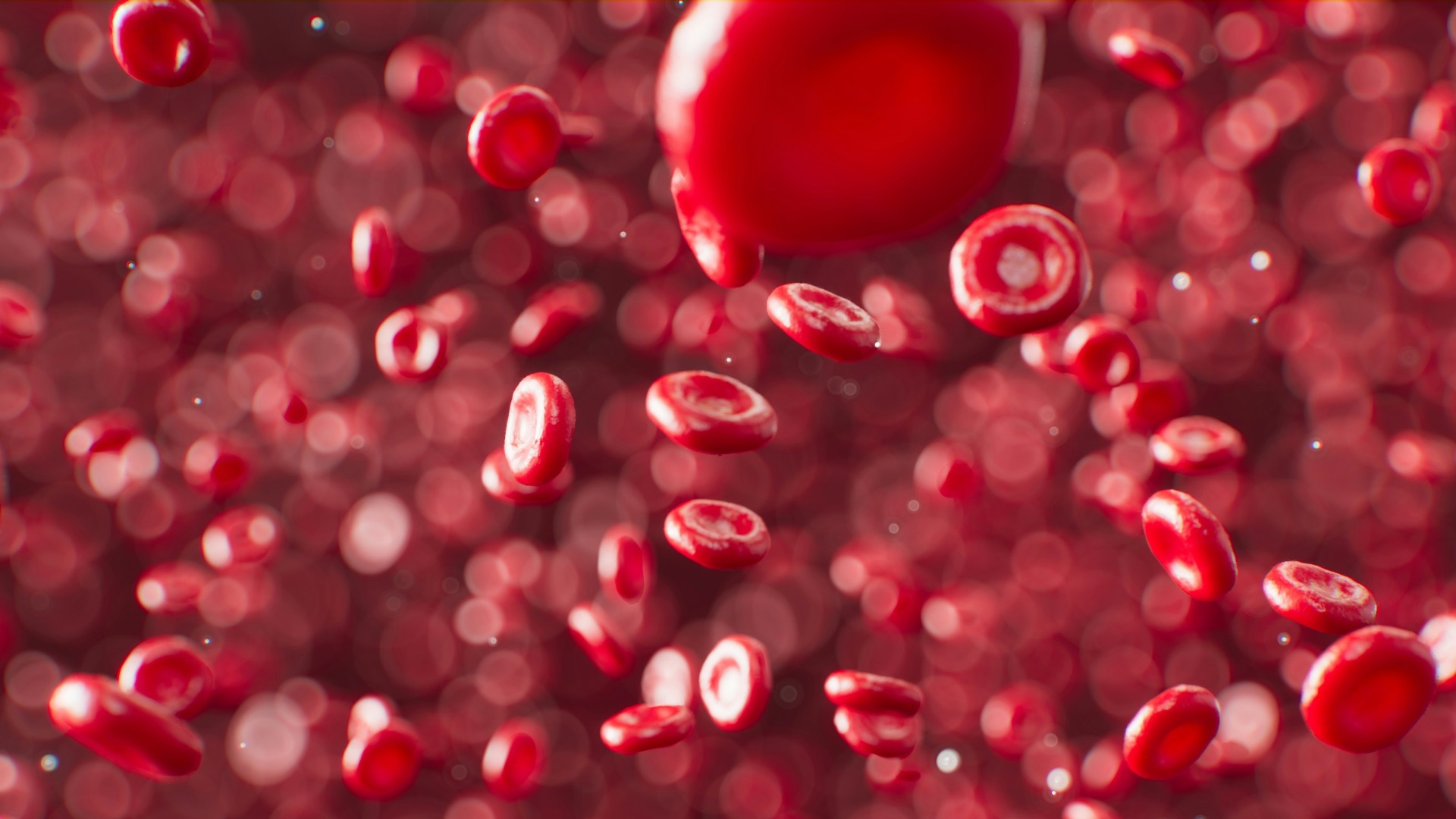
The spleen plays an important role in keeping your blood supply clean and functional by removing old or damaged red blood cells from circulation. As these cells pass through the spleen's tissue, defective ones are identified and broken down, with their components (including iron) recycled for use in producing new blood cells. This filtration process runs continuously, ensuring your bloodstream stays stocked with healthy, functional red blood cells.
15. Taste Buds Regenerate Every Few Weeks
If you've ever burned your tongue on a hot drink and noticed that food tasted a little off for a few days, you experienced firsthand how quickly taste receptors can be disrupted. The good news is that taste buds are among the body's fastest-renewing sensory structures, with a full turnover cycle of around 10 to 14 days. Damaged taste buds are replaced so efficiently that most people recover full taste function without any lasting effects.

16. White Blood Cells Adapt to New Threats
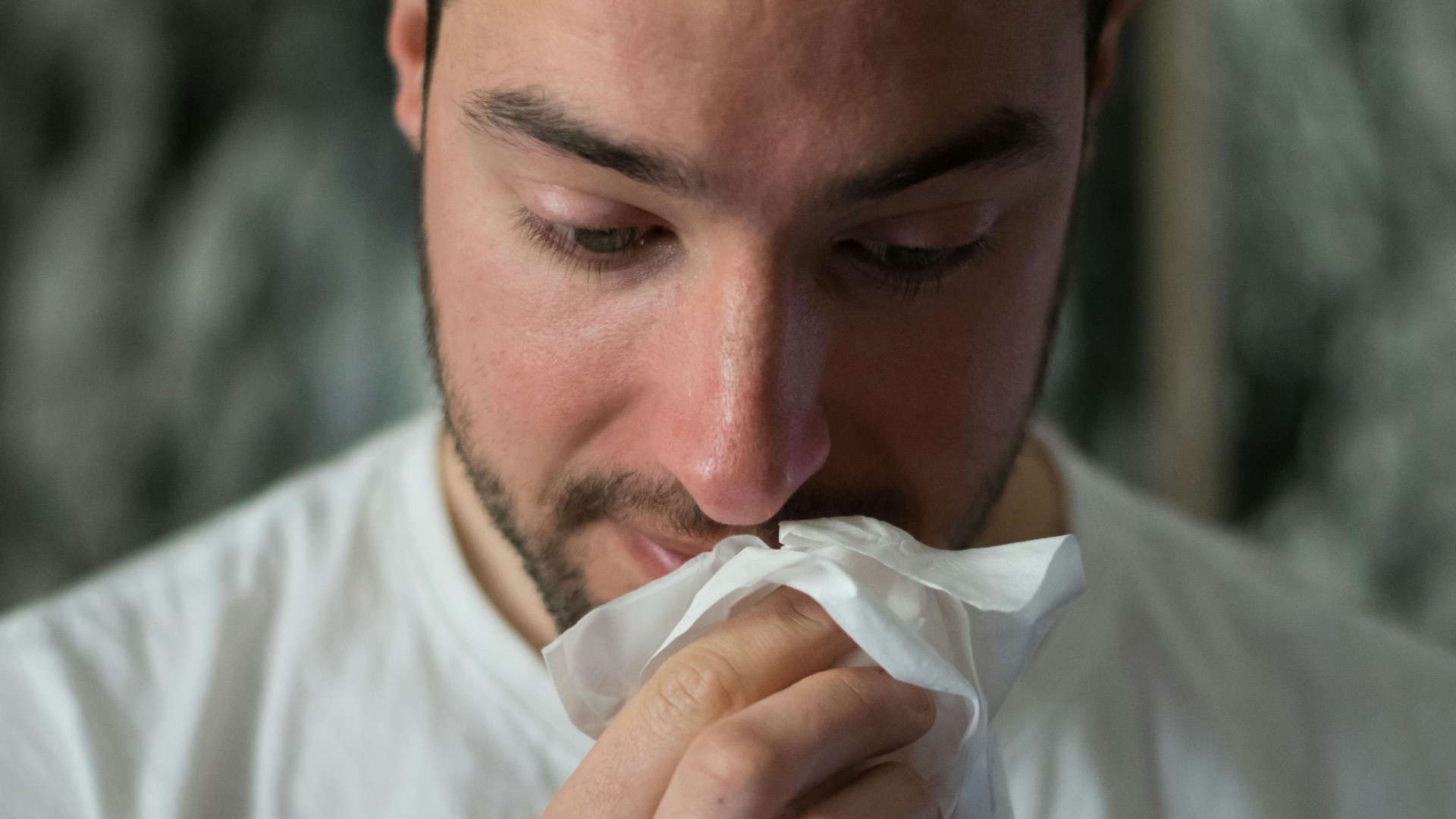
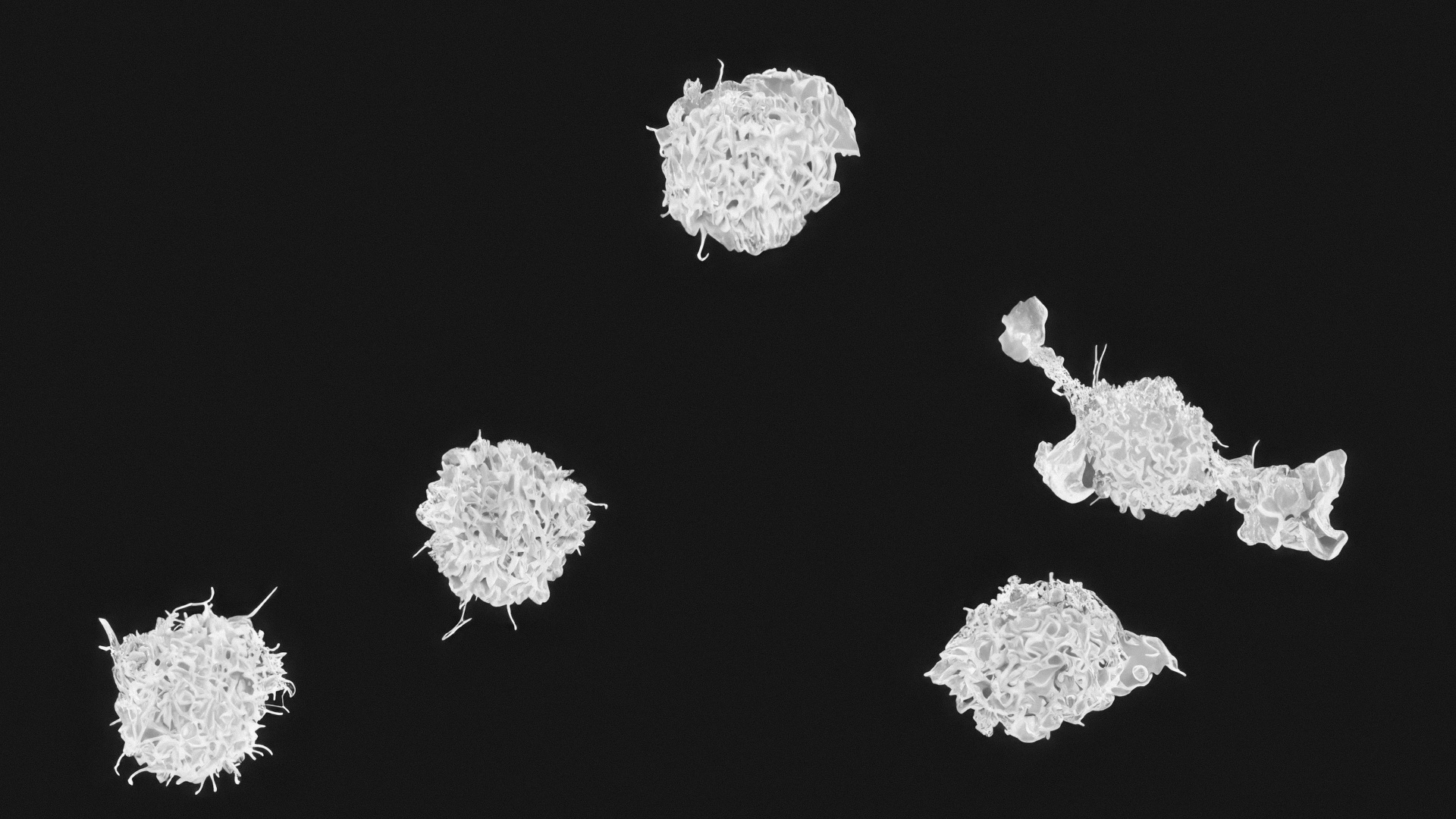
Your immune system doesn't rely solely on pre-existing defenses; in fact, it's also capable of generating new responses to pathogens it's never encountered before. Through a process called clonal selection, white blood cells that recognize a novel invader multiply rapidly and produce targeted antibodies designed specifically for that threat. This adaptability is what allows your body to handle new infections it has no prior experience with.
 National Institute of Allergy and Infectious Diseases on Unsplash
17. The Kidneys Compensate for Reduced Function
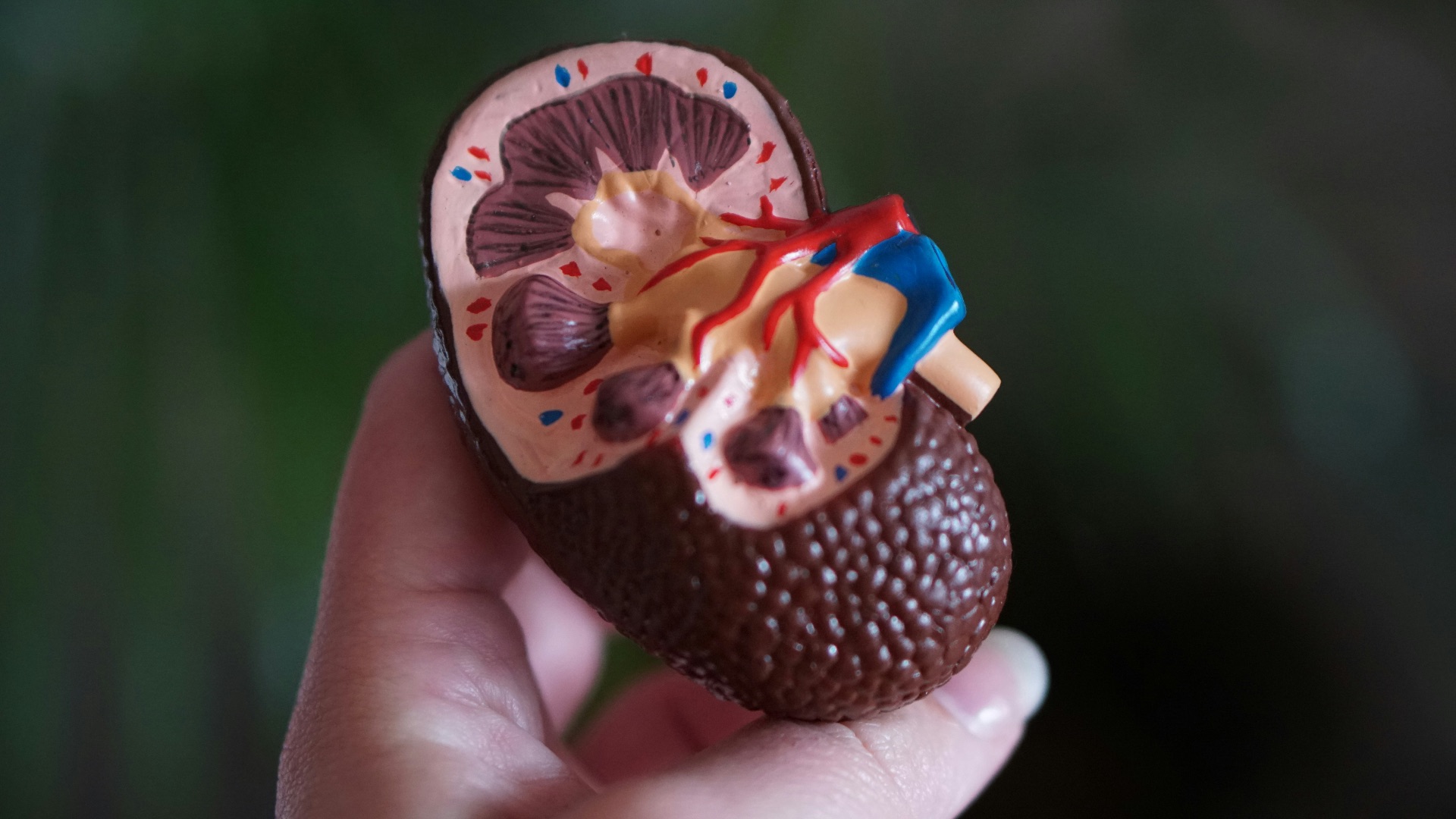
If one kidney is damaged or removed, the remaining kidney has a remarkable ability to increase its own capacity to compensate. The remaining kidney undergoes a process called compensatory hypertrophy, in which its filtering units enlarge and become more efficient to handle the increased workload. In many cases, a single healthy kidney can perform nearly as much filtering work as two, which is what makes kidney donation medically viable.
18. Hair Follicles Regenerate After Minor Damage
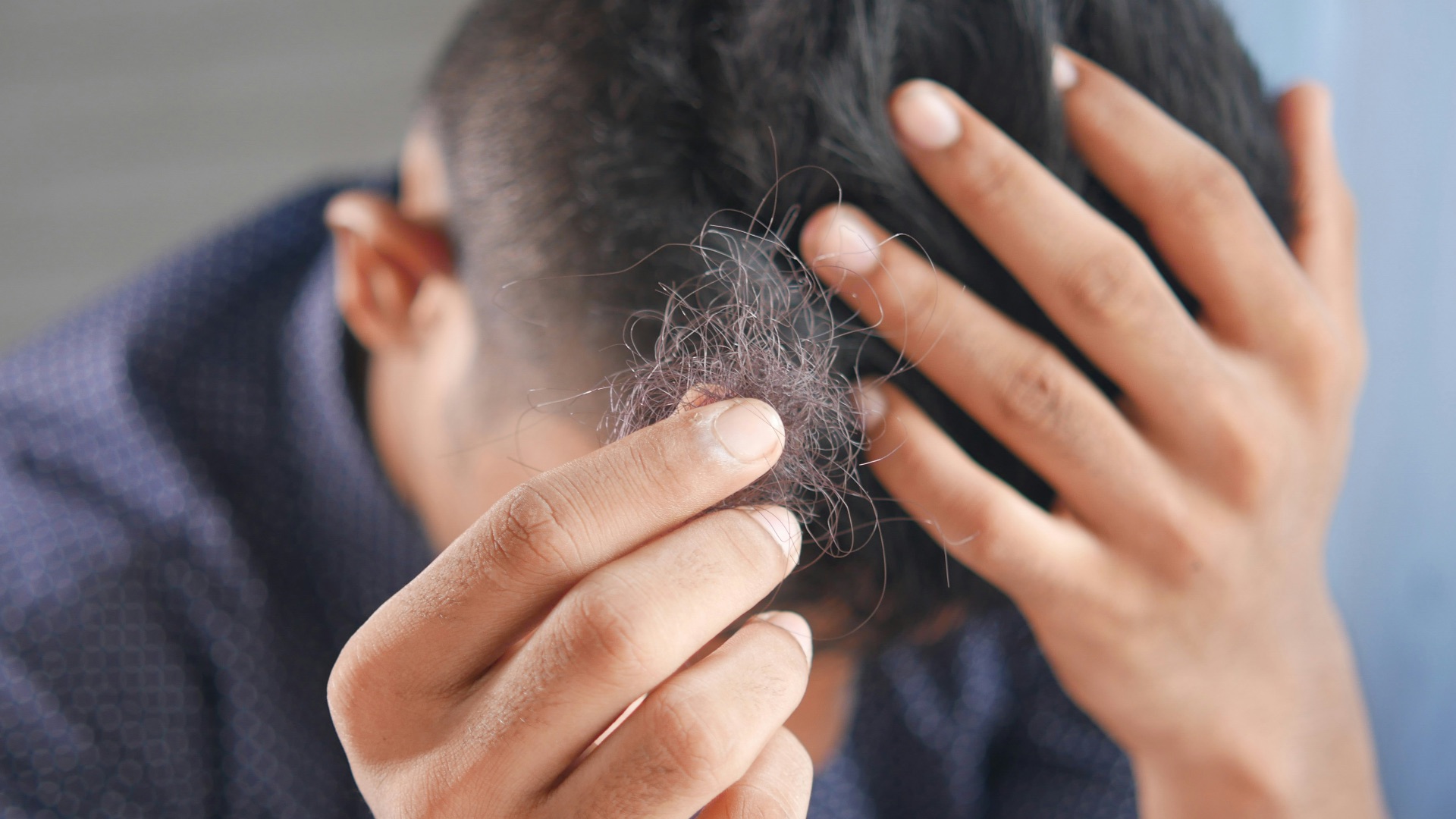
Hair loss from conditions like temporary shedding or mild scalp irritation doesn't always mean permanent damage, because hair follicles are capable of regenerating under the right conditions. Each follicle goes through natural growth and rest cycles, and after periods of dormancy or minor trauma, they can reactivate and resume producing hair. Follicle stem cells located in a region called the bulge are largely responsible for this regenerative capacity.
19. Cells Recycle Their Own Damaged Parts
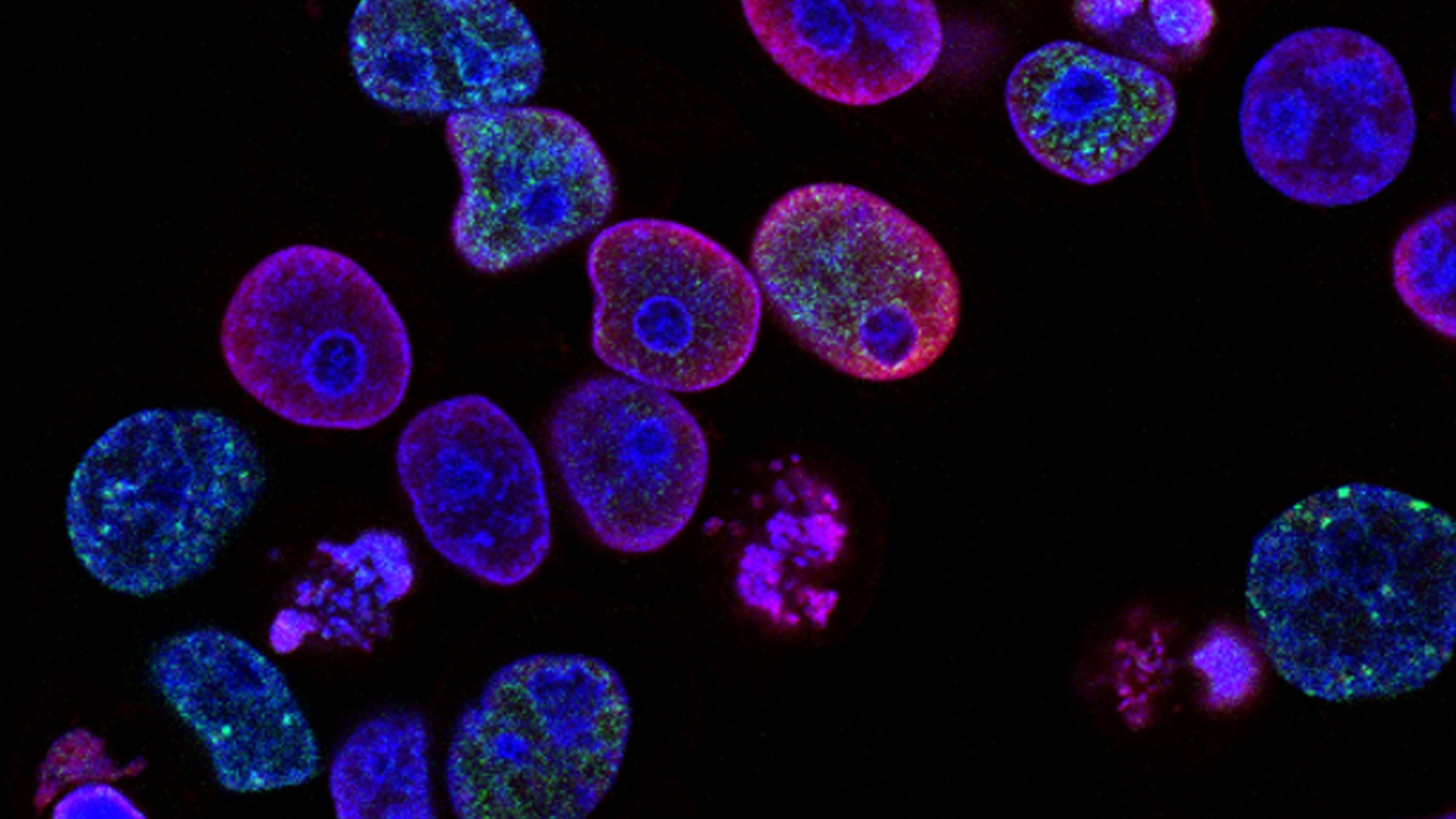
Your body doesn’t only repair itself at the tissue level: individual cells also run their own internal cleanup systems. Through a process called autophagy, cells identify worn-out proteins, defective mitochondria, and other damaged components, then break them down in lysosomes so the useful parts can be recycled. This quiet maintenance helps cells stay functional over time, preventing internal clutter from building up and interfering with normal activity.
 National Cancer Institute on Unsplash
20. Sleep Triggers Whole-Body Cellular Repair
Sleep isn't just rest for your mind; it's a dedicated repair window for your entire body. During deep sleep stages, your body ramps up the production of growth hormone, which stimulates tissue repair, muscle recovery, and immune system maintenance. Consistently getting enough quality sleep is one of the most powerful things you can do to support all of the healing processes your body runs around the clock.

KEEP ON READING



20 Natural Ways You Can Boost Your Immune System
20 Ways To De-stress & Relax After Work
The 10 Most Common Diseases & The 10 Most Rare