Small Fixes, Real Limits
Natural remedies have an old-school appeal. A spoonful of honey, a bowl of oatmeal, or a warm bath after a long day can feel more familiar than anything with a warning label. Plenty of these fixes can be useful for mild, everyday discomfort, especially when someone just wants a little relief before bed or after a rough afternoon. The trouble starts when a small comfort gets described as a cure, or when concentrated supplements are treated the same as food. These are 20 popular “natural” wellness fixes that can have a place in real life, but aren’t the end-all, be-all for medical substitutes.
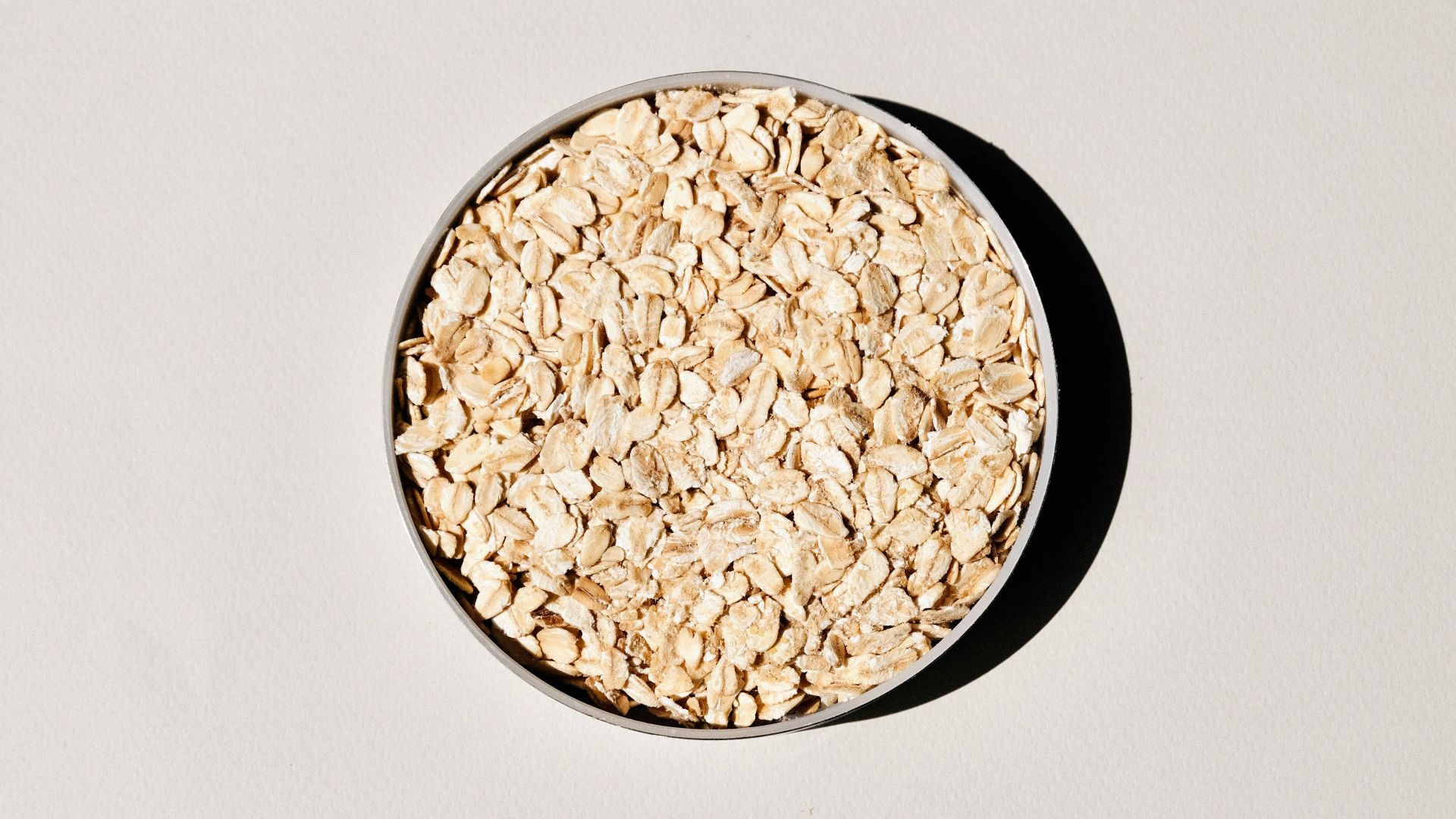
1. Honey for Coughs
Honey can coat the throat and make a mild cough feel less scratchy. It isn’t safe for babies under one year old, and it won’t treat a bacterial infection, chronic cough, asthma flare, or breathing trouble. For an otherwise mild cough, it may help someone rest a little more easily.
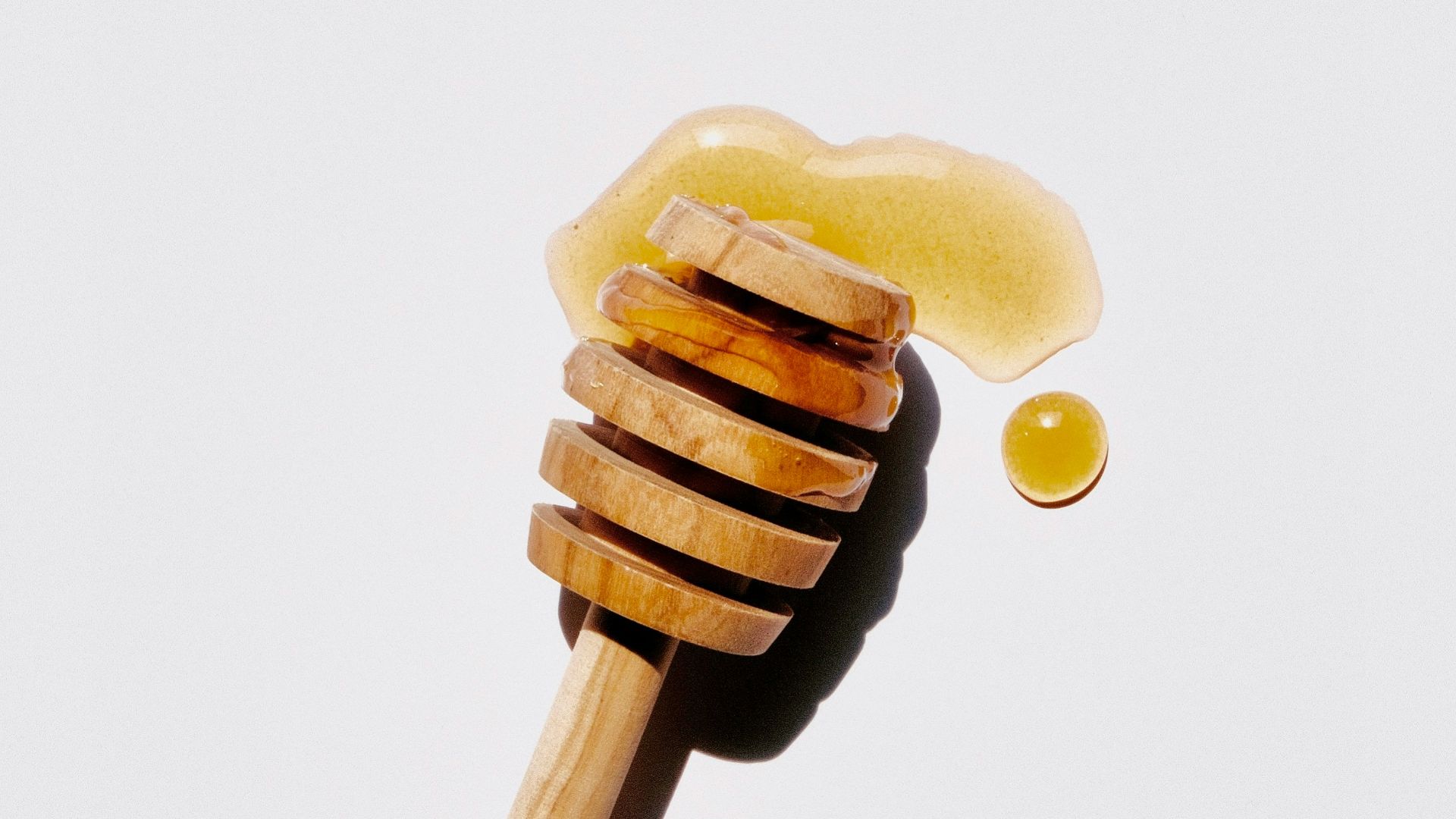
2. Oatmeal Baths for Eczema
An oatmeal bath can calm dry, itchy skin for a little while, which makes it a good remedy for people with eczema. The relief is usually surface-level, and it doesn’t address the skin barrier and immune issues behind eczema. Oat sensitivity, open cracks, or very reactive skin can also make some people more cautious with anything added to bathwater.
3. Aloe Vera on Sunburns
Aloe vera gel can feel cooling on a mild sunburn. It doesn’t undo UV damage, and it isn’t enough for blistering burns, fever, chills, or signs of infection. A plain, well-stored gel is usually safer than a scented product on already irritated skin.

4. Prunes for Constipation
Prunes can help some people with constipation because they contain fiber and compounds that pull water into the bowel. They don’t work the same way for everyone, and too many can cause gas, cramps, or stomach discomfort.

5. Ginger for Nausea
Ginger may help with mild nausea, especially the queasy feeling some people get during pregnancy, travel, or after eating too much. It’s less dependable for nausea linked to major illness, surgery, chemotherapy, or medication side effects. Concentrated ginger supplements can also interact with some medications, so it's best to be careful if and when you decide to have some.

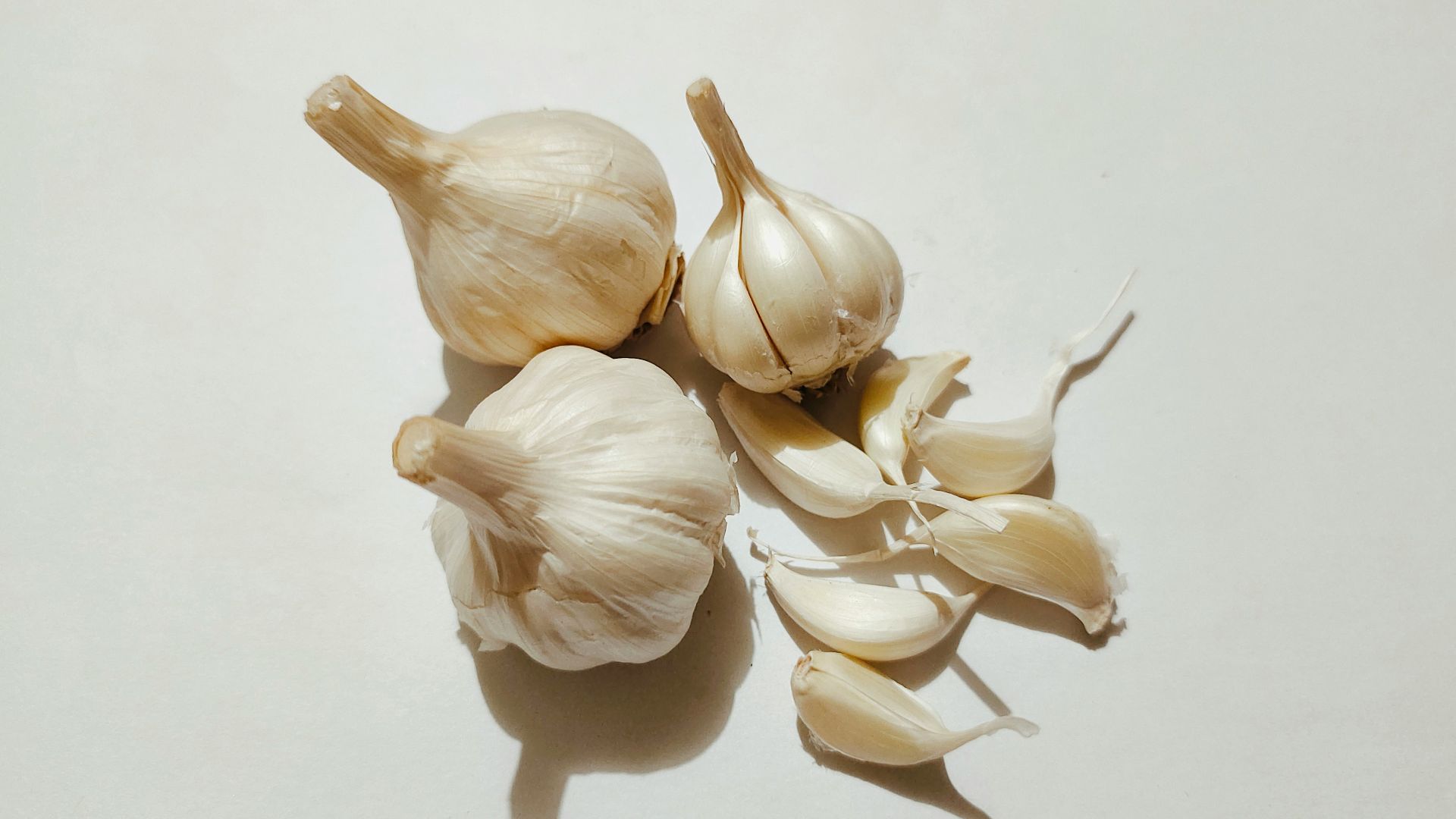
6. Garlic for Blood Pressure
Garlic has been studied for heart health, and some garlic supplements may have a modest effect on blood pressure. That doesn’t make garlic a replacement for medication, regular readings, or a clinician’s advice.
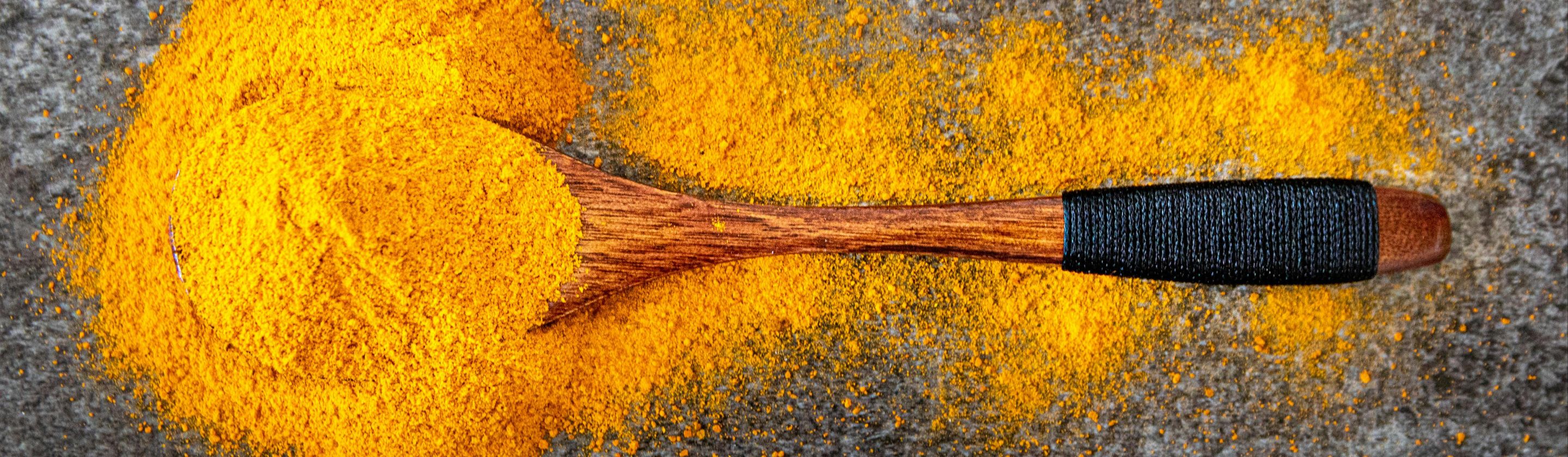
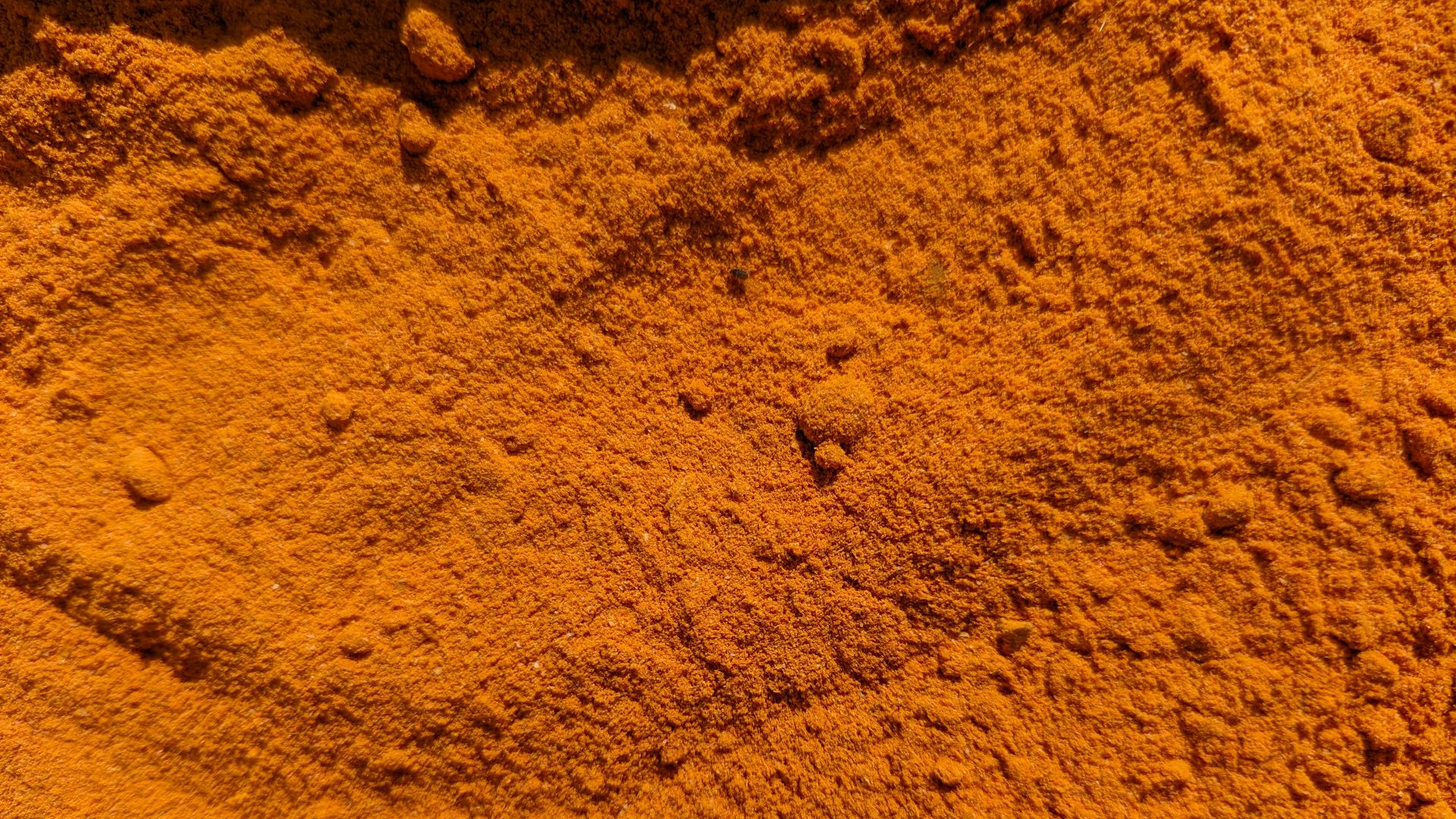
7. Turmeric With Black Pepper for Inflammation
Turmeric gets attention because curcumin, one of its active compounds, has been studied for inflammation. The body doesn’t absorb curcumin easily, and black pepper extract can raise absorption in ways that may also raise side-effect risks with concentrated supplements.
 Md Shakil Photography on Unsplash
8. Cold Exposure
Cold plunges and ice baths can leave some people feeling alert and more level-headed. That said, they can also strain the body, especially for people with heart rhythm issues, circulation problems, uncontrolled blood pressure, or poor cold tolerance. For some people, the stress of freezing water just feels like more stress.

9. Breathwork
Slow breathing can help the body settle during everyday stress, especially when someone is tense, overstimulated, or trying to fall asleep. More intense breathwork can cause lightheadedness, tingling, or panic-like sensations if a beginner pushes too hard. Severe anxiety, trauma symptoms, and panic attacks often need more support than this simple exercise.
 Angelina Sarycheva on Unsplash
10. Earthing
Standing barefoot on grass can feel relaxing, and spending time outside after sitting all day indoors is rarely a bad idea. The larger claims about electrical transfer through the ground are not well proven. Bare feet outside also come with regular risks, including cuts, bug bites, dirty surfaces, hot pavement, and hidden sharp objects.

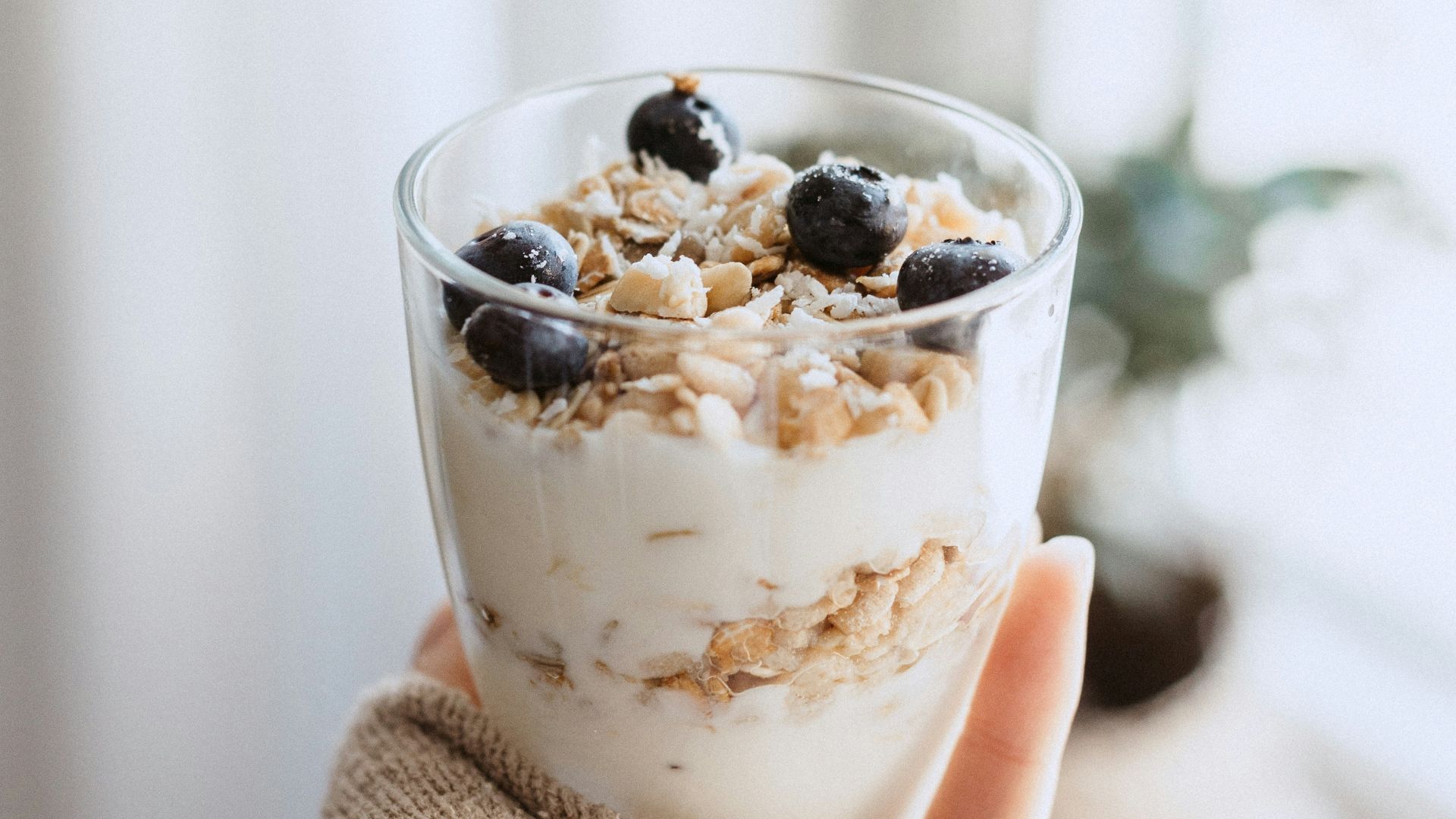
11. Fermented Foods for Mood
Fermented foods like yogurt, kefir, kimchi, and sauerkraut may support gut health for some people. The connection between gut health and mood is being studied, but eating fermented foods doesn’t guarantee a noticeable mood change. People with IBS, histamine sensitivity, or sensitive digestion may actually feel worse off.
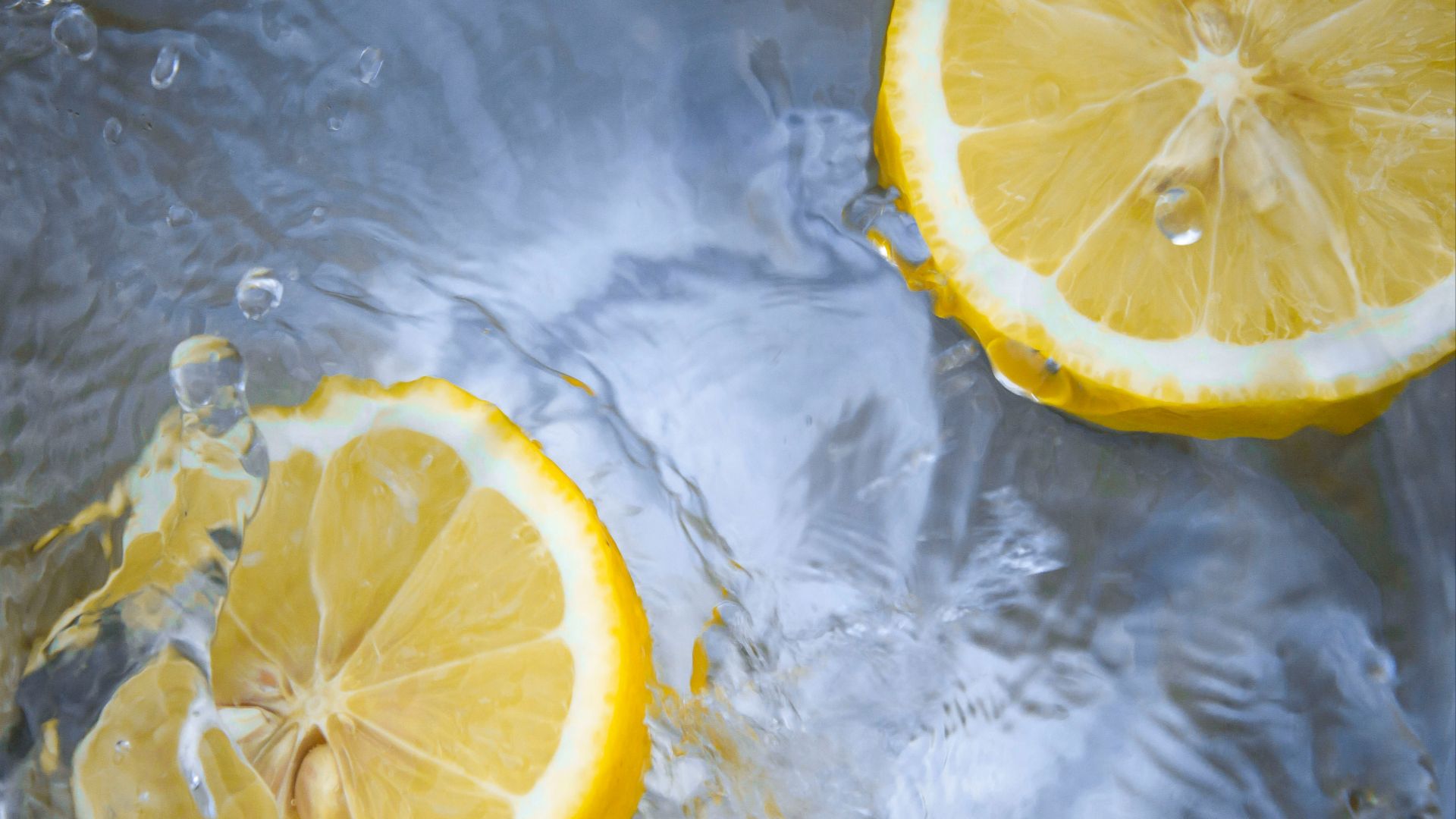
12. Lemon Water for Hydration
Lemon water can make plain water easier to drink. While it can help someone who forgets to hydrate during a busy workday, it doesn’t hydrate better than regular water in any special way. The acidity can bother reflux-prone stomachs and may wear on tooth enamel when someone sips it constantly.
13. Beets for Blood Pressure
Beets and beetroot juice contain nitrates that may help blood vessels relax and may modestly affect blood pressure for some people. The effect is usually limited, and beets shouldn’t replace blood pressure medication.

14. Dark Chocolate for Heart Health
Dark chocolate contains plant compounds that have been studied for heart health, and a small square can fit into a normal eating pattern. It’s still calorie-dense, though, and has a decent amount of caffeine. Plus, who’s eating just one square of chocolate?

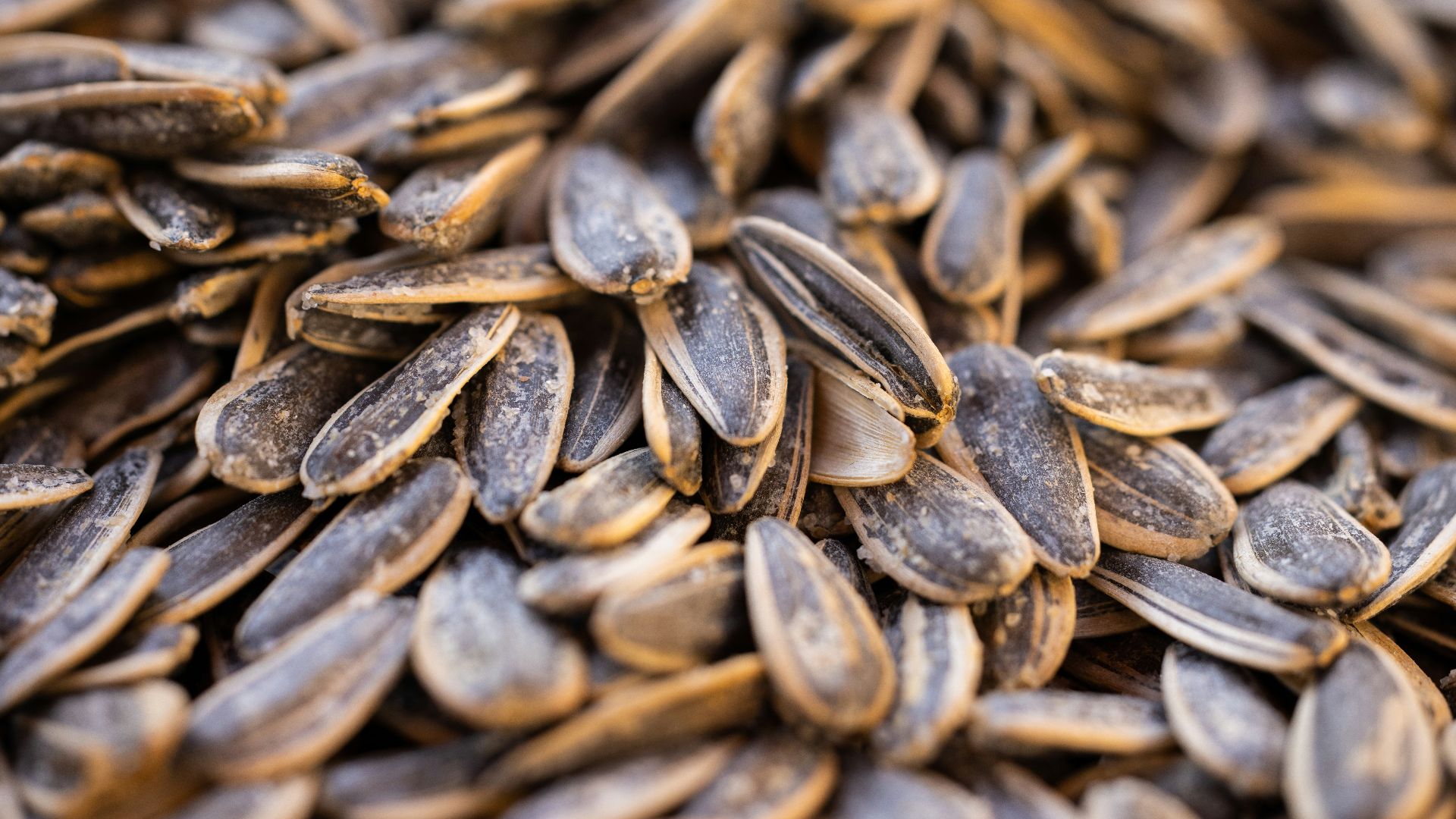
15. Sunflower Seeds for Mood
Sunflower seeds bring magnesium, healthy fats, protein, and a satisfying crunch, which makes them an easy snack to like. They’re also calorie-dense, and salted versions can add more sodium than expected. People with concerns about contaminants may want to keep portions on the lighter side.
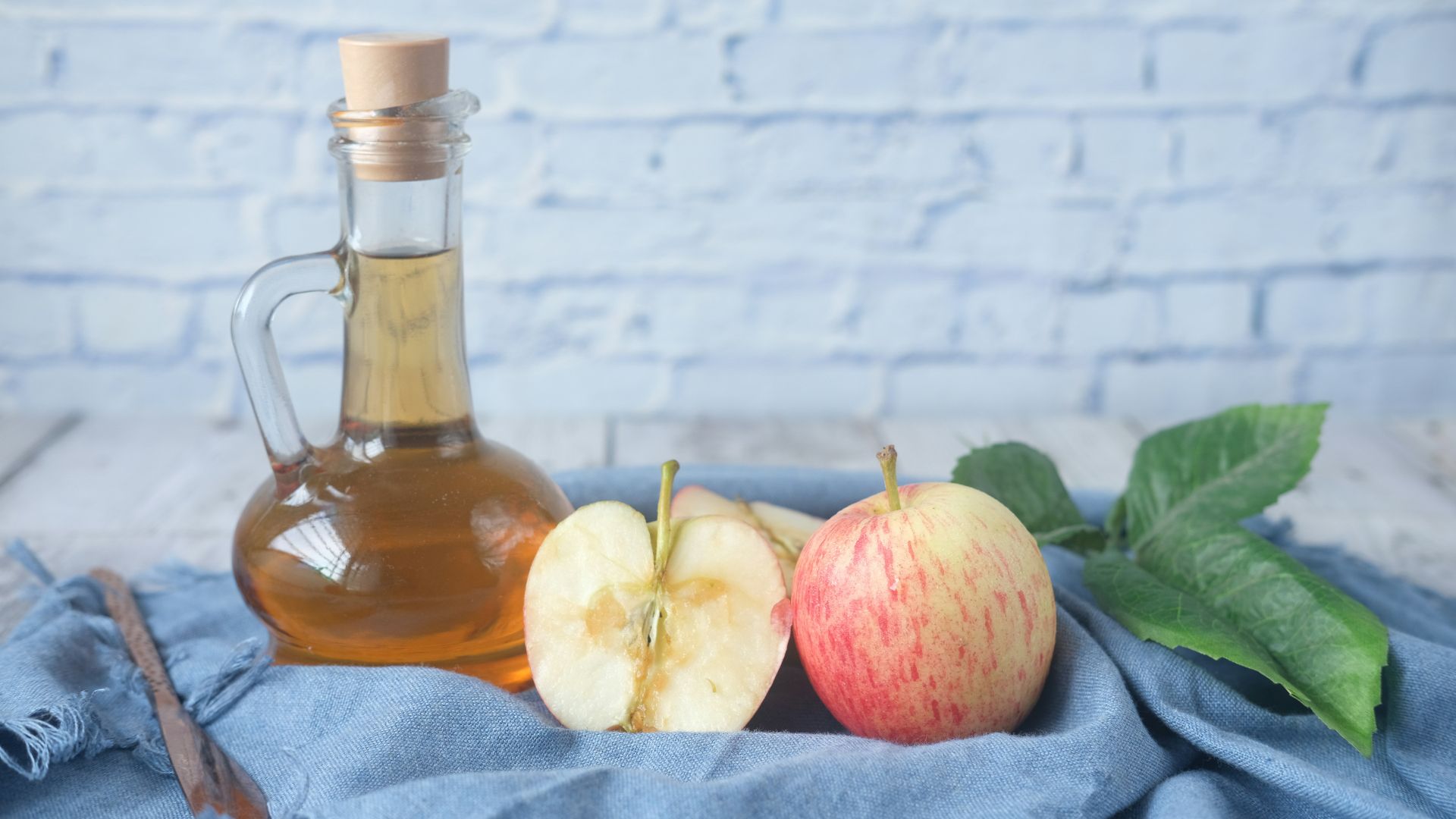
16. Apple Cider Vinegar for Blood Sugar
Apple cider vinegar may have a modest effect on post-meal blood sugar for some people, depending on the meal and the person. However, it can irritate the throat, stomach, and teeth, especially when taken undiluted or used too often.
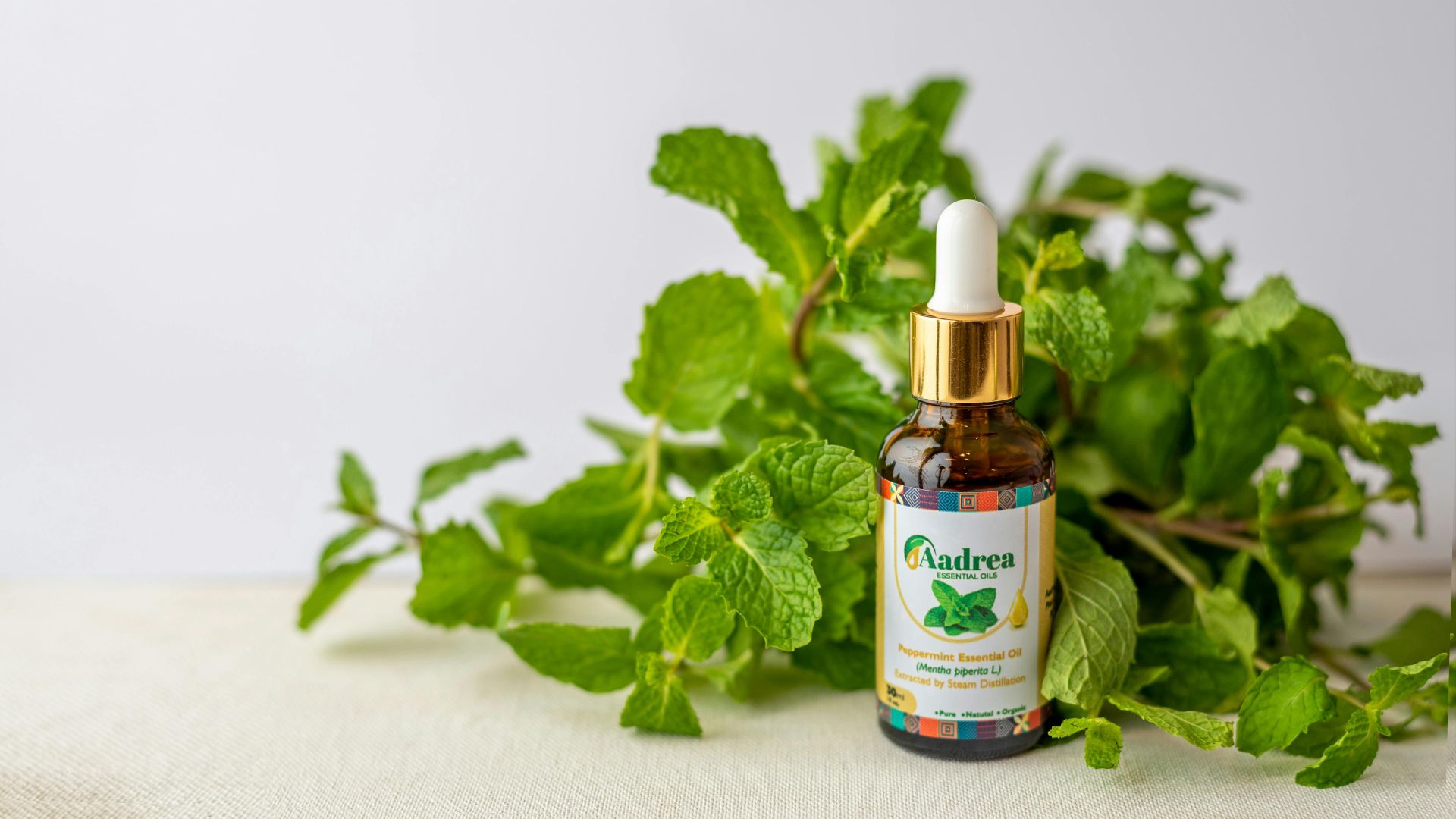
17. Peppermint Oil for Headaches
Peppermint oil can feel cooling on the temples and may help some tension-type headaches feel more manageable. It’s not a reliable fix for migraines or more severe headaches, and the concentration of essential oils can irritate eyes.
18. Cinnamon for Insulin Sensitivity
Cinnamon is easy to add to oatmeal, coffee, or toast, and it has been studied for blood sugar support. The results aren’t strong enough to treat diabetes, and supplements raise more safety questions than a normal sprinkle in food. Cassia cinnamon can contain coumarin, so heavy daily use deserves caution, especially for people with liver concerns.

19. Olive Oil for Brain Health
Olive oil can be part of an eating pattern linked with better long-term health, especially when it replaces less helpful fats. The strongest case is for the whole way of eating, rather than one spoonful working by itself. It’s also calorie-dense and can lose quality when stored near heat, light, or the back of a cabinet for too long.

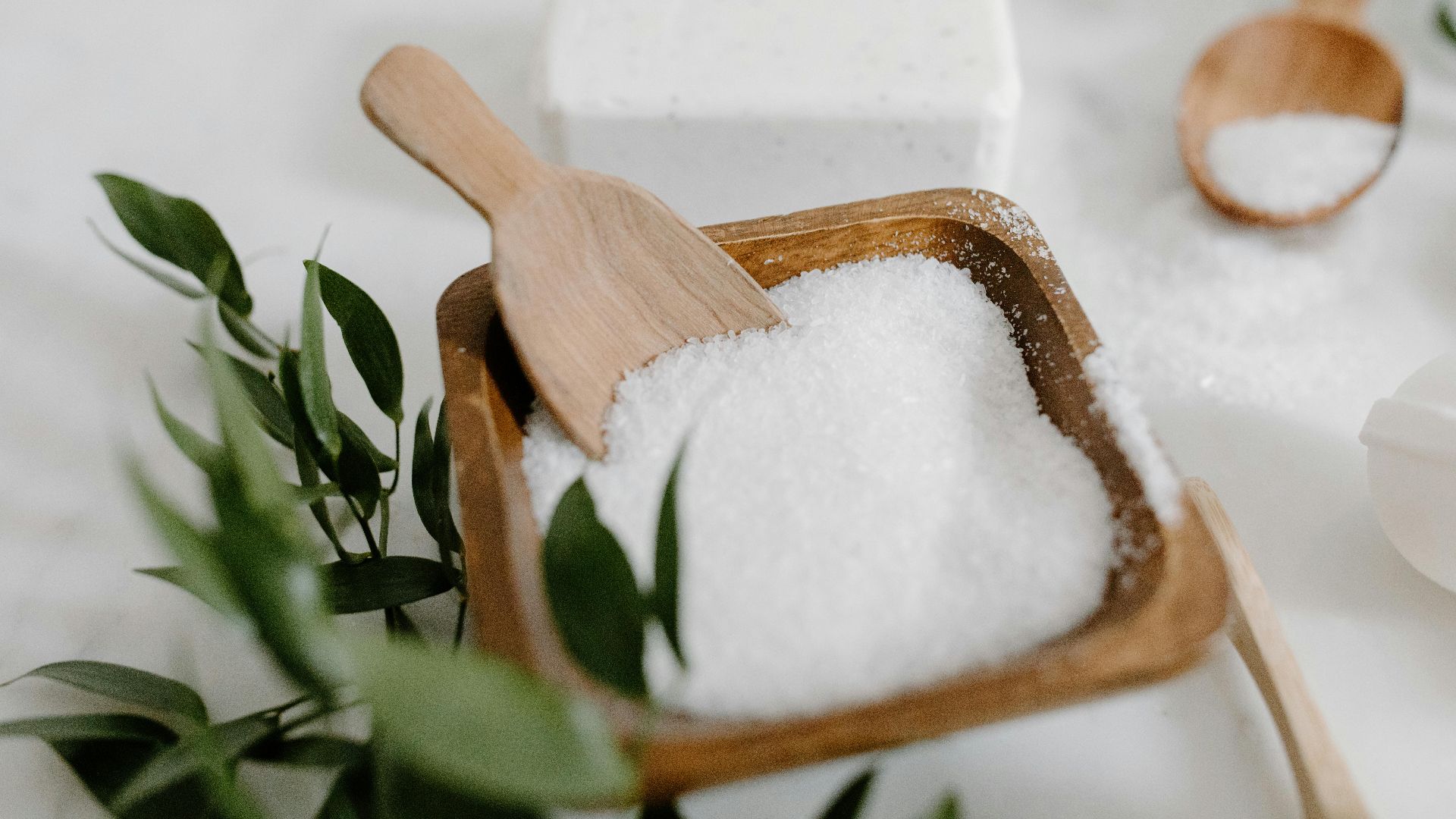
20. Epsom Salt Baths for Sore Muscles
An Epsom salt bath can feel soothing after a long walk, a hard workout, or a day spent hunched over a laptop. The warm water may help you unwind, but evidence that magnesium from the salts meaningfully soaks through the skin is limited. People with very dry or irritated skin may also find long baths uncomfortable, so this works better as a comfort ritual than as a real muscle-recovery treatment.
KEEP ON READING


20 Things Your Body Is Secretly Doing Right Now