10 Foods That Make You More Susceptible to Kidney Stones & 10 That Help Reduce Your Risk
10 Foods That Make You More Susceptible to Kidney Stones & 10 That Help Reduce Your Risk
Why Your Plate Can Affect Kidney Stone Risk
Kidney stones don’t come from one food alone, and your personal risk depends on an array of factors, including genetics, medications, and the type of stone you’re prone to forming. Still, diet can make a real difference, especially when it comes to your sodium, animal protein, oxalate, calcium, and fluid intake. Health experts note that people with a history of stones may need to adjust these nutrients based on their stone type, with common guidance including lower sodium, moderate animal protein, enough dietary calcium, and attention to high-oxalate foods.
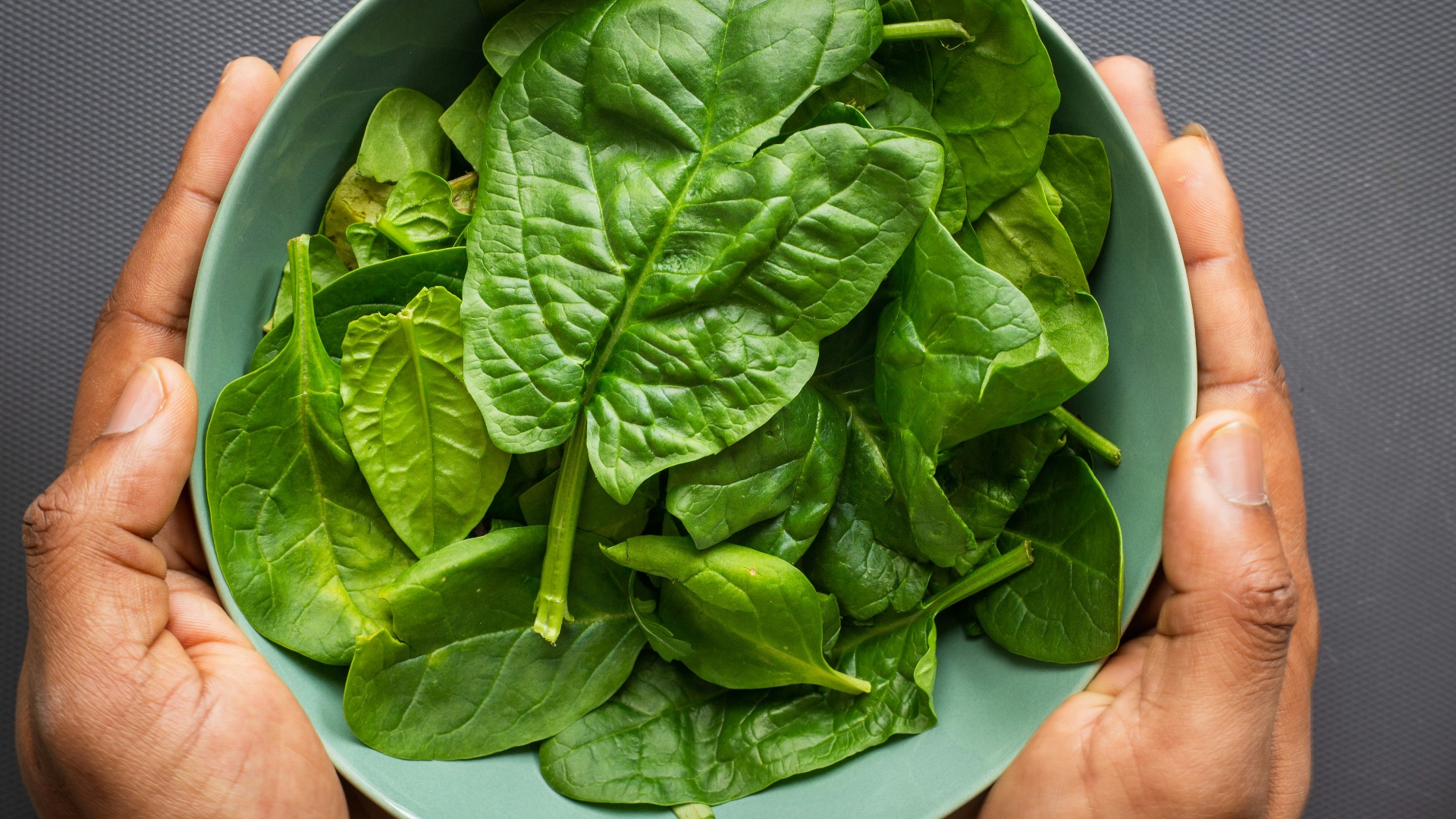
1. Spinach
Spinach is nutritious, but it’s also one of the highest-oxalate foods, which matters if you’re prone to calcium oxalate stones. Oxalate can bind with calcium in the urine and contribute to crystal formation. You don’t necessarily have to avoid spinach forever, but if you’ve had this type of stone, it’s worth discussing limits with your doctor or dietitian.
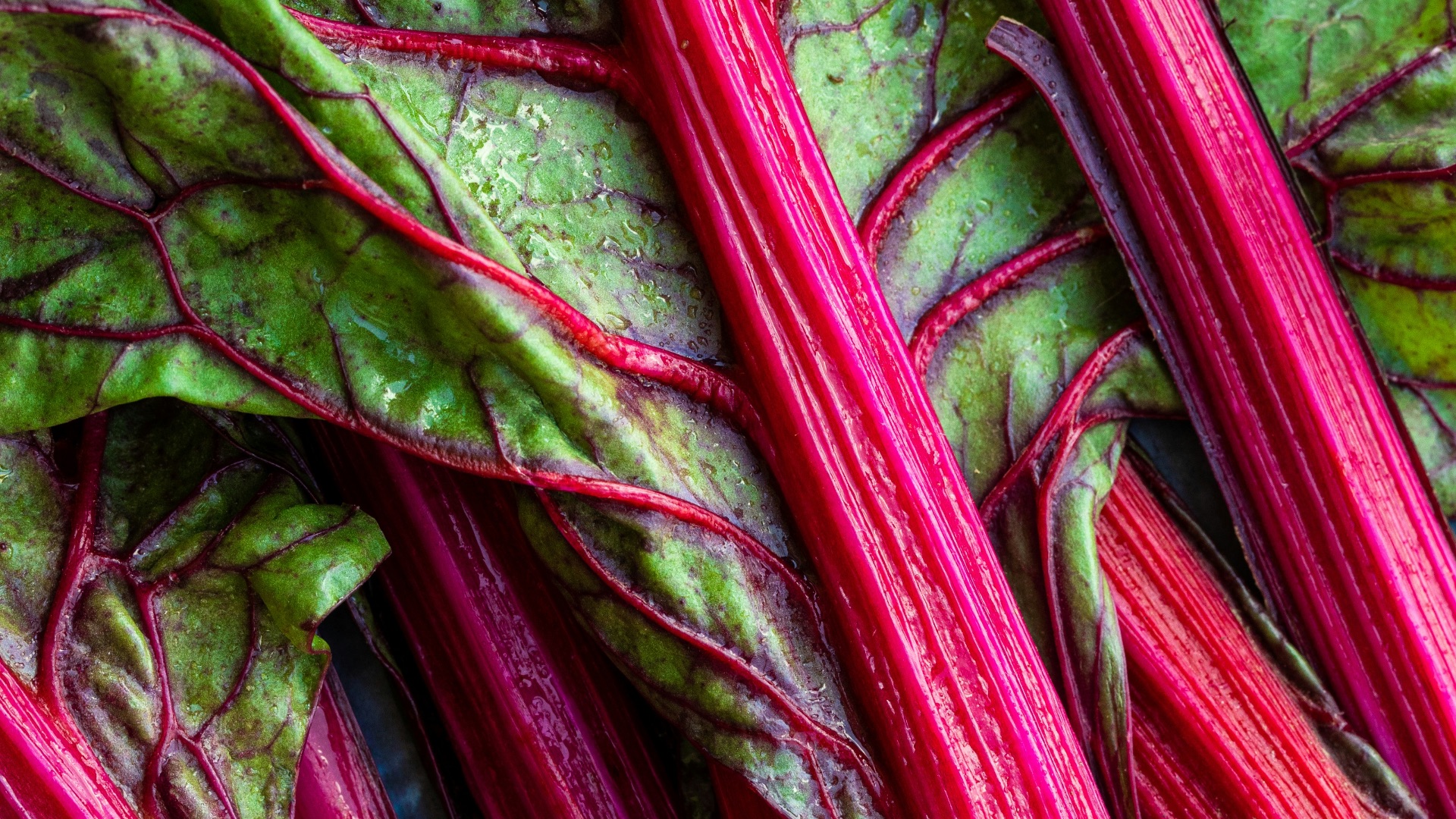
2. Rhubarb
Rhubarb is another food that’s naturally high in oxalate, so it can be a problem for people with calcium oxalate stones. Even though it’s often used in desserts, the stone-related issue comes from the plant itself, not just the added sugar. If rhubarb is a regular part of your diet, it may be one of the first foods to reassess.
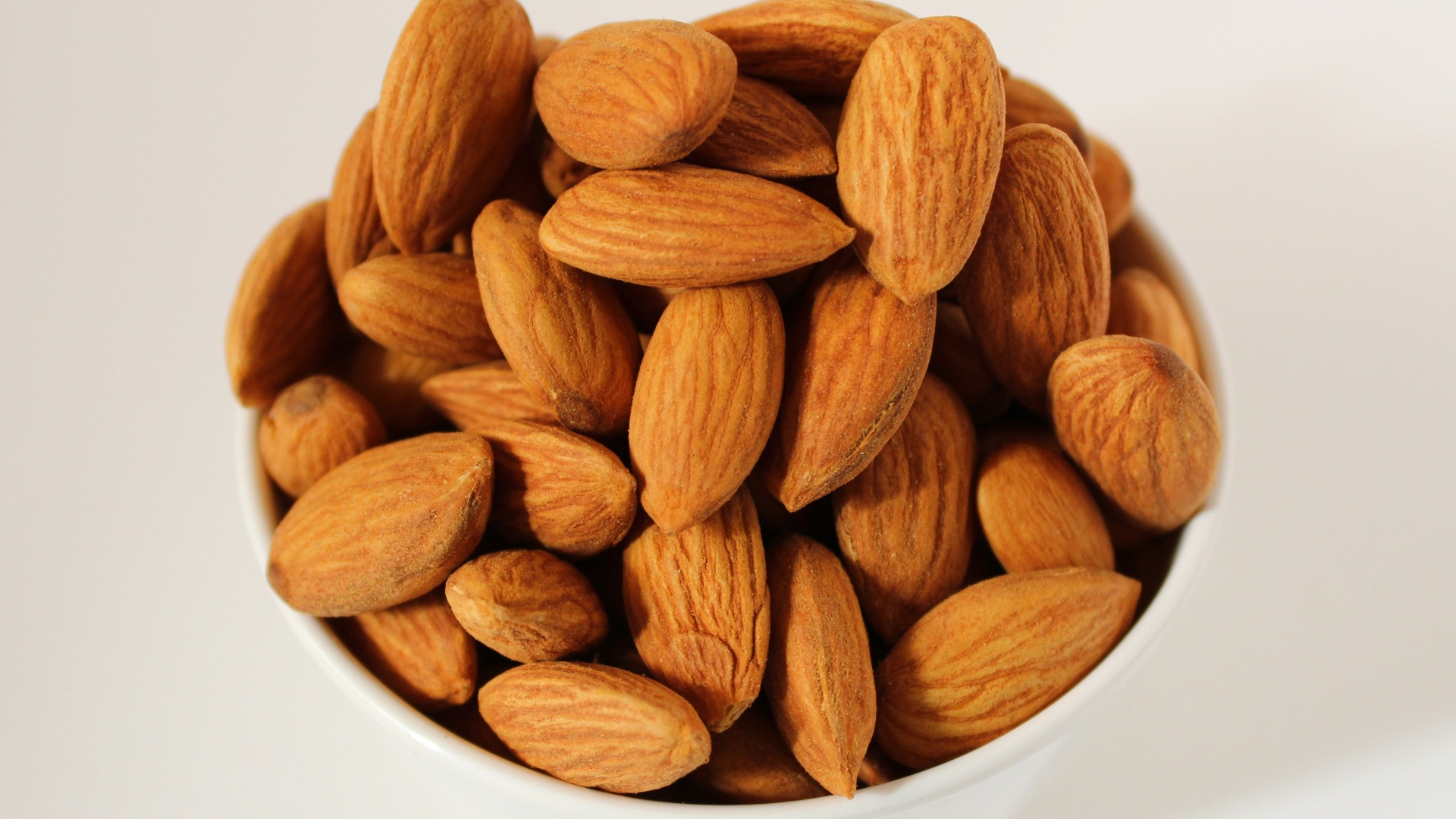
3. Almonds
Almonds have protein, fiber, and healthy fats, but they’re also relatively high in oxalate. That can surprise people because almonds are often treated as an automatically healthy snack. If you’re trying to lower oxalate intake, you may need to swap them for lower-oxalate options rather than eating large handfuls every day.
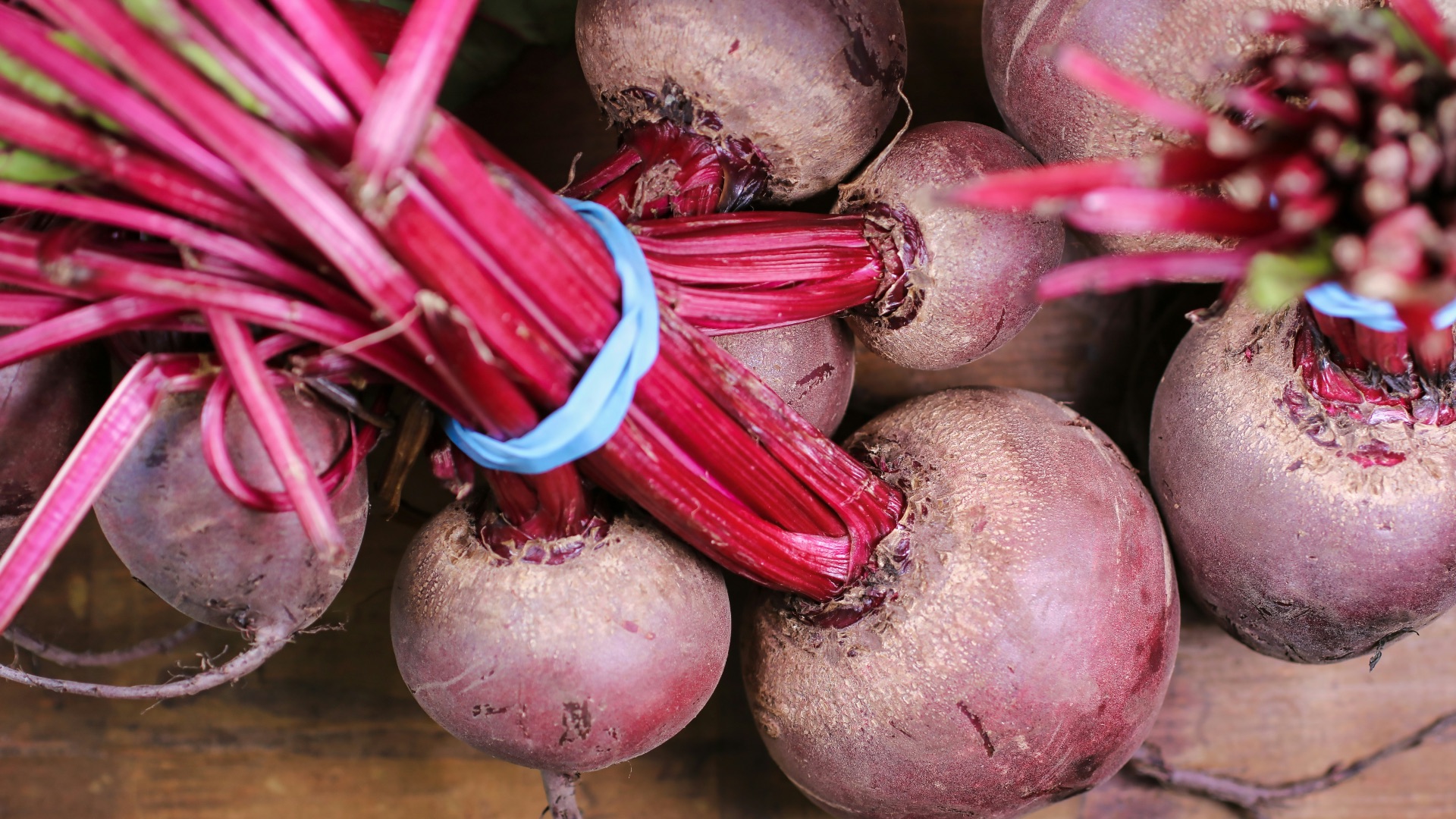
4. Beetroot
Beets can add color and nutrients to meals, but they’re also a common high-oxalate food. For someone who’s never had kidney stones, that may not be a major concern. For someone who forms calcium oxalate stones, though, beet salads, beet juice, and beet-heavy smoothies may deserve more caution.
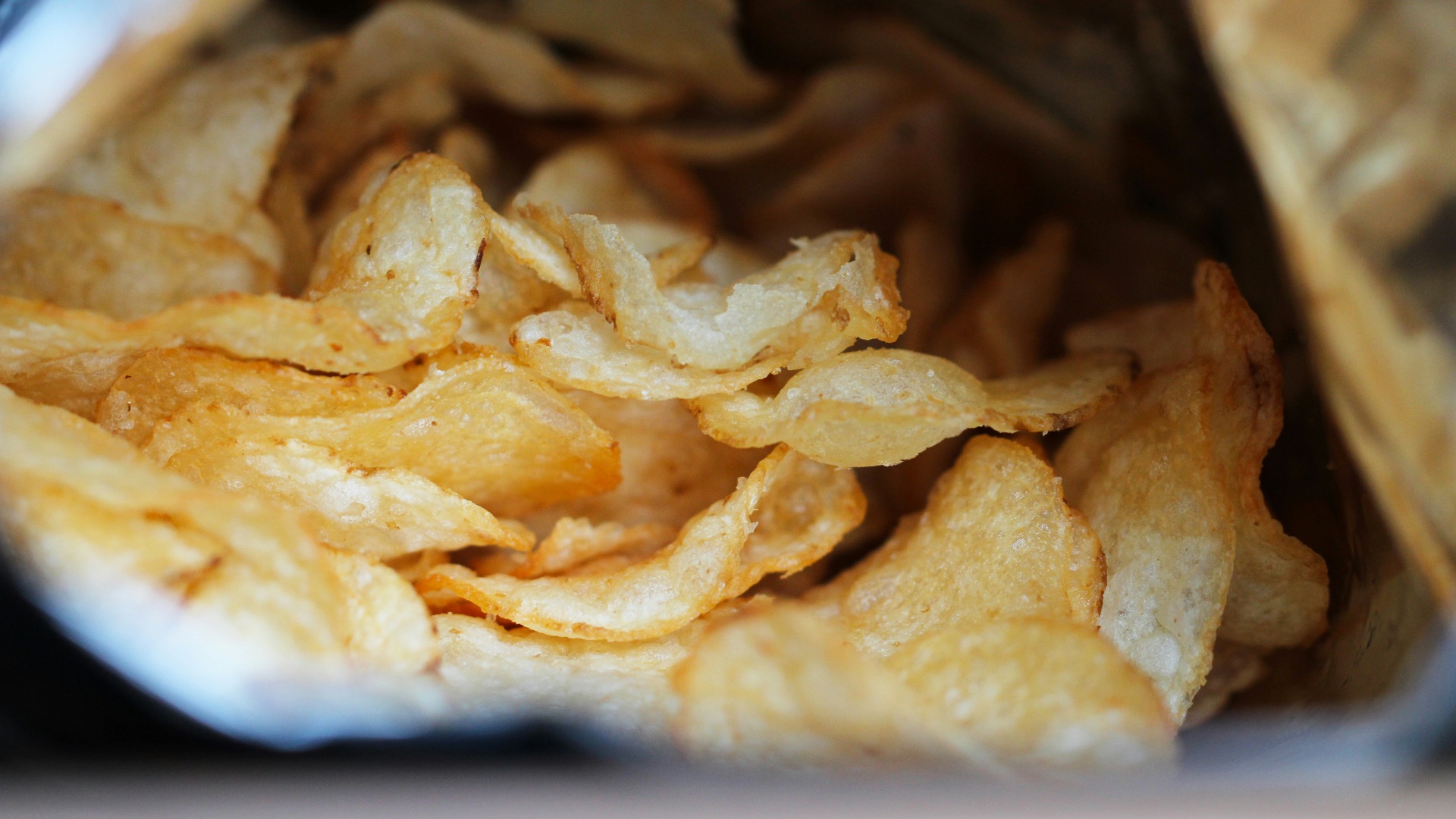
5. Potato Chips
Potato chips are less about oxalate and more about sodium, which is a major kidney stone concern. Too much sodium can increase the amount of calcium your body releases into urine, raising the chance that stones may form. The issue becomes bigger when salty snacks are eaten often rather than as an occasional treat.
 Esperanza Doronila on Unsplash
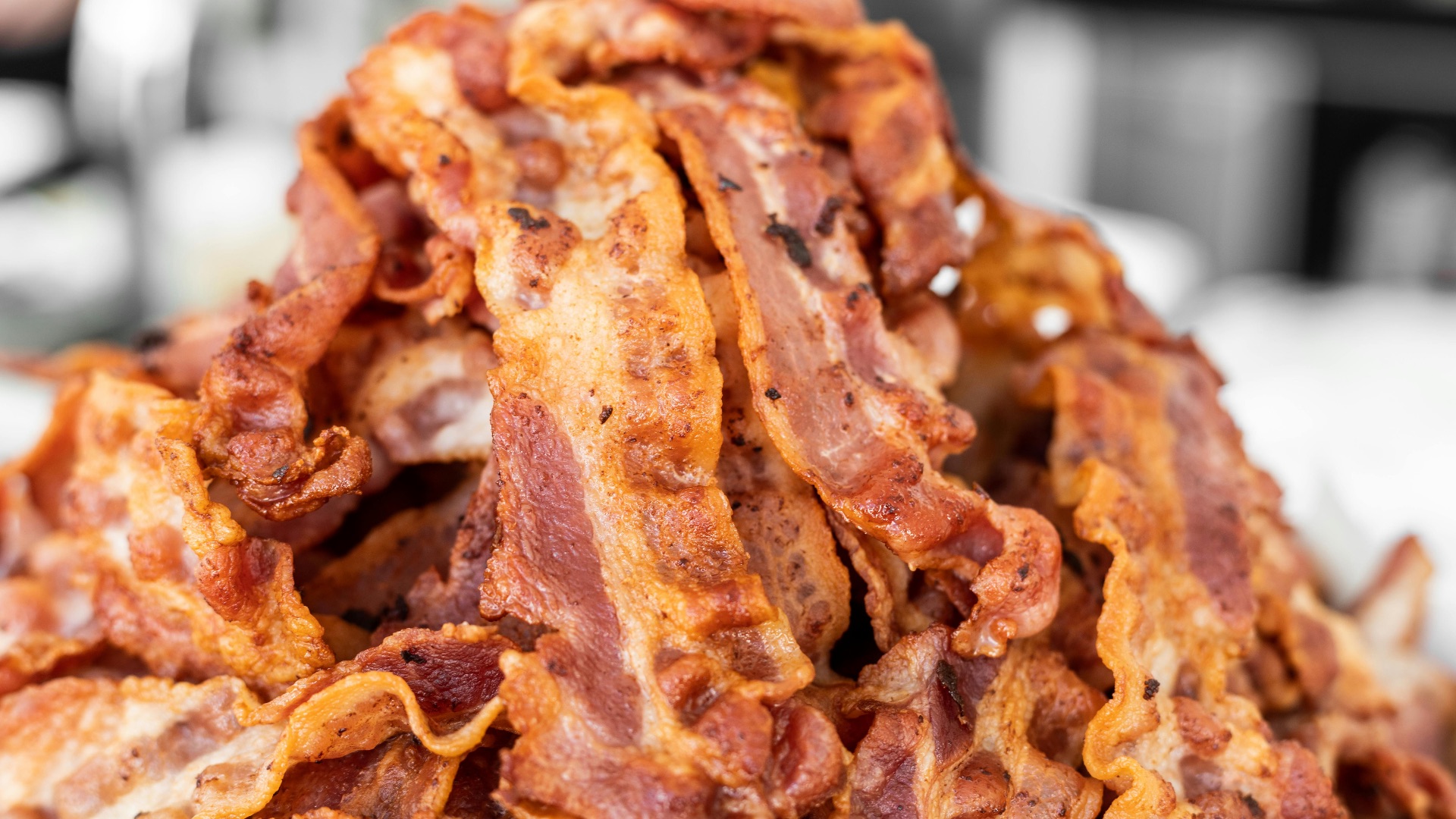
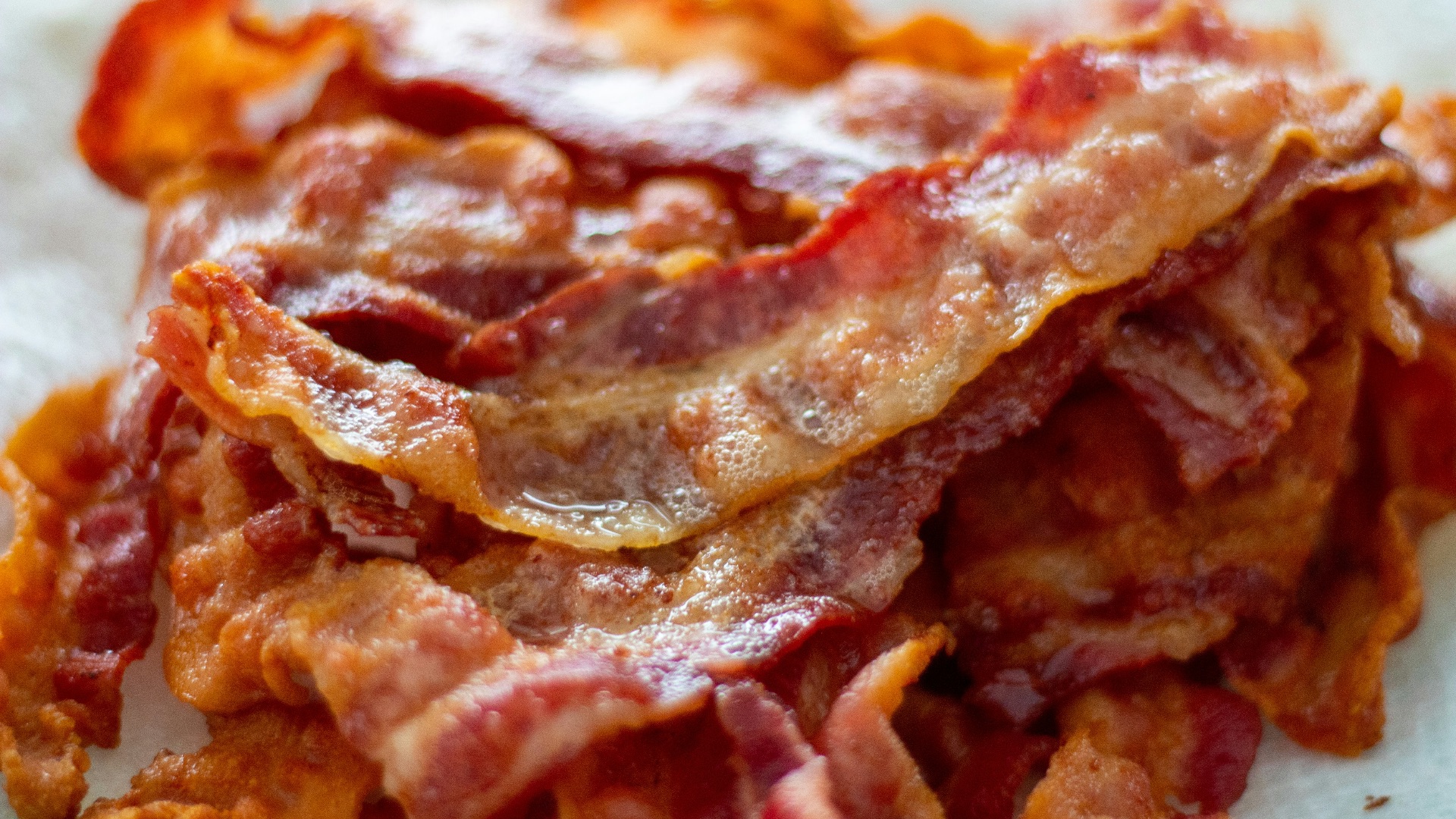
6. Processed Meats
Ham, salami, turkey slices, bacon, and other processed meats can bring together two common problems: high sodium and animal protein. Sodium can push more calcium into the urine, while animal protein can affect urine chemistry in ways that favor stone formation. If sandwiches are your daily default, choosing lower-sodium fillings more often may help.
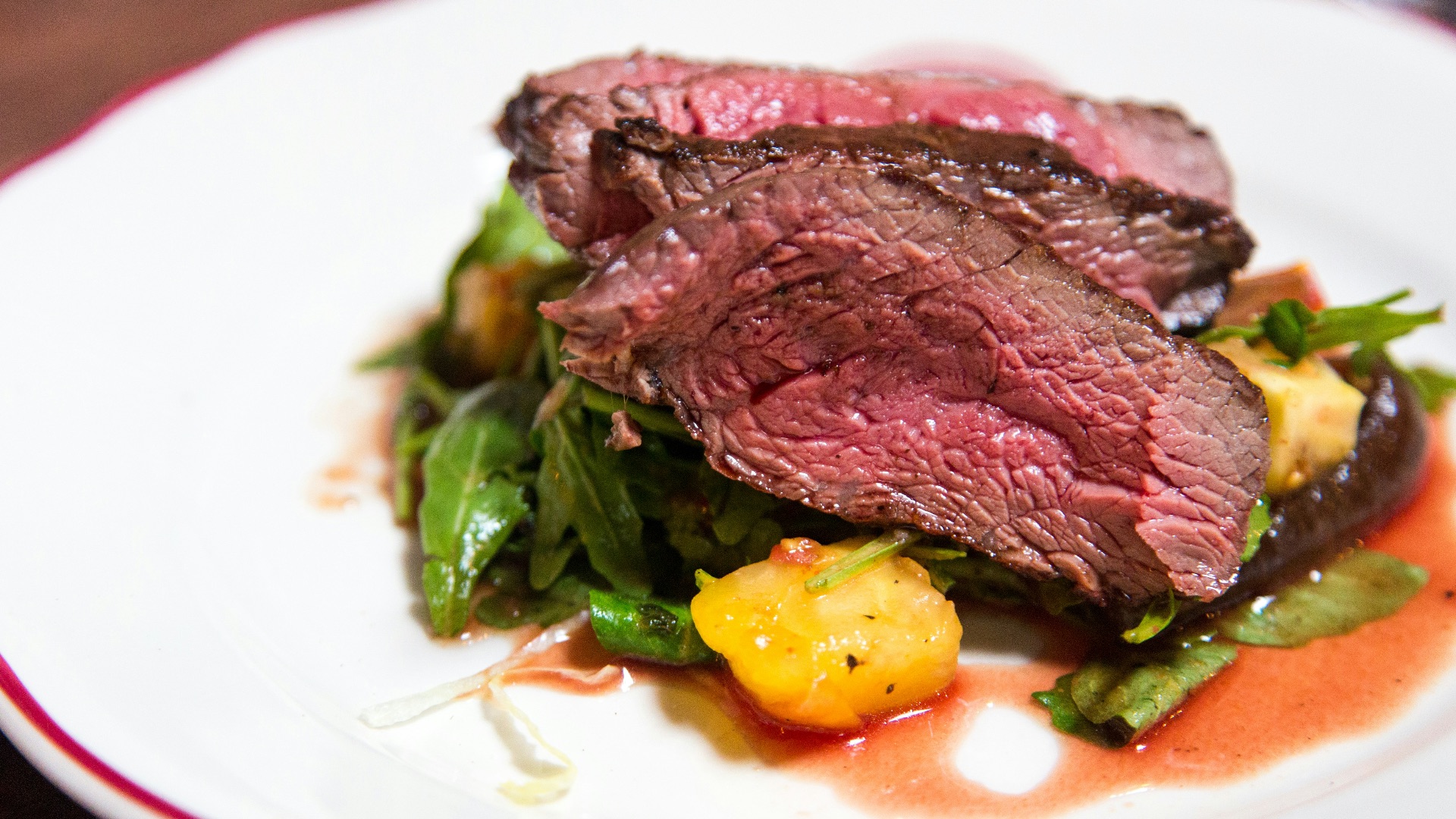
7. Red Meat
Red meat is rich in animal protein, and frequent large portions may raise the risk of certain stones, especially uric acid stones. Animal protein can increase uric acid and lower citrate, a compound in urine that helps prevent stones. You don’t have to think of red meat as forbidden, but portion size and frequency matter.
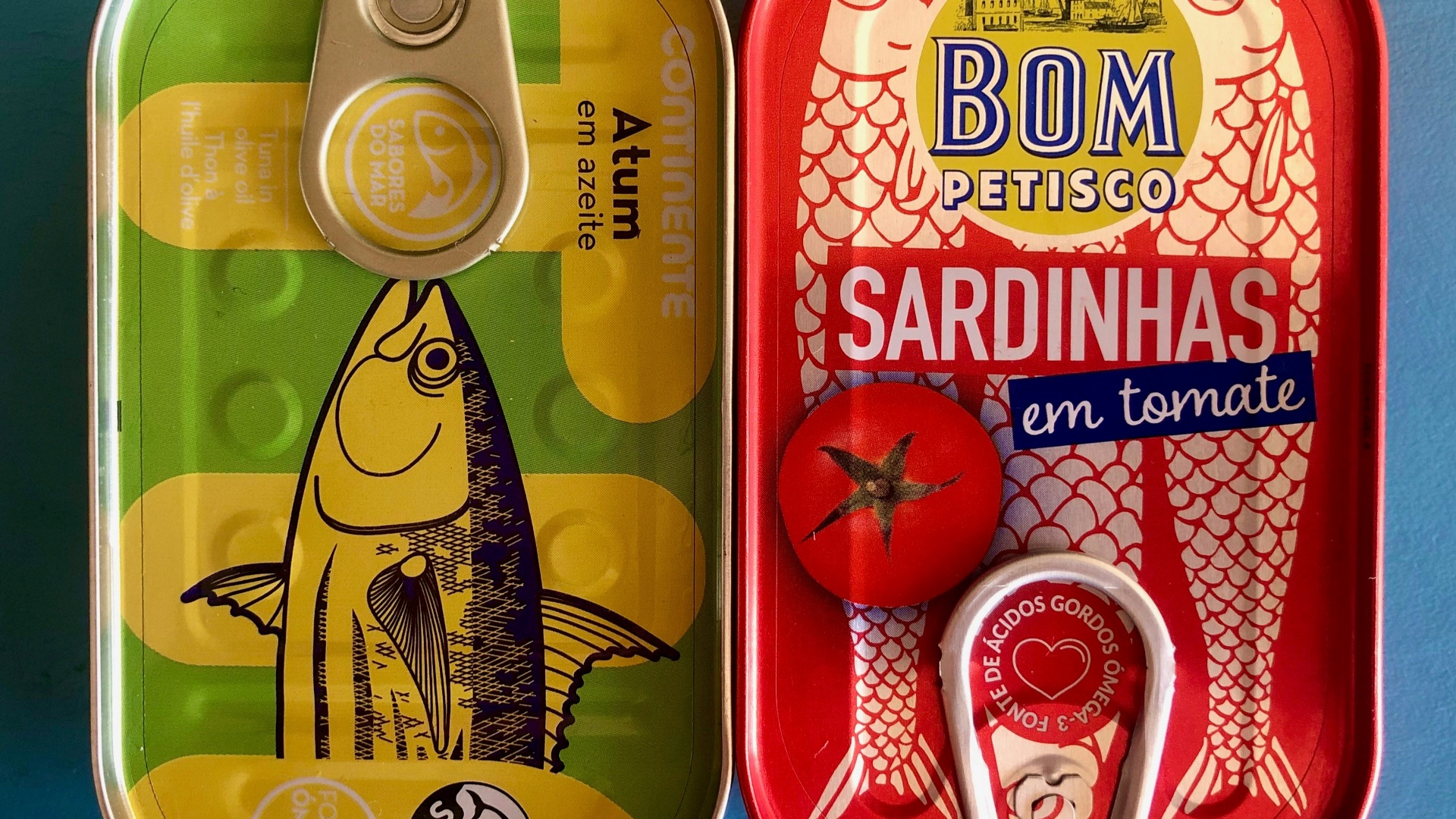
8. Sardines and Anchovies
Sardines and anchovies are nutrient-dense, but they’re also high in purines, which break down into uric acid. That’s especially relevant for people who form uric acid stones or have been told their urine is too acidic. These fish can still fit some diets, but they’re not ideal as a frequent choice for everyone with stone risk.
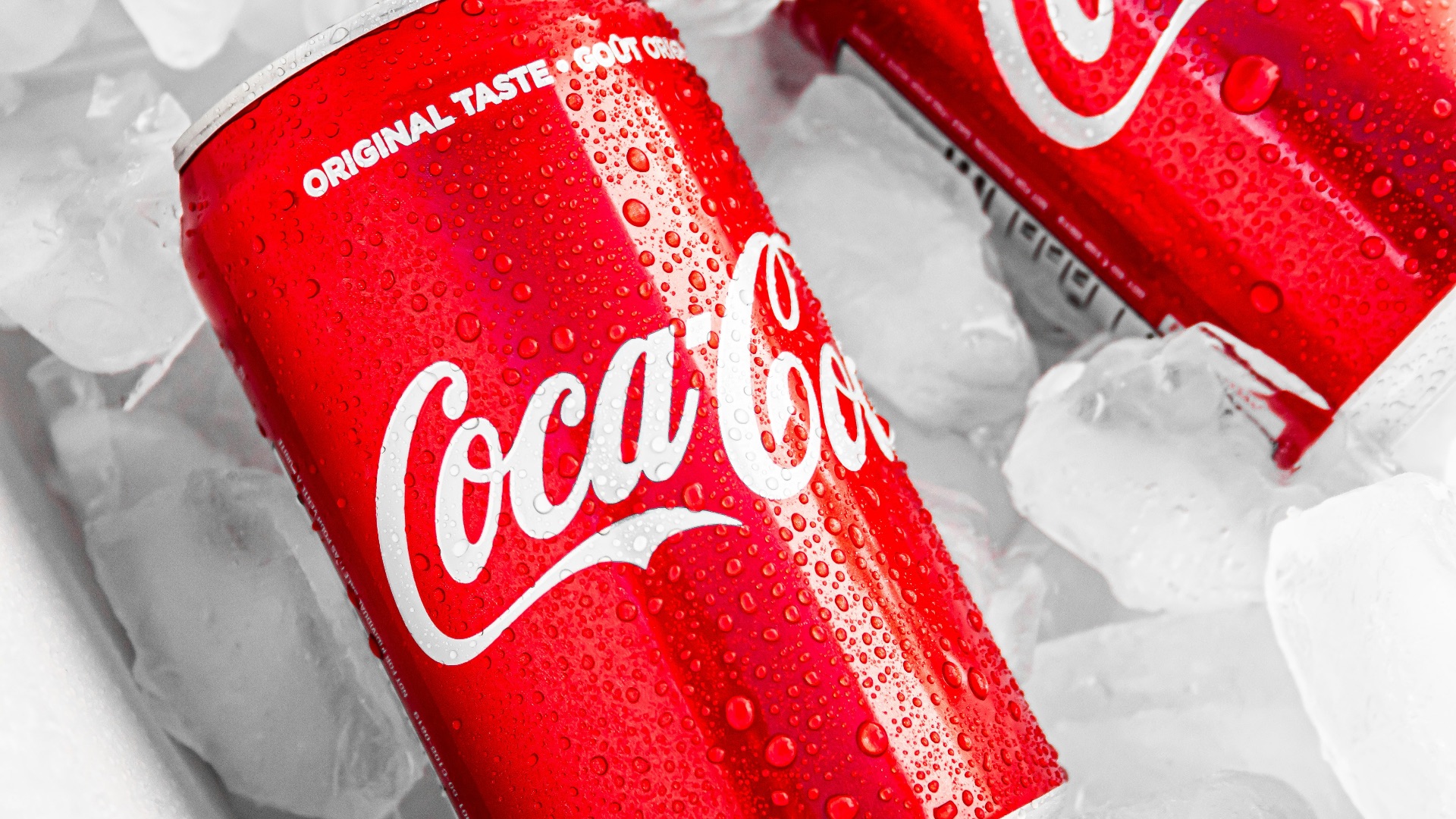
9. Cola
Cola can be a concern because many types contain phosphoric acid, and sugary drinks can also crowd out water. When you drink soda regularly, you may be taking in more sugar while staying less hydrated than you think. Since hydration is one of the most important prevention habits, cola is best kept occasional rather than routine.
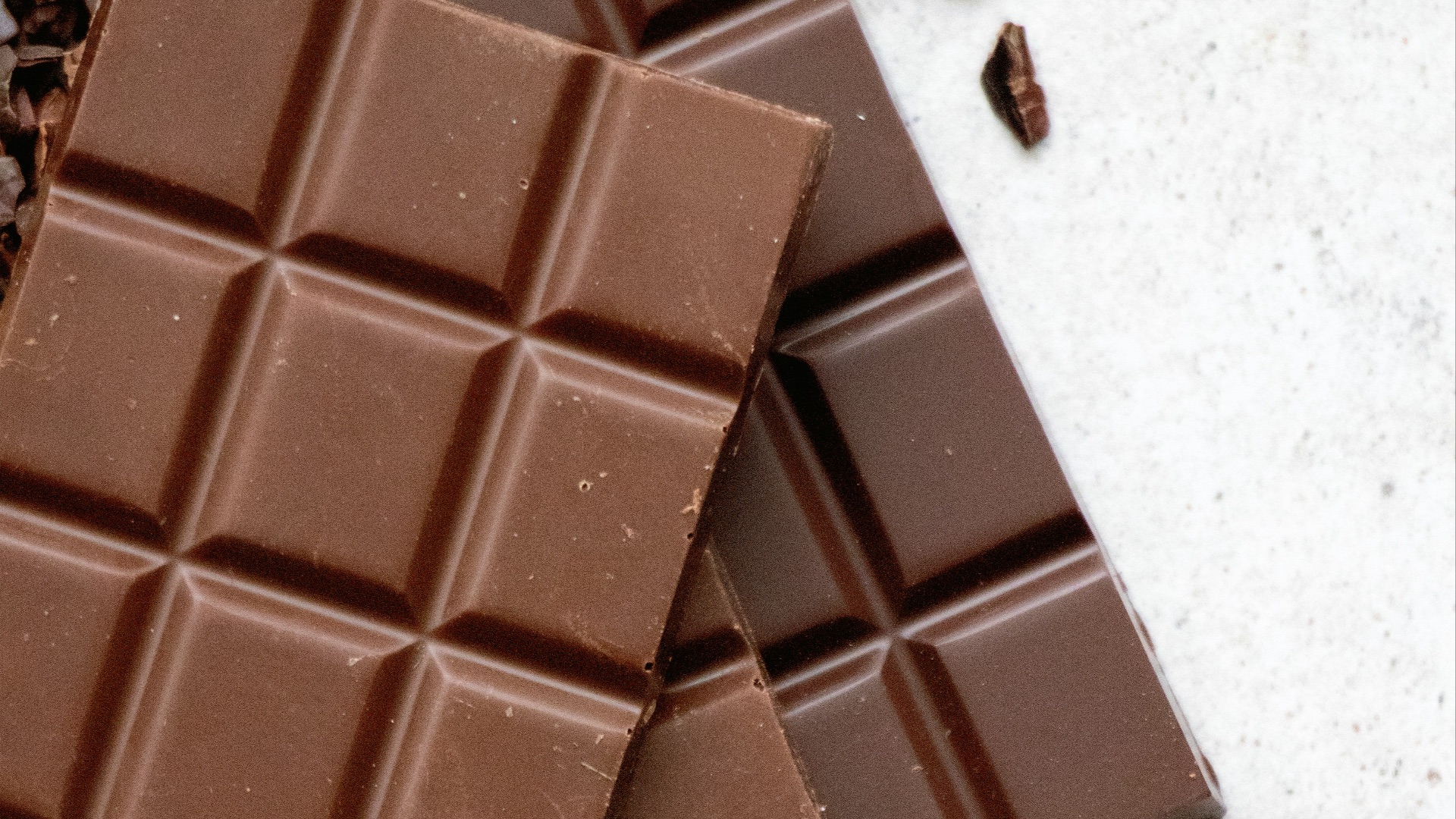
10. Chocolate
Chocolate contains oxalate, so frequent or heavy intake may matter for people who are sensitive to calcium oxalate stones. The risk depends on the amount you eat and the rest of your diet, not just one square after dinner. Still, if you’re actively trying to reduce oxalate, chocolate is one of the foods to keep on your radar.
Now for the more encouraging half: kidney stone prevention isn’t just about cutting foods out. In many cases, it’s also about adding foods that support better urine chemistry, help you get enough dietary calcium, or make it easier to reduce sodium and animal protein without feeling deprived.
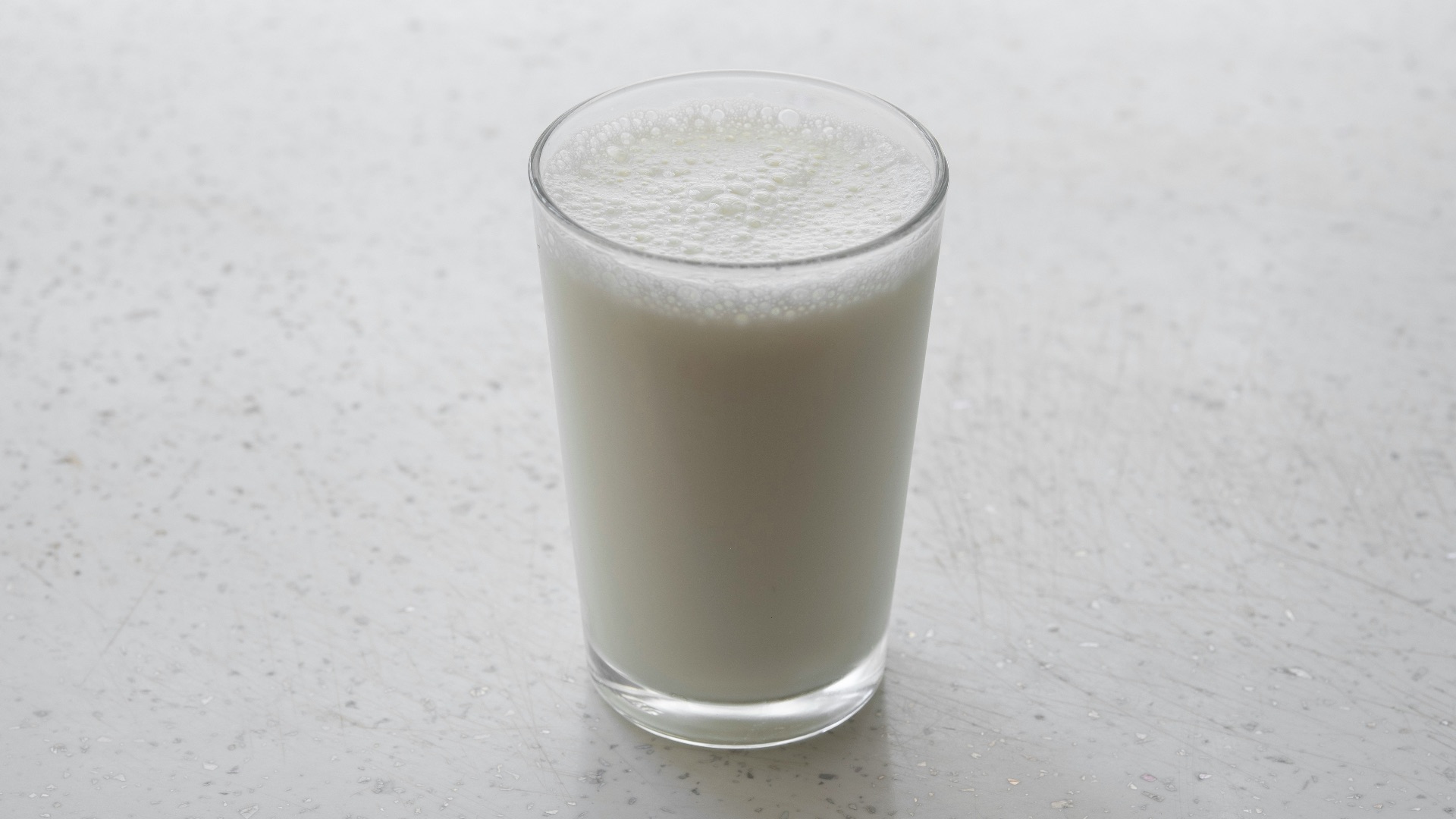
1. Low-Fat Milk
Dietary calcium can actually help prevent calcium oxalate stones when it’s eaten with meals, because calcium binds oxalate in the gut before it reaches the urine. That’s why low-calcium diets can backfire for some people. Low-fat milk is a simple way to get calcium from food rather than relying on supplements unless your clinician recommends them.
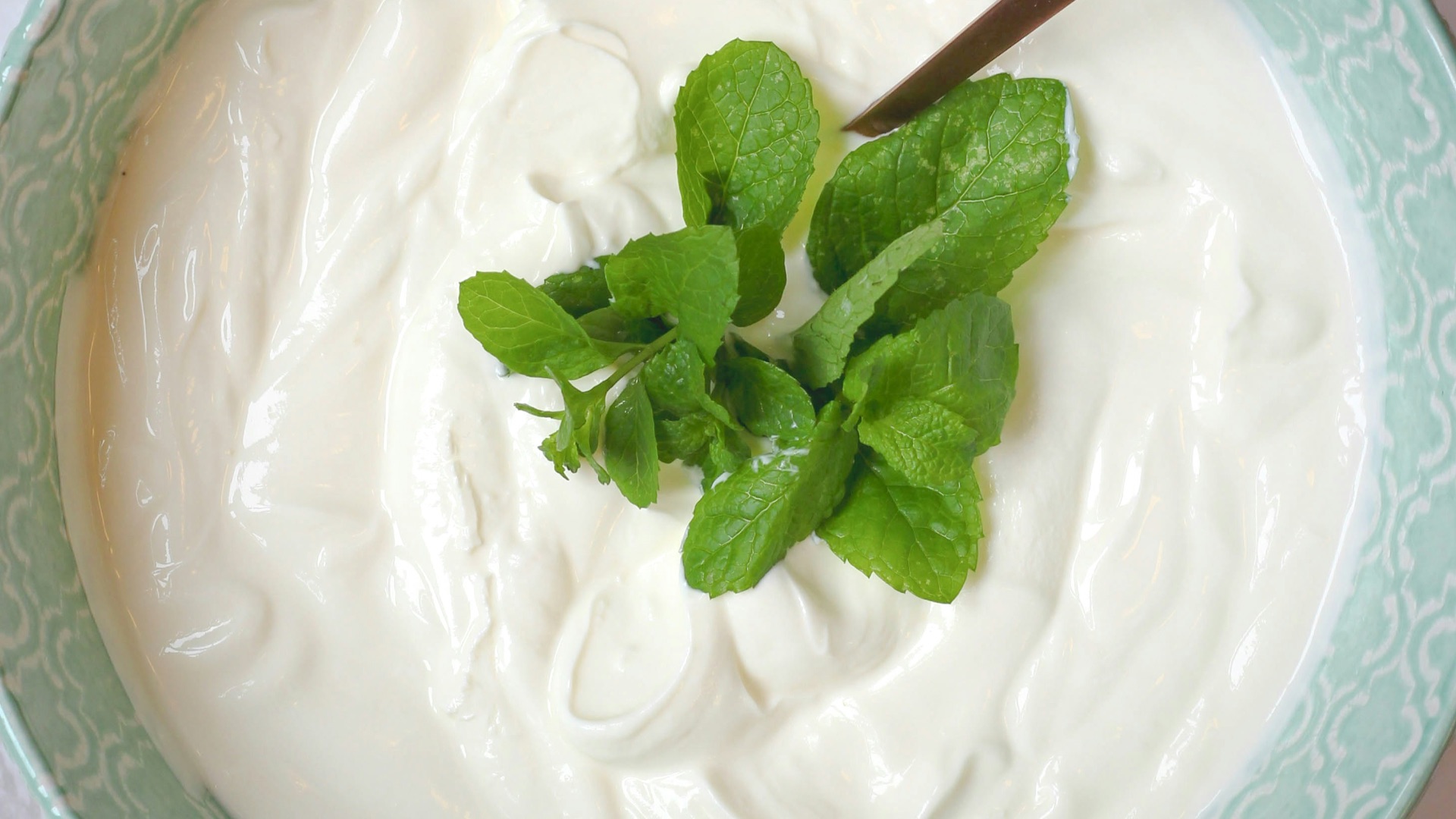
2. Plain Yogurt
Plain yogurt offers calcium, protein, and versatility without needing much preparation. When eaten alongside meals that contain some oxalate, its calcium may help reduce oxalate absorption. Choosing plain versions also helps you avoid turning a helpful food into a sugar-heavy dessert.
 micheile henderson on Unsplash
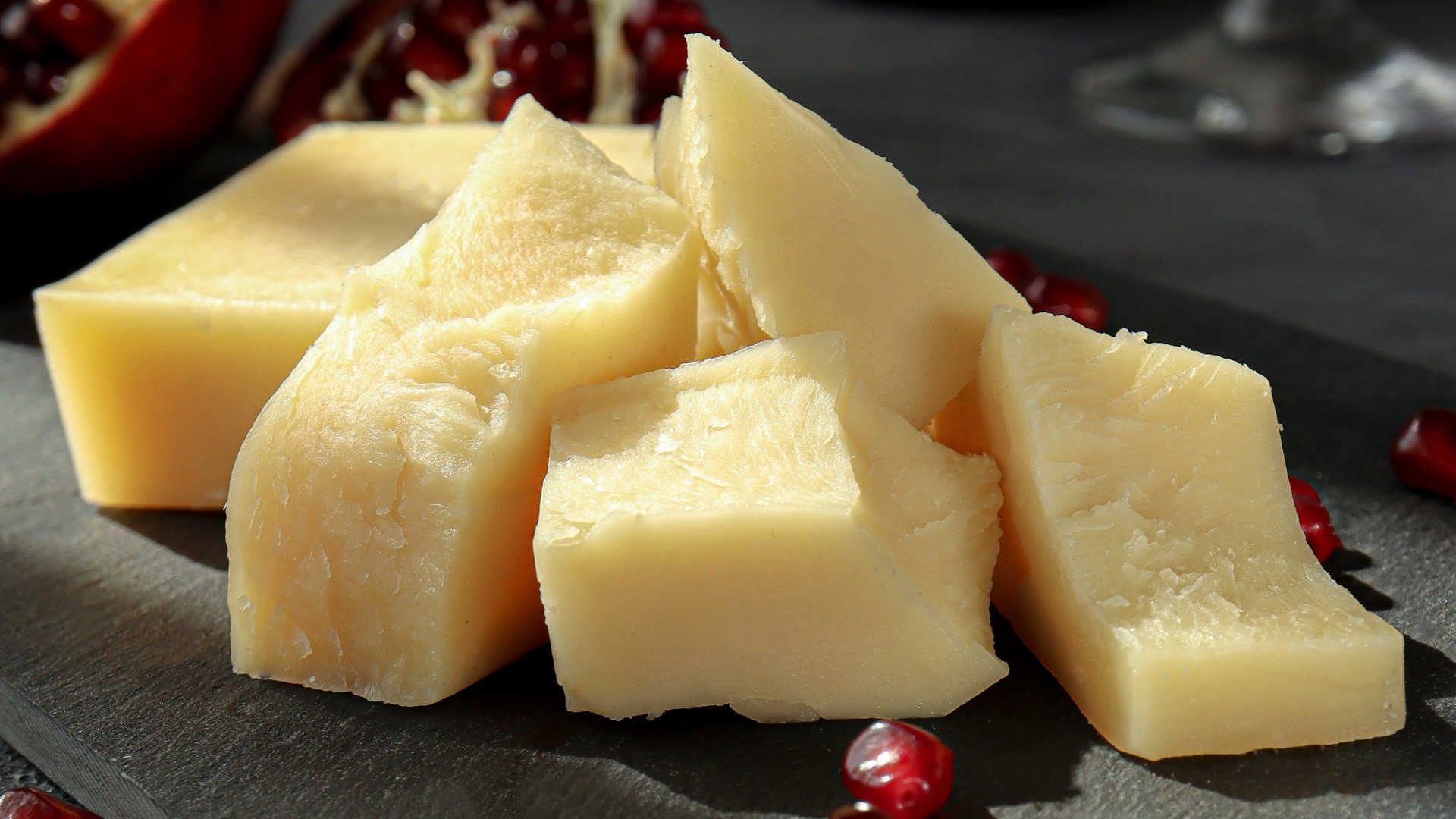
3. Cheese in Moderation
Cheese can contribute useful dietary calcium, but portion size matters because many cheeses are also salty. A modest serving with a meal can be helpful, especially if it replaces a more processed, high-sodium food. Look for lower-sodium options when possible so you get the calcium benefit without overdoing salt.
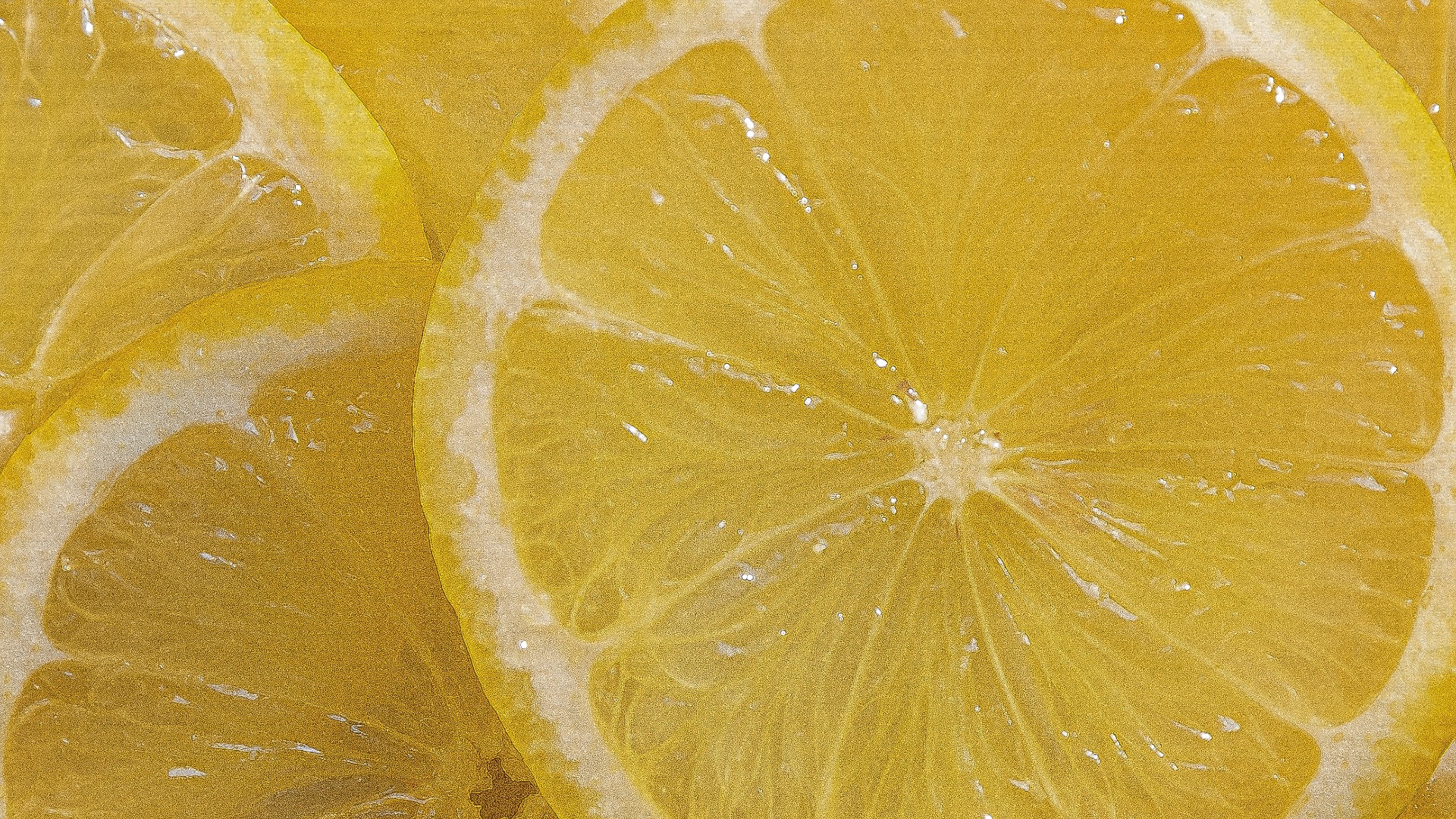
4. Lemons
Lemons contain citrate, which can help make urine less favorable for certain stones. Adding lemon juice to water can also make hydration more appealing, and that matters because concentrated urine gives minerals more opportunity to form stones. It’s a small habit, but it can support a broader prevention plan.
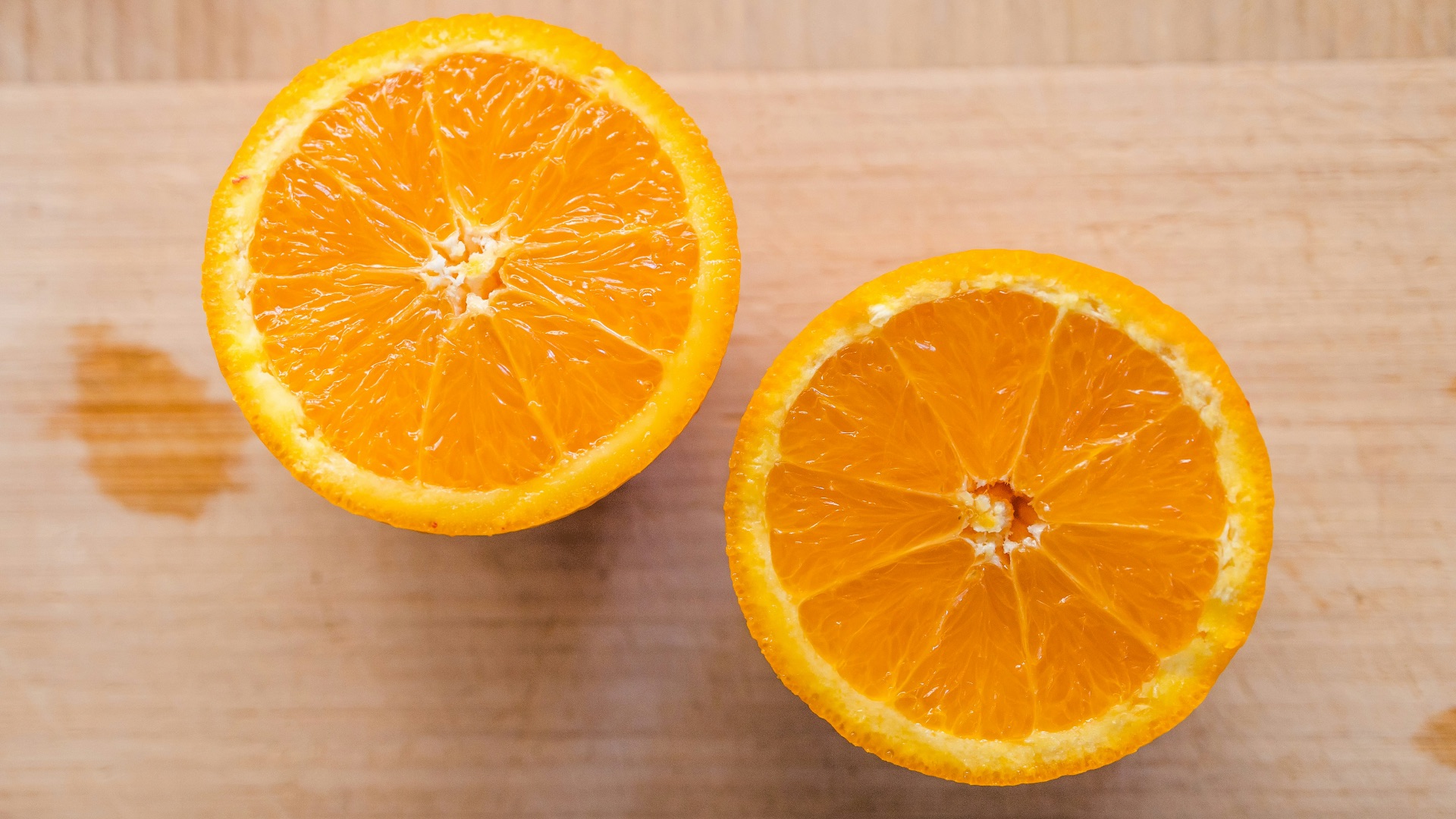
5. Oranges
Oranges provide fluid, potassium, and citrate, all of which can be useful in a kidney-stone-conscious diet. They’re also a naturally sweet option when you’re trying to move away from soda or heavily processed desserts. Whole oranges are usually a better choice than sugary orange drinks because you also get fiber.
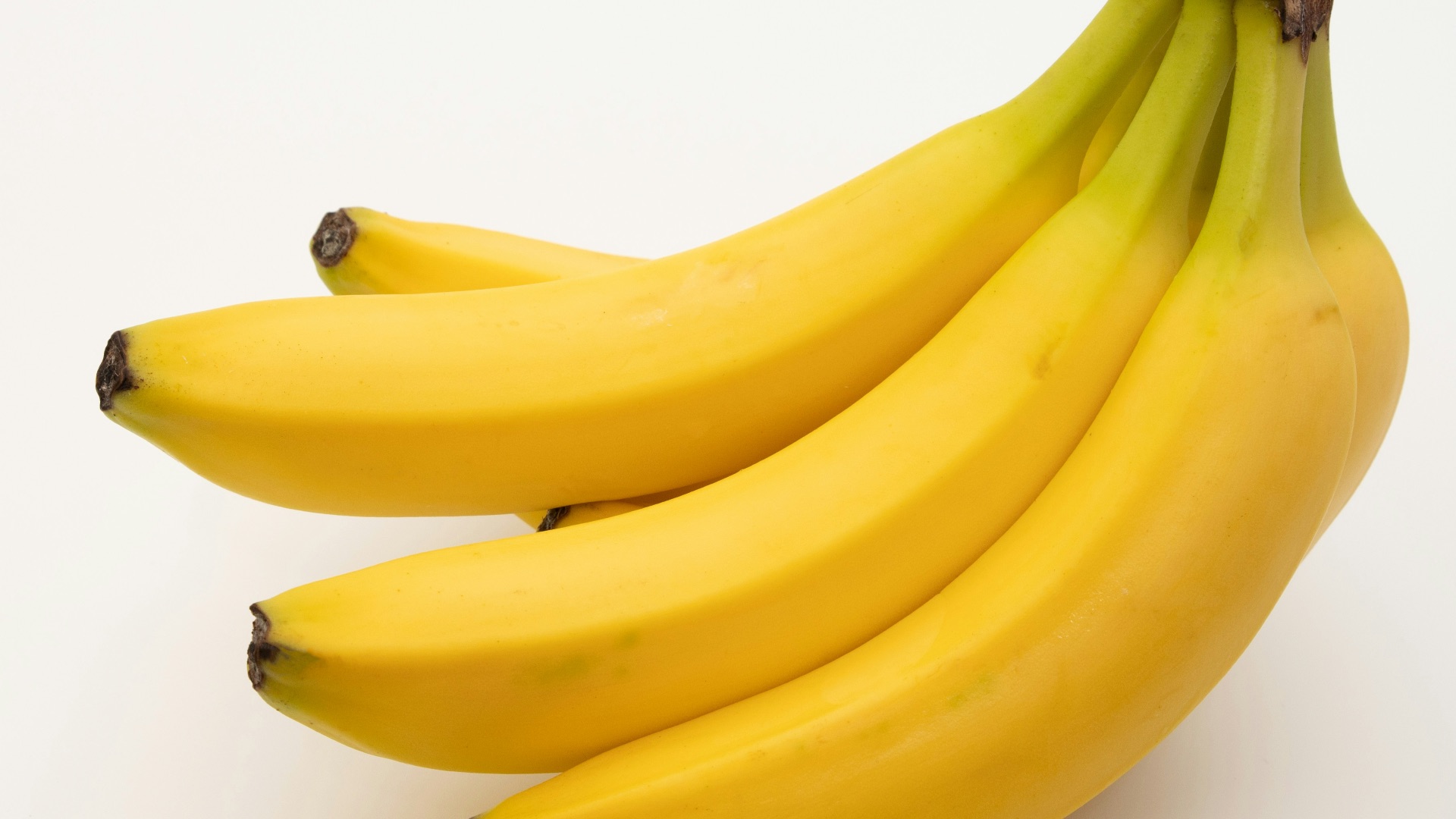
6. Bananas
Bananas are a convenient source of potassium, and diets higher in fruits and vegetables are often encouraged for stone prevention. Potassium-rich foods may support healthier urine chemistry, especially when they replace salty packaged snacks. They’re also easy to pair with yogurt or oatmeal for a more balanced breakfast.
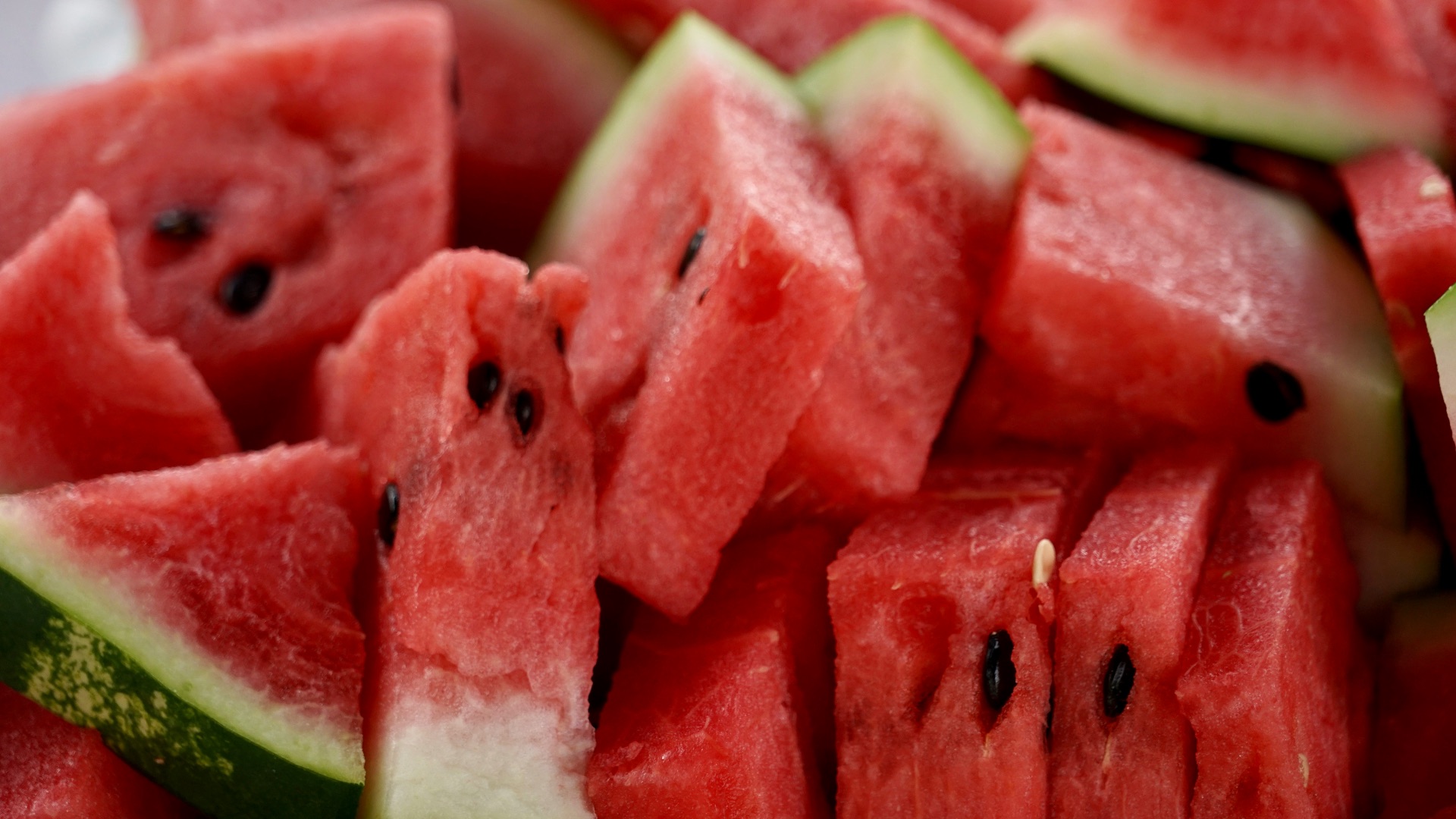
7. Melons
Watermelon, cantaloupe, and honeydew can help you add more fluid-rich fruit to your day. They aren’t a replacement for drinking water, but they do contribute hydration while offering potassium and natural sweetness. For many people, melon is also easier to make a habit of than more complicated "health" foods.
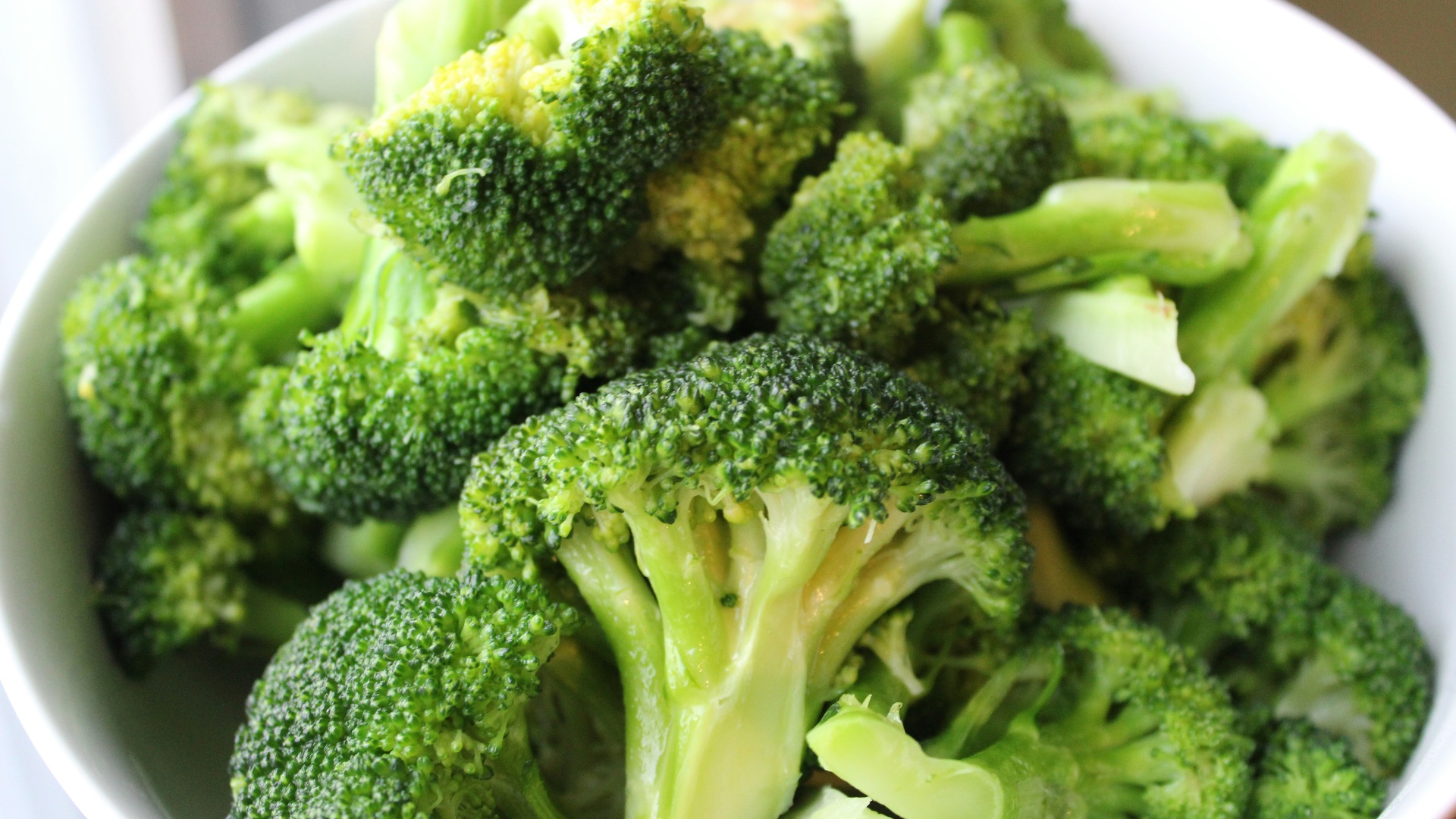
8. Broccoli
Broccoli is a useful vegetable choice because it brings fiber, potassium, and nutrients without being one of the highest-oxalate greens. It can help you build meals that rely less on large portions of meat or salty sides. Steaming or roasting it with herbs, garlic, or lemon keeps it flavorful without adding much sodium.
 Tyrrell Fitness And Nutrition on Unsplash
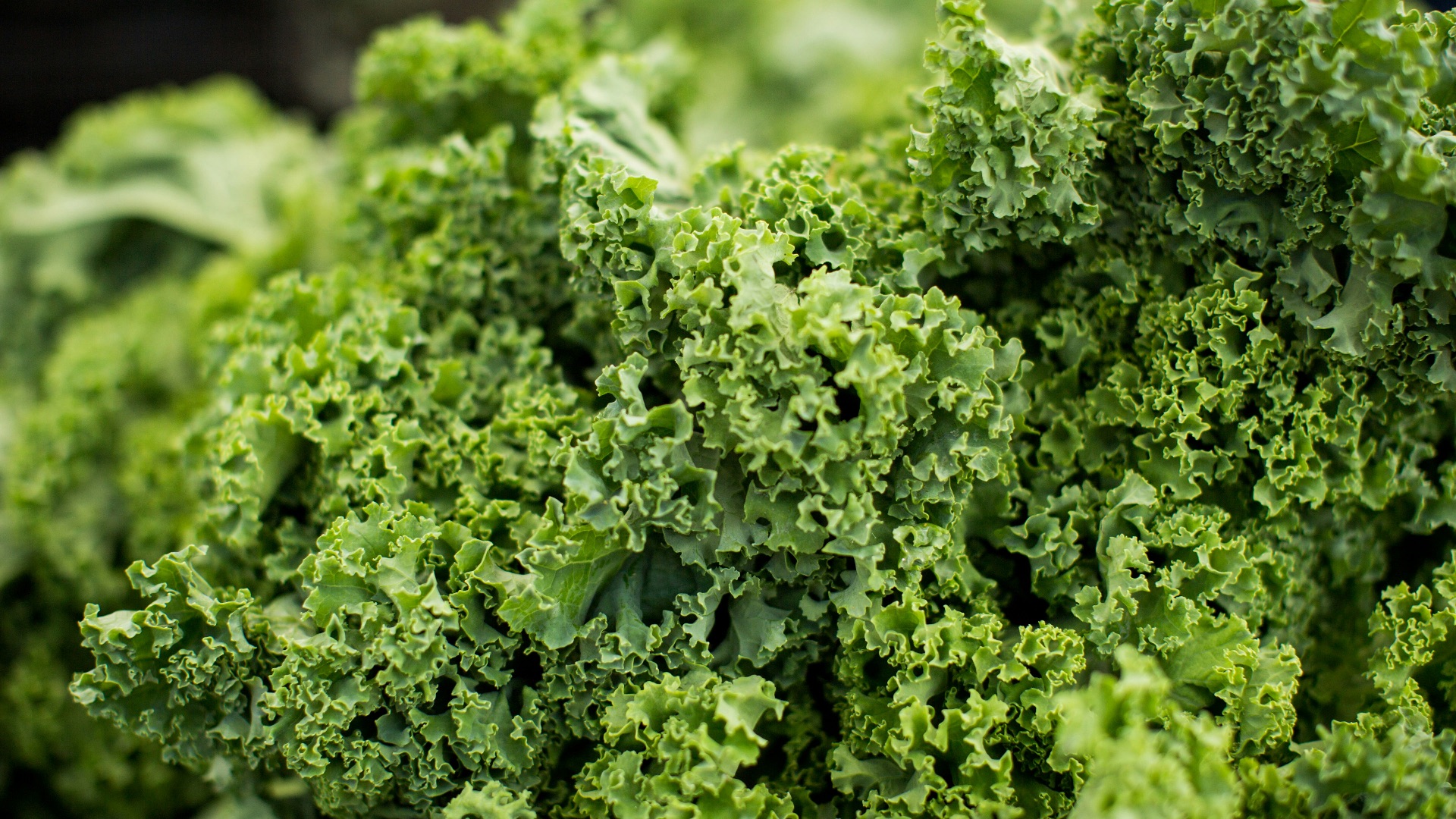
9. Kale
Kale is a leafy green that’s generally lower in oxalate than spinach while still offering calcium and other nutrients. That makes it a better option for many people who want greens but need to watch oxalate. You can use it in soups, salads, or sautéed dishes without leaning on high-salt seasonings.
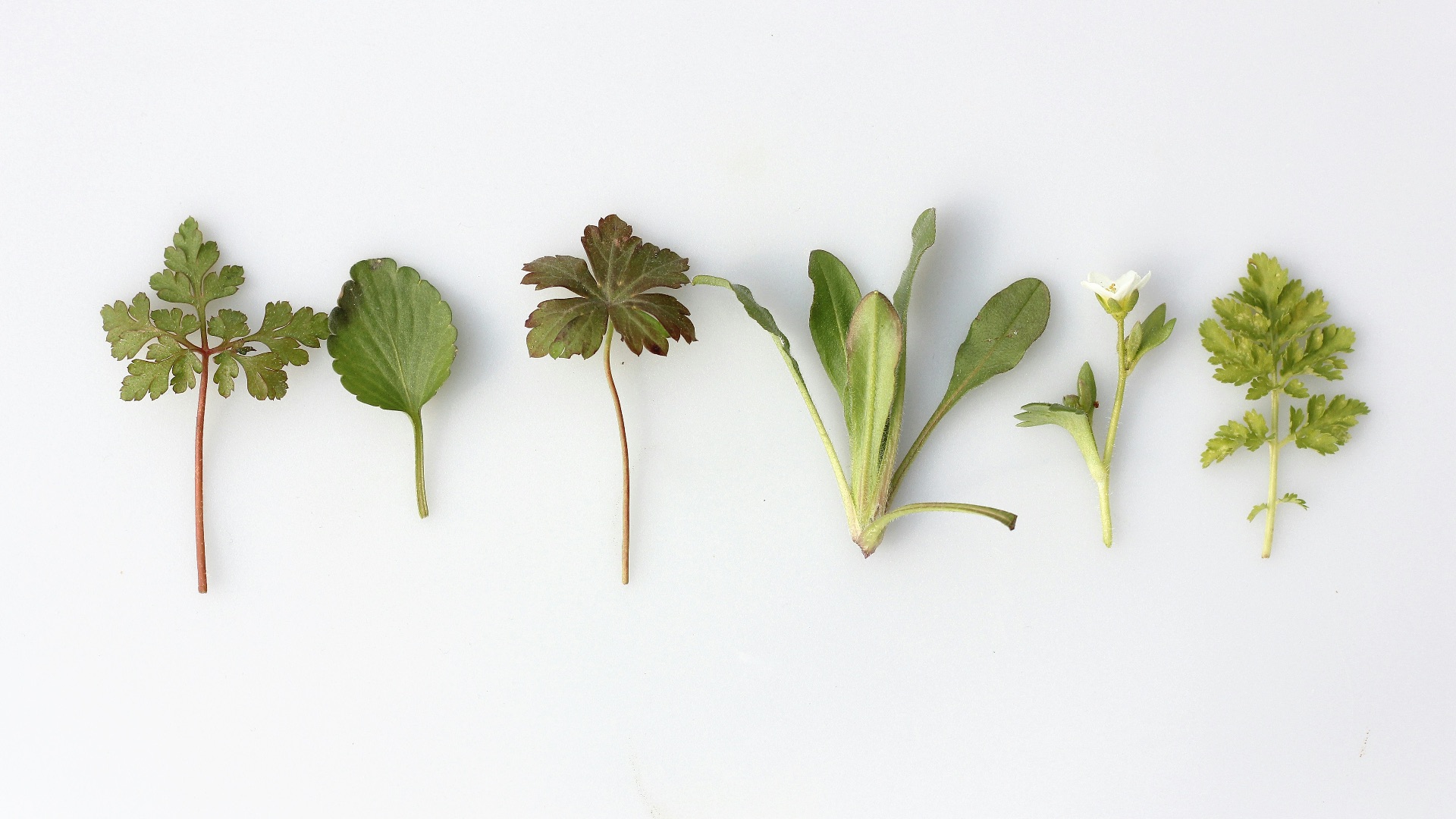
10. Fresh Herbs
Fresh herbs like basil, cilantro, parsley, dill, and rosemary can help you cut back on salt without making food taste bland. Since lower sodium intake is a major part of many kidney stone prevention plans, flavor strategies matter more than they might seem. Using herbs generously can make home-cooked meals easier to stick to, which is often where prevention becomes realistic.
KEEP ON READING


20 Reasons Seniors Feel Colder Than They Used To
20 Ways Your Body Changes After You Quit Smoking