Rethinking Fitness as You Get Older
Fitness advice often becomes more confusing with age, especially when outdated ideas and oversimplified rules start to conflict with modern research. While some long-held beliefs about exercise after 50 are no longer supported by evidence, others remain essential for maintaining strength, mobility, and overall health. The key is knowing which guidance to follow and which to leave behind so you can stay active without unnecessary limitations. Here’s a clear breakdown of 10 myths you can safely ignore and 10 tips that still matter.
1. You Should Avoid Strength Training
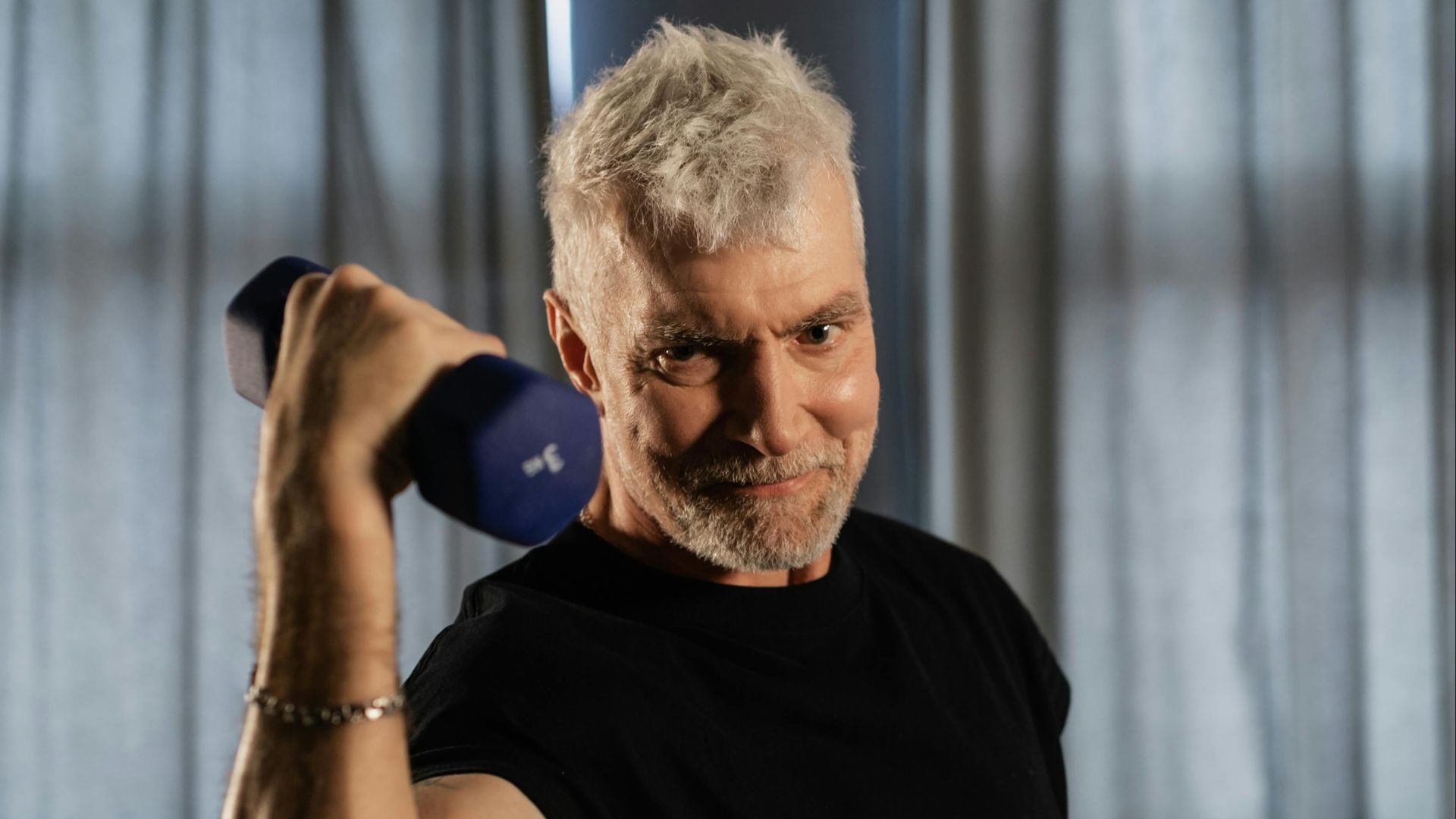
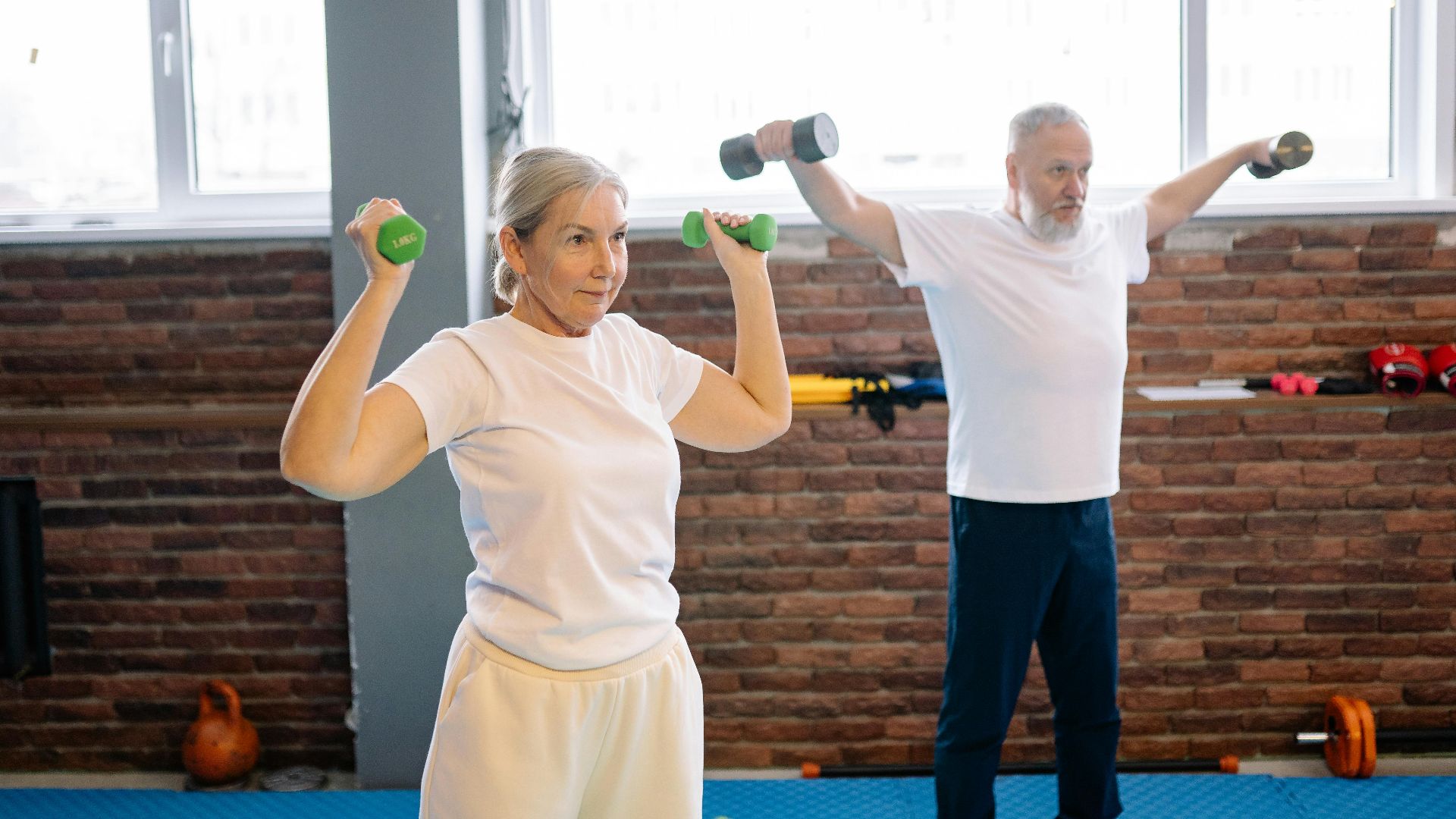
Many people believe lifting weights is unsafe later in life, but research shows it’s one of the most effective ways to maintain muscle and bone density. Strength training can actually reduce the risk of falls and improve daily function. Starting with proper form and manageable weights makes it both safe and beneficial. Consistency matters more than intensity in the long run.

2. Cardio Is All You Need
Focusing only on cardio overlooks the importance of muscle strength and joint stability. While aerobic exercise supports heart health, it doesn’t prevent muscle loss on its own. A balanced routine that includes resistance training leads to better overall outcomes. Combining both forms of exercise creates a more complete fitness plan.

3. It’s Too Late to Build Muscle
Muscle growth may slow with age, but it doesn’t stop entirely. Studies show that people over 50 can still gain strength and improve muscle mass with regular resistance training. Progress may take longer, but it’s still meaningful. Proper nutrition and recovery also play a key role.
4. High-Impact Exercise Is Always Dangerous
While certain high-impact activities may need modification, they aren’t automatically harmful. Some impact can actually support bone health when done safely. The key is choosing appropriate intensity and maintaining good form. Listening to your body helps prevent unnecessary strain.

5. Stretching Alone Prevents Injury
Stretching has benefits, but it isn’t a complete solution for injury prevention. Strength, balance, and proper movement patterns are equally important.

6. You Should Work Out Less
There’s a misconception that aging requires significantly reducing activity levels. In reality, staying active is crucial for maintaining mobility and independence. Adjustments may be needed, but a complete reduction isn’t necessary. The focus should be on smart, consistent movement.
 Centre for Ageing Better on Unsplash
7. Pain Is Just Part of Aging
While some discomfort can occur, persistent pain shouldn’t be ignored or accepted as normal. Addressing issues early can prevent them from worsening.
 Vitaliy Shevchenko on Unsplash
8. You Can’t Improve Flexibility
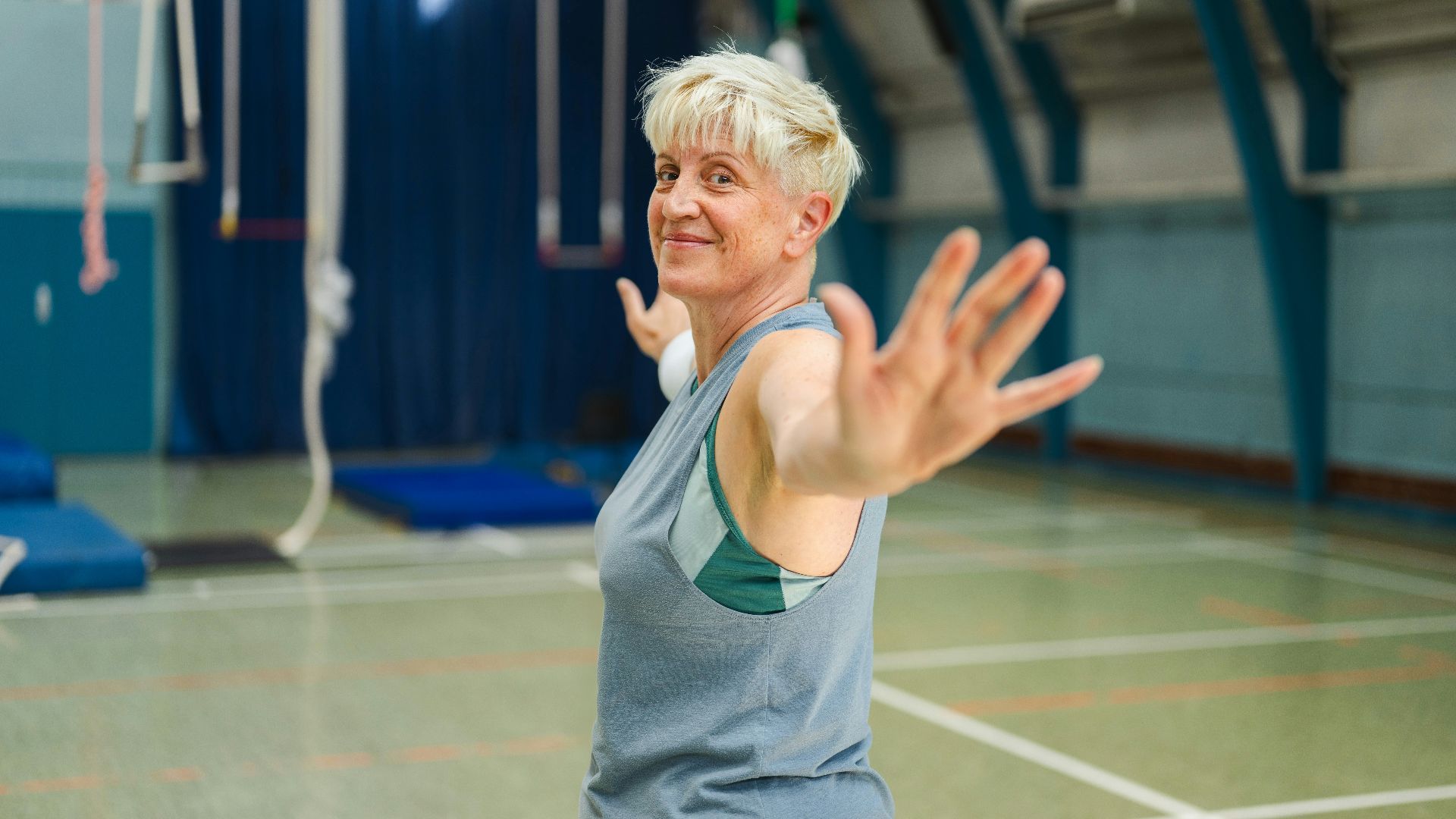
Flexibility can still improve at any age with regular practice. While progress may be gradual, consistent stretching and movement can increase the range of motion. Incorporating mobility work into your routine makes a noticeable difference. It also supports better posture and movement.
 Centre for Ageing Better on Unsplash
9. Machines Are Safer Than Free Weights
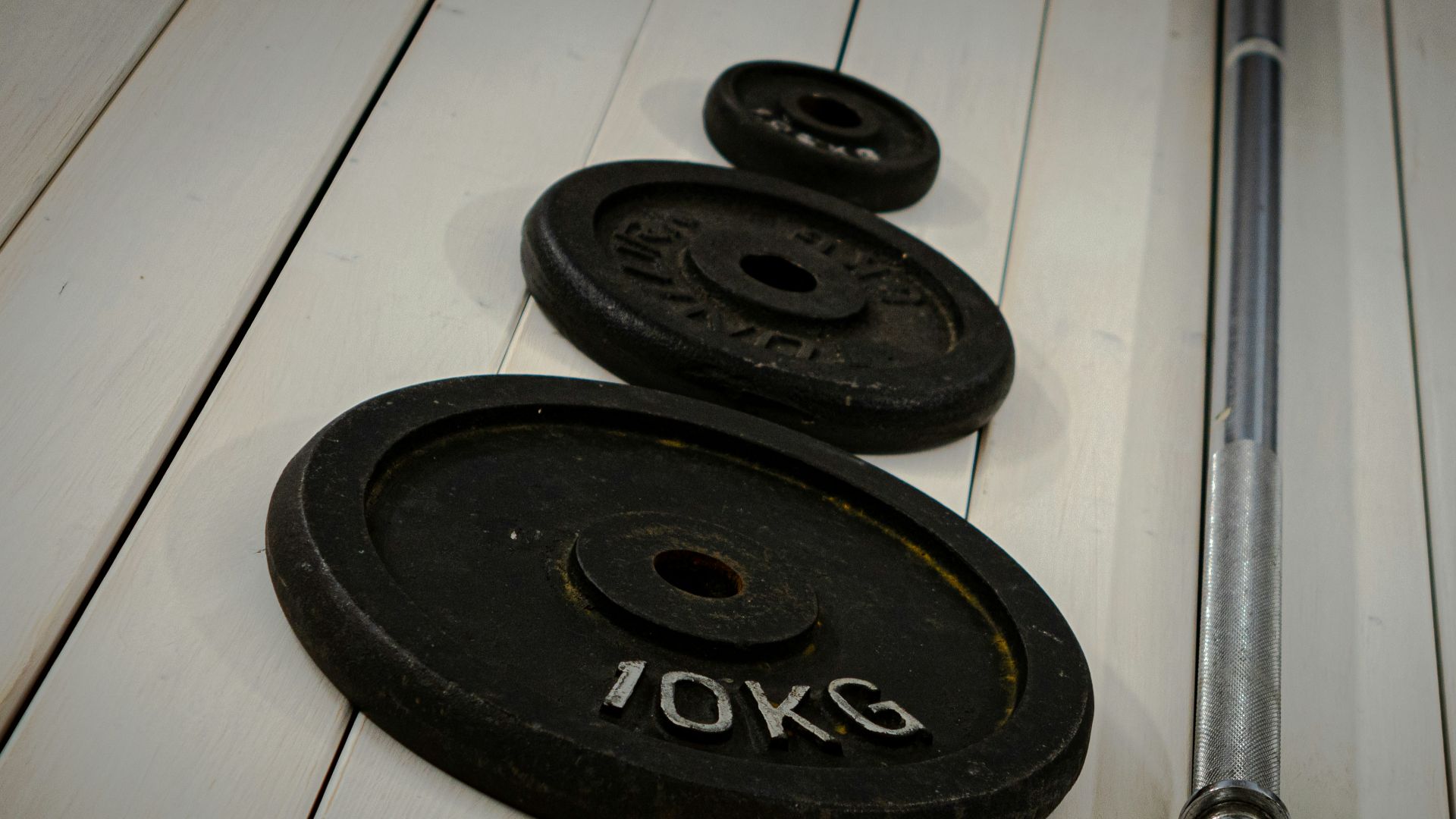
Machines can be helpful, but they aren’t automatically safer or more effective. Free weights often engage more muscles and improve coordination. Both options can be used safely with proper technique. Choosing based on your goals tends to be more effective.
10. Rest Is More Important Than Activity
Rest is essential, but too much inactivity can lead to loss of strength and mobility. Movement supports circulation, joint health, and overall function. Balancing rest with regular activity leads to better results. Staying moderately active each day is more beneficial than long periods of inactivity.

1. Consistency Matters Most
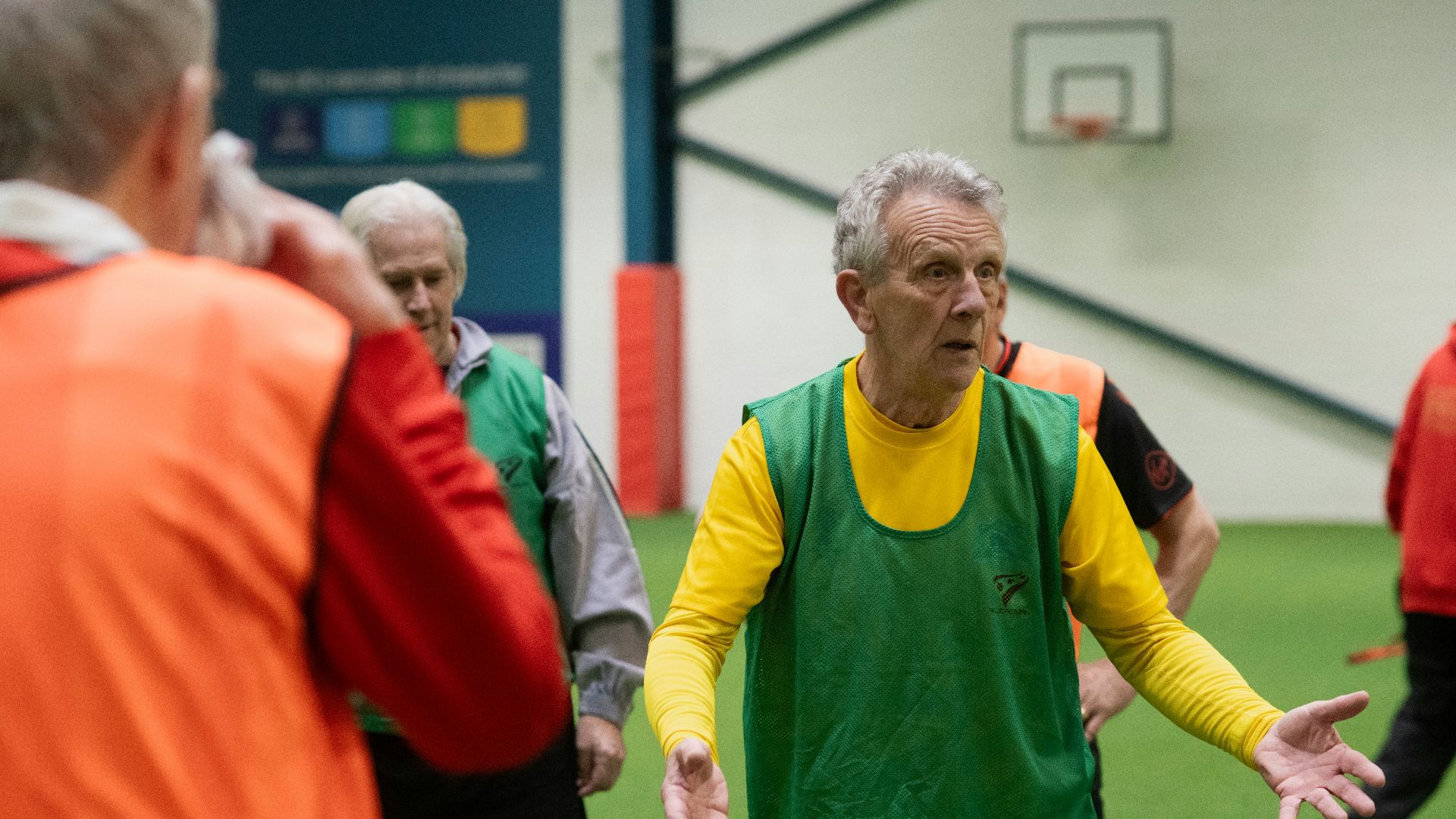
Regular activity over time produces better results than occasional intense workouts. Building a routine helps maintain strength, endurance, and flexibility. Even shorter sessions can be effective when done consistently. This approach also reduces the risk of injury.
2. Proper Form Is Essential
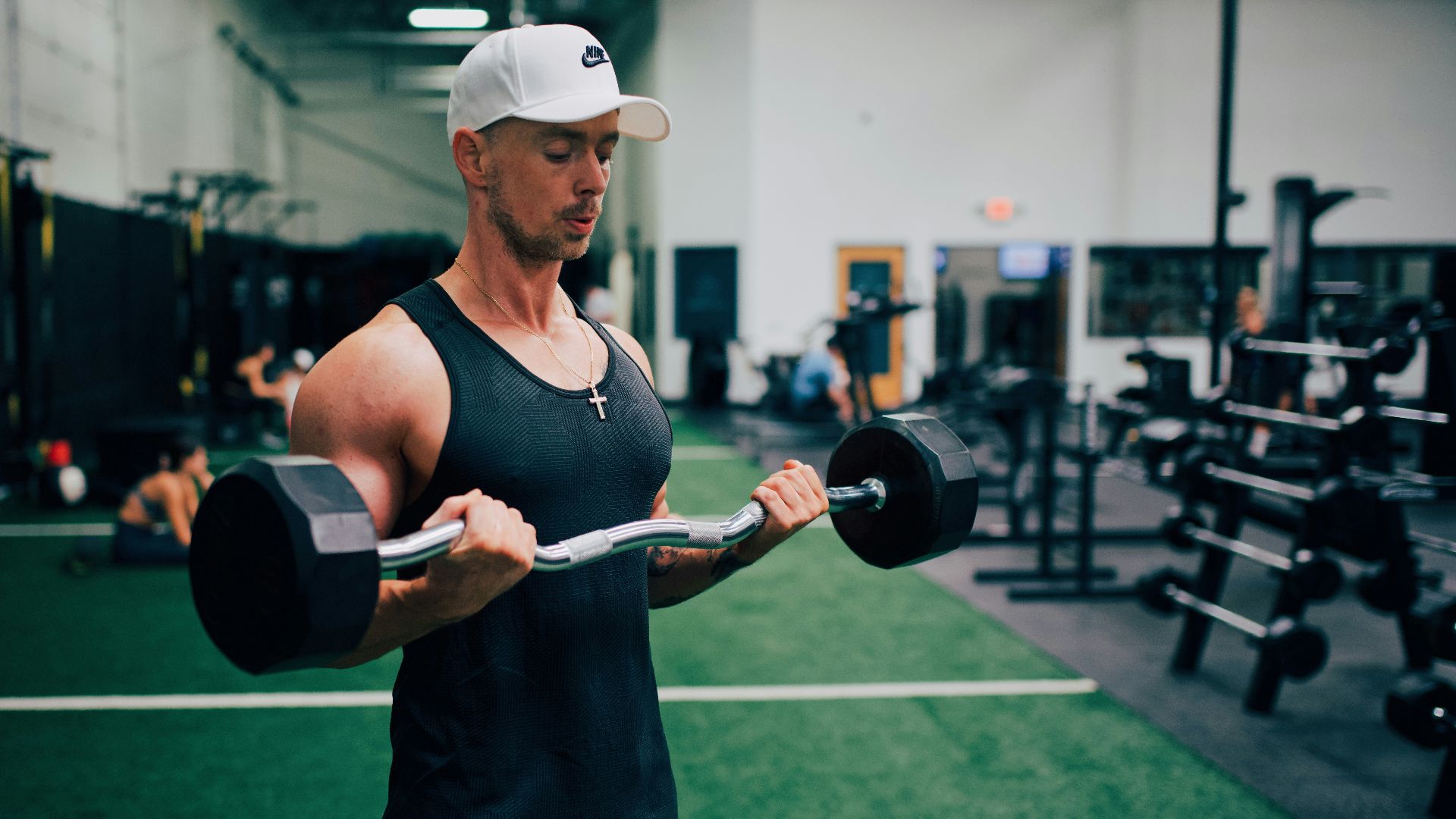
Using the correct technique helps prevent injury and ensures you’re targeting the right muscles. Poor form can place unnecessary strain on joints and connective tissue. Taking time to learn movements properly is worth the effort. This becomes even more important with age.
3. Recovery Is Important
Allowing your body time to recover supports muscle repair and overall performance. Overtraining can lead to fatigue and increased injury risk. Incorporating rest days and proper sleep helps maintain balance.

4. Strength Training Supports Bone Health
Weight-bearing exercise helps maintain bone density, which naturally declines with age. This can reduce the risk of fractures and osteoporosis. Regular resistance training is one of the most effective ways to support skeletal health. Even moderate weights can make a difference.
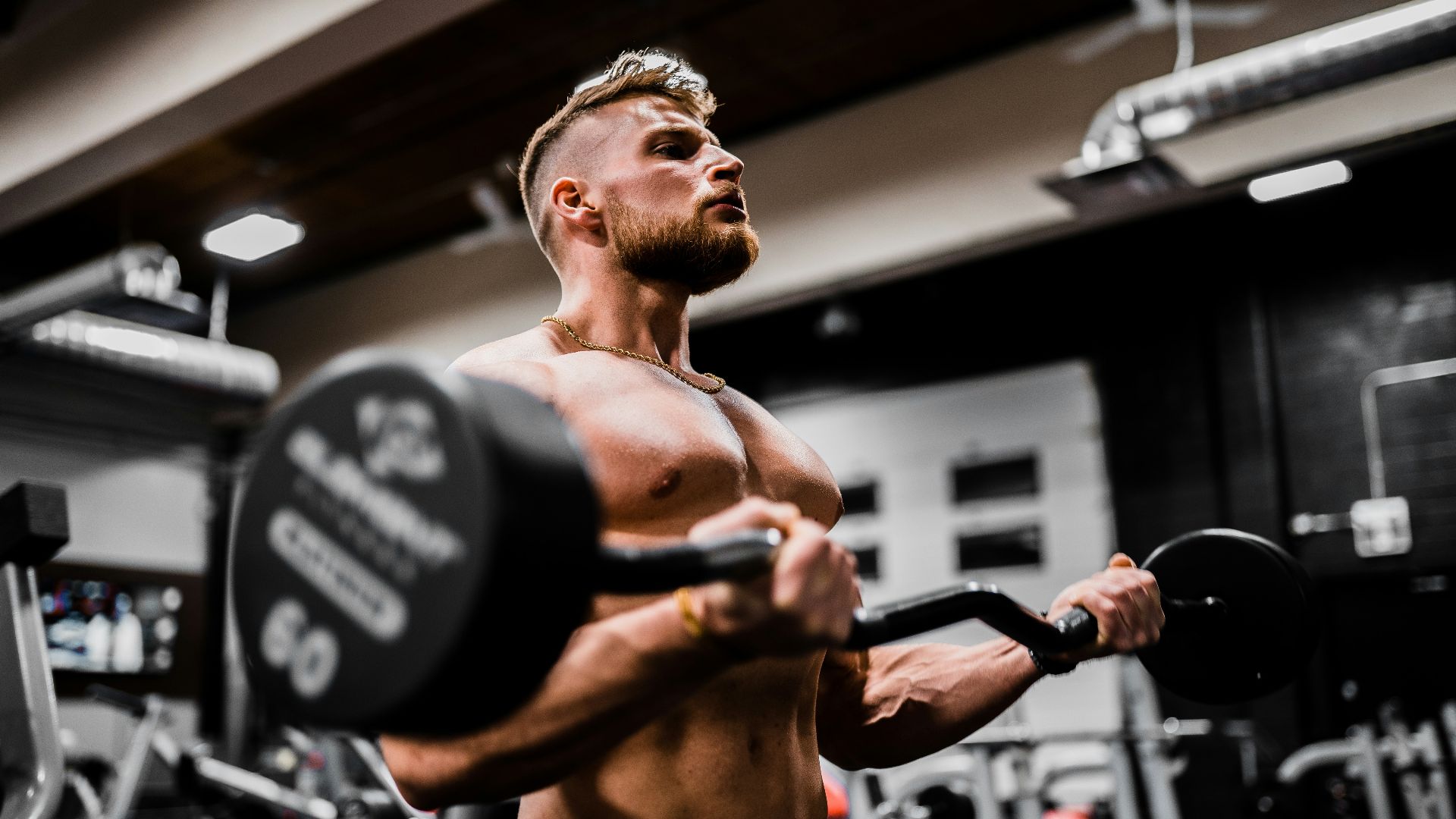
5. Balance Training Is Crucial
Improving balance reduces the risk of falls, which become more common over time. Exercises that challenge stability help strengthen supporting muscles. Simple movements can have a significant impact when practiced regularly.

6. Nutrition Plays a Key Role
Exercise alone isn’t enough without proper nutrition to support it. Protein intake helps maintain muscle, while other nutrients support energy and recovery. Staying hydrated also contributes to overall performance.

7. Warm-Ups Help Prevent Injury
Preparing your body before exercise improves circulation and flexibility. A proper warm-up reduces the risk of strains and improves performance. It doesn’t need to be long, but it should be intentional.

8. Listening to Your Body Matters
Paying attention to how you feel helps you adjust your routine when needed. Ignoring warning signs can lead to injury or burnout. Modifying exercises doesn’t mean losing progress. It’s a practical way to maintain long-term consistency.
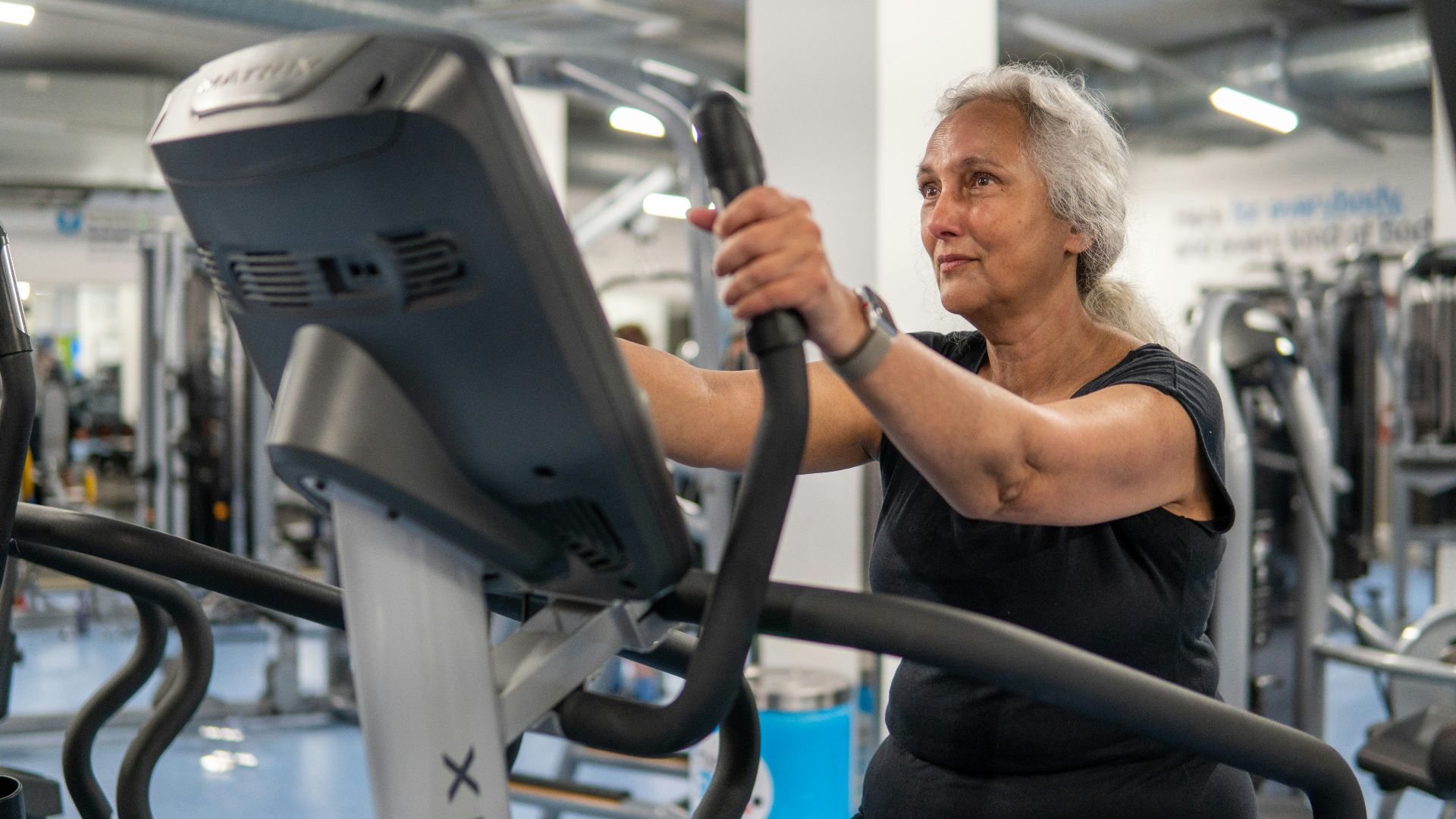 Centre for Ageing Better on Unsplash
9. Mobility Supports Daily Function
Maintaining joint mobility helps with everyday movements like bending, reaching, and walking. Limited mobility can affect independence over time. Regular movement and stretching keep joints functioning properly.

10. It’s Never Too Late to Start
Starting later in life can still lead to meaningful improvements in strength, endurance, and health. Progress may look different, but it’s still valuable.
KEEP ON READING



20 Natural Ways You Can Boost Your Immune System

20 Ways To De-stress & Relax After Work

The 10 Most Common Diseases & The 10 Most Rare