It’s More Than Mental
Loneliness doesn’t always look like sitting alone on a Friday night. Sometimes it looks like moving to a new city, going through a breakup, losing a partner, retiring, or realizing the people around you don’t know what your days feel like. The body can react to that kind of disconnection as stress, which may affect sleep, appetite, digestion, pain, breathing, and recovery. The signs can be small at first, easy to blame on coffee, screens, bad pillows, or a packed week. These are 20 ways loneliness can show up in the body, not just the mind.

1. A Body That Feels On Edge
Loneliness can keep your stress response more active than usual, leaving you restless or tense when nothing obvious is happening. You might feel jumpy after a quiet day at home or keyed up after scrolling through your phone in bed. That doesn’t mean you’re overreacting; it may mean your body has been carrying more strain than you realized.

2. Restless, Broken Sleep
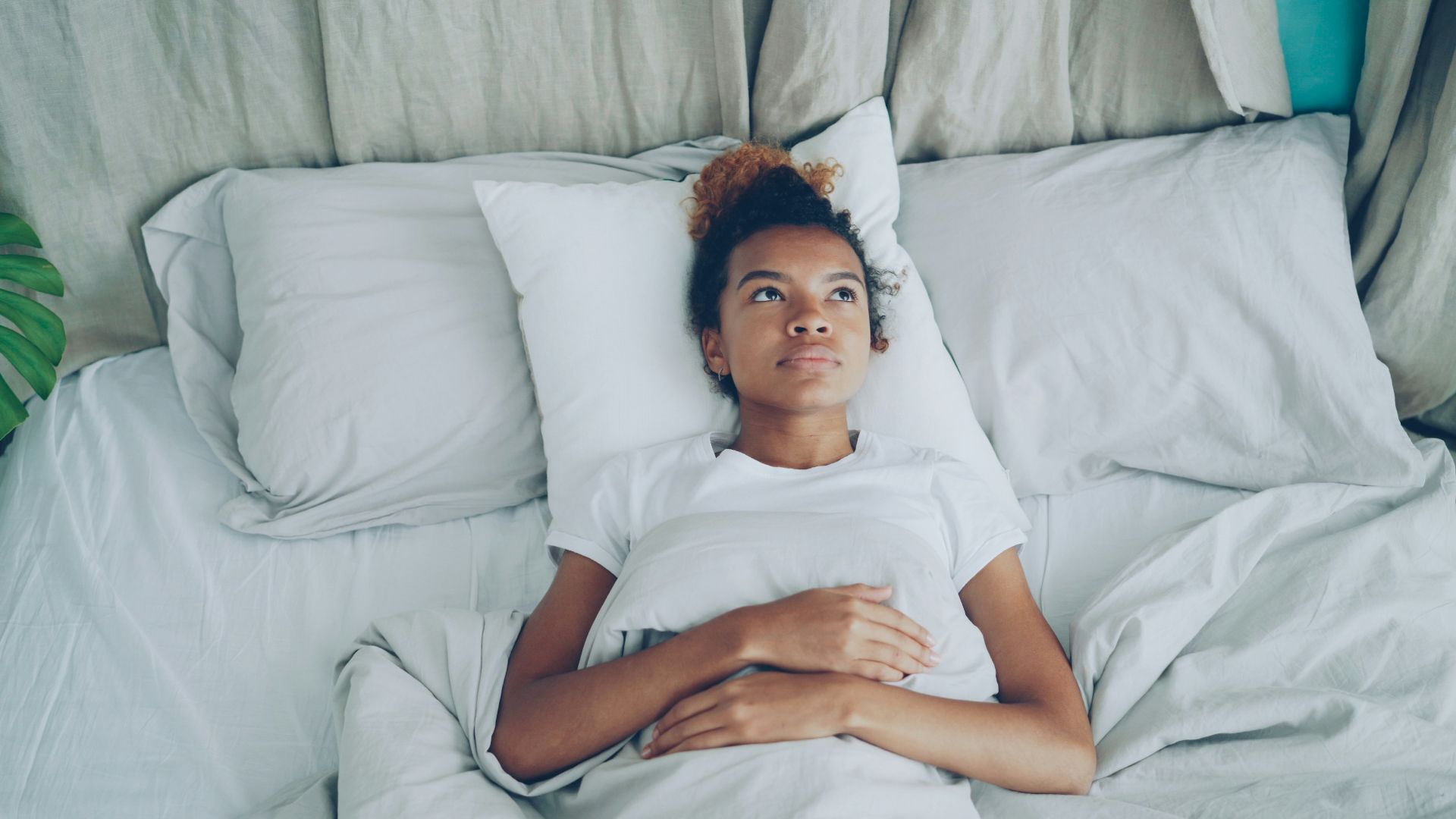
Loneliness has been linked with poorer sleep quality, especially sleep that feels light or interrupted. You may fall asleep, wake at 3 a.m., then spend the next hour thinking about old conversations, unread texts, or the apartment being too quiet. The next morning can feel harder before the day has even started.
3. Tight Shoulders And A Clenched Jaw
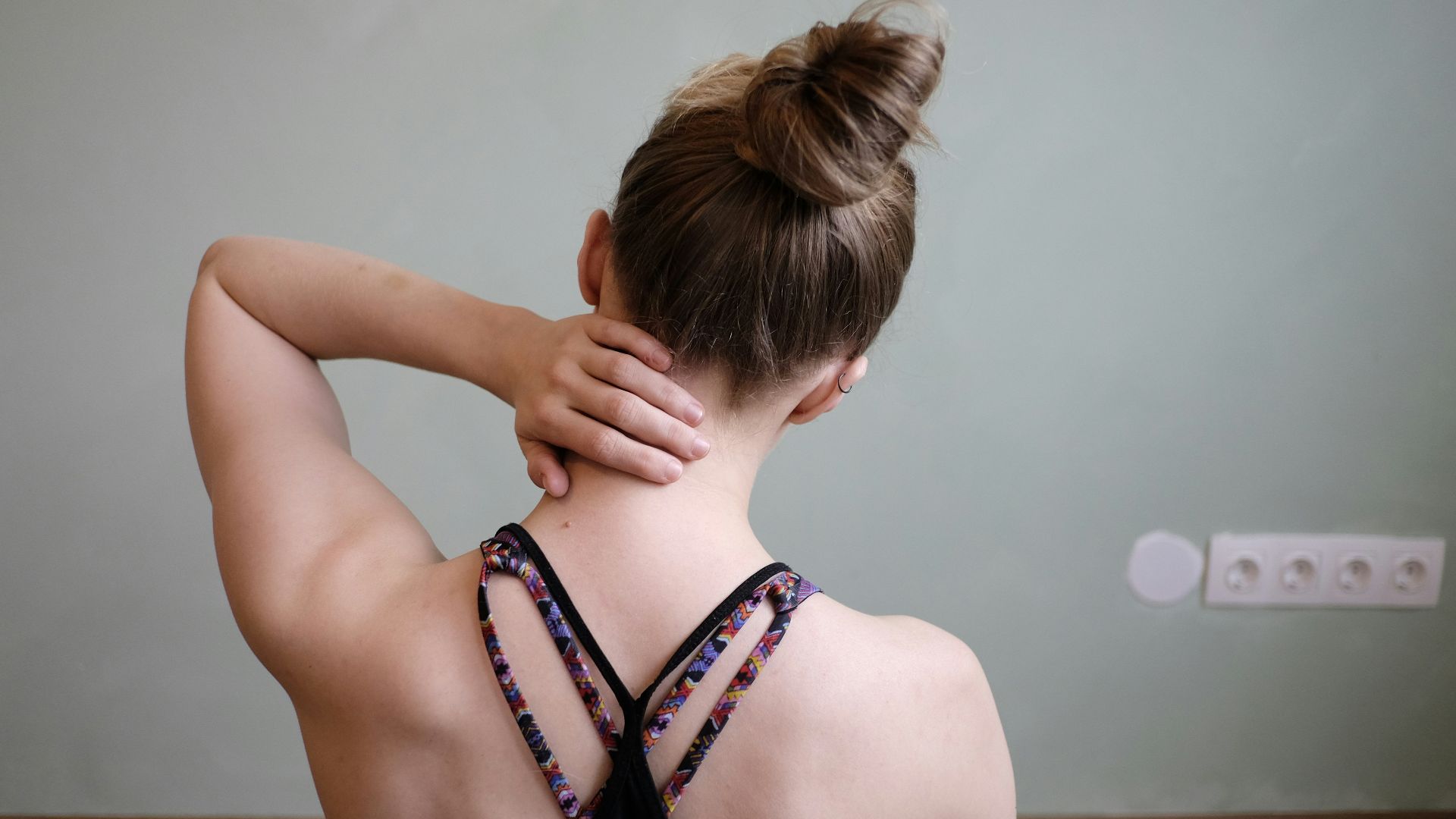
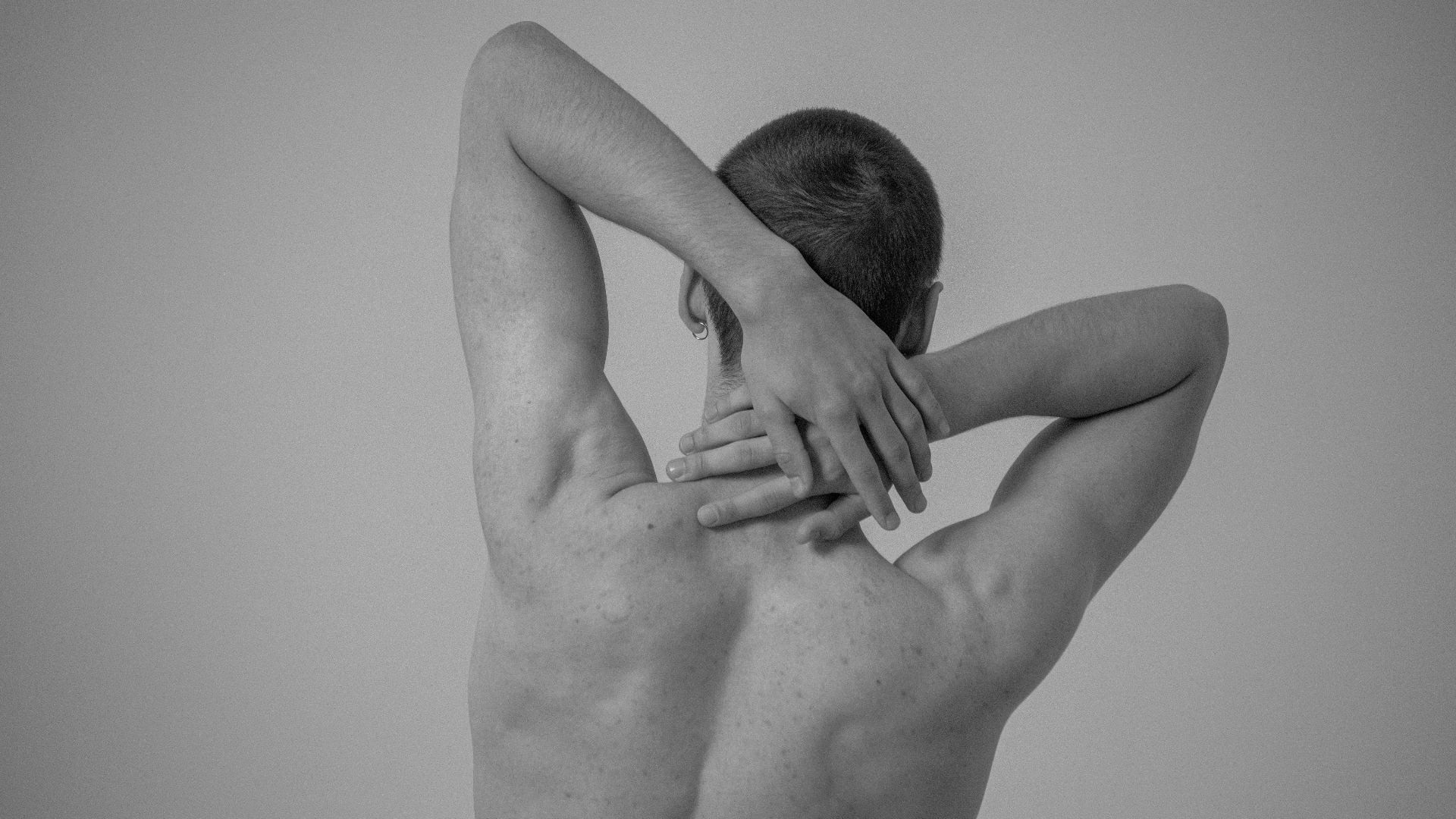
Stress often shows up in the muscles, especially around the jaw, neck, shoulders, and upper back. If you’re lonely for a long stretch, your body may stay braced through ordinary moments.
4. More Headaches
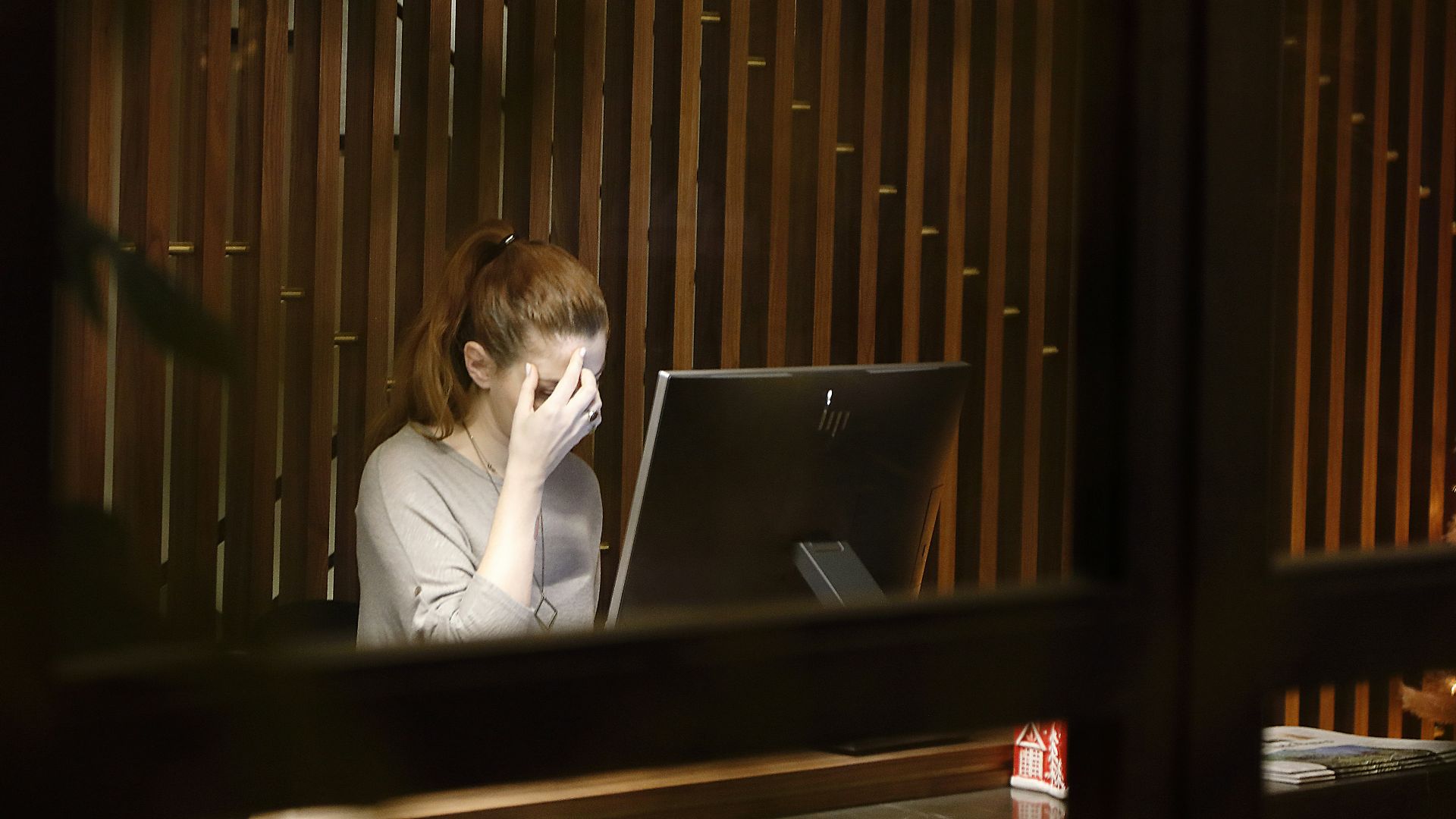
Long-running stress can contribute to headaches, including tension-style pain. Loneliness may not be the only reason your head hurts, since dehydration, screens, hormones, and sleep all matter too. Still, if headaches seem to arrive during isolated weeks, emotional strain could be part of the pattern.
5. A Tight Or Heavy Chest
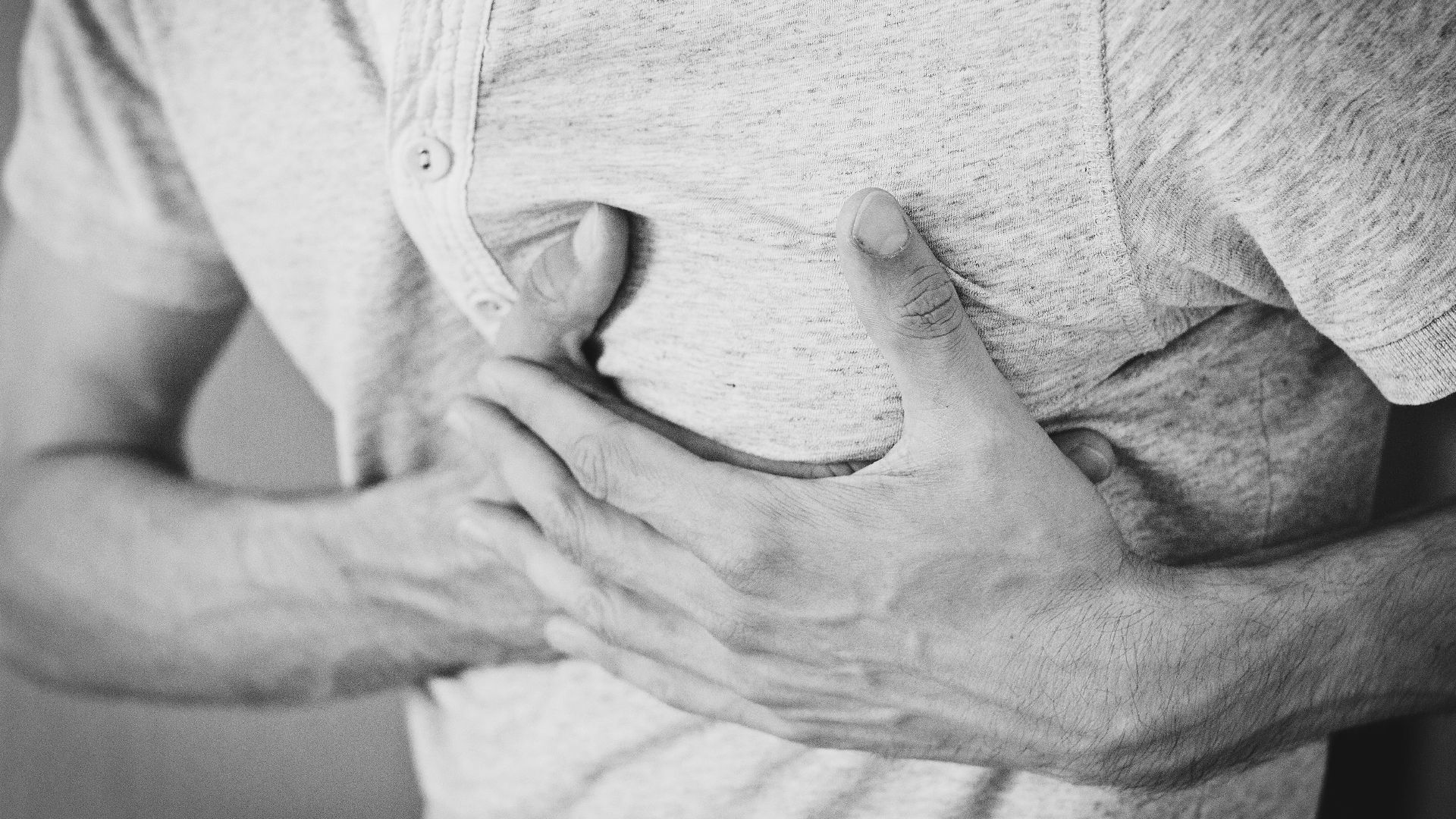
Stress and anxiety can affect breathing, heart rate, and chest muscles. Some people notice tightness, pressure, or a heavy feeling during lonely or emotionally hard periods.
6. Higher Blood Pressure
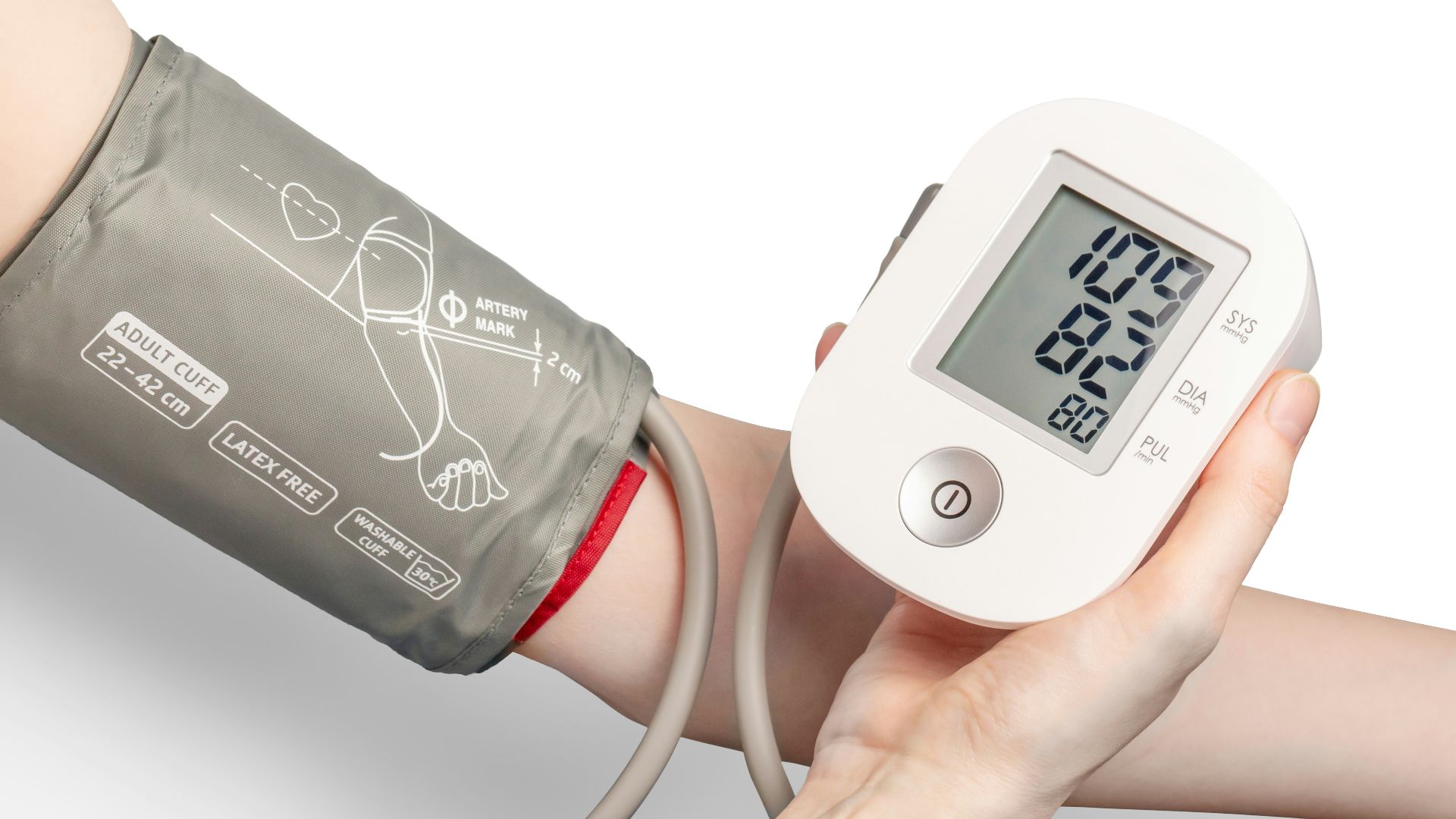
Social isolation and loneliness have been associated with cardiovascular strain, including higher blood pressure. The reasons may include stress hormones, poor sleep, less movement, and changes in daily habits. A quiet, disconnected life can still be physically demanding, even when it doesn’t look that way from the outside.
7. More Colds And Infections
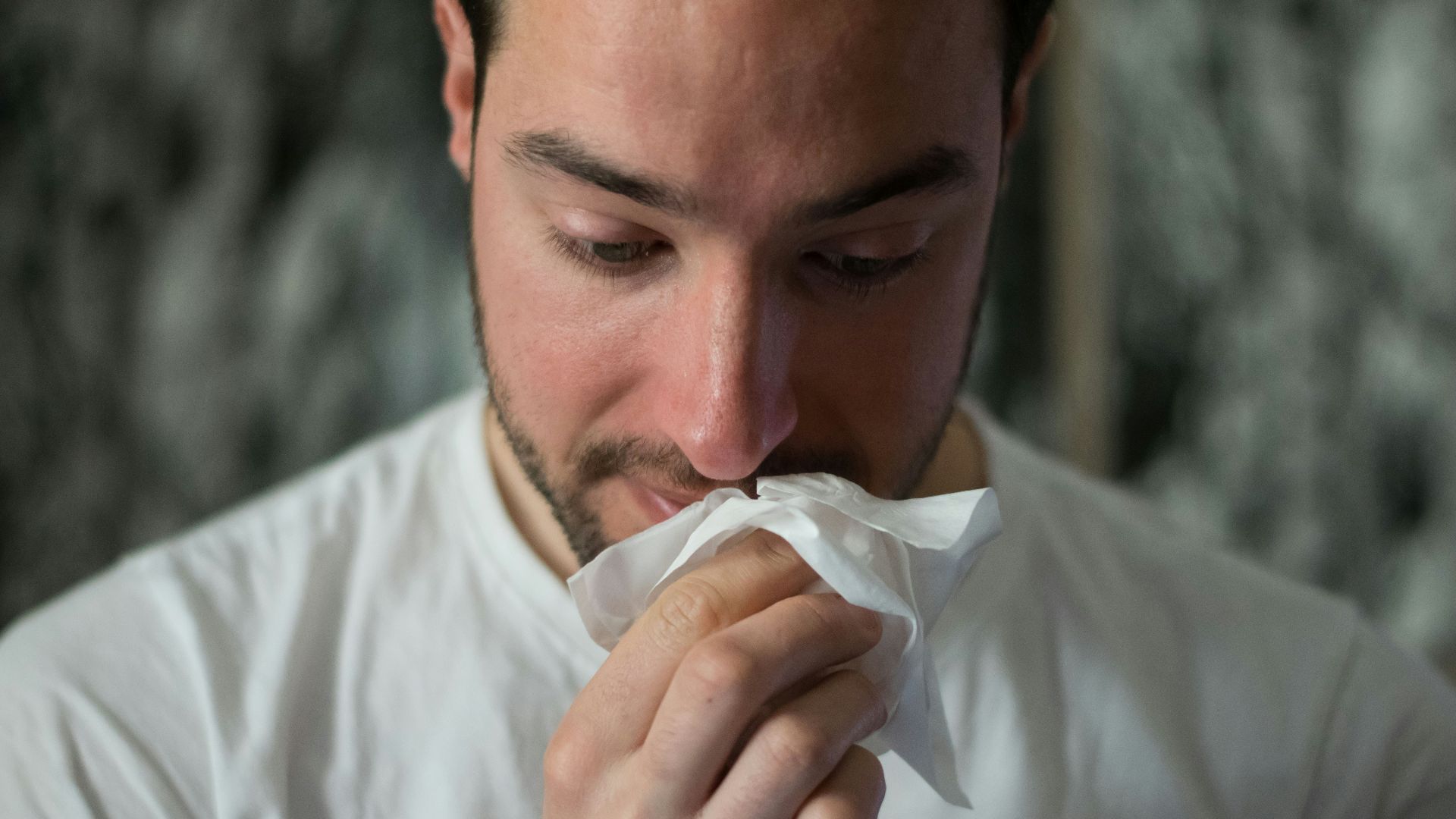
Chronic stress can interfere with how well the immune system functions. During lonely periods, you may feel run down or notice that every office cold seems to find you first. That doesn’t mean loneliness is the only reason you’re getting sick, but it can be one piece of the larger health picture.
8. More Inflammation
Research has linked social disconnection with inflammation-related changes, though the relationship is complex. You usually can’t feel low-grade inflammation in a clear, obvious way. Still, it may help explain why long-term loneliness can leave people feeling physically off or slow to bounce back.
9. An Upset Stomach
The gut and nervous system talk constantly, which is deeply inconvenient when you’d prefer your stomach to mind its business. Lonely or stressful stretches can come with nausea, stomach tightness, changes in appetite, or irregular bathroom habits.

10. Low Energy
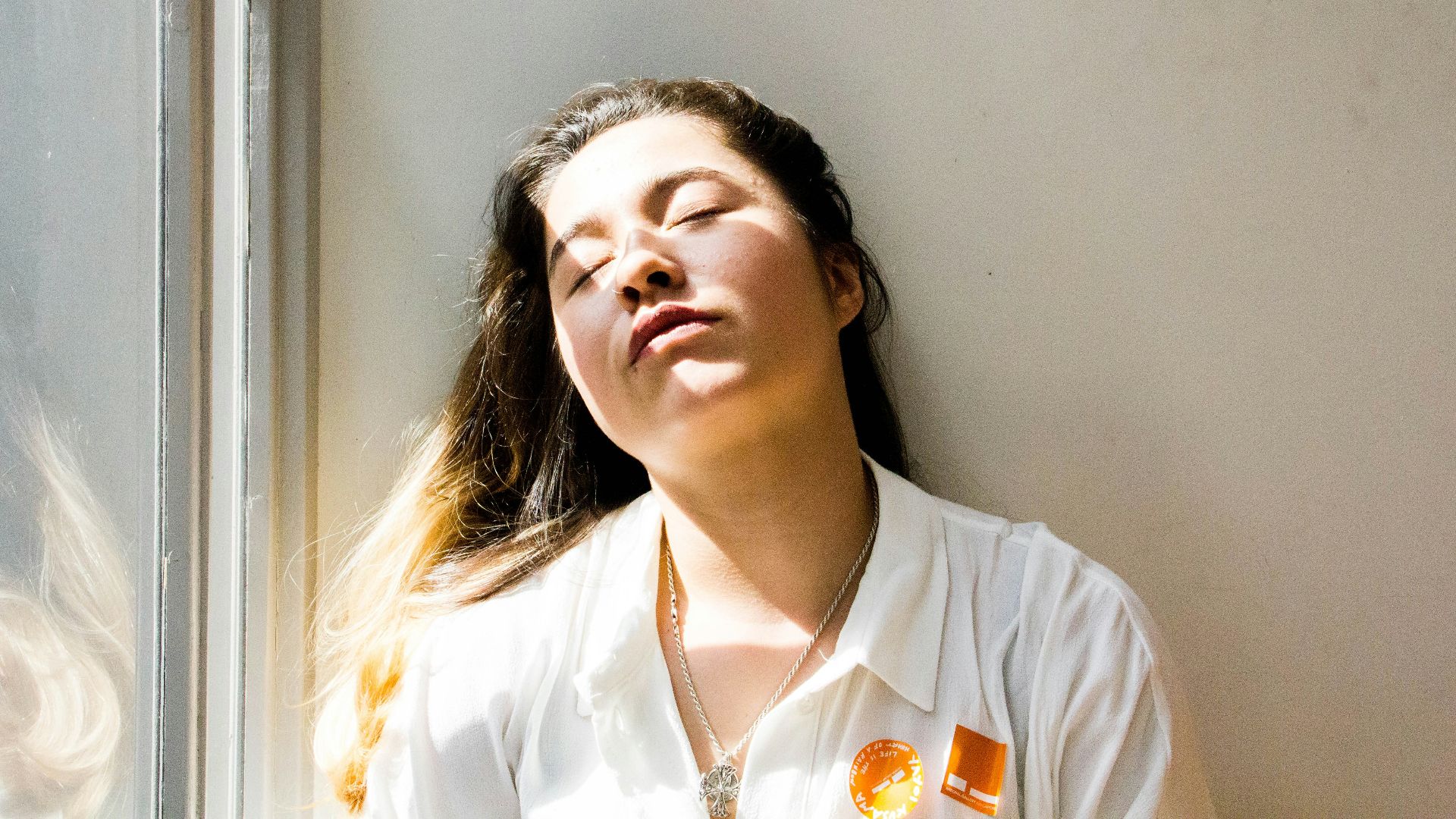
Loneliness can be exhausting, even when your schedule looks manageable. You may sleep, eat, and get through work, yet still feel like making dinner takes too much effort. That flat, drained feeling can be one of the body’s quieter signs that connection is missing.
11. Body Aches Or Pain
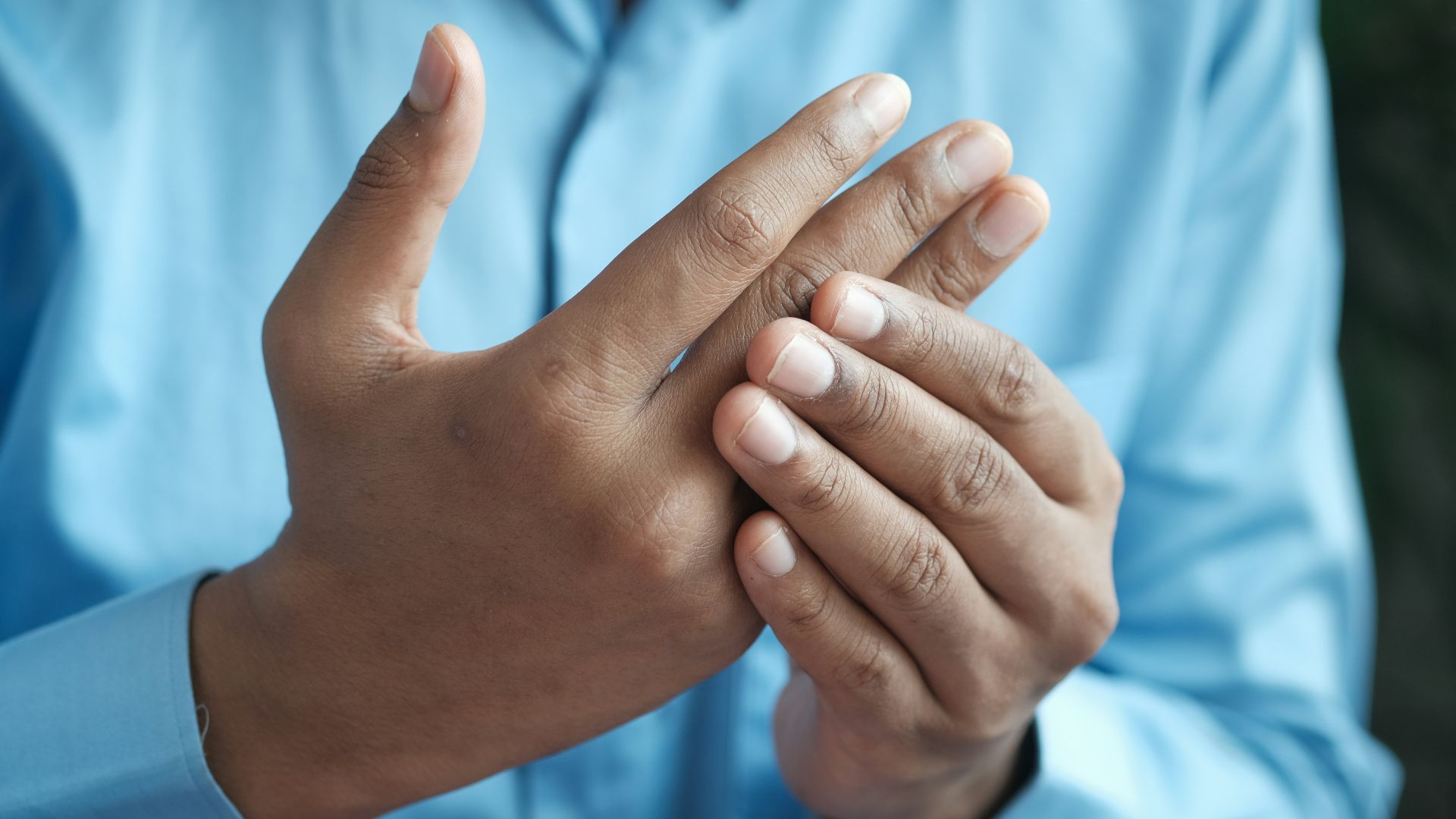
Loneliness has been associated with physical pain, and pain can also make loneliness worse. If your back, hips, knees, or hands already bother you, stress and poor sleep may make those sensations harder to ignore.
12. Feeling Colder Than Usual
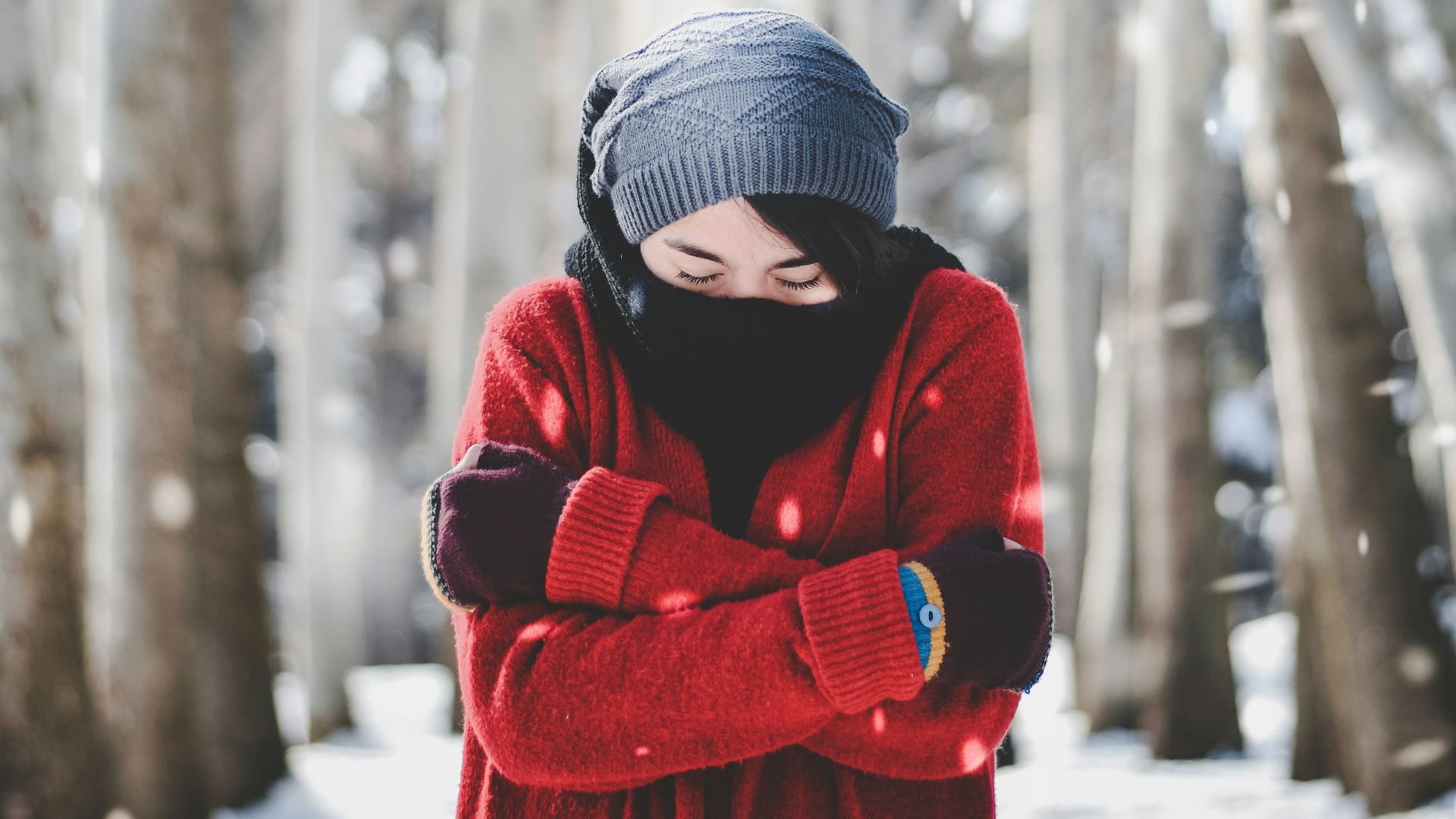
Some research suggests social exclusion can affect how cold people feel. That doesn’t mean every lonely person needs three sweaters and a tea kettle. Still, warmth, hot meals, and physical comfort can feel especially welcome when you’re emotionally stretched thin.
13. Taking Longer To Calm Down
Loneliness may make it harder for the body to settle after stress. A tense phone call, a sharp comment, or a disappointing text can stay with you longer than usual. You might feel shaky, tired, or unable to relax hours after the moment has passed.

14. Brain Fog
Chronic stress can interfere with attention, memory, and decision-making. During lonely periods, you may lose track of small errands, reread the same paragraph, or stand in the kitchen trying to remember why you opened the fridge.
15. Appetite Changes
Loneliness can change eating patterns in more than one direction. Some people snack more for comfort, while others lose interest in food and realize at 4 p.m. that they’ve had coffee and half a banana. Neither response is a personal failure; stress can pull appetite around in strange ways.

16. Weight Changes
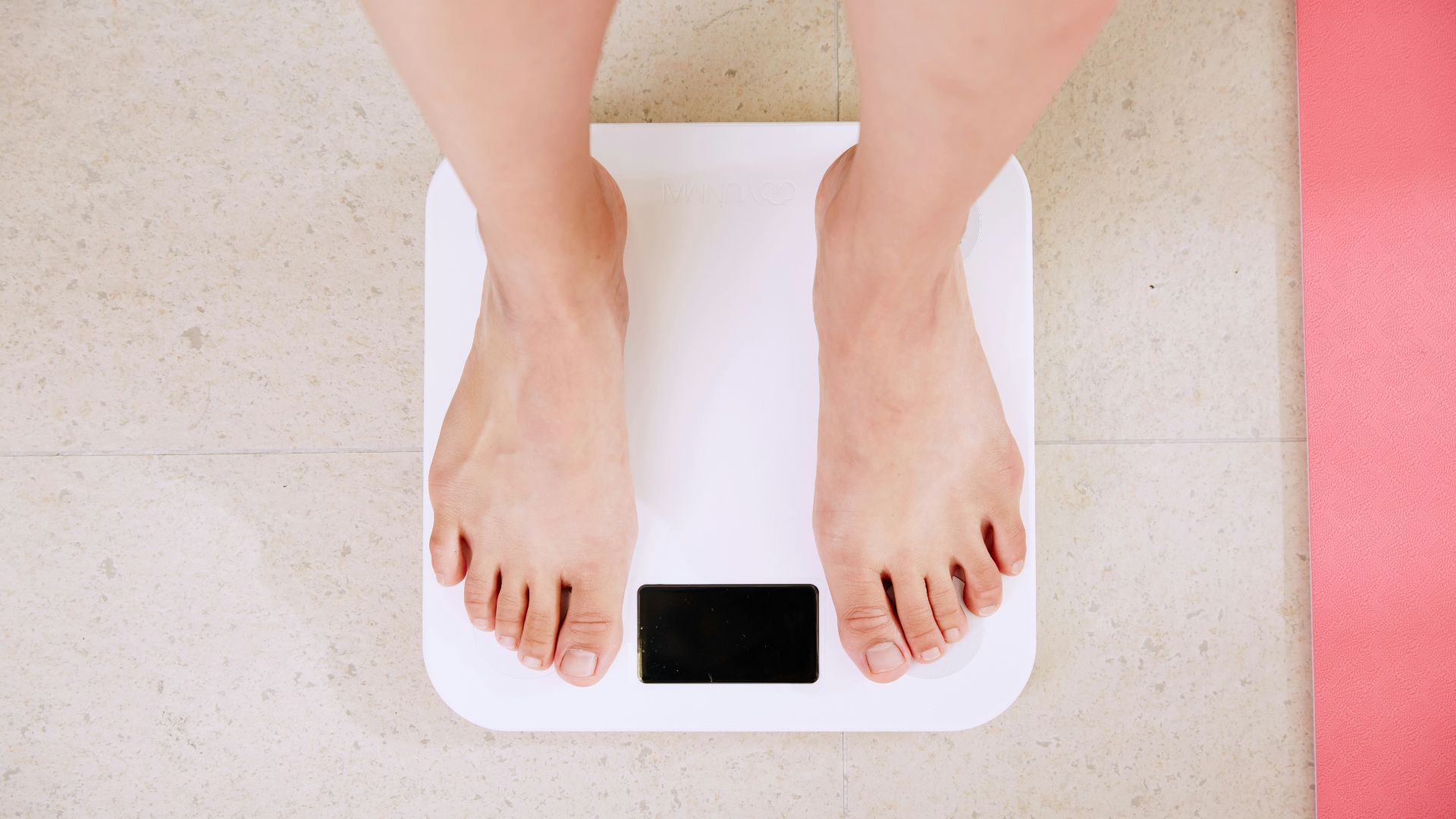
Because loneliness can affect sleep, appetite, movement, and stress, weight may shift over time. This isn’t automatic, and it isn’t the same for everyone. Someone who stops attending weekly dinners, evening walks, or gym classes after a life change may see their routines change before their body does.
17. Shortness Of Breath
Loneliness can overlap with anxiety, and anxiety can make breathing feel shallow or uneven. You may feel like you can’t get a full breath during a hard conversation or after too many hours alone with your thoughts. Sudden or severe breathing trouble should always be treated as a medical concern.
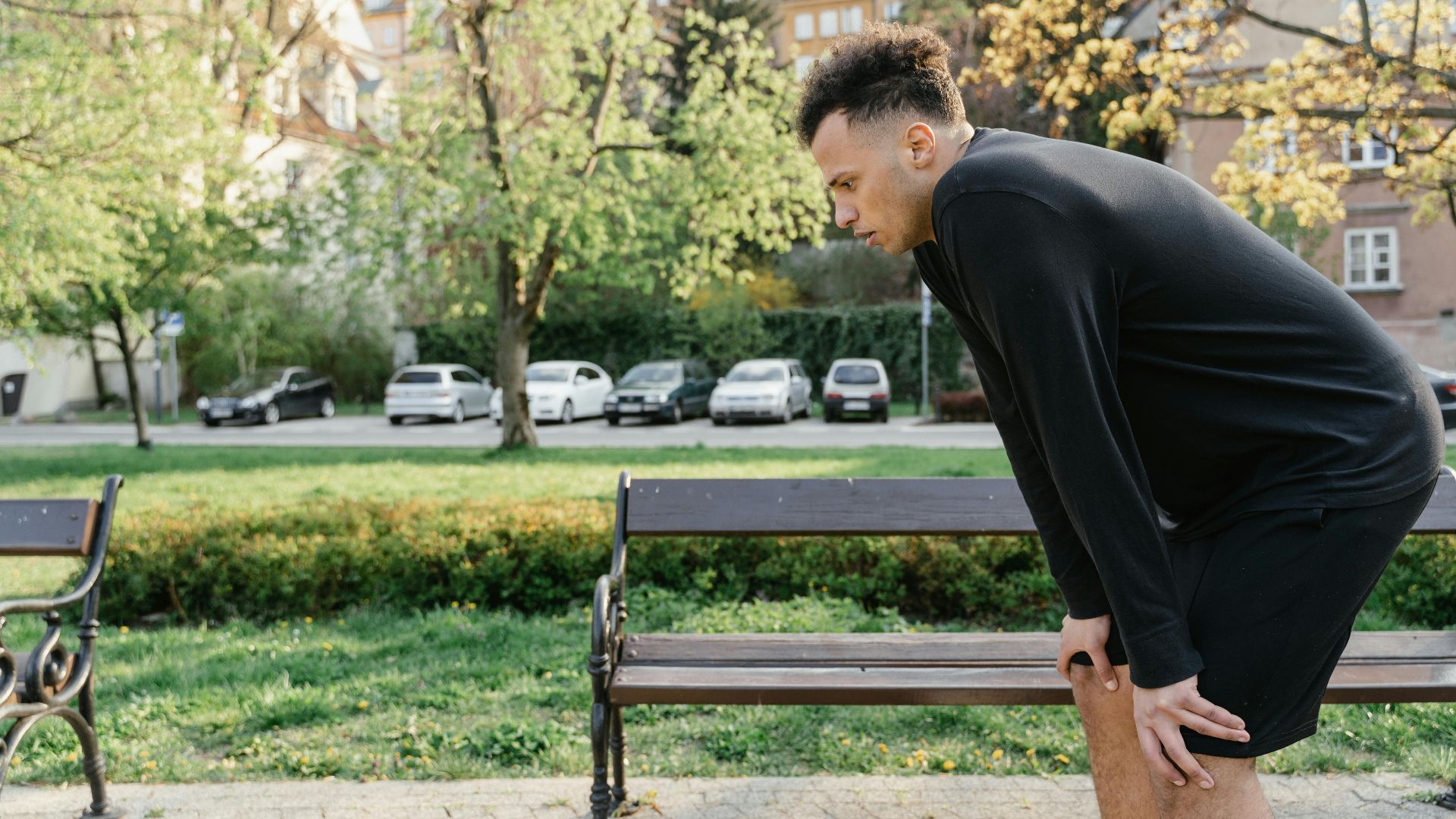
18. More Migraine Trouble
For people who already get migraines, loneliness may add to the stress load that makes symptoms harder to manage. Poor sleep, skipped meals, muscle tension, and emotional stress can stack up during isolated stretches. Loneliness may not be the direct cause, but it can make the background conditions rougher.

19. Feeling Physically Worn Out
Loneliness can leave you feeling worn out in a way that’s hard to explain. You may still go to work, answer messages, buy groceries, and pay bills while everything feels heavier than it should. That depletion can creep in slowly after a move, a loss, or a long stretch of being the one who always checks in first.
20. Slower Healing And Recovery
Healing depends on sleep, immune function, inflammation, nutrition, and stress recovery. Since loneliness can affect several of those areas, some people may recover more slowly from illness, injury, or burnout. A scratch, a cold, or a hard month may take longer to move past when the body has been running low on support.