
Staying Strong Without the Pain
As your body changes with age, maintaining strength becomes less about intensity and more about consistency, proper technique, and smart adjustments that support long-term mobility. You don’t need extreme routines to stay strong, but you do need to pay attention to how you move and recover. The right habits can make a noticeable difference, while common mistakes can quietly lead to unnecessary strain and setbacks. Here are 10 easy strength fixes for aging muscles and 10 mistakes that cause strain.
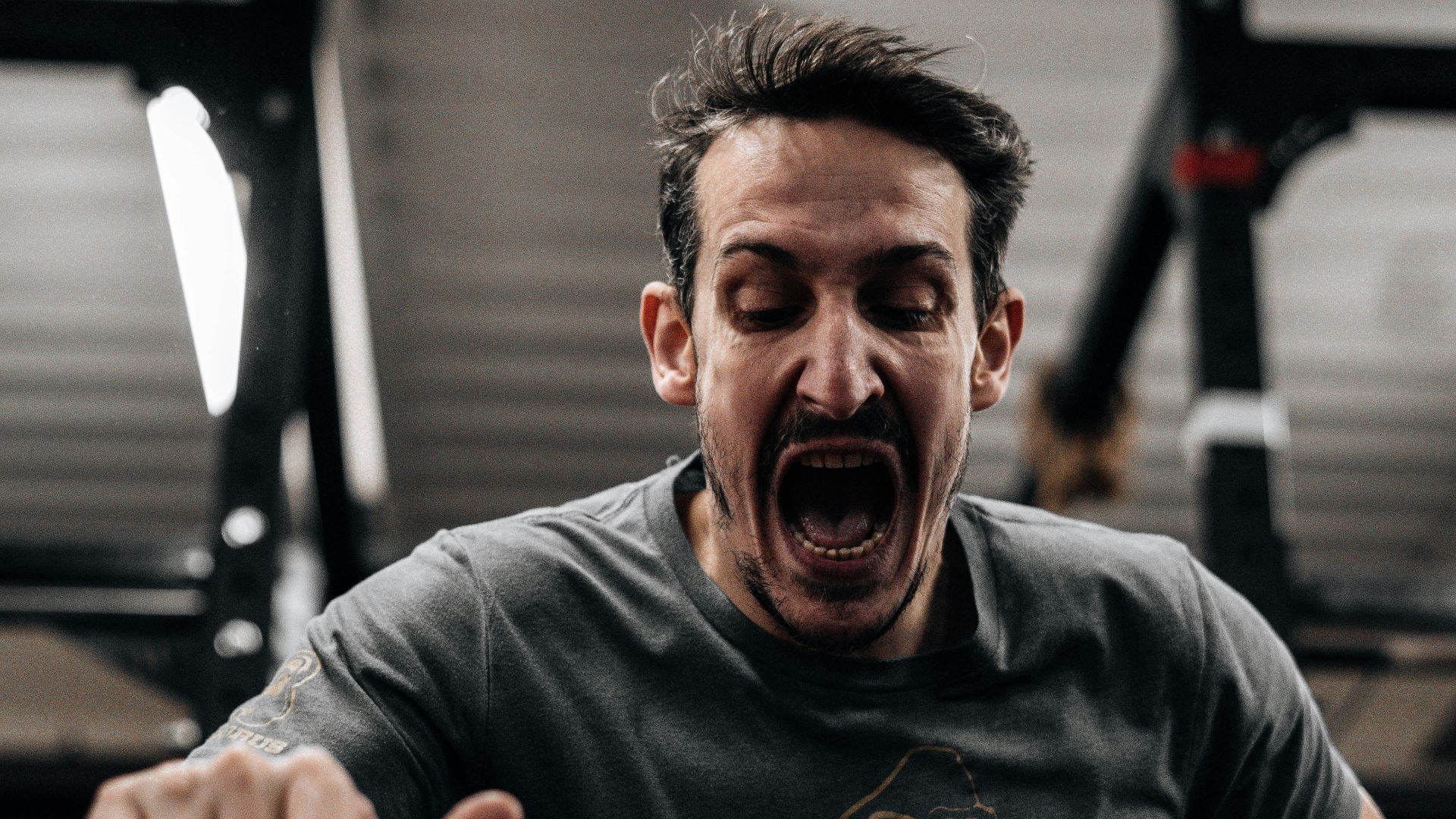
1. Prioritize Resistance Training
Strength naturally declines with age due to muscle loss, but regular resistance training helps slow that process. Using weights, resistance bands, or even bodyweight exercises can maintain muscle mass and bone density. You don’t need heavy loads, but consistent effort makes a meaningful difference. Even two to three sessions per week can help preserve strength over time.
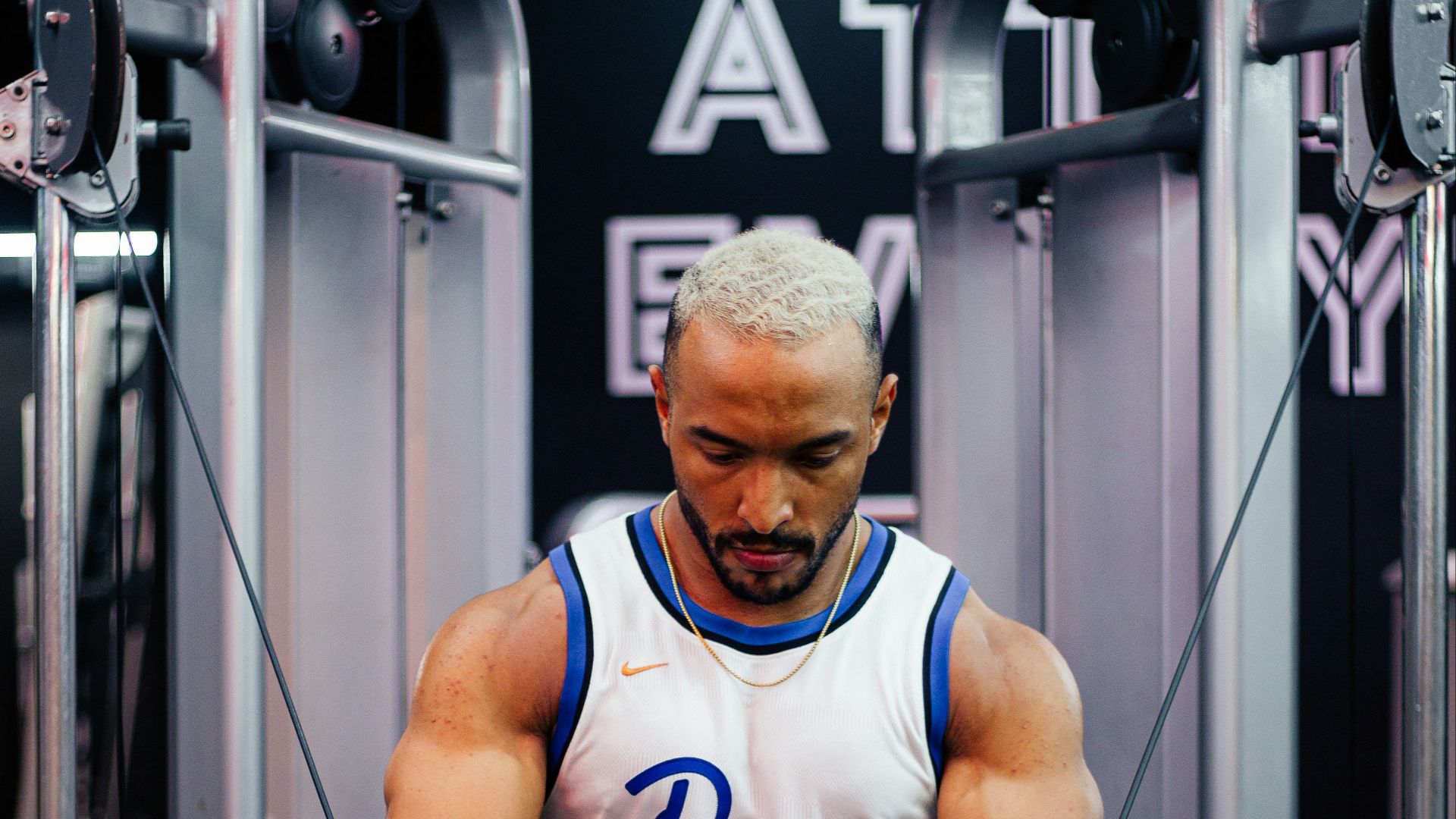
2. Focus on Proper Form
Good form becomes increasingly important as joints and connective tissues become less forgiving. Performing exercises with controlled movements reduces the risk of injury while improving effectiveness. Paying attention to alignment ensures muscles are doing the work instead of joints. It also helps you get better results from each repetition without needing to increase intensity.
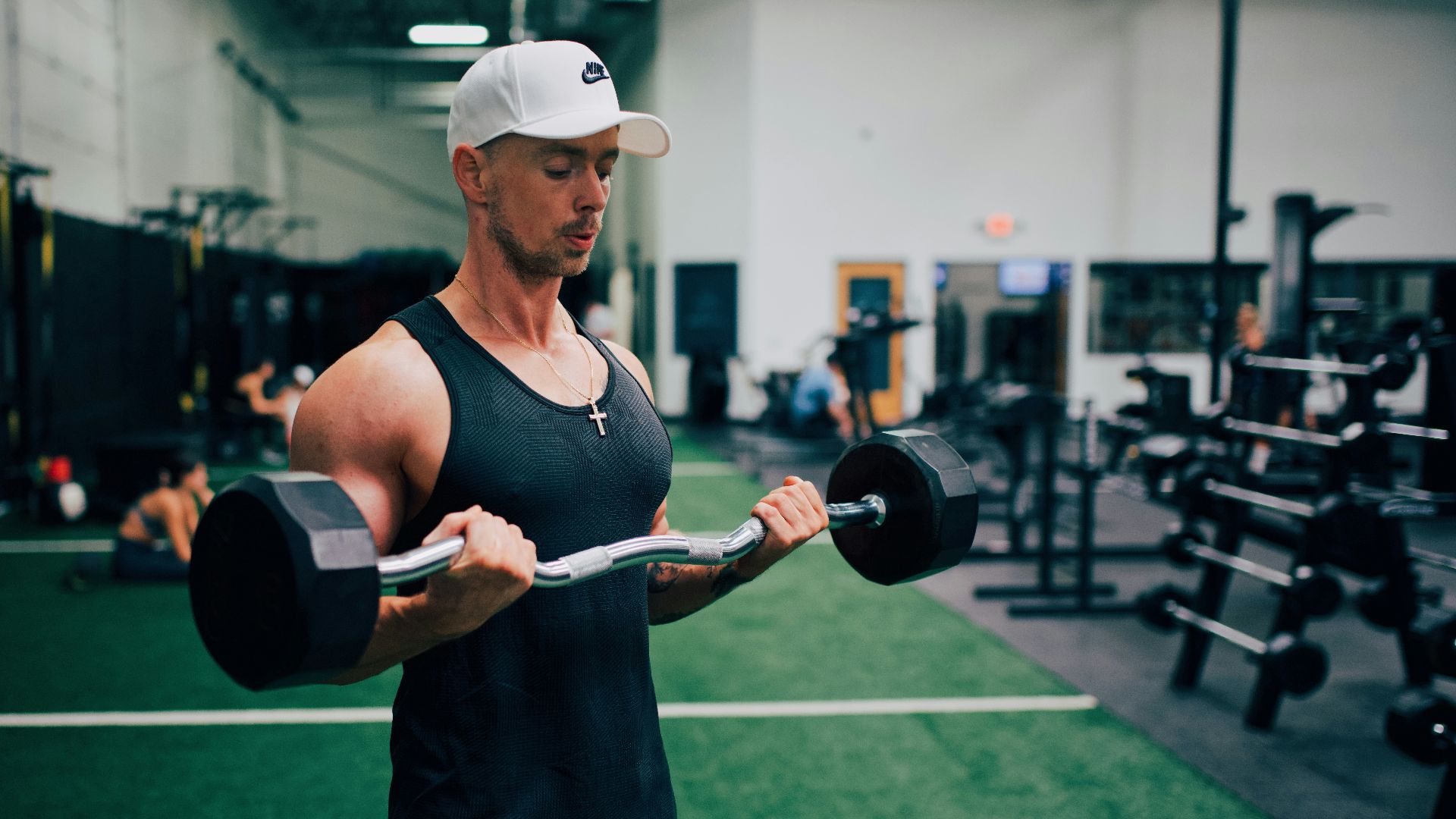
3. Include Mobility Work
Adding mobility exercises helps maintain joint range of motion and reduces stiffness. Simple stretches and dynamic movements can keep your body moving efficiently. This supports strength by allowing you to perform exercises more safely and effectively. Over time, improved mobility can make everyday movements feel easier and more natural.
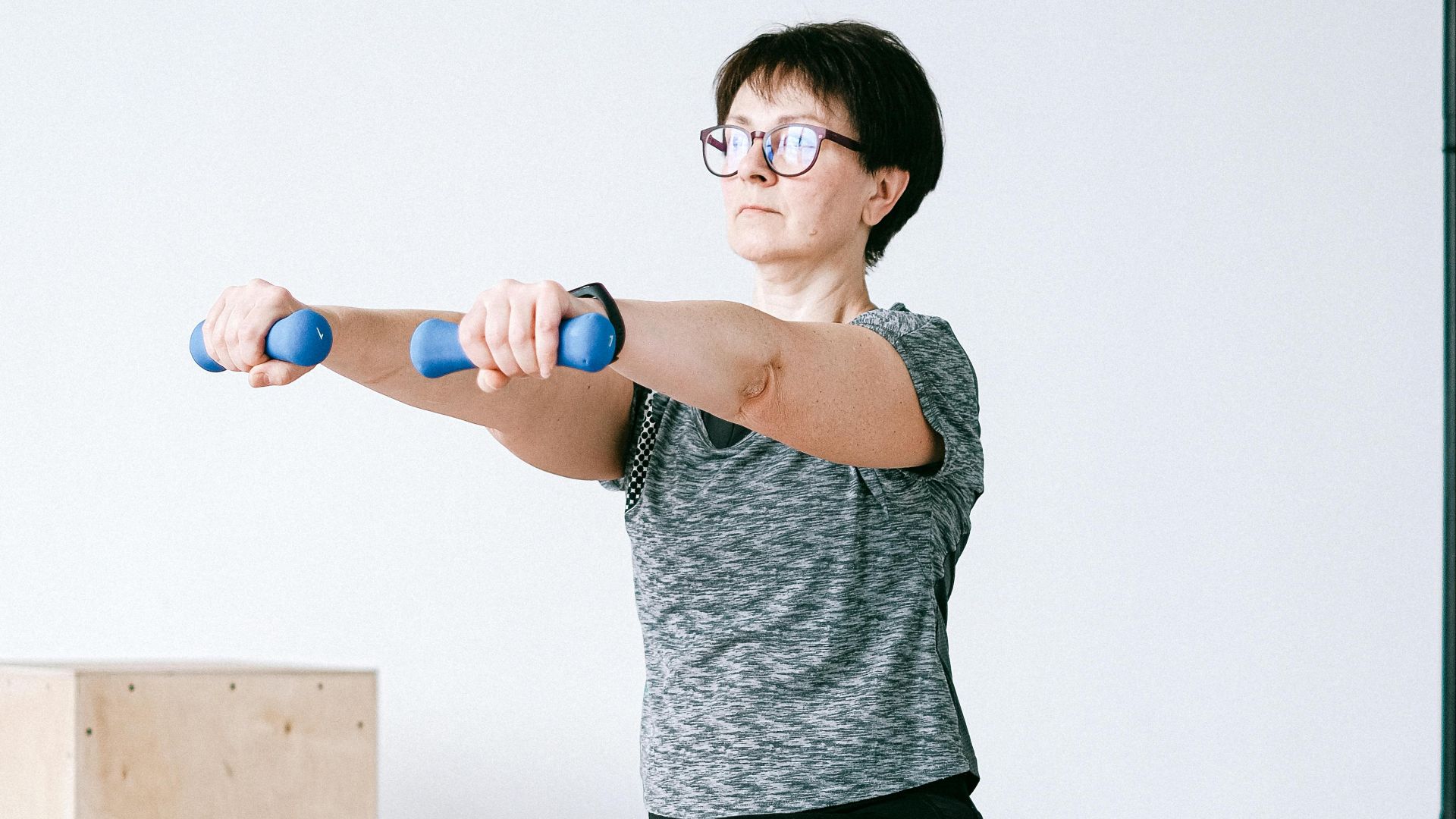
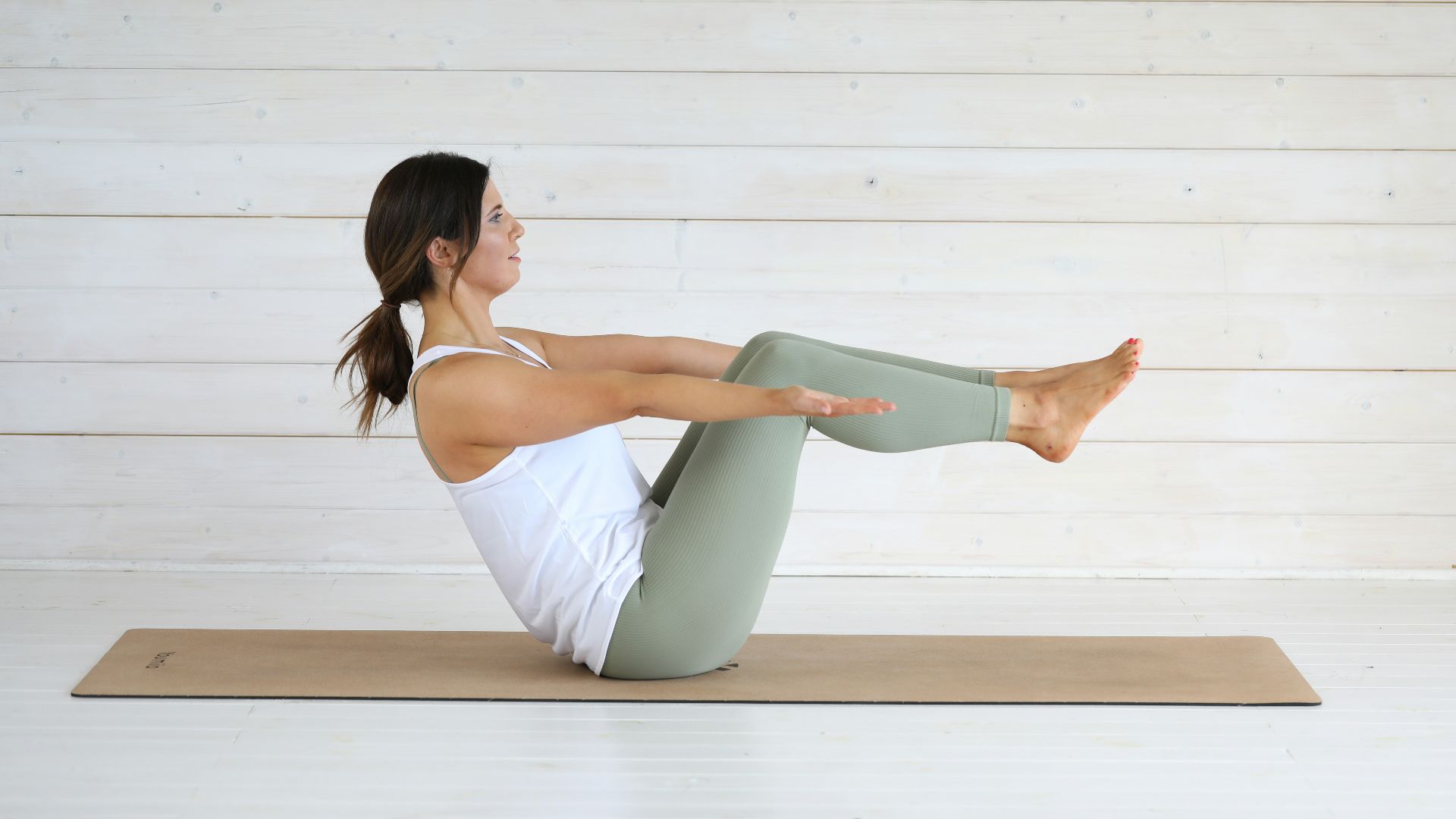
4. Strengthen the Core
A strong core supports balance, posture, and overall stability, which become more important over time. Exercises like planks and controlled rotations help maintain functional strength. This reduces the likelihood of falls and improves daily movement. It also helps protect your lower back during both exercise and routine activities.
5. Allow Adequate Recovery
Recovery takes longer as you age, so rest days and proper sleep are essential. Muscles repair and grow stronger during recovery periods, not just during workouts. Skipping this step can lead to fatigue and decreased performance. Giving your body time to recover also lowers the risk of injuries.

6. Stay Consistent
Consistency matters more than intensity when maintaining strength over time. Regular, moderate exercise provides better results than occasional intense sessions. Building a routine you can stick to helps sustain progress. Small efforts repeated over time create more lasting improvements than short bursts of activity.

7. Incorporate Balance Training
Balance exercises help prevent falls and improve coordination. Activities like standing on one leg or using stability tools can enhance control. This complements strength training by improving overall physical function. Better balance also increases confidence in your movements throughout the day.
8. Use Progressive Overload Carefully
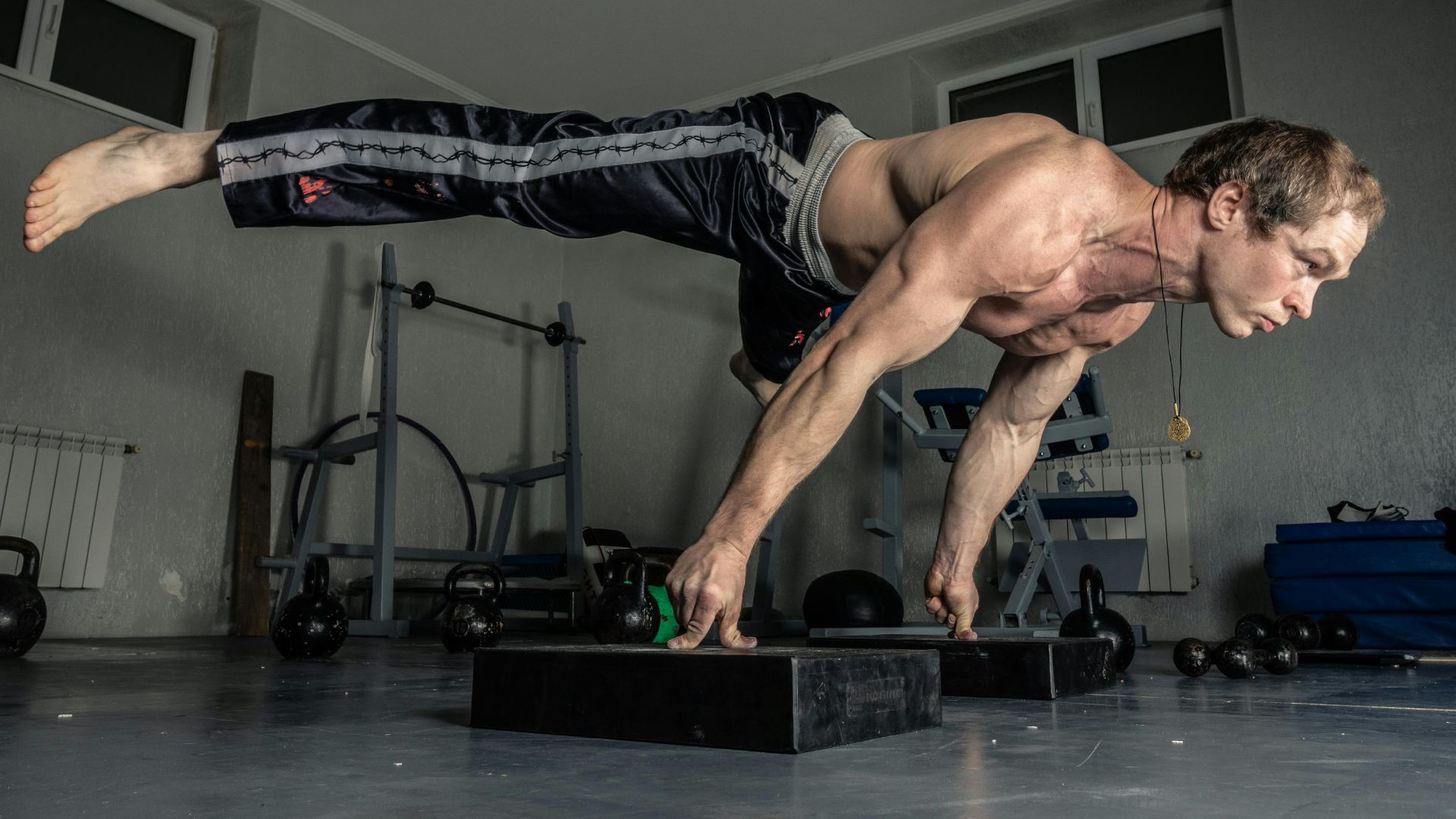
Gradually increasing resistance helps maintain muscle strength without overloading the body. Small, steady changes are safer than sudden increases in weight or intensity. This approach supports continued improvement while minimizing strain. Paying attention to how your body responds helps you adjust safely as you progress.

9. Stay Hydrated
Hydration plays a role in muscle function and recovery. Dehydration can contribute to fatigue and increase the risk of cramps. Drinking enough fluids helps support overall performance and joint health.
 Christopher Campbell on Unsplash
10. Support Muscles With Nutrition
Adequate protein intake supports muscle maintenance and repair. Balanced nutrition, including vitamins and minerals, contributes to overall strength and energy levels. Consistent eating habits help sustain physical health over time.

1. Skipping Warm-Ups
Jumping into exercise without warming up can put sudden stress on muscles and joints. A proper warm-up prepares the body by increasing blood flow and flexibility. Without it, the risk of strain rises significantly.
2. Lifting Too Heavy Too Soon
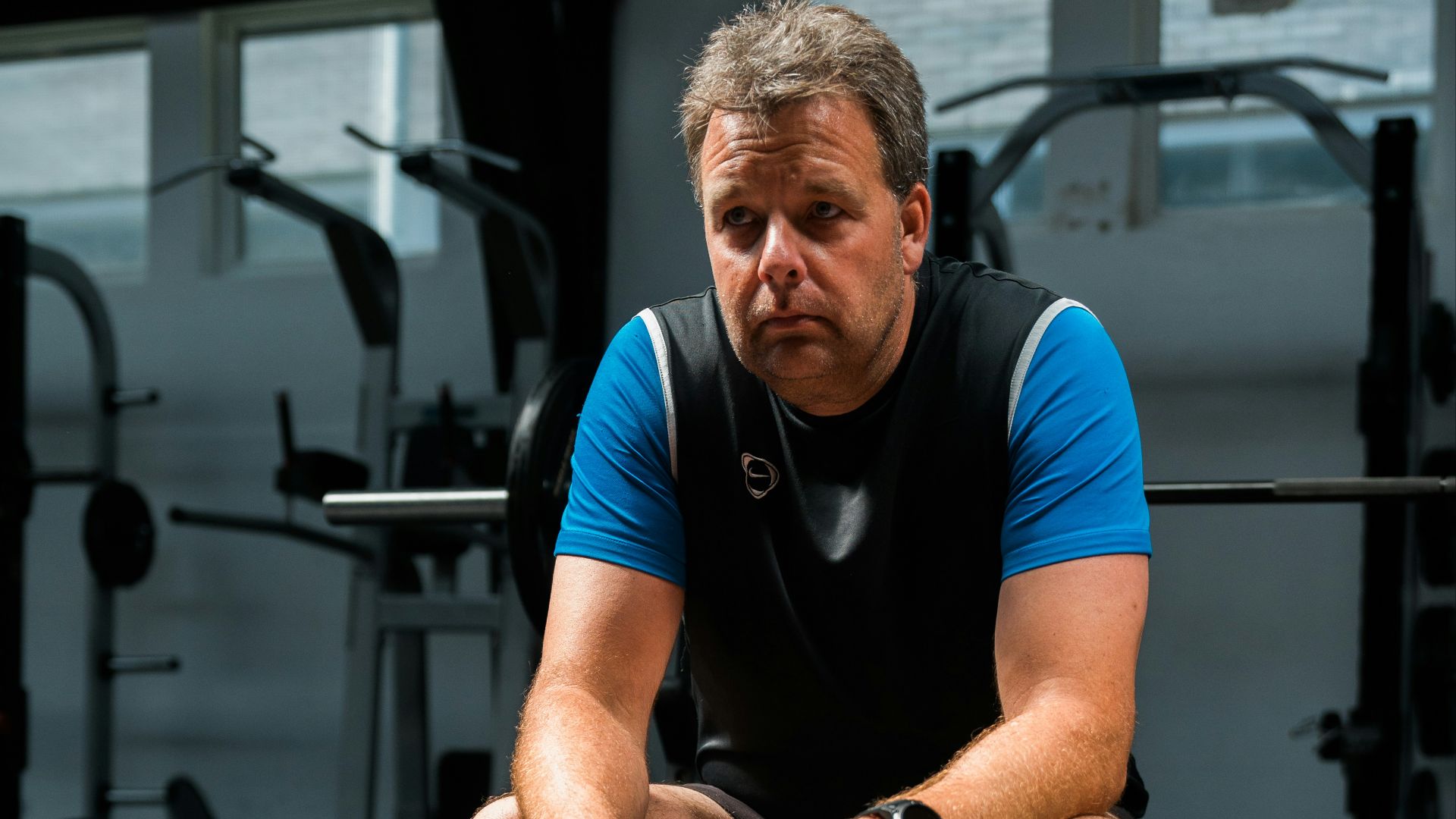
Using weights that exceed your current strength level can lead to poor form and injury. Gradual progression is safer and more effective for long-term results. Pushing too hard, too quickly, often leads to setbacks.
 Centre for Ageing Better on Unsplash
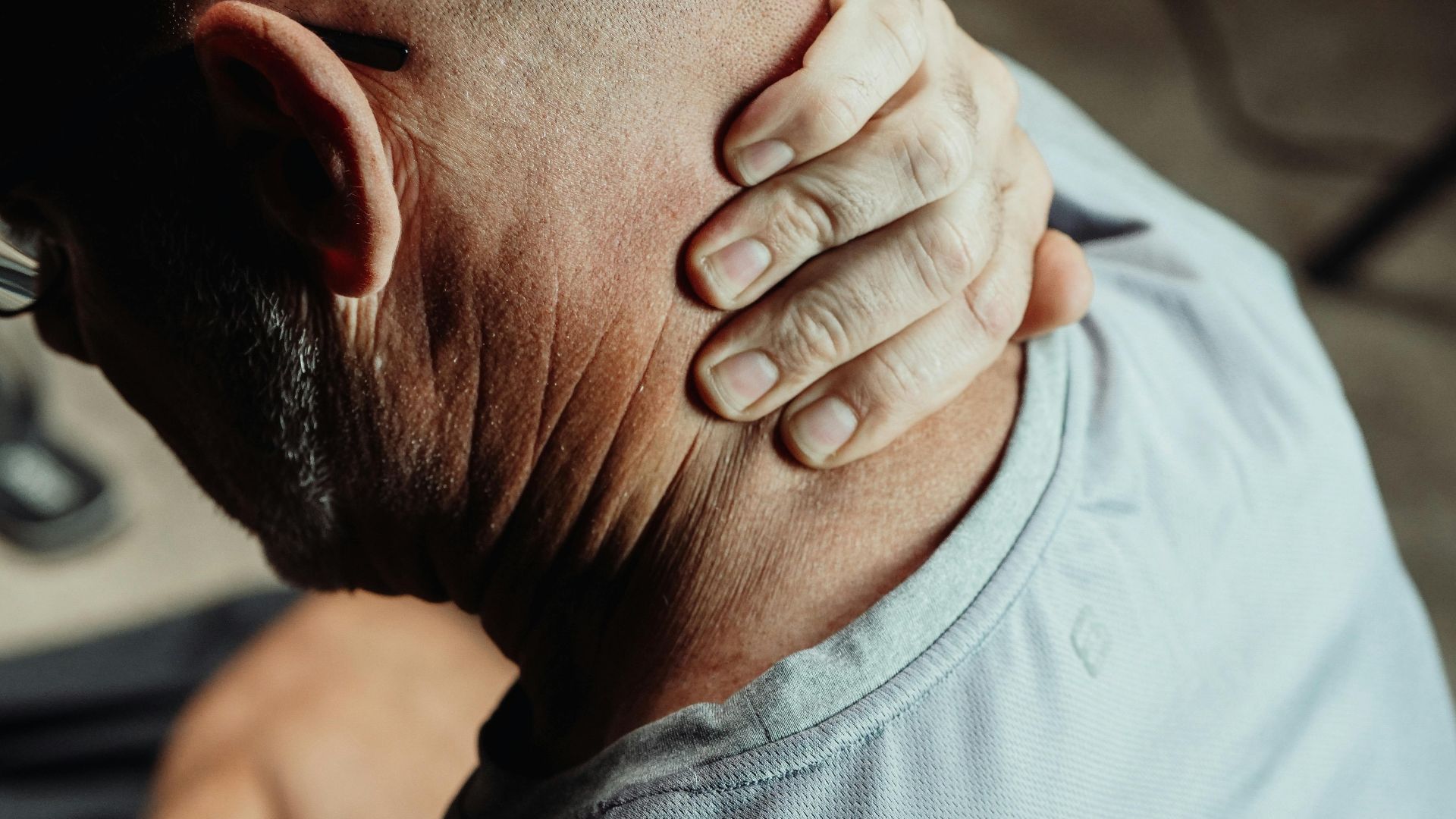
3. Ignoring Pain Signals
Pain is a warning sign that something isn’t right, yet it’s often dismissed. Continuing to exercise through pain can worsen minor issues into more serious injuries. Listening to your body helps prevent unnecessary strain.
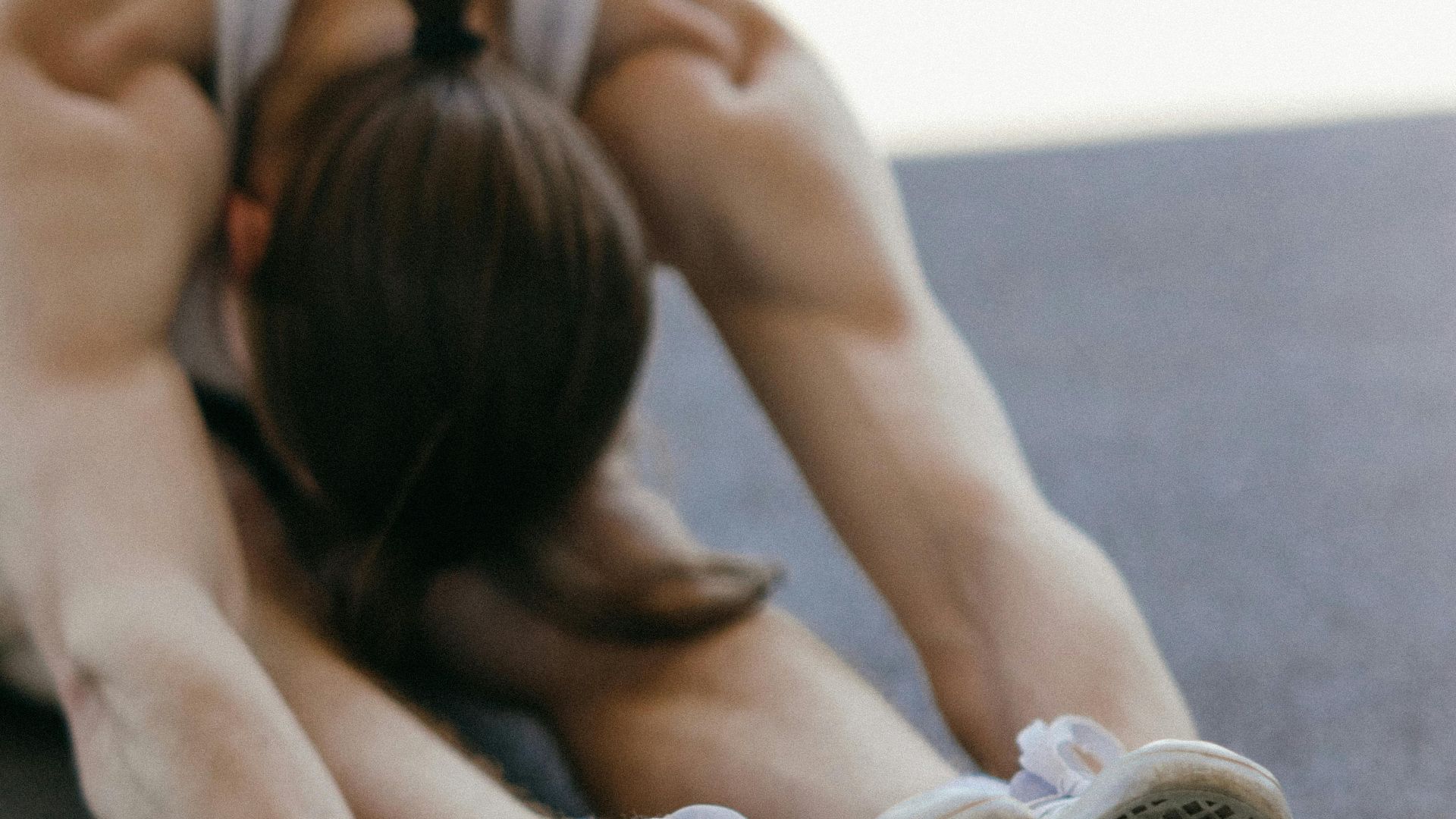
4. Neglecting Flexibility
Failing to maintain flexibility can lead to tight muscles and restricted movement. This increases the likelihood of strain during everyday activities and exercise. Regular stretching helps keep muscles balanced and responsive.
5. Overtraining
Exercising too frequently without enough rest can lead to fatigue and decreased performance. Overtraining places ongoing stress on muscles and connective tissues. Recovery time is essential for maintaining strength and preventing injury.

6. Poor Posture During Exercise
Incorrect posture shifts stress away from muscles and onto joints and ligaments. This can cause strain, especially in the back, neck, and knees. Maintaining proper alignment helps distribute effort safely.

7. Holding Your Breath
Many people unintentionally hold their breath while lifting or exerting effort. This can increase internal pressure and reduce oxygen delivery to muscles. Proper breathing supports both performance and safety.
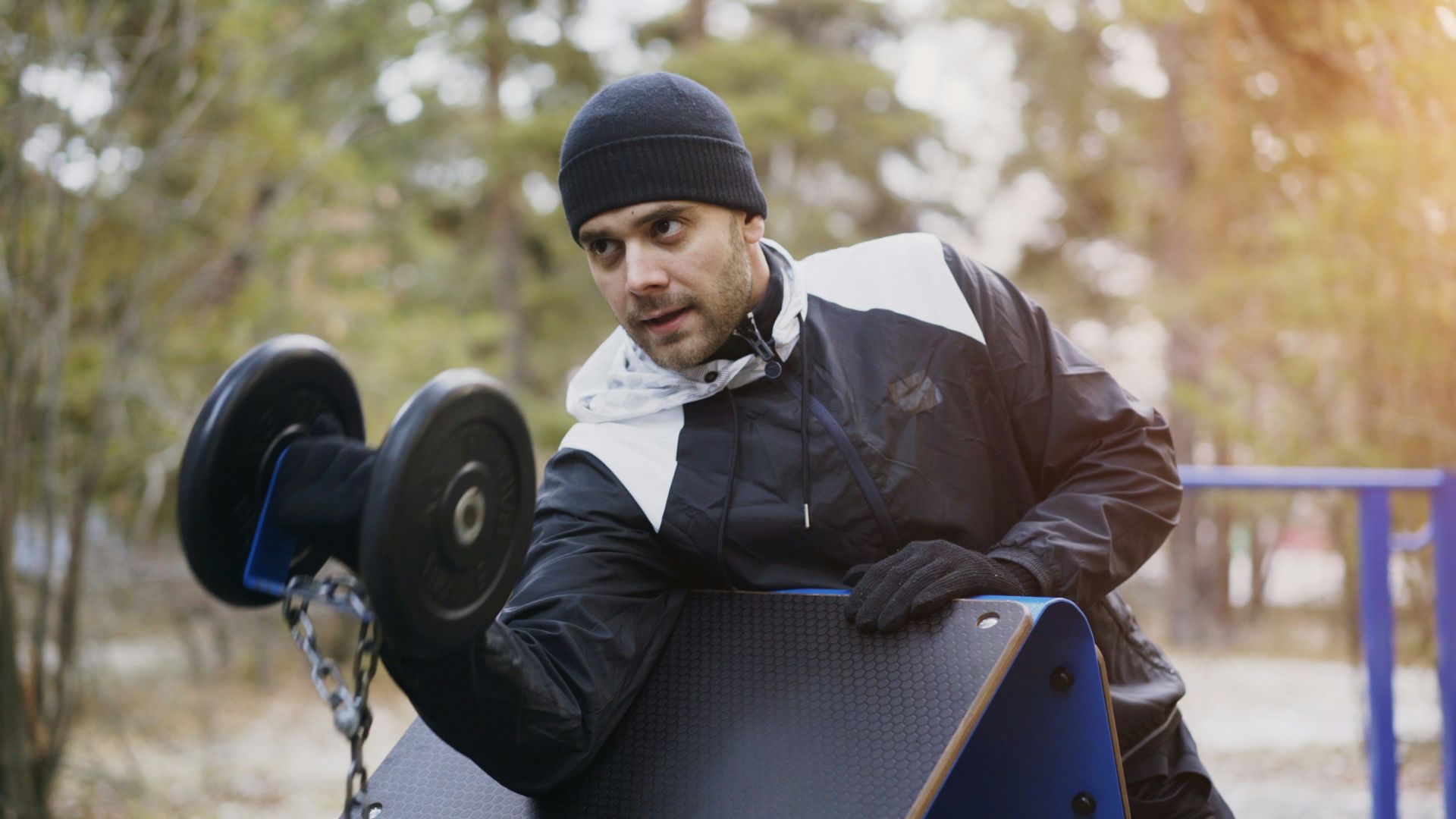
8. Repeating the Same Movements
Doing the same exercises repeatedly without variation can lead to overuse injuries. Certain muscles and joints may become overstressed over time. Incorporating variety helps distribute physical demand more evenly.
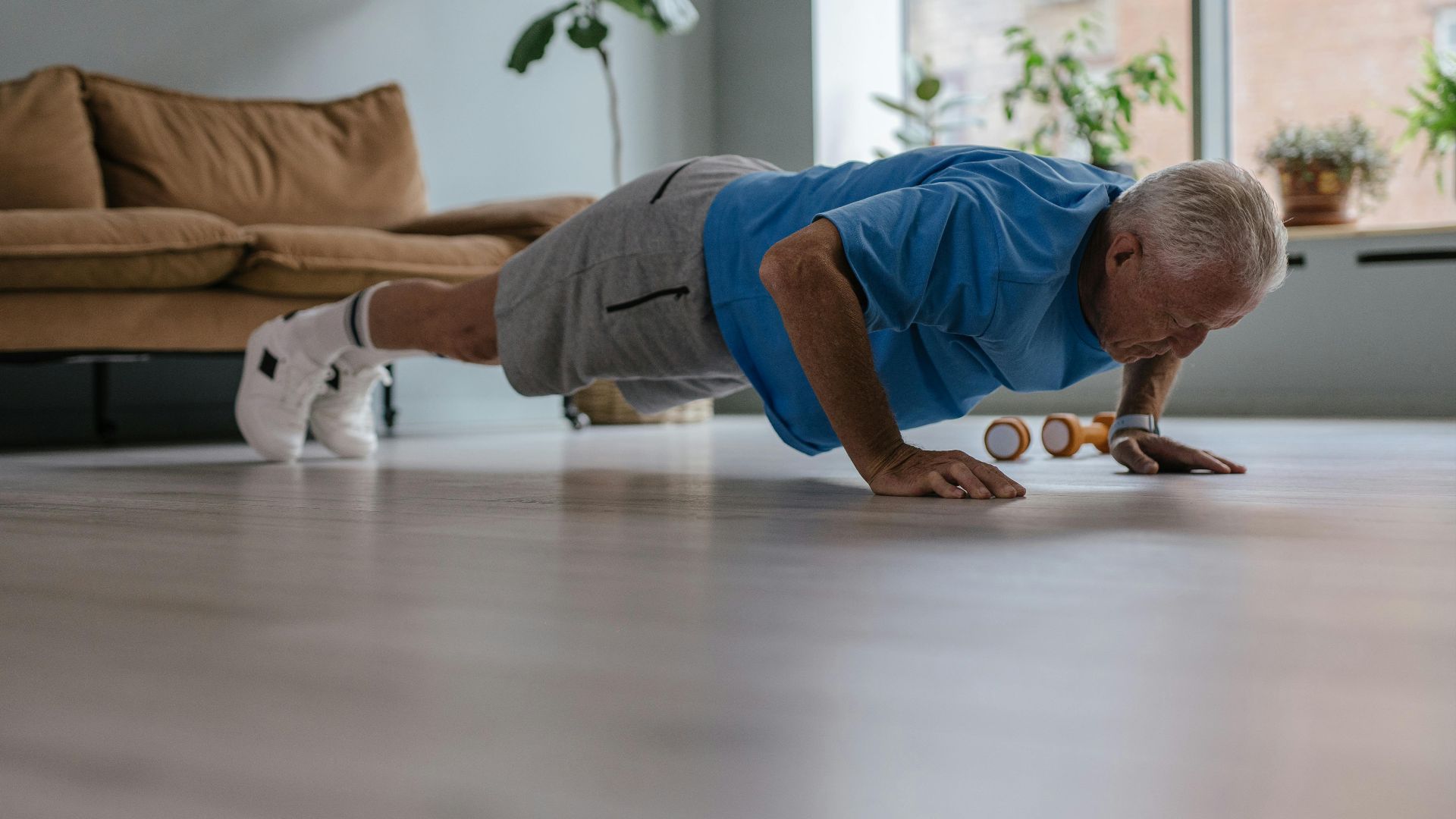
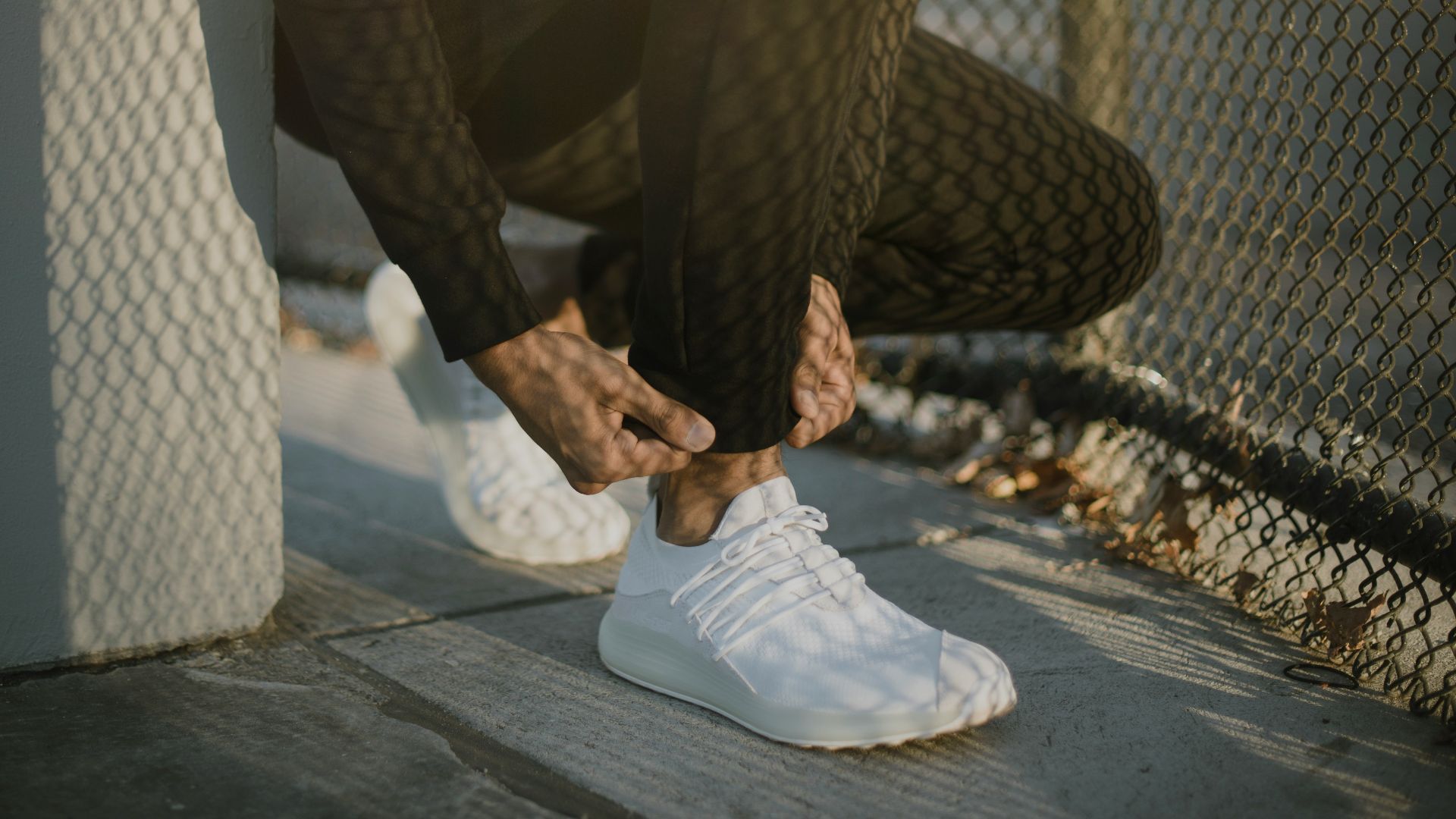
9. Wearing Improper Footwear
Shoes that lack proper support can affect alignment and increase strain on joints. This is especially important during weight-bearing activities. Choosing appropriate footwear helps maintain stability and reduce stress.
10. Skipping Cool-Downs
Ending workouts abruptly without cooling down can leave muscles tight and less flexible. A gradual cool-down helps lower heart rate and supports recovery. Skipping it can contribute to stiffness and discomfort later.
KEEP ON READING



20 Natural Ways You Can Boost Your Immune System
20 Ways To De-stress & Relax After Work

The 10 Most Common Diseases & The 10 Most Rare