
Don’t Panic Yet
Attraction does not always show up in clean, obvious ways. People get tired, distracted, overstimulated, shy, self-conscious, or unsure what to do with their own hands. The problem starts when every crossed arm, quiet pause, or delayed smile gets treated like a verdict. Body language can tell you something, but it rarely tells you everything on its own. Here’s twenty body signals people often misread as losing interest.

1. Looking Away
Looking away can feel like rejection when you are hoping for connection. But plenty of people glance off to the side when they are thinking, listening closely, or trying not to seem too intense.

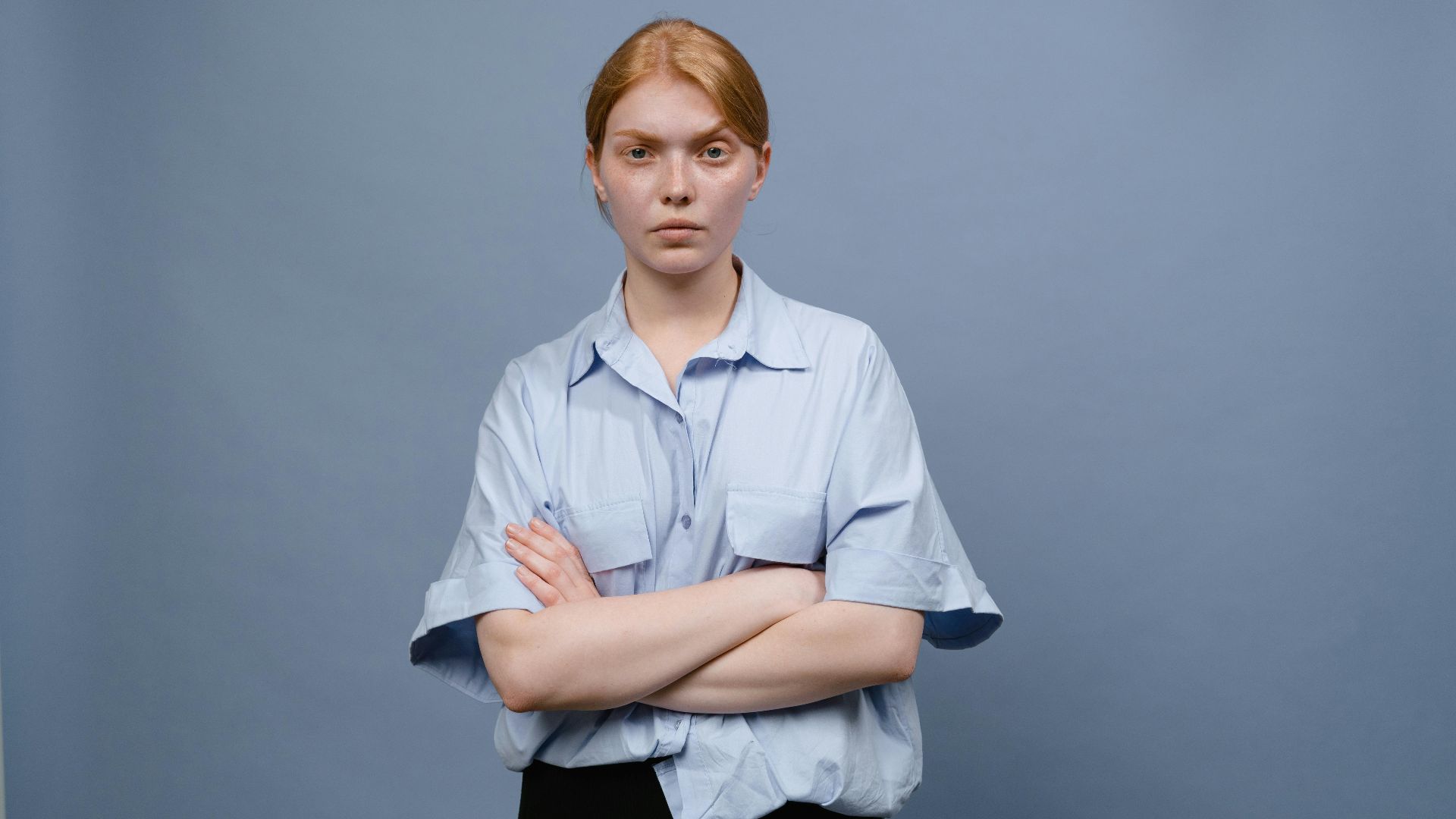
2. Crossing Their Arms
Crossed arms do not automatically mean someone is closed off. They might be cold, comfortable, nervous, or simply standing in the way their body naturally settles when they are trying to listen.
3. Not Smiling Constantly
A relaxed face can seem like a bad sign if you are watching too closely. But nobody smiles nonstop without looking a little forced, and sometimes a softer expression means they feel comfortable enough to stop performing.

4. Taking A Step Back
A small step back can sting if you are reading it as distance. Sometimes it is just a need for personal space, better balance, or a little room to breathe in a crowded place.

5. Checking Their Phone
Phone-checking is not always a sign that someone wants out. They may be expecting a message, managing a work issue, checking the time, or using the screen as a nervous habit when the moment feels exposed.

6. Fidgeting
Fidgeting can look like impatience, but it often comes from nerves or extra energy. Someone tapping a foot, twisting a ring, or adjusting their sleeve may actually care a lot about how they are coming across.

7. Getting Quiet
Quiet does not always mean interest has disappeared. Some people go still when they are taking things in, choosing their words, or trying not to rush a conversation that feels more important than casual chatter.

8. Leaning Away
Leaning away can look like emotional retreat, especially if the conversation was going well. But it can also mean the chair is awkward, the room is loud, their back hurts, or they are simply shifting position.

9. Shorter Eye Contact
Not everyone can hold eye contact comfortably, especially when attraction is involved. Looking down or away may be a way of managing nerves, not a sign that they would rather be somewhere else.
 Luis Becerra Fotógrafo on Pexels
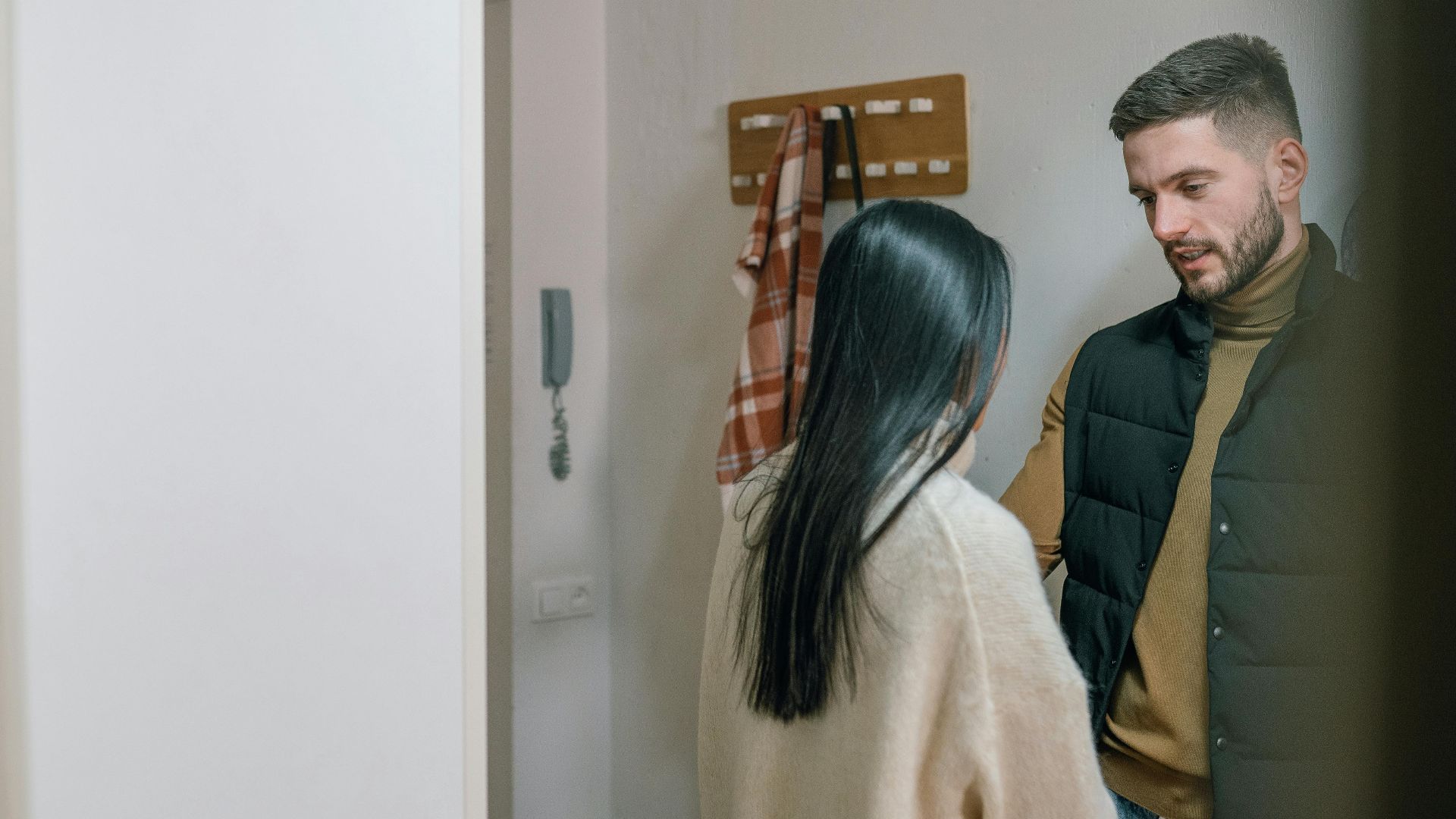
10. Turning Their Body Slightly
A body angled away can feel like a warning if you are already worried. People turn toward noise, doors, passing servers, friends, sunlight, and whatever else is happening in the room around them.

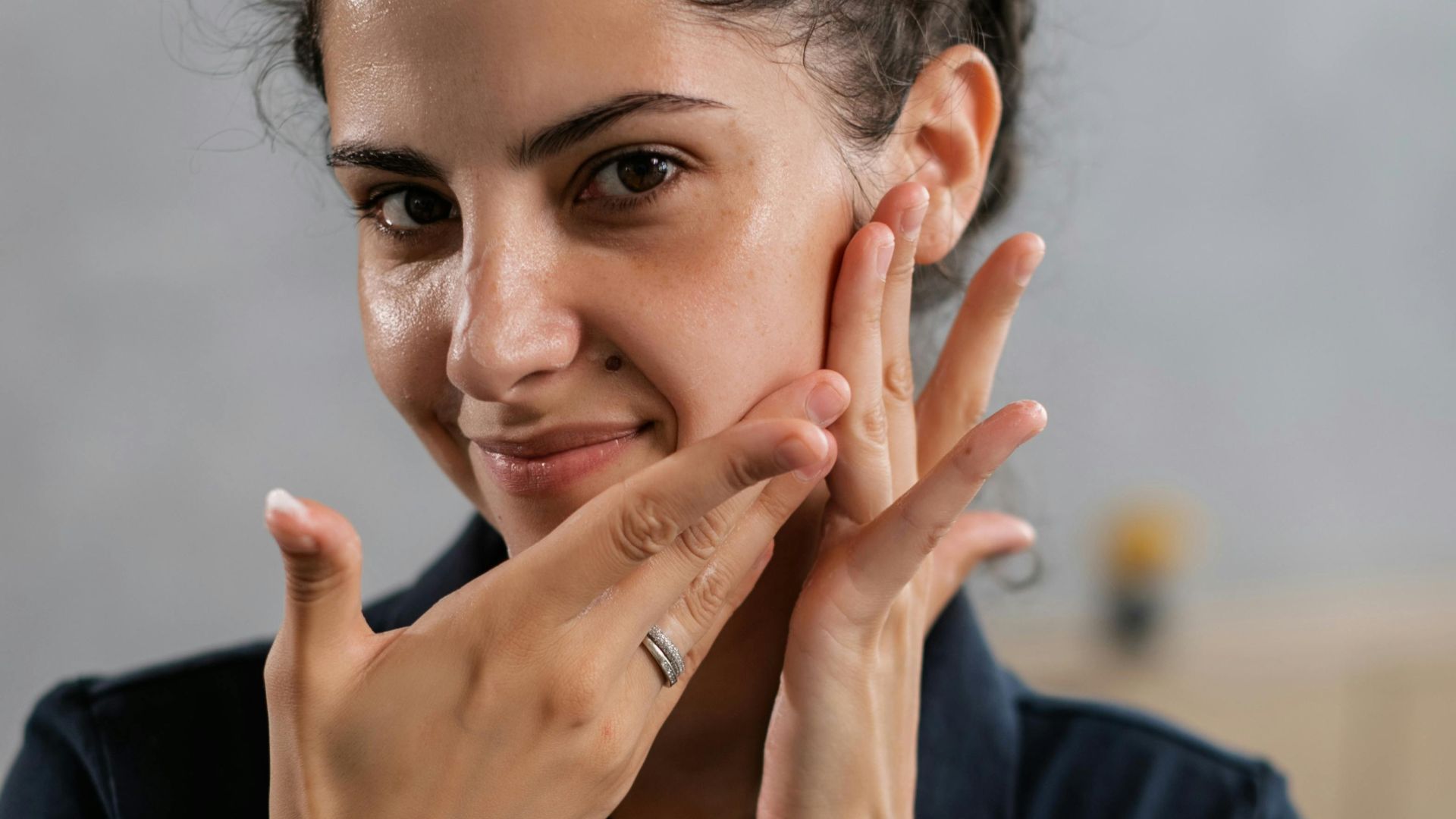
11. Touching Their Face
Touching the face, lips, neck, or hair gets overanalyzed all the time. It can mean attraction, stress, habit, dry skin, or nothing more complicated than not knowing what to do while talking.
12. Not Mirroring You
Mirroring can happen when two people are in sync, but it is not required proof of chemistry. Someone may sit differently, gesture differently, or move at another pace and still be completely engaged.

13. Taking Longer To Respond Physically
A delayed hug, slow hand reach, or brief hesitation can feel personal. It may simply mean they are unsure of your comfort level and are trying not to assume too much too quickly.

14. Pulling Away After Touch
When someone pulls back after a touch, it does not always mean they hated it. They may be shy, surprised, cautious in public, or trying to keep the moment from moving faster than they can handle.

15. Looking Around The Room
Looking around can seem like boredom when you want someone’s full attention. Some people are visually restless, and their eyes keep moving even when they are listening to every word.

16. Sitting Very Still
Stillness can read as coldness if you expect obvious warmth. But some people freeze a little when they are nervous, especially around someone they like or someone they are trying to read carefully.
 TUANHO XD TUAN ANH PHAT on Pexels
17. Giving Less Animated Reactions
Not every interested person reacts with big laughs, wide eyes, or dramatic expressions. A calmer response can come from personality, fatigue, or a quieter way of enjoying someone’s company.

18. Creating Pauses In Conversation
Pauses can feel scary when you are anxious about where things stand. But comfortable silence is often a better sign than forced chatter, especially when neither person rushes to escape it.
19. Facing Forward While Walking
Walking side by side does not always allow for constant eye contact or turned-in body language. Someone can face forward, watch the sidewalk, dodge people, and still feel completely connected to you.

20. Leaving First
Leaving first can feel like the final clue, but life is rarely that tidy. They may be tired, busy, overstimulated, protecting an early morning, or trying to end the interaction before nerves make them awkward.
KEEP ON READING