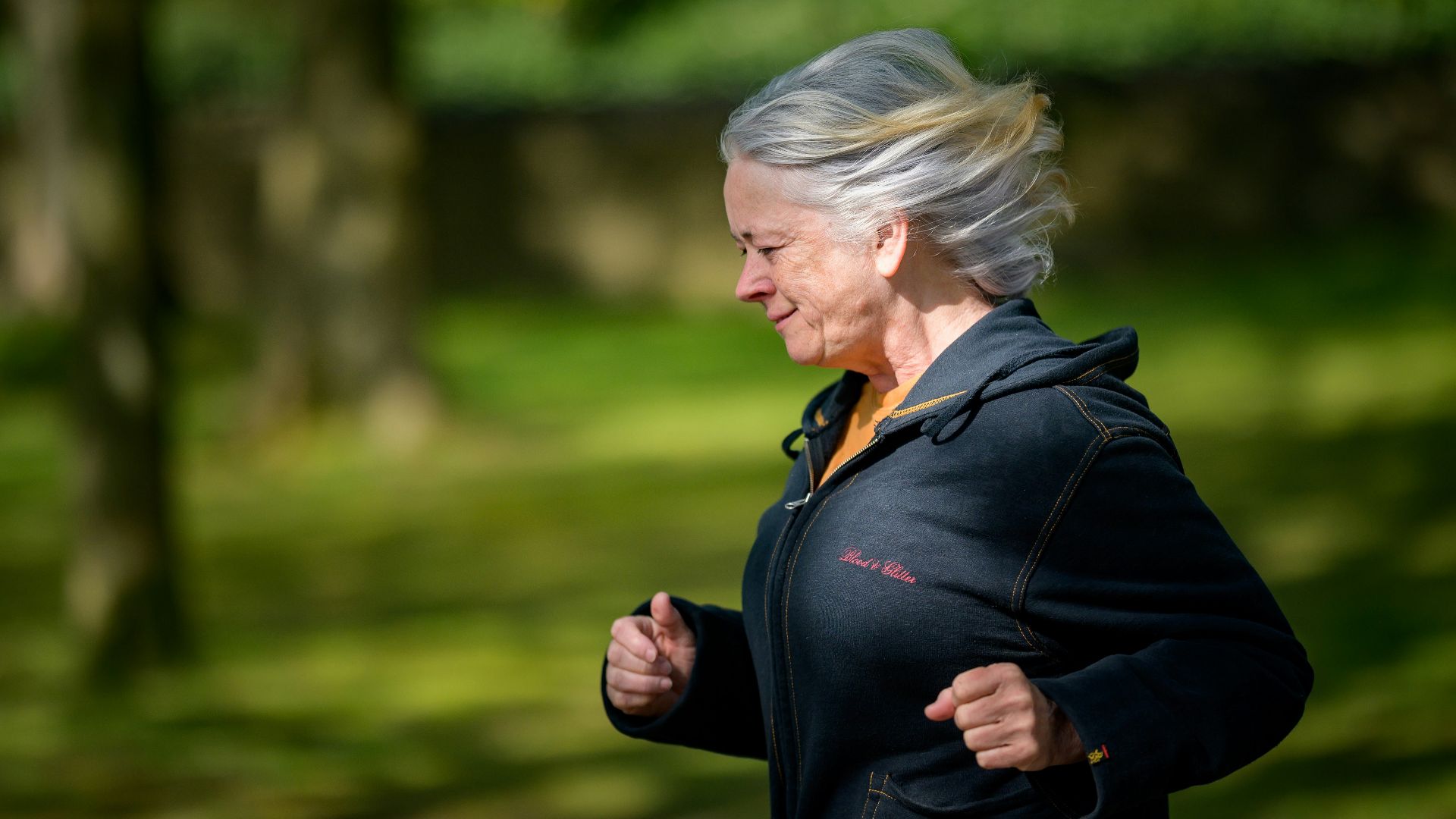
Simple Habits That Help Your Body Stay Loose Naturally
A lot of people assume flexibility only improves through long stretching sessions or structured fitness programs, but daily movement habits often matter just as much. Small changes in posture, walking patterns, mobility-focused activities, and general movement throughout the day can help reduce stiffness without requiring dedicated routines. Consistency usually makes the biggest difference, especially when movement becomes part of normal everyday life instead of something that feels like a chore. Here are 20 ways to stay flexible without formal stretching routines.
 Jorge Fakhouri Filho on Pexels
1. Walk More Throughout the Day
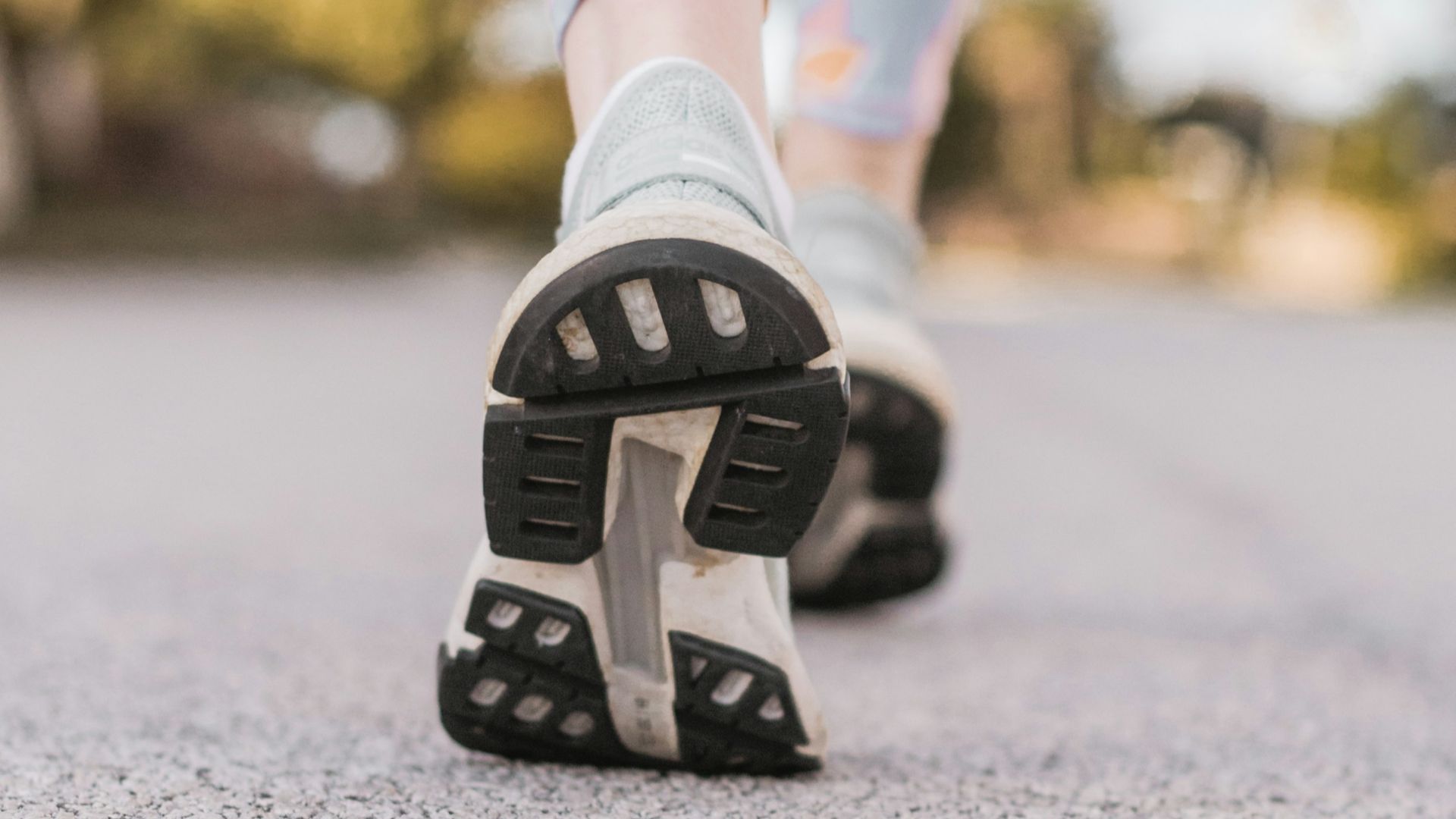
Regular walking keeps joints moving and prevents muscles from staying in the same position for too long. Long periods of sitting often contribute more to stiffness than people realize. Even short walks throughout the day can help the body feel looser overall.
2. Sit on the Floor Occasionally
Floor sitting naturally encourages hips, knees, and ankles to move through different positions. Getting down and back up also helps maintain mobility and balance over time. Switching positions regularly matters more than staying perfectly comfortable.

3. Reach for Things Instead of Pulling Them Closer
Small reaching movements help maintain shoulder and upper back mobility during normal activities. Constantly minimizing movement can gradually make the body feel stiffer. Natural reaching throughout the day adds gentle mobility without feeling like exercise.

4. Use Full Range of Motion During Chores
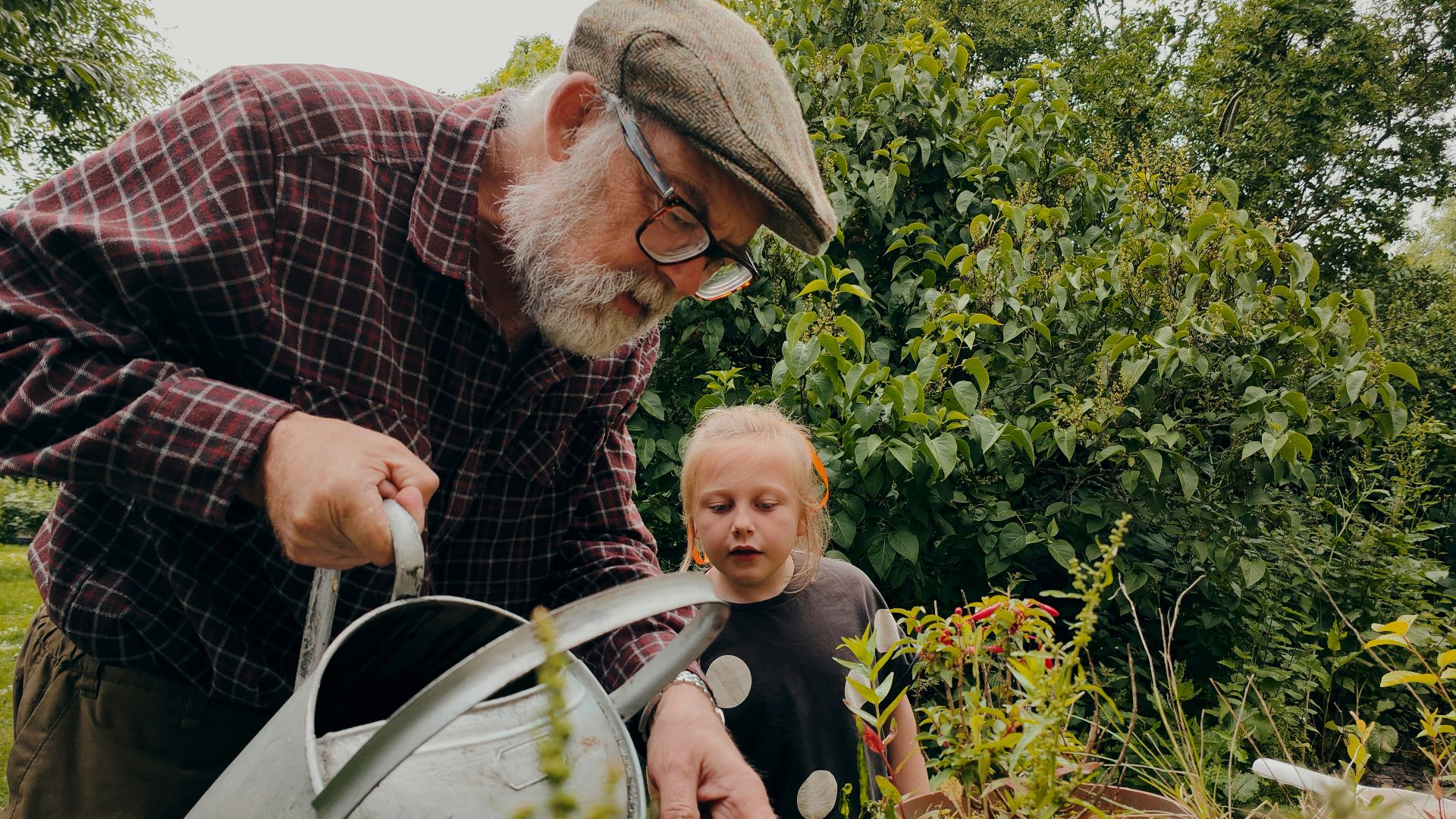
Simple tasks like sweeping, gardening, or carrying groceries can help flexibility when movements stay varied and controlled. Twisting, bending, and reaching naturally encourage joints to move more fully. Everyday movement becomes more useful when it’s not rushed.
5. Take the Stairs More Often
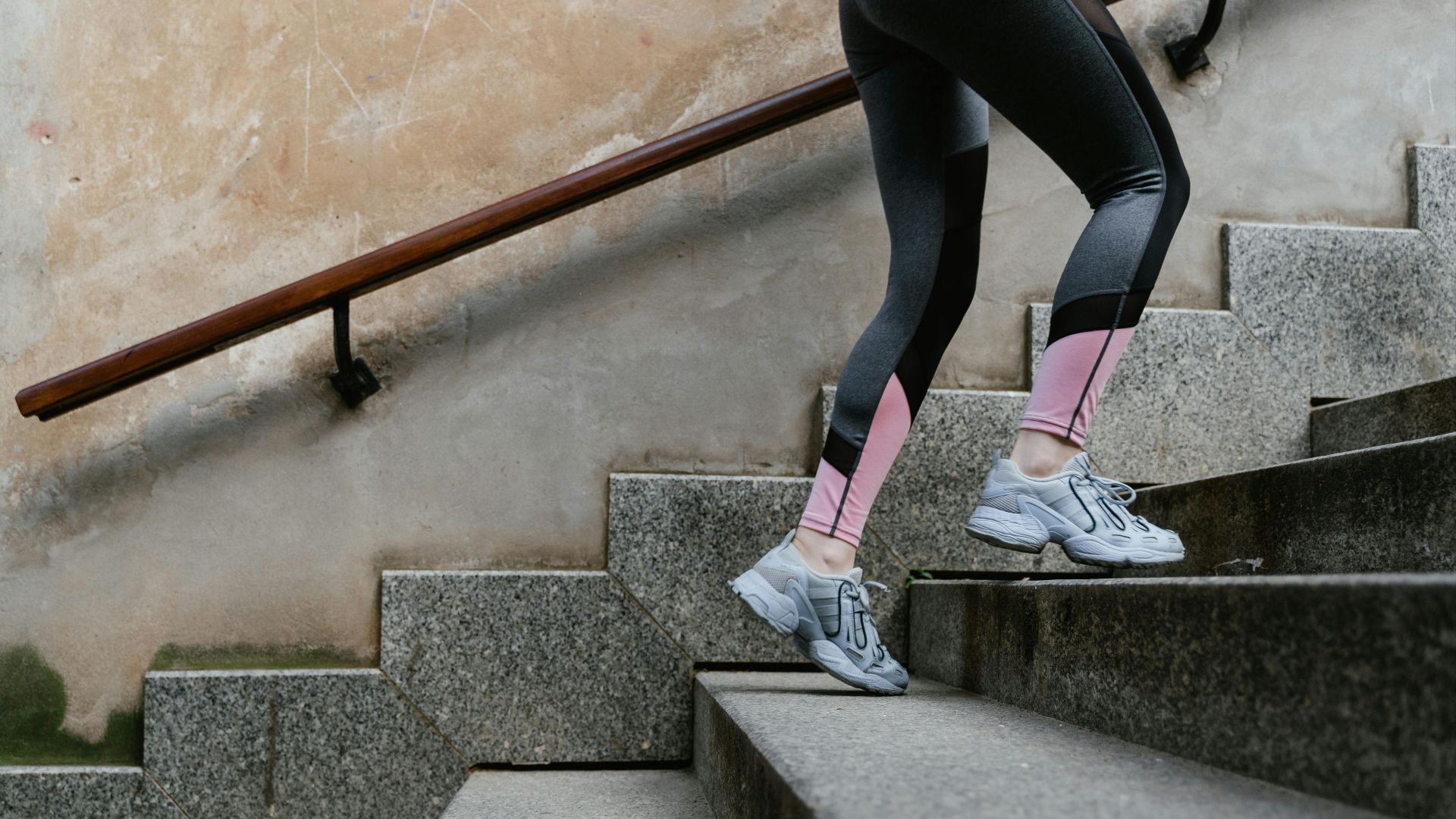
Climbing stairs keeps hips, knees, and calves working through larger movements than flat walking alone. It also encourages better lower-body mobility over time. Frequent small movements usually help more than occasional intense effort.
6. Change Sitting Positions Regularly
Remaining in one posture for hours often leads to tightness in the hips, neck, and lower back. Shifting positions throughout the day keeps the body from becoming too rigid. Even small adjustments can help reduce stiffness later.

7. Carry Groceries by Hand
Carrying bags naturally engages the shoulders, arms, and core while encouraging controlled movement. Uneven weight distribution also challenges stability and coordination slightly. These small physical demands help the body stay adaptable.

8. Dance Casually at Home
Dancing encourages movement in multiple directions without feeling repetitive or structured. It helps loosen joints while also improving coordination and balance naturally. Even a few minutes of relaxed movement can make the body feel less stiff.

9. Spend Less Time Completely Sedentary
Extended inactivity tends to reduce mobility faster than many people expect. Standing up regularly, pacing during phone calls, or moving around during breaks helps keep muscles active throughout the day. Frequent movement matters more than perfection.

10. Sleep in Supportive Positions
Poor sleeping posture can leave muscles feeling tight before the day even starts. Supportive pillows and balanced sleeping positions help reduce unnecessary strain on the neck, hips, and back. Better recovery overnight often improves overall mobility.

11. Try Gentle Swimming
Swimming encourages smooth, low-impact movement across multiple joints at once. The water also reduces pressure on the body while allowing larger ranges of motion. Many people find they feel looser afterward without formal stretching.
 Valentin Angel Fernandez on Pexels
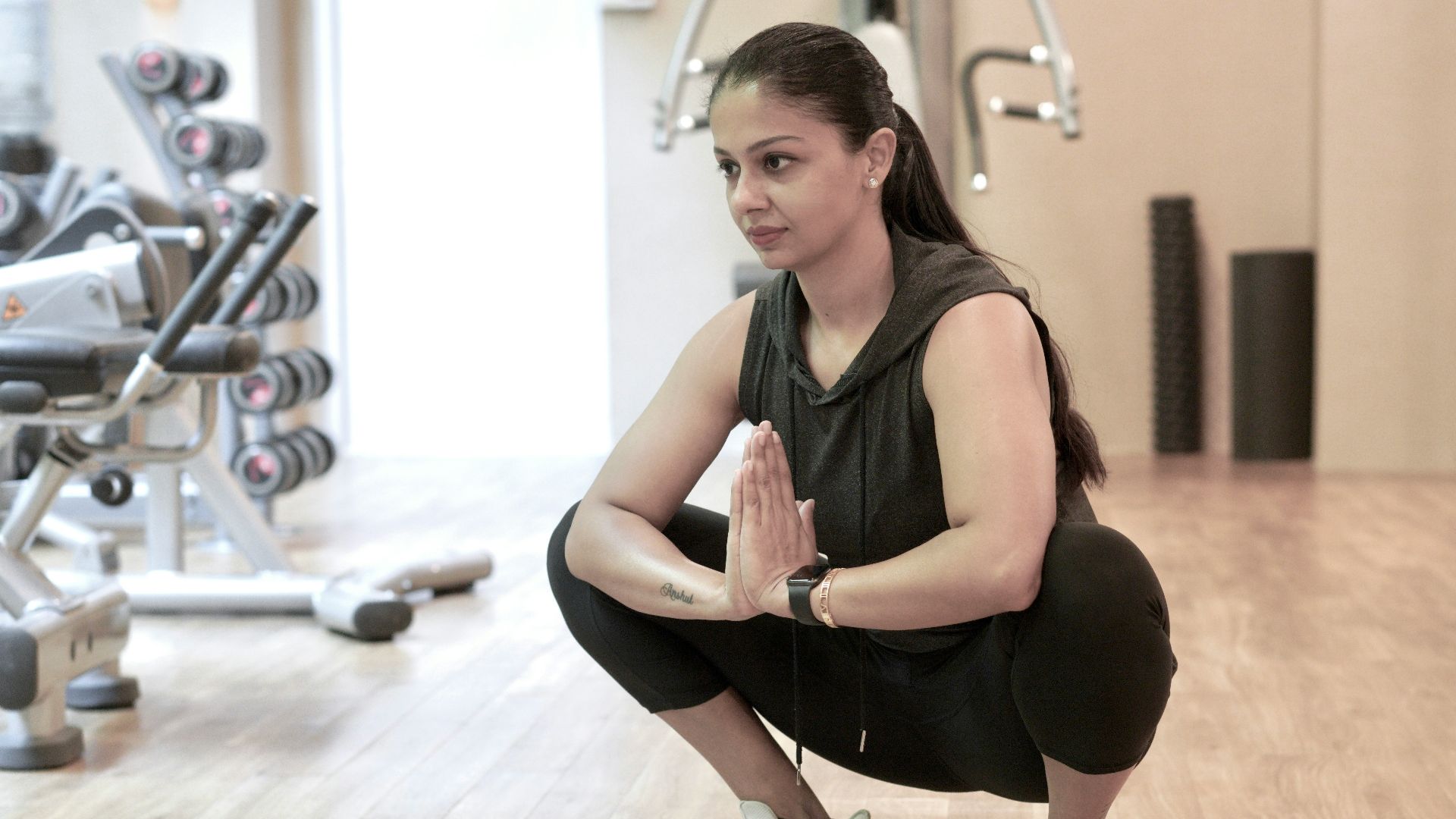
12. Squat Down Instead of Bending Constantly
Squatting occasionally helps maintain ankle, knee, and hip mobility during normal activities. It also encourages stronger lower-body movement patterns over time. Using different movement styles prevents the body from becoming overly restricted.
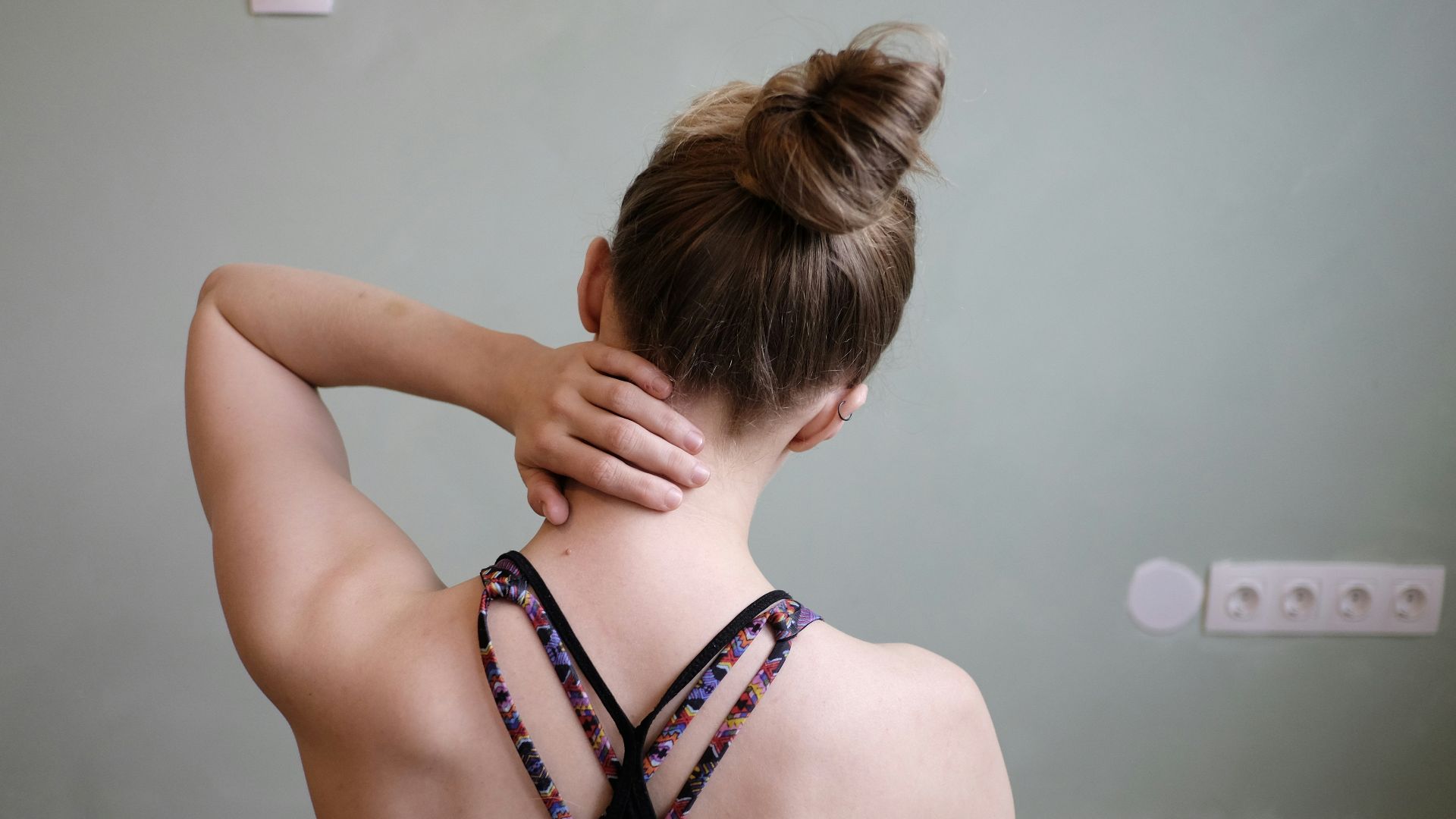
13. Rotate Your Neck and Shoulders Naturally
Gentle shoulder rolls or slow neck movement during breaks can reduce tension from sitting or screen time. Small mobility habits often work better when done consistently instead of aggressively. The goal is movement, not forcing flexibility.
14. Wear Comfortable Shoes More Often
Very stiff or restrictive footwear can limit natural foot and ankle movement throughout the day. Comfortable shoes generally allow the body to move more freely and naturally. Better movement at the feet often affects posture higher up as well.

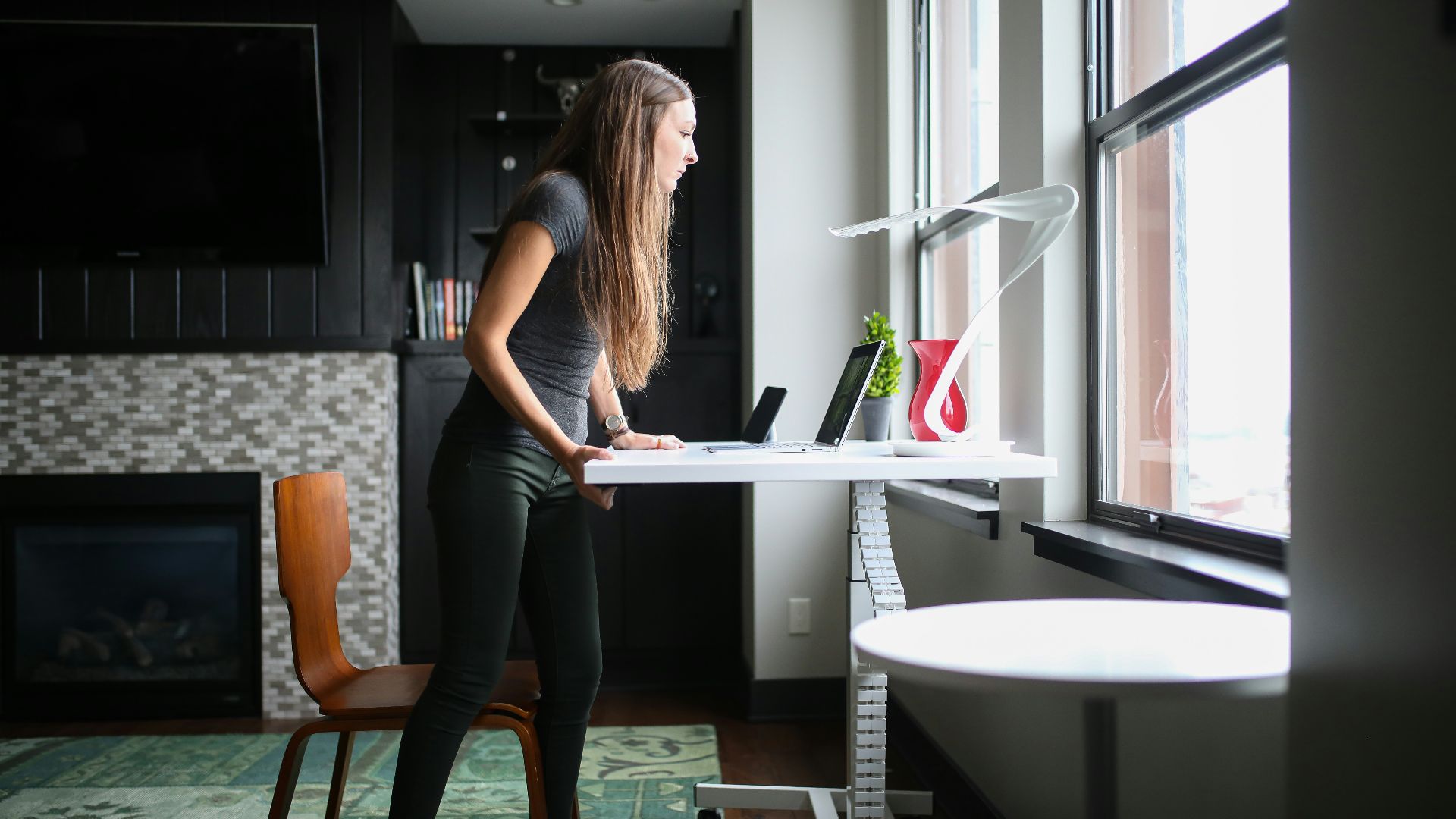
15. Stand While Doing Simple Tasks
Standing during phone calls, reading, or light tasks reduces total sitting time each day. Remaining upright encourages small weight shifts and posture changes naturally. These constant adjustments help prevent stiffness from building up.
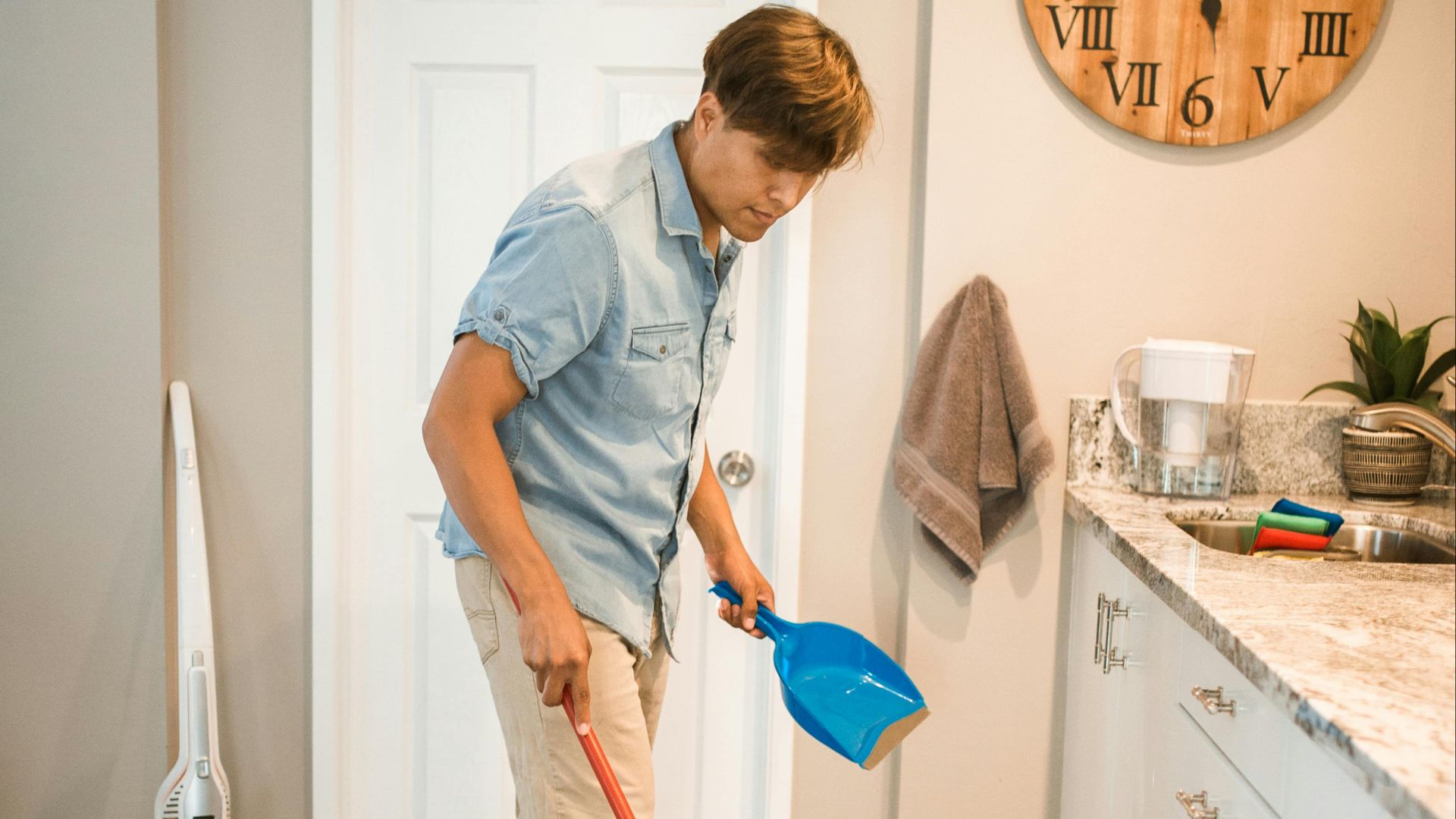
16. Practice Controlled Movements While Cleaning
Cleaning tasks often involve bending, twisting, lifting, and reaching in ways that keep the body active. Moving carefully instead of rushing helps joints work through fuller ranges of motion. Everyday activity becomes more beneficial when movement stays intentional.
17. Spend Time Gardening
Gardening naturally combines squatting, reaching, kneeling, and lifting throughout longer periods of activity. The variety of movement patterns helps the body stay mobile without repetitive exercise routines. It also keeps the body moving at a steady pace.

18. Stretch Naturally After Sitting
Most people instinctively reach upward or extend their back after sitting for long periods. Allowing those natural movements instead of ignoring them helps release tension gradually throughout the day. Simple instincts often exist for a reason.

19. Stay Hydrated Consistently
Hydration supports muscles and joint function, especially during physical activity or warmer weather. Dehydration can sometimes contribute to cramping or feelings of stiffness. Drinking enough water regularly supports movement more than people often realize.

20. Keep Moving as You Age
One of the biggest factors in maintaining flexibility is simply continuing to move consistently over time. People who stay physically active through walking, hobbies, and daily movement often maintain better mobility naturally.