
A Surprisingly Wholesome Way to Spend Your Day
Sometimes, the best way to get fresh fruit isn't from your grocery store but straight from the source: your local farms. From apples and peaches to pears and berries, fruit picking has become a popular seasonal activity for families, couples, and solo adventurers alike, and it's not hard to see why. After all, the experience does more for your health than you might expect. Before you lace up your sneakers and grab a basket, though, it's worth knowing both the benefits and the potential downsides that come with the activity.
1. It Gets You Moving Without Feeling Like Exercise
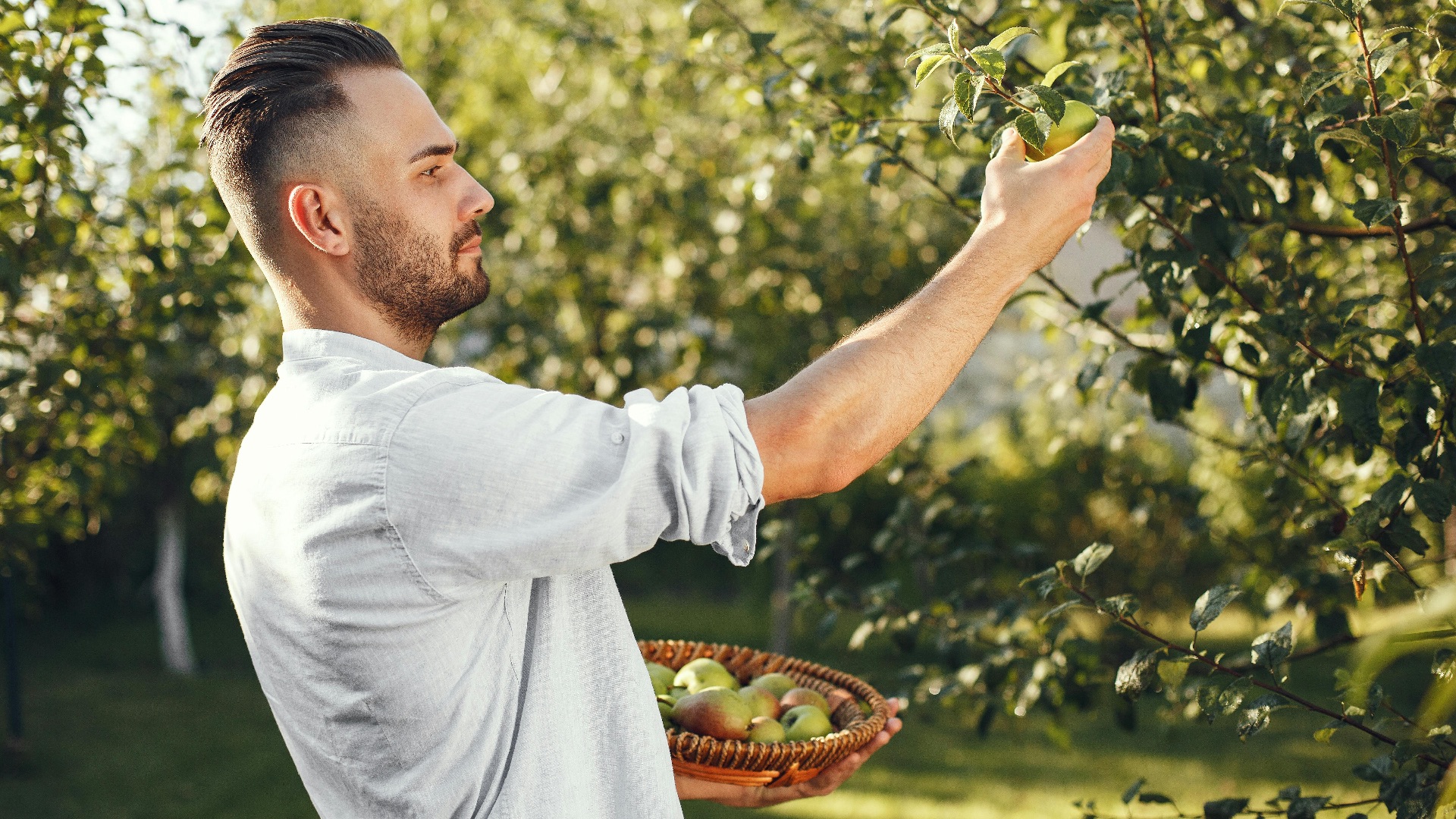
Fruit picking involves a lot more physical activity than most people anticipate, including walking, bending, stretching, and reaching for extended periods. The fact that you're focused on finding the best fruit means you're less likely to notice how much movement you're actually getting in. For people who struggle to stay motivated at the gym, this kind of incidental exercise can be a great way to stay active.
2. Fresh Air Does Wonders for Your Mental Health
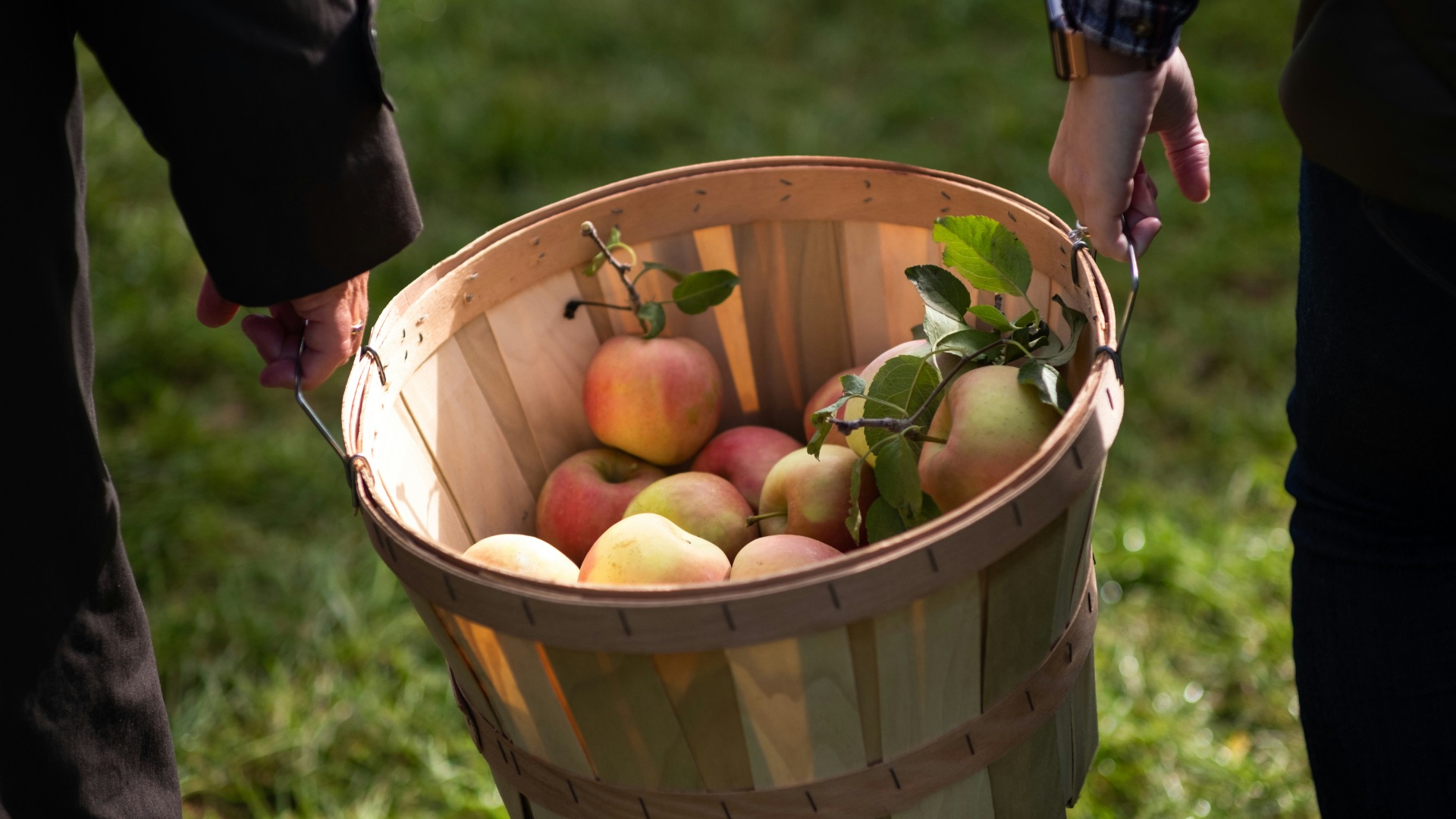
Spending time outdoors in a natural setting has been shown to reduce stress, lower cortisol levels, and improve overall mood. When you're out among the trees and plants, your mind gets a break from the overstimulation of screens, traffic, and indoor environments. Even a few hours in that kind of setting can leave you feeling noticeably calmer and more refreshed.
3. You're More Likely to Eat More Fruit
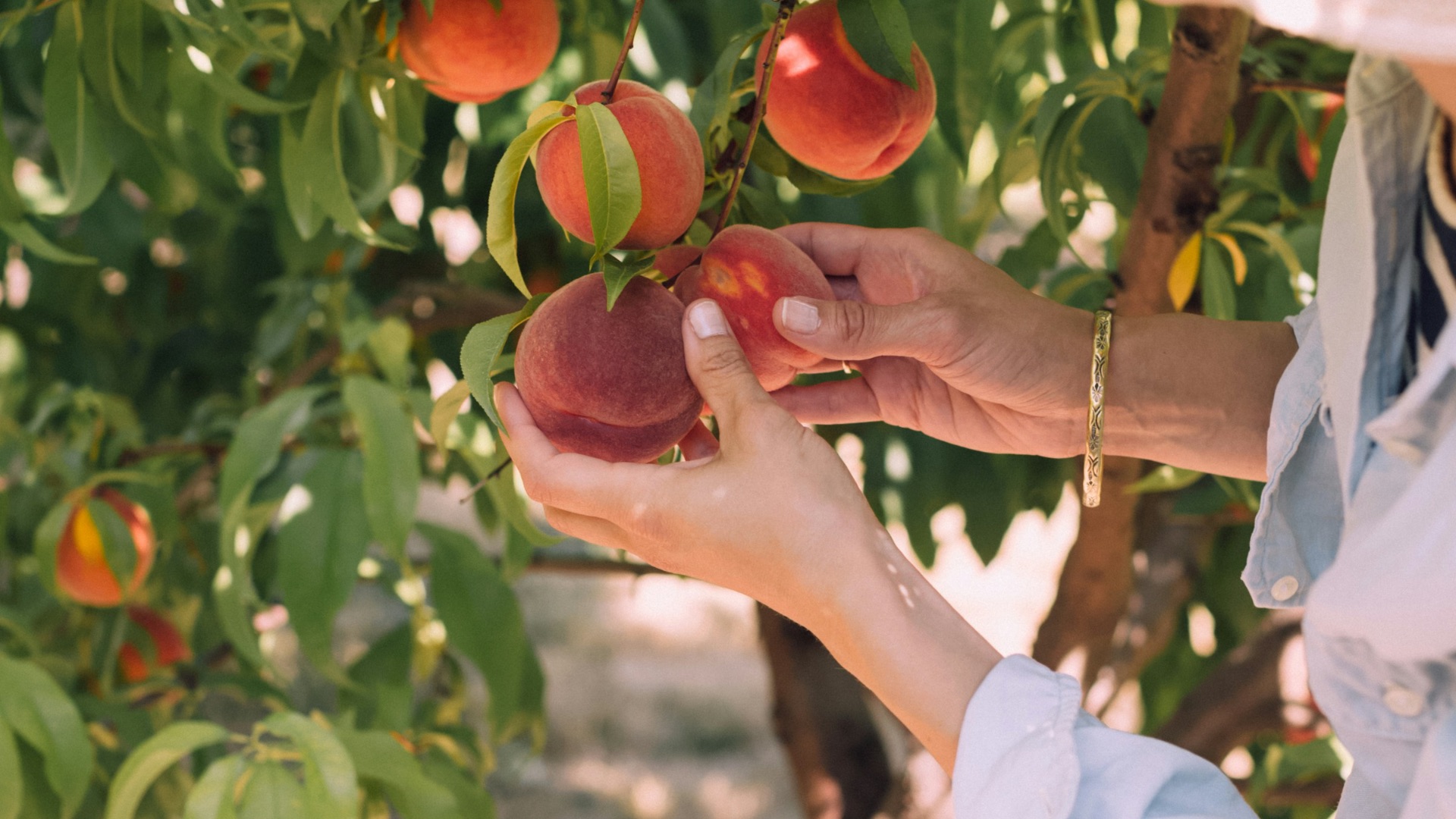
When you've put in the effort to pick your own fruit, you tend to be far more invested in actually eating it before it goes to waste. Research has found that people are more likely to consume fresh produce when they've been directly involved in gathering it themselves. That increased fruit intake translates directly into more vitamins, antioxidants, and dietary fiber working in your favor.

4. The Physical Activity Supports Cardiovascular Health
The low-intensity movement involved in fruit picking adds up to a solid cardio workout over the course of an outing; this includes walking across uneven terrain, carrying a basket, and repeatedly bending and standing throughout the day. This type of moderate aerobic activity helps keep your heart healthy and your blood pressure in check. You don't need to be running laps to get a meaningful cardiovascular benefit; a few hours of consistent movement will do the job.
5. Sun Exposure Helps Your Body Produce Vitamin D
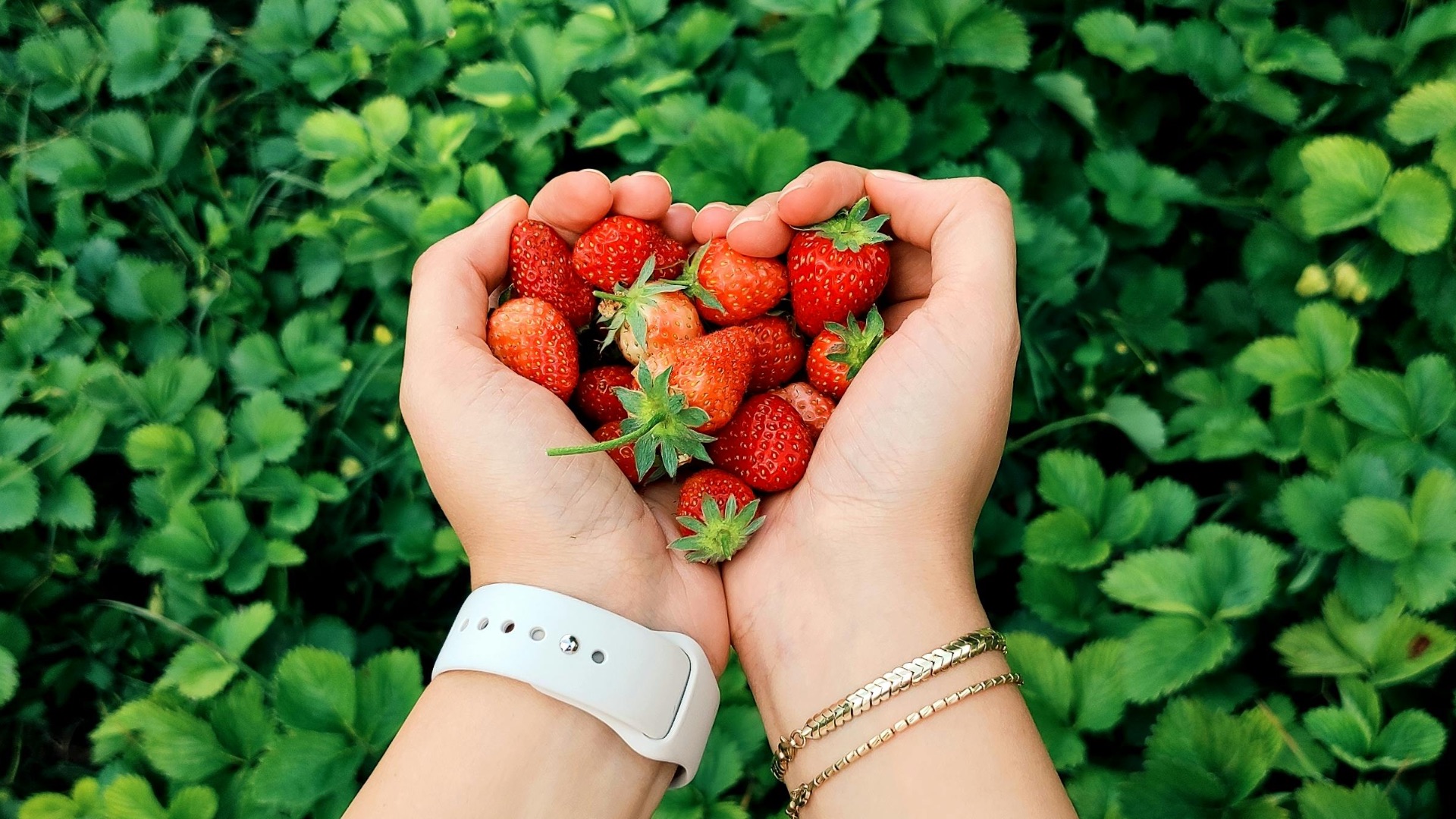
Natural sunlight gives your body the chance to synthesize vitamin D, a nutrient that's essential for bone health, immune function, and mood regulation. Many people are deficient in vitamin D, particularly those who spend most of their time indoors. A fruit-picking outing on a sunny day is a practical and enjoyable way to get some of that natural exposure, provided you're wearing appropriate sun protection.
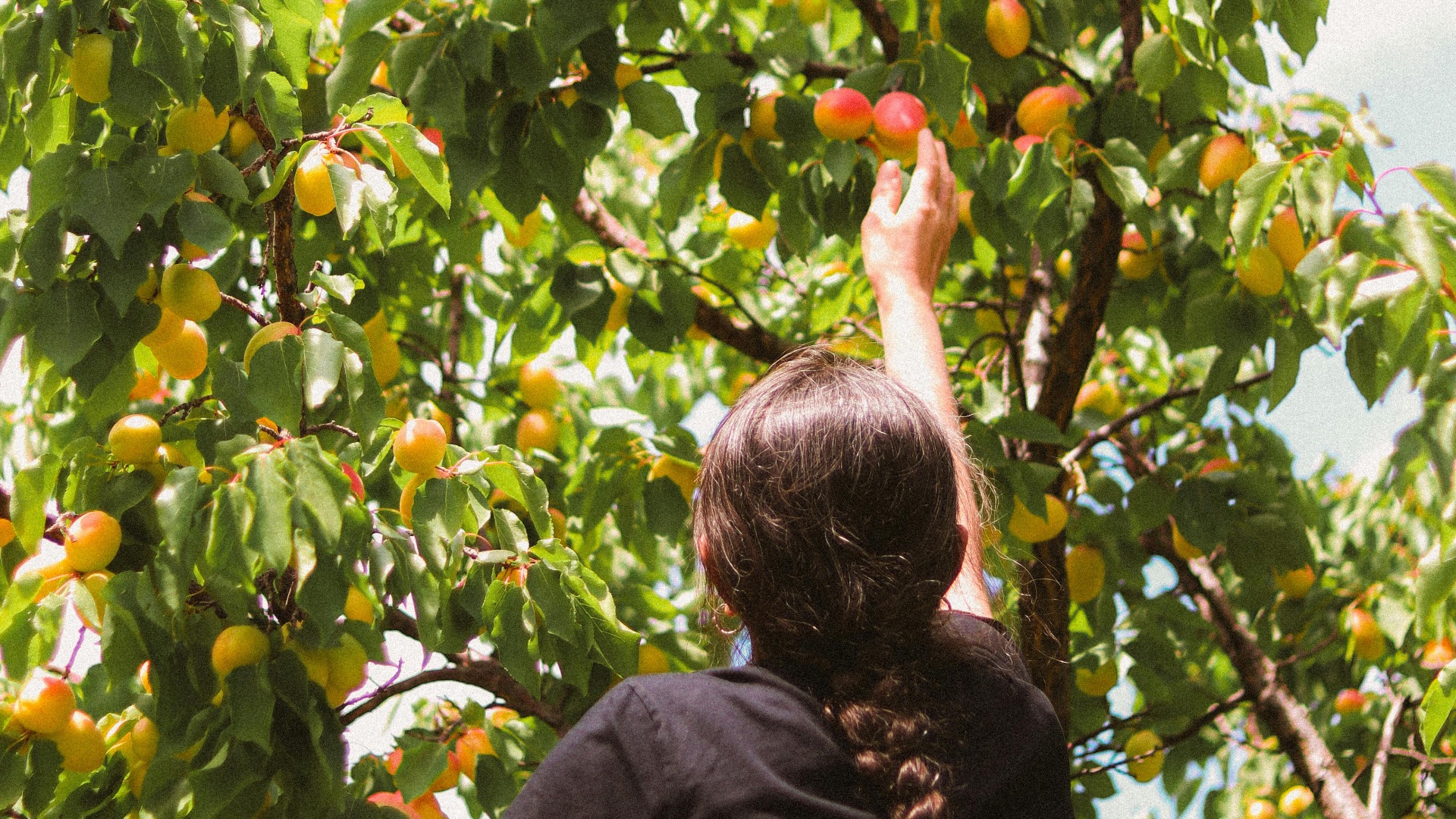
6. A Social Activity That's Good for Your Emotional Well-Being
Going with friends, family, or a partner is part of what makes fruit picking such an appealing outing, and the social benefits of that shared time are well-supported by research. Social connection is consistently linked to lower rates of depression, reduced stress, and better long-term health outcomes. Whether you're going with your kids, a large group, or someone you're dating, the relational side of the experience adds real value to your day.
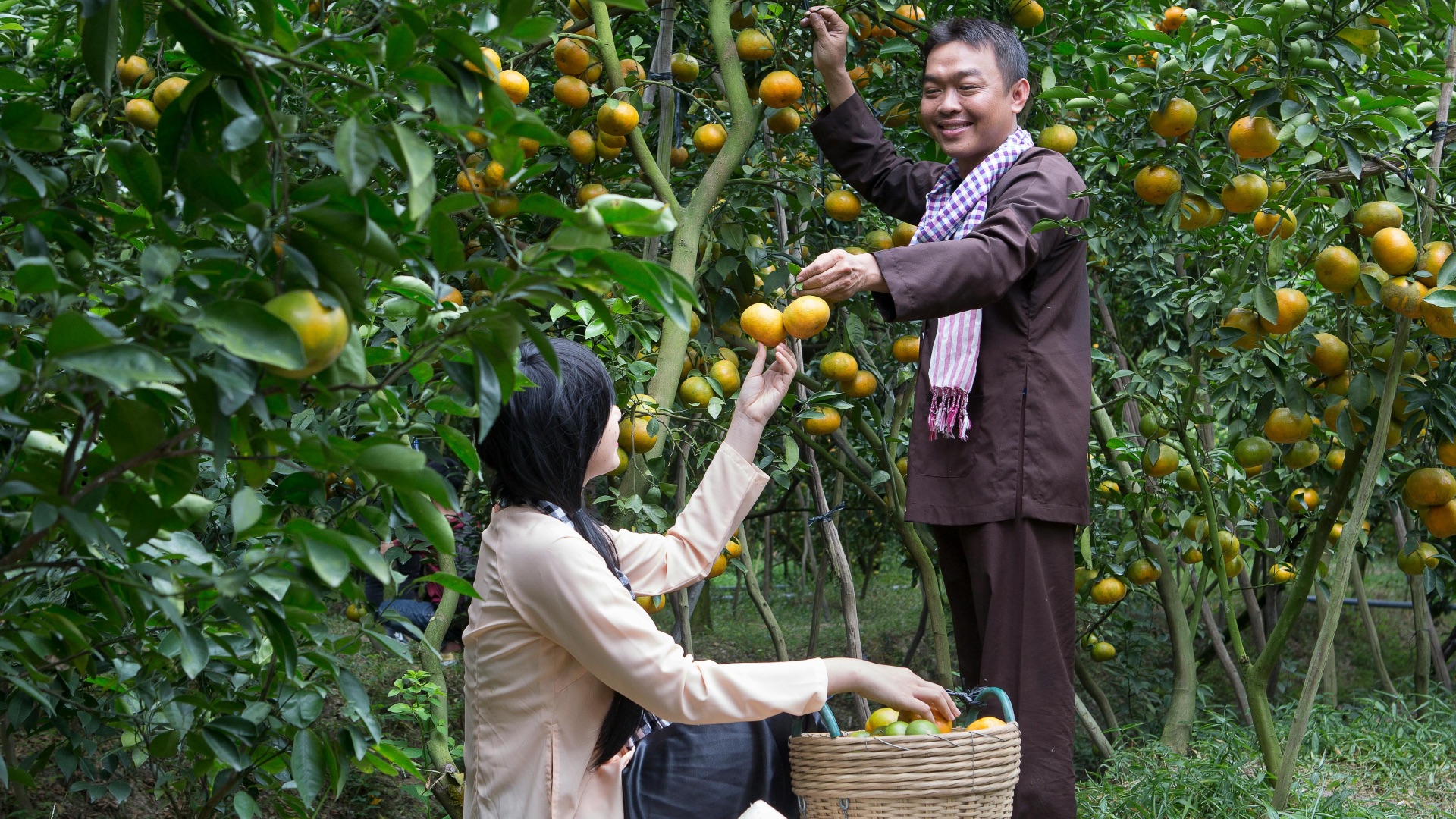
7. Eating Freshly Picked Fruit Maximizes Nutritional Value
Harvested fruit begins to lose its nutritional value almost immediately, which means store-bought produce picked days or weeks before it reaches you may have already shed some of its vitamins and antioxidants. When you pick fruit yourself and eat it the same day, you're getting it at peak freshness and nutritional density. It's one of the easiest ways to ensure you're getting the most out of the produce you consume.
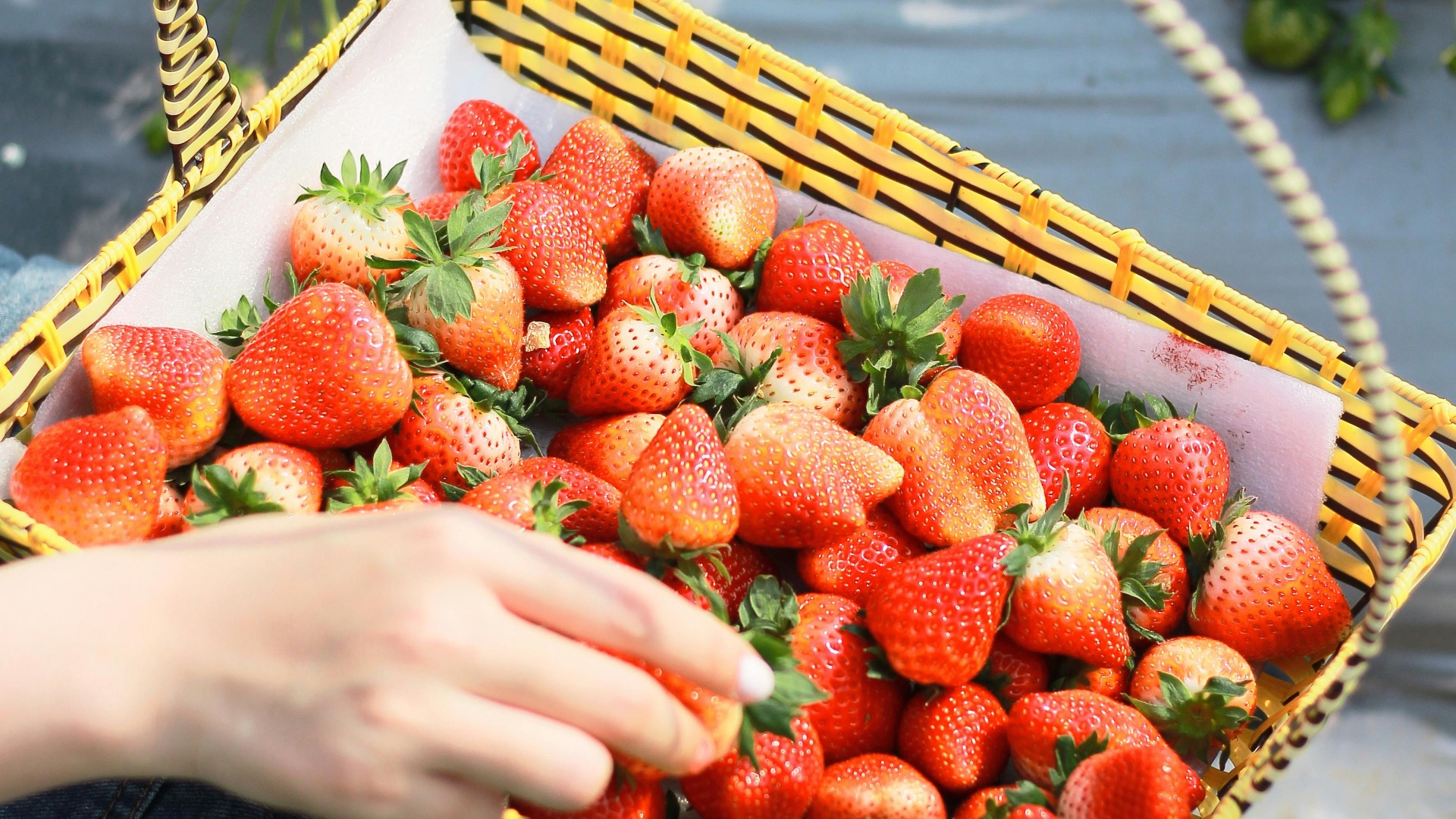
8. The Activity Encourages Mindfulness
Looking for ripe fruit requires you to slow down, pay close attention to what's in front of you, and engage your senses in a very focused way. You're evaluating color and texture, testing for ripeness, and making small decisions one by one throughout the outing. That kind of sustained, present-moment attention functions as a natural form of mindfulness, and it can help reduce anxiety and mental fatigue over time.
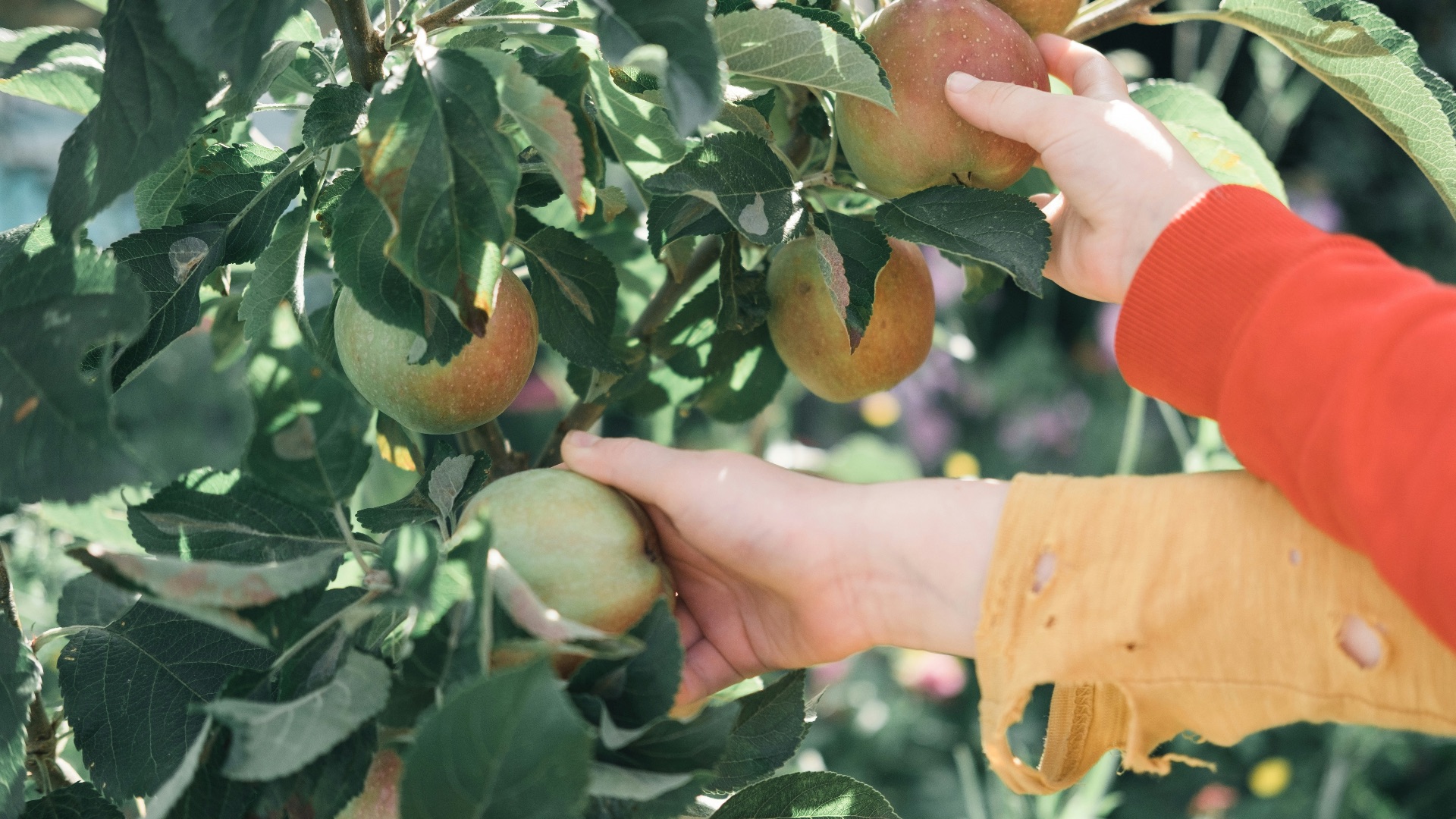
9. It Supports a Healthier Relationship with Food
Understanding where your food comes from has been linked to more thoughtful and intentional eating habits. When you pick fruit yourself, you develop a greater appreciation for the effort involved in growing it and the natural processes behind what ends up on your plate. That awareness tends to translate into healthier overall food choices, including a preference for whole foods over heavily processed alternatives.

10. It Can Help You Build More Physical Activity Into Your Routine
Many people who go fruit picking once find themselves planning return trips as different varieties come into season throughout the year. That kind of recurring, seasonal activity builds physical movement into your schedule in a way that feels enjoyable rather than obligatory. Over time, that consistency adds up in meaningful ways for your long-term physical health.
Fruit picking clearly has a lot going for it, and it's easy to see why so many people look forward to it as a seasonal tradition. That said, like any outdoor activity, it comes with its own set of considerations that are worth keeping in mind before you head out.
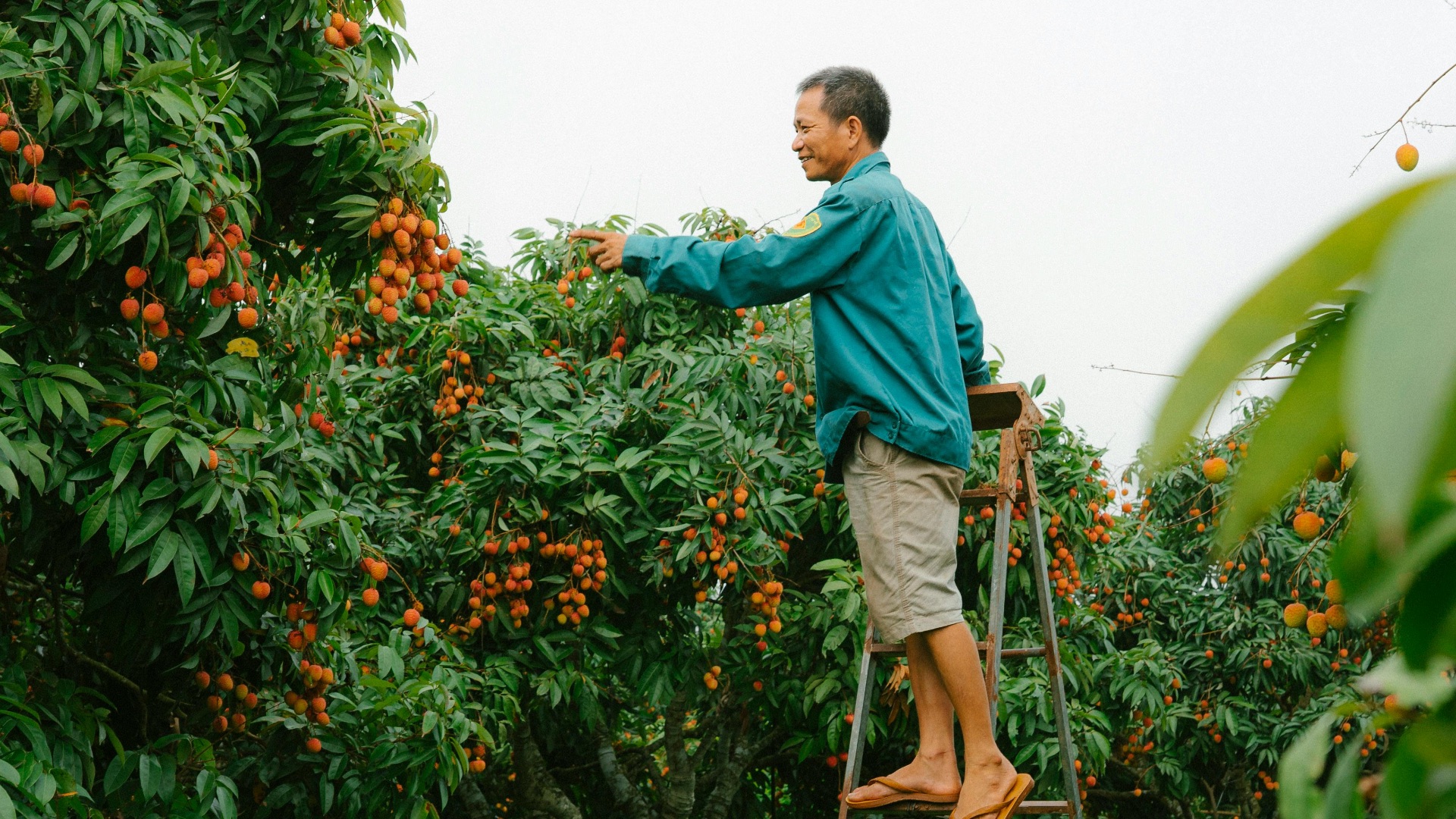
1. Sun Exposure Can Become Overexposure
While some sun is beneficial, spending several hours outdoors without adequate protection puts you at real risk of sunburn and long-term UV damage. Many fruit-picking outings take place during peak summer months when the sun is at its strongest, and it's easy to lose track of time when you're focused on filling your basket. Applying a broad-spectrum sunscreen, wearing a hat, and staying hydrated are non-negotiables if you want to protect yourself properly.
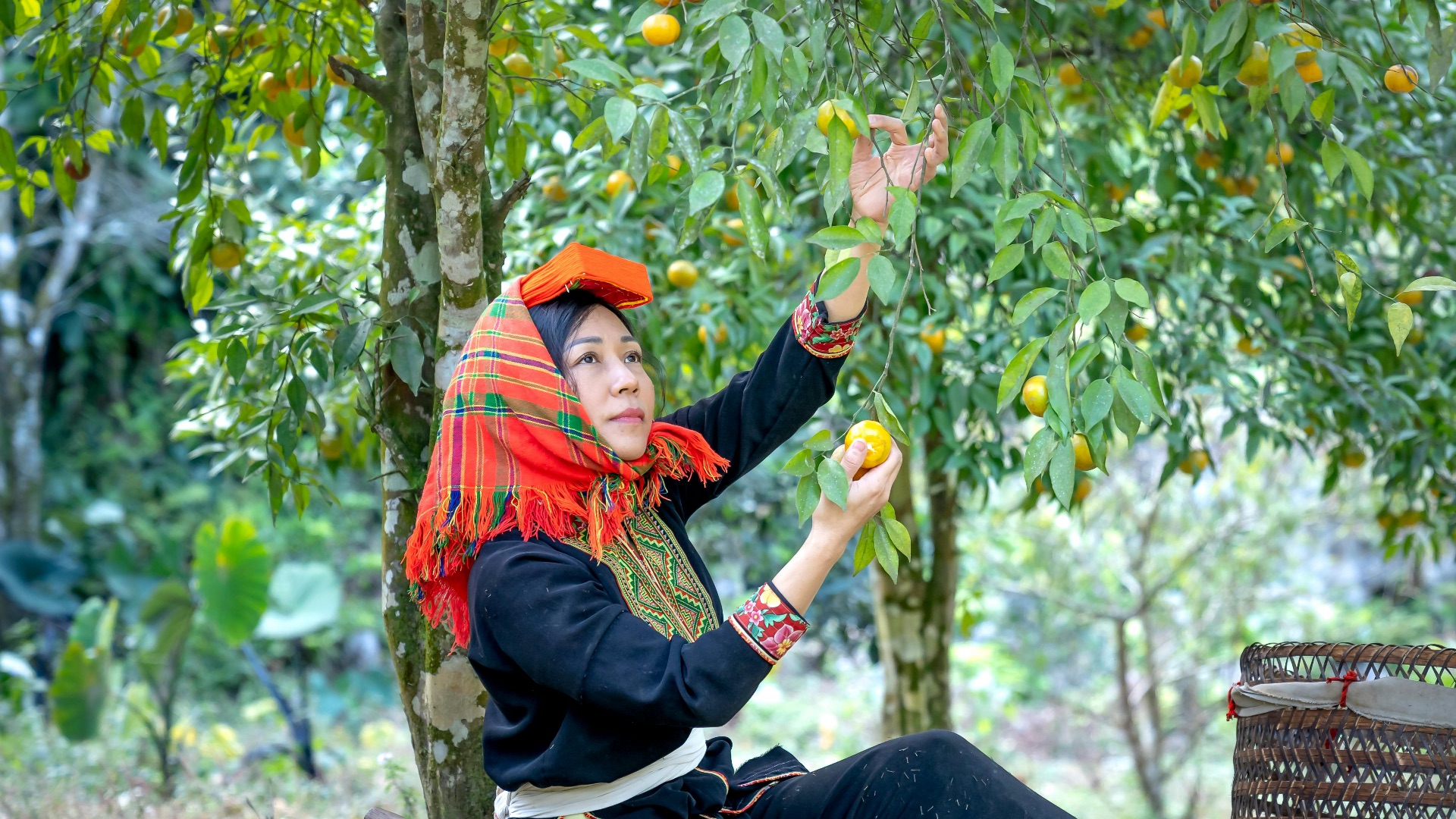
2. Insect Bites and Stings Are a Real Hazard
Orchards and berry farms are natural habitats for bees, wasps, hornets, and a variety of biting insects, and spending extended time in those environments increases your exposure considerably. For most people, this is a minor annoyance; for those with insect allergies, however, the risk can be quite serious. Packing insect repellent, wearing long sleeves, and keeping an EpiPen on hand if you have a known allergy are all straightforward ways to lower that risk.
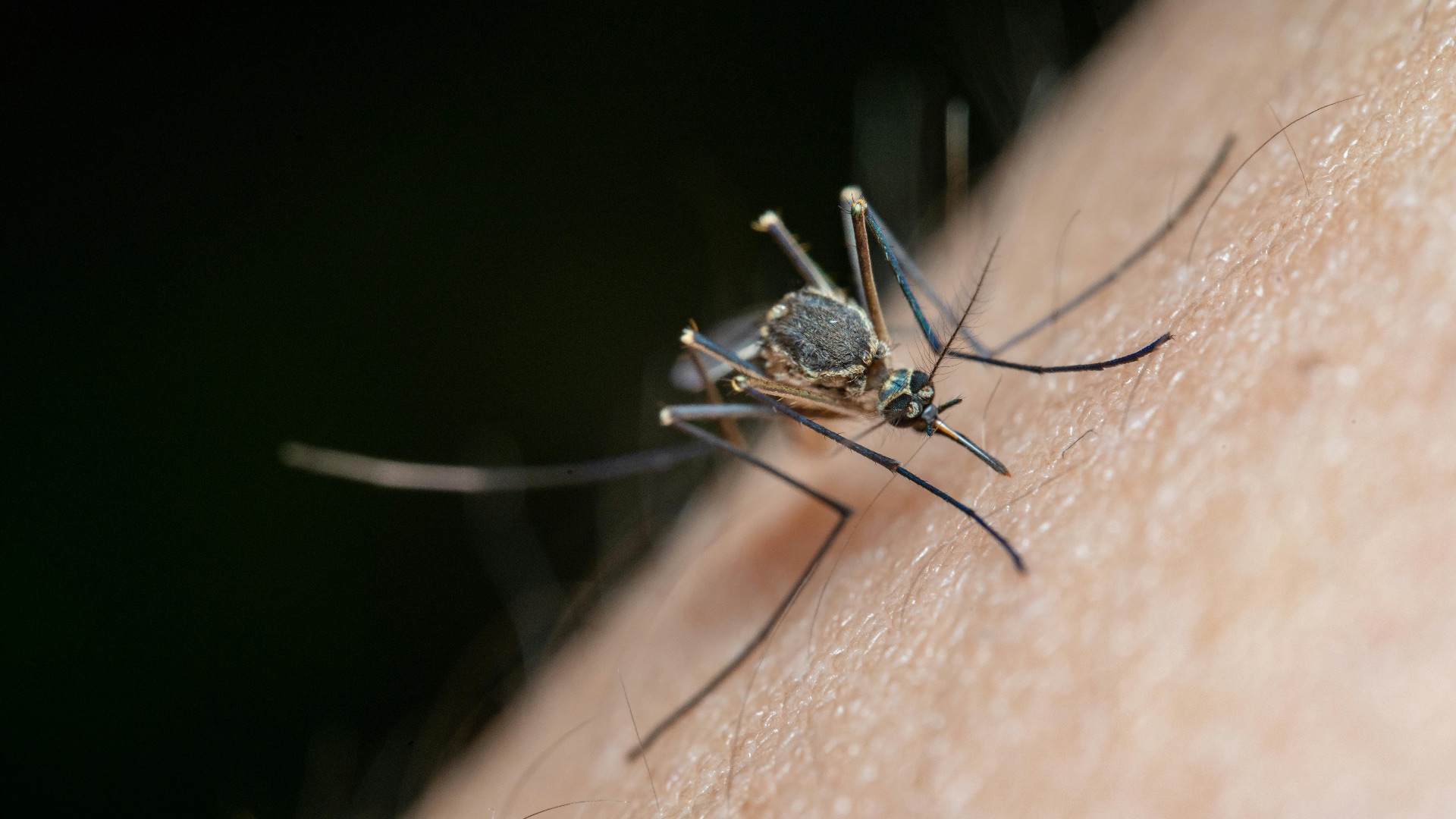
3. Overexertion Is More Common Than You'd Expect
Repetitive bending, reaching, and carrying can put significant strain on your back, knees, and shoulders, particularly if you're not used to that type of physical activity. People who head into the experience without warming up or who push themselves to fill basket after basket often end up with muscle soreness or joint pain by the next morning. It's a good idea to pace yourself, take regular breaks, and be honest with yourself about your physical limits before you overdo it.
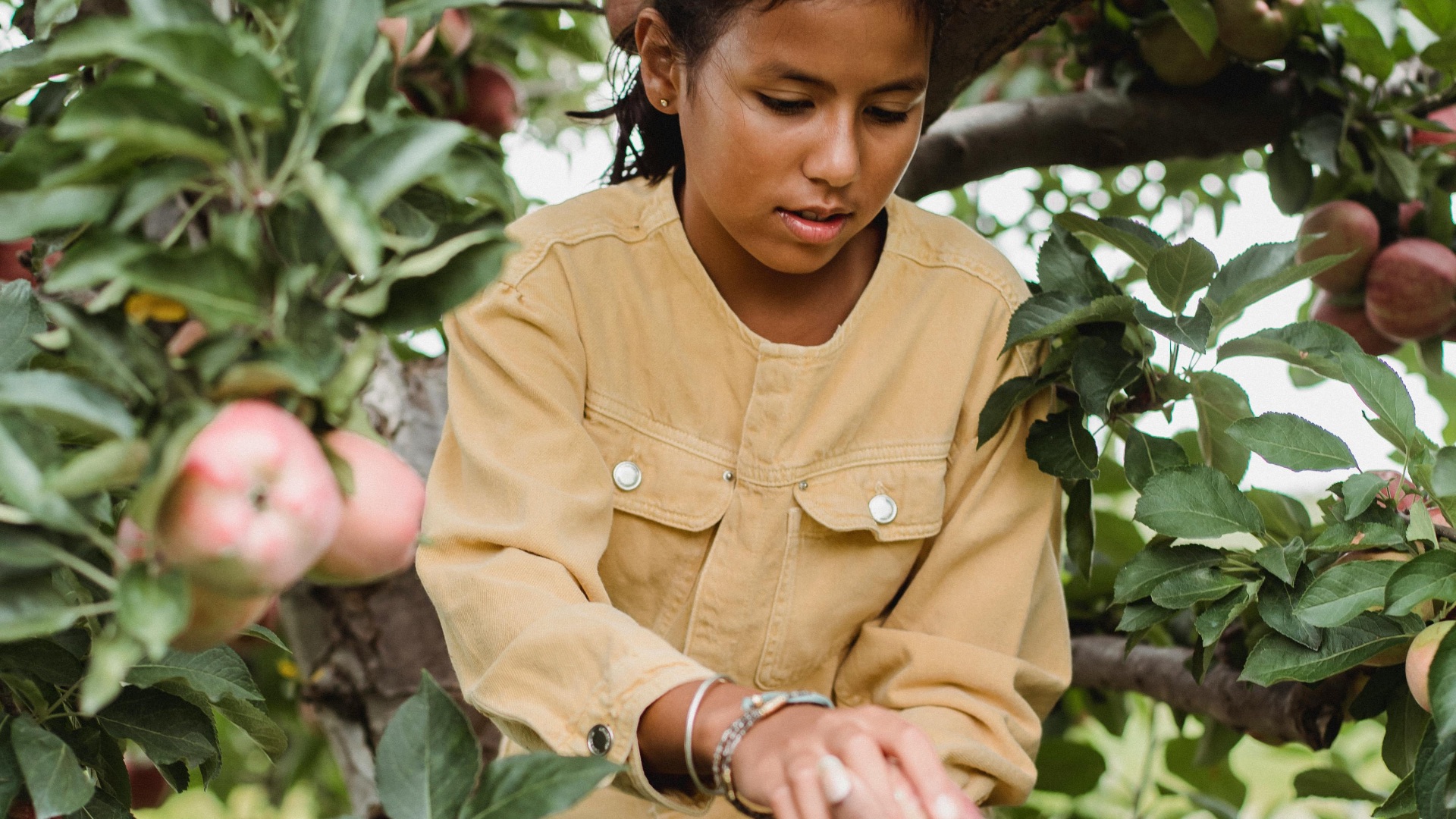
4. Pesticide Residue Can Be a Concern
Not all farms operate under organic or low-spray growing conditions, and the fruit you're picking may have been treated with pesticides that haven't fully washed off. Handling a large volume of fruit directly and then eating it without washing your hands first could expose you to those residues. Checking whether the farm follows organic practices and rinsing all fruit thoroughly before eating are both steps worth taking seriously.
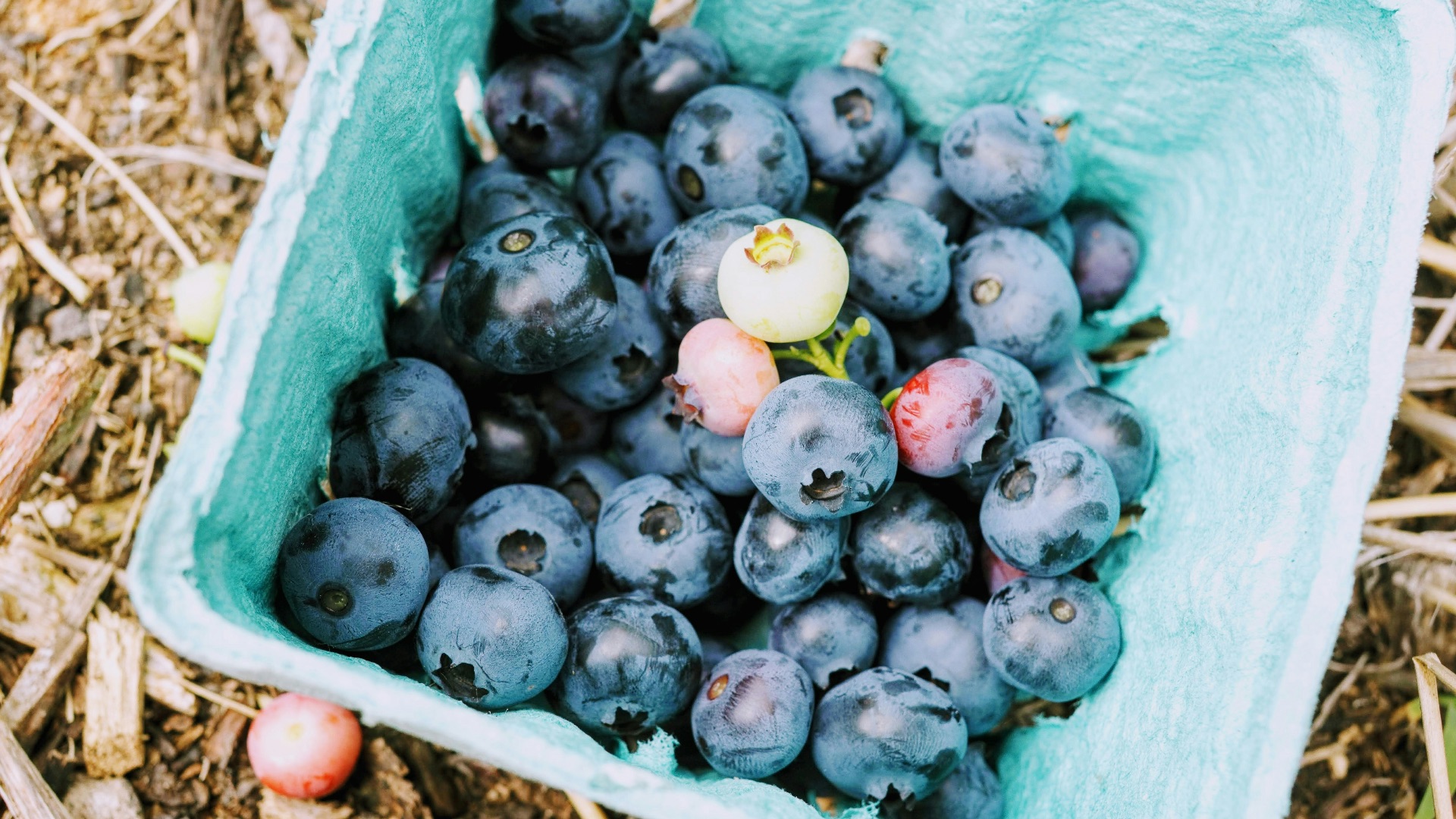
5. Allergic Reactions to Plants and Pollen Are Possible
Seasonal allergies can become a real problem on picking farms, which are surrounded by flowering plants, grasses, and trees that produce significant amounts of pollen. Contact with fruit leaves, stems, and sap can also trigger localized skin reactions in some people, even if they've eaten that fruit without issue in the past. If you have known allergies, it's worth speaking to your doctor before your first outing and keeping antihistamines in your bag as a precaution.
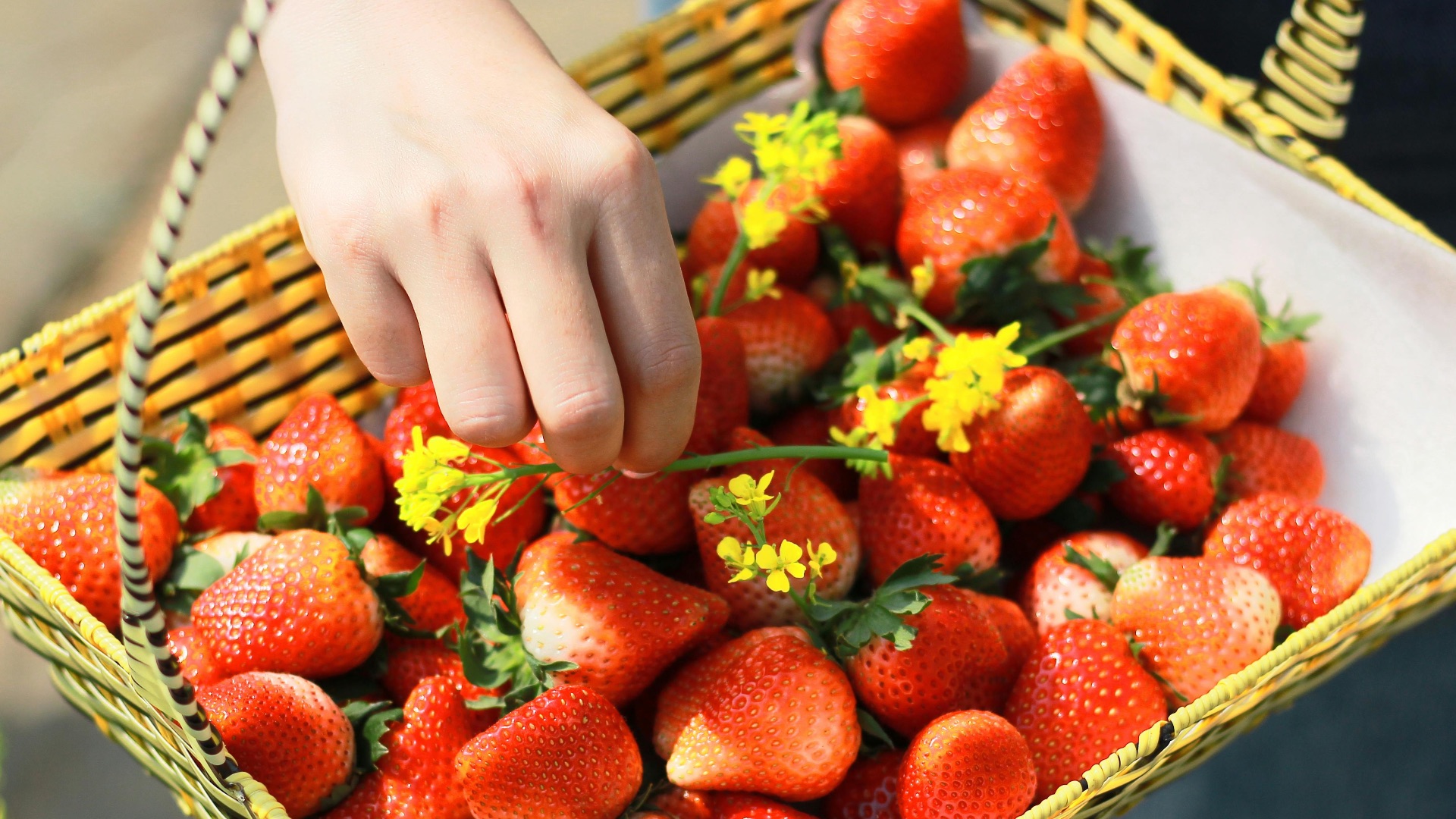
6. Heat-Related Illness Is a Legitimate Risk in Warm Climates
Most fruit picking outings take place during late spring and summer, meaning you're often out in high temperatures for hours at a time. Dehydration, heat exhaustion, and, in more extreme cases, heat stroke can develop faster than most people expect, especially in humid conditions or when the farm doesn't offer much natural shade. Bringing plenty of water, wearing breathable clothing, and knowing the early warning signs of heat-related illness are all essential parts of staying safe out there.

7. Uneven Terrain Increases the Risk of Trips and Falls
Farms and orchards typically have uneven ground, exposed tree roots, muddy patches, and other surface irregularities that can make walking more hazardous than it initially appears. Children and older adults are especially vulnerable to trips and falls in these environments, but anyone can take a bad step if they're distracted or wearing unsuitable footwear. Closed-toe shoes with good traction are a must, and paying close attention to the ground as you move through the property can prevent a lot of unnecessary injuries.
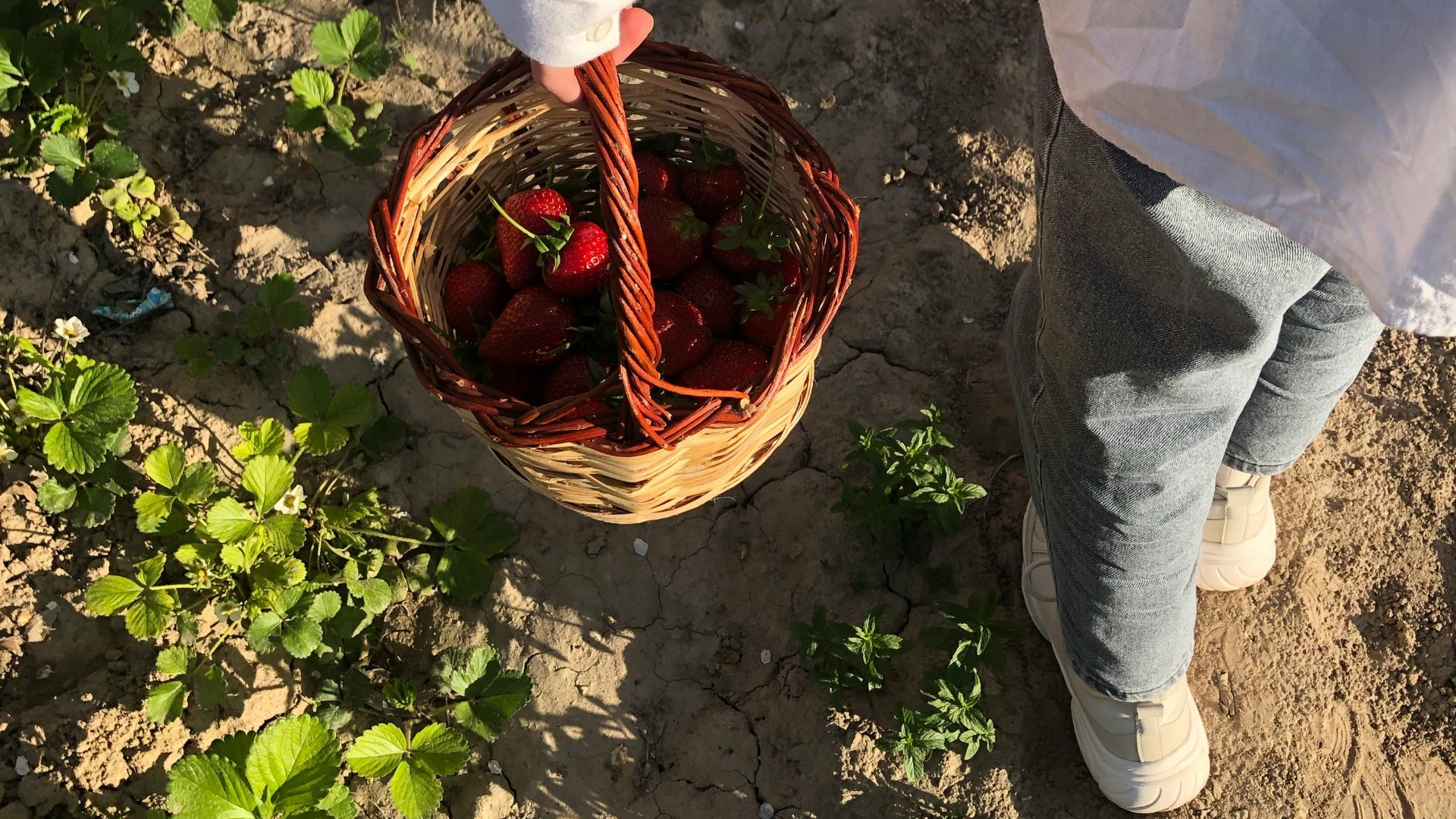
8. Overeating Fresh Fruit May Upset Your Digestive System
It's tempting to eat as you pick, and for a lot of people that means consuming far more fruit than they would in a normal sitting. While fruit is undeniably healthy, eating large quantities in a short period of time can lead to bloating, cramping, and digestive discomfort due to the high fiber and fructose content. Pacing your consumption throughout the outing and drinking water alongside the fruit can help keep things comfortable for the rest of the day.

9. The Activity Can Worsen Existing Joint or Mobility Issues
For people who already experience joint pain, arthritis, or mobility limitations, the physical demands of fruit picking can aggravate existing conditions rather than provide a comfortable form of exercise. The combination of uneven surfaces, repeated crouching, and prolonged standing isn't well-suited to everyone's physical situation, and that's something to assess honestly before you commit to an outing. Consulting your healthcare provider beforehand is a smart move if you have any concerns about how the activity might affect a pre-existing condition.
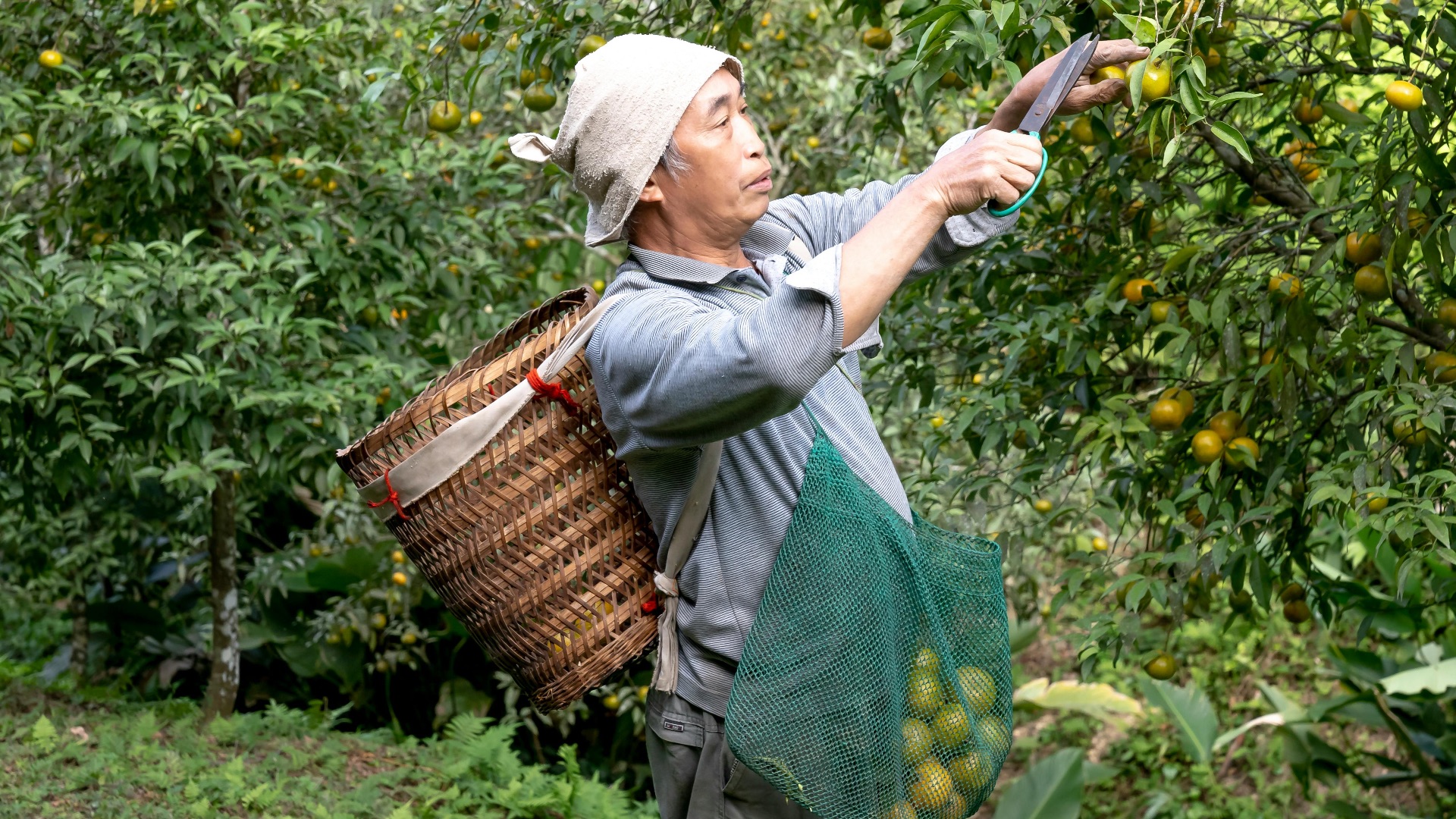
10. Wildlife Encounters Can Pose Unexpected Risks
Wildlife encounters are more common at picking farms than most people expect, particularly on properties that back onto wooded areas or natural habitats. While most encounters are harmless, things can become dangerous if you accidentally disturb a nest or reach into dense foliage without checking first. Taking a moment to research what animals and insects are common in the area before your visit, and staying alert to your surroundings throughout the day, are both habits that can help you avoid an unpleasant encounter.