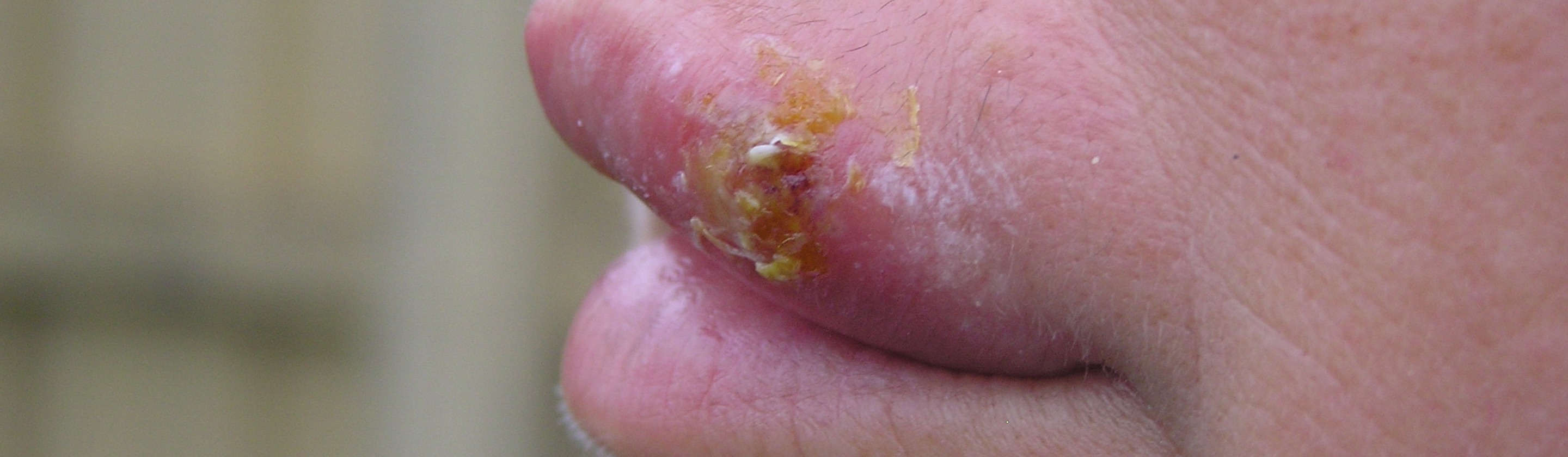
The Unwelcome Guest That Keeps Coming Back
Cold sores have a way of showing up at the worst possible times, and if you feel like you're dealing with them more often than most people, you're not alone. They're caused by the herpes simplex virus type 1 (HSV-1), a highly common virus that, once contracted, stays in your body for life by using your cells to make copies of itself. Understanding what's triggering your outbreaks and knowing how to treat them quickly can make a real difference in how often they appear and how long they stick around.
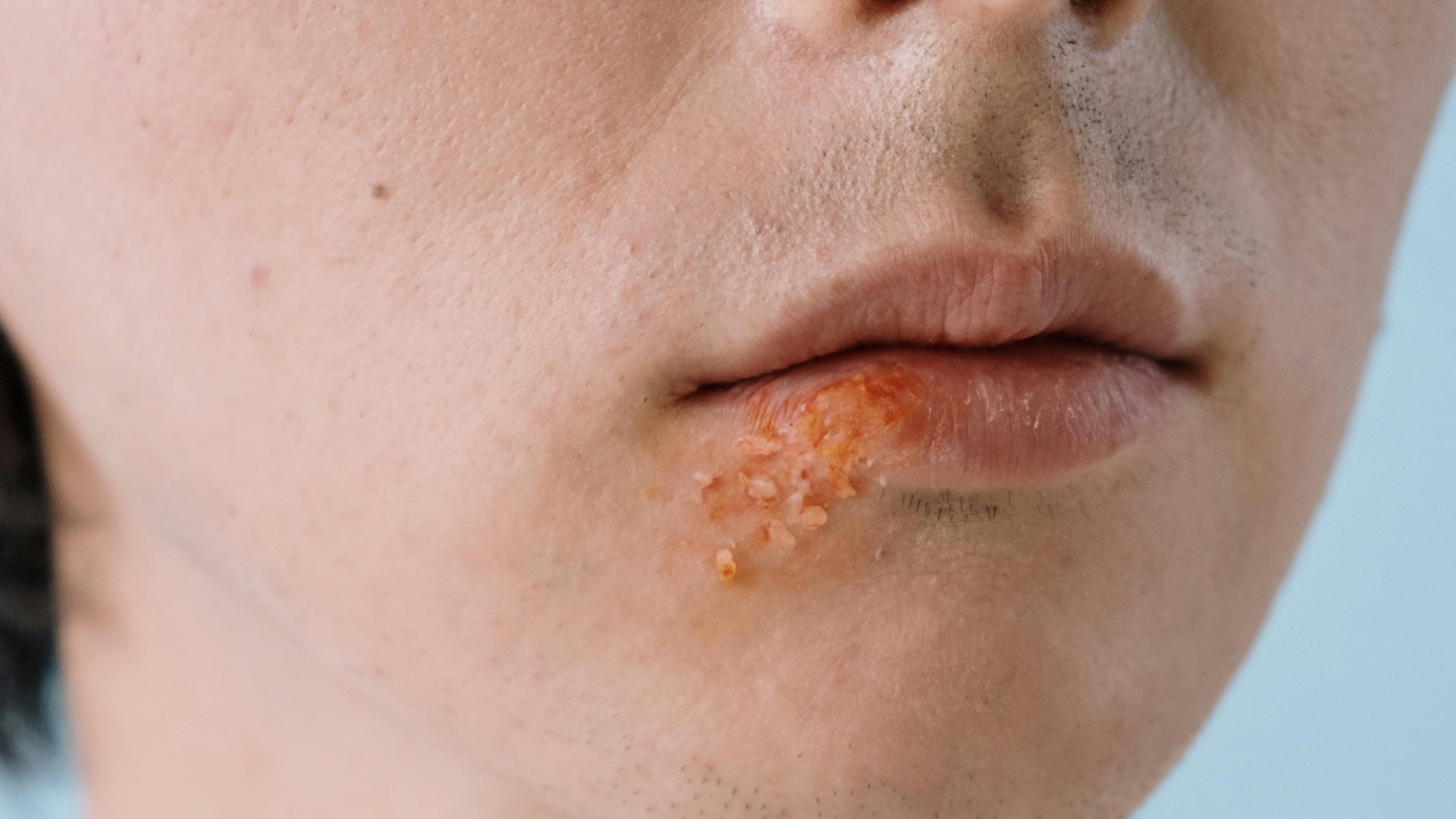
1. You Already Have the Virus Dormant in Your System
HSV-1 doesn't leave your body after your first outbreak; it retreats into the nerve cells near your spine and waits for the right conditions to reactivate. Most people contract it during childhood through casual contact like a kiss from a family member, often without even knowing it. The virus can stay dormant for months or even years before producing a visible cold sore.
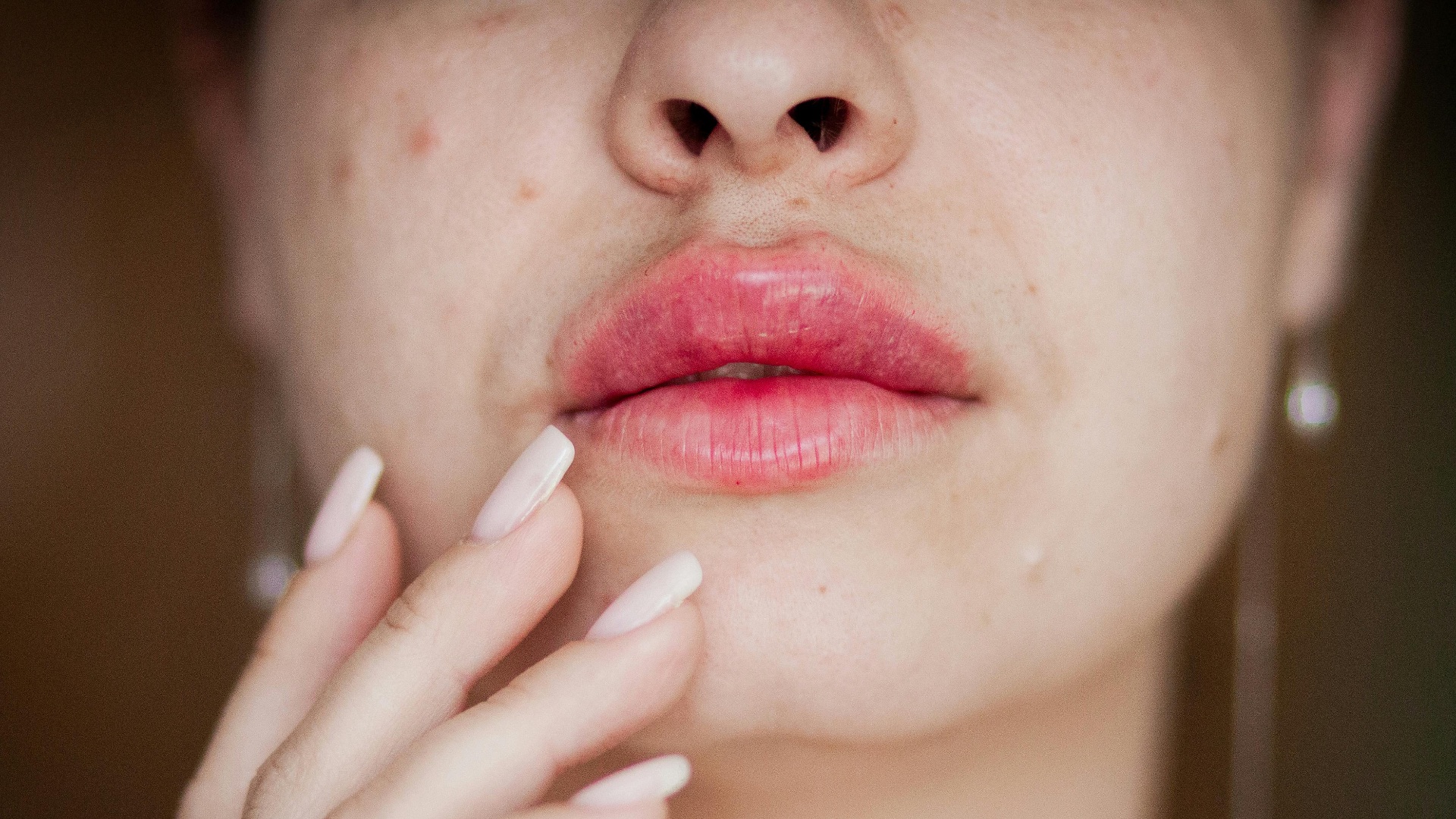
2. You've Been Under a Lot of Stress
Stress is one of the most well-documented triggers for cold sore outbreaks, and there's a clear physiological reason for it. When you're stressed, your body produces more cortisol, which can suppress your immune system and give the dormant virus an opening to reactivate. If you've noticed that cold sores tend to pop up during busy work periods or emotionally difficult times, stress is likely a major factor.

3. Sun Exposure Is Getting to Your Lips
Prolonged exposure to UV rays is a surprisingly common trigger for cold sore outbreaks, particularly for people who spend a lot of time outdoors. The skin on and around your lips is delicate, and UV radiation can cause enough cellular stress to wake up the dormant virus. Skipping lip balm with SPF protection leaves that area vulnerable every time you're out in the sun.

4. Your Immune System Is Running Low
A compromised immune system makes it harder for your body to keep HSV-1 in check, which is why outbreaks often happen when you're already feeling run down. Certain medical conditions, medications like corticosteroids, and even nutritional deficiencies can all weaken your body's defenses. People with autoimmune conditions or those undergoing treatments like chemotherapy tend to experience more frequent and more severe outbreaks.
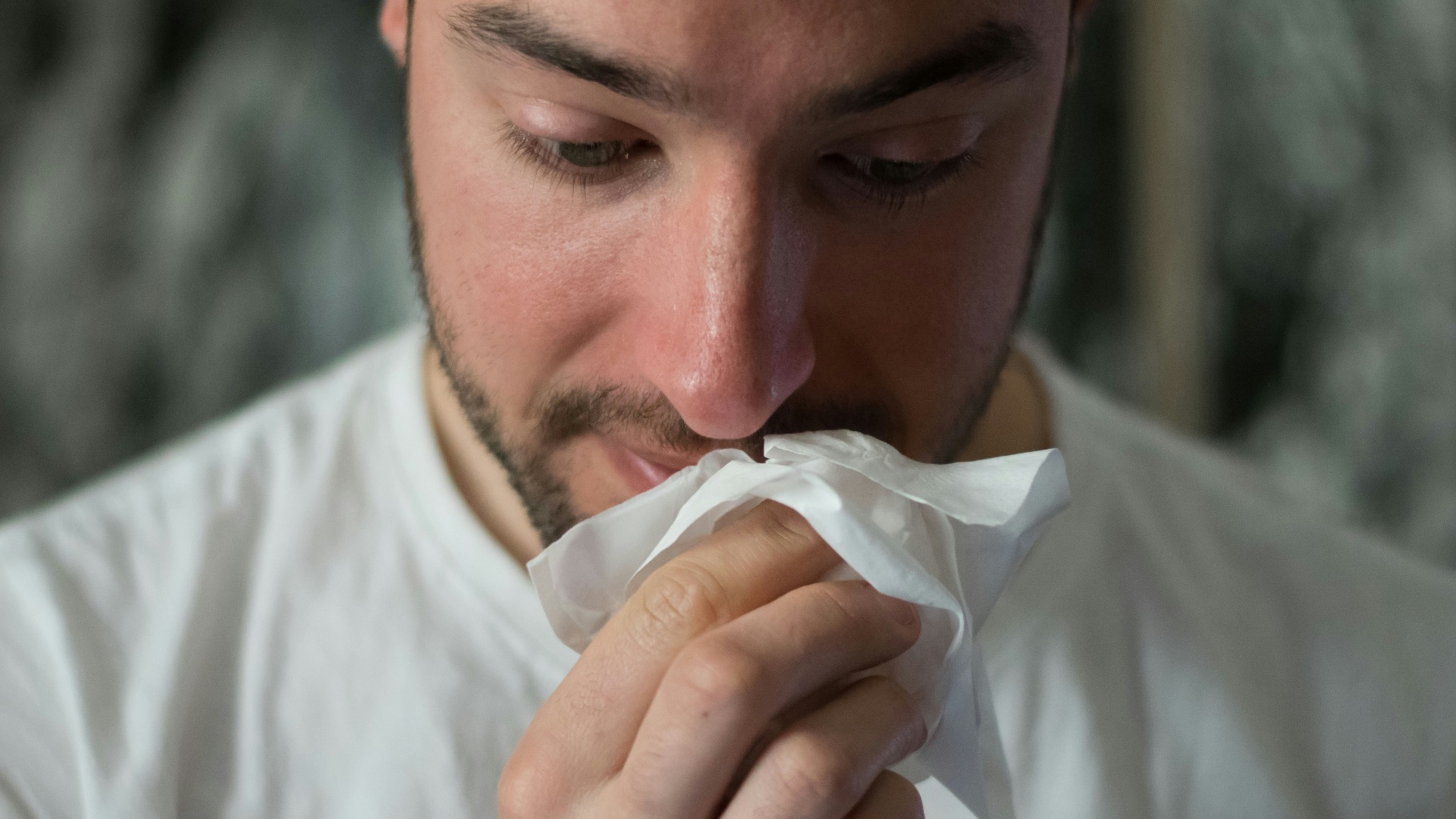
5. Hormonal Fluctuations Are Playing a Role
Hormonal changes, especially those tied to the menstrual cycle, can trigger cold sore outbreaks in some people. Shifts in estrogen and progesterone levels affect immune function in ways that can create a window of vulnerability for the virus. If you tend to get cold sores around the same time each month, hormonal fluctuations are worth discussing with a healthcare provider.
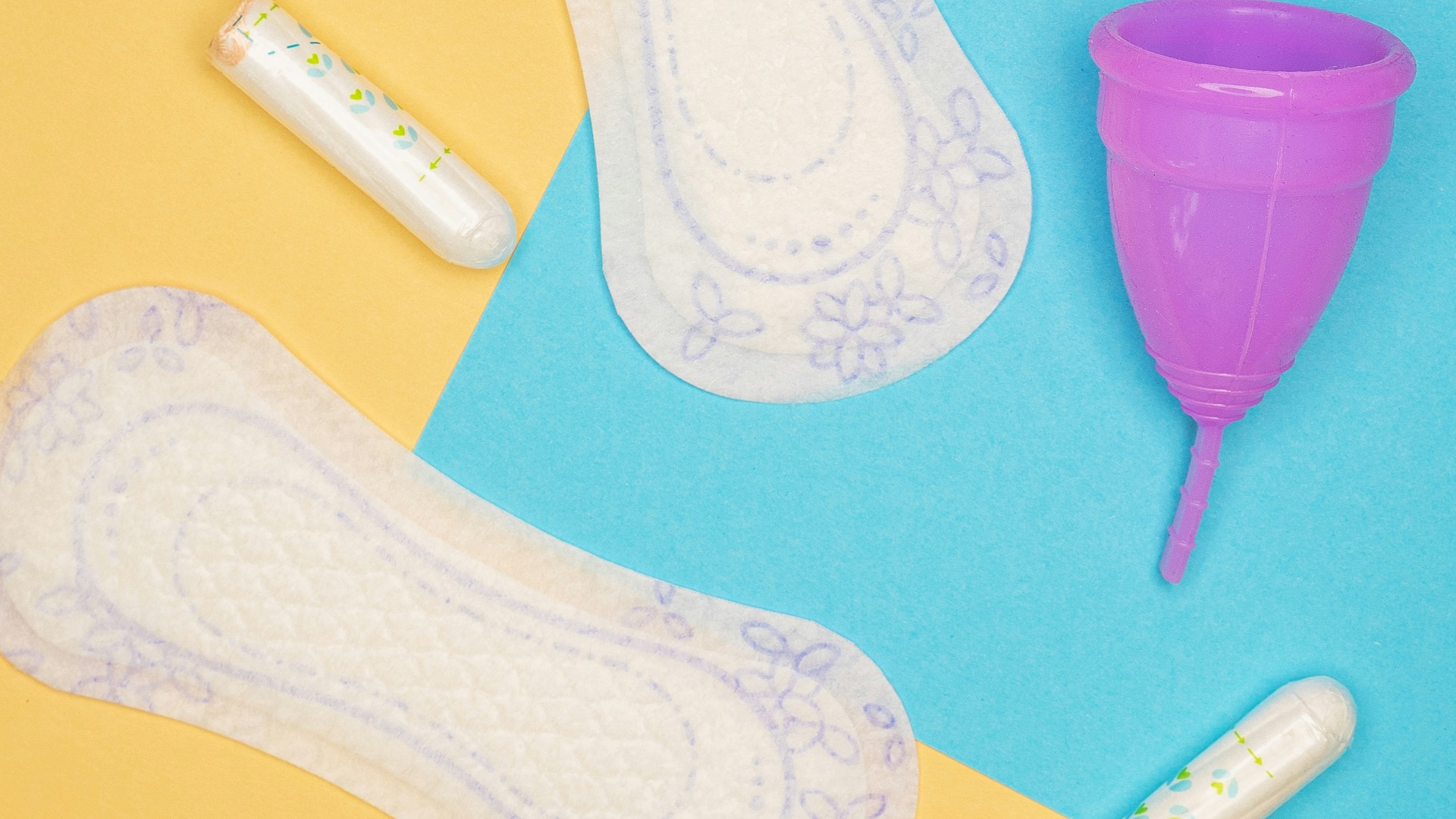 Reproductive Health Supplies Coalition on Unsplash
6. You've Been Sharing Utensils
Sharing forks, spoons, straws, or drinks with someone who has an active cold sore is one of the most direct ways HSV-1 spreads from person to person. The virus can survive briefly on surfaces, which means even a quick sip from someone else's glass carries a real risk of transmission. It's worth being cautious about sharing anything that comes into contact with another person's mouth, especially when a sore is visible.

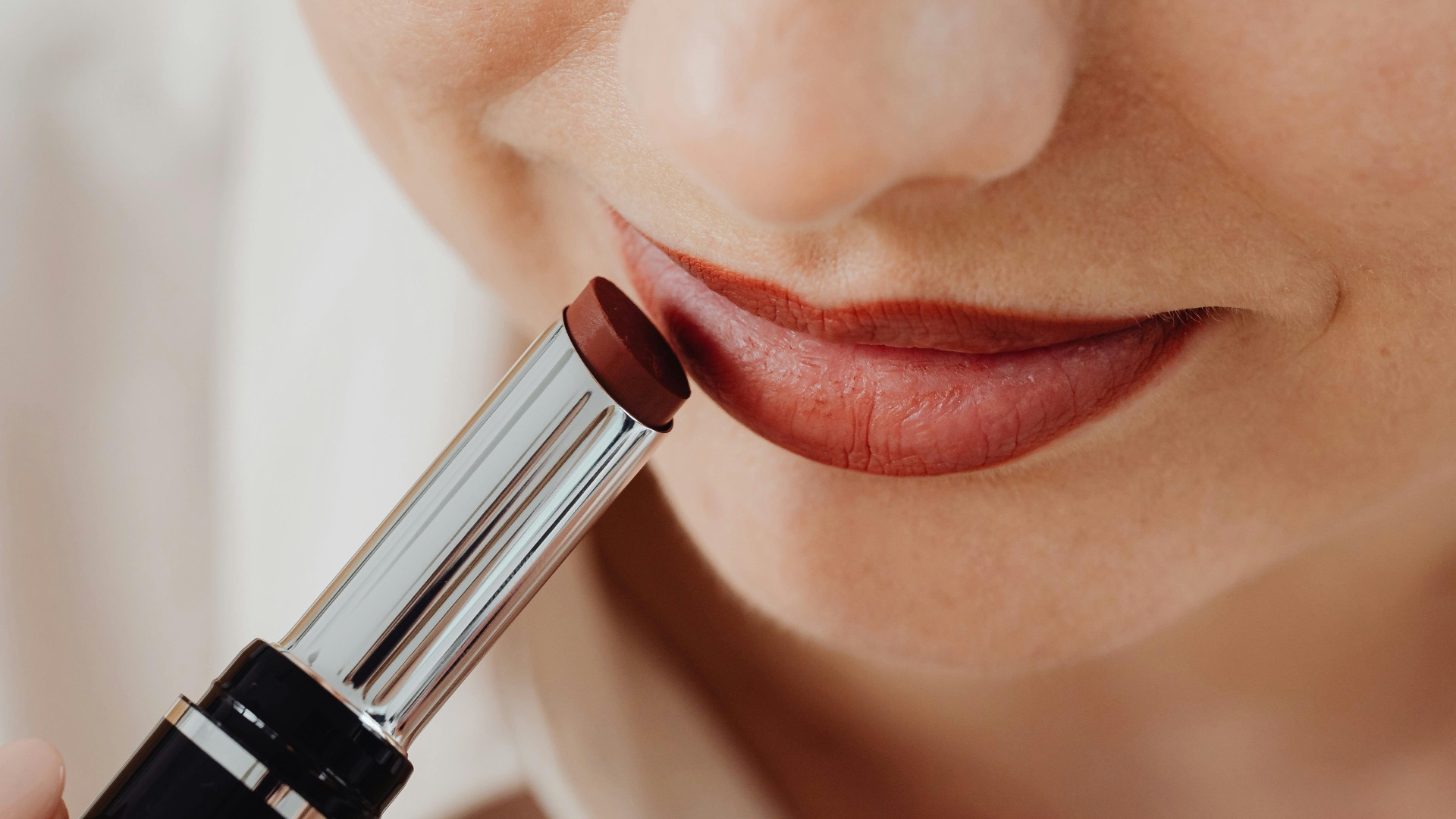
7. Sharing Lipstick or Lip Makeup Is Also a Risk
Lip products that get used by multiple people are a surprisingly easy route for HSV-1 to travel, since the virus can transfer from an infected person's lip to the product and then onto yours. This applies to lipstick, lip gloss, lip liner, and even lip balm, so it's best to keep yours strictly personal. If you're getting your makeup done professionally, don't hesitate to ask that fresh or sanitized applicators be used on your lips.
8. You're Not Getting Enough Sleep
Sleep deprivation takes a real toll on immune function, and consistently poor sleep can make you significantly more susceptible to outbreaks. During sleep, your body carries out a lot of its immune maintenance work, including keeping latent viruses like HSV-1 suppressed. Prioritizing rest isn't just good for your overall health, but it's also one of the more underrated ways to reduce how often cold sores appear.

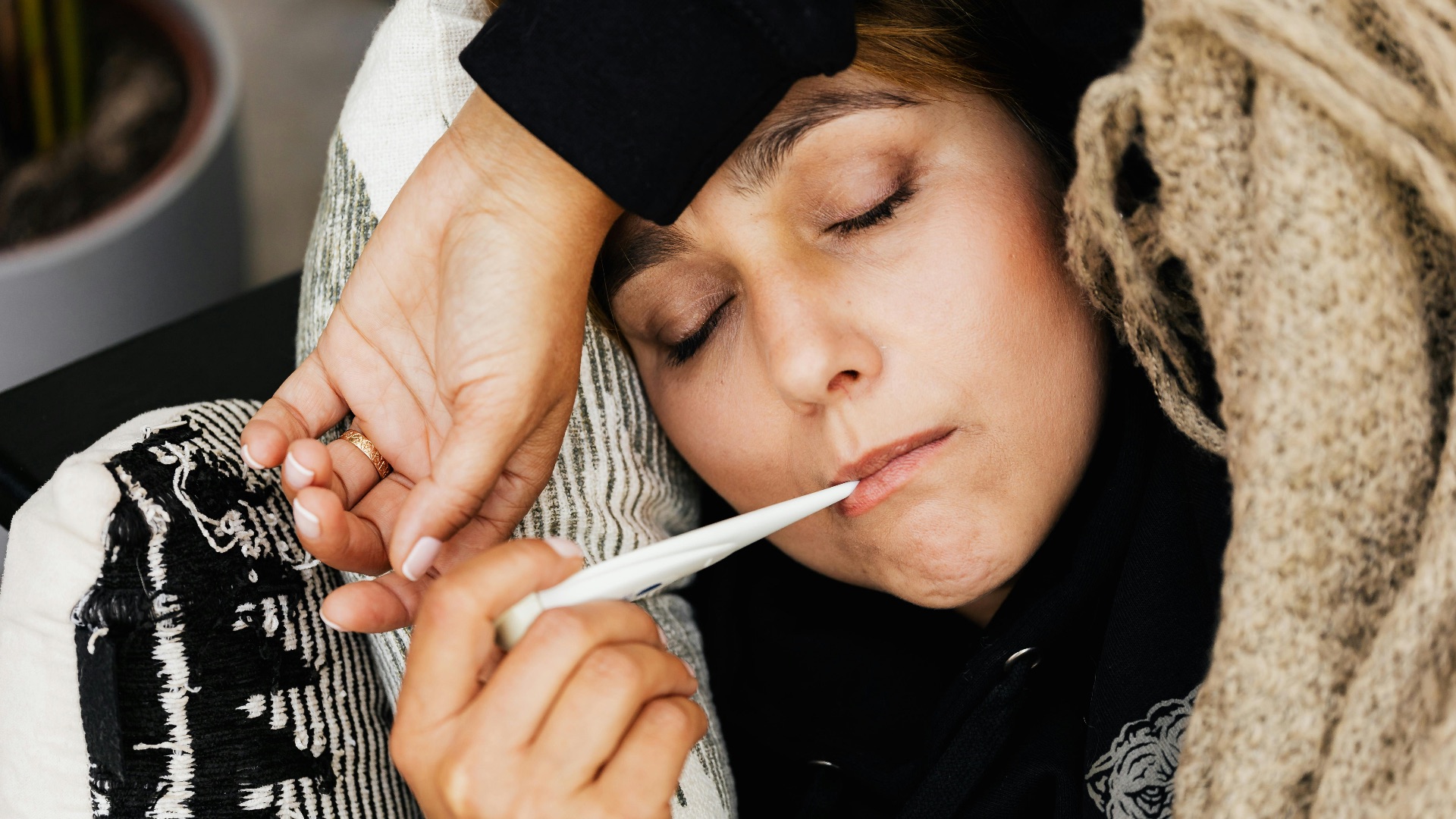
9. You've Had a Recent Illness or Fever
Cold sores are sometimes called "fever blisters" for a reason: illnesses that cause fever or generally tax your immune system can trigger an outbreak. The physical stress of fighting off a cold, the flu, or another infection creates exactly the kind of internal vulnerability the virus looks for. It's common to notice a cold sore appearing just as you're recovering from being sick, which is your immune system's way of signaling it's still working hard.
10. Trauma to the Lip Area
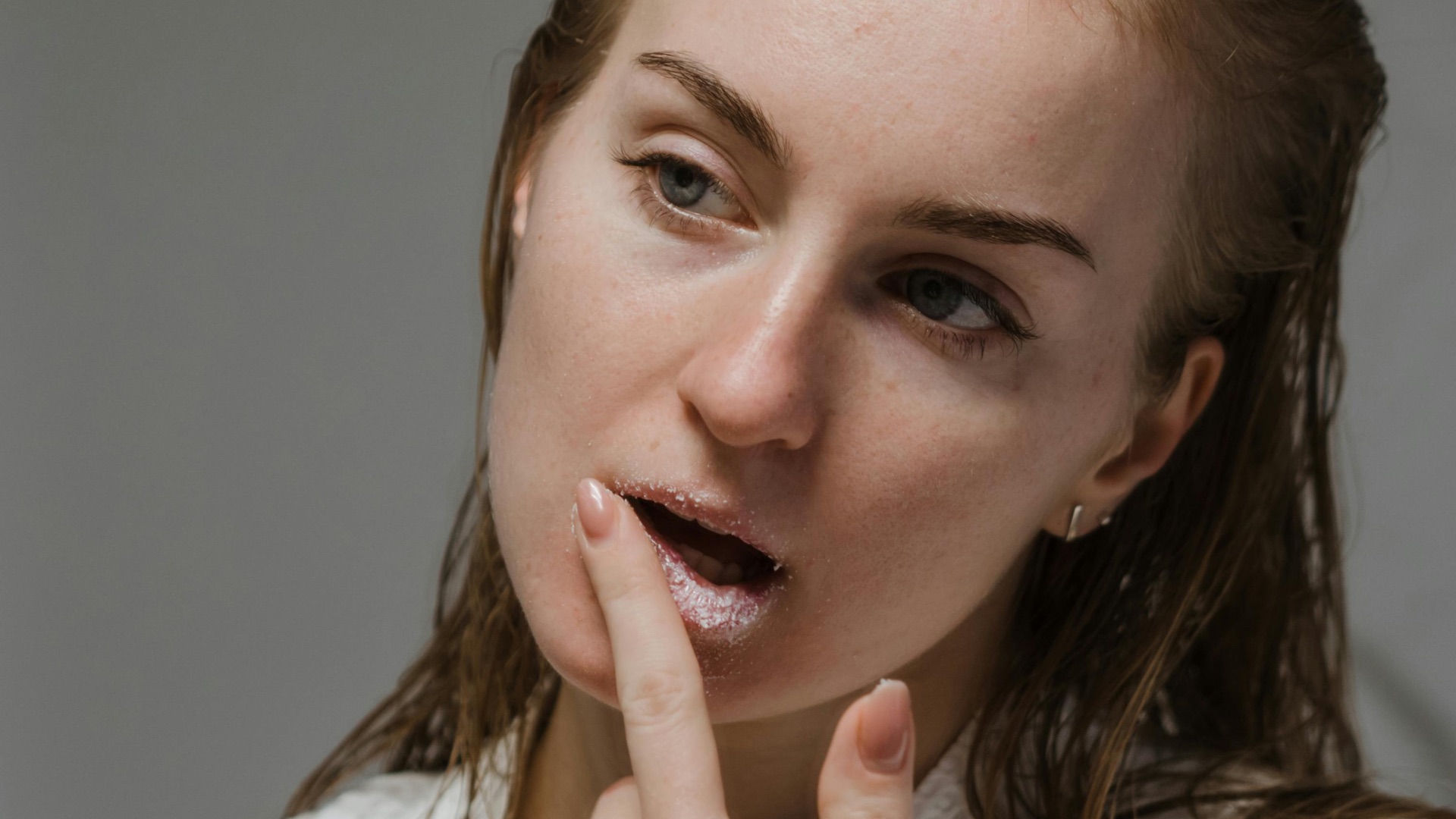
Physical injury to the lips or surrounding skin, such as dental work, chapped lips from harsh weather, or even aggressive exfoliation, can trigger a cold sore outbreak. The nerve endings in that area are exactly where HSV-1 lies dormant, so any local trauma can disturb the virus and encourage reactivation. Being gentle with your lips and keeping them moisturized, especially before and after dental procedures, can help reduce this particular trigger.
Now that you have a better picture of what's causing these outbreaks, let's jump into some effective ways to speed up the healing process and reduce discomfort once a cold sore has already appeared.
1. Apply an Over-the-Counter Antiviral Cream
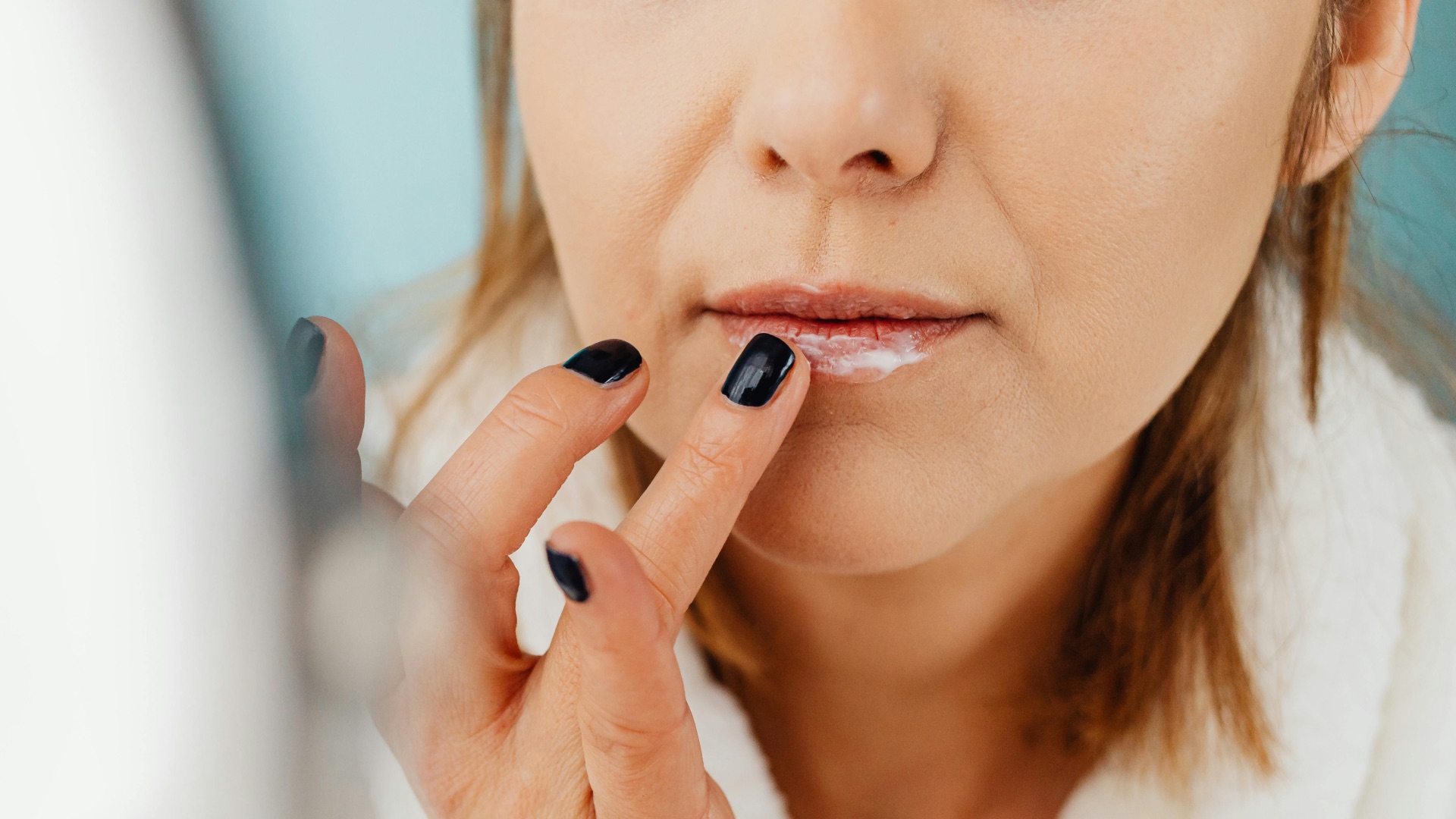
Antiviral creams containing docosanol (commonly sold as Abreva) or acyclovir are among the most effective over-the-counter options for treating cold sores. These creams work by interfering with the virus's ability to replicate, which shortens healing time when applied at the earliest sign of an outbreak. Starting treatment during the tingling or itching phase, before the blister fully forms, gives you the best chance of minimizing how severe it gets.
2. Use a Cold Compress to Ease Discomfort
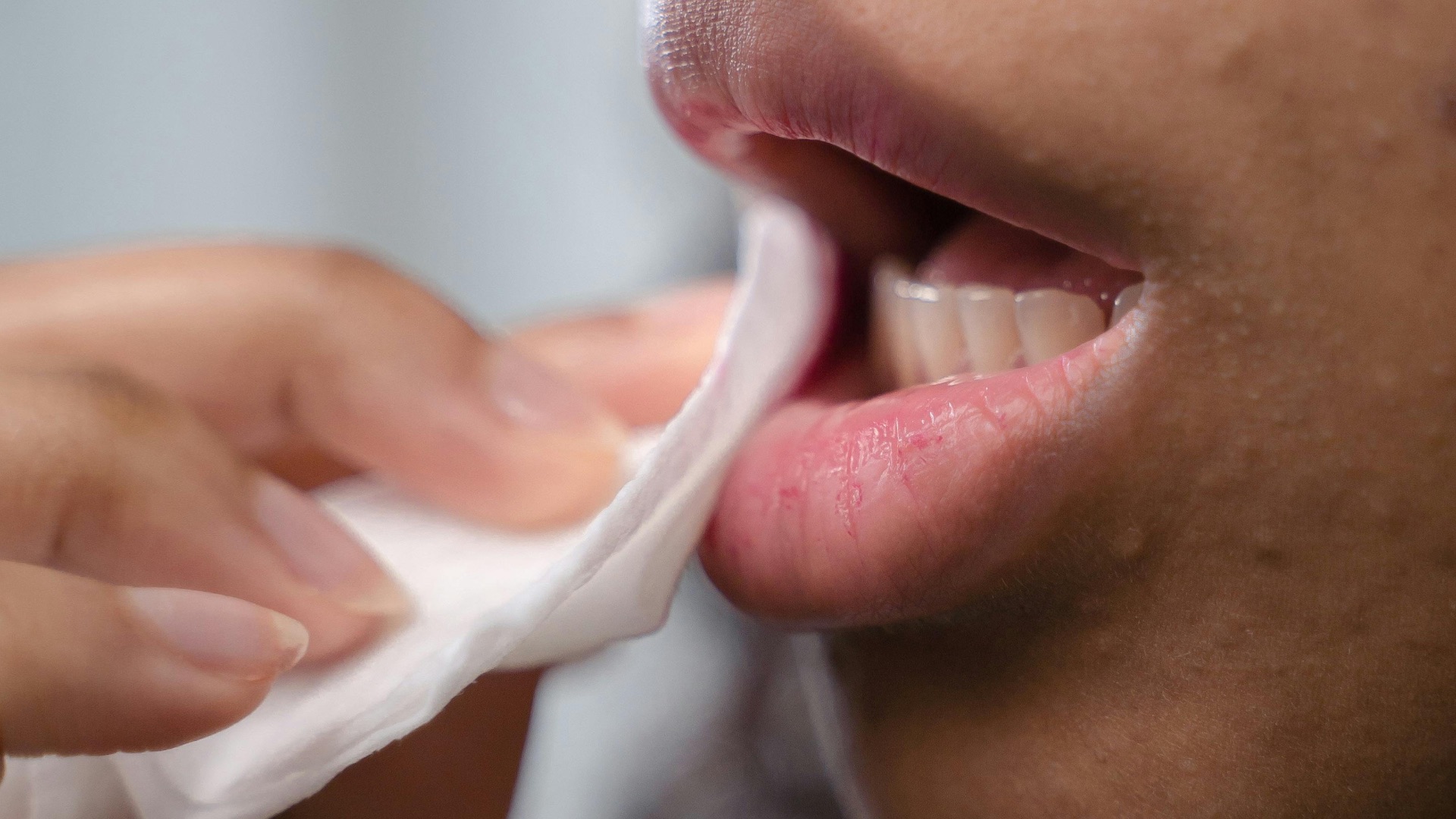
Applying a cool, damp cloth to the affected area can help bring down inflammation and soothe the pain and itching that come with an active cold sore. Cold compresses won't eliminate the virus, but they can make the sore feel noticeably more comfortable while your body does the healing work. Keep each compress session to about 10 to 15 minutes and make sure not to press too hard on the blistered skin.
3. Try a Lysine Supplement
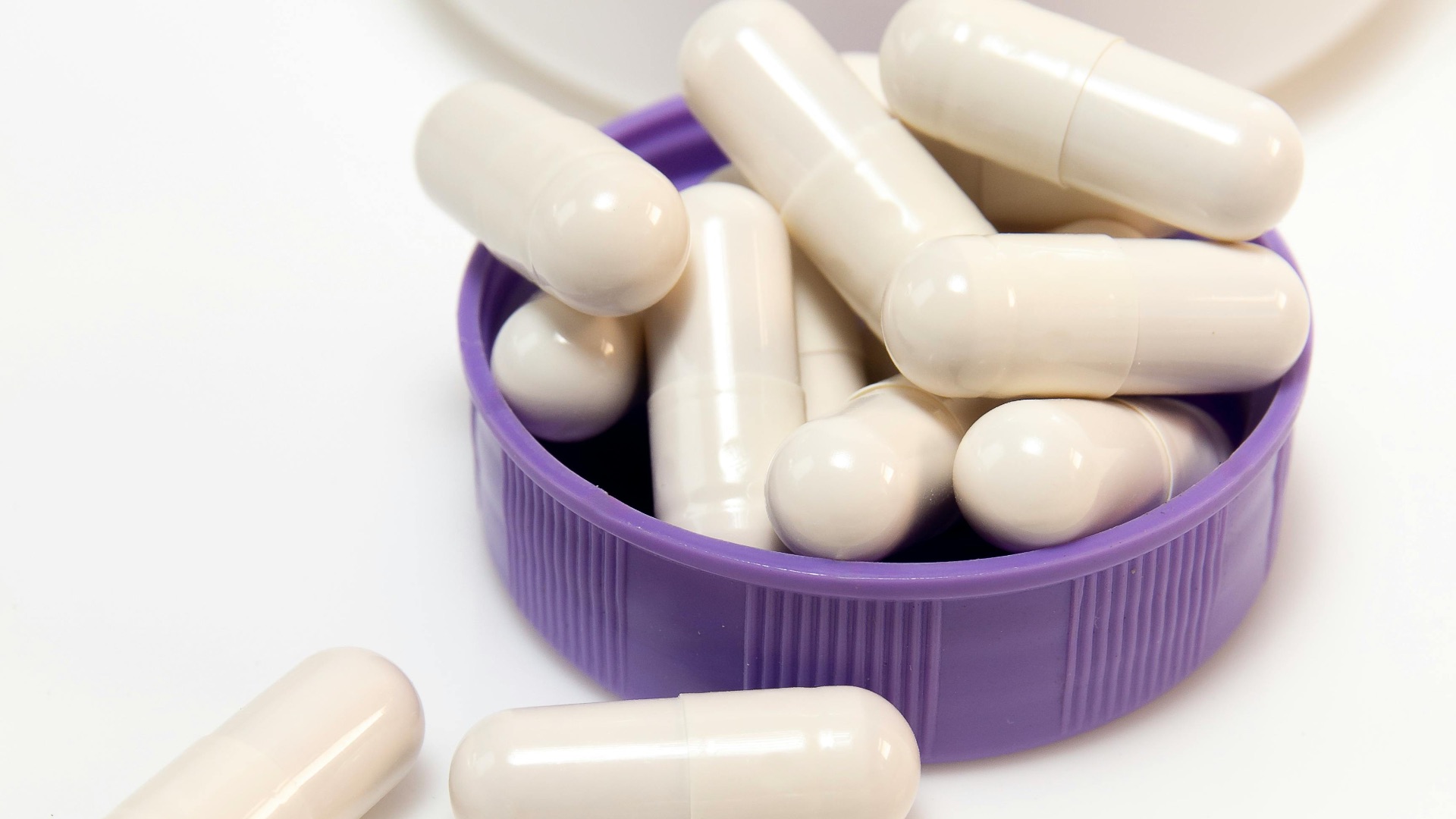
Lysine is an amino acid that research suggests may help reduce both the frequency and duration of cold sore outbreaks by interfering with the virus's ability to replicate. It's available in supplement form at most pharmacies and health food stores, and some people also increase their intake through lysine-rich foods like dairy, eggs, and legumes. Checking with a doctor before adding any new supplement to your routine is always a smart step.
4. Keep Your Hands Away from the Sore
Touching a cold sore repeatedly spreads the virus to your fingertips, which can then transfer it to your eyes, nose, or other parts of your face. It's also easy to introduce bacteria into the sore through your hands, which can lead to a secondary infection that extends the healing process. Washing your hands thoroughly any time you do make contact with the area and avoiding picking or squeezing the blister will protect both you and the people around you.

5. Consider a Zinc Oxide Cream
Zinc oxide has been studied for its ability to reduce the duration and severity of cold sores, and some research supports its use as a topical treatment applied early in an outbreak. It helps form a protective barrier over the sore while also providing mild antiviral and anti-inflammatory effects. Many lip balms and sunscreen formulas already contain zinc oxide, so it's worth checking what you already have on hand.
6. Talk to a Doctor About Prescription Antivirals
For people who experience frequent or particularly severe outbreaks, a doctor can prescribe oral antiviral medications like valacyclovir or famciclovir, which work more aggressively than over-the-counter creams. These medications can be taken at the first sign of an outbreak to shorten its course, or taken daily as a suppressive therapy to reduce how often outbreaks occur. If cold sores are significantly affecting your quality of life, it's worth having an honest conversation with a healthcare provider about your options.

7. Apply Lemon Balm Topically
Lemon balm, an herb from the mint family, has been shown in some studies to have antiviral properties that can help reduce redness, swelling, and healing time associated with cold sores. It's available as a topical cream or ointment in many health stores, and it tends to be well-tolerated by most skin types. While it isn't a cure, using it consistently during an outbreak can help take the edge off and support faster recovery.

8. Protect Your Lips from the Sun While Healing
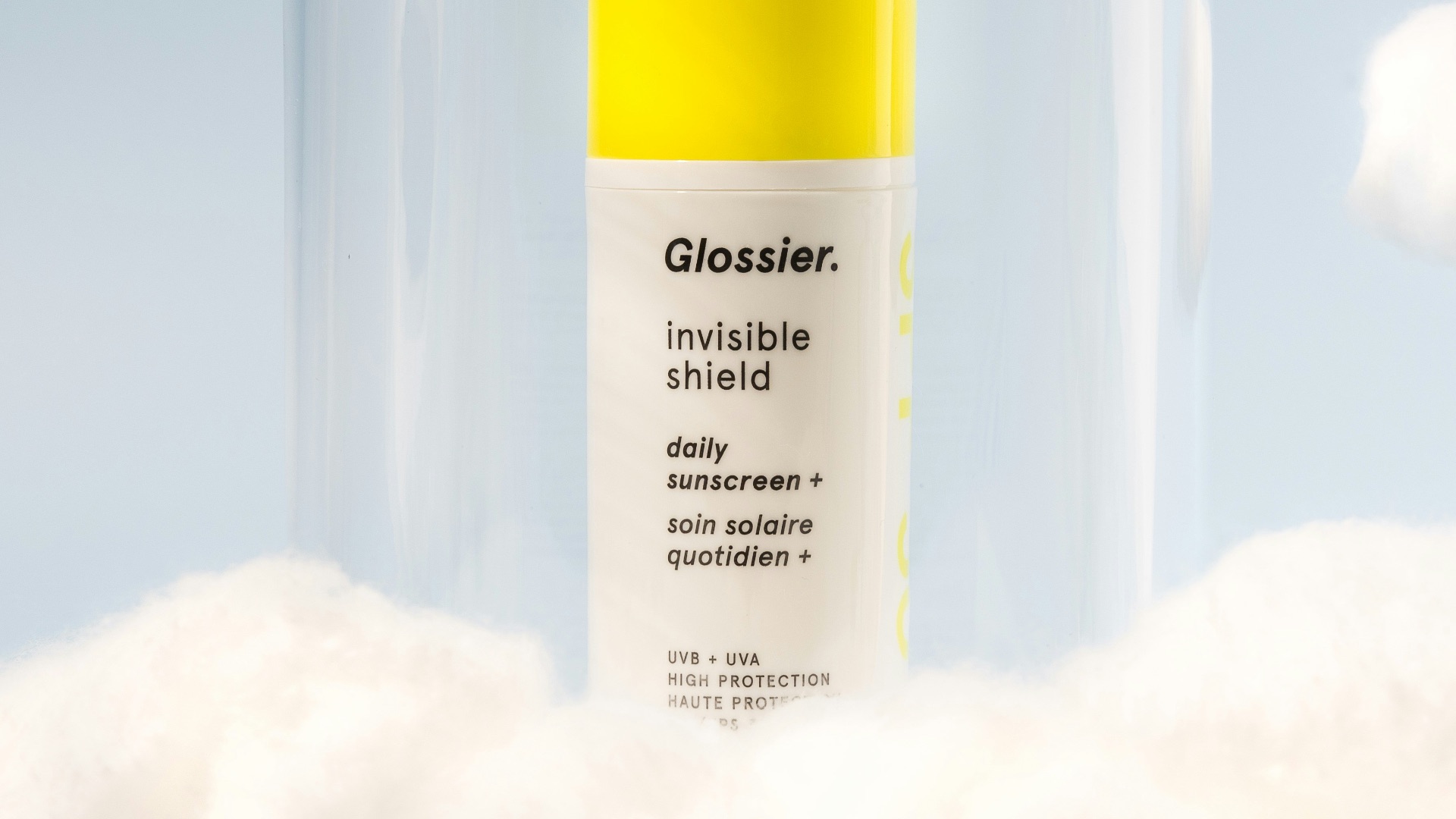
Sun exposure can worsen an existing cold sore and make the healing process take longer, so protecting the area with an SPF lip balm during an active outbreak is especially important. UV rays can inflame the already-sensitive skin around the sore and potentially extend how long it stays visible. Even on cloudy days, UV radiation still reaches your skin, so keeping a protective lip balm within reach is a habit worth building year-round.
9. Avoid Acidic and Salty Foods During an Outbreak
Foods high in acid, like citrus fruits and tomatoes, as well as very salty snacks, can irritate an active cold sore and make healing more uncomfortable than it needs to be. These foods can sting on contact with the broken skin and may prolong inflammation in the area. Sticking to soft, gentle foods while the sore is healing gives your skin a better chance to recover without added irritation.
 Emiliano Vittoriosi on Unsplash
10. Rest and Support Your Immune System
Your immune system is ultimately what controls and resolves a cold sore outbreak, so giving it everything it needs to function well is one of the most effective things you can do. Getting adequate sleep, staying hydrated, eating a balanced diet, and managing stress can all work together to help your body clear the outbreak more quickly. Recovery timelines vary from person to person, but consistent immune support tends to make a noticeable difference in how fast you bounce back.

KEEP ON READING



20 Ways To Get Your Vitamins And Minerals
20 Ways Doing Less Can Actually Improve Your Health