Simple Habits That Make Healthy Eating Feel Much Easier
A lot of people lose motivation around healthy eating because calorie counting can quickly become exhausting and difficult to maintain long-term. While tracking works for some, many effective weight management habits have far more to do with consistency, food quality, sleep, and daily routines than exact numbers. Small behavioral changes often create steadier results because they help you build habits that feel realistic enough to continue without turning every meal into a math problem. Here are 20 weight management tips that don't involve counting calories.

1. Eat More Protein at Breakfast
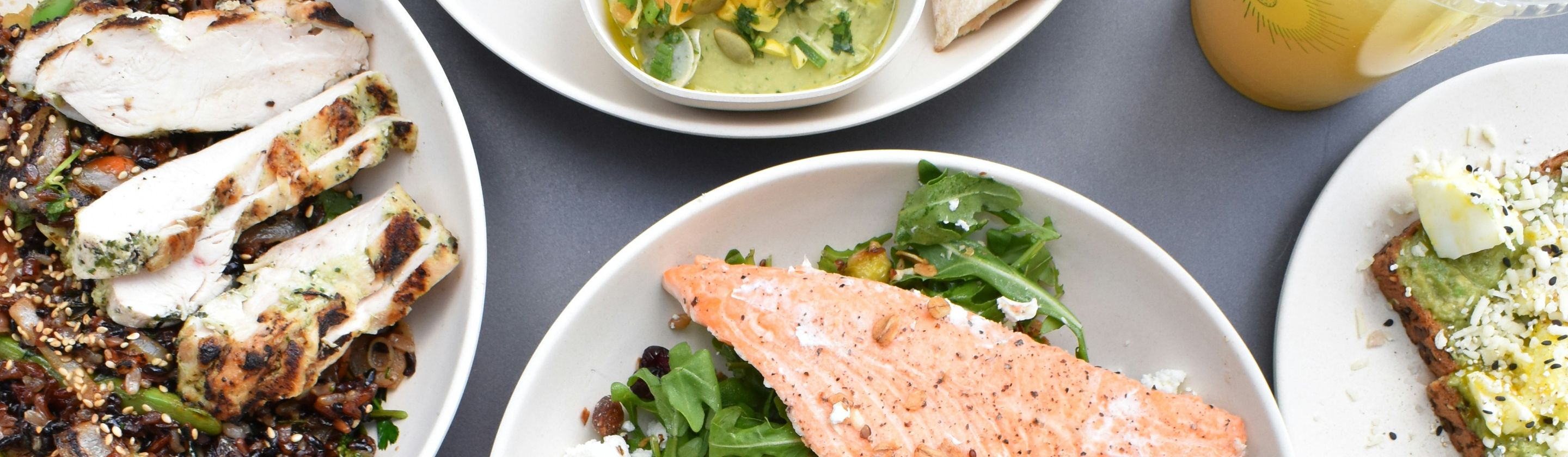
Starting the day with protein can help you stay fuller for longer and reduce mid-morning cravings. Foods like eggs, Greek yogurt, cottage cheese, or smoked salmon tend to satisfy hunger more effectively than sugary cereals or pastries. A balanced breakfast also helps stabilize energy levels so you're less likely to snack impulsively later.
2. Slow Down While Eating
Eating too quickly makes it harder for your body to recognize fullness before you've overeaten. Taking time to chew properly and pause between bites gives hunger signals more time to catch up. Meals also become more enjoyable when you aren't rushing through them without noticing flavor or texture.

3. Prioritize Sleep Consistency
Poor sleep can increase hunger hormones and make high-calorie foods feel more appealing the next day. Even one or two nights of inadequate rest may affect appetite regulation and energy levels. Keeping a consistent sleep schedule often supports healthier eating choices without requiring extra effort during meals.

4. Keep Healthier Snacks Visible
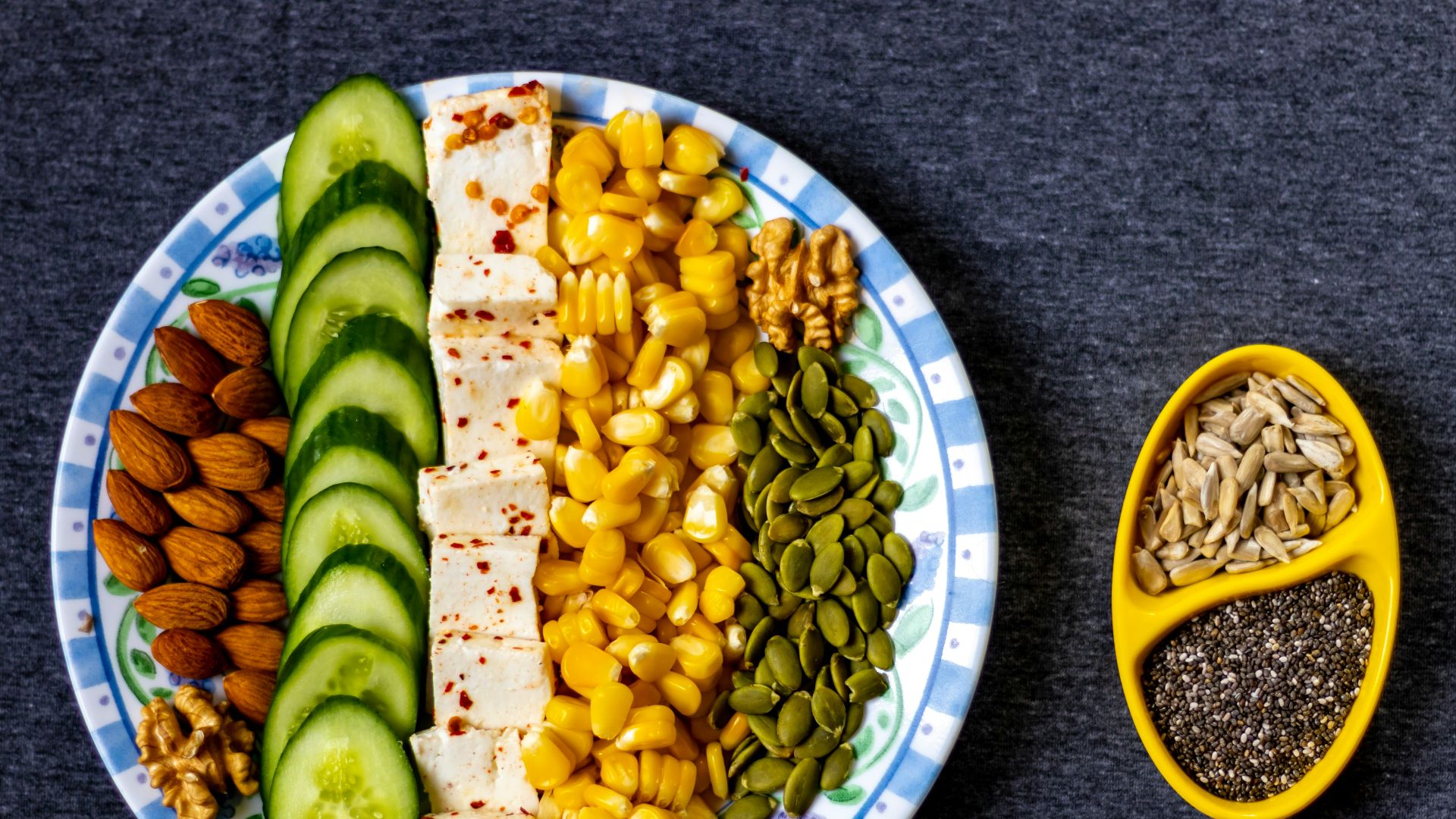
People naturally eat what's convenient and easy to grab, especially during busy afternoons. Leaving fruit, nuts, yogurt, or cut vegetables within easy reach makes healthier choices more automatic.
5. Drink Water Before Meals
Mild dehydration is sometimes mistaken for hunger, which can lead to unnecessary snacking throughout the day. Drinking water before meals may also help some people feel satisfied sooner while eating.

6. Build Meals Around Fiber
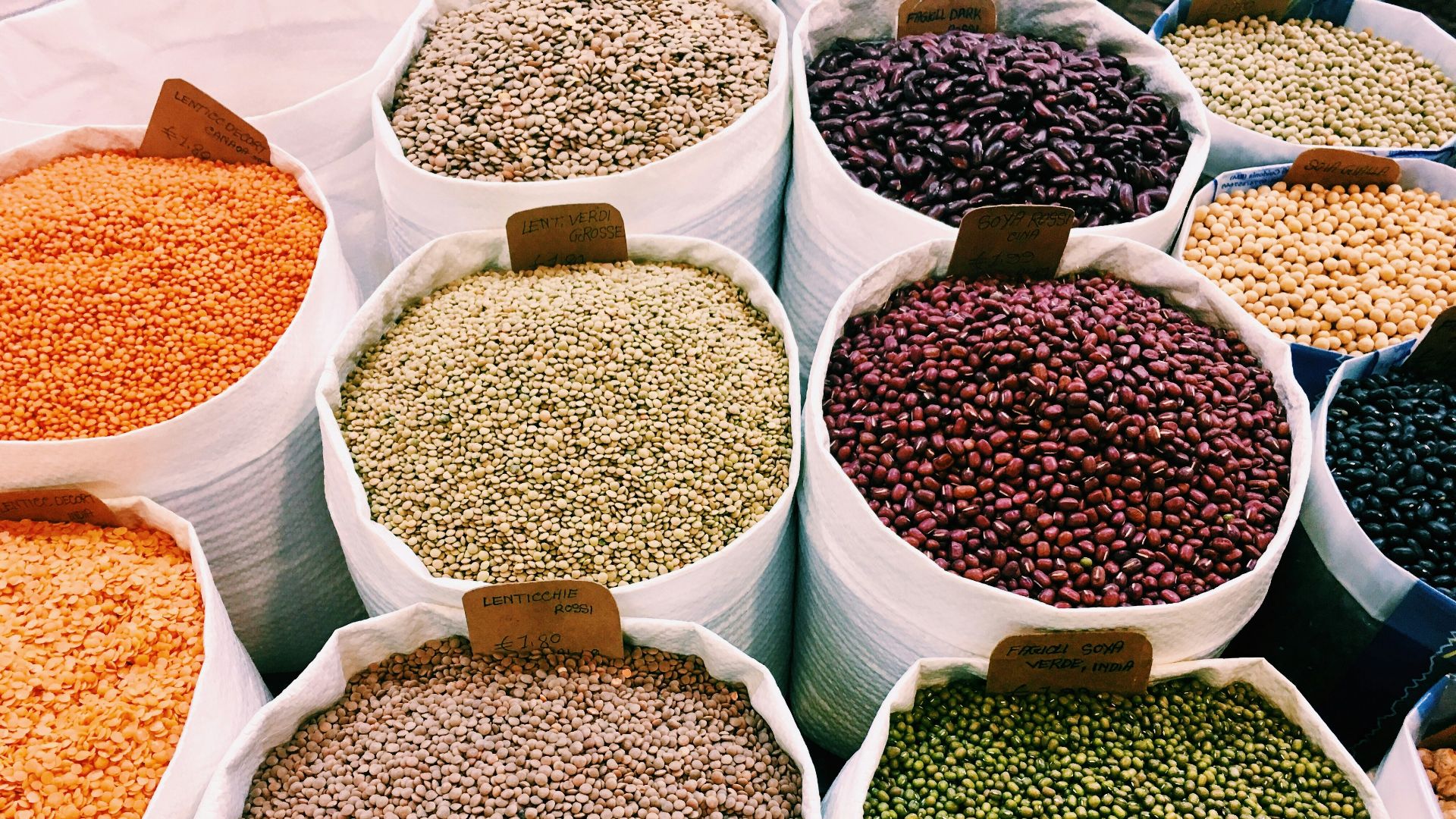
Fiber-rich foods digest more slowly and help meals feel filling for longer periods of time. Vegetables, beans, oats, berries, and whole grains all contribute to better satiety without requiring strict portion tracking. Higher-fiber meals also tend to support steadier blood sugar levels throughout the day.
7. Stop Treating Foods as Forbidden
Completely banning favorite foods often increases cravings and makes overeating more likely later. Allowing occasional desserts or snacks in reasonable amounts creates a healthier long-term relationship with eating.
8. Use Smaller Serving Dishes
Plate size can subtly influence how much food people eat during meals. Larger bowls and plates often encourage bigger portions even when hunger levels haven't changed. Using slightly smaller dishes can help create more balanced portions without making meals feel noticeably smaller.
9. Cook More Meals at Home
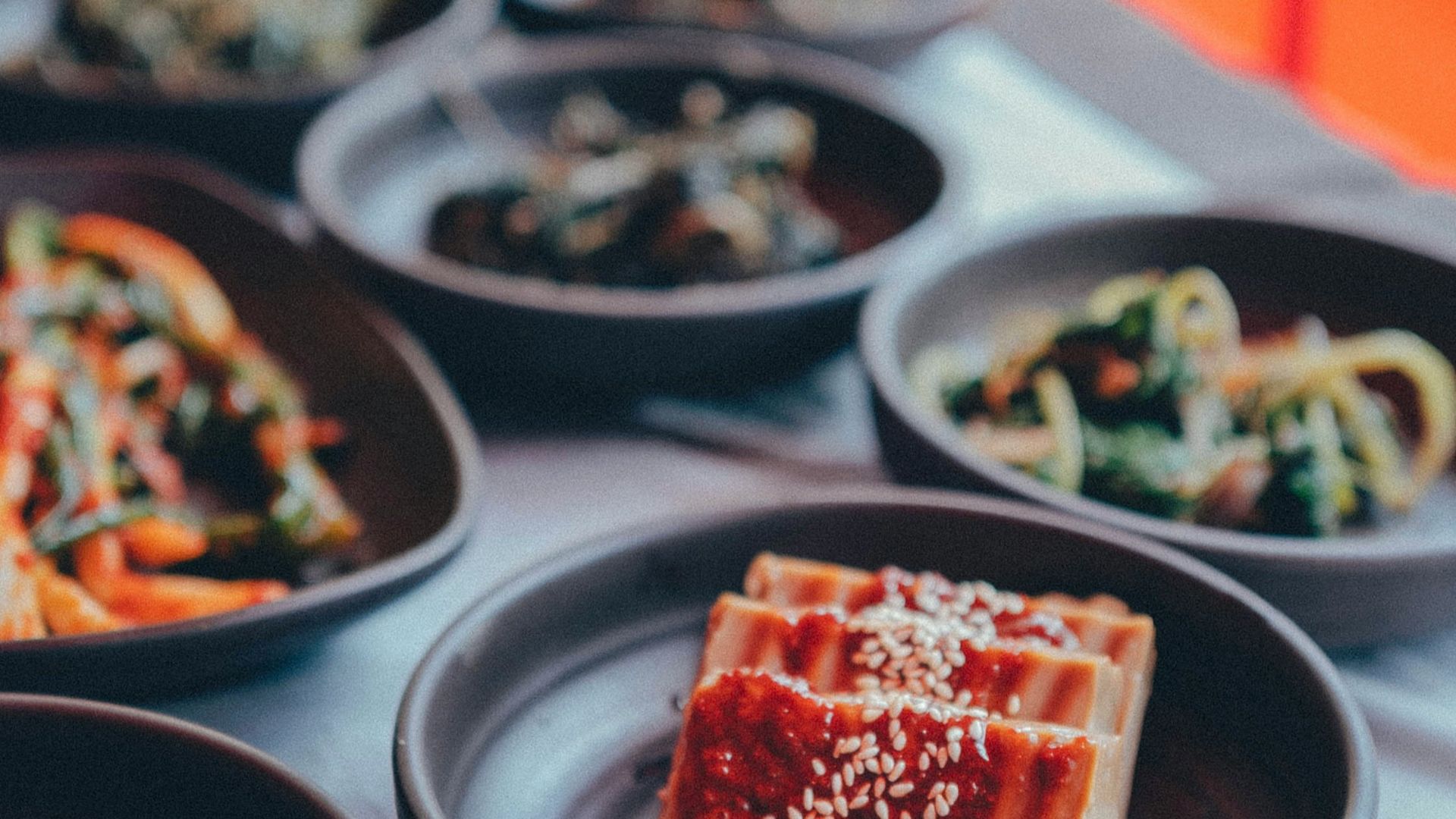
Restaurant meals frequently contain larger portions, extra oils, and hidden sugars that are easy to underestimate. Cooking at home gives you more control over ingredients, preparation methods, and serving sizes.

10. Add Vegetables To Every Plate
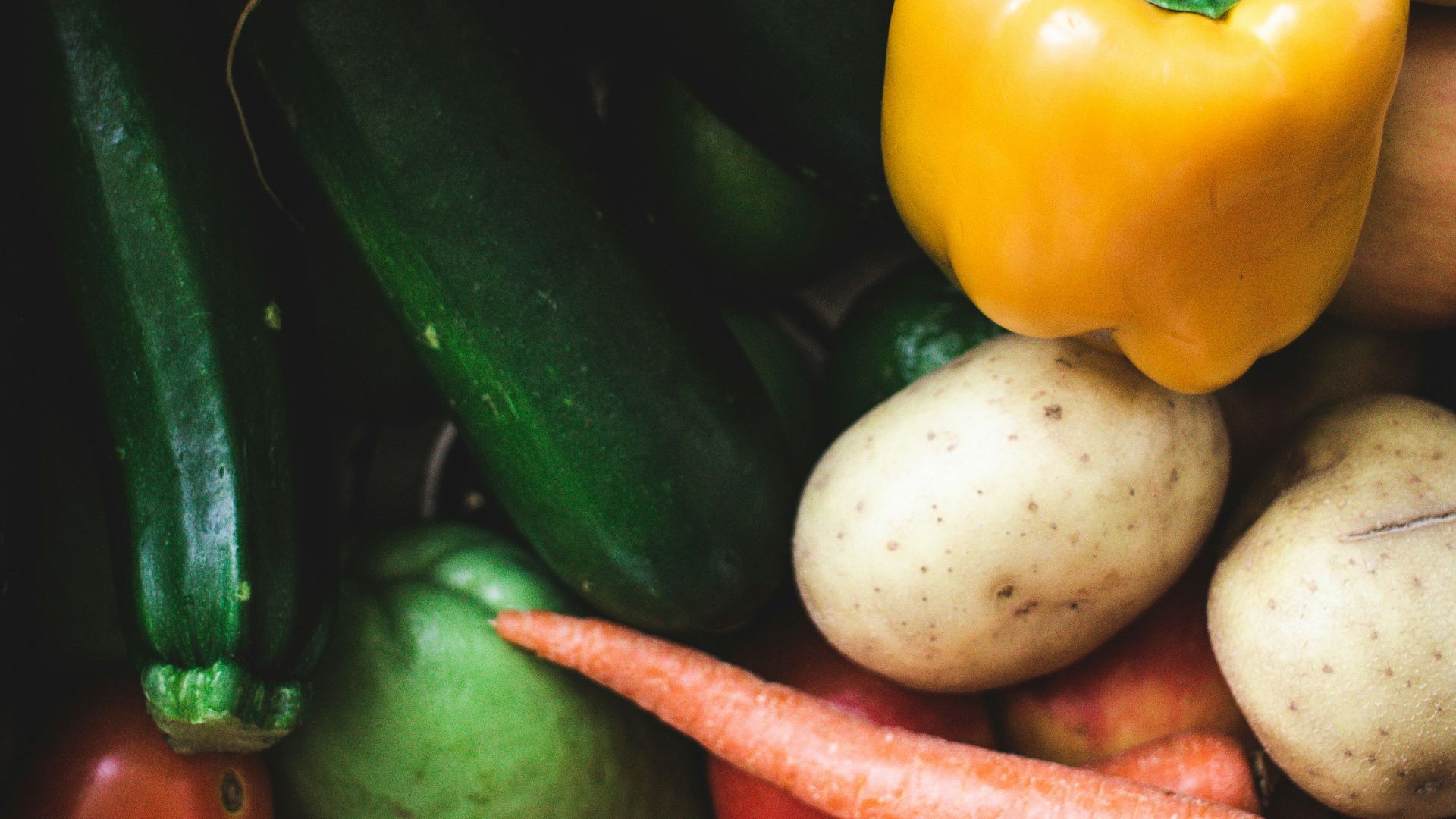
Healthy eating feels less restrictive when you focus on adding nourishing foods instead of constantly eliminating things. Filling half your plate with vegetables naturally leaves less room for heavily processed options while still keeping meals satisfying.
11. Avoid Eating Directly From Packages
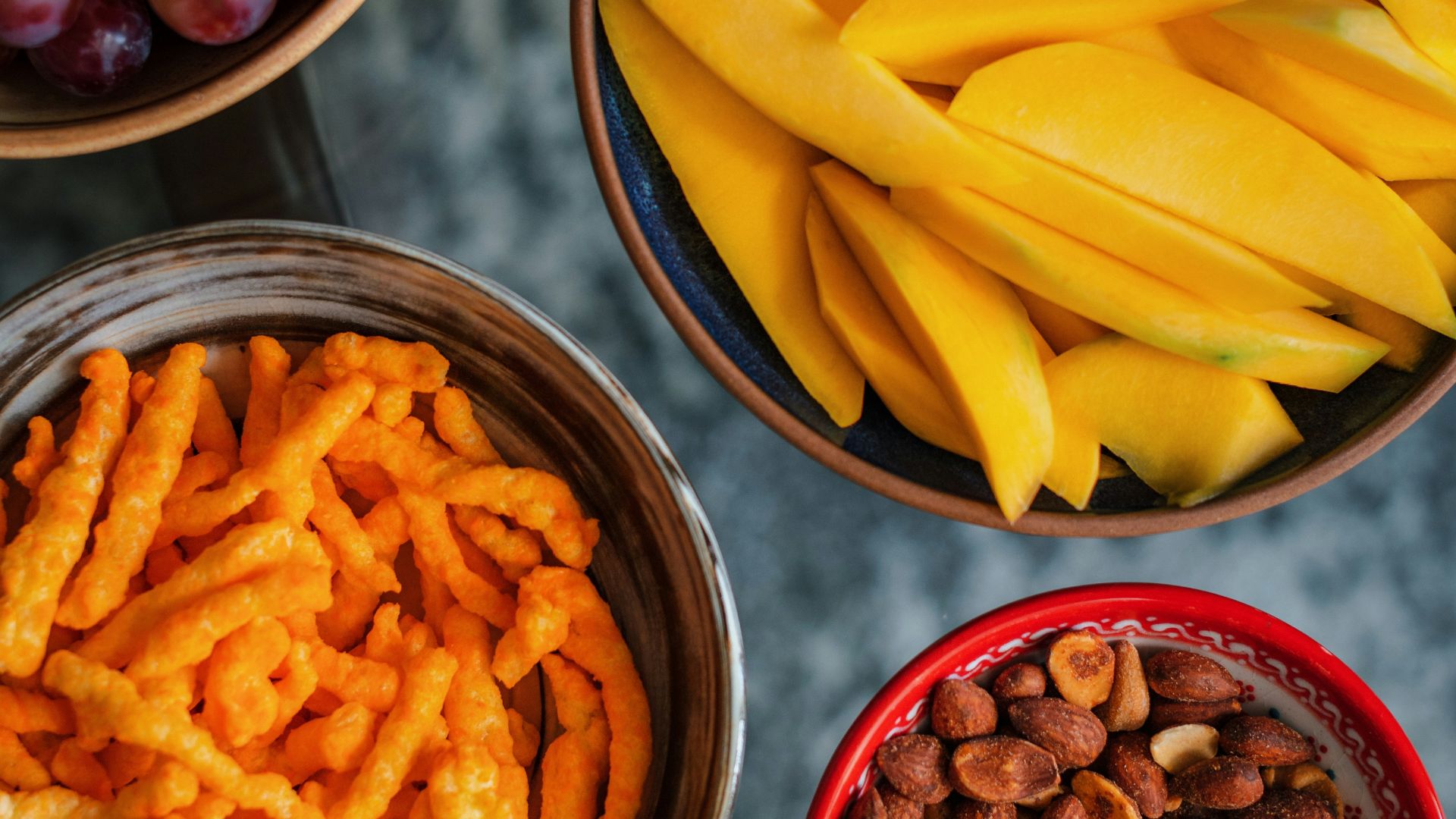
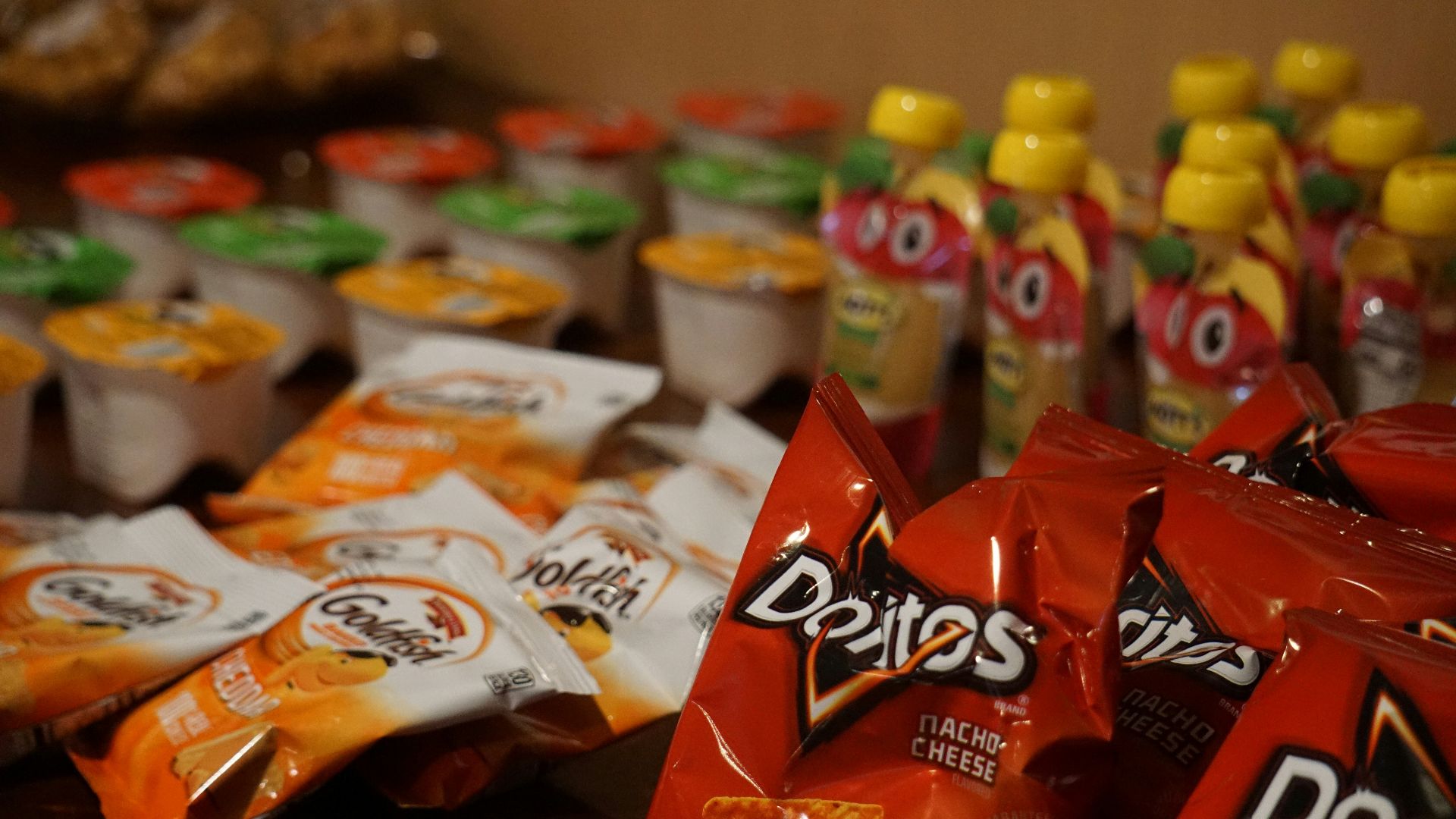
It's much harder to recognize portion sizes when you're eating from large bags or containers. Pouring snacks into a bowl or onto a plate creates a clearer stopping point and encourages more mindful eating. People often consume far more than intended when distracted by screens or multitasking at the same time.

12. Include Strength Training
Strength training supports muscle maintenance, which plays an important role in long-term metabolism and overall health. Building muscle can also improve physical function, energy levels, and body composition over time.

13. Limit Liquid Calories
Sugary coffee drinks, soda, sweetened tea, and alcohol can add large amounts of calories without providing much fullness. Many beverages are consumed quickly and don't satisfy the appetite the way solid foods usually do. Choosing water, sparkling water, or unsweetened drinks more often can reduce excess intake naturally.
 Dimas Rizki Pratama on Unsplash
14. Keep a Consistent Meal Schedule
Skipping meals sometimes leads to excessive hunger later in the day, which can encourage overeating. Eating at fairly regular times helps many people maintain steadier energy and appetite levels. Consistency also makes it easier to recognize genuine hunger instead of eating purely out of habit or boredom.
 Farhad Ibrahimzade on Unsplash
15. Reduce Distractions During Meals
Watching television or scrolling through your phone while eating can make it harder to notice fullness cues. Distracted eating often leads people to consume more food without realizing it until afterward.

16. Choose Foods With More Volume
Meals that contain vegetables, broth-based soups, salads, or fruit often feel filling because they take up more space physically. High-volume foods usually provide more satisfaction without needing extremely large amounts of calories.
17. Manage Stress More Effectively
Stress can influence eating habits by increasing cravings for highly processed comfort foods. Chronic stress may also affect sleep quality and energy levels, which can indirectly impact appetite regulation.

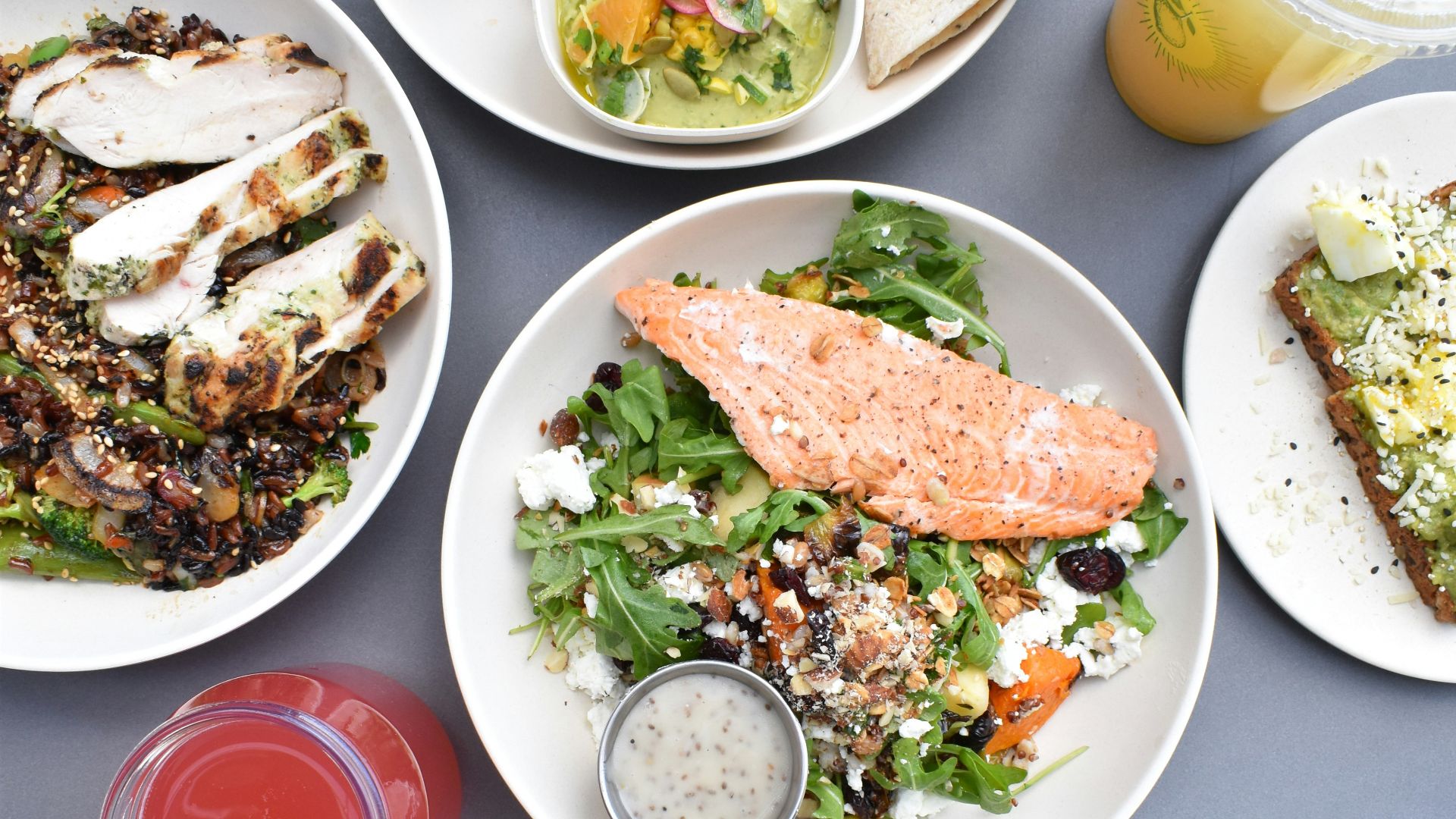
18. Keep Protein in Every Meal
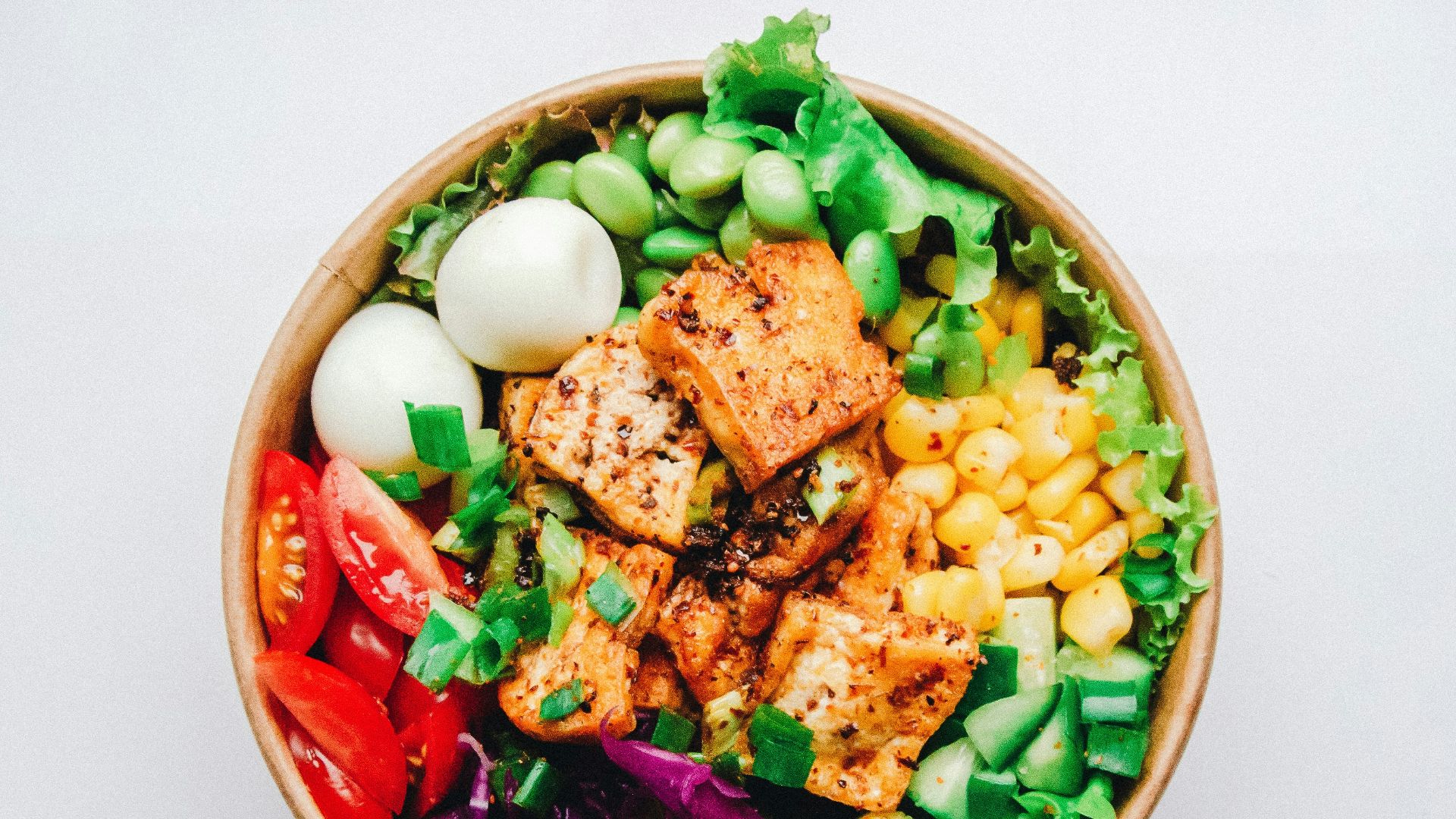
Protein helps support fullness and can reduce the urge to snack constantly between meals. Chicken, fish, beans, tofu, eggs, and yogurt all provide satisfying options that work in different eating styles.
19. Don’t Shop While Hungry
Shopping on an empty stomach tends to increase impulse purchases, especially for highly processed snacks and convenience foods. People are more likely to buy larger quantities and less balanced options when they're overly hungry in the store.

20. Focus on Long-Term Habits
Sustainable weight management usually comes from routines you can realistically maintain for years instead of weeks. Small habits practiced consistently often matter more than short periods of extreme dieting.

KEEP ON READING



20 Natural Ways You Can Boost Your Immune System

20 Ways To De-stress & Relax After Work

The 10 Most Common Diseases & The 10 Most Rare