
When Self-Care Backfires
Doing acts of self-care is important for everyone, but they’re not the be-all, end-all to problem resolution. A lot of habits do help, especially the basics: sleep, food, movement, clean laundry, and a text back to someone who cares. Other habits feel soothing for an hour and then leave you more tired, more avoidant, or more alone. That’s usually where things get messy, because comfort can be useful, and still become a problem when it’s the only tool you use. These “self-care” habits can make people feel worse when they’re overdone, misunderstood, or used to avoid what’s really going on.
 Antoni Shkraba Studio on Pexels
1. Avoidance Rest
Rest can be the right call after a brutal workweek or a night of bad sleep. It gets harder to defend when it means ignoring rent, skipping the dentist again, or leaving every unread email for Monday morning. A break should give you a little more capacity, not make your life harder to face later.

2. Chaotic Sleep
Staying up late on Friday and sleeping in on Saturday won’t ruin your life. Still, a sleep schedule that changes wildly from night to night can make waking up more difficult, and moods harder to manage. Most people do better when bedtime and wake-up time have an idea of a routine.

3. Bed Rotting
A full day in bed can feel necessary when you’re sad, sick, or completely spent. The problem is when bed becomes the place for scrolling, eating, avoiding messages, and waiting for motivation to show up. Too much time there can make you feel more disconnected from the day.

4. Scroll Time
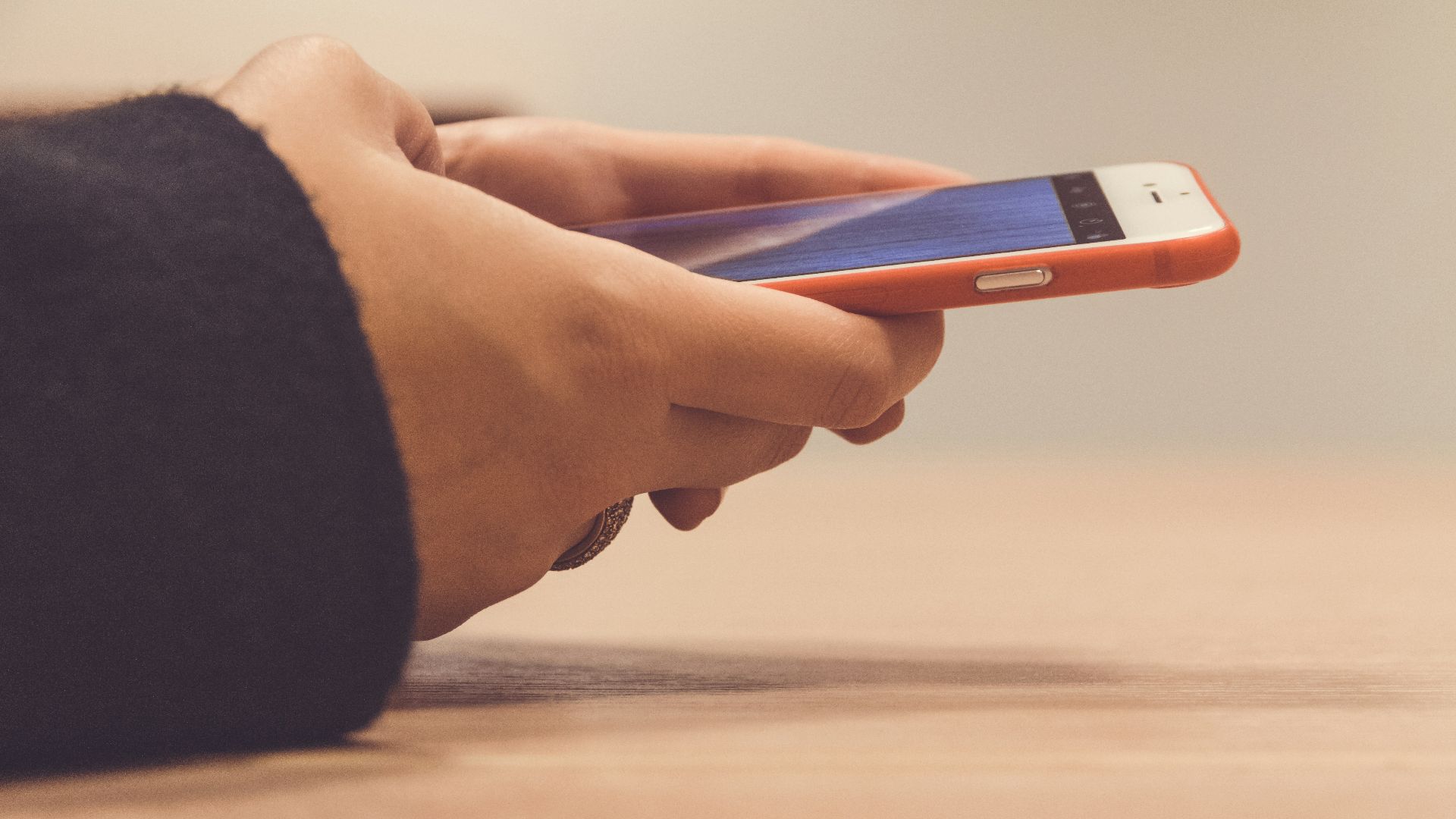
Calling scrolling “me time” is completely understandable after a long day. After an hour on TikTok, Instagram, or Reddit, though, your mood may not feel any lighter. It can leave you comparing your apartment, body, job, relationship, or feeling a little left out, socially speaking.
5. Retail Therapy
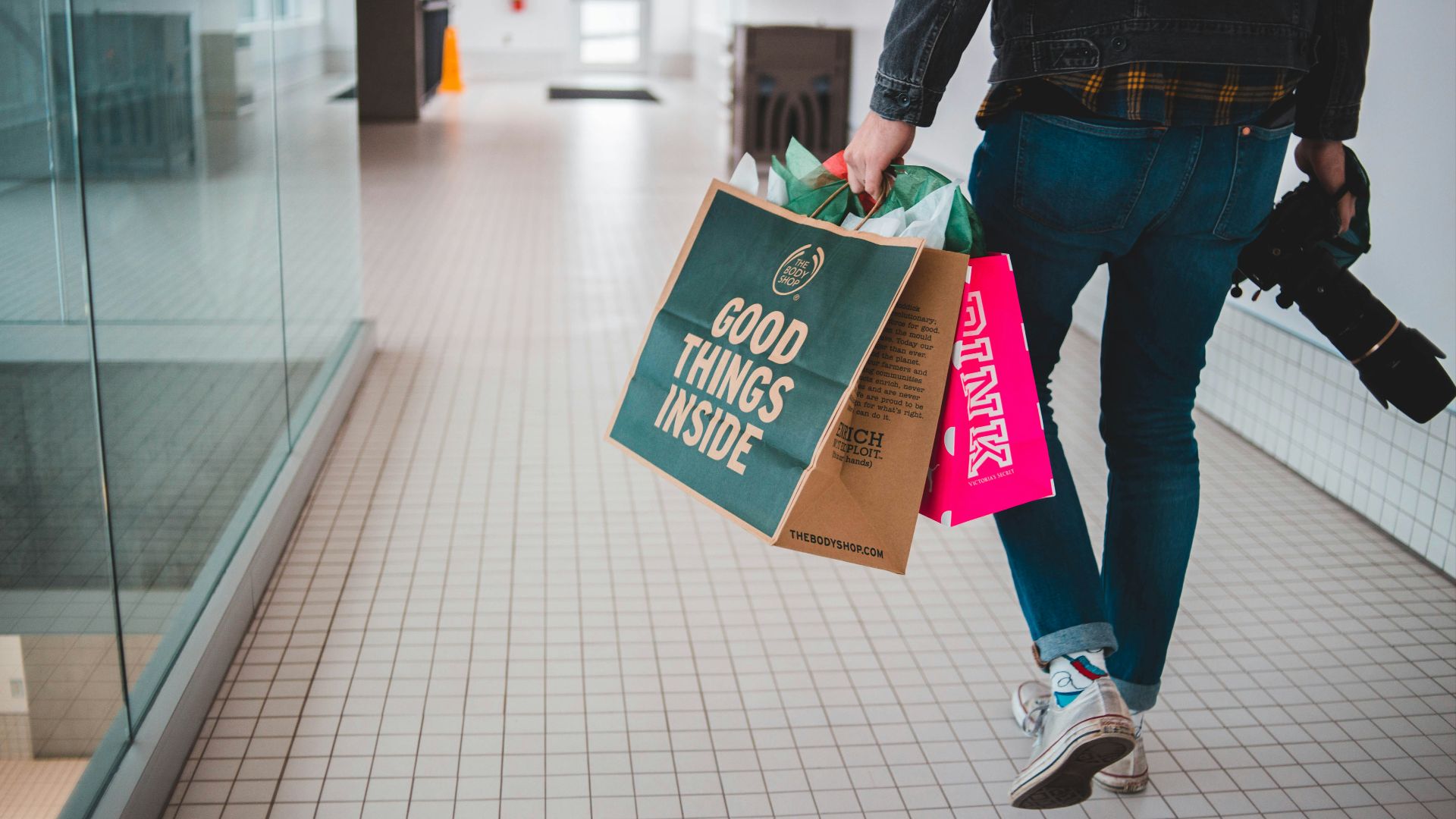
Buying a sweater, a fancy coffee, or a little Target cart full of nice-smelling things can give your day a quick lift. That lift may fade fast if the real issue is stress, loneliness, or feeling out of control. The purchase can still be fun, but it won’t do the harder work for you.
6. Pamper Overload
A bath, a face mask, and clean sheets can make anybody feel better for a couple of hours. Sadly, they don’t fix an overbearing workload, a friendship that’s draining you, or a tightly-packed schedule. Comfort helps more when it’s paired with efficient, long-term changes.

7. Constant No’s
Saying no is healthy when you’re protecting your time, money, or energy. Saying no to every coffee, birthday dinner, phone call, and quick walk around the block can shrink your world down to nothing. Boundaries should make life more manageable, not leave you stranded in your own apartment.

8. Plan Canceling
Canceling plans once in a while is normal, especially when you’re sick, wiped out, or need a quiet night. Canceling every time you feel a little anxious can train your life around avoidance. Over time, people may stop asking, which can hurt even more.
9. Passive Manifesting
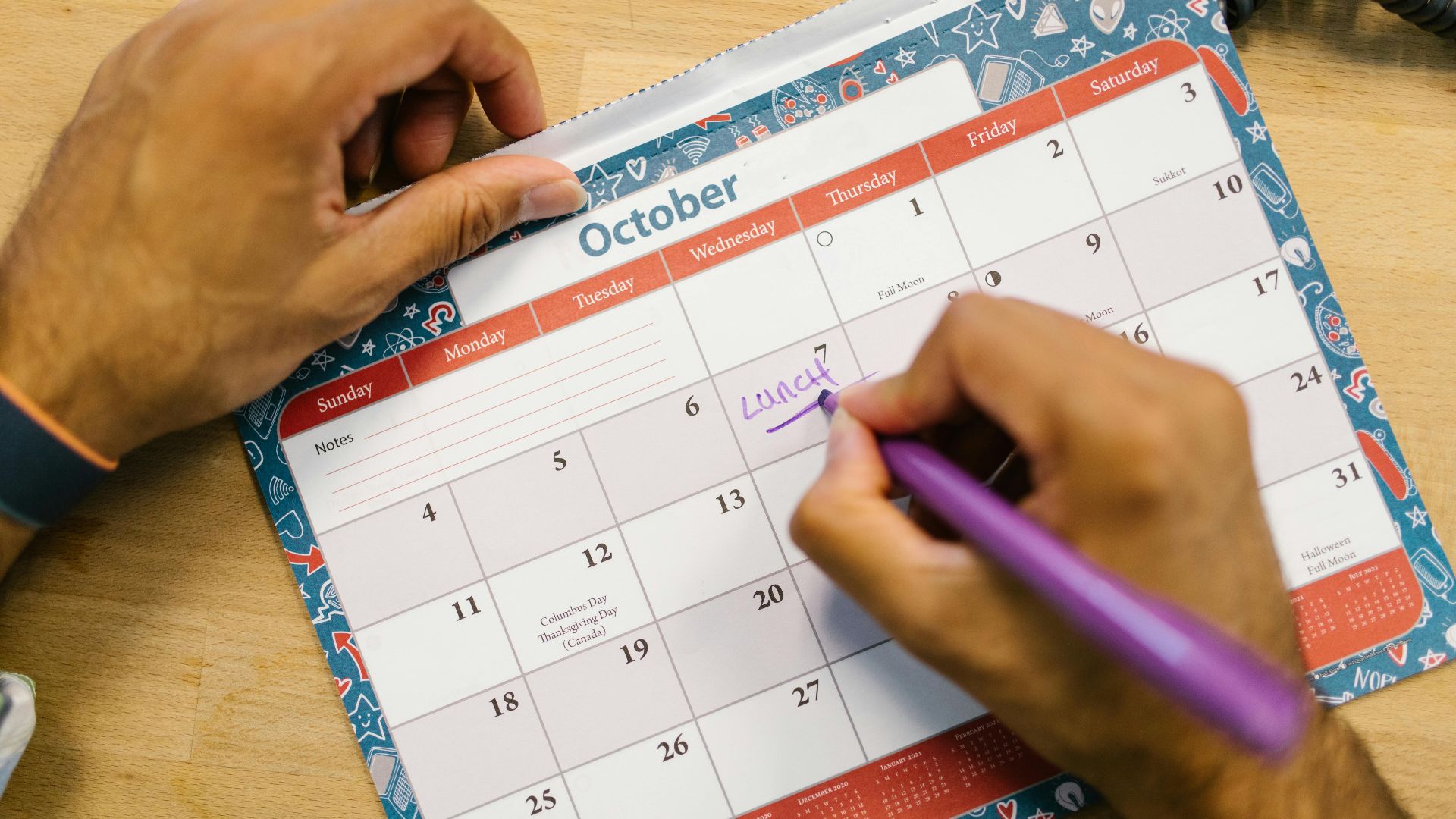
A little positive thinking can help you picture what you really want in life. It stops helping when it replaces sending the email, making the appointment, applying for a job, or having an awkward conversation.
10. Healing Everything
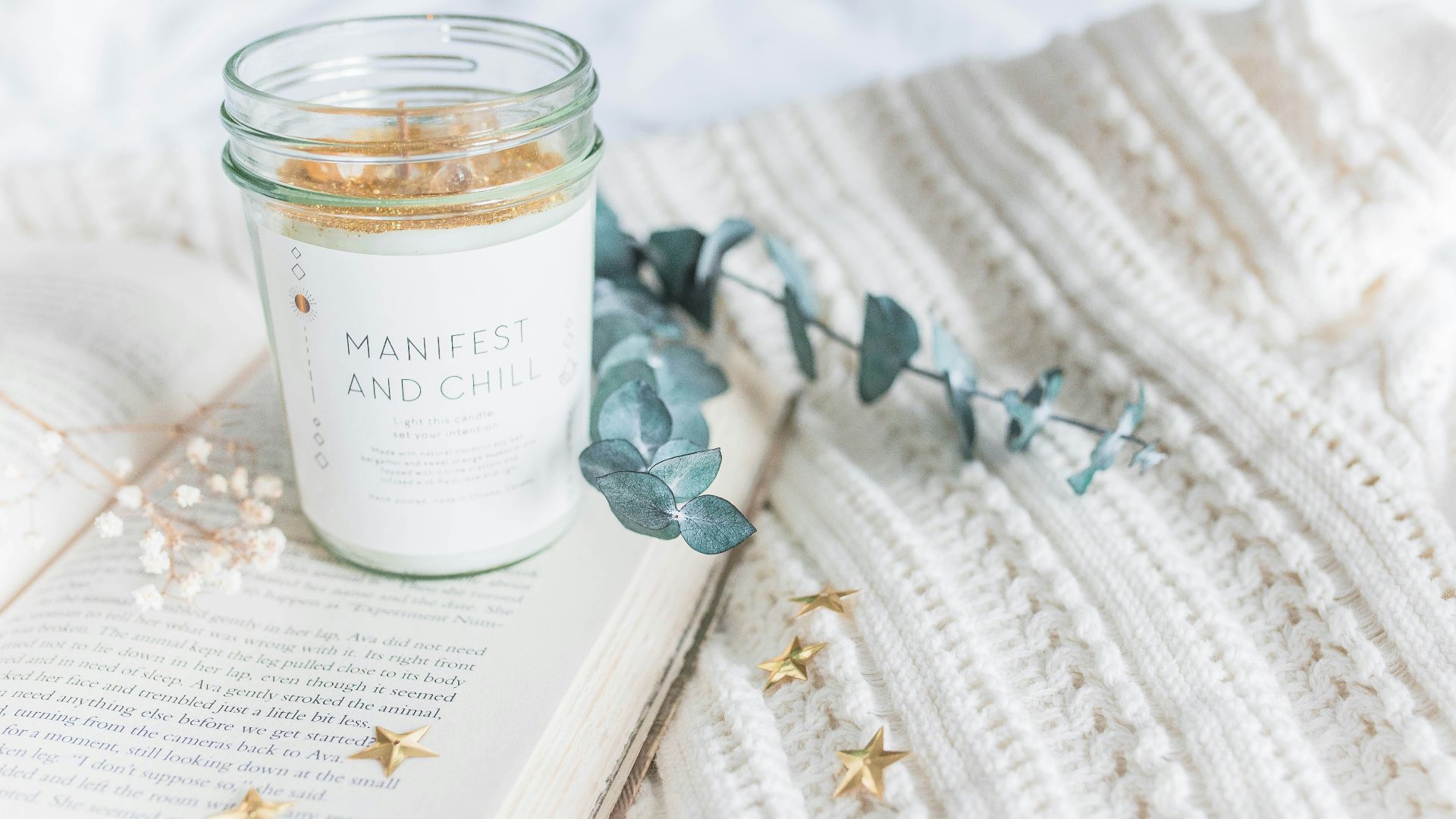
Some feelings deserve care, time, and maybe professional support. Others are part of a regular hard day: embarrassment after a clumsy comment, disappointment over a canceled date, nerves before a presentation. Turning every uncomfortable feeling into a major healing project can keep you stuck on the feeling longer than necessary.
11. Numbing Out
Substance use can feel like a shortcut to quiet after a stressful day. That said, using substances as the main way to cope can interfere with sleep, motivation, mood, and follow-through for some people. If relaxing tonight keeps making tomorrow harder, that pattern deserves attention.

12. Hack Chasing
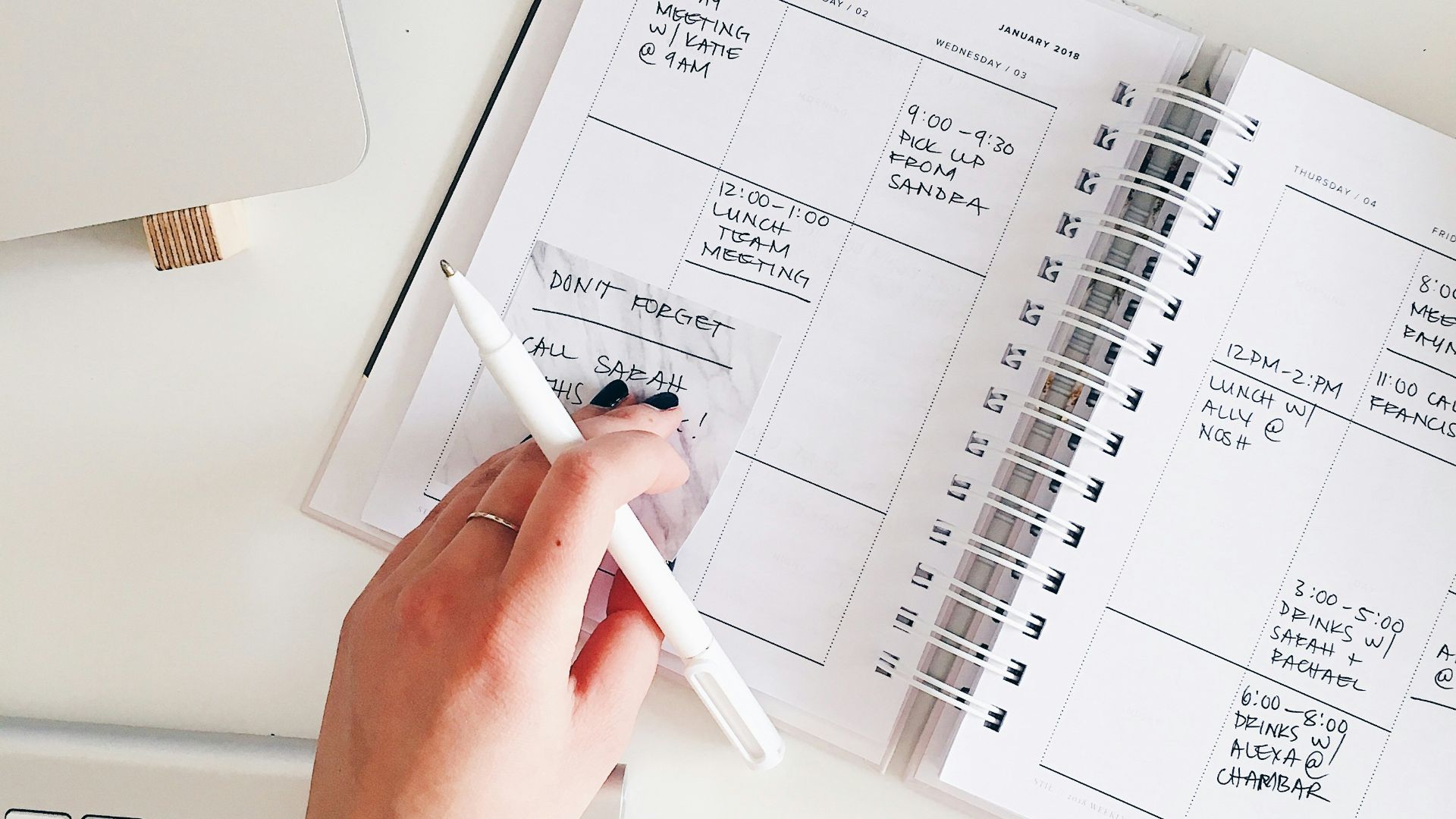
A planner, app, or morning routine can help when your days feel scattered. Constantly changing systems can become their own kind of stress, especially when you spend more time setting up the routine than living inside it.
13. Exhausted Workouts
Movement can help your mood, clear your head, and make your body feel less stuck. A hard workout after four hours of sleep, a skipped lunch, and a rough day may leave you feeling worse. Some days call for a walk, a stretch, or an early bedtime instead of another intense class.

14. Too Much Stillness
Being gentle with yourself doesn’t always mean doing nothing. If you’ve been sitting all day, even a slow walk to the corner store or a few minutes outside can help you feel more present. Total stillness can feel comforting at first, but it makes it harder to get moving again.

15. Food Rules
Wanting to eat in a way that supports your body is reasonable. The trouble is when you start judging yourself for every choice. Food rules can take up a lot of mental space, especially when lunch starts feeling like something you have to pass.

16. Supplement Stacking
A cabinet full of powders, gummies, drops, and capsules might help you feel more in control, but more products don’t automatically mean better health. Supplements can cause side effects or interact with medications, so you’re better off doing your research beforehand.
17. Rumination Journaling
Journaling can help you name what you’re feeling and notice patterns you’d miss otherwise. Writing the same worries every night can also keep you circling them, especially if nothing new comes from it. Reflection should help you move forward, even a little.

18. Advice Binging
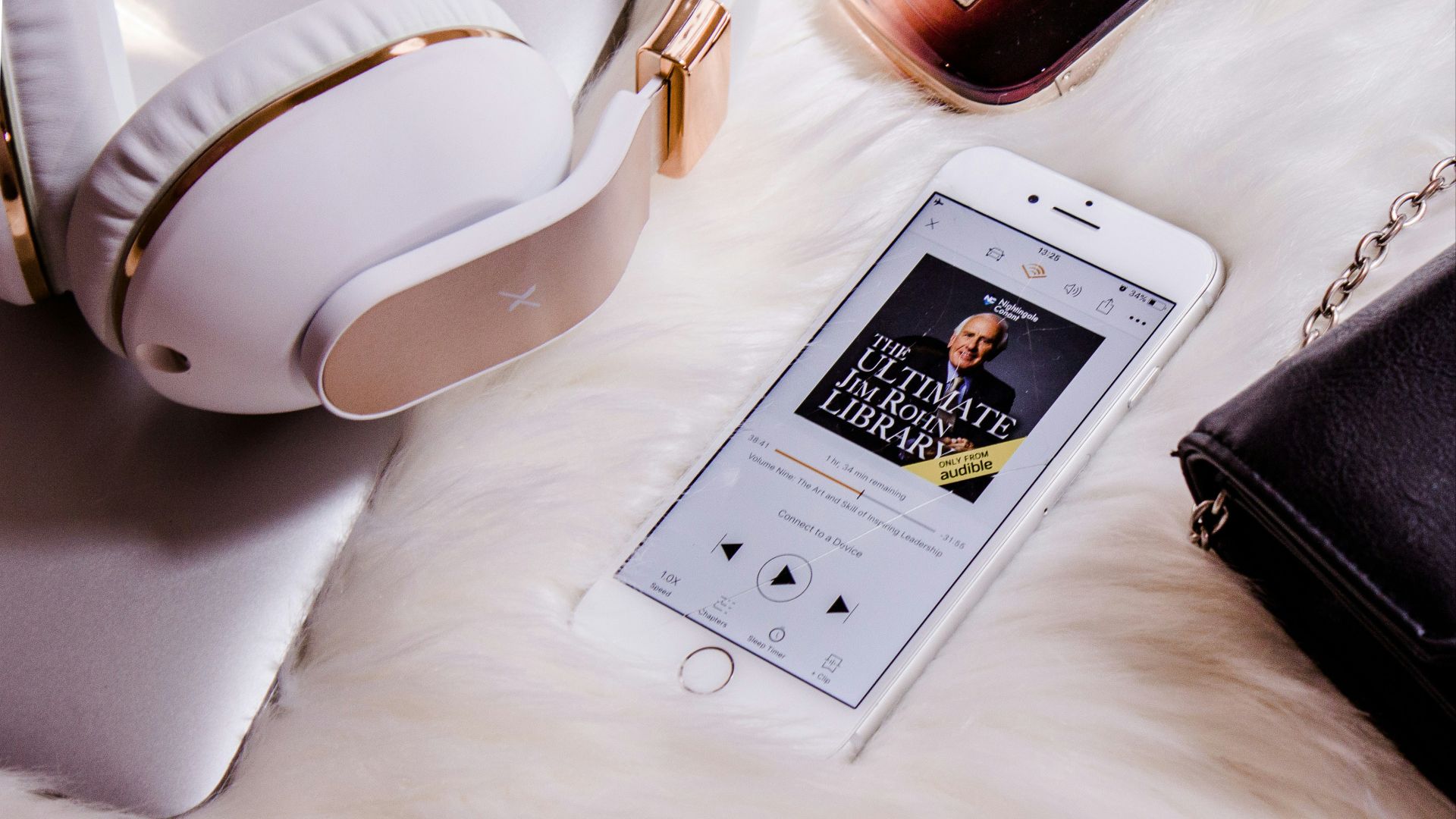
Self-help podcasts, newsletters, and books can be useful when they give you language for something you’ve been carrying around. They can also become a way to feel productive without making a real change. At some point, another episode won’t help as much as sending the text, booking the appointment, or going outside.
19. Forced Solitude
Alone time can feel lovely when you’ve chosen to have that time. It can feel different when you’re lonely, overwhelmed, or waiting for someone to notice you’ve gone quiet. Self-care can mean letting someone in, even if the message is as plain as “Can we talk later?”

20. Fake Self-Care
Some coping habits feel good for 20 minutes and still leave you worse afterward. Real self-care usually helps you feel more rested, more connected, more capable, or more honest with yourself. If a habit mainly helps you avoid, numb out, or disappear from your own life for a while, it may need a closer look.

KEEP ON READING


20 Natural Ways You Can Boost Your Immune System
20 Ways To De-stress & Relax After Work

The 10 Most Common Diseases & The 10 Most Rare