Color Away
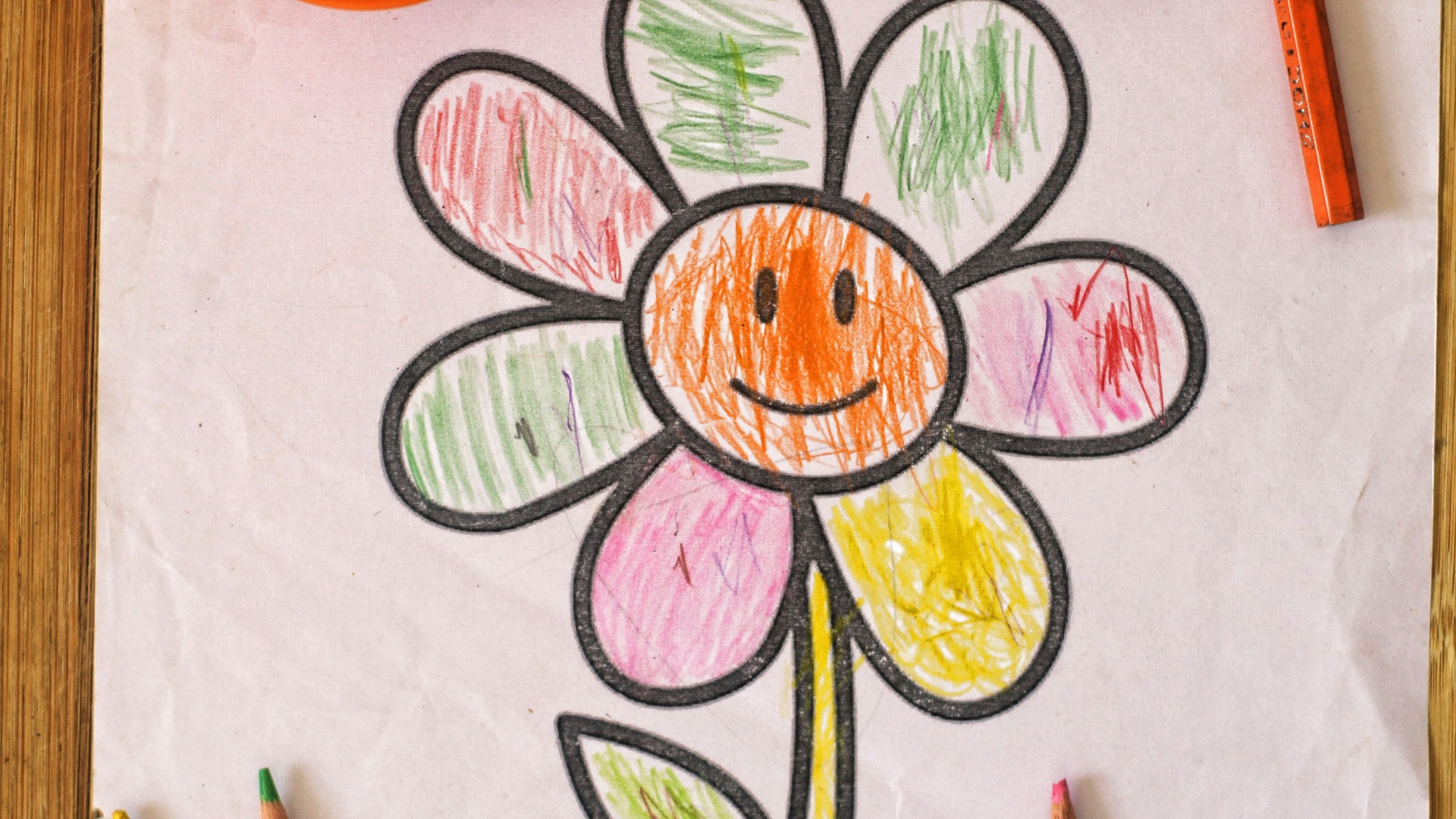
If you've ever picked up a coloring book as an adult, you already know there's something undeniably satisfying about filling in a page with your favorite colors. What you might not realize is that this simple, low-cost hobby comes with a surprisingly long list of health benefits that go well beyond just passing the time. From calming your nervous system to sharpening your focus, coloring has earned its place as a legitimate wellness tool, and the research and expert endorsements to back it up are growing. Whether you're brand new to the hobby or a longtime enthusiast, here are 20 ways coloring books can give your health and happiness a real boost.
1. It Reduces Stress Almost Immediately
When you sit down to color, your brain shifts its attention away from whatever's been weighing on you and toward the task at hand, which has an almost instant calming effect. Studies have found that coloring can lower cortisol levels, the hormone most closely associated with stress, making it a practical tool for winding down after a hectic day. You don't need a full hour to feel the difference; even 20 minutes with a coloring book can leave you feeling noticeably more settled.
2. It Helps Ease Anxiety
Coloring engages the parts of your brain responsible for focus and fine motor control, which helps quiet the mental chatter that anxiety tends to feed on. The repetitive, predictable nature of filling in shapes gives your mind something concrete to hold onto, which can be grounding when anxious thoughts start to spiral. Many therapists now recommend coloring as a low-barrier coping strategy that anyone can try without prior experience or special equipment.
3. It Promotes Mindfulness
Mindfulness is all about staying present in the moment, and coloring makes that surprisingly easy to achieve. When you're deciding which color to use next or carefully staying within the lines, you're fully engaged with what's in front of you rather than mentally running through your to-do list. It's one of the most accessible entry points into a mindfulness practice, especially for people who struggle to sit still and meditate.
4. It Gives Your Brain a Rest
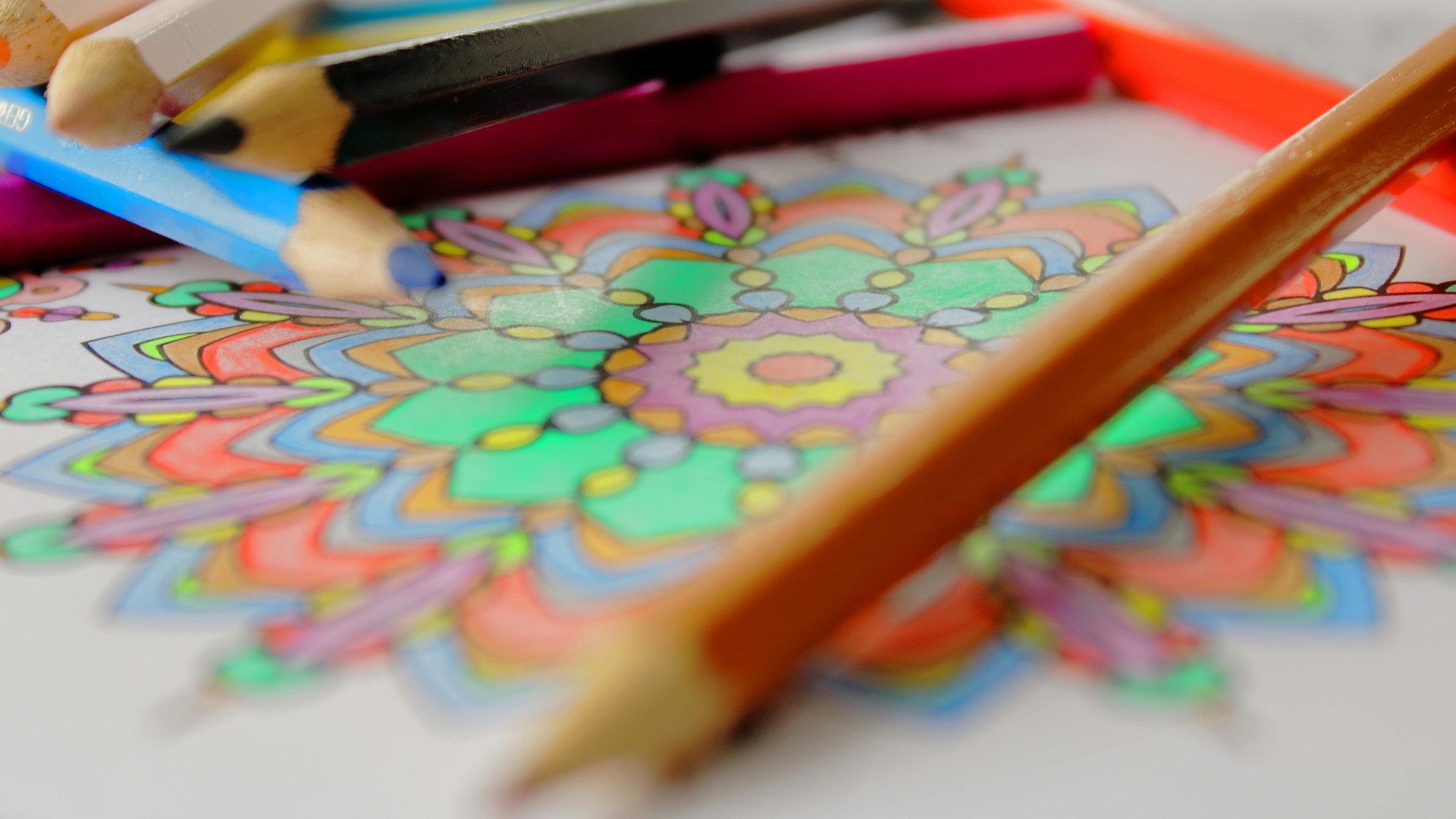
Your brain is constantly processing information, solving problems, and making decisions throughout the day, and it needs downtime to recover. Coloring occupies just enough of your mental bandwidth to keep you engaged without taxing your cognitive resources, making it a form of active rest that leaves you feeling refreshed rather than drained. Think of it as the mental equivalent of a light stretch after a long run.
5. It Can Improve Your Sleep Quality
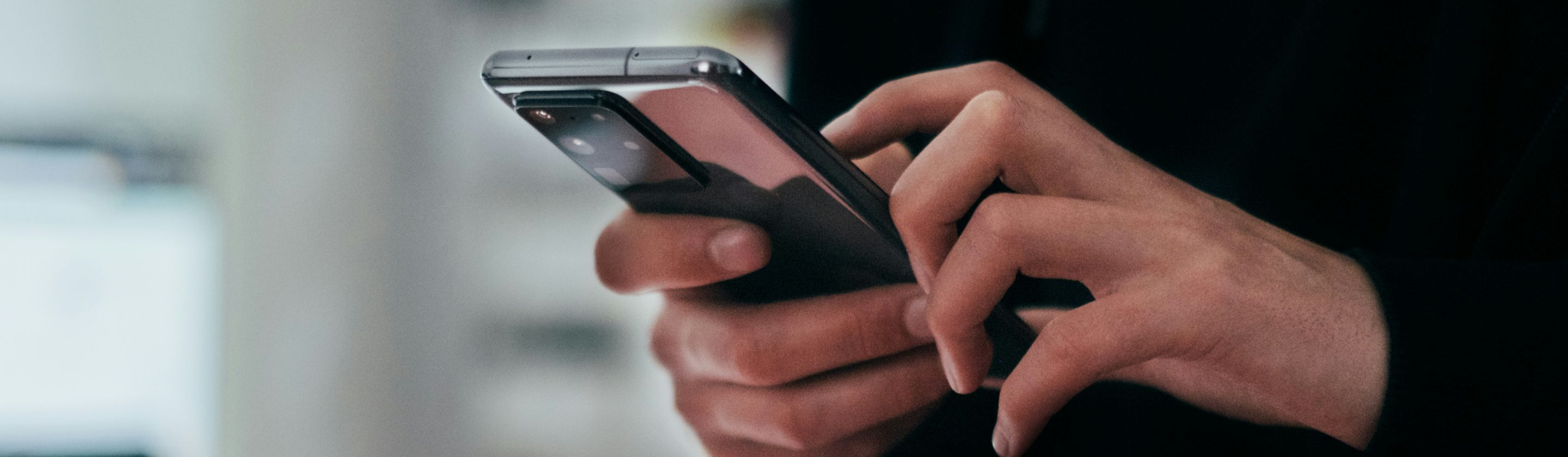
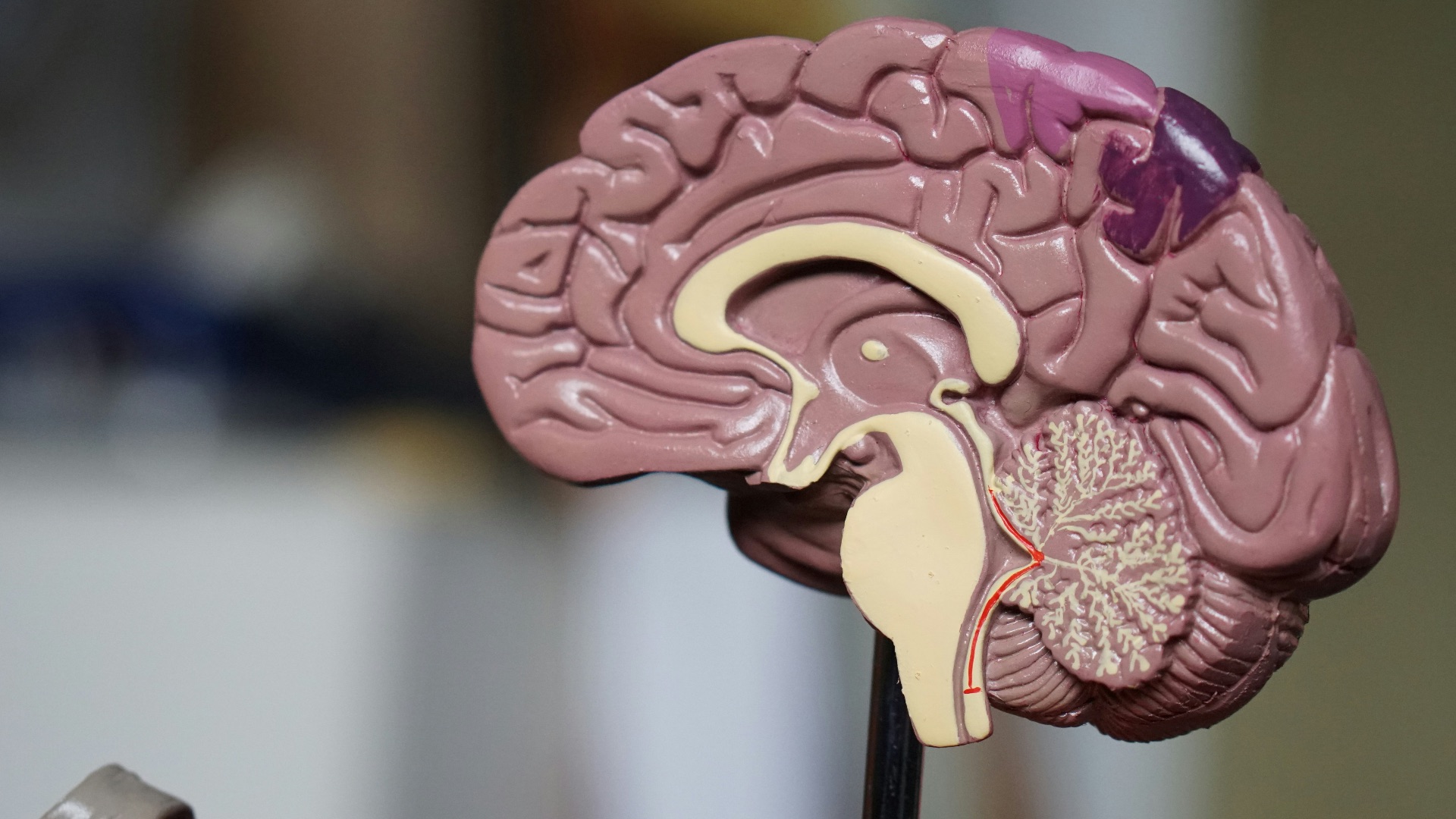
Scrolling through your phone before bed is well-known to interfere with sleep, but swapping that habit for a coloring session can have the opposite effect. The calming, screen-free nature of coloring helps signal to your brain that it's time to wind down, making it easier to fall asleep and stay asleep. Over time, building this into your nightly routine can contribute to more consistent, restorative sleep.

6. It Sharpens Your Focus
Coloring requires a level of sustained attention that isn't demanding but does keep your mind on track, and practicing that regularly can strengthen your ability to concentrate in other areas of your life. Adults who color often report finding it easier to stay on task after making it a consistent habit, which speaks to the transferable nature of the focus it builds. It's a low-pressure way to train your attention in a world that's constantly pulling it in a dozen different directions.
7. It Supports Fine Motor Skills
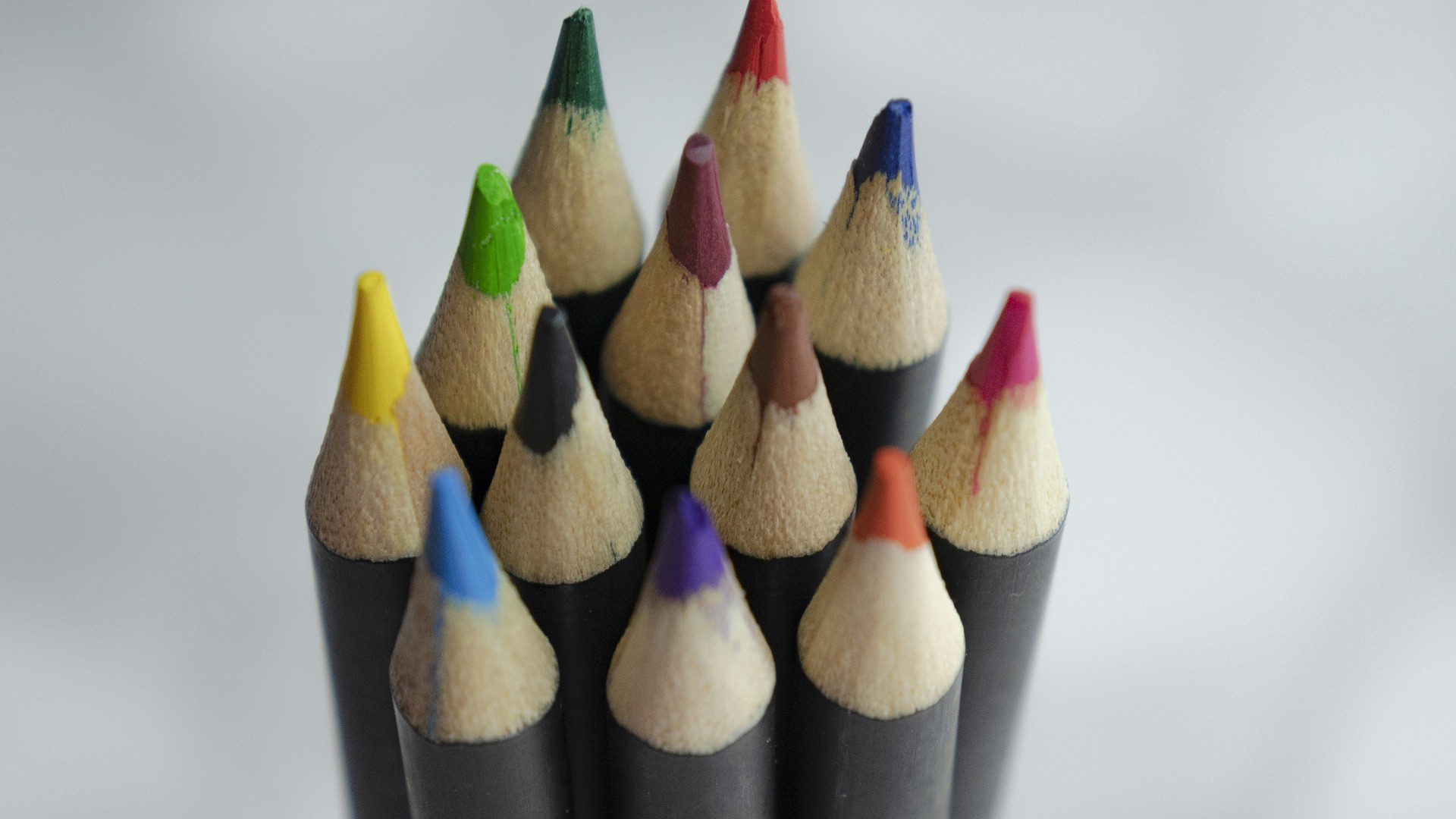
Gripping colored pencils, staying within boundaries, and applying just the right amount of pressure all require a level of hand-eye coordination and dexterity that keeps your fine motor skills sharp. This is particularly valuable as we age, since fine motor function can decline over time if it isn't actively engaged. Occupational therapists have long used coloring as part of recovery programs for patients working to rebuild hand strength and precision.
8. It Stimulates Both Sides of Your Brain
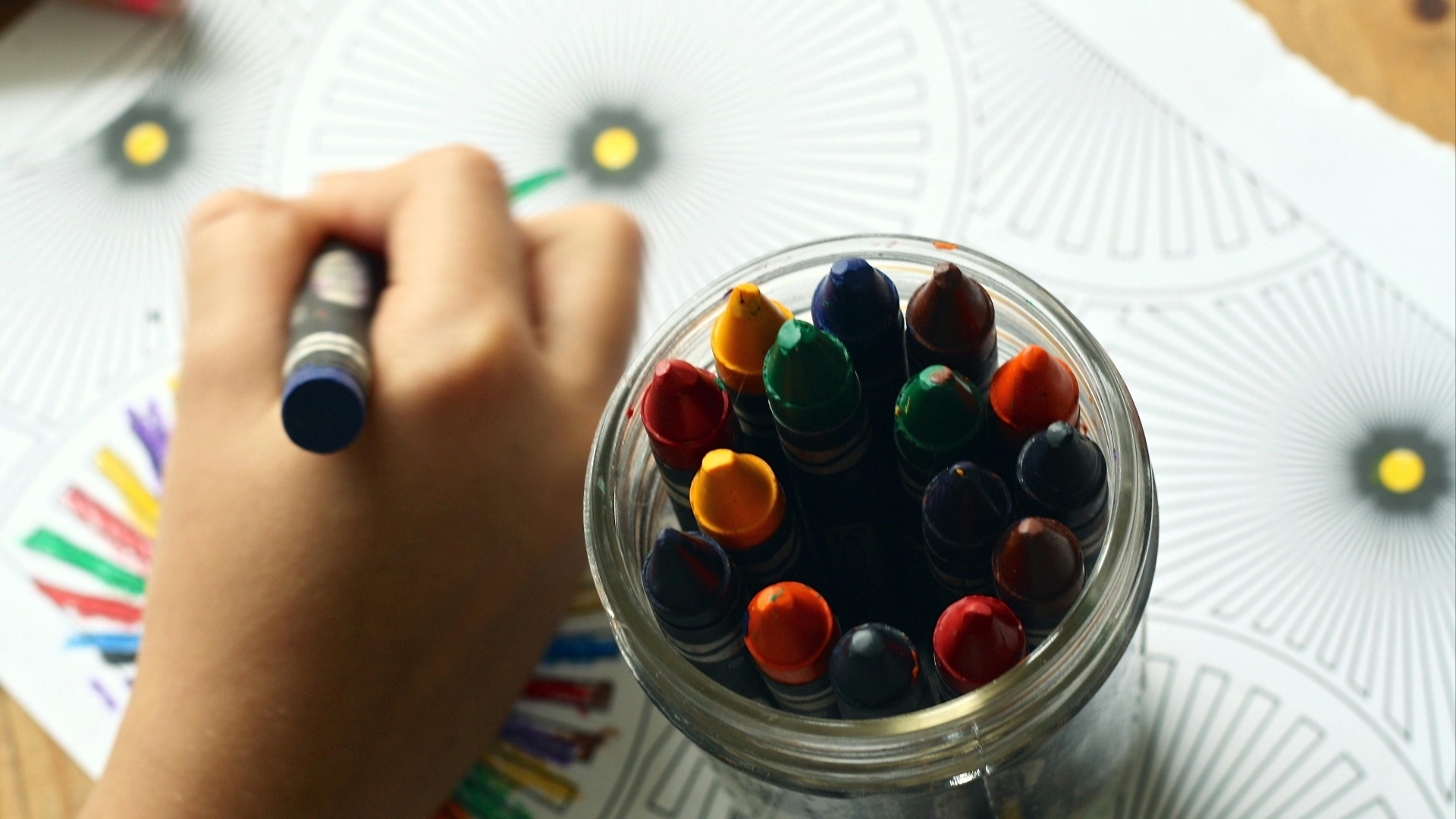
Coloring is one of the few activities that simultaneously engages both hemispheres of the brain; the left side handles the logic of staying within lines and choosing structured patterns, while the right side gets to work on creativity and color selection. This bilateral engagement makes it a genuinely stimulating mental exercise, even though it doesn't feel like one. Regular activities that use both sides of the brain are associated with improved cognitive function and mental agility over time.
9. It Can Help Manage Symptoms of Depression
While coloring isn't a replacement for professional mental health treatment, it can serve as a meaningful supplemental tool for people managing depression. The sense of accomplishment that comes from completing a page, however small, can provide a mood lift and a feeling of productivity on days when motivation is hard to come by. Incorporating a creative outlet like coloring into a broader self-care routine has been shown to support emotional regulation and a more stable mood.
10. It Encourages You to Unplug
Most of us spend the majority of our waking hours staring at screens, and the cumulative effect of that on our mental and physical health is well-documented. Coloring offers a hands-on, tactile alternative that draws you away from devices without making you feel like you're missing out. Carving out even a small portion of your day for a screen-free activity like this can meaningfully reduce digital fatigue and help you feel more present.
11. It Fosters Creativity
You don't have to be an artist to experience the creative satisfaction that coloring provides. Choosing your own color combinations, experimenting with shading, and making each page entirely your own are all small but meaningful acts of creative expression. Over time, those creative muscles get stronger, and many people find that coloring sparks broader artistic curiosity they didn't know they had.
 Public Domain Pictures on Pexels
12. It Can Be a Social Activity
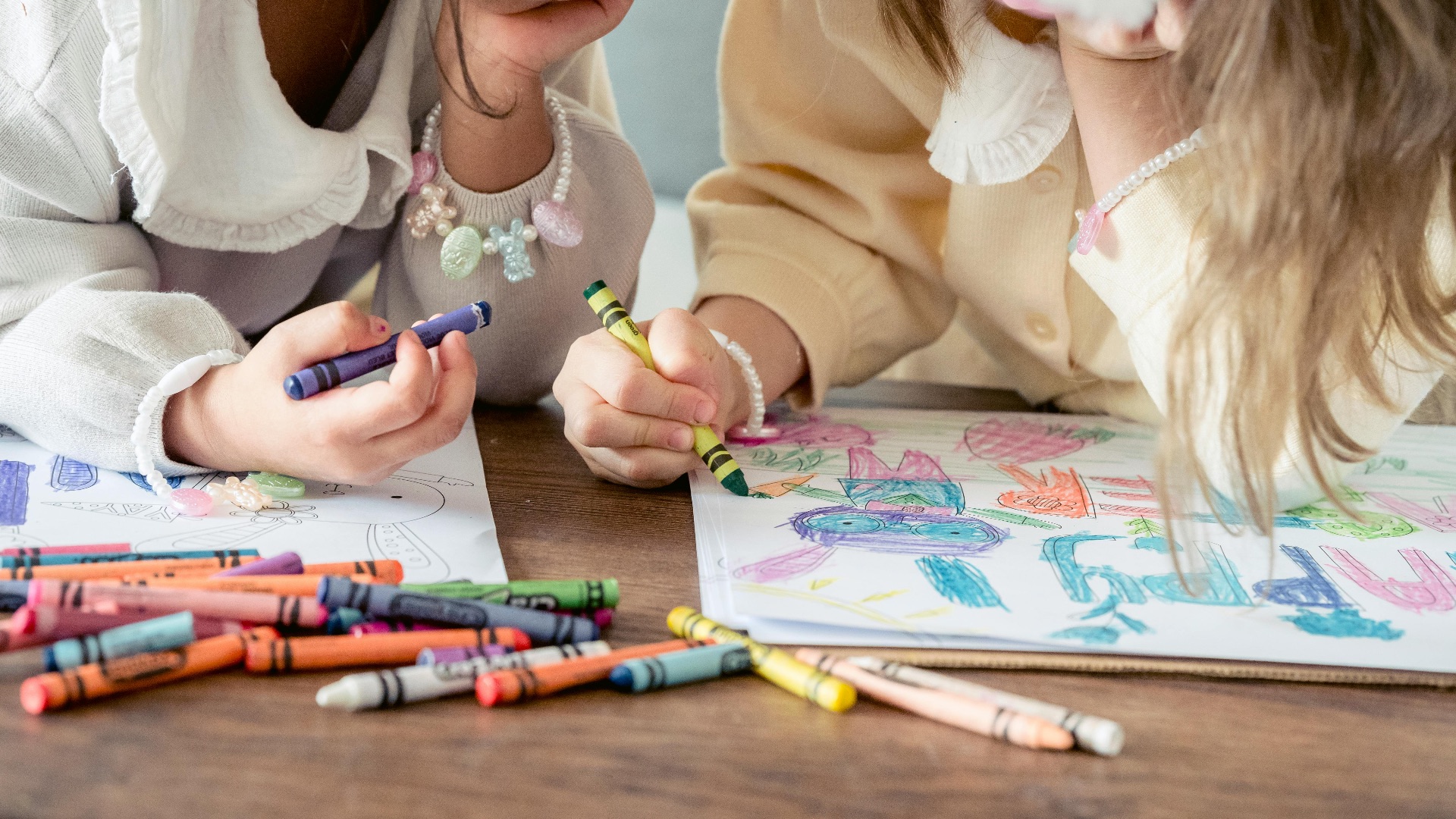
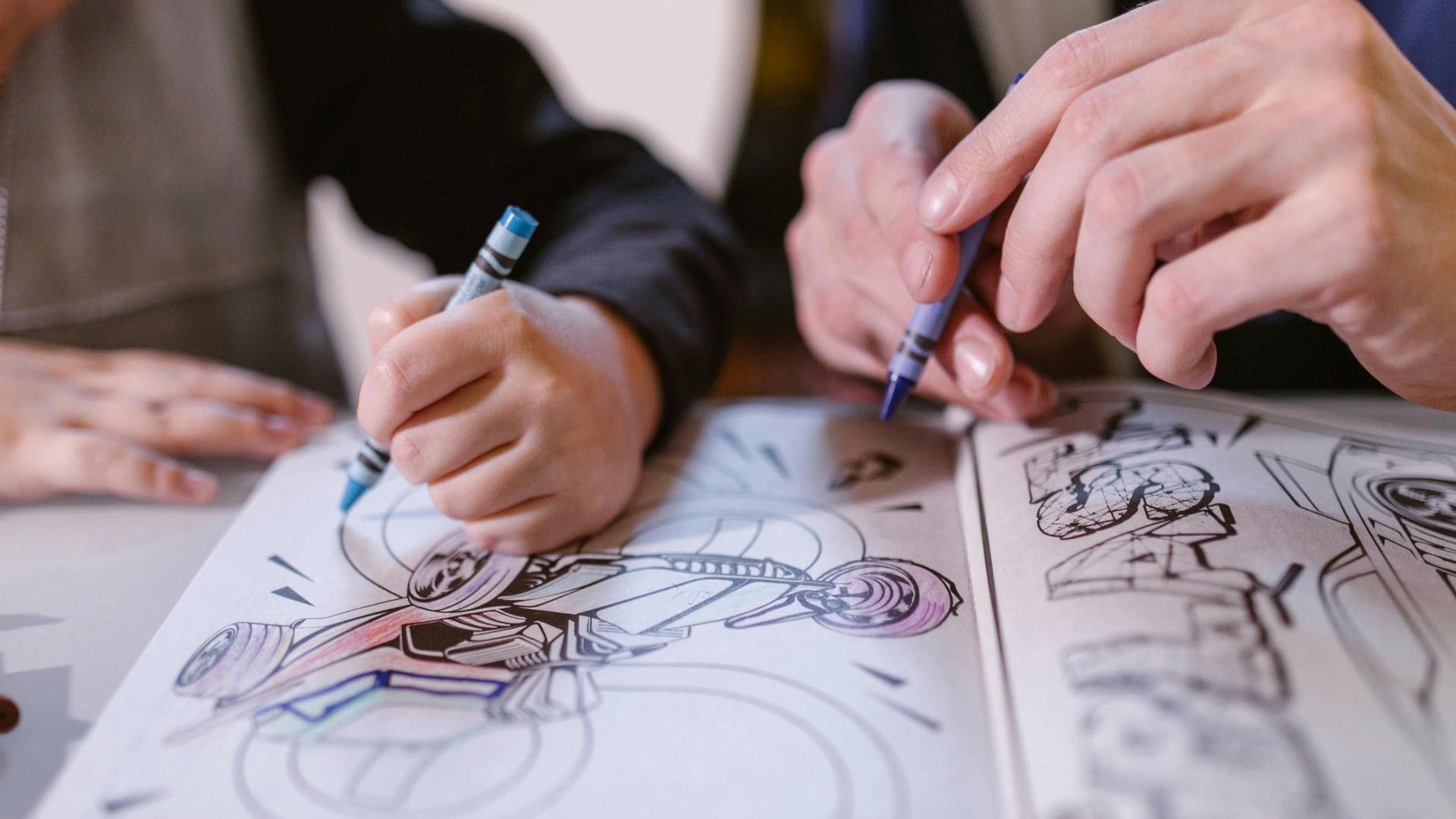
Adult coloring groups have become increasingly popular, and for good reason: coloring alongside others creates a relaxed, low-pressure environment that makes conversation easy and natural. Unlike more competitive hobbies, coloring is entirely collaborative by nature, so everyone in the group can enjoy it at their own pace without any sense of comparison. Joining a coloring club or simply sitting down with a friend for a coloring session is a wonderfully low-key way to strengthen social bonds.
13. It Builds a Sense of Accomplishment
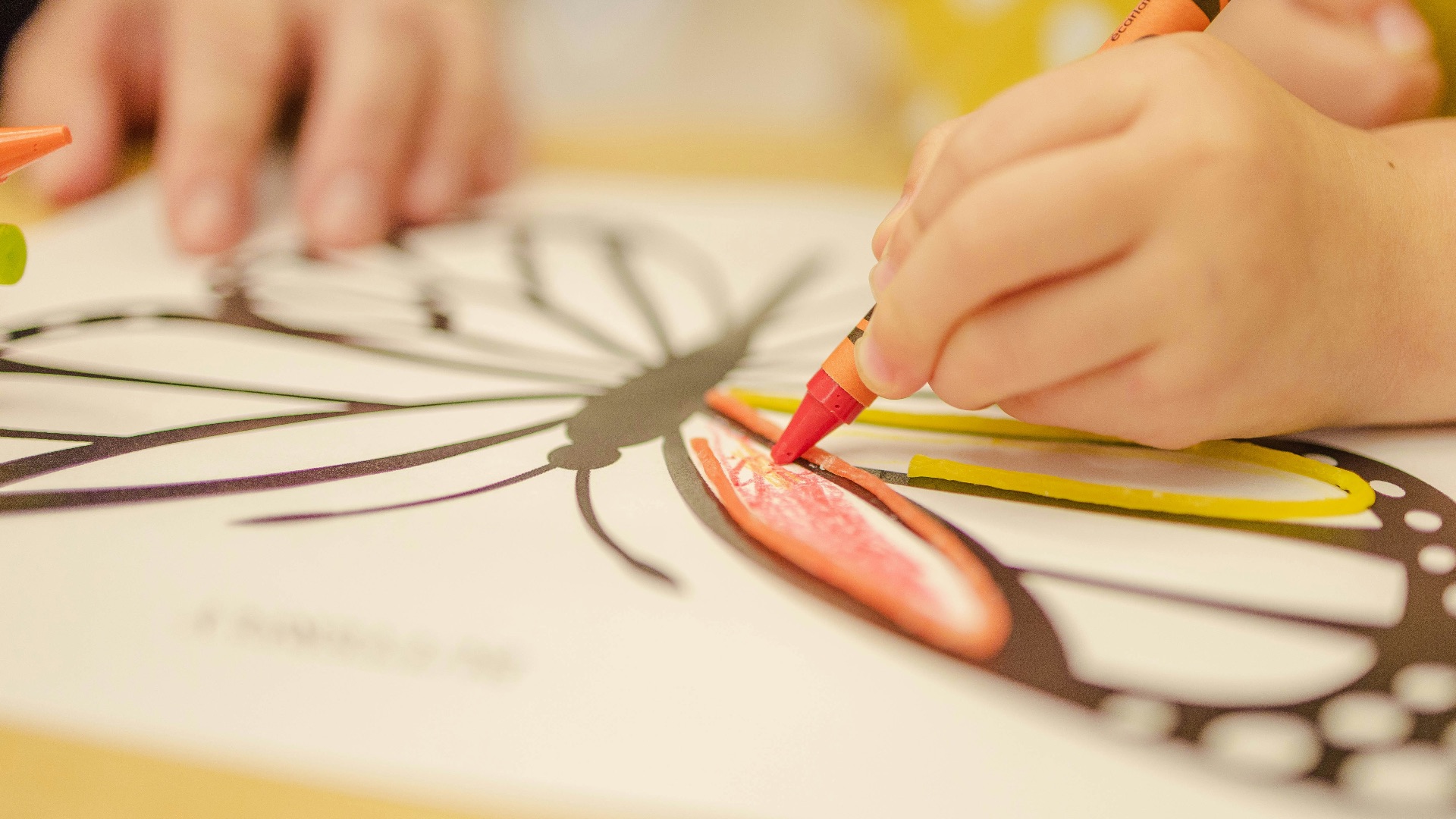
There's something deeply satisfying about finishing a coloring page and stepping back to look at what you've created. That feeling of completion, even on a small scale, activates the brain's reward system and gives you a confidence boost that can carry over into other parts of your day. For people who struggle to finish larger projects, coloring offers a quick and reliable way to experience that sense of done.
14. It Provides a Healthy Emotional Outlet
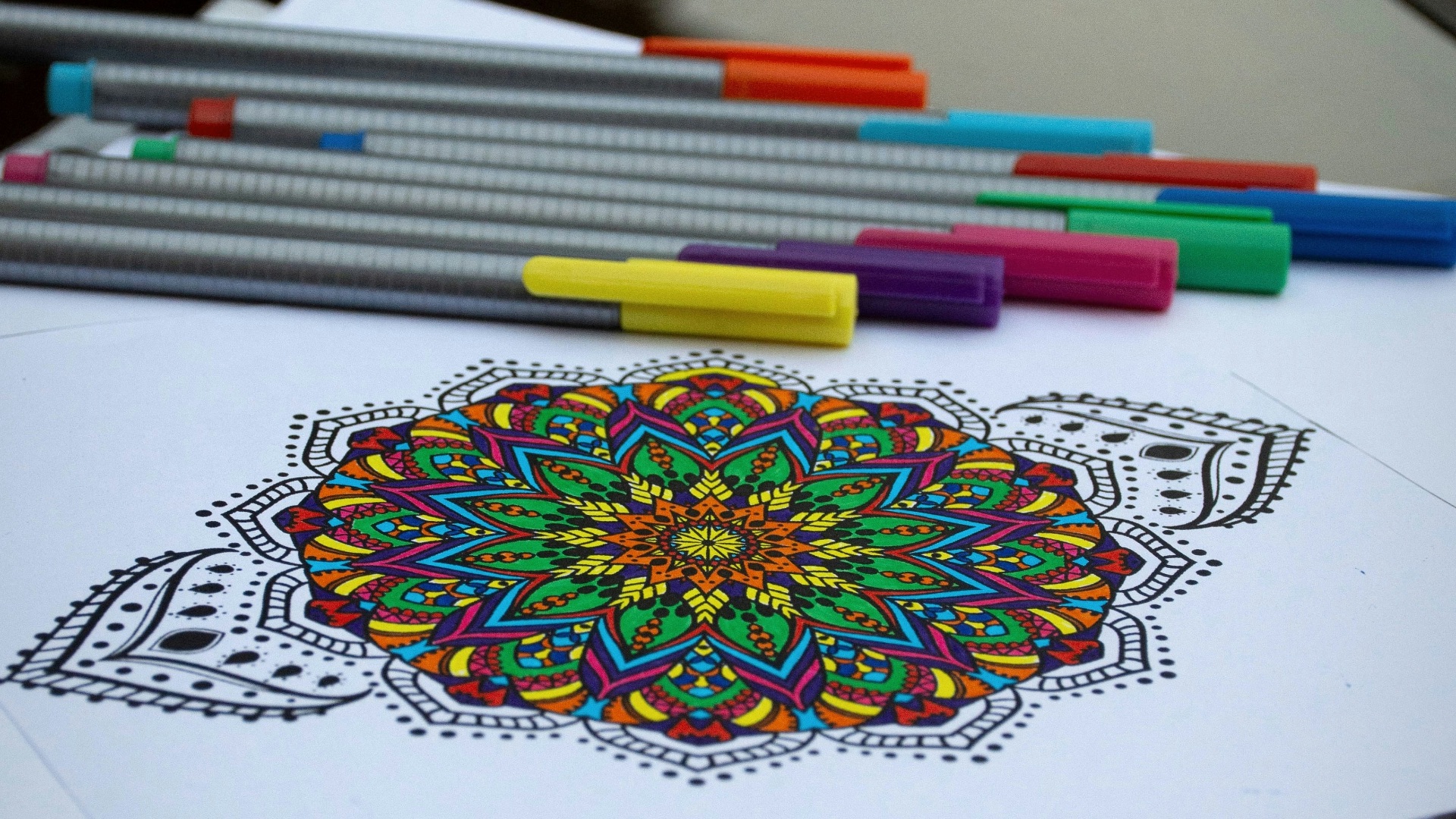
Color choices can be surprisingly expressive; reaching for bold, vivid hues on some days and soft, muted tones on others is a way of externalizing your internal state without needing words. This kind of non-verbal emotional processing can be truly therapeutic, particularly for people who find it difficult to articulate how they're feeling. Over time, paying attention to how your color choices shift with your moods can also build a greater sense of emotional self-awareness.
15. It's an Accessible Form of Art Therapy
Art therapy has a well-established body of research behind it, and coloring captures many of its core benefits without requiring a formal therapeutic setting. Working through emotions, reducing tension, and finding focus through a creative task are all hallmarks of art therapy that translate naturally to a coloring book at your kitchen table. It's one of the most approachable ways to tap into the healing power of creative expression on your own terms.
16. It Can Help with Pain Management
Research in the field of pain psychology suggests that engaging in absorbing activities can reduce the perception of chronic pain by redirecting the brain's attention. Coloring is particularly well-suited to this because it's immersive enough to hold your focus without requiring physical exertion that might worsen discomfort. People managing conditions like fibromyalgia, arthritis, or chronic migraines have reported finding some relief through regular coloring sessions as part of a broader pain management plan.
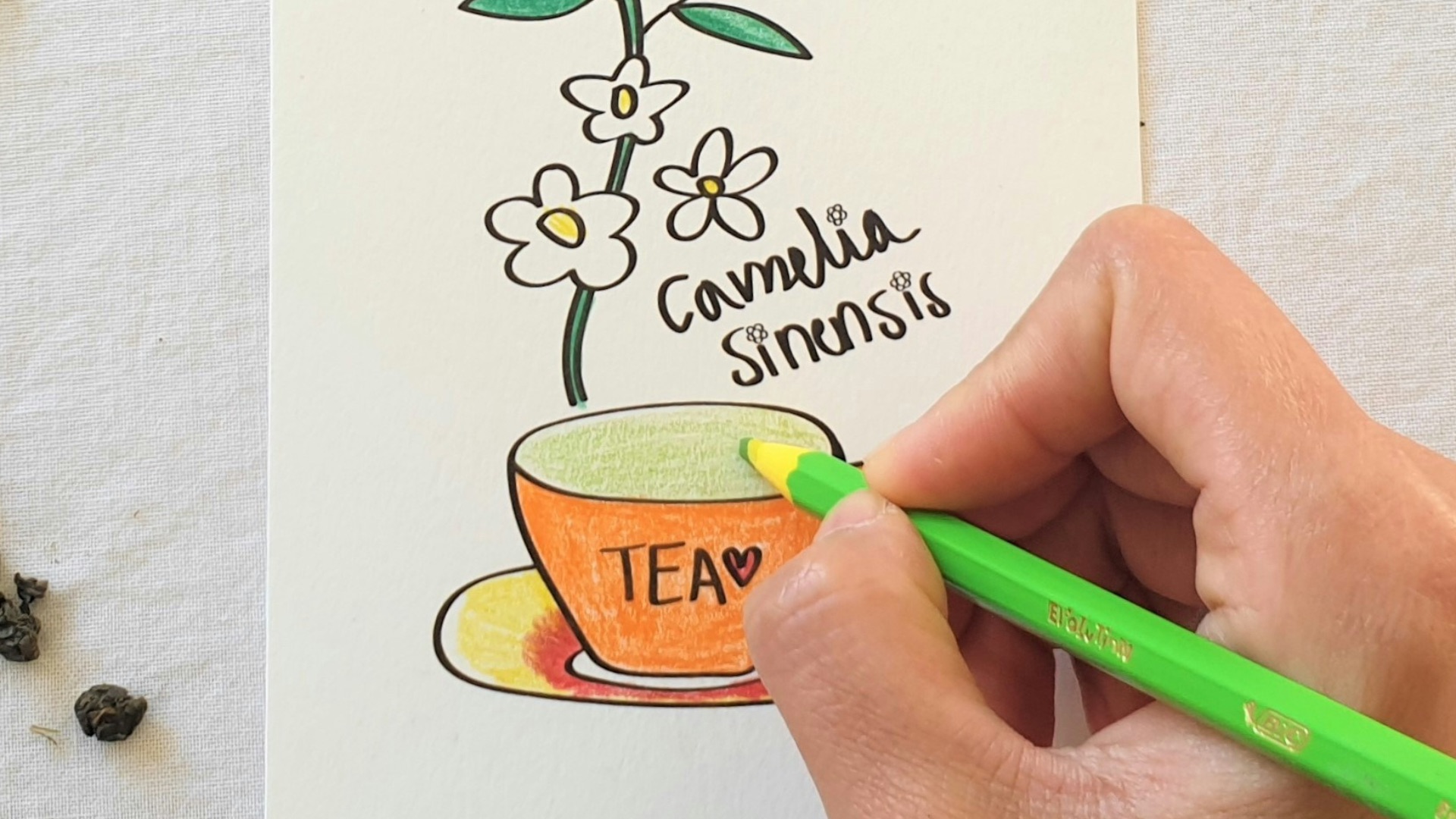 TEAcreativelife │ Soo Chung on Unsplash
17. It Supports Cognitive Health as You Age
Keeping the brain active is one of the most important things you can do to support long-term cognitive health, and creative activities like coloring play a meaningful role in that. The combination of visual processing, decision-making, and fine motor coordination that coloring requires keeps multiple neural pathways engaged simultaneously. Making it a regular habit as you get older is a pleasurable and low-effort way to contribute to brain health over the long term.
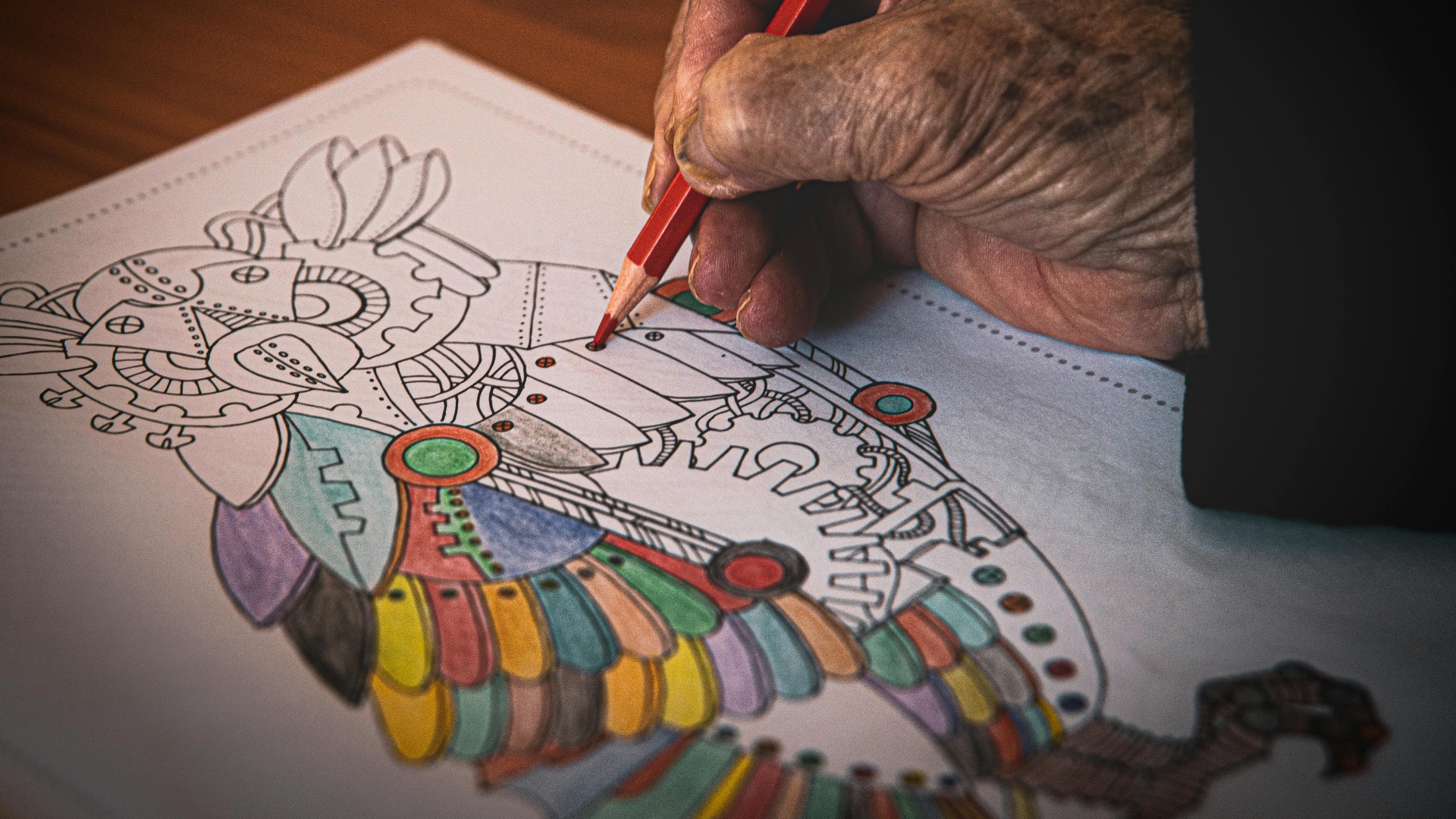
18. It Encourages Consistency in Self-Care
One of the biggest challenges with self-care is actually sticking to it, and coloring has a natural advantage here because it's enjoyable enough that people tend to return to it on their own. Unlike rigid wellness routines that can feel like obligations, coloring is the kind of habit that pulls you in because you want to do it rather than because you feel like you have to. That intrinsic motivation makes it far more sustainable as a long-term self-care practice.
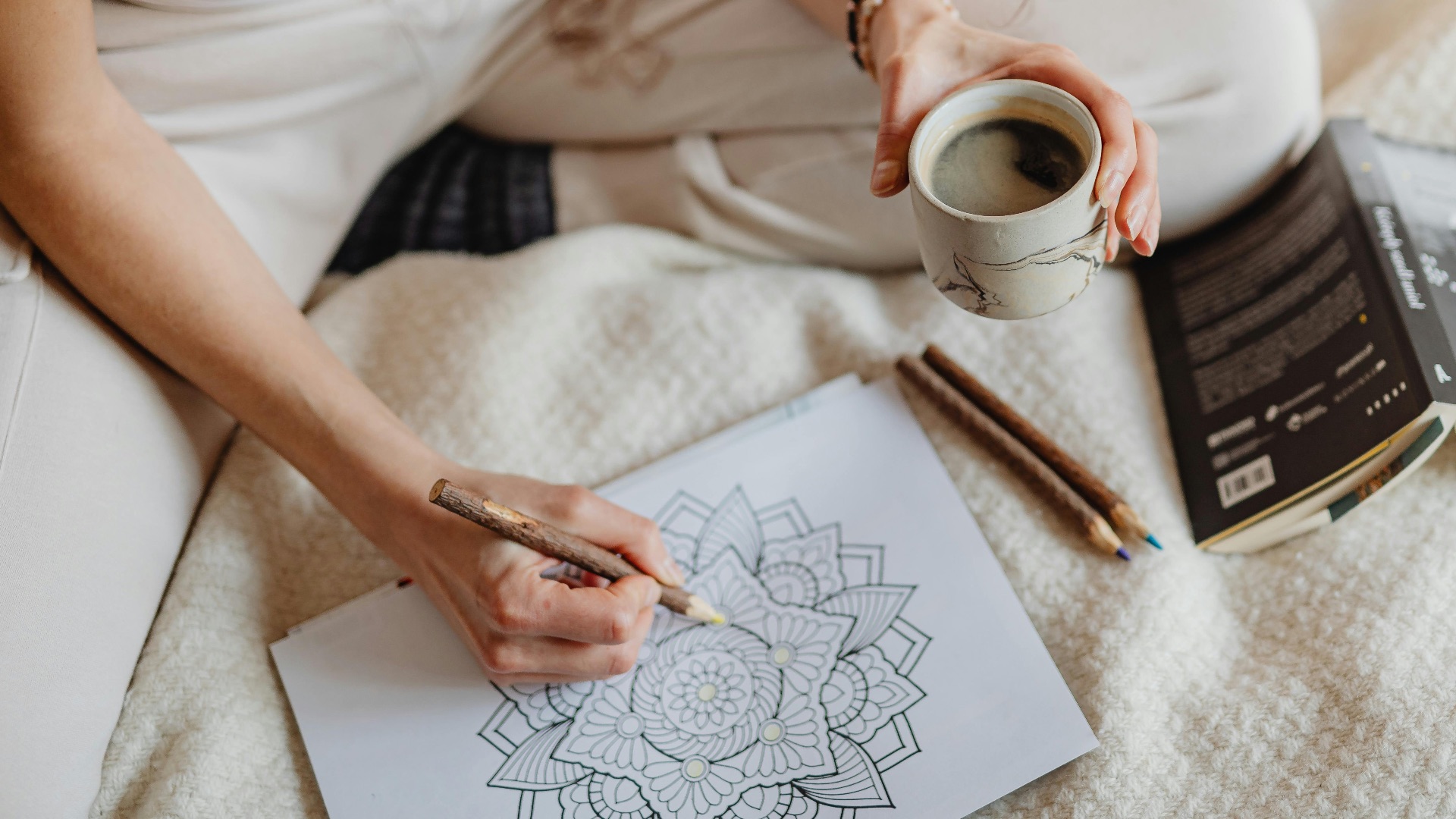
19. It Can Strengthen Your Patience
Detailed coloring pages take time, and working through them without rushing teaches you to slow down and stay with a task even when the finish line isn't immediately in sight. That practice in patience is transferable to everyday situations where frustration tends to flare up, from waiting in traffic to navigating a difficult conversation. The more you engage with the deliberate pace that coloring requires, the more naturally that patience tends to show up elsewhere in your life.
20. It Simply Makes You Happier
At the end of the day, coloring is fun, and there's real value in making space for activities that bring you uncomplicated joy. Engaging in hobbies that have no productivity requirement and no performance pressure is associated with higher overall life satisfaction and a stronger sense of personal well-being. Sometimes the best thing you can do for your health is set aside the hustle for a little while and let yourself enjoy something purely for the pleasure of it.