

When a “Healthy” Habit Goes Too Far
Vitamin D gets a lot of praise, and honestly, it deserves it—your body needs it for all kinds of stuff, like calcium absorption, bone health, muscle function, and immune support. But when people hear something’s good for them, they might go a little too far in ensuring high levels. That’s why we’re here to break down a few signs that you’re getting a bit too much vitamin D, and a few glaring signs that you aren’t getting enough.

1. Your Stomach Feels Off
Stomach discomfort can show up when vitamin D intake pushes calcium levels too high. What that means for you is that you might notice that your usual breakfast suddenly feels heavy, or that a simple dinner leaves you queasy for no clear reason.

2. You’re Thirstier Than Usual
Since vitamin D can contribute to high calcium levels, it can make you feel unusually thirsty, too. We’re not talking about wanting more water after a workout; you may feel parched even on a normal day indoors. If you’re constantly refilling your water bottle and still feel dry, your routine deserves a closer look.

3. Bathroom Trips Are More Frequent
More trips to the toilet can happen when your body tries to deal with too much calcium in the bloodstream. You may find yourself waking up at night to use the bathroom. You might even need to plan errands around restroom access. When the change appears alongside heavy vitamin D use, don’t brush it off.

4. Your Energy Has Dropped
We often think of vitamin D as being the happy supplement, but too much of it can actually leave some people weak, tired, or generally unwell. Fatigue has plenty of causes, but pairing it with a strong supplement intake makes it worth asking for a blood test.

5. Loss of Appetite
A fading appetite can be another sign that your body isn’t handling excess vitamin D well. That being said, not eating enough doesn’t necessarily mean vitamin D is the culprit, but it’s a clue to consider if you’ve been taking large doses.

6. Your Muscles Feel Weak
Vitamin D supports muscle function, so getting too much can leave you feeling physically off. Everyday tasks may feel more tiring than they should, so if the weakness feels new and you’re taking more than the standard daily amount, don’t just power through.

7. Confusion or Brain Fog
High calcium levels linked to vitamin D toxicity can affect how you feel mentally. That could mean anything from rereading the same email to forgetting why you walked into a room. Just remember that because these symptoms can come from many conditions, it’s especially important to book an appointment with your doctor.

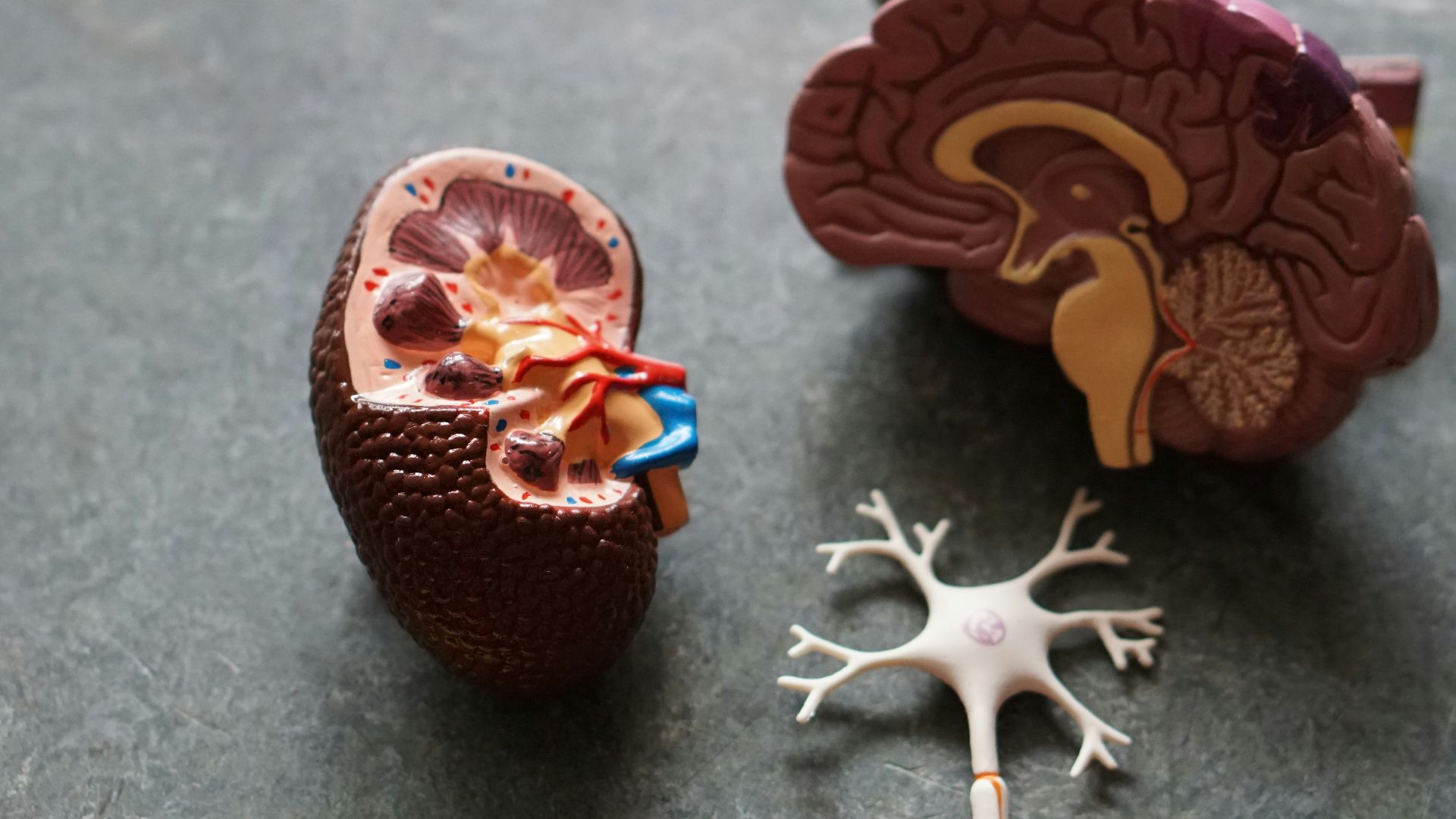
8. Your Kidneys Send Warning Signs
Too much vitamin D can also strain the kidneys, potentially increasing the risk of kidney stones. Look out for classic signs, such as pain in your side or back, discomfort when urinating, or blood in the urine, all of which call for prompt medical attention.
9. You Take Multiple Vitamin D Products
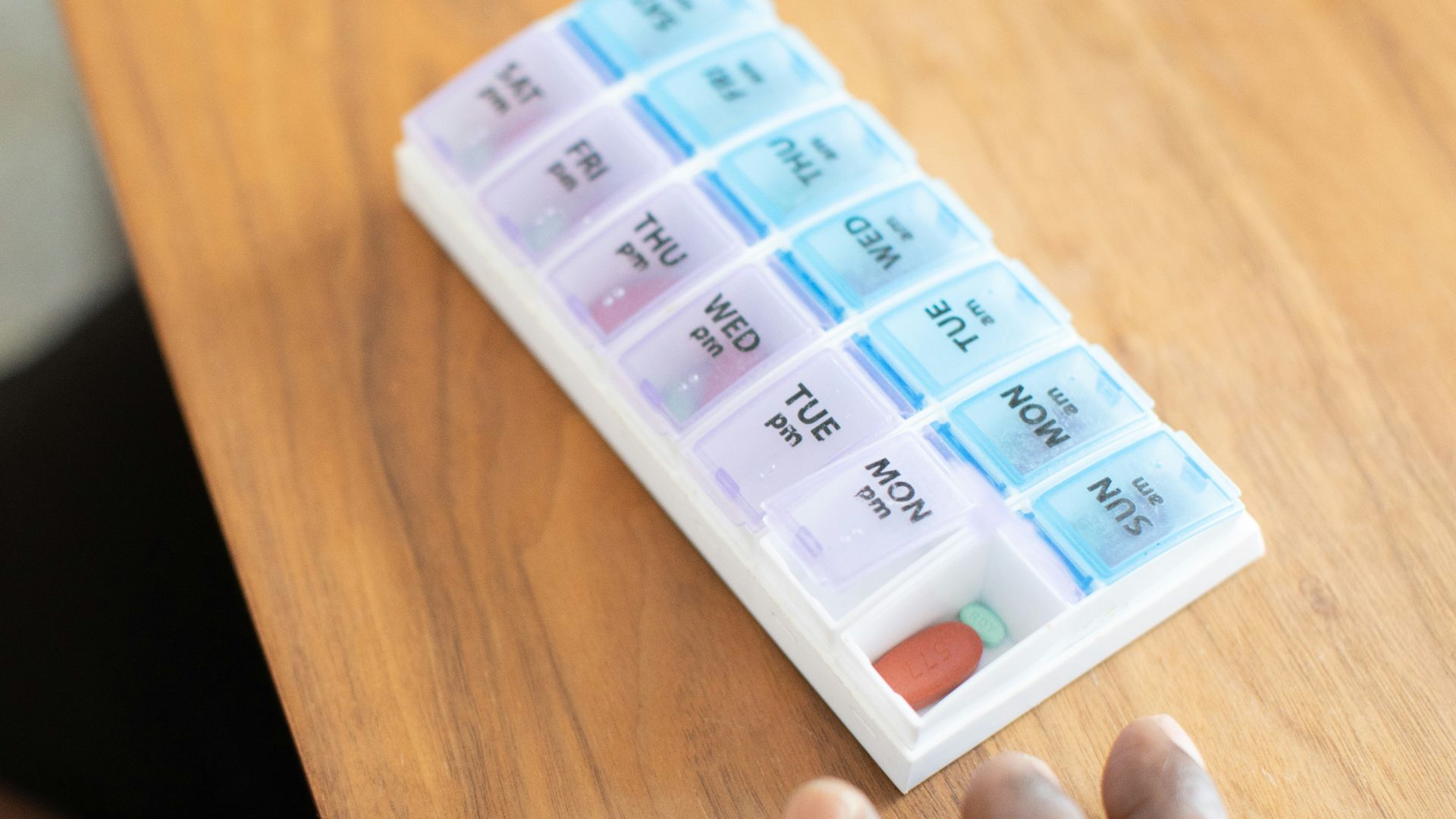
One easy way to overdo vitamin D is by stacking products without realizing it. For example, you might take a standalone capsule, a multivitamin, calcium plus D, and a “bone health” supplement—all of which contain vitamin D. The labels may look innocent one by one, but the total dose is what matters.
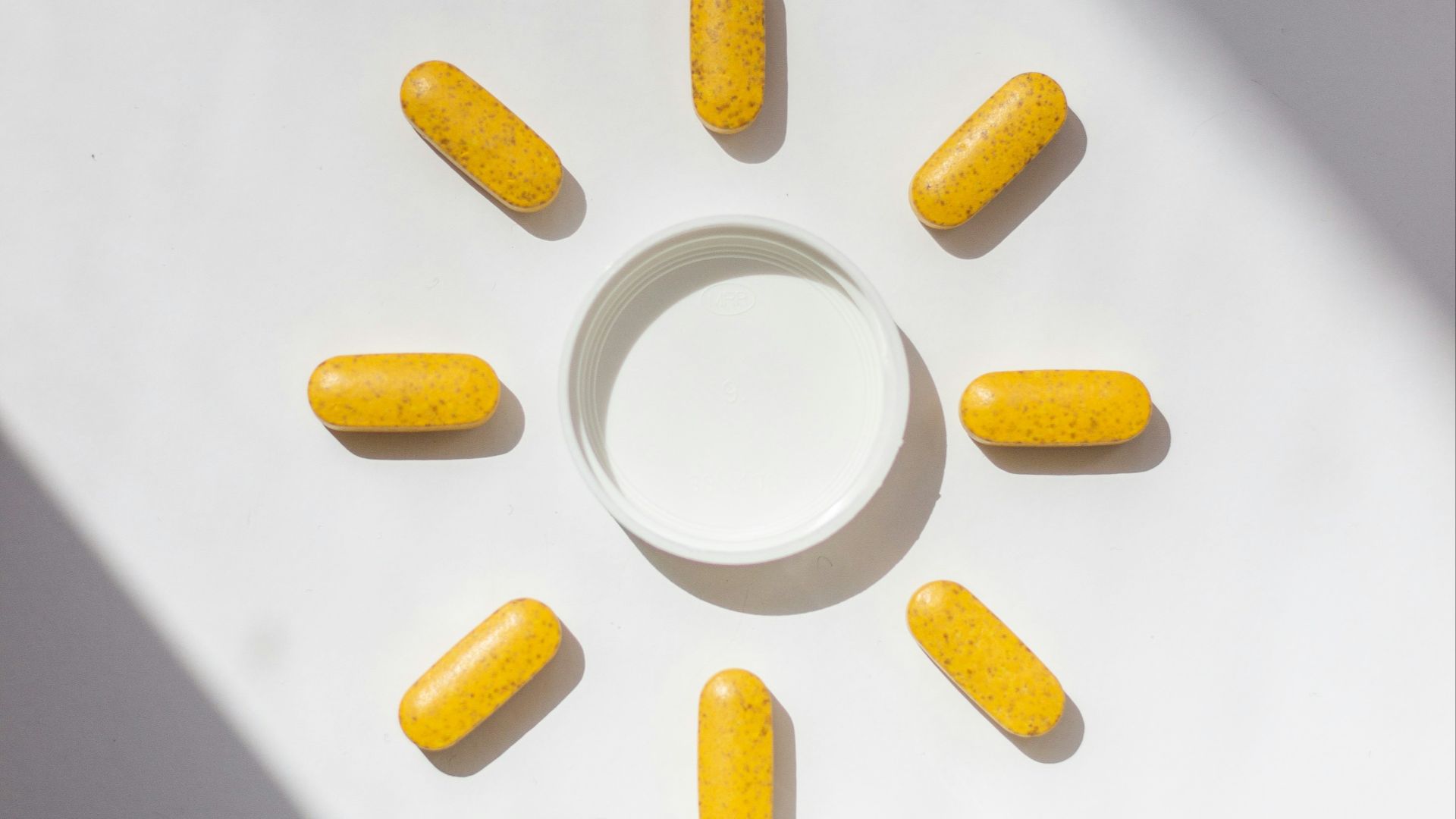 Afterave Essentials on Unsplash
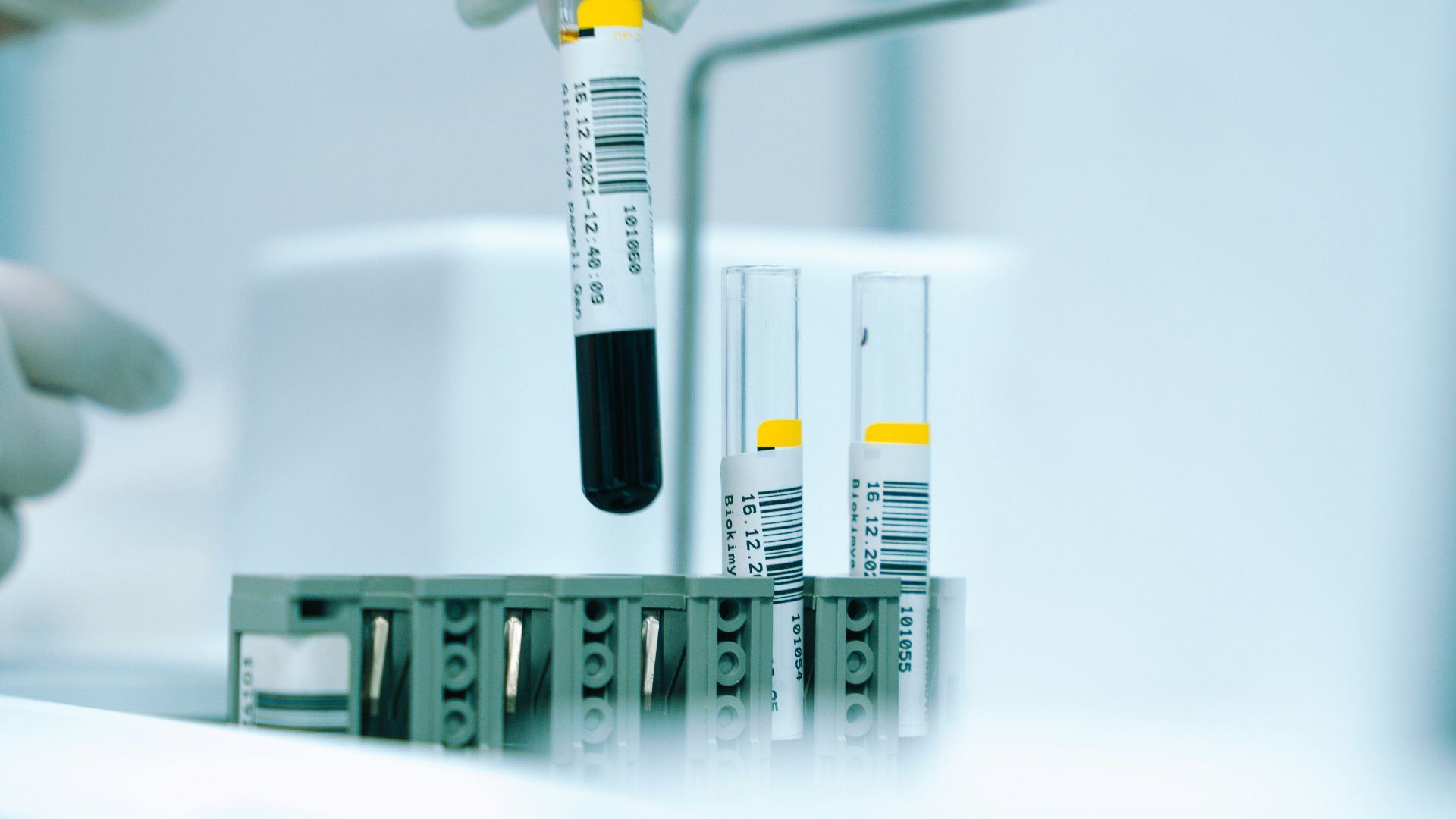
10. Your Blood Test Shows High Vitamin D
The clearest sign of too much vitamin D usually comes from lab work, which is why it’s always important to book one with your doctor when needed. If your results are high, the next step is typically guided by a healthcare professional, not a supplement reset.
Vitamin D plays a real role in overall wellness, so running low can show up in ways that are easy to dismiss. Let’s dive into a few red flags that your body might not be getting enough of this important vitamin.
1. Your Bones Ache
Bone pain can happen when vitamin D is low; your body needs it to absorb calcium and support normal maintenance. If soreness keeps returning, especially if it’s out of nowhere, it’s a good reason to ask your clinician whether a vitamin D test makes sense.

2. Muscle Cramps
Low vitamin D has been linked with muscle cramps and discomfort, so it’s worth keeping an eye out. You may feel your calves tighten at night, your feet cramp after a short walk, or your shoulders ache even though you haven’t done anything. Cramps can have many causes, but they’re worth mentioning if they’re new or paired with other clues.

3. Minor Bumps Cause Bigger Problems
Vitamin D deficiency can contribute to weaker bones over time, which is a bigger deal than it seems—fractures might happen more easily than expected. If you’ve had a stress or a low-impact fracture, your doctor may want to look at vitamin D along with calcium and bone density.
4. Your Mood Has Been Lower Than Usual
Some people with vitamin D deficiency report mood changes, particularly an overall feeling of gloom. Mood symptoms are never something to self-diagnose from one vitamin, but they do belong on your radar if other signs show up too.

5. You’re Getting Less Sun Than You Think
We all know that one of the best ways to score vitamin D is through the sun, so a mostly indoor routine can quietly reduce production. Working from home, wearing high-coverage clothing, or using strong sun protection every time can all lower your sun exposure. We’re not saying you should skip sunscreen! However, your daily routine may not be giving your body much chance to soak in the vitamin.

6. Your Diet Rarely Includes Vitamin D Sources
Vitamin D comes from plenty of food sources, too, so your diet might need closer inspection. Salmon, trout, tuna, egg yolks, and fortified breakfast cereals are practical examples that may help support intake. It’s always worth chatting with your dietitian about which foods make the most sense!

7. Conditions Make Absorption Harder
Certain health conditions can make it harder for your body to absorb or even process vitamin D properly. Celiac disease, Crohn’s disease, and cystic fibrosis are examples that may increase the risk of low vitamin D levels. If you have an underlying condition, a normal-looking routine may not tell the whole story.

8. Your Skin Produces Vitamin D Less Efficiently
Some people naturally make less vitamin D from sunlight, even when they spend time in the great outdoors. Aging can also reduce vitamin D production in the skin, so testing can be more useful than guessing.

9. You Take Certain Medications Long-Term
Some medications can lower vitamin D levels by affecting how your body breaks it down. If you take a daily prescription and your vitamin D level keeps coming back low, it’s worth asking your doctor whether the medication could be a culprit.
10. Your Blood Test Shows Low Levels
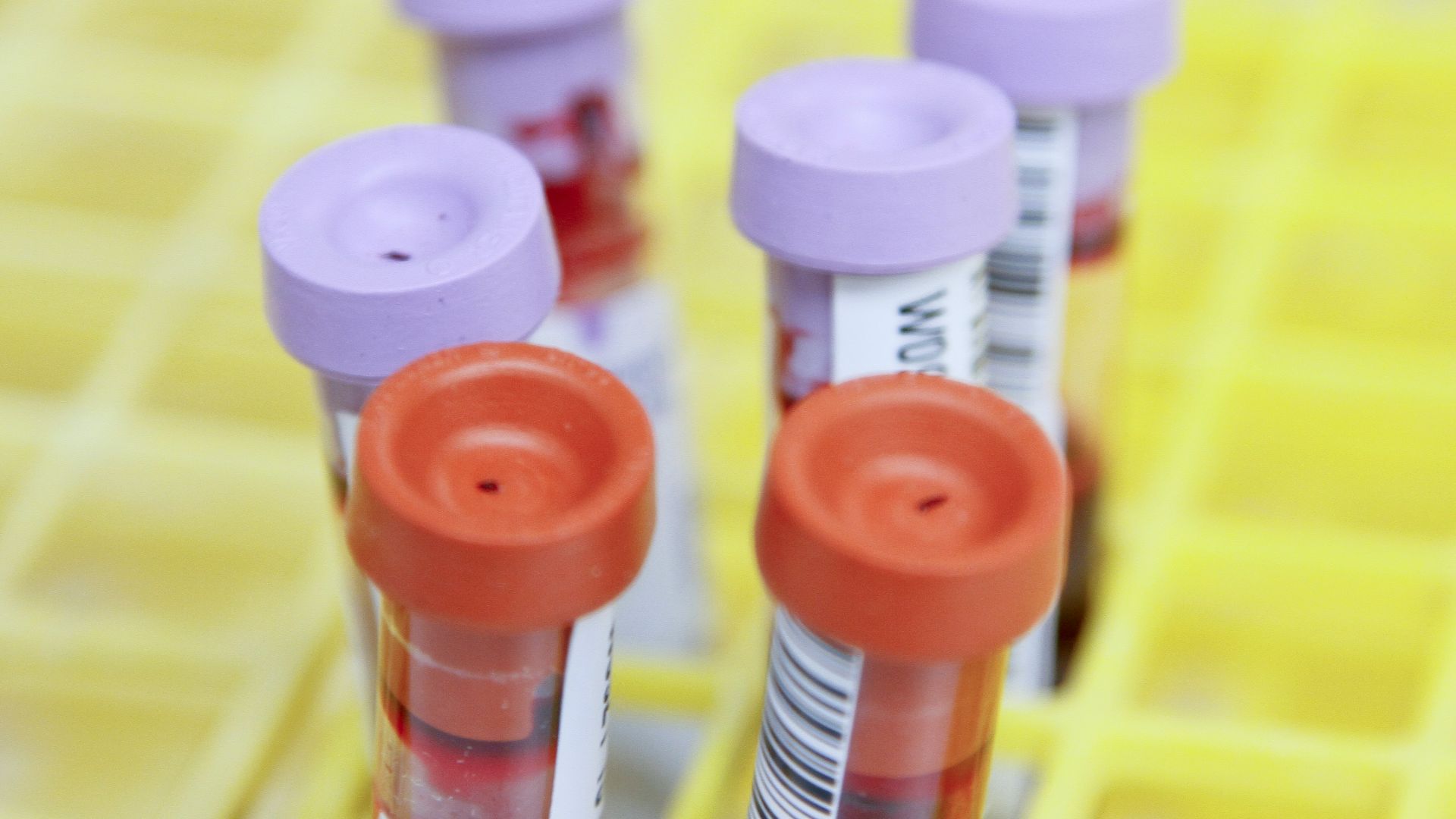
The most reliable sign that you’re not getting enough vitamin D is a blood test that shows concrete numbers. If yours come back low, your clinician can help you choose a safe plan instead of you grabbing a random high-dose bottle and hoping for the best.
KEEP ON READING