
Your Body Still Wants the Good Stuff
After 60, your body may need fewer calories than it used to, but that doesn’t mean it needs fewer nutrients. In fact, several nutrients become easier to miss because appetite can shrink, digestion changes, medications can interfere with absorption, and everyday meals may get simpler over time. Here are 20 nutrients people over 60 tend not to get enough of.

1. Protein
Protein becomes especially important after 60 because it helps maintain muscle, strength, and mobility. Many older adults don’t get enough, partly because of appetite changes or meals becoming lighter. Good sources include eggs, fish, poultry, dairy, beans, lentils, tofu, nuts, and seeds.

2. Vitamin D
Vitamin D helps the body absorb calcium and supports bone and muscle health. It can be hard to get enough from food alone, and skin becomes less efficient at making vitamin D from sunlight with age. Fatty fish, fortified milk, fortified plant milks, and some fortified cereals can help.
 Afterave Essentials on Unsplash
3. Calcium
Calcium is best known for bone health, but it also supports muscles, nerves, and normal blood clotting. Many adults fall short, especially if they don’t eat much dairy or fortified alternatives. Yogurt, milk, calcium-set tofu, canned salmon with bones, fortified drinks, and certain leafy greens can all contribute.

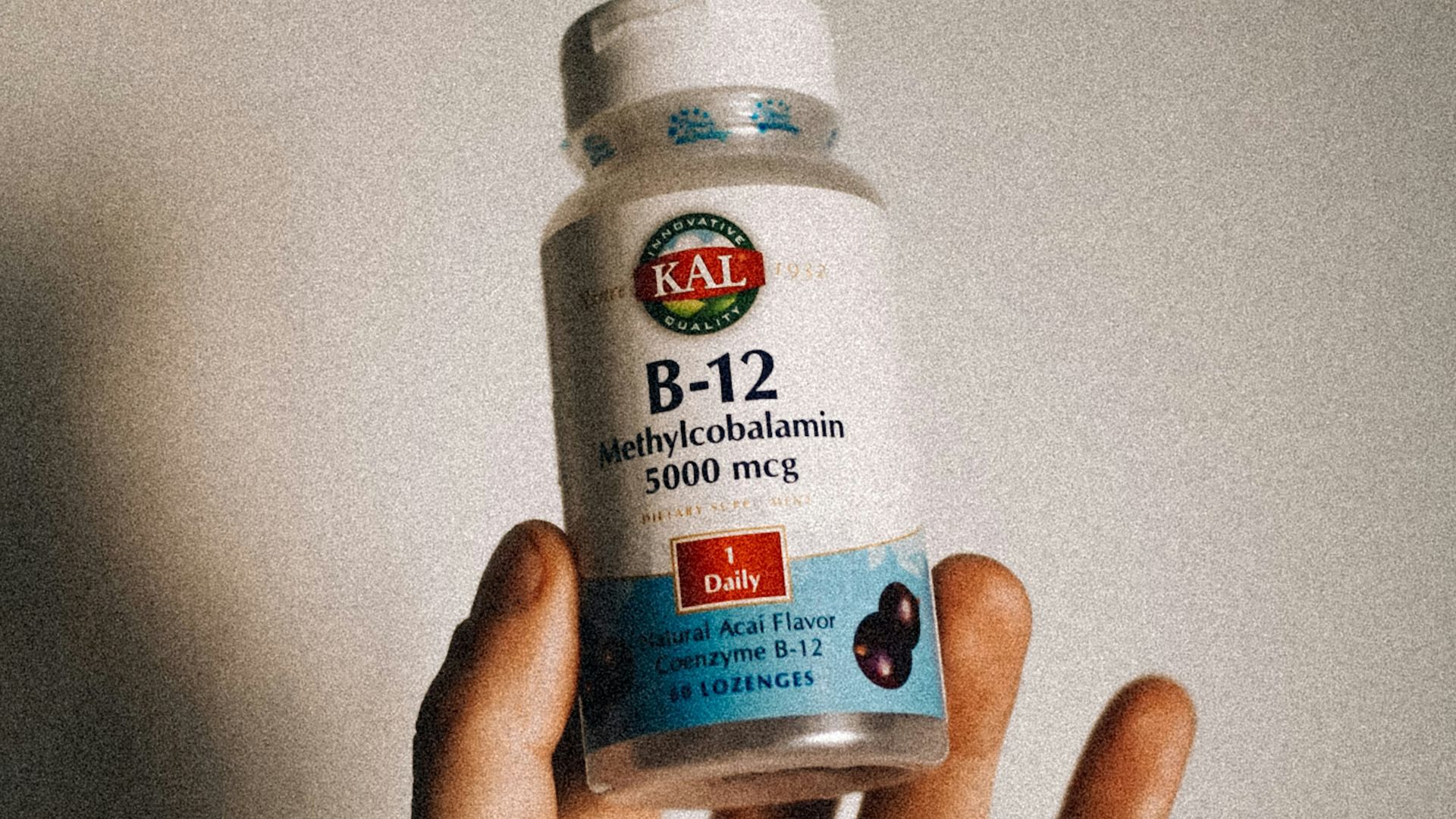
4. Vitamin B12
Vitamin B12 is one of the big nutrients to watch after 60 because absorption can decline with age. It supports red blood cells, nerves, and brain function, and low levels can sometimes look like fatigue, weakness, or memory trouble. Foods like fish, meat, poultry, eggs, dairy, and fortified cereals provide B12.
5. Fiber
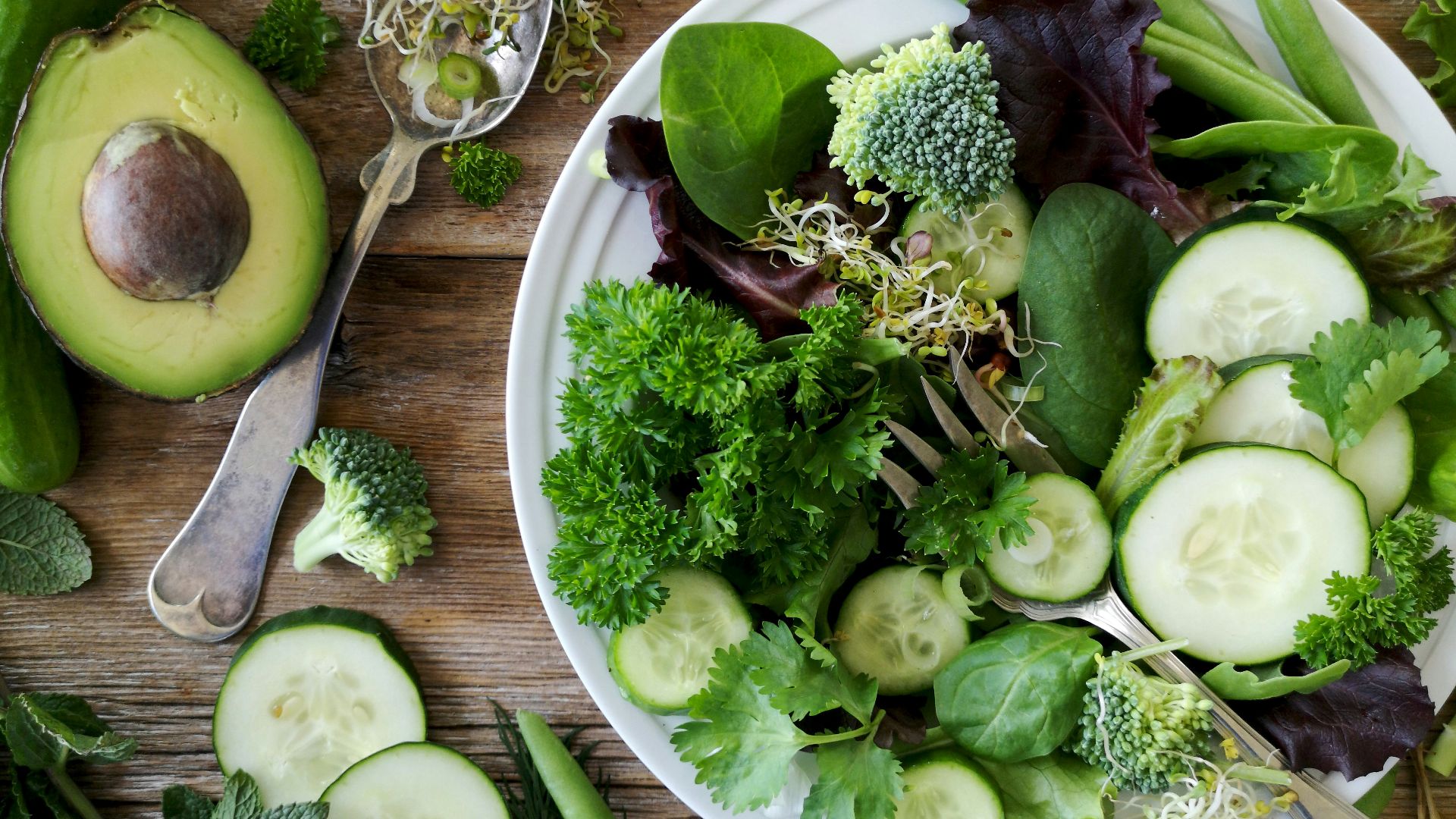
Fiber supports digestion, regularity, cholesterol management, and steadier blood sugar. Many people don’t get enough because fiber-rich foods like beans, whole grains, fruits, and vegetables can slip out of the daily routine. Add it gradually so your digestive system doesn’t stage a noisy protest.
6. Potassium
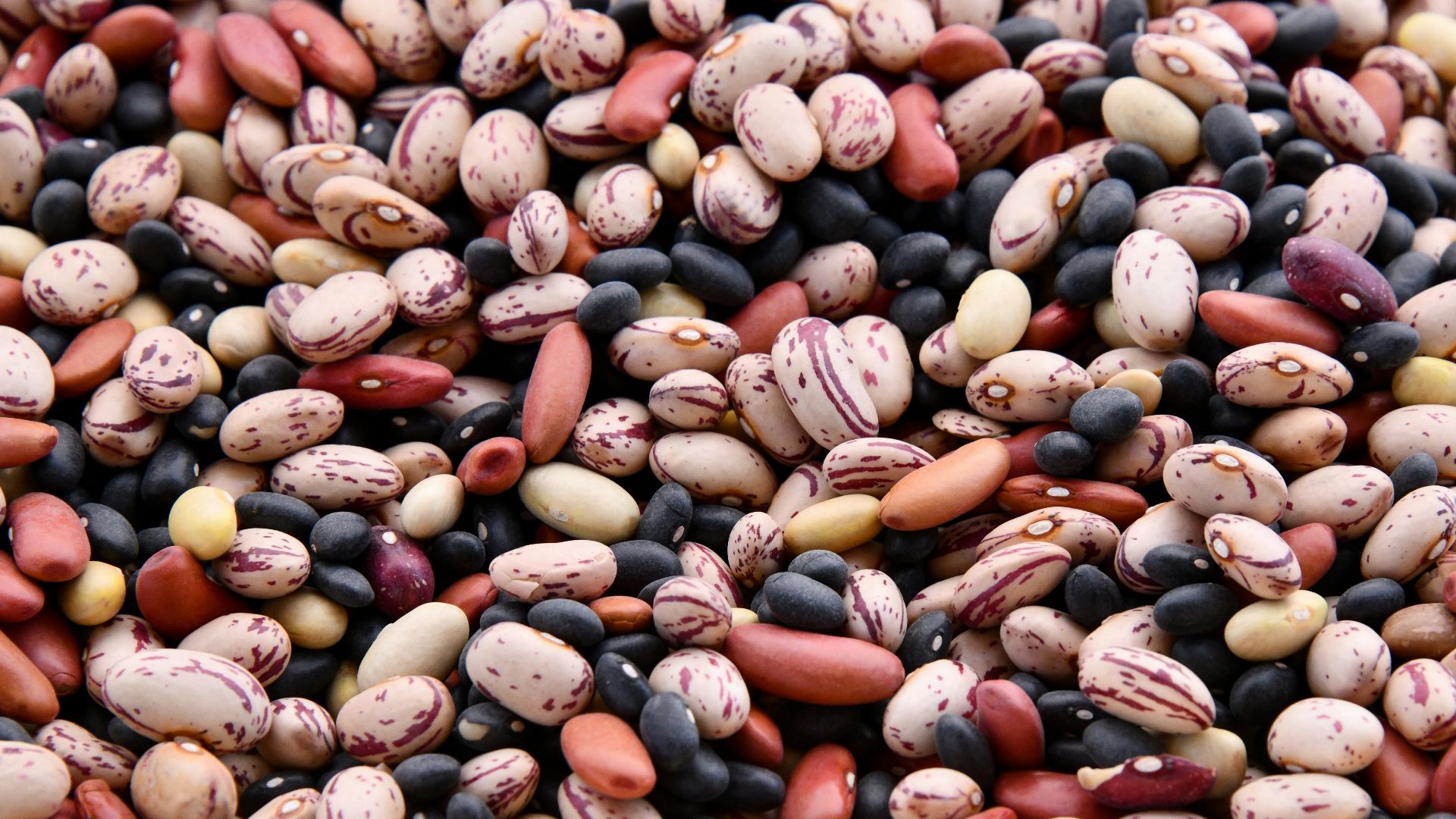
Potassium helps support normal blood pressure, fluid balance, muscles, and nerves. It’s found in foods like potatoes, sweet potatoes, beans, lentils, bananas, oranges, yogurt, spinach, and tomatoes. Many Americans under-consume potassium, according to the Dietary Guidelines materials.

7. Magnesium
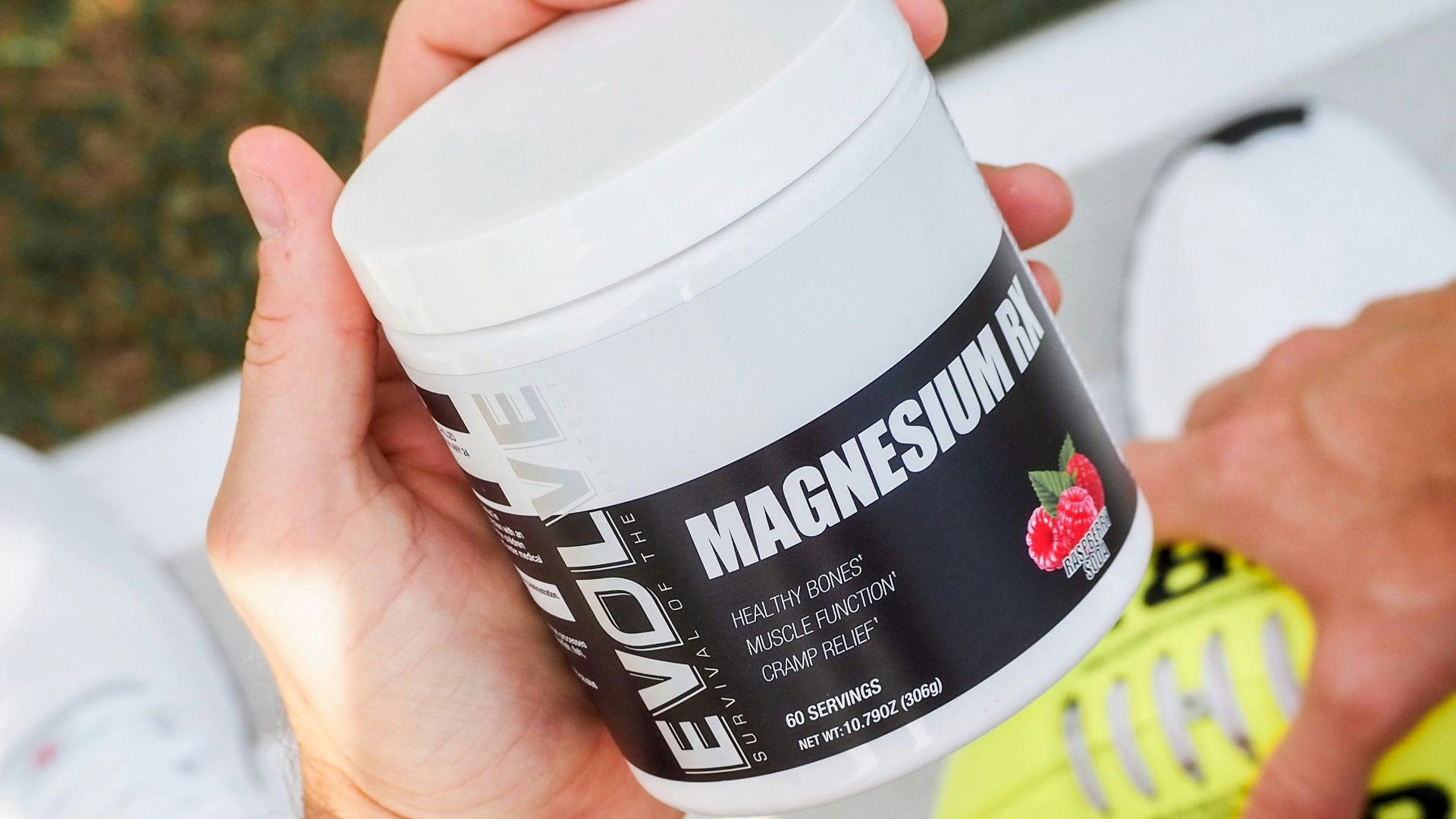
Magnesium is involved in muscle function, nerve signaling, blood sugar regulation, and bone health. It’s found in nuts, seeds, beans, whole grains, leafy greens, and dark chocolate, which is a nice little morale boost. Diets low in whole plant foods tend not to include enough magnesium.
8. Omega-3 Fatty Acids
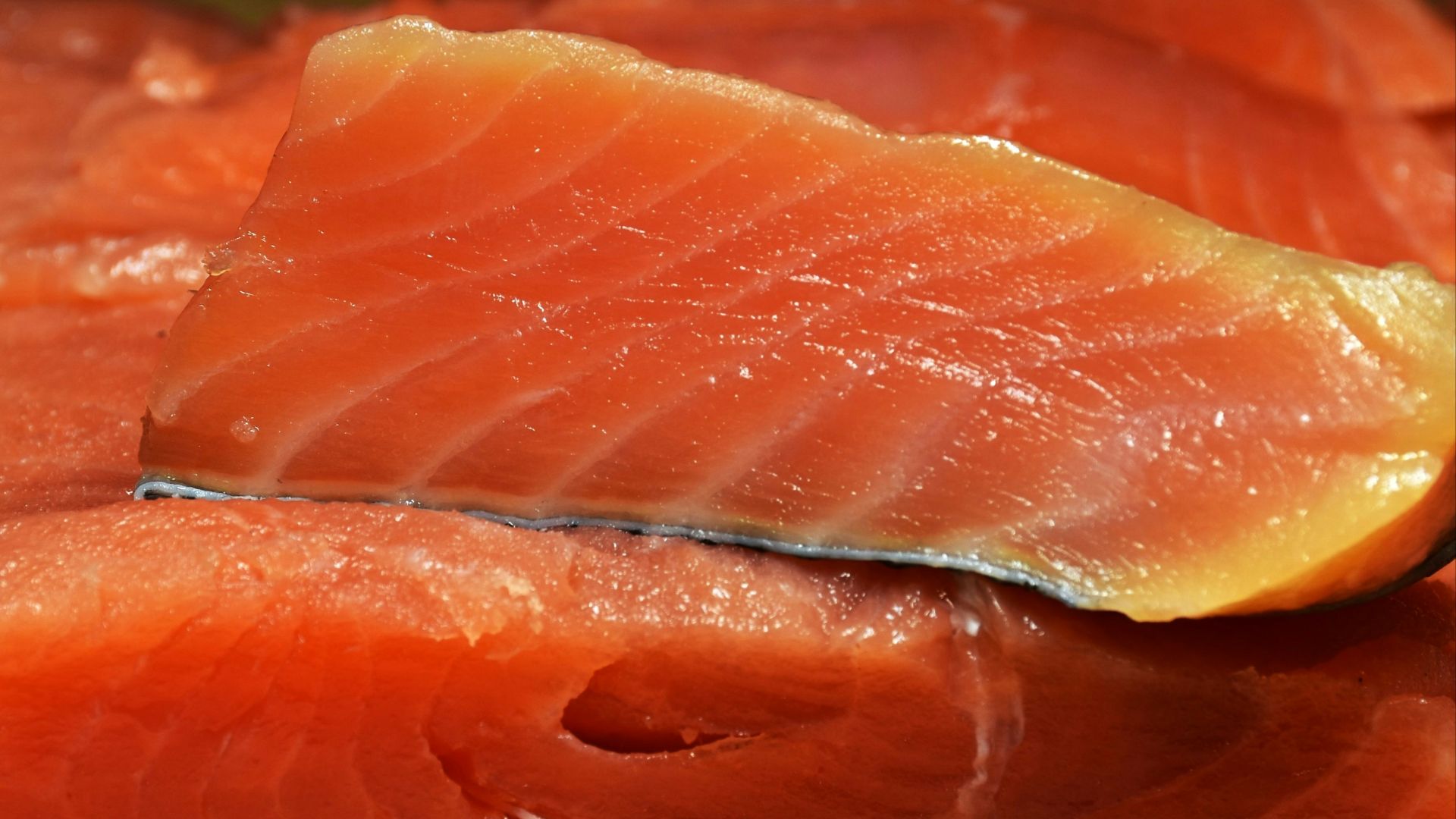
Omega-3 fats support heart health and are often discussed for brain and inflammation-related benefits. Fatty fish like salmon, sardines, trout, and mackerel are some of the best sources. Walnuts, chia seeds, flaxseeds, and canola oil provide plant-based omega-3s, though they’re not exactly the same form as fish-based ones.
9. Vitamin B6
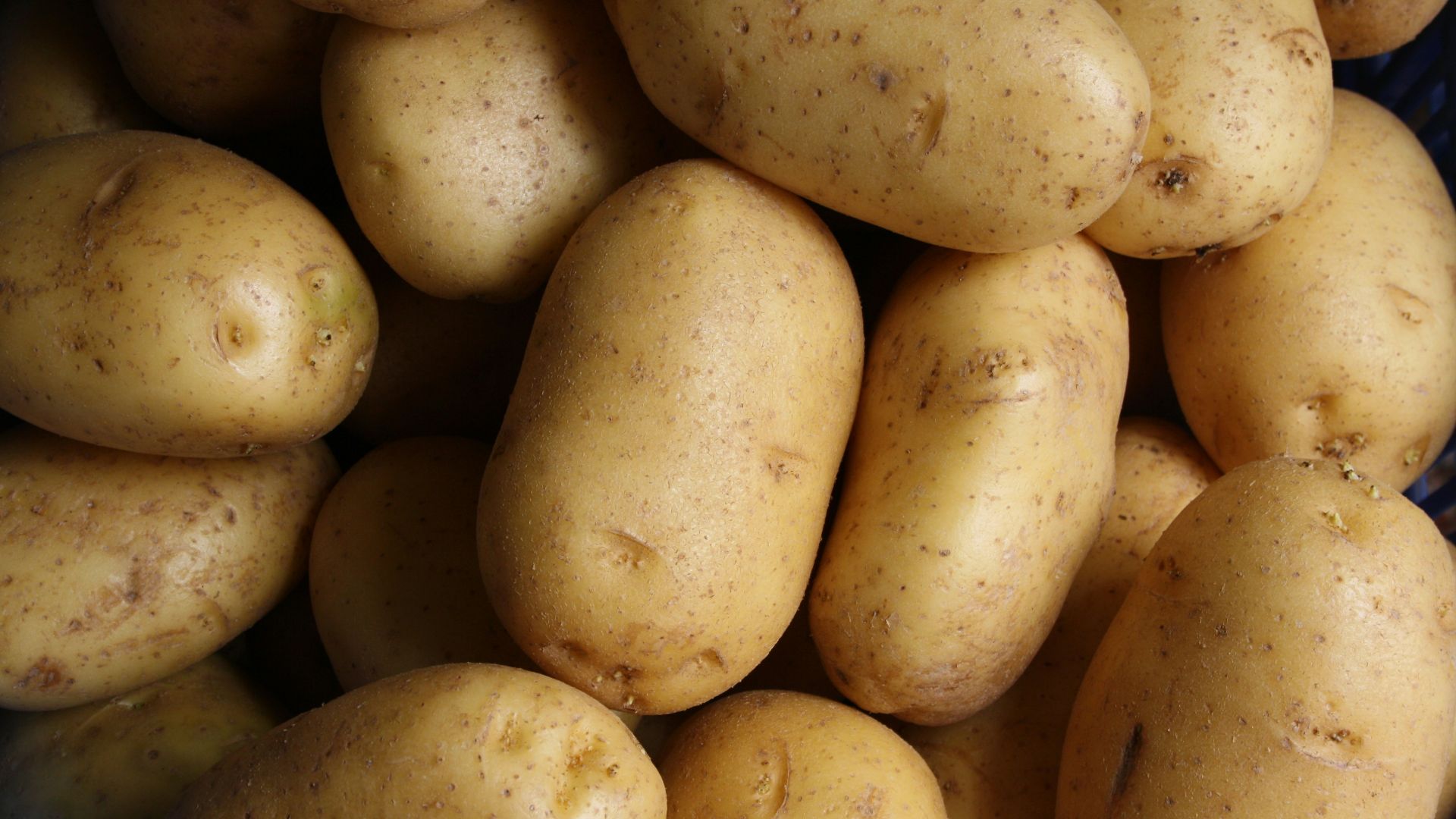
Vitamin B6 helps with protein metabolism, immune function, and the production of brain-related chemicals. It’s found in poultry, fish, potatoes, bananas, chickpeas, and fortified cereals. Older adults can sometimes fall short if meals are repetitive or low in variety.
10. Folate
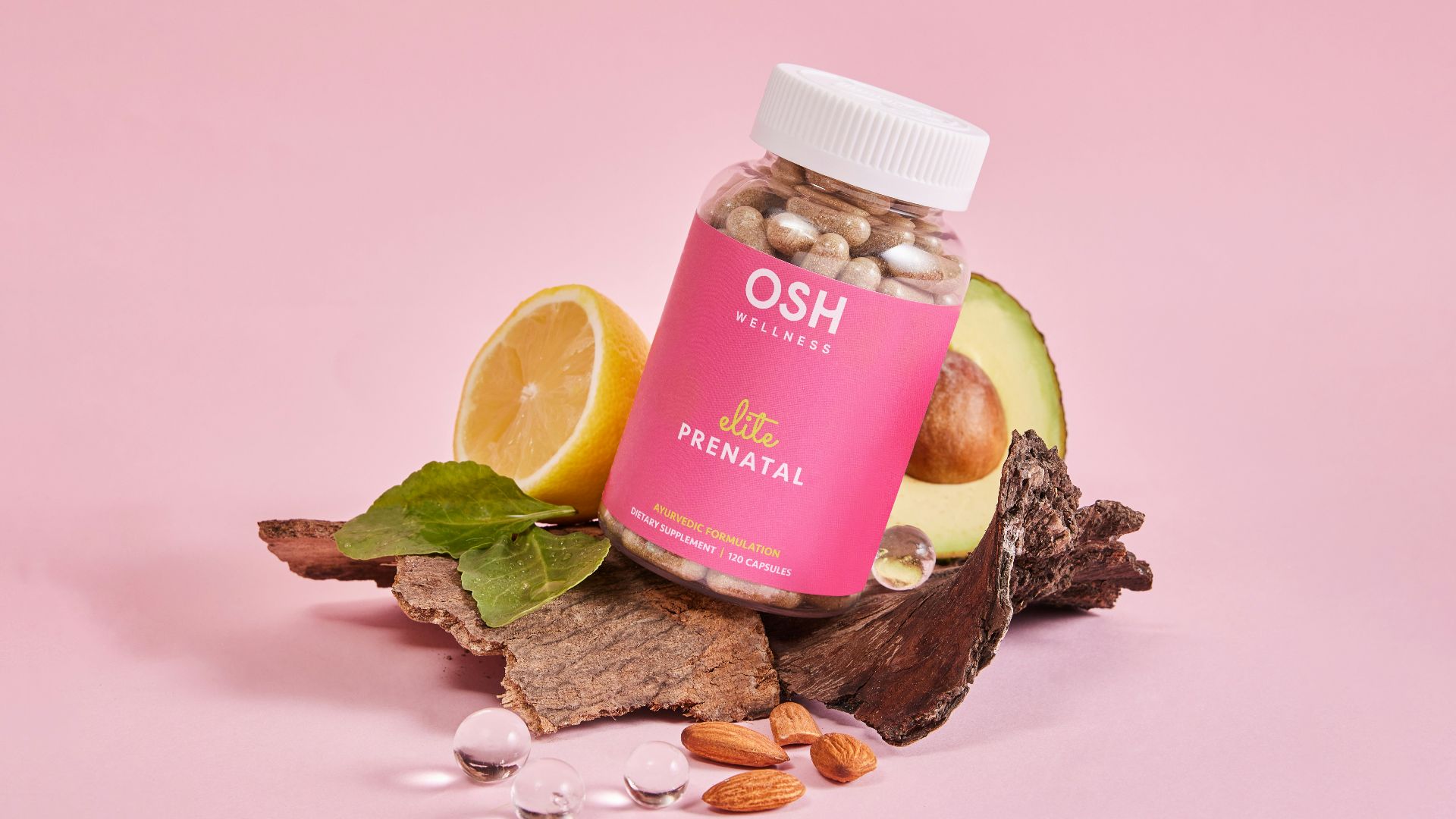
Folate supports cell growth, red blood cell formation, and overall healthy function. Leafy greens, beans, lentils, asparagus, oranges, and fortified grains are common sources. People often associate folate with pregnancy, but older adults need it too.
11. Vitamin C
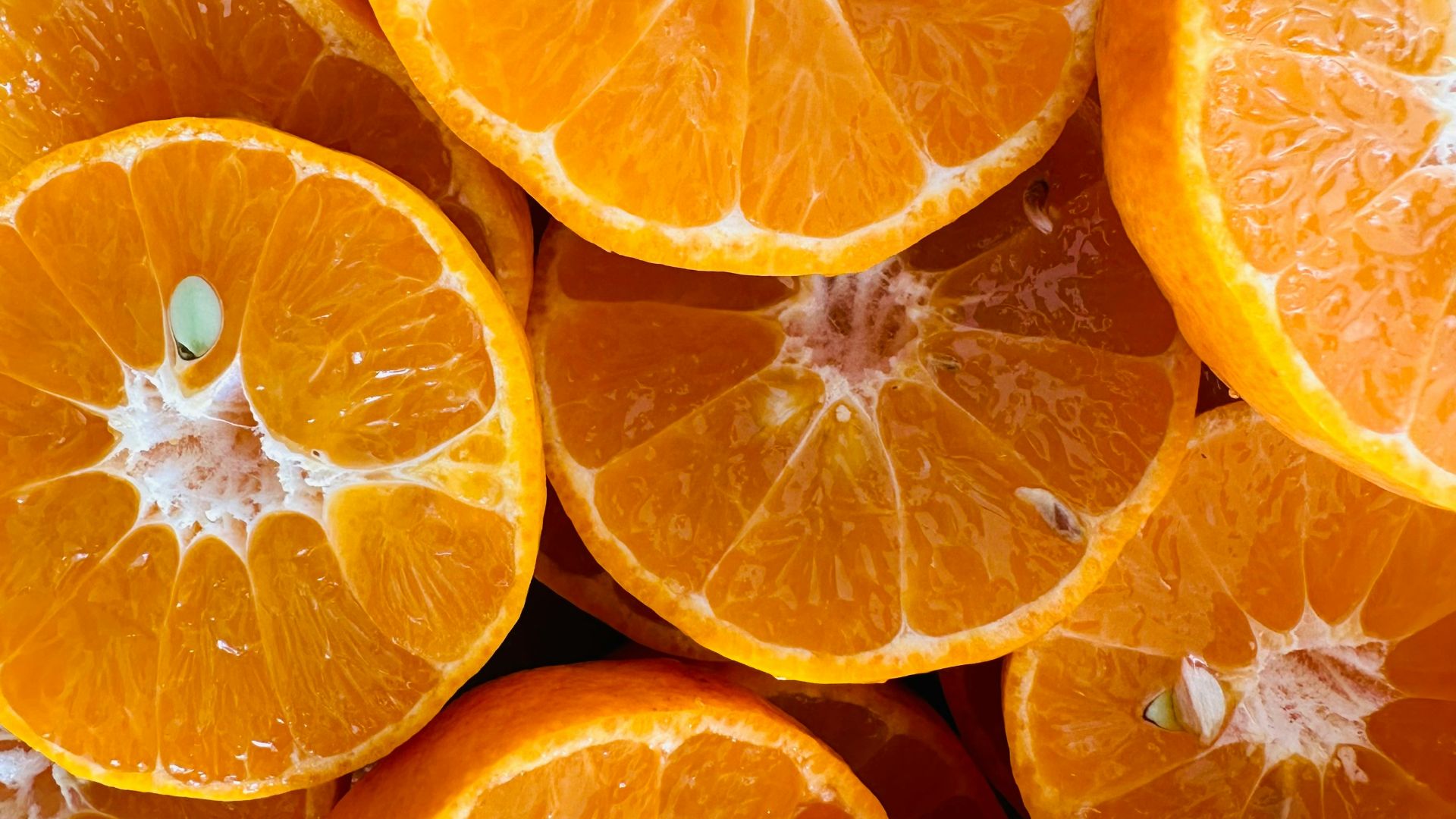
Vitamin C supports immune function, skin health, wound healing, and iron absorption from plant foods. It’s easy to miss if fresh fruits and vegetables are limited or meals become very simple. Citrus, strawberries, kiwi, bell peppers, broccoli, and potatoes can all help.
12. Vitamin E
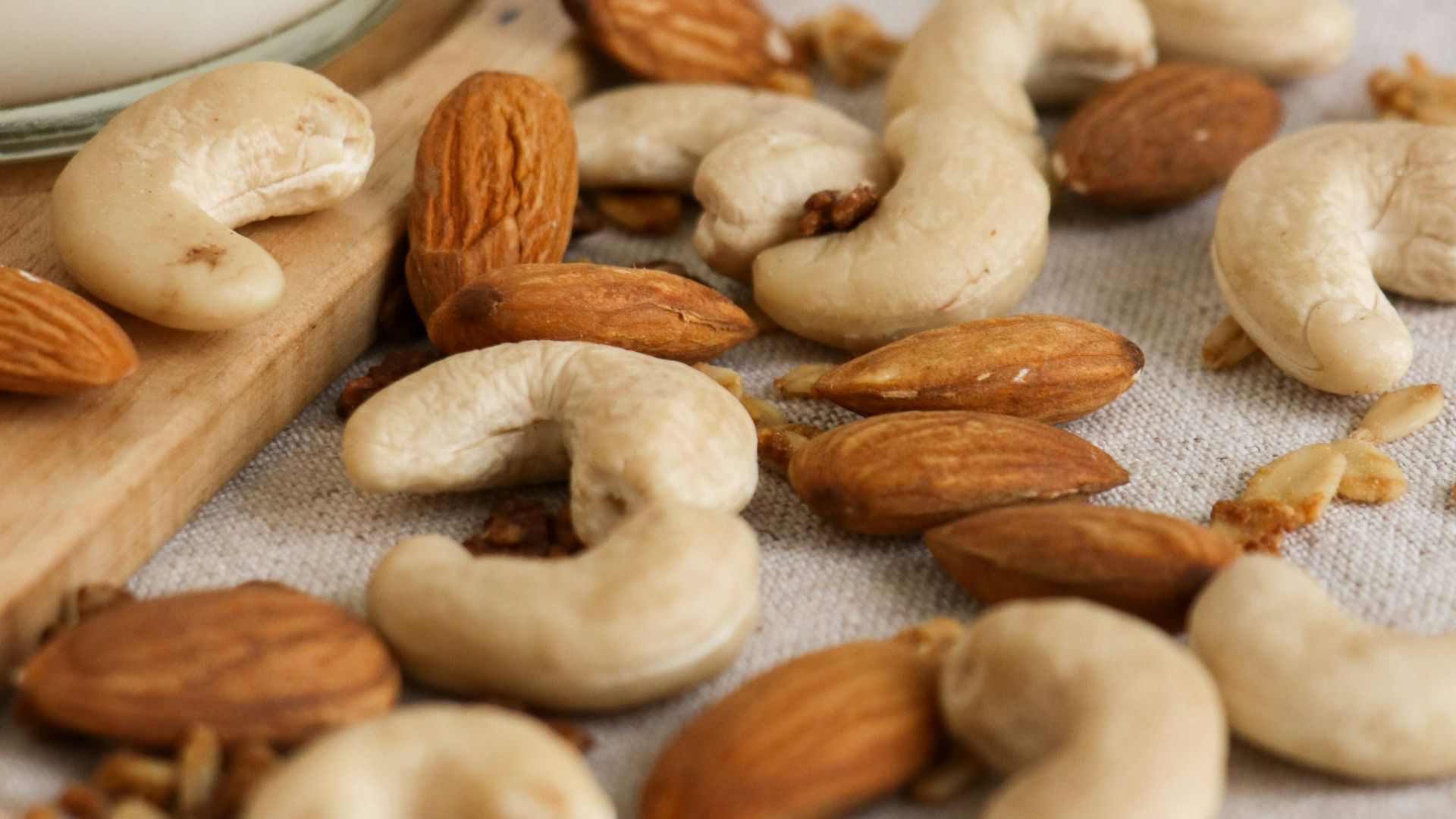
Vitamin E acts as an antioxidant and supports immune function. Nuts, seeds, vegetable oils, spinach, and fortified foods are common sources. It can be under-consumed when people avoid fats too aggressively or don’t eat many nuts and seeds. A little healthy fat in the diet isn’t the enemy; it’s often carrying useful nutrients with it.
13. Vitamin K
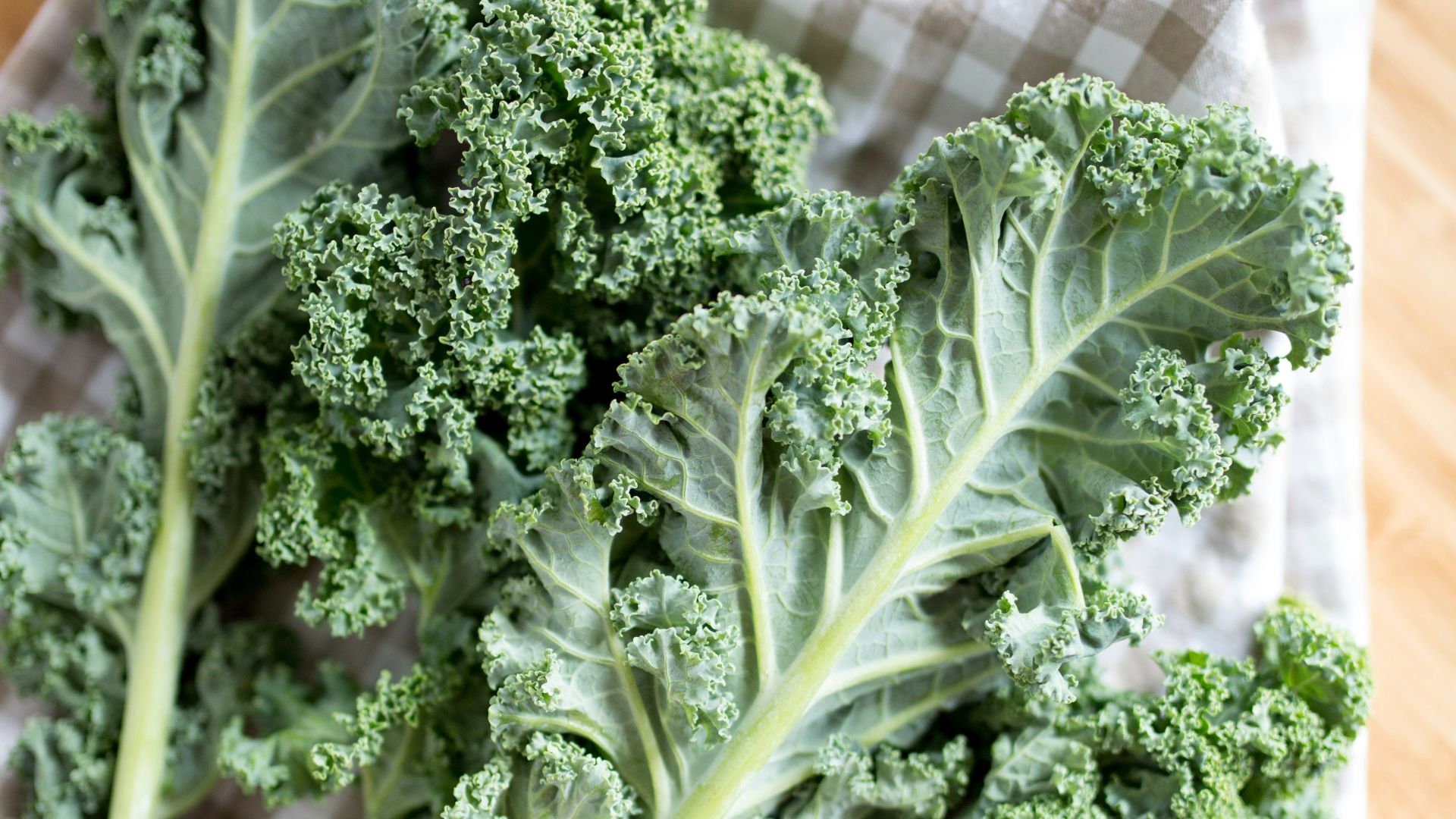
Vitamin K supports blood clotting and bone-related proteins. Leafy greens like kale, collards, spinach, and broccoli are strong sources. This nutrient is important, but people taking warfarin or similar blood thinners should keep vitamin K intake consistent and follow medical advice.
14. Iron
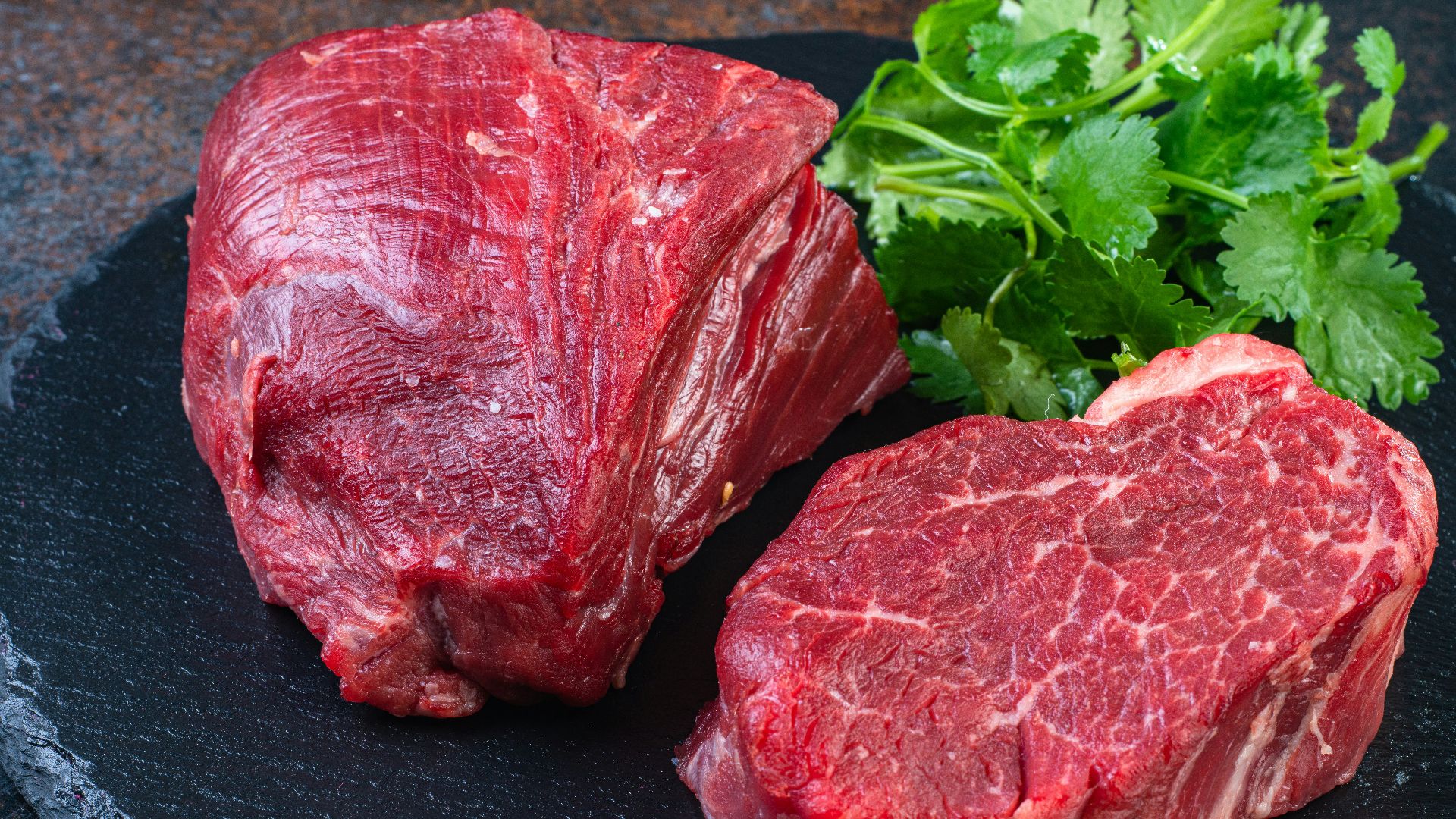
Iron helps carry oxygen in the blood, and low levels can contribute to fatigue and weakness. Older adults don’t always need more iron, but some may fall short because of low intake, digestive issues, blood loss, or certain medical conditions. Sources include meat, seafood, beans, lentils, spinach, fortified grains, and pumpkin seeds.
 David Foodphototasty on Unsplash
15. Zinc
Zinc supports immune function, wound healing, taste, smell, and many enzyme processes. It’s found in seafood, meat, poultry, beans, nuts, seeds, dairy, and whole grains. Low intake can happen when appetite drops or protein-rich foods become less common.
16. Iodine
Iodine helps the thyroid make hormones that regulate metabolism. It’s found in iodized salt, dairy, seafood, eggs, and some seaweed, though seaweed can vary wildly in iodine content. People who use only specialty salts that aren’t iodized may get less iodine than they realize.

17. Selenium
Selenium supports thyroid function and acts as part of antioxidant systems in the body. Brazil nuts, seafood, meat, poultry, eggs, and whole grains can provide it. However, before you start going at that bag of Brazil nuts, keep in mind that too much selenium can also be a problem.

18. Choline
Choline supports cell membranes, liver function, and brain-related processes. Eggs are one of the best-known sources, but it’s also found in meat, fish, poultry, soybeans, and some vegetables.

19. Fluids
Water isn’t a vitamin or mineral, but hydration is important enough to earn a spot. Older adults may feel thirst less strongly, and some avoid drinking because they worry about bathroom trips. However, dehydration can affect energy, constipation, dizziness, and overall well-being.

20. Carotenoids
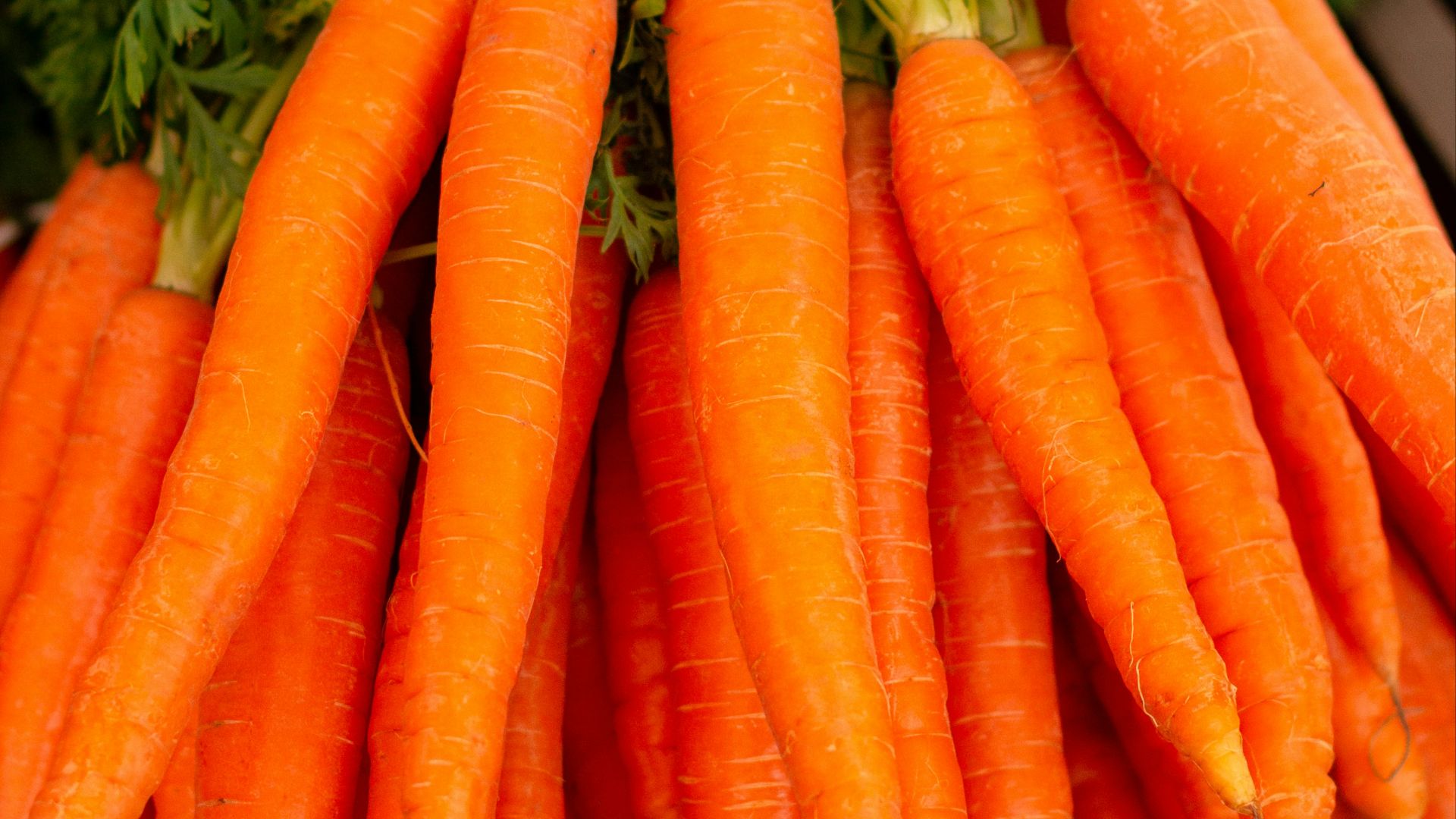
Carotenoids are plant compounds, including beta carotene, lutein, and zeaxanthin, found in colorful fruits and vegetables. They support overall health, and lutein and zeaxanthin are especially associated with eye health. Carrots, sweet potatoes, squash, spinach, kale, corn, and orange peppers are good places to start. A colorful plate isn’t just prettier; it usually means more nutrient variety.
KEEP ON READING



10 Pre-Workout & 10 Post-Workout Tips To Follow