
A Balanced Diet Still Needs Balance
Protein has earned its healthy reputation because it does all kinds of good stuff for your body: it helps support muscle, it promotes fullness, and it supports everyday body function. But more isn’t always better. There’s no one-size-fits-all number that works for everyone, which is why we’re here to break down signs you’re getting way too much protein and signs you aren’t getting nearly enough.
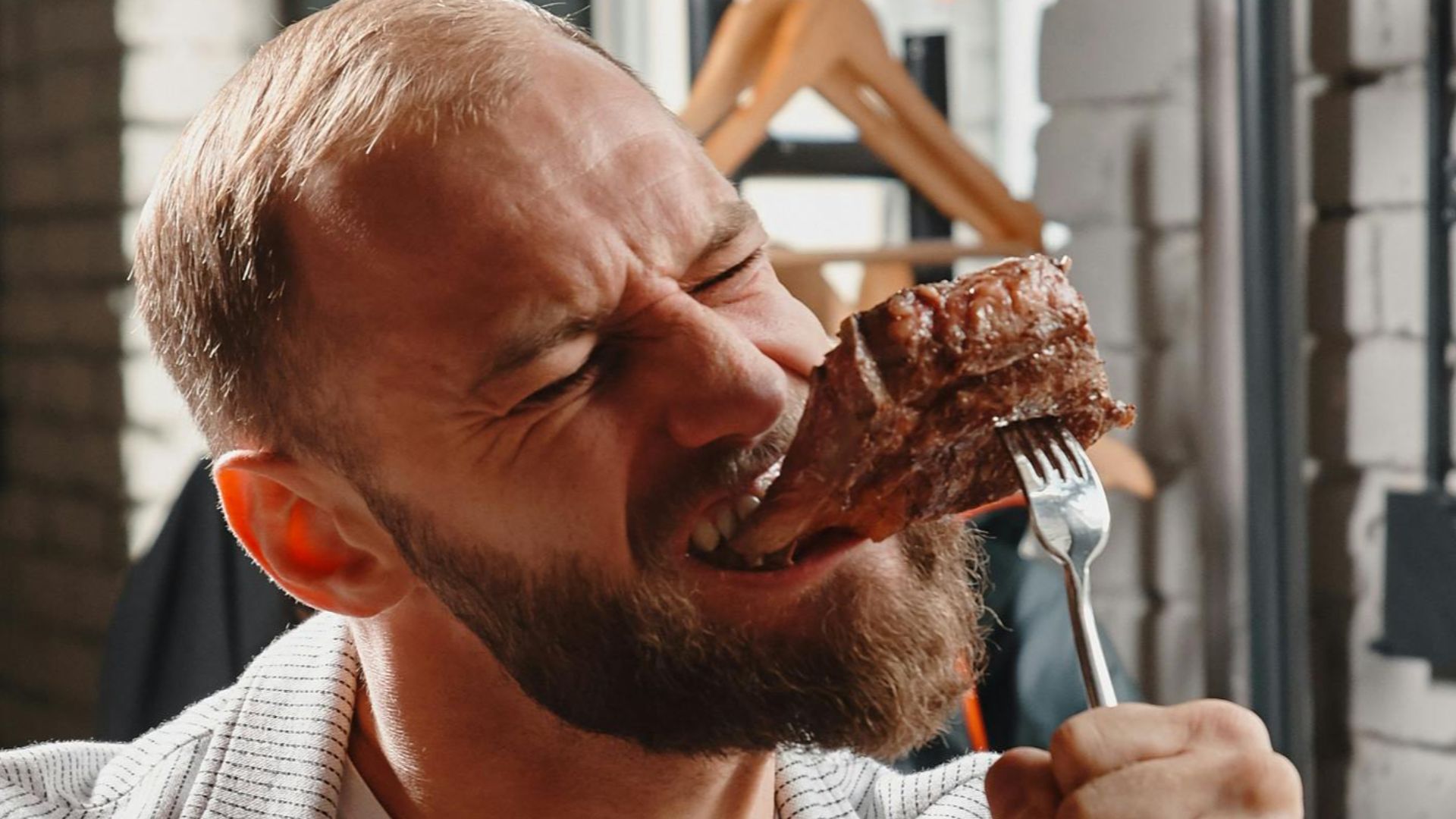
1. You’re Constantly Thirsty
Feeling unusually thirsty can happen when your protein intake climbs, but your fluid intake stays stagnant. Your kidneys process protein waste products, and that process might need a bit more water, especially if you’re also eating salty meats or packaged protein foods.
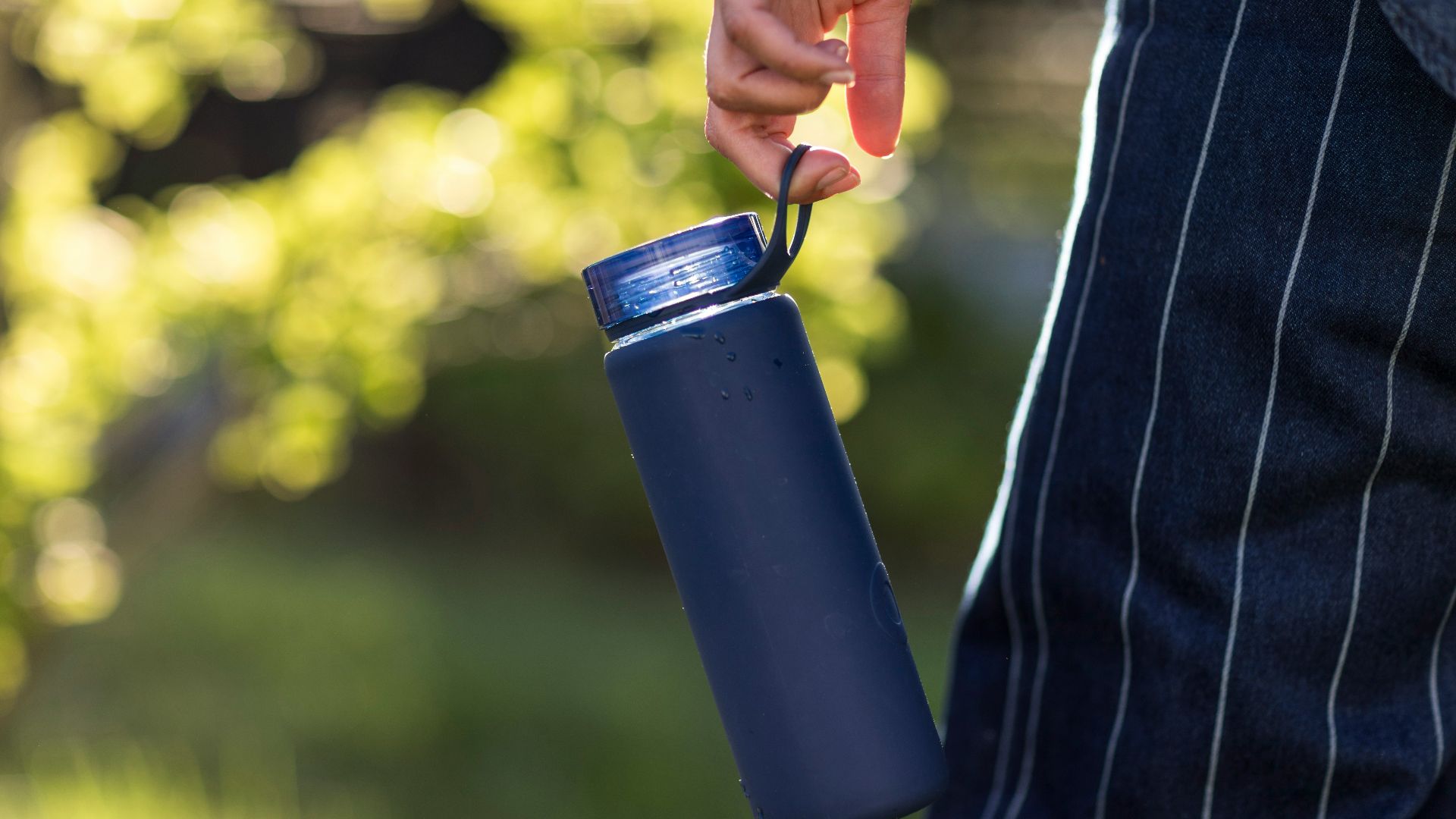
2. Digestion Slows Down
Make no mistake: constipation can sneak in when high-protein meals push beans, fruits, vegetables, and whole grains off the plate. Though you need a good source of protein, many of those meals can also be low in fiber. It’s all about balance, and if you don’t know how to achieve it, speak to a dietitian!
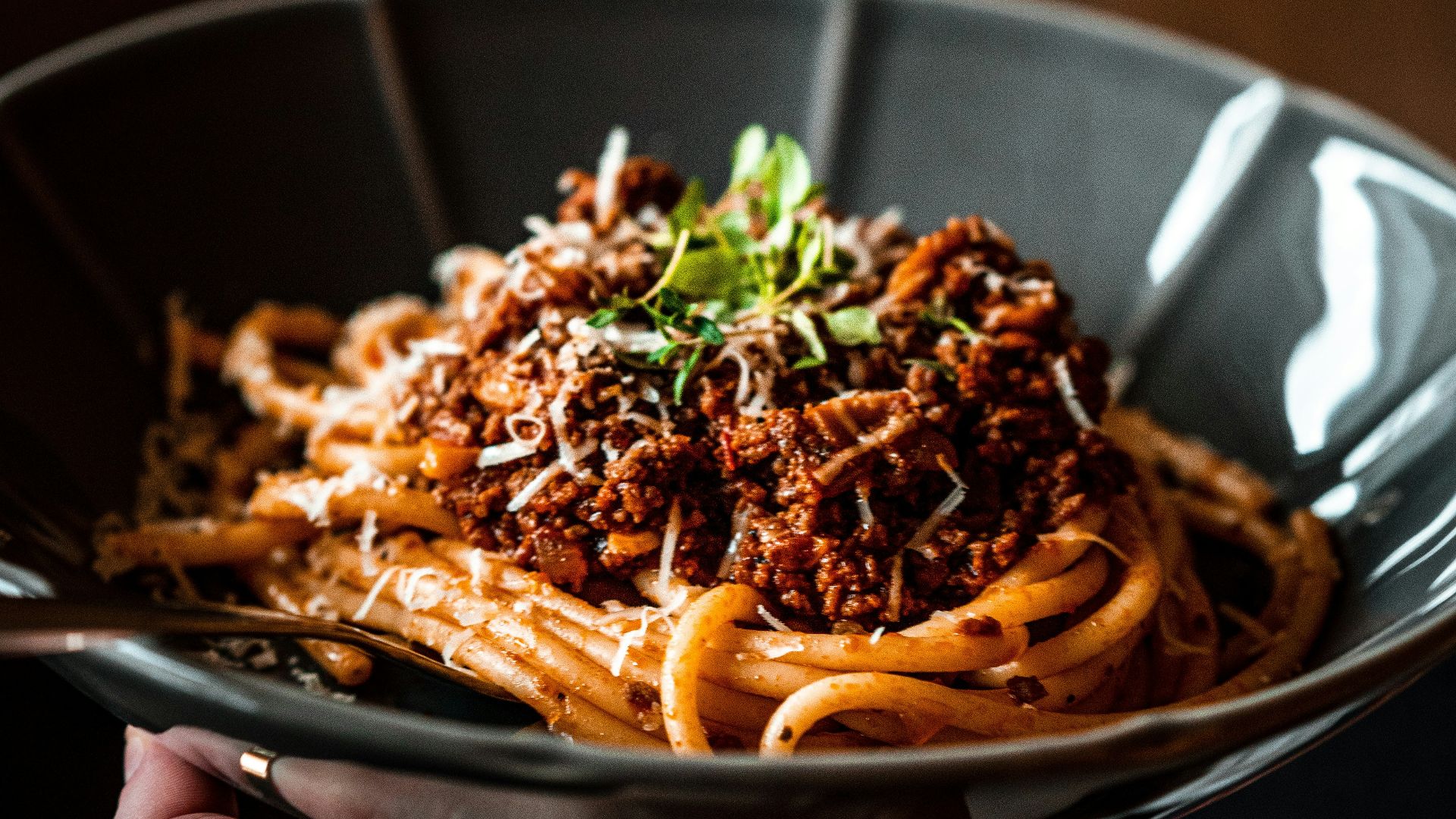
3. Your Breath Smells Different
It’s not pretty, but bad breath can show up when high-protein eating comes with low carbohydrate intake. In that situation, the body may produce ketones, which can sometimes lead to either extreme: noticeable fruity or chemical-like breath odor.

4. Bloating Or Stomach Upset
When all you eat is shakes, bars, or large portions of meat, you can bet your stomach will feel it. The issue isn’t always the protein itself, especially when you toss in lactose or gluten, but when your stomach feels unsettled after most meals, your body may be asking for simpler foods and more variety.

5. You’re More Tired Than Fueled
In theory, protein should support energy in an indirect way—it’s not your body’s only fuel source. If you’ve cut carbs but increased protein, workouts may start feeling harder than they need to. Remember: a balanced plate is loaded with smart carbs, healthy fats, and protein.

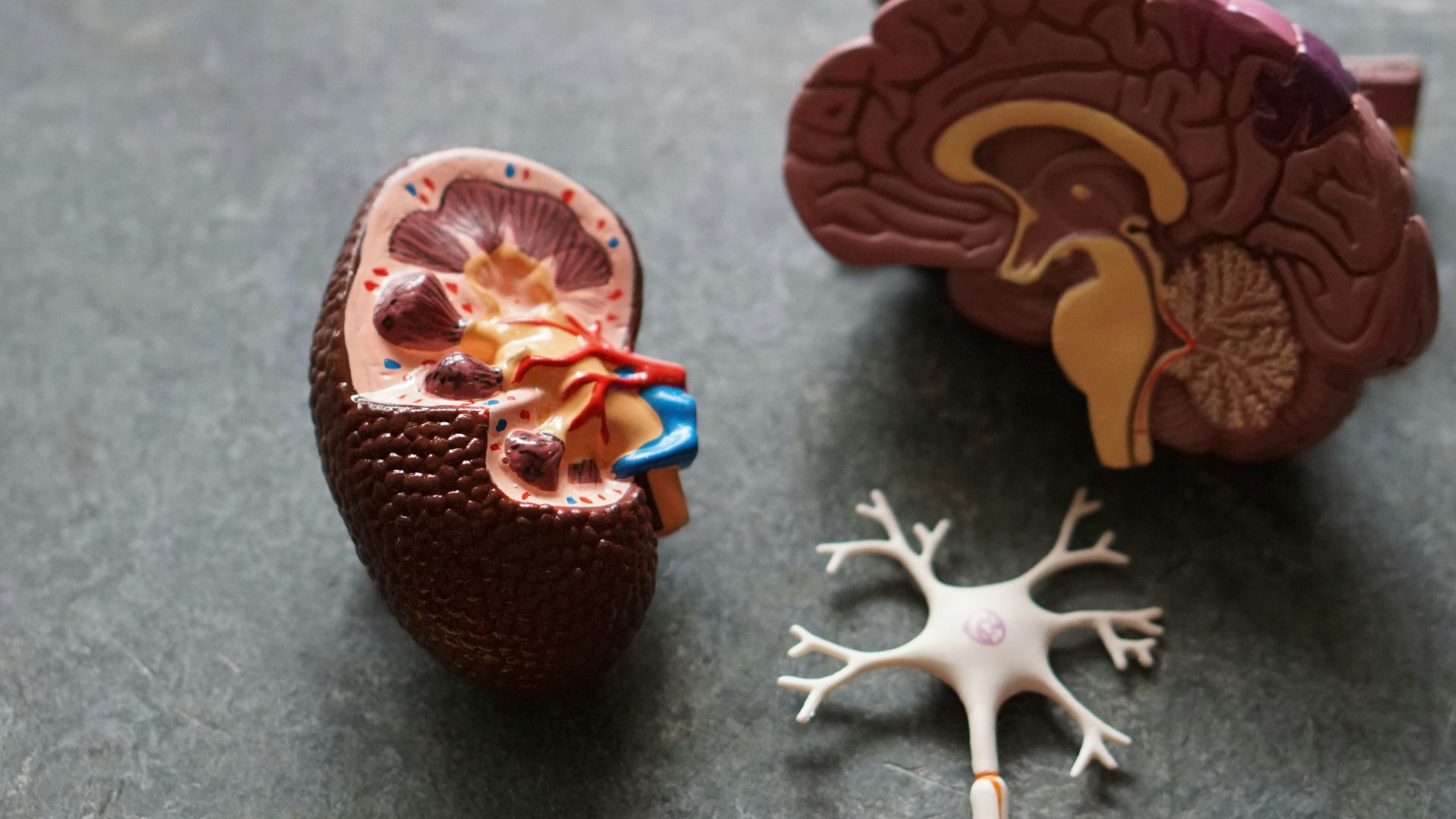
6. Your Kidneys Are a Concern
Higher protein intake can be risky for people who have kidney-related health concerns. That means extra protein can increase the amount of waste the kidneys need to filter, which is why people with said problems are often told to monitor their intake.
7. Cholesterol Numbers Climb
Protein choices matter; a plan built around processed meats, fatty cuts, and saturated fat can affect your ticker. Without proper guidance, some high-protein diets can rely heavily on red meat, bacon, sausage, or full-fat dairy, all of which can raise LDL cholesterol.

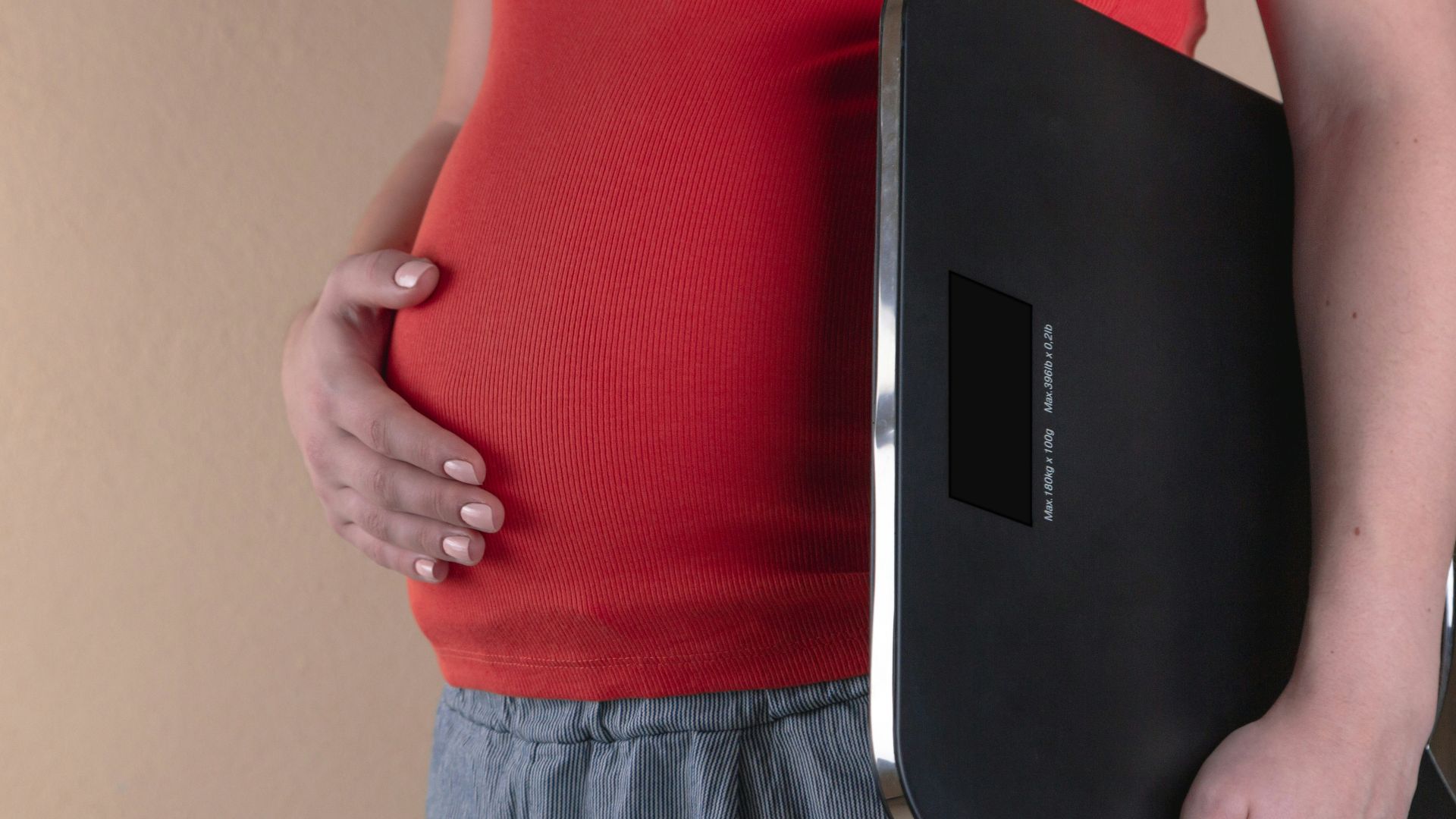
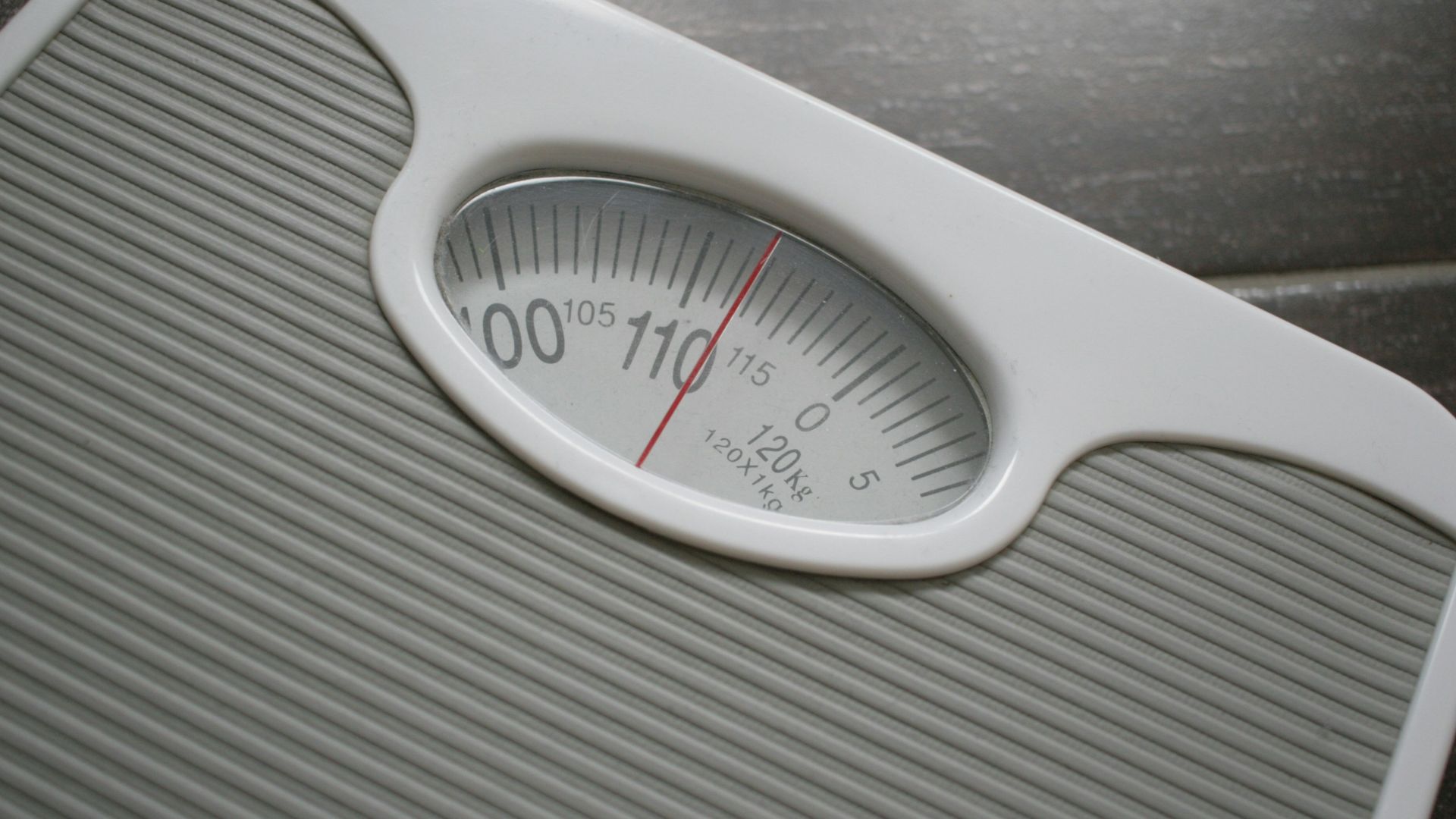
8. You’re Gaining Weight Without Meaning To
Don’t forget that protein still adds calories, even if it’s peddled as being the healthy alternative. The scale doesn’t care that the calories came with a fitness label, so portion control and awareness still play a large role in your health journey.
 Volodymyr Hryshchenko on Unsplash
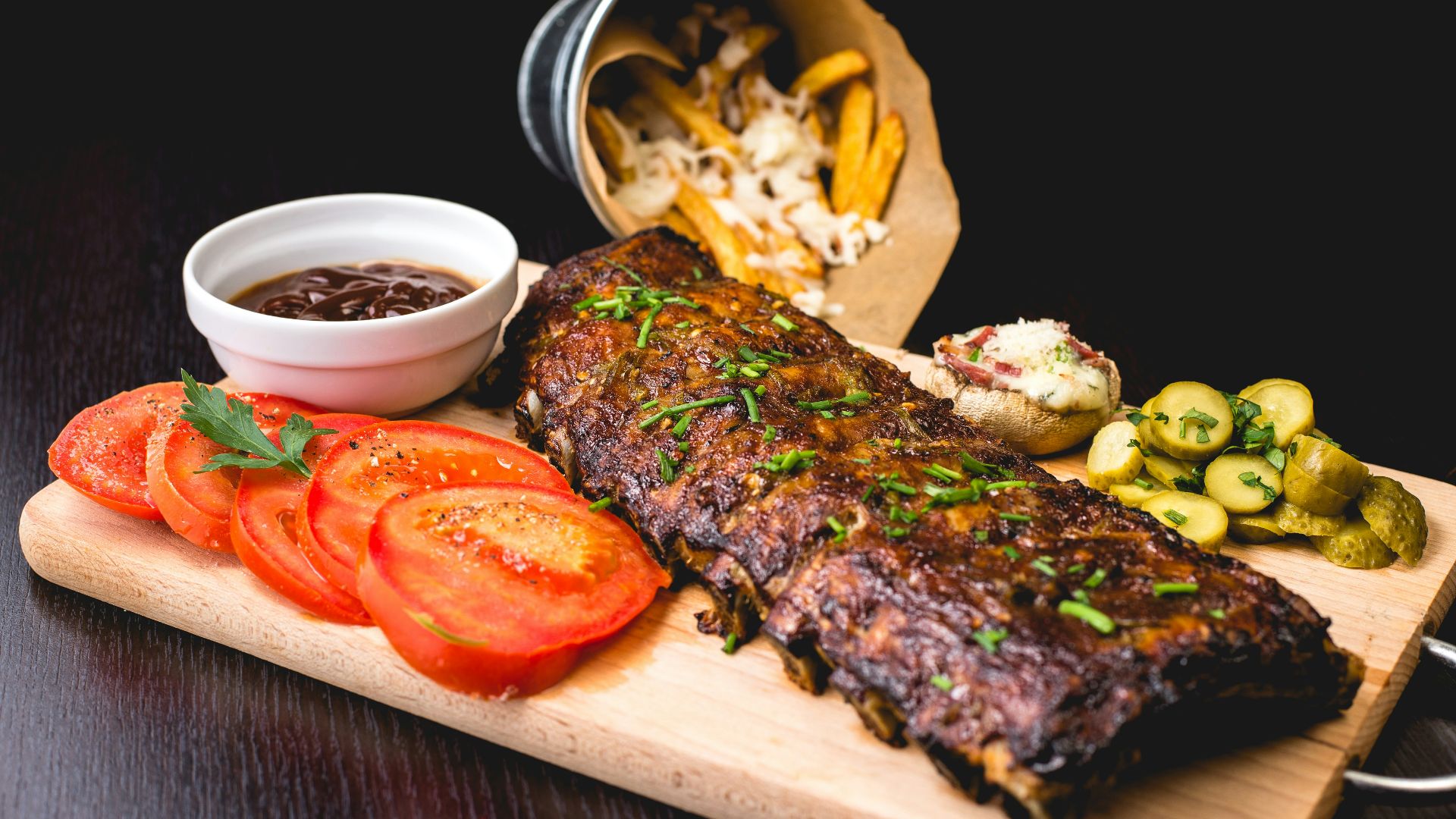
9. Meals Look Less Colorful
Protein shouldn’t crowd out produce, whole grains, and healthy fats—but you’ll notice when it does. Once those other nutrients disappear, plates can be short on fiber, vitamins, minerals, and the satisfying variety that makes eating feel good.
 Alexandru-Bogdan Ghita on Unsplash
10. Headaches
Headaches can sprout from just about anything, but some restrictive high-protein diets can also be a culprit. You might feel foggy or unusually drained if your meals don’t provide enough balanced fuel.

Protein does a lot more than show up at the gym! Your body uses it to help maintain muscle, repair tissue, support immune function, and keep everyday processes running smoothly. So, when you don’t get enough, that could be an issue. Let’s dive into a few signs that you may need more in your diet.
1. Muscles Feel Weaker Than Usual
When you don’t get enough protein over time, your muscles will likely have a harder time maintaining their tissue. That means anything from carrying groceries to climbing stairs can feel more difficult than it used to. Now, that doesn’t mean every weak day is a protein emergency, but a steady drop in strength deserves attention.
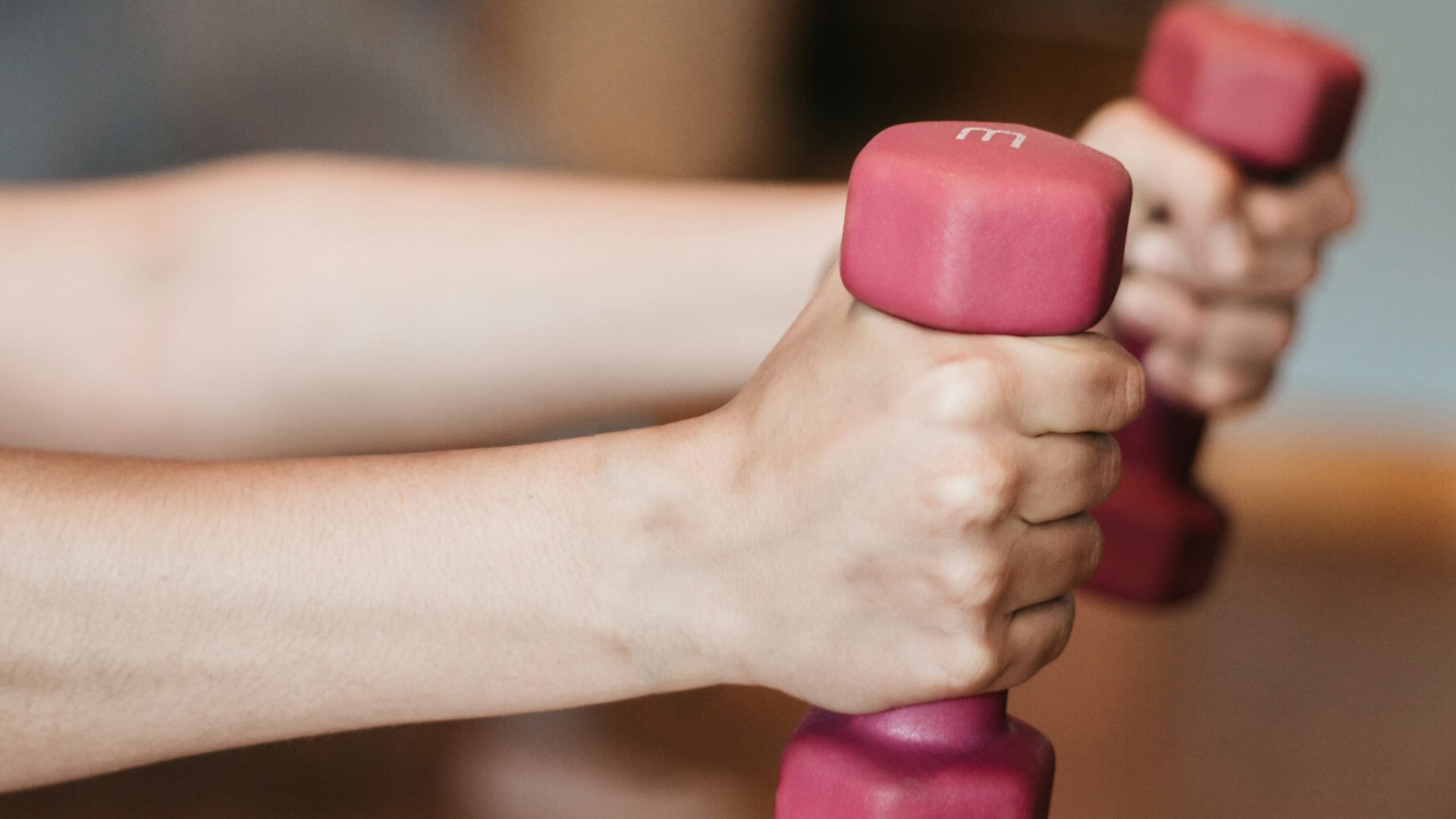
2. You’re Recovering Slowly After Exercise
Keep in mind that protein helps repair the tiny muscle damage that happens during a good burn. If soreness hangs around longer than expected, your post-workout meals may not be giving your body enough to work with.

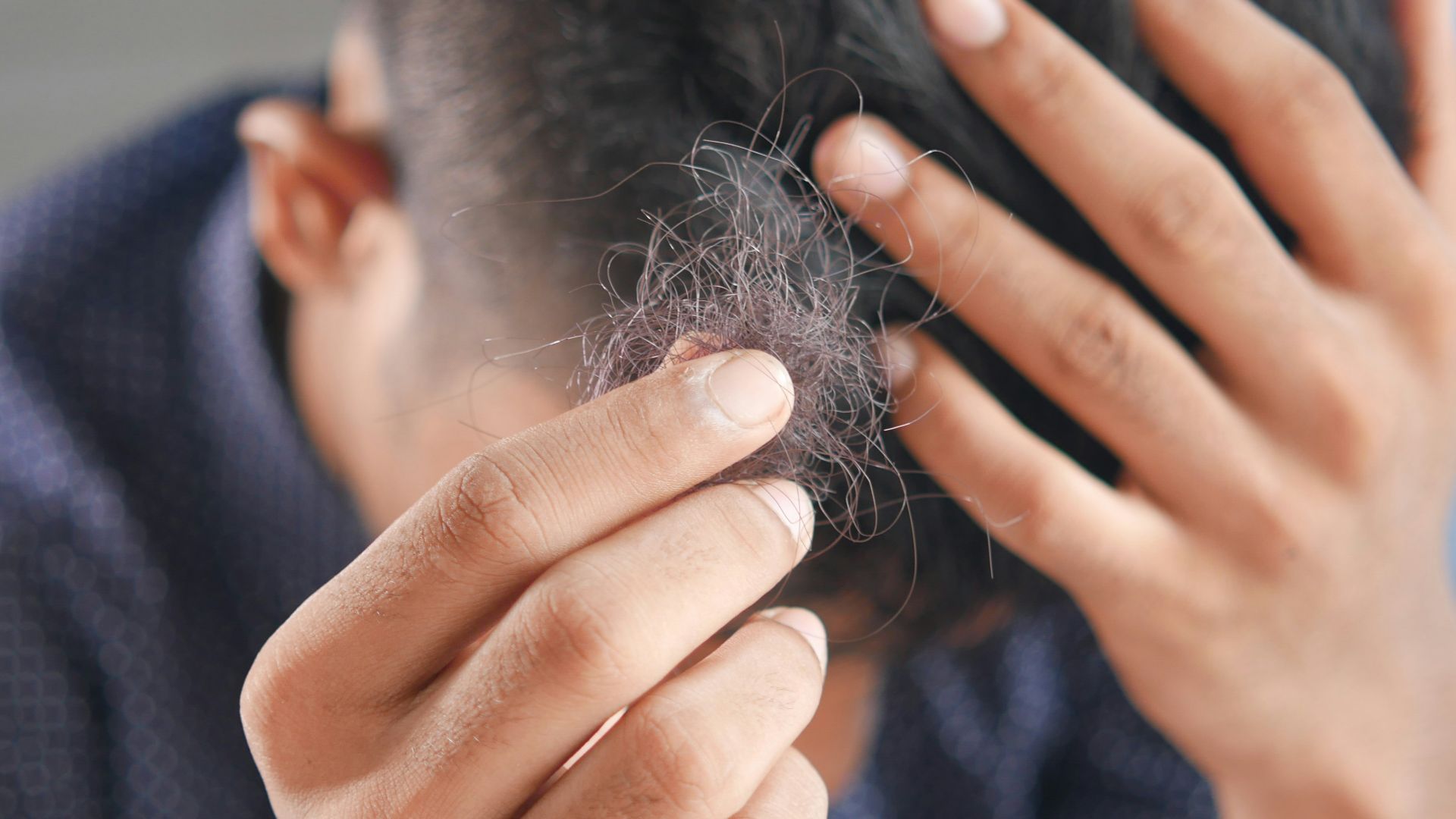
3. Hair Seems Thinner
No one wants to deal with thinning hair, and protein plays a bigger role in its volume than you think. Hair is made partly from protein, so consistently low intake can affect healthy growth in some people. Keep an eye out for shedding, weaker strands, or hair that doesn’t seem as full as it once did.
4. Nails Break Easily
Brittle nails can sometimes show up when your diet doesn’t have enough nutrients, especially protein. If they peel or snap more often than usual, it may be worth taking a closer look at what’s missing from your meals.
 Dwi Agus Prasetiyo on Unsplash
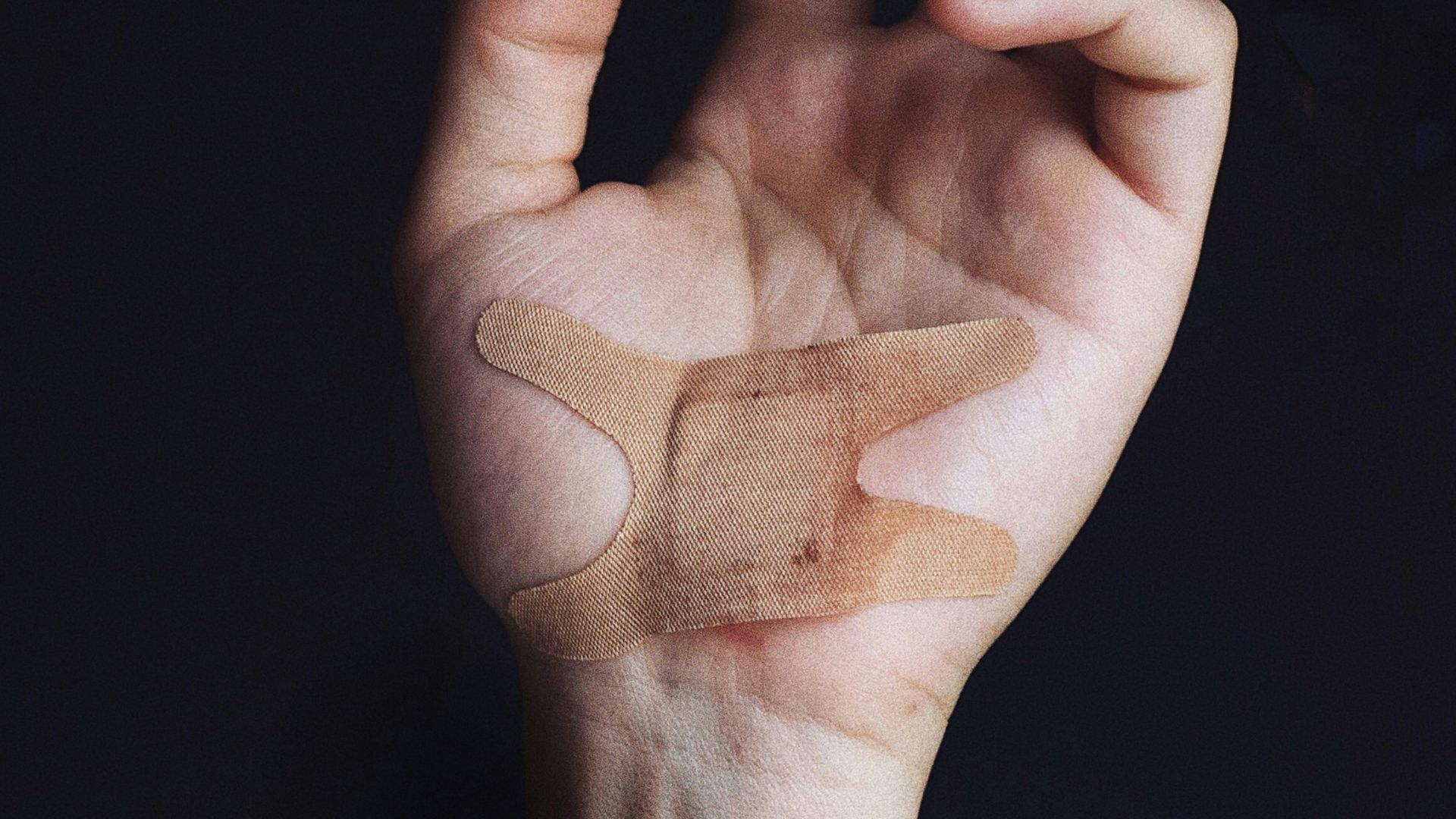
5. Cuts Take Longer To Heal
As discussed, your body needs protein to help build and repair skin and cells, and that includes after an injury. When small cuts or irritated spots linger, low protein intake could be one factor slowing the process. Of course, healing also depends on things like blood flow and overall nutrition, so don’t put the whole blame on lunch.
 Brian Patrick Tagalog on Unsplash
6. You’re Getting Sick More Often
We often credit vitamin C as the defender against colds, but protein plays a part in supporting immune cells. So, when your intake is too low for too long, your immune system may not have all the support it needs to chase away that cough.

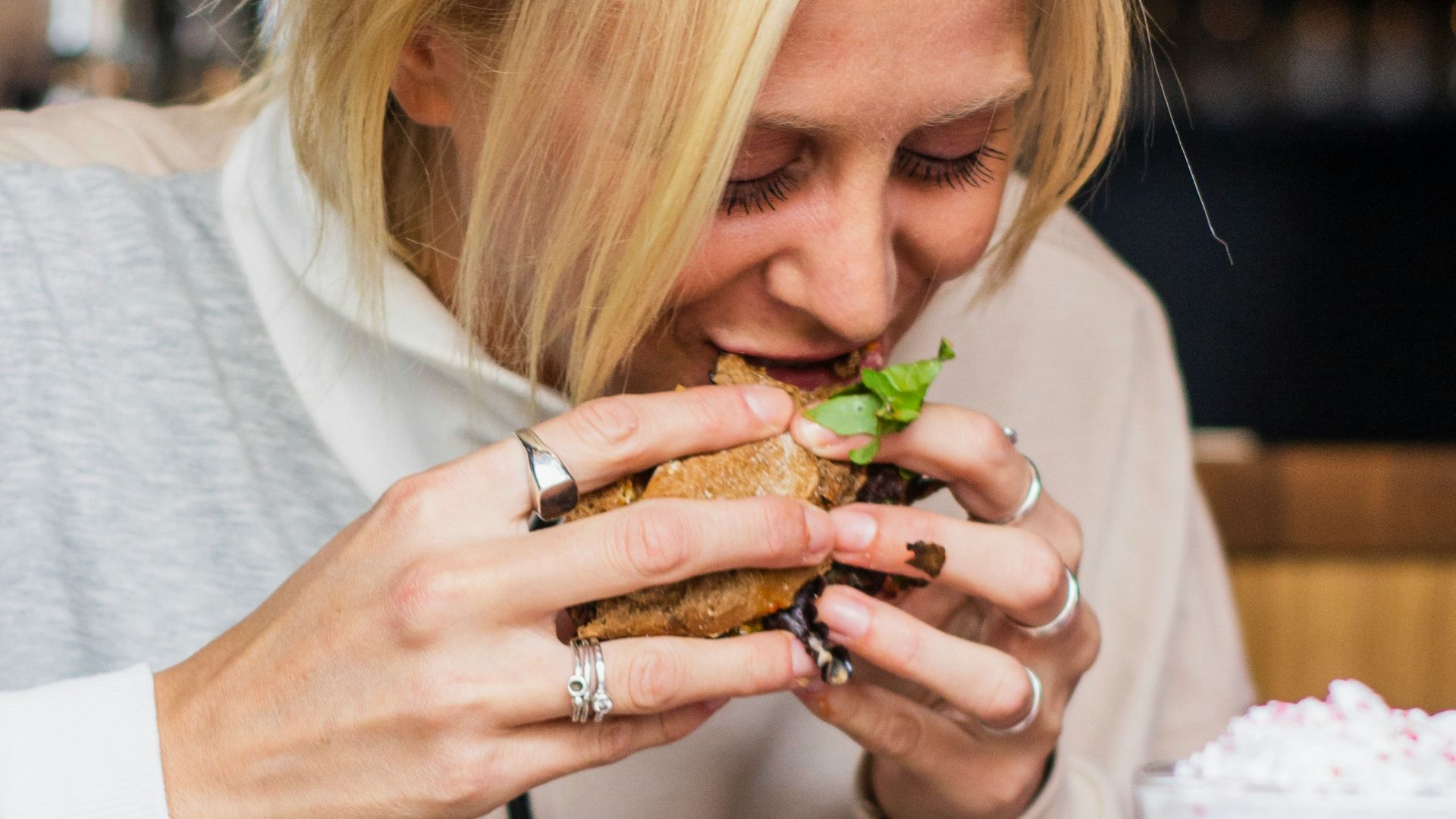
7. You’re Always Hungry
Protein keeps you fuller for longer, so low-protein eating will only leave you searching for snacks. Sure, you might feel like you’re technically full, but you won’t feel satisfied, which is a frustrating difference.
8. Muscle Loss During Weight Loss
When people lose weight too quickly or eat too little protein, some of that loss can come from muscle rather than body fat. Does your body feel softer? Has your strength dipped? Weight loss plans work best when they protect your health, not just your jeans.
9. Swelling In Your Feet
Severe protein deficiency can contribute to fluid buildup, and swelling in the ankles or feet isn’t something to brush off. It’s especially important to get checked if it appears suddenly or gets worse. Since swelling can have serious causes, it’s a sign that should be discussed with a healthcare professional.
 Kateryna Hliznitsova on Unsplash
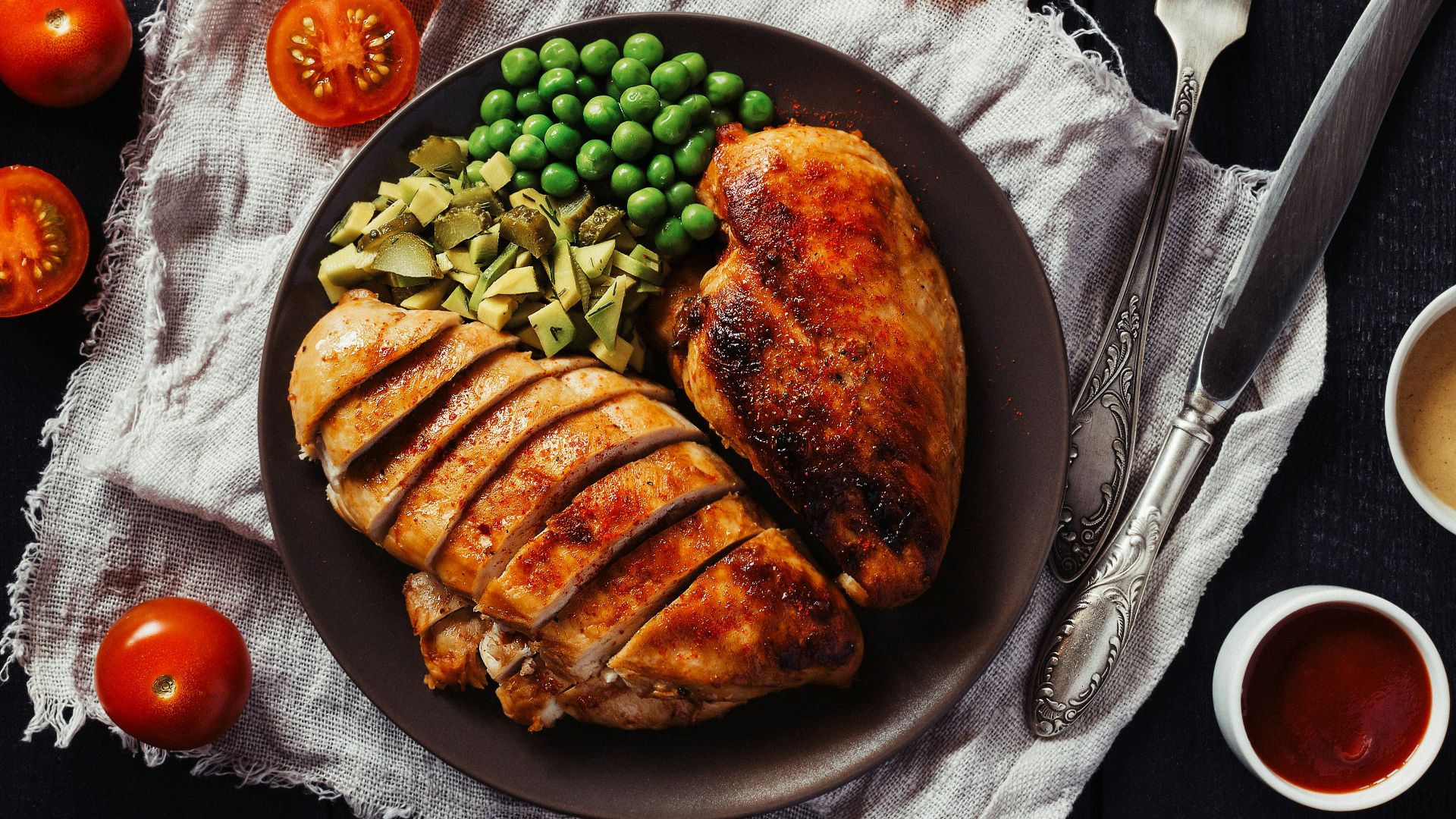
10. Your Meals Don’t Have a Main Protein Source
Sometimes the clearest sign isn’t a symptom at all—it’s a pattern on your plate. If most meals are built from salads and fruit without anything like eggs, fish, poultry, or nuts, your intake may be lower than you realize.
KEEP ON READING


20 Natural Ways You Can Boost Your Immune System
20 Ways To De-stress & Relax After Work
The 10 Most Common Diseases & The 10 Most Rare