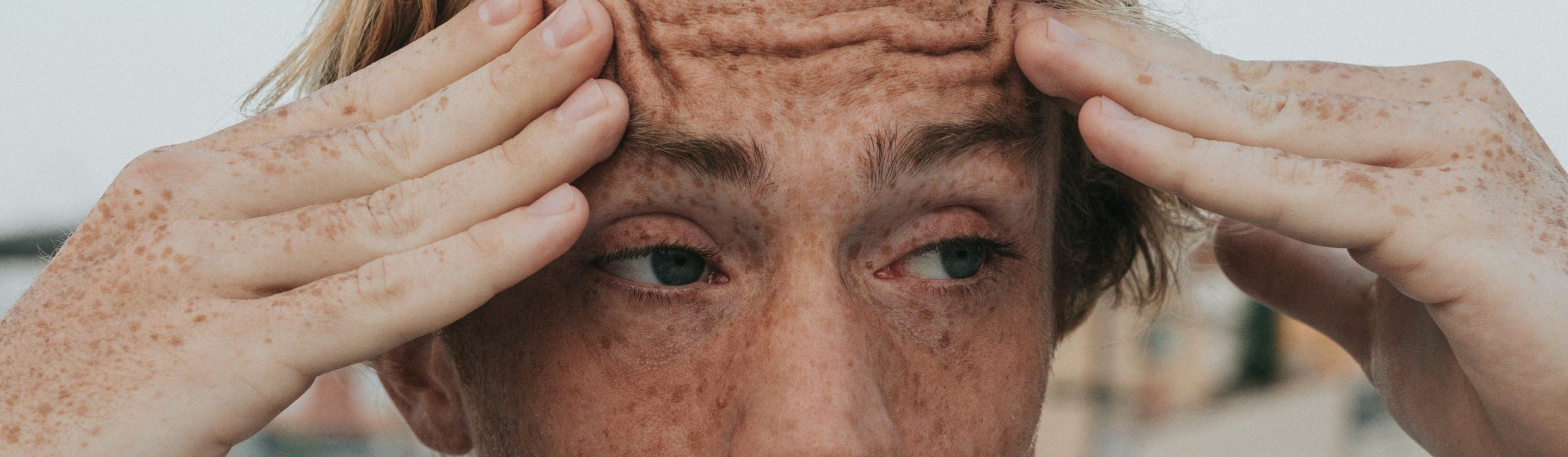
Everyday Triggers That Make Eczema Worse
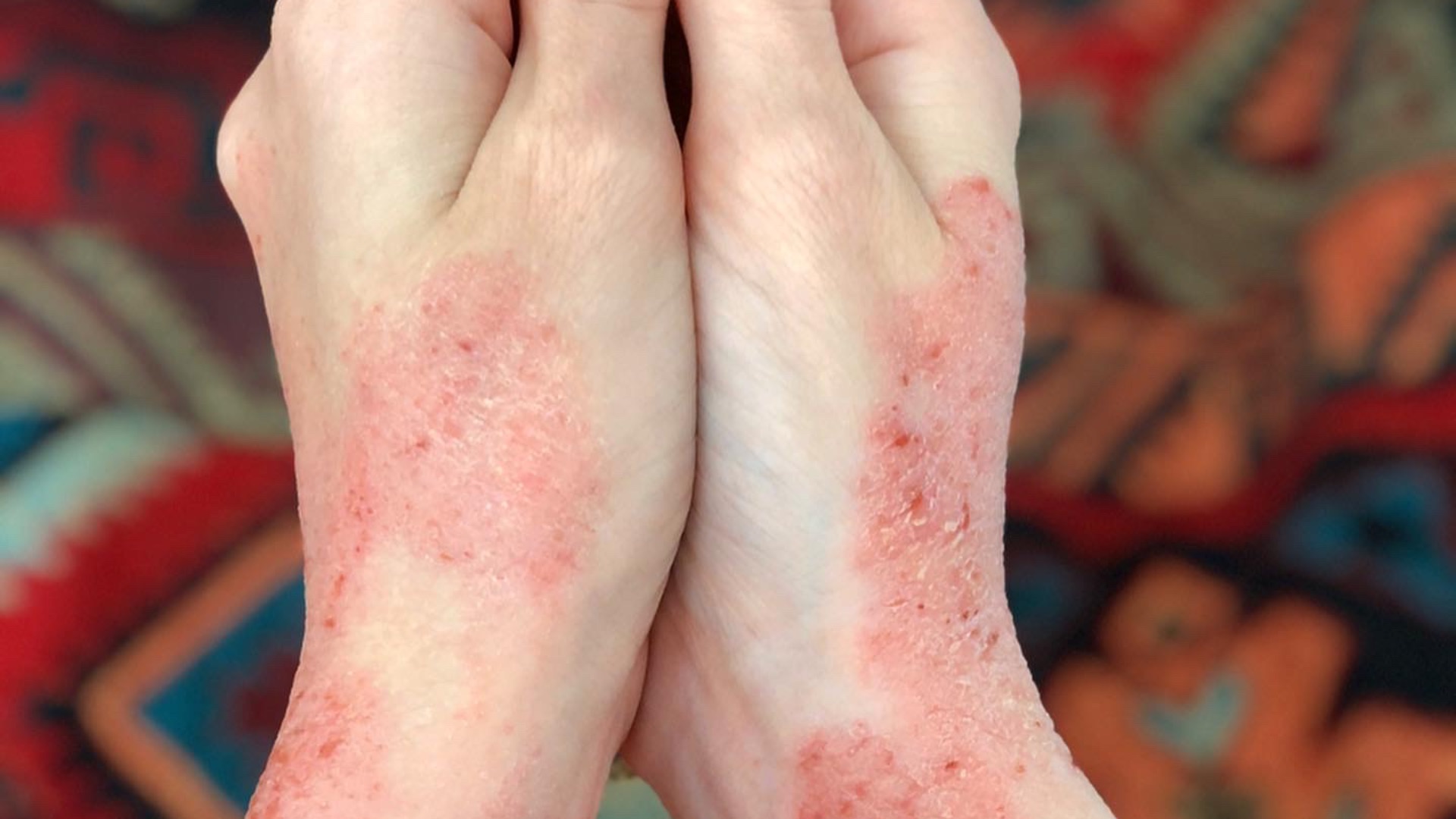
For those who live with eczema, they know that their skin often has a weaker moisture barrier, which means it can lose hydration more easily and react more strongly to anything it comes in contact with. Be it detergents, soaps, fruits, or pet dander, the list of irritants seems endless, though triggers can vary from person to person. If you're wondering what's been making your skin more itchy than usual, you might want to stay away from these 20 things that could be causing your flare-ups.
1. Fragranced Skin Care Products
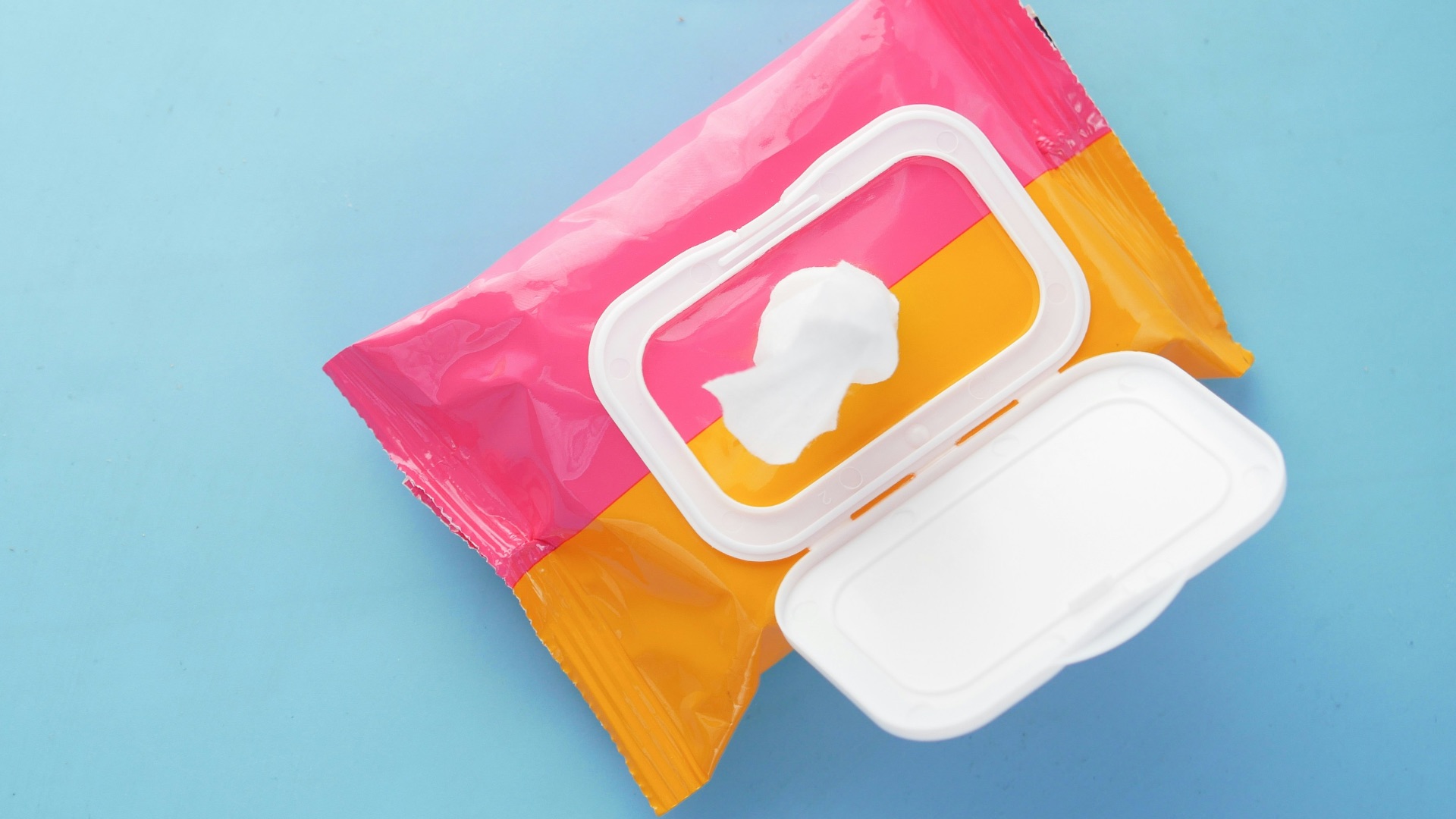
Fragrance is one of the most common troublemakers for sensitive, eczema-prone skin. Even products that smell pleasant or “natural” can contain ingredients that irritate the skin barrier. Choosing fragrance-free products is usually safer than choosing “unscented,” since unscented items may still contain masking fragrance.
2. Harsh Soaps
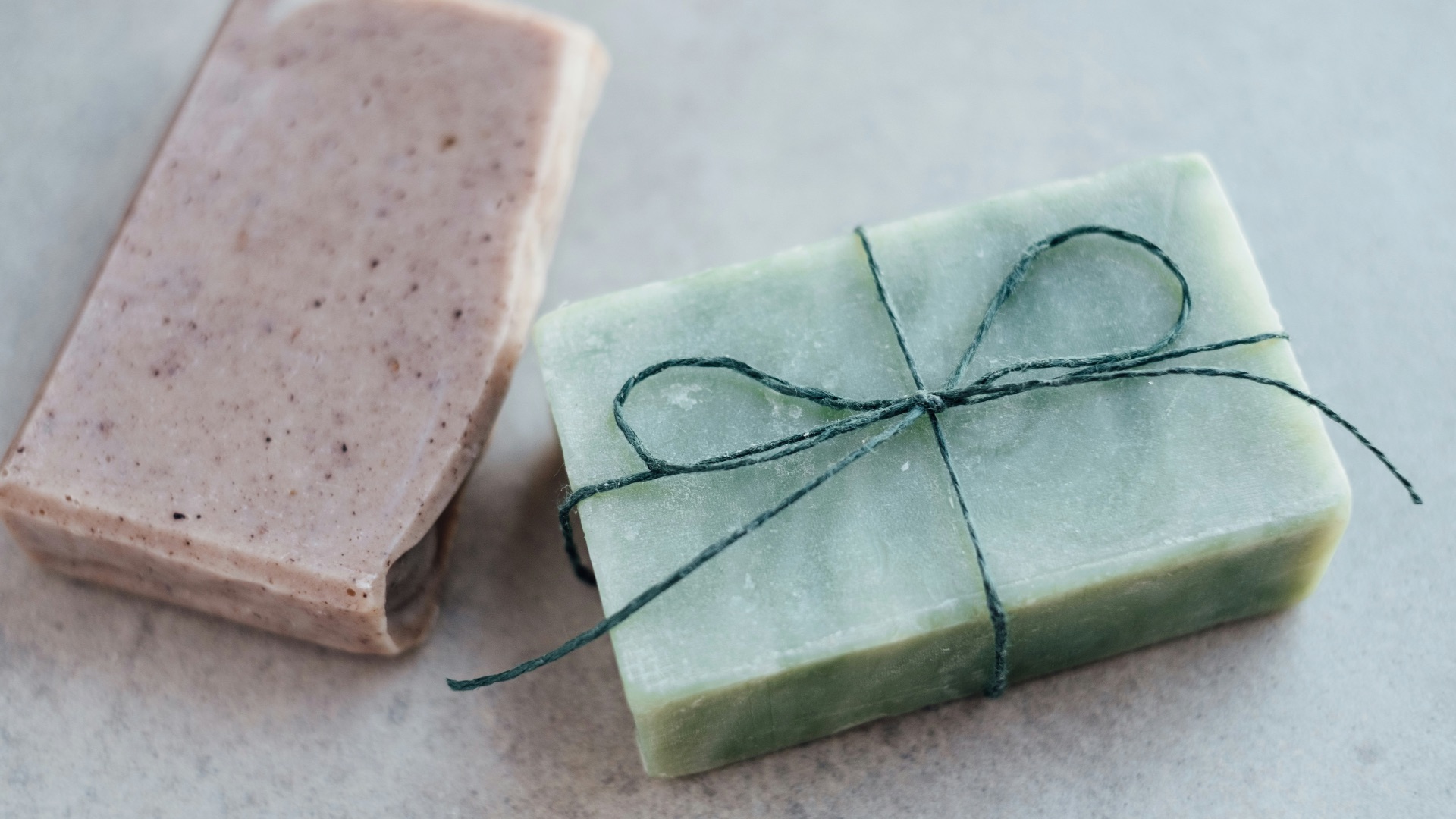
Traditional bar soaps and strong cleansers can strip away the oils your skin needs to stay comfortable. When that protective layer is disrupted, eczema patches may feel tighter, itchier, or more inflamed. A gentle, non-soap cleanser is often a better fit, especially for frequent handwashing or showering.
3. Certain Laundry Detergents
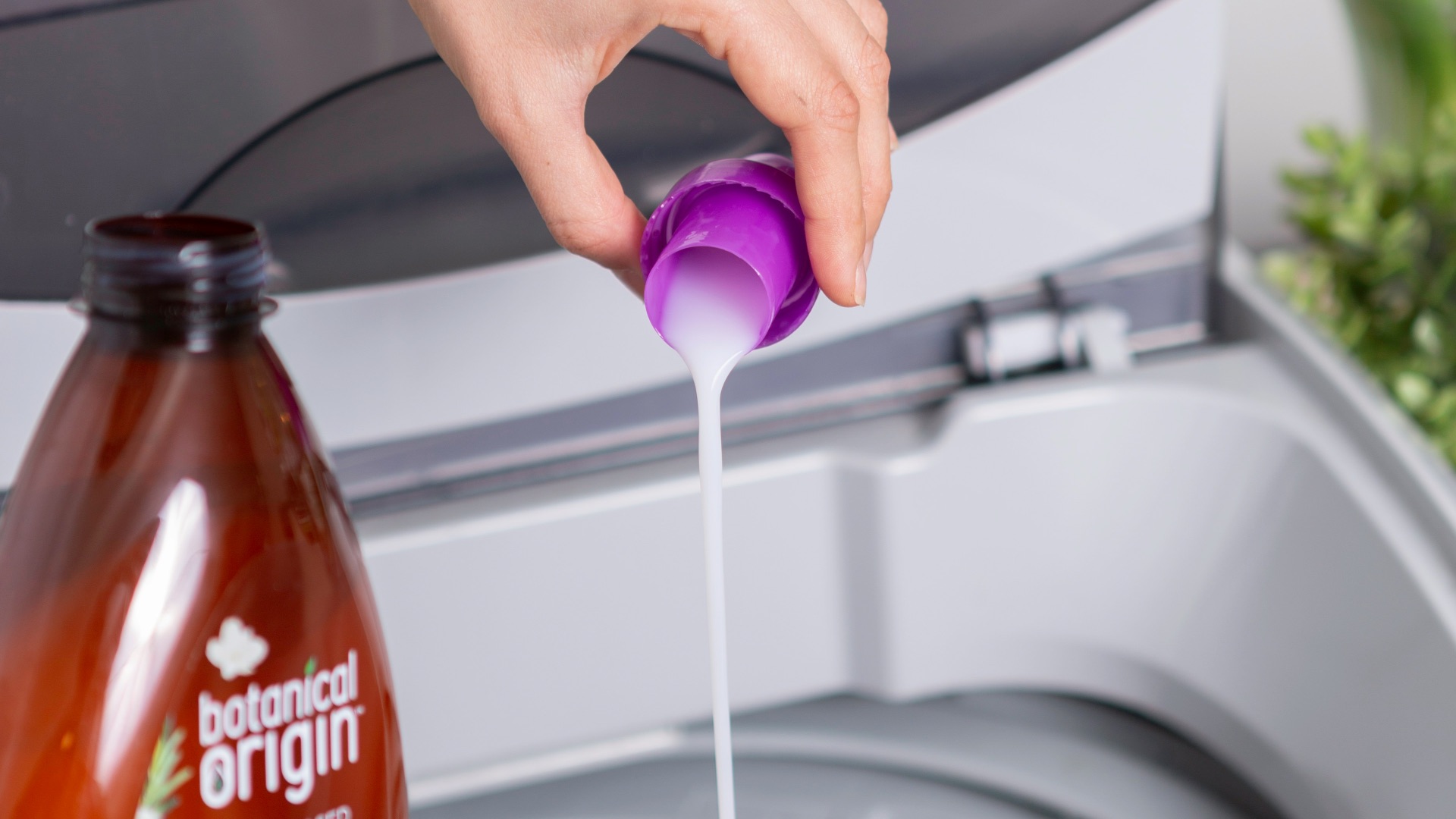
Detergent residue can linger in clothing, towels, and bedding, which means your skin may be exposed to it for hours. Fragrance, dyes, and stronger cleaning agents can be especially irritating for some people with eczema. Switching to a fragrance-free detergent and running an extra rinse cycle may help if laundry seems connected to flare-ups.
4. Food Handling
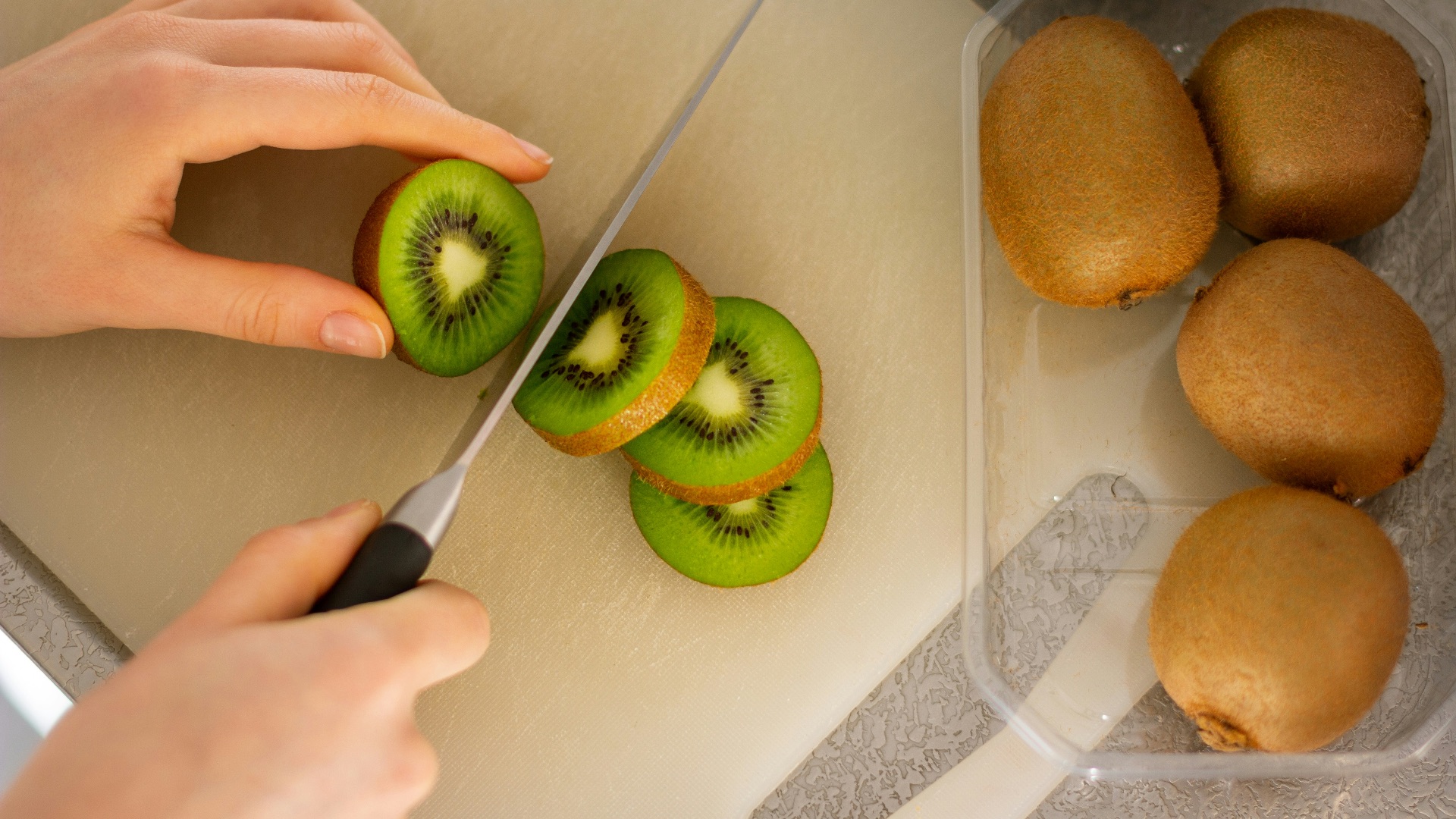
Certain foods can irritate eczema-prone skin even if you’re not allergic to eating them. Acidic ingredients like citrus, tomatoes, pineapple, and vinegar-based foods may sting or inflame dry, cracked, or already irritated hands. Spicy foods, onions, garlic, and salty foods can also bother some people during cooking or meal prep. Wearing food-safe gloves and rinsing residue off your hands promptly can help reduce contact without turning your diet into a guessing game.
5. Wool Clothing
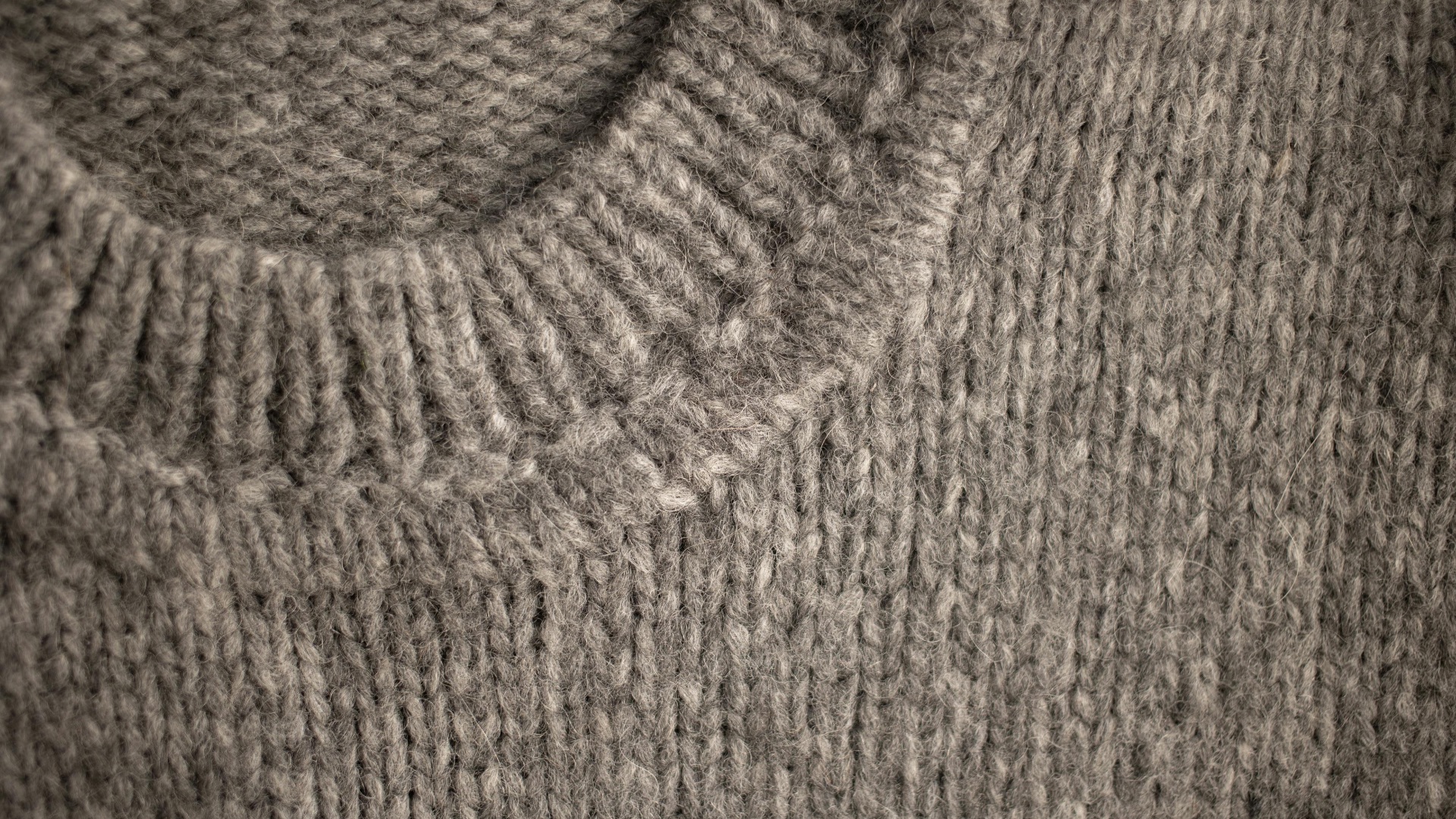
Wool can feel scratchy against the skin, and that friction may make itching worse. For some people, even a brief period in a wool sweater or scarf can leave the neck, arms, or torso irritated. Soft cotton layers underneath may reduce contact, but avoiding wool altogether is often the simplest choice during a flare.
6. Synthetic Fabrics
Polyester, nylon, and other synthetic fabrics can trap heat and sweat close to the skin. That combination may be uncomfortable if your eczema is already active or if you’re prone to overheating. Loose, breathable clothing is usually kinder to sensitive skin than tight workout gear or rough synthetic blends.

7. Hot Showers
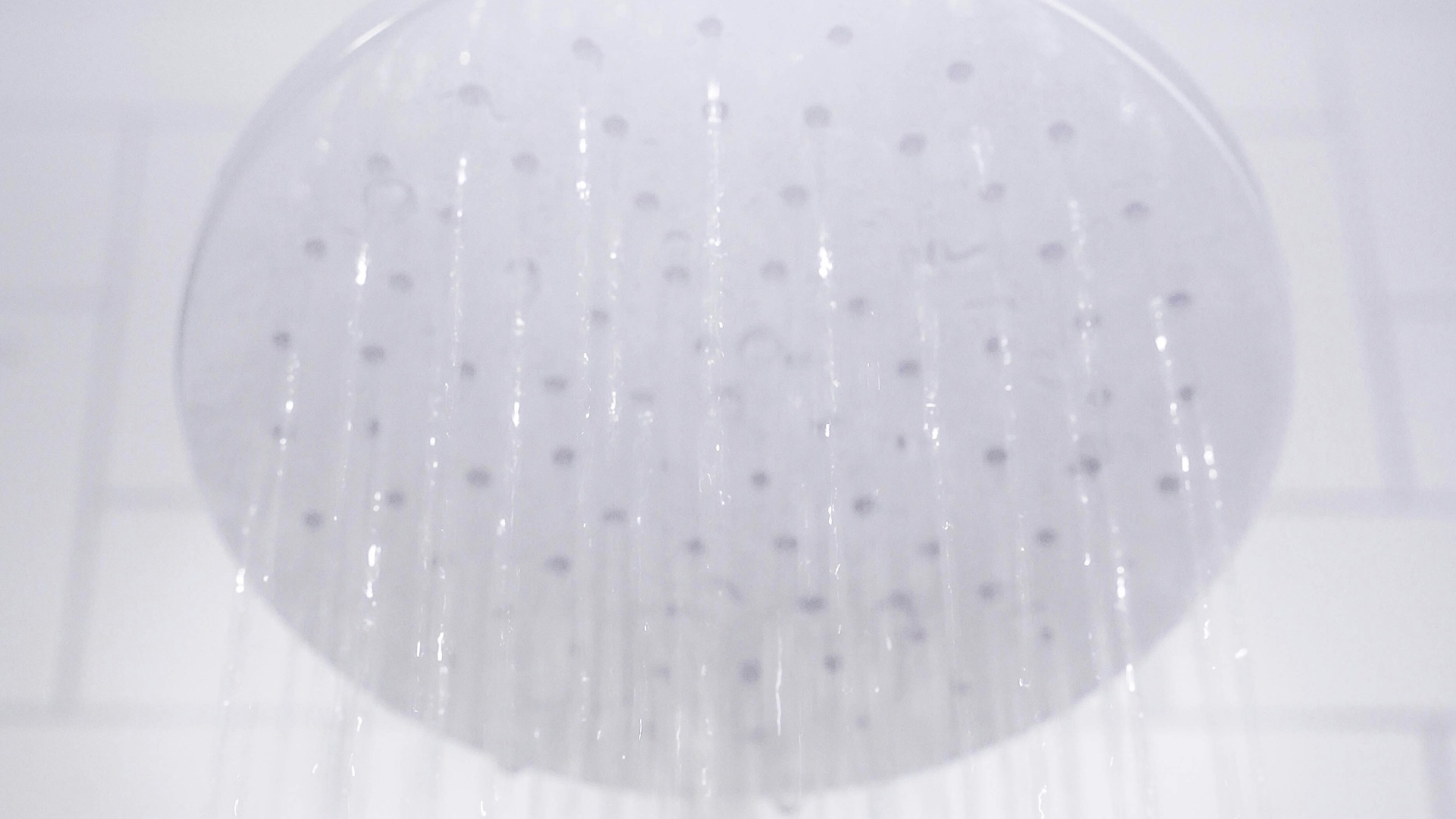
Hot water may feel soothing for a moment, but it can leave eczema-prone skin drier afterward. Long showers can also worsen moisture loss, especially if you don’t moisturize soon after. Lukewarm water and shorter bathing times are usually a better way to cleanse without aggravating the skin.
8. Household Cleaning Products
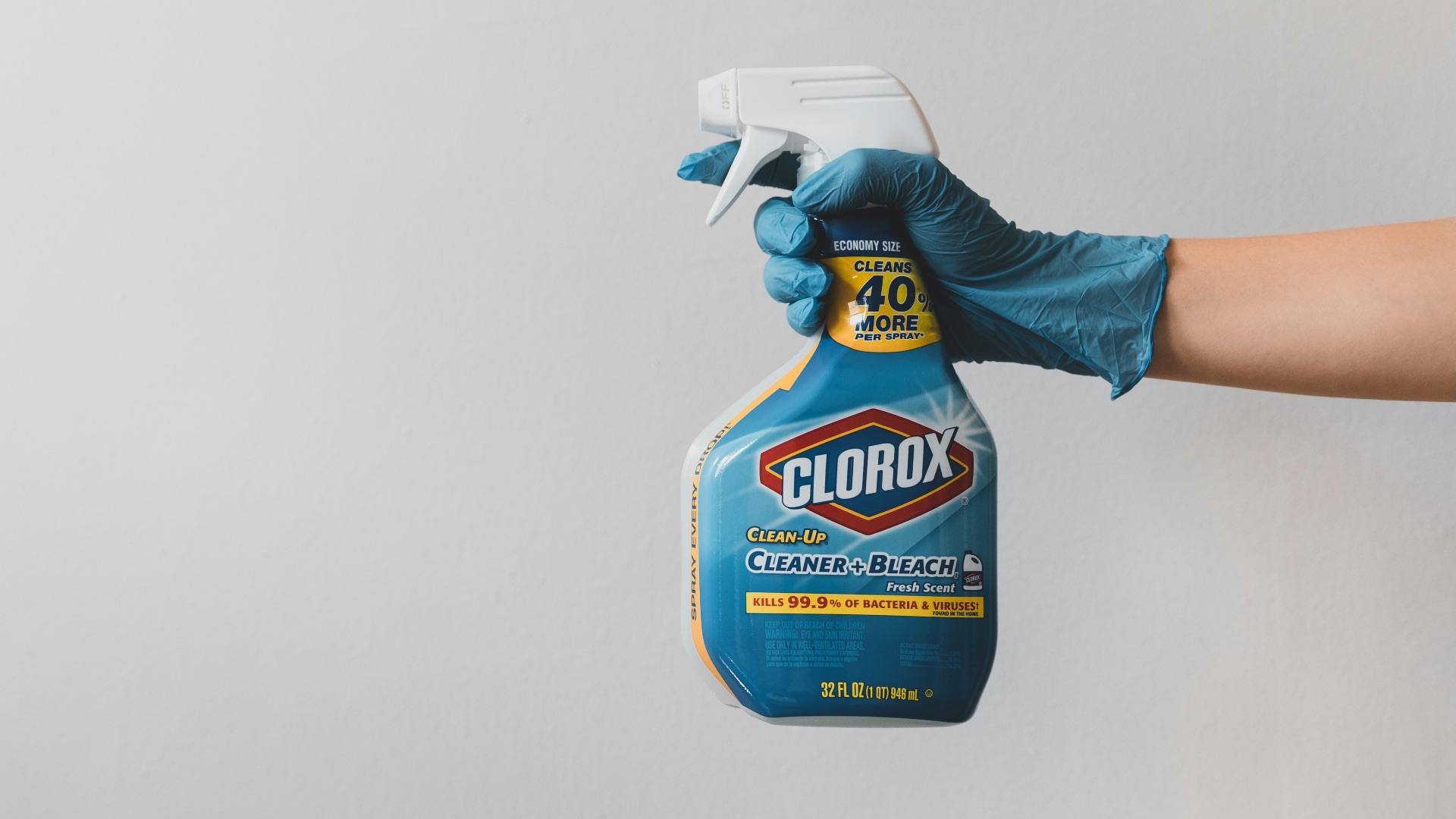
Many household cleaners contain ingredients that can sting, dry, or irritate the skin on contact. Hands are especially vulnerable because they’re often exposed during dishwashing, disinfecting, and scrubbing. Wearing protective gloves and choosing gentler cleaning products can reduce direct contact with potential irritants.
9. Dish Soap
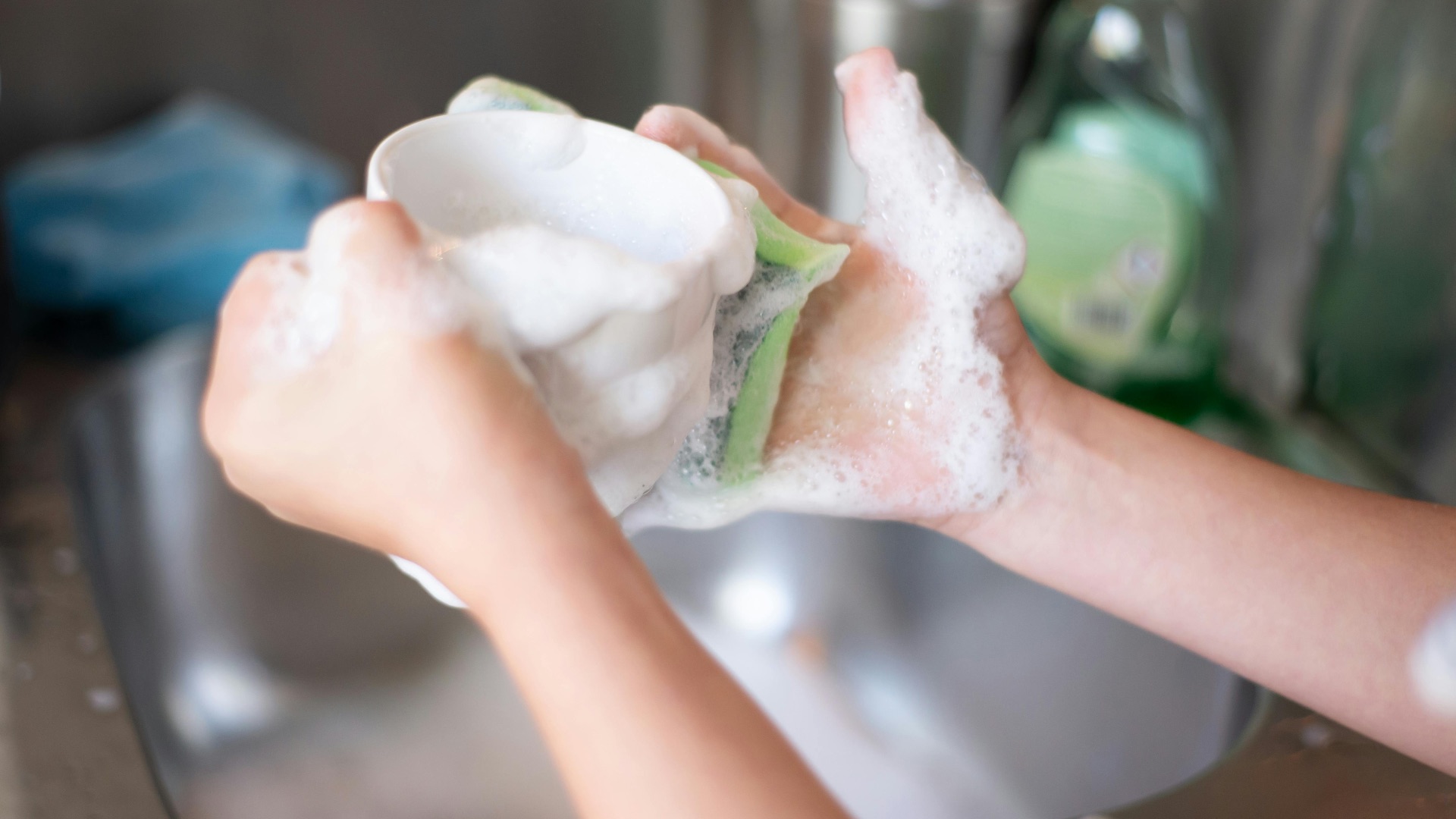
Dish soap is made to cut through grease, which also means it can be drying on your hands. If you wash dishes often, the repeated contact with soap and water may lead to cracking, itching, or redness. Gloves can make a noticeable difference, especially if hand eczema is one of your main problem areas.
10. Sweat
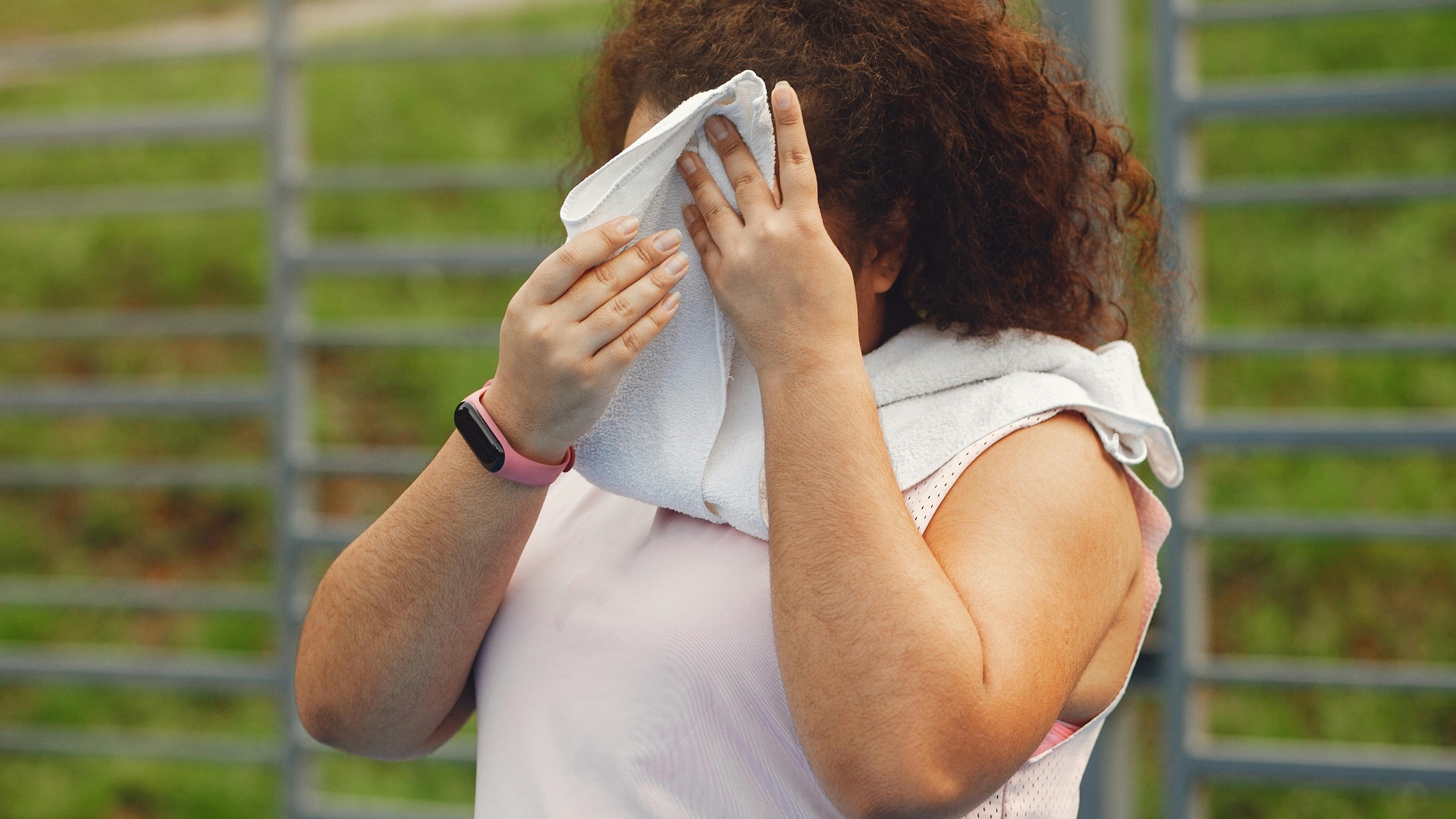
Sweat can sting when it settles into eczema patches, particularly in skin folds or areas where clothing rubs. Exercise, hot weather, and heavy layers may all make this worse if sweat stays on the skin for too long. Rinsing off with lukewarm water and changing into dry clothes can help reduce irritation after sweating.

11. Overheating
Heat can intensify itching and make inflamed skin feel more uncomfortable. This can happen during sleep, exercise, warm weather, or when you’re wearing too many layers indoors. Keeping clothing breathable and sleeping in a cooler room may help if your eczema tends to flare when you feel too warm.
12. Cold, Dry Air
Cold air can be drying, and indoor heating often makes the air even less forgiving. When the skin loses moisture, eczema patches may become rougher, itchier, or more likely to crack. A richer moisturizer and steady indoor humidity can help support the skin barrier during colder months.

13. Dust Mites
Dust mites are a common indoor allergen, and they can be difficult to avoid completely. They tend to collect in bedding, upholstered furniture, carpets, and soft furnishings. Washing bedding regularly and reducing dust-trapping items in the bedroom may help if dust seems to worsen your eczema.
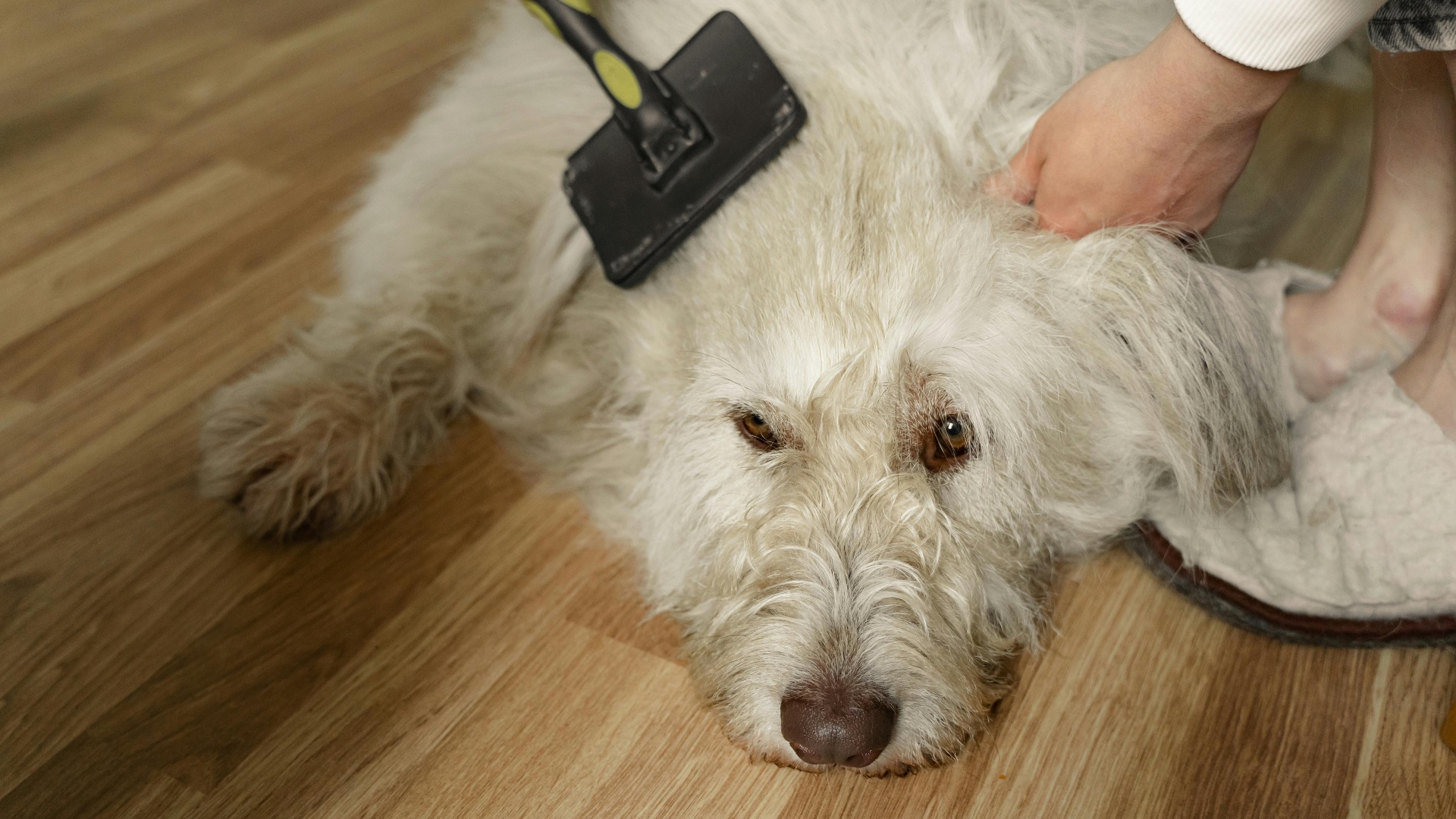
14. Pet Dander
Pets can be a meaningful trigger for some people, even when they aren’t allergic in an obvious way. Dander can collect on clothing, furniture, rugs, and bedding, which keeps exposure going after direct contact ends. If flare-ups appear after cuddling a pet or sitting where a pet sleeps, washing hands, changing clothes, and keeping pets off the bed may be useful steps.
15. Pollen
Seasonal allergies and eczema can overlap, especially when pollen counts are high. Pollen can cling to hair, clothing, and skin, then continue irritating you after you come inside. Showering after outdoor time, washing pillowcases often, and keeping windows closed on high-pollen days may help limit exposure.

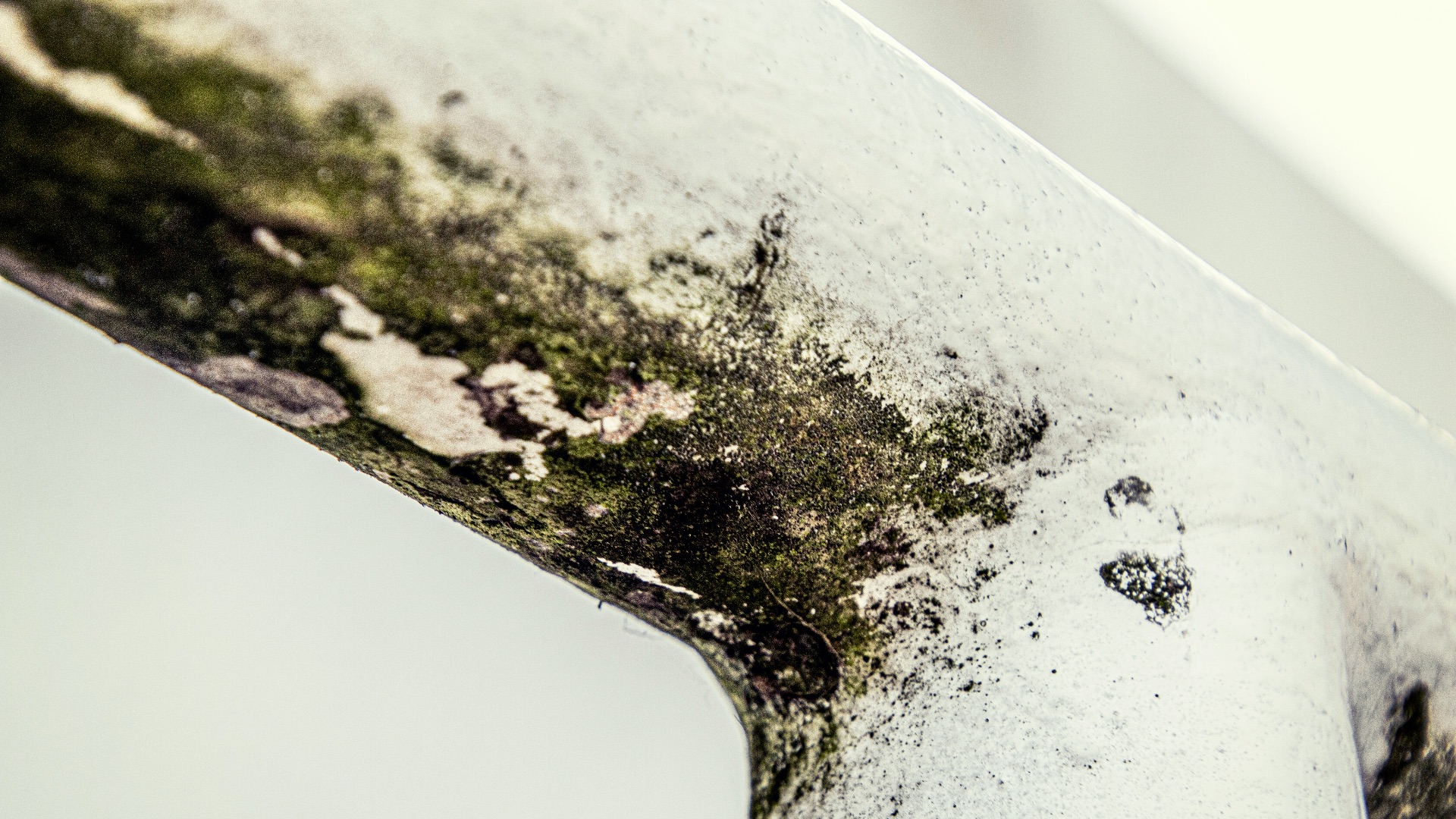
16. Mold
Mold is another environmental trigger that can bother sensitive skin and allergy-prone people. It’s often found in damp bathrooms, basements, window areas, and poorly ventilated rooms. Reducing moisture, improving airflow, and cleaning visible mold safely can make the home environment less irritating.
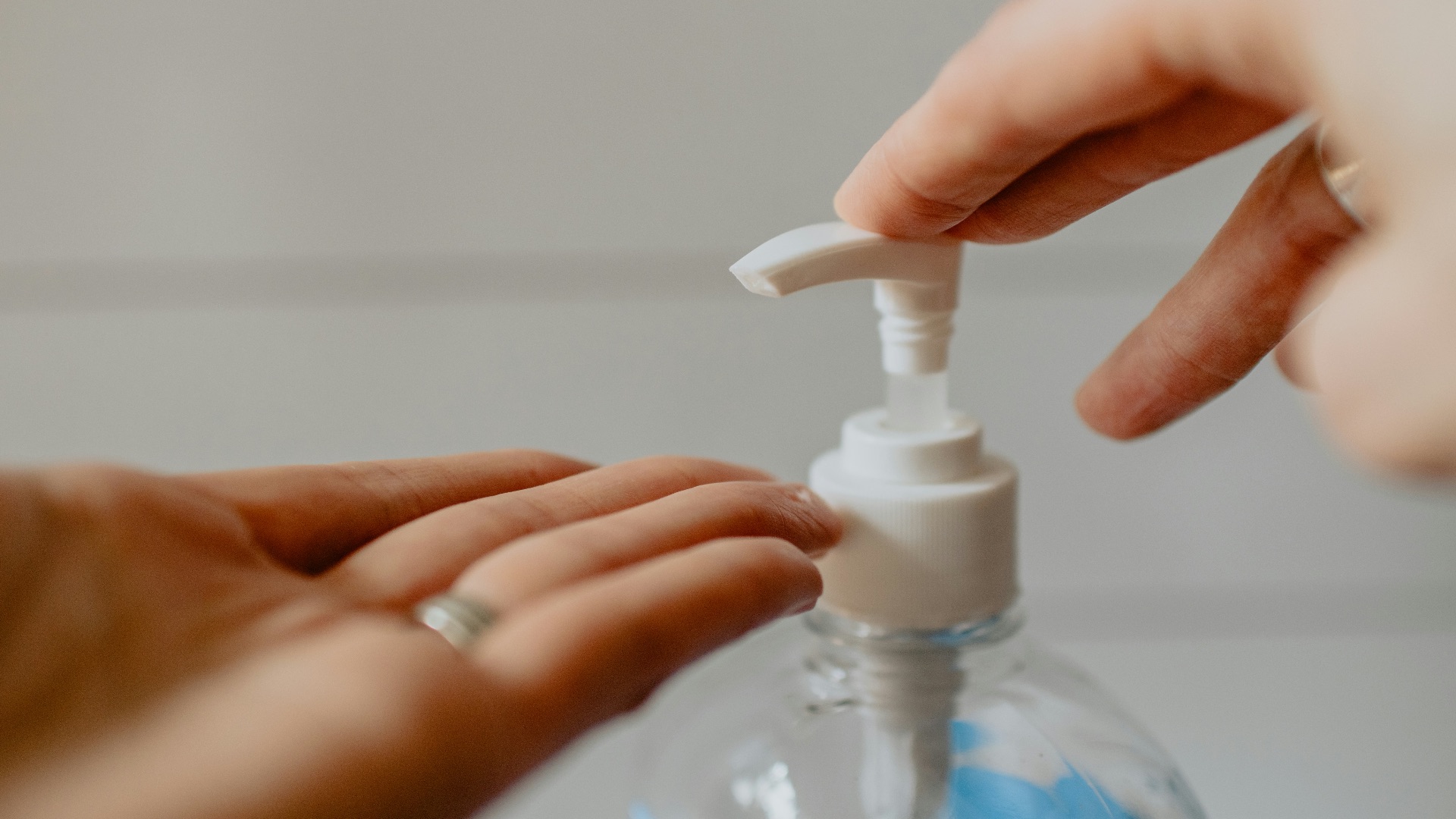
17. Hand Sanitizers
Alcohol-based hand sanitizers can be very drying, especially with repeated use throughout the day. Some formulas also contain fragrance, which can add another layer of irritation. When possible, moisturizing after sanitizer use can help, and fragrance-free options are usually better tolerated.
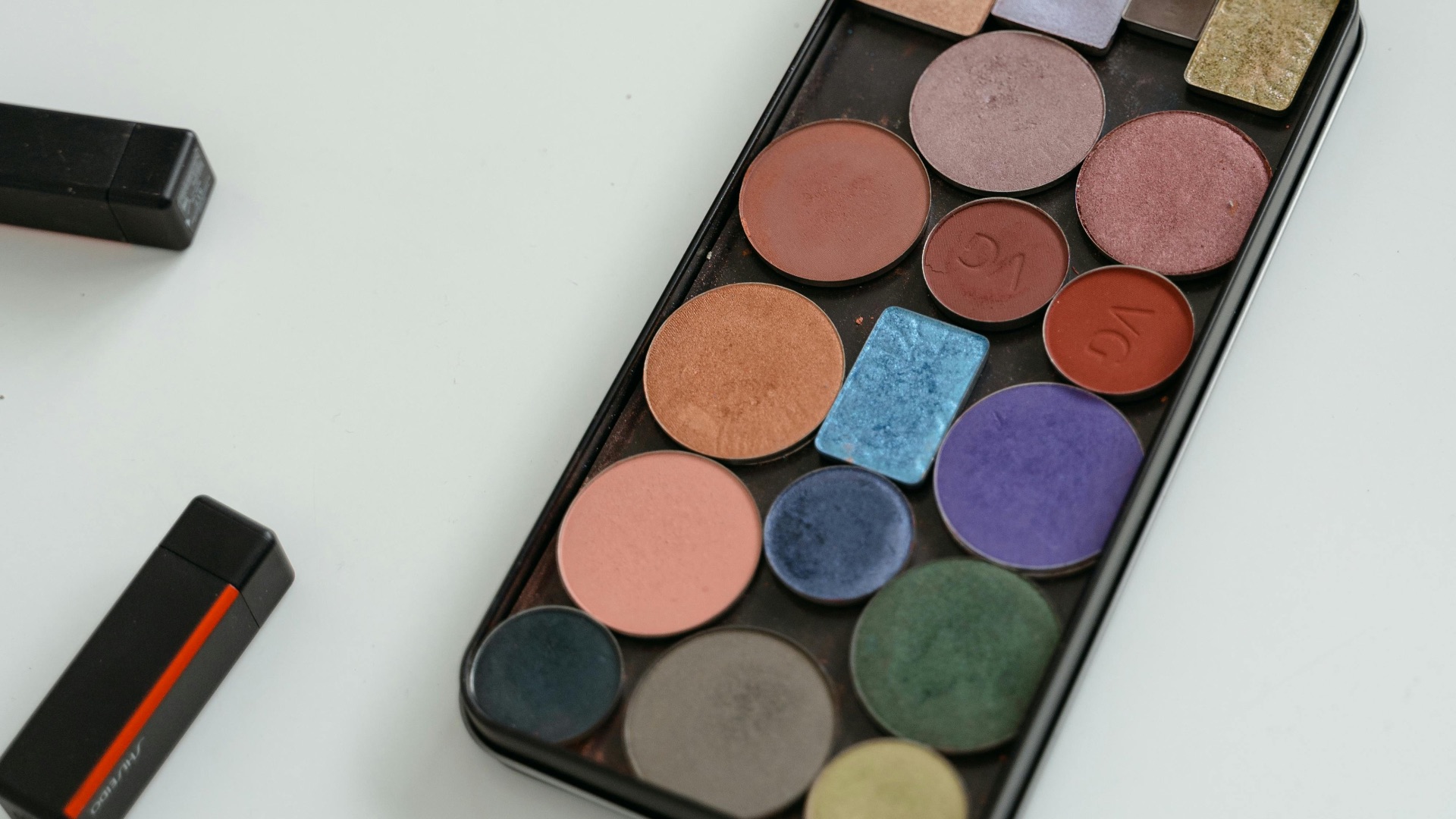
18. Cosmetics and Makeup
Makeup, primers, setting sprays, and removers can all contain fragrance, preservatives, dyes, or alcohols that irritate eczema-prone skin. The face and eyelids are especially sensitive, so even a small amount of the wrong product can cause discomfort. Patch testing a new product on a small area before using it widely can help you catch problems earlier.
19. Sunscreens with Irritating Ingredients
Some chemical sunscreens can sting sensitive skin, particularly during an active flare. Fragrance, alcohol, and certain preservatives may also make a sunscreen harder to tolerate. Many people with eczema do better with fragrance-free mineral sunscreens, though personal tolerance can vary.

20. Scratching and Skin Friction
Scratching can make eczema feel worse by further irritating already-inflamed skin. Tight clothing, rough seams, tags, and repeated rubbing can have a similar effect, especially on elbows, knees, wrists, and the neck. Keeping nails short, wearing softer fabrics, and protecting irritated areas can help reduce the cycle of itch and inflammation.