
Not Everything Is “Just Getting Older”
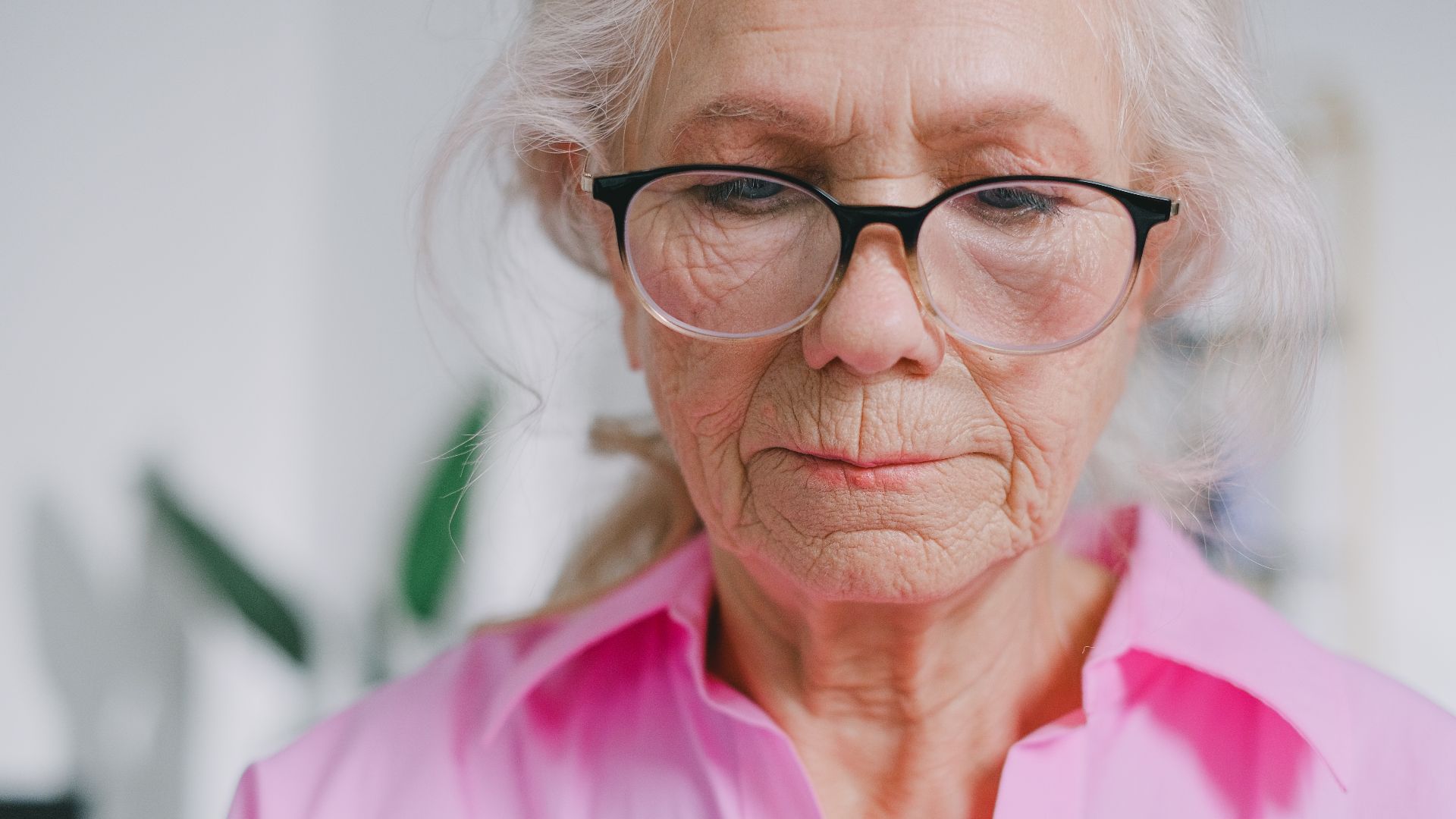
Aging changes the body, sure. Knees get opinionated, sleep gets weird, and reading menus in dim restaurants becomes a small act of faith. But “getting older” can also become a convenient junk drawer where we toss symptoms that deserve a closer look. The point is not to panic over every ache or off day; it is to stay curious when something is new, persistent, or quietly shrinking your life. Here are 20 everyday symptoms you should not automatically blame on aging.

1. Constant Fatigue
Everyone gets tired, especially after a bad night, a stressful week, or too many errands stacked back-to-back. But fatigue that hangs around can point to sleep problems, medication side effects, depression, anemia, thyroid issues, or other health concerns. The National Institute on Aging notes that fatigue can be a normal response to life, but it can also signal something more serious.

2. New Forgetfulness
Misplacing your glasses is ordinary. Forgetting appointments repeatedly, getting lost in familiar places, or struggling to follow a conversation is different. The National Institute on Aging says some mild forgetfulness can come with age, but more serious memory problems may have causes beyond normal aging.

3. Feeling Down All The Time
Sadness is not a character flaw, and it is not the price of having more birthdays. Depression is common among older adults, but it is not a normal part of aging, and it can be treated. When your world starts getting smaller because nothing sounds worth doing, that deserves attention.
4. Shortness Of Breath
Getting winded after sprinting for a bus is one thing. Feeling breathless while walking across the room, climbing a few steps, or lying down flat is not something to wave away as age. Mayo Clinic includes shortness of breath among symptoms worth taking seriously, especially when it is new or unexplained.

5. Dizziness
Dizziness can make people say, “Guess balance just goes,” then start rearranging life around it. But dizziness may come from inner ear problems, medications, dehydration, blood pressure changes, or other health issues. The National Institute on Aging lists dizziness, vertigo, and lightheadedness as balance symptoms with many possible causes.

6. Falling More Often
A fall can feel embarrassing, so people often laugh it off and blame the rug, the dog, or their own clumsiness. But falls are not an inevitable part of aging. The CDC says falls can be prevented, and that older adults and health care providers can work together to reduce the risk.

7. Unexplained Weight Loss
A looser waistband may seem like a lucky break, especially in a culture that treats weight loss like a prize. But losing weight without trying can be a warning sign. Mayo Clinic flags unexplained weight loss as a symptom that should be checked rather than casually celebrated.

8. Poor Sleep Every Night
Older adults may sleep differently than they once did, but misery is not the standard. Trouble falling asleep, waking often, gasping, restless legs, or acting out dreams can all point to treatable sleep problems. The National Institute on Aging notes that older adults still generally need about the same amount of sleep as other adults, around seven to nine hours.
9. Urinary Leaks
Bladder leaks are common enough that people joke about them, hide them, and build whole routines around them. Common does not mean unavoidable. Urinary incontinence can often be stopped or controlled, according to the National Institute on Aging.
 Centre for Ageing Better on Unsplash
10. Bathroom Trips All Night
Getting up once in a while is not shocking. Getting up so often that sleep becomes a broken puzzle can point to bladder problems, medication timing, diabetes, sleep apnea, prostate issues, or fluid retention. It is worth mentioning, especially if you have started planning your entire evening around the nearest bathroom.
11. Changes In Bowel Habits
Constipation, diarrhea, black stools, blood, or a sudden new rhythm should not be shrugged off as an older digestive system “slowing down.” Mayo Clinic advises contacting a health care provider for persistent diarrhea or constipation, blood, black or tarry stools, or unexplained urges to go. Nobody loves discussing bowel habits, but doctors have heard it all.

12. Hearing Trouble
Asking people to repeat themselves can become a running household joke. Still, hearing loss can affect conversations, safety, mood, and connection. The National Institute on Aging says hearing loss affects about one-third of older adults, and treatments and devices are available.
13. Vision Changes
Needing brighter light or reading glasses can be normal. Sudden flashes, new floaters, blurry vision, vision loss, or trouble seeing on one side should not be filed under aging. The National Institute on Aging says many common age-related vision changes are correctable, but eye diseases and sudden changes deserve care.
14. Ongoing Pain
A little stiffness in the morning can feel like part of the deal, especially when it fades after coffee and a few laps around the kitchen. But pain that changes the shape of your day is different. When you start skipping walks, sleeping badly, avoiding chores, or turning down plans because something hurts, that is not noble endurance. That is a signal worth taking seriously.

15. Swollen Ankles Or Feet
A faint sock mark after a long, hot day is not always a crisis. Bodies hold onto fluid sometimes, especially after hours of standing, sitting, or eating something salty. But swelling that shows up suddenly, hurts, affects one side more than the other, or comes with shortness of breath should not be waved off. The details matter, and so does the timing.

16. Loss Of Appetite
Eating a little less now and then is not unusual, especially when portions feel built for another species. But losing interest in food is different, particularly when meals start feeling like chores or a few bites make you feel done. Appetite can be a quiet early warning that something else is off, from a sore tooth to a low mood to a medication that is not agreeing with you.

17. Feeling Cold All The Time
Some people have always needed a sweater in July. A new chill that feels out of character can be different. It may be linked to anemia, thyroid changes, circulation problems, weight loss, or medication effects, especially when it comes with fatigue or weakness.

18. Numbness Or Tingling
A foot falling asleep after sitting strangely is no great mystery. Numbness, burning, pins and needles, or weakness that keeps returning can point to nerve problems, diabetes, vitamin deficiencies, circulation issues, or spine trouble. It is especially worth flagging when it changes how you walk or use your hands.
19. Losing Height
Shrinking a little over time can happen. Losing noticeable height, developing a new stoop, or having sudden back pain may be a clue about osteoporosis or spine fractures. The National Institute on Aging describes osteoporosis as a disease that weakens bones and raises fracture risk, not as a harmless aging quirk.
20. Skin Changes That Do Not Heal
Skin gets thinner and drier with age, but a sore that will not heal, a mole that changes, or bruising that appears without a clear reason should not be ignored. The bathroom mirror is not there to diagnose anything, but it can notice patterns. When a mark keeps changing, bleeding, or returning, it has earned a professional look.
KEEP ON READING


20 Reasons You Feel Burned Out After 40