
The Way You Breathe Affects More Than Most People Realize
Breathing happens automatically, which is probably why most people rarely think about how their habits affect energy levels, stress, sleep, and long-term health. Research continues to show that breathing patterns influence heart rate, nervous system regulation, blood pressure, and even how the body handles inflammation over time. While healthy breathing habits can support relaxation and recovery, poor ones often keep the body locked in a constant low-level stress response without people noticing it. Here are 10 breathing habits that slow aging and 10 that increase stress.

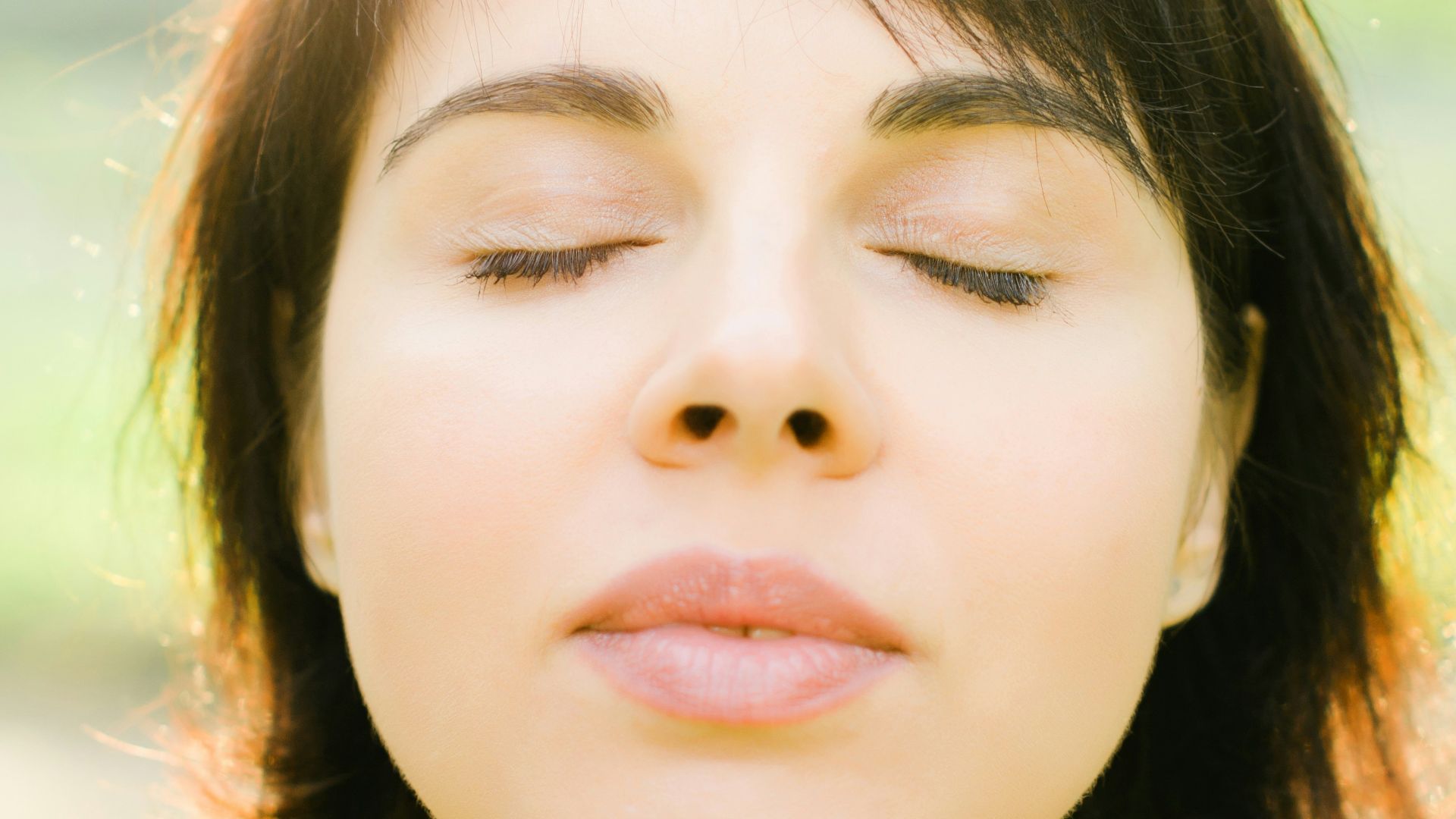
1. Slow Nasal Breathing
Breathing through the nose instead of the mouth helps regulate airflow and improve oxygen exchange more efficiently. Nasal breathing also humidifies and filters air before it reaches the lungs, which reduces irritation over time.
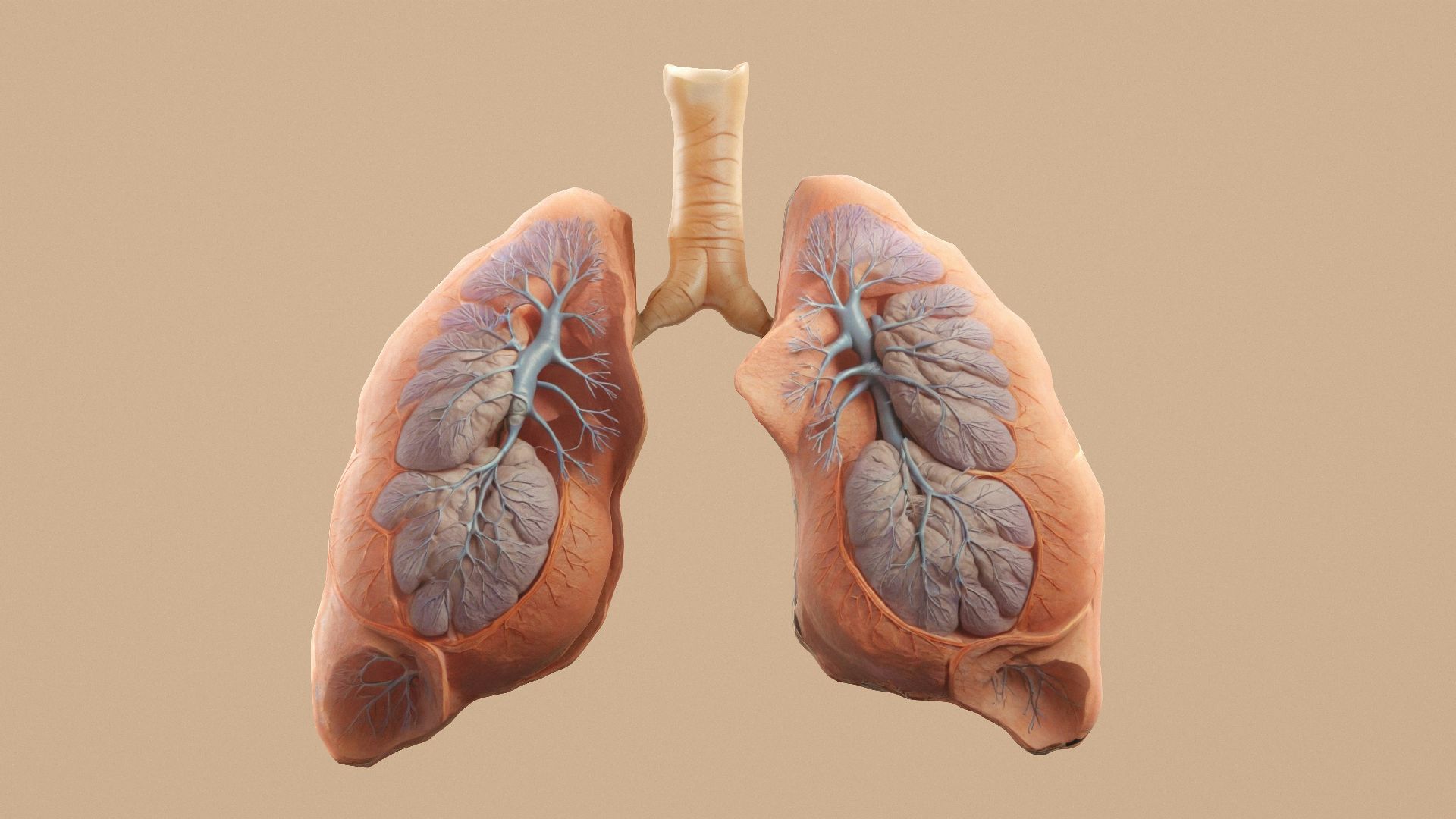
2. Diaphragmatic Breathing
Using the diaphragm properly encourages deeper and more efficient breathing patterns. Instead of shallow chest breathing, the abdomen expands naturally while inhaling, which reduces unnecessary tension in the upper body.
3. Longer Exhales Than Inhales
Extending the exhale slightly longer than the inhale helps activate the parasympathetic nervous system, which supports relaxation and recovery. This type of breathing often lowers heart rate and decreases physical signs of stress.

4. Consistent Deep Breathing During Walks
Steady deep breathing during light exercise helps improve oxygen delivery and cardiovascular efficiency. Walking while breathing rhythmically can also reduce mental tension and encourage better posture naturally. Since chronic stress contributes to inflammation and poor sleep, regular calming movement matters more than people sometimes realize.
5. Controlled Breathing Before Sleep
Practicing slow breathing before bed can help the body transition into a more relaxed state. Lower breathing rates are associated with reduced nervous system stimulation and easier sleep onset.

6. Breathing Through Stress Instead of Holding Breath
Many people unconsciously stop breathing properly when stressed, frustrated, or concentrating. Learning to maintain steady breathing during difficult moments helps prevent the body from escalating into a stronger stress response.

7. Gentle Breath Awareness Meditation
Mindful breathing practices help lower anxiety and improve emotional regulation, according to numerous studies. Paying attention to breathing patterns encourages slower respiration and reduced mental overstimulation. The practice also trains people to notice tension before it becomes overwhelming. Lower chronic stress levels are closely associated with healthier aging outcomes.
8. Rhythmic Breathing During Exercise
Steady breathing rhythms during workouts help improve endurance and reduce unnecessary fatigue. Controlled breathing also prevents excessive tension buildup in the shoulders, chest, and neck. Athletes often train in breathing efficiency because oxygen management affects performance and recovery directly. Better recovery habits can support long-term physical resilience.
 Tree of Life Seeds on Unsplash
9. Taking Full Breaths Instead of Constant Shallow Ones
Shallow breathing can limit oxygen intake and encourage chronic physical tension throughout the day. Full breaths allow the lungs to expand more completely while promoting calmer circulation patterns. Many people breathe far more shallowly than they realize during stressful routines.
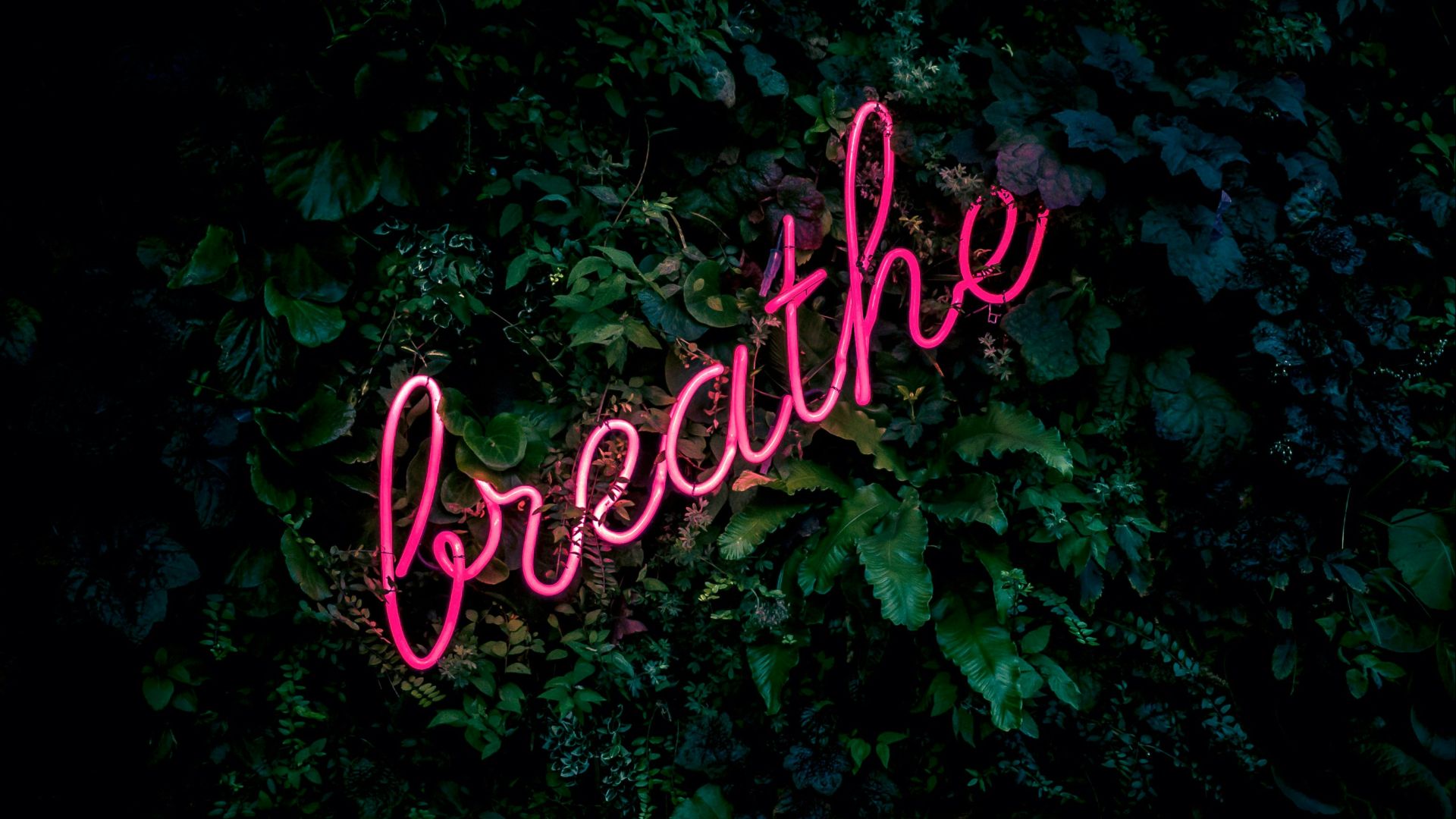
10. Breathing Slowly During Difficult Conversations
Intentional slow breathing helps regulate emotional reactions during tense interactions. Maintaining steady breaths reduces the likelihood of escalating anxiety, anger, or panic responses. This helps people think more clearly and communicate more calmly under pressure.

1. Constant Mouth Breathing
Frequent mouth breathing is associated with poor sleep quality, dry airways, and increased physical tension. It can also contribute to faster, shallower breathing patterns that keep the body feeling overstimulated.
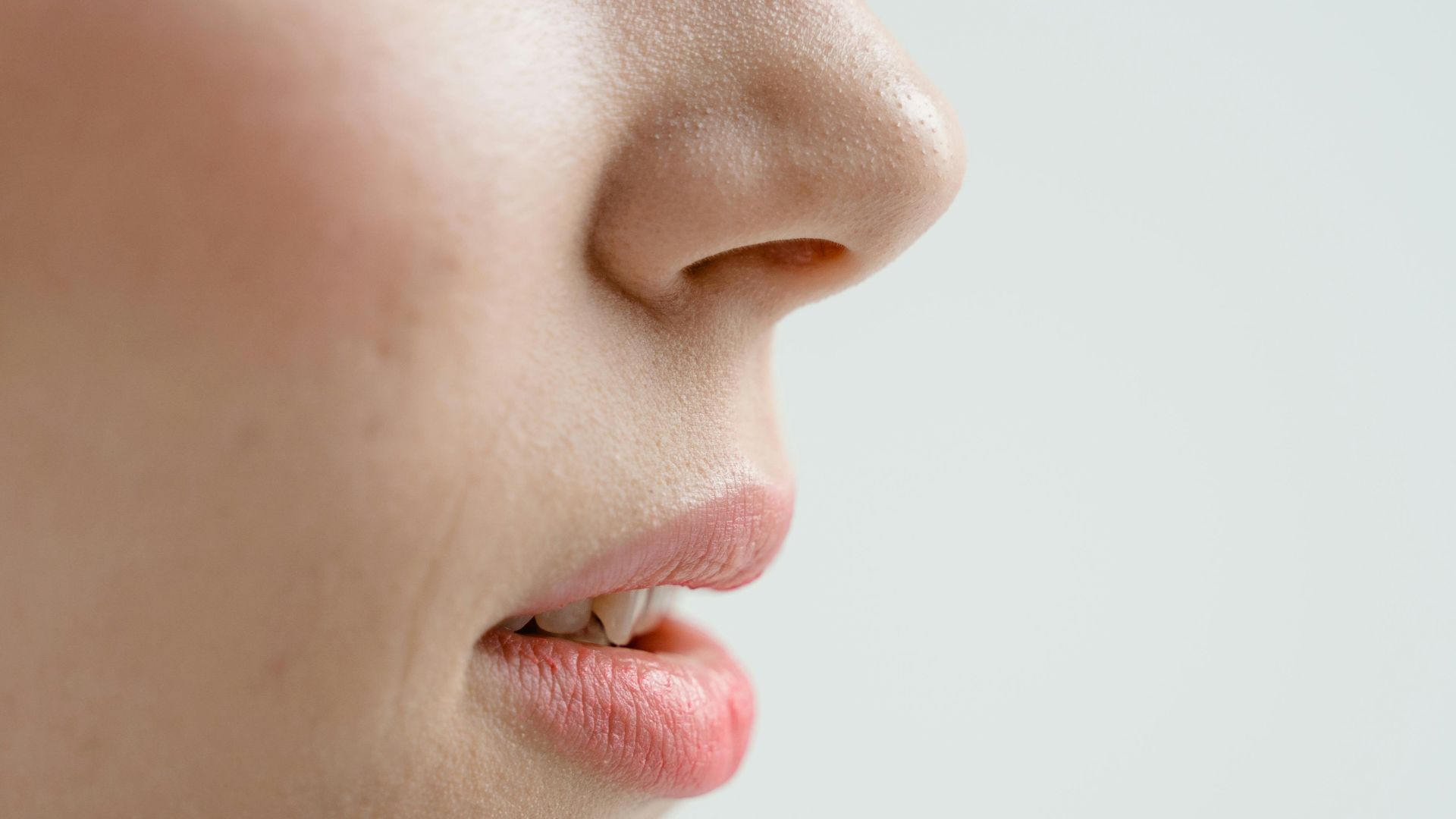
2. Shallow Chest Breathing
Breathing only into the upper chest often signals stress to the nervous system instead of relaxation. This pattern tends to increase muscle tension in the shoulders and neck throughout the day.
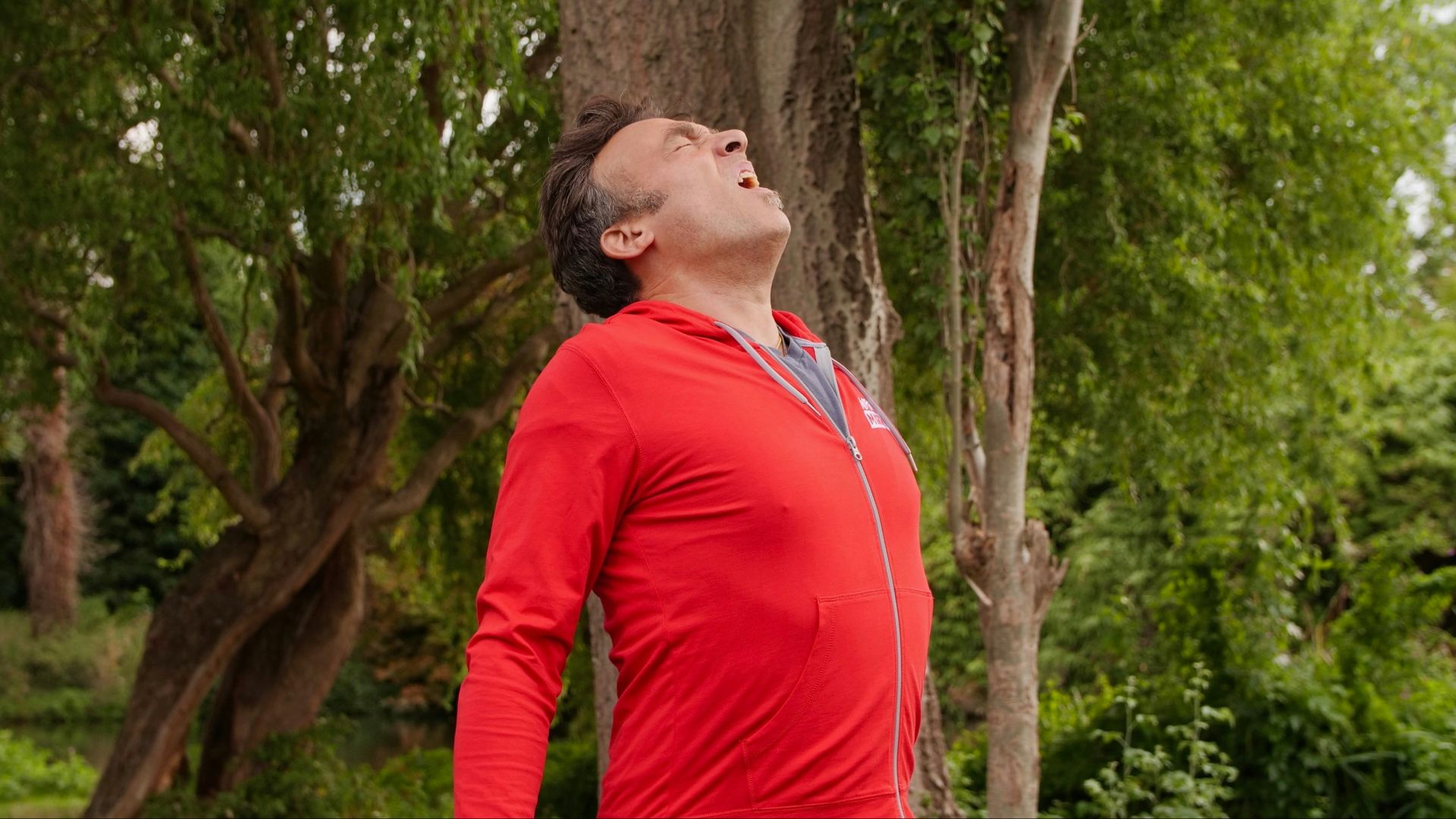
3. Holding Your Breath During Stress
People commonly hold their breath while reading upsetting messages, concentrating, or feeling overwhelmed. This habit increases physical tension and interrupts steady oxygen flow temporarily.

4. Rapid Breathing During Minor Problems
Quick breathing encourages the body to remain in a heightened alert state even when situations aren’t physically dangerous. Heart rate and muscle tension often increase alongside it. Over time, the body can begin reacting too intensely to ordinary frustrations. Constant overstimulation wears down relaxation habits gradually.
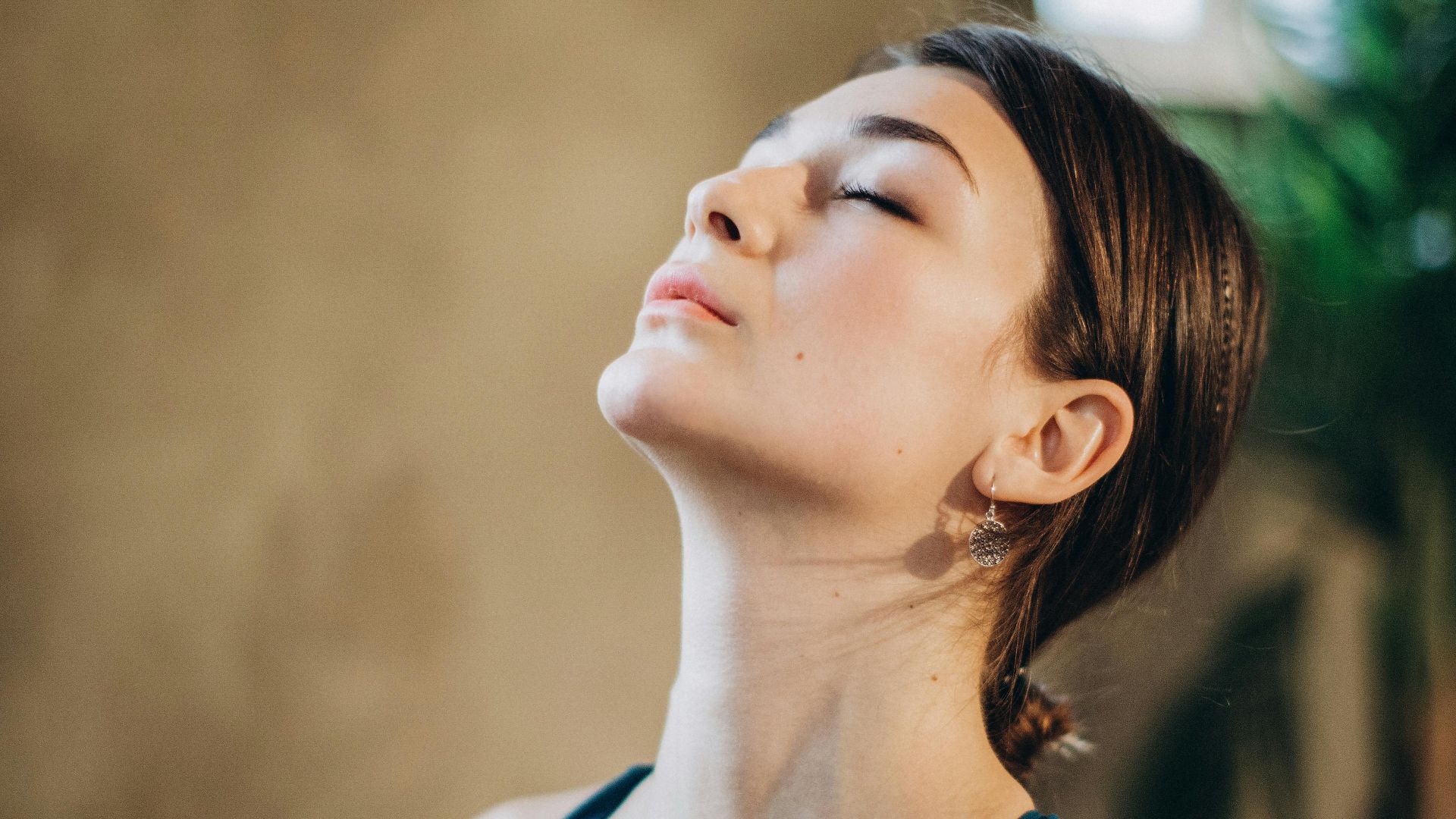
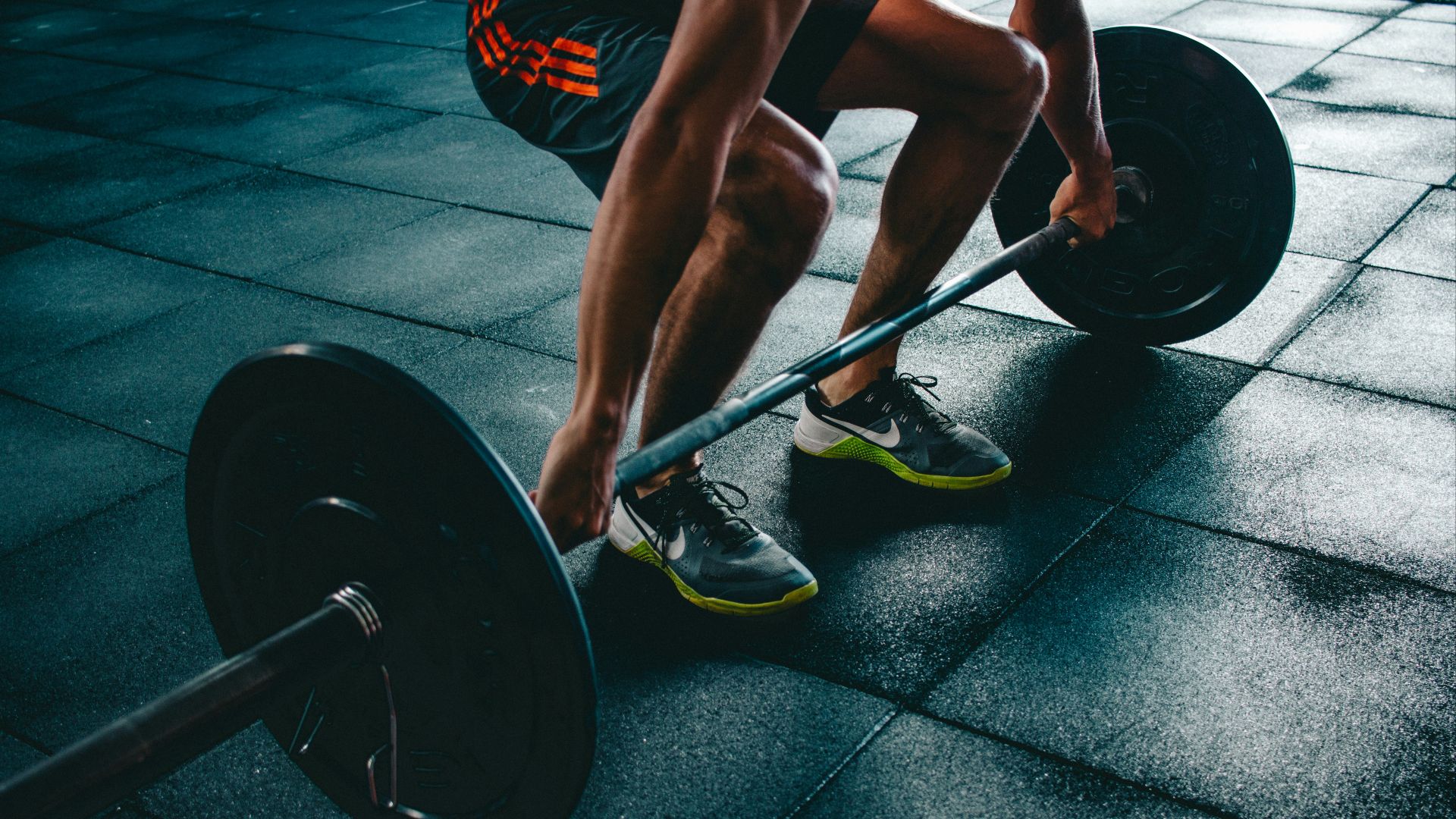
5. Breathing Too Fast During Exercise
Poor breathing control during workouts can create dizziness, tension, and unnecessary exhaustion. Fast, uncontrolled breathing also makes recovery slower after physical effort. Many beginners unintentionally increase stress on the body by breathing inefficiently while training.
6. Ignoring Breathing While Sitting All Day
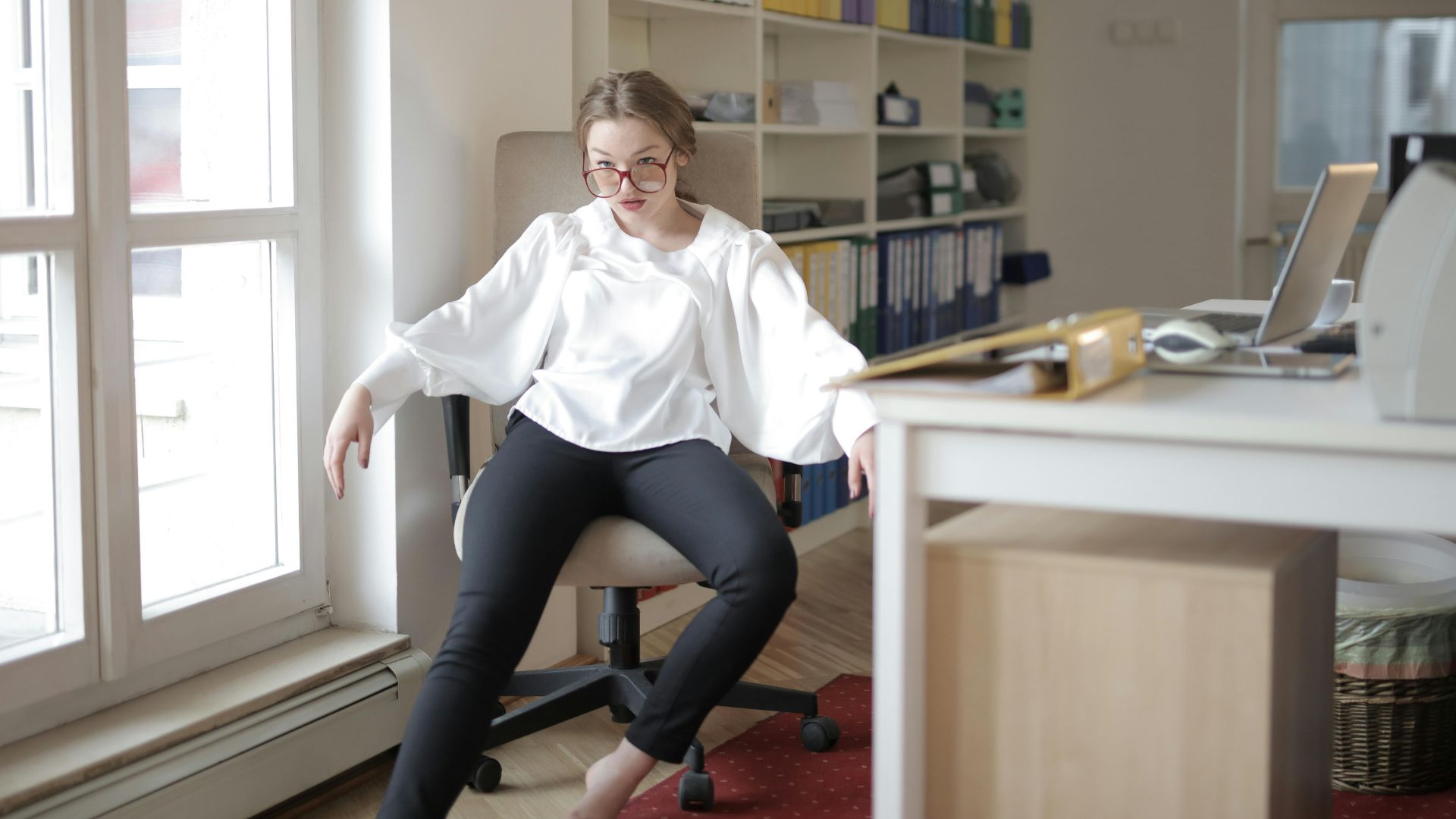
Long periods of sitting often encourage compressed posture and restricted breathing patterns. Reduced lung expansion can contribute to fatigue and physical tightness over time. Many office workers develop shallow breathing habits without noticing it. Poor posture and restricted breathing frequently reinforce each other.
7. Sighing Constantly From Tension
Occasional sighing is normal, but frequent stress-related sighing can indicate ongoing nervous system strain. Repeated tension breathing often keeps the body focused on discomfort and mental overload.

8. Sleeping With Poor Breathing Habits
Interrupted nighttime breathing can affect sleep quality, recovery, and daytime stress levels significantly. Snoring, mouth breathing, and restless respiration are all associated with poorer rest in many cases.

9. Taking Tiny Breaths During Anxiety
Small, rapid breaths can worsen panic symptoms by reinforcing feelings of instability and tension. The body often interprets the breathing pattern itself as a sign of danger. This creates a feedback loop where anxiety encourages worse breathing, which then increases anxiety further. Slowing respiration is often one of the first steps in calming the nervous system.

10. Never Pausing to Breathe Intentionally
Many people move through entire days without consciously slowing their breathing once. Constant stimulation, rushing, and multitasking can keep respiration fast and shallow for hours at a time.
KEEP ON READING