
Easy-To-Miss Clues
Protein gets talked about like it belongs to gym bros and meal-prep containers, but your body uses it for much more ordinary work. It's essential for building and repairing tissue, maintaining muscle, supporting immune function, and keeping everyday systems running in the background. How much you need depends on things like age, activity level, health status, and body size, so there is no single perfect number that fits everyone. Also, these signs can have plenty of other causes, from poor sleep to stress to medical conditions, so they are clues, not a diagnosis. Here are 20 signs your body may be asking for more protein.
1. You Feel Weak During Normal Tasks
If carrying groceries suddenly feels like a workout, your body may be hinting that something is missing. Protein helps maintain muscle, so consistently low intake can leave you feeling softer, shakier, or less steady than usual. The change may be subtle at first, which is why people often blame it on being busy.

2. Your Workouts Feel Harder Than They Should
A normal workout should challenge you, not make you feel like your batteries were stolen. When protein is too low, your muscles may have a harder time repairing after exercise. You may finish the same routine feeling more drained than accomplished.
3. You Stay Sore For Days
Some soreness after a tough workout is normal. What's less normal is being sore for days after exercise that usually do not bother you. Since protein supports muscle repair, lingering soreness can be one sign that recovery is not keeping up.
4. You Are Hungry Soon After Eating
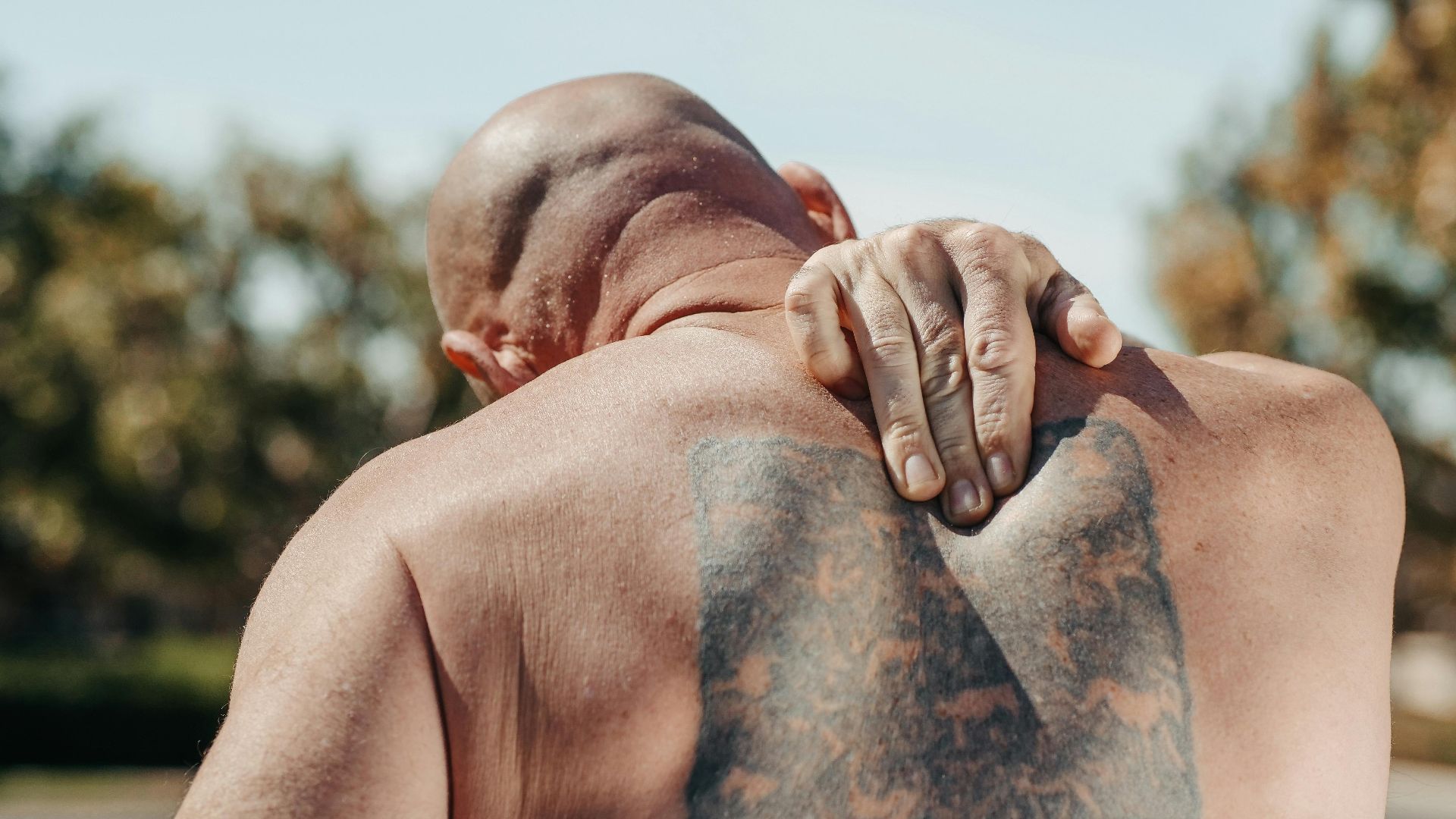
A meal can be technically filling and still not hold you for long. Protein helps with satiety, so a plate built mostly around refined carbs may leave you prowling the kitchen an hour later. If snacks feel less like a treat and more like an emergency, your meals may need more staying power.
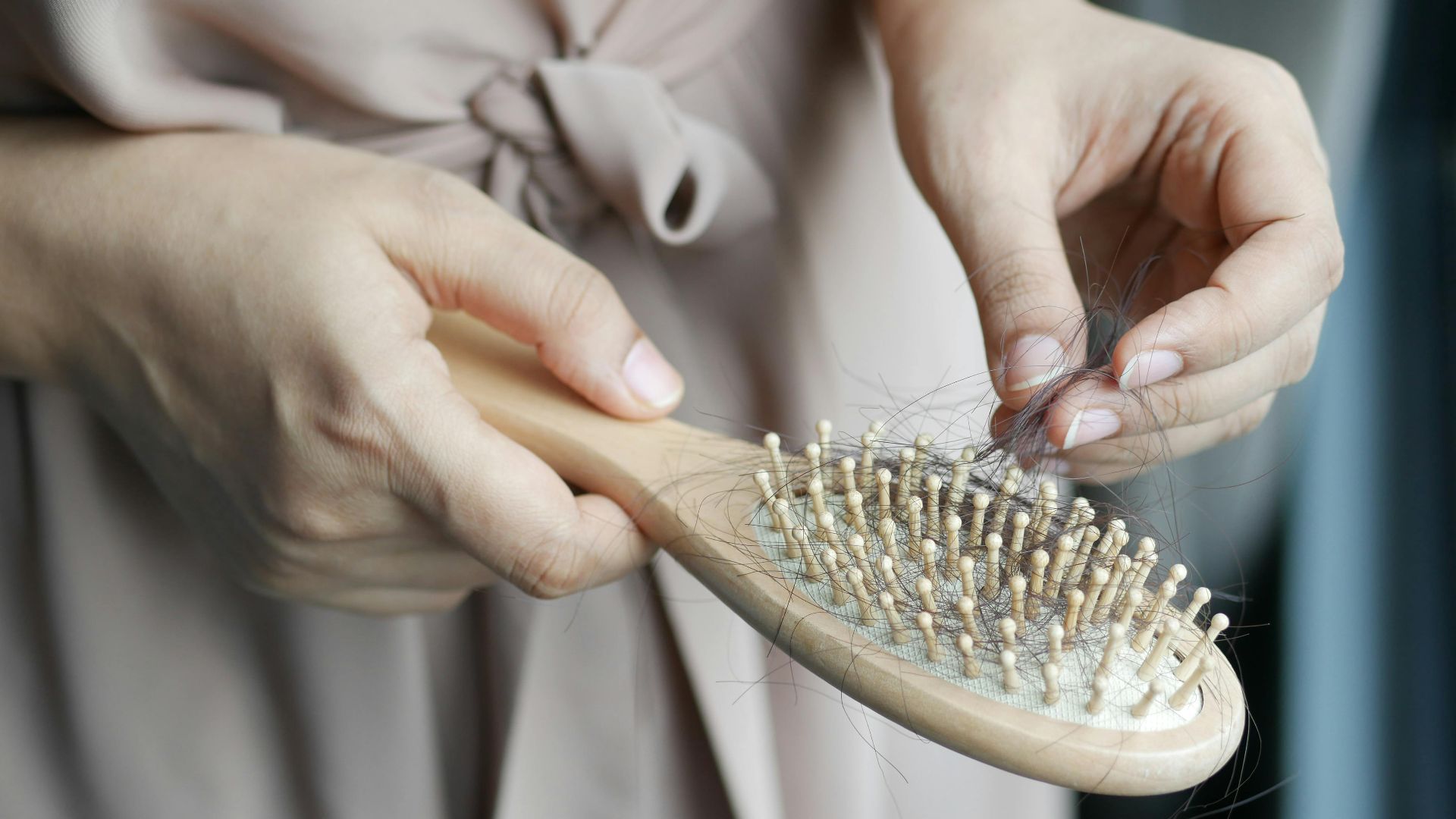
5. Your Hair Seems Thinner
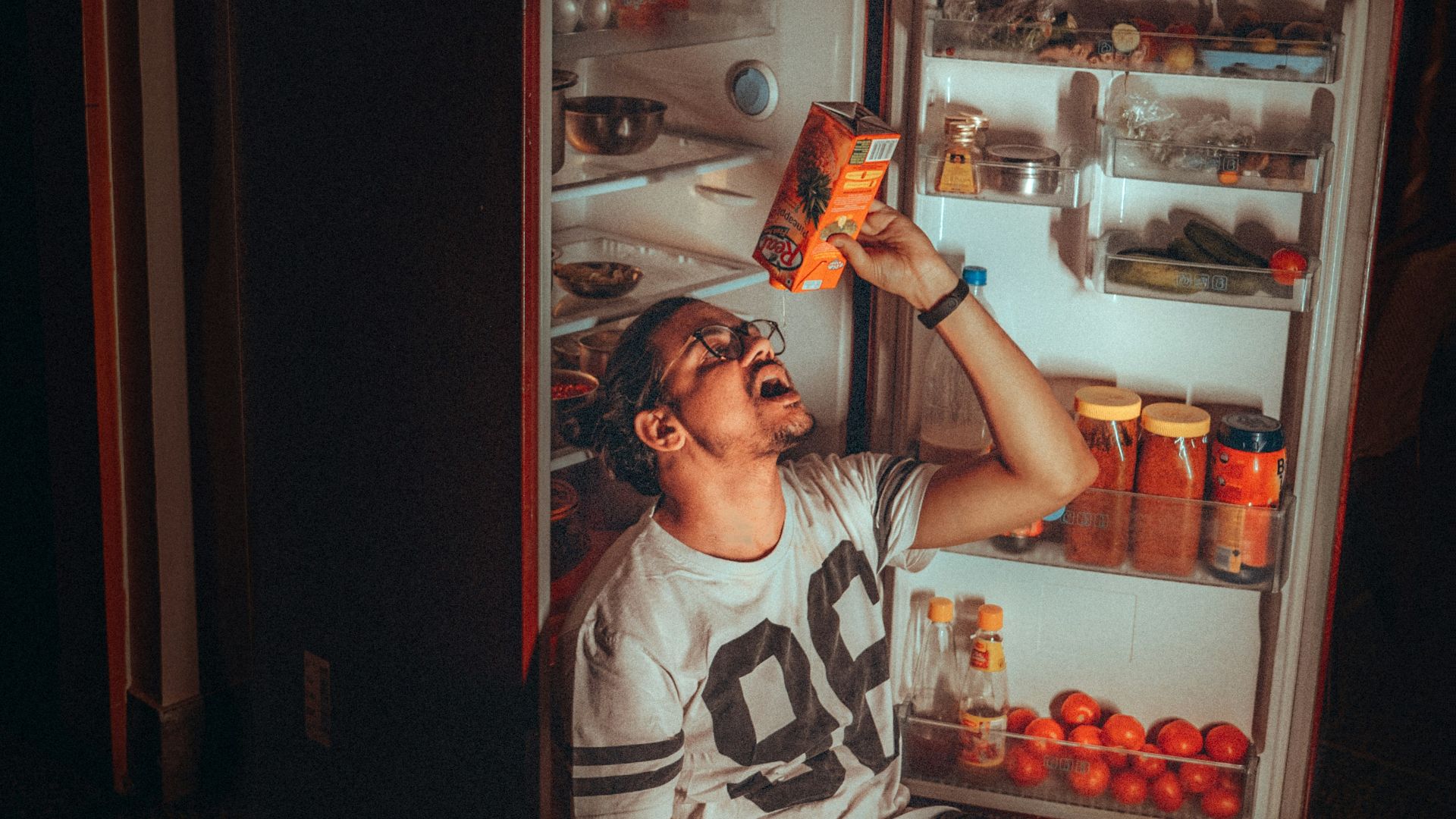
Hair changes can come from many places, including hormones, stress, and illness. Still, protein matters because hair itself is largely made from keratin, a protein. When the body is stretched thin, glossy hair is not exactly first in line for resources.

6. Your Nails Keep Splitting
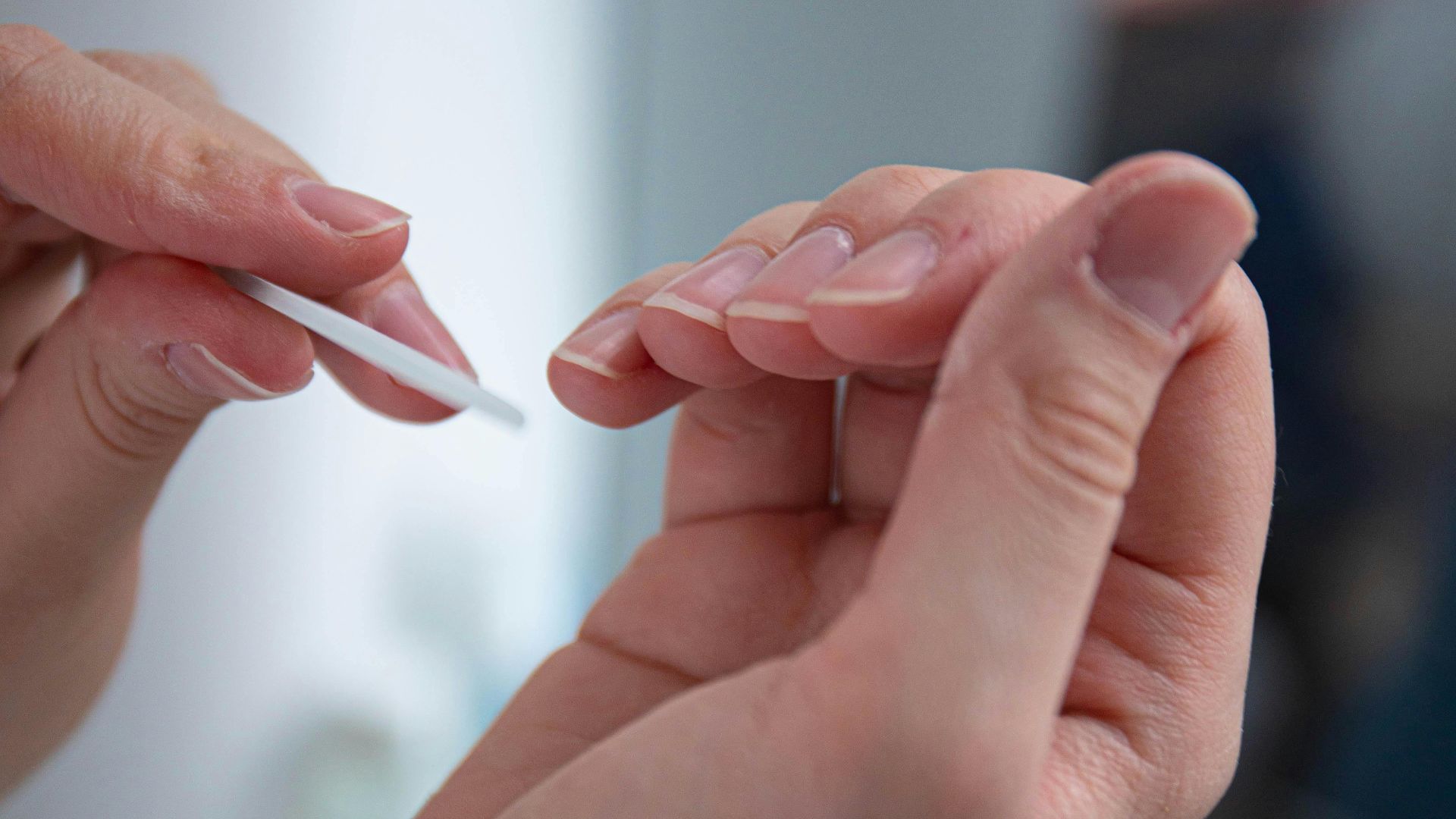
Brittle nails are easy to dismiss until every little snag becomes a problem. If your nails are peeling, cracking, or breaking more than usual, low protein could be one piece of the puzzle. It is not the only explanation, but it is worth noticing.
7. Your Skin Looks Duller Than Usual
Skin has moods, and not all of them are about skincare. Protein supports tissue repair and structure, so too little can show up as skin that looks tired, dry, or less resilient. Sometimes the issue is not the moisturizer; it is the grocery list.

8. Cuts Take Longer To Heal
A small scrape should not feel like a long-term project. Protein plays a major role in repairing tissue, so wounds, cuts, or bruises that seem slow to clear can be a sign your body does not have enough raw material. This is especially worth taking seriously after injury or surgery.

9. You Keep Getting Sick
Nobody expects to be invincible, but catching every cold that passes through the room gets old fast. Protein supports parts of the immune system, so low intake can make it harder for your body to keep up. If you are constantly run-down, your meals may deserve a closer audit.
10. You Feel Tired Even After Sleeping
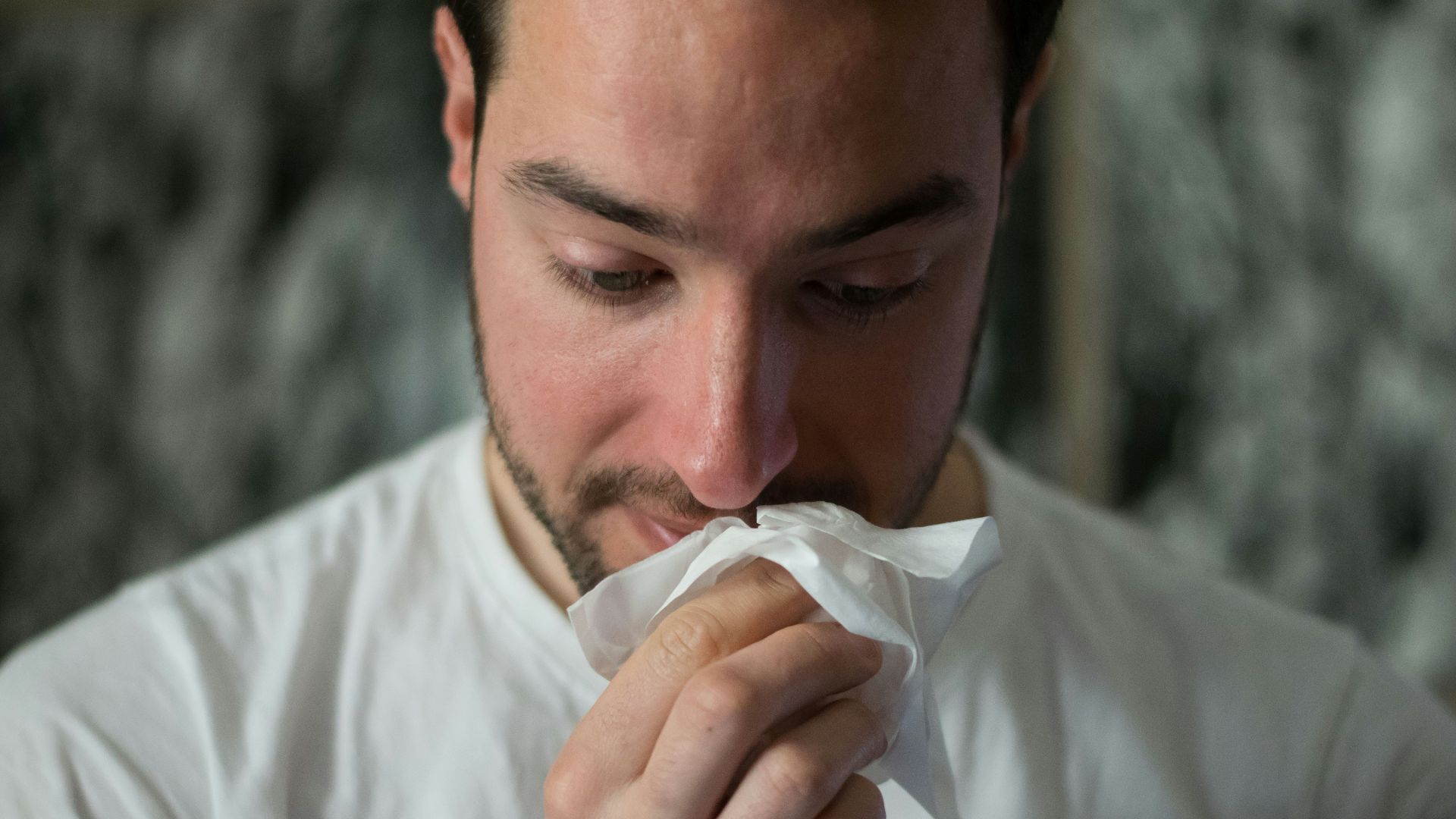
Fatigue is one of the vaguest symptoms in the world, which makes it easy to ignore. But if you are sleeping enough and still dragging through the day, low protein could be contributing. Your body may simply not be getting enough fuel for repair and maintenance.

11. You Are Losing Muscle
Weight changes get attention, but muscle loss can sneak in quietly. Your arms may look softer, stairs may feel steeper, or your usual strength may fade without a dramatic shift on the scale. Protein is not the whole story, but it is a big part of holding on to muscle.
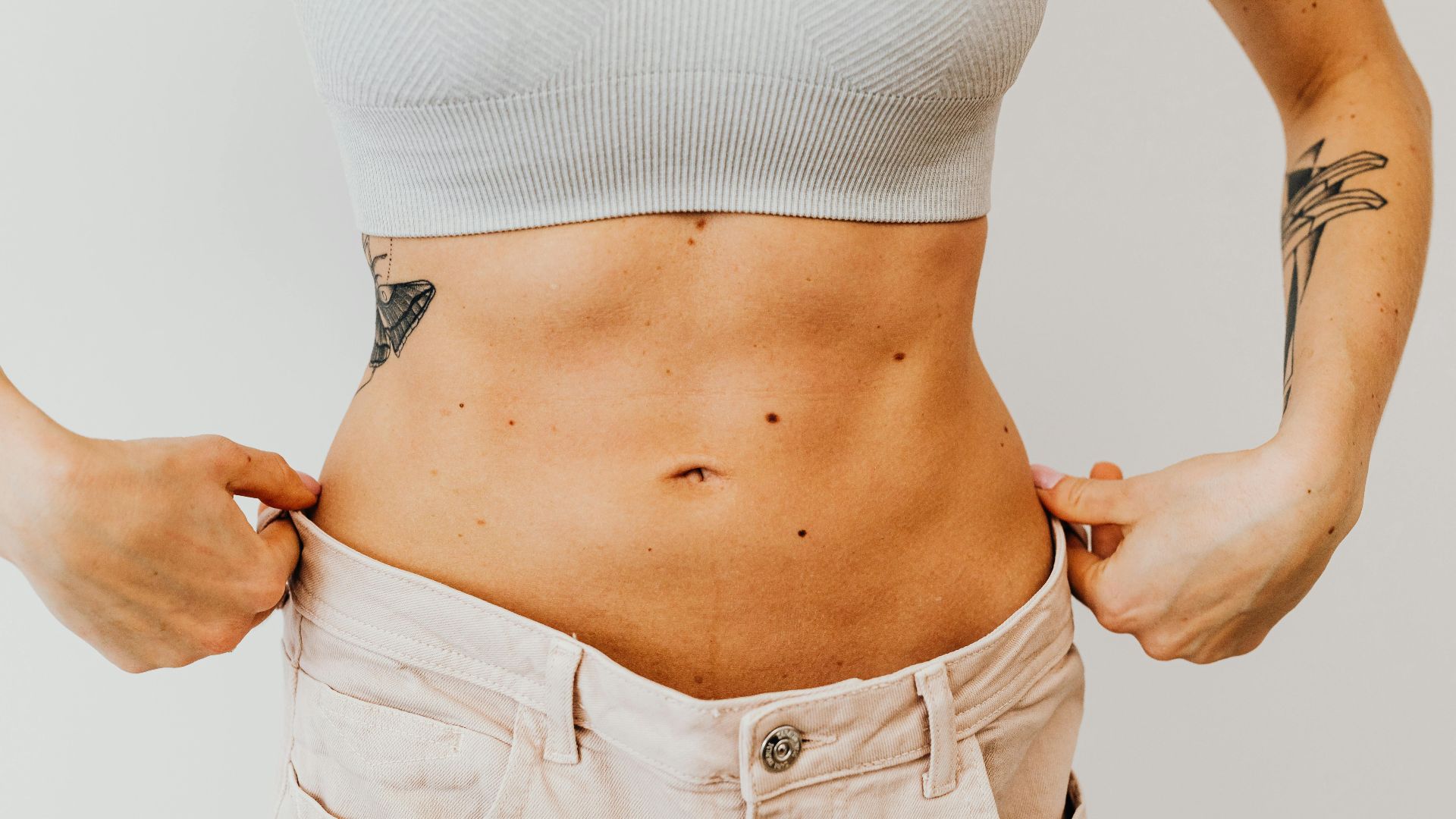
12. Your Meals Feel Unsatisfying
There is a difference between eating enough food and eating a meal that actually lands. If breakfast is all toast, lunch is mostly pasta, and dinner is a little salad, you may feel oddly unfinished after eating. Adding protein can make a meal feel more complete.

13. You Crave Snacks All Day
Cravings are not moral failures; sometimes they are just bad meal design. When meals are light on protein, your body may keep asking for more food because it did not get what it needed the first time. That can turn a normal afternoon into a scavenger hunt.
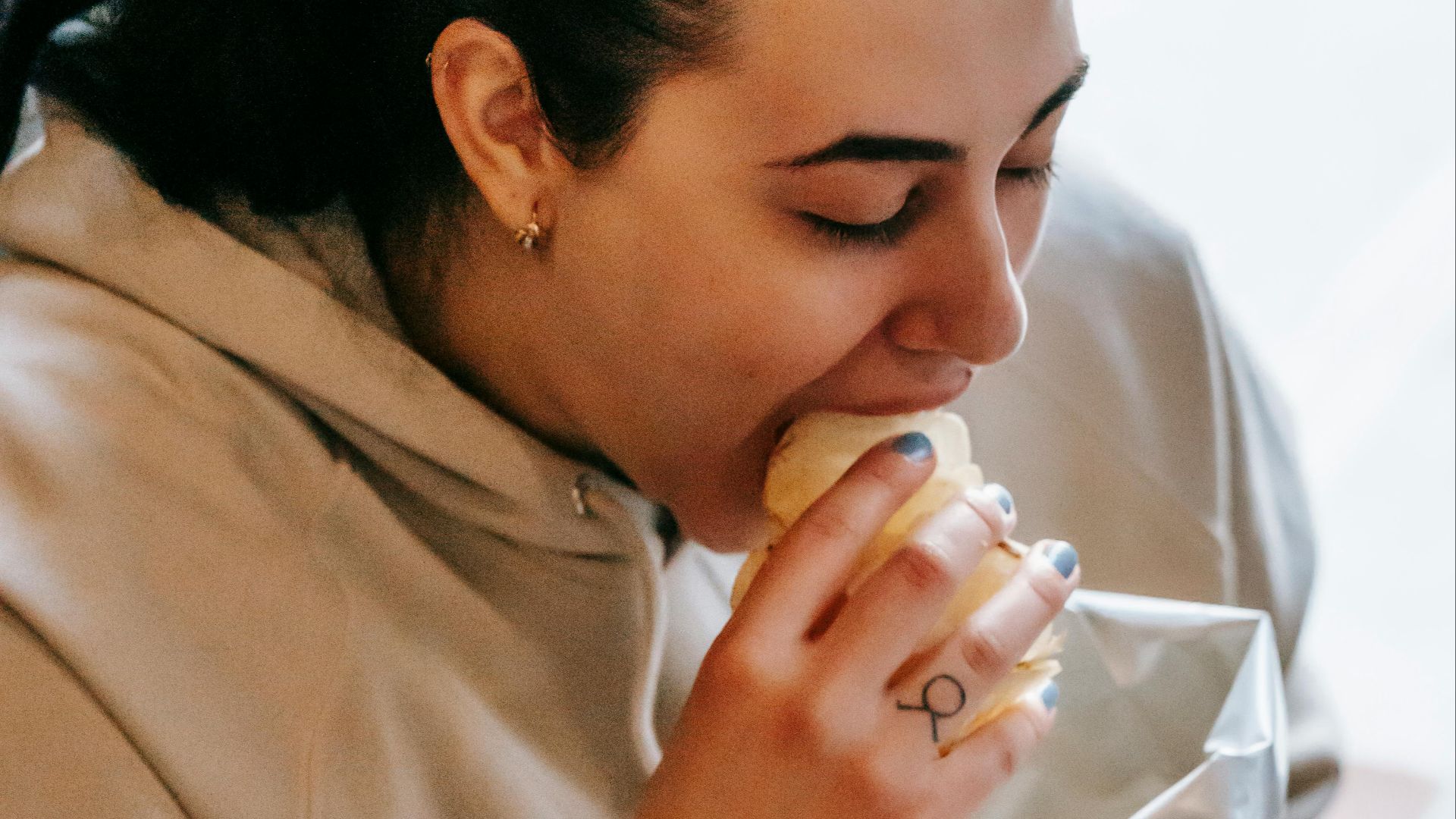
14. Your Weight Is Changing Without Trying
Low protein can sometimes show up as weight loss, especially if appetite is poor or meals are too light. For some people, it can also contribute to weight gain because hunger and snacking increase. Either way, unexplained changes deserve attention, not guesswork.
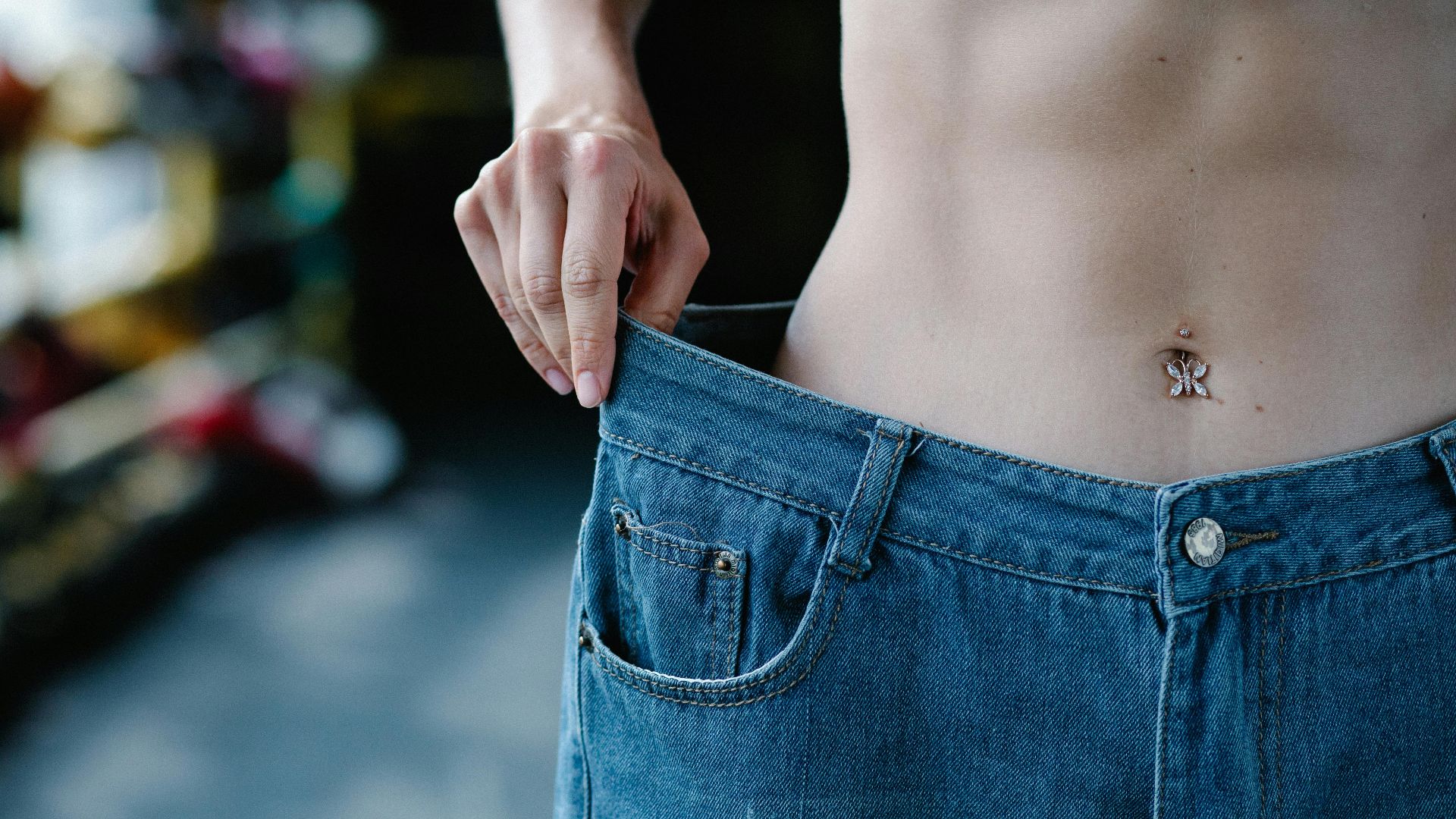
15. You Feel Puffy Or Swollen
Swelling in the feet, ankles, legs, or face can have serious causes, so it should not be brushed off. Severe protein deficiency can affect fluid balance in the body, which may lead to swelling. This is one of the signs where checking in with a healthcare professional matters.
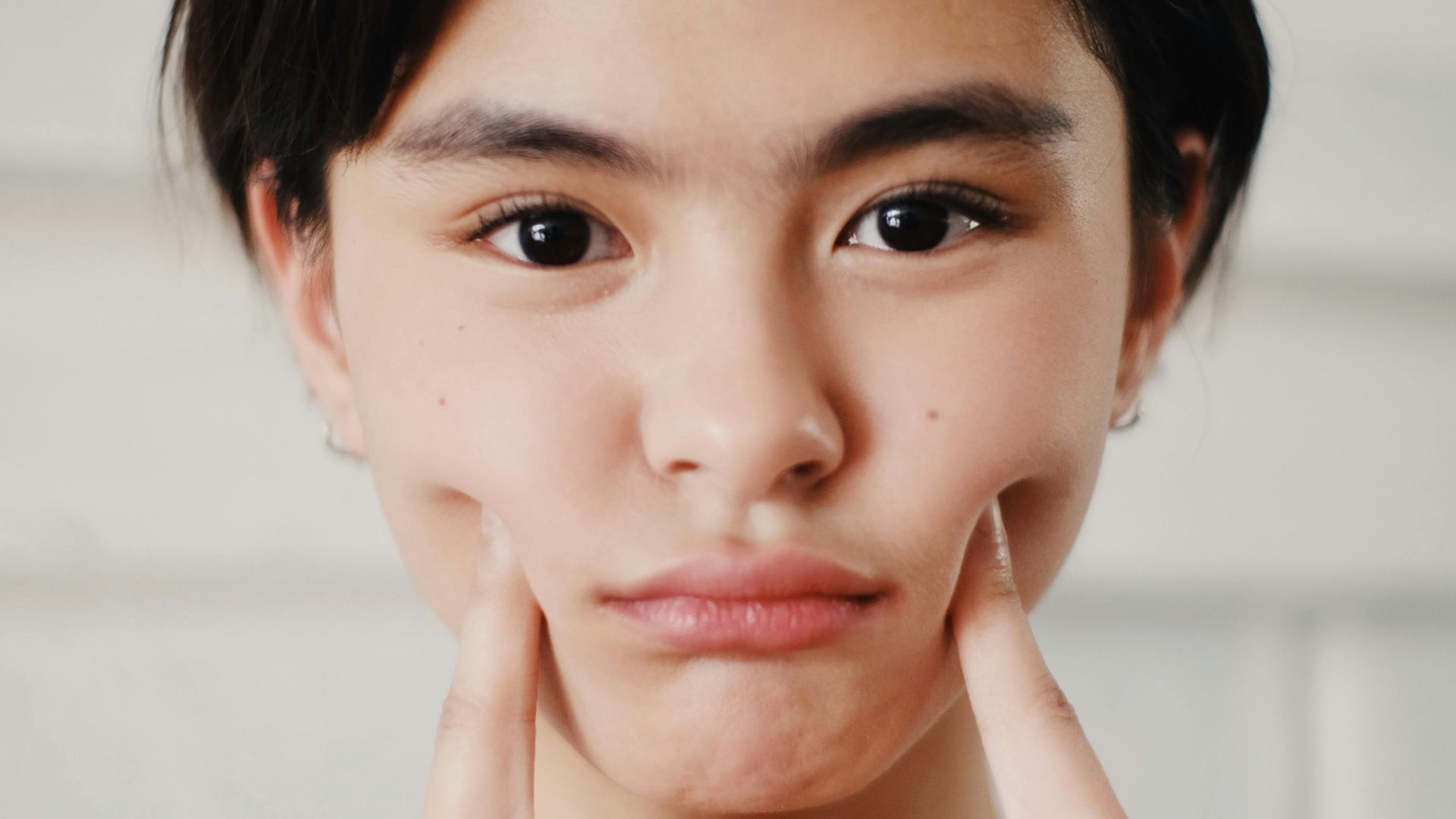
16. You Bruise More Easily
A random bruise now and then is normal, especially if you are the kind of person who walks into coffee tables and forgets immediately. But if bruises seem to show up more often or linger longer than usual, your body may be struggling with repair.
17. You Feel Colder Than Everyone Else
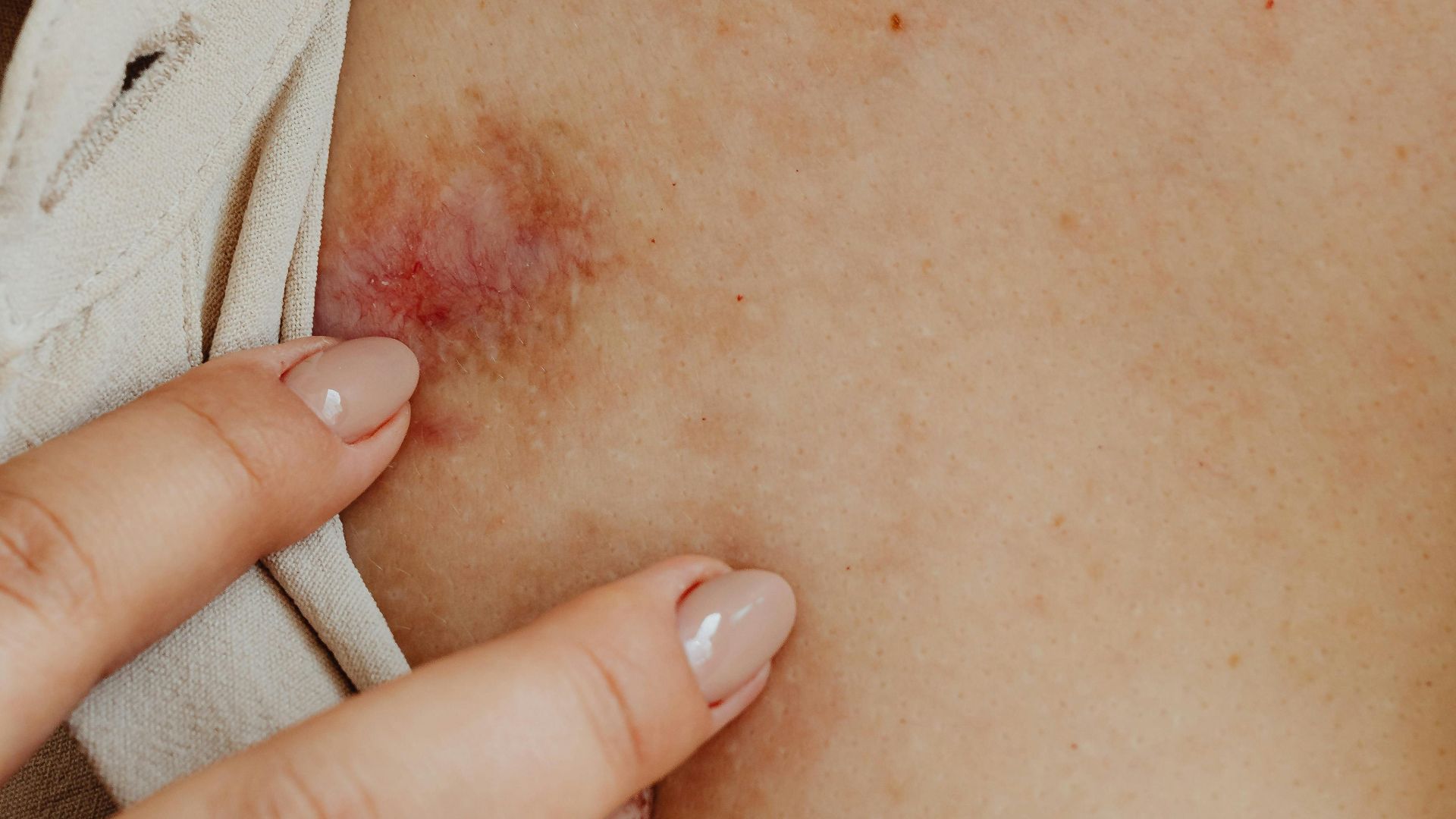
Feeling cold all the time can point to many things, including thyroid issues, anemia, or simply not eating enough. But if your overall intake is low, including protein, your body may feel like it is running in low-power mode. It is a signal worth taking in context.

18. Your Diet Is Mostly Beige
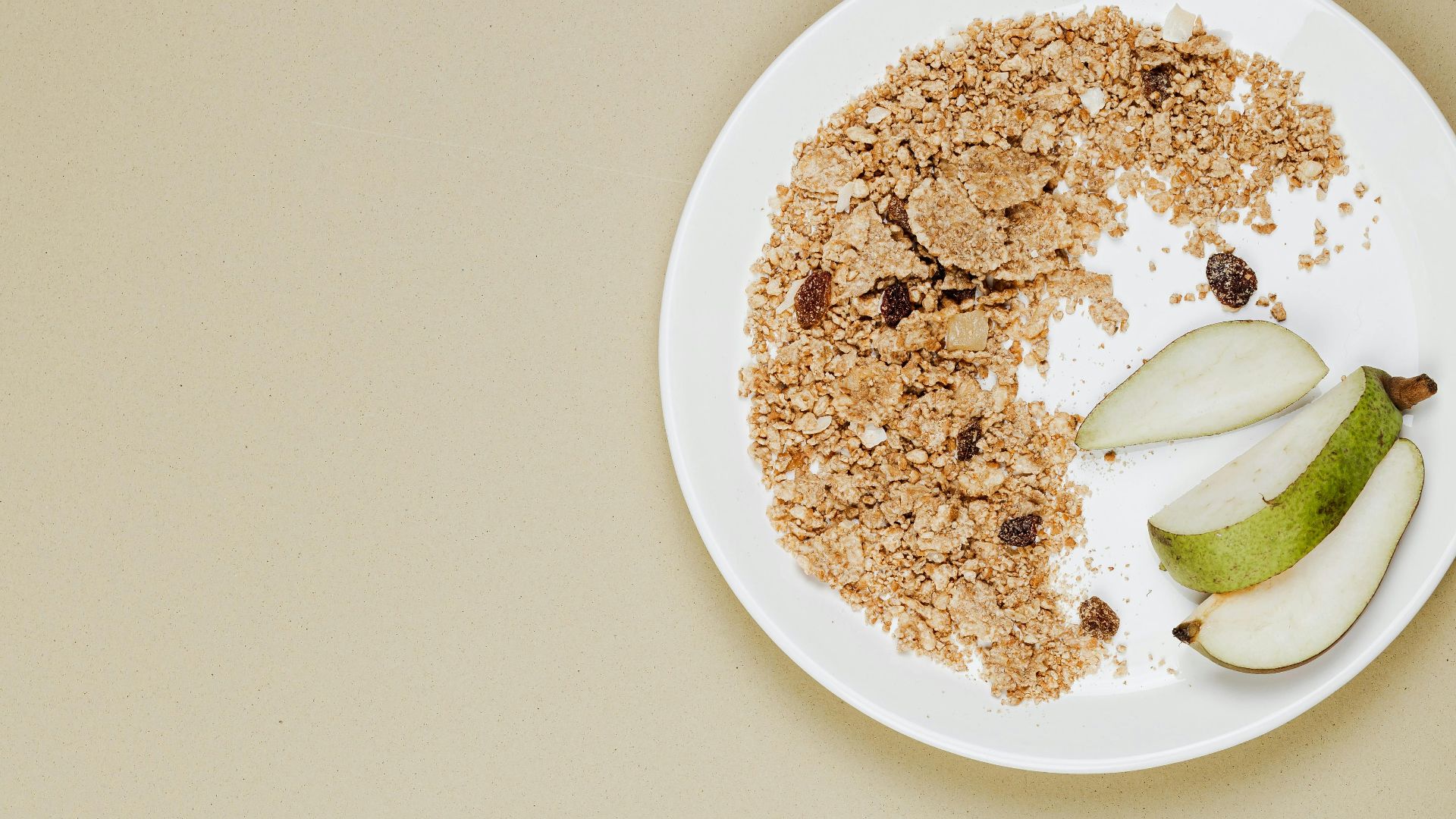
A beige diet is not automatically low in protein, but it can drift that way fast. Toast, crackers, cereal, fries, noodles, and pastries may fill the stomach without offering much protein. When most meals look like snacks wearing a disguise, the balance may be off.
19. You Are Older And Losing Strength
Protein becomes especially important with age because muscle is easier to lose and harder to rebuild. If everyday strength is slipping, it may not just be normal aging. Older adults often need to pay closer attention to protein, especially alongside movement and strength training.

20. You Rarely Eat Protein At Breakfast
Breakfast does not need to look like a bodybuilder’s meal prep container. Still, if the first meal of the day is always coffee, toast, or a sweet pastry, you may spend the day playing catch-up. Adding eggs, yogurt, tofu, beans, cottage cheese, or another protein source can change the whole rhythm of your appetite.

KEEP ON READING



20 Ways to Deal With Your Sweet Tooth
20 Low-Impact Exercise Ideas For People Over 50