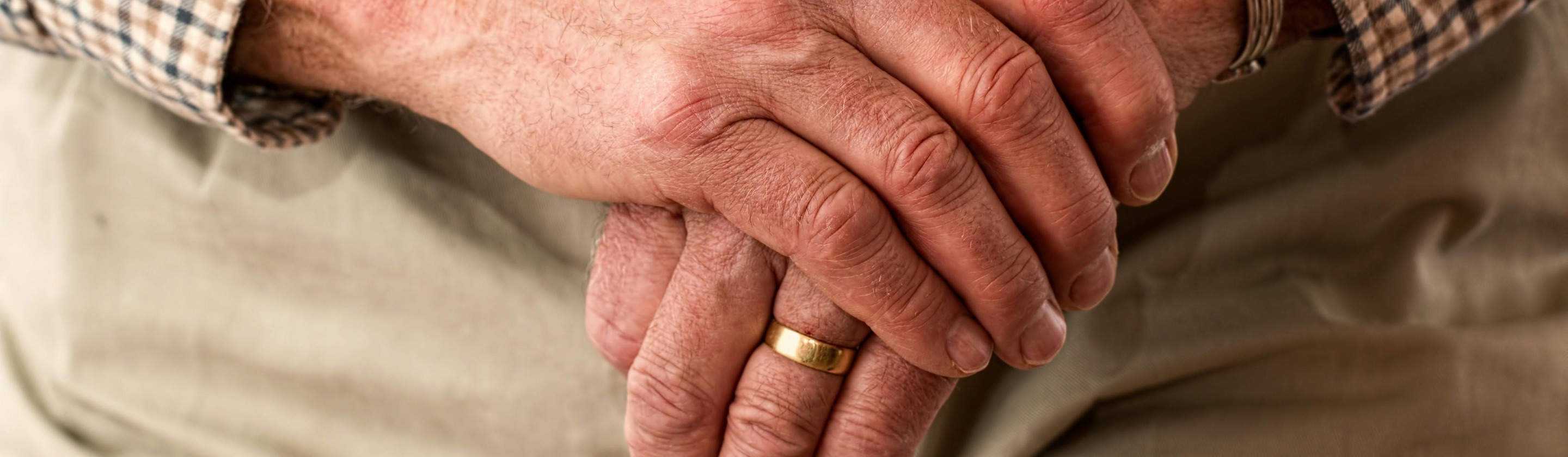
10 Things We Hate About Getting Older & 10 Surprisingly Positive Things About Aging
Getting Older Has Its Ups and Downs
Aging is one of those universal experiences that everyone goes through, yet it manages to feel deeply personal every step of the way. From the moment you notice your first gray hair to the day you realize you'd rather stay in on a Friday night than go out, the process of getting older comes with a whole mix of emotions. It's not all doom and gloom, though: alongside the frustrations, there are some real, underrated benefits to aging that don't get nearly enough credit. Let's take a deeper look at the ups and downs of getting older.
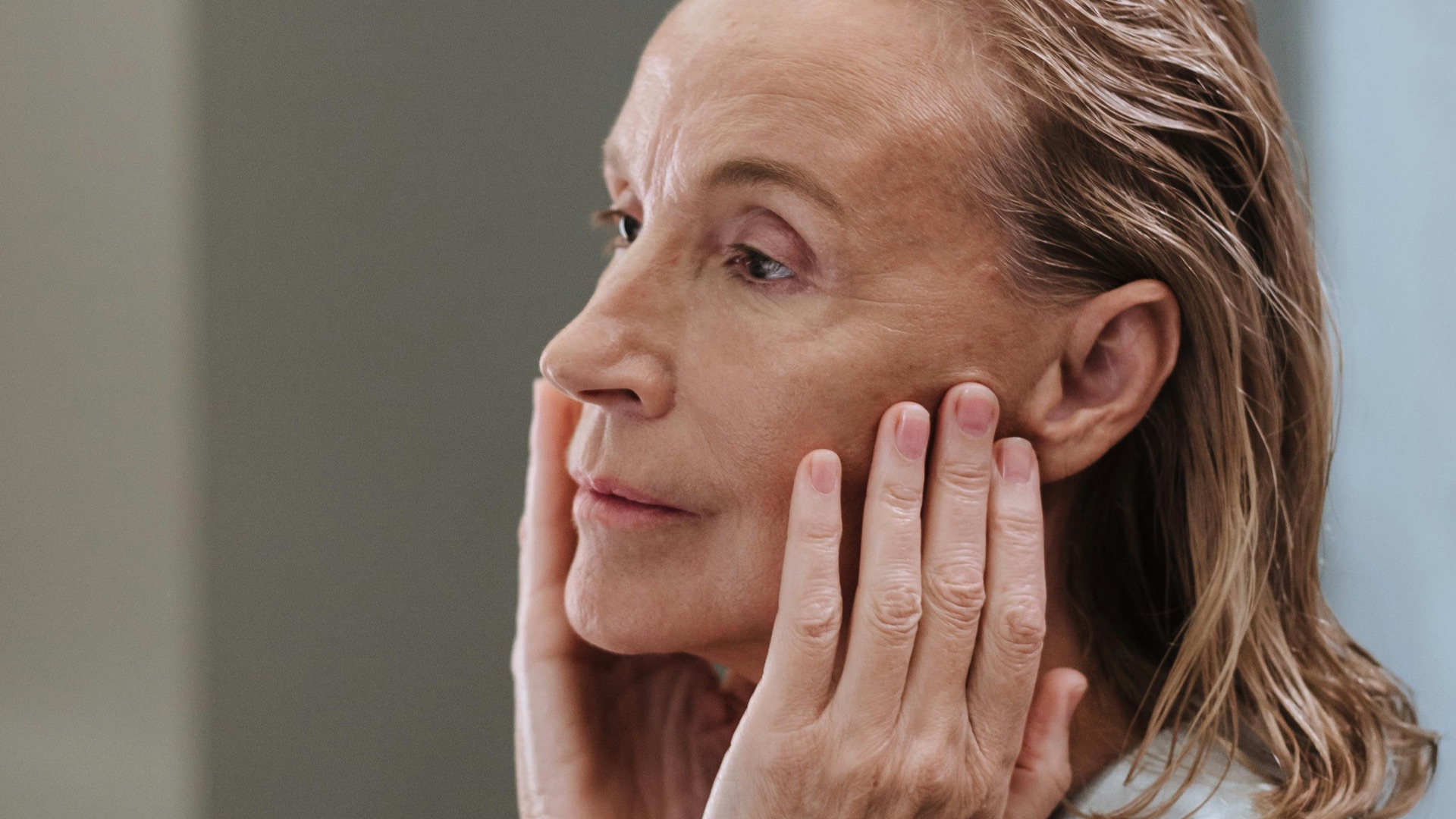
1. Your Body Takes Much Longer to Recover
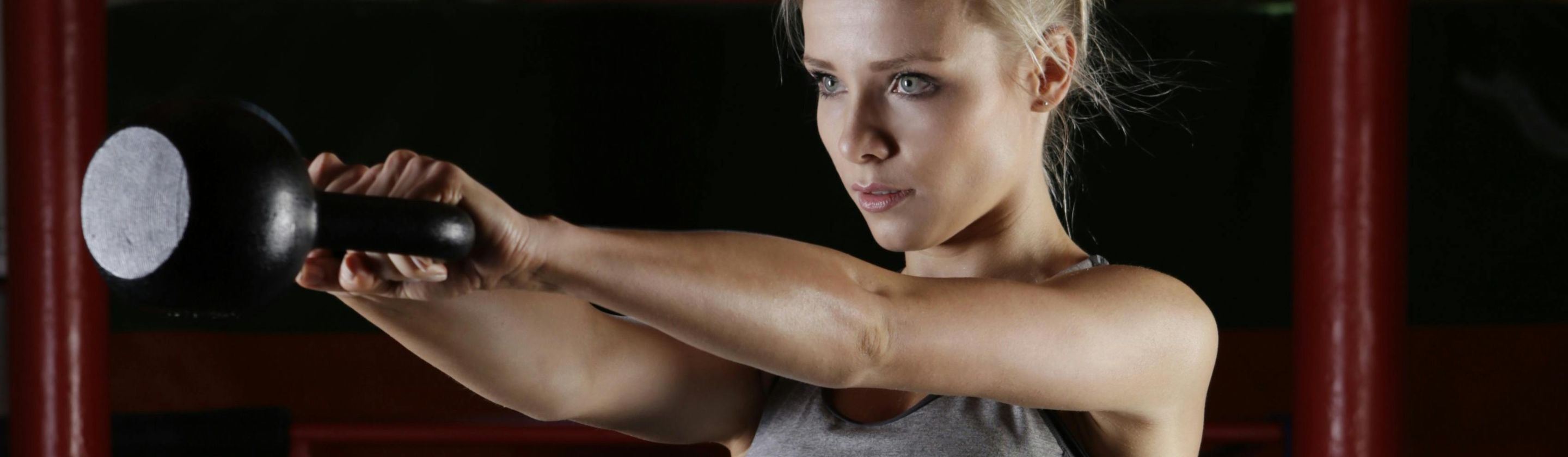
One of the most frustrating parts of getting older is realizing that your body just doesn't bounce back the way it used to. A single night of poor sleep, one too many drinks, or even an intense workout can leave you feeling rough for days rather than hours. Recovery time increases with age partly because cellular repair processes slow down and inflammation takes longer to resolve, which is a hard adjustment to make if you've always been someone who pushed through quickly.
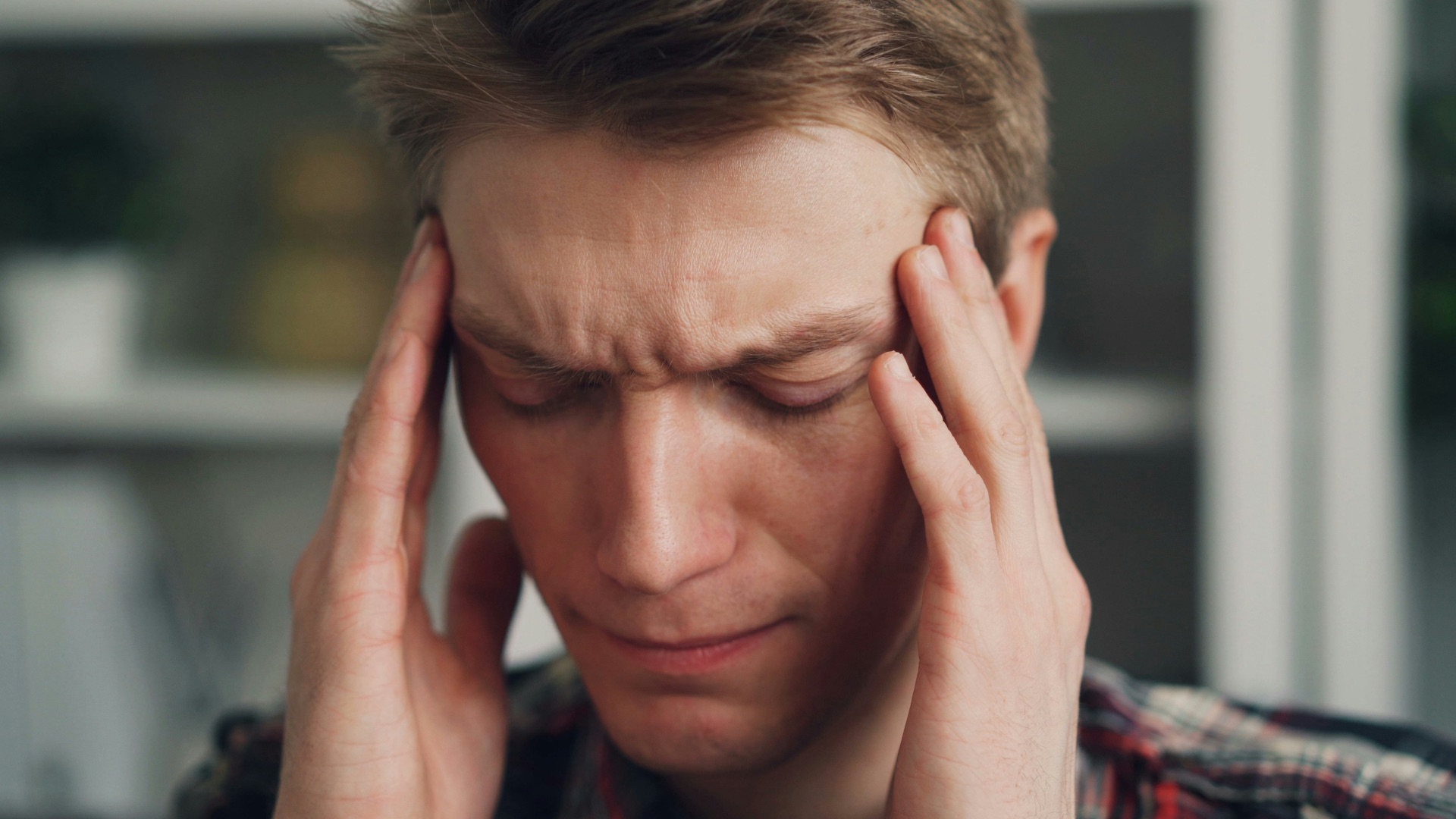
2. Aches and Pains Become a Regular Part of Life
It starts subtly—a stiff back in the morning, a sore knee after a walk—and before long, low-grade aches become a pretty familiar presence. As you age, the cartilage in your joints gradually wears down, muscles lose some of their elasticity, and inflammation becomes more common, all of which contribute to that general creakiness. It doesn't mean you're falling apart, but it does mean that taking care of your body through stretching, movement, and proper nutrition becomes far more important than it was in your twenties.

3. Your Memory Isn't as Sharp as It Once Was
Forgetting where you put your keys or blanking on a word mid-sentence becomes increasingly common as you get older, and it's one of the more unsettling changes to adjust to. Age-related cognitive shifts happen because the brain's processing speed slows and certain memory-related regions, like the hippocampus, gradually shrink over time. While this is a normal part of aging for most people, it's still frustrating when your mind used to feel like a steel trap, and now it occasionally lets things slip through.
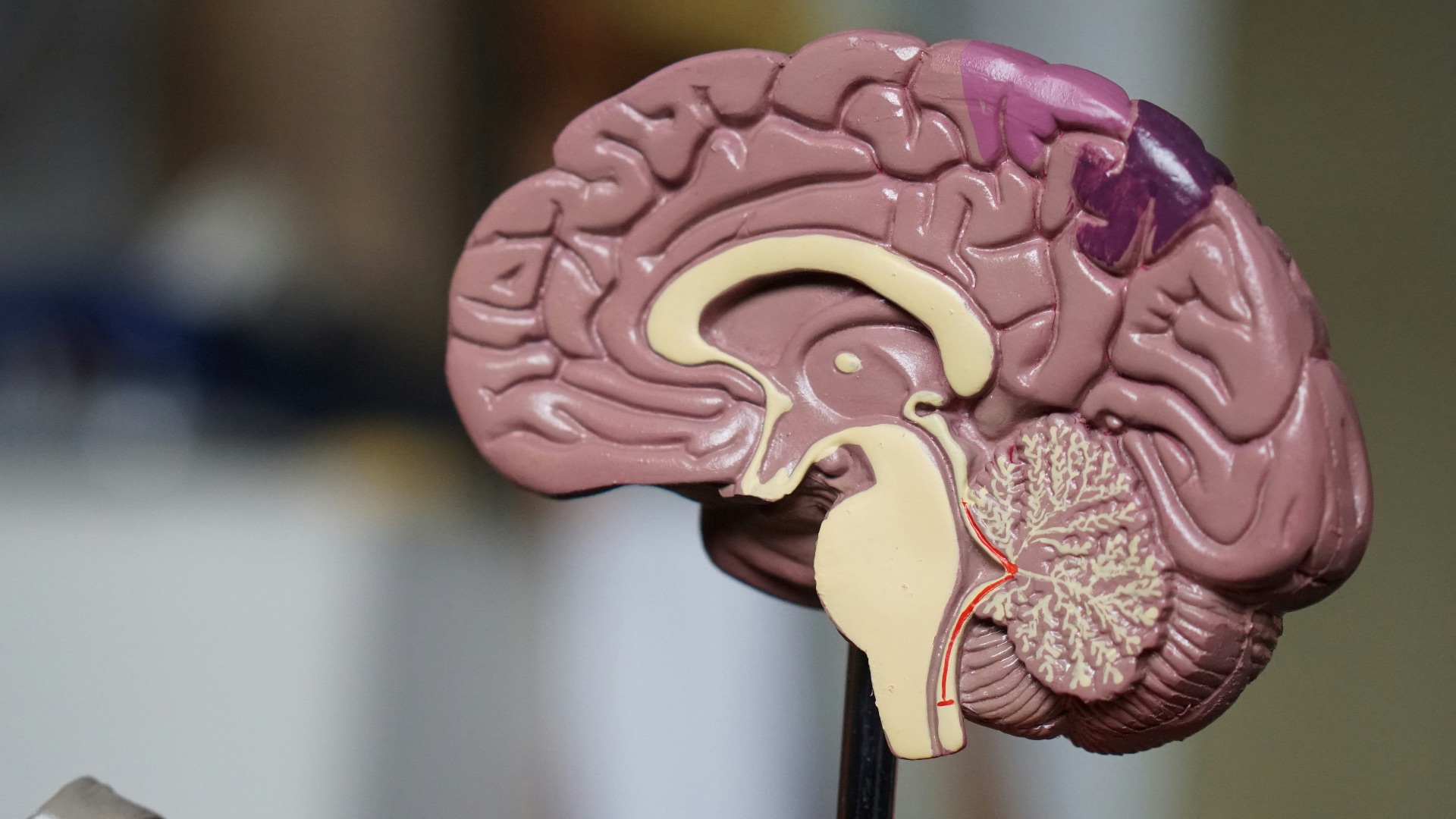
4. Metabolism Slows Down Considerably
If you feel like you're eating the same way you always have but your body is responding differently, you're not imagining it. Metabolism naturally slows with age due to a loss of muscle mass, hormonal changes, and a decrease in overall physical activity, all of which means the body burns fewer calories at rest. This shift often requires real adjustments to diet and exercise habits, which can feel like a lot of effort when nothing about your lifestyle seems to have changed.
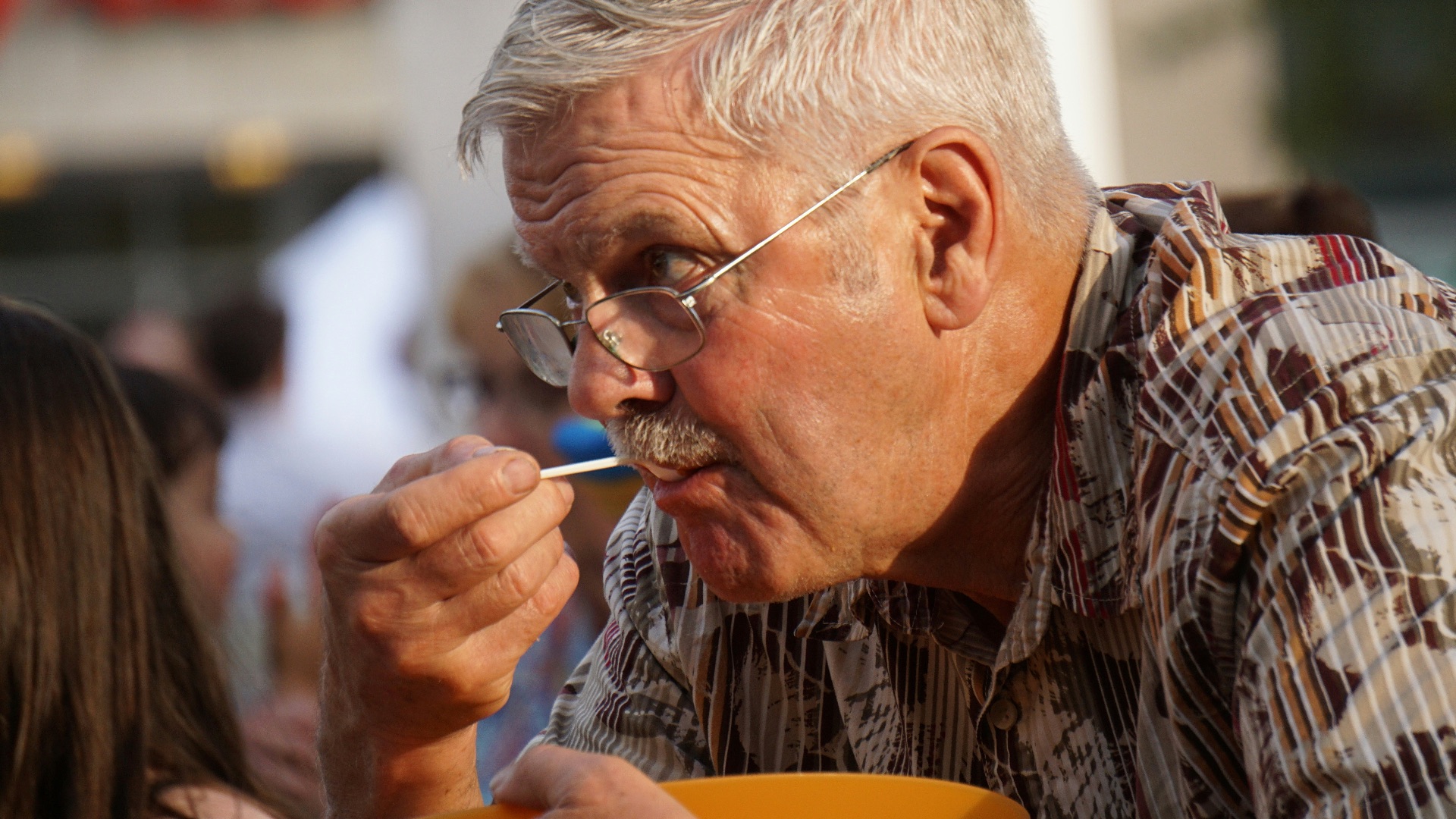
5. Your Social Circle Tends to Get Smaller
When you're younger, friendships often form naturally through school, work, or proximity, but maintaining and building those connections becomes noticeably harder as you age. People move away, priorities shift, schedules get busier, and the energy required to nurture friendships sometimes feels like more than you have to give after a long week. A shrinking social circle isn't a personal failure, but it is one of the lonelier side effects of getting older that many people find genuinely difficult to navigate.
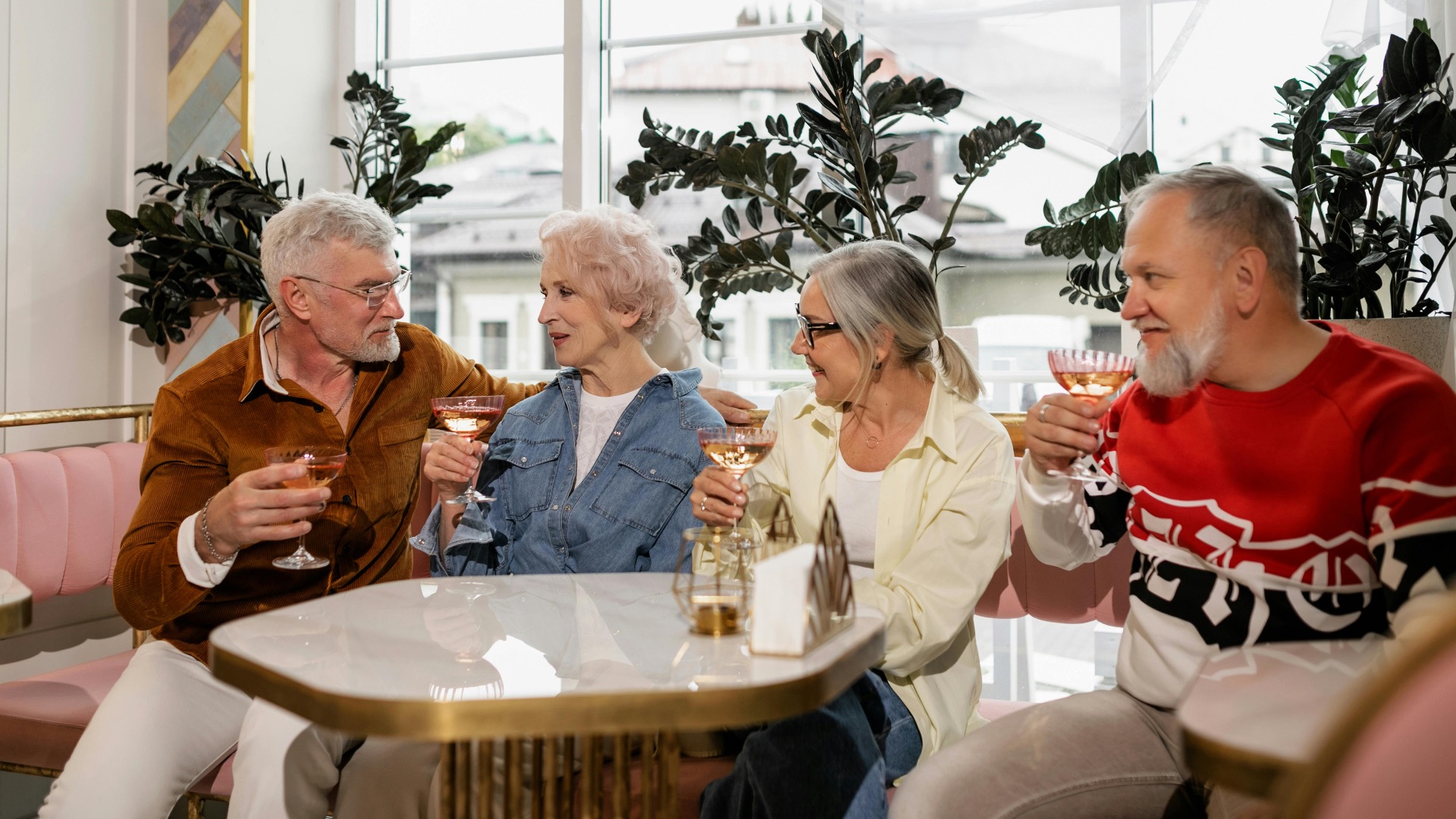
6. New Technology Feels Harder to Keep Up With
Every few years there's a new platform, a new device, or a new way of doing something that everyone else seems to have figured out overnight. While younger generations tend to absorb new technology intuitively, older adults often find that the learning curve is steeper and the patience required is greater. It's not that you can't adapt, but the constant pace of technological change can feel exhausting when you just got comfortable with the last update.
7. Sleep Becomes More Elusive and Less Restful
Many people assume that tiredness increases with age means better sleep, but the reality is often the opposite. Older adults frequently experience changes in their sleep architecture, including less time spent in deep, restorative sleep stages, more frequent nighttime waking, and earlier morning wake times. Feeling like you never quite get enough rest, even after a full night in bed, is a common frustration that affects mood, concentration, and overall quality of life.

8. Your Skin Visibly Changes in Ways You Can't Ignore
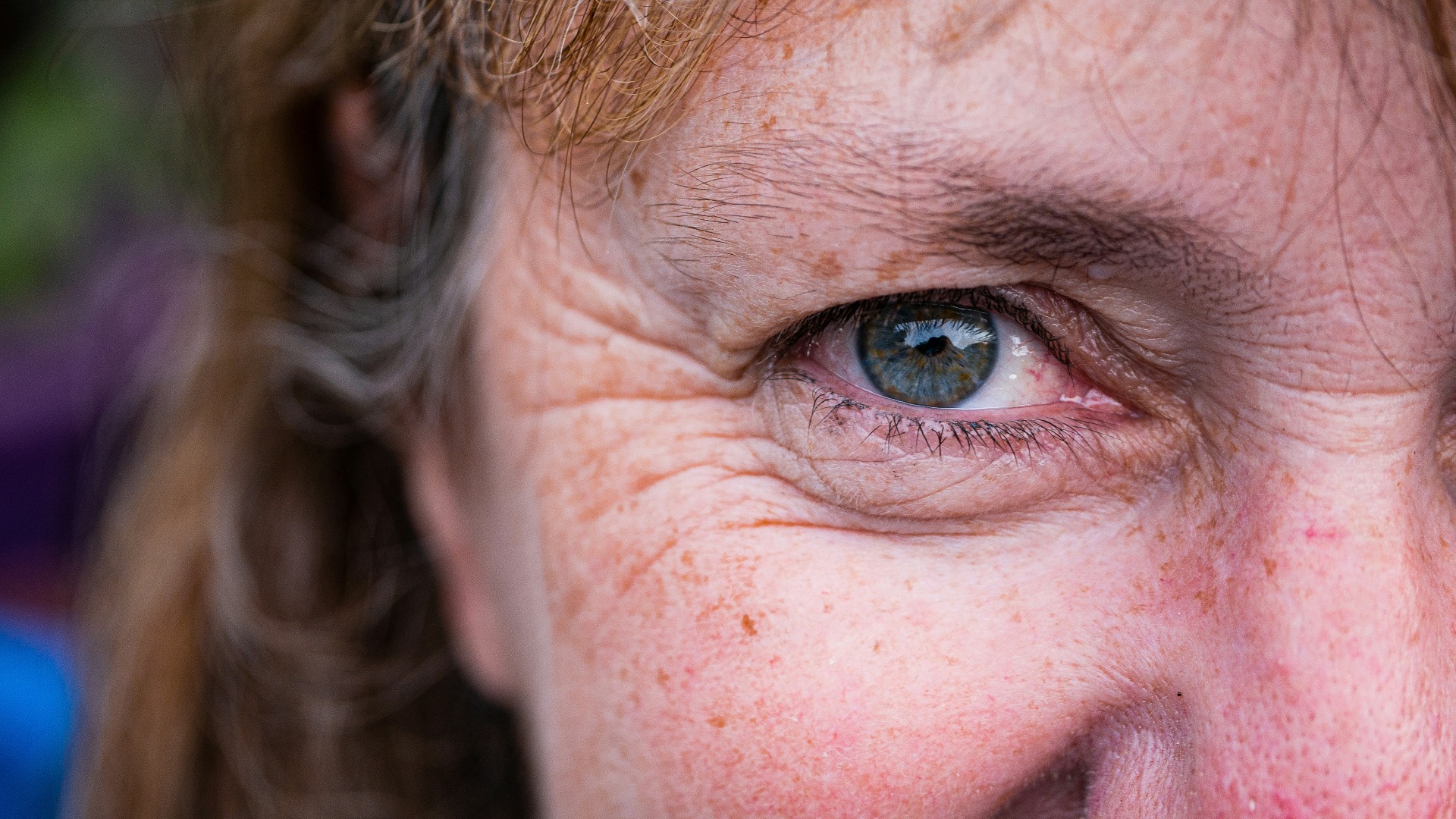
Wrinkles, fine lines, age spots, and a general loss of firmness are all part of what happens when collagen production slows and the skin's ability to retain moisture decreases with age. Sun exposure from earlier years also catches up with you, often showing up as uneven pigmentation or texture changes that weren't there before. The skin care industry offers plenty of products to help manage these changes, but there's no getting around the fact that your complexion in your fifties looks different than it did in your twenties.
9. Recovery From Illness Takes Noticeably Longer
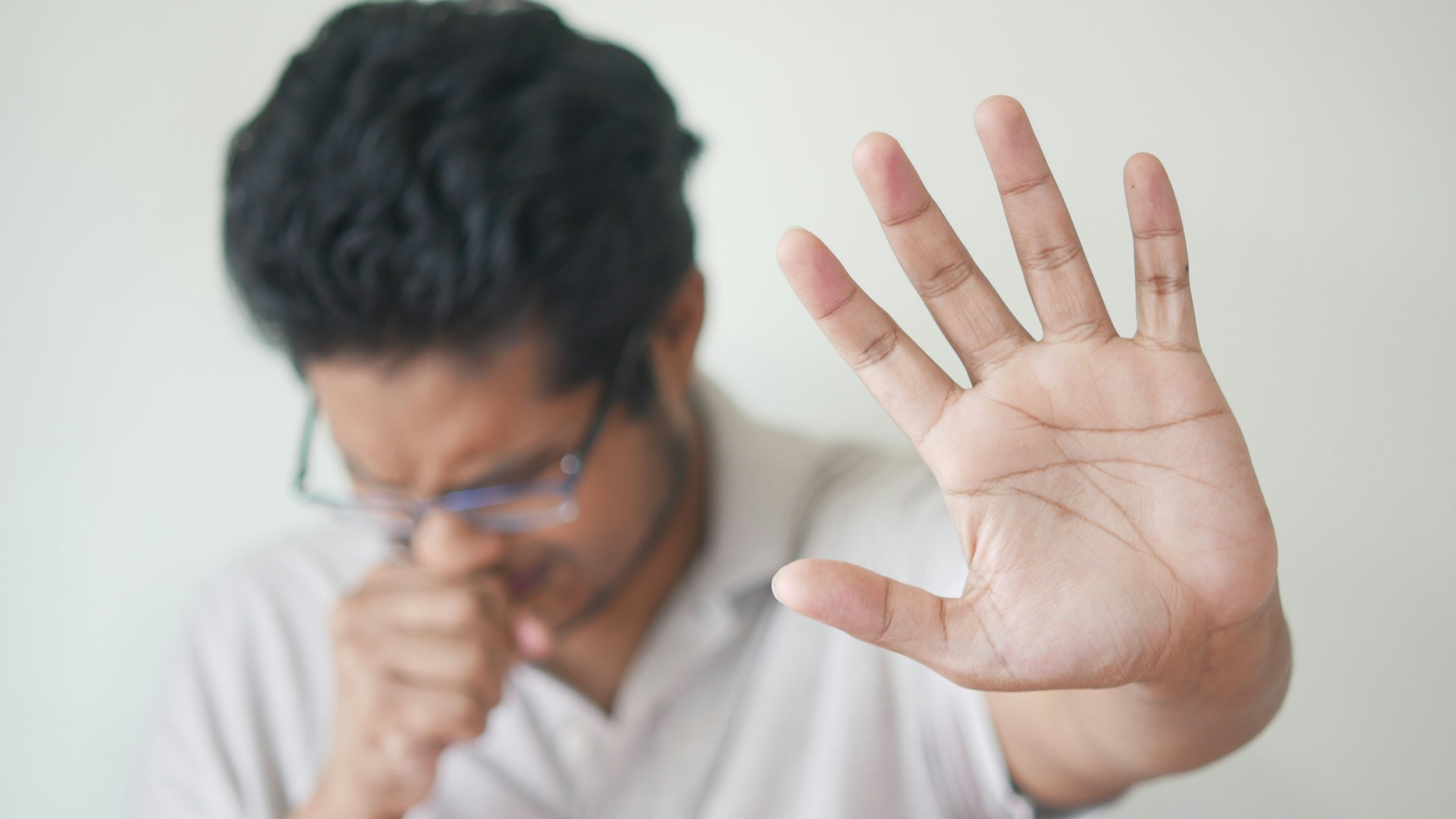
Coming down with a cold or flu feels like a much bigger deal when you're older because your immune system doesn't respond as aggressively or as efficiently as it once did. The immune system undergoes a gradual decline with age, a process known as immunosenescence, which means it takes longer to fight off infections and the symptoms can be more pronounced. What once knocked you out for two or three days might now sideline you for a week or more, making illness feel like a much greater interruption to your life.
10. You're More Aware of Time Passing
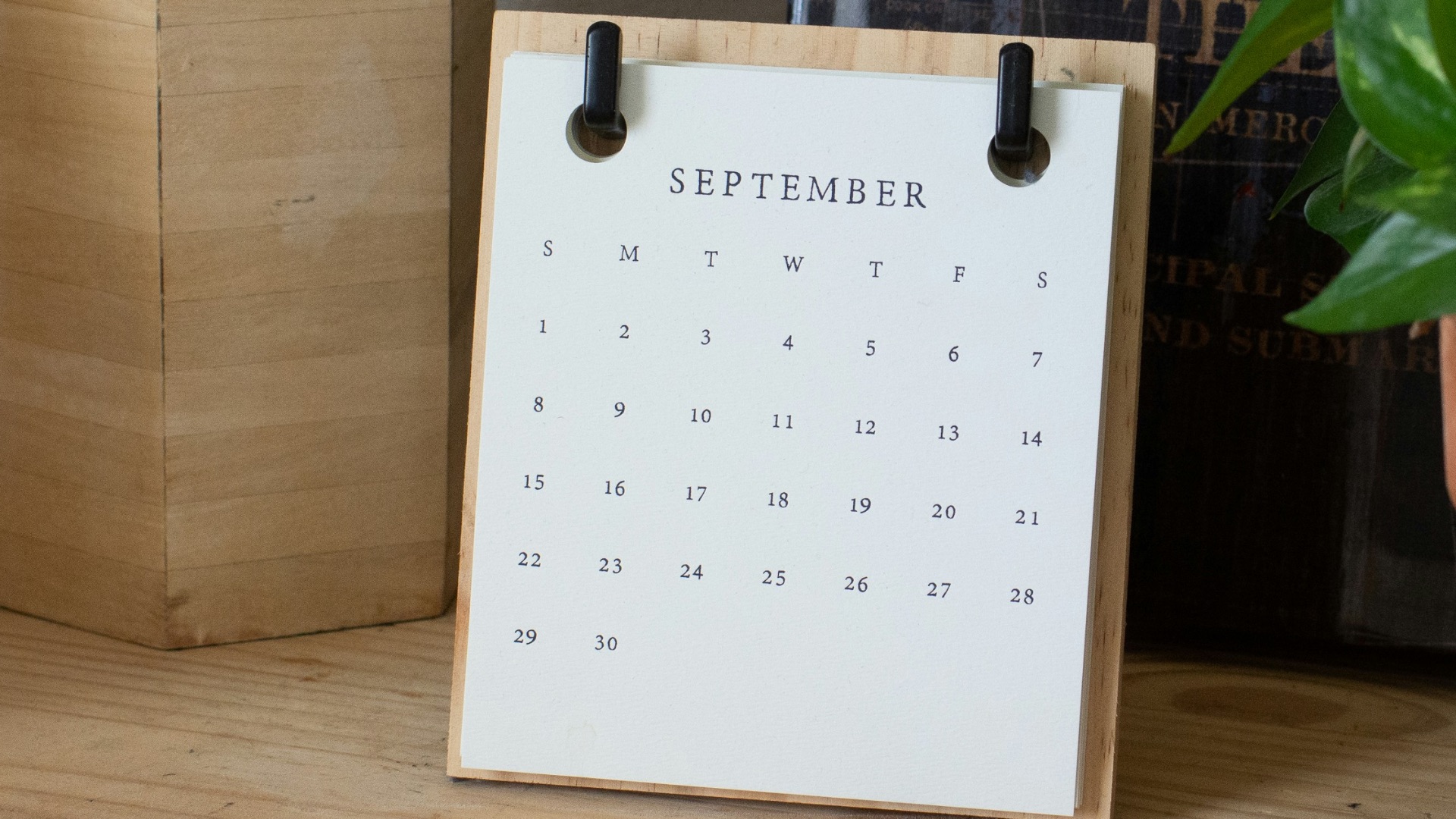
There's a psychological shift that happens as you age where time seems to accelerate, and with it comes a heightened awareness of your own mortality that younger people simply don't think about in the same way. Researchers have suggested this perception of time speeding up is linked to the fact that each year represents a smaller fraction of your total lived experience, making it feel shorter in retrospect. It's a strange and sometimes heavy feeling to sit with, especially when you start doing mental math on how many years you might have left to accomplish everything you still want to do.
Aging certainly comes with its fair share of challenges, but it's worth remembering that it brings some meaningful rewards along with it. Here's a look at ten things about getting older that are actually worth celebrating.
1. You Become Much More Comfortable in Your Own Skin
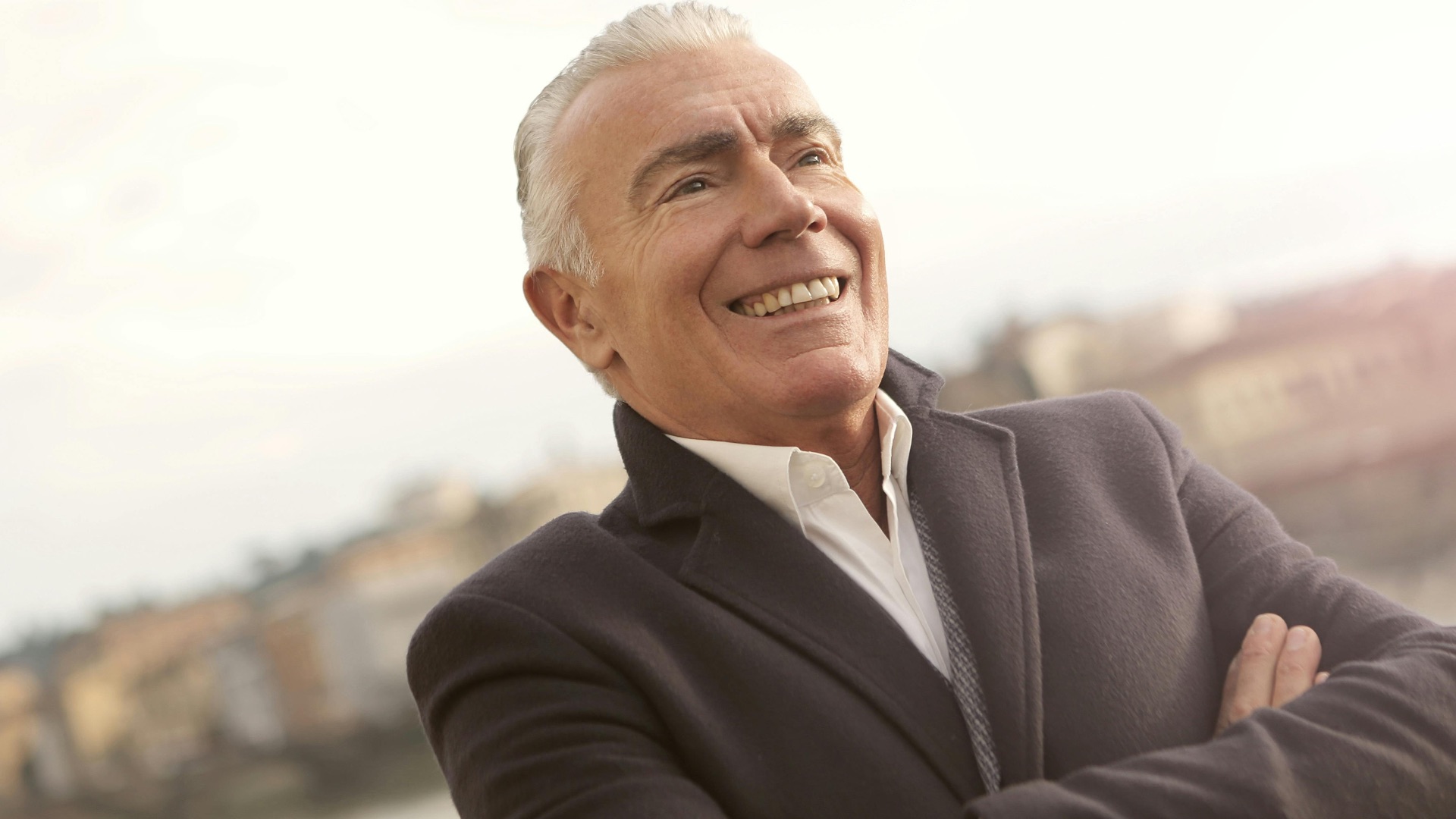
One of the most welcome changes that comes with age is caring far less about what other people think of you, and it's a shift that makes everyday life noticeably lighter. Younger people often spend enormous amounts of energy seeking approval or worrying about judgment, but by your forties and beyond, most people have developed a much steadier sense of who they are. That self-assurance isn't arrogance; it's the result of years of self-discovery and lived experience that quietly builds a foundation of confidence that's hard to rattle.
2. Emotional Regulation Improves Significantly
Research consistently shows that older adults tend to experience and manage their emotions more skillfully than younger people, and this is one of the more underrated benefits of aging. With age comes a greater ability to put things into perspective, let go of minor frustrations, and avoid overreacting to situations that once might have sent you into a spiral. The emotional volatility that can make your twenties and thirties feel so exhausting tends to smooth out considerably as the decades go on.
3. Your Relationships Are Deeper and More Meaningful
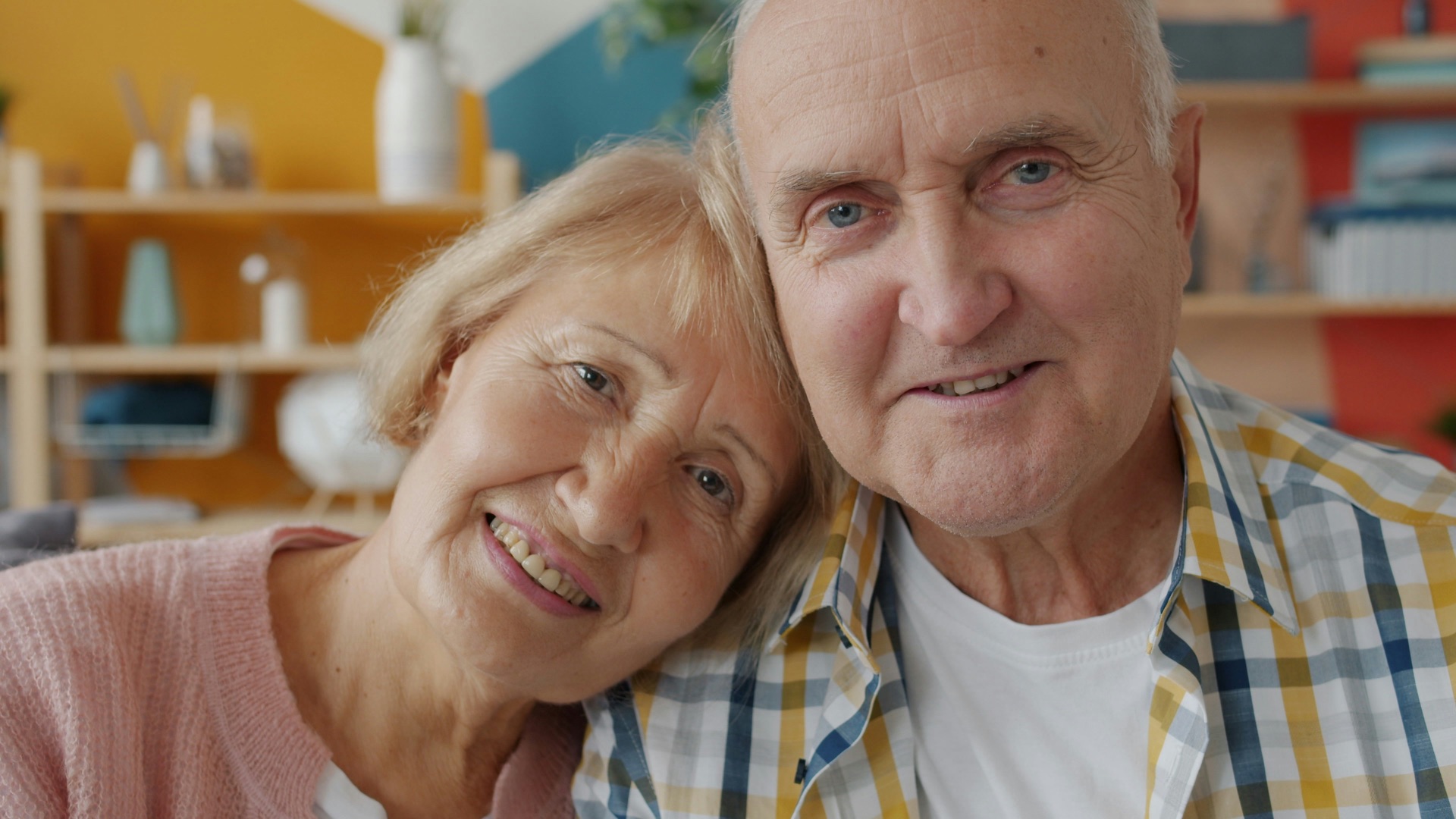
While your social circle may get smaller with age, the friendships and relationships you do maintain tend to be stronger, more intentional, and more fulfilling than the broad, surface-level connections of earlier years. Older adults are generally better at identifying which relationships are worth investing in and letting go of ones that are draining or one-sided, which leaves more room for the connections that truly matter. There's something deeply satisfying about having a small group of people in your life who know you well and have been around long enough to understand your history.
4. You're Less Likely to Make Impulsive Decisions
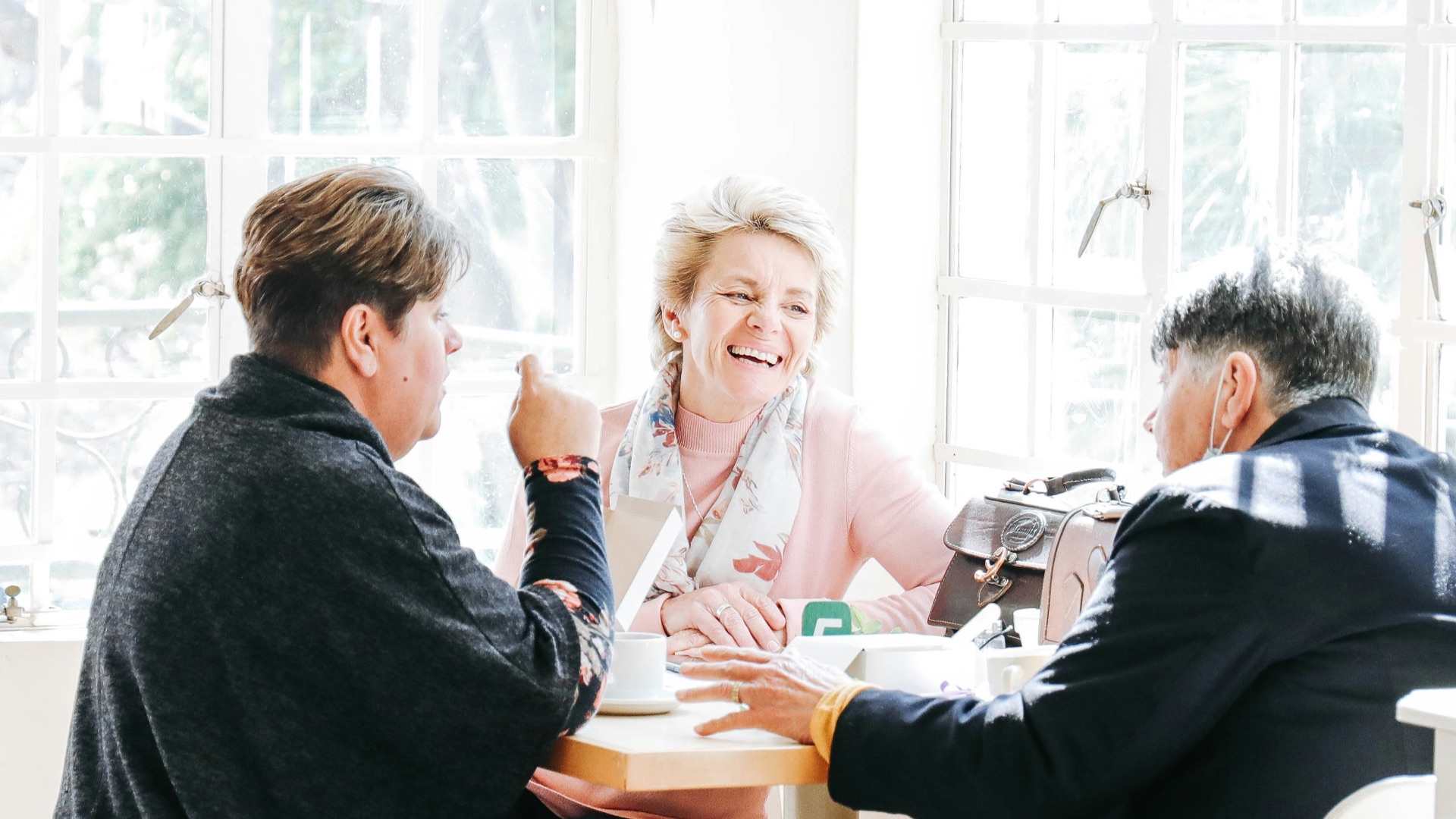
The impulsivity that often defines younger adulthood (think spontaneous job quits, reckless financial choices, dramatic relationship decisions) tends to fade as the prefrontal cortex fully matures and experience teaches you to pause before you act. Older adults are generally more deliberate in their decision-making, weighing consequences more carefully and relying on a broader base of real-world knowledge to guide their choices. That measured approach might feel less exciting than acting on instinct, but it tends to lead to significantly better outcomes over time.
5. Your Sense of Gratitude Deepens
Many people report that aging brings with it a much stronger appreciation for the ordinary moments of life that used to pass by unnoticed. This shift in perspective is partly psychological and partly the result of having experienced enough loss and change to understand that nothing stays the same forever. The ability to find genuine satisfaction in everyday life, rather than always chasing the next big thing, is one of the more underappreciated gifts that getting older can offer.
6. Career Confidence and Expertise Reach Their Peak
By the time you've spent two or three decades in your field, you've accumulated a depth of knowledge, pattern recognition, and professional credibility that simply can't be shortcut. Older workers are often the ones that colleagues turn to when a situation is genuinely complicated, because their experience means they've likely encountered something similar before and know how to navigate it. That sense of mastery is a form of satisfaction that takes years to build and feels very different from the ambition-fueled drive of early career life.

7. You Worry Less About the Small Stuff
There's a reason the phrase "I'm too old for this" is often said with a certain amount of relief rather than resignation. As people age, they tend to develop a clearer sense of what actually deserves their attention and energy, which means minor inconveniences, social slights, and everyday stressors lose much of their power. This isn't indifference so much as a hard-won ability to prioritize, and it makes day-to-day life considerably less stressful for many older adults.

8. Many People Experience Greater Financial Stability
While this isn't universal, many people find that their financial footing is significantly more solid in their fifties and sixties than it was earlier in life. Mortgages get paid down, earning potential tends to peak in middle age, and the spending habits that once felt uncontrollable often become more disciplined with experience and necessity. Having a greater sense of financial security relieves a category of stress that can be absolutely consuming when you're younger.

9. Your Sense of Personal Values Becomes Clearer
Younger adults often spend years trying to figure out what they actually believe, what they stand for, and what kind of life they want to build; older adults tend to have a much firmer handle on all of that. With age comes a clarity about personal priorities that makes decision-making feel much more grounded. Living in alignment with a well-defined set of values, rather than still searching for them, brings a sense of purpose that a lot of people describe as one of the best things about getting older.
10. You Have a Richer Perspective on Life
Perhaps the most significant advantage of aging is simply the perspective that comes from having lived through a wide range of experiences: triumphs, failures, losses, surprises, and everything in between. That accumulated life experience gives older adults a broader, more nuanced view of the world that allows them to contextualize current events, personal setbacks, and even good news in ways that younger people aren't yet equipped to do. It doesn't make every problem easier to solve, but it does mean that very little in life feels as catastrophic or as earth-shattering as it once did.