When the Sunshine Vitamin Runs Low
Vitamin D helps your body absorb calcium, supports bones and muscles, and plays a role in immune function, which means low levels can show up in several different ways. The tricky part is that many people with low vitamin D have vague symptoms or no obvious symptoms at all, so you can’t diagnose it by guesswork alone. If you suspect a deficiency, a blood test is the clearest way to know what’s actually going on, but in the meantime, here are 20 signs you may be low on vitamin D.

1. You Feel Tired for No Clear Reason
Fatigue is one of those symptoms that can come from almost anything, including stress, poor sleep, anemia, thyroid issues, or a packed schedule. Still, low vitamin D can be part of the picture for some people. If rest doesn’t seem to help, it may be worth checking instead of simply blaming Monday again.

2. Your Muscles Feel Weak
Vitamin D helps muscles function properly, so low levels may leave you feeling weaker than usual. This might show up as trouble climbing stairs, getting up from a chair, or feeling less steady during everyday movement. Muscle weakness can have many causes, but it’s one of the more recognized signs connected to deficiency.

3. You Have Achy Bones
Bone pain can be a sign that your vitamin D levels are too low, especially if the ache feels deep rather than like ordinary muscle soreness. Vitamin D and calcium work together to maintain strong bones, so a deficiency can affect bone health over time. Adults with persistent bone pain should take the hint and get it checked.
4. Your Lower Back Hurts Often
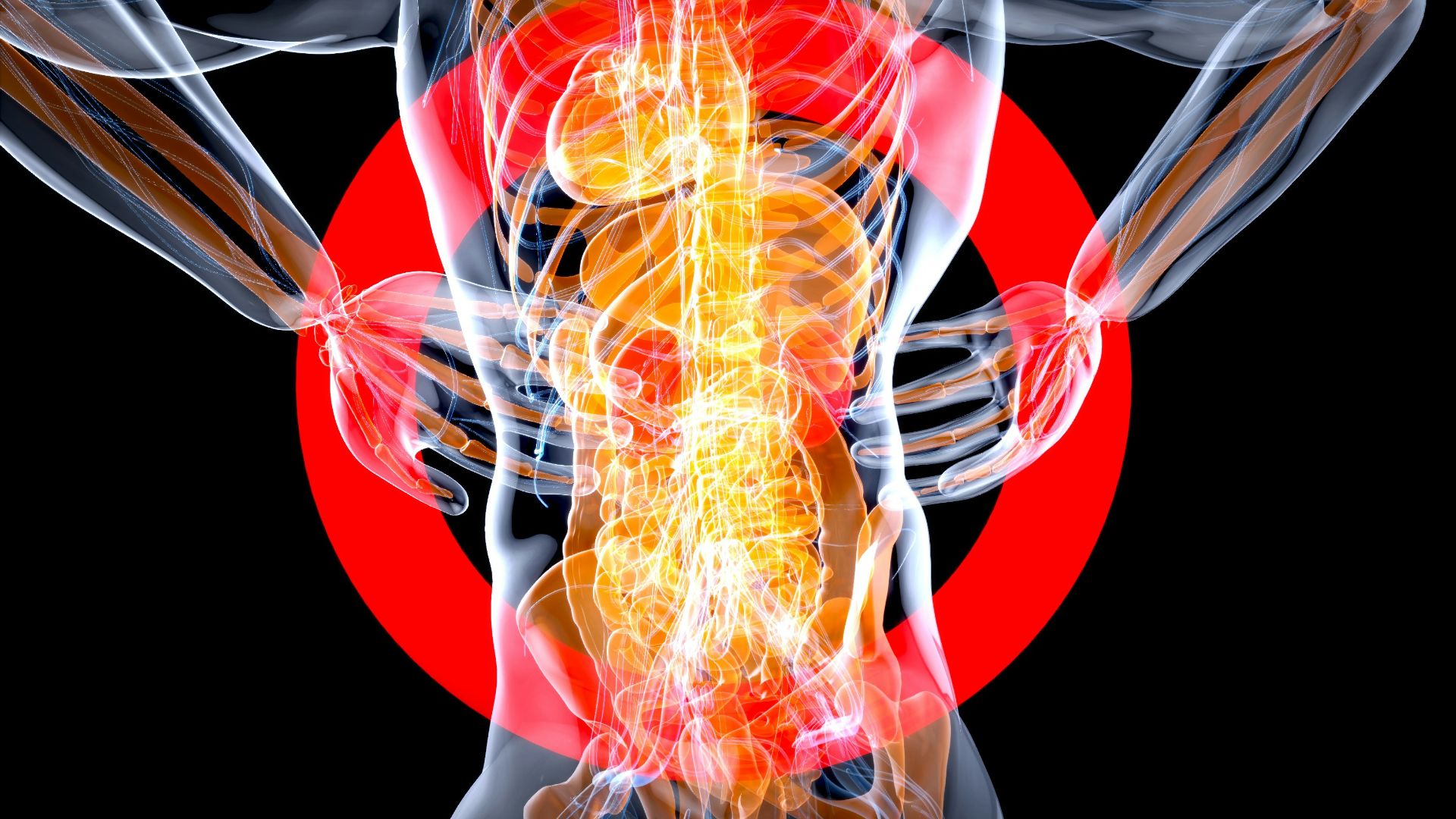
Lower back pain can come from posture, injury, sitting too long, or lifting something poorly. But because vitamin D deficiency can affect bones and muscles, ongoing aches in the back may be worth paying attention to. This doesn’t mean every stiff back is a vitamin issue, of course. It simply means unexplained, persistent pain deserves more than a heating pad and denial.

5. You Get Sick More Than Usual
Vitamin D supports immune function, so low levels may affect how well your body responds to invading bacteria and viruses. If you feel like you catch every cold that passes within a five-mile radius, it may be one clue among many. Frequent illness can also come from a whole slew of other things, but still, your immune system may appreciate having its nutrient bases covered.

6. Your Mood Feels Lower
Some people with low vitamin D report low mood, though mood changes are complicated and never have just one simple cause. Receptors for the "sunshine vitamin" are located in brain areas linked to depression and emotion regulation, so a deficiency in vitamin D can disrupt the production of serotonin.

7. You Feel More Irritable Than Usual
Irritability can show up when your body feels off, even before you know why. If you’re tired, achy, sleeping poorly, or getting sick more often, your patience may naturally shrink. Low vitamin D could be one contributing factor if other signs are present. That said, irritability can also mean you need rest, food, or better boundaries.

8. You Have Muscle Cramps
Muscle cramps can be linked to hydration, electrolytes, exercise, medications, or circulation issues. Since vitamin D is involved in muscle function, low levels may also be worth considering when cramps are frequent or unexplained. This is especially true if cramps come with weakness, fatigue, or bone discomfort.

9. You Notice More Aches After Activity
Feeling sore after a hard workout is normal, but feeling unusually achy after light activity may suggest your muscles and bones aren't recovering as smoothly as they should. Vitamin D deficiency primarily affects bones and muscles, so if a casual walk leaves you feeling like you trained for a mountain climb, your body may be asking for attention.

10. You’re Having More Trouble With Balance
Muscle weakness can affect balance, especially in older adults. Low vitamin D has been linked with bone and muscle problems, which can increase concern around falls. If you’re suddenly unsteady, don’t wait around hoping your coordination is just being quirky.

11. You’ve Had a Recent Fracture
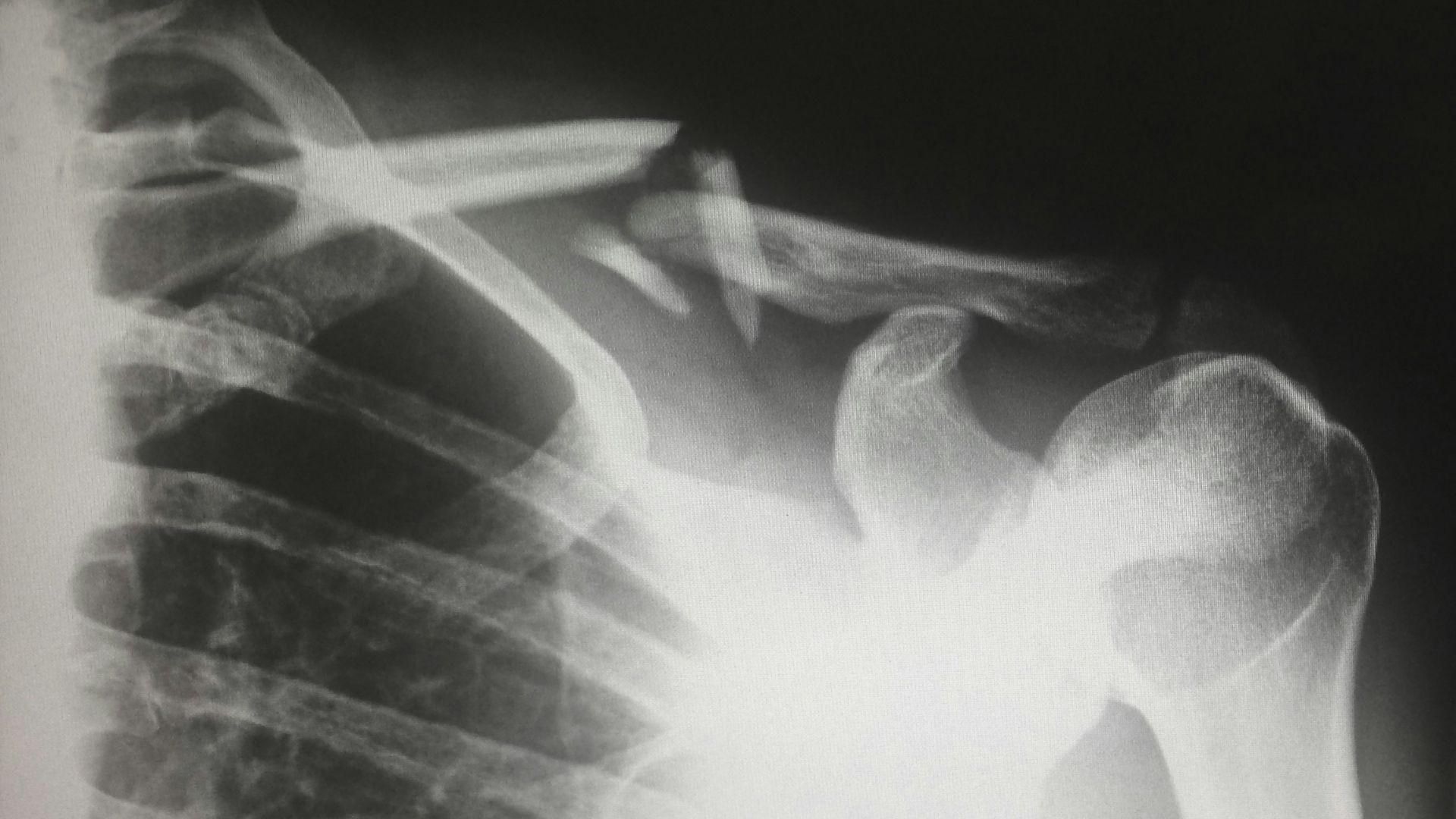
A fracture after a small fall or minor bump can raise questions about bone strength. Vitamin D helps the body absorb calcium, one of the main building blocks for strong bones. Low levels over time may contribute to weak bones, which can increase the risk of fractures.
12. Your Wounds Seem Slow to Heal
Slow healing can happen for many reasons, including diabetes, circulation problems, infection, poor nutrition, medications, or immune issues. Vitamin D plays a role in overall health and immune function, so low levels may be one factor worth checking if wounds seem unusually slow to heal.

13. Your Hair Seems to Be Shedding More
Hair shedding can come from stress, hormones, thyroid problems, low iron, illness, postpartum changes, genetics, or many other causes. Low vitamin D is sometimes discussed in relation to hair health, but it’s not the first or only explanation. If shedding is sudden, patchy, or significant, a healthcare professional can help identify what’s really happening.

14. You Spend Very Little Time Outdoors
This one is more of a risk clue than a symptom. Your body can make vitamin D when ultraviolet rays from sunlight hit the skin, so limited sun exposure can contribute to low levels. This may apply if you work indoors, live in a northern climate, cover most of your skin, or avoid the sun carefully for skin protection.

15. You Have Darker Skin & Limited Sun Exposure
People with darker skin have more melanin, which reduces the skin’s ability to produce vitamin D from sunlight. That doesn’t mean deficiency is guaranteed, but it can raise risk, especially in places with long winters or limited sun. Diet, fortified foods, and supplements may matter more in that situation.

16. You’re Over 60
Aging can affect vitamin D status for several reasons. Older adults may spend less time outdoors, eat less vitamin D-rich food, or have skin that produces vitamin D less efficiently than it once did. Bone and muscle health also become more important with age, so low levels can matter more.

17. You Follow a Diet With Few Vitamin D Sources
Vitamin D is naturally found in relatively few foods, including fatty fish, fish liver oils, and smaller amounts, in foods like egg yolks and some mushrooms. Fortified foods, such as milk and some cereals or plant milks, provide a lot of vitamin D in many diets. If you avoid fish, dairy, eggs, and fortified foods, you may be getting less than you think.

18. You Have a Condition That Affects Absorption
Some digestive conditions can make it harder to absorb nutrients, including vitamin D. People with certain bowel diseases, celiac disease, or other malabsorption issues may be at higher risk of deficiency. If your gut has a long history of drama, vitamin levels may deserve a closer look.

19. You Take Medications That May Affect Vitamin D
Some medications can affect vitamin D metabolism or absorption. This can include certain seizure medications, glucocorticoids, weight-loss drugs that reduce fat absorption, and other treatments. You shouldn't stop medication on your own, but you can ask whether vitamin D testing or supplementation makes sense.
20. You Just Feel “Off” & Can’t Explain It
Low vitamin D can be sneaky because the signs are often vague. You may feel tired, achy, weaker, moodier, or more run-down without one dramatic symptom pointing to the answer. That doesn’t mean vitamin D is definitely the cause, but it does mean your body may be worth listening to.

KEEP ON READING

20 Signs You May Be Low on Vitamin D

20 Ways Growing Up Too Fast Affects Your Health