Getting Iron on a Vegetarian Diet
Low on iron? While most doctors would recommend upping your intake of red meat to boost your ferritin levels, vegetarians have to find a different route. It doesn't help, either, that those on plant-based diets are more likely to be iron-deficient; plant foods contain non-heme iron, which the body absorbs differently than the heme iron found in meat, so meal planning matters as much as food choice. Thankfully, well-planned vegetarian diets can be nutritionally adequate, and simple habits like loading up your plate with iron-rich foods can make a meaningful difference. Here are 10 ways vegetarians can get more iron, along with 10 things to keep in mind.
1. Build Meals Around Beans and Lentils
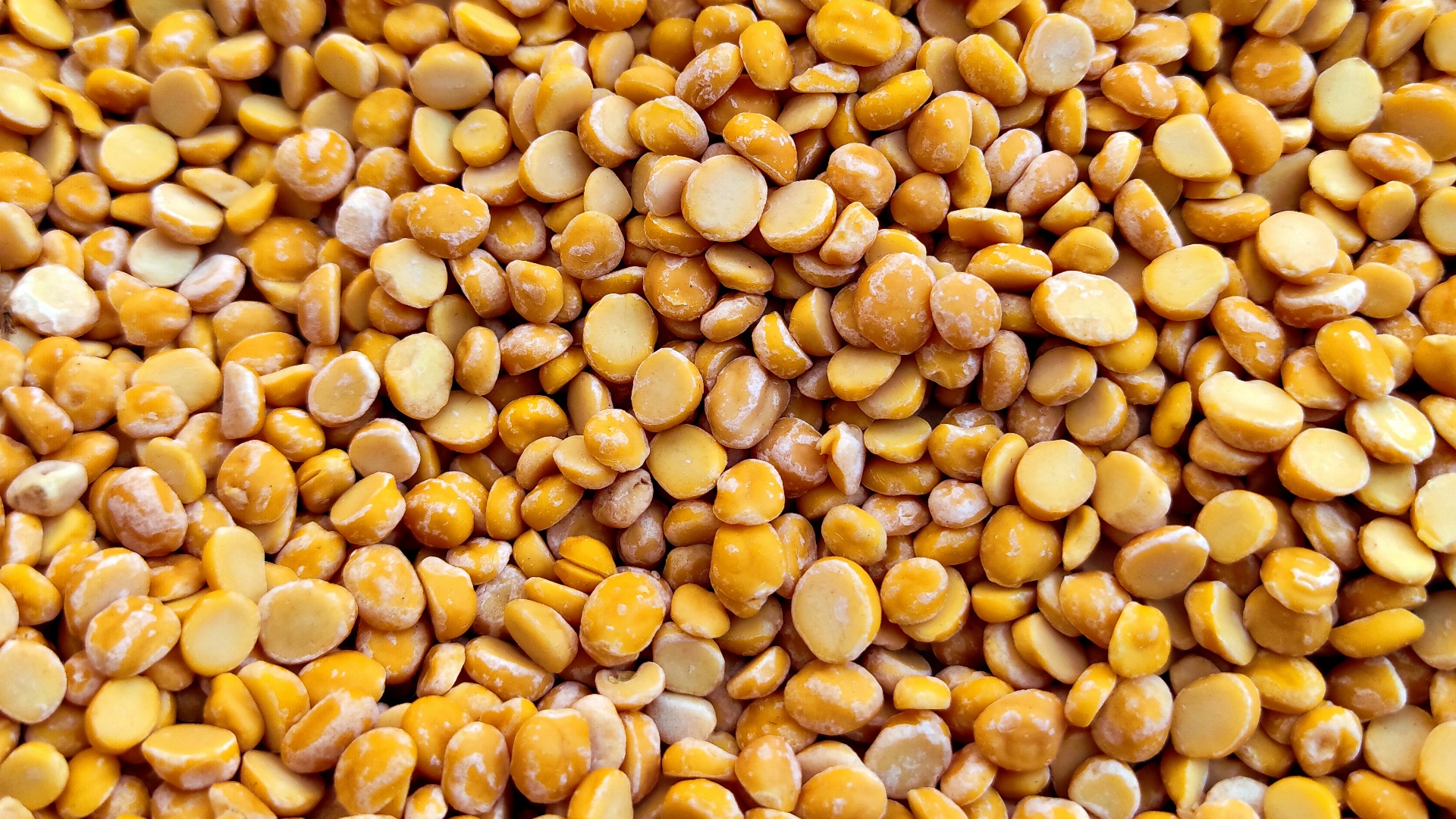
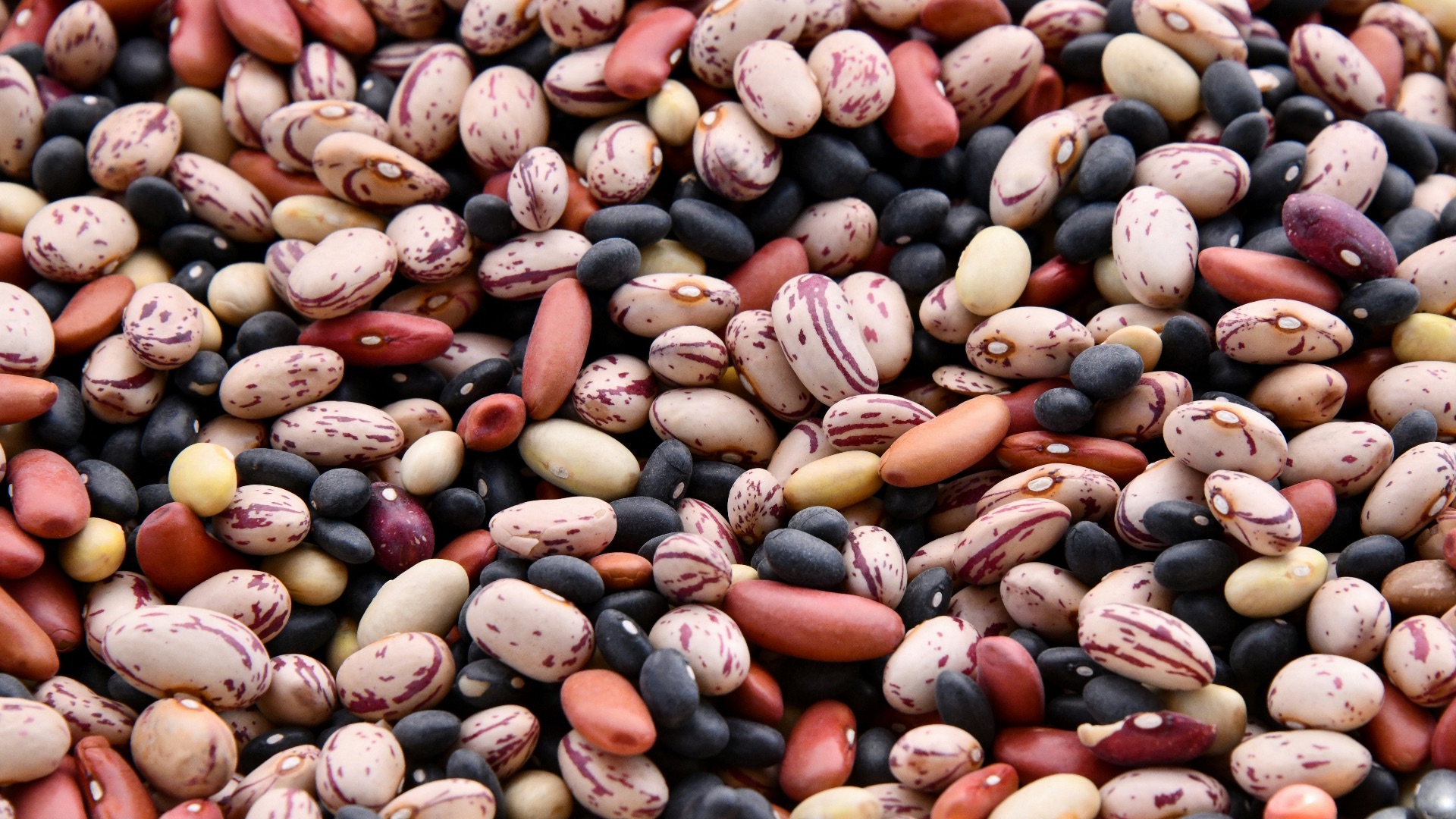
Beans, lentils, chickpeas, and split peas are some of the most practical iron-rich foods for vegetarians because they work in so many everyday meals. You can add them to soups, stews, grain bowls, pasta sauces, salads, or wraps without making the meal feel overly planned. Since they also provide fiber and protein, they’re a strong foundation for a filling vegetarian plate. Keeping canned or cooked legumes ready makes it much easier to include them often.
2. Use Tofu and Tempeh More Often
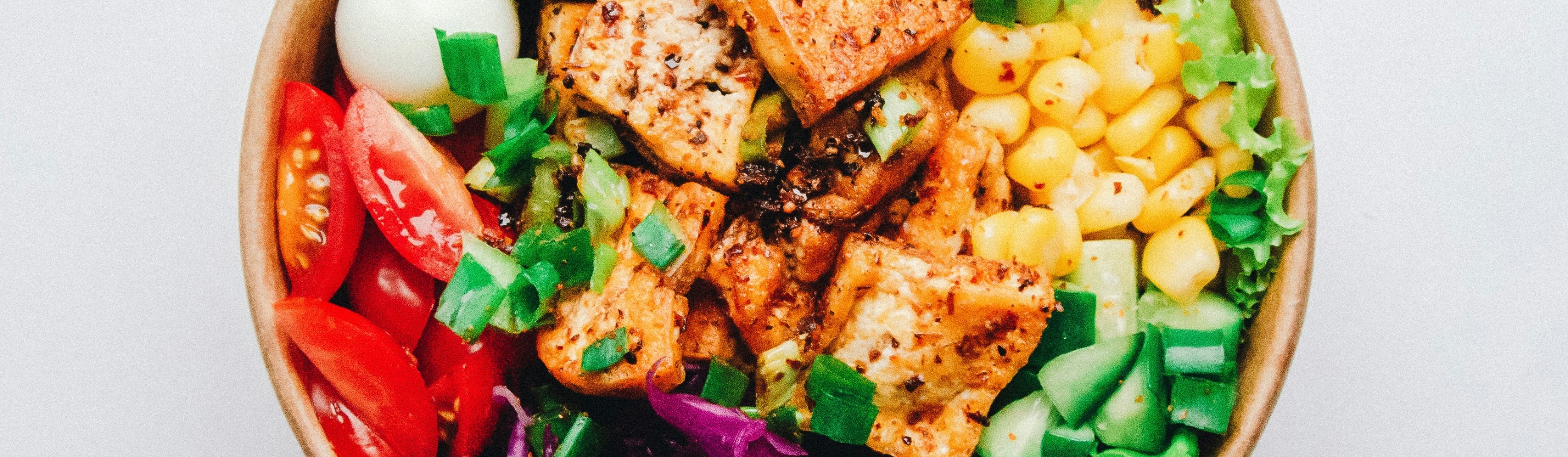
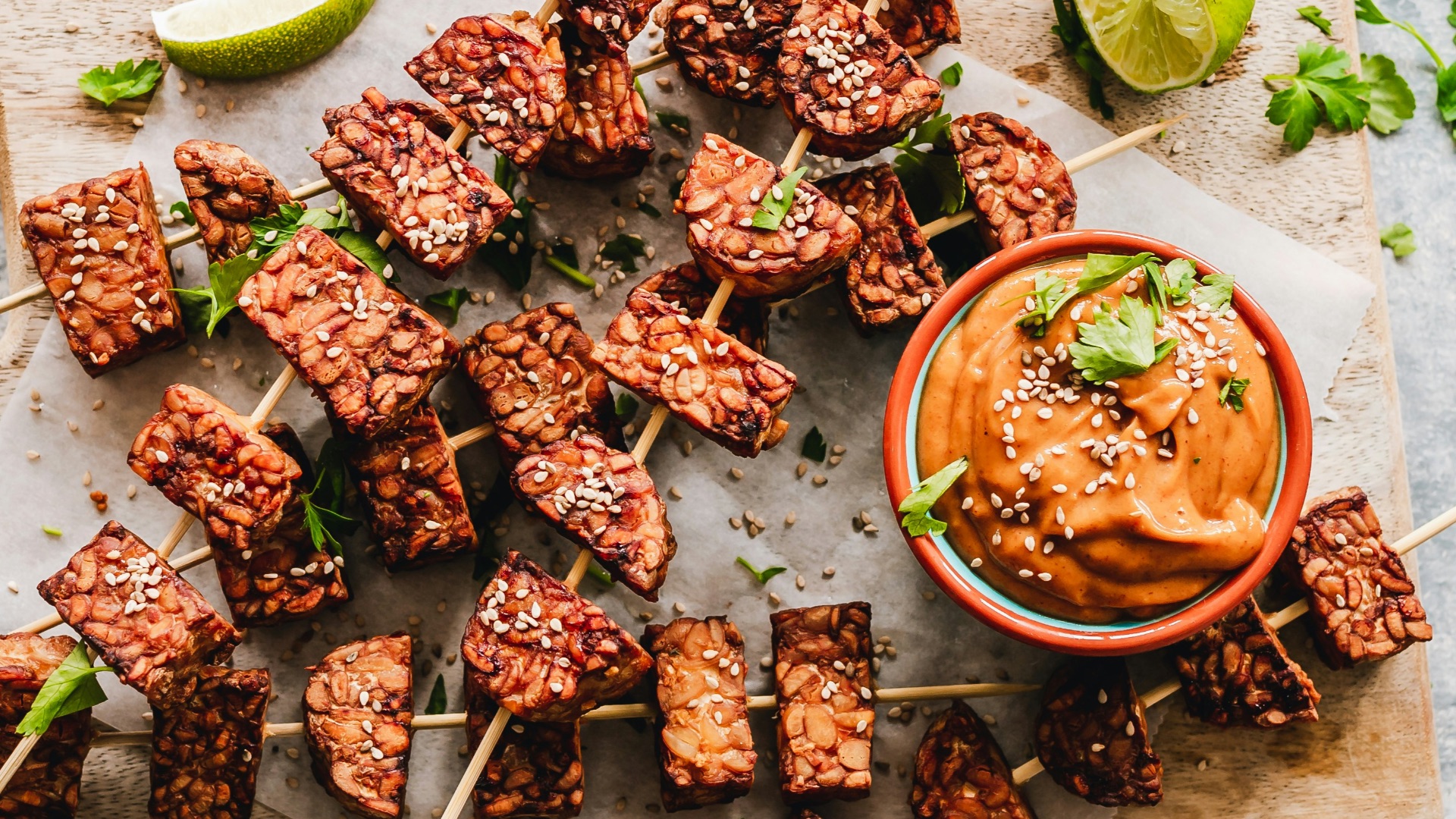
Soy foods like tofu and tempeh can be helpful iron sources, especially when they replace lower-iron vegetarian proteins. Tofu works well in scrambles, stir-fries, curries, and sheet-pan meals, while tempeh adds a firmer texture to sandwiches, bowls, and salads. For better overall nutrition, pair them with vegetables and a grain rather than treating them as the entire meal. A tofu stir-fry with bell peppers, broccoli, and rice is a simple way to combine iron with vitamin C.
3. Add Seeds to Foods You Already Eat
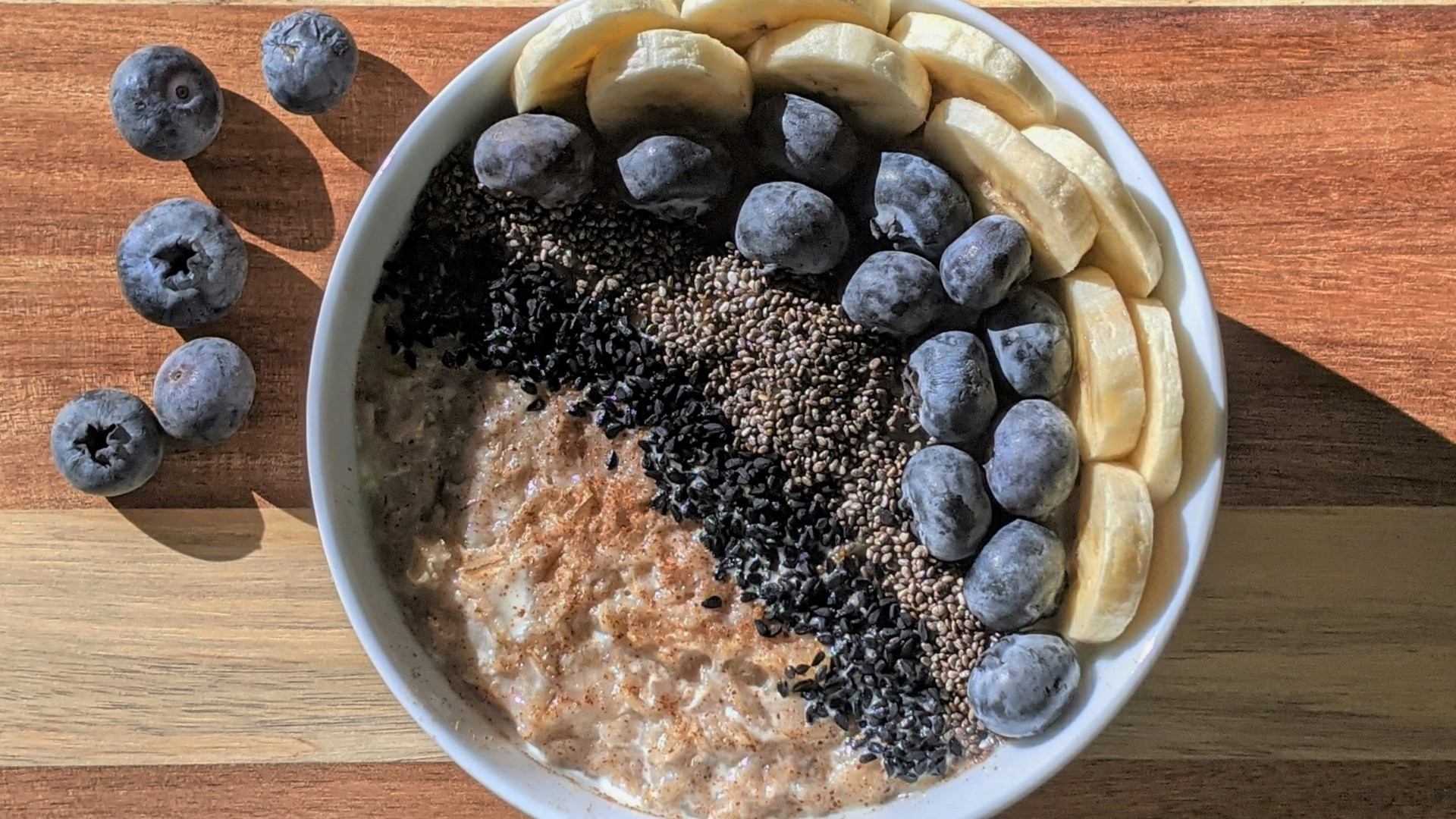
Pumpkin seeds, sesame seeds, hemp seeds, chia seeds, and ground flaxseed can add iron without requiring a major change in your diet. Sprinkle them over oatmeal, yogurt, salads, roasted vegetables, or smoothie bowls to make familiar meals more nutrient-dense. Tahini, which is made from sesame seeds, also works well in dressings, sauces, and dips. Small additions like this can add up when they become part of your routine.
4. Choose Iron-Fortified Breakfast Foods
Many breakfast cereals and some breads, oats, and plant-based milks are fortified with iron, which can make them useful options for vegetarians. When you’re comparing products, look at the Nutrition Facts label instead of assuming all versions are similar. A fortified cereal served with strawberries, kiwi, or orange slices gives you iron and vitamin C in the same meal. This is especially helpful on busy mornings when cooking legumes or tofu isn’t realistic.
5. Pair Iron-Rich Foods with Vitamin C
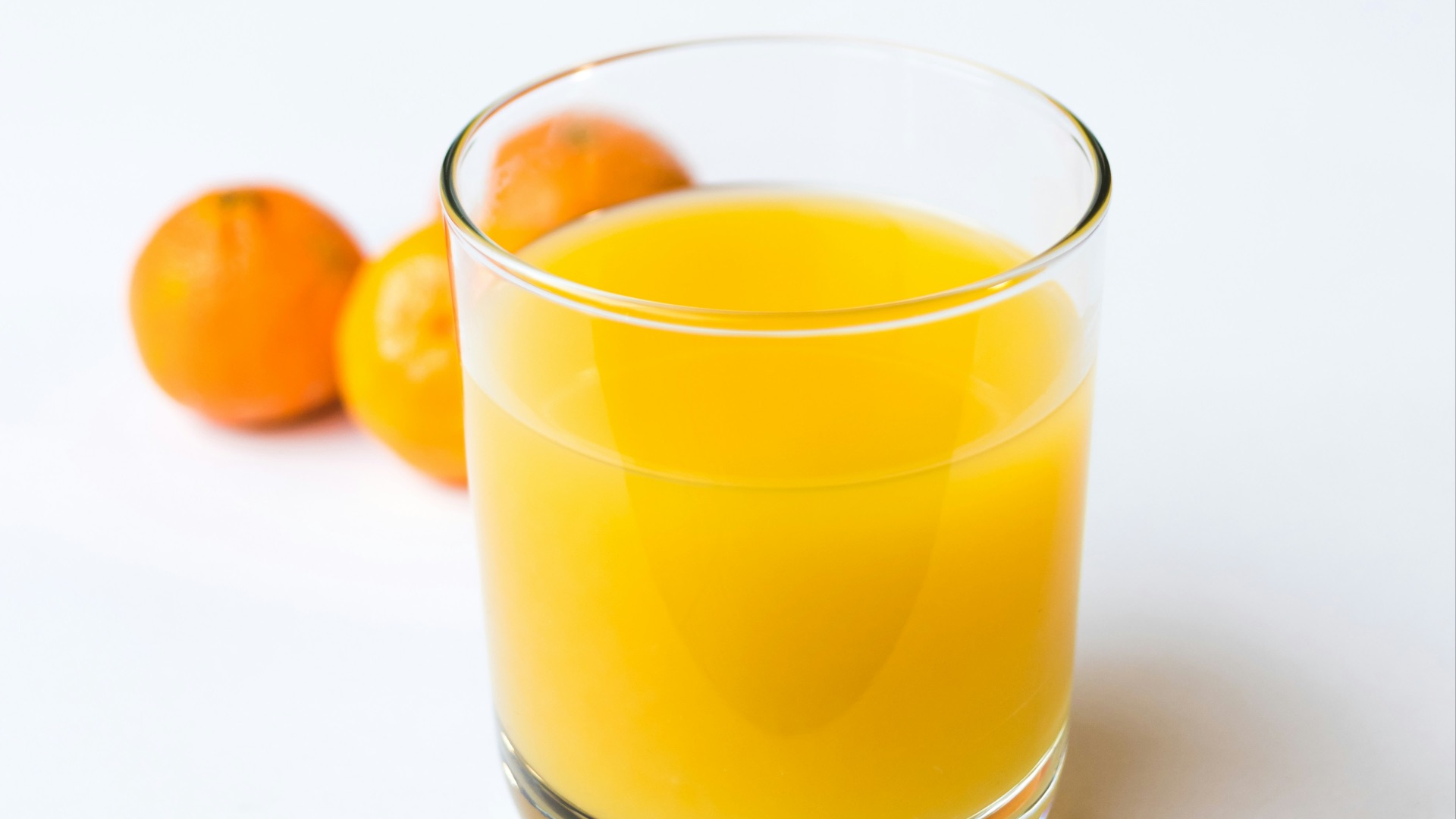
Vitamin C helps improve the absorption of non-heme iron, which is the main type of iron in vegetarian diets. That means lentils with tomatoes, beans with salsa, spinach with lemon juice, or tofu with bell peppers can be smarter combinations than eating those iron sources alone. Citrus fruits, berries, broccoli, cabbage, potatoes, and peppers can all help support absorption. This doesn’t require complicated planning; it’s often just a matter of adding a fruit or vegetable to the plate.
6. Cook with Cast Iron When It Fits the Meal
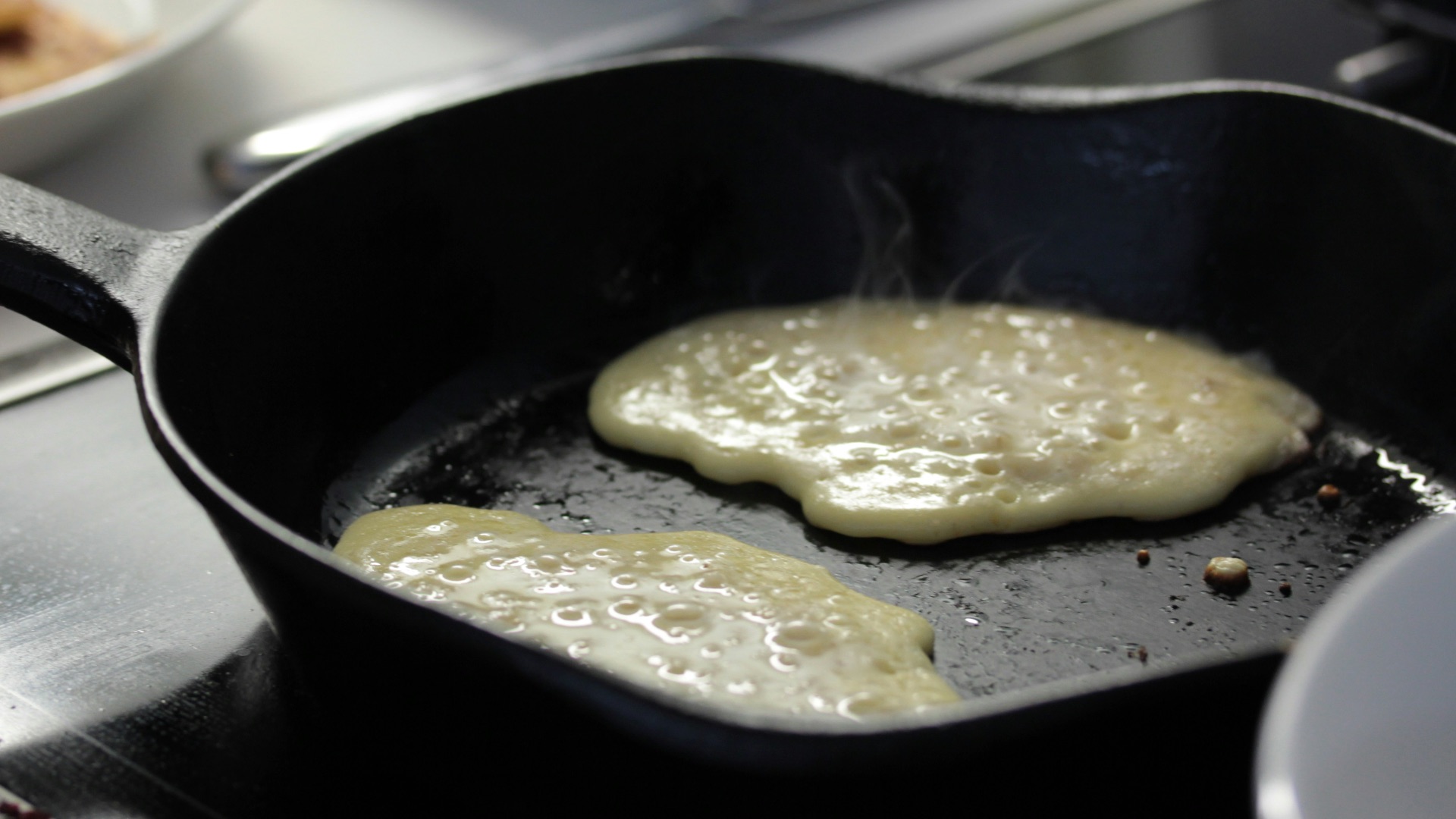
Cooking in cast iron can increase the iron content of some foods, especially moist or acidic dishes like tomato sauce, chili, or vegetable stew. It shouldn’t be your only strategy, but it can be a helpful supporting habit. You’ll get the most benefit from foods that spend some time in contact with the pan rather than quick, dry cooking. Just be sure to care for the pan properly so it stays useful and easy to cook with.
7. Include Dark Leafy Greens Strategically
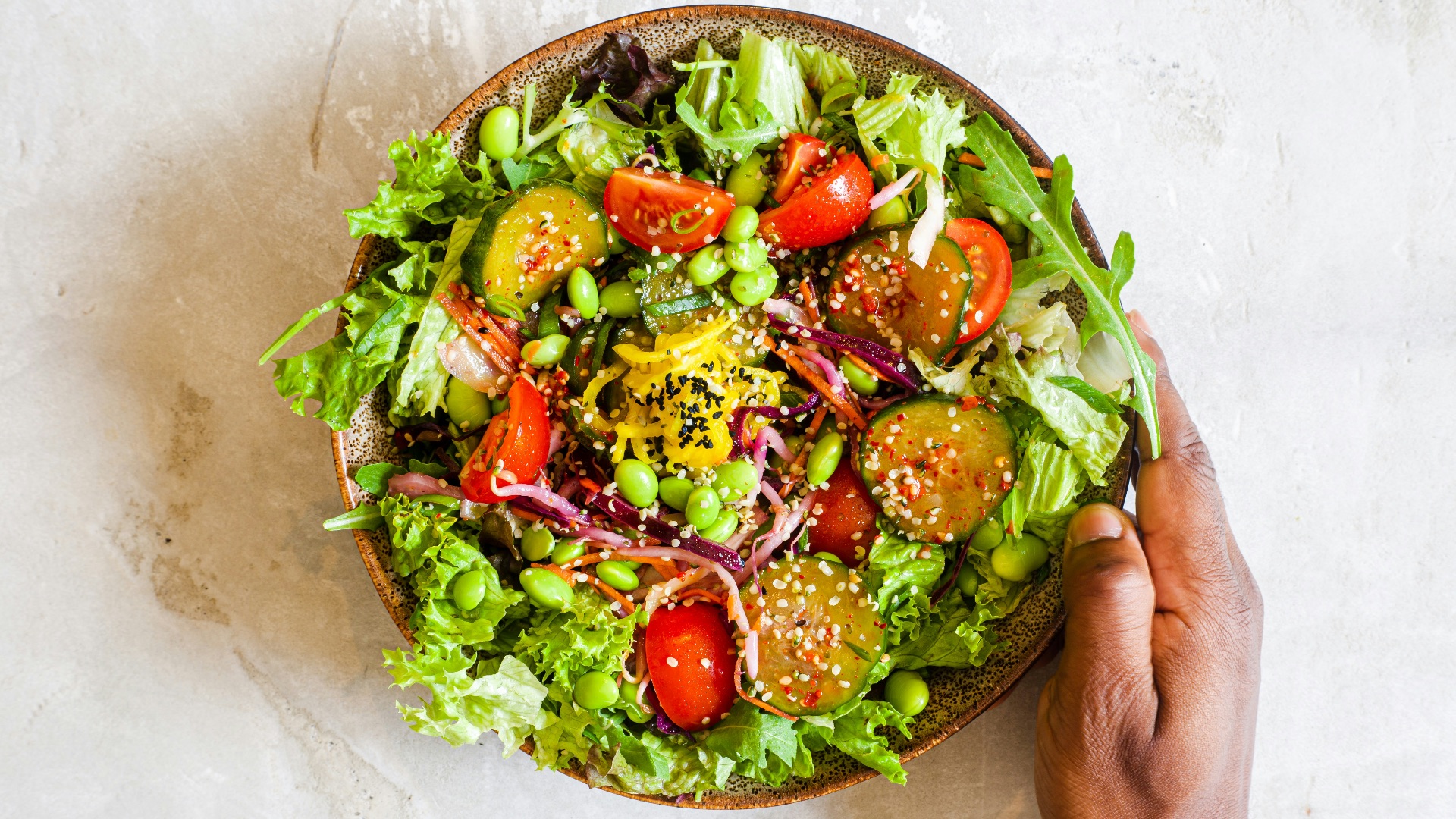
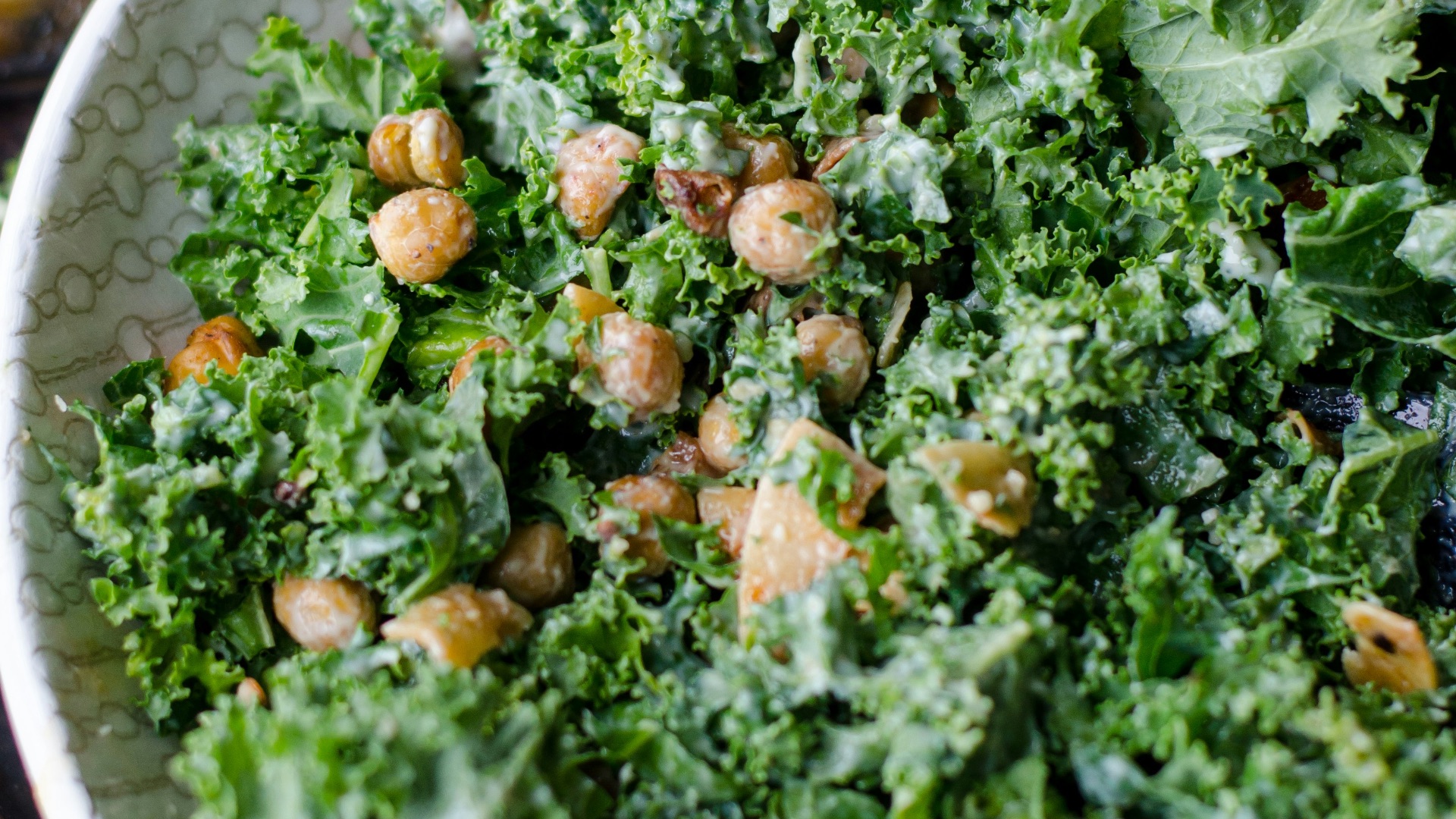
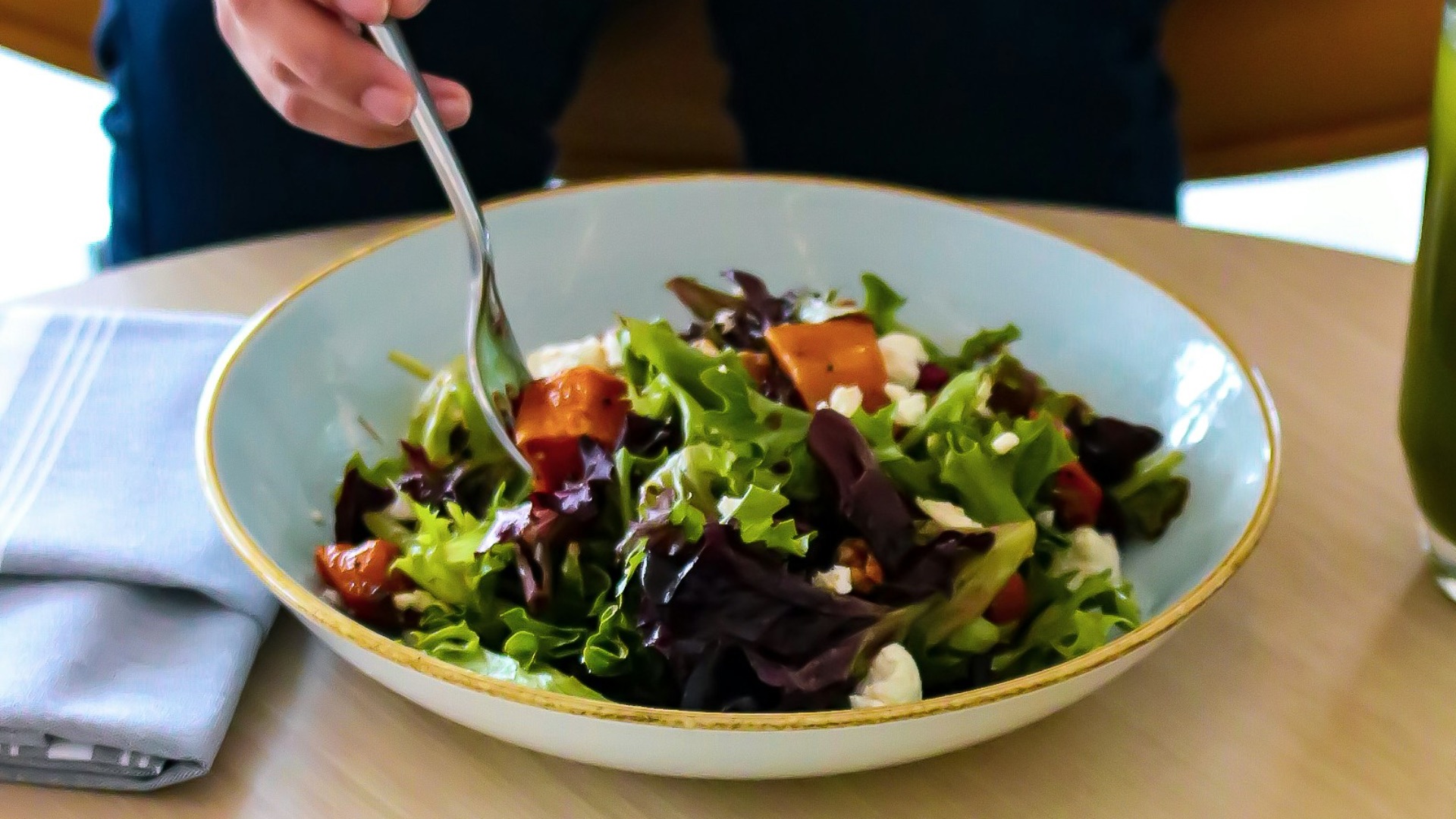
Spinach, kale, Swiss chard, collard greens, and beet greens can contribute iron, but they work best as part of a larger iron plan. Add them to soups, scrambles, pasta, curries, or grain bowls so you’re not relying on a small side salad to do all the work. Because some greens contain compounds that can reduce mineral absorption, pairing them with vitamin C-rich foods is especially helpful. A squeeze of lemon or a handful of tomatoes can make a simple greens dish more effective.
8. Snack on Nuts and Dried Fruit
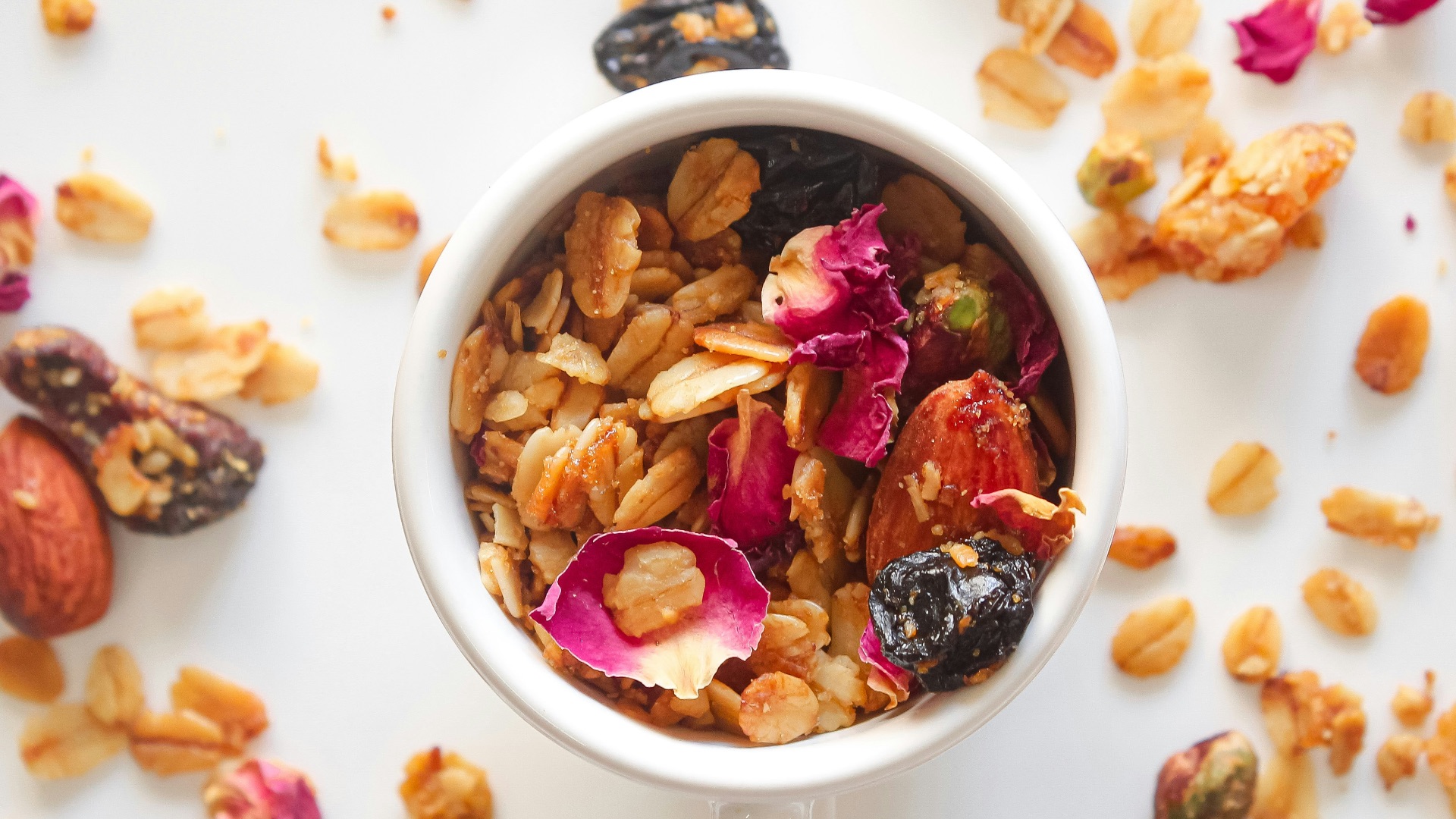
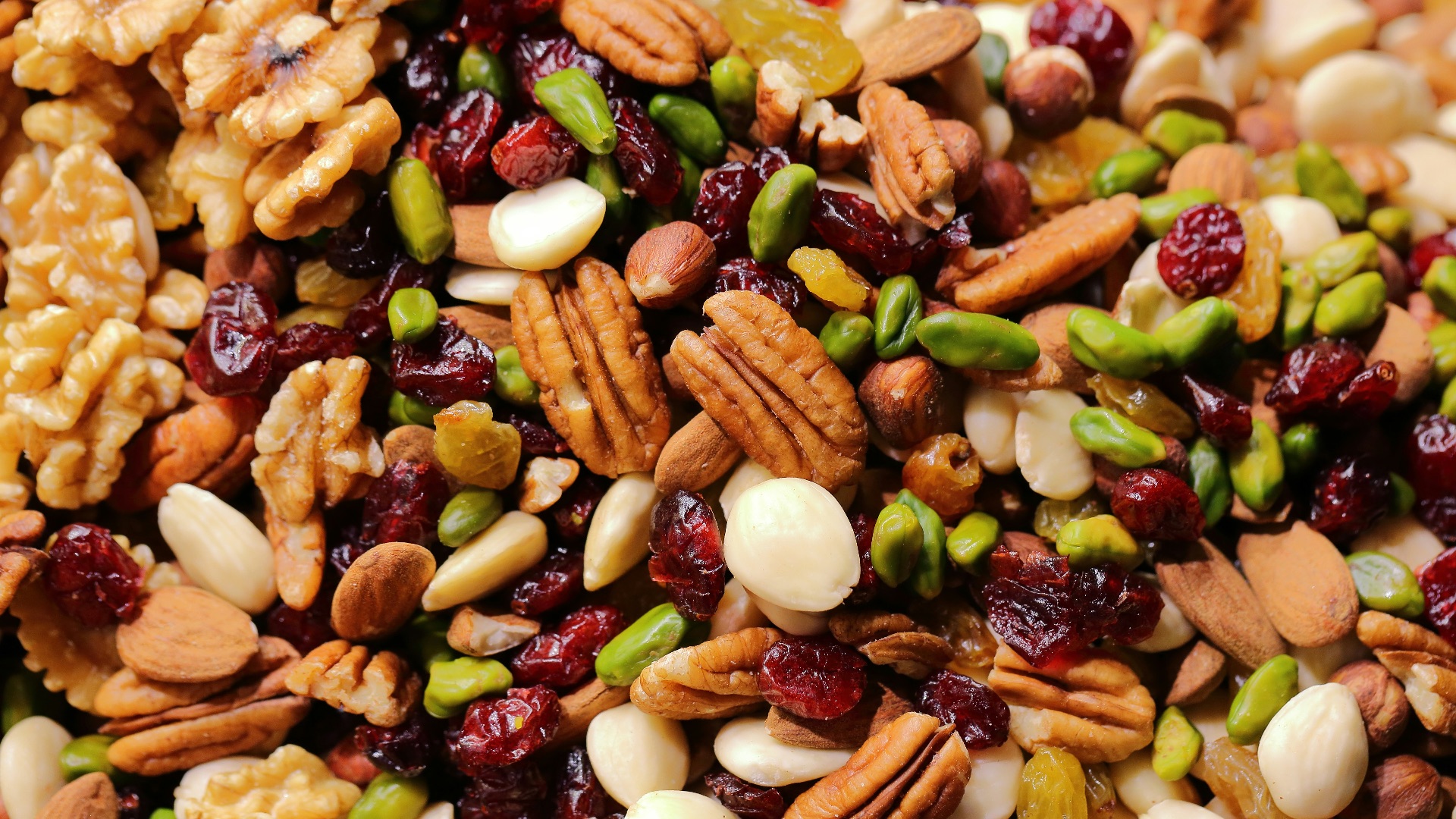
Cashews, almonds, pistachios, dried apricots, raisins, prunes, and figs can help add iron between meals. They’re easy to keep at work, in a bag, or in the pantry, which makes them useful when your meals are less structured. Since dried fruit is concentrated in natural sugar, it’s usually best paired with nuts or seeds for more staying power. A small trail mix can be a practical snack rather than just a sweet bite.
9. Use Whole Grains with Intention
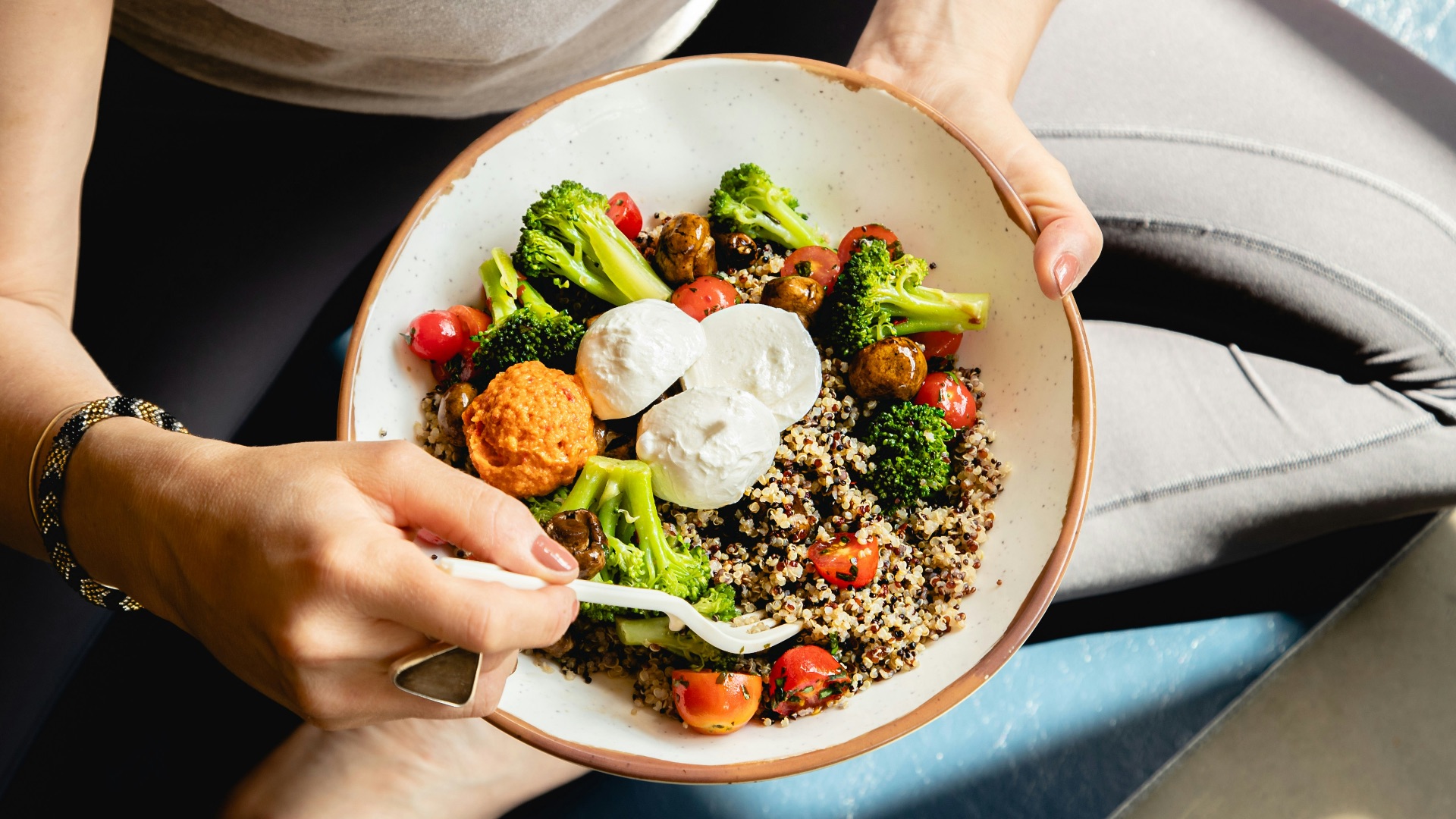
Oats, quinoa, brown rice, whole wheat pasta, bulgur, and fortified grain products can all contribute iron to a vegetarian diet. Whole grains are especially helpful when they’re paired with legumes, seeds, vegetables, or tofu instead of being eaten alone. For example, a quinoa bowl with black beans, roasted peppers, pumpkin seeds, and lime gives you several iron-supporting elements in one meal. Variety matters here because different grains bring different nutrients.
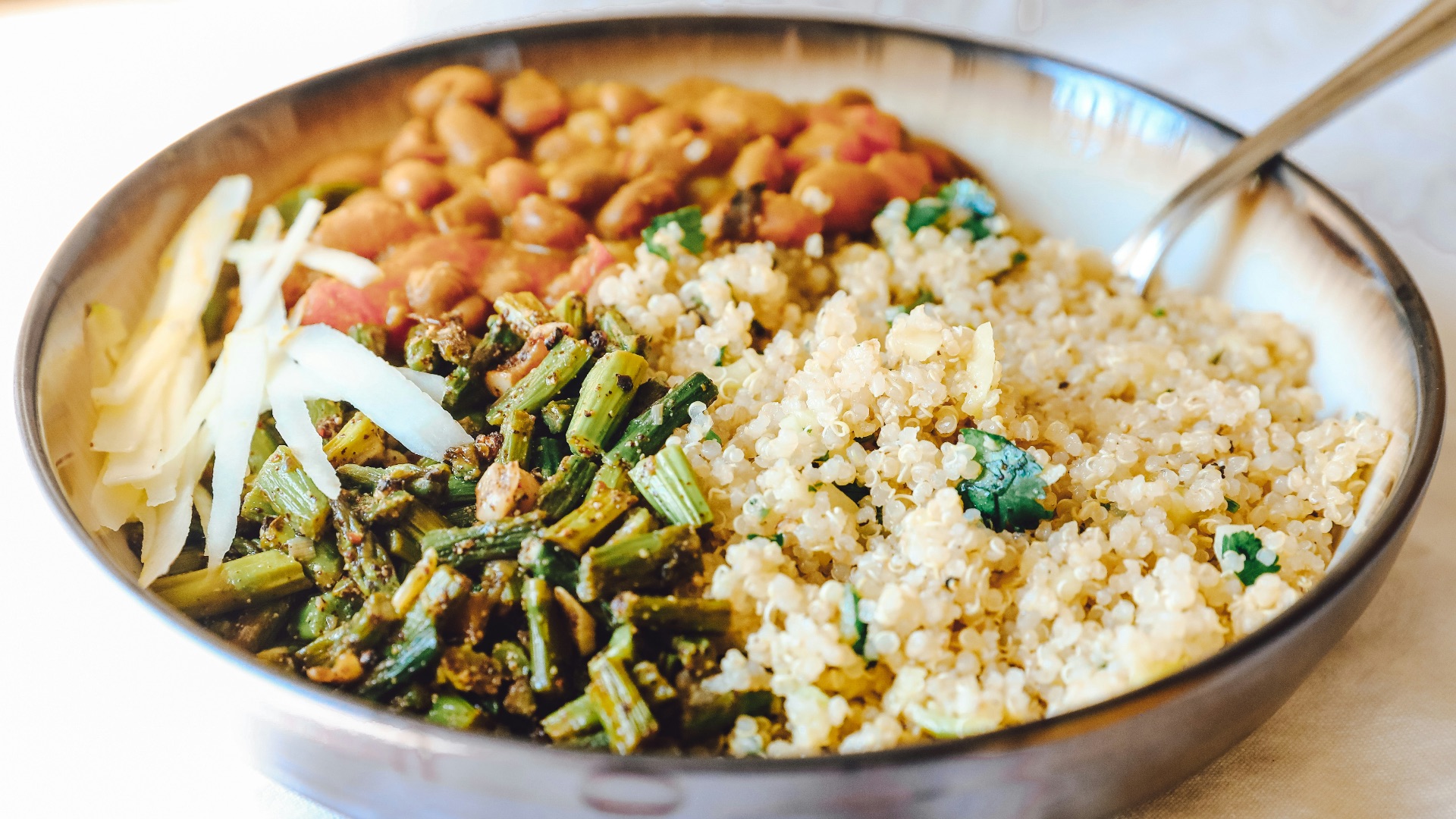 Shashi Chaturvedula on Unsplash
10. Add Iron-Rich Spreads and Condiments
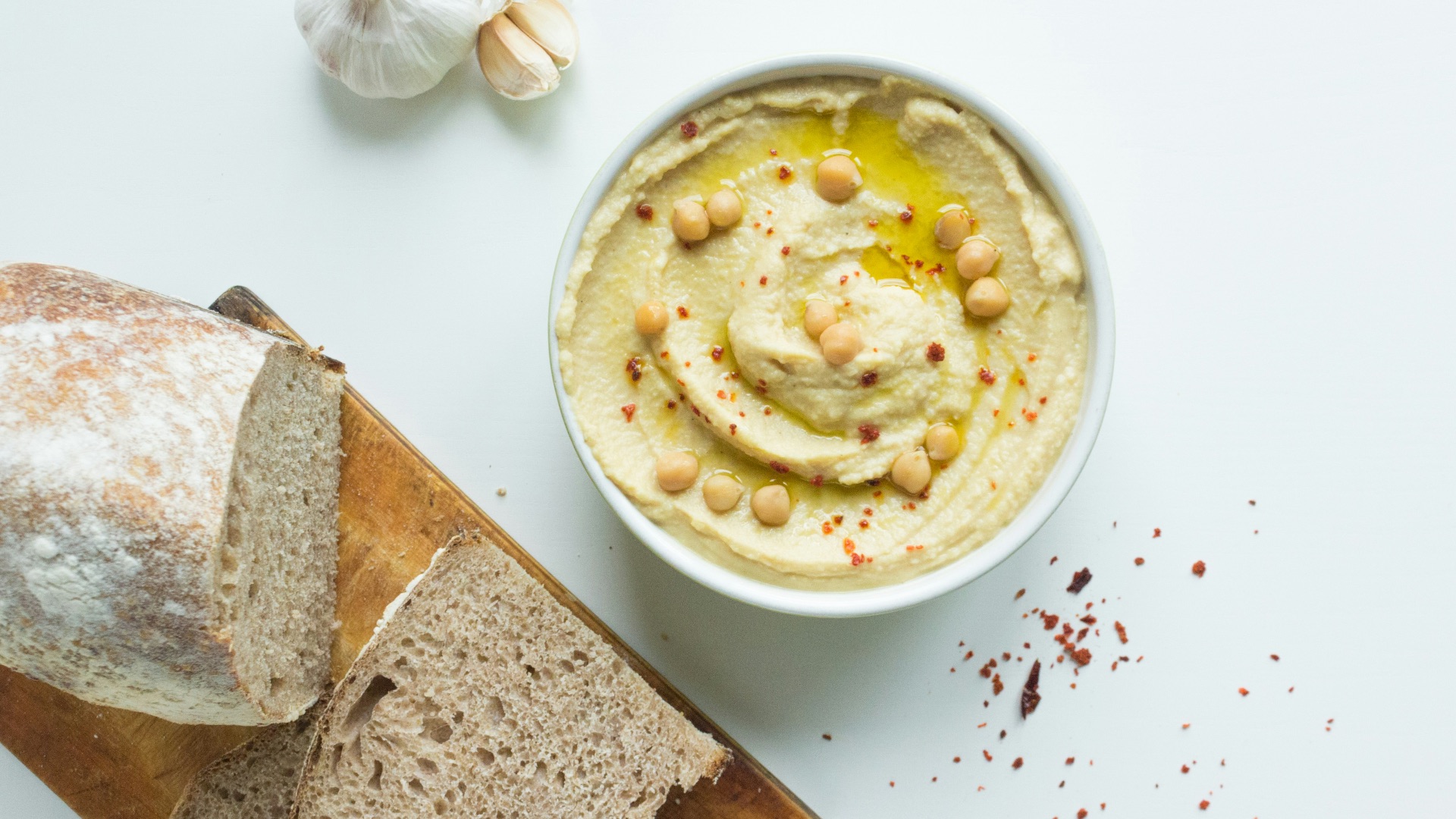
Hummus, bean dips, tahini sauce, blackstrap molasses, and nut or seed butters can be easy ways to add iron to snacks and meals. You might spread hummus on a sandwich, drizzle tahini over roasted vegetables, or stir blackstrap molasses into oatmeal if you enjoy its strong flavor. These foods work best when they’re used consistently rather than treated as occasional extras. Even a small serving can help round out a vegetarian meal.
Now that the food choices are covered, it’s just as important to think about absorption, timing, and personal needs. Let's take a look at 10 key things to keep in mind before you add more iron into your diet.
1. Plant-Based Iron Is Absorbed Differently
Vegetarian diets mainly provide non-heme iron, which is more sensitive to other foods and drinks eaten at the same time. That doesn’t mean plant-based iron is ineffective, but it does mean food combinations can matter more. Your body also adjusts absorption based on need, absorbing more when iron stores are lower and less when stores are full. This is one reason a balanced pattern over time is more useful than focusing on one meal.
2. Tea and Coffee Can Interfere with Absorption
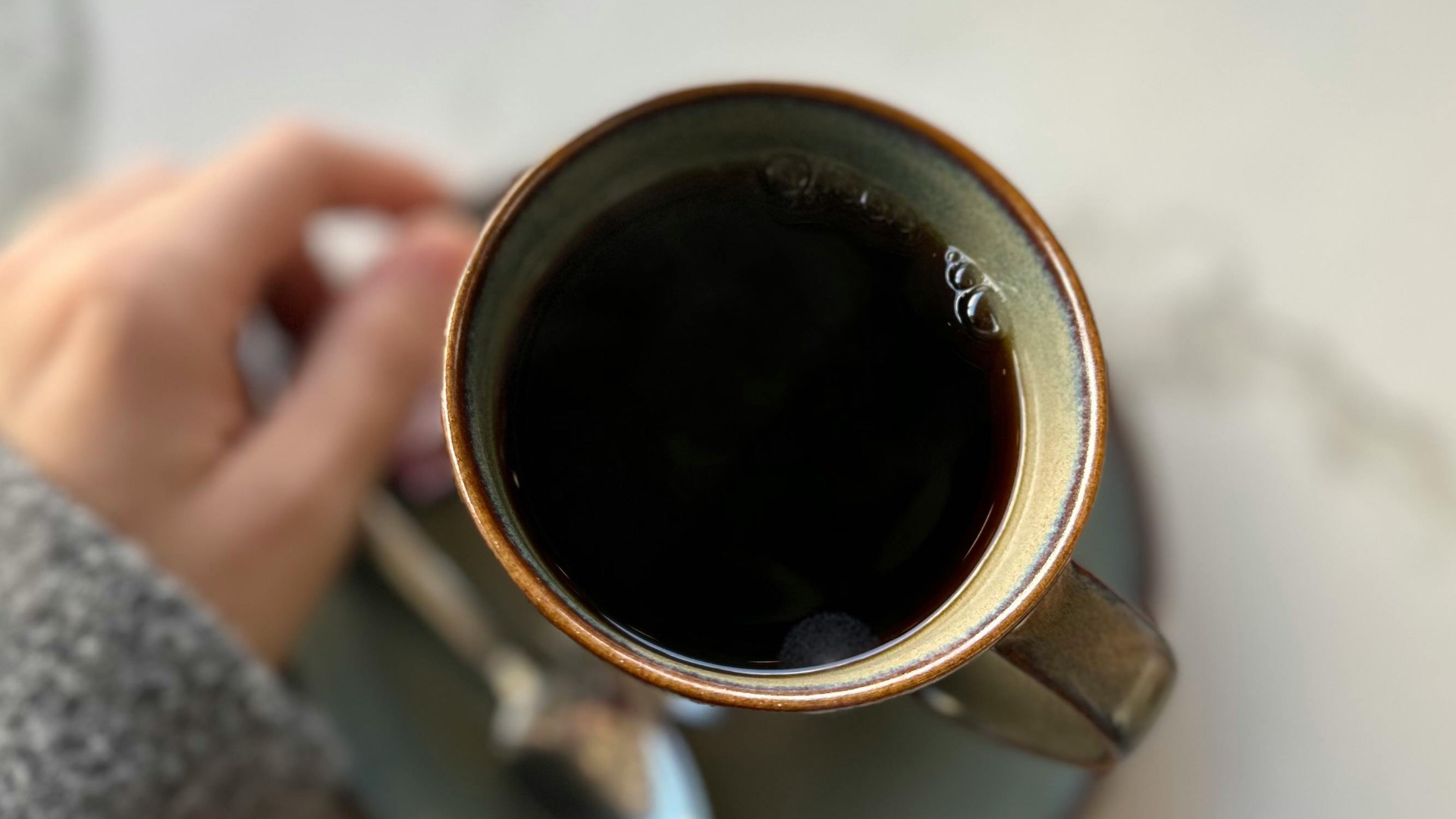
Tea and coffee contain compounds that can reduce non-heme iron absorption when consumed with iron-rich meals. You don’t necessarily need to give them up, but timing can make a difference. Try having them between meals instead of alongside beans, lentils, tofu, or fortified cereal. This small adjustment is often easier than changing the entire meal.
3. Calcium Can Compete with Iron
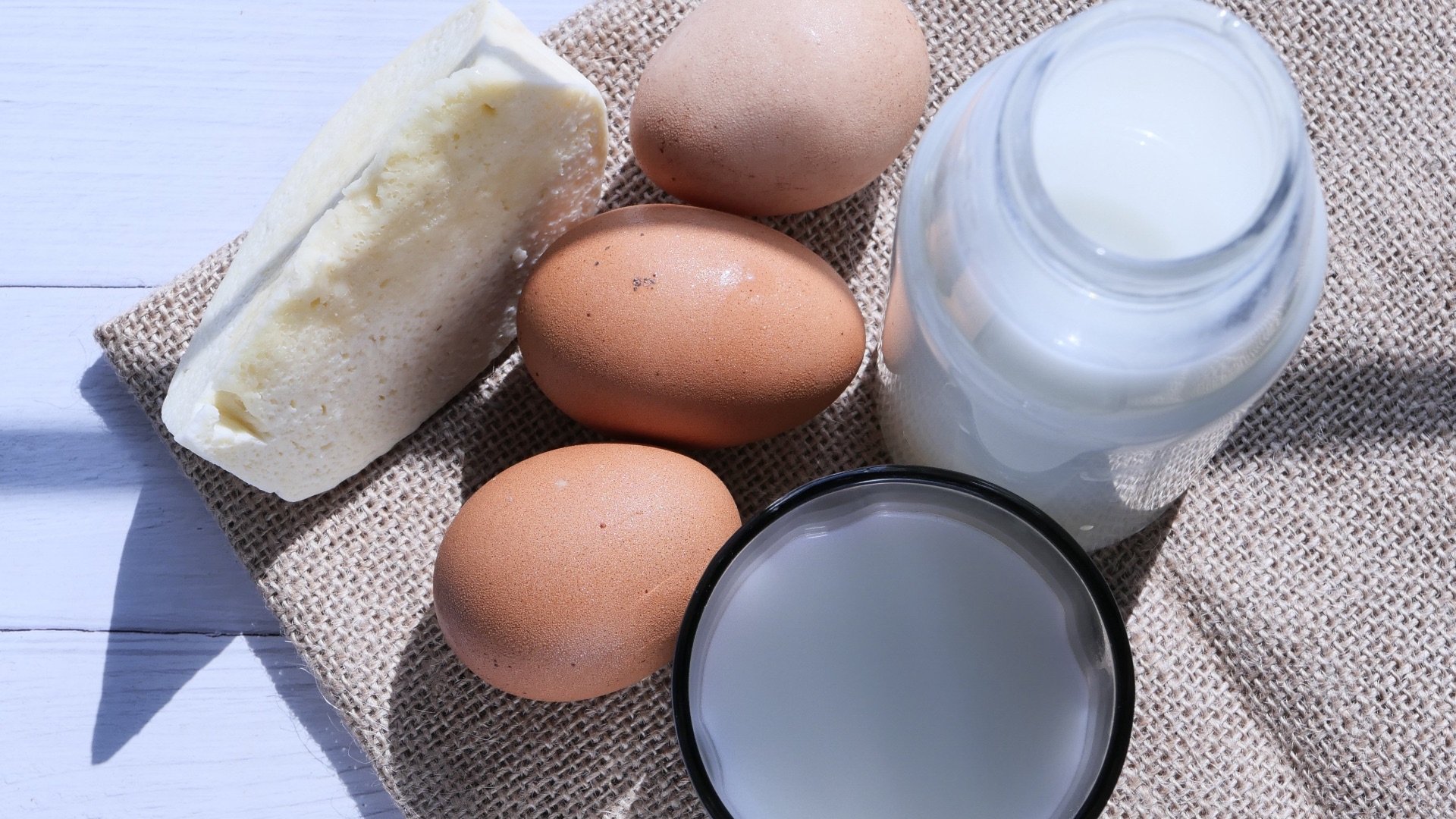
Calcium is important, but large amounts of calcium from supplements or high-calcium foods may interfere with iron absorption when taken at the same time. If you use a calcium supplement, it may be worth separating it from your most iron-rich meal. Dairy foods can still fit into a vegetarian diet, but you don’t have to pair them with every iron-focused meal. Spacing things out gives both nutrients a better chance to be useful.
4. Soaking, Sprouting, and Fermenting Can Help
Beans, grains, nuts, and seeds contain phytates, which can reduce mineral absorption, including iron. Soaking beans before cooking, choosing sprouted grains, or eating fermented foods like sourdough can help lower phytate levels. You don’t need to do this perfectly for every meal, but these preparation methods are worth using when they fit your routine. Sourdough bread, for example, can be a helpful swap if you already enjoy bread with meals.
5. Iron Needs Aren’t the Same for Everyone
Iron needs vary by age, gender, menstrual status, pregnancy, health conditions, and activity level. People who menstruate often need more iron than those who don’t, and pregnancy can increase needs even further. Athletes may also need to pay closer attention, especially if they have symptoms like unusual fatigue or reduced performance. A vegetarian diet can meet iron needs, but the target may be different from person to person.

6. Symptoms Deserve Attention
Low iron can cause fatigue, weakness, shortness of breath, dizziness, headaches, pale skin, brittle nails, or restless legs, though symptoms can overlap with many other issues. Because of that, it’s better not to guess based on symptoms alone. If you suspect low iron, ask a clinician about appropriate blood work, including ferritin when relevant. Testing helps you avoid both under-treating and over-supplementing.

7. Supplements Shouldn’t Be Casual
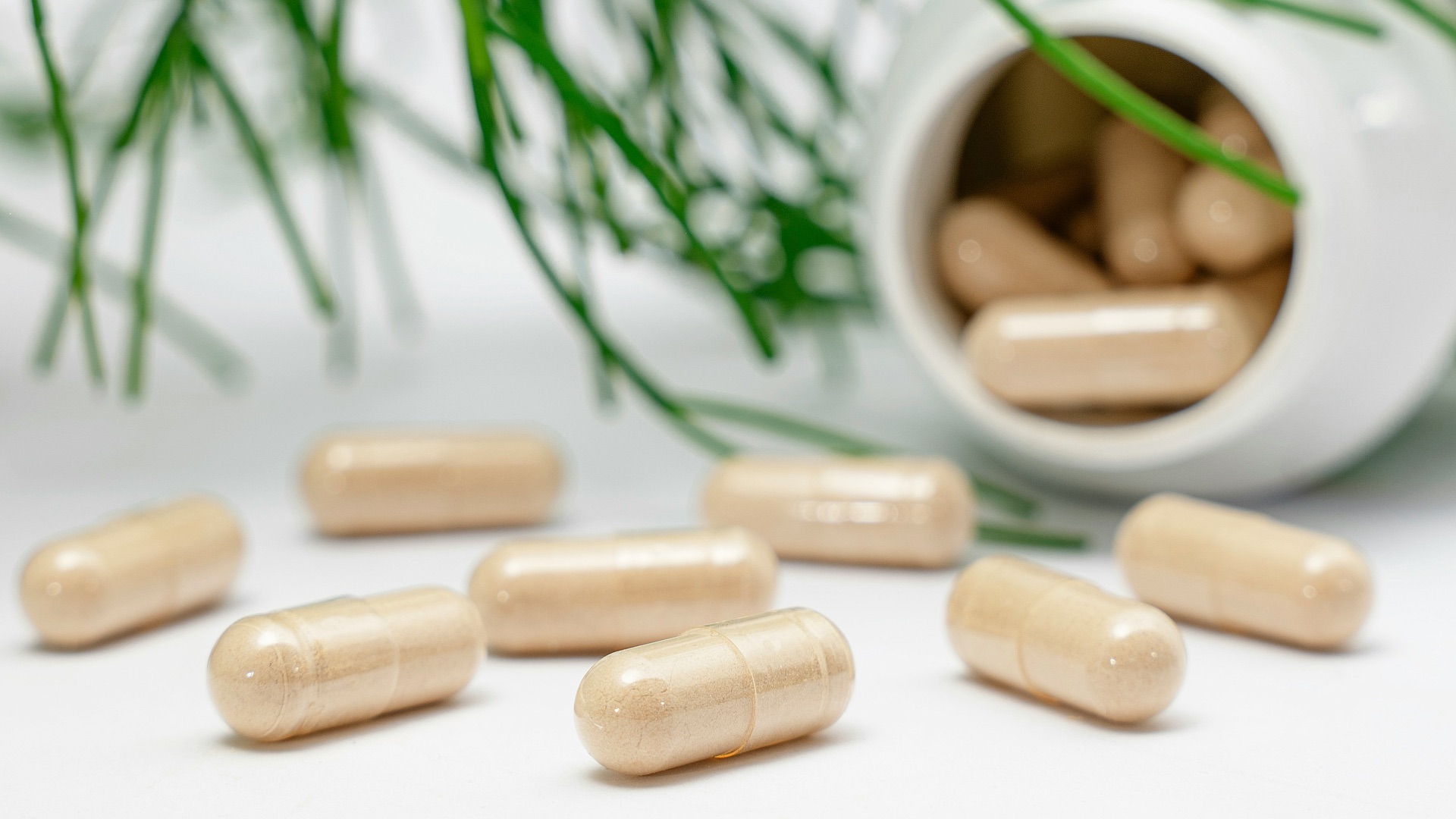
Iron supplements can be helpful when you’re deficient, but they aren’t something to take casually without guidance. Too much iron can cause side effects and may be unsafe for some people, especially if there’s no confirmed deficiency. Iron supplementation isn’t usually recommended unless advised by a doctor or dietitian, so lab results should guide treatment when a deficiency is suspected.
 Supliful - Supplements On Demand on Unsplash
8. Don’t Rely Only on Spinach
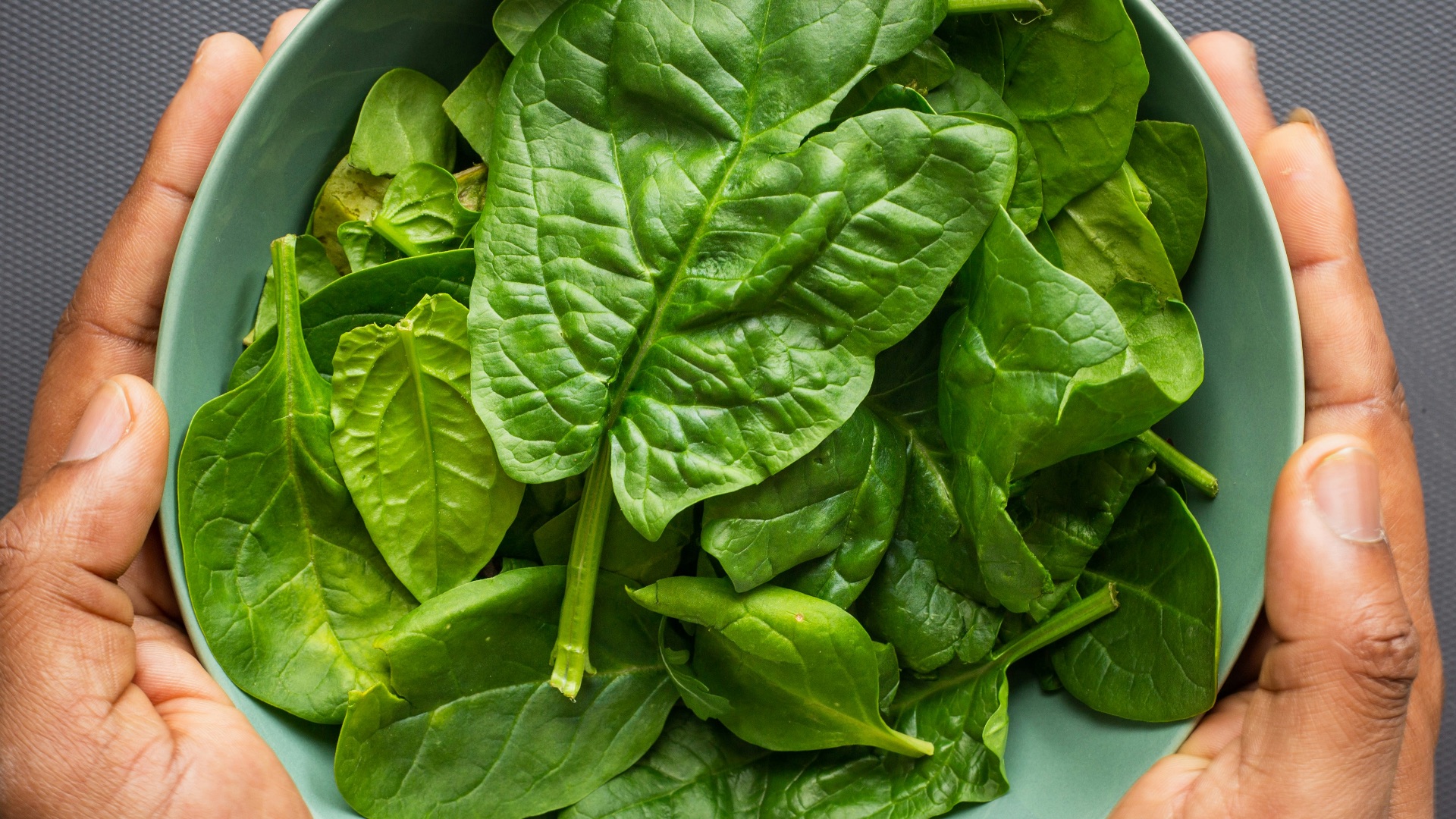
Spinach contains iron, but it also contains compounds that can limit how much of that iron your body absorbs. It’s still a nutritious food, just not the only food to depend on for iron. Use spinach alongside legumes, tofu, seeds, fortified foods, and vitamin C-rich produce. A broader mix will serve you better than repeating the same green every day.
9. Processed Meat Alternatives Aren’t Always the Best Iron Source
Plant-based burgers, nuggets, and deli slices can be convenient, but their iron content and absorption can vary widely. Some are fortified, while others aren’t, and labels don’t always tell the full story about how absorbable that iron may be. They can fit into a vegetarian diet, but it’s smart not to make them your main iron strategy. Beans, lentils, tofu, tempeh, seeds, and fortified staples are usually more reliable foundations.
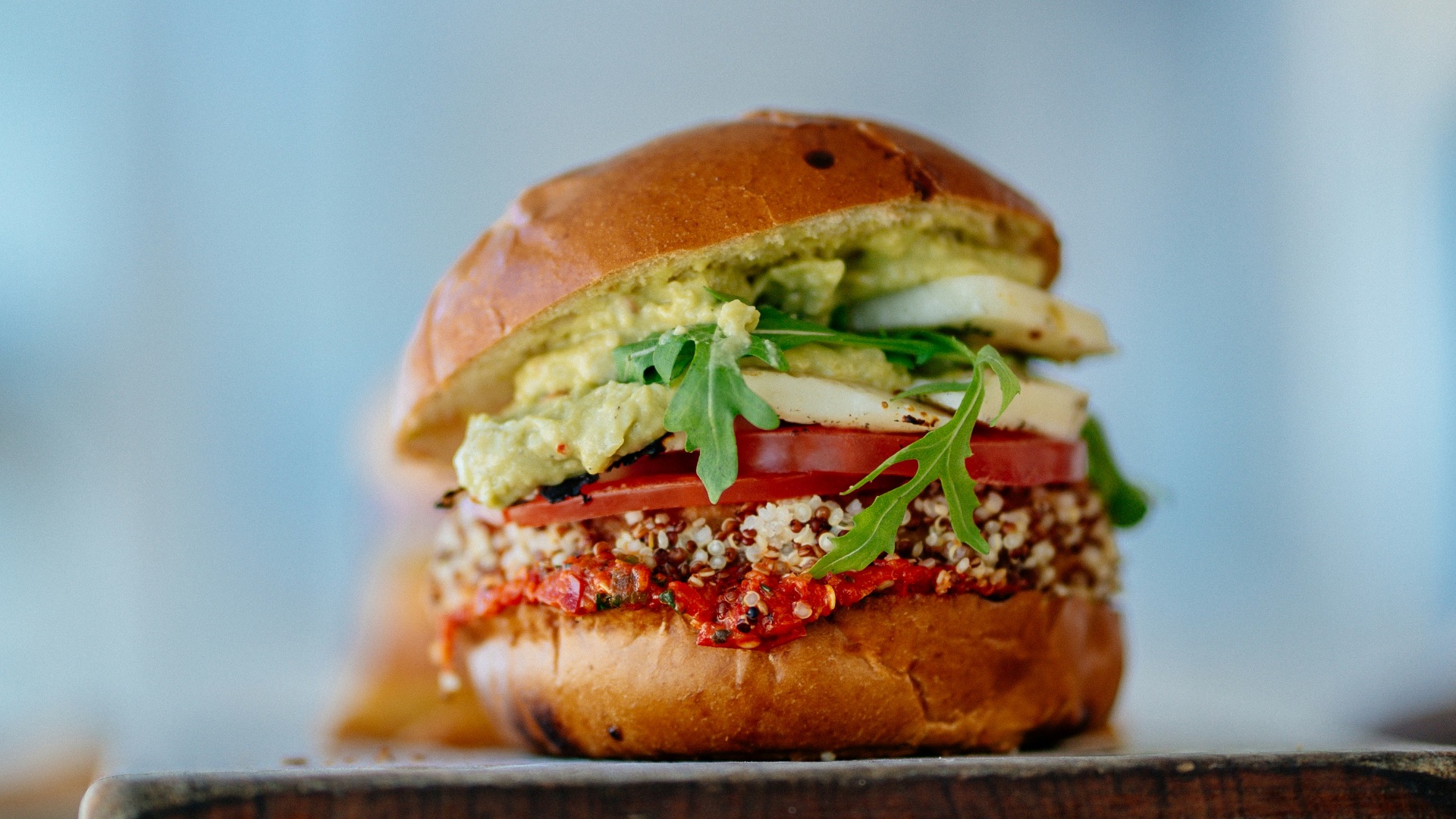 Lefteris kallergis on Unsplash
10. Consistency Matters More Than Perfection
You don’t need every meal to be optimized for iron, and you don’t need to follow strict rules to eat well as a vegetarian. What matters most is regularly including iron-rich foods, pairing them with vitamin C, and being mindful of tea, coffee, calcium, and supplements around your highest-iron meals. A few steady habits can make your diet much stronger without making it feel restrictive. Over time, that kind of consistency is easier to maintain than trying to plan every bite perfectly.
KEEP ON READING

20 Ways To Get Your Vitamins And Minerals
20 Ways Doing Less Can Actually Improve Your Health