

When Your Body Is Trying to Tell You Something
Vitamin B12 is one of those nutrients that quietly runs a staggering number of essential functions, and most people don't think about it until something starts going wrong. It keeps your nervous system working, helps produce red blood cells, and plays a direct role in DNA synthesis. The problem is that deficiency tends to creep up slowly, mimicking other conditions and getting chalked up to stress, aging, or just not sleeping well enough. Certain groups are especially vulnerable: older adults, vegans and vegetarians, people with digestive conditions, and anyone on long-term metformin or acid-reducing medication. Here's 10 signs your B12 might be low, and 10 foods that can help bring it back up.

1. Persistent Fatigue
This isn't the tired you feel after a bad night's sleep. B12 deficiency fatigue is the kind that lingers regardless of how much you rest, because without adequate B12 your body can't produce enough healthy red blood cells to carry oxygen efficiently. Everything feels heavier than it should, and no amount of coffee quite fixes it.

2. Tingling or Numbness in the Hands and Feet
B12 is essential for maintaining the myelin sheath, the protective coating around your nerves. When levels drop, nerve conduction can be affected, producing a pins-and-needles sensation in the extremities. It often starts subtly and gets attributed to sitting in an odd position, but if it's happening regularly without an obvious cause, B12 is worth investigating.

3. Difficulty With Balance and Coordination
Neurological symptoms from B12 deficiency can extend beyond tingling into actual balance problems, particularly in older adults. People may notice they feel unsteady on their feet or have trouble with fine motor coordination. Because these symptoms overlap with other conditions, B12 deficiency is sometimes missed until levels are quite low.

4. Pale or Slightly Yellow Skin
Low B12 can lead to a form of anemia where red blood cells are larger than normal but fragile, breaking down more easily than they should. That breakdown releases a pigment called bilirubin, which can give the skin and whites of the eyes a faintly yellowish tint. Paleness from reduced red blood cell production often accompanies it.

5. Mood Changes and Depression
B12 plays a role in synthesizing neurotransmitters including serotonin and dopamine, and deficiency has been associated with depression, irritability, and mood instability. This is one of the more frequently overlooked symptoms because mood changes have so many potential causes that a nutritional deficiency isn't always the first place clinicians look.

6. Memory Problems and Brain Fog
Cognitive symptoms including trouble concentrating, forgetfulness, and persistent mental haziness are well-documented in B12 deficiency, particularly in older adults where they can be mistaken for early dementia. When B12 is the underlying cause, cognitive symptoms often improve significantly with supplementation.

7. A Sore, Swollen, or Inflamed Tongue
Glossitis, an inflammation of the tongue that causes it to become swollen, smooth, and painful, is a classic sign of B12 deficiency. The tongue may look redder than usual and feel sore during eating or speaking. It's a fairly specific indicator when it appears alongside other symptoms on this list.

8. Shortness of Breath and Heart Palpitations
When B12 deficiency leads to anemia, the heart and lungs work harder to compensate for reduced oxygen delivery. This can produce noticeable shortness of breath during activities that wouldn't normally cause it, along with a sensation of the heart beating irregularly or more forcefully than usual. These symptoms warrant prompt medical attention.

9. Vision Disturbances
In more severe or prolonged deficiency, B12 can affect the optic nerve, causing a condition called optic neuropathy. Symptoms include blurred or disturbed vision and in some cases sensitivity to light. This one is more commonly seen when deficiency has gone unaddressed for an extended period.

10. Mouth Ulcers and a Burning Sensation
Recurring mouth ulcers, particularly when combined with a burning or itching sensation on the tongue or inside the mouth, have been linked to low B12. The mucosal lining of the mouth is sensitive to nutritional deficiencies, and recurring ulcers without an obvious explanation are worth discussing with a doctor.
Here's 10 foods that are among the best dietary sources of B12.

1. Clams
Clams are the single richest dietary source of B12 available. A three-ounce serving of cooked clams delivers well over 1,000 percent of the recommended daily value, making them extraordinary by any nutritional measure. They're also high in iron and lean protein, which makes them especially useful if anemia is part of the picture.

2. Beef Liver
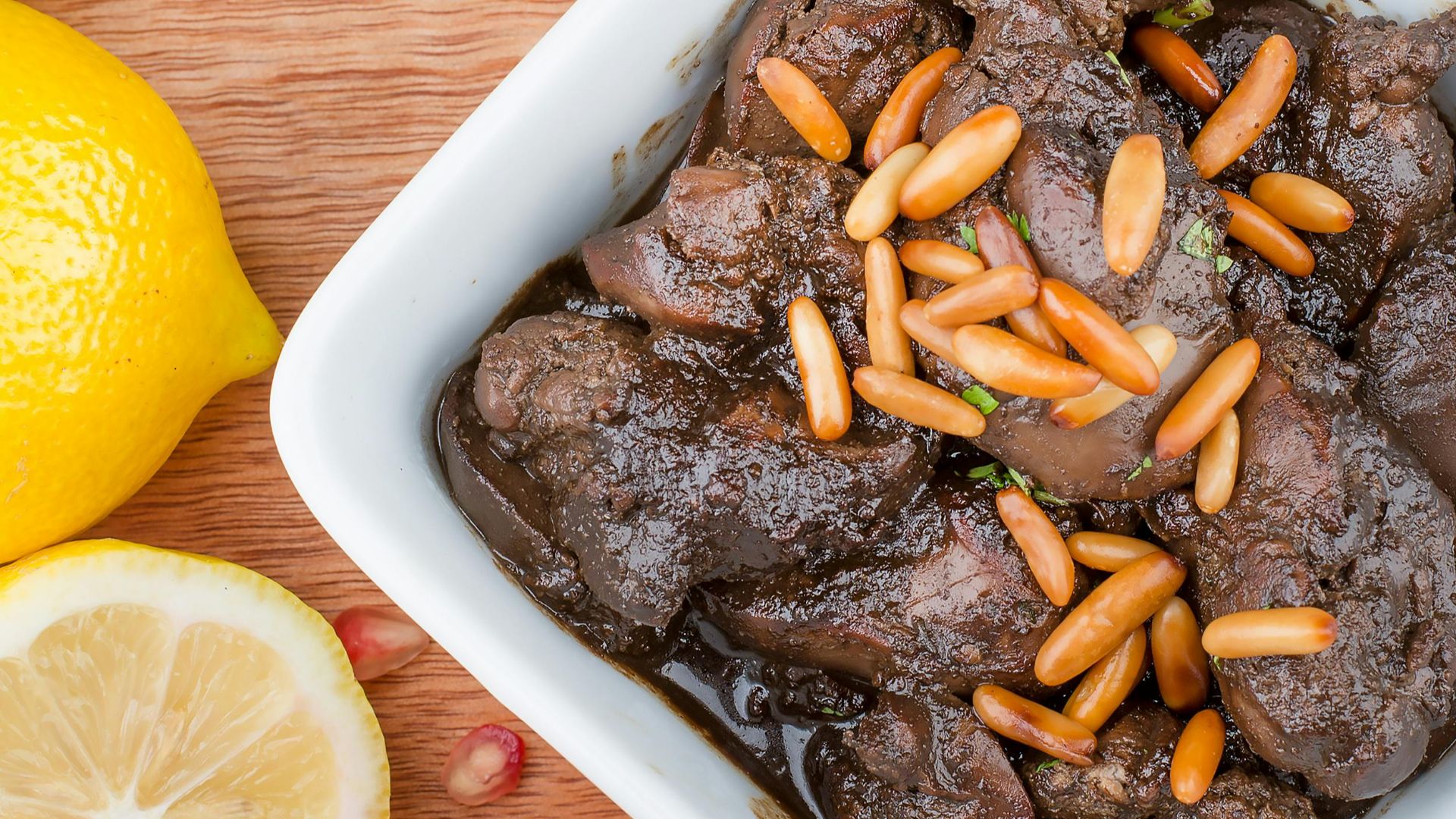
Liver fell out of fashion with several generations of home cooks, but nutritionally it remains one of the most concentrated food sources on the planet. A single three-ounce serving of cooked beef liver provides around 1,500 percent of the daily recommended B12 intake, along with substantial amounts of iron, folate, and vitamin A.
3. Sardines
Sardines are cheap, shelf-stable, and deliver a substantial dose of B12 alongside omega-3 fatty acids and calcium. A single can provides well over 300 percent of the daily recommended value. They're one of the more underrated nutritional options available, especially for people who don't regularly eat fresh fish.

4. Salmon
A three-ounce serving of cooked salmon provides around 130 percent of the daily recommended B12 intake, along with omega-3s, vitamin D, and high-quality protein. It's one of the more versatile and widely available fatty fish, which makes it a practical regular addition to the diet rather than an occasional one.

5. Nutritional Yeast
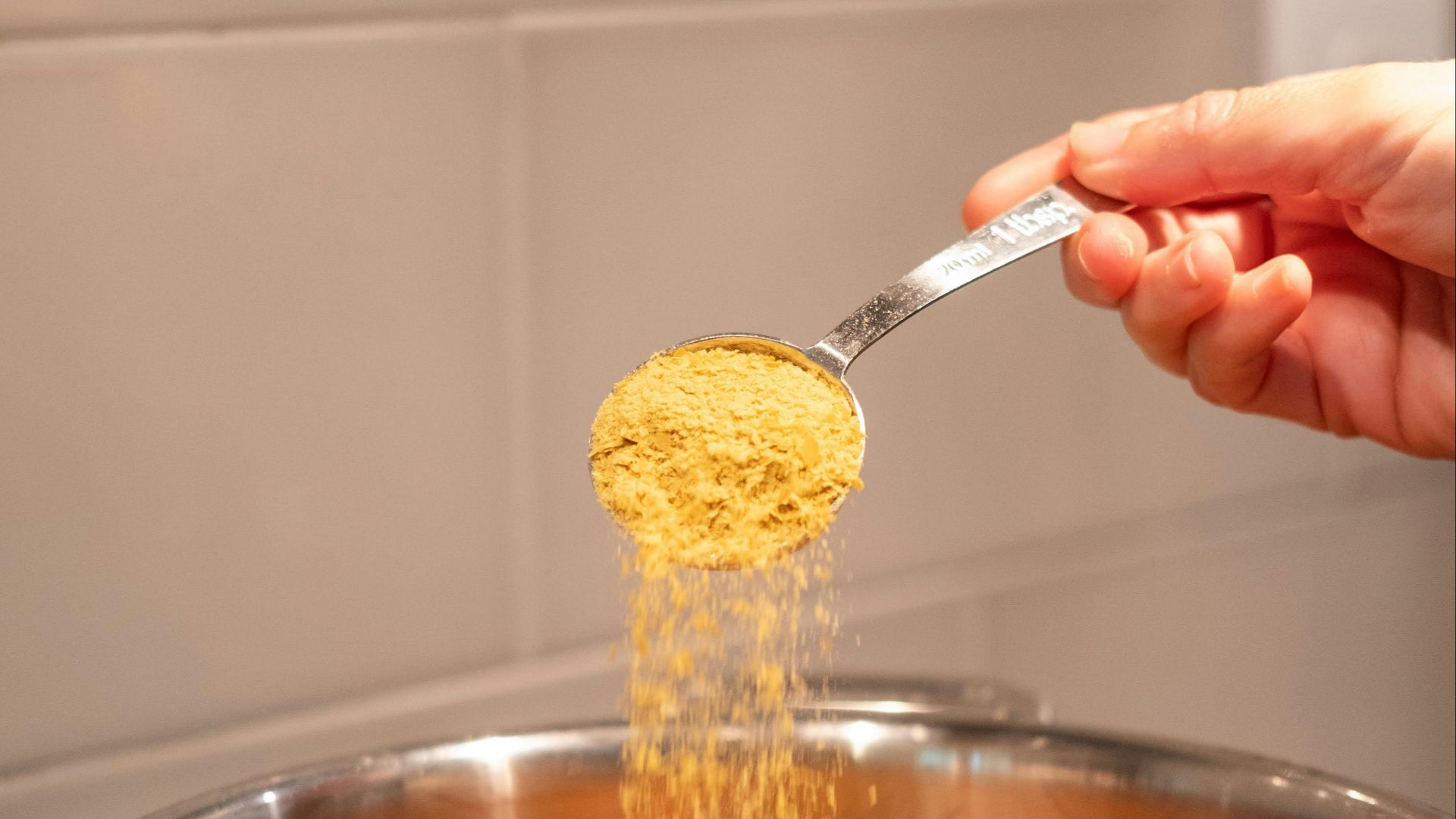
For people who don't eat animal products, fortified nutritional yeast is one of the most reliable B12 sources available. It has a savory, cheese-adjacent flavor and works well stirred into sauces, sprinkled on pasta, or mixed into soups. Not all nutritional yeast is fortified, so checking the label matters.
 Connor Scott McManus on Pexels
6. Eggs
Eggs contain B12 primarily in the yolk, and while the concentration isn't as high as in meat or fish, two large eggs provide roughly 46 percent of the daily recommended intake. They're also one of the most accessible and affordable sources for people reducing their meat consumption without eliminating animal products entirely.

7. Milk and Dairy
A cup of whole or low-fat milk provides around 50 percent of the daily recommended B12 intake, and dairy in general, including yogurt and cheese, is a consistent and bioavailable source. Research suggests B12 from dairy is absorbed particularly well, making it a useful option for people who struggle with absorption issues.

8. Fortified Cereals
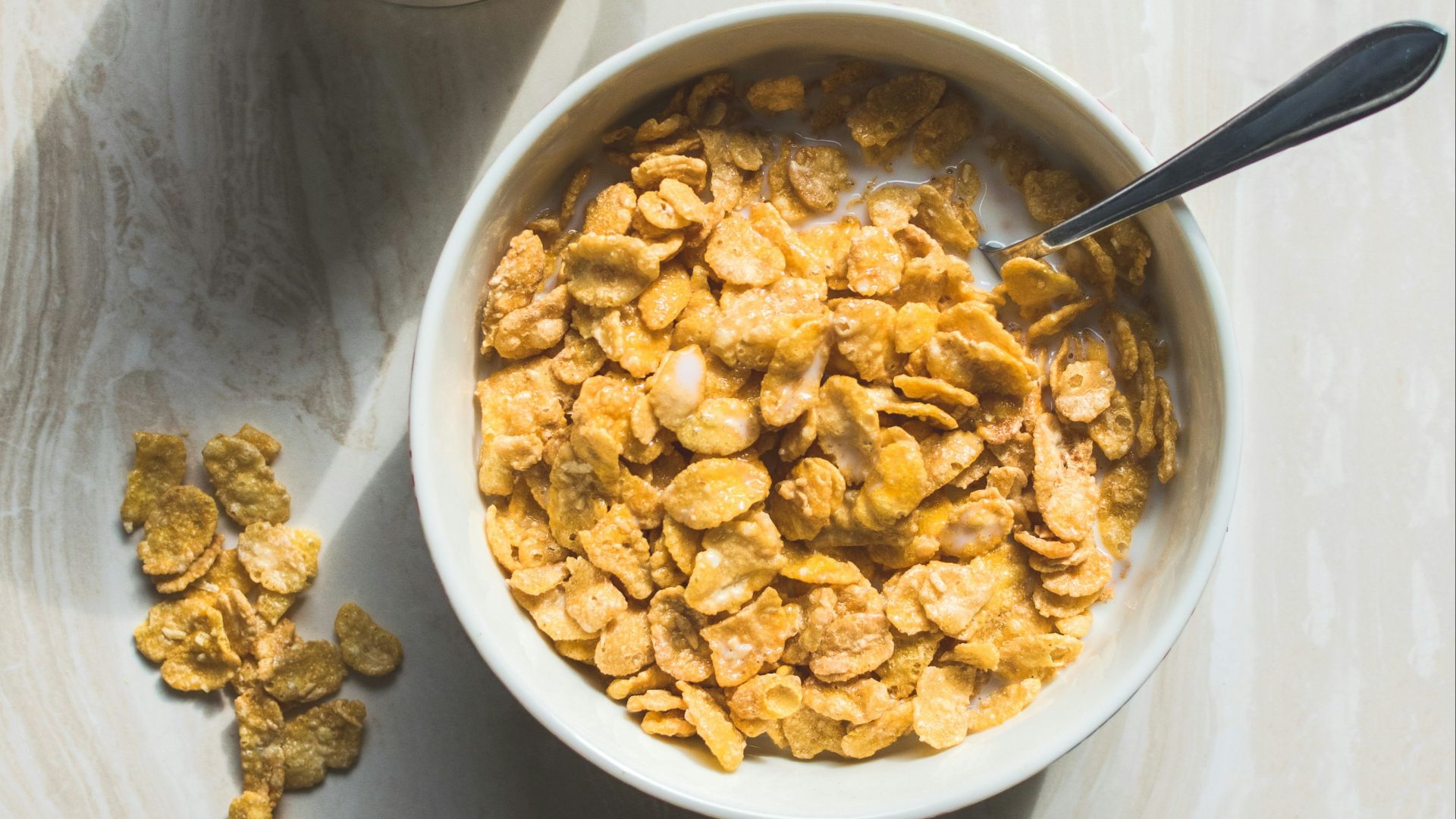
Many breakfast cereals are fortified with 100 percent or more of the daily recommended B12 intake per serving, making them one of the few reliable plant-based sources. They're particularly useful for older adults, who often absorb B12 less efficiently from animal sources and benefit from the crystalline form used in fortification.
9. Trout
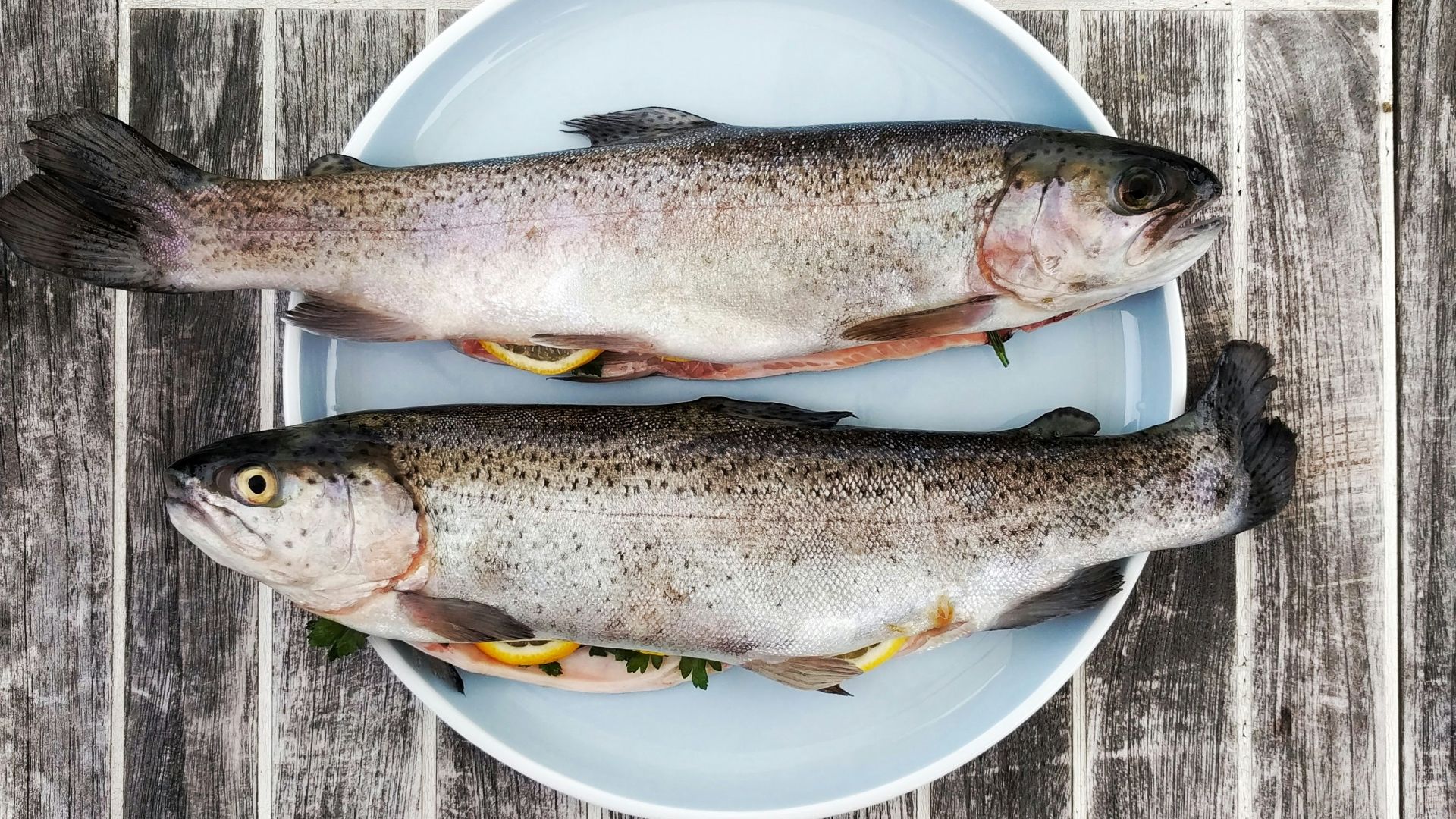
Rainbow trout is among the better freshwater fish sources of B12, with a three-ounce serving providing around 125 percent of the daily recommended value. It's milder in flavor than salmon and takes well to simple preparations, which makes it a practical option for people who find stronger fish flavors difficult.
10. Fortified Plant Milks
Soy, oat, and almond milks are commonly fortified with B12, and for people following a vegan diet they represent one of the few consistent dietary sources available. Amounts vary significantly by brand, so checking the label is essential. Combined with fortified cereals or nutritional yeast, they can meaningfully support B12 intake without supplementation.

KEEP ON READING



20 Ways To Get Your Vitamins And Minerals

20 Ways Doing Less Can Actually Improve Your Health