That Annoying Full, Blocked Feeling
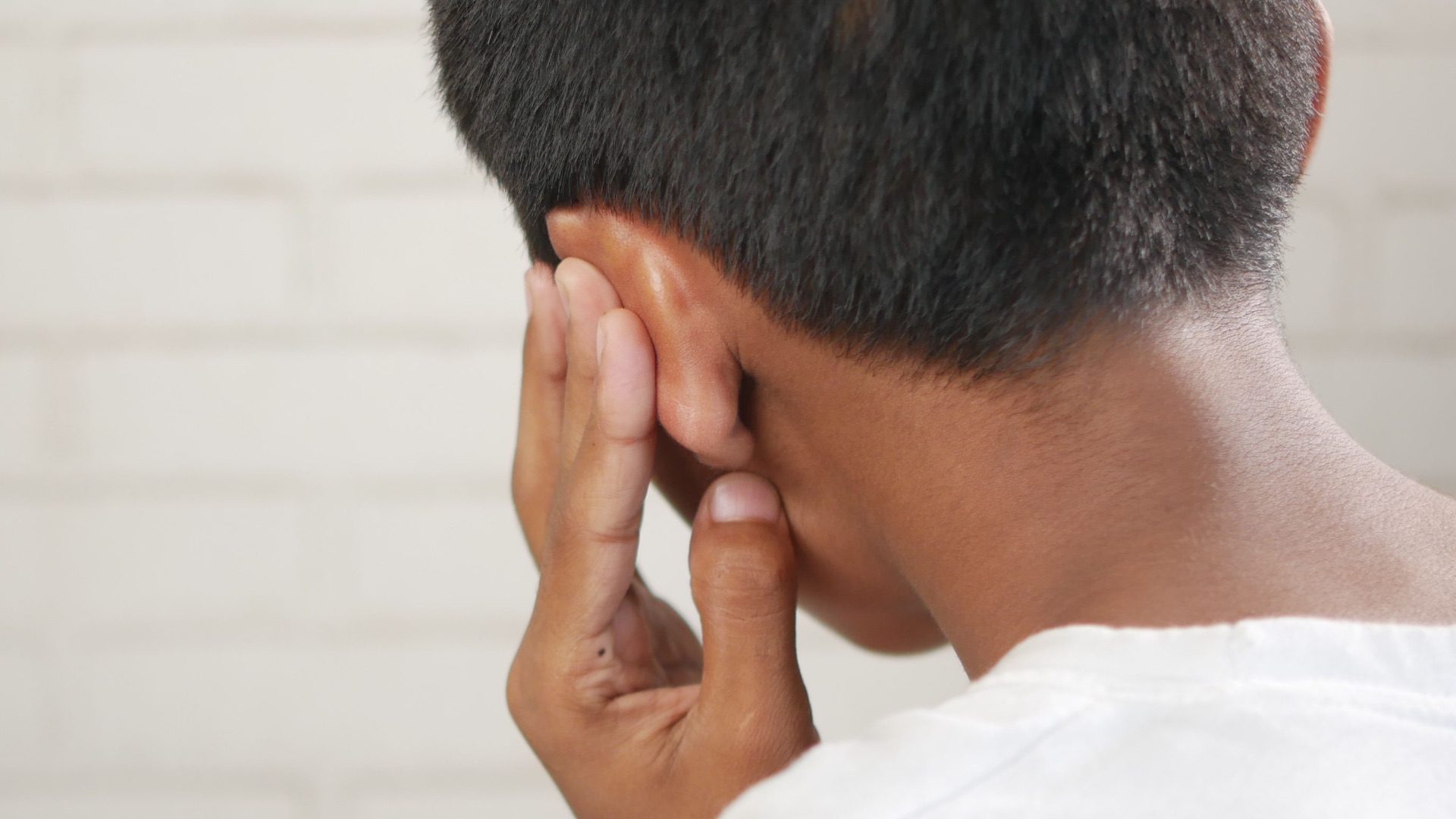
Does your hearing feel muffled? Don't worry; you're not alone. In fact, it's more common than you think, and if you're like most, it's probably due to trapped excess wax. But sometimes, there could be other things at play, like allergies or altitude changes, especially if you've been out and about and traveling. Thankfully, while annoying, a clogged ear is usually easy to clear up, provided you don't experience more serious symptoms like pain, drainage, dizziness, fever, or sudden hearing changes. Here are 10 reasons why your hearing might not be 100%, and what you can do about it.
1. Earwax Buildup
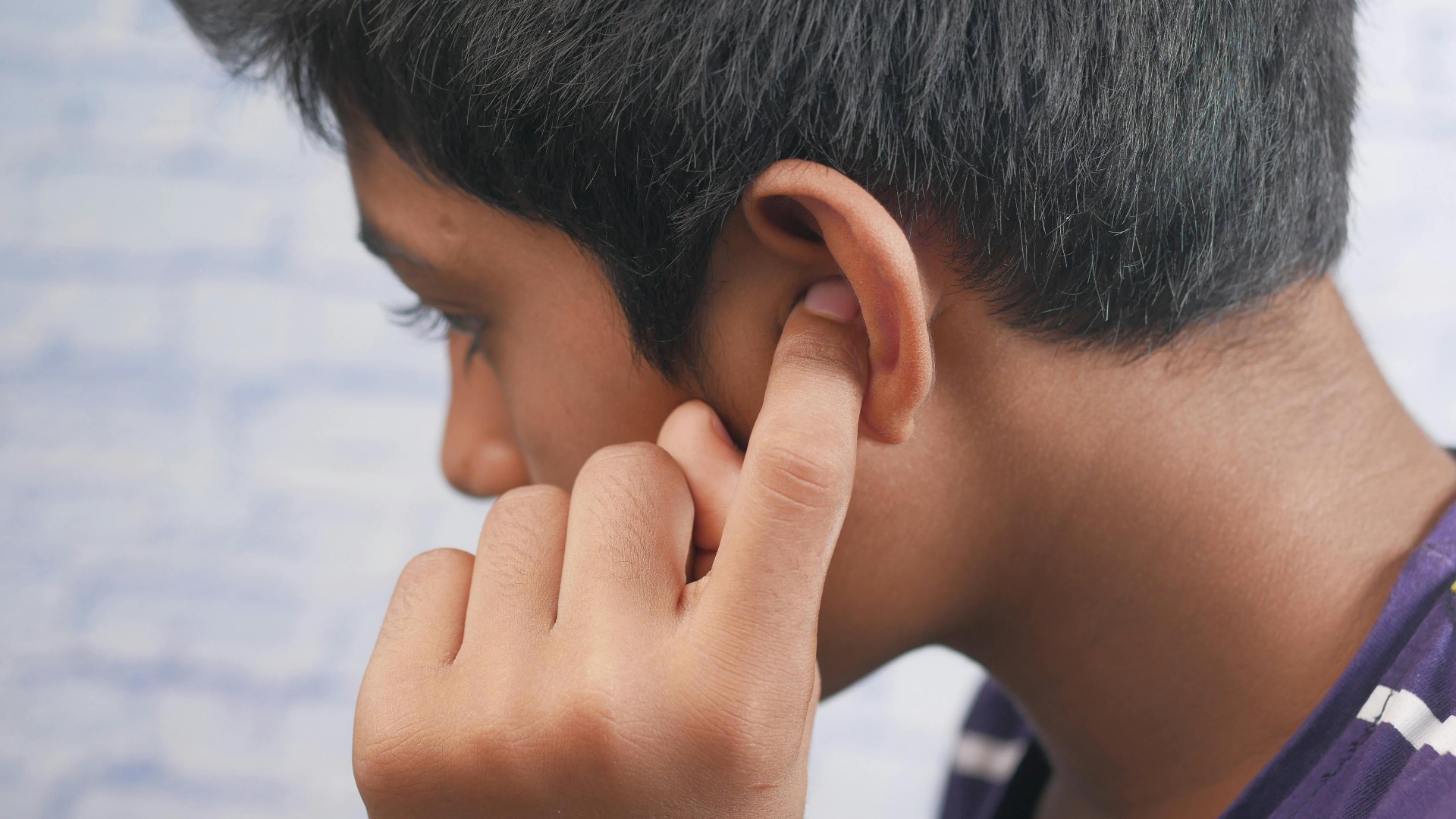
Earwax protects the ear canal, but too much of it can create a blocked or muffled sensation. This is especially common when wax becomes dry, hard, or pushed deeper into the ear. You might also notice ringing, mild discomfort, or a feeling that one ear isn’t hearing as clearly as the other. Trying to dig it out can make the blockage worse, so it’s better to use safer methods or ask a clinician for help.

2. A Cold or Sinus Infection
When you have a cold or sinus infection, swelling and mucus can affect the passages connected to your ears. That can make your ears feel full, pressurized, or harder to pop. The sensation often comes with nasal congestion, postnasal drip, facial pressure, or a scratchy throat. As the infection or congestion improves, the clogged feeling often improves too.

3. Allergies
Seasonal or indoor allergies can inflame the nose and throat area, which may interfere with normal ear pressure regulation. You might feel fullness in your ears along with sneezing, itchy eyes, or a runny nose. Allergy-related ear pressure can come and go depending on pollen, dust, pet dander, or other triggers. When allergies are managed well, the ear symptoms often become less noticeable.

4. Eustachian Tube Dysfunction
The eustachian tubes help equalize pressure between the middle ear and the back of the throat. When they don’t open and close properly, your ears may feel clogged, muffled, or uncomfortable. This can happen after a cold, during allergy flare-ups, or because of inflammation in the nasal passages. Some people also hear popping or clicking as the pressure shifts.
 Dylann Hendricks | 딜란 on Unsplash
5. Airplane Travel or Altitude Changes
Flying, driving through mountains, or riding in an elevator can change the pressure around you faster than your ears can adjust. This often creates a stuffed or plugged sensation, especially during takeoff or landing. You may also feel mild pain if the pressure difference becomes strong. Swallowing, yawning, or chewing can sometimes help the ears rebalance.

6. Fluid Behind the Eardrum
Fluid can collect in the middle ear after an infection, cold, or bout of eustachian tube dysfunction. This may leave your ear feeling blocked even after other symptoms have improved. Hearing can sound dull, and you may feel pressure without sharp pain. If it lingers or keeps returning, a healthcare provider can check whether treatment or monitoring is needed.

7. An Ear Infection
Middle ear infections can cause fullness, pressure, pain, and reduced hearing. Outer ear infections, sometimes linked with trapped water, may also make the ear feel swollen or blocked. You might notice tenderness, drainage, fever, itching, or worsening discomfort when touching the ear. Because infections can need specific treatment, persistent pain or discharge should be evaluated.
8. Water Trapped in The Ear
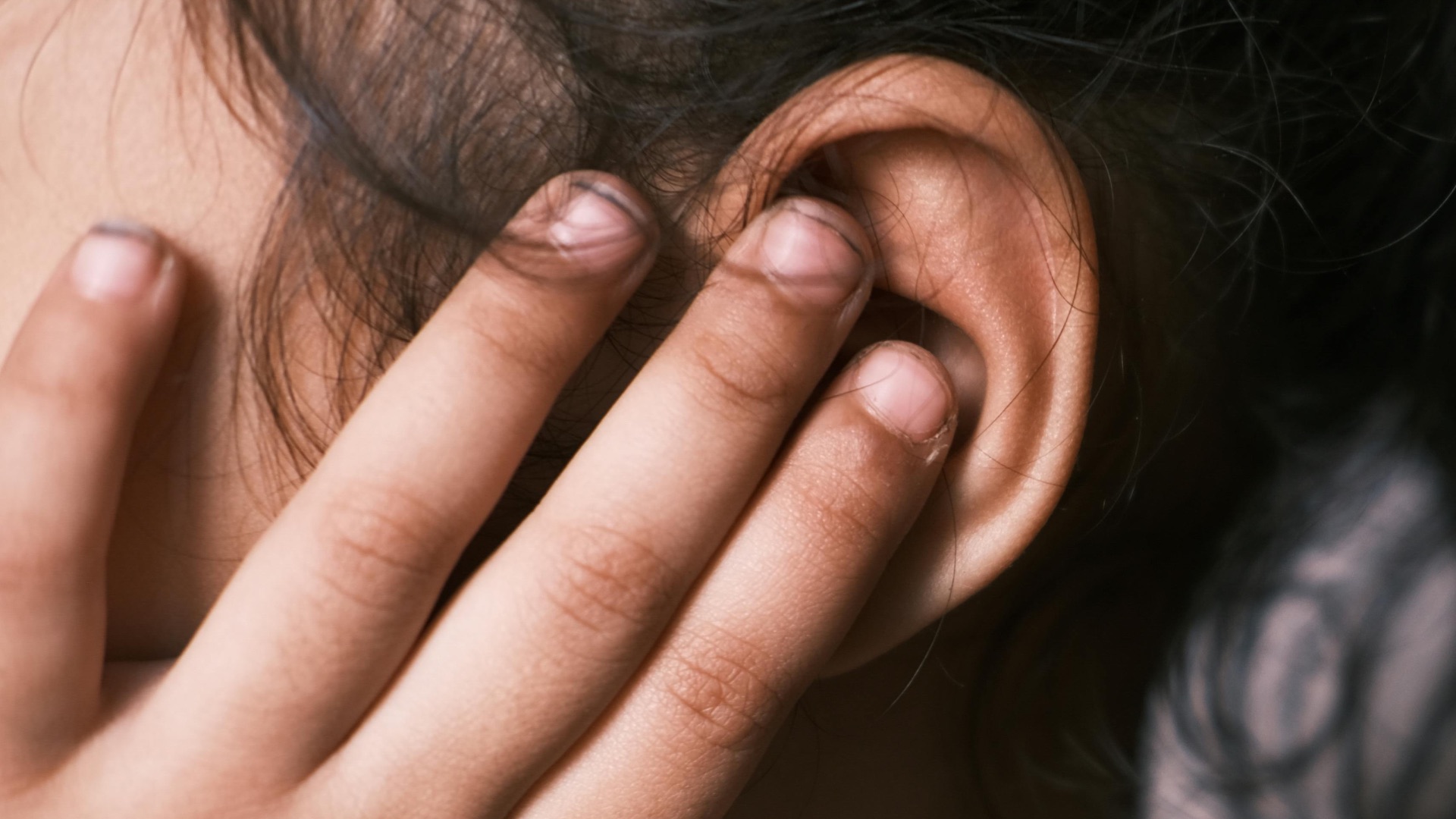
Water can remain in the ear canal after swimming, showering, or bathing. At first, it may simply feel like sloshing, fullness, or muffled hearing. If moisture stays trapped, it can irritate the skin in the ear canal and raise the risk of outer ear infection. This is one reason it’s important to dry the outer ear gently instead of inserting objects into the canal.

9. Jaw Tension or TMJ Problems
Jaw issues can sometimes create sensations that feel like ear pressure, even when the ear itself isn’t blocked. This may happen because the jaw joint sits close to the ear canal. Clenching, grinding, chewing discomfort, or jaw clicking can point toward a jaw-related source. If ear exams look normal but the pressure keeps returning, discussing jaw symptoms with a clinician or dentist can be useful.

10. Sudden or Gradual Hearing Changes
Sometimes what feels like a clogged ear is actually a change in hearing. This can happen gradually with age-related hearing loss, noise exposure, or other ear conditions. Sudden hearing loss, especially in one ear, should be treated as urgent and checked right away. Even when there’s no pain, a sudden shift in hearing deserves prompt medical attention.
Once you have a sense of what might be causing the blocked feeling, the next step is choosing relief methods that won’t irritate or injure the ear. These tips focus on gentle, practical options, along with signs that you should stop trying home care and get checked by a professional.
1. Try Swallowing, Yawning, or Chewing
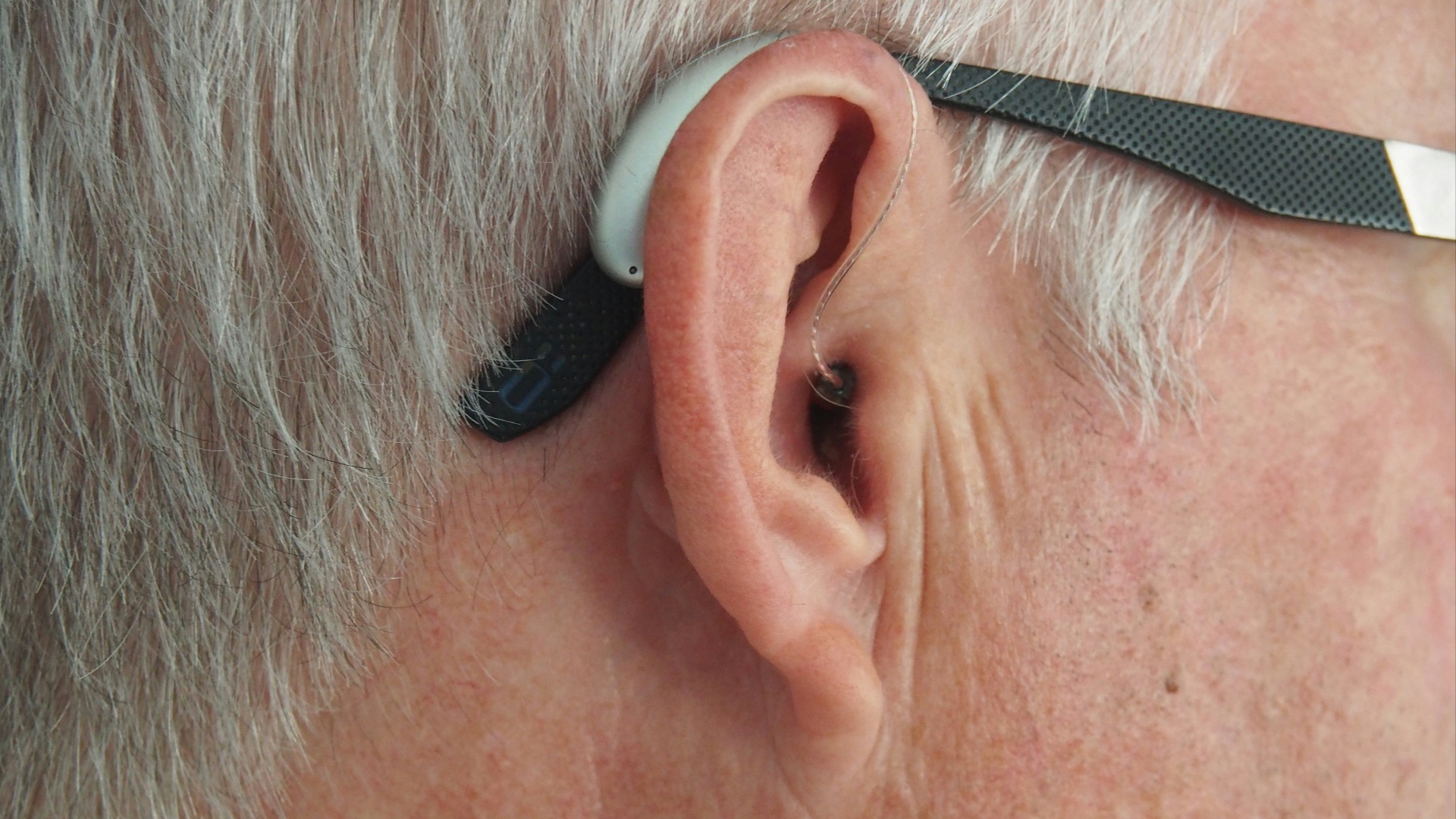
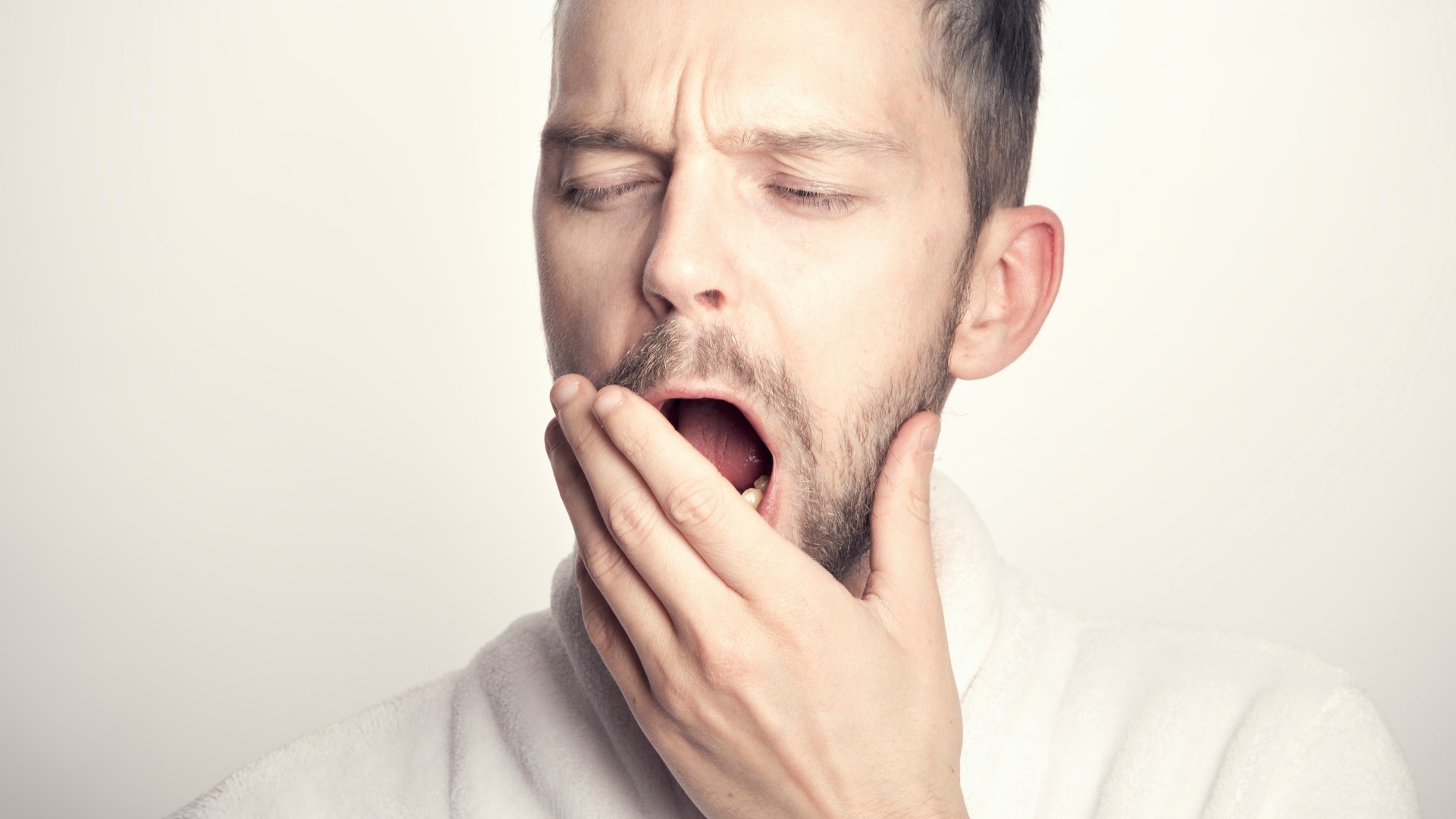
If your ears feel clogged because of pressure changes, simple movements may help your eustachian tubes open. Swallowing, yawning, or chewing gum can encourage pressure to equalize. This can be especially helpful during flights, altitude changes, or mild congestion. Don’t force anything if you feel pain, since discomfort can mean your ear needs a gentler approach.
2. Use a Gentle Pressure-Equalizing Technique
Some people get relief by closing the mouth, pinching the nose, and gently trying to breathe out through the nose. The key word is gently, because forceful pressure can irritate the ear or make symptoms worse. Stop right away if it hurts, causes dizziness, or creates sharp pressure. This method is usually better suited for mild plugged sensations from pressure changes rather than infections or severe congestion.

3. Manage Nasal Congestion
Because the nose, throat, and ears are connected, easing congestion can sometimes reduce ear fullness. Saline sprays, steam from a warm shower, or drinking enough fluids may help you feel less stuffed up. Some people may benefit from over-the-counter medications, but it’s wise to check labels and avoid using nasal decongestant sprays longer than directed. If you have high blood pressure, heart concerns, pregnancy, or take regular medications, ask a pharmacist or clinician before using decongestants.

4. Treat Allergies Consistently
If allergies are behind the clogged feeling, occasional relief may not be enough. Reducing exposure to triggers, using recommended allergy medicines, or discussing nasal steroid sprays with a clinician can help calm inflammation. It may take several days for some treatments to work fully, so consistency matters. When ear pressure appears every allergy season, planning ahead can make symptoms easier to control.

5. Soften Earwax Safely
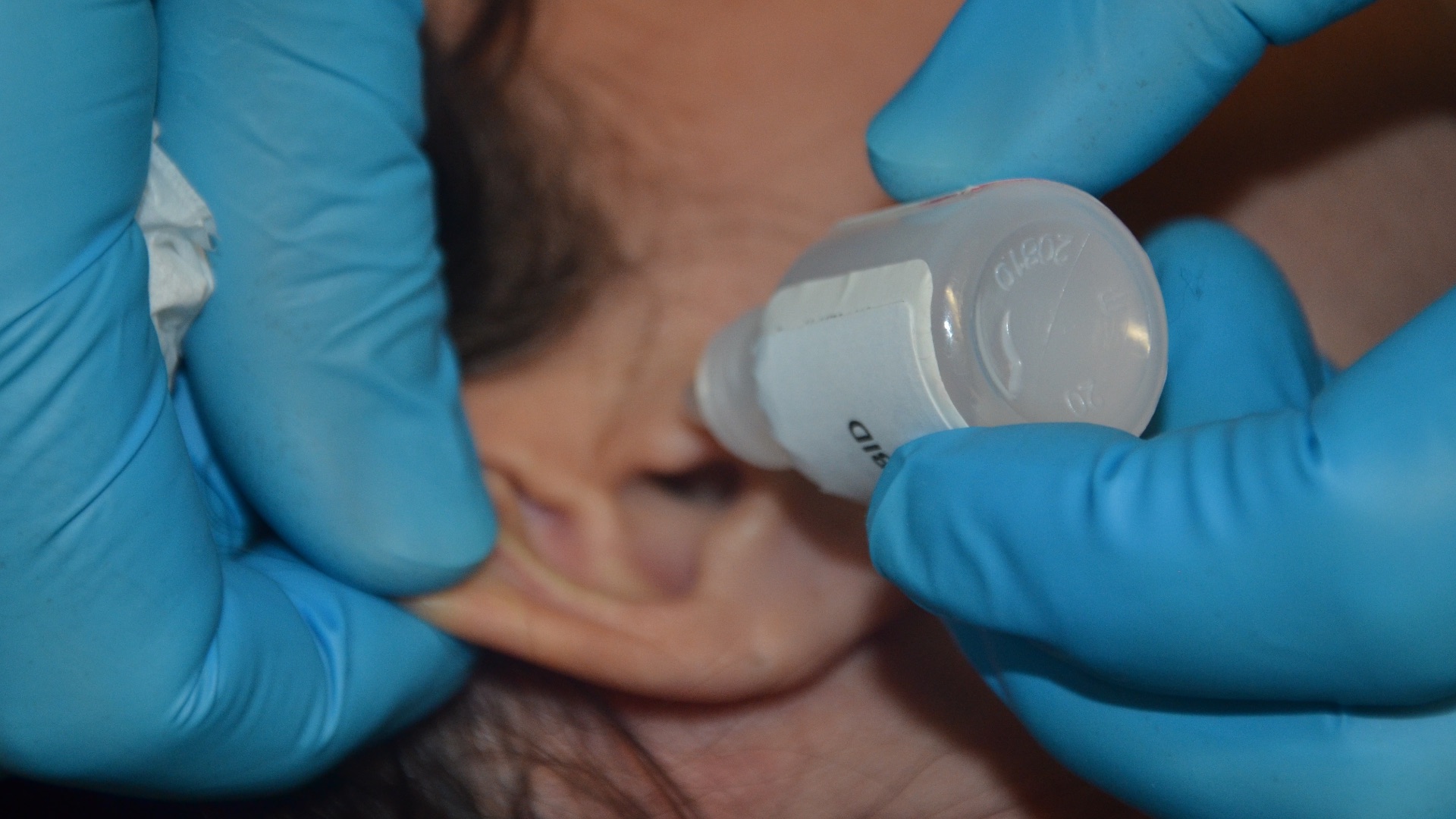
When wax buildup seems likely, earwax-softening drops may help loosen it. Follow the product directions carefully and avoid using drops if you have ear tubes, a hole in the eardrum, drainage, or significant pain unless a clinician says it’s safe. Don’t use cotton swabs, hairpins, or ear candles, since these can push wax deeper or cause injury. If drops don’t help, professional removal is safer than repeated digging at home.
6. Keep Water Out When Your Ear Feels Irritated
If your ear feels clogged after swimming or showering, avoid adding more moisture until it settles. Tilt your head to let water drain, gently dry the outer ear with a towel, and skip inserting anything into the canal. People who get swimmer’s ear repeatedly may need prevention advice from a healthcare provider. Pain, swelling, itching, or drainage after water exposure can signal an infection that needs attention.

7. Use Warmth for Comfort
A warm compress held against the outside of the ear may ease discomfort related to pressure, congestion, or mild irritation. It won’t remove wax or cure an infection, but it can make the area feel more comfortable while you monitor symptoms. Make sure the compress is warm rather than hot, and don’t fall asleep with a heating pad against your ear. If pain keeps increasing, warmth shouldn’t be used as a substitute for medical care.

8. Give Post-Cold Ear Fullness Some Time
After a cold, your ears may stay plugged for a little while as inflammation and fluid clear. During that period, gentle pressure-equalizing movements and congestion care may help. However, symptoms shouldn’t keep worsening or drag on without improvement. If fullness lasts for weeks, affects only one side, or comes with hearing loss, it’s a good idea to schedule an exam.

9. Notice Red Flags Early
Certain symptoms mean you shouldn’t rely on home remedies. Get medical advice promptly if you have severe pain, drainage, fever, dizziness, sudden hearing loss, ringing that appears suddenly, or a clogged feeling after an injury. One-sided symptoms that don’t improve also deserve a closer look. Ear problems are often manageable, but the right treatment depends on what’s actually happening inside the ear.
10. See a Professional for Persistent Blockage
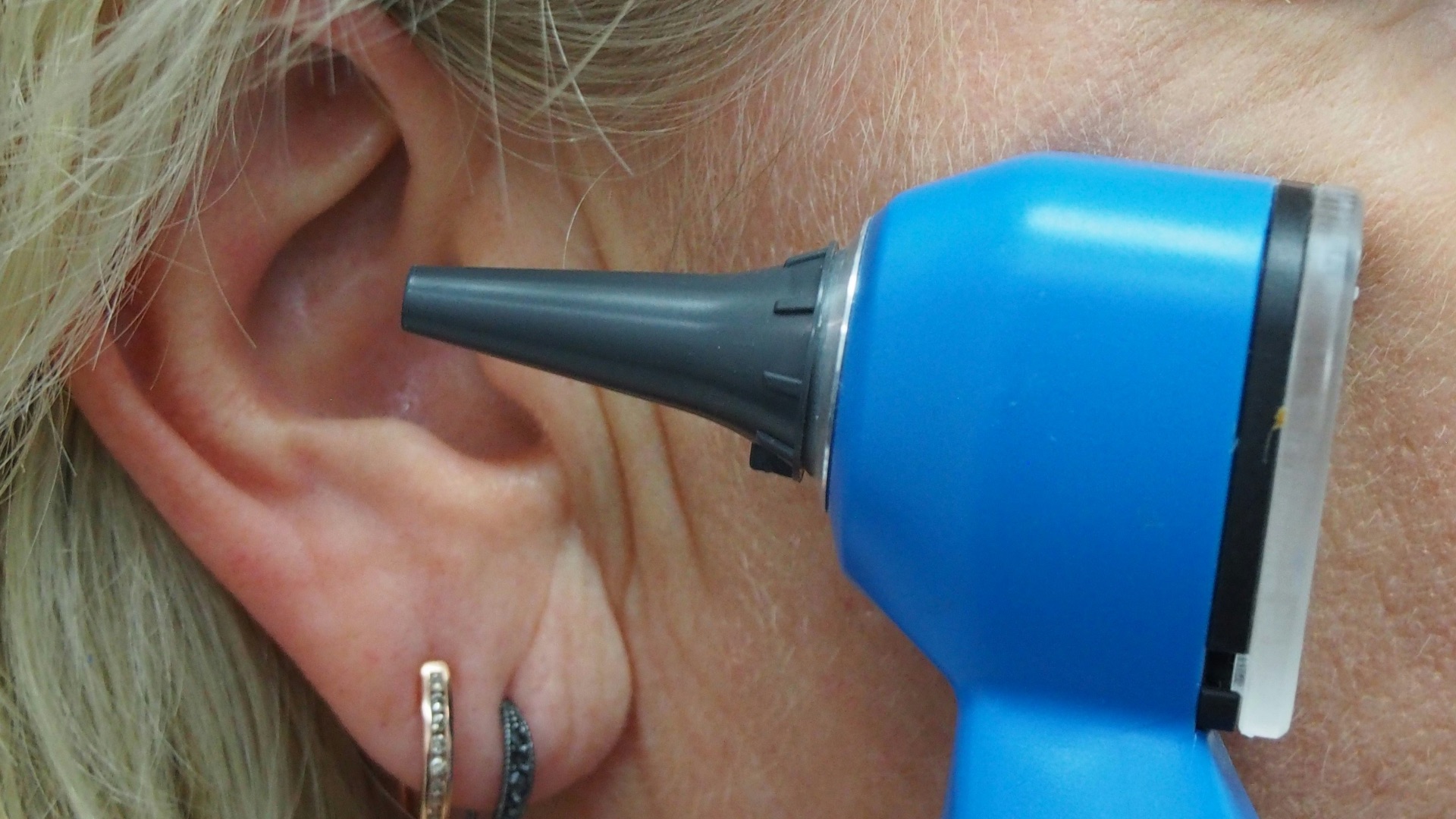
If your ear still feels clogged after safe self-care, a clinician can examine the ear canal and eardrum. They can tell whether the issue is wax, fluid, infection, pressure dysfunction, or something unrelated to the ear canal. Professional earwax removal may be needed when wax is impacted, and other causes may require different treatment. Getting checked can save you from repeated trial-and-error steps that might not address the real problem.
KEEP ON READING