Your Body Is Trying to Tell You Something
Balance is one of those things you stop noticing the moment it starts slipping. You don't fall, you just catch yourself. You grab the wall on the way to the bathroom at night. You hesitate at the top of stairs you used to take without thinking. These small adjustments accumulate quietly, and most people dismiss them as clumsiness before they recognize the pattern. Balance depends on your inner ear, your vision, your muscles, and your nervous system all working together, and any one of them can start to falter. Here are 10 signs your balance may be declining, and 10 possible reasons worth looking into.

1. You Grab Walls or Furniture Without Thinking
If you find yourself steadying against surfaces out of habit, your body is already compensating for instability your conscious mind hasn't fully registered. This kind of automatic bracing is one of the earliest and most overlooked signs.
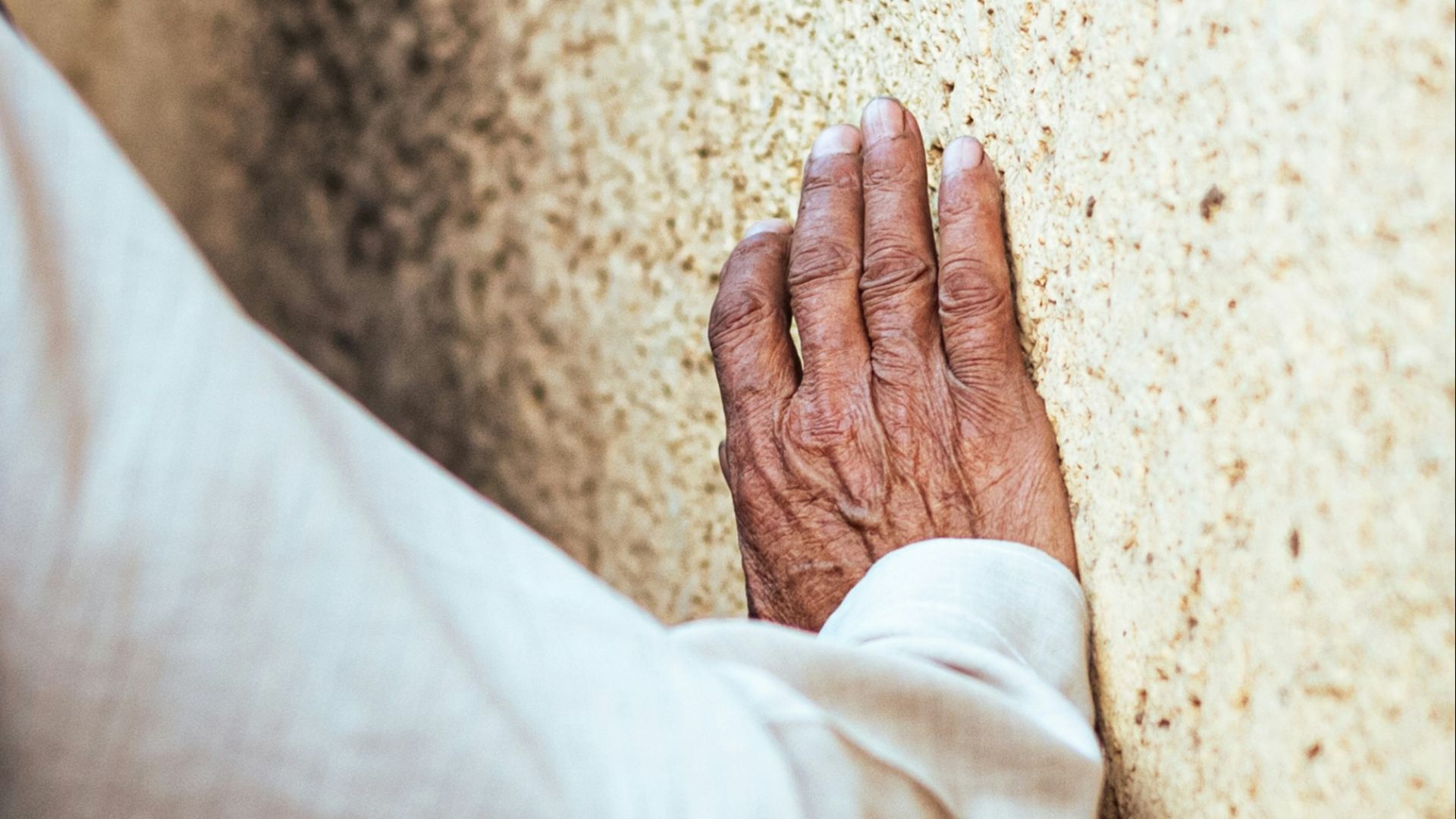
2. Walking in the Dark Feels Harder Than It Used To
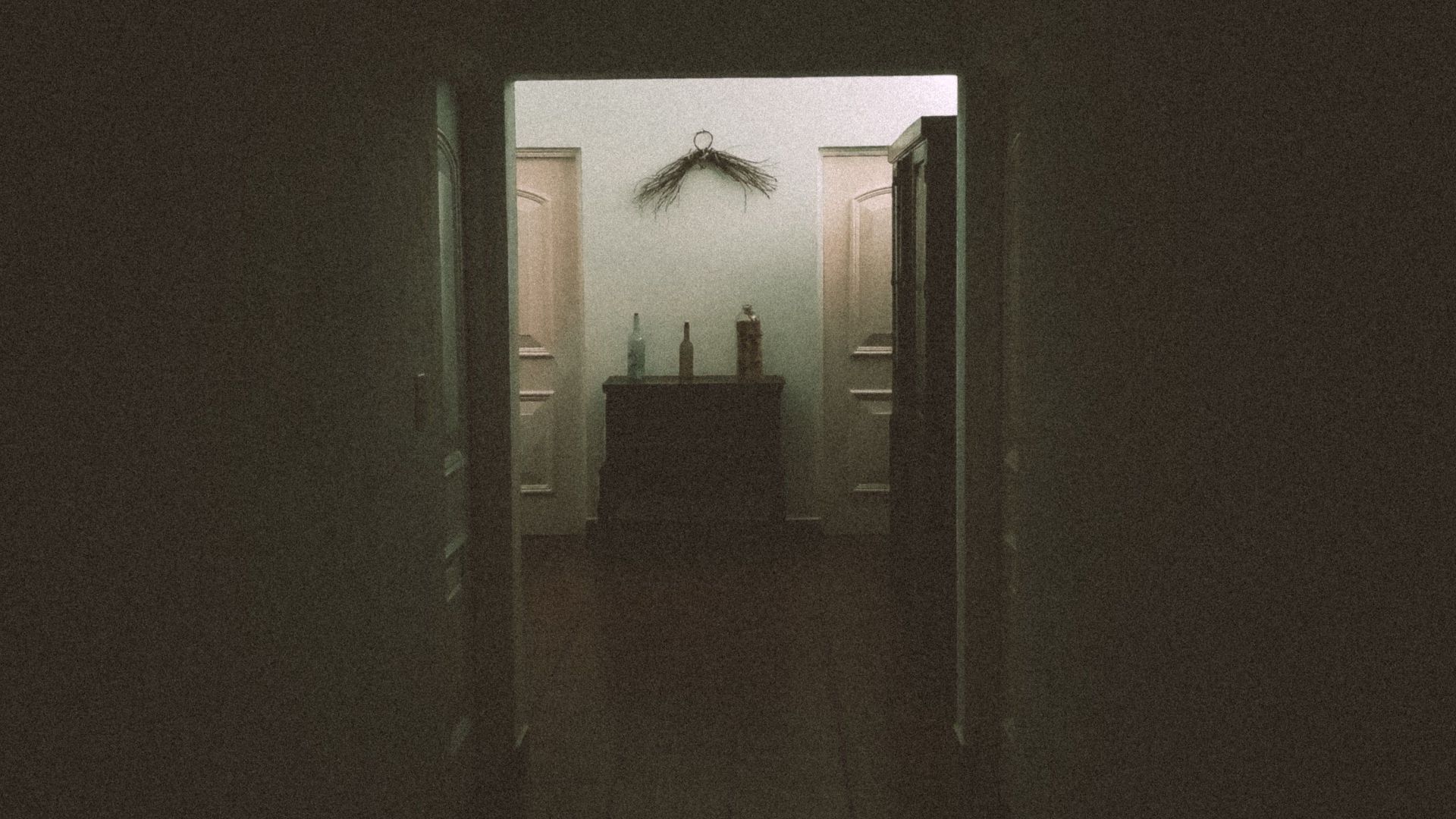
Balance relies on three systems: your inner ear, your vision, and the sensors in your muscles and joints. Remove vision and the other two carry more load. Struggling significantly in low light suggests one or both may not be working as well as they should.
3. Uneven Surfaces Feel Unreliable
Grass, gravel, and sloped sidewalks require constant small adjustments. If they now feel harder to navigate, your proprioceptive system, the network of sensors that tracks your body's position in space, may be losing sensitivity.

4. Head Movements Trigger Brief Dizziness
If turning your head quickly or rolling over in bed causes a short spell of spinning, that's a specific symptom that often points to something in the inner ear. It's worth describing precisely to a doctor rather than writing off as a dizzy spell.
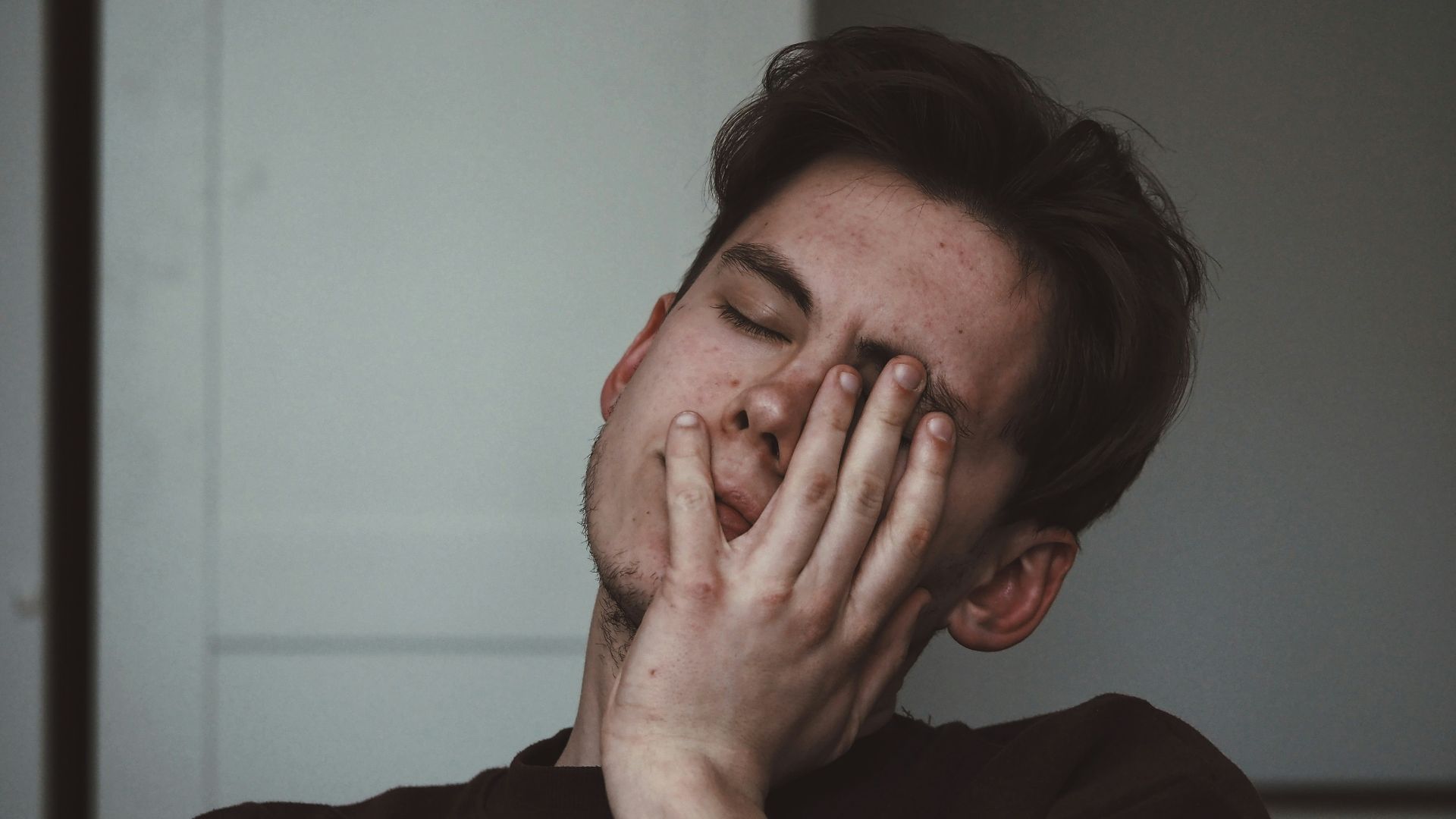
5. You've Started Widening Your Stance
People unconsciously widen their base of support when balance feels unreliable. If you stand or walk with your feet further apart than you used to, your body has already made that calculation on your behalf.

6. Stairs Require More Concentration
Descending stairs demands real-time coordination between vision, strength, and spatial awareness. Needing to hold the railing when you didn't before, or slowing down significantly to feel safe, is a meaningful change.

7. You've Had More Near-Falls Than Actual Falls
Near-falls rarely get reported because nothing happened. But catching yourself on the edge of a stumble more than occasionally means your margin for error is shrinking. The near-miss is the warning.

8. Standing on One Foot Has Become Difficult
Try standing on one foot for ten seconds. Single-leg balance declines measurably with age and certain medical conditions. Needing to touch something for support almost immediately reflects real changes in your stability system.
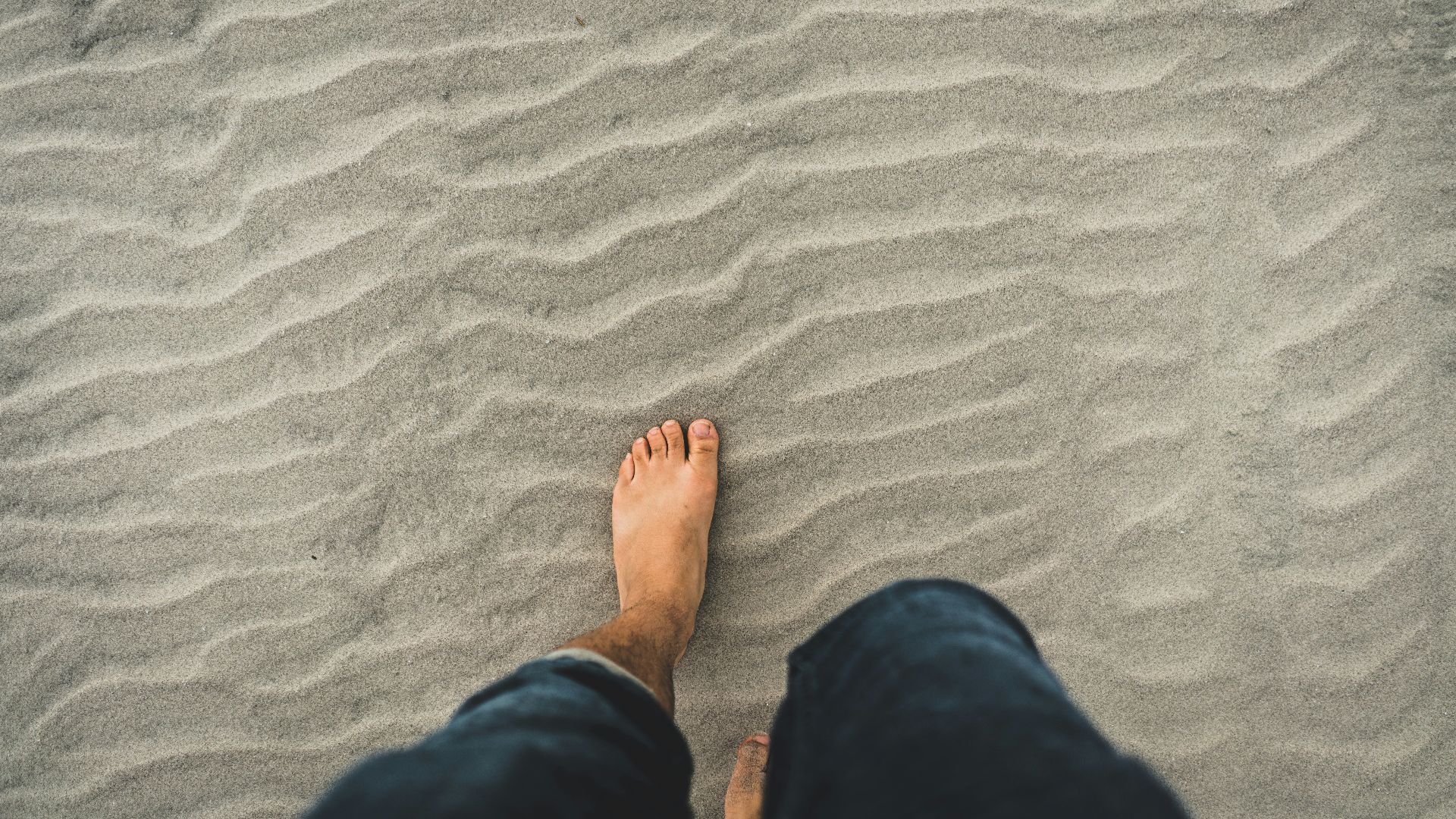
9. Crowded Spaces Feel Disorienting
Busy environments require your balance system to process a lot of competing visual information at once. Feeling fatigued or vaguely off in shopping malls or crowded sidewalks in a way you didn't before is a recognized symptom, even if it's hard to describe.
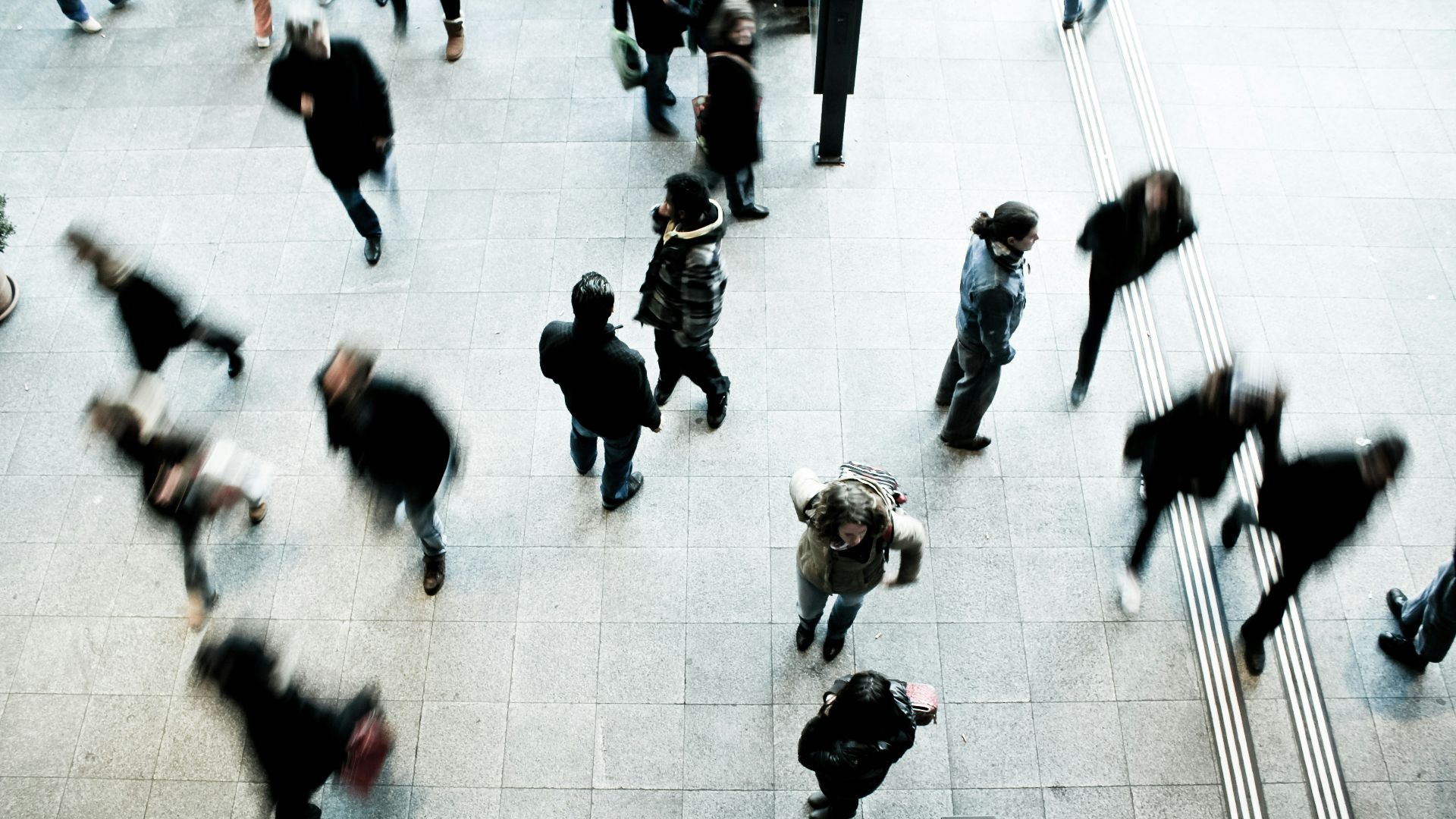
10. You've Started Avoiding Certain Activities
Skipping hikes, avoiding escalators, or stepping off curbs more carefully are all forms of behavioral adaptation. By the time avoidance becomes a pattern, balance has usually been declining for a while.
Here are 10 possible reasons your balance may be getting worse, and why any of them is worth discussing with a doctor.

1. Inner Ear Changes
The vestibular system in the inner ear is the body's primary balance organ, and its function naturally declines with age. Conditions like benign paroxysmal positional vertigo, labyrinthitis, and Meniere's disease can disrupt it further. Inner ear issues are among the most common and treatable causes of balance problems.
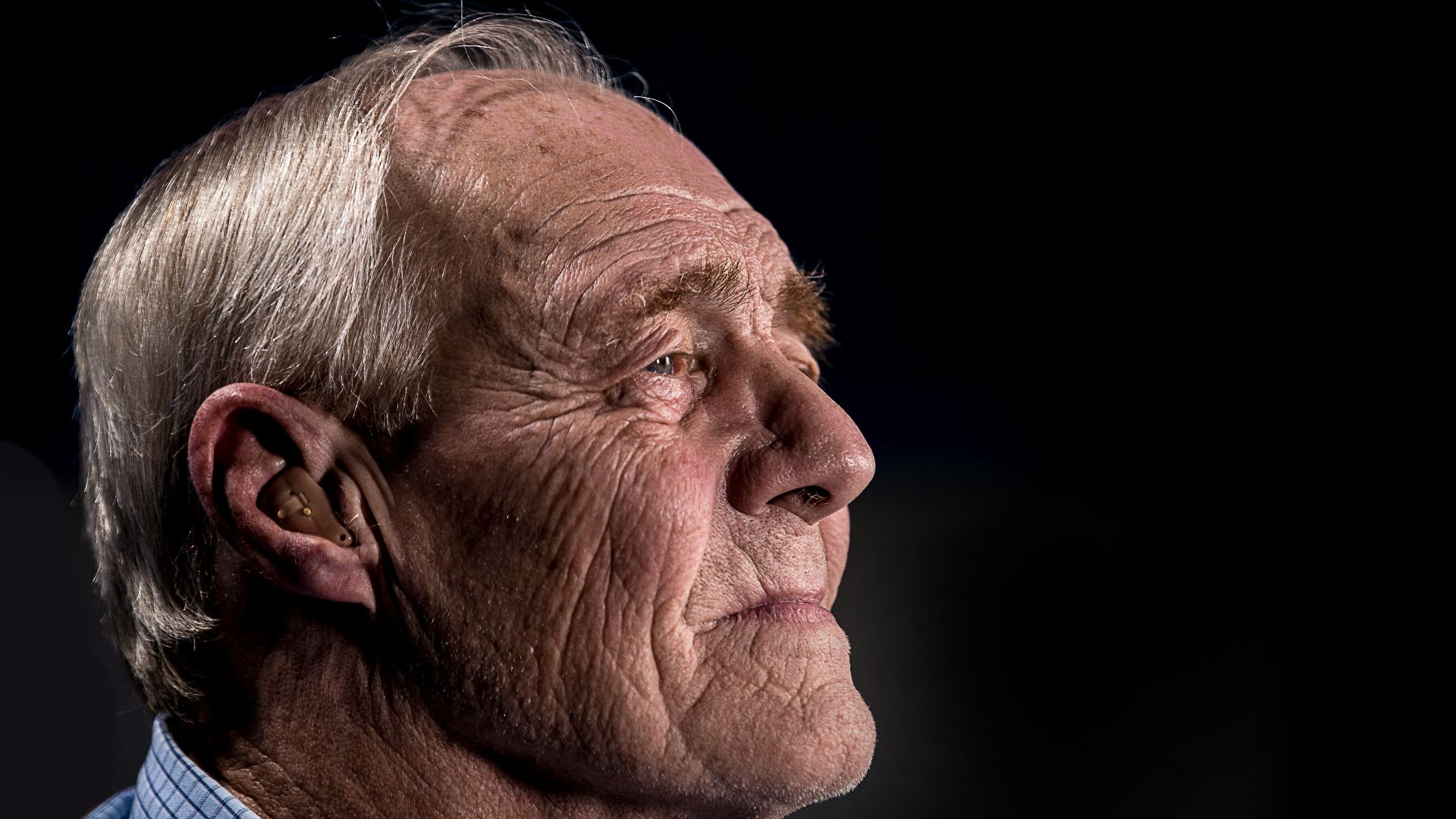
2. Muscle Weakness
Muscle mass begins declining after age 50, and up to a third of it can be lost over time without intervention. Weak legs and an unstable core remove two of the most important physical supports for upright movement.
 Centre for Ageing Better on Unsplash
3. Medication Side Effects
Antidepressants, antihistamines, blood pressure medications, and sedatives all list dizziness and balance disruption among their side effects. Taking four or more medications simultaneously increases the risk further. If your balance changed around the time your prescriptions did, that connection is worth raising.
 Christina Victoria Craft on Unsplash
4. Vision Decline
Your eyes give your brain constant information about where you are in space. Cataracts, glaucoma, or uncorrected refractive changes reduce the quality of that input and put extra strain on everything else your balance system relies on.

5. Peripheral Neuropathy
Nerve damage in the feet and lower legs, common in people with diabetes but caused by other conditions as well, reduces the accuracy of signals from the ground up. If you can't feel the surface beneath you clearly, your brain is working with incomplete information.

6. Low or Unstable Blood Pressure
A sudden drop in blood pressure when standing, called orthostatic hypotension, causes a brief reduction in blood flow to the brain that can feel like lightheadedness or instability. It's frequently mistaken for a balance disorder when it's actually a circulatory one.

7. Vitamin B12 Deficiency
B12 deficiency affects the nervous system in ways that can directly impair coordination and balance. It's more common than most people expect, particularly in older adults and those on certain long-term medications. It's easily tested for and often straightforwardly corrected.
8. A Neurological Condition
Parkinson's disease, stroke, and cerebellar disorders all affect the brain's ability to coordinate balance-related signals. Balance decline is sometimes an early symptom of these conditions rather than a later-stage complication, which is one reason sudden or rapidly worsening imbalance warrants prompt evaluation.

9. Inactivity
The balance system is largely use-it-or-lose-it. Prolonged low activity reduces the strength, coordination, and neural responsiveness that balance depends on. People who rarely challenge their stability tend to see faster declines than those who stay physically active.

10. Anxiety and Chronic Stress
Anxiety increases muscle tension and narrows focus in ways that genuinely impair stability. Some people develop a fear of falling that itself worsens balance by making movement more rigid and hesitant. If the concern feels connected to how you're feeling emotionally, that's worth exploring too.

KEEP ON READING



20 Ways to Deal With Your Sweet Tooth

20 Low-Impact Exercise Ideas For People Over 50