

Why Vegetables Deserve a Bigger Place on Your Plate
You might think they're a pain to eat, but vegetables simply can't be ignored from your regular diet. They're some of the most nutrient-rich foods you can eat after all! They come packed with vitamins, minerals, fiber, healthy compounds, and all the good stuff that keeps you happy and healthy. So if you're trying to pay more attention to what you eat, here are 20 of the healthiest vegetables on Earth that you should keep an eye out for.
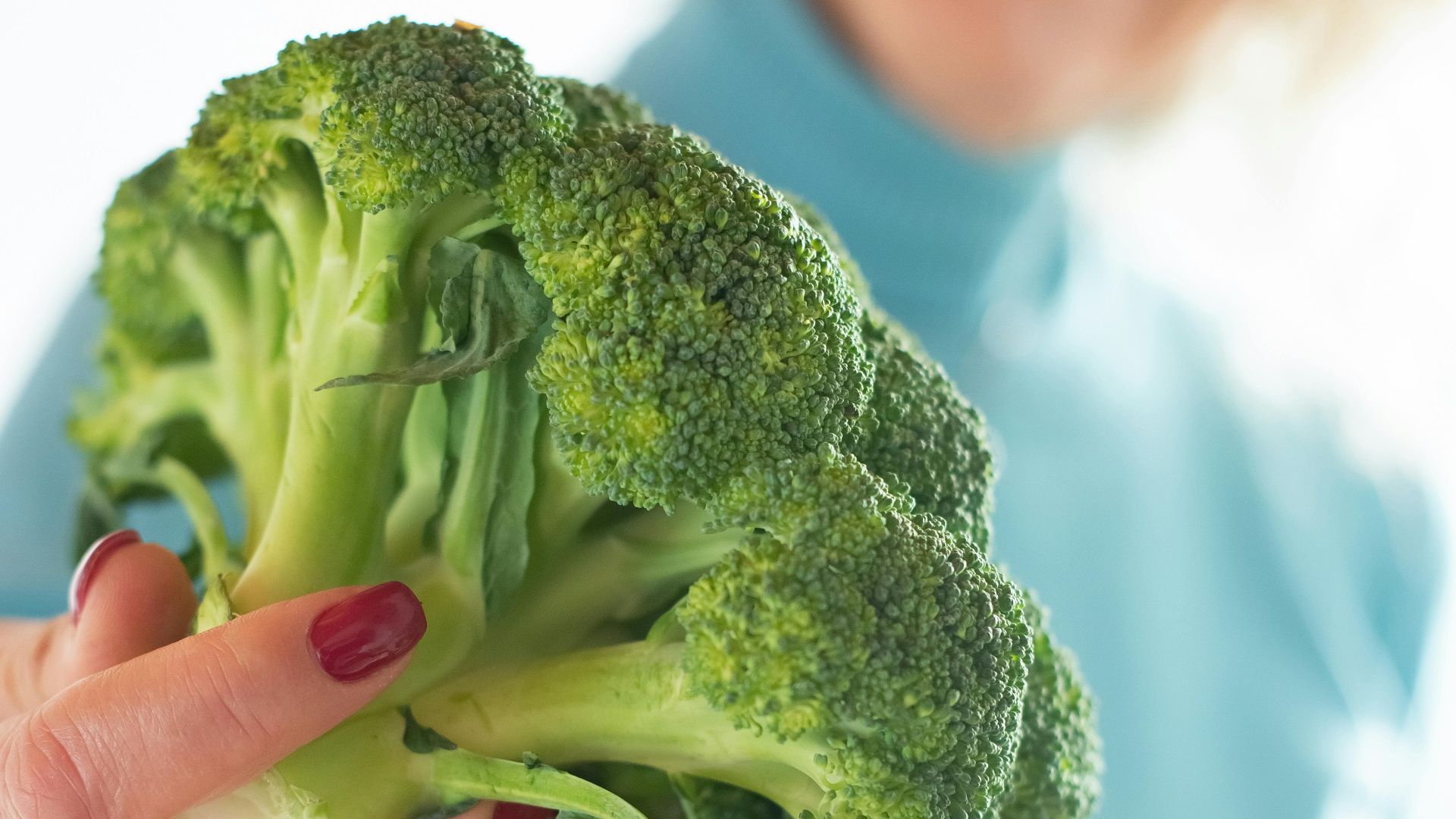
1. Spinach
Just take Popeye's advice! Spinach is one of the most nutrient-dense leafy greens around, containing plenty of vitamins, folate, iron, and magnesium. It's easy to incorporate into your diet too, whether it's eaten raw in salads, blended into smoothies, or cooked into soups and stir-fries.
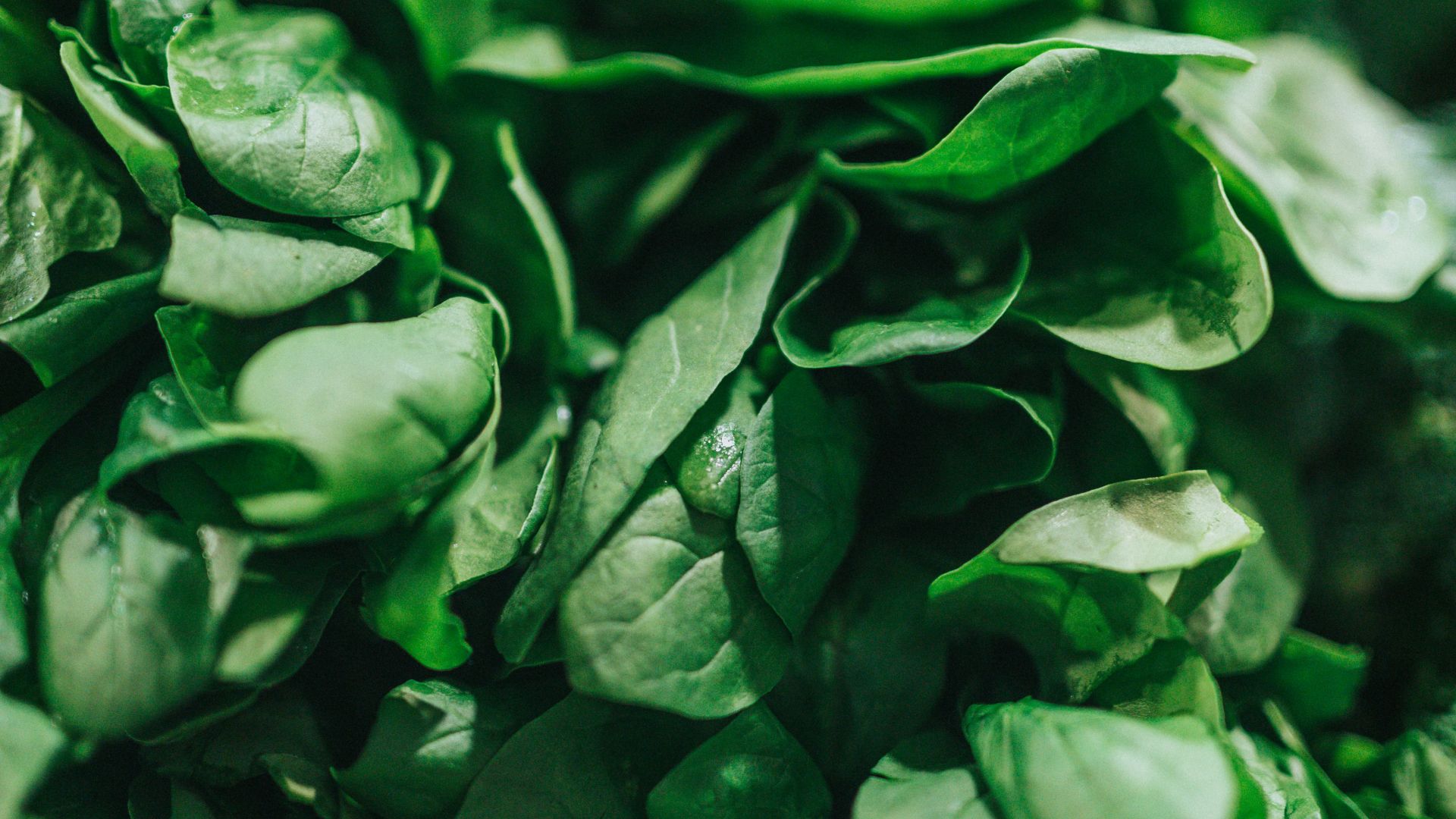
2. Broccoli
It might not be a hit with the kids, but broccoli has earned its reputation as a powerhouse veggie because it offers not just fiber, but also vitamin C, K, and plenty more. It's also great for supporting healthy digestion and helping you feel fuller after meals.
 Katherine Jenswold on Unsplash
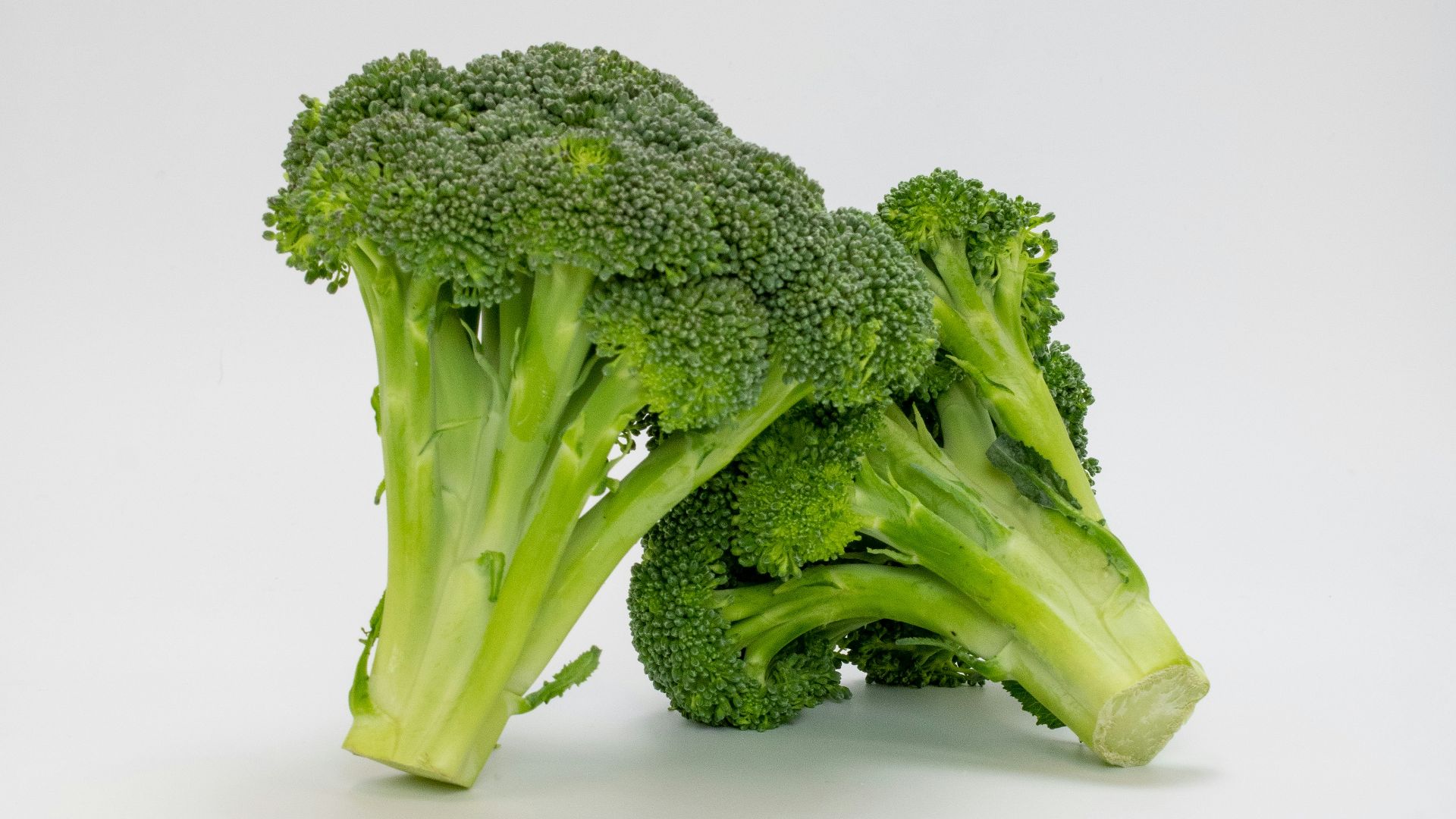
3. Kale
This hearty leafy green grew in popularity over the years, and it's good that it did. Kale carries an impressive amount of vitamin K, C, calcium, and antioxidants that all work together to boost your health. It's also an incredibly versatile vegetable that's great in salads, soups, or baked into chips.
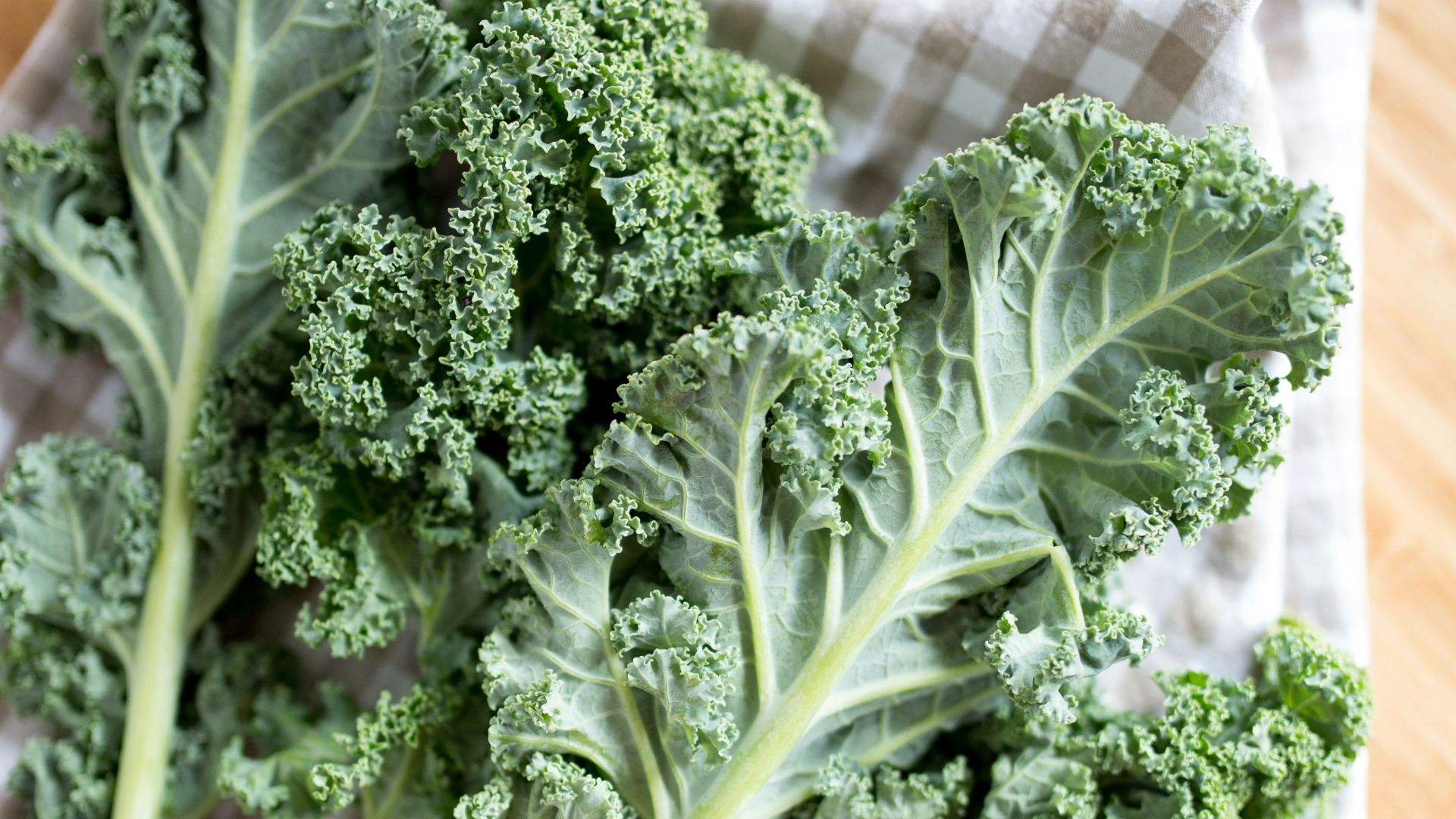
4. Sweet Potatoes
Sweet potatoes are so tasty, they feel a bit like a cheat code. Rich in beta-carotene which your body converts into vitamin A, this root veggie also provides fiber, potassium, and plenty of complex carbs that help make meals more satisfying. Their natural sweetness is just a great bonus!

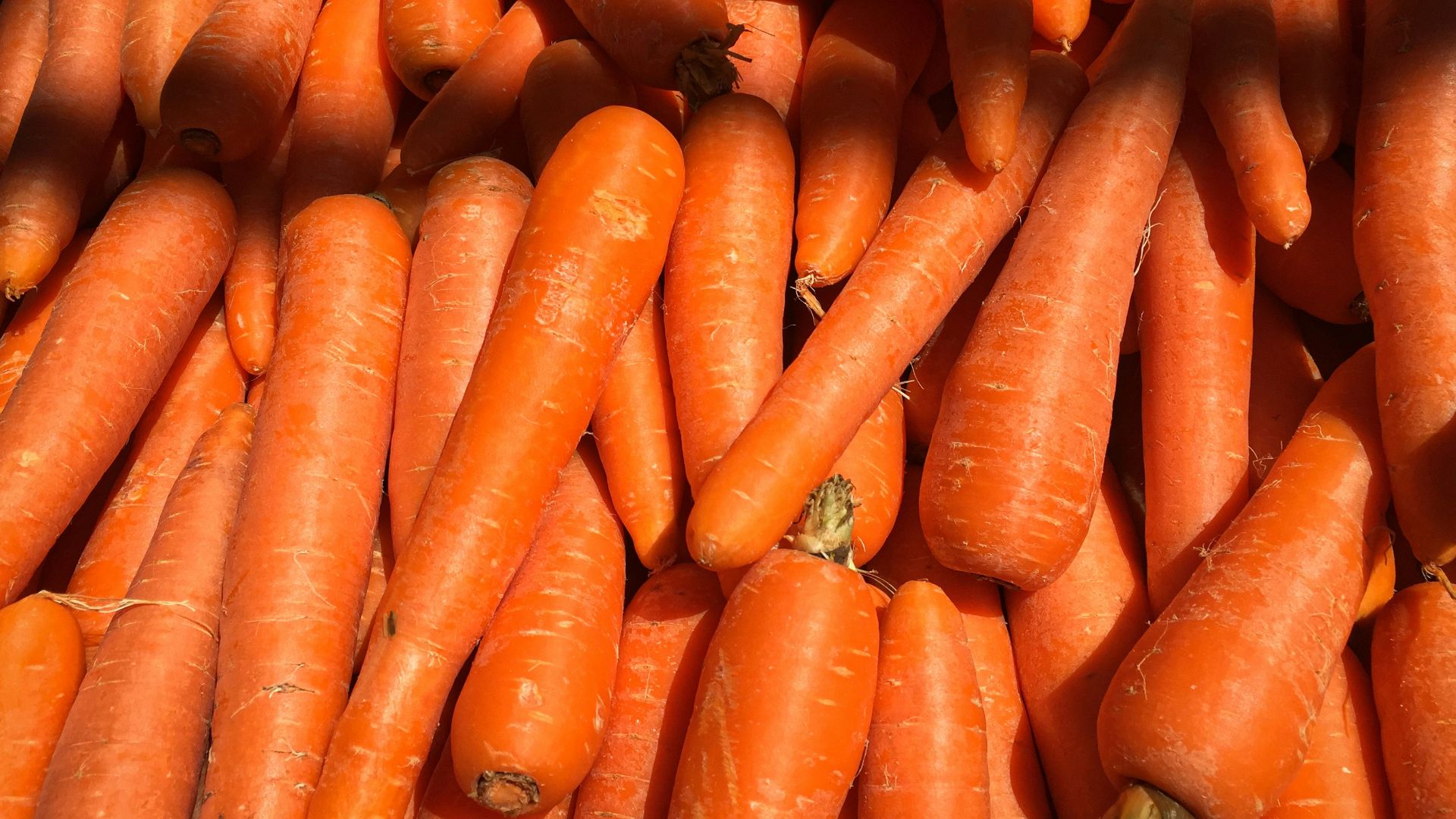
5. Carrots
Everyone's favorite vegetable snack, this crunchy veggie isn't just fun to eat and tastes great with some light ranch, but they also offer fiber, vitamin K, and potassium. When you want a health kick, these are great to keep in stock as they make for a quick snack, but also taste great in soups, stews, and roasted veggie trays.
 JACQUELINE BRANDWAYN on Unsplash
6. Brussels Sprouts
We know most people either love or hate Brussels sprouts, but if you knew all the health benefits they offer, we're sure most people would be happy to support them. Containing fiber, vitamin C, vitamin K, and folate all in one little compact package, these can also taste great if you just take the time to learn how to prepare them well.
 Sebastian Coman Photography on Unsplash
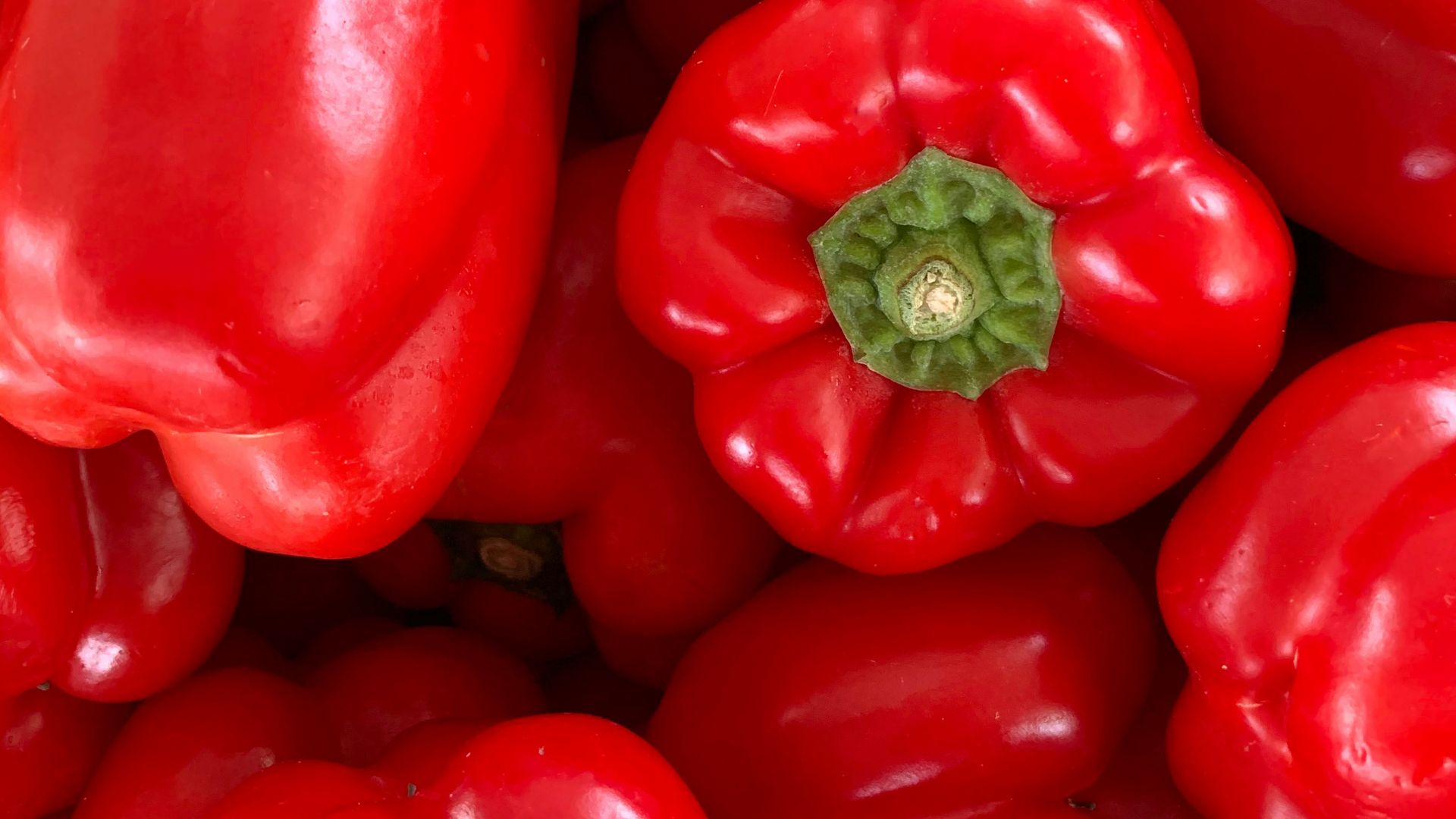
7. Red Bell Peppers
Loaded with vitamin C, vitamin A, fiber, and antioxidants, this specific color of bell pepper has a slightly sweet flavor that makes them enjoyable to eat. Throw them in salads, wraps, or stir-fries for a tasty but undeniably healthy boost you can never have too much of.
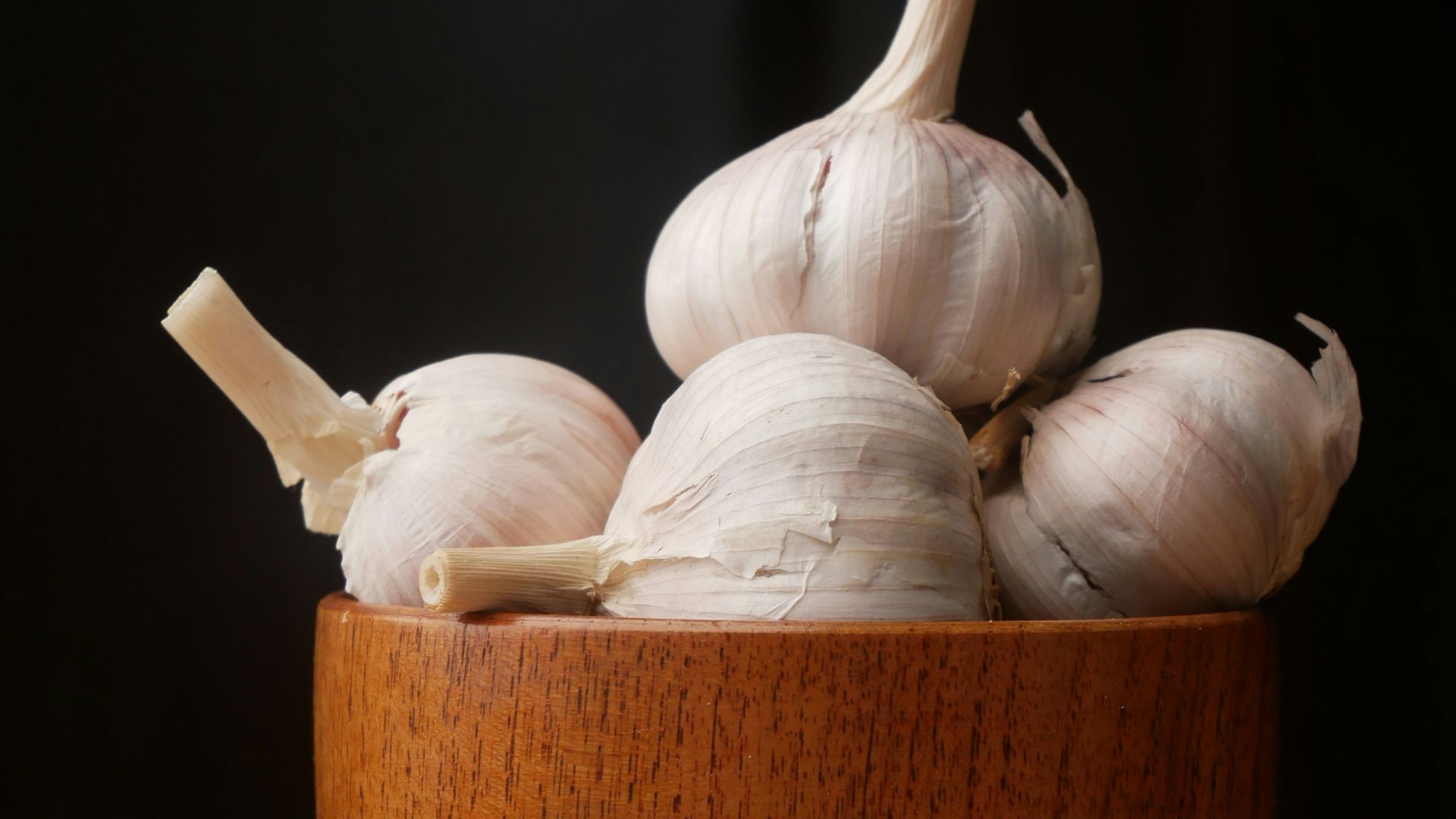
8. Garlic
Despite being small and usually a supporting character in many dishes, garlic has several impressive health benefits. It carries many beneficial plant compounds, some of which have been studied to help with heart health and immune function.
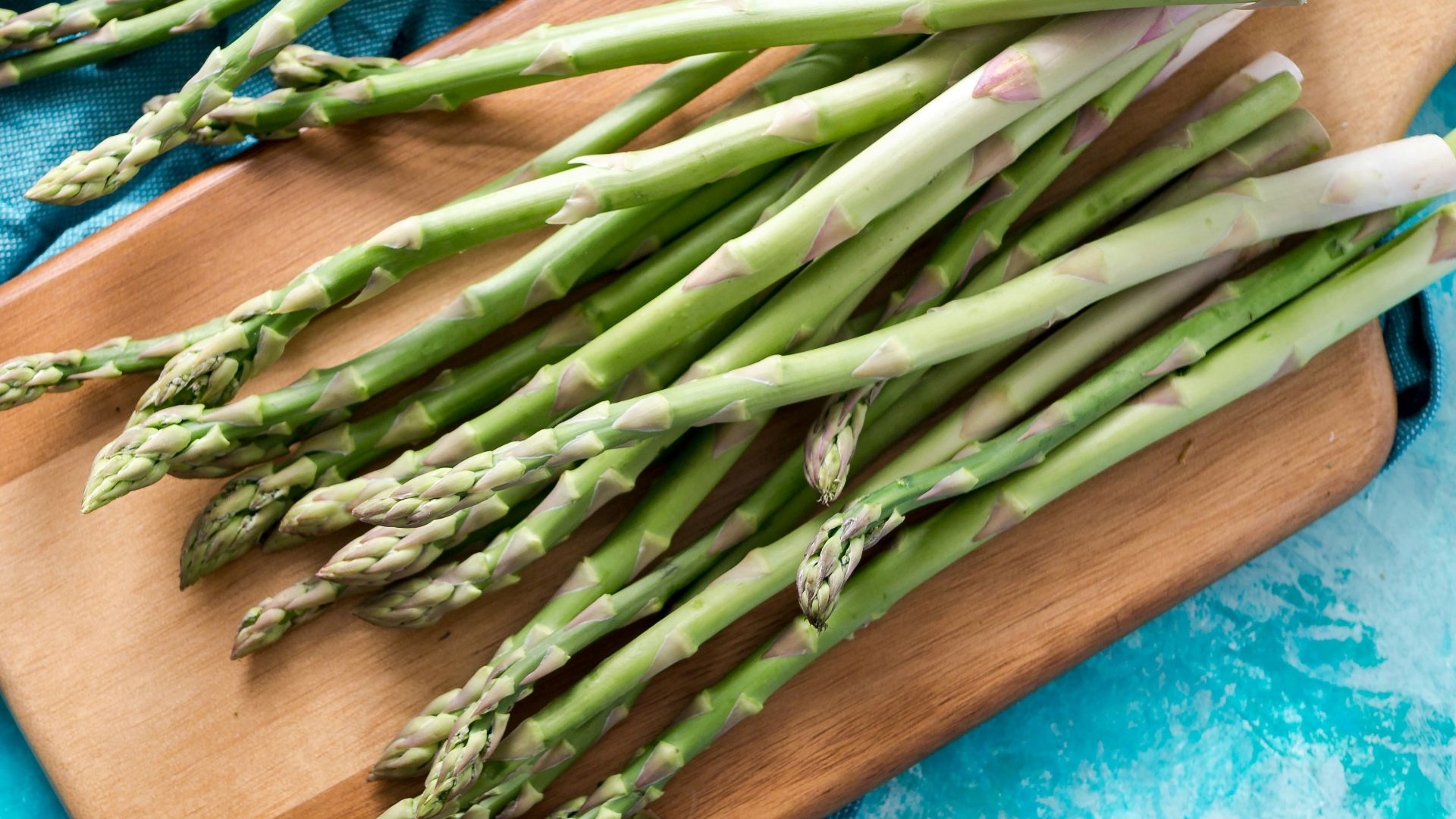
9. Asparagus
Asparagus is a spring vegetable that might not be everyone's favorite, but is hard to resist when it offers folate, vitamin K, fiber, and antioxidants. It’s also naturally low in calories which can be great if you're on a diet! You can roast, grill, steam, or sauté them to transform them into a tasty, crunchy addition to your meal.
 Christine Siracusa on Unsplash
10. Beets
Known for their deep color and earthy flavor, beets aren't recognized enough for their great health benefits. Providing fiber, folate, manganese, and more, they've been known to also help support healthy blood flow. They might stain your cutting board, but they're definitely worth the minor cleanup.

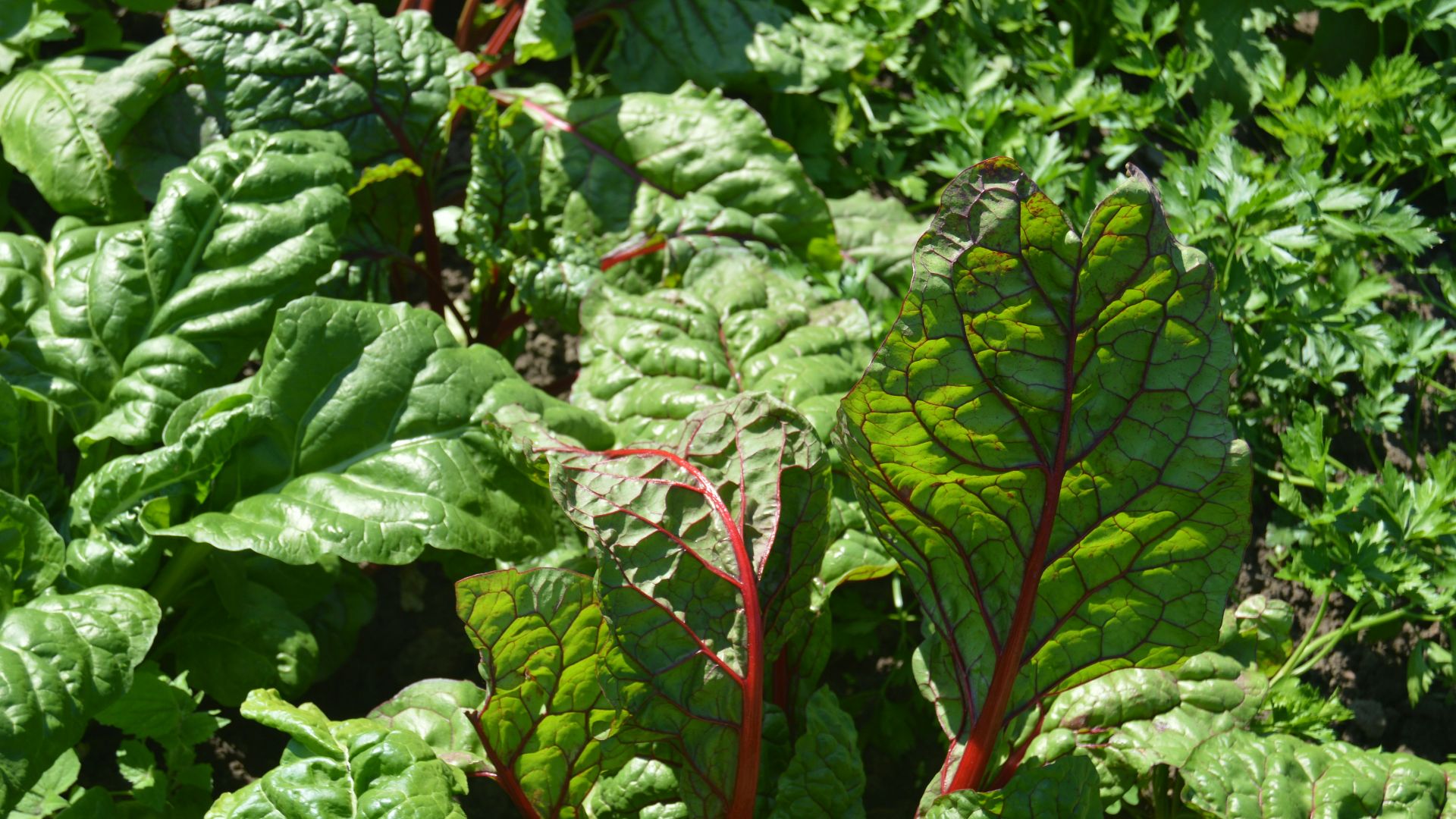
11. Swiss Chard
This leafy green delivers vitamin K, vitamin A, magnesium, and potassium alongside a tender texture and mild flavor that works well in so many dishes. You can sauté it with garlic, add it to soups, or fold it into omelets and grain bowls when you want something a bit different from your usual greens.
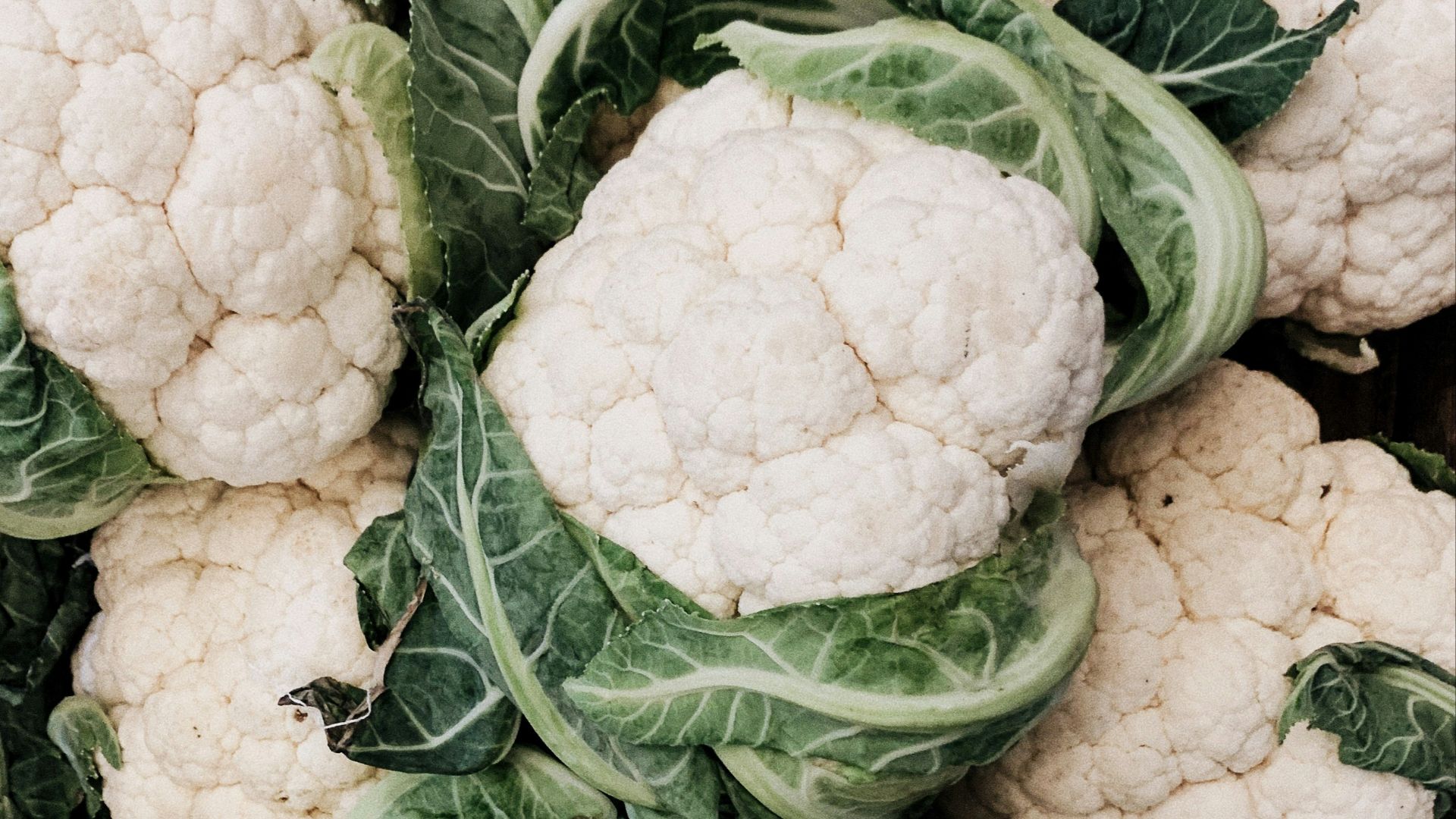
12. Cauliflower
The sister of broccoli, cauliflower is known for being a versatile vegetable that brings the heat when it comes to nutrients. From vitamin C to fiber, folate, and more, this veggie carries it all! You can turn it into so many dishes too, from sides to soups or mashed alternatives.
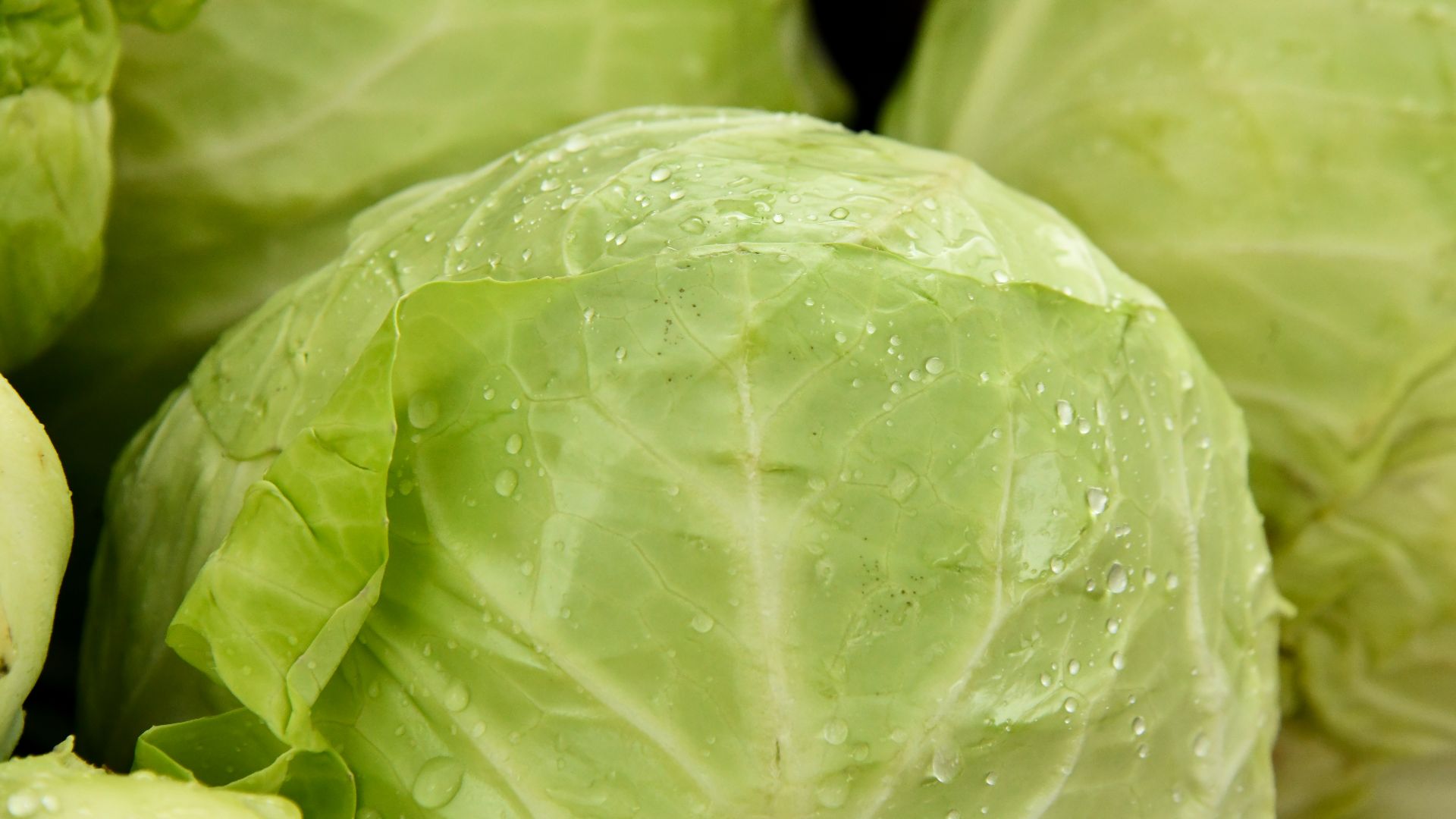
13. Cabbage
Cabbage is affordable, widely available, surprisingly rich in nutrients such as vitamin C, vitamin K, and fiber, and most importantly, underrated. It can be eaten raw in slaws, cooked into soups, or fermented into foods like sauerkraut. It's time to give cabbage its flowers!
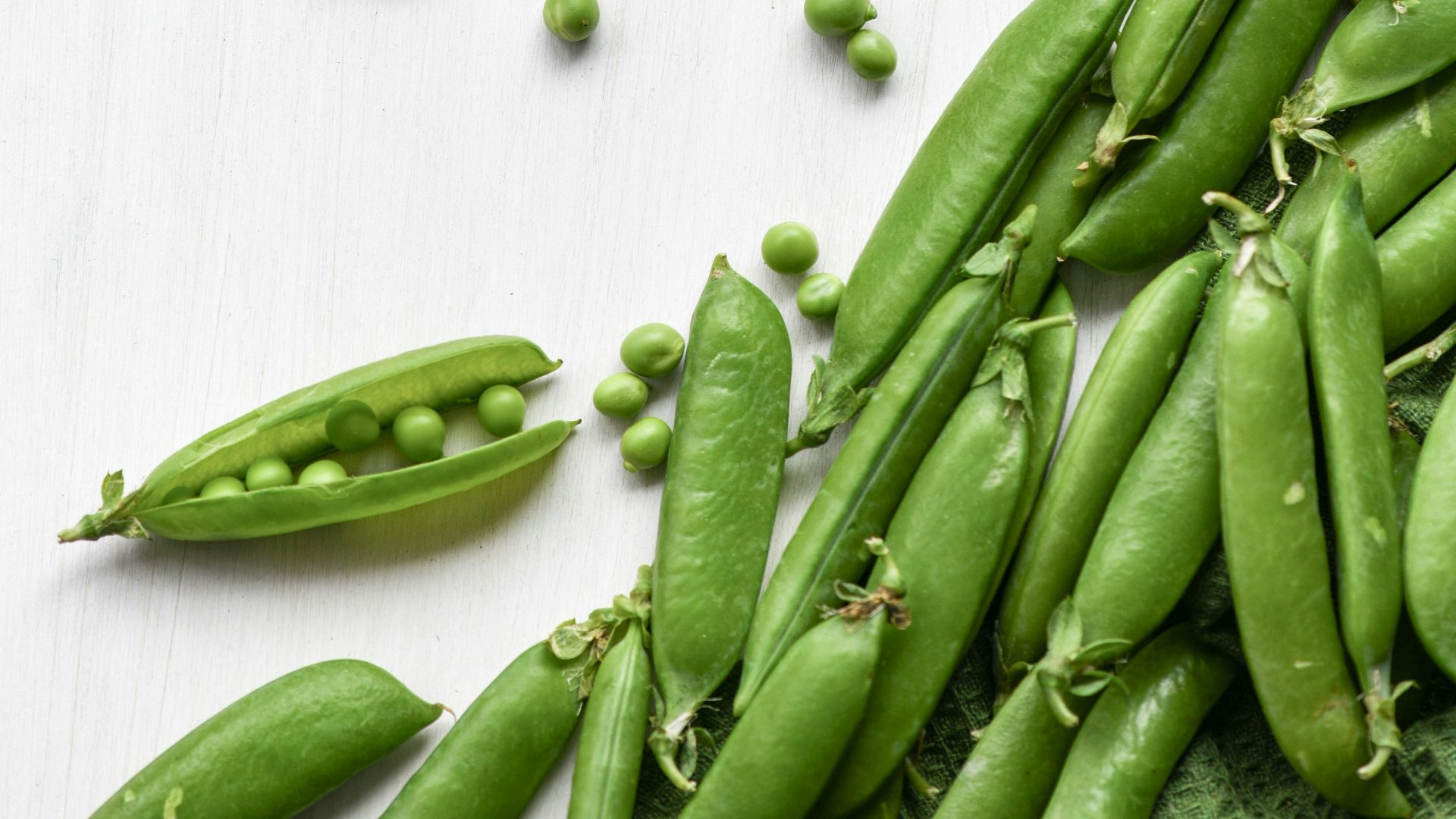
14. Green Peas
Did you know green peas contain more protein than any other vegetable? Not to mention fiber, vitamin K, C, and several B vitamins? It's amazing that they're so naturally sweet and tasty on top of all those great benefits!
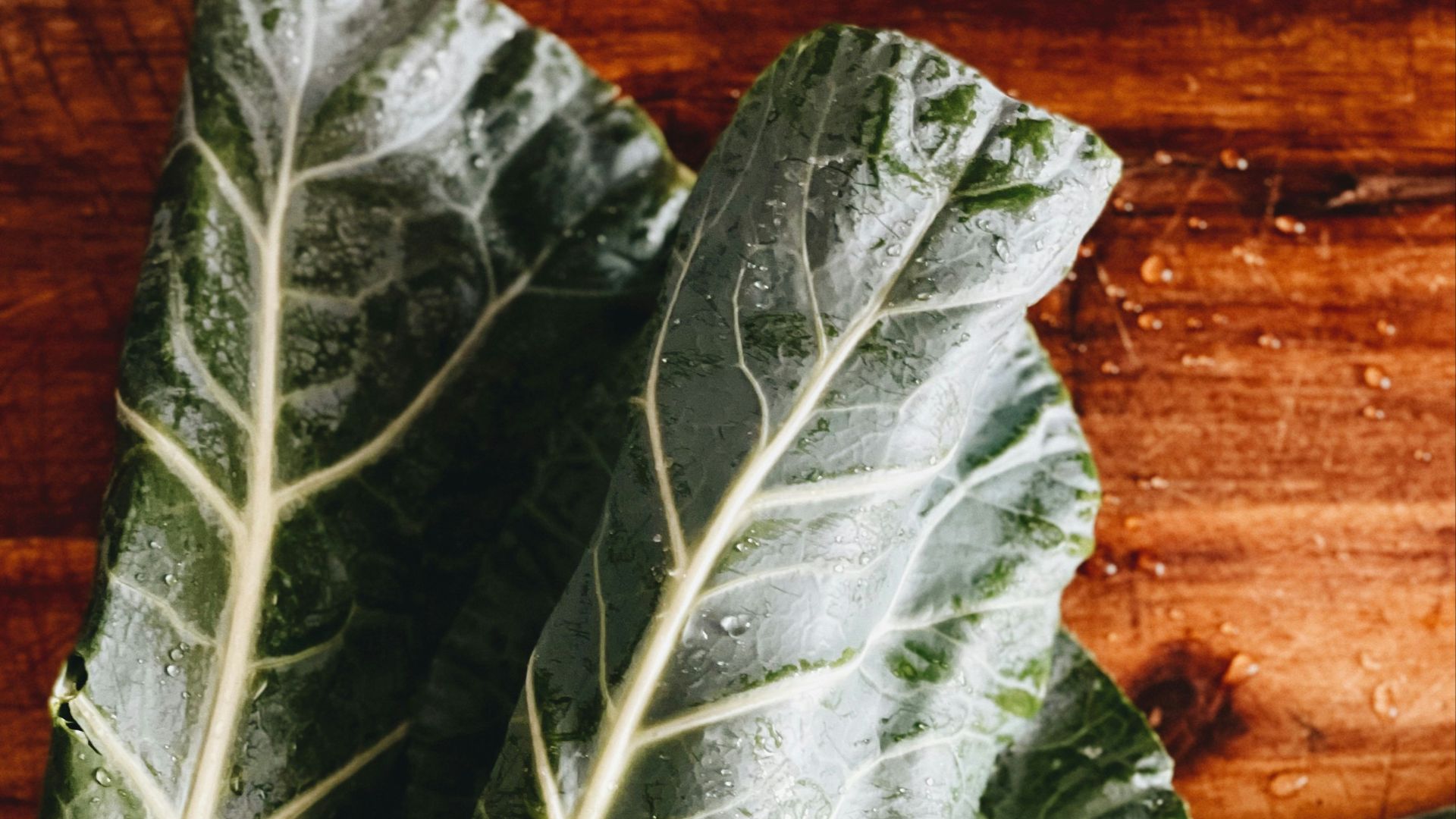
15. Collard Greens
Though you might not cook with collard greens on the regular, you should definitely give them a try when you get the chance. These sturdy, nutrient-rich leaves provide vitamin K, calcium, vitamin A, and fiber, and best of all, they feel hearty and satisfying when added to any dish.
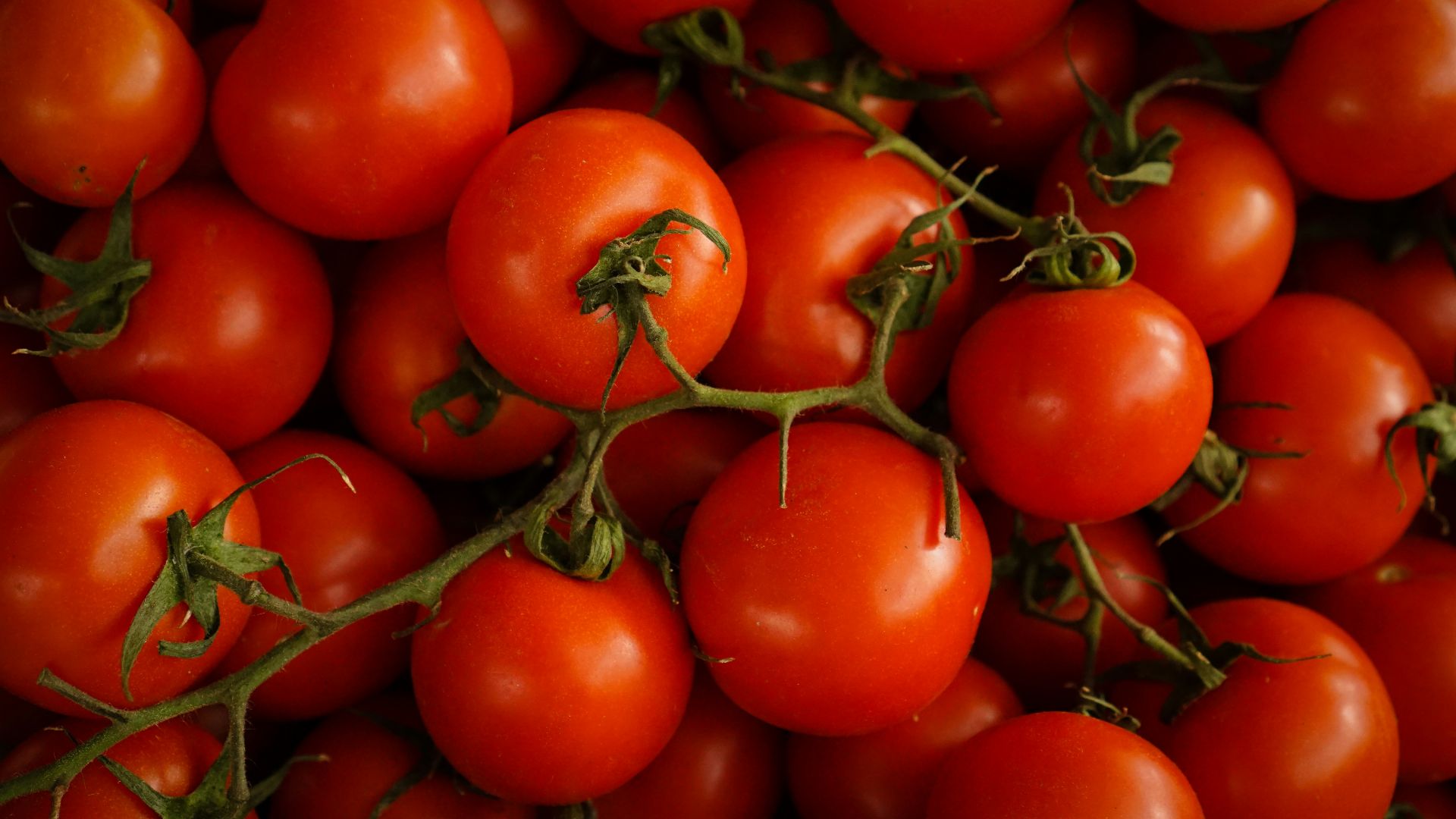
16. Tomatoes
Yes, we know these are biologically considered fruits, but hey, they're basically vegetables in the kitchen! Besides, with such great nutritional value, we couldn't leave them out. Tomatoes contain vitamin C, potassium, folate, and lycopene, a plant compound linked with antioxidant benefits. Whether fresh, roasted, or simmered into sauce, tomatoes bring both nutrition and flavor in a way few can compare.
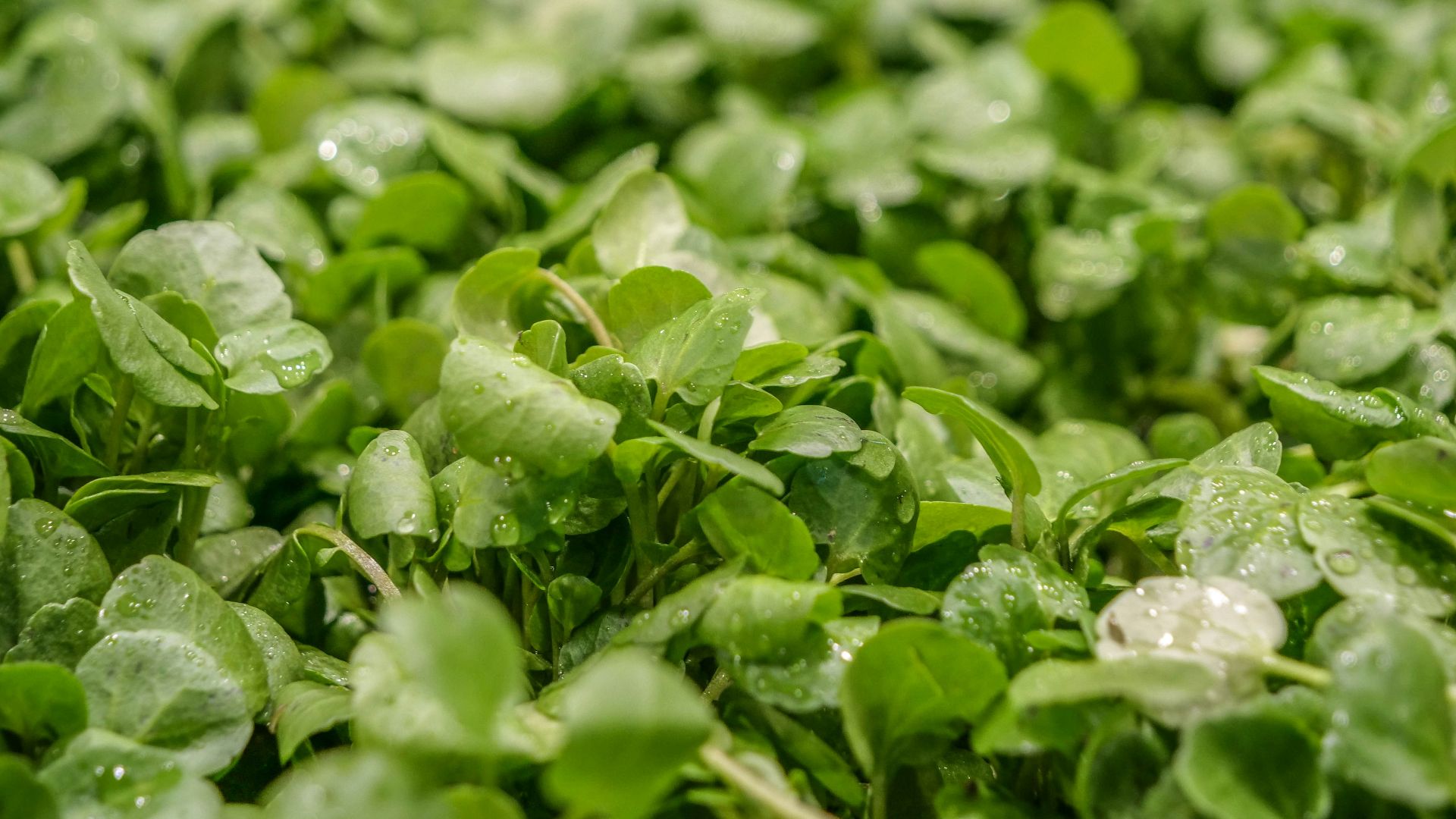
17. Watercress
Watercress is a peppery leafy green that packs a surprising amount of nutrition into delicate leaves. It provides vitamin K, vitamin C, vitamin A, and antioxidant compounds while staying very low in calories. That's why they're a great addition to toss into your salads, sandwiches, soups, or egg dishes if you're on a diet!
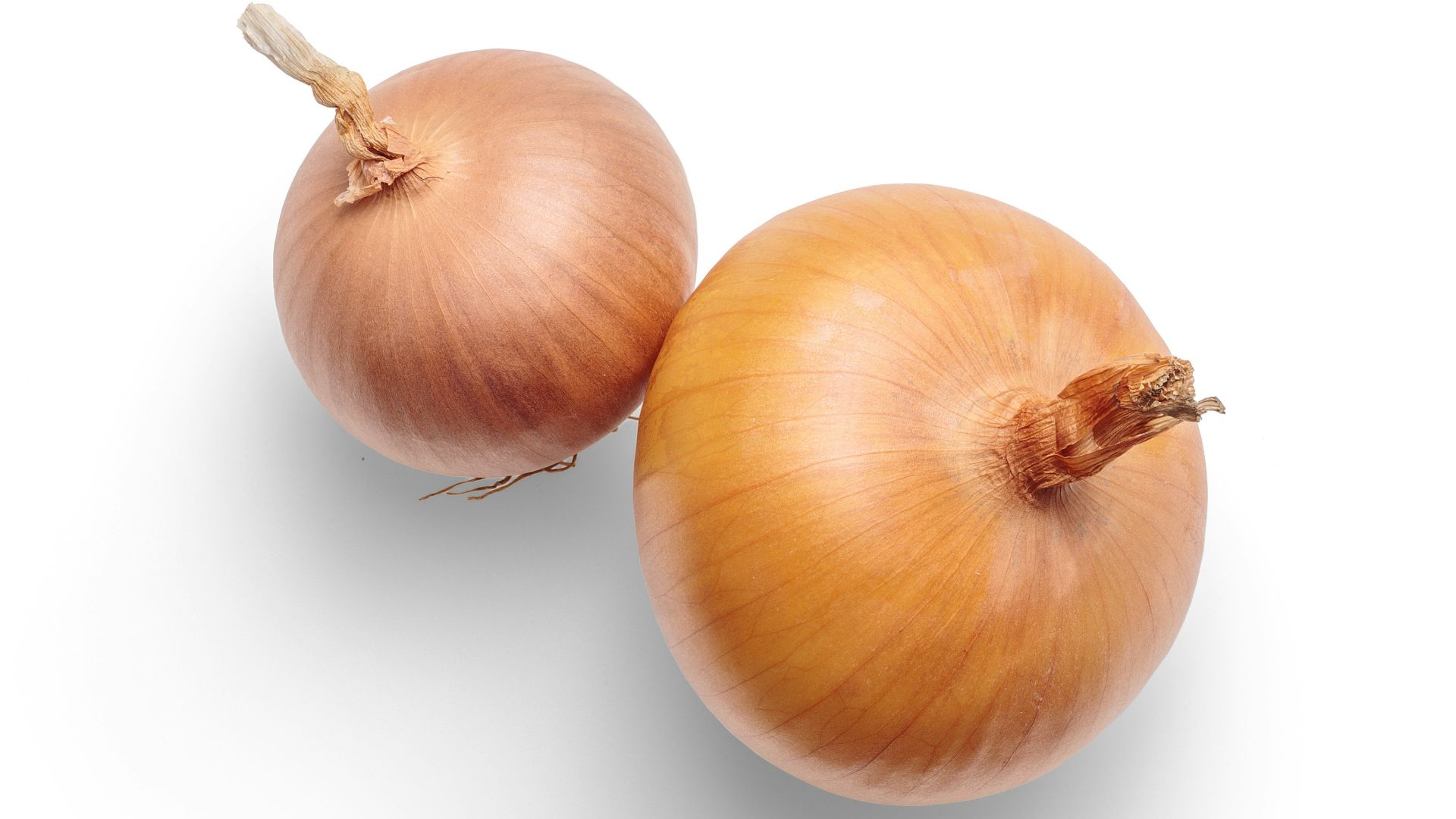
18. Onions
Onions might not be the star of many dishes, but they often feature and bring with them fiber, vitamin C, and important plant compounds. They’re easy to overlook, but they do a lot of quiet work in a healthy diet!
19. Seaweed
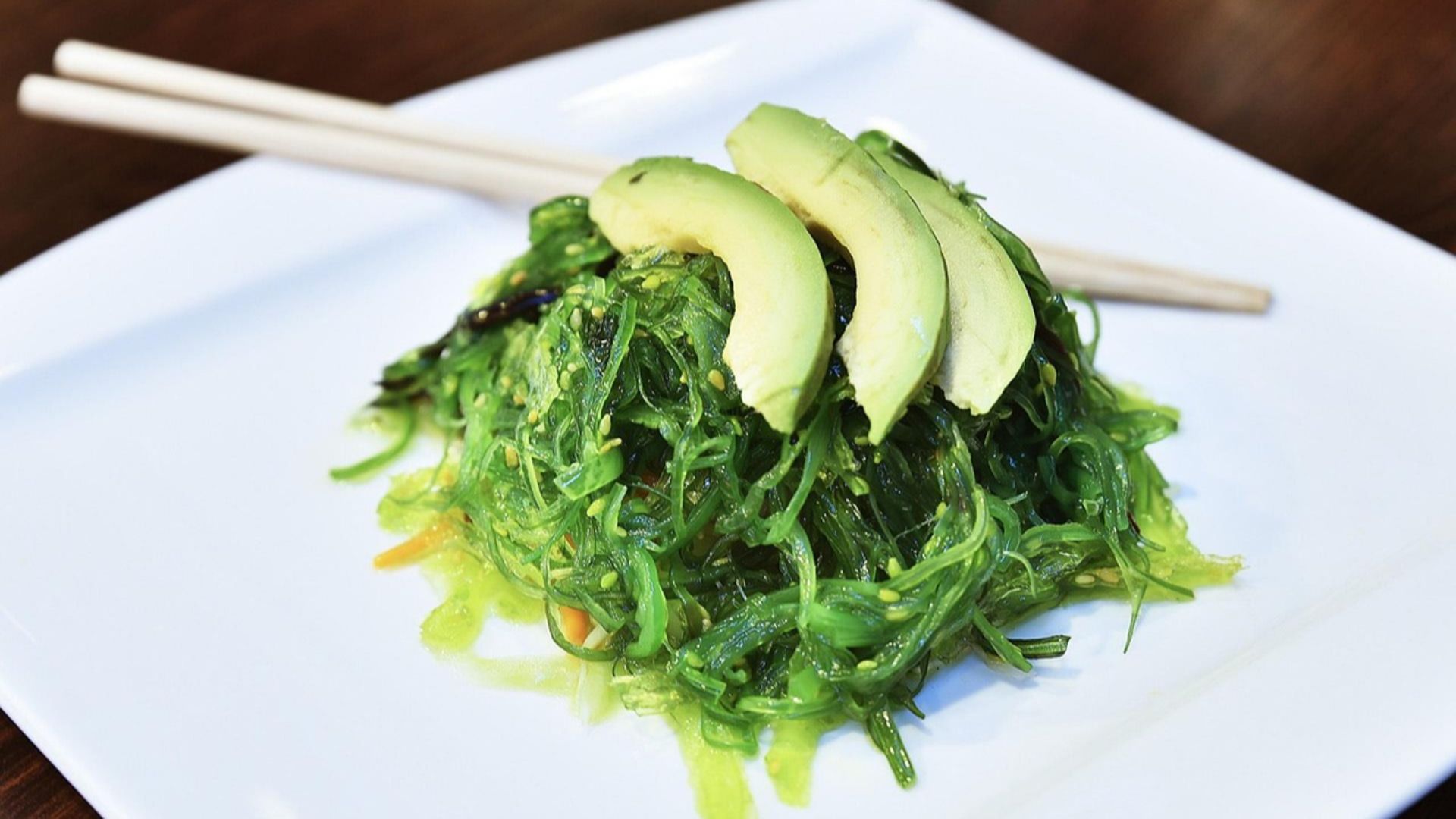
Depending on the type, seaweed can be surprisingly nutritious; they can provide fiber, magnesium, calcium, and more! Nori, wakame, kelp, and dulse each bring different textures and flavors to meals, but because some varieties can be very high in iodine, you need to moderate your intake carefully.
20. Arugula
This leafy green has a peppery kick to it that works great for salads, sandwiches, and grain bowls. It's not just the taste you'll love though, because it comes with a great mix of vitamin K, C, folate, and antioxidants. When you want greens that don’t taste boring (but are still healthy), arugula makes the job easy