
Everyday Inconveniences
Allergens have a sneaky way of turning ordinary routines into sniffly, itchy, or uncomfortable moments. The only thing worse than having them is knowing that when it’s the season for your allergen, there’s no point in even leaving the house sometimes! That said, there is a silver lining: knowing what tends to cause reactions can help you spot patterns sooner and talk with a healthcare provider when needed. Come with us as we explore some of the most common culprits and a few ways to stop symptoms in their tracks.

1. Pollen
In case you were wondering, those allergy commercials weren’t kidding! Pollen is one of the biggest seasonal troublemakers, and it’s everywhere in the spring. Ragweed, oak, birch, Bermuda grass, and Timothy grass are common examples that trigger common symptoms, and you might even notice them worsen after mowing the lawn or leaving windows open.

2. Dust Mites
Dust mites are microscopic pests, but don’t let their size confuse you. They live in soft household items (mattresses, pillows, carpets), and while they don’t bite, their waste can trigger symptoms. Don’t be surprised to experience coughing, itchy eyes, and a stuffy nose.

3. Pet Dander
We love Fido as much as you do, but there’s no denying that pet dander is a problem. It comes from tiny flakes of skin shed by animals, and it can stick to anything from clothing and furniture right down to your carpets. Cats, dogs, rabbits, and guinea pigs can all produce dander, so don’t just assume that “low-shedding” pets won’t cause reactions.

4. Mold
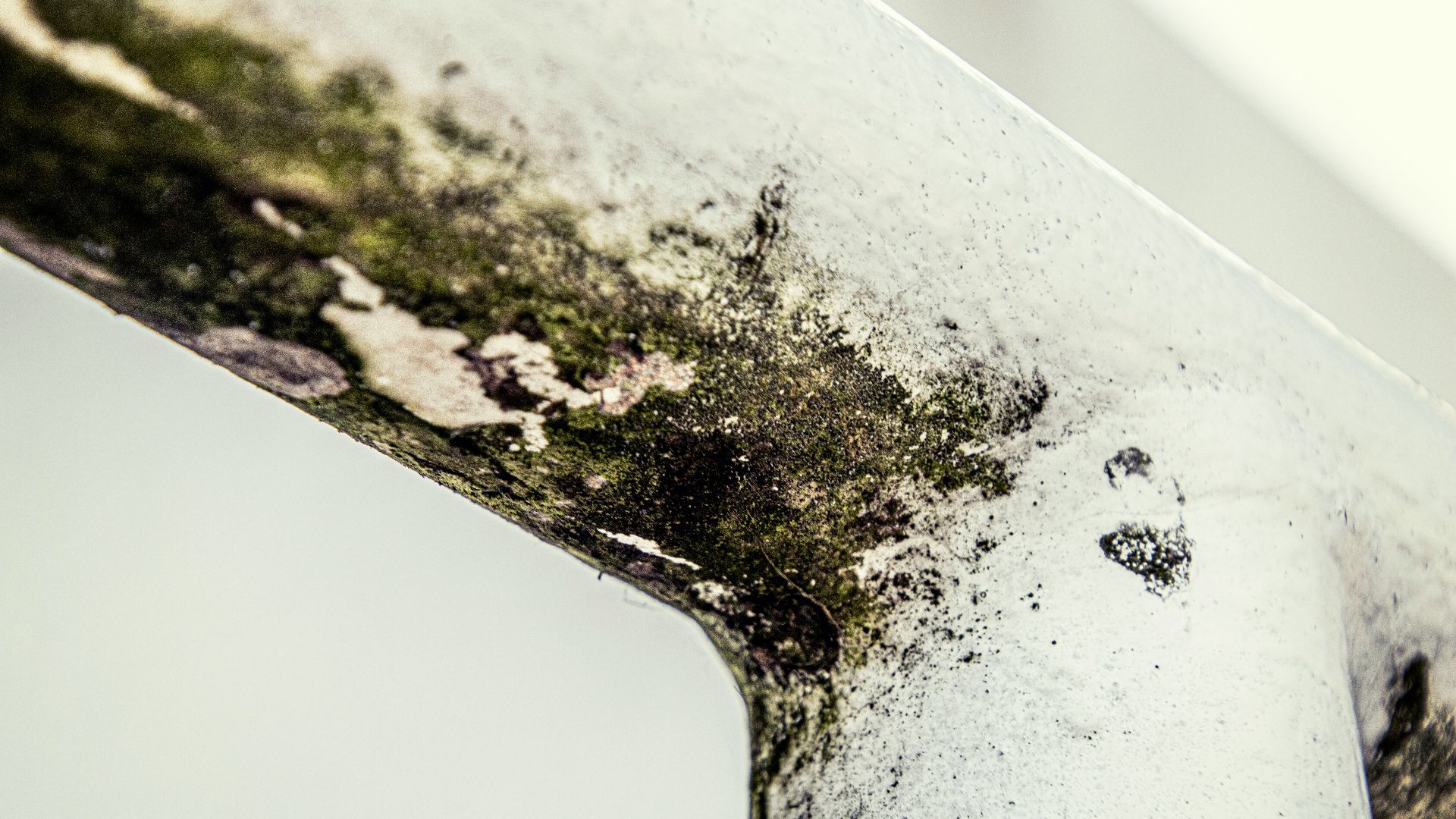
Mold grows in damp places, whether we want it to or not, and you’ll commonly spot it in bathrooms, basements, and window frames. Heck, even piles of wet leaves outside can sprout the stuff. Its spores travel through the air and may cause allergy symptoms when inhaled, particularly in people with asthma or sinus issues.
5. Peanuts
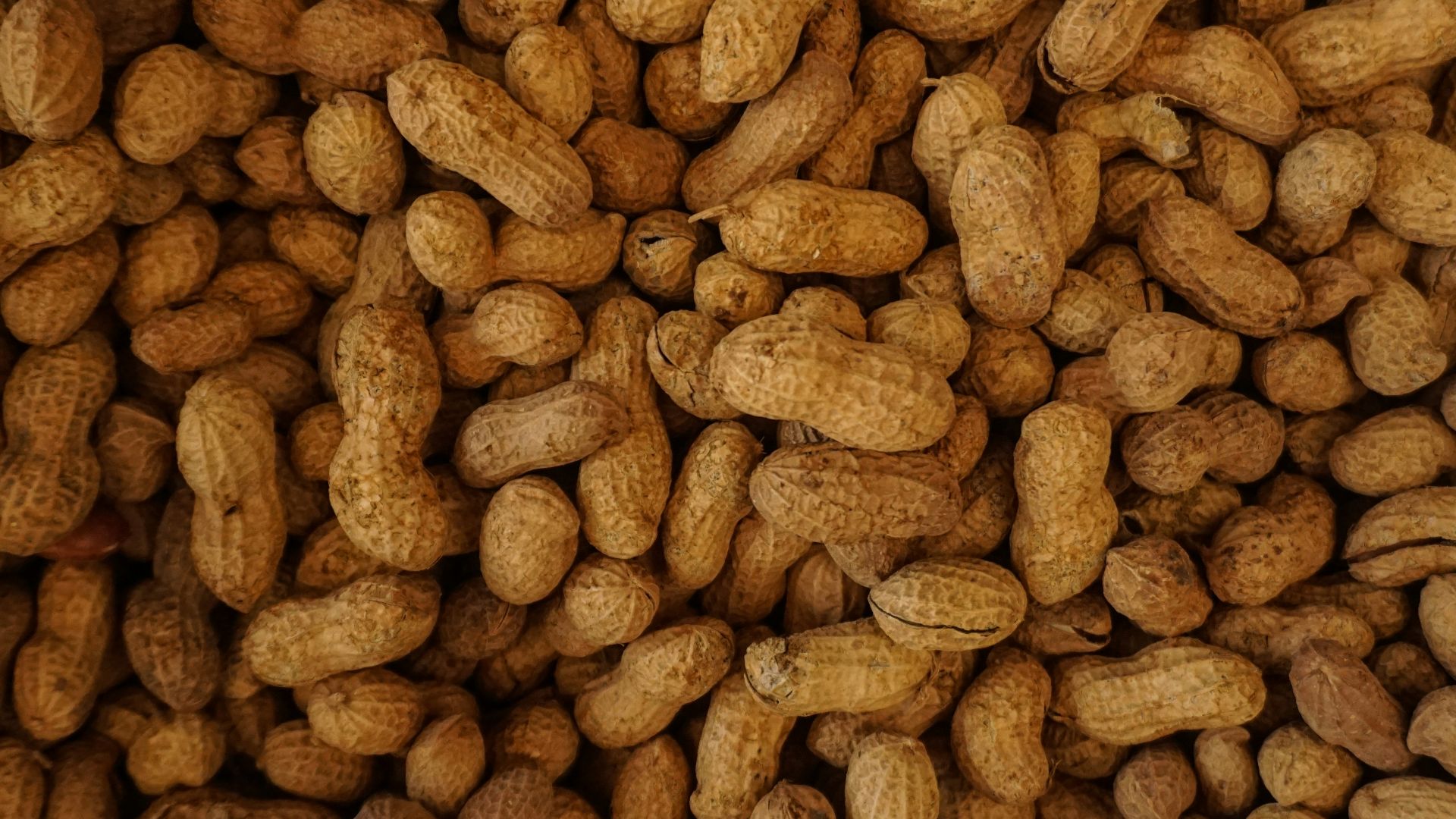
If there was ever a well-known allergen, it’s the humble peanut. They can cause reactions ranging from hives and stomach discomfort to severe, life-threatening anaphylaxis. That means anything like peanut butter, candy, sauces, and some baked goods are common places where peanuts may appear. You also have to worry about cross-contamination.
6. Tree Nuts
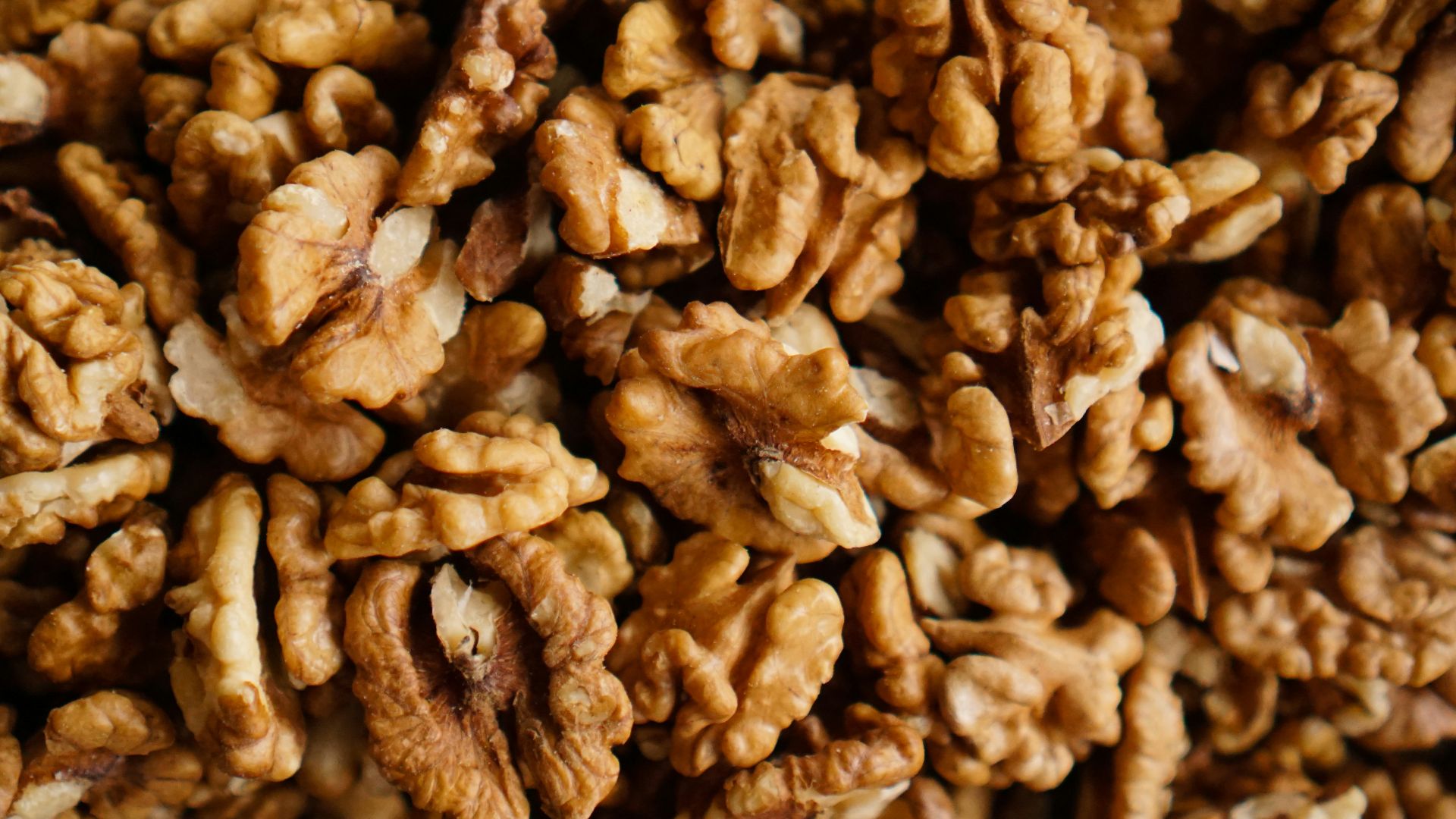
That’s not to say that peanuts are the only suspect. Almonds, walnuts, cashews, pistachios, pecans, hazelnuts, Brazil nuts—they’re all tree nuts that cause symptoms just as severe. A person may react to one tree nut or several, and reactions can be serious enough to require emergency treatment.
7. Milk
Believe it or not, we’re not talking about lactose intolerance here! A milk allergy involves the immune system, not trouble digesting milk sugar. That means cow’s milk, cheese, yogurt, butter, cream, and some baked goods can trigger symptoms, especially in children. Be on the lookout for things like hives, vomiting, swelling, or breathing trouble.

8. Eggs
Egg allergy usually starts in childhood, but make no mistake: adults can have it too. Reactions may happen after eating typical breakfasts, like scrambled eggs, or after ingesting custards, pancakes, or even foods brushed with egg wash.

9. Shellfish
Shellfish allergies commonly involve all the good stuff we take for granted: shrimp, crab, lobster, clams, mussels, oysters, and scallops. The worst thing is that this one can be especially tricky because reactions may occur from eating shellfish or, in some cases, from exposure to cooking steam in seafood-heavy spots.

10. Insect Stings
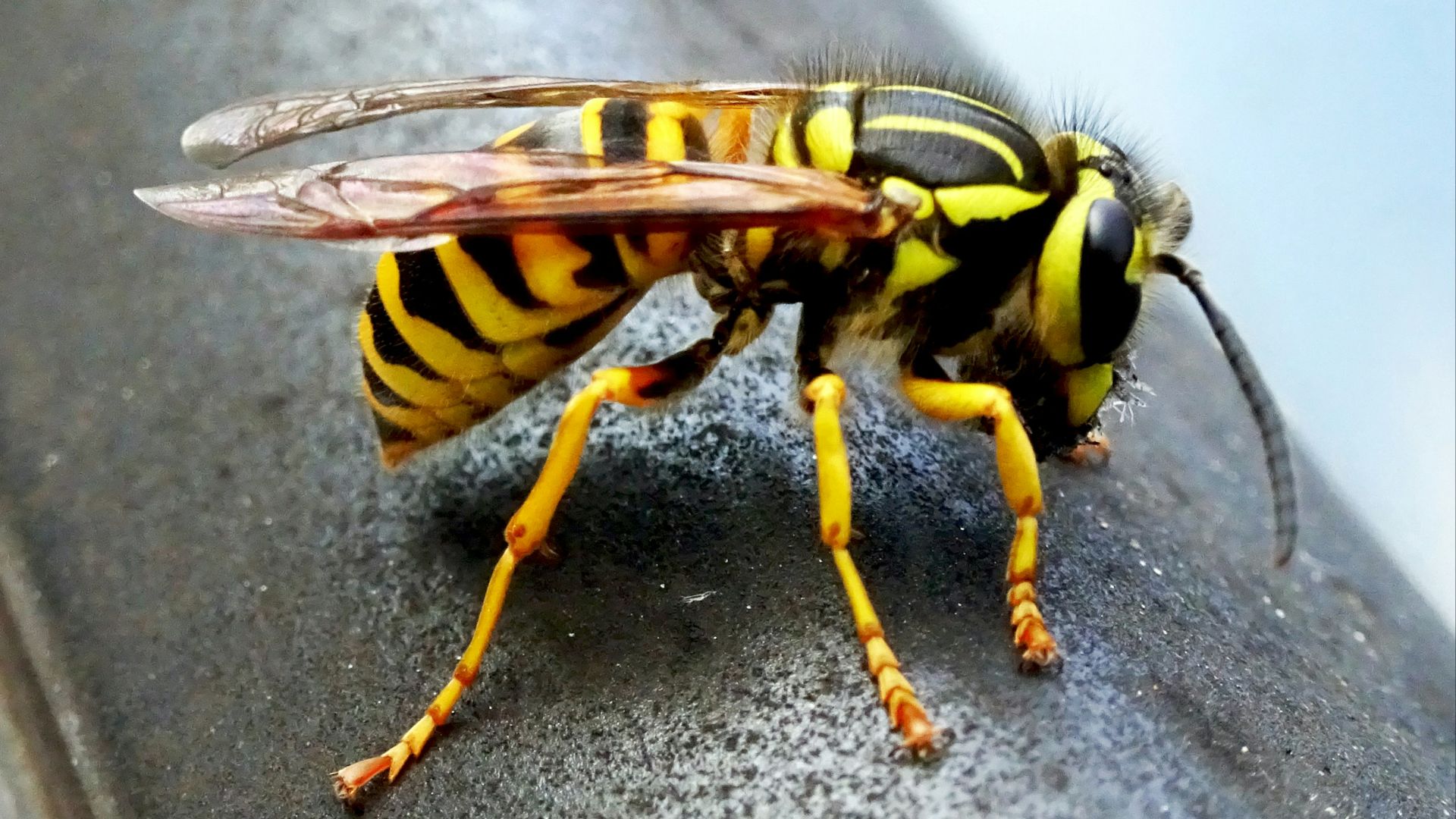
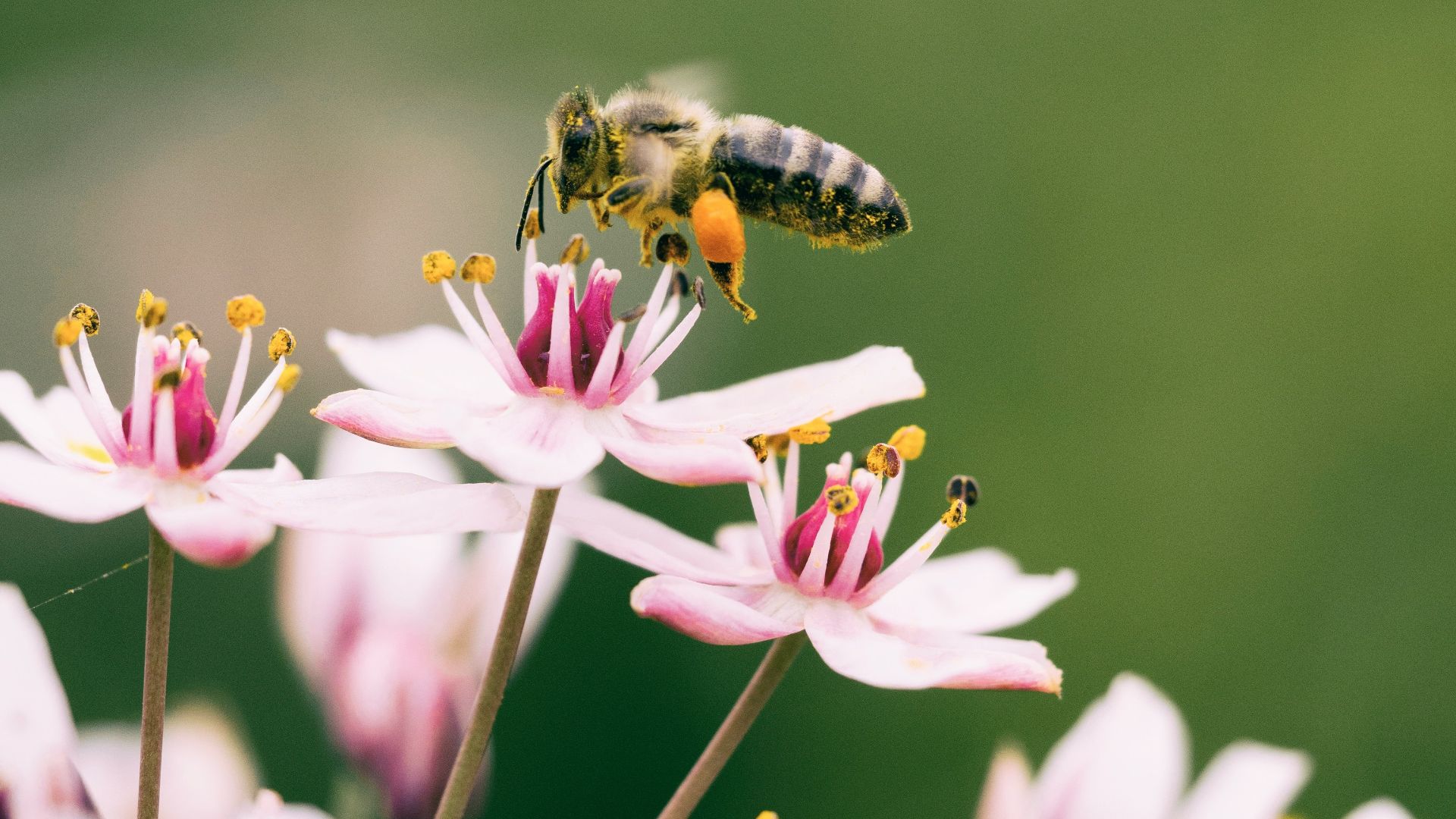
We all know that bee stings are annoying, but for some people, they’re much worse than that. Stings from bees, wasps, yellow jackets, and fire ants can trigger allergic reactions in some people. While mild swelling is common in just about anyone, a true allergy causes widespread hives, throat tightness, dizziness, or trouble breathing.
It seems hopeless, but the good news is that many of the most common allergens can be managed with smarter habits and a little planning. Let’s dive into a few ways you can protect yourself.
1. Prevent Pollen From Following You
Pollen almost looks picturesque when it tumbles to the ground, but those little fluffy bits can cling to anything: your hair, shoes, jacket, and even your dog’s fur (talk about a double whammy). When pollen counts are high, you need to be vigilant. Change clothes after yard work. Rinse your hair before bed. Keep windows closed if possible. Let that stuff stay outside!

2. Be Tough On Dust Mites
As discussed, dust mites love the soft stuff we rely on for rest. Though it’s a little annoying, that means washing sheets and pillowcases in hot water weekly and using allergen-proof covers. If things are especially bad, you can also consider removing heavy curtains or extra carpeting if symptoms pester you at night.
 byMATTER MADE BETTER on Unsplash
3. Reduce Pet Dander
Your poor pets can’t control how much they shed, so there’s no use in pointing fingers! That being said, we also know that dander can float through the air and settle into couches and carpets, so you’ll need to pay special attention. If needs be, keep pets out of the bedroom and make sure you wash their bedding often. Washing your hands and changing shirts can also save you some misery—especially if you can’t resist a good cuddle session.

4. Control Moisture
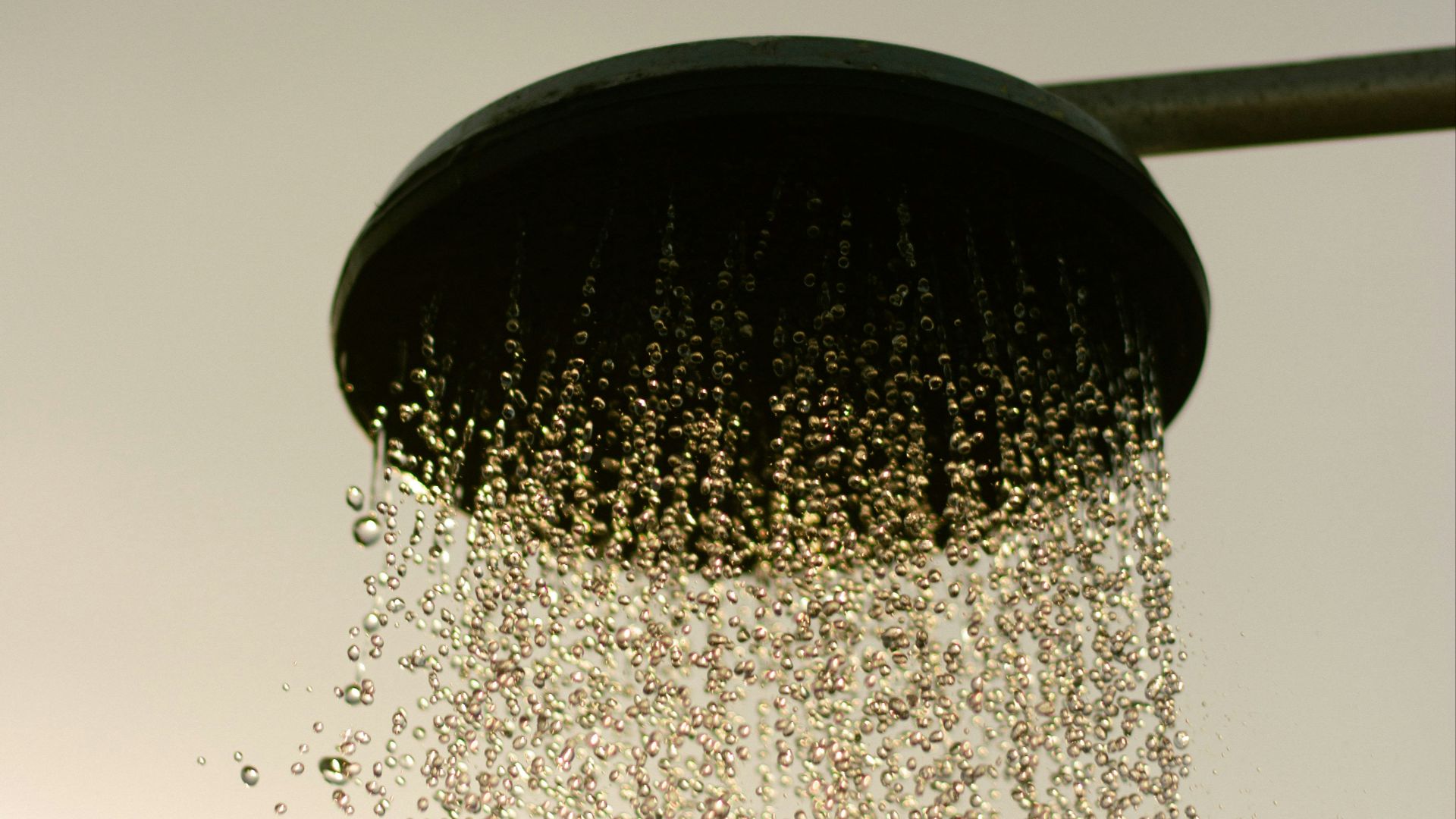
Mold loves damp spots, so a little home improvement may be necessary to protect you! Fix plumbing leaks as soon as they happen, run a fan after showers, and use a dehumidifier in musty areas. Keep an eye out for mold on tile grout, too; cleaning it up is better than hoping it goes away.
5. Take Food Labels Seriously
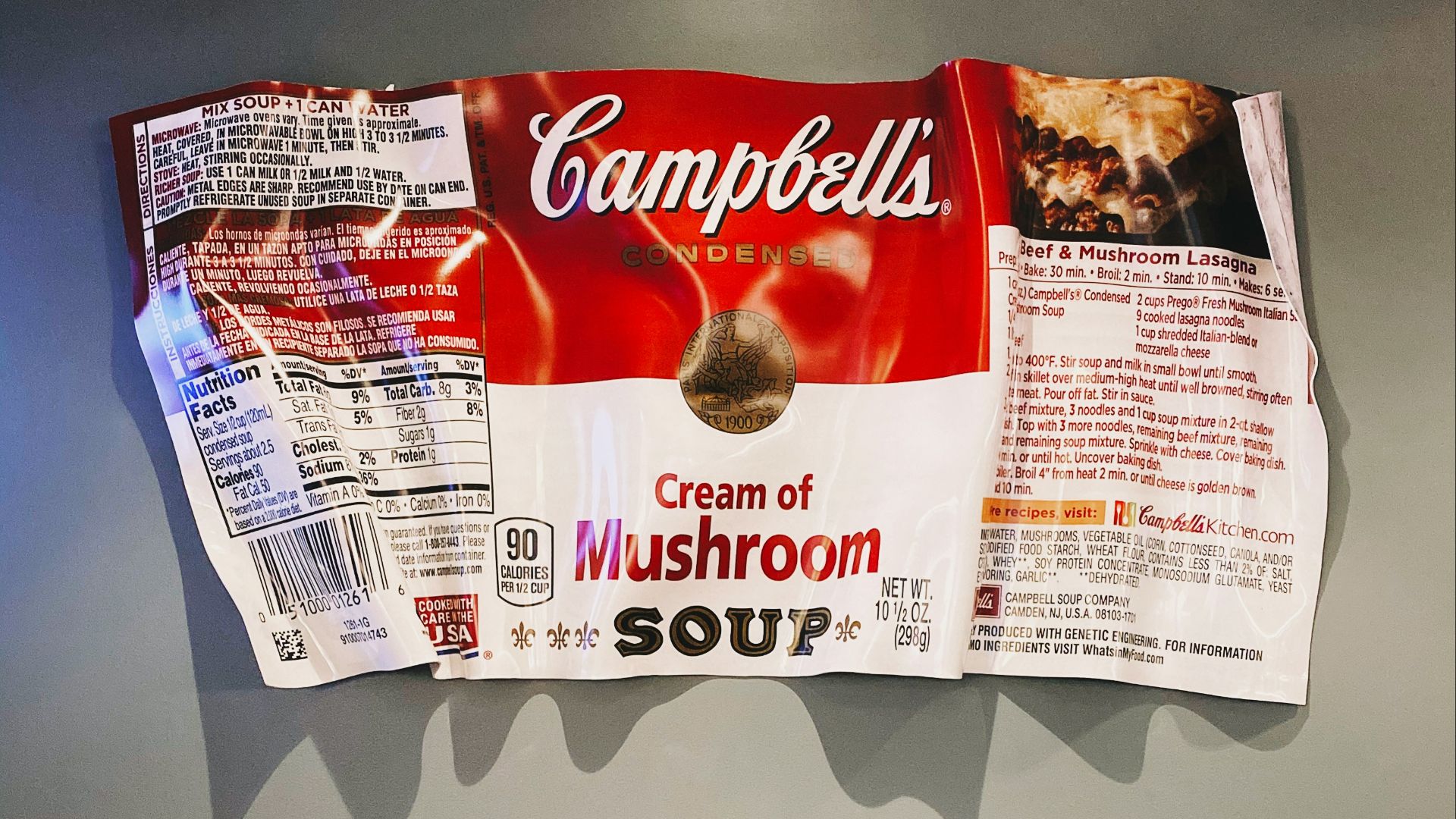
Peanuts can hide in all sorts of things, so the unfortunate truth is that you need to be aware of labels on candy, cookies, sauces, protein snacks—you name it. Read those labels every time, even on foods you’ve bought before; recipes can change, and it’s not like they always announce themselves.
6. Be Extra Clear About Tree Nuts
“Nut-free” can mean different things, so be extra clear about what you’re allergic to, and don’t be afraid to ask questions in restaurants. If your doctor has prescribed an EpiPen for reactions, it’s also crucial that you keep it with you rather than tucked away in a drawer at home.

7. Watch For Milk In Foods
Much like peanuts, milk can pop up in places you never expected to see it! Look for milk-based ingredients in typical stuff like cream soups and mashed potatoes, but stay on your toes about baked goods and processed meats, too. Do yourself an additional favor and also scan labels for casein, whey, milk solids, and butterfat.

8. Learn How to Spot Eggs
Eggs are obvious at the breakfast table, but they’re also common in muffins, meatballs, breaded foods, and even a few salad dressings. Before ordering anything, ask whether eggs were used in its preparation. You can also protect yourself at home by keeping egg-free substitutes on hand.

9. Be Careful Around Shellfish
Since seafood restaurants may use shared grills and prep surfaces, cross-contact can be a real concern if you battle shellfish allergies. It can usually be remedied by letting the staff know about your allergy—and turning your back on a place that can’t explain how they separate shellfish from other foods.

10. Prepare For Stings Before They Happen
Insect bites are a real pain, but that doesn’t mean you’re without options! Wear shoes outside. Keep those drinks covered at picnics. Most importantly, stay calm if a stinger gets close. Anyone with a history of reactions should also follow their allergist’s plan and always carry prescribed emergency medication.
KEEP ON READING