20 Foods That May Help Reduce Inflammation in Aging Joints
Food Can Support the Joints You Use Every Day
Aging joints can get stiff, sore, and a little dramatic, especially after years of walking, lifting, gardening, and commuting. Food won’t magically rebuild cartilage or replace medical treatment, but it can support a healthier inflammatory balance in the body. Many anti-inflammatory eating patterns focus on colorful produce, healthy fats, beans, whole grains, nuts, and fish. Here are 20 foods that might help fight inflammation in aging joints.

1. Salmon
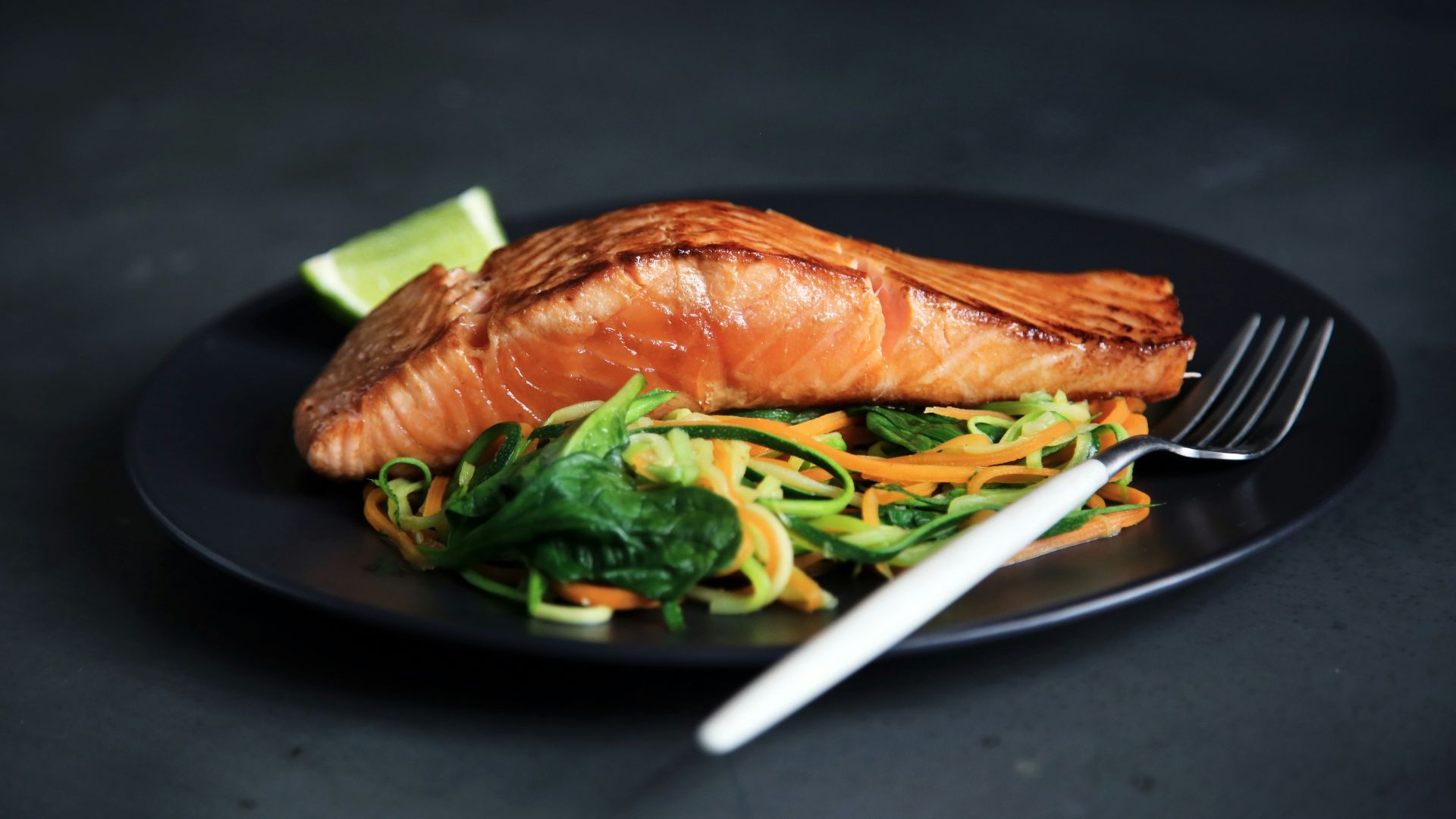
Salmon is one of the best-known foods for supporting joint health because it’s rich in omega-3 fatty acids. These healthy fats are often discussed for their anti-inflammatory effects, which may be useful for people dealing with stiff or achy joints. Salmon also provides protein, which supports the muscles that help stabilize your joints.
2. Sardines
Sardines are small, affordable, and surprisingly useful for aging joints. They provide omega-3 fats, protein, vitamin D, and calcium if you eat the soft bones. That combination supports muscles and bones, which matters when you want your joints to feel as cooperative as possible.
 S O C I A L . C U T on Unsplash
3. Extra-Virgin Olive Oil
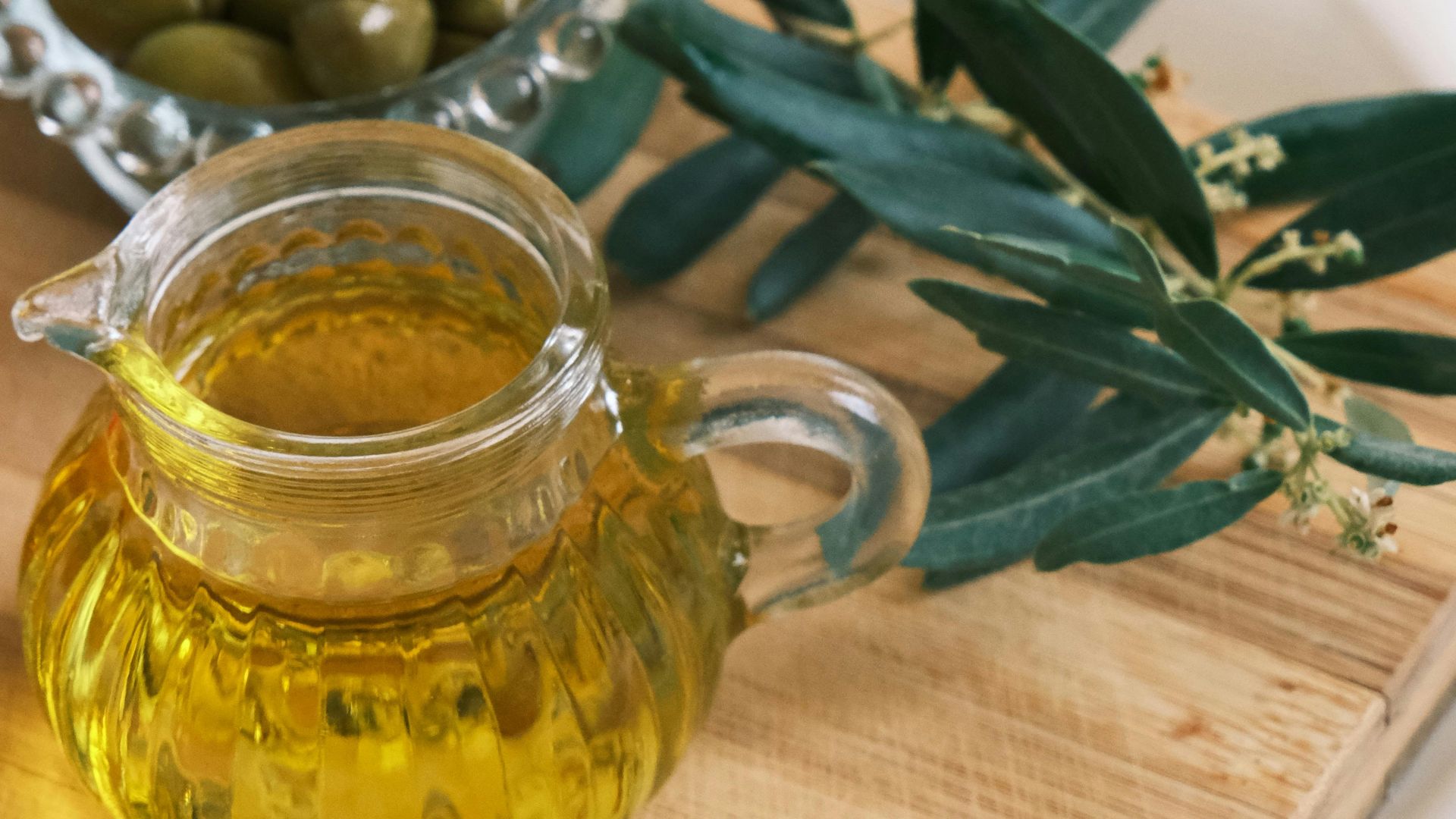
Extra-virgin olive oil is a staple of Mediterranean-style eating, which is often recommended for inflammation-conscious diets. It contains monounsaturated fats and plant compounds that make it a smarter choice than many heavily processed fats.
4. Blueberries
Blueberries are rich in antioxidants and colorful plant compounds that fit beautifully into an anti-inflammatory eating pattern. They’re easy to add to oatmeal, yogurt, smoothies, or salads without much preparation. Their natural sweetness also helps satisfy a craving without leaning on sugary desserts.

5. Cherries
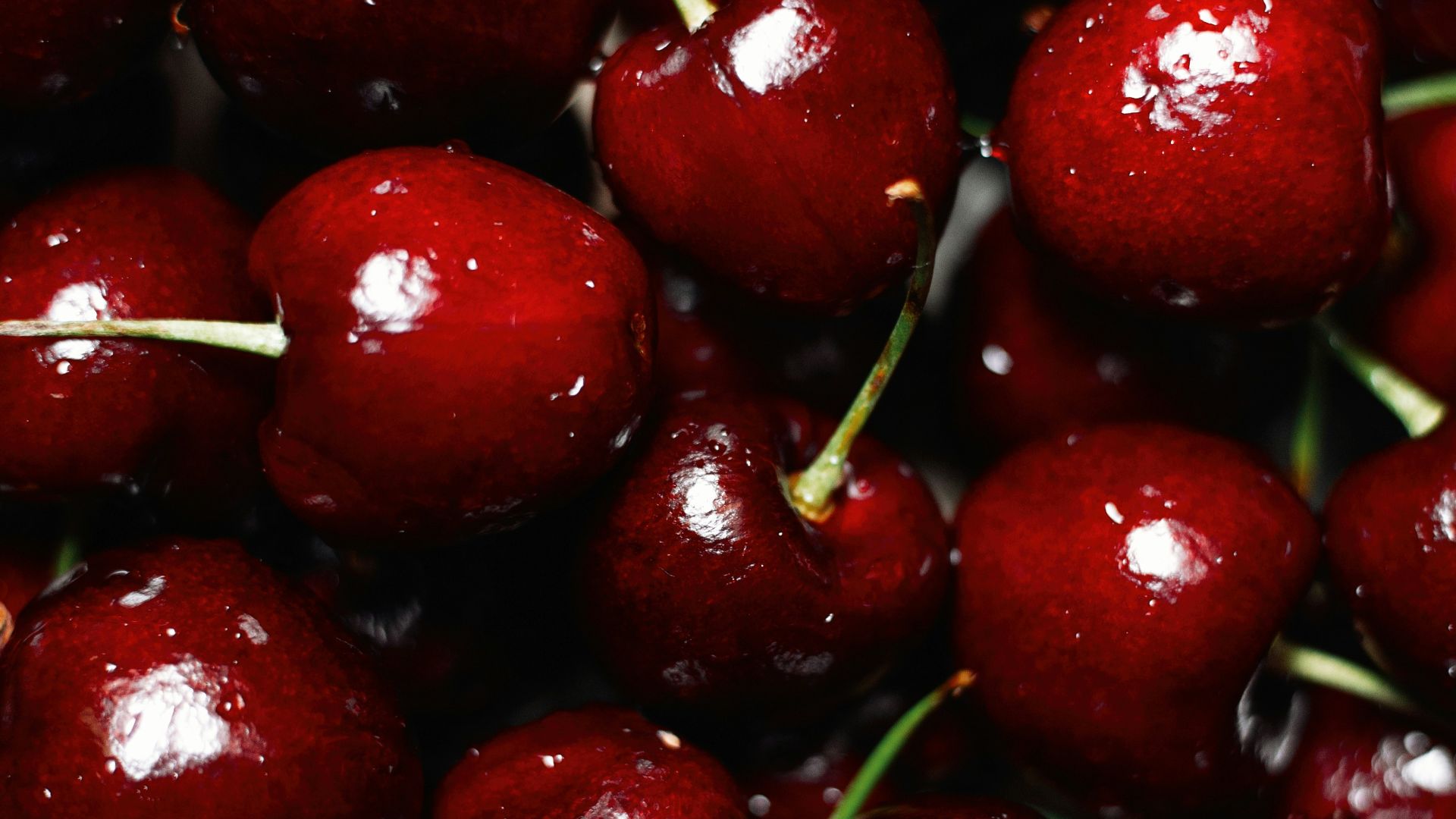
Cherries are often associated with inflammation support because of their deep color and antioxidant content. Tart cherries, in particular, are commonly discussed in relation to soreness and recovery, though they’re not a cure for joint problems. Fresh or frozen cherries can make breakfast or snacks feel a little more special.
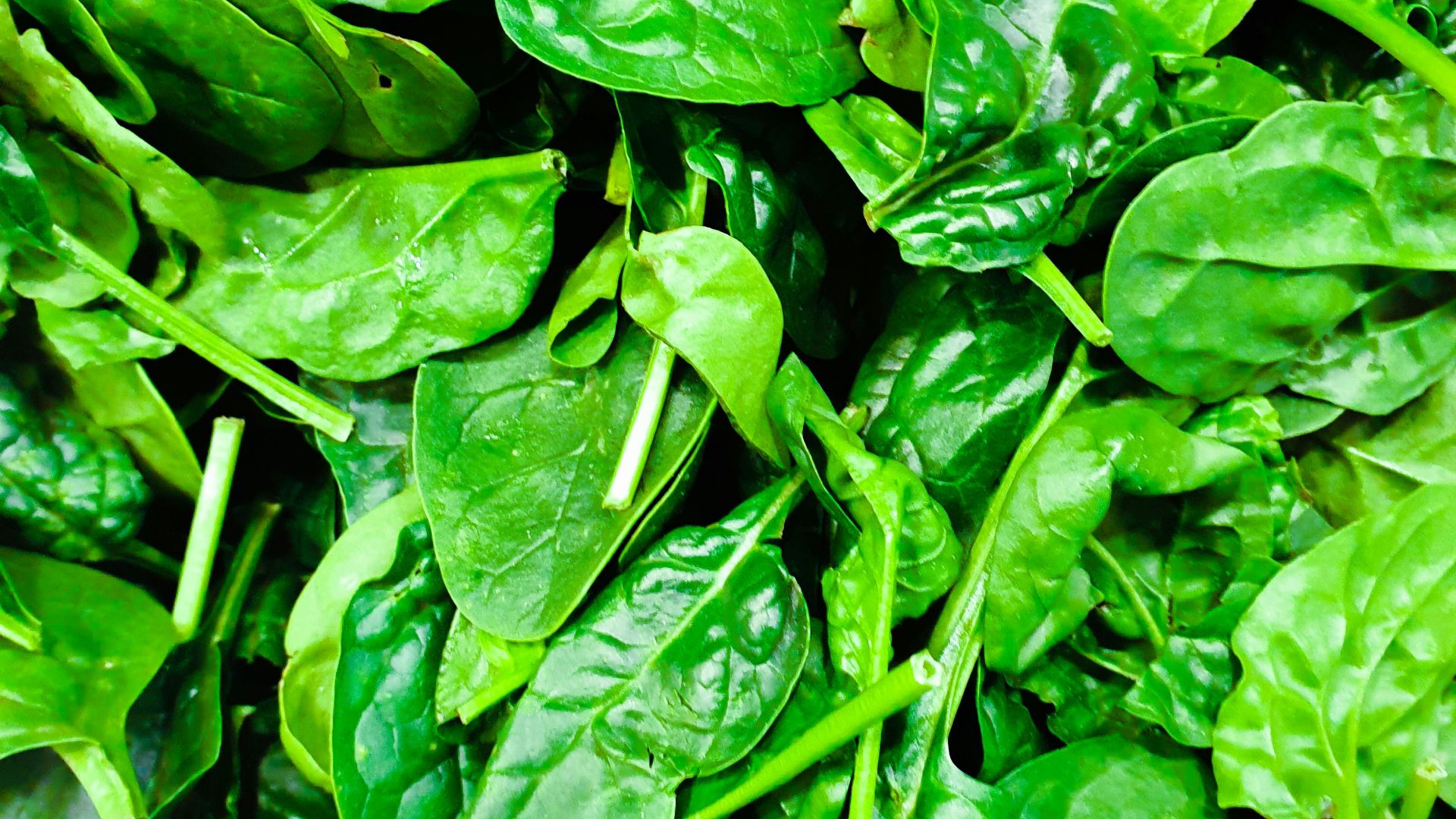
6. Spinach
Spinach brings vitamins, minerals, fiber, and antioxidants to the table with very little fuss. Leafy greens like spinach are frequently included in anti-inflammatory eating recommendations. You can use it raw in salads and smoothies, wilt it into soups, or stir it into eggs and pasta.
 Shutter Sphere Collective on Unsplash
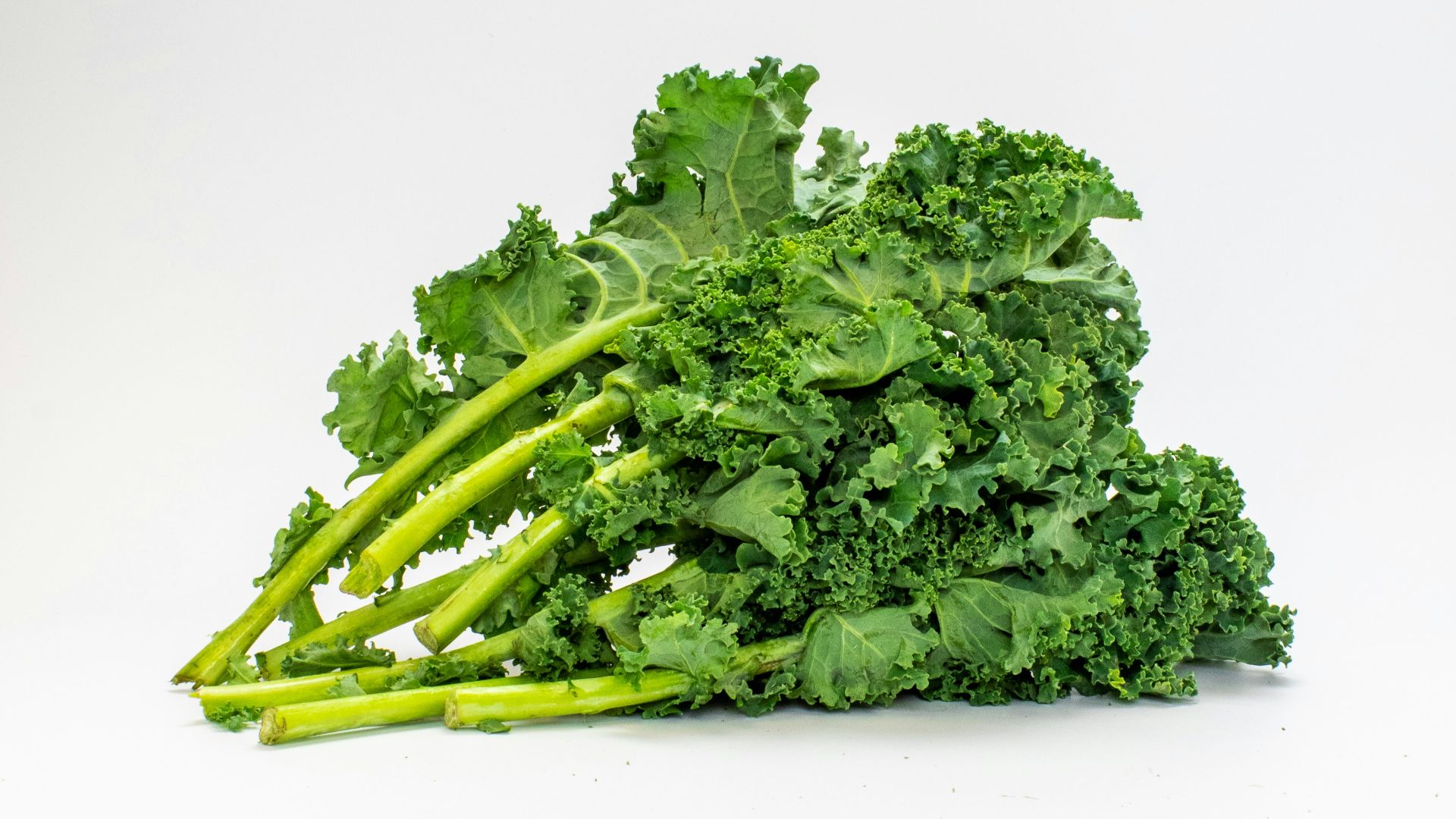
7. Kale
Kale may have been overhyped for a while, but it still earns its place here. It provides vitamin K, vitamin C, fiber, and plant compounds that support overall health. For aging joints, the goal is less about chasing one magic nutrient and more about eating a steady variety of supportive foods.
 Katherine Jenswold on Unsplash
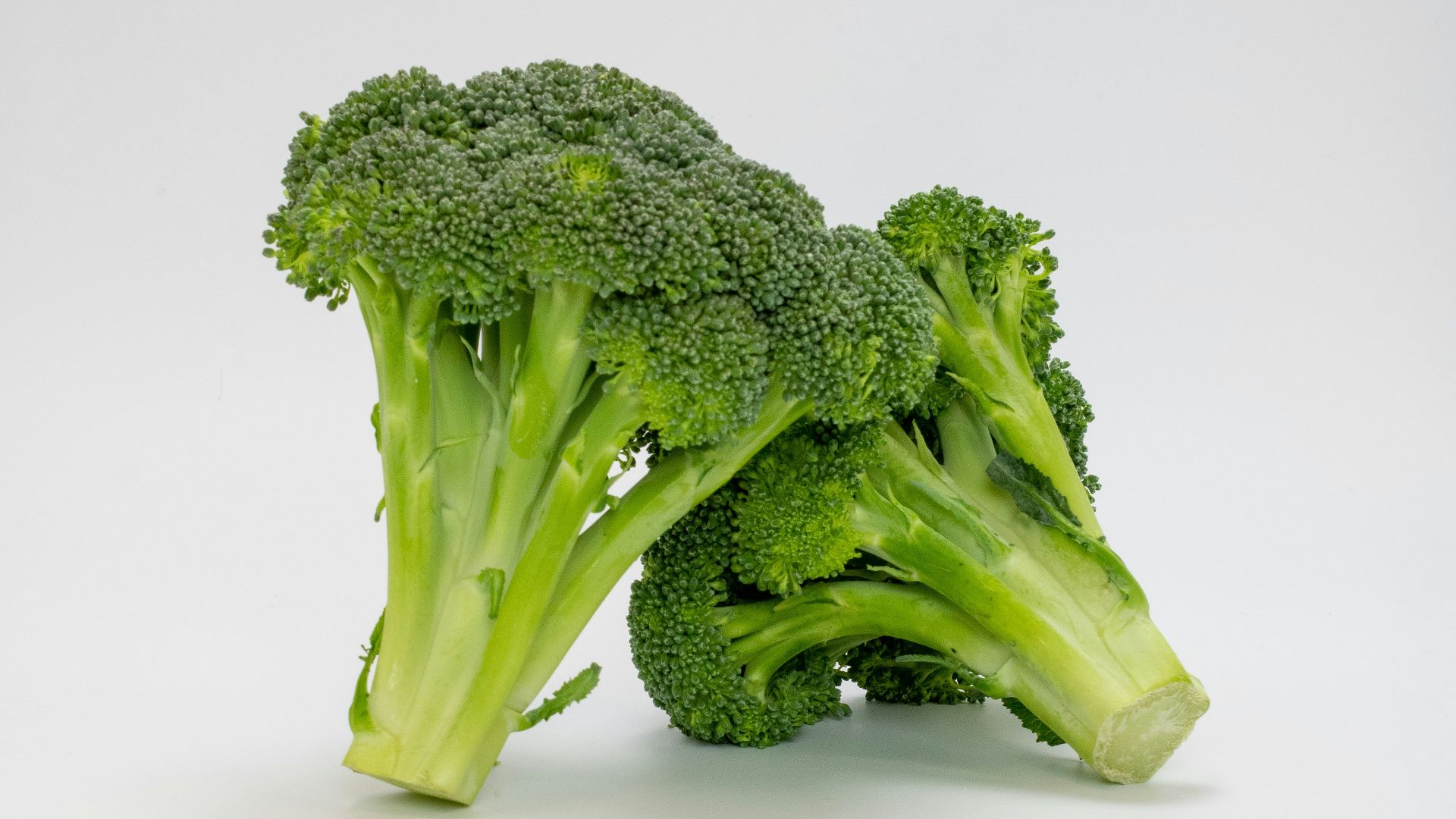
8. Broccoli
Broccoli is a smart choice because it offers vitamin C, fiber, and compounds found in cruciferous vegetables. Vitamin C supports collagen formation, which matters for connective tissues. It also works well roasted, steamed, stir-fried, or tossed into soups.
 Katherine Jenswold on Unsplash
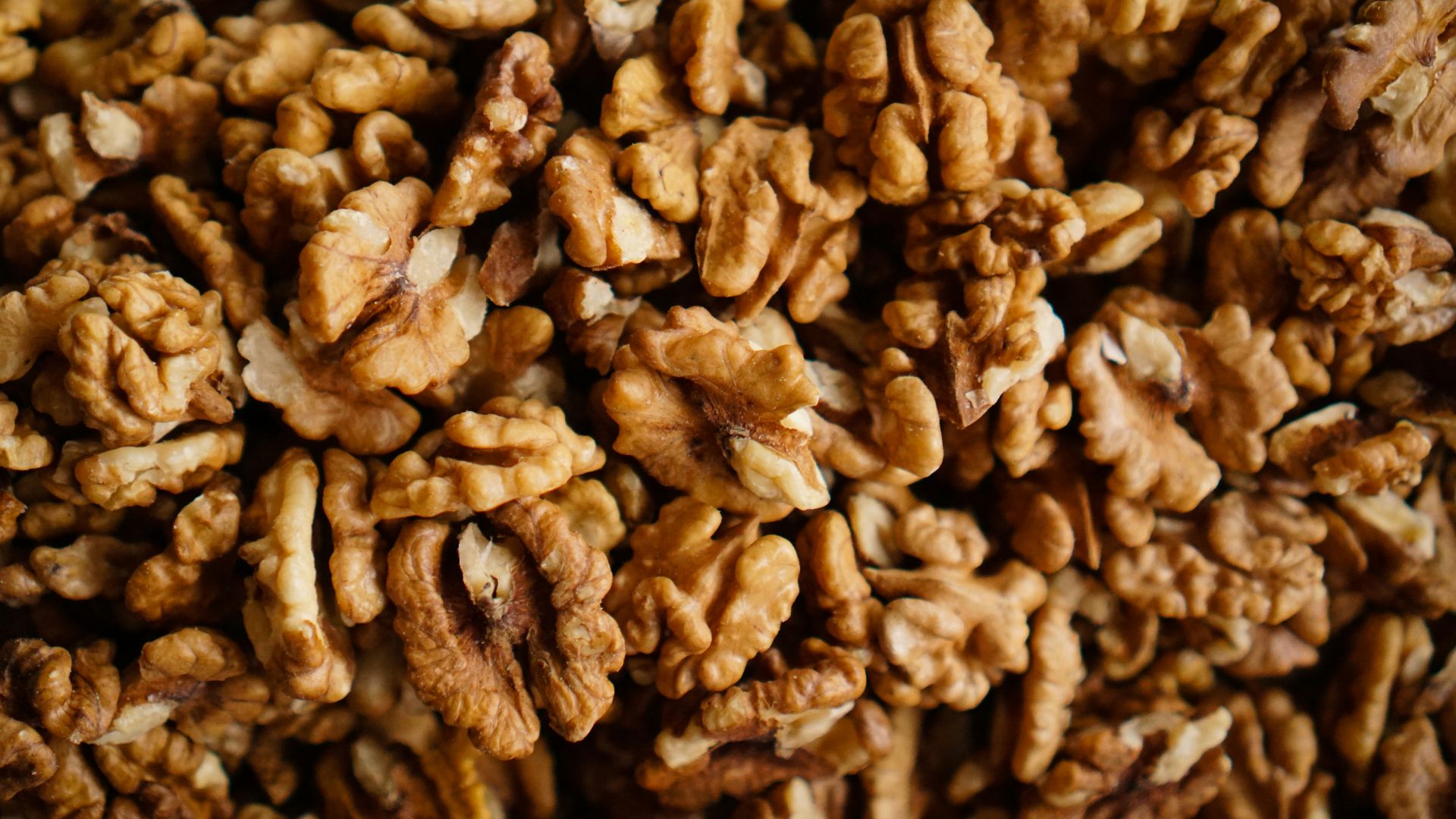
9. Walnuts
Walnuts contain plant-based omega-3 fats, fiber, magnesium, and antioxidants. They’re easy to sprinkle over oatmeal, yogurt, salads, or roasted vegetables. Nuts are calorie-dense, so a small handful is usually enough to add richness and crunch.
10. Almonds
Almonds bring healthy fats, vitamin E, magnesium, and a satisfying crunch. Vitamin E acts as an antioxidant, and almonds fit well into many anti-inflammatory eating patterns. They work as a snack, but they’re also excellent sliced over vegetables or blended into sauces.

11. Beans
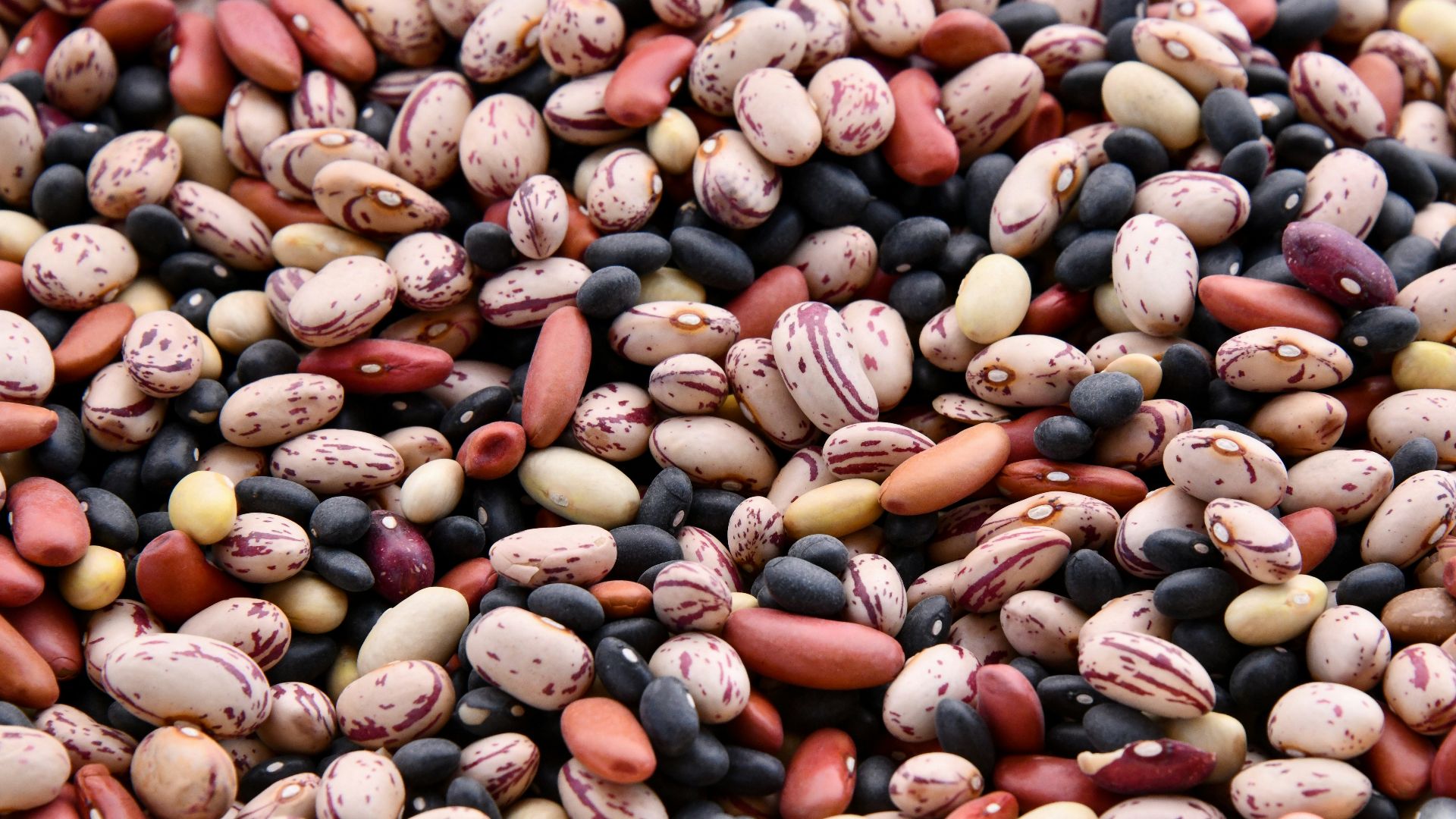
Beans are budget-friendly, filling, and rich in fiber and plant protein. Fiber supports gut health, and a healthier gut environment may play a role in overall inflammation balance. Black beans, kidney beans, cannellini beans, and pinto beans can all work in soups, bowls, salads, and stews.
12. Lentils
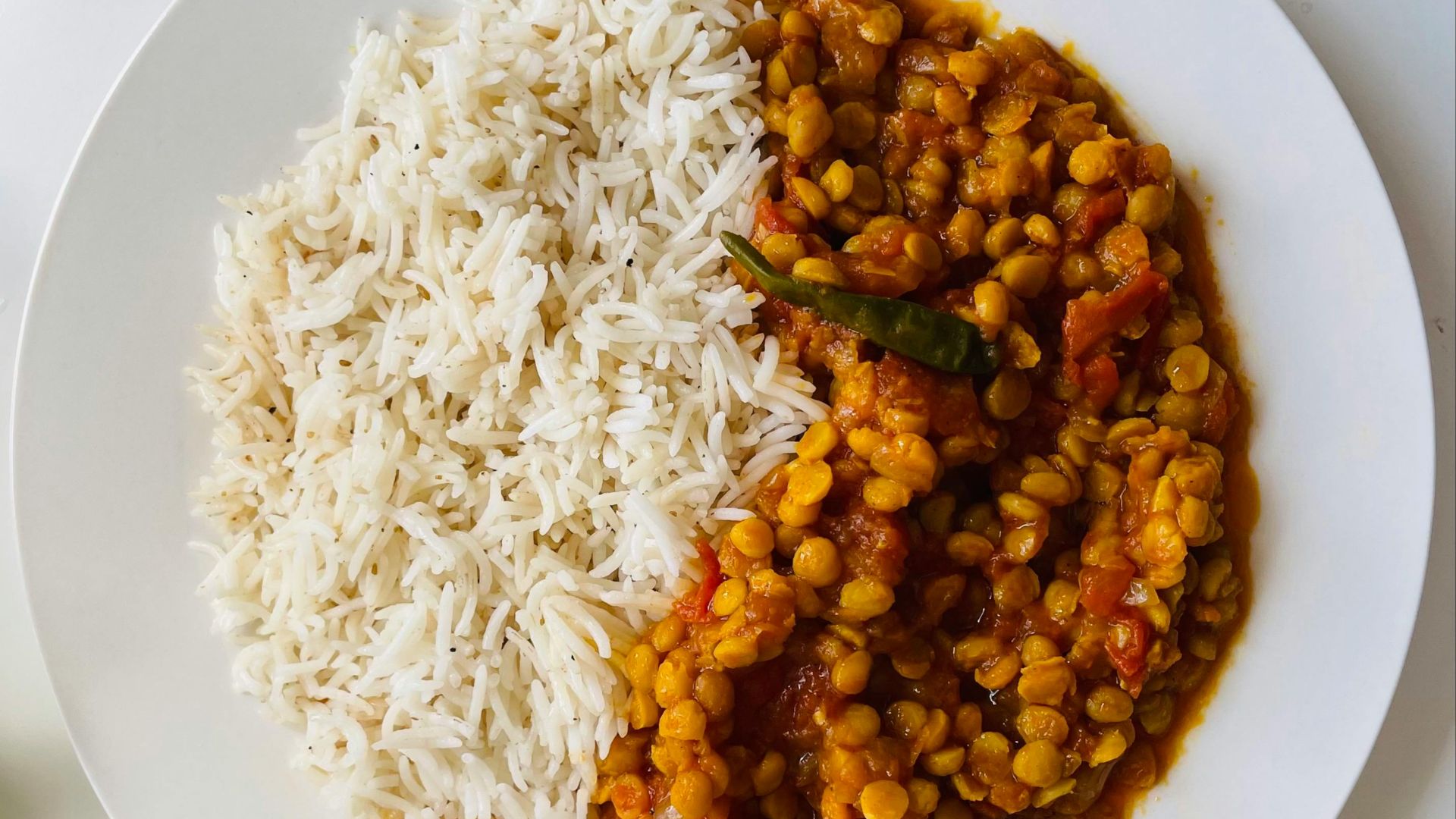
Lentils cook faster than many dried beans and still bring protein, fiber, iron, magnesium, and folate. They’re especially useful if you want more plant-based meals without feeling hungry an hour later. Add them to soups, curries, grain bowls, or warm salads. Lentils aren't flashy, but they’re extremely good at showing up for dinner.
13. Oats
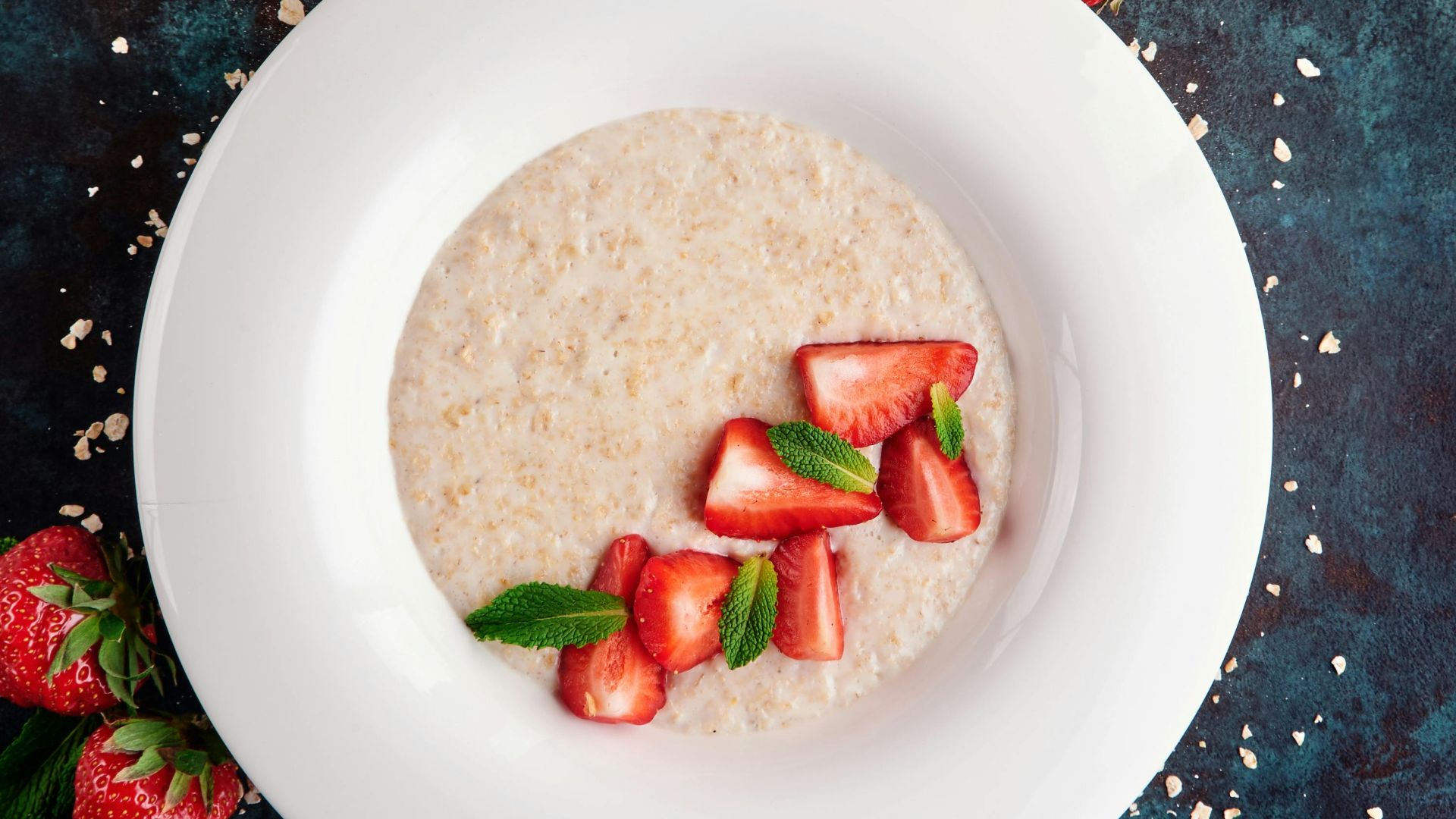
Oats are a whole grain that provides soluble fiber and steady energy. Whole grains are often recommended in anti-inflammatory eating patterns because they’re less processed and more nutrient-rich than refined grains. A bowl of oats with berries, nuts, and cinnamon is an excellent joint-friendly breakfast, as long as you don't go for the sugary instant variety.
14. Brown Rice
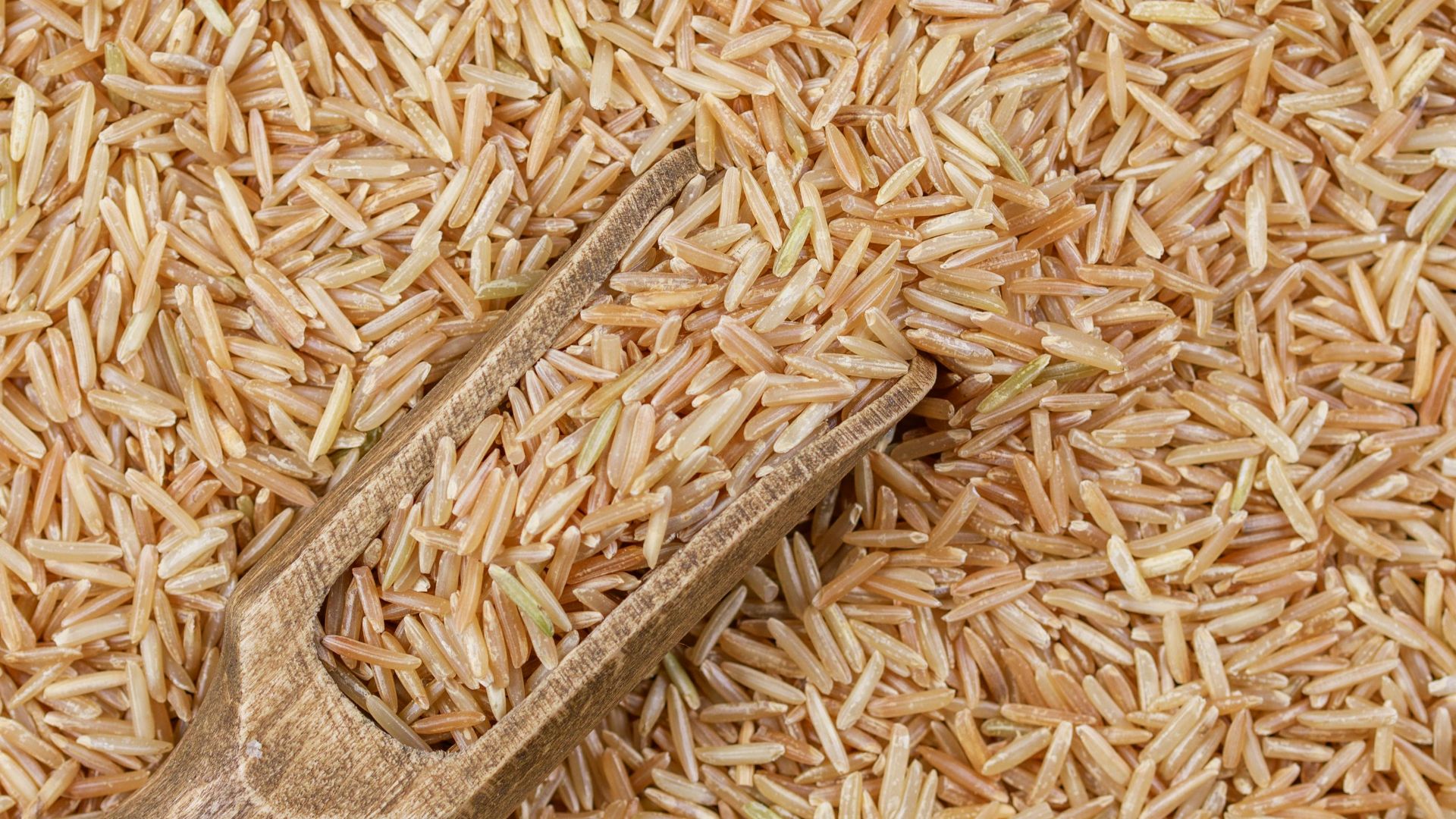
Brown rice offers whole-grain carbohydrates, fiber, and minerals that can help build balanced meals. It pairs well with fish, tofu, beans, vegetables, and olive-oil-based sauces. Unlike refined grains, whole grains bring more nutrients and staying power.
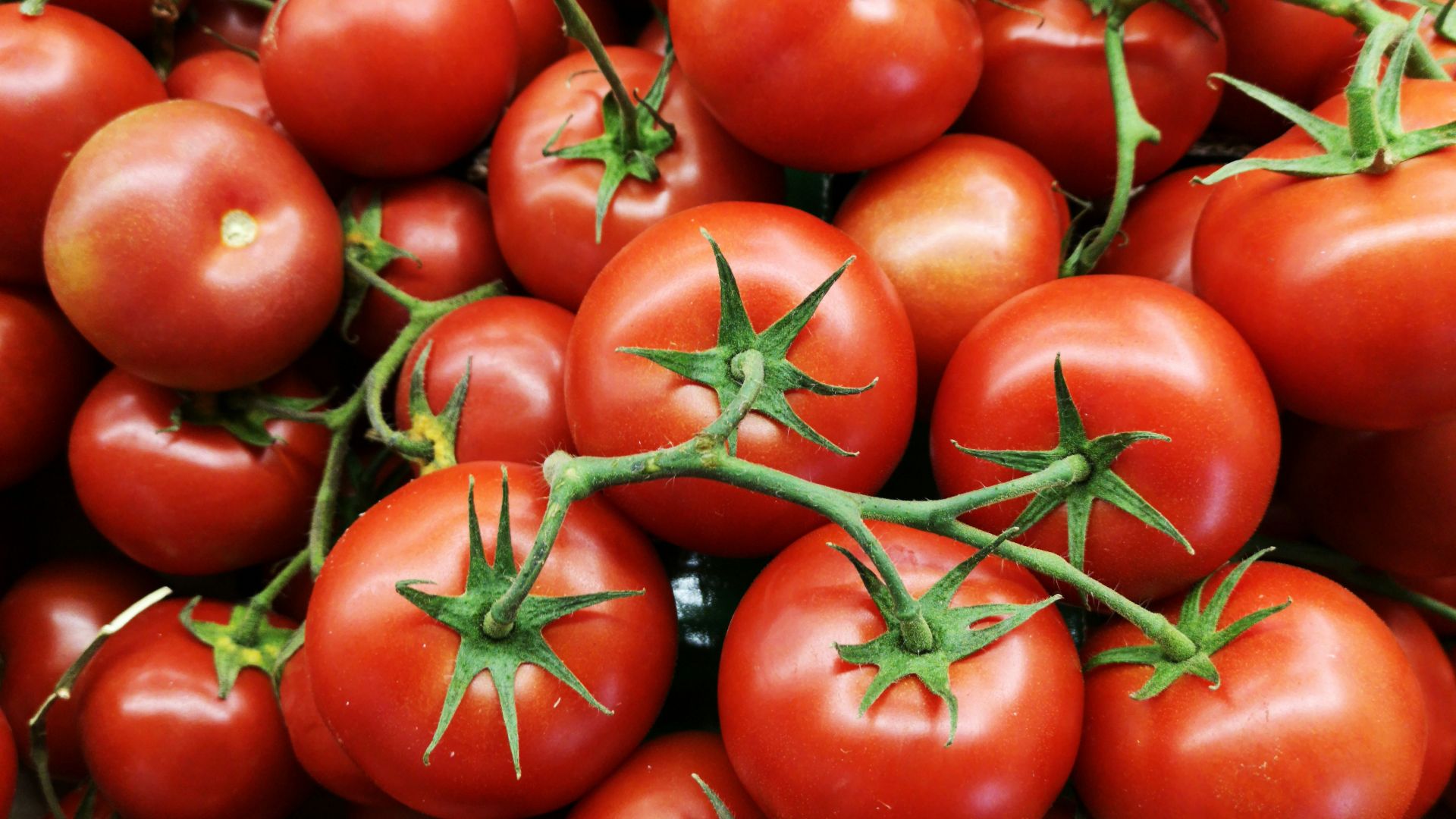
15. Tomatoes
Tomatoes contain lycopene, vitamin C, and other plant compounds that make them a strong part of an anti-inflammatory kitchen. Cooked tomatoes, such as those in no-salt-added tomato sauce, can be especially useful because cooking makes lycopene easier to absorb. Add them to soups, stews, pasta, or baked fish.
16. Oranges
Oranges provide vitamin C, hydration, and natural sweetness. Vitamin C helps the body make collagen, which supports connective tissues around joints. They’re also easy to eat, easy to pack, and unlikely to require a recipe.

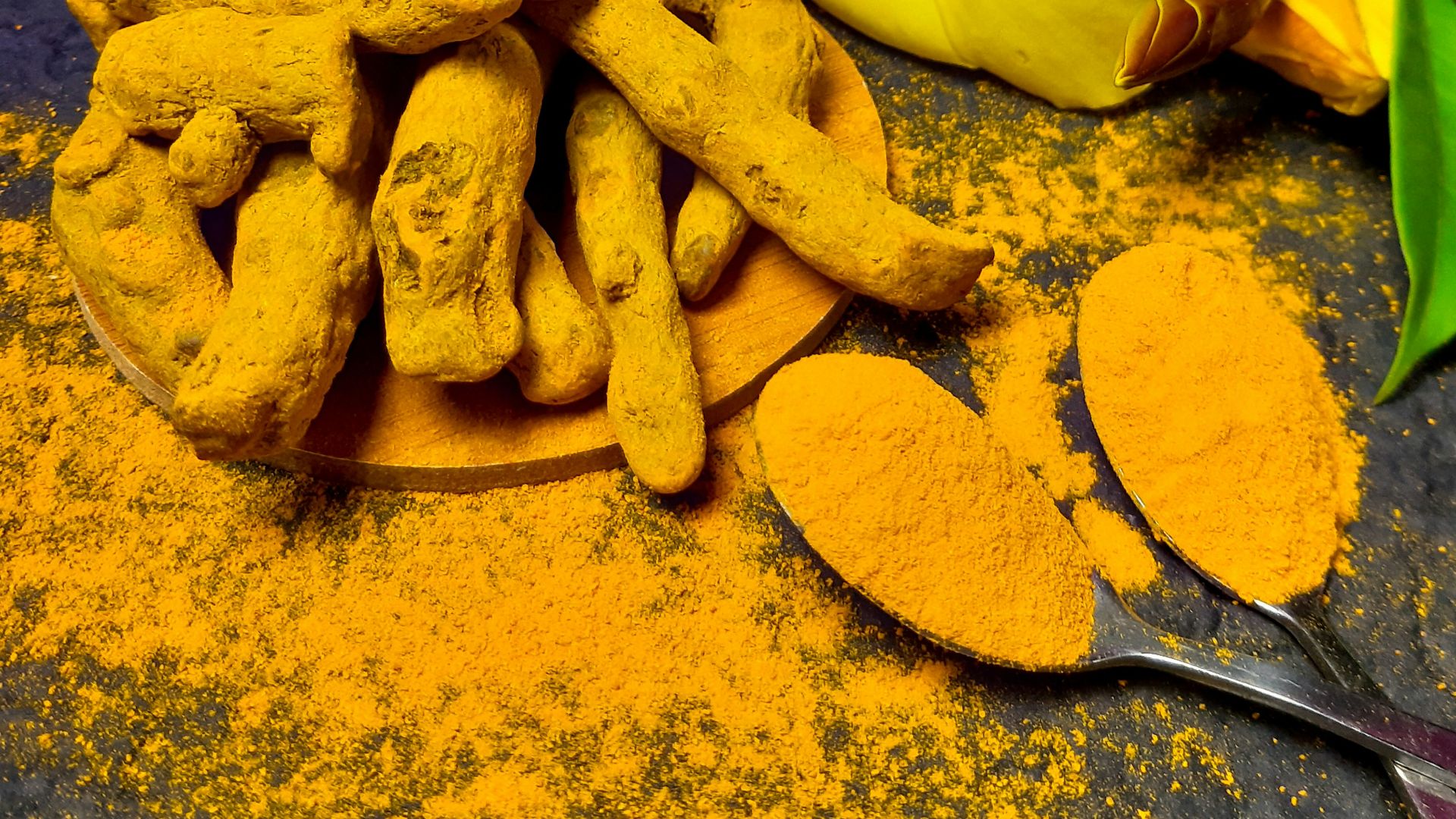
17. Turmeric
Turmeric is known for curcumin, a compound often studied for inflammation-related effects. It’s not a magic fix, and curcumin can be hard for the body to absorb on its own, but turmeric can still be a flavorful addition to meals. Try it in soups, stews, rice dishes, or with black pepper and olive oil.
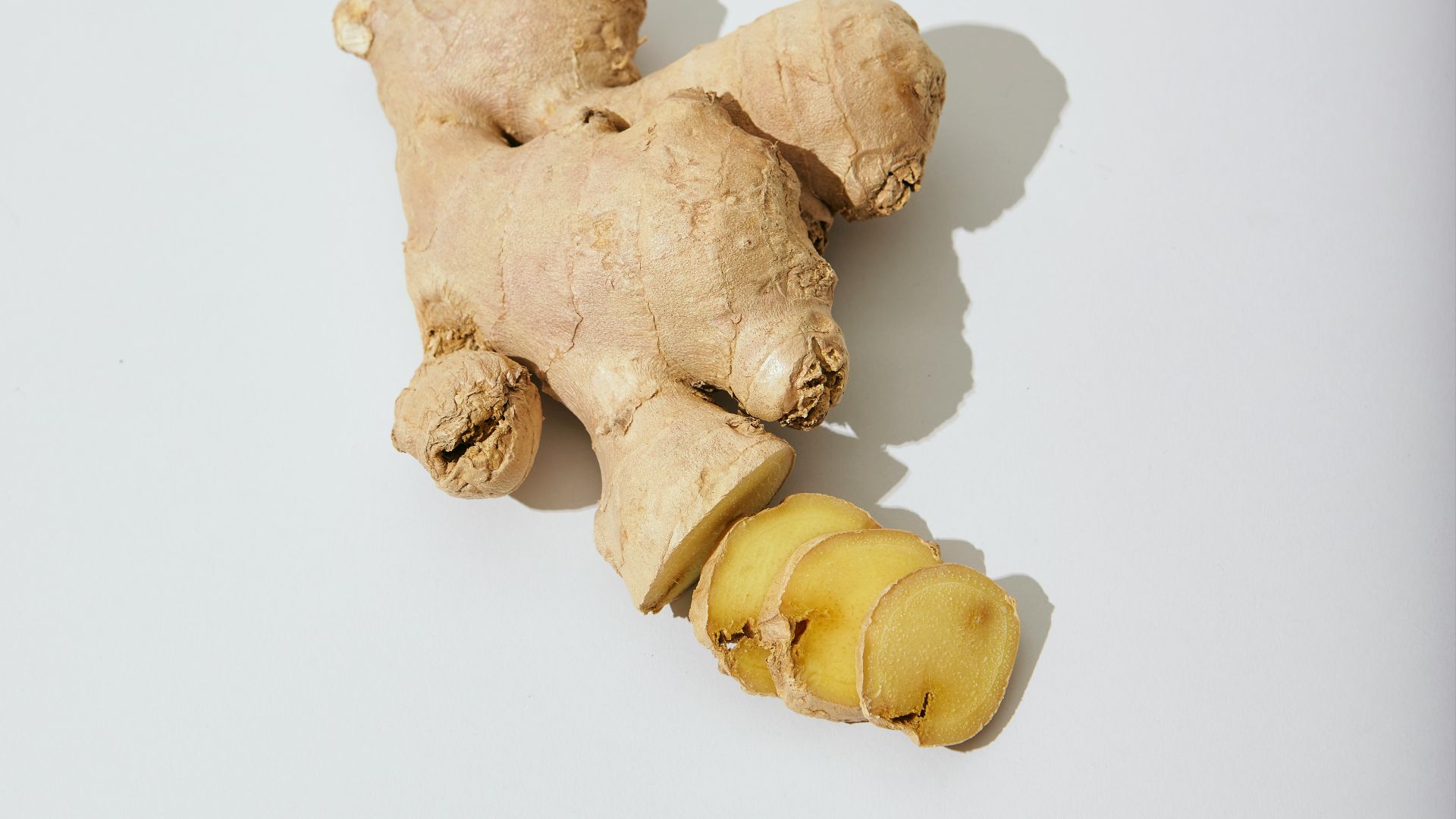
18. Ginger
Ginger has a long history in cooking and traditional medicine. Its sharp, warming flavor works in stir-fries, soups, teas, marinades, and dressings. Some research has explored ginger’s role in inflammation and soreness, though it should be treated as a supportive food rather than a replacement for care.
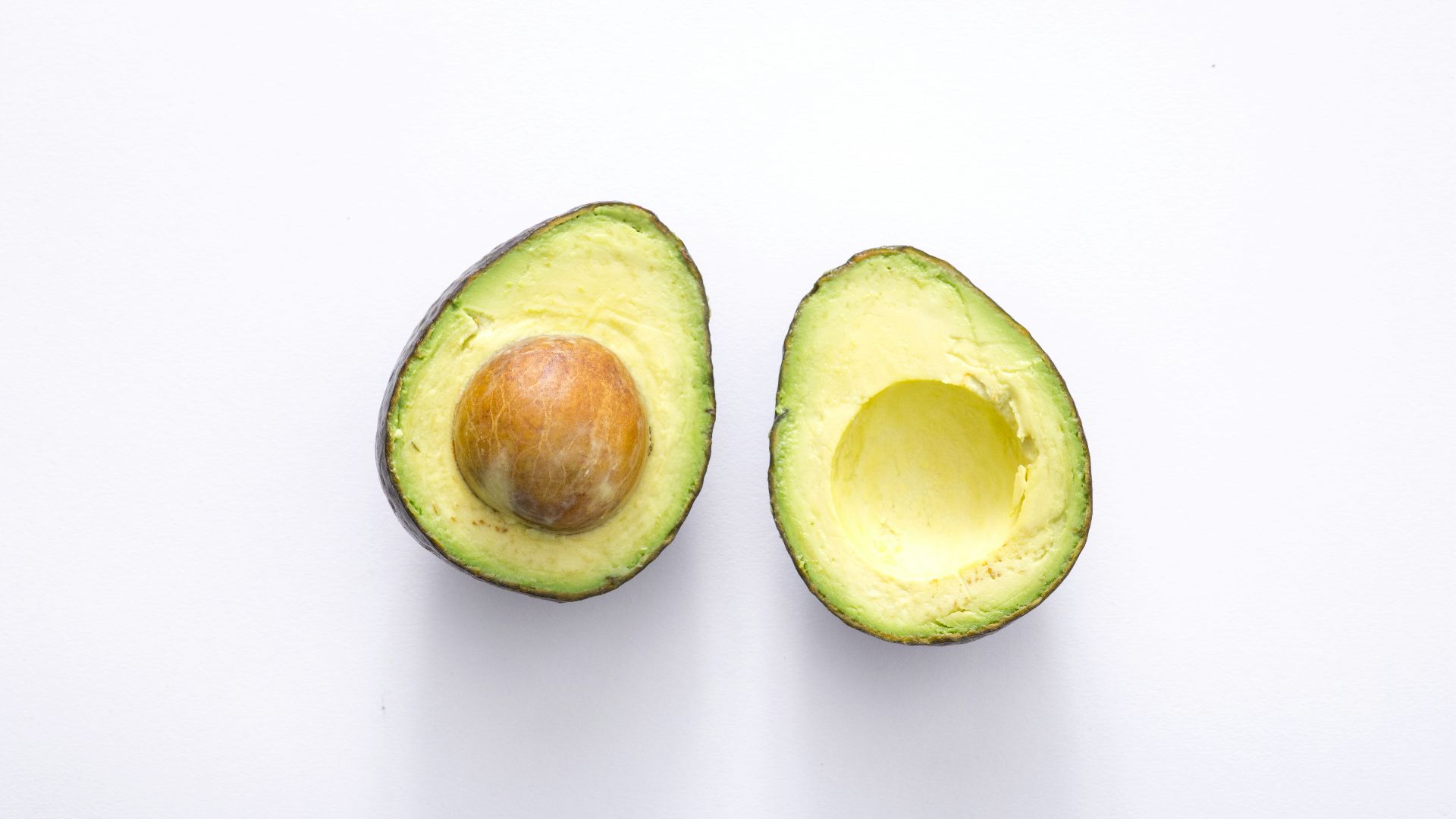
19. Avocado
Avocado provides monounsaturated fats, fiber, potassium, and a creamy texture that makes meals feel satisfying. It can help replace less helpful toppings like heavy creamy sauces or salty processed spreads. It’s trendy, yes, but occasionally the trendy food is genuinely useful.
20. Green Tea
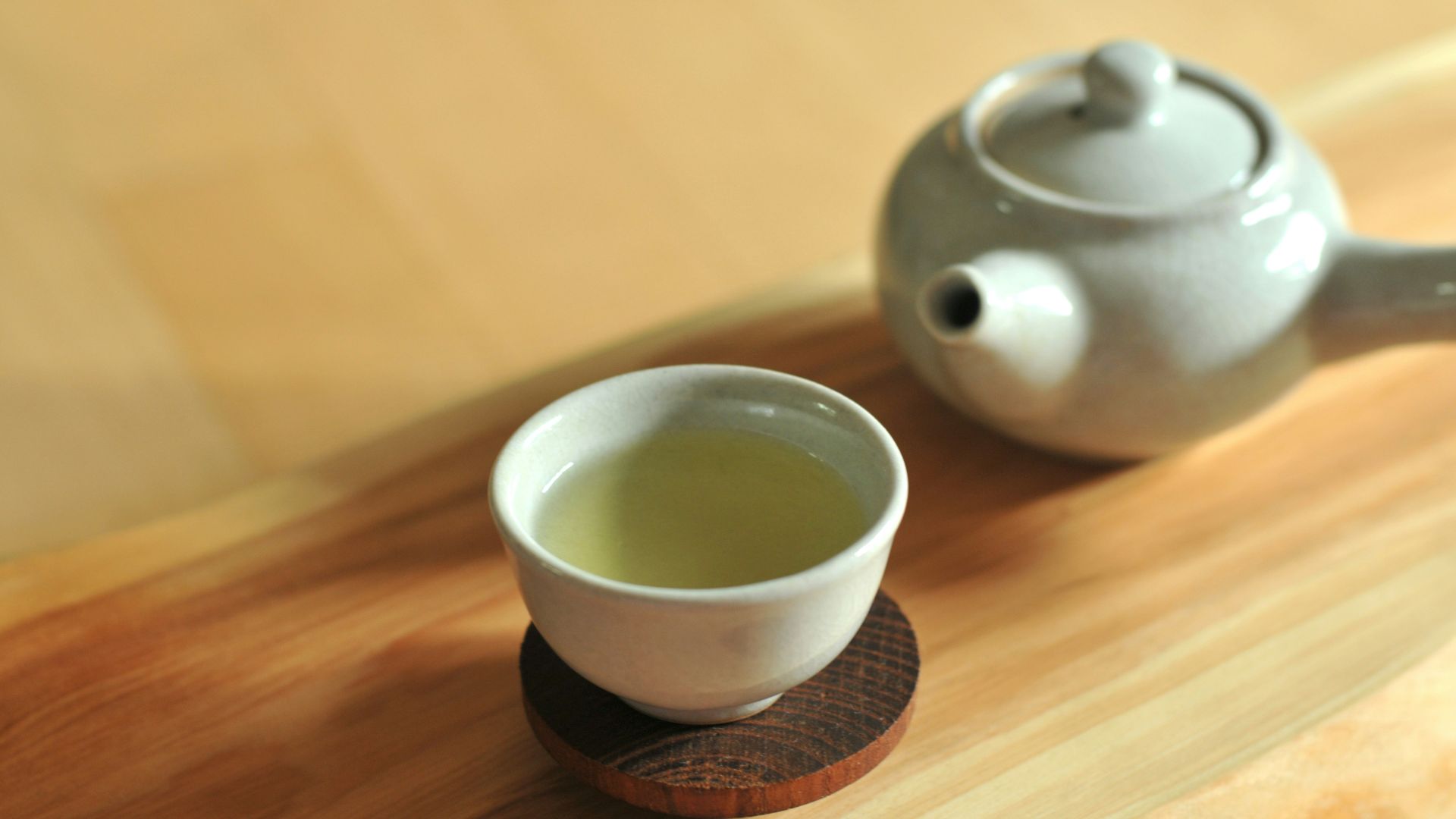
Green tea isn’t a food in the strictest sense, but it earns a spot because it’s packed with plant compounds and can fit into an anti-inflammatory lifestyle. It’s a good alternative to sugary drinks, which can work against inflammation-conscious eating. Drinking it plain or lightly flavored keeps it simple and low in sugar.