

Two Birds With One Stone
Errands, more often than not, eat into large chunks of your day. You drive to the store, wait in line, haul bags inside, and answer a phone call from the pharmacy. The worst part is that by the time you get home, you’re tired, and somehow still feel like you haven’t moved enough. The upside is that many of those ordinary tasks already involve walking, lifting, standing, climbing stairs, or carrying things, which means they can become part of a more active routine. Moderate movement usually means your breathing picks up and you can talk, and adults are generally encouraged to work toward 150 minutes of that kind of activity each week. These 20 everyday errand upgrades can help you move more without turning your schedule upside down.
 Ali Karimiboroujeni on Unsplash
1. Walk to Nearby Errands
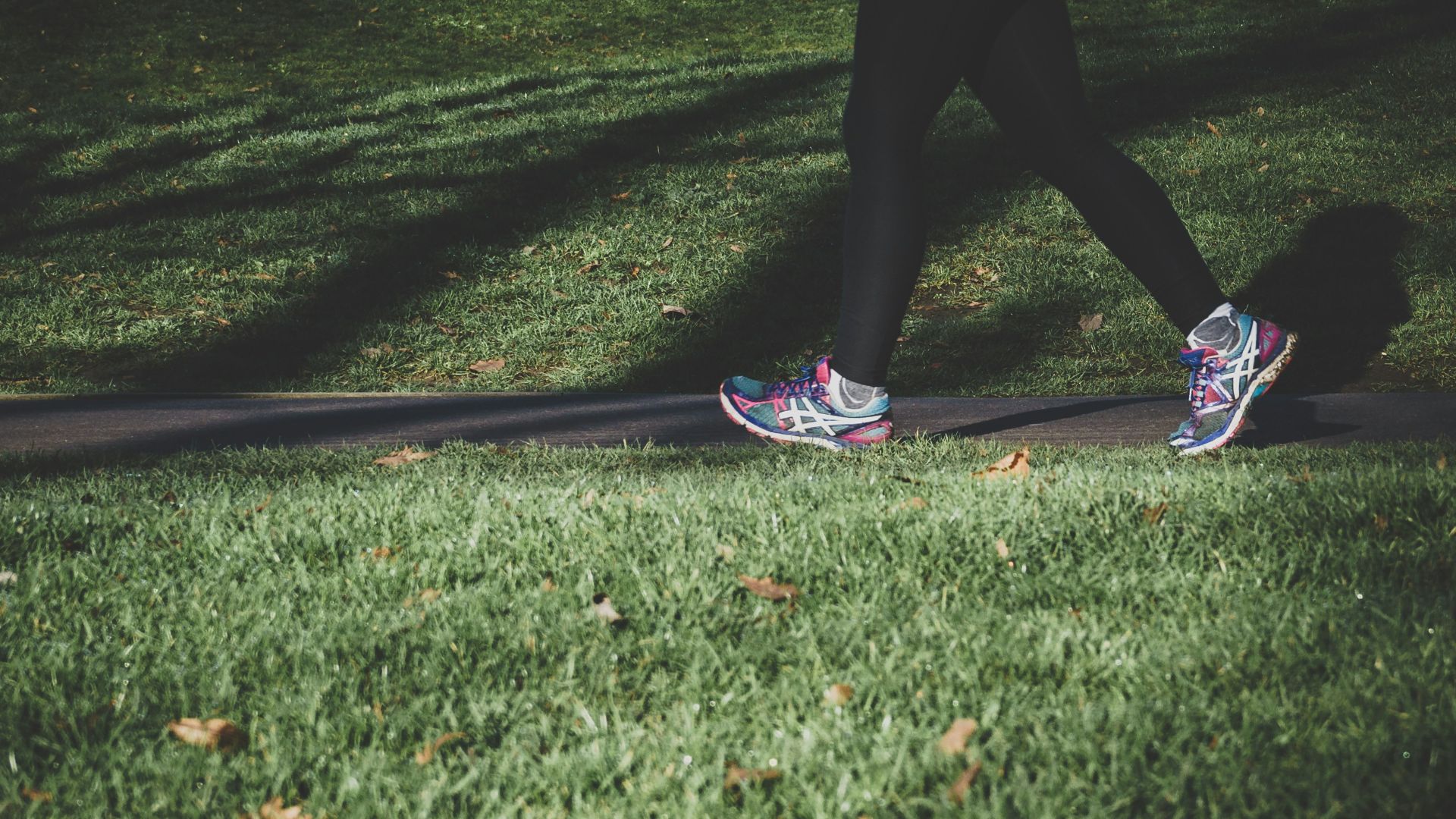
If the pharmacy, library, post office, coffee shop, or corner store is close enough, walk instead of driving. A brisk pace gives the trip more value, especially if you can feel your heart rate rise without pushing yourself too hard.

2. Park Farther From the Entrance
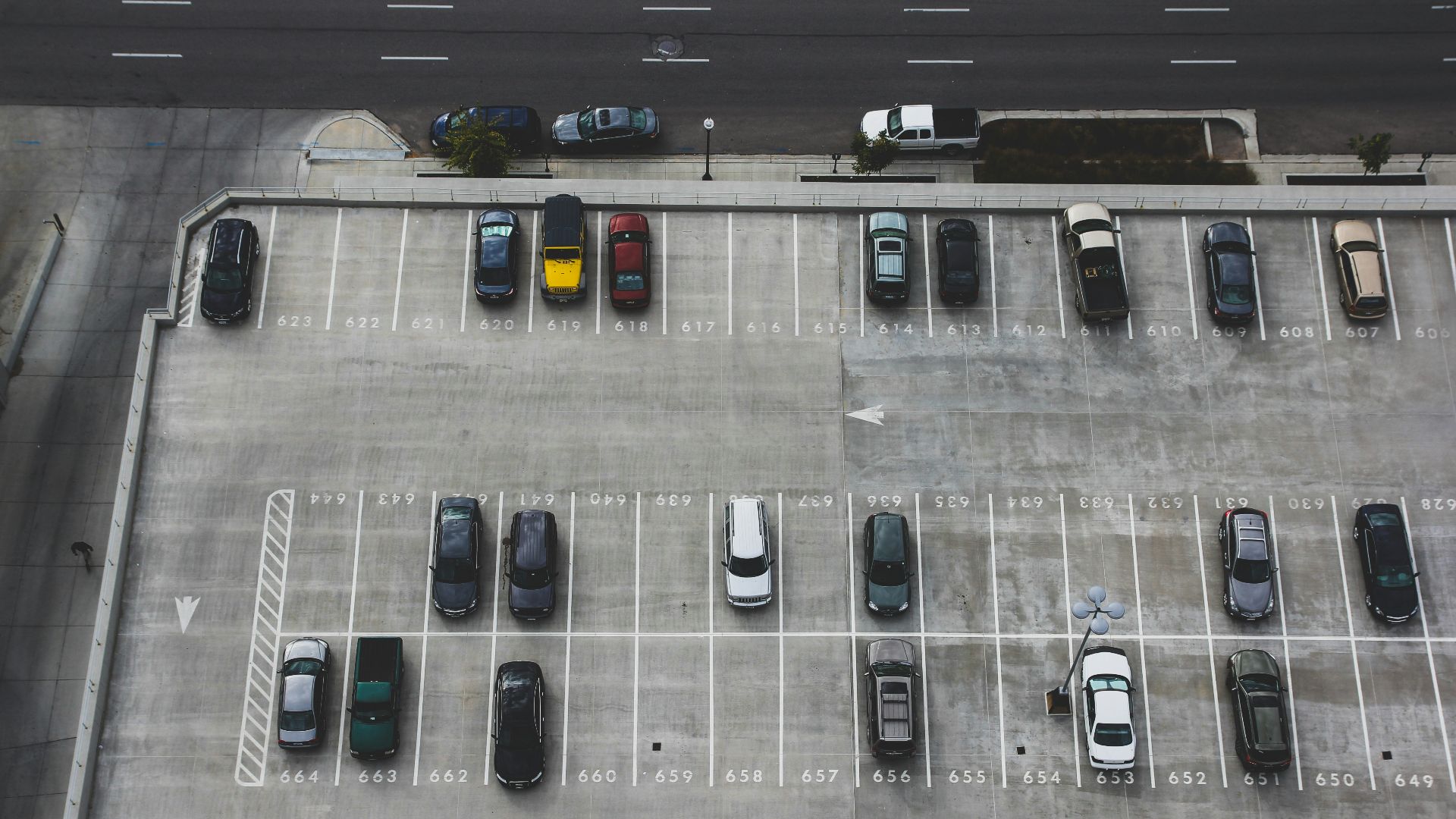
Choosing a space farther from the door adds a short walk before and after your errand. It works well at grocery stores, medical offices, shopping centers, and big-box stores. Of course, this is all weather permitting.

3. Take the Stairs When You Can
Stairs can make an ordinary errand feel much more active, whether you’re in a parking garage, train station, office building, or apartment complex. You don’t have to take every flight, either, since even one or two flights add more movement than the elevator alone.
 Vidar Nordli-Mathisen on Unsplash
4. Move With Purpose
Grocery shopping already involves walking, reaching, pushing, and lifting. Keep a steady pace through the store when it isn’t crowded, and avoid leaning your whole upper body onto the cart while you move from produce to checkout.

5. Carry Light Bags With Good Form
Carrying manageable grocery bags can add a little strength work to a normal trip. Keep the bags close to your sides, divide the weight evenly between your hands, and avoid twisting awkwardly while lifting them from the cart or trunk.

6. Make More Than One Trip
Trying to carry every bag in one haul can leave your fingers sore and your shoulders tense. Two or three lighter trips from the car to the kitchen add steps and usually feel better on your body.

7. Use a Basket for Small Store Runs
A hand basket makes sense when you’re picking up a few lighter items. It asks your arms and core to help while you walk, without turning a quick shop into something uncomfortable.

8. Walk One Extra Lap Before Checkout
A quick lap around the store can add a few more minutes on your feet. It works at grocery stores, pharmacies, garden centers, and warehouse clubs, and you may even remember the one item you almost left behind.
 Boxed Water Is Better on Unsplash
9. Skip the Drive-Through Sometimes
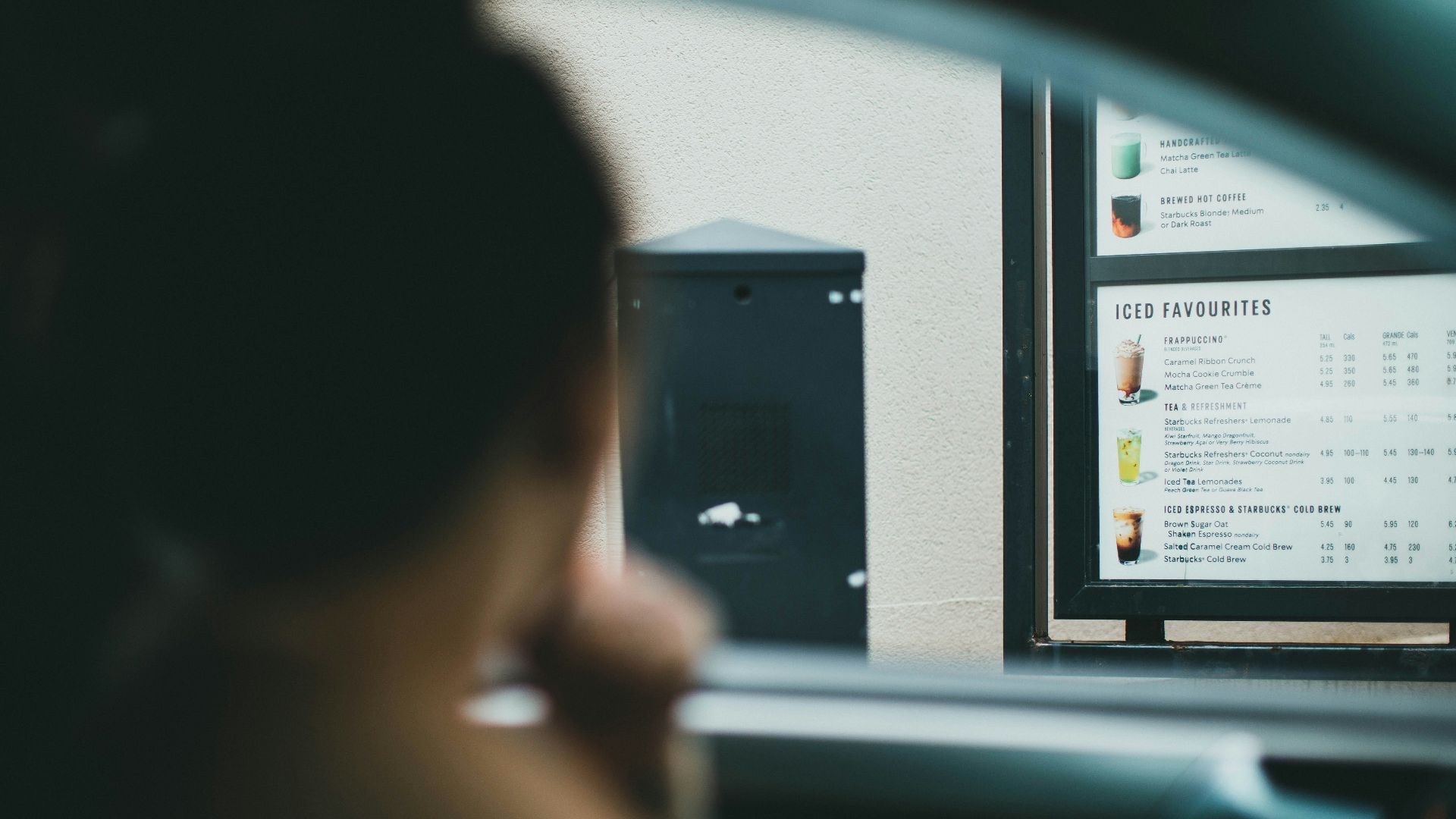
Drive-throughs are convenient, and some days they’re exactly what you need. When time, weather, and safety allow, park and walk inside for coffee, takeout, banking, prescriptions, or pickup orders.
10. Bike for Light Errands
A bike can turn a short errand into useful aerobic activity, especially when you don’t need to carry anything bulky. A basket, pannier, or backpack can make trips to the bakery, library, post office, or farmers market easier to manage.

11. Add Short Bursts of Faster Walking
Errands come with little stretches of walking, from the parking lot to the store or from one shop to another. Pick up the pace for 30 seconds, then ease back down, and repeat it a few times during a longer errand run.
12. Move While You Wait
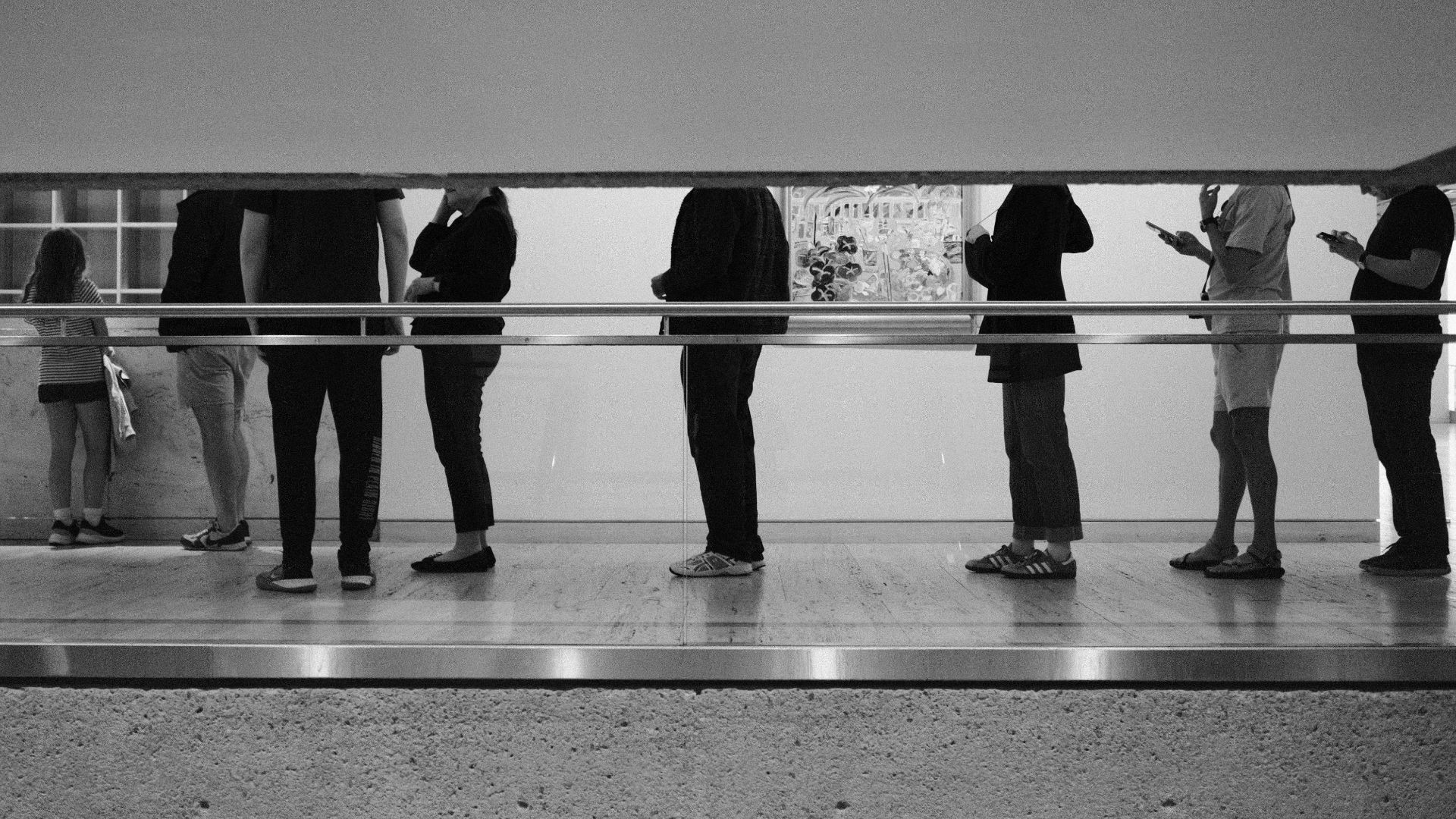
Lines are part of errands, whether you’re at the pharmacy, deli counter, coffee shop, or bank. When there’s room, stand tall, shift your weight, take slow steps in place, or do a few gentle calf raises.
 Dominic Kurniawan Suryaputra on Unsplash
13. Choose the More Active Option
Some errands give you a choice between a passive version and a more physical one. Take the stairs, walk into the restaurant instead of using curbside pickup, or wash the car by hand when your body, time, and energy allow it.

14. Carry Packages Close to Your Body
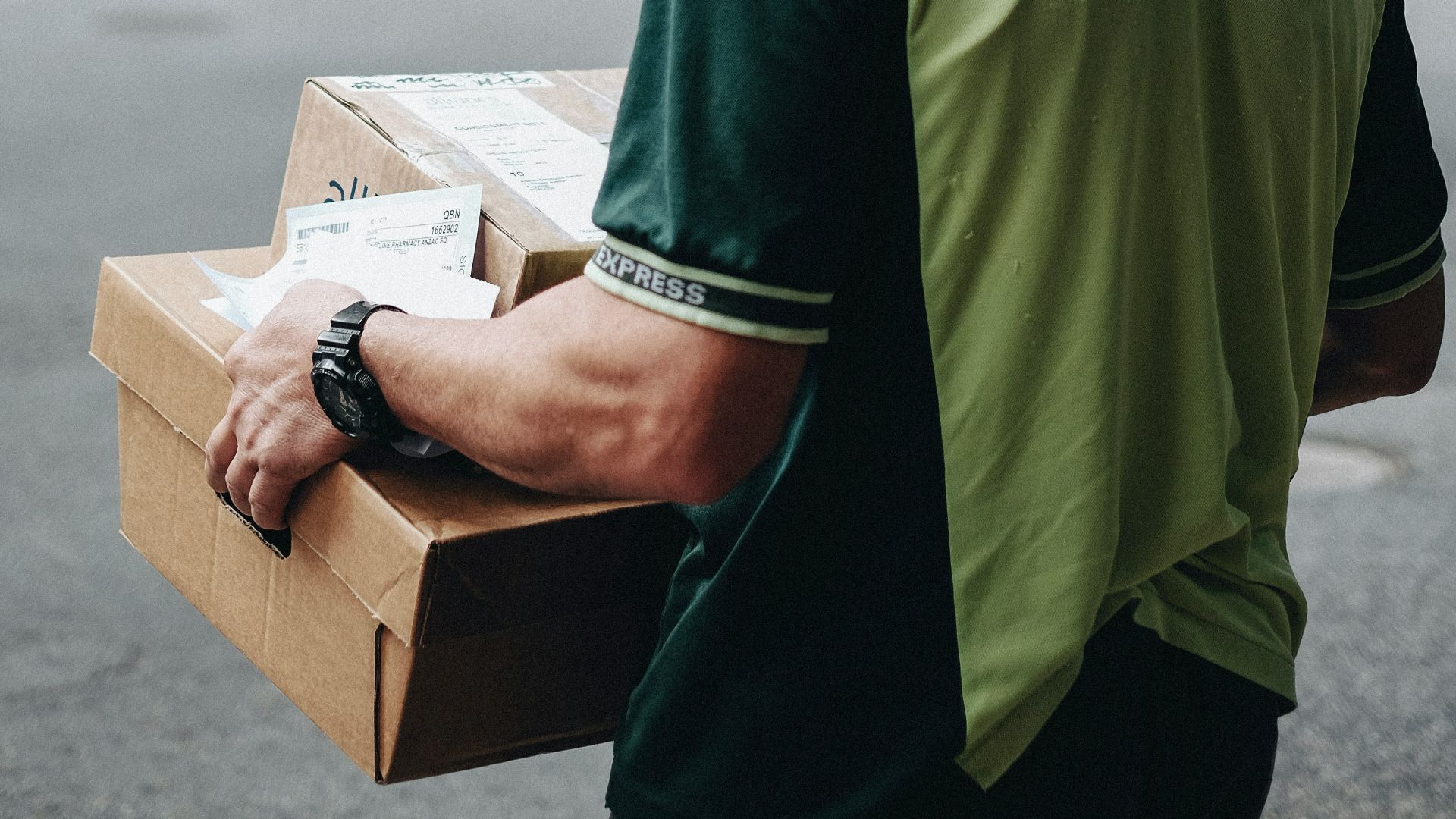
Online returns, donation drop-offs, dry cleaning, and package pickups can all involve lifting and carrying. Keep items close to your body, stand upright, and use a cart or ask for help if a box is heavy or awkward.
15. Make Laundry Day More Active
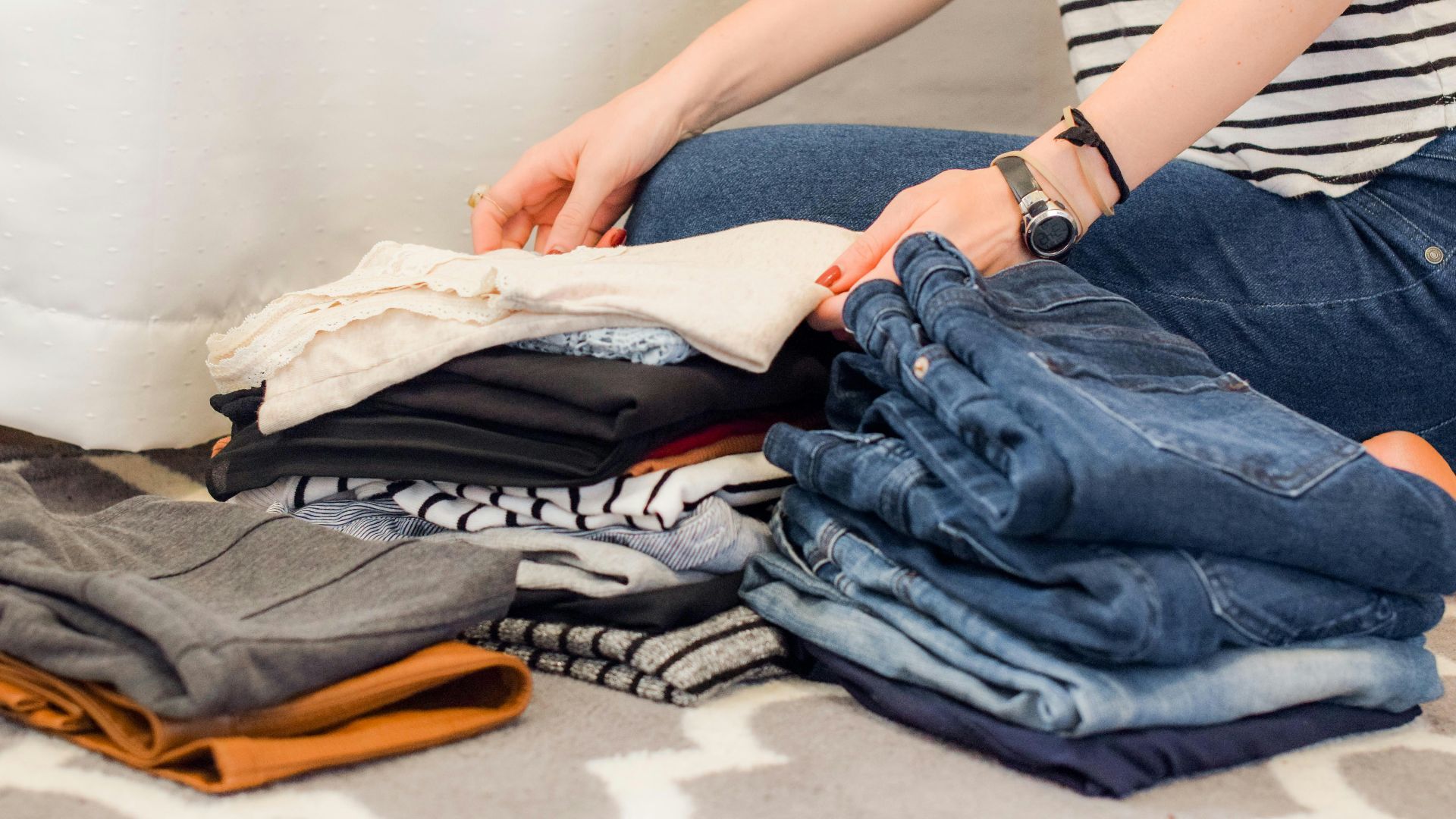
Laundry involves more movement than it gets credit for, especially if you use a laundromat or live in a building with stairs. Carry smaller loads, make an extra trip when needed, and take a short walk while the washer runs instead of sitting the whole time.
16. Walk While Making Errand Calls
Some errands happen over the phone, like scheduling appointments, checking on prescriptions, calling the mechanic, or confirming pickup times. If you don’t need to sit at a computer, walk around the block, pace the hallway, or do slow laps through the kitchen.

17. Use Public Transit More Actively
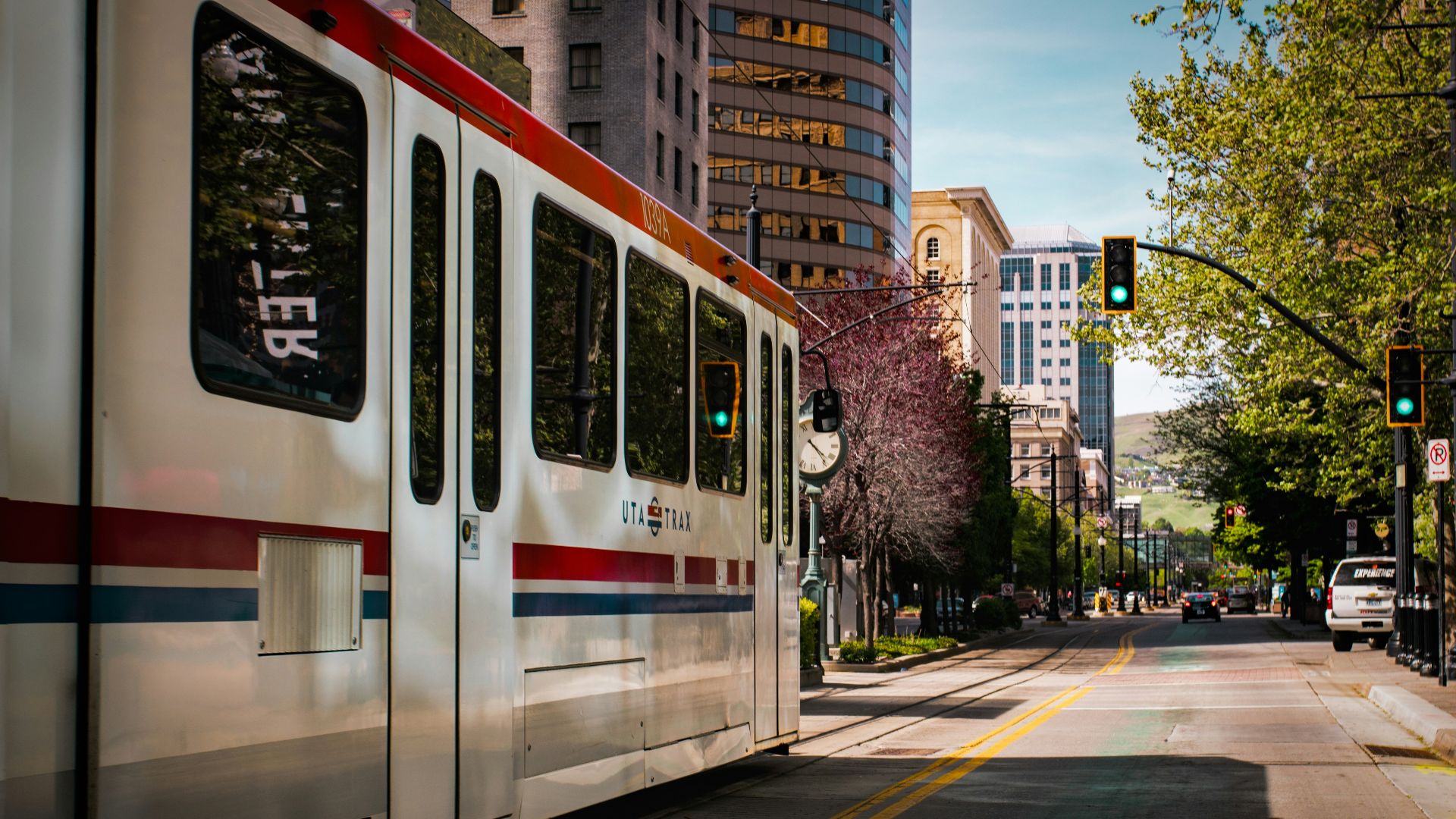
Public transit often adds walking to the day, especially in cities where stops and stations are part of the routine. Walk to a farther stop, get off one stop early when it’s safe, or take the station stairs if you’re able.
18. Park Once and Walk Between Stops
If several errands are in the same plaza or neighborhood, park once and walk between them. You can drop off a return, pick up groceries, grab coffee, and stop at the pharmacy without having to move the car.
19. Make Hardware Store Trips Count
Hardware stores and garden centers can involve plenty of movement, from walking long aisles to loading soil, paint, tools, or plants. Keep the weight realistic, use your legs when lifting, and ask for help with anything oversized.

20. Track Your Active Errand Minutes
A slow wander through a store still counts as movement, but brisk walking, stairs, and repeated short trips can do more for your weekly activity. Use your phone, smartwatch, pedometer, or calendar to track active errand minutes for a week, then look for the easy places to build from there.

KEEP ON READING

20 Things Seniors Should Know About Sleep


20 Anti-Inflammatory Snacks for Aching Joints


20 Words Of Motivation To Tell Yourself When Dieting