
Fitness Gets More Practical With Age
Your 40s are a great time to decide what you want your body to handle two decades from now. And do you know who has the best advice for young whipper-snappers? Men in their 60s who’ve done it all before already! They often care less about impressive gym numbers and more about climbing stairs, traveling comfortably, playing sports, and recovering without losing an entire weekend—which is why their advice is not only worth listening to, but also practical. Here are 20 things older men wish they could tell the next generation.
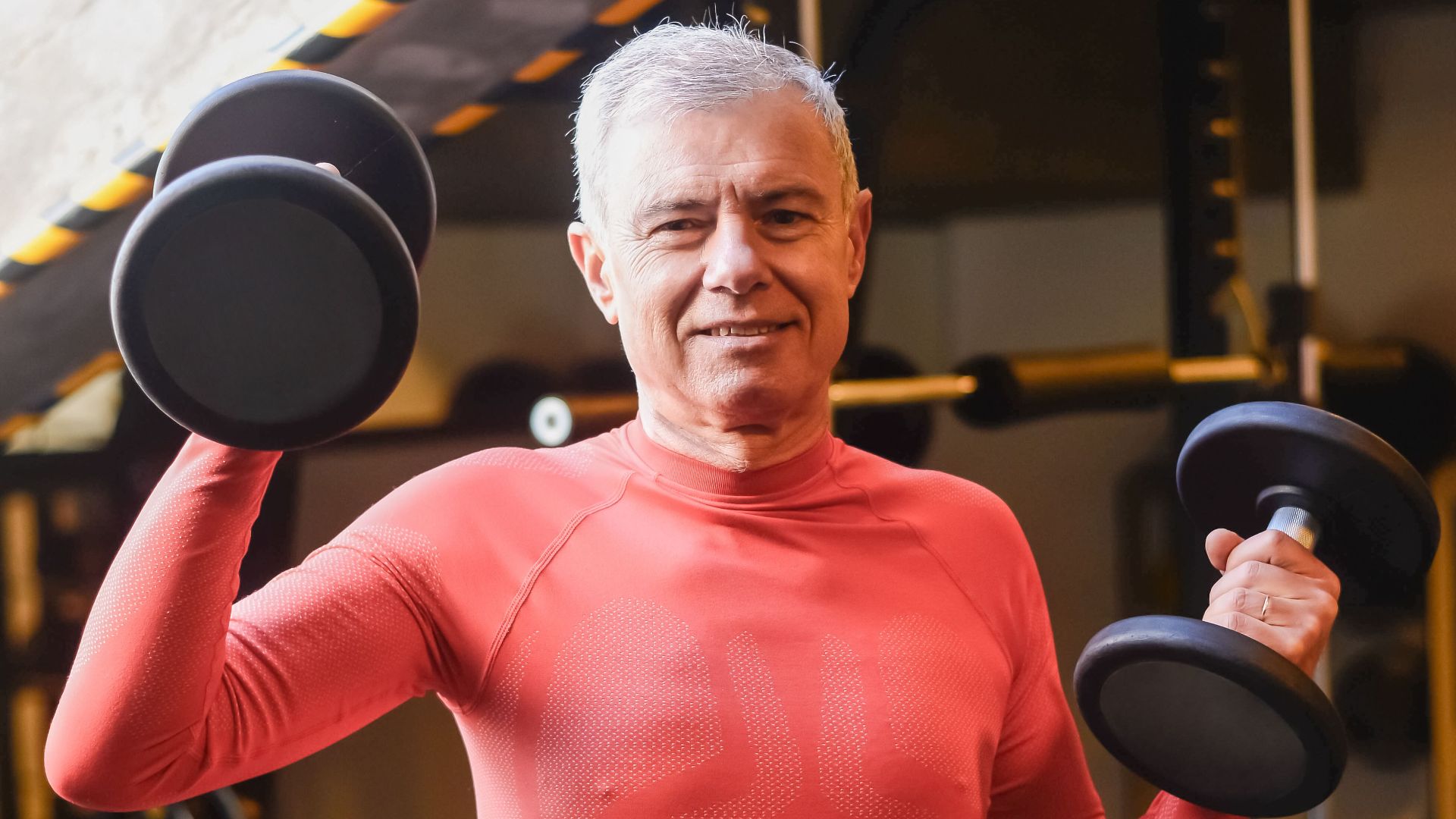
1. Train Speed, Not Just Strength
Being able to lift something heavy doesn’t guarantee that you can move quickly when you stumble or catch a falling box. Safe power exercises should include medicine-ball chest passes or quick step-ups performed with complete control. You don’t need reckless jumping sessions, either; you just shouldn’t let every movement get slow because you’ve turned 40.

2. Practice Getting Up
A lot of guys find out that floor-level tasks have become way harder only after they’re already avoiding them. That’s why it’s so crucial to practice moving now. Try sitting to kneeling and then standing without pulling on the furniture, using your hands when necessary at first. This matters during home repairs, camping trips, and even the odd search beneath the couch.

3. Get Better at Going Down Stairs
Climbing stairs gets plenty of attention, but descending is just as vital. Look into movements like low step-downs, split squats, and slow lowering exercises, all of which can prepare your legs for stadium seating and steep sidewalks. Men in their 60s will tell you that strong brakes are just as useful as a powerful engine.

4. Build an Easy-Cardio Base
Hard intervals can feel productive, but they shouldn’t be your only form of cardio. Don’t forget that brisk walking, comfortable cycling, or steady rowing can build endurance without leaving you exhausted for the next two days. Not to mention, adults are generally advised to accumulate at least 150 minutes of moderate aerobic activity each week, which can be divided into manageable sessions.

5. Keep One Hill in Your Routine
Remember what we just said about descending stairs? Well, flat routes can hide declining leg strength and conditioning pretty well. There’s no harm in walking up a local hill once or twice a week to give your calves, hips, lungs, and heart a practical challenge that’s easy to monitor. When the same incline starts requiring extra stops, you’ll have information rather than a vague notion that you’re slowing down.

6. Train Yourself to Carry Things
You might feel on top of the world now, but that’s no excuse to forget the everyday movements you’ll need for mobility in retirement. Suitcase carries, carefully loaded grocery bags, and light sandbags can prepare you for luggage, laundry baskets, pet-food bags, and grandchildren who’ve decided to take a midday nap.

7. Maintain the Ability to Kneel
Kneeling often disappears from a man’s routine, and it happens long before he realizes he can no longer do it without struggling. Spend brief periods in half-kneeling or use a padded mat while gardening or performing mobility work. Preserving that position now can make everyday maintenance considerably less dramatic later.

8. Leave the Pavement
Treadmills and smooth sidewalks are convenient, yes, but let’s be honest: real outings include grass, gravel, roots, and uneven parking lots. An easy trail walk around a grassy field can challenge your feet and coordination without becoming a whole adventure. Just make sure you choose a safe area.

9. Warm Up for Sports
We hate to break it to you, but arriving at pickleball and immediately swinging as hard as you can is a good way to ruin your muscles. Give yourself a few minutes of easy movement, gradual accelerations, or light passes before playing at full speed. The same goes for any sport you play—warming up is just as important as the calories you burn playing.
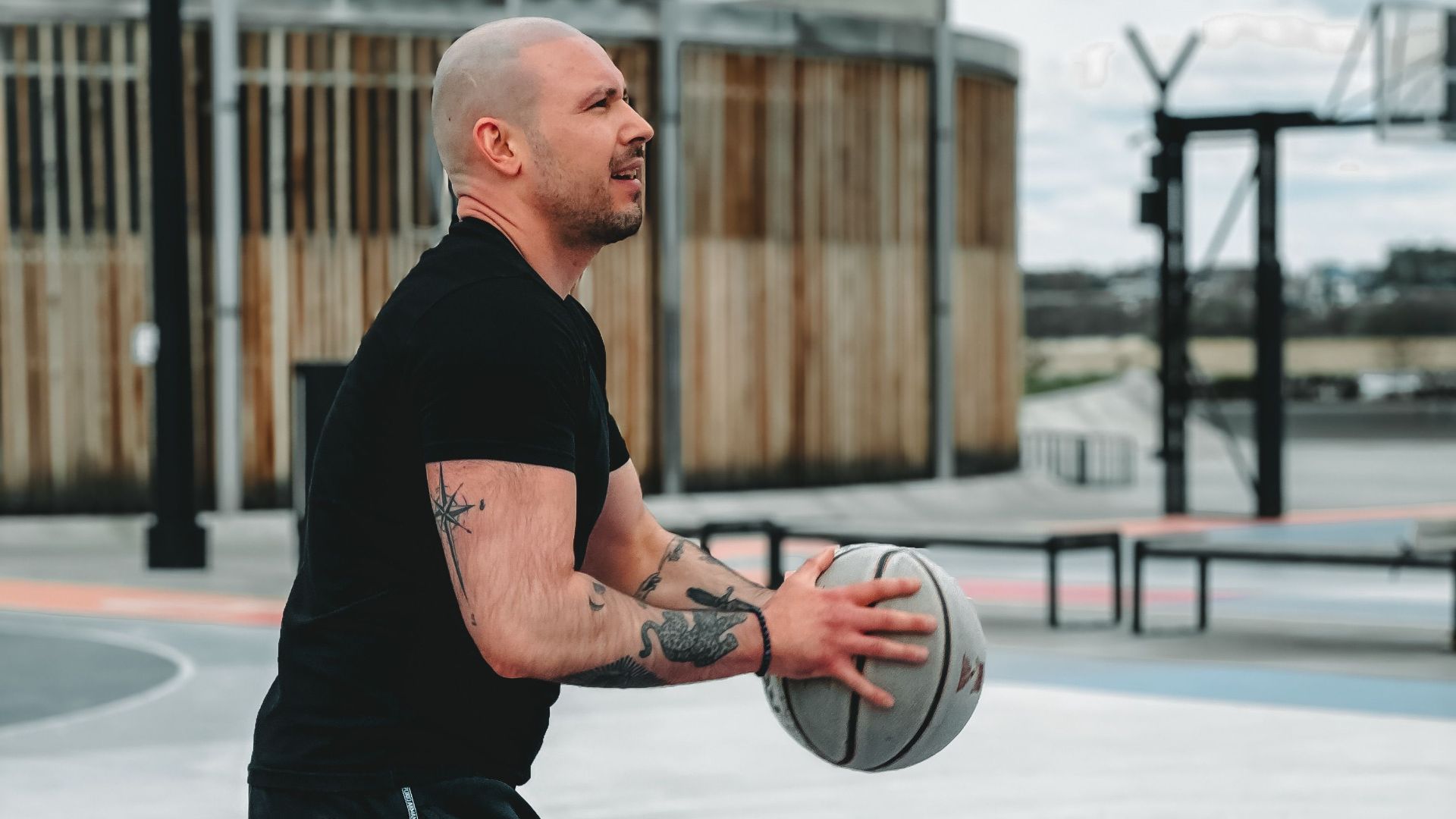
10. Take Pain Seriously
Ordinary soreness usually feels different from a sharp pain that won’t go away. Achilles, elbow, knee, and shoulder problems can become stubborn when every warning is followed by another hard workout. There’s no shame in reducing activity and getting symptoms assessed instead of living in denial.

11. Create a Minimum Week
Busy men often alternate between ambitious programs and total inactivity. Why? Because anything less than the full plan feels pointless. Well, here’s the thing: establishing a minimum routine is easier than rebuilding your fitness after work deadlines, family emergencies, or travel.

12. Keep a Home Version of Your Workout
A gym membership isn’t helpful when life gets in the way. It’s even less prudent if you’re trying to save money! A resistance band, a pair of dumbbells, and a clear patch of floor are enough for proper workouts at home. Men who stay active for decades usually have more than one way to complete a useful session.

13. Choose a Benchmark You Can’t Fake
Bathroom scales and smartwatches provide all kinds of numbers that don’t consider whether everyday movement is getting easier. Don’t just listen to your tech. Pick one repeatable challenge, such as a one-mile walk or a moderate hike. Check it every few months under similar conditions so a gradual decline doesn’t go ignored.

14. Don’t Let an Advertisement Diagnose Low Testosterone
Fatigue, reduced motivation, and disappointing workouts don’t mean you need hormones. Proper evaluation involves discussing symptoms with a qualified clinician and confirming consistently low levels through appropriate testing. Don’t hop on the first package you see at the gas station—speak with your doctor and go from there.

15. Stop Bulking and Cutting
Adding 25 pounds every winter and trying to remove it before summer gets way less appealing when your joints are involved. A steadier body weight allows you to refine your eating habits and avoid owning three separate wardrobes. You can still chase muscle or fat-loss goals, but modest changes are easier than another sweeping transformation.

16. Practice With Low Seats
Our lives are filled with deep couches, bathtubs, and low patio chairs, all of which can expose lost leg strength. Do yourself a favor and occasionally practice standing from a lower but stable surface without using momentum. You should also adjust the height if your knees hurt; the goal is greater capability rather than an unpleasant struggle.

17. Prepare for Travel Days
Retirement trips are far more enjoyable when luggage and long sightseeing days don’t overwhelm you. It’s okay to carry a suitcase around the house. There’s nothing wrong with walking for longer periods in the shoes you plan to pack. Training gives your workouts a clearer purpose than simply trying to look younger.

18. Keep Moving Sideways
Most workouts send you forward and backward, leaving sideways movement weirdly unfamiliar. No longer! Controlled side lunges and gentle shuffle drills can prepare you for anything from tennis and yard work to crowded sidewalks and quick changes of direction.

19. Let Your Hobbies Influence You
A man who wants to golf, fish, hike, or paddle should prepare for the associated demands. Golf may require comfortable rotation and hours of walking. Paddling, however, usually calls for upper-body endurance and hip mobility. Training becomes easier to maintain when it supports something you actually plan to do.

20. Measure Fitness by What Remains Possible
Visible abs and large arms are nice to look at, but they don’t provide a complete picture of how well your body works. Can you rise from the floor? Can you carry your luggage? Can you enjoy an activity without worrying about the consequences? By your 60s, keeping those options available is far more valuable than any personal record you set and forgot.

KEEP ON READING




20 Ways to Make Errands Count as Exercise