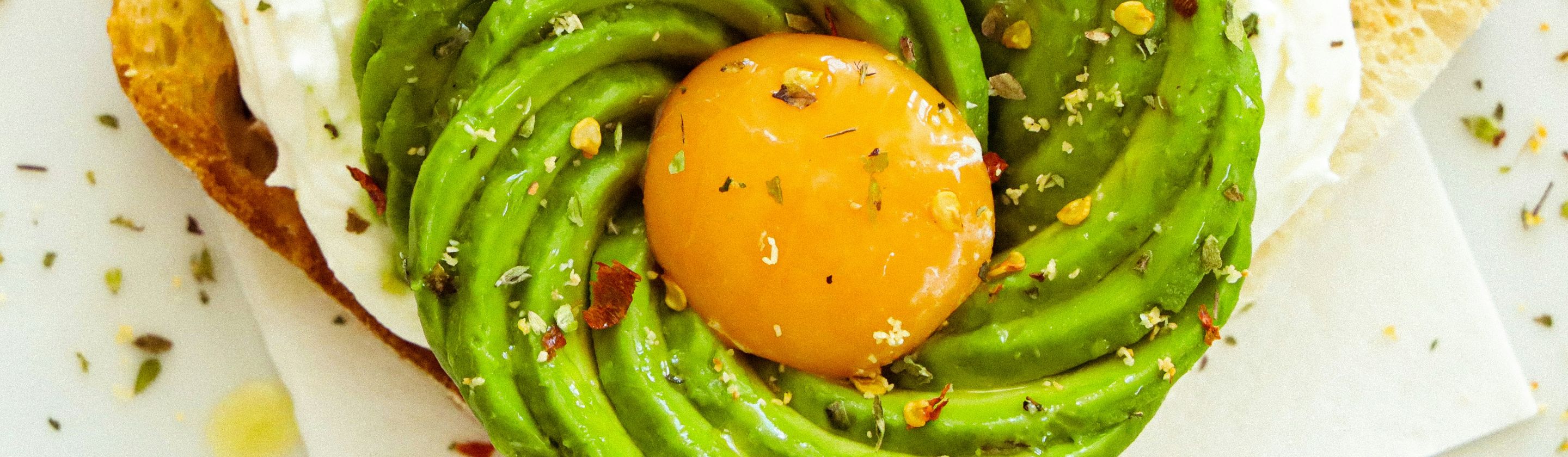
10 Signs Your Diet Is Missing Healthy Fats & 10 Foods Worth Adding
Fat Isn’t the Villain It Used to Be
For years, fat got treated like the problem child of nutrition, but your body actually needs the right kinds to function well. Healthy fats help with energy, cell function, hormone production, and the absorption of certain vitamins, which is why cutting them too low can leave you feeling a little off. The goal isn’t to load every meal with oil, but to include more unsaturated fats from foods like seafood, avocados, olives, nuts, and seeds. Here are 10 signs you might not be getting enough healthy fats in your diet and 10 of the best food sources.
1. Your Meals Don’t Keep You Full
If you’re hungry again shortly after eating, your meals may be missing enough healthy fat. Fat slows digestion and helps make food feel more satisfying, especially when paired with protein and fiber. Adding avocado, olive oil, nuts, or seeds to a plain salad or piece of toast can make a meal feel more complete.
2. Your Skin Feels Extra Dry
Dry skin can come from weather, aging, soaps, skincare habits, or health conditions, so it’s not automatically about your diet. Still, very low fat intake can sometimes make skin feel less comfortable because fats play a role in cell structure and moisture balance. If your skin feels tight even when you moisturize, it may be worth looking at what’s on your plate.
 Enecta Cannabis extracts on Unsplash
3. Your Hair Looks Dull or Brittle
Hair changes can happen for plenty of reasons, including stress, hormones, illness, and not getting enough overall nutrients. But if your diet is extremely low in fat, your hair may not look as shiny or strong as usual. Healthy fats help your body absorb fat-soluble vitamins that matter for overall health.

4. You Avoid Almost All Oils
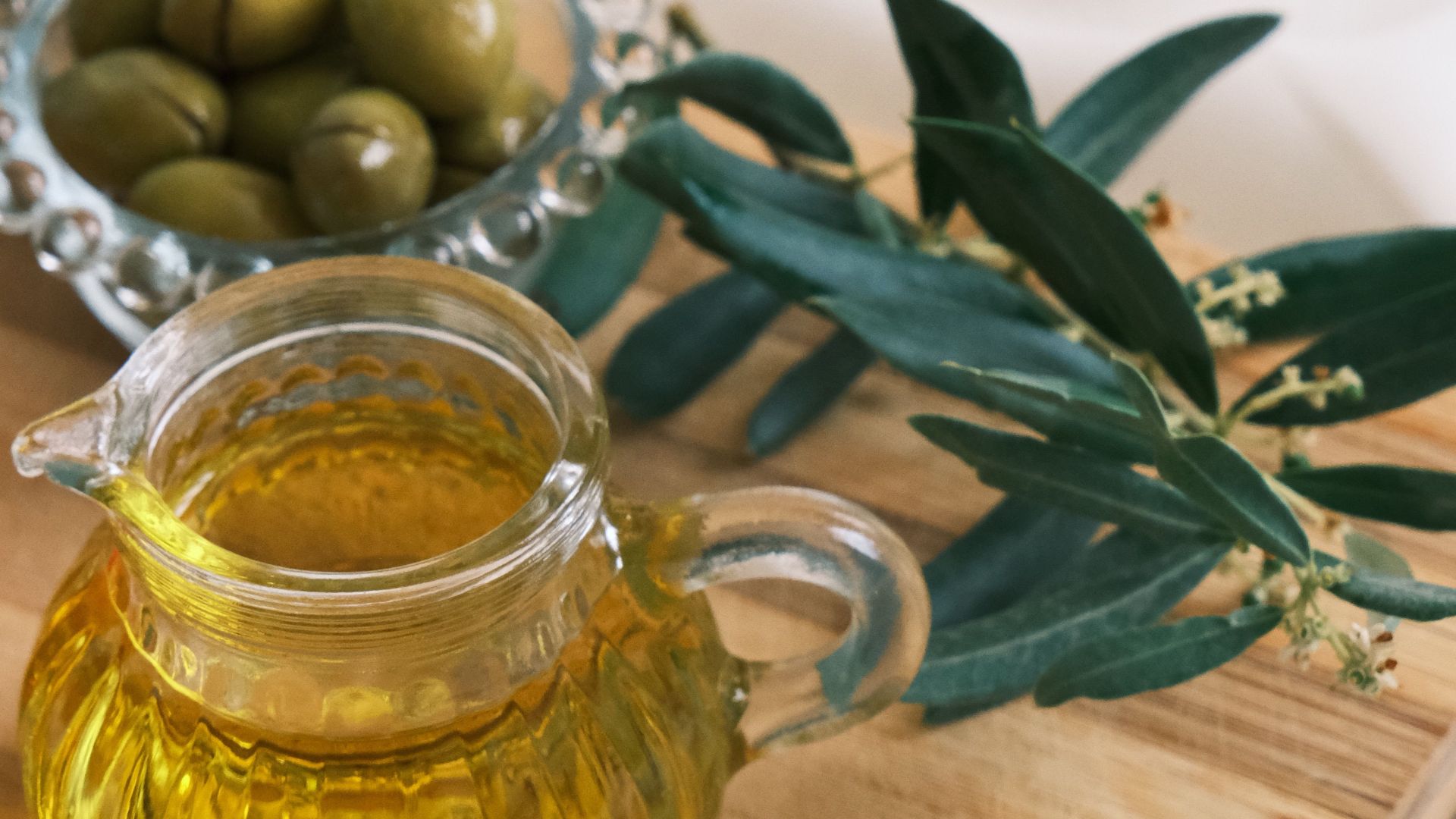
Some people cut back on oil so much that their meals become unnecessarily bland and unsatisfying. While you don’t need to pour oil on everything, avoiding every drop can make it harder to include heart-friendly unsaturated fats. Olive oil, avocado oil, canola oil, and other plant oils can fit into balanced meals in reasonable amounts.
5. You Struggle With Fat-Soluble Vitamins
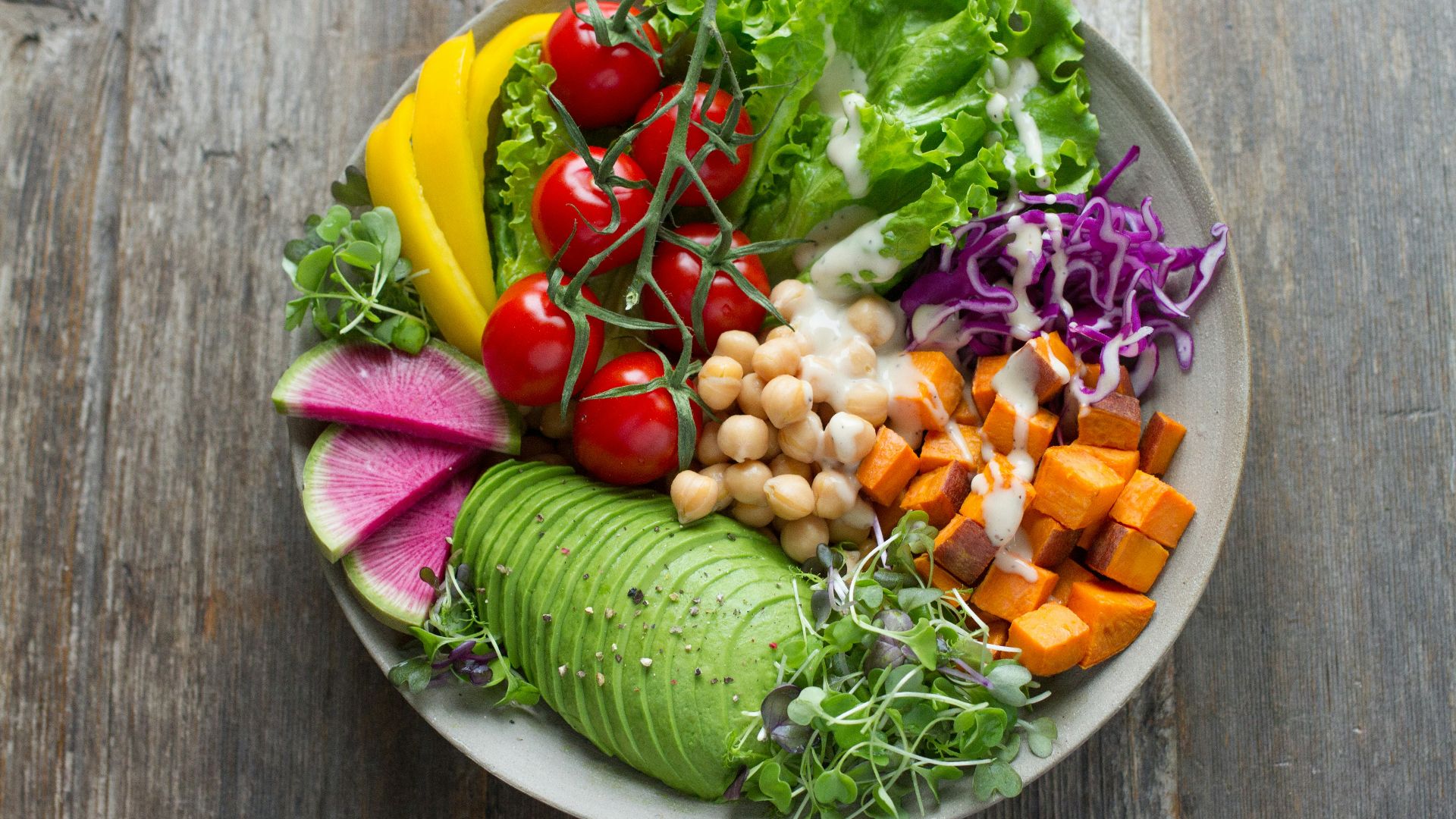
Vitamins A, D, E, and K are fat-soluble, which means your body absorbs them better when fat is present. If your meals are nearly fat-free, you may not be giving those nutrients the best chance to do their jobs. A salad with a little olive oil or avocado may be more useful than a completely fat-free version.
6. You Feel Unsatisfied After “Healthy” Meals
A meal can be full of vegetables and still leave you raiding the pantry if it’s missing staying power. Healthy fats add flavor, texture, and satisfaction, which can help meals feel less like an obligation. If your “healthy” lunch makes you feel deprived, the problem may not be your willpower.
7. Your Diet Is Too Restrictive
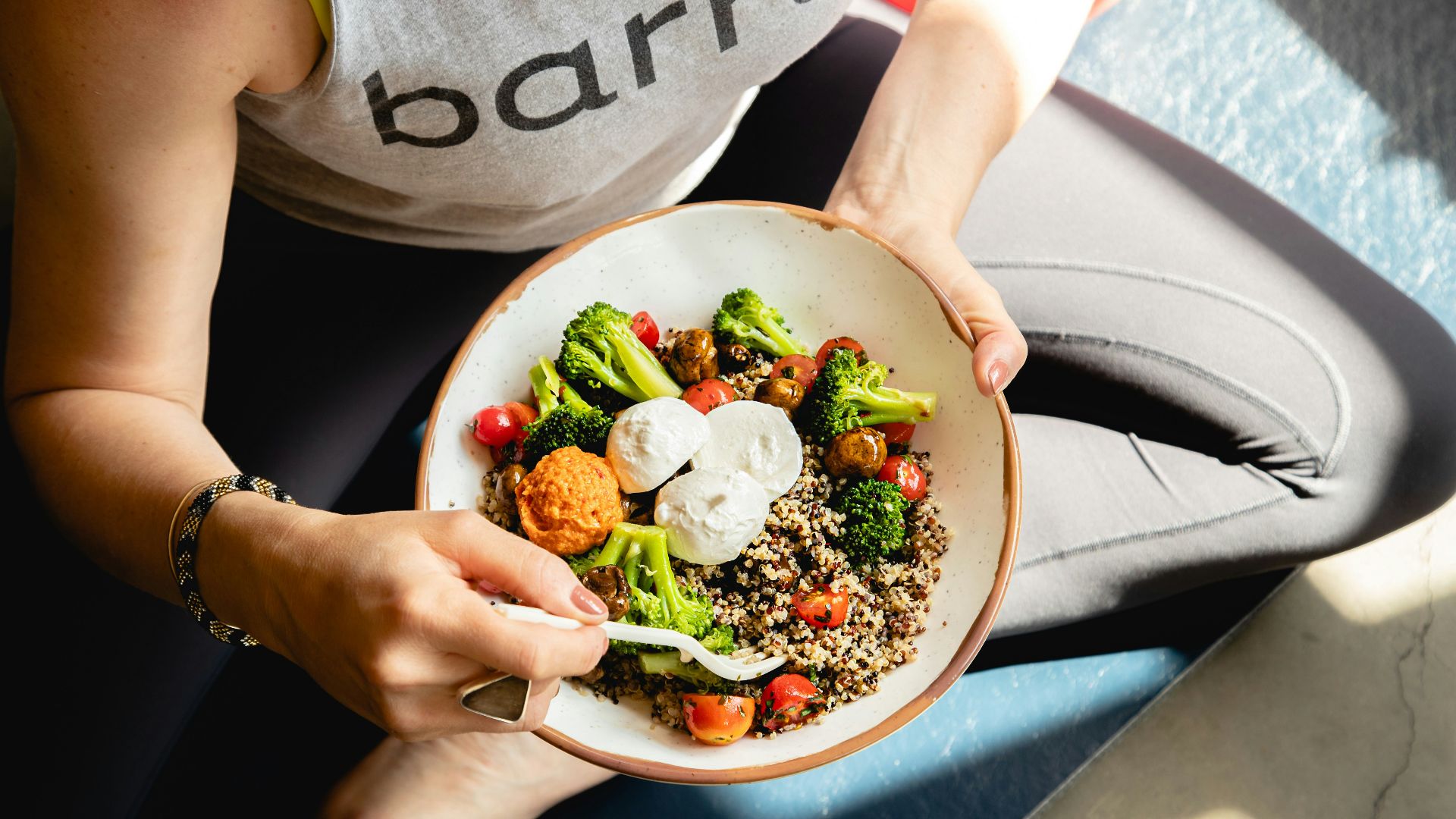
Cutting out entire food groups can make eating feel stressful and less nourishing. If you avoid nuts, seeds, avocado, oils, eggs, and fish all at once, you may be limiting important sources of healthy fat. Restriction can also make cravings stronger because your meals never feel satisfying enough.
8. You’re Always Reaching for Quick Sugar
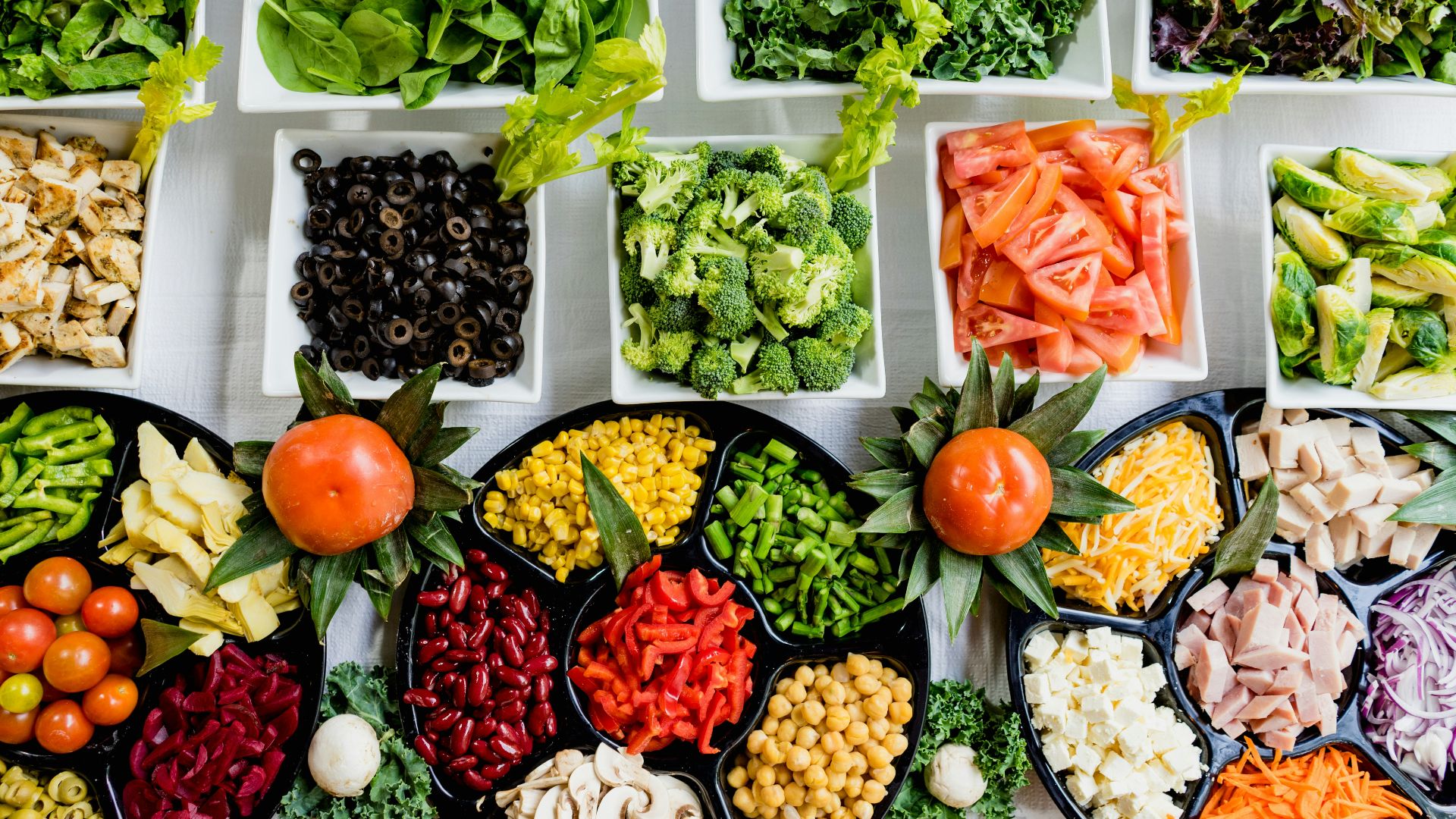
If your meals are too low in fat, you may find yourself looking for quick energy soon after eating. Sugar cravings can come from many things, including poor sleep, stress, skipped meals, or low protein, so don’t blame everything on fat. Still, adding healthy fats can help meals feel steadier and more satisfying.

9. Your Meals Taste Flat
Healthy fats do more than add calories; they also carry flavor and improve texture. A little olive oil, tahini, avocado, or crushed nuts can make vegetables, grains, and proteins taste far more enjoyable. When food tastes flat, people often compensate with extra salt, sugar, or sauces.

10. You’re Cutting Fat for Outdated Reasons
Many people still think “low fat” automatically means healthier, but nutrition advice has moved on from that old fear. The type of fat matters a lot, and replacing saturated fats with unsaturated fats is generally better for heart health than simply removing fat and filling the gap with refined carbs. If you’ve been avoiding all fat because of diet rules from years ago, it may be time to update the playbook.
Now that we've covered the signs you might be low on healthy fats, let's talk about the monounsaturated fat-rich foods worth adding to your diet.
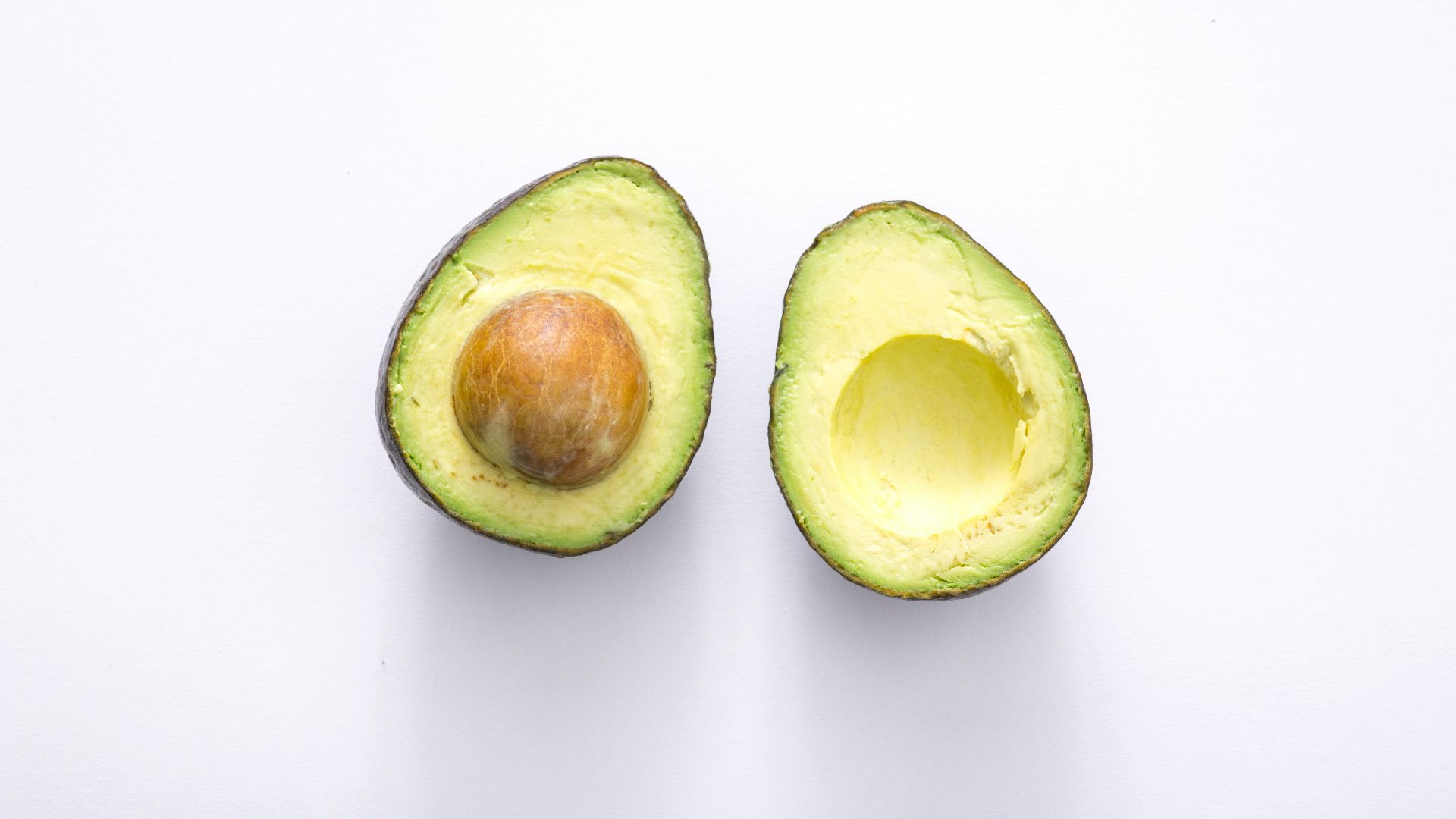
1. Avocado
Avocado is rich, satisfying, and full of heart-friendly monounsaturated fat. It works on toast, in salads, with eggs, in grain bowls, or mashed into a quick dip. Because it’s creamy, it can make meals feel more filling without needing much.
2. Salmon
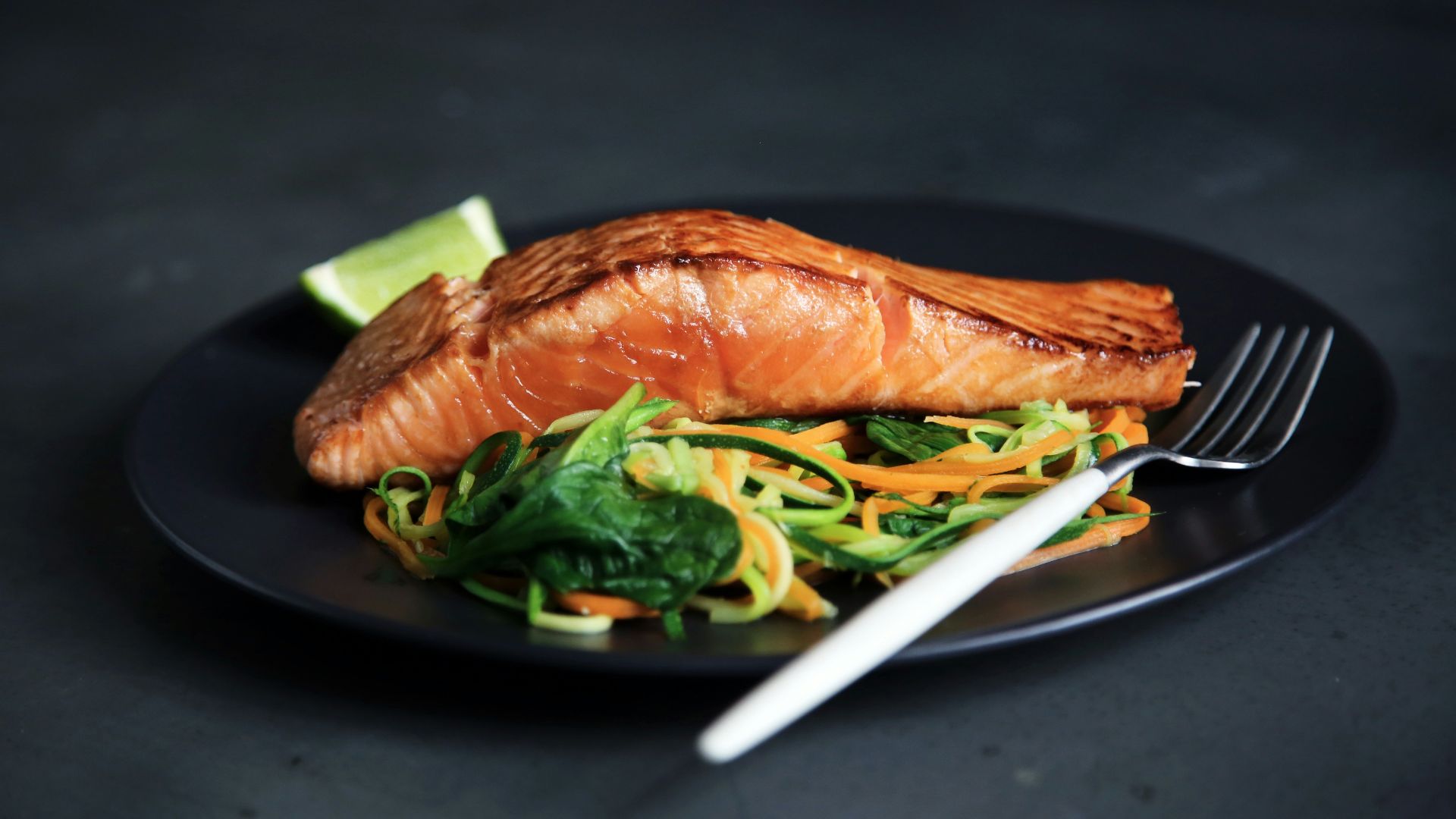
Salmon is a classic choice because it provides omega-3 fats, along with protein and other nutrients. It can be baked, grilled, flaked into salads, added to rice bowls, or tucked into tacos. If you don’t cook fish often, start simple with lemon, herbs, and a short ingredient list.
3. Walnuts
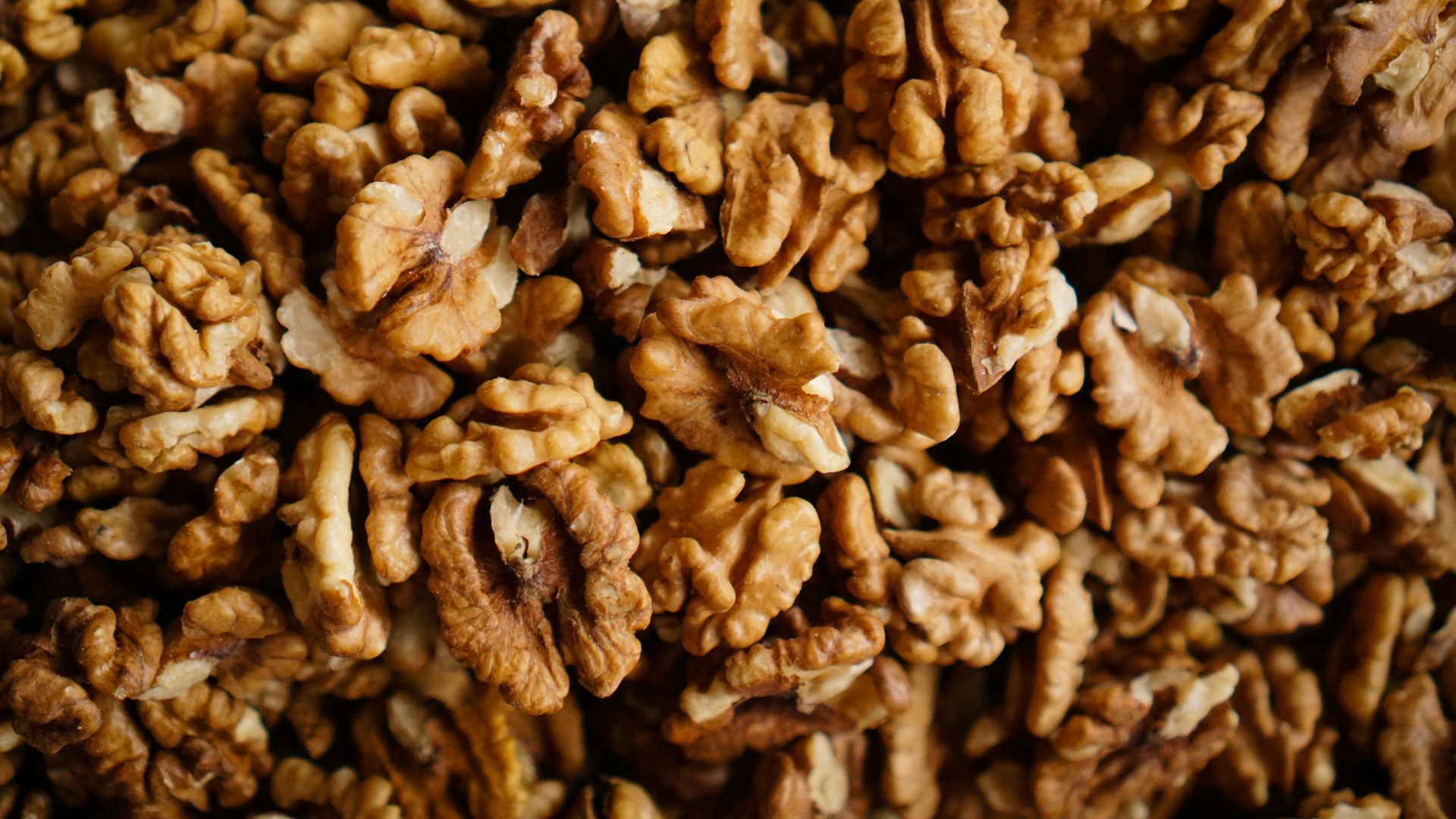
Walnuts are a handy source of healthy fats, including plant-based omega-3 fat called ALA. They’re easy to sprinkle over oatmeal, yogurt, salads, roasted vegetables, or whole-grain dishes. Since they’re calorie-dense, a small handful is usually enough to add flavor and crunch.
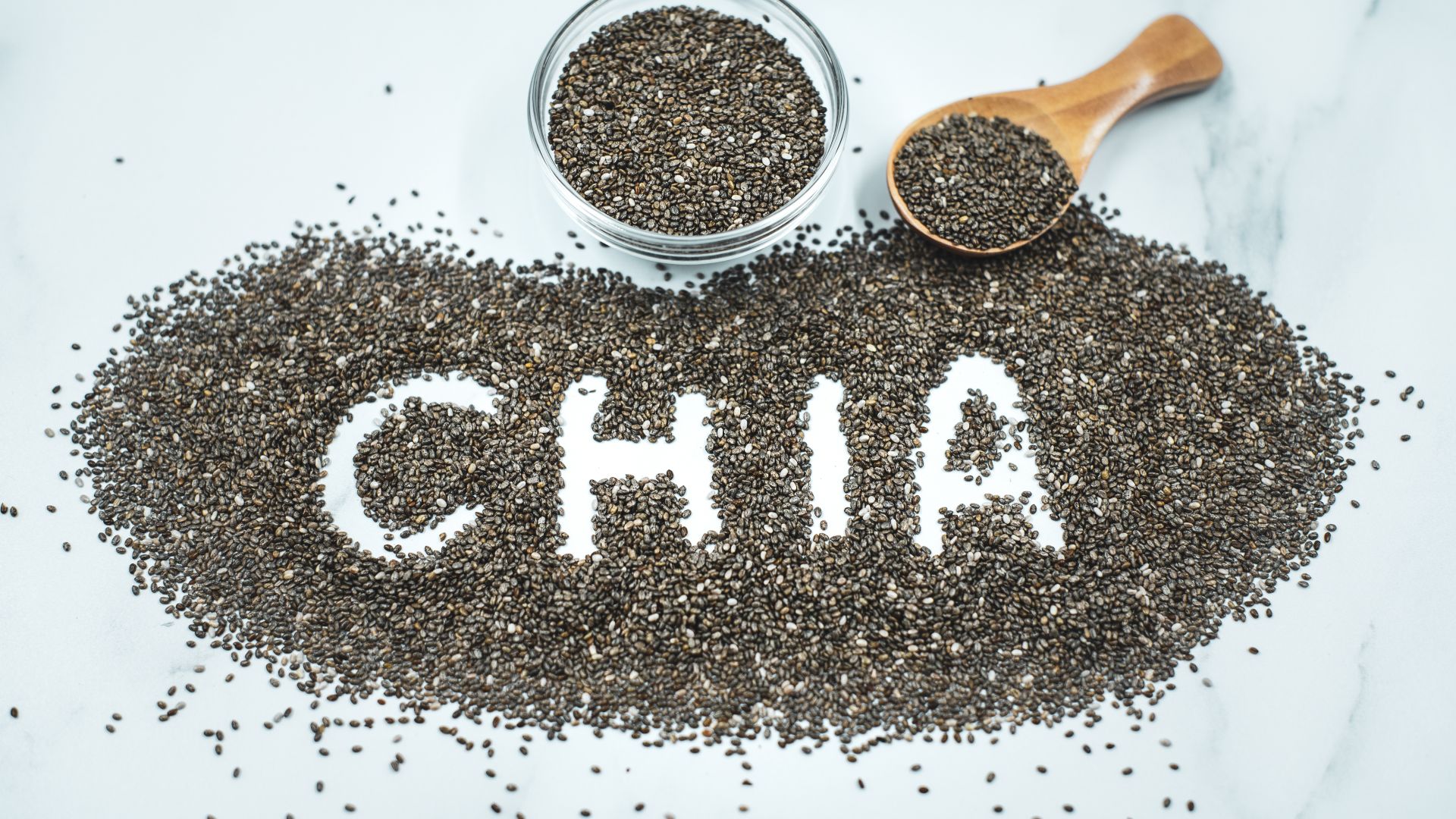
4. Chia Seeds
Chia seeds may be tiny, but they bring fiber and plant-based omega-3 fats to the table. You can stir them into oatmeal, smoothies, yogurt, or make chia pudding if you like a make-ahead breakfast. They absorb liquid, so they can create a thicker texture that feels more filling.
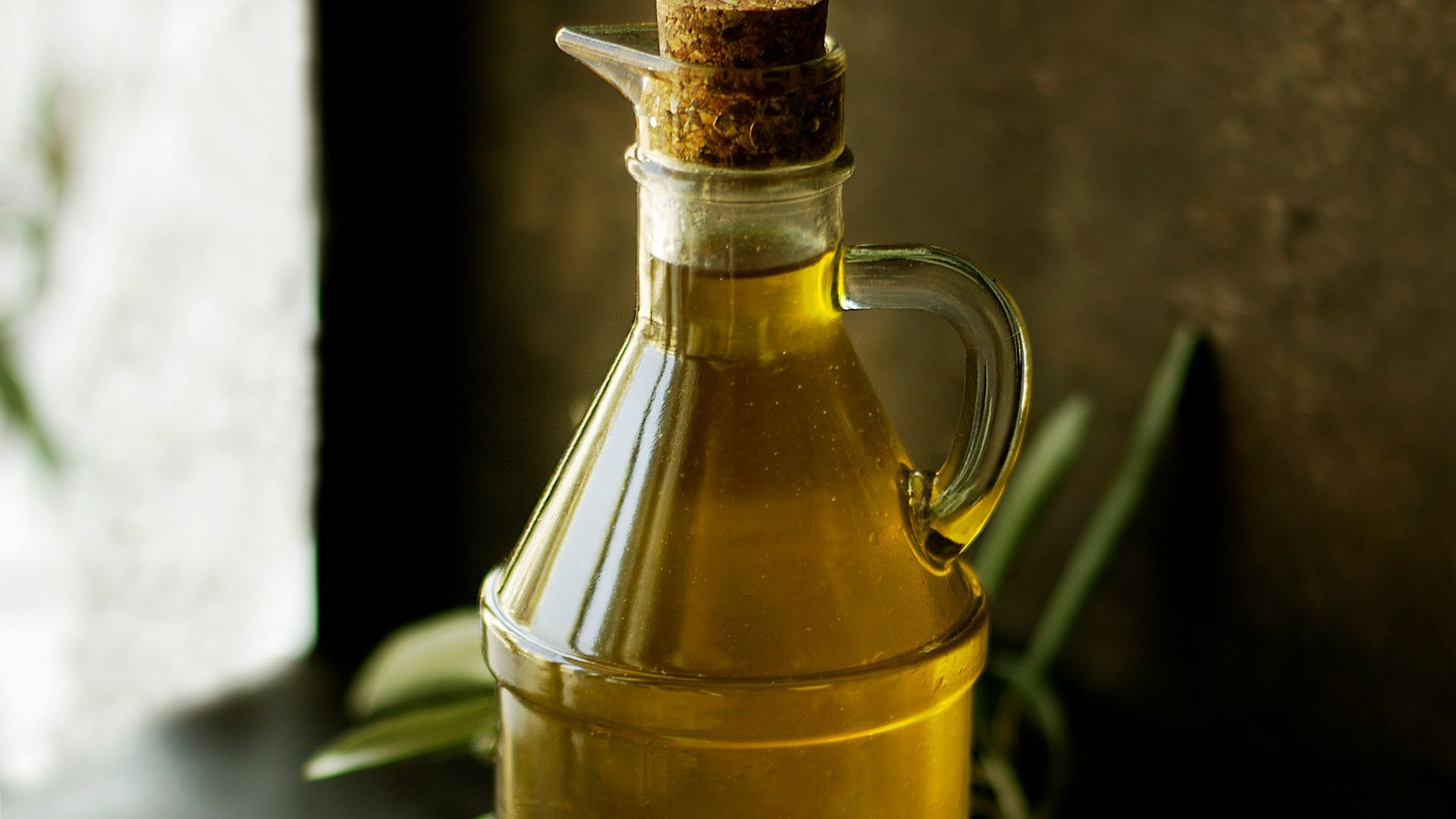
5. Extra-Virgin Olive Oil
Extra-virgin olive oil is one of the easiest healthy fats to use every day. Drizzle it over vegetables, whisk it into dressings, use it for sautéing, or add it to beans and whole grains for better flavor. A little can make simple foods taste more finished and satisfying.
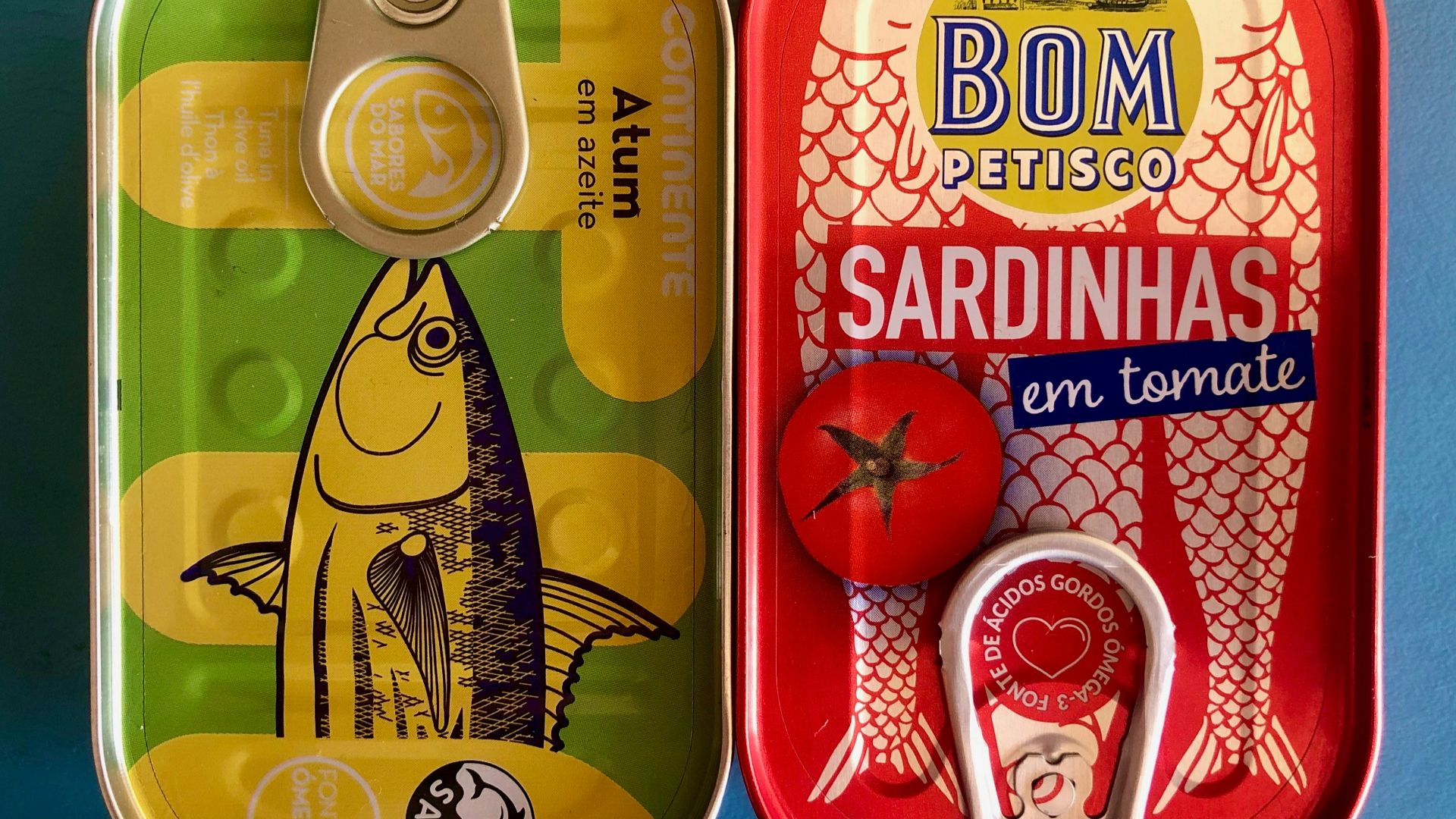
6. Sardines
Sardines are packed with omega-3 fats and protein, and they’re more convenient than their reputation suggests. You can eat them on whole-grain toast, mix them into pasta, add them to salads, or pair them with crackers and lemon. They’re also usually more budget-friendly than many other seafood options.
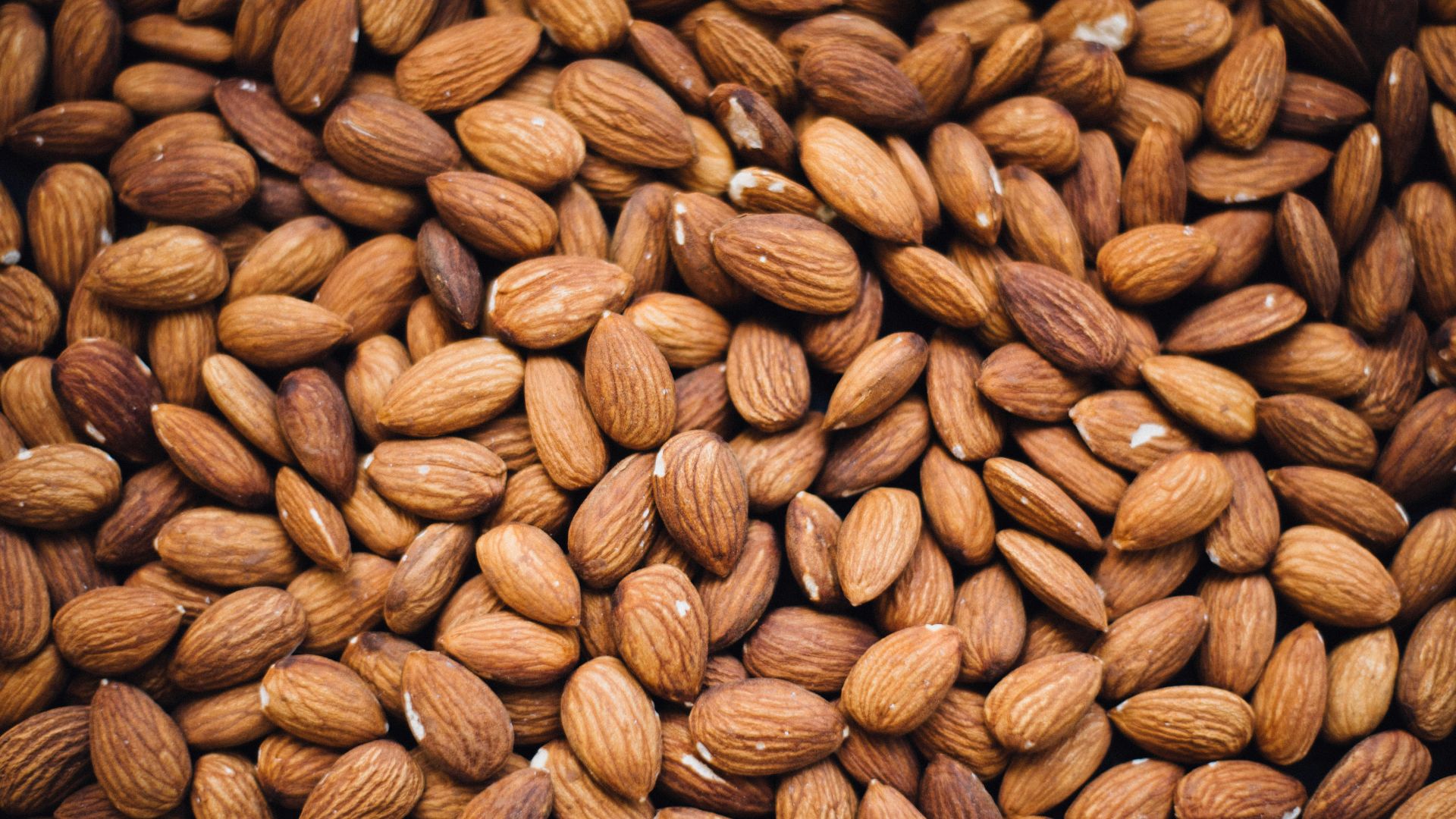
7. Almonds
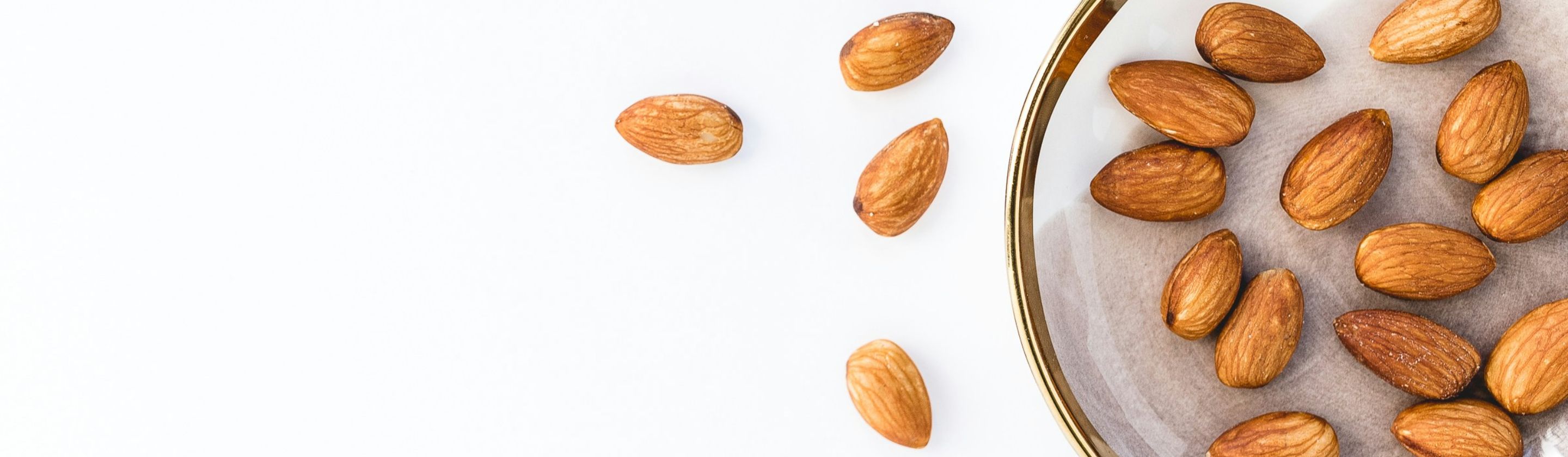
Almonds offer unsaturated fats, plant protein, fiber, and a satisfying crunch. They work as a snack, but they’re also great sliced over salads, stirred into yogurt, or blended into almond butter. Choosing unsalted versions can help keep sodium in check if that matters for you.
8. Ground Flaxseed
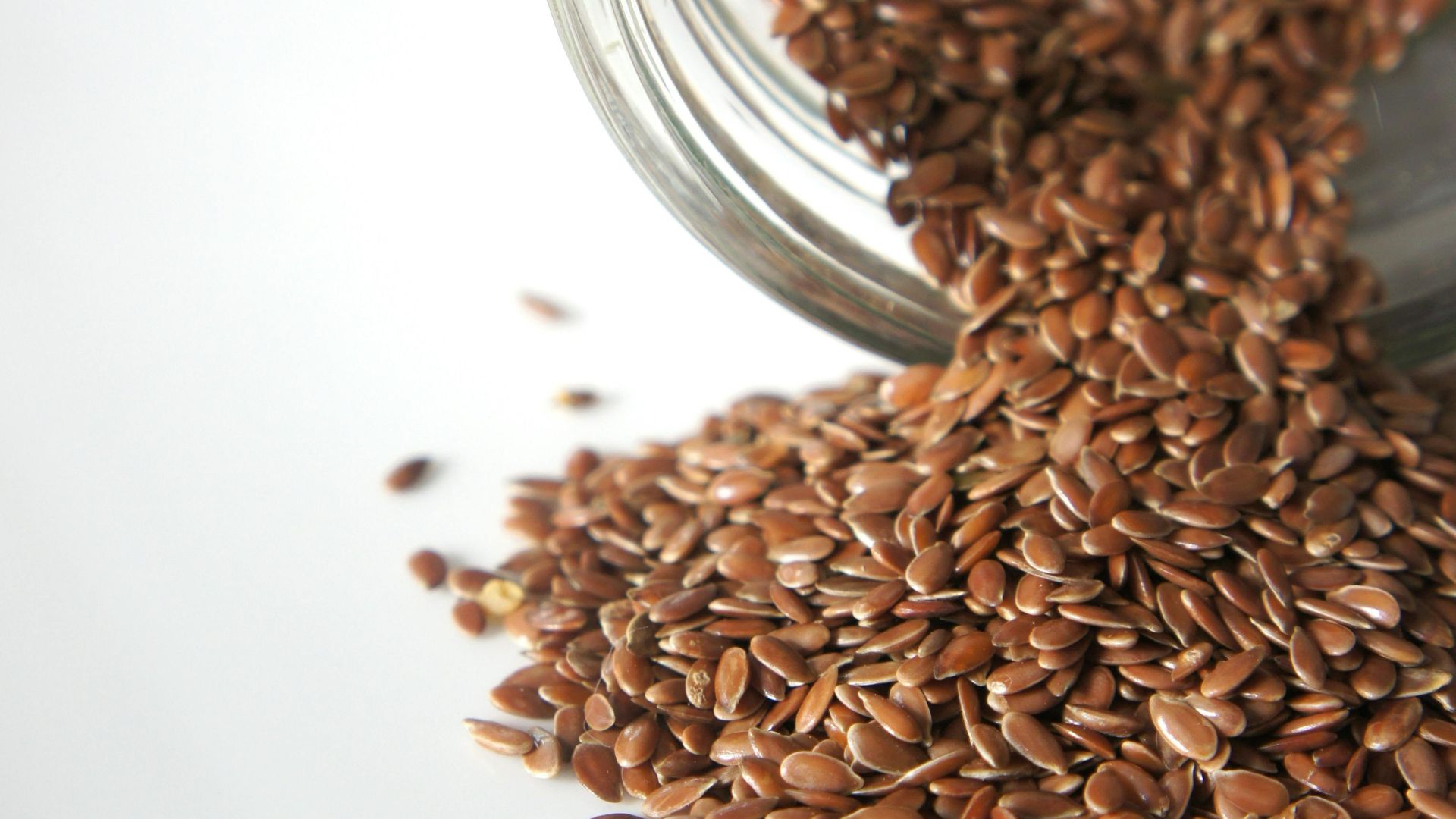
Ground flaxseed is a simple way to add plant-based omega-3 fats and fiber to meals. It blends easily into oatmeal, smoothies, muffins, pancakes, or yogurt without making much fuss. Ground flaxseed is usually more useful than whole flaxseed because your body can access the nutrients more easily.
9. Eggs
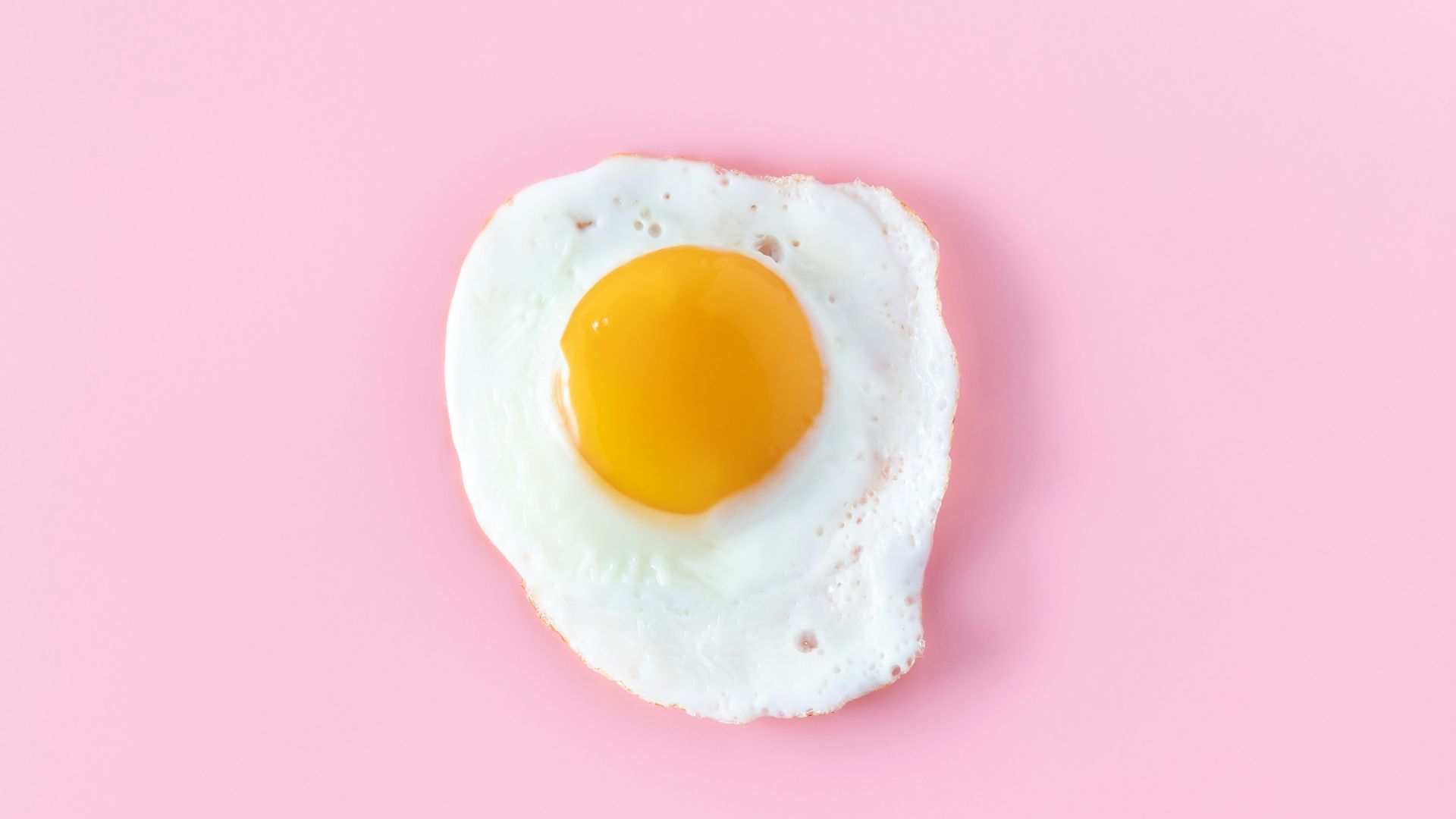
Eggs contain fat along with protein and several important nutrients, especially when you eat the yolk. They’re also affordable, quick, and easy to work into breakfast, lunch, or dinner. If you’ve been eating only egg whites because you’re afraid of any fat, you may be missing some of what makes eggs satisfying.
10. Olives
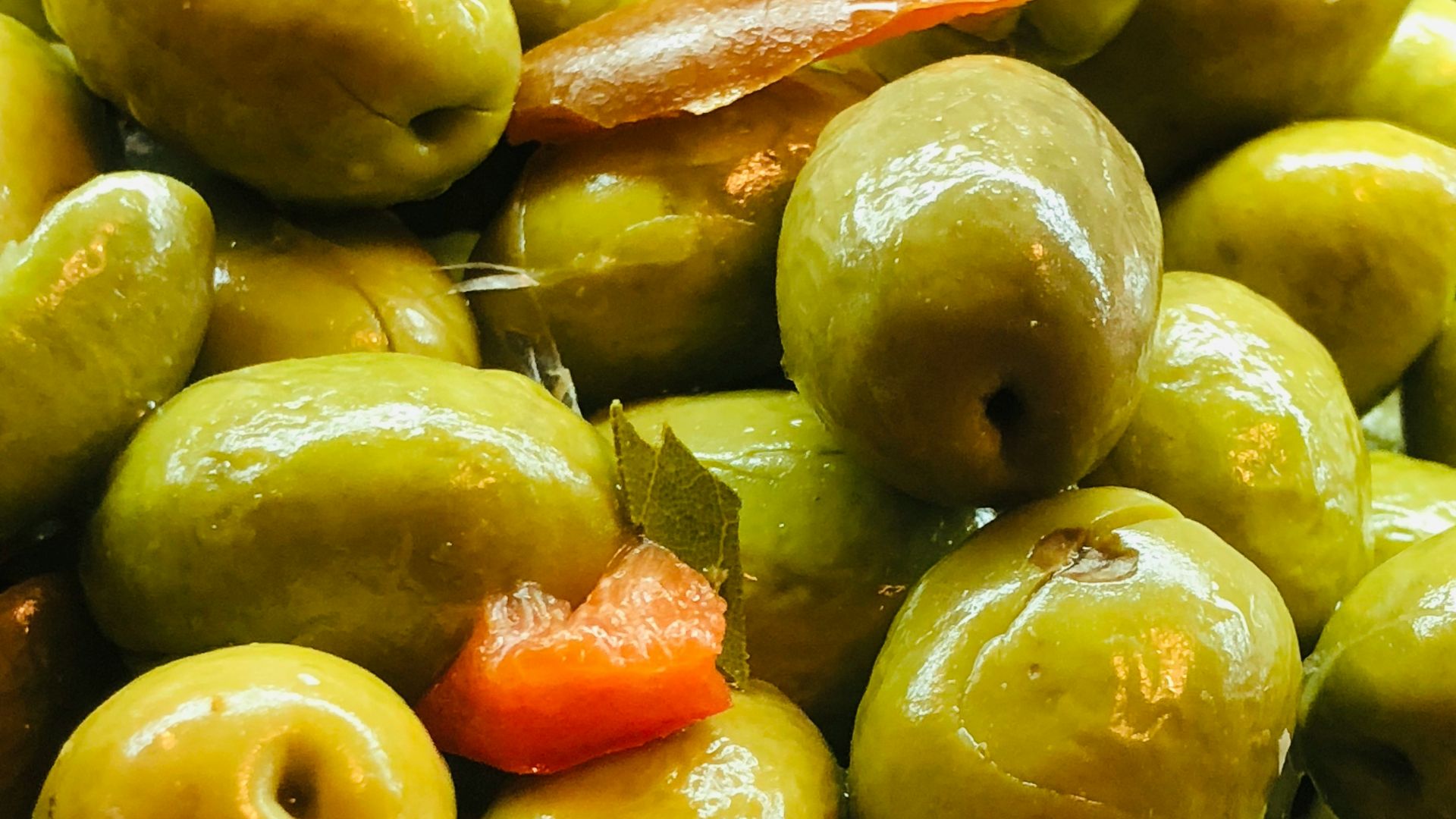
Olives are small but flavorful sources of monounsaturated fat. They can add richness to salads, grain bowls, pasta, chicken dishes, or snack plates without needing much prep. Since they can be salty, portions matter, especially if you’re watching sodium.
KEEP ON READING


20 Ways To Get Your Vitamins And Minerals

20 Ways Doing Less Can Actually Improve Your Health