Trusting Your Joints Wholeheartedly
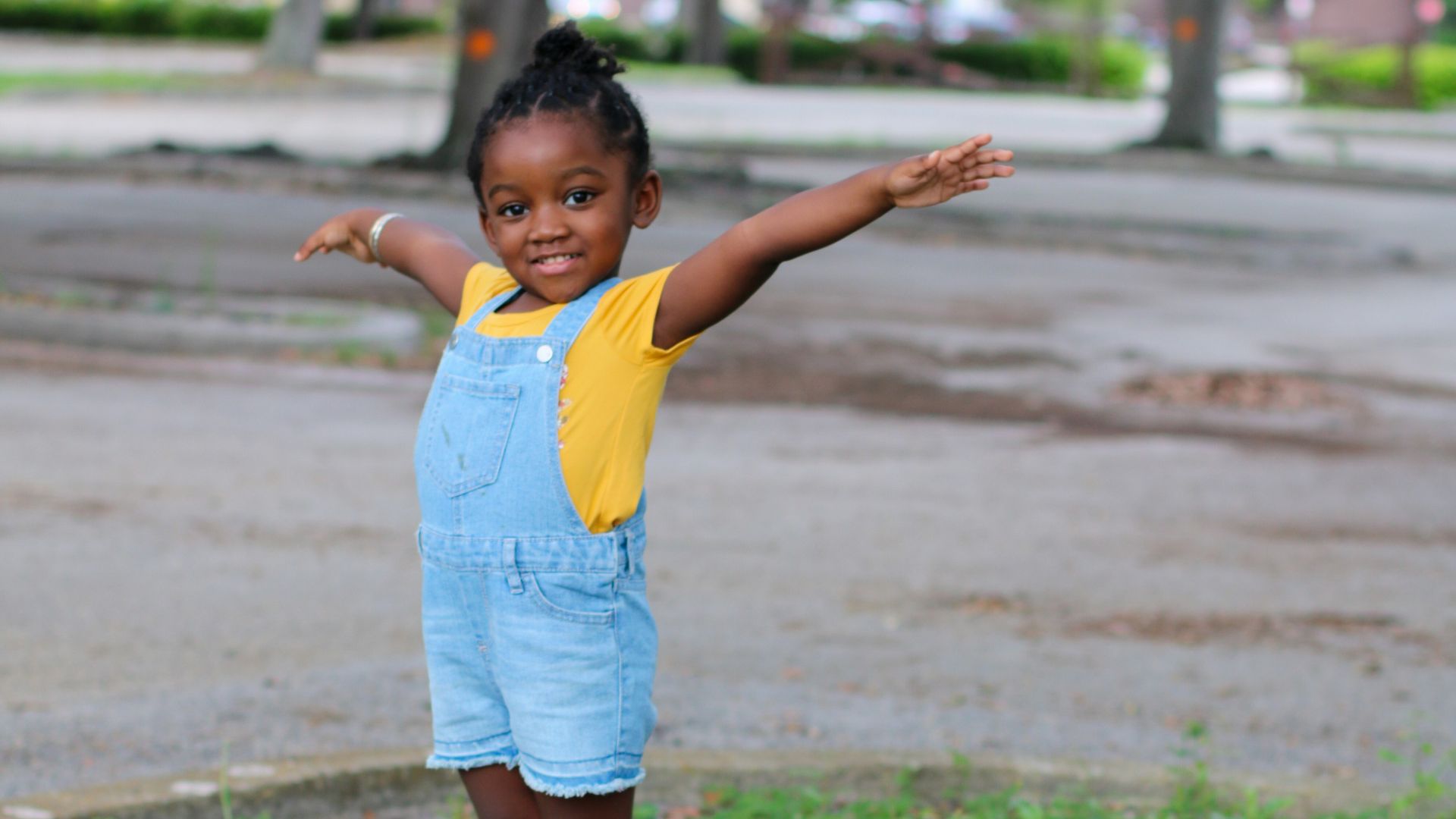
Toddlers aren’t exactly known for their polished form. They squat to inspect crumbs, crawl across the floor, climb whatever looks tempting, and seem to switch positions every few seconds. Adults, meanwhile, can spend whole days folded into chairs, shoes, cars, and couches, then wonder why their bodies start feeling stiff or awkward. While we’re not expecting you to start crawling down the sidewalk, mimicking a toddler’s everyday habits might give us the loosy goosy feeling we’re looking for.
 Kindred Hues Photography on Unsplash
1. Drop Into A Squat
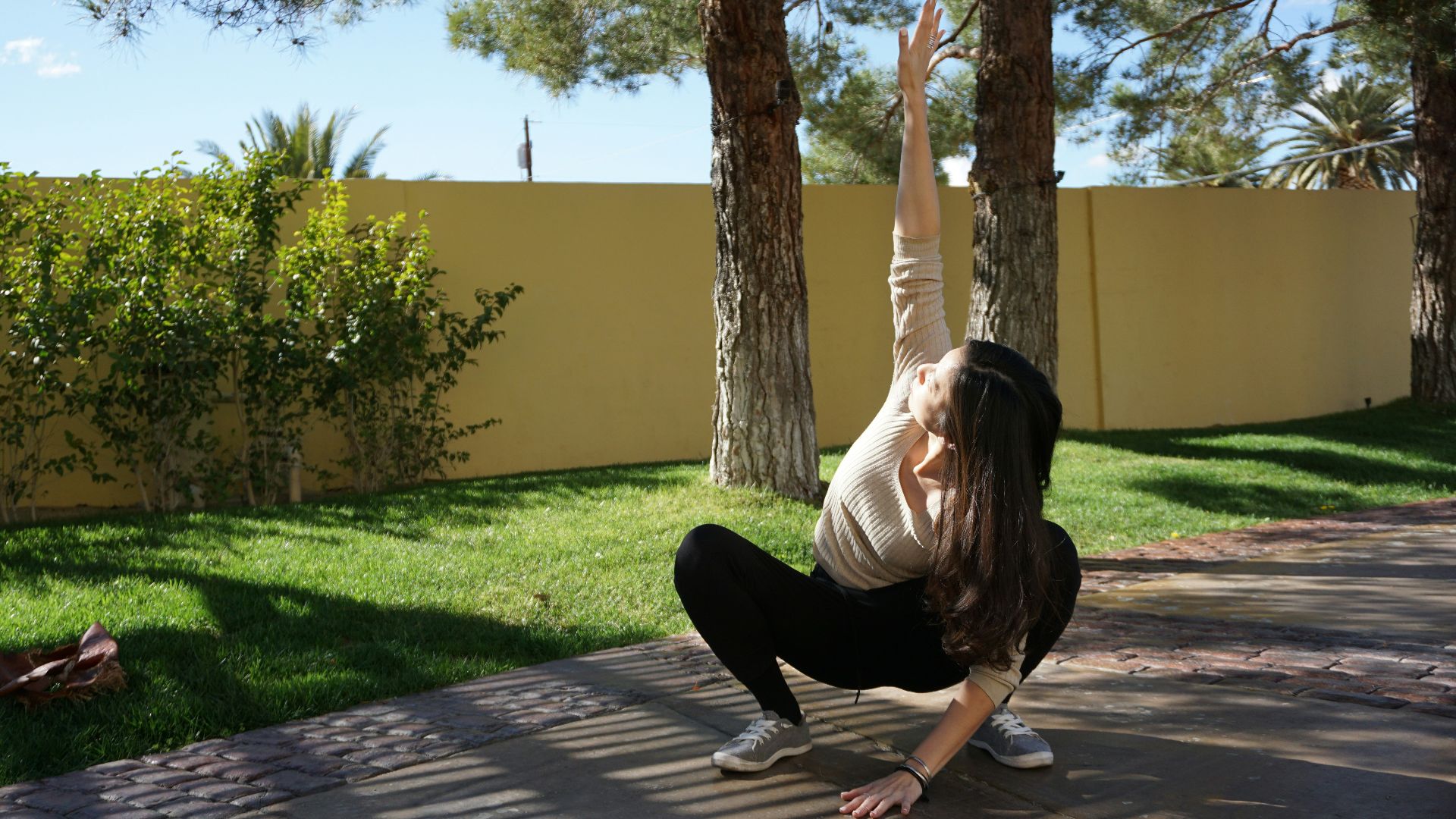
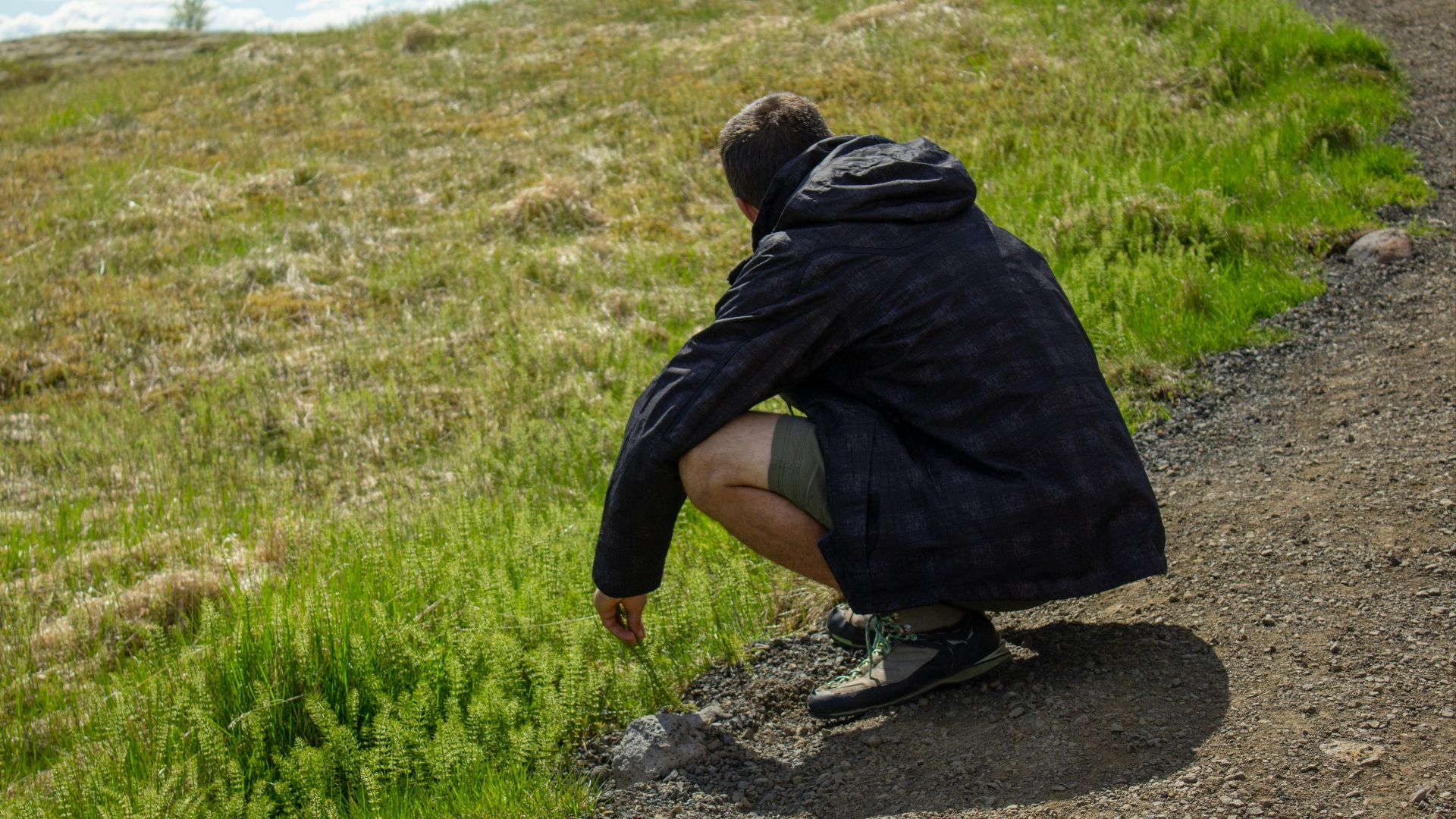
Toddlers squat all the time because it’s one of the easiest ways to get close to the ground. For adults, a squat asks the hips, knees, ankles, and core to work together, which is exactly why it can feel tough after years of chair-heavy living. Start near a counter or sturdy chair, and only lower as far as you can control without discomfort.
2. Get Down To The Floor
Toddlers don’t treat the floor like a place to avoid. They sit, kneel, crawl, flop, and stand back up, sometimes within 30 seconds. This gives them the stability they need to move their body around. Adults can rebuild some of that confidence slowly by using a couch, wall, or chair for support.

3. Change Positions Often
A toddler may sit still for a few minutes, but the shape usually changes fast. They shift from kneeling to squatting to sprawling without giving it much thought. Adults can borrow that habit by standing, stretching, walking, or simply changing seats before stiffness has a chance to settle in.
 Melanie Silberberg on Unsplash
4. Crawl A Little
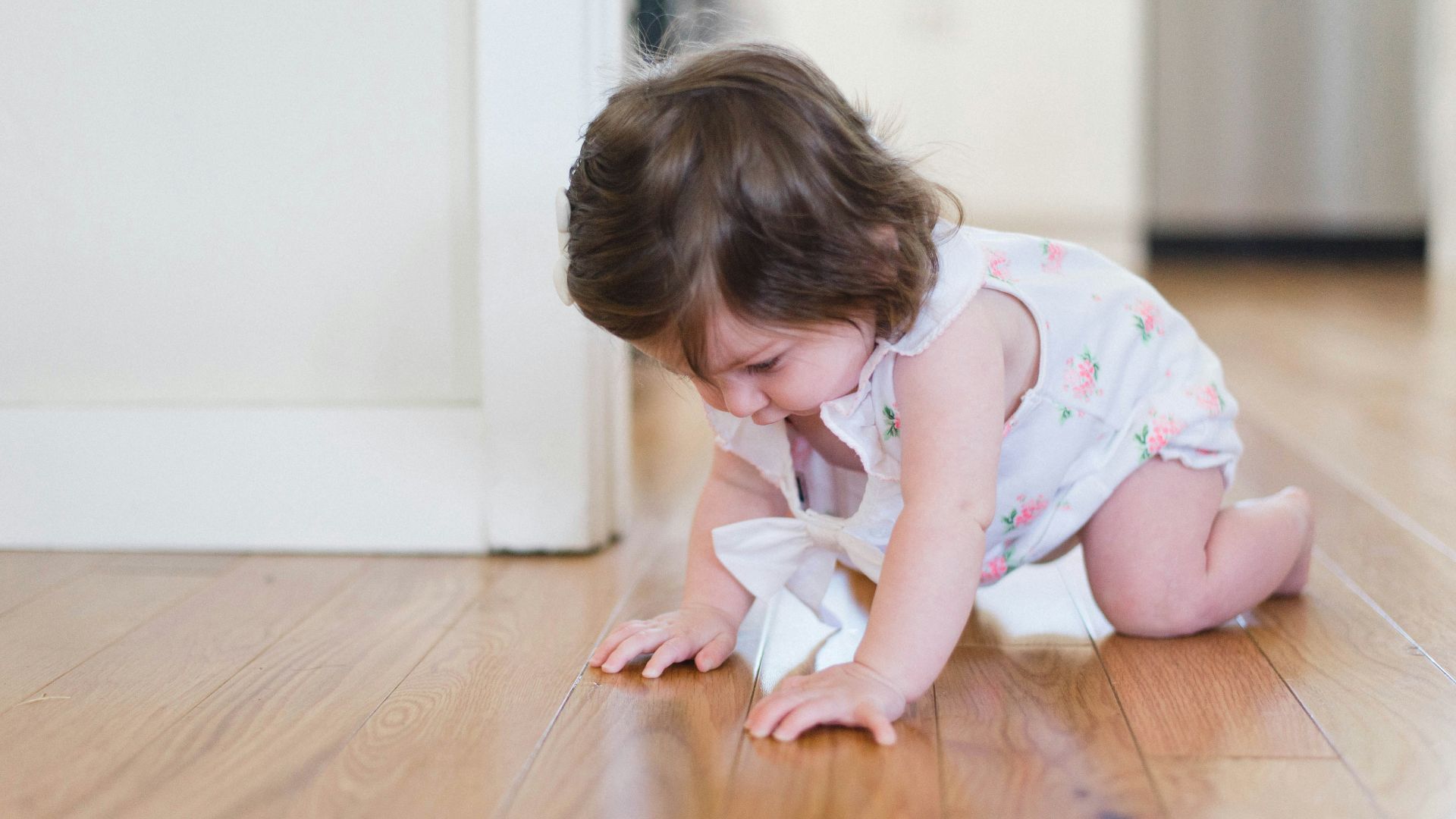
Crawling can feel silly as an adult, which is probably why most people stop doing it. Still, it brings the shoulders, wrists, hips, core, and coordination into the same movement. Just give it a try, even if you feel silly. Toddlers don’t usually feel embarrassed, either.
5. Reach Overhead
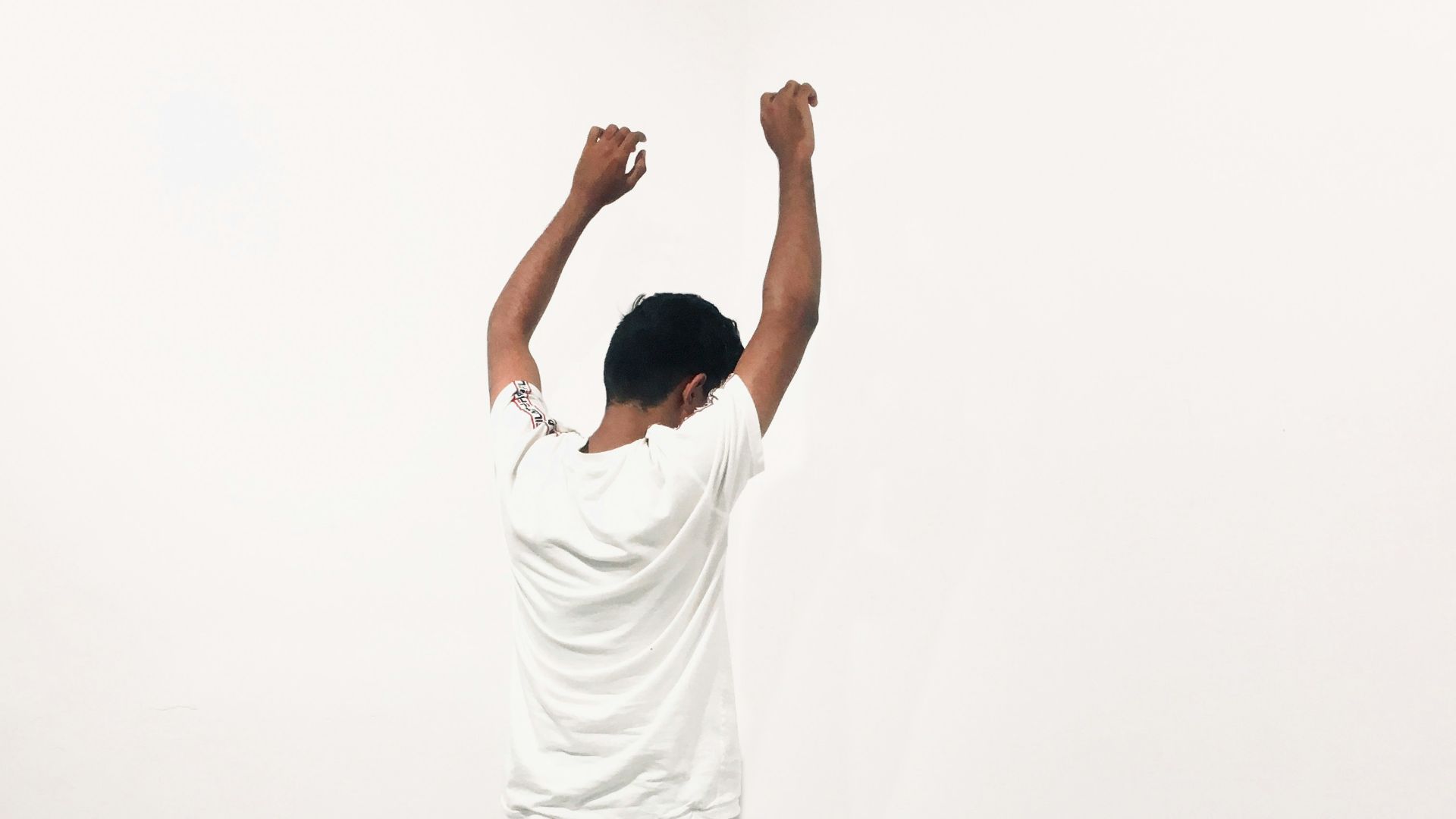
Toddlers reach for everything, especially whatever sits just beyond their grasp. That kind of reaching keeps the shoulders moving through a wider range than most desk jobs allow. Gentle overhead reaches, wall slides, or slow arm lifts can help adults practice that motion again.
6. Let Your Feet Work
Toddlers often move barefoot at home, so their toes can spread, and their feet can feel the floor. Adults spend far more time in shoes, which can make safe barefoot movement indoors a useful change of pace.

7. Practice Balance
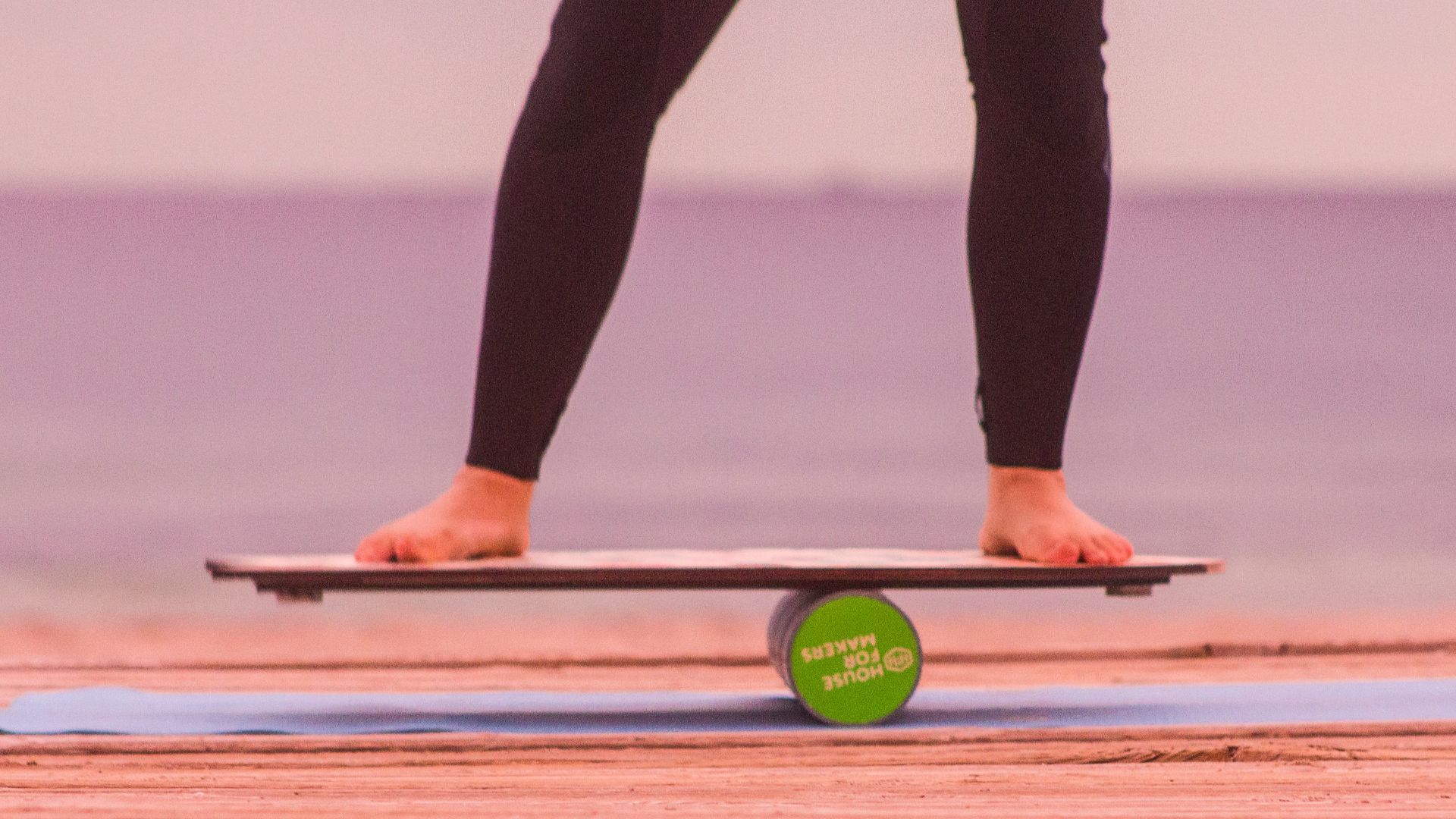
Toddlers wobble, catch themselves, and try again. Balance is something adults can train too, and it doesn’t need to be complicated. Whether it's yoga, tai chi, or simply lifting one foot while cooking dinner, you can implement balance practice into many parts of your day.
8. Take Stairs Seriously
As stairs tend to be a challenge for toddlers, they tend to approach them with curiosity and care. Adults often rush up and down while carrying bags, checking phones, or thinking about everything except the next step. Slow down now and then, use the railing, and pay attention to how each foot lands.

9. Move Sideways
Adult life tends to move straight ahead. Toddlers sidestep, zigzag, pivot, and dodge without treating it like exercise. Side steps, gentle lateral lunges, or careful shuffles can bring back movement patterns that don’t get much use.

10. Twist To Look Around
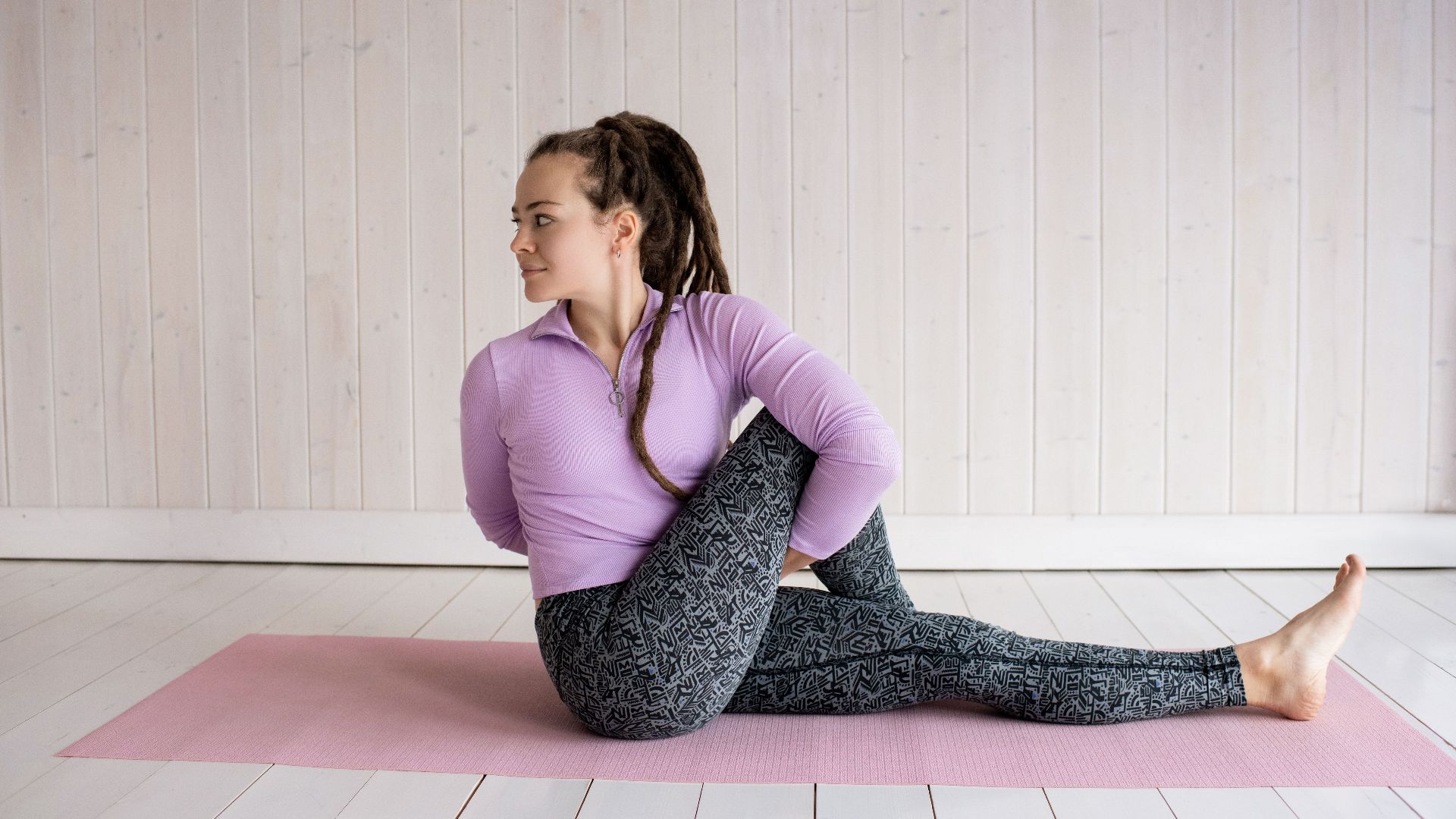
Toddlers rotate constantly, because everything around them is so exciting. Adults often move as if the torso is one stiff block, especially after long hours at a desk. Gentle seated twists, cross-body reaches, and slow looks over each shoulder can help bring that rotation back into daily movement.
11. Pick Things Up Differently
A toddler drops something and turns the pickup into a squat, hinge, kneel, or reach. Adults tend to use the same rushed bend every time. Try picking up light objects from the floor in different ways, moving slowly enough to notice what feels tight or uneven.
 Intricate Explorer on Unsplash
12. Carry Odd Objects
Toddlers carry stuffed animals, toy trucks, shoes, blocks, and whatever mystery item they found under the couch. Those uneven carries challenge grip, posture, balance, and coordination. Adults can do the same grown-up version with groceries, laundry baskets, backpacks, or even their day bag.

13. Push And Pull
Toddlers love pushing toy carts, dragging blankets, and hauling objects around for reasons that don’t always make sense. Those patterns show up in adult life too, from doors and strollers to suitcases and furniture. Wall push-ups, resistance bands, and laundry-basket slides can all train the same basic idea.
 Long (lTiga) Nguyen on Unsplash
14. Sit In Different Shapes
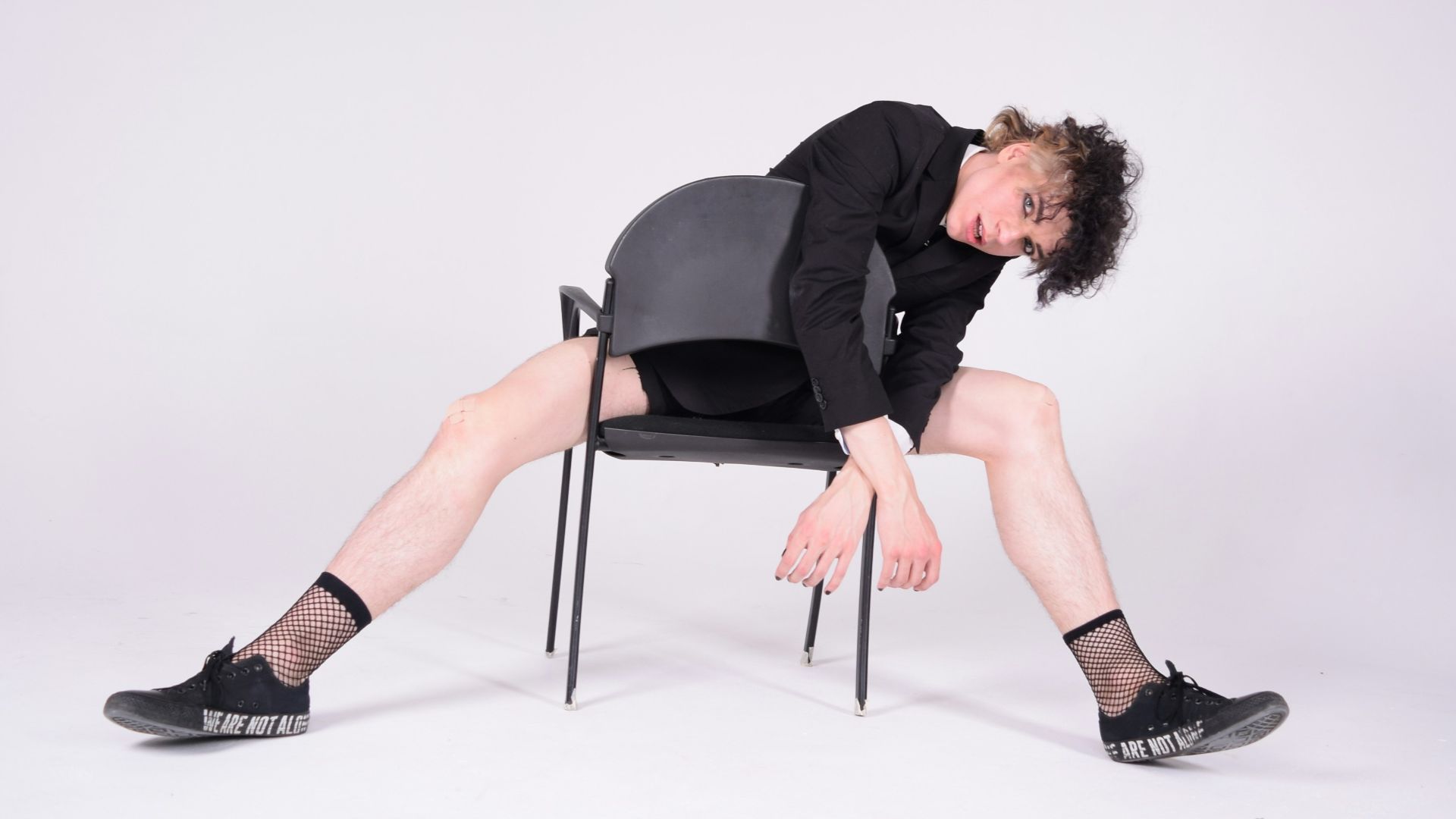
Toddlers sit cross-legged, kneel, side-sit, sprawl, and fold themselves around whatever they’re doing. Adults often fall into one chair, one posture, and one familiar slump. Try brief floor-sitting variations with cushions nearby, and change position if your legs start to feel numb.
15. Walk In Short Bursts
Toddlers don’t wait for a perfect 45-minute exercise window. They move in little bursts all day. This is definitely a habit adults can make use of. A lap during a phone call, a walk after a meal, or a quick stroll between tasks can help break up the monotony of sitting.

16. Wake Up Your Ankles
Toddlers crouch, bounce, tiptoe, squat, and shift weight constantly, so their ankles get plenty of practice. Adult ankles can get stiff from shoes, chairs, and flat surfaces. Ankle circles, calf raises, heel-to-toe walks, and gentle tiptoe reaches are simple ways to bring them back into the routine.

17. Play With Speed
Toddlers move fast, slow, suddenly, and unpredictably, depending on their mood. Adults often settle into one place for almost everything. Try standing from a chair slowly, lowering into a squat with control, or climbing stairs deliberately instead of rushing through the motion.

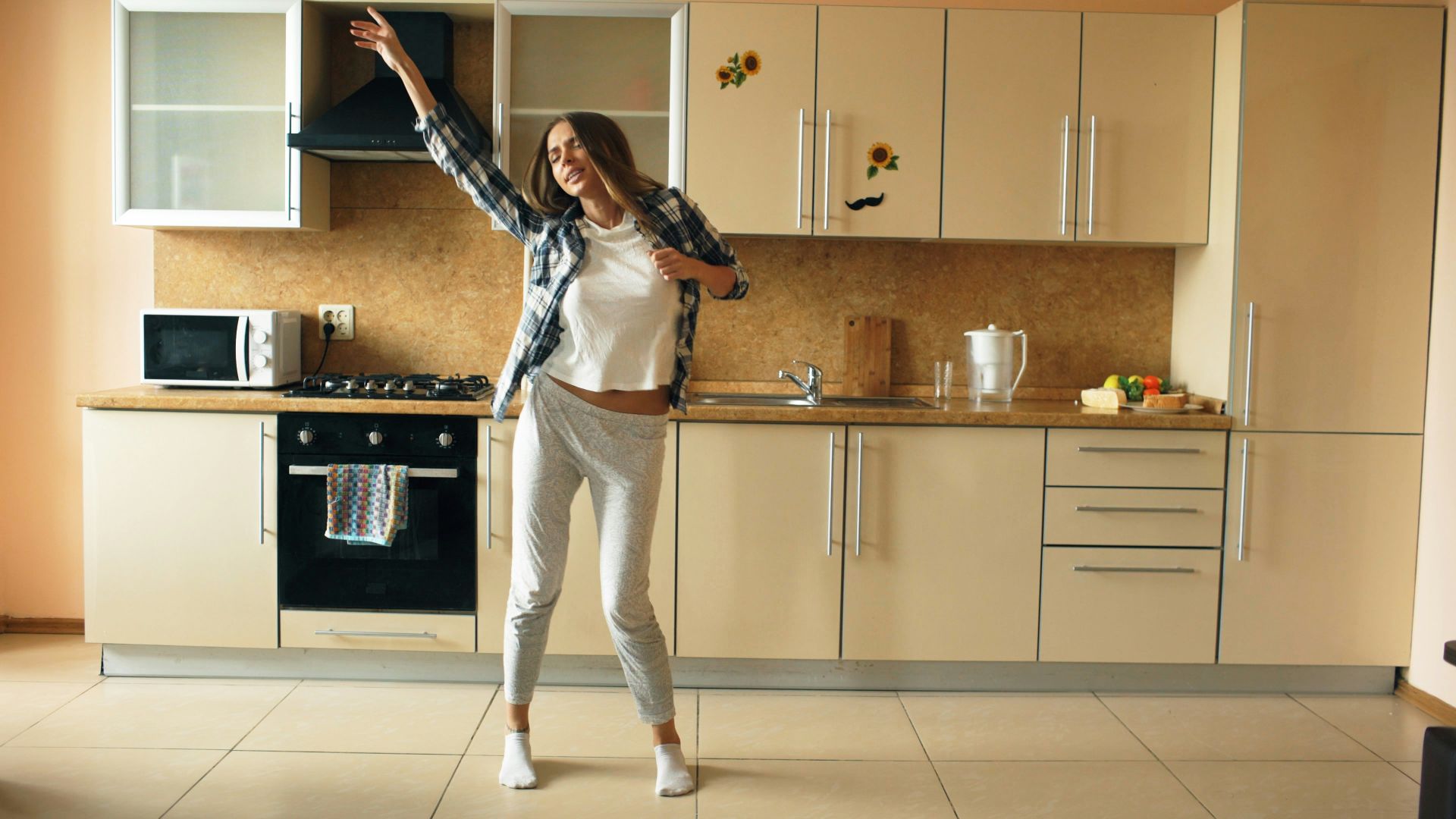
18. Dance For No Reason
Toddlers hear a song and start moving. Dancing blends balance, rotation, footwork, coordination, and maybe even a little bit of fun. Put on one song, keep it low-impact if needed, and let your body be free for a few minutes.
19. Rest When Needed
Toddlers may fight naps with every fiber of their being, but their bodies still run on cycles of effort and recovery. Adults often ignore fatigue until it starts to ruin their mental or physical health. We need mobility just as much as we need rest.

20. Make Movement Feel Like Play
Toddlers don’t separate movement from daily life. They explore, test, reach, climb, crouch, crawl, and wander because the world keeps giving them reasons to move. Adults can bring that same spirit into cooking, cleaning, waiting, playing with pets, or just about anything else in their day-to-day life.

KEEP ON READING



20 Ways to Make Errands Count as Exercise