Reshaped Life Together
We often think of retirement as one of our biggest life changes, and while that’s true, it’s a lot more than a bonus you score after working all your life! It can also be a major turning point for a marriage; it changes routines, responsibilities, money habits, and the amount of time you two actually spend together. The shift can be healthy, but it usually works best when both partners talk openly about what they want their new stage of life to look like. With that, come with us as we explore a few ways this big move changes things.

1. Daily Routines Become Shared Territory
Retirement puts both spouses in the same space for way longer than before. That can be a blessing and a curse! One person may want a slow morning with coffee and the news, while the other wants to start errands by 8 a.m. Just remember that even small situations can turn into daily friction unless you agree on a rhythm.

2. Personal Space Matters
It’s always important to give each other a little space, but a spouse who spent decades commuting is now suddenly home during the other person’s quiet time. Healthy retirement marriages usually need clear space boundaries, even when both people enjoy spending time together.

3. Money Conversations Get More Real
Retirement isn’t a get out of work free card—it comes with all kinds of expenses that you and your spouse need to talk about and agree on. Income may shift from paychecks to savings, pensions, Social Security, or investment withdrawals, which means you need to decide what fits the budget. These talks can be a little uncomfortable, but avoiding them is worse.

4. Household Roles May Need To Be Reworked
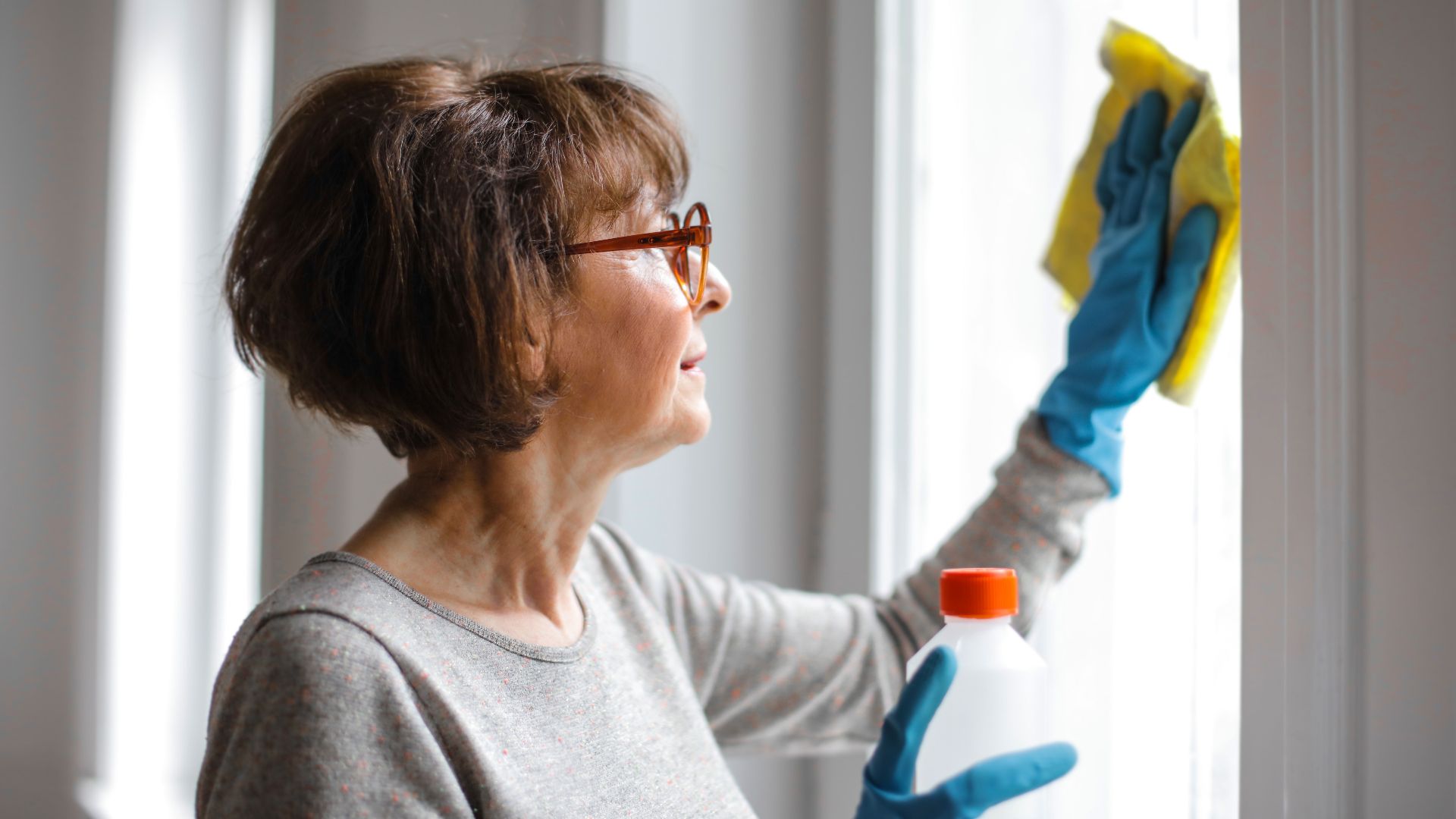
When one spouse retires, the old division of labor doesn’t always make sense. If one person handled laundry and appointments while the other worked full-time, retirement can create a fair opportunity to redistribute tasks. Talk it out and rework that old chore wheel!
5. Time Together Changes
Don’t get us wrong; plenty of couples look forward to retirement because they can spend more time together. However, constant togetherness is pretty intense when there’s no workday to create natural separation. Even in retirement, there’s nothing wrong with having your own hobbies.

6. Old Irritations Become Harder to Ignore
Work often gives couples a break from the little habits that bother them. After retirement, however, things like leaving dishes in the sink or interrupting phone calls can get under someone’s skin because they now happen all day.

7. Couples Rediscover Friendship
Who said you can’t be best friends with your spouse? Retirement can give you the time to enjoy each other without the pressure of constant obligations. That means you can now start taking morning walks, watching old movies, or visiting a local cafe once a month!

8. Different Retirement Visions
Just because you’re both retired doesn’t mean you’ll always have the same idea about downtime. One spouse may picture retirement as volunteer work, while the other may want quiet days at home. That’s okay! Couples do better when they discuss expectations.
9. Intimacy Can Change
Retirement can affect physical and emotional intimacy just as much as your everyday schedule. Some couples feel closer. Others struggle if health issues or sleep problems get in the way. Whatever the case, honest conversations prevent distance from becoming the default.
10. Health Habits Become a Shared Issue
When spouses spend more time together, one person’s health choices can affect the other. If one partner wants to walk after dinner and cook lighter meals, but the other keeps buying pastries and skipping appointments, frustration builds pretty quickly. You guys are stuck together now, so retirement works better when couples support each other’s goals!
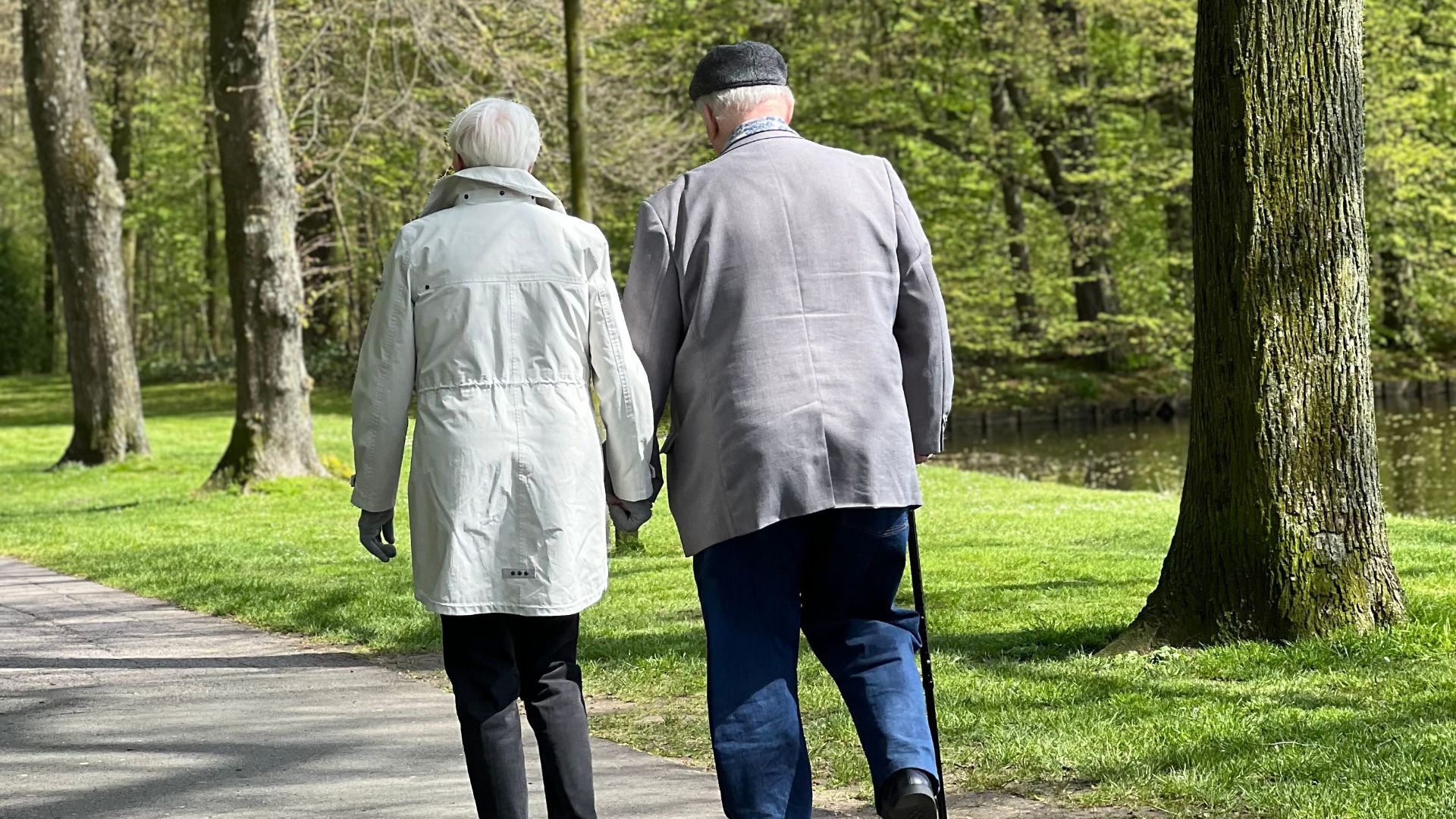
11. Social Lives May Need Rebuilding
Work often provides casual conversation and a sense of belonging—once that’s gone, a spouse may lean heavily on the marriage for all their emotional needs. That’s why it’s important to have hobbies! Joining a book club or meeting friends for coffee can help both partners avoid burnout.

12. Decision-Making Can Become More Frequent
Retired couples face more shared decisions once daily life is less structured by work. You two might need to combine your noodles and figure out when to visit grandchildren, whether to downsize, how often to travel, or how much to spend on home repairs.
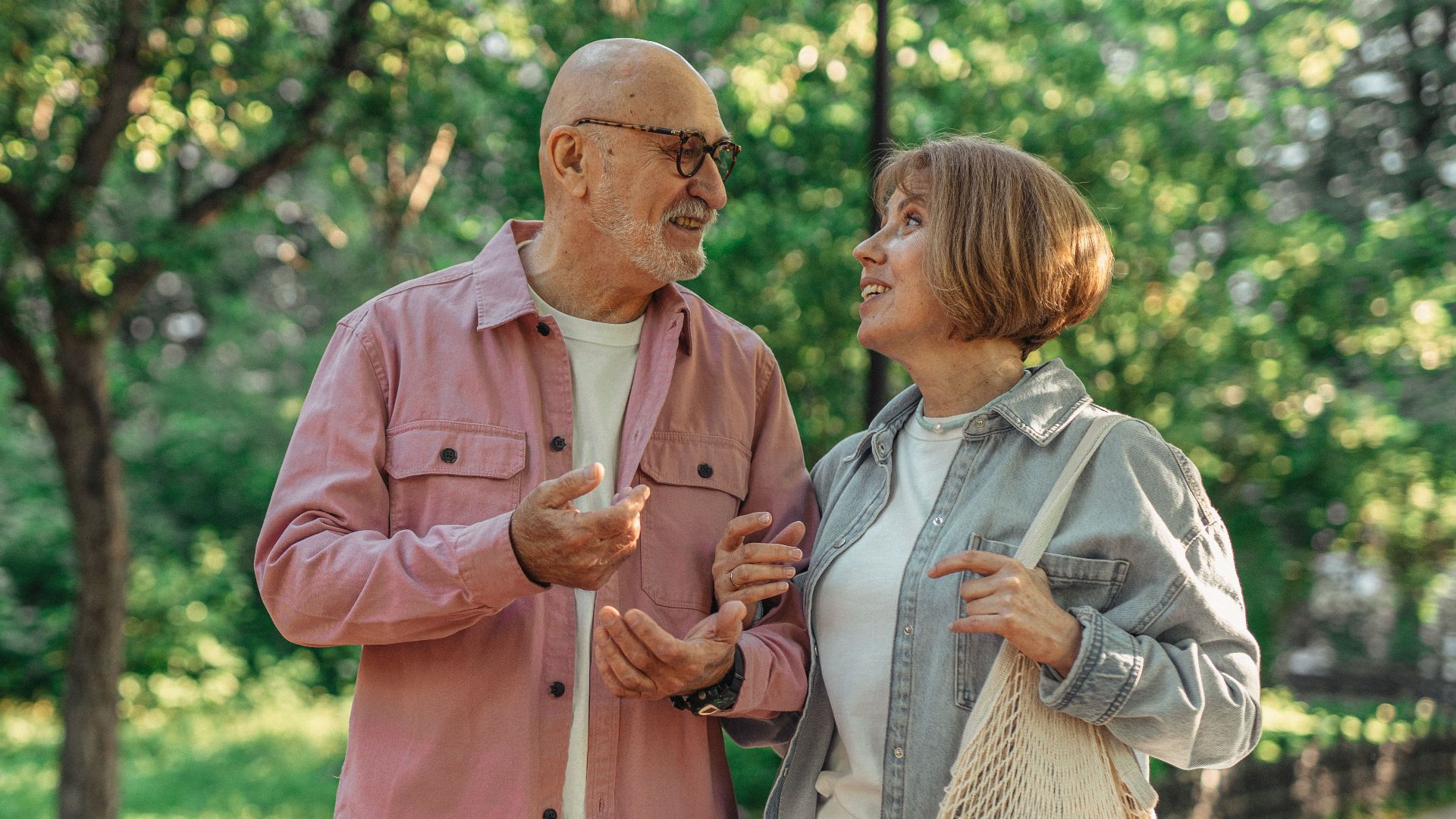
13. Identity Shifts Affect the Relationship
Like it or not, walking away from a lifetime career often changes how we see ourselves. Don’t worry, it’s totally natural. Spouses can help by respecting that retirement isn’t just free time; it can also involve a real adjustment.

14. Arguments May Spiral
Retirement can sometimes bring control issues to the surface; both of you might have strong opinions about how the day should run. Rather than blowing a gasket, talk it out! Patterns can improve when couples agree on shared rules.
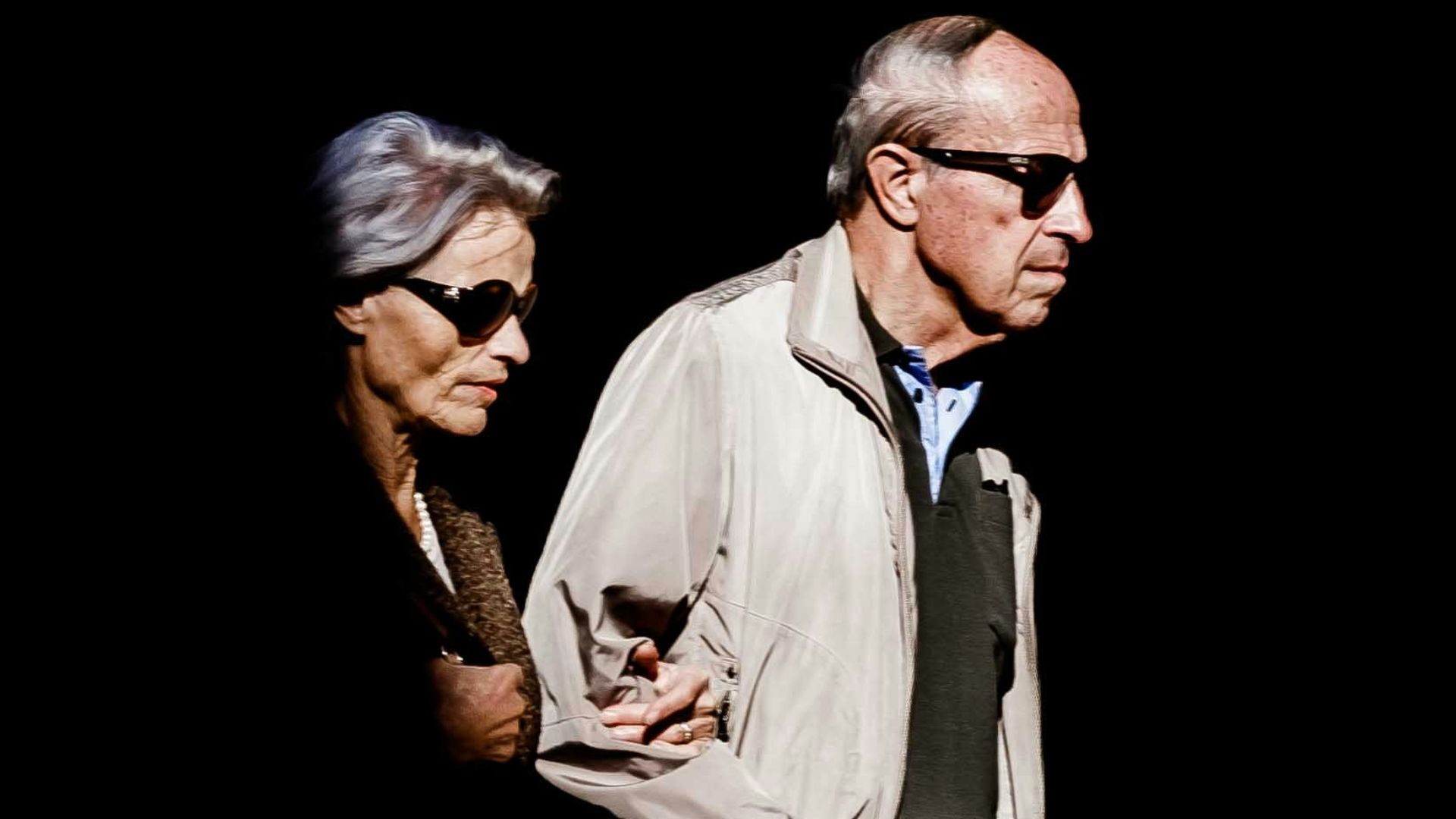
15. Family Involvement
More often than not, adult children and grandchildren kind of just assume that retirees have unlimited availability. Unfortunately, that could mean suddenly being asked to babysit or help with school pickups. What that also means is that spouses need to decide together how much help they can offer without ruining their time off.
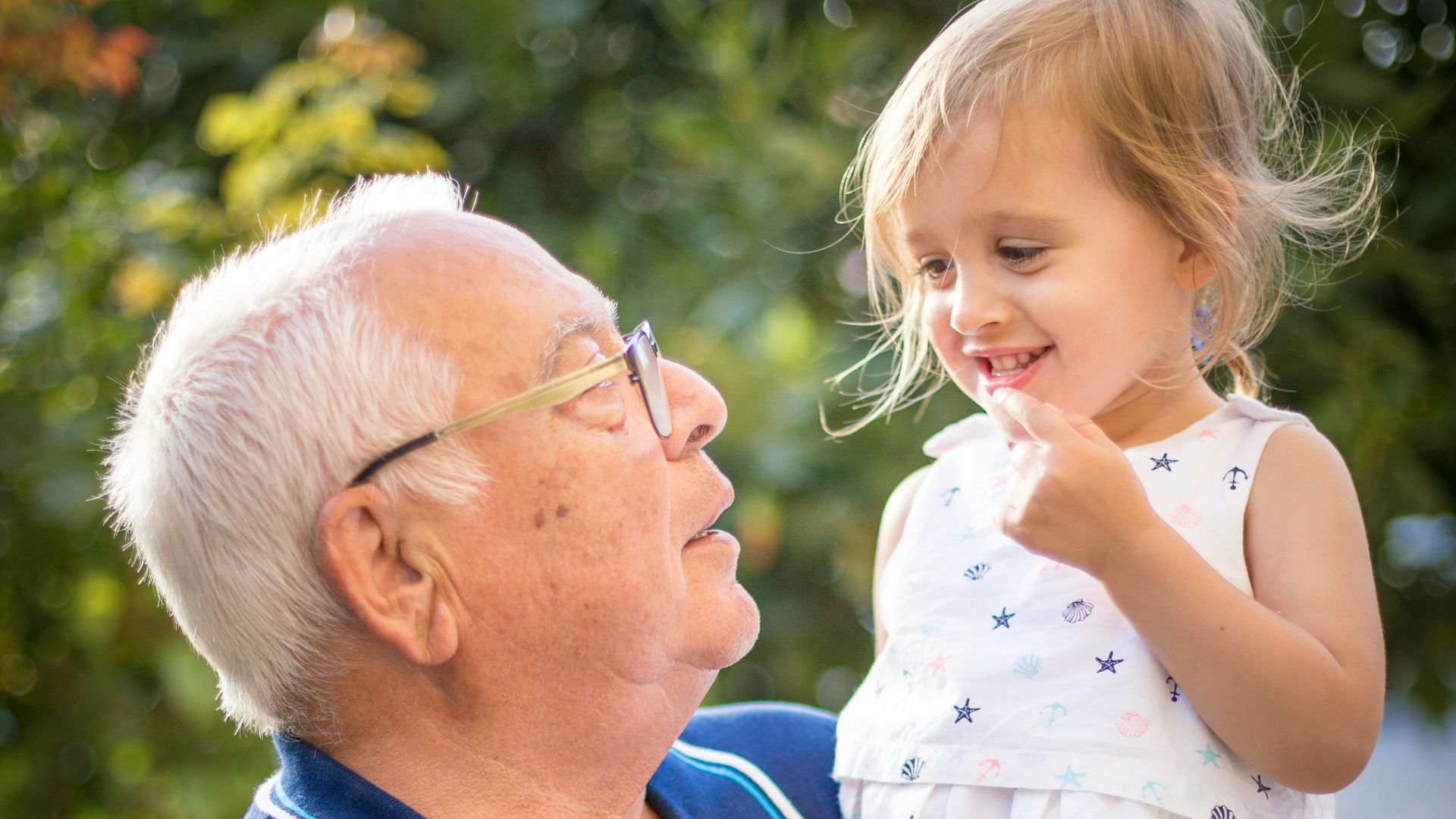
16. Home Can Start to Feel Smaller
Being in the house together all day can make even a comfortable home feel crowded. It’s not always about hobbies here, either. Creating separate zones, such as a reading chair in the bedroom or a desk in a spare room, can make daily life way less tense.

17. Unequal Emotional Labor
Some spouses don’t realize how much behind-the-scenes work one person has been doing until retirement opens their eyes. Scheduling medical appointments, remembering birthdays, planning meals, and coordinating family visits can still fall on one partner by default. In retirement, it’s time to share those responsibilities.

18. Couples May Need New Goals
It’s a little disorienting when a couple no longer has big shared milestones like building careers or paying off a mortgage. It sounds scary, but it’s actually a perfect time to set new goals! Having something meaningful to work toward can keep retirement from feeling aimless.
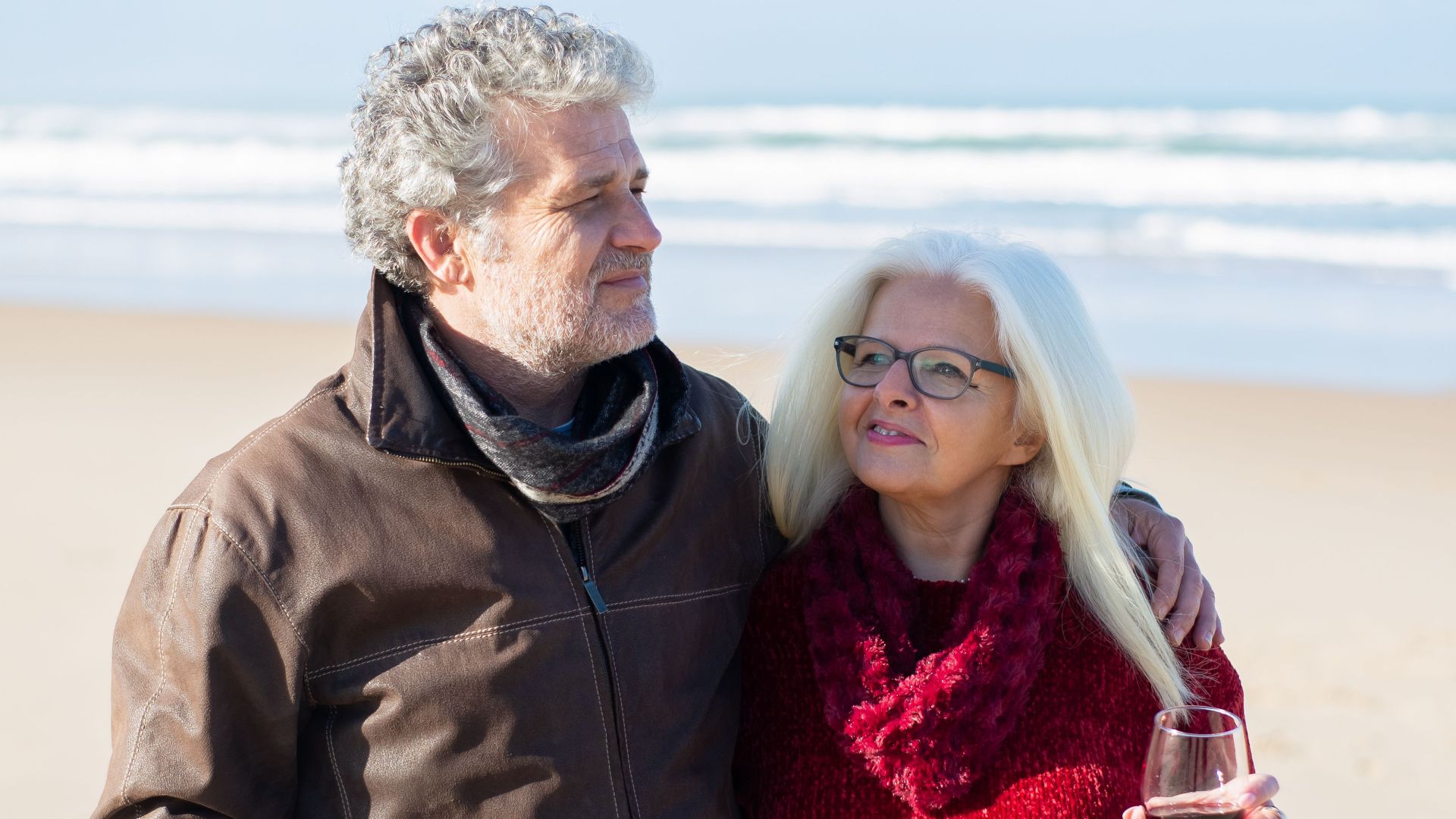
19. Conflict Style Becomes Important
The sad truth is that retirement can sometimes make old communication habits more noticeable. If one partner shuts down and the other keeps pushing for answers, both can feel stuck in the same argument. Learning—or re-learning—how to communicate can make disagreements easier to manage.

20. Marriage Can Become More Intentional
Retirement gives couples a chance to choose how they want to live together, and that’s a good thing! The strongest retirement marriages aren’t perfect; they’re the ones where both people keep adjusting with care, honesty, and respect. Be honest with each other and remember that you’re in it for the long haul.

KEEP ON READING


20 Ways to Make Errands Count as Exercise