20 Everyday Materials Your Bone Tissue Is Secretly Stronger Than
The Surprising Strength Hidden Inside Your Skeleton
Bones might look simple, but they are highly advanced biological structures designed to handle pressure, movement, and everyday stress. Made from a combination of minerals, collagen, and living cells, bone tissue has an impressive balance of strength and flexibility. While bones are not stronger than every material humans have created, they can outperform many common objects people encounter in daily life.
1. Chalk
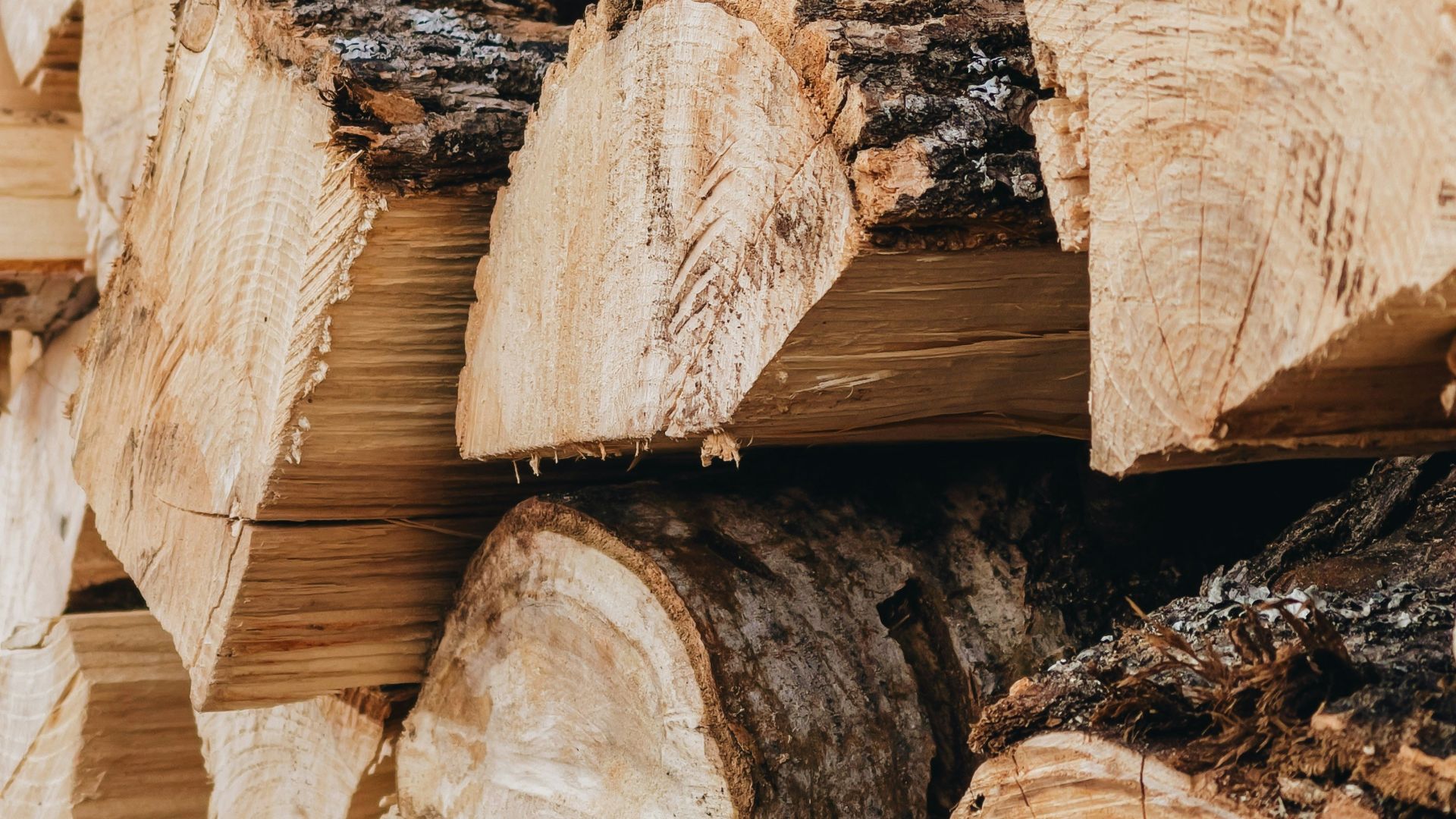
Chalk might look sturdy when sitting on a classroom tray, but it is much more fragile than bone. Chalk is made mostly from calcium carbonate, which gives it a hard surface but little resistance to bending or impact. Bone tissue contains collagen fibers that help it absorb forces instead of breaking immediately.
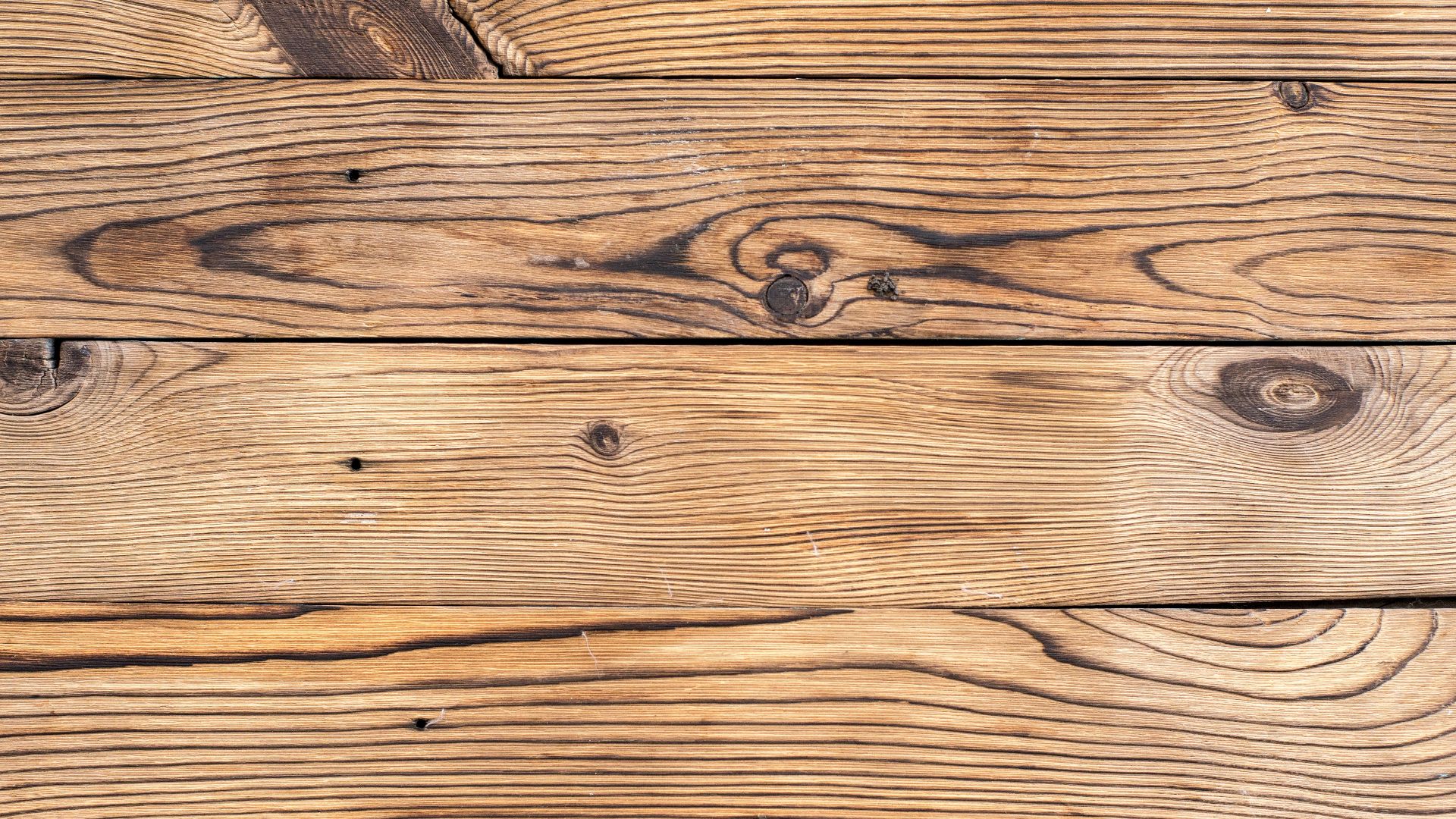
2. Some Wood
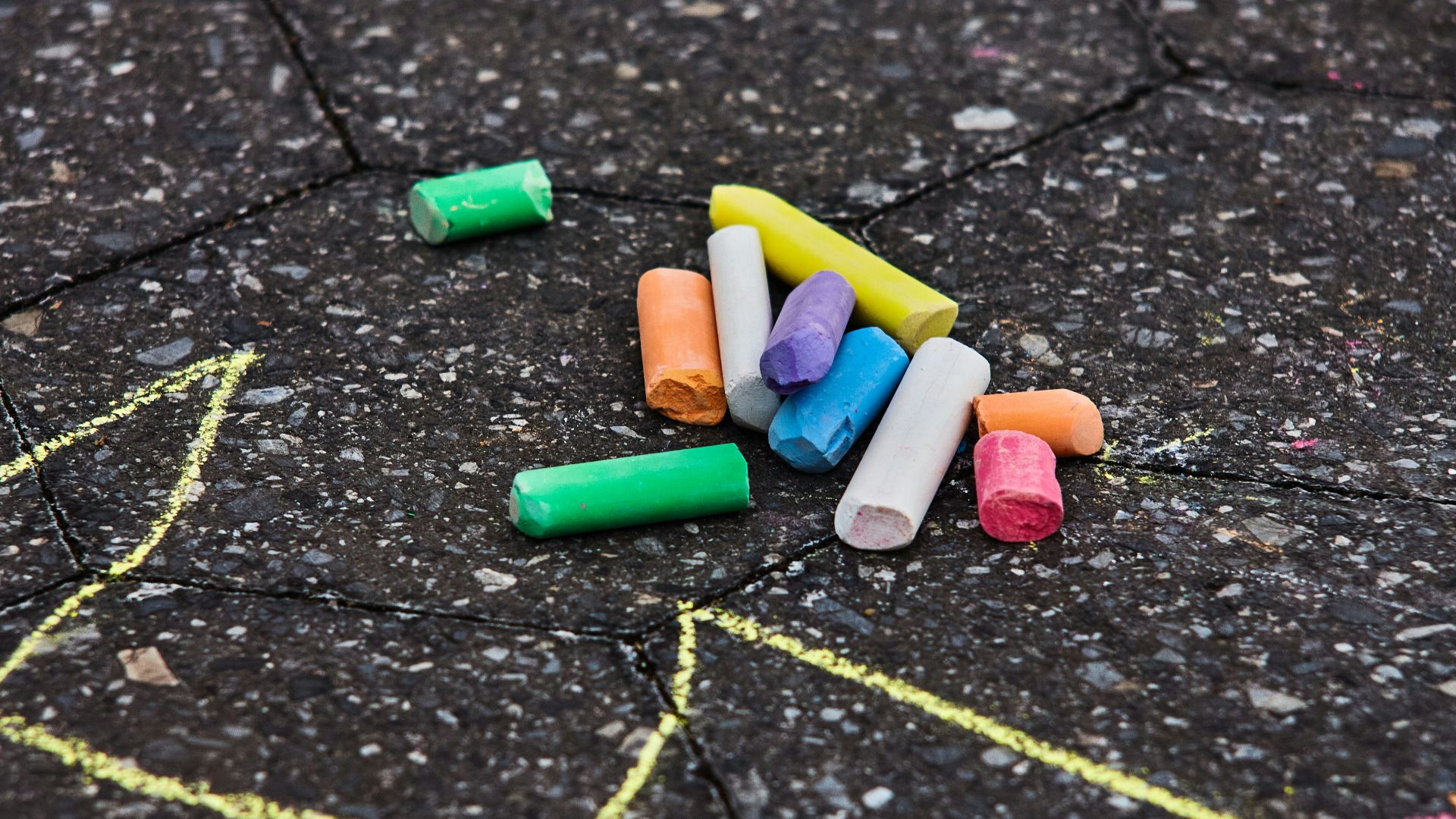
Wood comes from trees, so you might assume that it would be stronger than bone. While wood can be quite strong, some woods are weaker than others. Plus, wood is only as strong as its grain allows it to be.
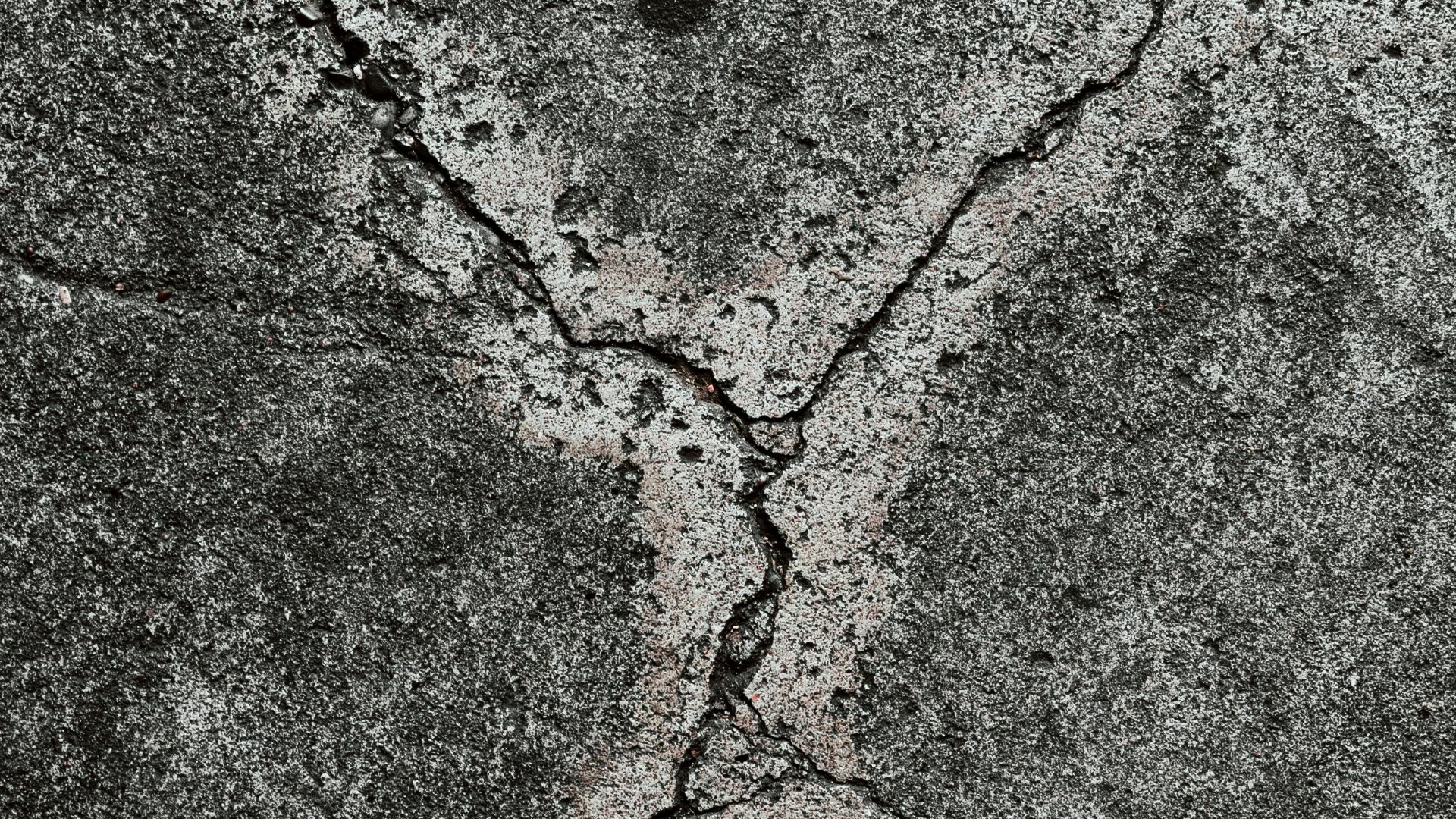
3. Concrete
Concrete is famous for being strong, especially when used in buildings and roads. However, concrete is much better at handling compression than tension, meaning it can crack under certain types of stress. Bone combines minerals for hardness with collagen for flexibility, giving it a more balanced performance.
4. Glass
Glass can be harder than steel, but that does not make it strong. Glass is brittle and will snap when force is applied. Bones will rarely shatter because they contain collagen, which slows cracks. Instead of breaking like glass, your bones will bend when enough force is applied.

5. Plastic
Many everyday plastics are lightweight and flexible, but they generally do not match the strength of bone. Bone has a mineral structure that provides much greater stiffness and durability. While certain engineered plastics can be very strong, common household plastics are usually far weaker than human bone.

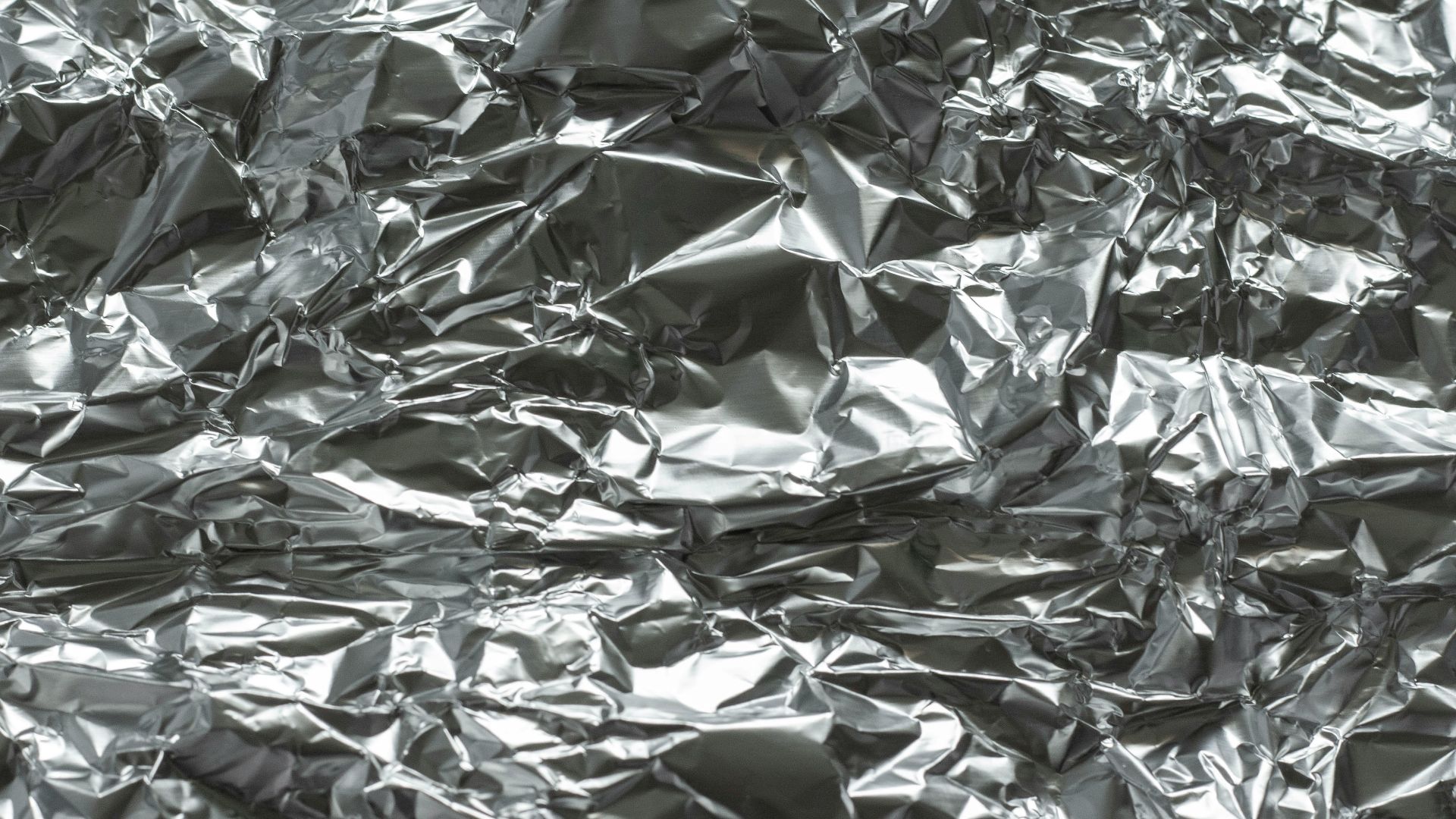
6. Aluminum
Aluminum is valued because it is lightweight and useful in transportation, packaging, and construction. However, bone has a remarkable strength-to-weight ratio because of its natural structure. The body creates bone tissue that remains strong while keeping the skeleton relatively light.
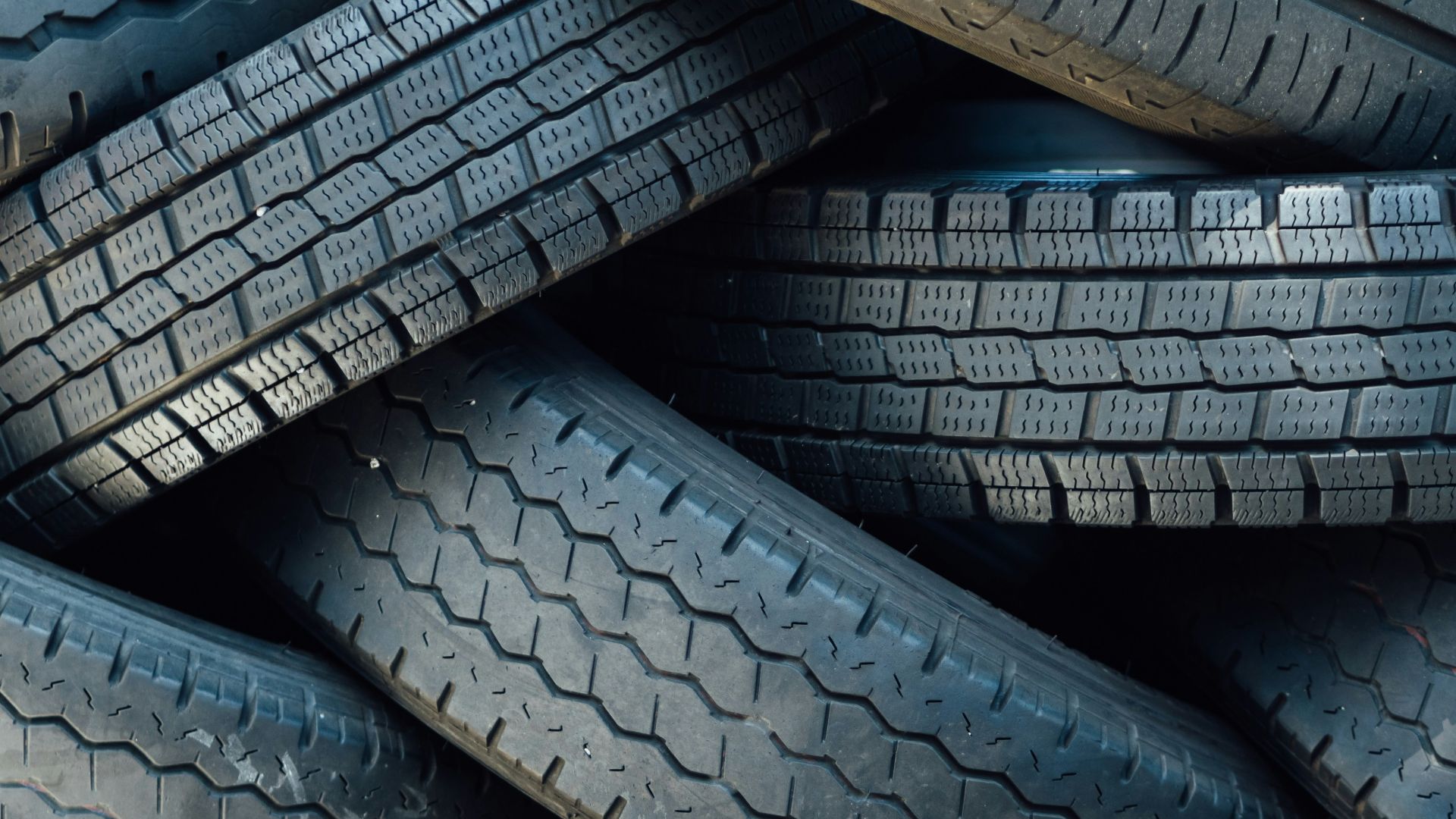
7. Rubber
Rubber is great at what it does: stretching. Instead of bearing loads like bone, rubber is designed to move with your body. When comparing the strength of rubber to bone, you are really comparing apples to oranges. Bone is designed to be strong while supporting your body.
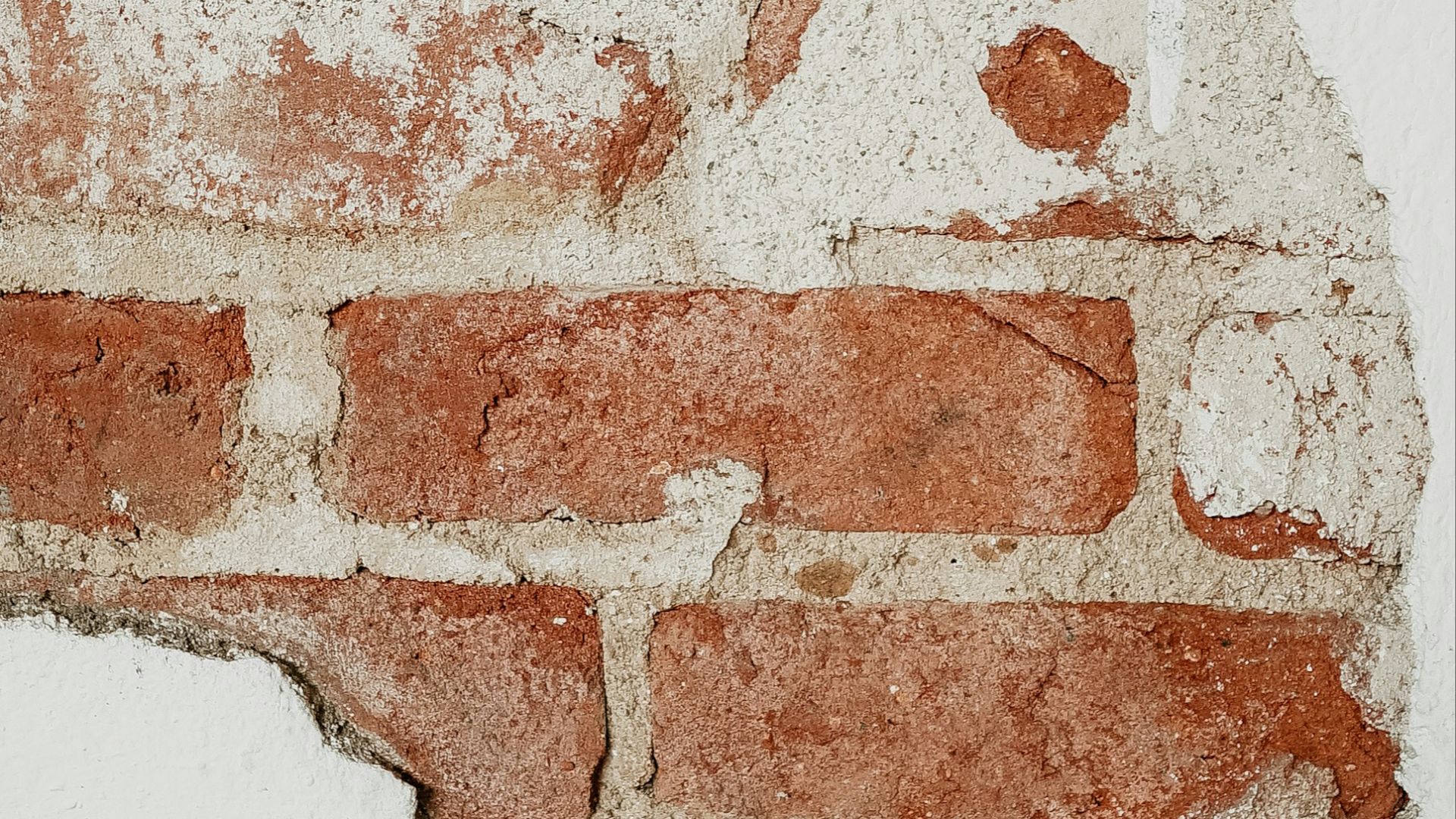
8. Brick
Bricks have been used in construction for thousands of years because they can handle heavy loads. However, bricks are vulnerable to cracking when exposed to certain impacts or stress patterns. Bone's layered structure allows it to resist damage in ways that many simple building materials cannot.
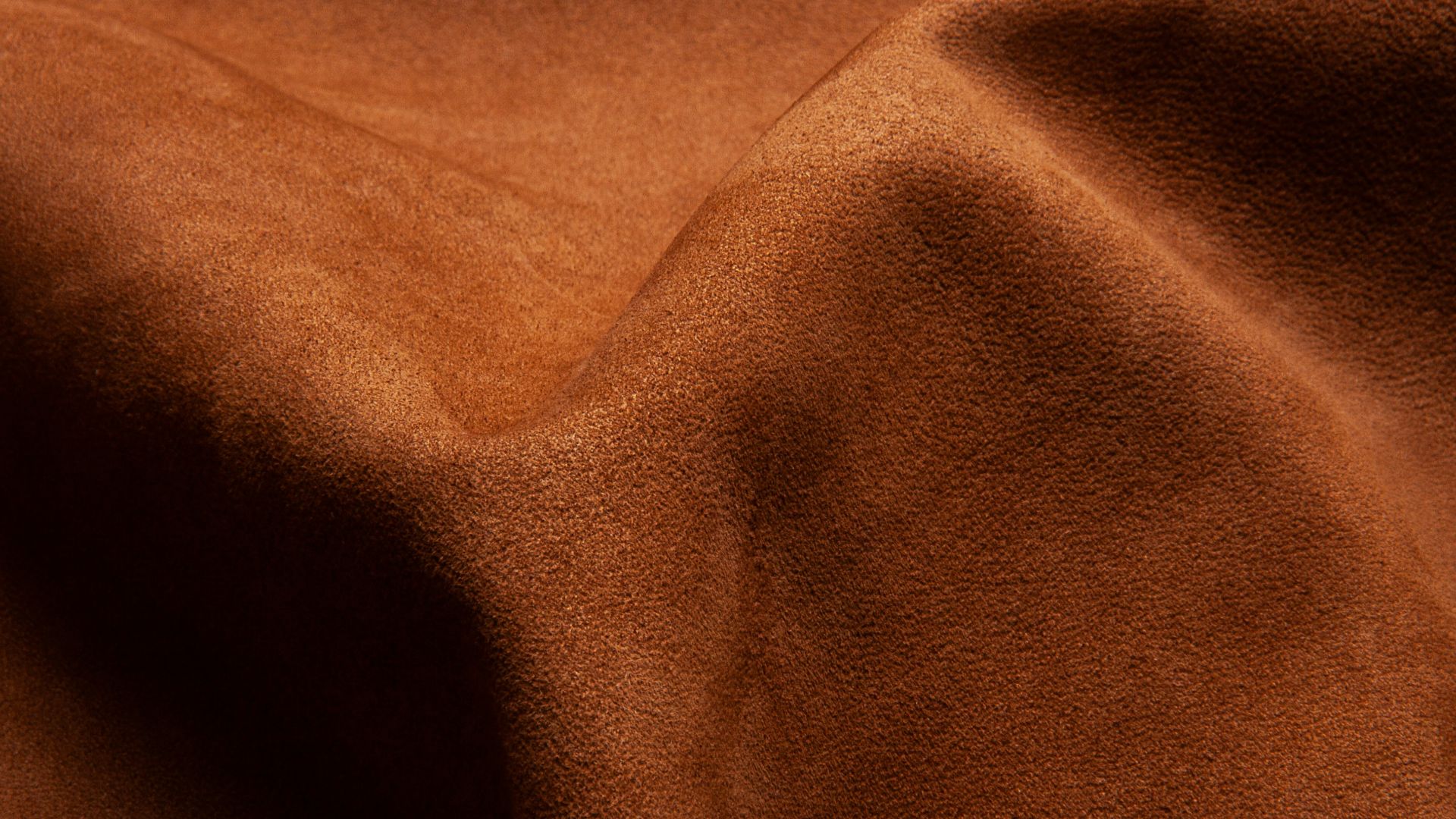
9. Leather
Another material that bends and moves with your body is leather. Leather is durable and can be used for a variety of different applications. However, it does not have the mineral content that bones do to provide it with strength.
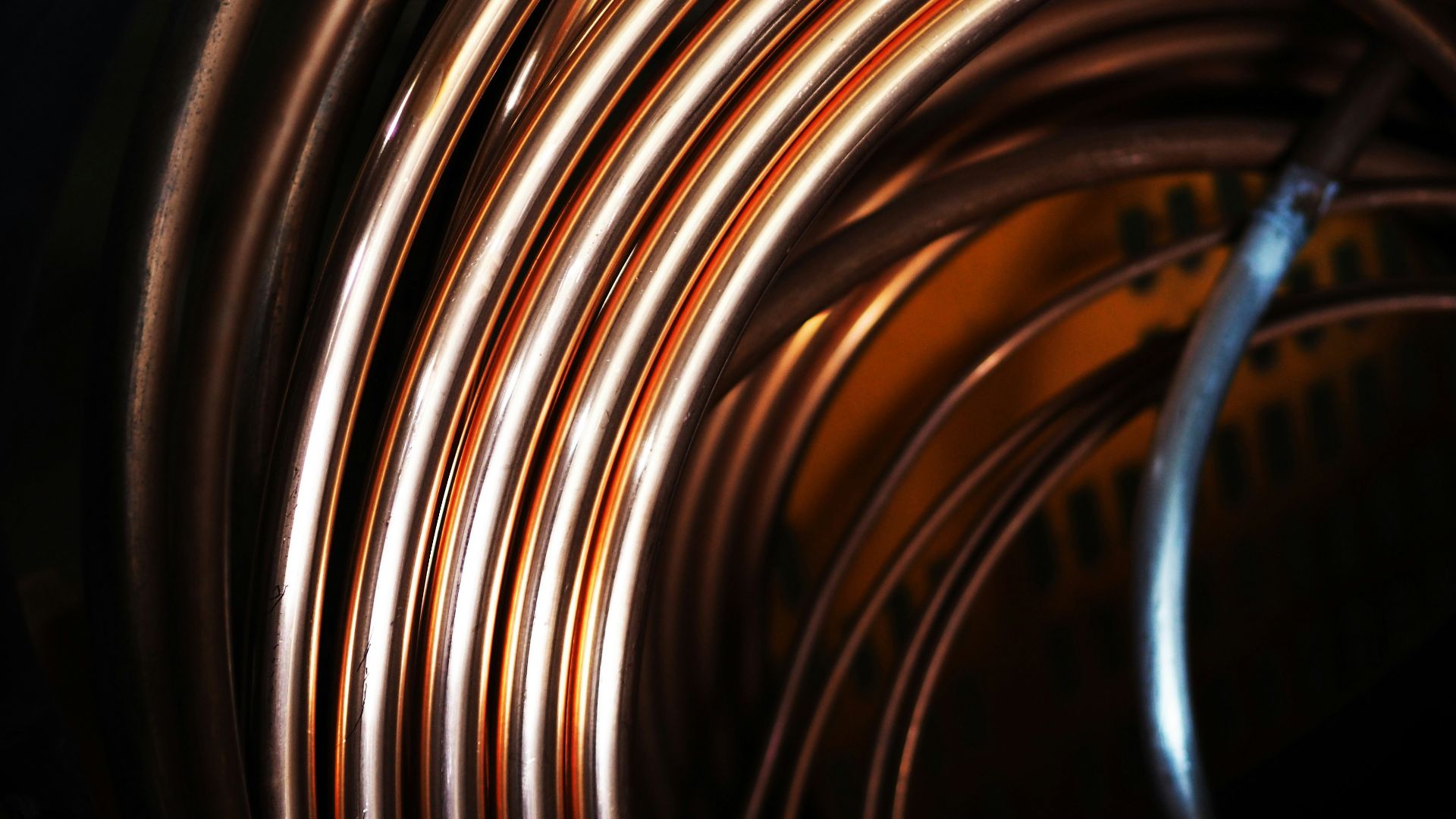
10. Copper
Copper is a valuable metal known for its electrical conductivity and flexibility. Although it can be shaped easily, it is not designed to support large amounts of weight compared with bone. The internal arrangement of bone allows it to perform well under pressure while remaining lightweight.
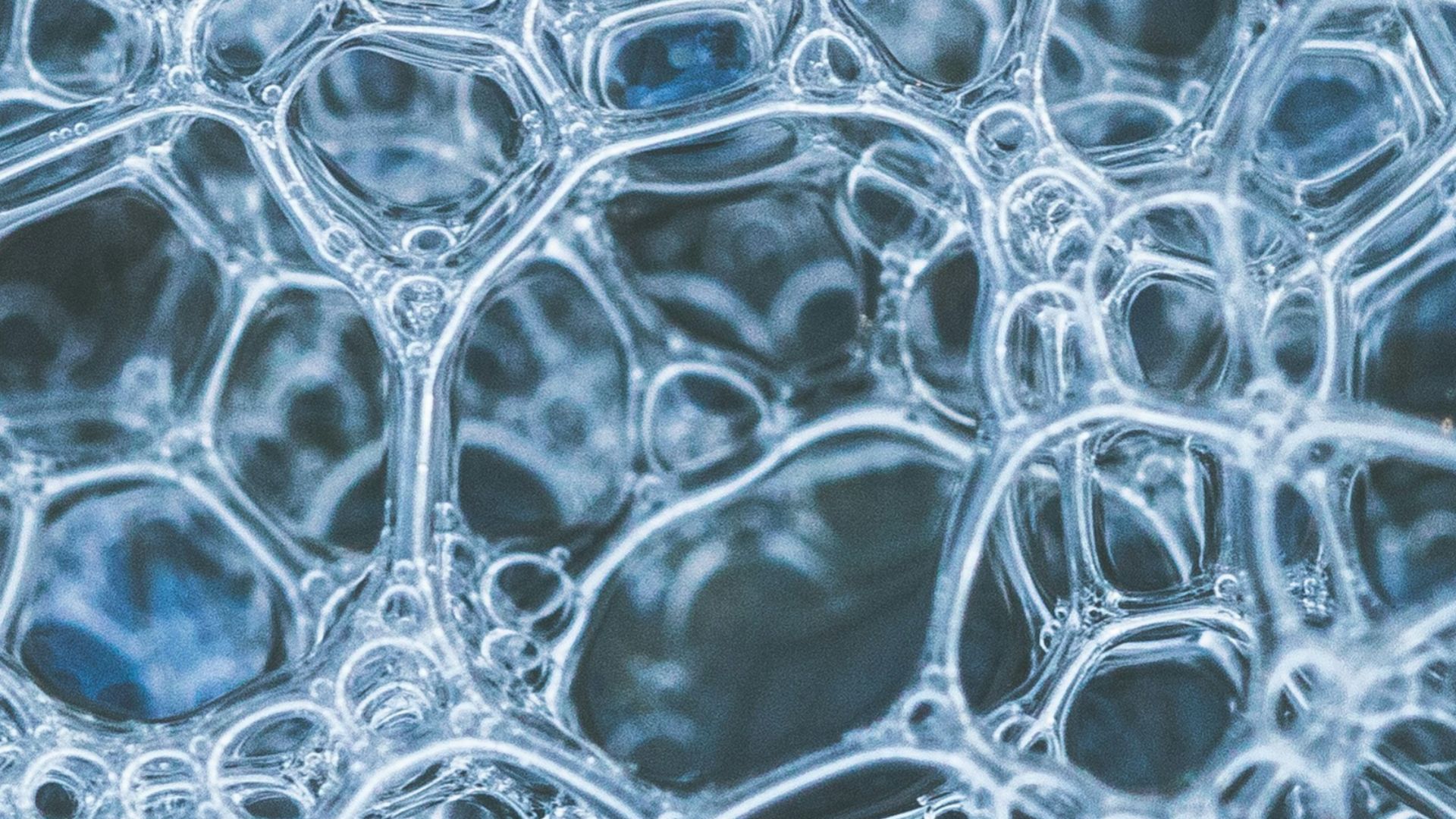
11. Foam
Foam is great at absorbing impacts, which is why you will find it used as cushioning. However, that foam you are using to protect your precious goods is also the reason why it is not as strong as bone. Bone tissue has a job to do, which is to remain rigid but also protect your internal organs.
12. Bamboo
Bamboo is often praised for being a strong and lightweight natural material. Its hollow structure gives it flexibility, but bone has a more complex internal design that provides excellent strength. Human bone is built with layers that help manage forces from different directions.

13. Ceramic
Ceramic materials can be very hard, which is why you will find them used on pots and pans. However, just because they can withstand scratches does not mean they are strong. When force is applied to ceramics, it will usually shatter.
14. Nylon
Nylon is a strong synthetic material found in clothing, ropes, and many consumer products. Despite its durability, it does not match the structural complexity of bone. Bone uses a natural combination of collagen and minerals to create a material that is both strong and resilient.
15. Acrylic
Acrylic shares many of the same qualities as glass. While it is stronger and less likely to break, it is far weaker than bone. Bone is constantly being affected by your movement and works to protect your vital organs.
 Ricardo Gomez Angel on Unsplash
16. Pine Wood
Pine is commonly used in furniture and construction because it is affordable and easy to work with. Compared with bone, though, pine has a simpler structure that does not distribute forces as efficiently. Bone's microscopic organization helps it remain strong despite being naturally lightweight.
17. Rubber Bands
Rubber bands are useful because they can stretch and return to their original shape. Their flexibility comes at the cost of being unable to support heavy loads. Bone tissue sacrifices extreme flexibility to provide the strength needed for movement and protection.
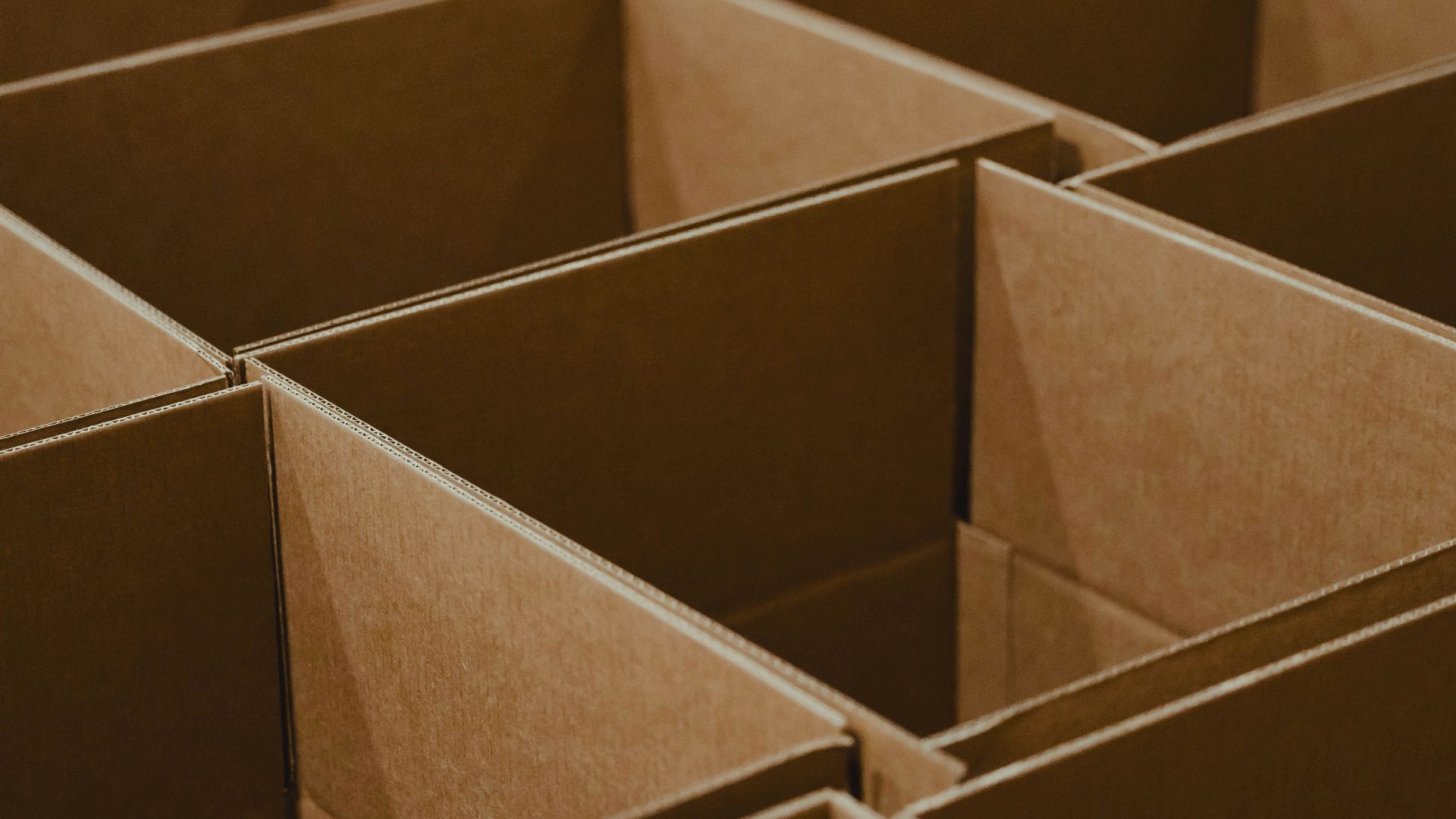
18. Cardboard
If you take enough sheets of cardboard and stack them together, they can be quite sturdy. However, if you pour a liquid on it or bend it, your cardboard will lose strength. Bones have minerals which gives it that stiff texture. Even the smallest bone can withstand force that would destroy cardboard.
19. Softwood Plywood
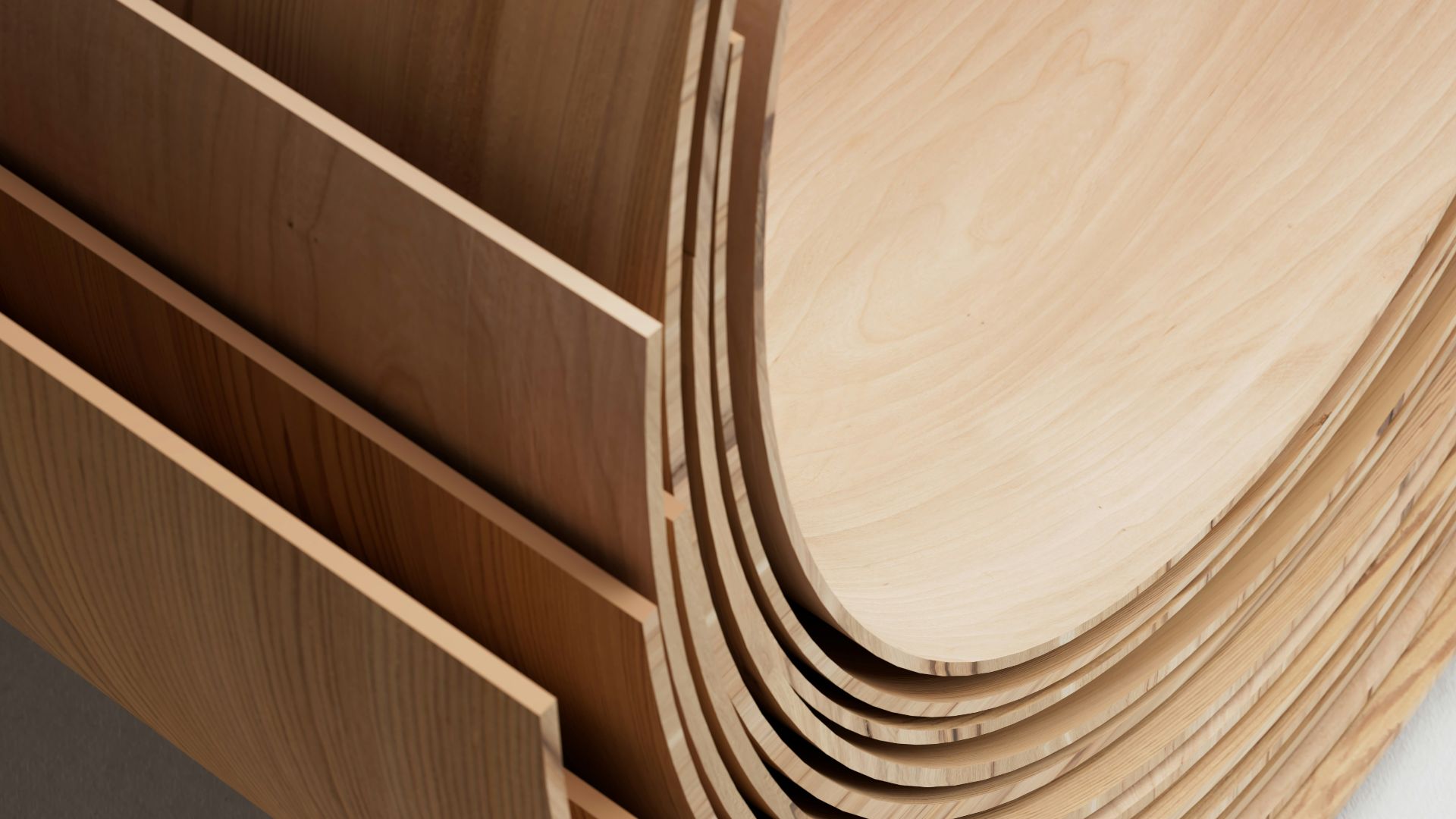
Plywood is engineered by combining layers of wood to improve strength and stability. Even with this design, bone has a more advanced natural structure that adapts to stress. The body continuously maintains bone tissue, allowing it to respond to changing demands.
20. Household Ceramics
Plates, mugs, and bowls made from ceramic materials are hard but can break from a single drop or impact. Bone is built to experience repeated forces from walking, running, and daily movement. Its unique combination of minerals and flexible fibers helps it remain durable in ways many household materials cannot match.