Small Choices For Freedom
Staying independent in retirement doesn’t usually come down to one decision. While we’ll lose a bit more of our autonomy as time goes on, ensuring your safety and health is often built through steady habits that protect you over time. These 20 practical routines can help retirees keep doing more for themselves while making daily life feel more manageable and secure.

1. Keep Walking Part of Your Regular Routine
Walking doesn’t get enough credit as the powerhouse workout that it is. It remains one of the simplest ways to protect mobility as you age, and any retiree can walk around the block after breakfast, meet a neighbor at the park, or do laps inside a mall during bad weather.

2. Strengthen Your Legs and Core
Independence depends heavily on being able to rise from a chair, climb steps, and carry groceries without strain. While you don’t need to squat at the gym, simple exercises like sit-to-stands, wall pushups, heel raises, and light resistance-band moves can be done at home with little equipment. Building strength also helps everyday tasks feel less risky.

3. Make Balance Practice a Habit
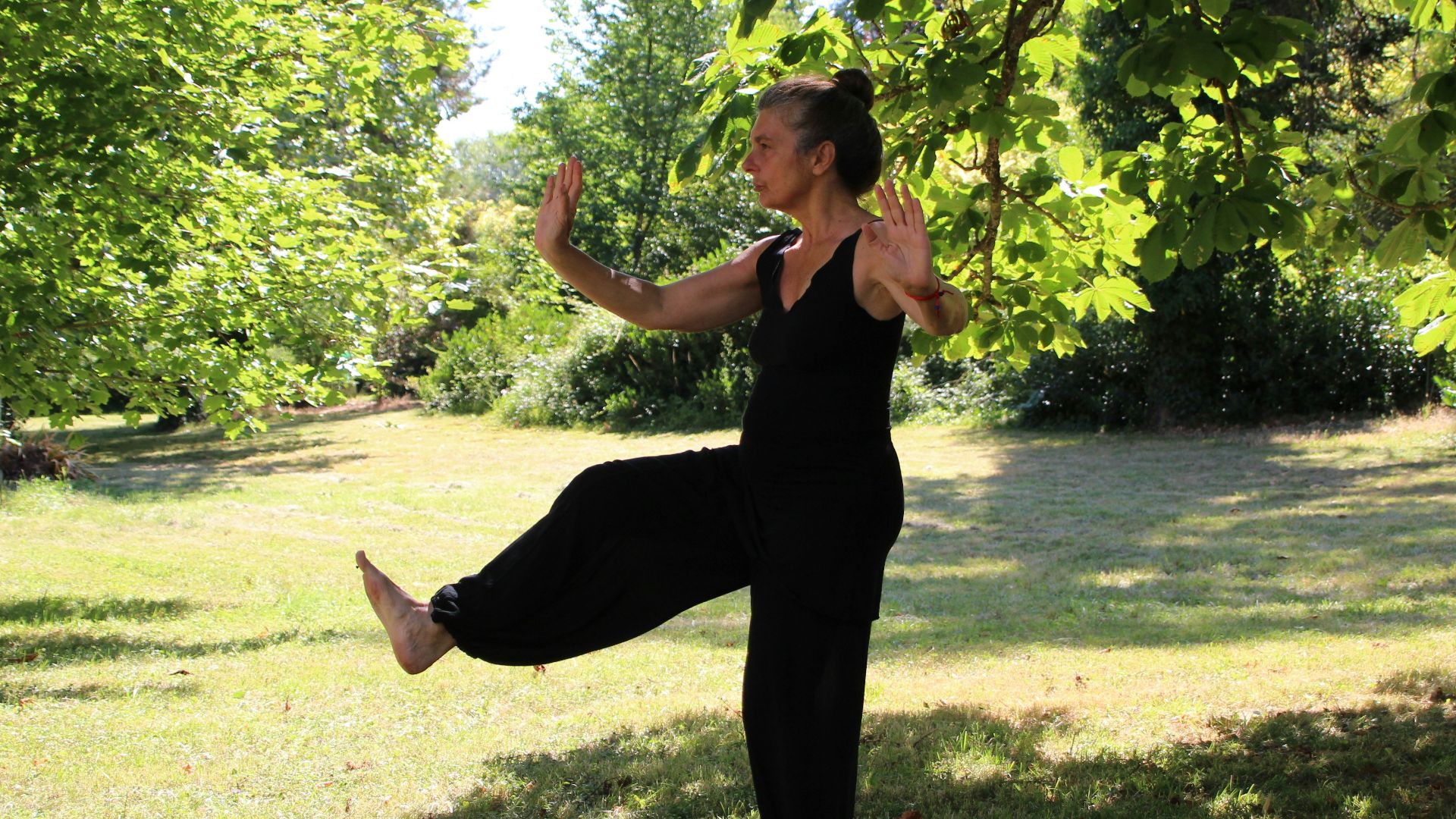
Falls can quickly change how much freedom someone has, and it doesn’t always matter how old you are, either. That means that balance deserves regular attention. You can practice standing on one foot near a counter or taking a beginner tai chi class at a community center. Even small drills help your body stay steadier, which helps you stay independent for longer.
4. Keep Medical Appointments on Schedule
Once you hit a certain age, there’s really no excuse for skipping routine care. Annual wellness visits, eye exams, dental cleanings, hearing checks, and medication reviews all help catch concerns early. Do yourself a favor and track your appointments with a paper calendar or a family-shared schedule.
 National Cancer Institute on Unsplash
5. Review Medications Regularly
Many retirees take more than one prescription, and side effects can affect anything from balance and energy to appetite and memory. Bring every medication and over-the-counter product to your doctor at least once a year for a full review. Don’t do it yourself; the pros can identify duplicate treatments, confusing instructions, or pills that may no longer be needed.

6. Keep Your Home Easy to Move Through
A safer home supports independence without making life feel like a hospital ward. There’s no shame in adapting as you age by removing loose rugs, adding night-lights, clearing cords, and installing grab bars near the shower. Even rearranging kitchen items so heavy pots sit at waist level can make daily routines easier!

7. Eat Enough Protein
Muscle loss makes ordinary tasks that much harder, especially during retirement. Instead of saving protein for dinner, include the right foods throughout the day, like eggs at breakfast, tuna at lunch, Greek yogurt as a snack, or chicken or tofu with dinner.

8. Stay Hydrated
Keep that water bottle beside you at all times, and don’t just wait until you’re parched. Dehydration can lead to dizziness, constipation, and fatigue, all of which can interfere with independence. Drink a glass with each meal or add fruit slices if plain water feels boring. Don’t forget that soups, herbal teas, and water-rich foods like apples and cucumbers also help.

9. Protect Your Sleep Schedule
Hey, you’re retired now, which means you’ve more than earned a nap! However, your entire sleep schedule should be protected, too. Going to bed and waking up around the same time, limiting late caffeine, and keeping the bedroom cool and dark can make nights more restful. A retiree who sleeps better is often better prepared to tackle the day.

10. Maintain Social Connections
Isolation can quietly reduce motivation and emotional well-being, so don’t be afraid to phone a friend. Regular coffee with a pal, a weekly church group, or a standing phone call with a loved one all help to keep relationships active. Staying connected also means someone is more likely to notice if you’re struggling.

11. Keep Learning New Skills
There’s no reason to skip out on learning now that you’re older. If anything, you have more time to study what you want to! You might take a local class on smartphone photography, learn basic Spanish, try a new recipe each week, or join a history lecture series. Whatever the case, learning keeps your mind engaged.

12. Use Technology
There’s no point in fighting basic technology—it isn’t going anywhere. And learning how to use it can make independence easier, especially for safety and communication. Video calls, grocery delivery, and even ride-share services can reduce reliance on others for routine tasks. You don’t need to bombard yourself, either; practicing one tool at a time makes it less overwhelming.

13. Keep Important Documents Organized
Disorganization can make emergencies more stressful than they need to be, so now’s the perfect time to break out the accordion folder. Keep insurance cards, medication lists, doctor contact information, legal documents, and emergency contacts in one clearly labeled spot. You can also keep a copy with a trusted family member.
 Vodafone x Rankin everyone.connected on Pexels
14. Stay Ahead of Changes
No one knows your body better than you, so keep an eye out for poor vision and potential hearing loss. You can make all sorts of little adjustments, too, like updated glasses, brighter reading lamps, hearing aids, or captioned phone services. Addressing these changes early helps you keep participating instead of pulling back.

15. Plan Transportation Before It Becomes Urgent
Whether we want to admit it or not, driving changes with age—that doesn’t mean mobility has to disappear with it. Look into senior shuttle programs or ride-share options before you actually need them. Having a backup plan makes it easier to get where you’re going, and it also prevents stress.

16. Build a Simple Daily Routine
Just because you’re retired doesn’t mean you should abandon routine. In fact, too much unstructured time can lead to skipped meals, missed medications, and less movement. A basic rhythm gives the day shape.
 micheile henderson on Unsplash
17. Keep Cooking Manageable
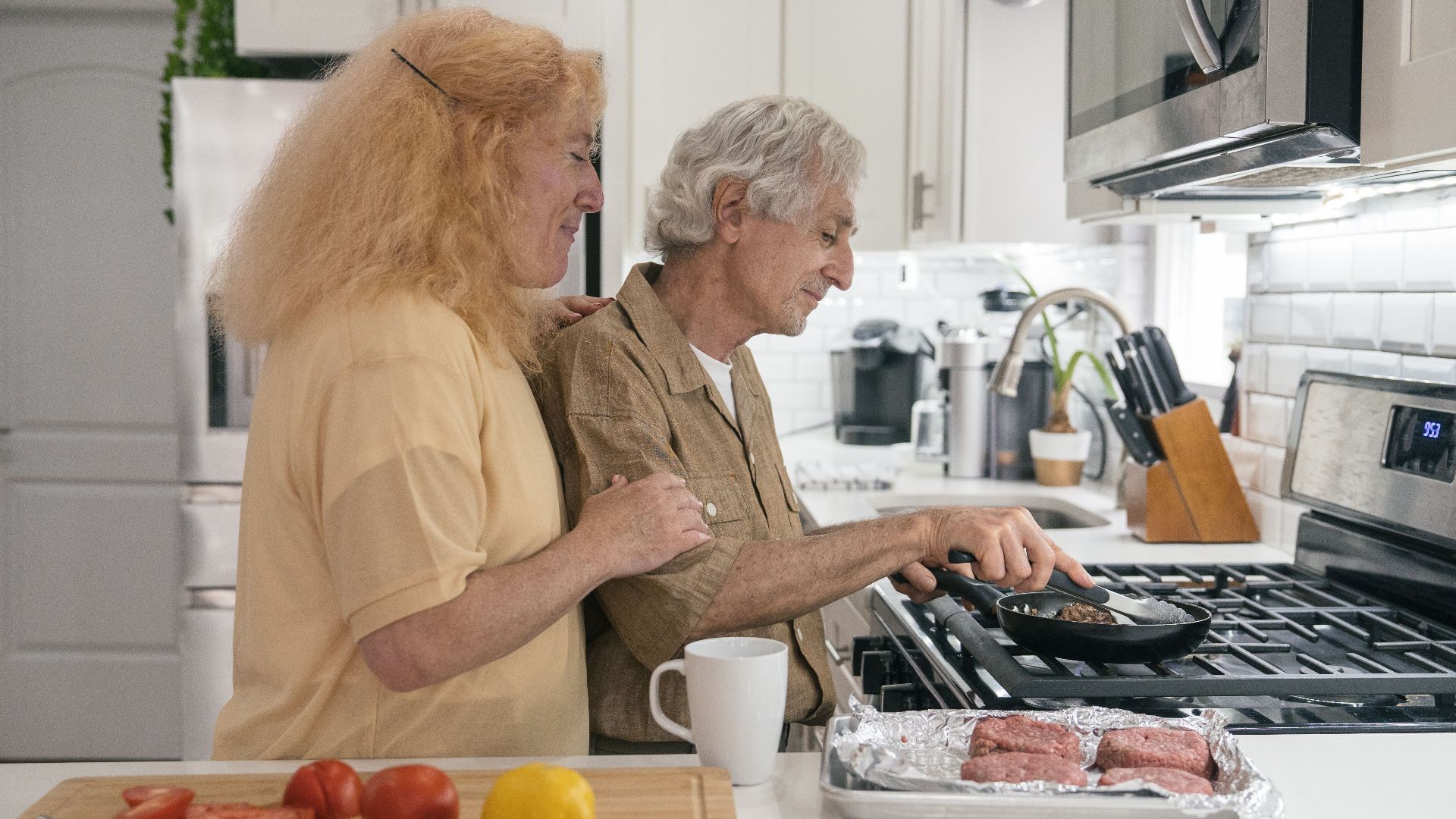
Don’t worry, you don’t have to give up cooking! You just need to keep it easy for a changing energy level. Batch-cooking soup, using pre-cut vegetables, keeping frozen salmon or turkey burgers on hand, and preparing overnight oats can make meals easier.
18. Ask for Help
You don’t win any prizes for independence, especially when you push it to the point of hurting yourself. It’s okay to reach out! Hiring someone to clean gutters or letting a family member help compare insurance plans can prevent all sorts of stress. Smart help also protects your freedom by keeping manageable problems from becoming major ones.

19. Keep Emergency Plans Clear
Speaking of problems, a clear emergency plan can make the difference between panic and quick action. Take care of your future self. Keep a phone charged. Post emergency numbers near the refrigerator. Make sure someone has a spare key. Remember: these steps are especially useful for retirees who live alone.

20. Stay Honest About What’s Getting Harder
Independence only lasts longer when you adjust to changes instead of ignoring them. If stairs are harder to climb or cooking feels tiring, that information can guide practical updates like a handrail or meal prep help. Paying attention early gives you more choices and helps you stay in control.

KEEP ON READING

20 Things That Can Make You Short of Breath