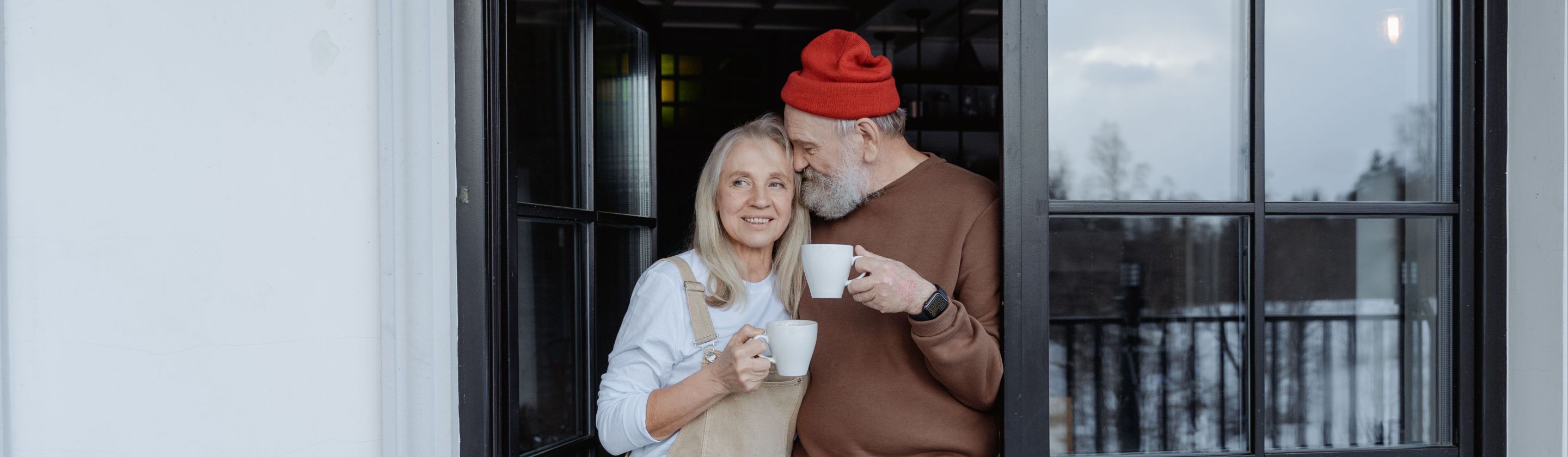
Don’t Wear Yourself Down
Retirement gives you more control over your schedule, but staying active still works best when your body feels supported rather than pushed too hard. Don’t worry—you don’t need to sacrifice a healthy body just because you’re retired. If anything, now’s the perfect time to invest in joint-friendly movement! Let’s dive into a few ideas you can keep yourself active without having to worry about potentially putting yourself in danger.

1. Purposeful Walks
It’s true what people say: walking is one of the easiest ways to stay active! You can adjust the distance, speed, and surface to match your comfort level, so nothing really tops it. A 20-minute walk around the neighborhood or even an indoor mall can keep your hips, knees, and ankles moving without heavy impact.

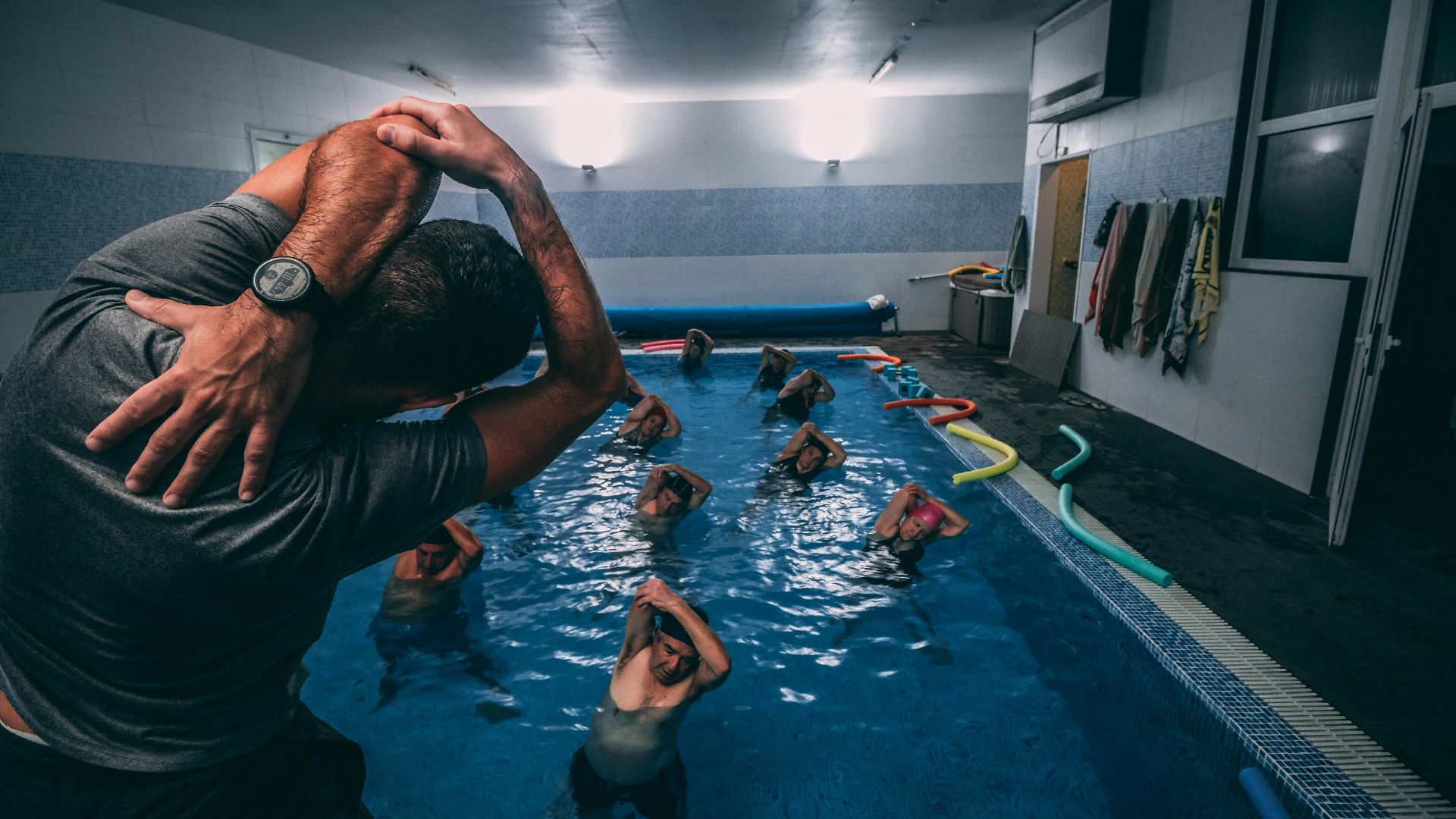
2. Water Aerobics
There’s nothing better for the joints than good old-fashioned water aerobics. They give you movement, resistance, and social time while reducing stress on your joints. Many community pools also offer senior-friendly classes with moves like leg lifts, side steps, arm circles, and gentle jogging in place.
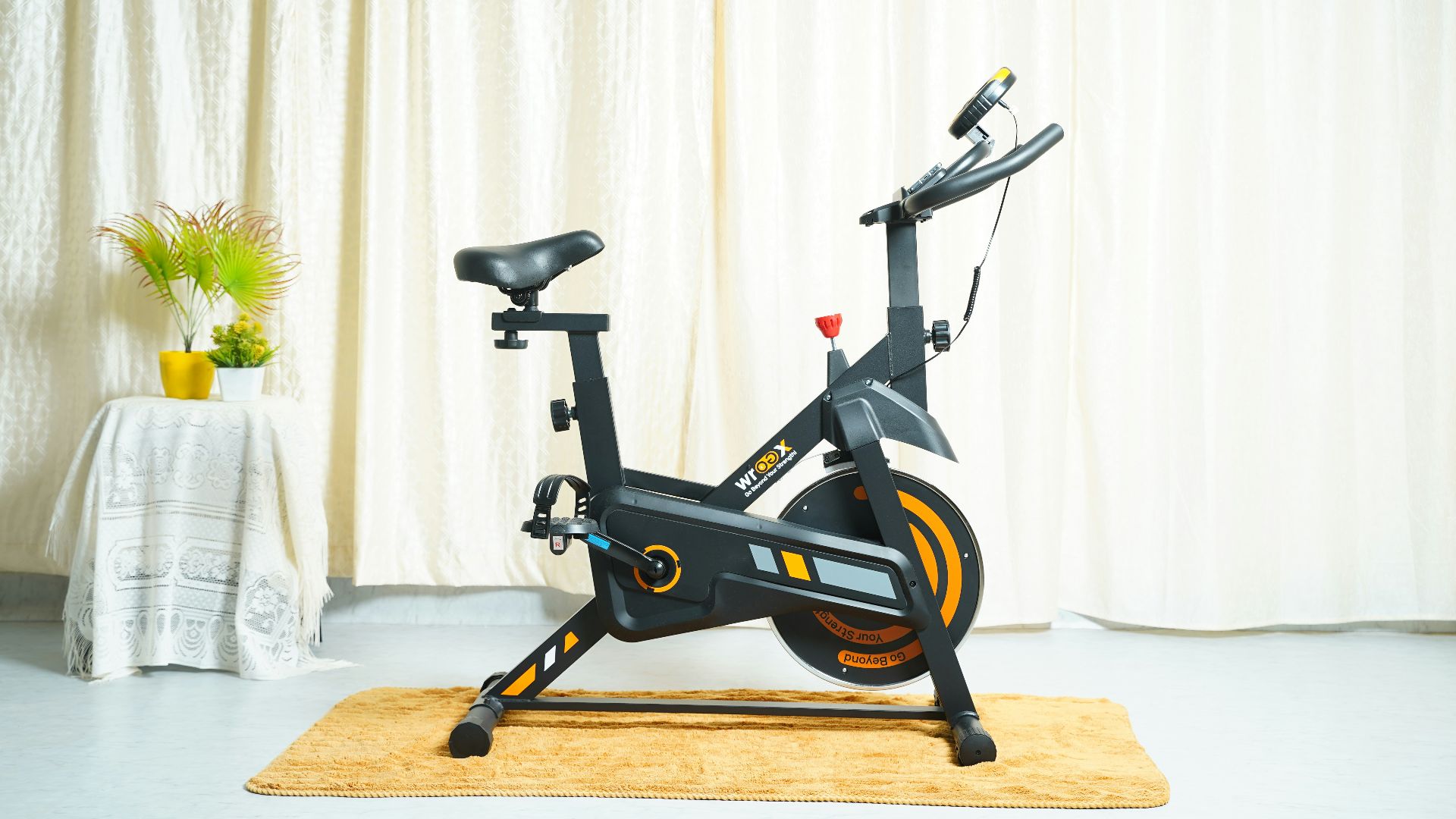
3. Stationary Bike
A stationary bike can help you strengthen your legs and improve heart health while keeping your feet off the ground. They’re also great for anyone who doesn’t want to hit the trails by themselves. Just remember to start with light resistance for 10 to 15 minutes, then add time slowly as your comfort improves.
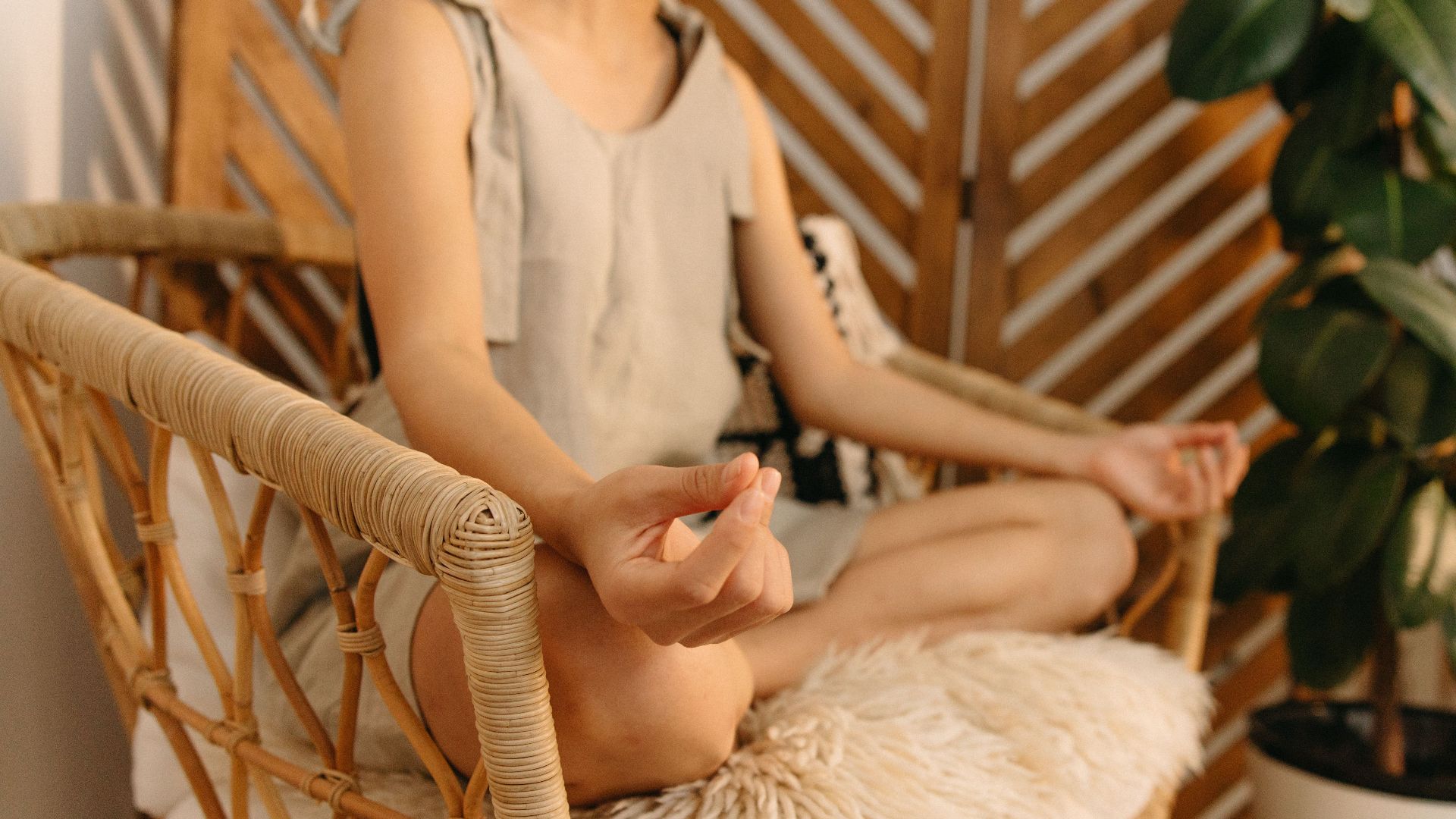
4. Chair Yoga
Chair yoga is just as effective as everyday yoga; it allows you to stretch, breathe, and improve posture without needing to get down on the floor. It’s also a practical choice for mornings when your body feels stiff, but you still want to move. Best of all, there are plenty of moves you can do, too!
5. Resistance Bands
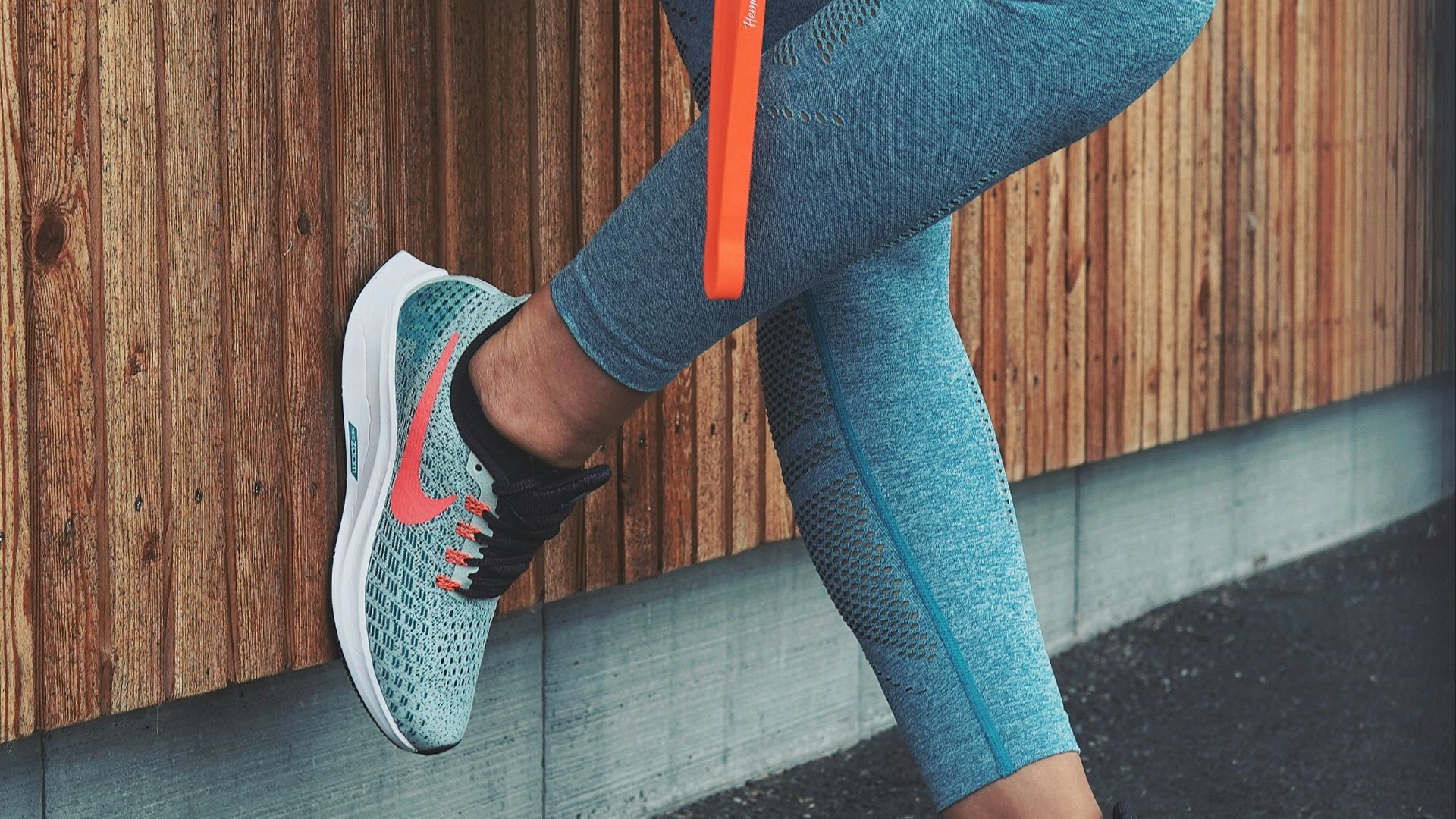
Resistance bands help build strength without the joint strain that sometimes comes with heavy dumbbells or gym machines. They don’t cost very much either, so for a few dollars, you can use them for seated rows, bicep curls, side steps, and light shoulder presses at home. Be sure to choose a low-resistance band first, and then up the resistance as you improve.
6. Work on Sit-to-Stand Strength
Getting up from a chair is a daily movement, and though it seems like second nature now, there’s no reason to take it for granted. Sit near the front of a sturdy chair, place both feet flat on the floor, and stand up slowly before lowering yourself back down with control. This simple move strengthens your thighs, hips, and core while training a motion you use every day.

7. Gentle Stretching
Stretching can make everyday movement feel smoother, especially when you focus on areas that tighten with age. It’s also a great way to spend a few moments in the morning to wake up your body. Try calf stretches against a wall, chest stretches in a doorway, and hamstring stretches while seated with one leg extended. Keep stretches comfortable, though—forcing range of motion will only irritate the very joints you’re trying to protect.

8. Beginner Tai Chi Class
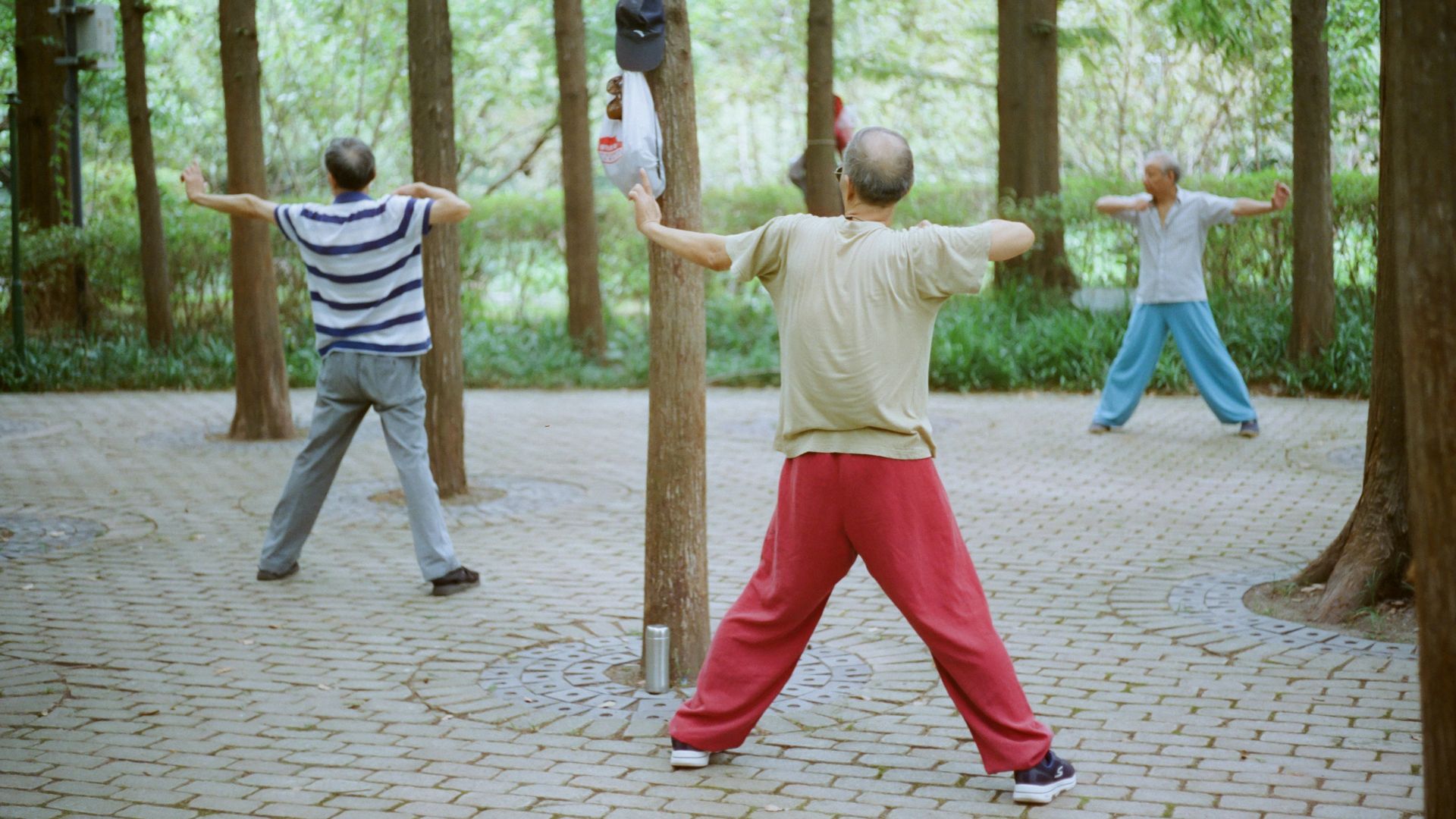
Tai chi is phenomenal for joint work because it uses controlled movements that support balance, coordination, and body awareness. Best of all, you don’t need to worry about any crazy movement; a beginner class might include weight shifts, gentle turns, and relaxed arm movements that don’t require jumping or sudden changes in direction.
9. Garden With Smarter Tools
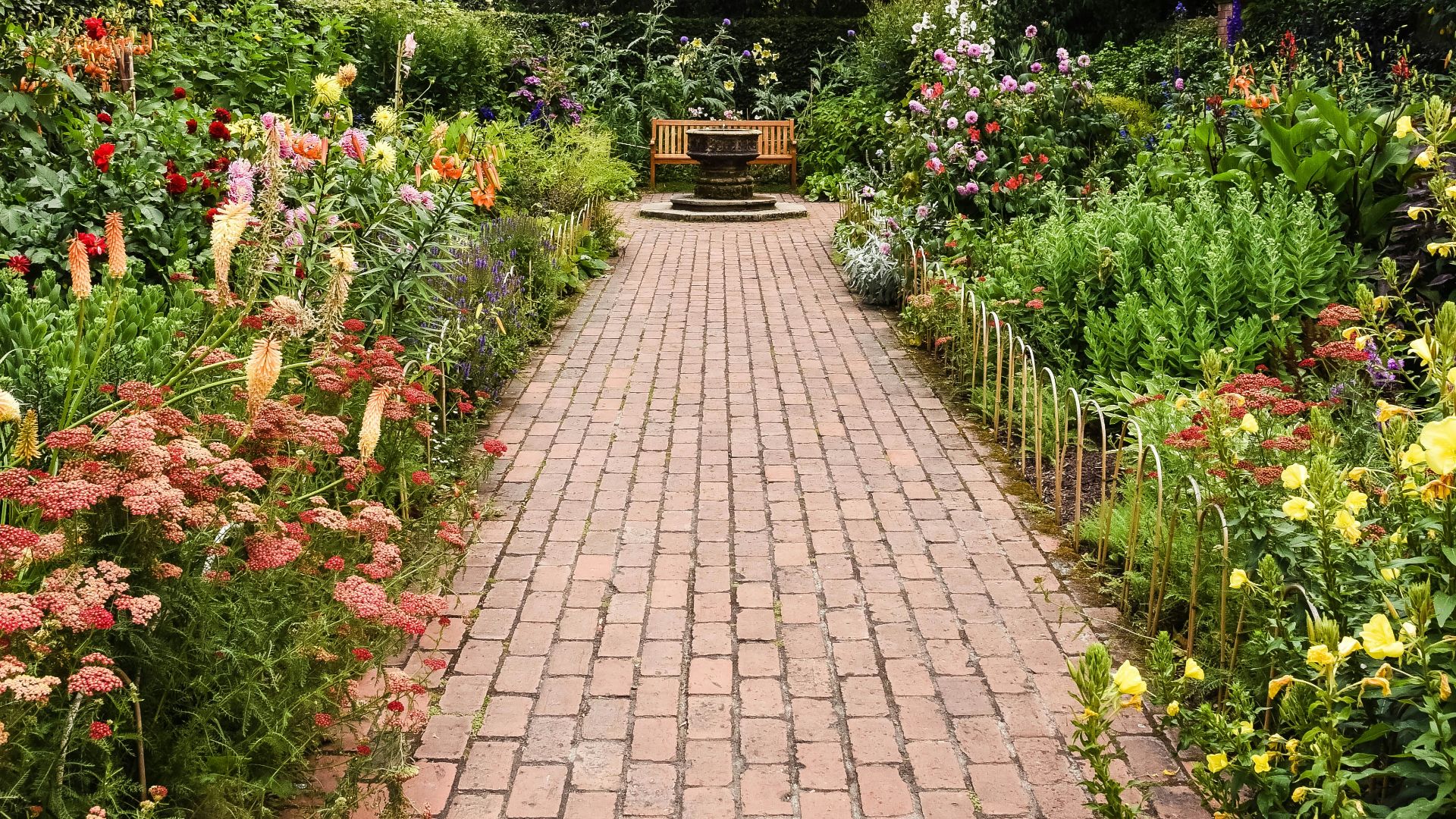
Gardening can keep you active, and we all know the average retiree finally has time to plant some buds! However, your joints will appreciate a few thoughtful adjustments. Use raised beds, kneeling pads, long-handled tools, and a rolling garden seat when planting herbs, trimming flowers, or pulling weeds. Break the work into shorter sessions, too, so that your back and knees don’t take on too much.
10. Dance
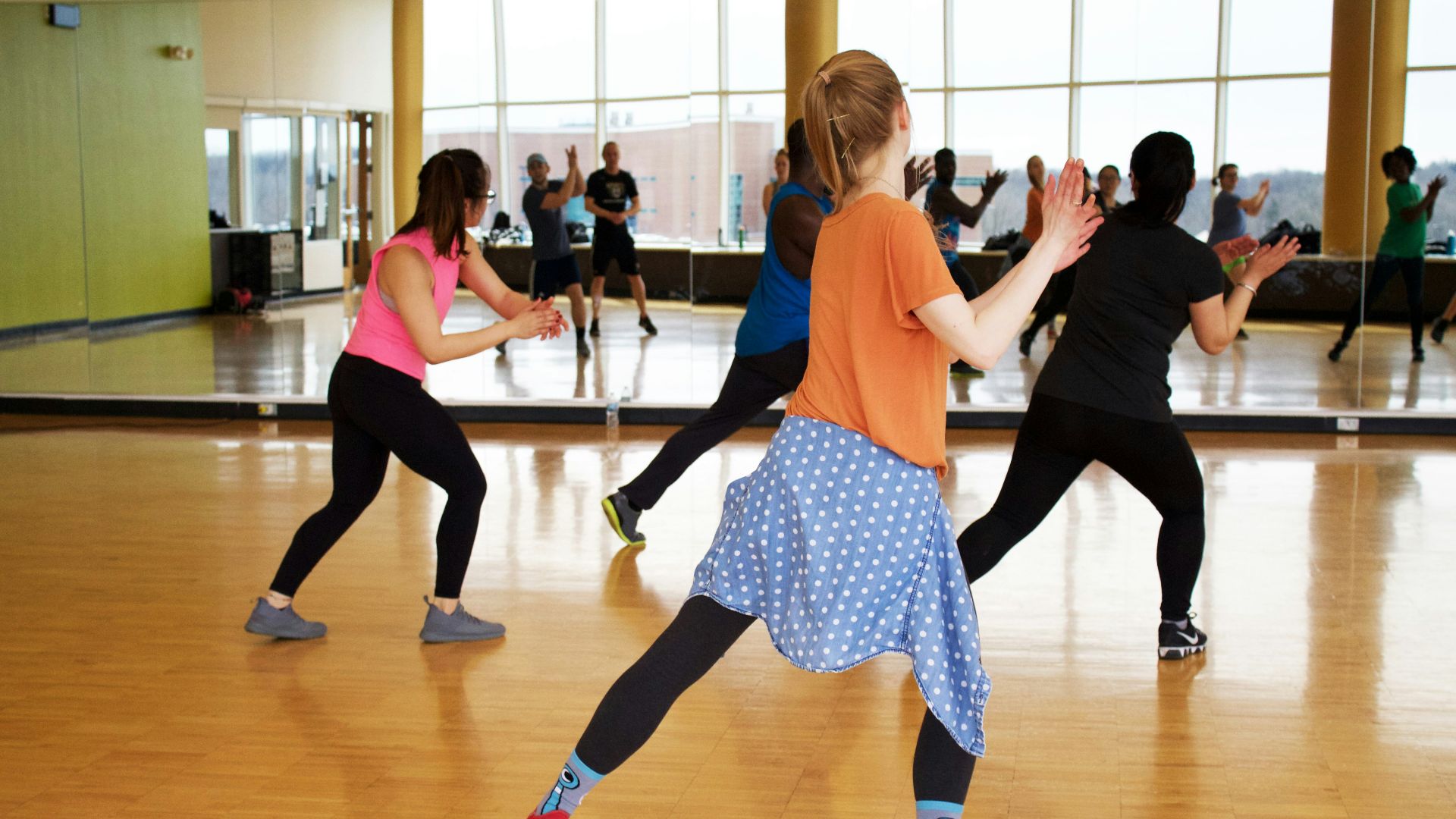
Who said you had to give up dancing in your old age? You’re retired—now’s the time to do it! Put on favorite music at home, try a senior line-dancing class, or practice simple side steps and gentle turns in your living room. Skip fast pivots or deep knee bends, and choose moves that let you stay light on your feet.
11. Use Light Hand Weights
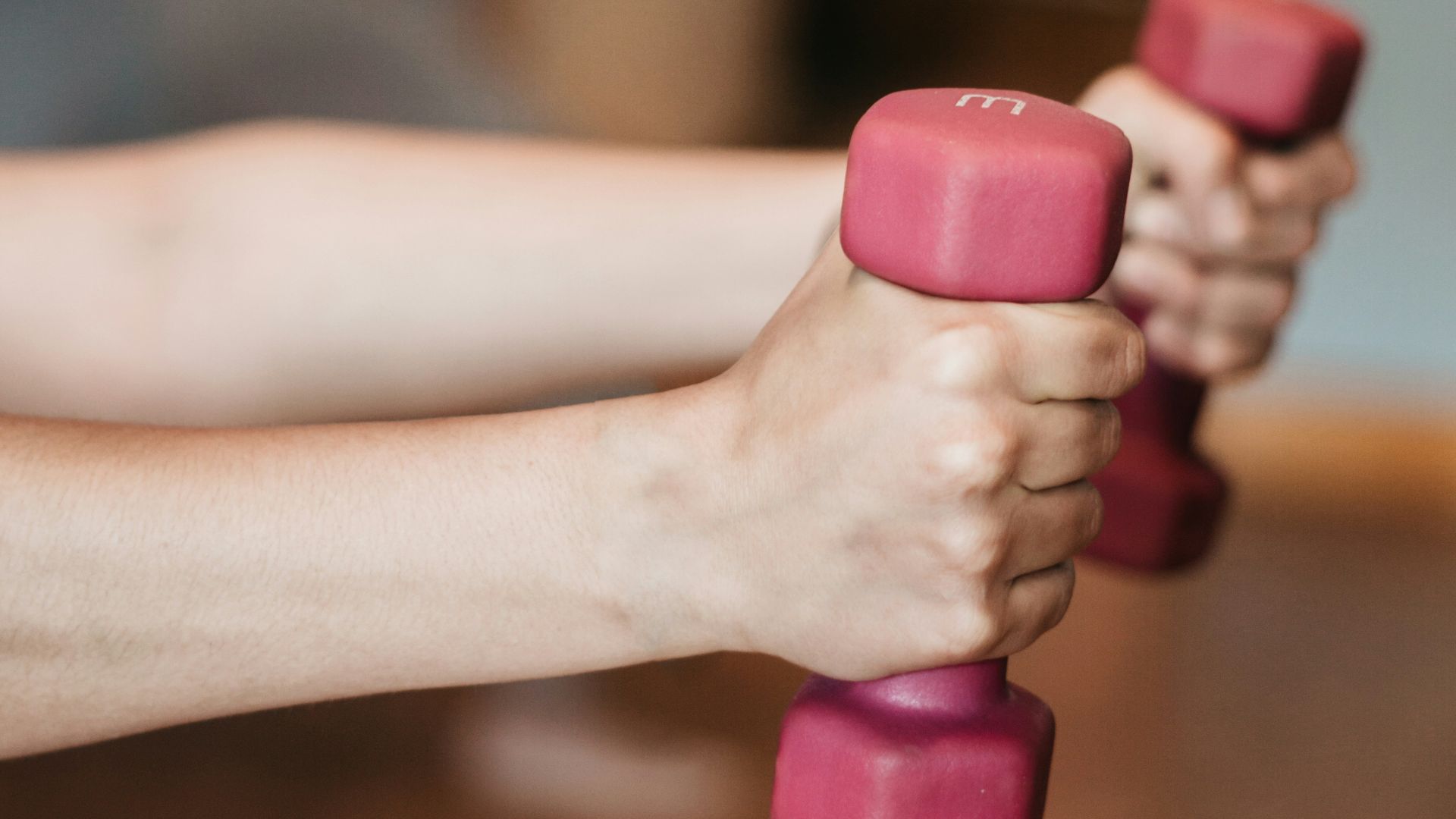
Light hand weights can help preserve upper-body strength for tasks like carrying groceries, lifting laundry baskets, or reaching into cabinets, which means you shouldn’t leave them out of your routine. Start with one- to three-pound weights for exercises, and don’t overdo it just for the sake of lifting.
12. Walk in a Pool
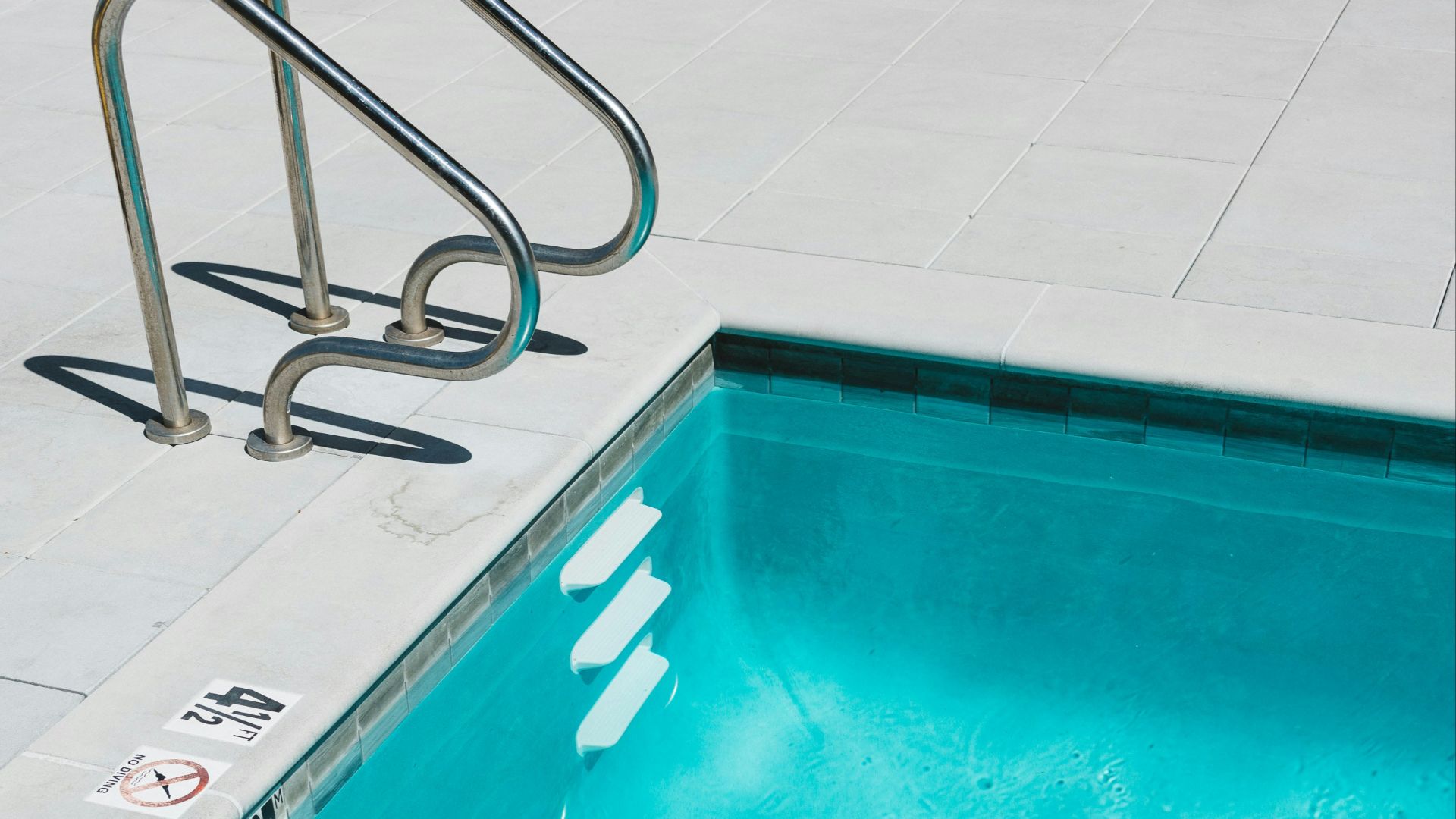
If you don’t want to stroll through the mall, pool walking is easier on the joints than walking on flat surfaces. Move through waist-deep water while swinging your arms naturally, then add side steps or backward walking if you feel steady. The magic is that water resistance makes your muscles work without the same impact you’d feel on land.
13. Low-Impact Fitness Videos
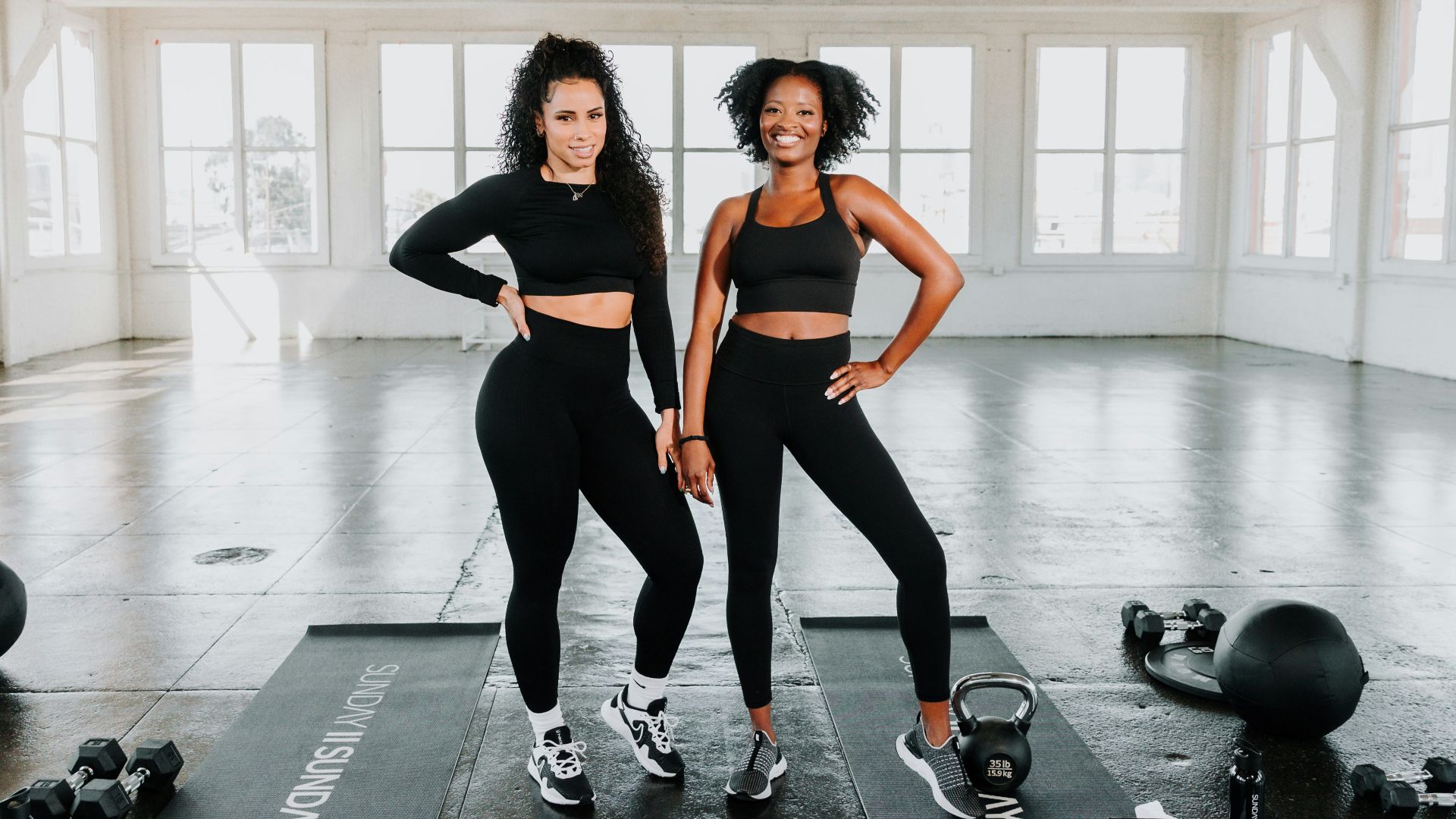
If you’d rather not exercise in a public gym, there’s nothing wrong with a good low-impact video at home! Look for beginner senior workouts that include marching in place, heel taps, seated options, and light arm movements. A big reminder to keep the remote nearby as well, so you can do what feels right for your body.
14. Practice Balance Near Support
Balance training can reduce the fear of falling and make daily movement feel more secure, which means it’s pretty much a must for seniors. All you really need to do is stand near a countertop and practice heel-to-toe walking, single-leg stands, or slow weight shifts from one foot to the other!
15. Careful Elliptical Workouts
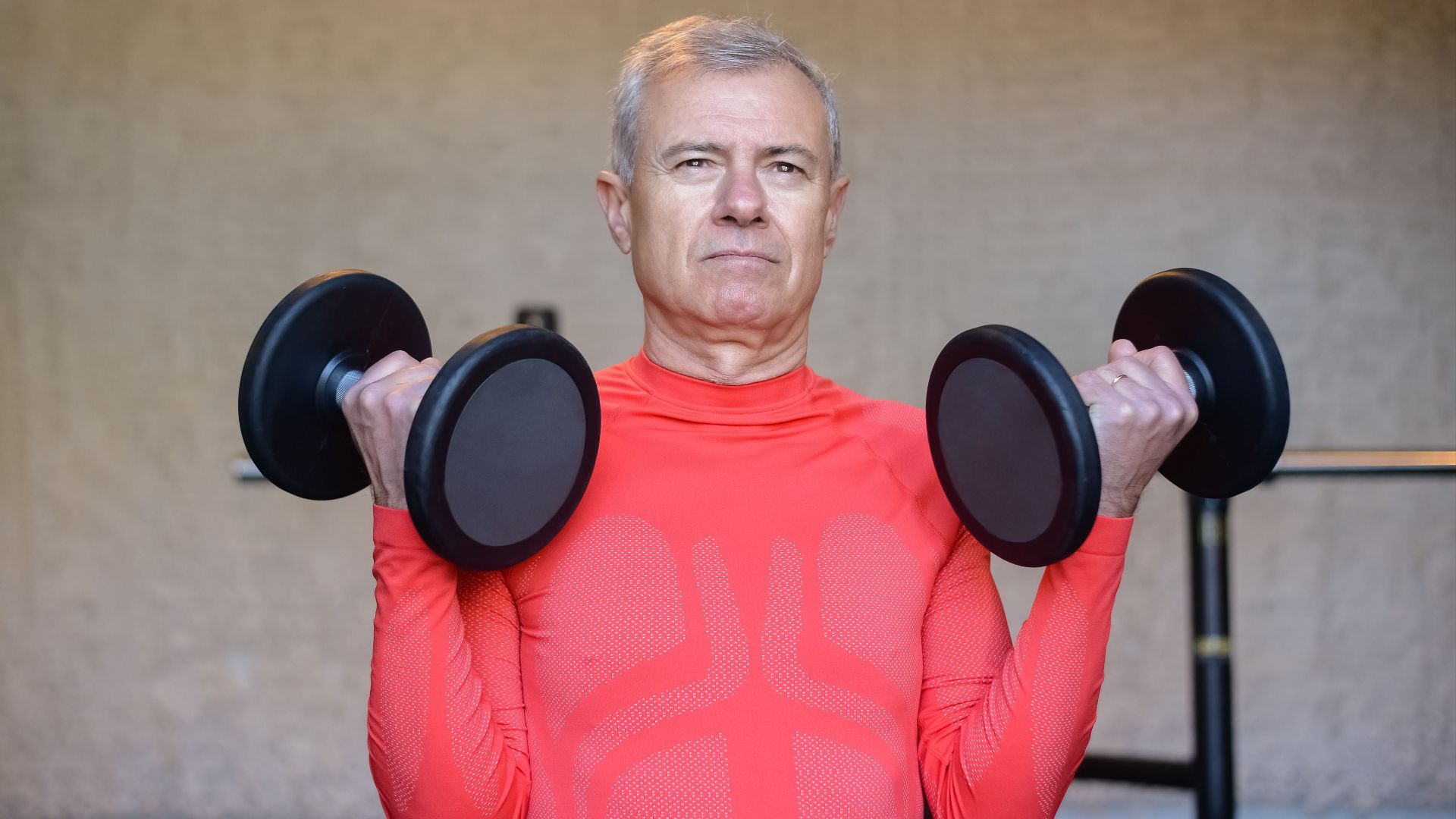
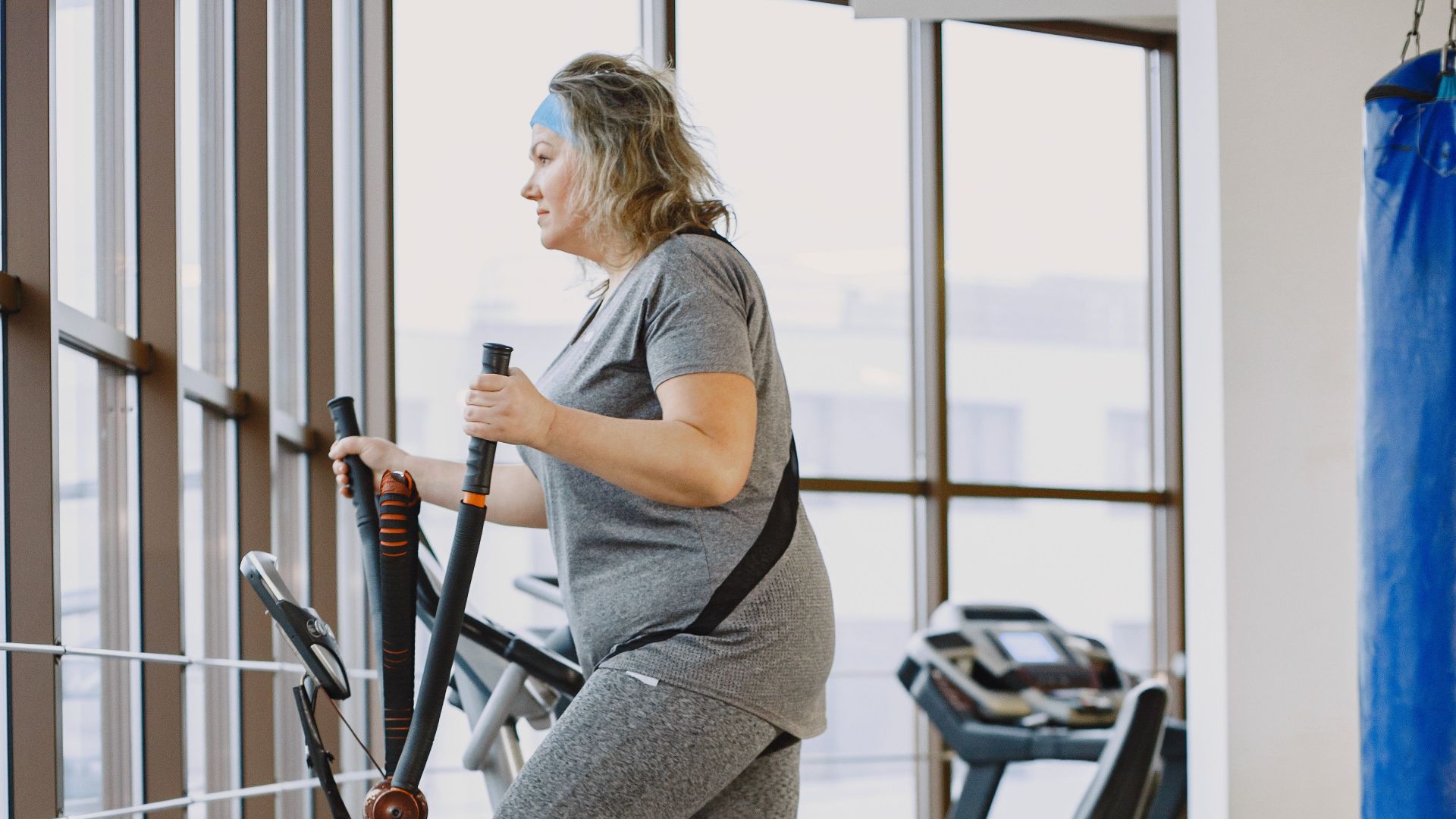
An elliptical machine is nothing short of intimidating, but it doesn’t have to be the mountain others make it out to be. Set the resistance low, keep your posture upright, and use the handles for extra stability if you need support. A short session at an easy pace is often more than enough.
16. Make Housework More Intentional
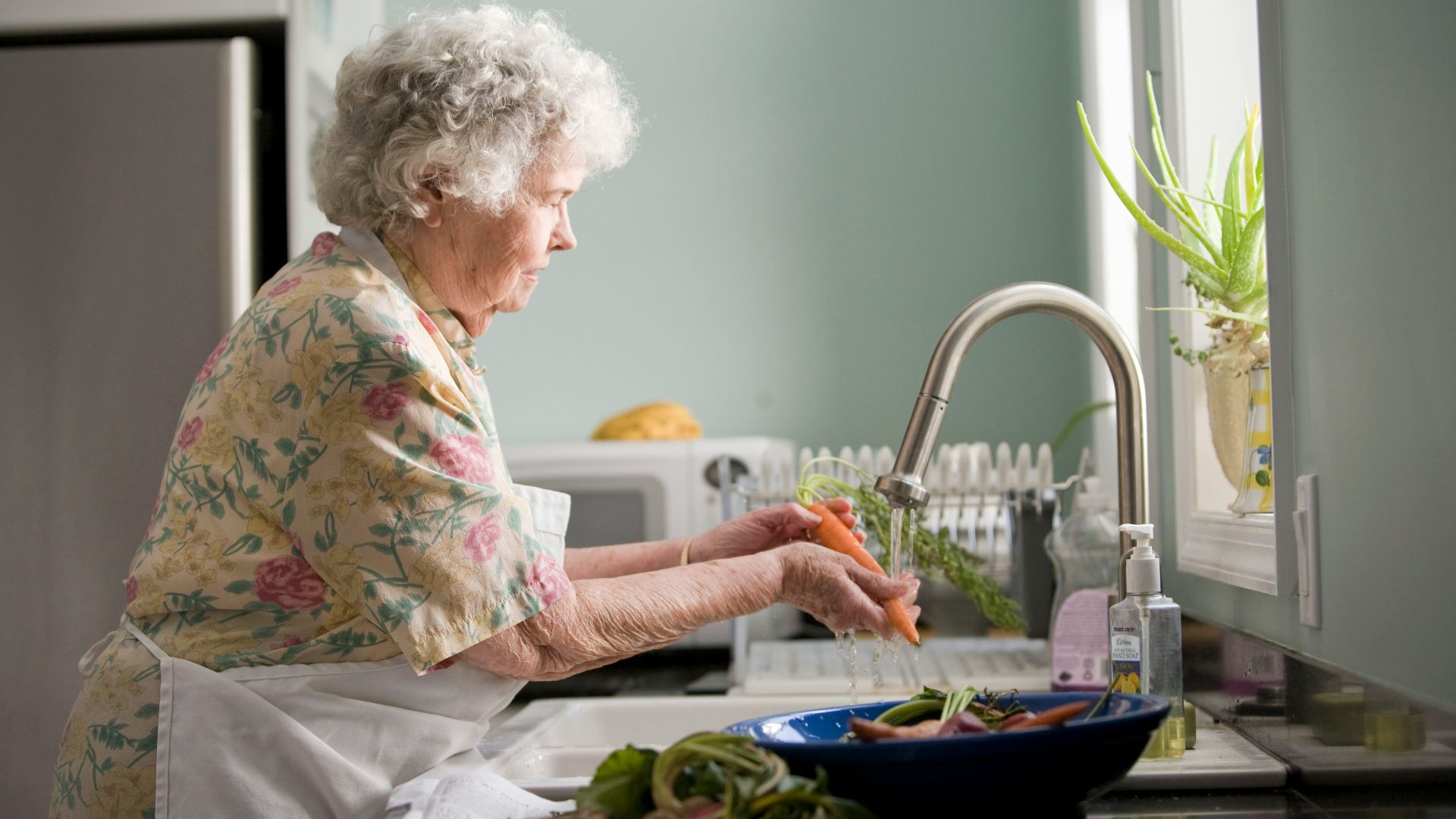
Hey, don’t sell yourself short—housework can count as movement! To really up the ante, however, you can vacuum one room, fold laundry while standing, wipe counters with broad arm movements, or carry small loads of towels instead of one heavy basket. Even simple everyday tasks support mobility as long as you avoid overloading.
17. Scenic Errand Routes
Did you know that errands can become a built-in activity? It’s true! Park a little farther from the pharmacy entrance. Walk an extra aisle at the grocery store. Take a lap around the farmers' market before shopping. Small choices help you stay active without needing a separate workout.

18. Modified Pilates
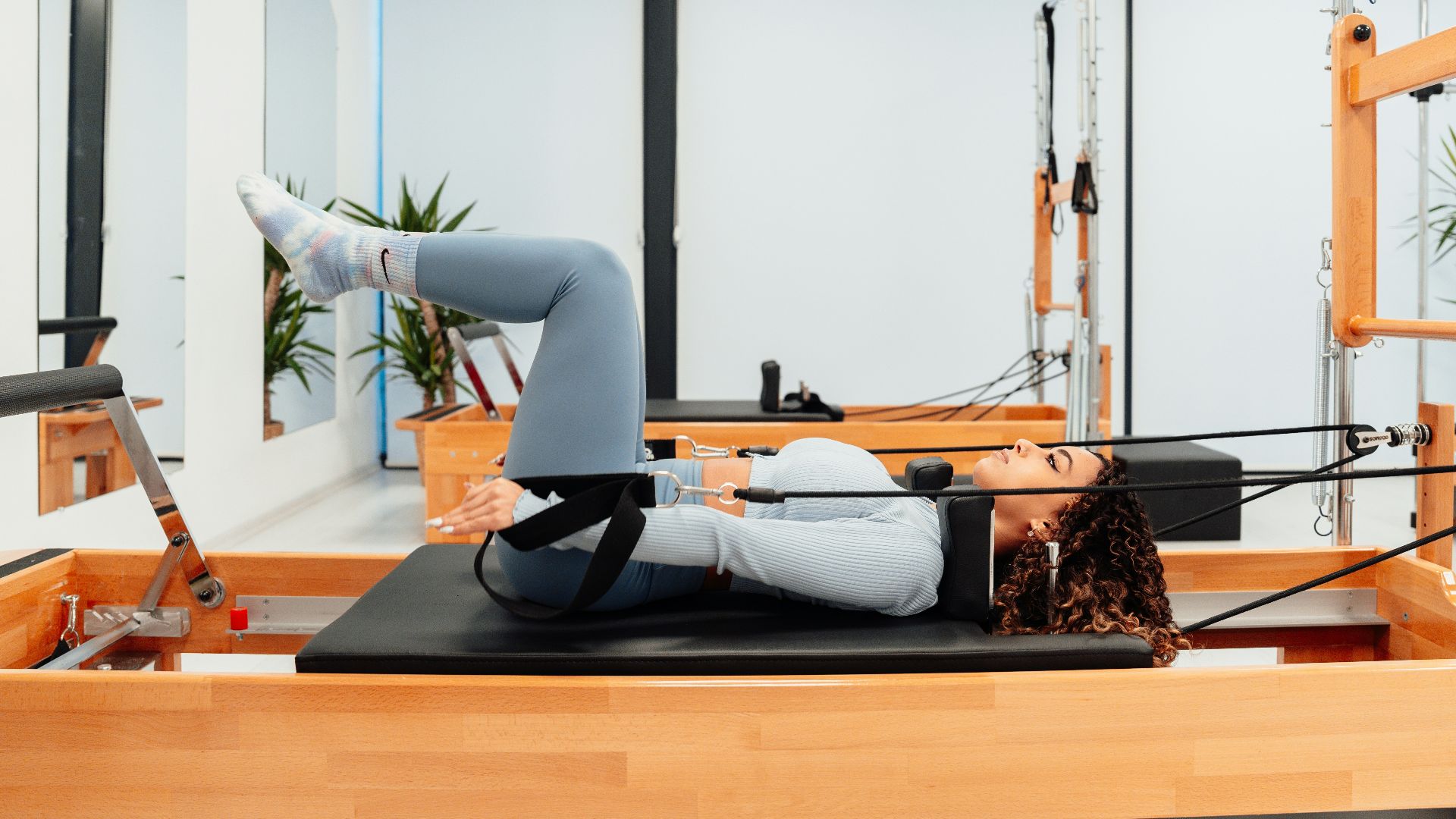
A beginner pilates class is exactly what the average person needs for stronger joints and a more solid core. Even newbie classes may include pelvic tilts, seated knee lifts, wall roll-downs, and gentle leg slides rather than advanced floor work, and you can always tell the instructor about concerns so they can offer safer options.
19. Build Movement Into Social Plans
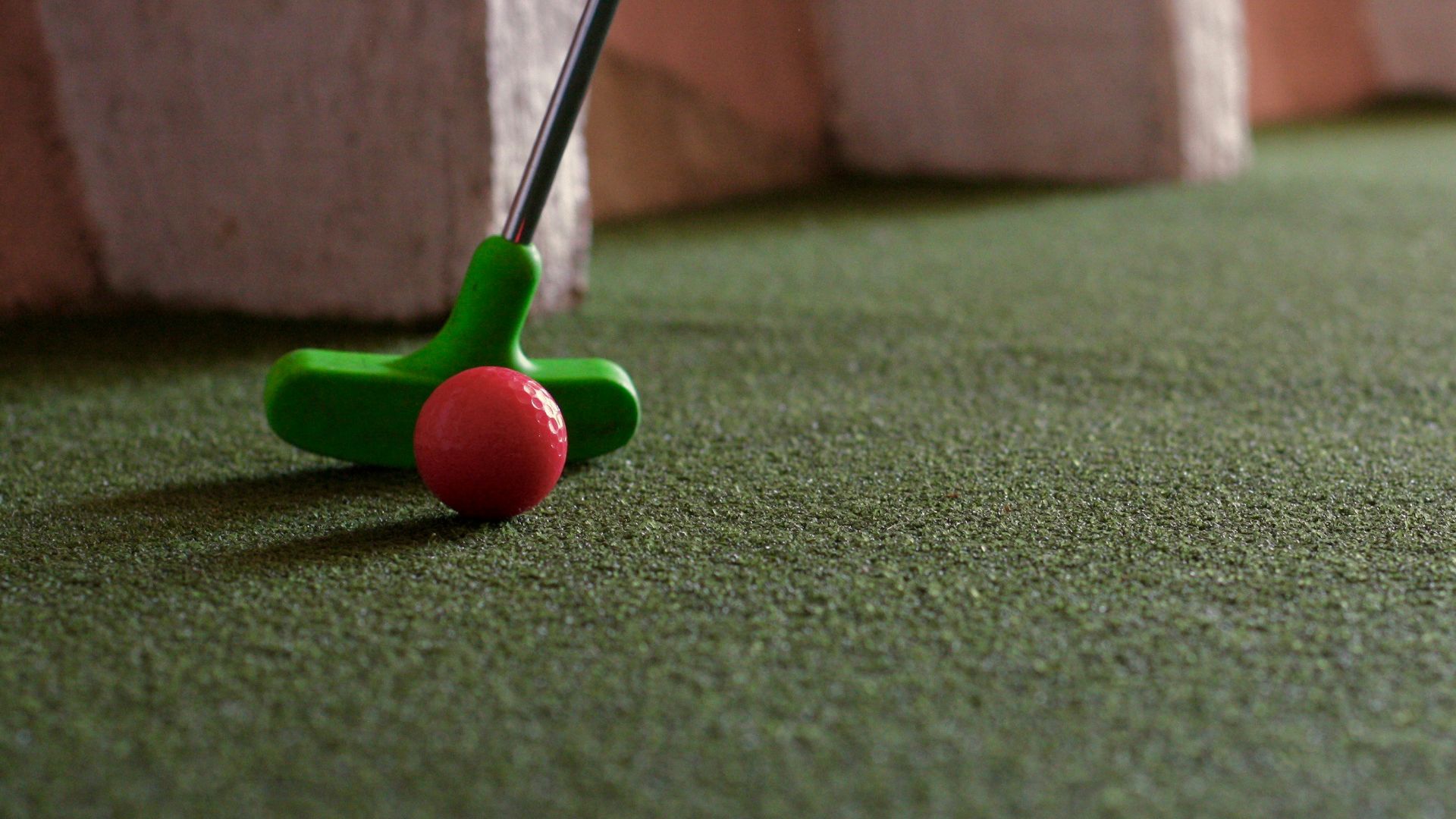
Something people often forget is that staying active feels easier when it’s connected to people you enjoy. Meet a friend for a park walk, join a community center class, volunteer at a museum, or play a gentle round of mini golf with family. Social movement keeps you consistent because it gives your routine a reason beyond at-home workouts.
20. Listen to Pain Signals Early
Don’t forget that joint-friendly activity should leave you feeling stronger, not sore. If a movement causes stabbing pain or lingering discomfort, choose a gentler option and don’t push yourself for no reason. Your doctor or physical therapist can also help you adjust your routine so staying active remains safe and realistic.

KEEP ON READING


10 Pre-Workout & 10 Post-Workout Tips To Follow