Small Household Changes Can Reduce Unnecessary Exposure
Turning 50 doesn't suddenly make ordinary household products dangerous, but reducing unnecessary exposure to certain pollutants and irritating chemicals can still be a sensible part of maintaining a healthier home. Indoor air can contain volatile organic compounds, combustion byproducts, pesticides, radon, lead, mold, and other contaminants, while some heavily fragranced or harsh cleaning products can irritate the eyes, skin, or respiratory system. Instead of trying to create a completely “chemical-free” home, consider these 10 household toxins to cut back on after 50 and 10 safer swaps.
1. Heavily Fragranced Air Fresheners
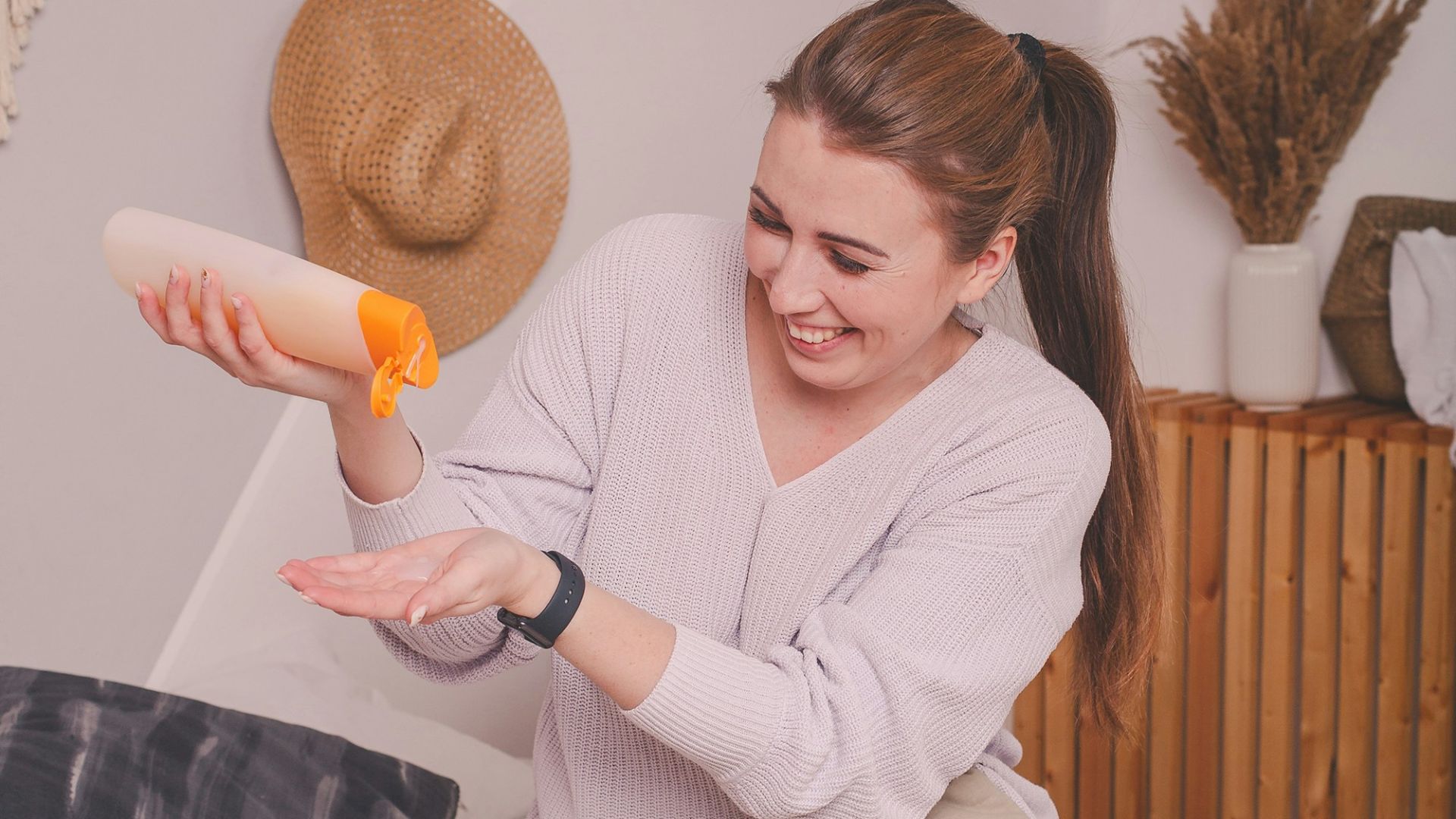
Plug-ins, sprays, and strongly scented air fresheners can release volatile organic compounds into indoor air. Fragrance can also bother people with asthma, allergies, migraines, or other sensitivities, although reactions vary considerably between individuals. If a room needs constant fragrance to smell fresh, improving ventilation and addressing the source of the odor is usually a better first step.

2. Indoor Cigarette Smoke
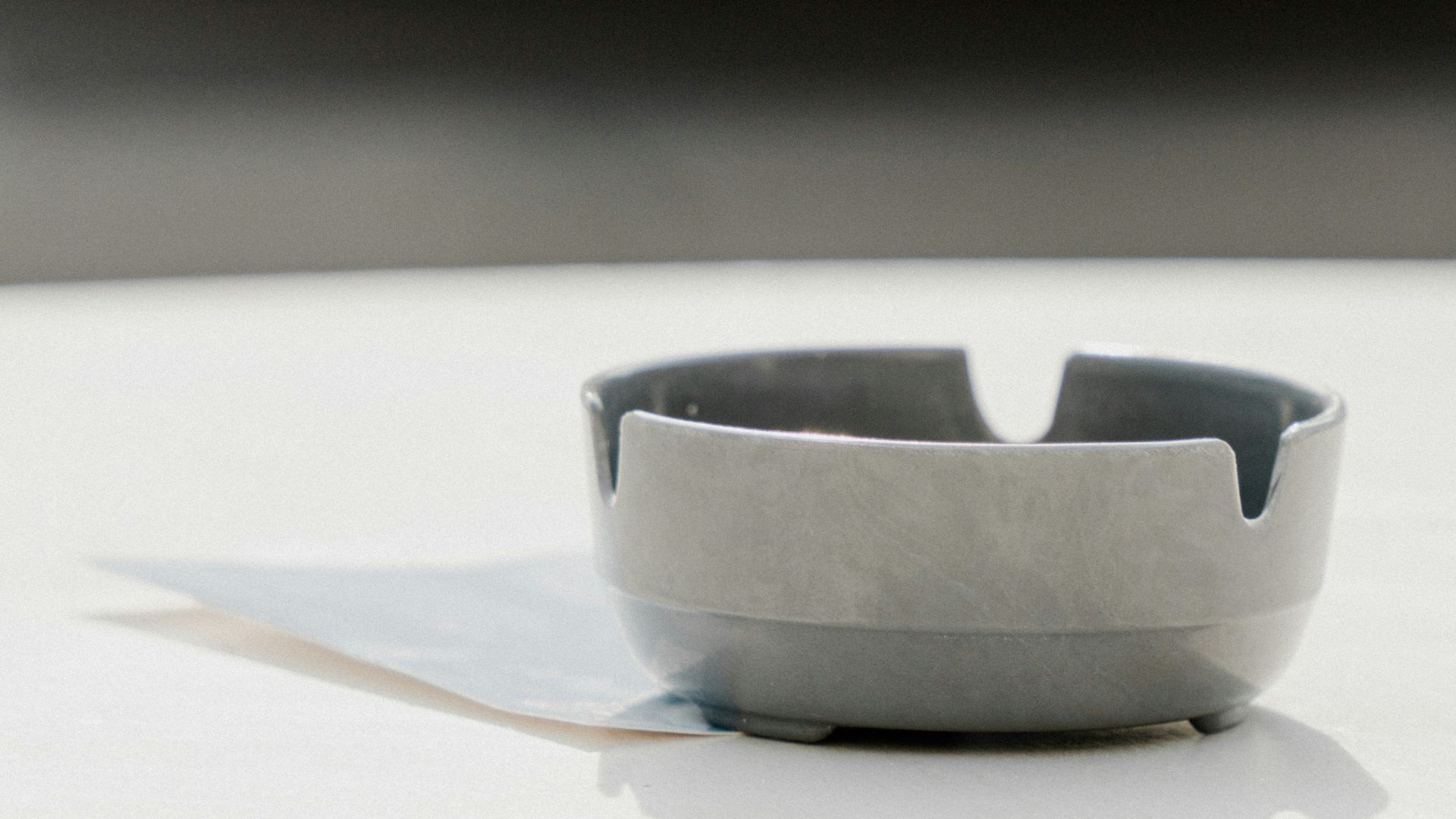
Secondhand tobacco smoke contains numerous harmful chemicals and fine particles, and there isn't a risk-free level of exposure. Smoking indoors also leaves residues on surfaces and furnishings long after the cigarette has been extinguished. Keeping the home and car smoke-free substantially reduces exposure for everyone who spends time there.
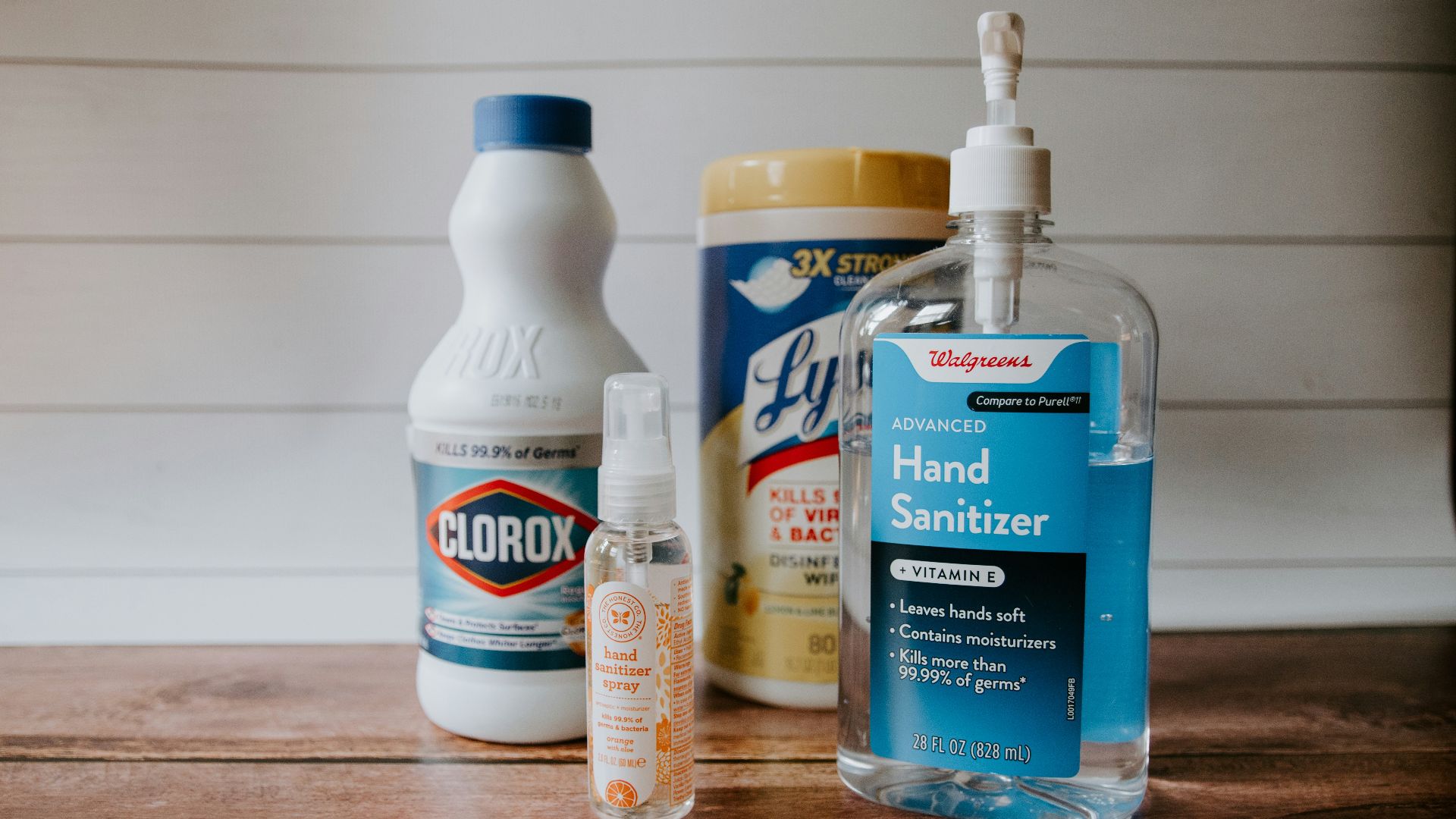
3. Excessive Bleach Use
Bleach is useful for certain disinfection jobs, but it doesn't need to be part of every routine cleaning session. Most importantly, bleach should never be mixed with ammonia or other cleaners because dangerous gases can be produced.
4. Routine Indoor Pesticide Spraying
Pesticides are designed to affect living organisms, so using more than necessary indoors isn't a harmless habit. Spraying entire rooms repeatedly can increase household exposure without addressing why pests are entering in the first place.
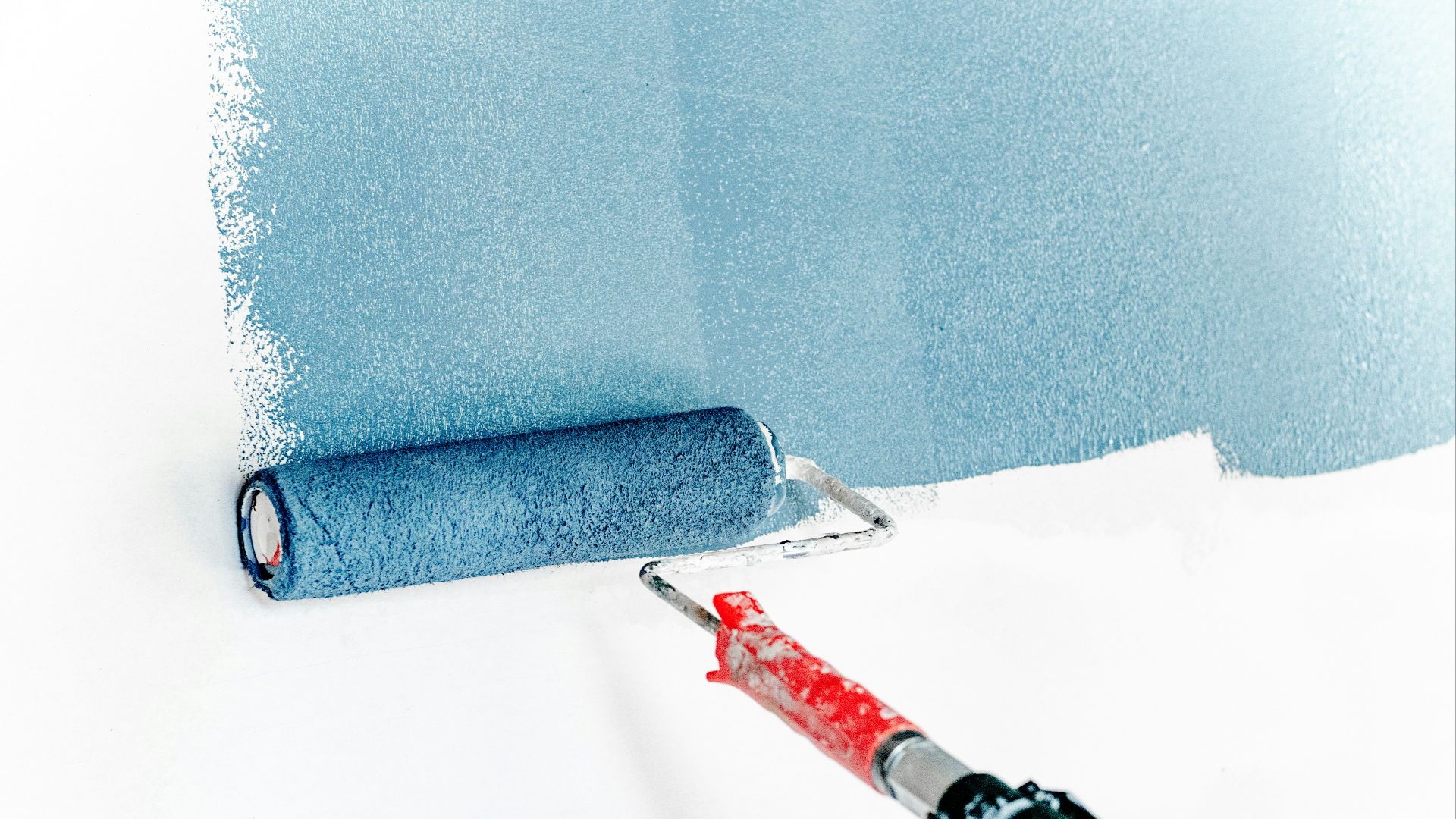
5. Solvent-Heavy Paints and Finishes
Some paints, varnishes, adhesives, and refinishing products release VOCs as they dry and sometimes afterward. Short-term exposure to high concentrations can cause symptoms such as headaches and irritation in susceptible people. Good ventilation and choosing lower-emission products can make home improvement projects more comfortable.

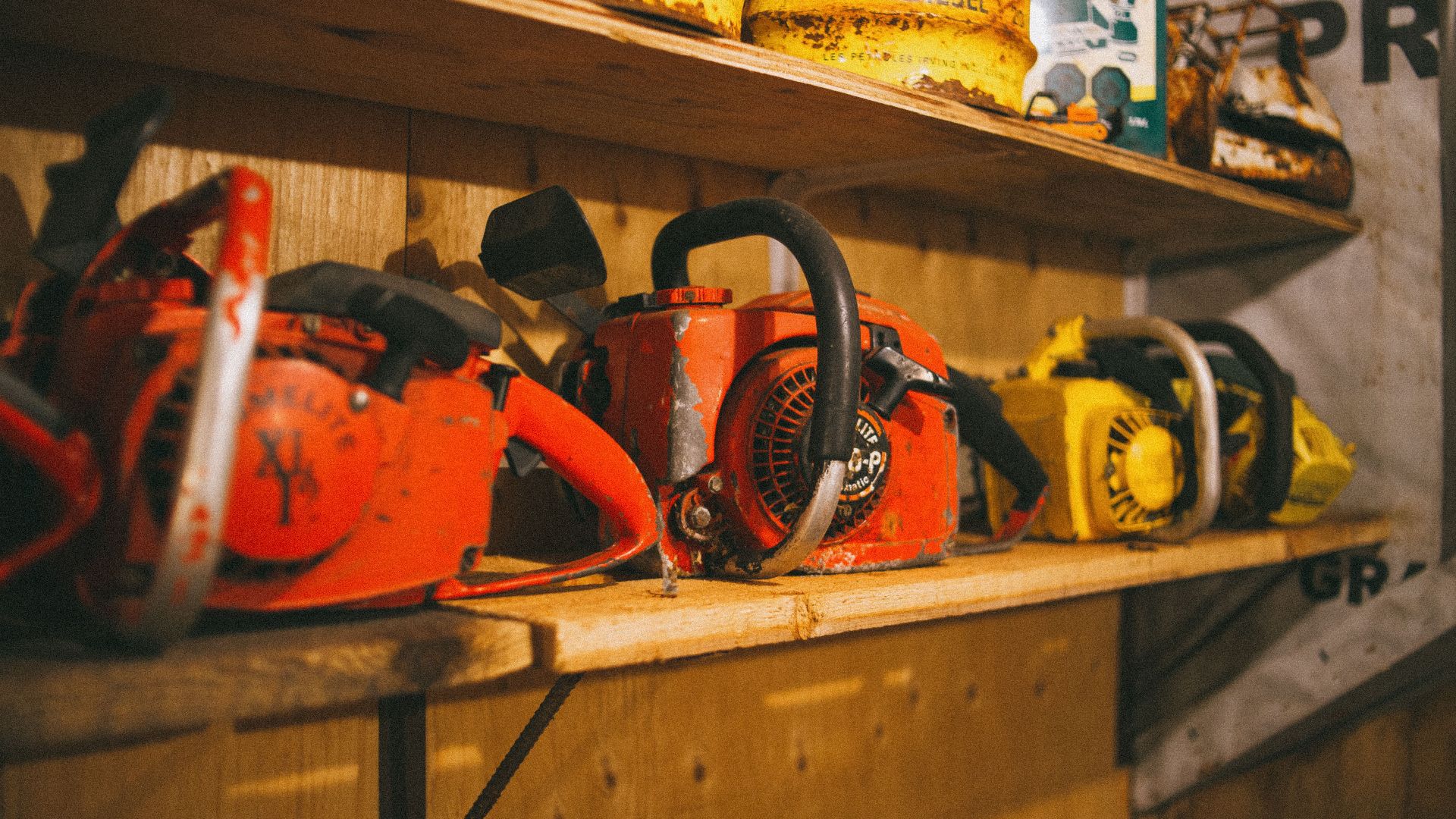
6. Gasoline-Powered Equipment Indoors
Generators, grills, engines, and other fuel-burning equipment can produce carbon monoxide, an odorless and colorless gas capable of causing severe poisoning. A garage or partly enclosed area isn't automatically safe simply because a door is open.
7. Old Lead-Based Paint Dust
Homes built before the United States restricted residential lead paint in 1978 may still contain older painted surfaces. Lead exposure is especially dangerous for children, but adults can also be harmed, particularly during renovations that create contaminated dust. Sanding or disturbing suspected lead paint without proper precautions can dramatically increase exposure.
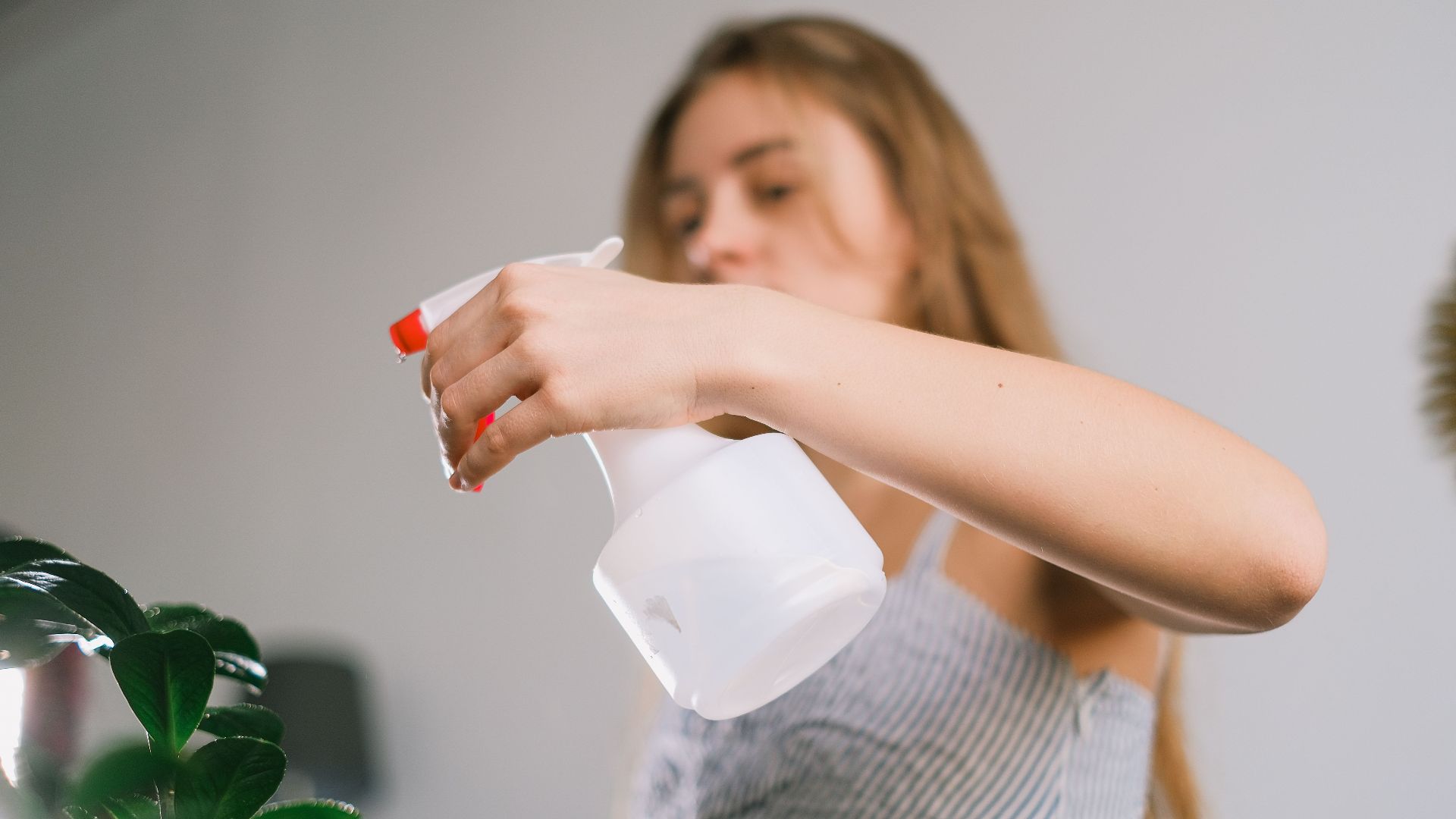
8. Strongly Scented Cleaning Sprays
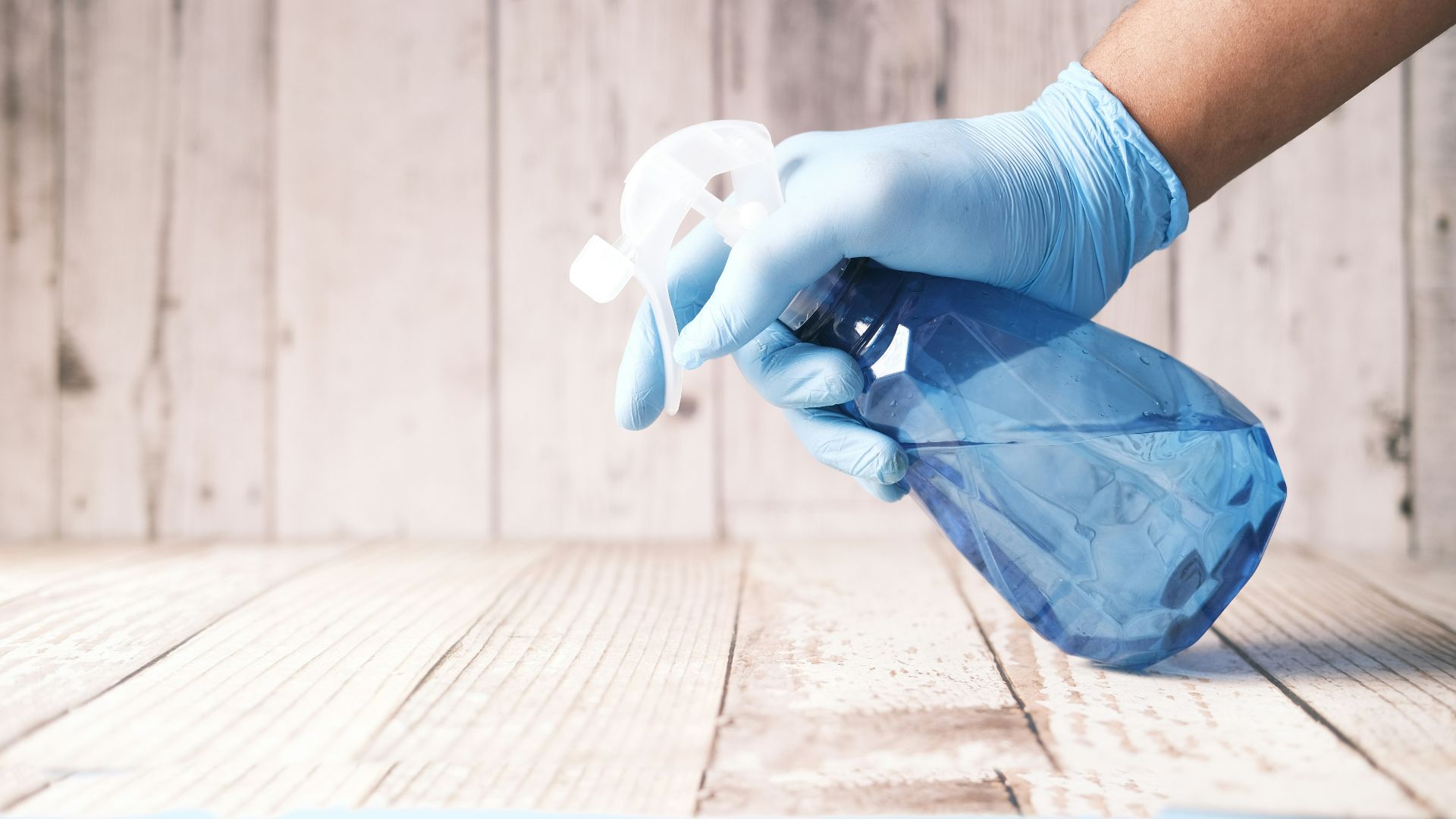
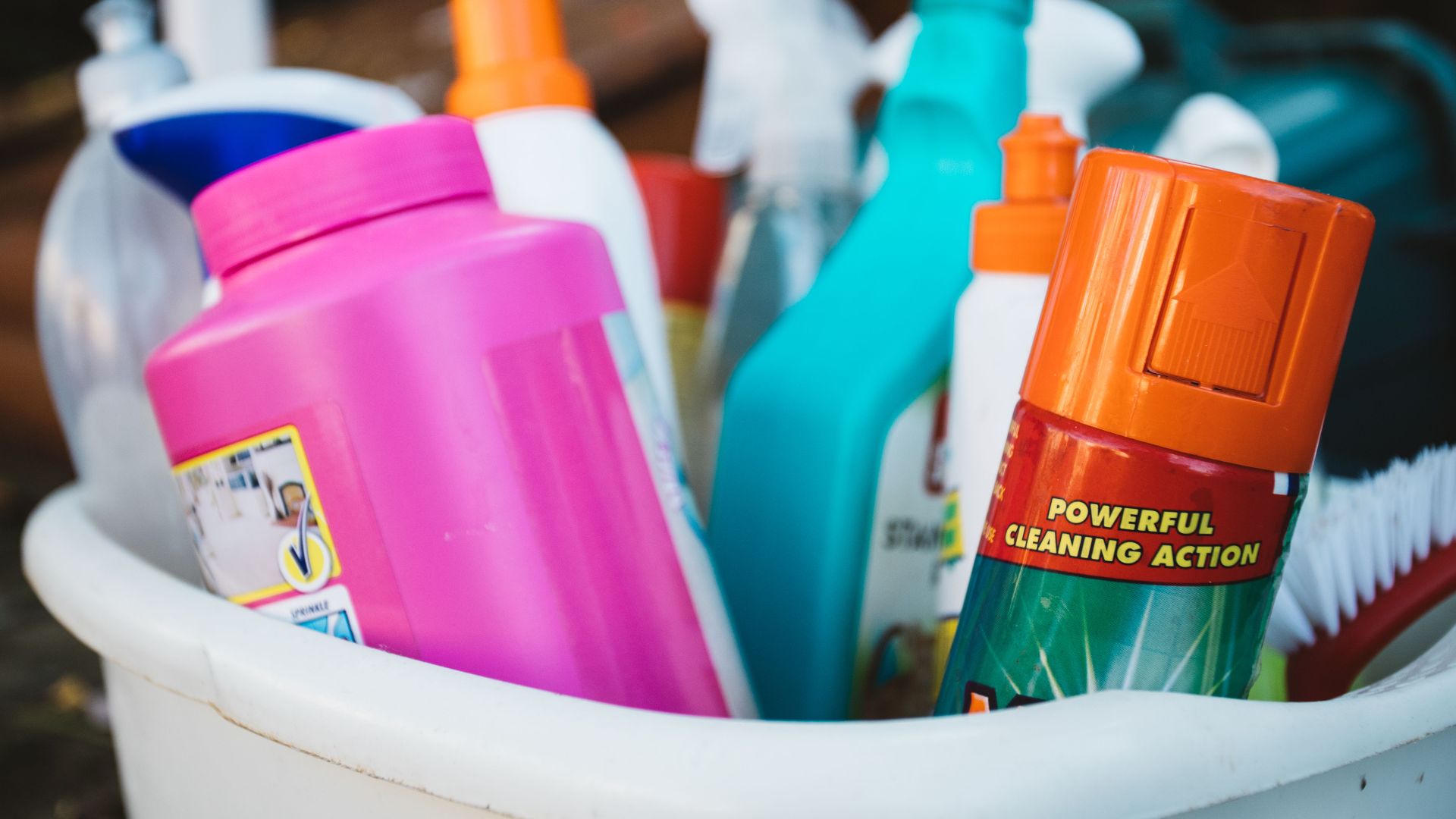
A powerful smell doesn't necessarily mean a surface is cleaner. Some cleaning products release VOCs or contain ingredients that can irritate skin, eyes, and airways, especially when they're sprayed into the air. Using only as much cleaner as the job requires can reduce exposure while still keeping a home hygienic.
9. Ozone-Producing Air Cleaners
An air cleaner sounds automatically healthy, but devices that intentionally generate ozone deserve caution. Buying an air-cleaning device based on filtration performance rather than promises about ozone or “activated oxygen” is the safer approach.
10. Unnecessary Mothball Use
Mothballs aren't ordinary deodorizing products and shouldn't be scattered loosely around closets, bedrooms, or storage areas. They contain pesticides that slowly turn into vapor and are intended to be used according to precise label instructions. Improper use can expose people and pets to concentrations that were never intended for an occupied living space.
1. Choose Fragrance-Free Products
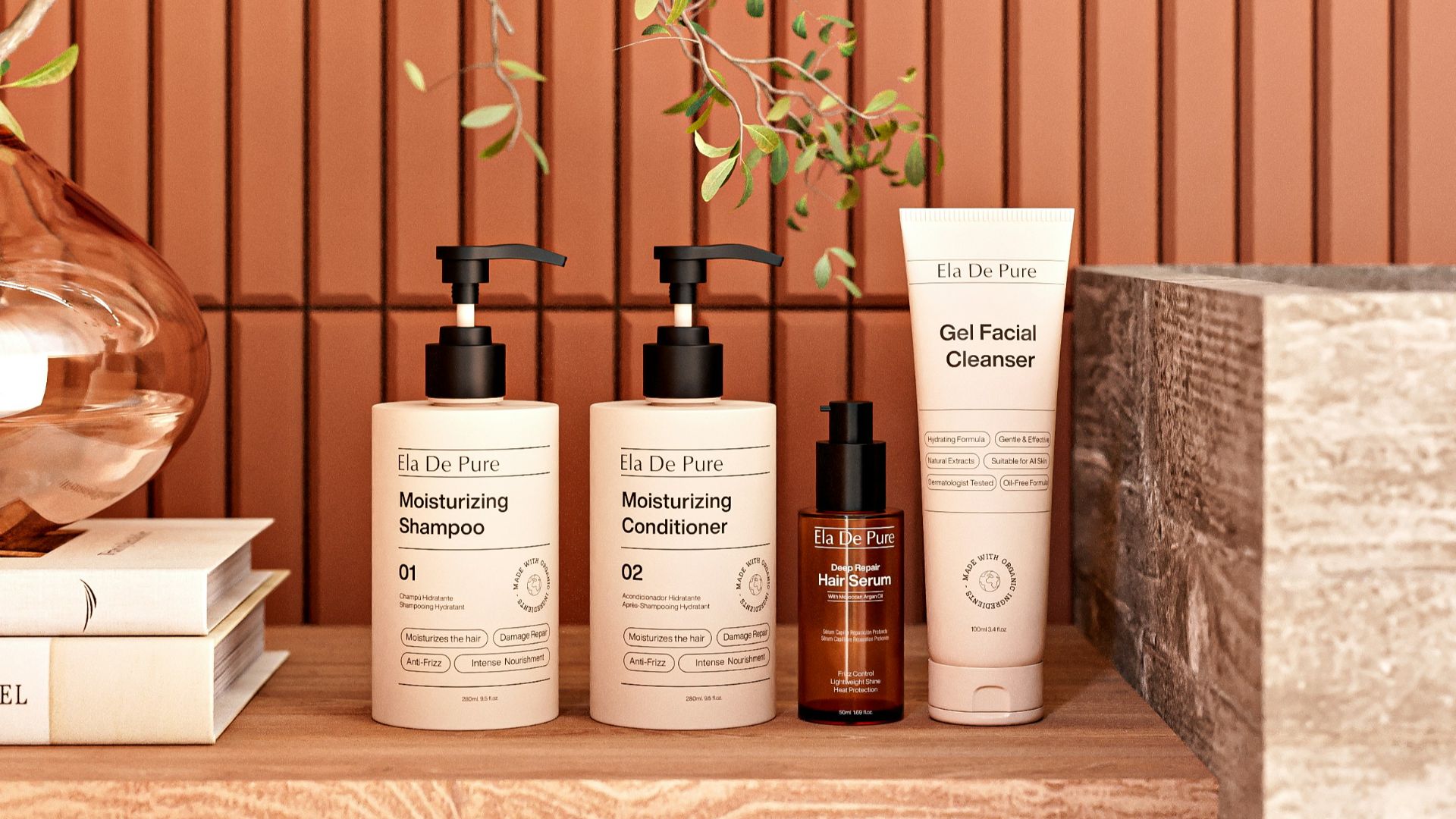
Switching from heavily perfumed cleaners and laundry products to fragrance-free versions can reduce one source of indoor chemical exposure. “Unscented” isn't always identical to fragrance-free because fragrances may occasionally be used to mask other odors.
2. Use EPA Safer Choice Cleaners
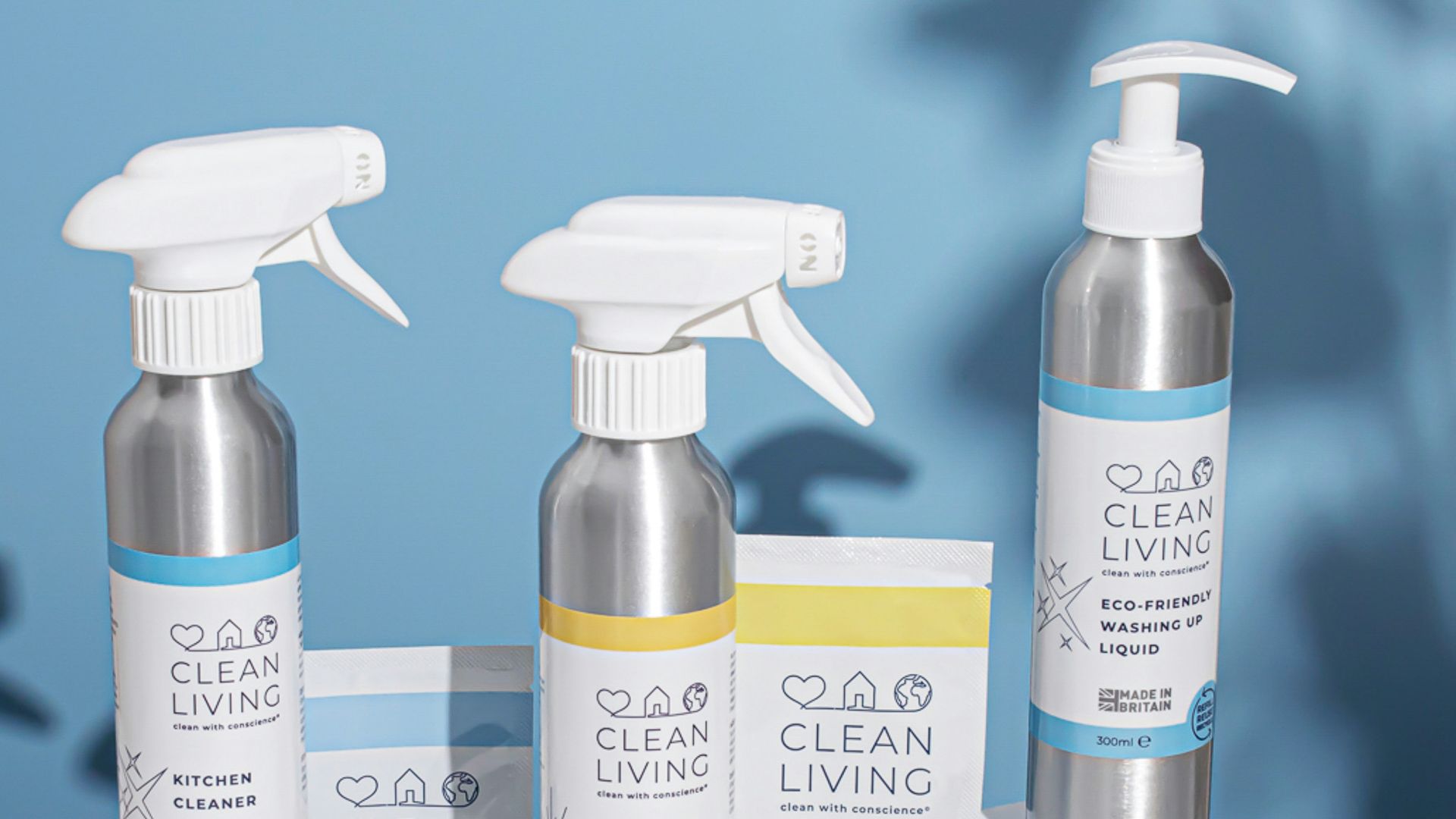
You don't have to make every household cleaner yourself to reduce potentially concerning ingredients. Products carrying the EPA Safer Choice label must meet program criteria designed around safer chemical ingredients while still meeting performance standards.
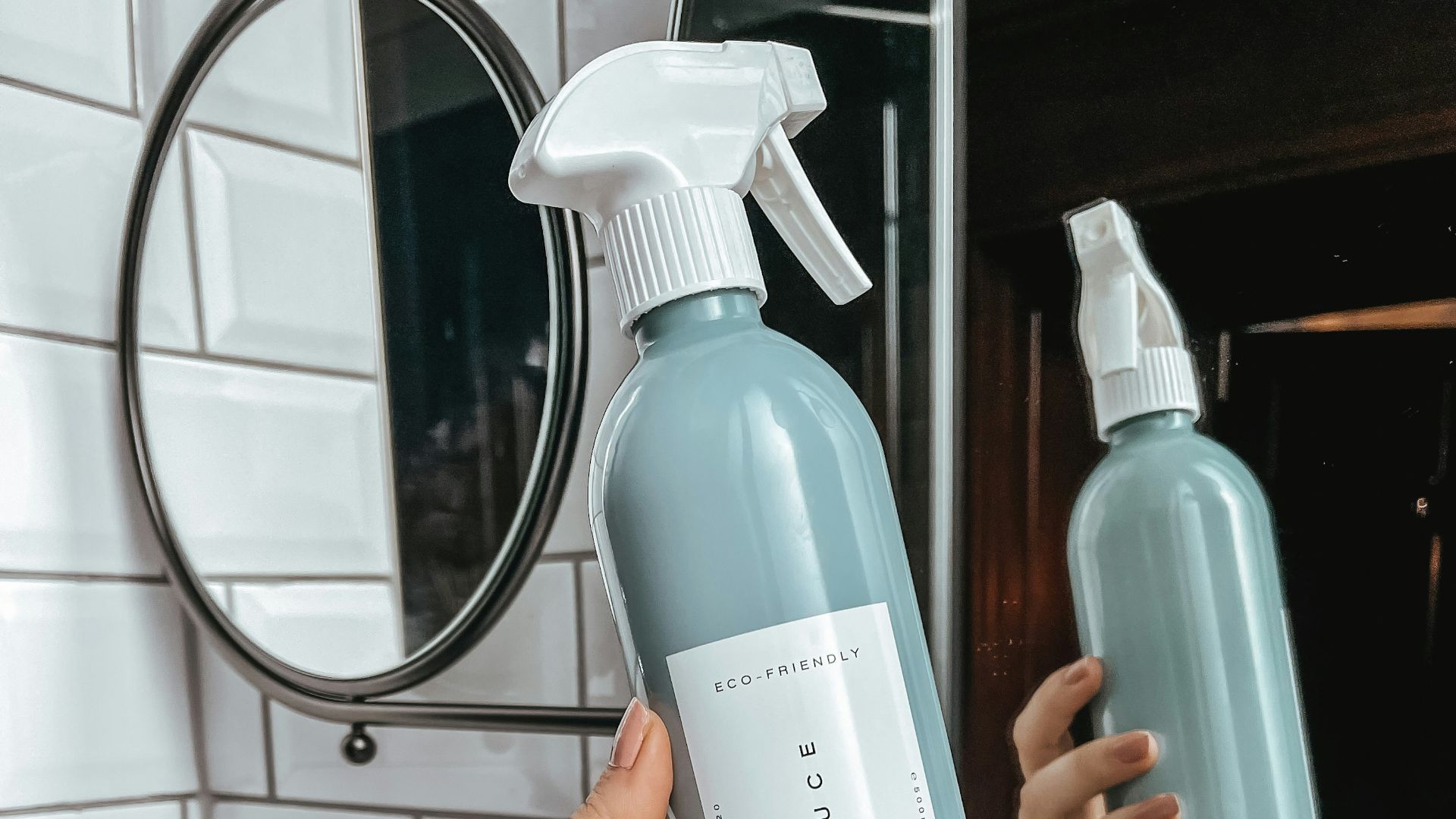 Spruce Refillable Cleaning on Unsplash
3. Clean With Soap and Water
Routine cleaning often doesn't require a powerful disinfectant. Soap or detergent and water can physically remove dirt and many germs from ordinary household surfaces, while disinfectants are more useful in situations where additional germ control is actually needed.
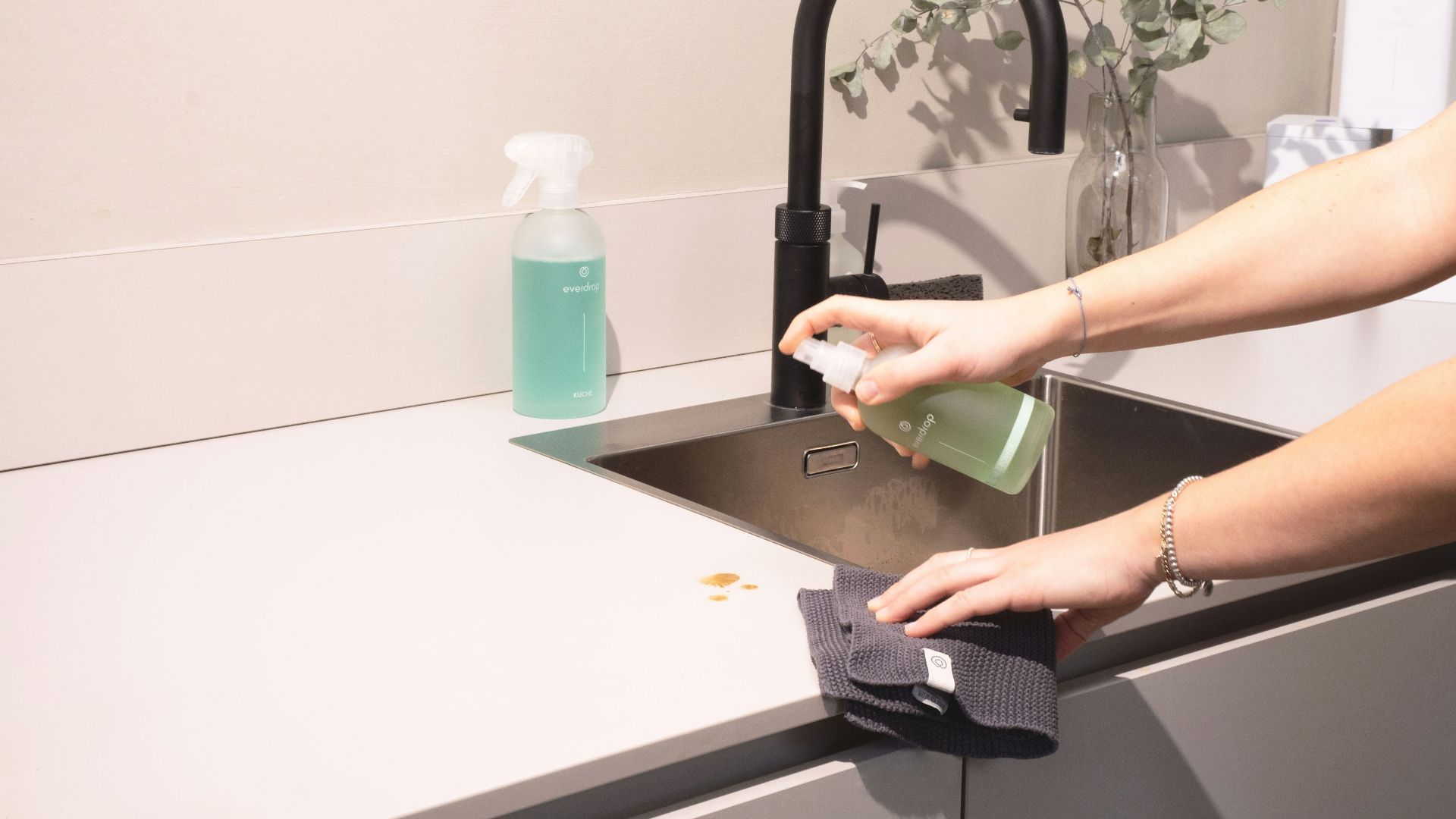
4. Improve Ventilation While Cleaning
Opening windows or running an exhaust fan can help reduce the concentration of pollutants released during cleaning, painting, or other household projects. Ventilation is particularly worthwhile when products have noticeable fumes.

5. Control Pests Before Spraying
Sealing cracks, repairing leaks, storing food securely, and removing pest food sources can often reduce infestations before pesticides become necessary. This approach forms part of integrated pest management, which emphasizes prevention and targeted control.
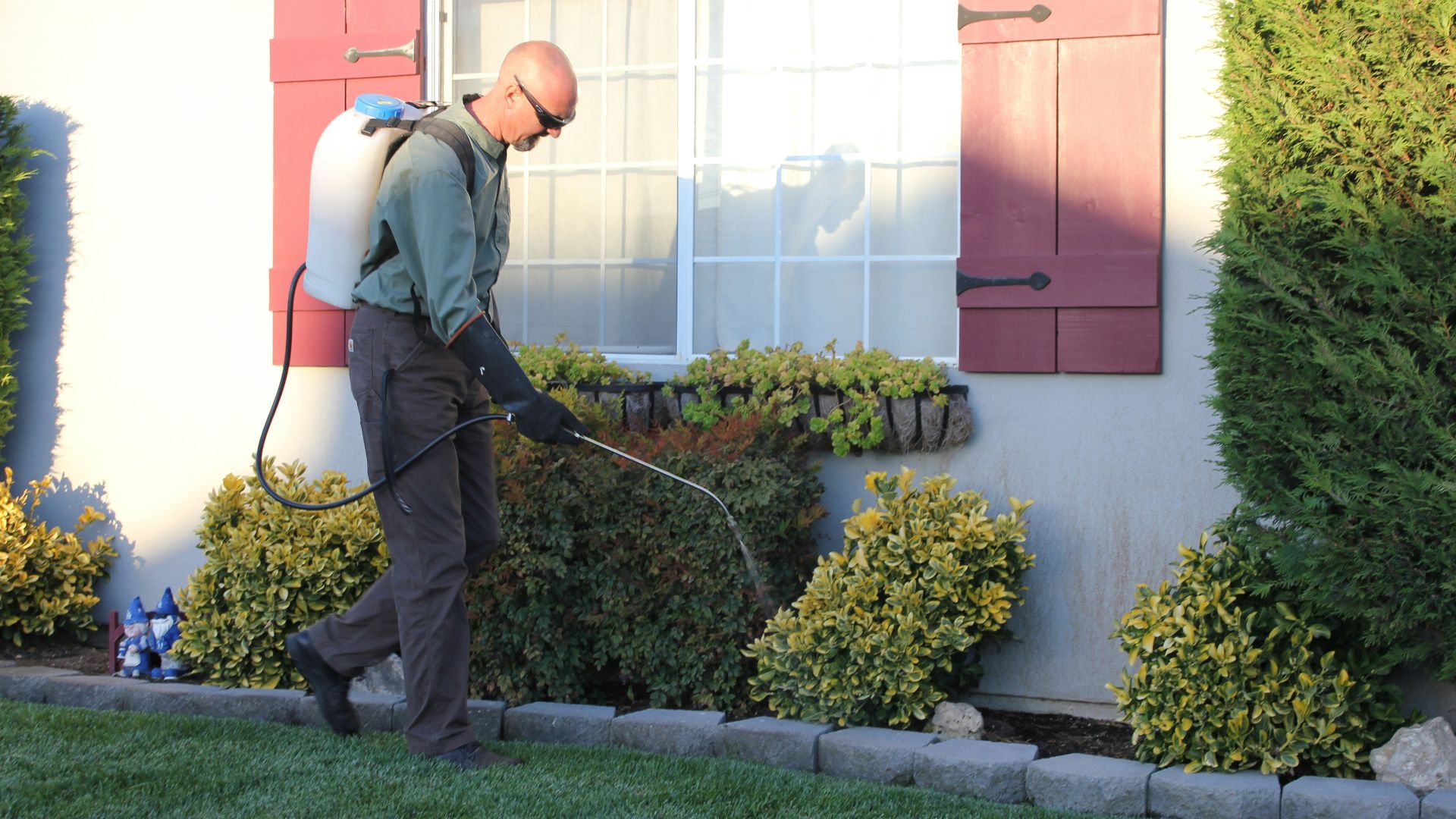 Pro Pest Control Canberra on Unsplash
6. Install Carbon Monoxide Detectors
A working carbon monoxide detector is a much more useful safety measure than trying to recognize the gas yourself, because you can't see or smell it. Detectors should be installed and maintained according to manufacturer instructions and local requirements.

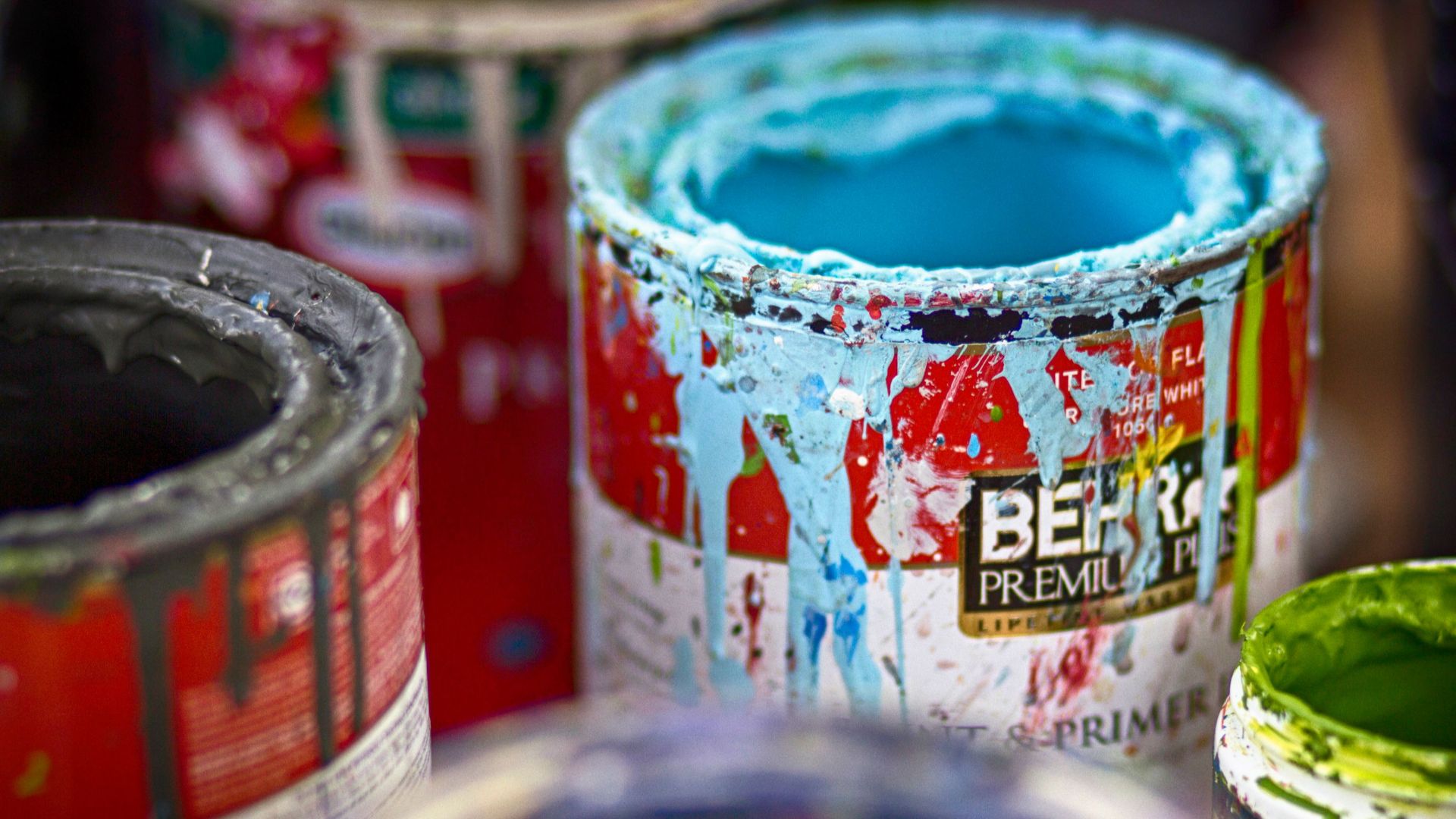
7. Pick Low-VOC Options
Low-VOC paints, finishes, adhesives, and related products can reduce emissions during home projects compared with higher-emitting alternatives. The label doesn't mean exposure becomes zero, so ventilation remains important while products are being used and drying.
8. Test for Radon
Radon is a naturally occurring radioactive gas that can accumulate indoors without producing an obvious smell or other warning. Testing is the only reliable way to know whether a home has an elevated level. If testing finds a problem, established mitigation systems can reduce indoor radon concentrations.
9. Damp-Clean Older Painted Areas
If an older home may contain lead paint, controlling dust is generally safer than dry sanding or aggressively disturbing painted surfaces. Major renovations involving possible lead hazards should follow applicable lead-safe practices rather than relying on ordinary household cleanup.
10. Use Mechanical Cleaning More Often
Microfiber cloths, vacuums with appropriate filtration, brushes, and plain cleaning solutions can handle many everyday chores without filling the room with sprays. Physical removal of dust and dirt is often all that's required for routine household maintenance.
KEEP ON READING

20 Ways Perimenopause Changes Fitness and Appetite

20 Unhealthy Obsessions People Have

20 Gut-Friendly Fermented Foods For Everyday Meals