
Building a Better Start the Night Before
A smoother morning usually begins long before the alarm goes off, because the choices you make in the evening can reduce stress, protect your sleep, and remove unnecessary decisions from the next day. Small habits such as preparing breakfast, limiting late-night screen use, and writing down priorities can help you wake up feeling more organized instead of immediately overwhelmed. You don’t need a rigid schedule or an elaborate routine, since consistency matters more than perfection. These 20 practical habits are evening routines that can set you up for sharper, calmer mornings.

1. Set a Consistent Bedtime
Going to bed at roughly the same time each night helps your body maintain a steadier sleep-wake schedule. A consistent bedtime can make falling asleep easier and reduce the temptation to stay up for tasks that could wait until tomorrow. Choose a realistic hour that gives you enough rest without making the routine feel impossible to maintain.

2. Prepare Your Clothes
Selecting your outfit before bed removes one of the first decisions you’d otherwise face in the morning. Check the weather, consider your schedule, and place everything you need in one convenient spot. This simple habit can prevent rushed searches for missing shoes, clean shirts, or suitable accessories.

3. Write Tomorrow’s Priorities
A short list of important tasks can stop unfinished responsibilities from circling in your mind at bedtime. Focus on three realistic priorities rather than creating an intimidating page of obligations. In the morning, you’ll already know where to direct your attention instead of spending valuable energy deciding what matters most.

4. Pack Your Work Bag
Gather your laptop, charger, identification, documents, and other daily essentials before you settle down for the night. Packing in advance lowers the risk of leaving something important on the kitchen counter.
 https://kaboompics.com/ on Pexels
5. Prepare Breakfast
Setting out breakfast ingredients makes it easier to eat something nourishing instead of skipping the meal or grabbing the fastest option available. You might prepare overnight oats, wash fruit, portion yogurt, or arrange the ingredients for eggs.

6. Fill a Water Bottle
Having water ready encourages you to drink soon after waking, when you may not feel motivated to search for a clean glass. Keep the bottle beside your bed, in the refrigerator, or with your packed belongings. Starting the day hydrated can also support alertness after several hours without fluids.

7. Clear the Kitchen
Waking up to dirty dishes and clutter can make the morning feel disorderly before it has properly begun. Spend a few minutes washing essential items, wiping the counters, and putting food away.

8. Reset the Living Space
Straightening cushions, folding blankets, and returning stray items to their places can provide a cleaner environment for the next day. A brief reset also prevents small messes from accumulating into a larger weekend chore.
 Francesca Tosolini on Unsplash
9. Reduce Screen Brightness
Bright screens late in the evening can make it harder for some people to feel ready for sleep. Lower the brightness, switch on a warmer display setting, and avoid holding devices close to your face. These adjustments won’t replace good sleep habits, but they can make your evening environment less stimulating.

10. Set a Screen Cutoff
Choose a specific point when you stop checking social media, work messages, and general news. Constant updates can keep your thoughts active and encourage you to stay awake longer than planned.

11. Dim the Lights
Lower lighting can make your home feel calmer and reduce the sharp transition between an active evening and bedtime. Turn off unnecessary overhead lights and use softer lamps where possible. A gradually darker environment may help you slow your pace rather than moving directly from work or entertainment into bed.
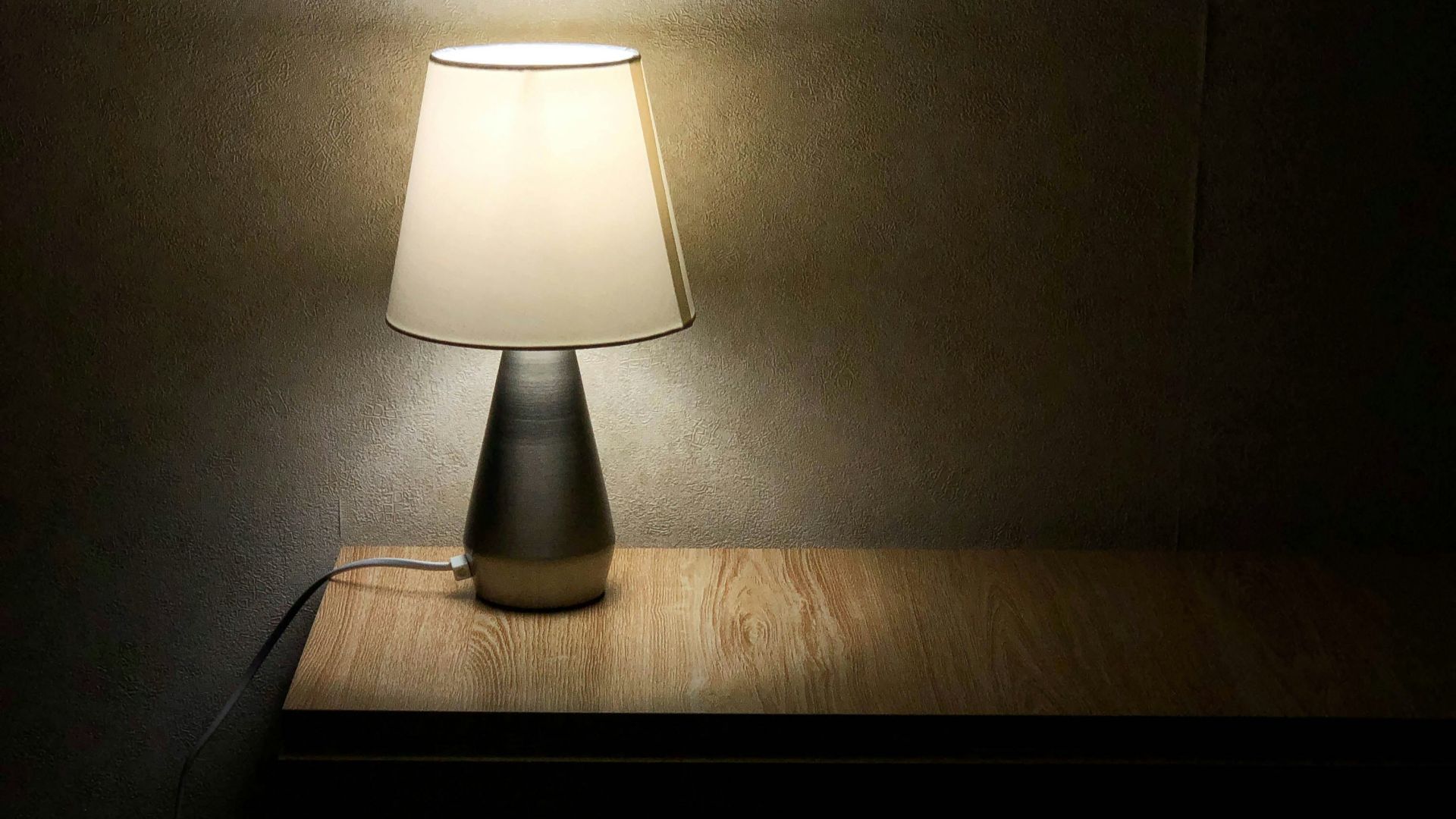 Ochir-Erdene Oyunmedeg on Unsplash
12. Take a Warm Shower
A warm shower can wash away the physical discomfort of a long day while giving you a predictable transition into your nighttime routine. Keep it relaxing rather than turning it into an extended grooming session.

13. Stretch Gently
A few slow stretches can ease stiffness caused by sitting, commuting, exercising, or standing for long periods. Focus on comfortable movements for your shoulders, back, hips, and legs without pushing into pain.

14. Practice Slow Breathing
Controlled breathing gives you something simple to focus on when your thoughts feel busy. Try inhaling slowly, pausing briefly, and exhaling for slightly longer than you inhaled.

15. Read Something Relaxing
Reading can provide a quieter alternative to scrolling through fast-moving content before sleep. Select a book, magazine, or essay that interests you without making you feel emotionally charged or professionally obligated.

16. Review the Calendar
A quick calendar check can prevent forgotten appointments, early meetings, or unexpected errands from disrupting your morning. Note any changes to your usual departure time and confirm whether you need special clothing or materials.

17. Set the Alarm Once
Decide what time you need to wake up and set your alarm before getting into bed. Repeatedly changing it can lead to unnecessary calculations, worry, and a later bedtime.
 Solving Healthcare on Unsplash
18. Create a Worry List
Writing down concerns can help separate problems that require action from thoughts that don’t need immediate attention. Beside each concern, add one possible next step or note that it can’t be handled tonight.
 Glenn Carstens-Peters on Unsplash
19. Keep the Bedroom Cool and Quiet
A comfortable bedroom supports better rest and reduces the chance that you’ll wake because of heat, noise, or stale air. Adjust the thermostat, close curtains, and remove unnecessary electronic sounds before lying down.
 Lotus Design N Print on Unsplash
20. End With a Positive Reflection
Take a moment to identify one thing that went well or one effort you’re glad you made during the day. The reflection doesn’t need to be dramatic, since ordinary accomplishments and pleasant moments still count.

KEEP ON READING