
Your Body Has Some Explaining To Do
The human body has a habit of doing things nobody signed off on. You cry at a wedding toast, catch someone else's yawn across a room, and get chills from a chord change nobody can quite name. Scientists have poked at these quirks for decades, running study after study, and still walk away shrugging more often than not. Some of it probably comes from deep evolutionary wiring, and some of it might just be leftover noise from a brain that's busy doing a thousand other things at once. Here's 20 of the strangest habits your body pulls that researchers still can't fully pin down.
 Bruce Christianson on Unsplash
1. Goosebumps
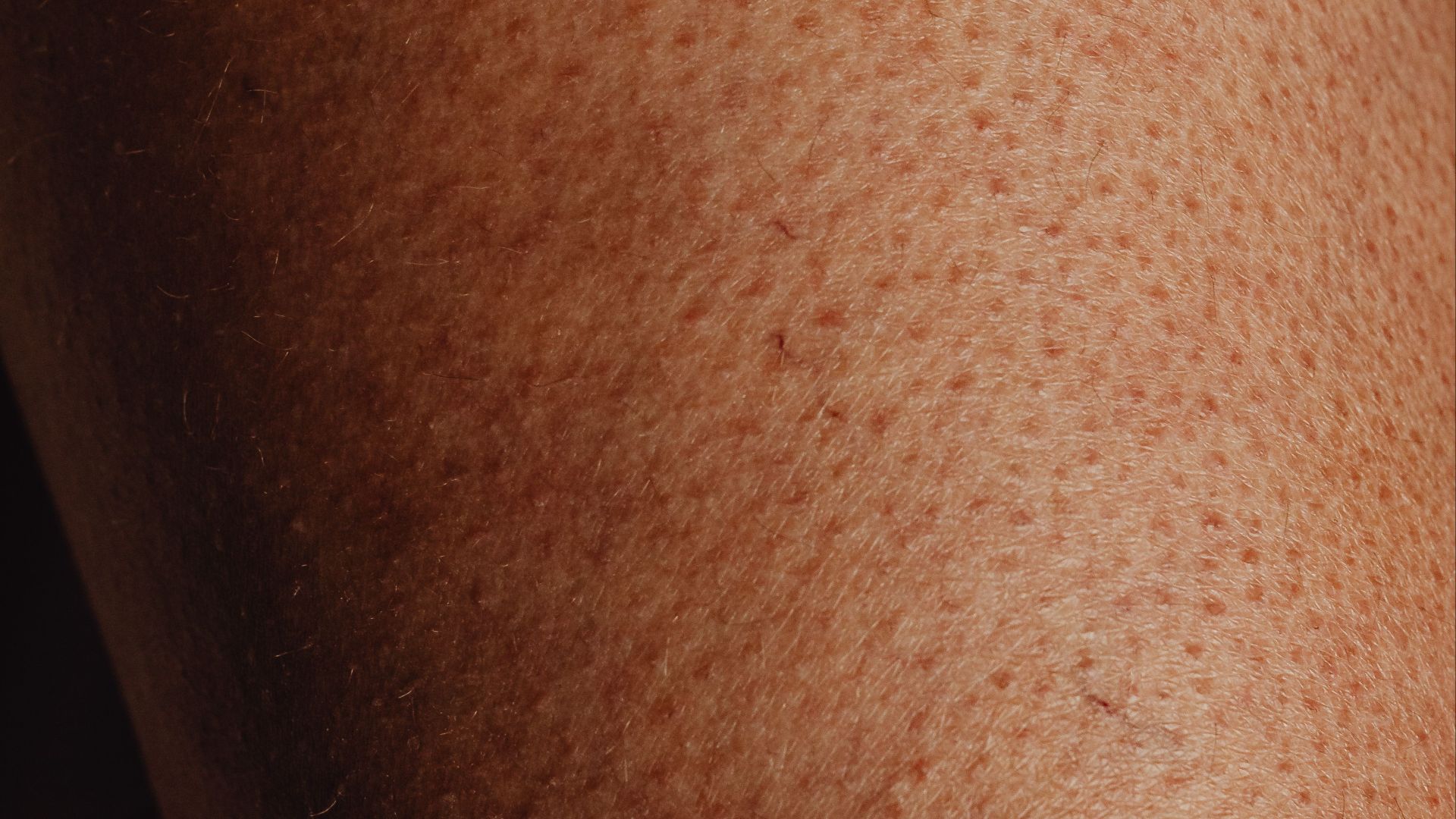
Cold air or a scary movie scene, and suddenly the hair on your arms stands up. The mechanism itself is well mapped, tiny muscles at the base of each hair follicle contract on cue, so that part isn't really a mystery. What's less settled is why humans kept the reflex; the leading idea is that it's left over from thicker-furred ancestors who used it to look bigger or trap warm air, but there's no way to confirm that on a species that lost most of its fur a long time ago.
 https://kaboompics.com/ on Pexels
2. Contagious Yawning
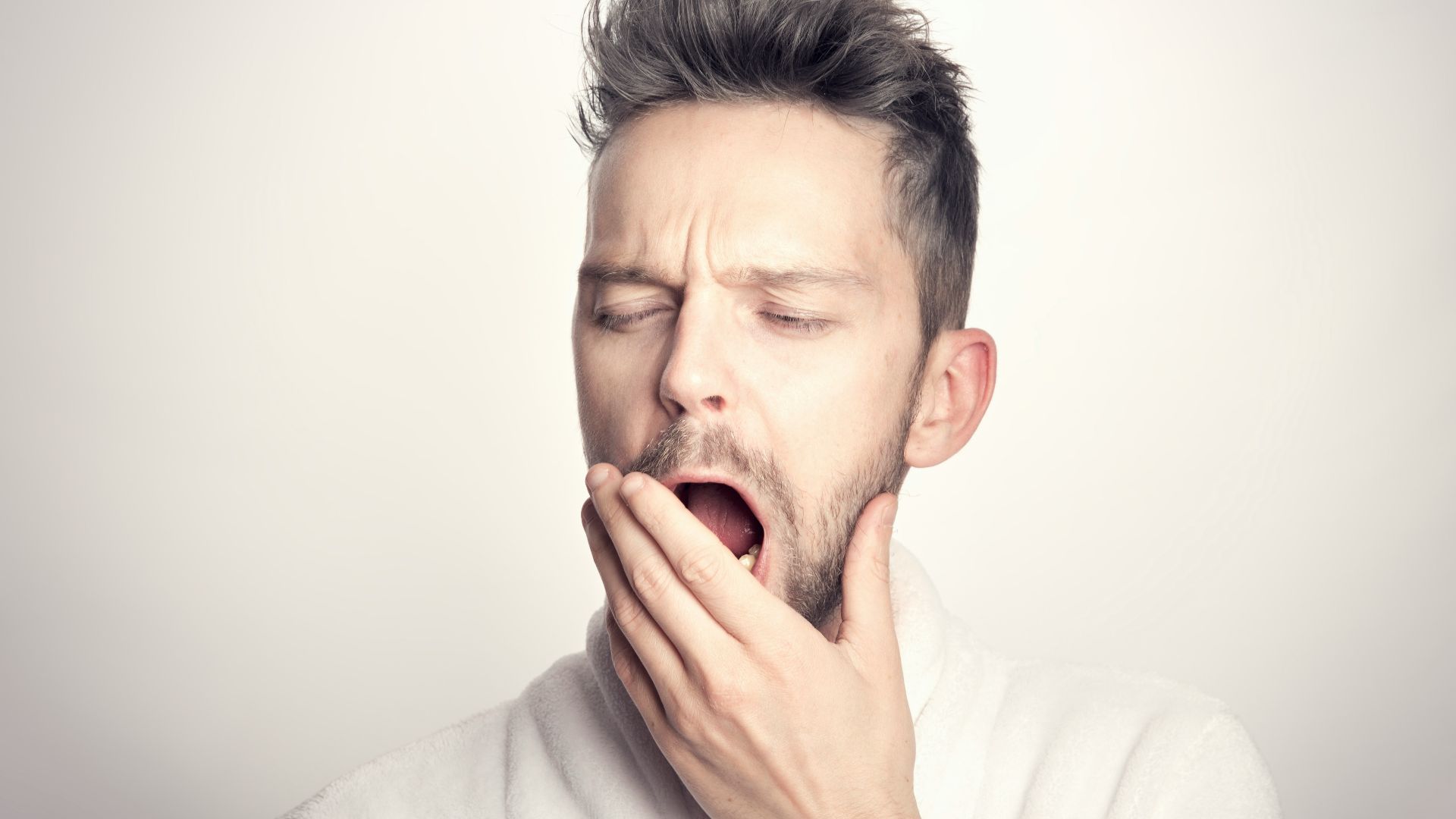
Watch someone yawn, or even just read the word enough times, and your own jaw starts creeping open. Chimps do it, dogs do it after watching their owners do it, and researchers have floated everything from empathy to brain temperature regulation, without much agreement on which one is right. Yawning itself is still oddly unresolved too, since the old theory about boosting oxygen levels got debunked years ago and nothing has fully replaced it.
3. Déjà Vu
That flash of certainty that you've lived this exact moment before, down to the lighting and a stranger's sentence, tends to fade as fast as it arrives. A few competing theories are floating around, one pointing to a brief memory glitch where your brain mislabels something new as familiar, another suggesting a delay between two neural pathways processing the same scene. None of them has enough evidence behind it to be called the answer, which makes déjà vu one of the more honestly unresolved items on this list.

4. Nervous Laughter
Laughter has a habit of showing up in the worst possible places, like a funeral or a car accident. The leading theory treats it as a release valve, a nervous system running too hot and sending the extra charge somewhere it can escape, and that idea holds up reasonably well in the research. It hasn't been nailed down completely though, which makes it a strange kind of comfort watching a room full of people crack up right when the moment calls for anything but that.

5. Music Chills
A song hits a certain chord change and a wave of chills runs down your arms, sometimes strong enough to raise the hair there too. Researchers have connected this fairly convincingly to dopamine release in the brain's reward centers, the same circuitry involved in eating good food, so the broad mechanism isn't really in question. What's still unclear is why only some people get the chills at all, since plenty of listeners hear the same swelling chorus and feel nothing extra.

6. The Call Of The Void
Standing near a ledge, a strange, fleeting urge to jump can show up out of nowhere, even in people with zero desire to actually do it. Researchers call it the high place phenomenon, and the leading idea, that it's a misfire where your brain sends a safety signal a split second after your body has already stepped back, is plausible but hasn't been proven outright. It's a reasonable theory rather than a settled fact, which is still an unsettling thing to learn about your own head.

7. Blushing
Embarrassment sends blood rushing to your face, and the physical mechanism behind that, sympathetic nerves widening the blood vessels in your cheeks, is well understood on its own. What's never been settled is why the body would evolve a built-in signal that broadcasts discomfort to everyone in the room. Darwin found the whole thing so odd he called it the most peculiar and most human of all expressions, and nobody's really improved on his confusion since.

8. Why We Dream
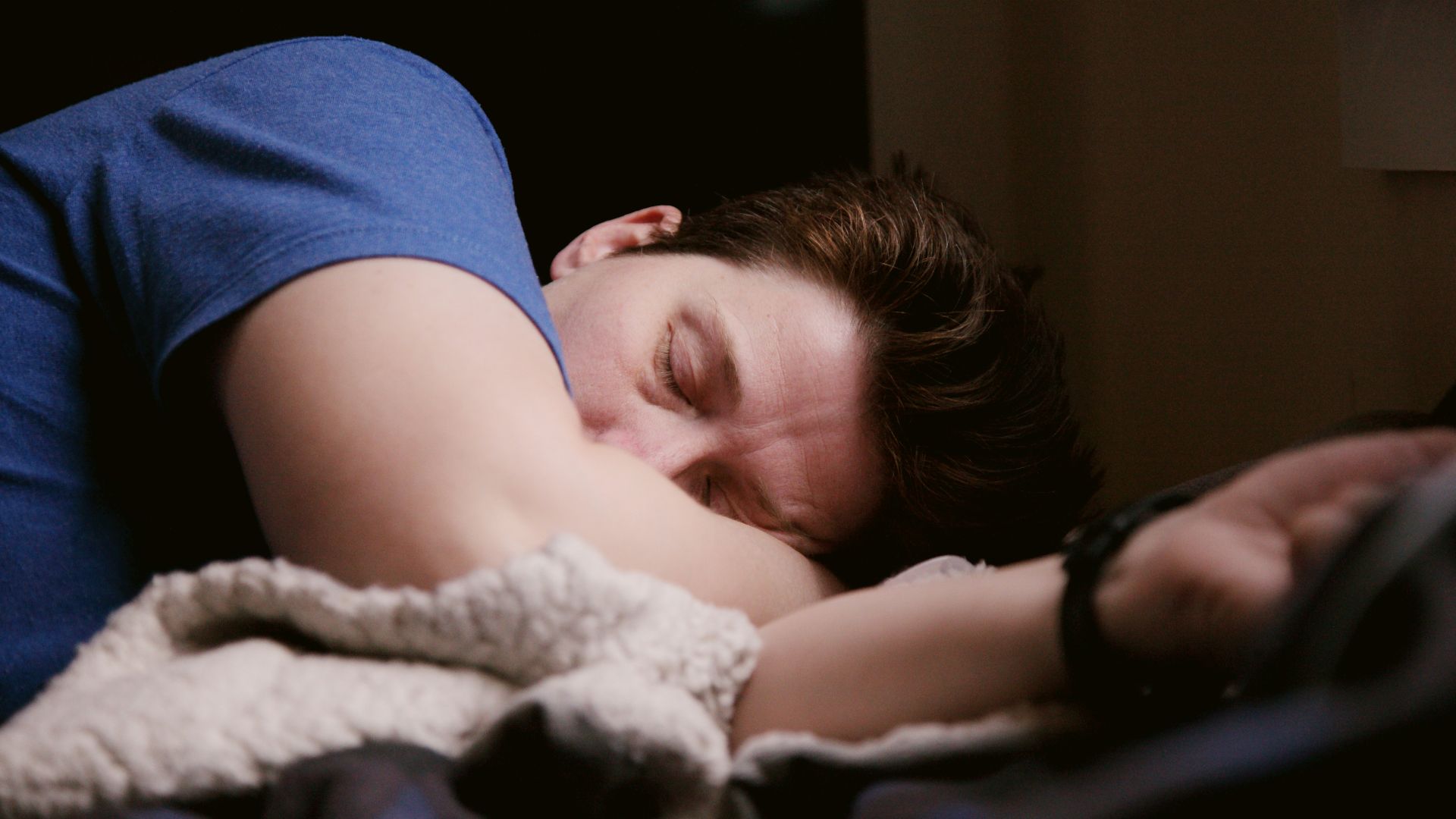
Every night, your brain builds elaborate, often ridiculous stories while you sleep, and this is one of the few items here where researchers genuinely don't agree on much at all. Some think dreaming helps sort memories or process emotion, others suspect it's closer to a side effect of a brain that stays active while the body shuts down, and both camps have real research behind them. You'll spend roughly six years of your life dreaming without anyone being able to say, with confidence, what all of it is actually for.
9. Crying At Good News
Good news lands, like a surprise reunion at the airport, and somehow tears show up before a smile does. Researchers have a name for this, dimorphous expressions, and the idea that an intense emotion just grabs whatever physical reaction is closest, happy or sad, is fairly well supported by now. It's less of an open mystery than a strange design choice that still catches people off guard every time it happens.
 https://kaboompics.com/ on Pexels
10. Tip-Of-The-Tongue
A word sits right there, completely out of reach, and you can practically feel its shape and its first letter without being able to say it. Researchers have a solid working explanation for this, a partial block in the connection between meaning and sound, which makes it one of the better understood items on this list. The part that still resists explanation is the timing, why the word tends to surface minutes later while you're doing something completely unrelated.
11. Left-Handedness
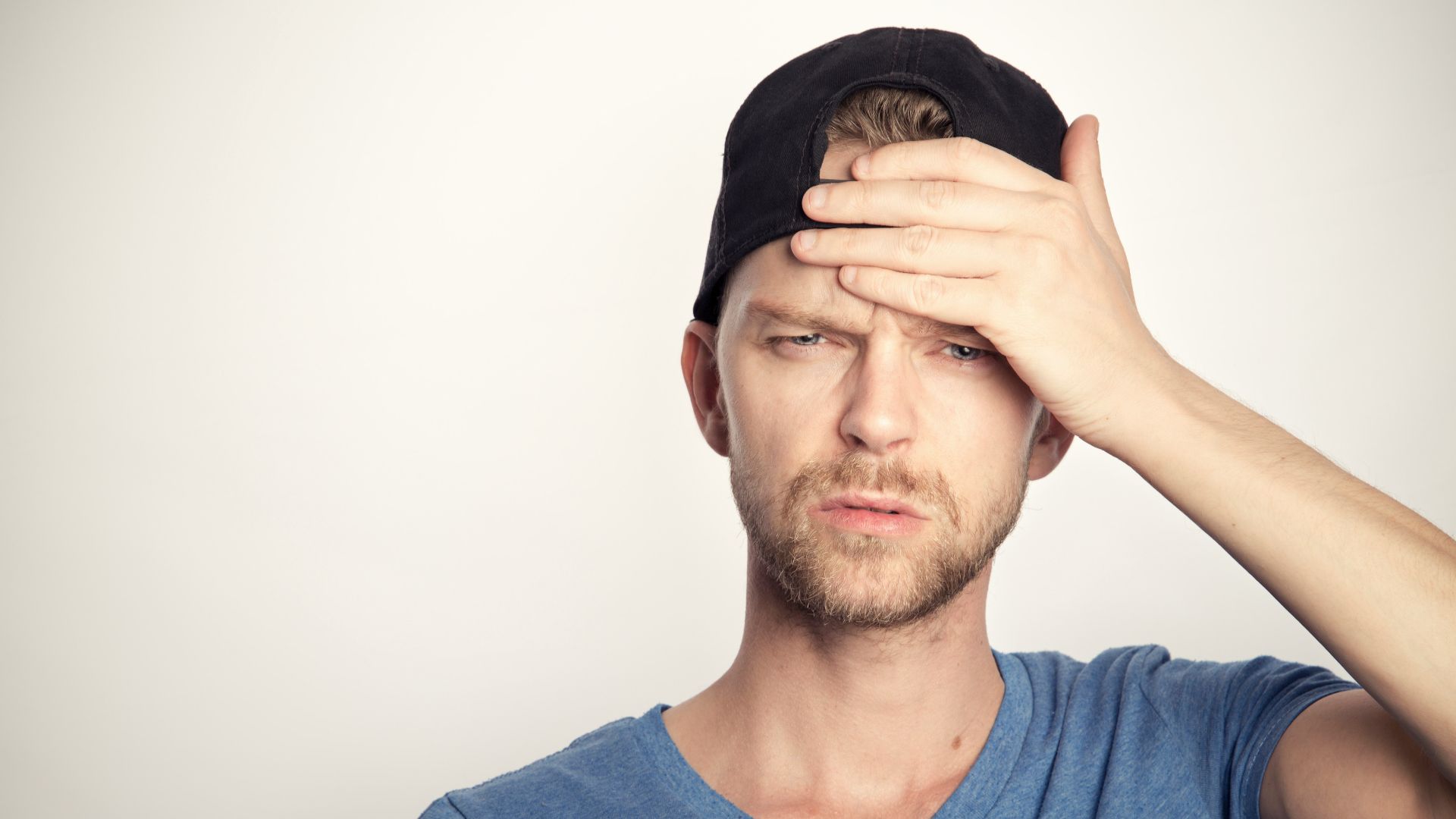
About one in ten people favor their left hand, and that ratio has held steady across cultures and centuries without much change. Genetics plays some role, but no single gene reliably predicts it, and even identical twins sometimes end up with different dominant hands, which keeps this one genuinely open. Brain lateralization and a baby's position in the womb both show up as possible factors, but nothing has come close to a full explanation yet.

12. The Uncanny Valley
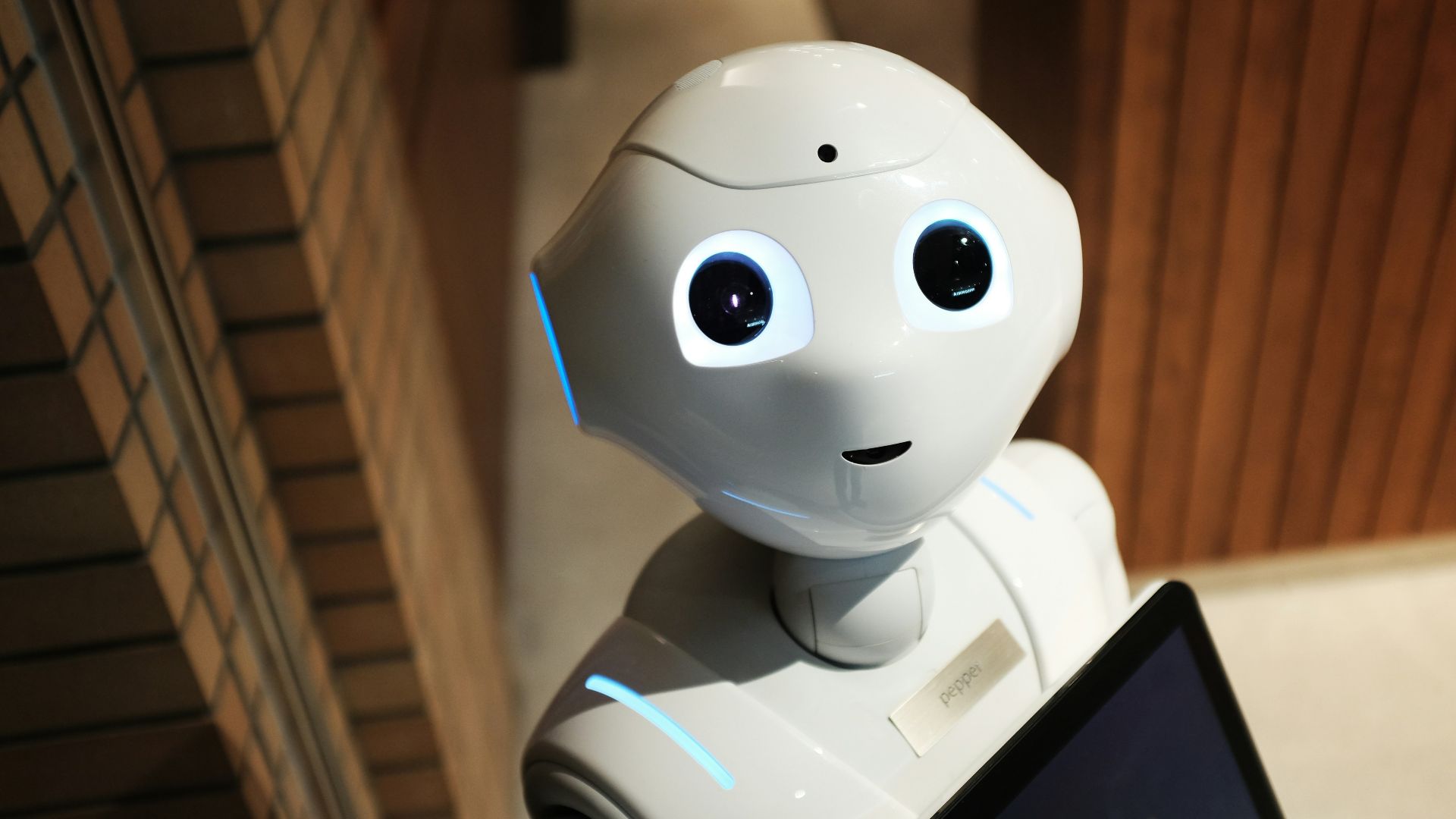
A robot or animated face that looks almost human, but not quite, tends to feel unsettling in a way that's hard to put into words. Researchers have proposed threat detection, a mismatch between expected and actual movement, and a handful of other ideas, and none of them has won out as the explanation. It's a rare case where the effect is well documented and consistently reproduced, while the cause behind it is still genuinely up for grabs.
13. Food Coma
A big lunch, and suddenly your eyelids feel like they weigh twice as much as usual. Digestion pulling blood toward the stomach, along with shifts in insulin and blood sugar, plays some documented role, so this one sits closer to partially explained than a total mystery. What's missing is a clean answer for why the effect hits some people hard and lets others walk away from the same meal wide awake.

14. Sad Songs Feeling Good
A genuinely sad song can feel oddly comforting, even on a day that's already rough. One popular theory points to prolactin, a hormone tied to comfort, getting released in response to the music, though later studies have pushed back on that idea and the debate is still open. Whatever the mechanism turns out to be, sadness delivered through a melody feels good in a way that sadness delivered through real life almost never does.

15. The Sense Of Being Watched
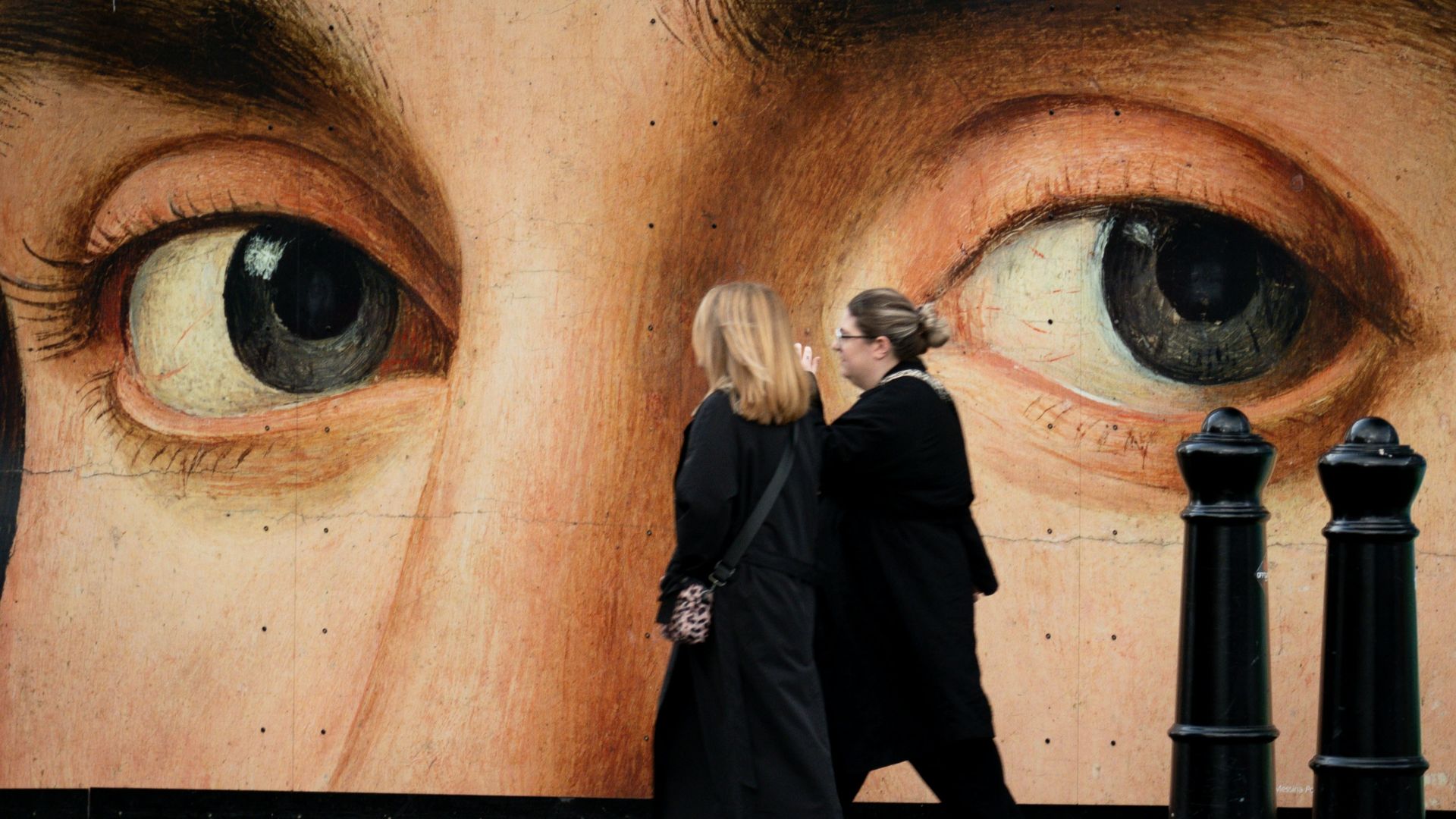
Somewhere in a quiet room, a prickling feeling arrives that someone is staring at you, and turning around to check has become an almost automatic reflex. Controlled experiments testing this directly have mostly failed to find evidence of a real sense at work, and peripheral vision picking up subtle movement seems to explain a lot of the cases. The feeling persists anyway, strong and specific enough that plenty of people stay convinced their gut is picking up on something the studies just haven't caught yet.
16. Hiccups
A hiccup is just a spasm in the diaphragm followed by a quick closure of the vocal cords, and doctors can describe that reflex arc in real detail. What they can't do is explain what purpose it actually serves, since the leading idea, that it's leftover wiring from ancestors who breathed through gills, is speculative at best. Fetuses hiccup in the womb too, long before there's any food or air around to trigger the usual causes, which only deepens the question.

17. Why You Can't Tickle Yourself
Tickle your own foot and almost nothing happens, but let someone else do it and you're doubled over in seconds. This is actually one of the better explained items on this list, since researchers have traced it to a part of the cerebellum that predicts and cancels out sensations you cause yourself. The remaining question is more about fine detail than mystery, mainly why that prediction system fails so completely the moment another person's hand gets involved.

18. Time Speeding Up With Age
A summer at seven years old feels endless, while a summer at thirty-five disappears in what feels like a weekend. Two solid theories compete for the explanation, one about proportional time, since a year is a much bigger slice of a child's life, and one about novelty, since fewer new experiences give the brain less to hold onto, and researchers haven't settled on which deserves more credit. Both probably play some role, but nobody's pinned down the actual math behind it.

19. The Itch That Demands Scratching
An itch shows up, you scratch it, and for a second it actually feels good before the itch often comes right back. Researchers have a fairly solid explanation for this by now, a small release of serotonin that dulls the itch briefly but can also make it worse afterward, creating a loop that's been studied in real detail. The mechanism is reasonably well understood; it's just an odd one to live with.

20. Superstition Under Pressure
Crossed fingers before a big test, a lucky pair of socks worn to every game, small rituals like these show up even in people who don't believe in luck at all. Psychologists have a pretty good handle on why, tying it to a need for control in moments where the outcome is genuinely uncertain, so this one leans more explained than mysterious. What's harder to account for is how stubborn the habits are, since knowing exactly why you do it rarely stops you from doing it anyway.

KEEP ON READING


20 Natural Ways You Can Boost Your Immune System

20 Ways To De-stress & Relax After Work

The 10 Most Common Diseases & The 10 Most Rare