Small Habits Can Preserve Your Hearing
Age-related hearing loss is common, but getting older isn’t the only factor that determines how well you’ll hear later in life. Repeated noise exposure, untreated ear problems, certain medications, and everyday listening habits can also contribute to gradual changes. You can’t prevent every cause of hearing loss, although you can reduce avoidable risks and respond quickly to warning signs. A few practical adjustments can become 20 simple ways to protect your hearing as you get older.
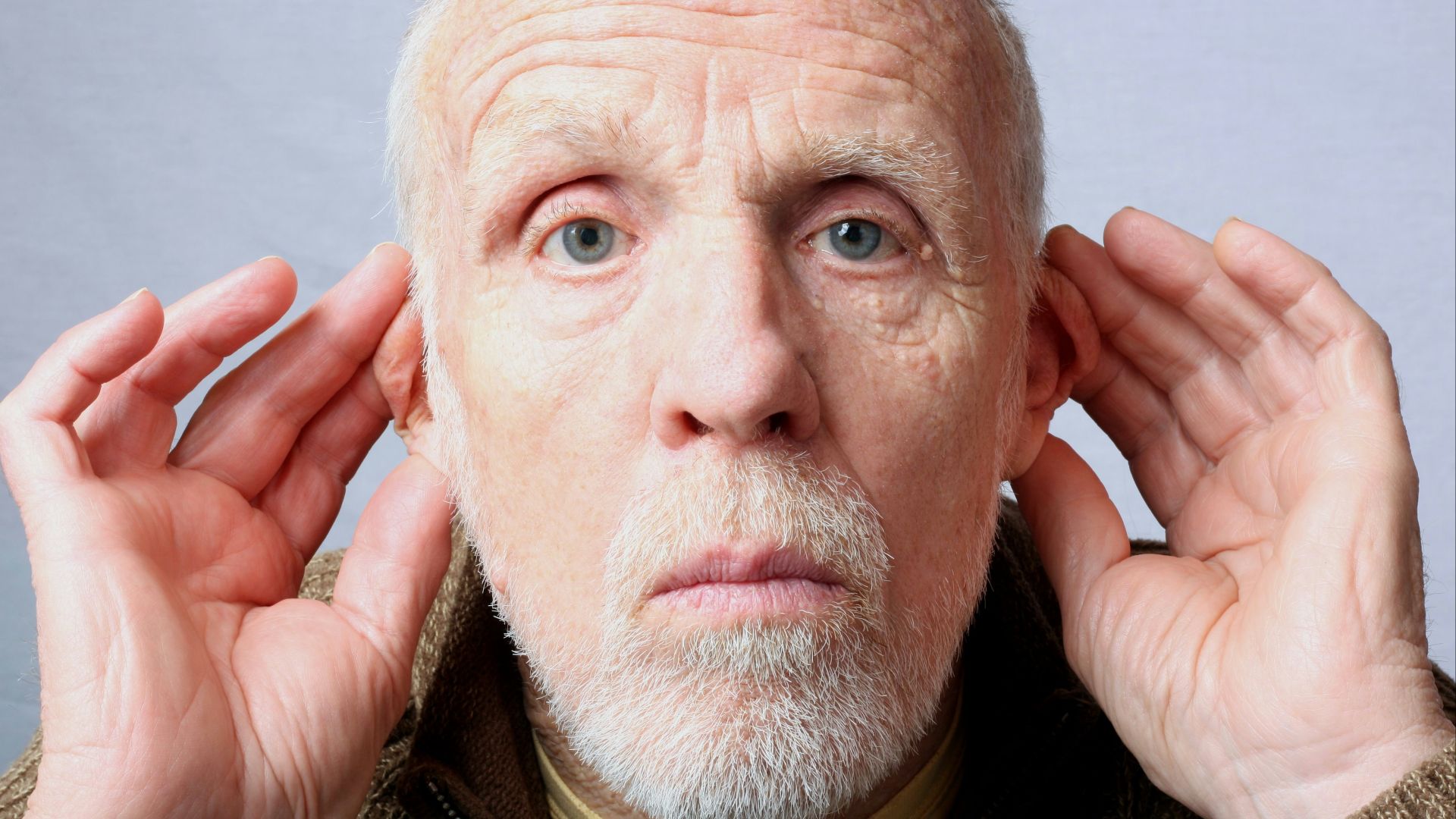
1. Turn Down Personal Audio Devices
Music, podcasts, and audiobooks don’t need to be painfully loud to cause damage over extended periods. Set the volume only high enough to hear the content clearly, particularly while wearing earbuds that sit close to the eardrum. If someone beside you can hear your audio, the level may be unnecessarily high.
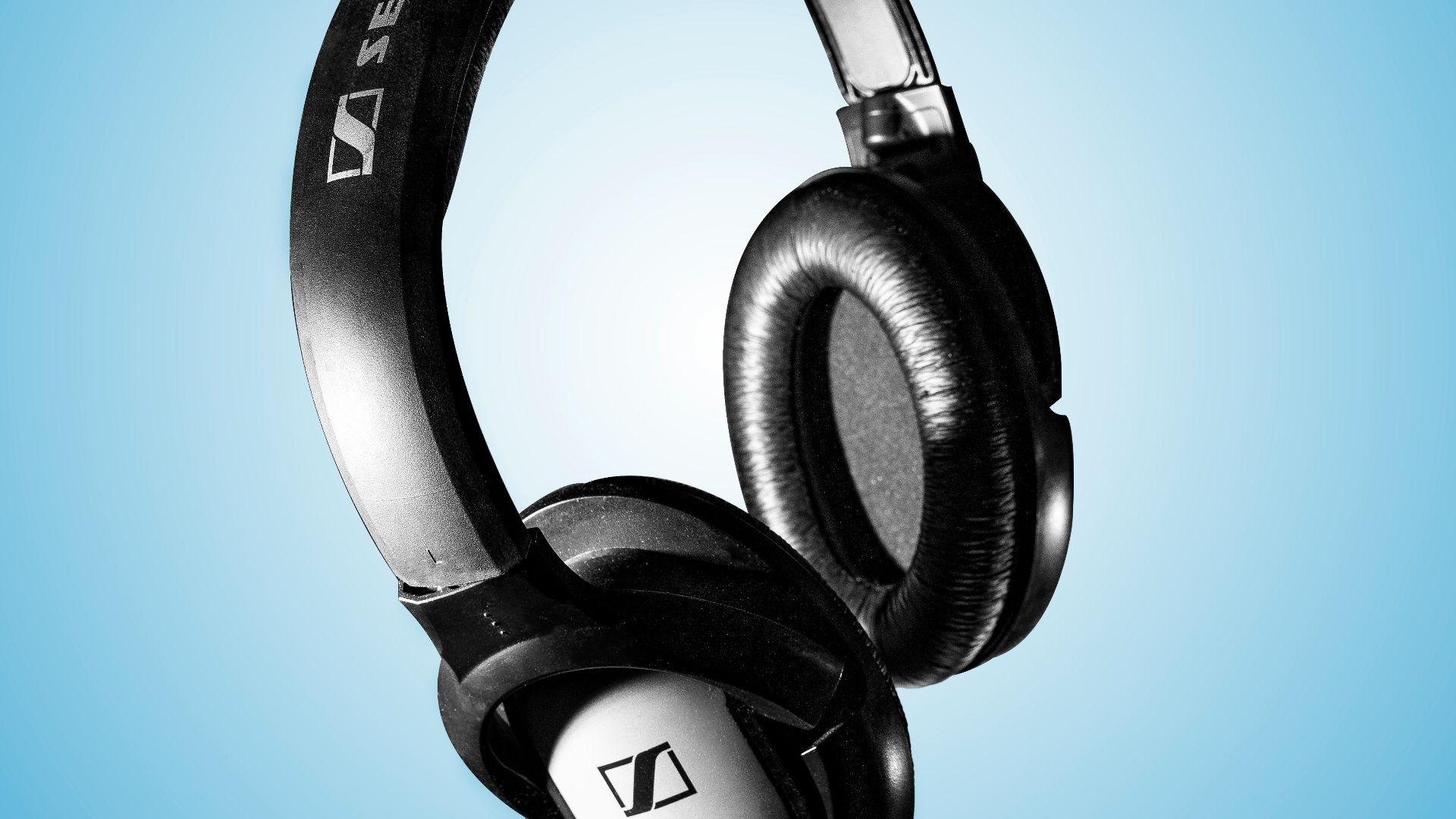
2. Take Regular Listening Breaks
The length of time you spend around sound matters along with its volume. Give your ears quiet breaks during long listening sessions instead of wearing headphones continuously for several hours. These pauses reduce your total noise exposure and may also help prevent listening fatigue, headaches, and general discomfort.

3. Wear Earplugs at Concerts
Live music can reach levels capable of damaging hearing, especially if you’re standing near speakers. Properly fitted earplugs reduce the intensity without requiring you to skip the event altogether. High-fidelity versions are designed to lower volume while preserving more of the music’s clarity and balance.

4. Move Away From Loud Speakers
Distance provides a simple form of protection at concerts, weddings, exercise classes, and sporting events. If you have to shout to communicate with someone nearby, consider moving to a quieter location before remaining there for an extended period.
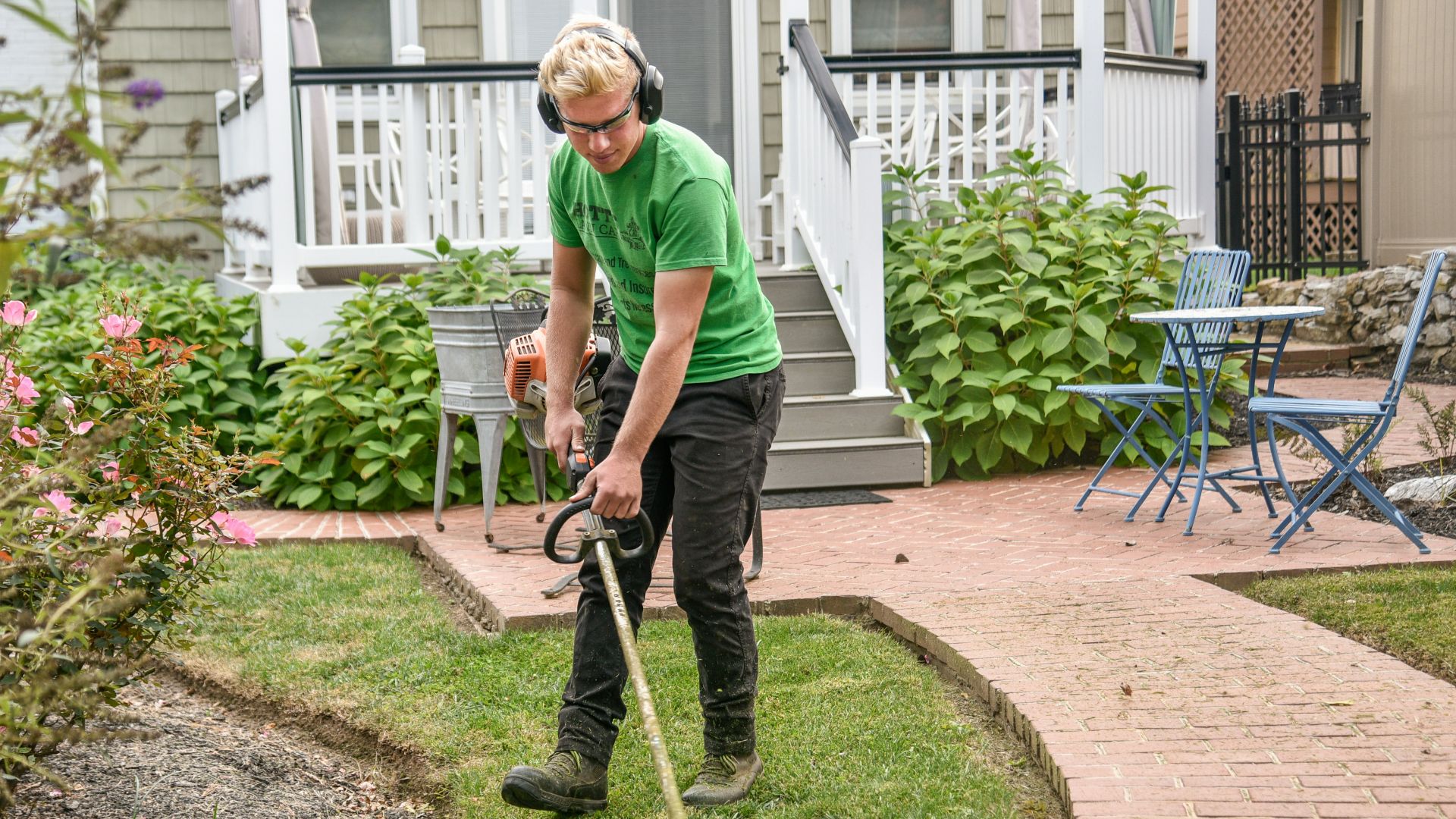
5. Protect Your Ears During Yardwork
Lawn mowers, leaf blowers, chainsaws, and other outdoor equipment can produce hazardous noise. Wear properly fitted earplugs or protective earmuffs every time you operate loud machinery, even if the task seems brief. Keeping protection next to the equipment makes it easier to remember before starting the job.
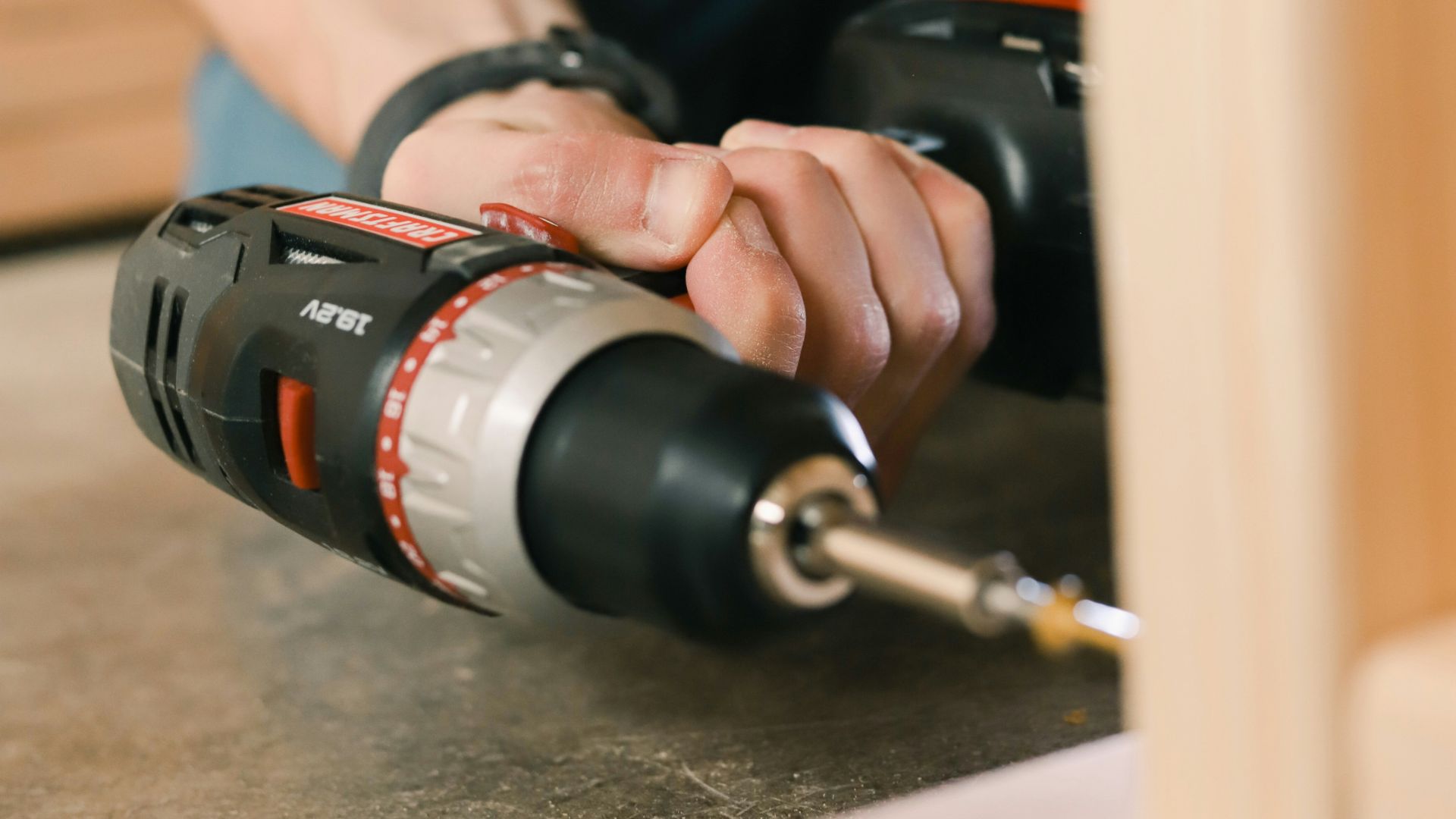
6. Use Protection Around Power Tools
Drills, saws, sanders, and workshop equipment can expose you to intense sound at close range. Don’t assume hearing protection is unnecessary simply because you use the tool occasionally.
7. Lower the Television Volume
Gradually raising the television volume can become a habit without you noticing. Try using captions, improving the room’s acoustics, or sitting closer rather than making the sound louder for everyone. If dialogue remains difficult to understand at normal levels, that may be a reason to schedule a hearing assessment.

8. Choose Quieter Household Appliances
Noise ratings are worth comparing while purchasing vacuum cleaners, blenders, hair dryers, and other frequently used appliances. A quieter product reduces repeated exposure without requiring any change to your routine.

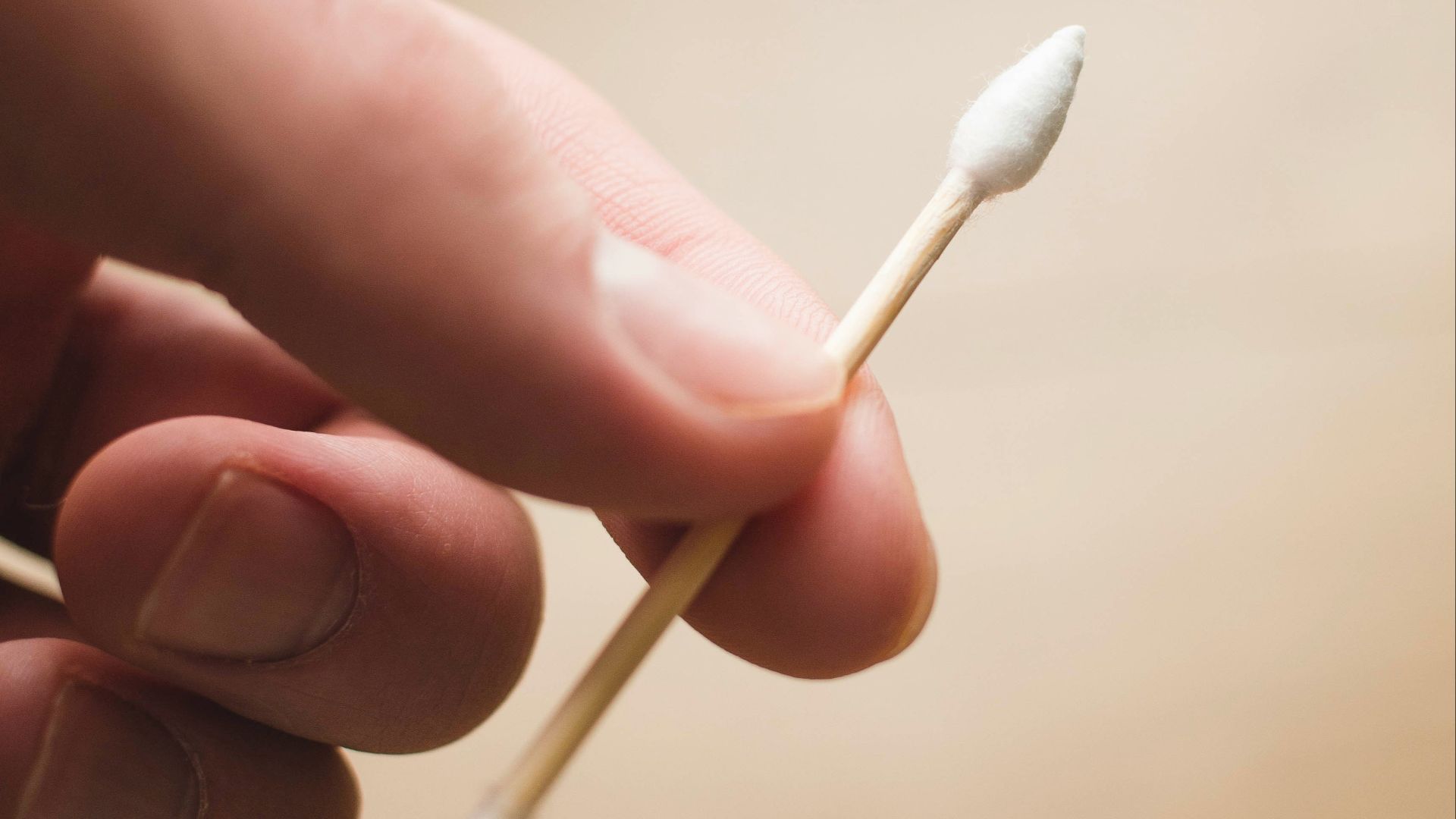
9. Don’t Put Objects in Your Ears
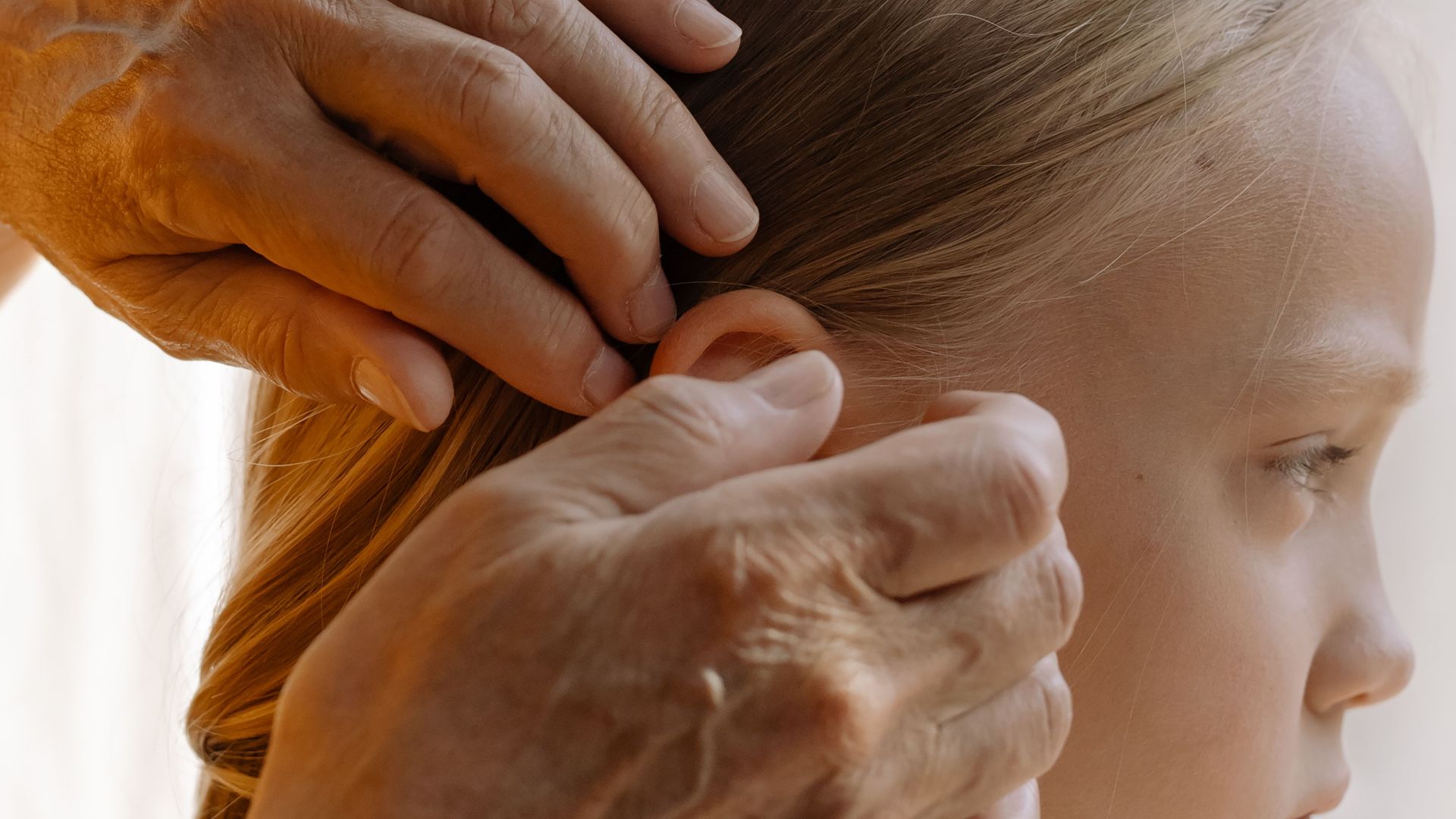
Cotton swabs, hairpins, and similar objects can push earwax deeper or injure the ear canal and eardrum. The ears normally move wax outward on their own, so aggressive internal cleaning usually isn’t necessary. Seek professional advice if you experience blockage, discomfort, reduced hearing, or unusually heavy wax buildup.
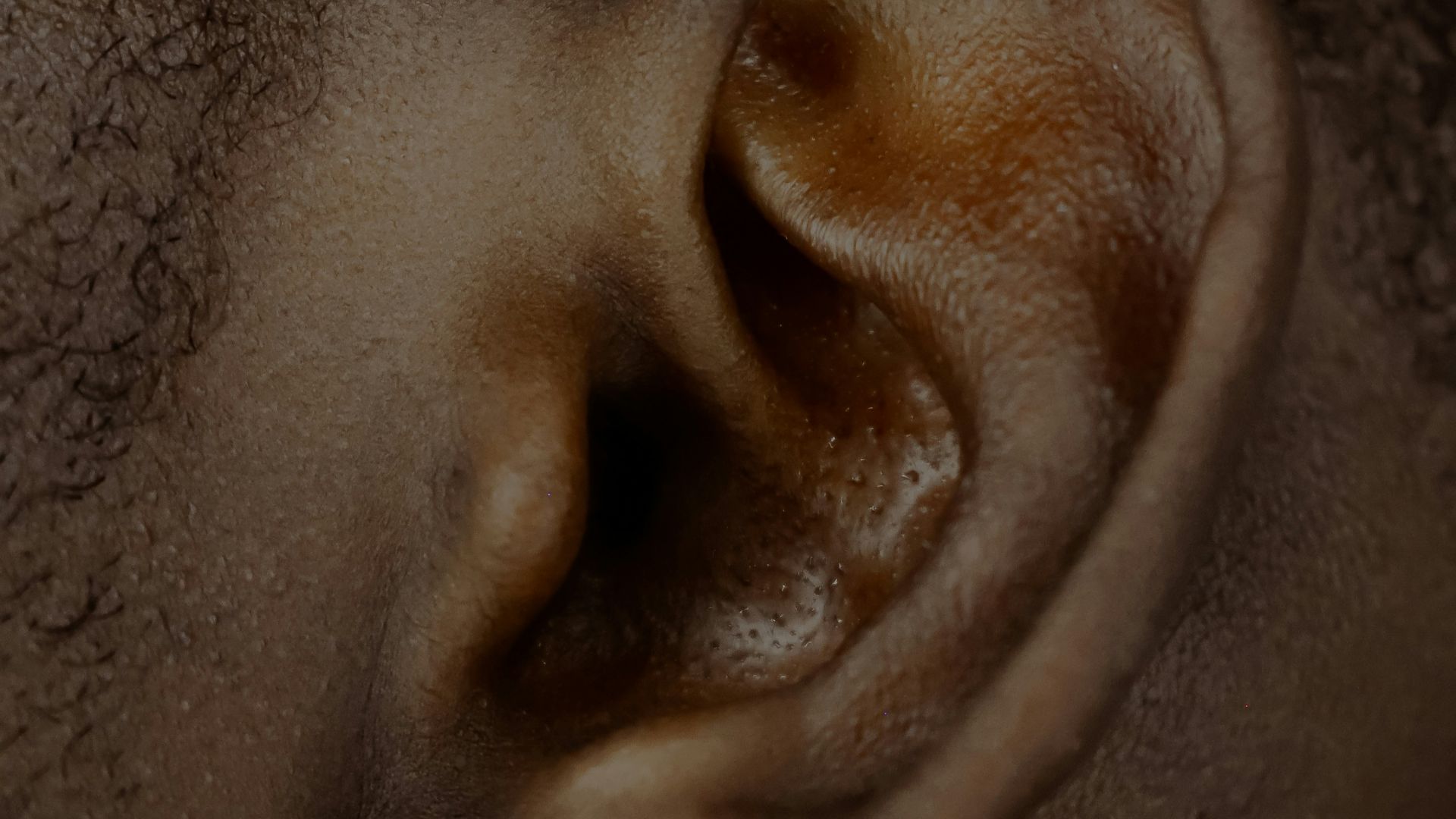
10. Have Earwax Removed Safely
Earwax can harden or accumulate, particularly among older adults and people who wear hearing aids. A blockage may cause muffled hearing, fullness, ringing, or discomfort that can resemble permanent hearing loss.
 Dylann Hendricks | 딜란 on Unsplash
11. Treat Ear Infections Promptly
Ear pain, drainage, sudden muffling, or persistent pressure shouldn’t be ignored. Infections and inflammation can interfere with hearing, and some ear conditions need medical treatment to prevent complications. Avoid using leftover antibiotics or unapproved drops because the correct treatment depends on the cause and whether the eardrum is intact.
12. Review Medications With Your Doctor
Some prescription drugs and medical treatments can affect hearing or balance, particularly at certain doses. Never stop taking medication on your own, but ask whether hearing-related side effects apply to anything you use.
 National Cancer Institute on Unsplash
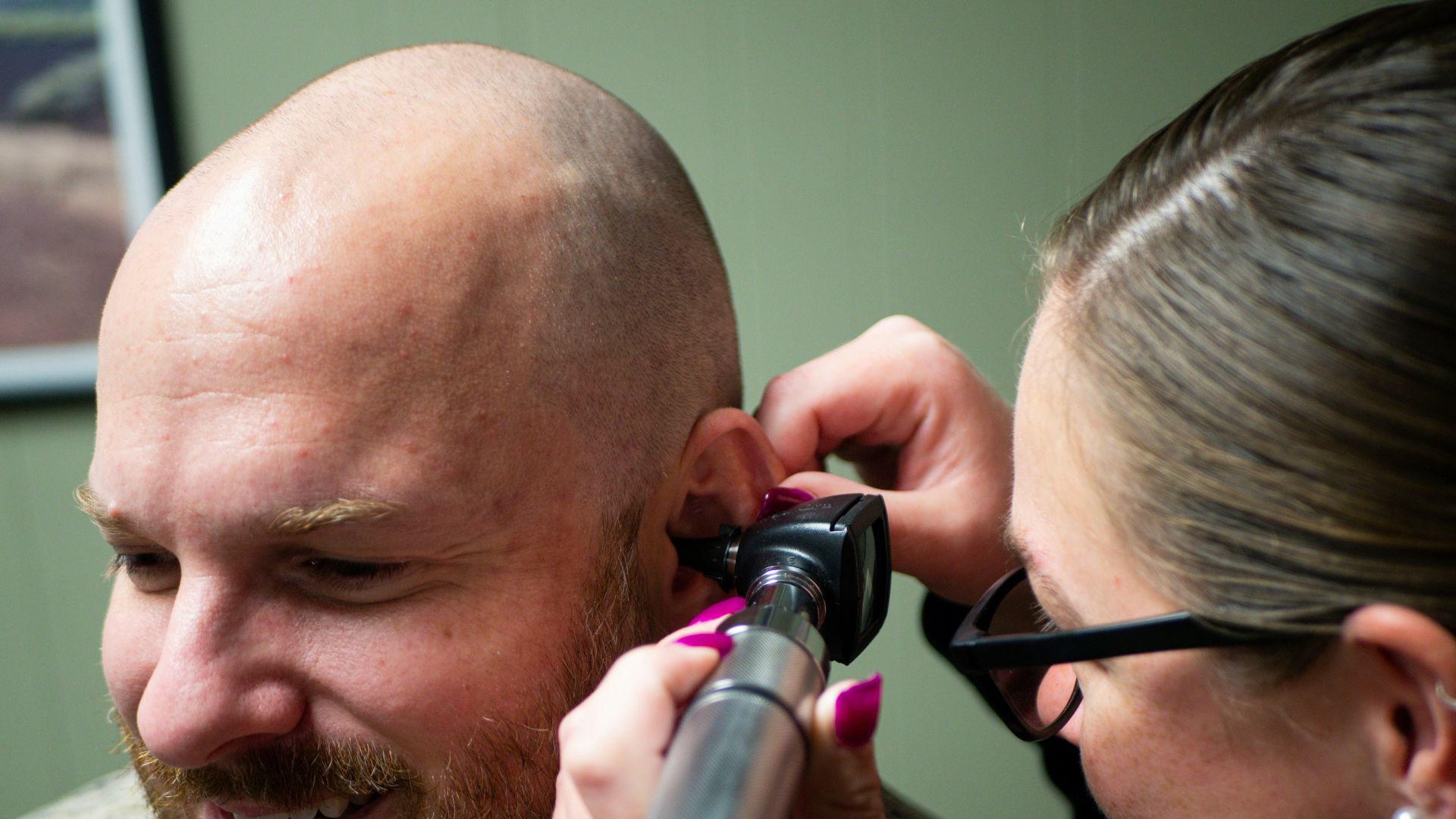
13. Schedule a Baseline Hearing Test
A hearing assessment provides a useful reference even if you aren’t currently noticing major difficulties. Future tests can then reveal gradual changes that might otherwise seem like normal variations in conversation or television sound.
14. Act on Sudden Hearing Changes
Sudden hearing loss in one or both ears requires urgent medical attention rather than a wait-and-see approach. People sometimes mistake it for congestion, allergies, or wax and delay seeking care.
15. Pay Attention to Ringing
Temporary ringing after a loud event is a warning that the sound exposure was excessive. Persistent or recurring tinnitus may also accompany hearing loss or another health issue requiring evaluation.
 https://kaboompics.com/ on Pexels
16. Control Workplace Noise Exposure
Factories, construction sites, transportation jobs, farms, and entertainment venues may expose workers to damaging noise. Follow workplace hearing-conservation procedures and wear the required protection consistently rather than only during the loudest moments.

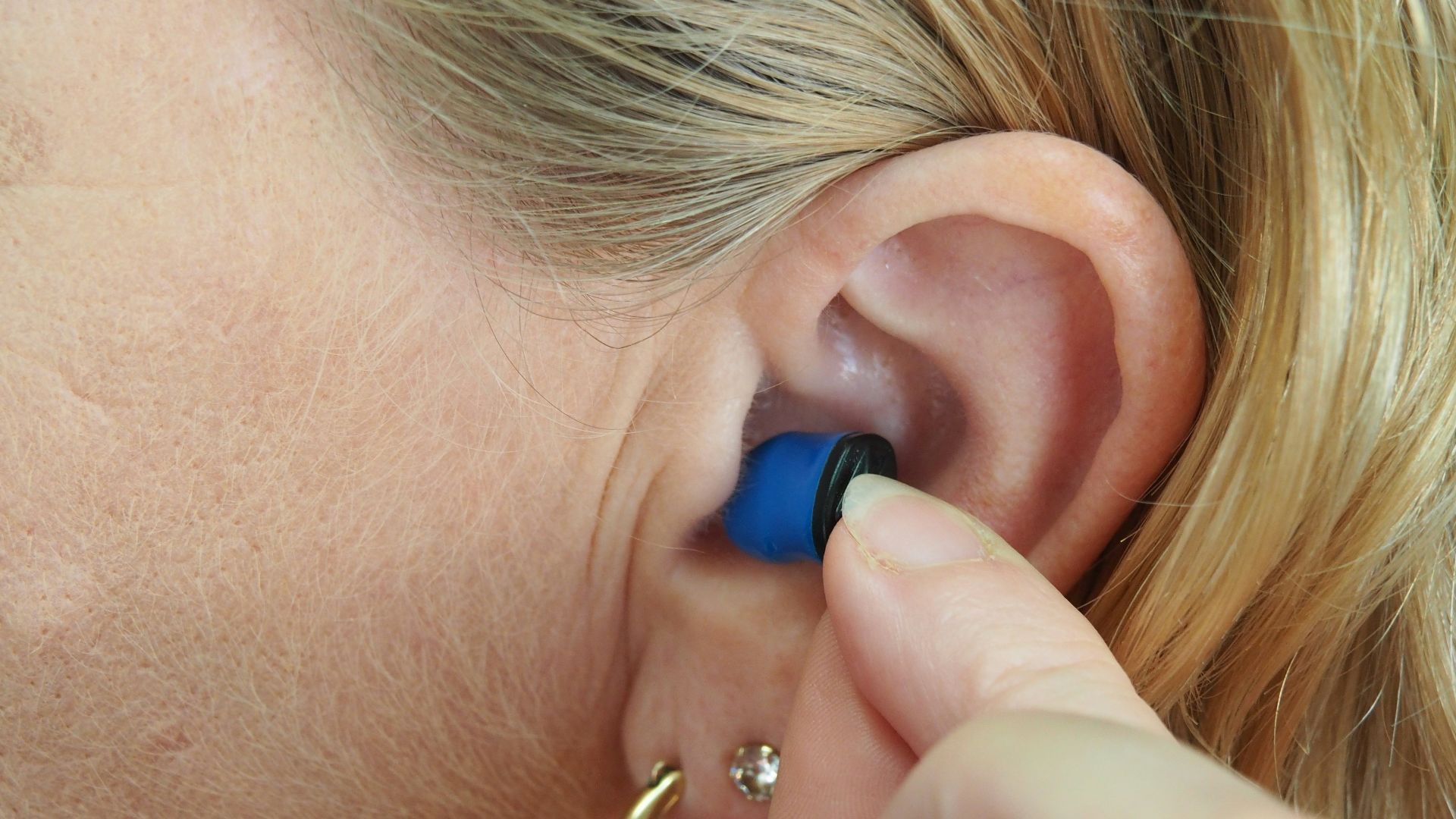
17. Learn to Fit Earplugs Properly
Earplugs offer limited protection if they’re inserted incorrectly, dirty, damaged, or the wrong size. Follow the manufacturer’s instructions and make sure each plug forms a secure seal without causing pain.
18. Avoid Combining Loud Activities
Listening to music through earbuds while mowing the lawn or using machinery can increase your total noise exposure. You may also raise the volume to overcome the surrounding sound, putting more pressure on your hearing.

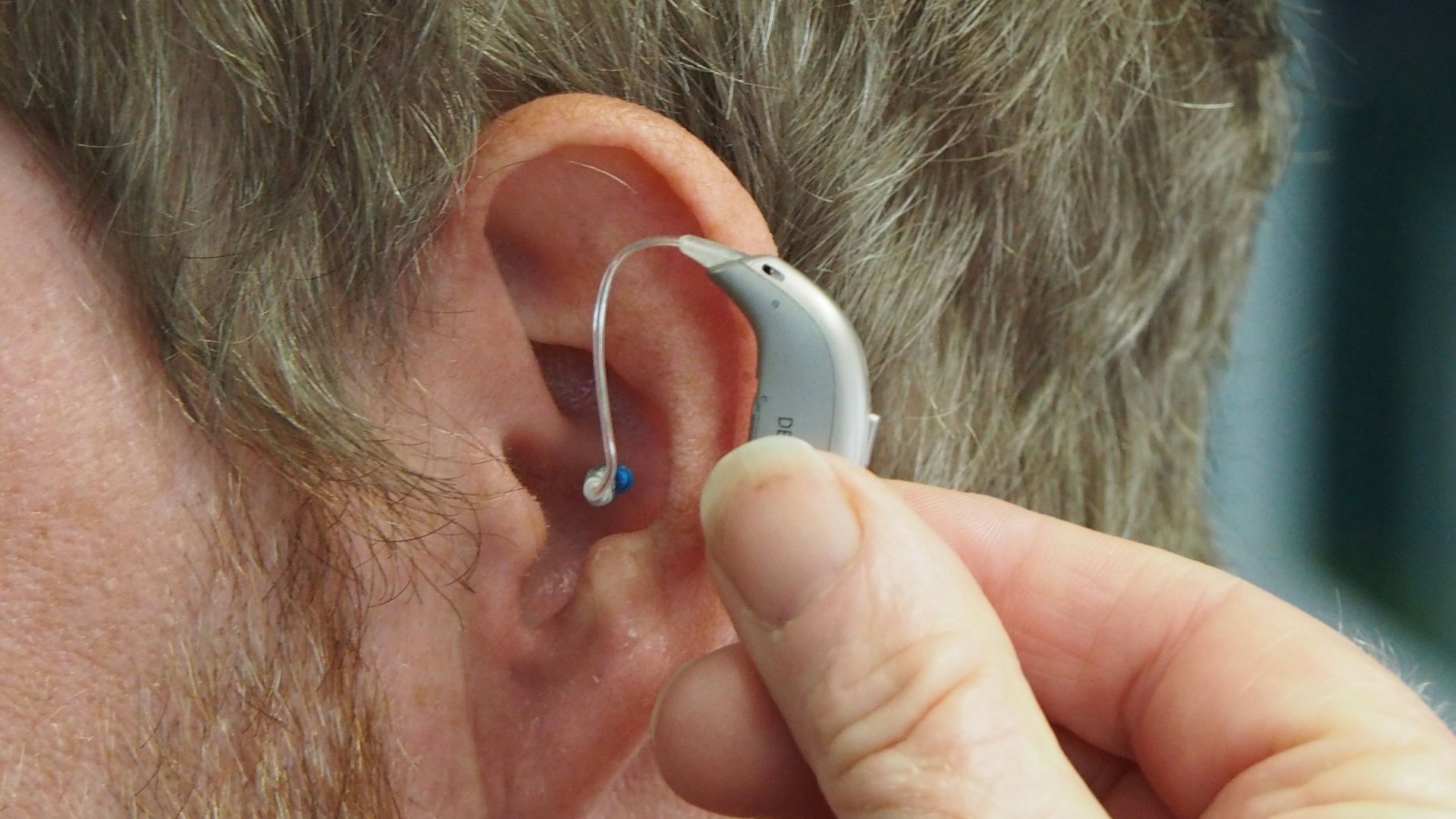
19. Use Hearing Aids as Recommended
Hearing aids don’t restore natural hearing, but properly fitted devices can improve communication and access to everyday sounds. Follow-up appointments allow an audiologist to adjust comfort, clarity, and performance as your needs change.
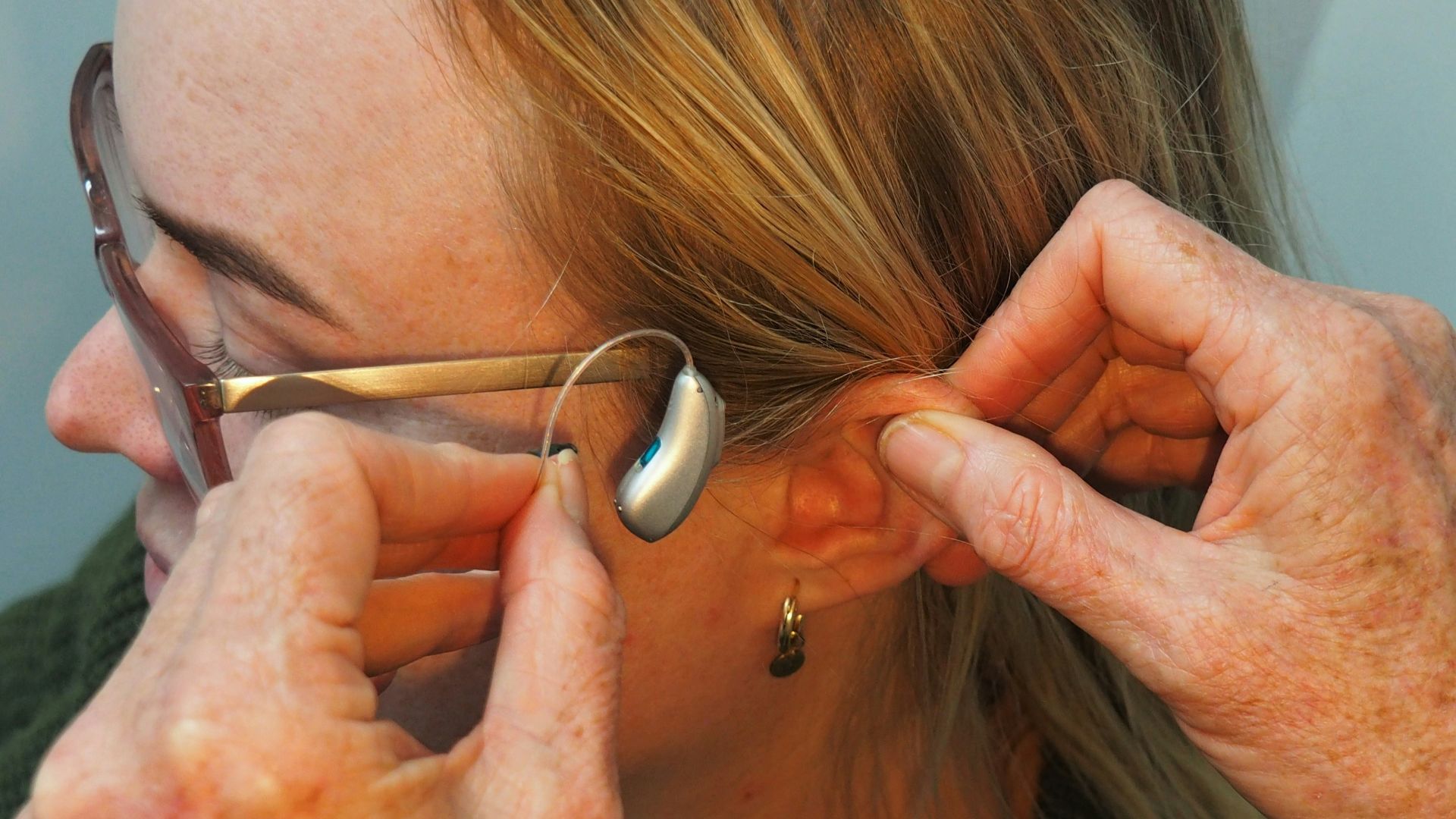
20. Notice Early Communication Problems
Frequently asking people to repeat themselves, struggling in restaurants, or finding speech unclear may indicate hearing changes. Family members sometimes notice these signs before the person experiencing them does, so their observations are worth considering.

KEEP ON READING
20 Old Remedies Your Grandparents Still Defend

20 Warning Signs Your Arteries May Be Under Strain