
Poor Sleep Could Point to Something More
Everyone has nights when they toss, turn, or wake up feeling less rested than expected, but ongoing exhaustion is a red flag, and may signal a larger issue. Sleep apnea causes breathing to repeatedly stop and restart during sleep, interfering with oxygen levels and preventing the body from getting consistent, restorative rest. Since many symptoms occur while you’re unconscious, you might not realize anything is wrong until someone else notices or daytime problems begin affecting your routine. If you suspect you or a loved one has sleep apnea, here are 10 warning signs to watch out for, and 10 effective methods that help treat it. Remember to always speak with a healthcare professional instead of diagnosing the issue yourself.
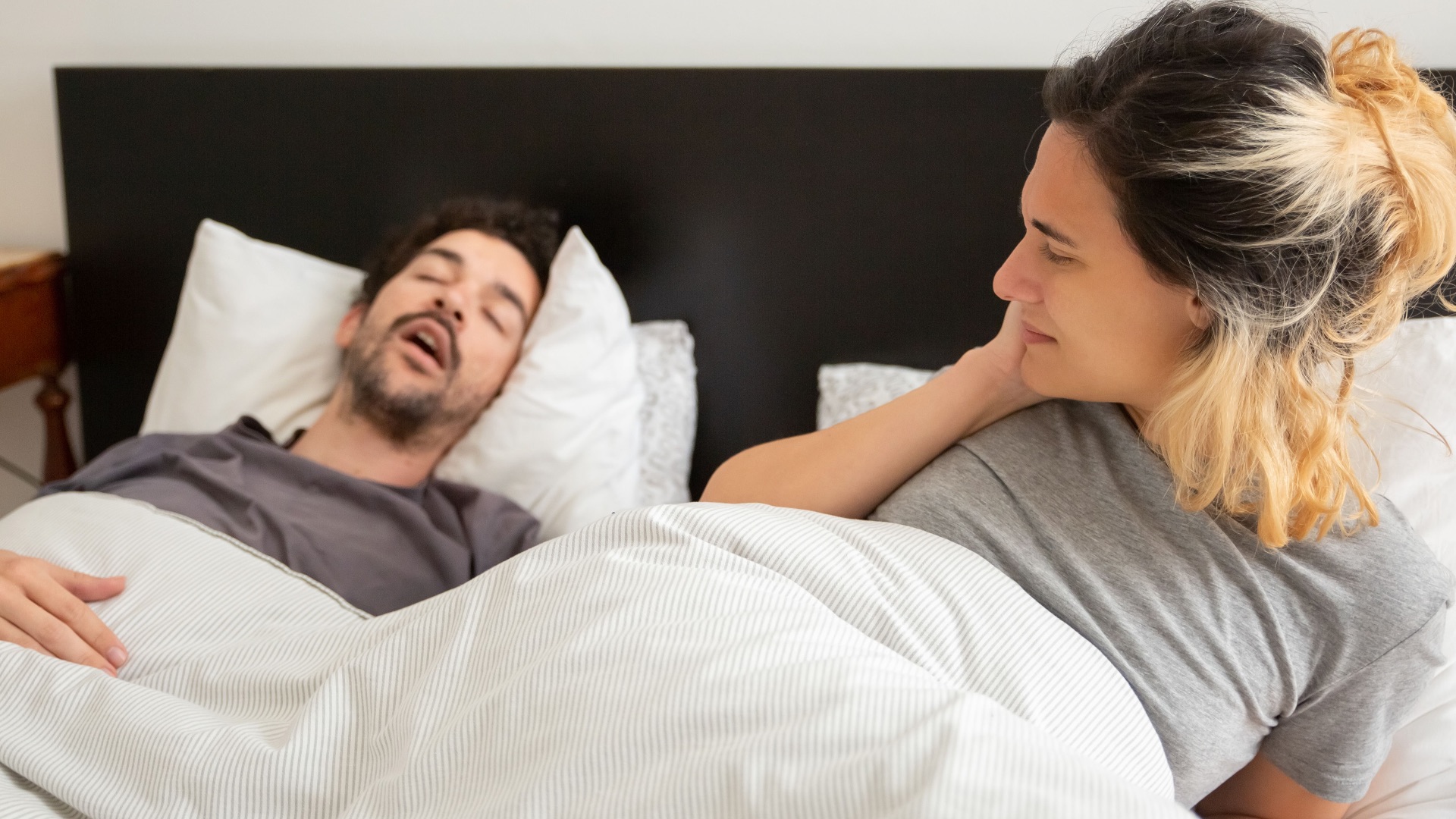
1. Your Snoring Is Loud and Persistent
Occasional snoring doesn’t necessarily mean you have sleep apnea, especially when you’re congested or sleeping in an unfamiliar position. However, frequent snoring that’s loud enough to disturb other people may suggest that air is struggling to move through your upper airway. The sound can also become uneven, with periods of silence followed by sudden snorts or gasps.
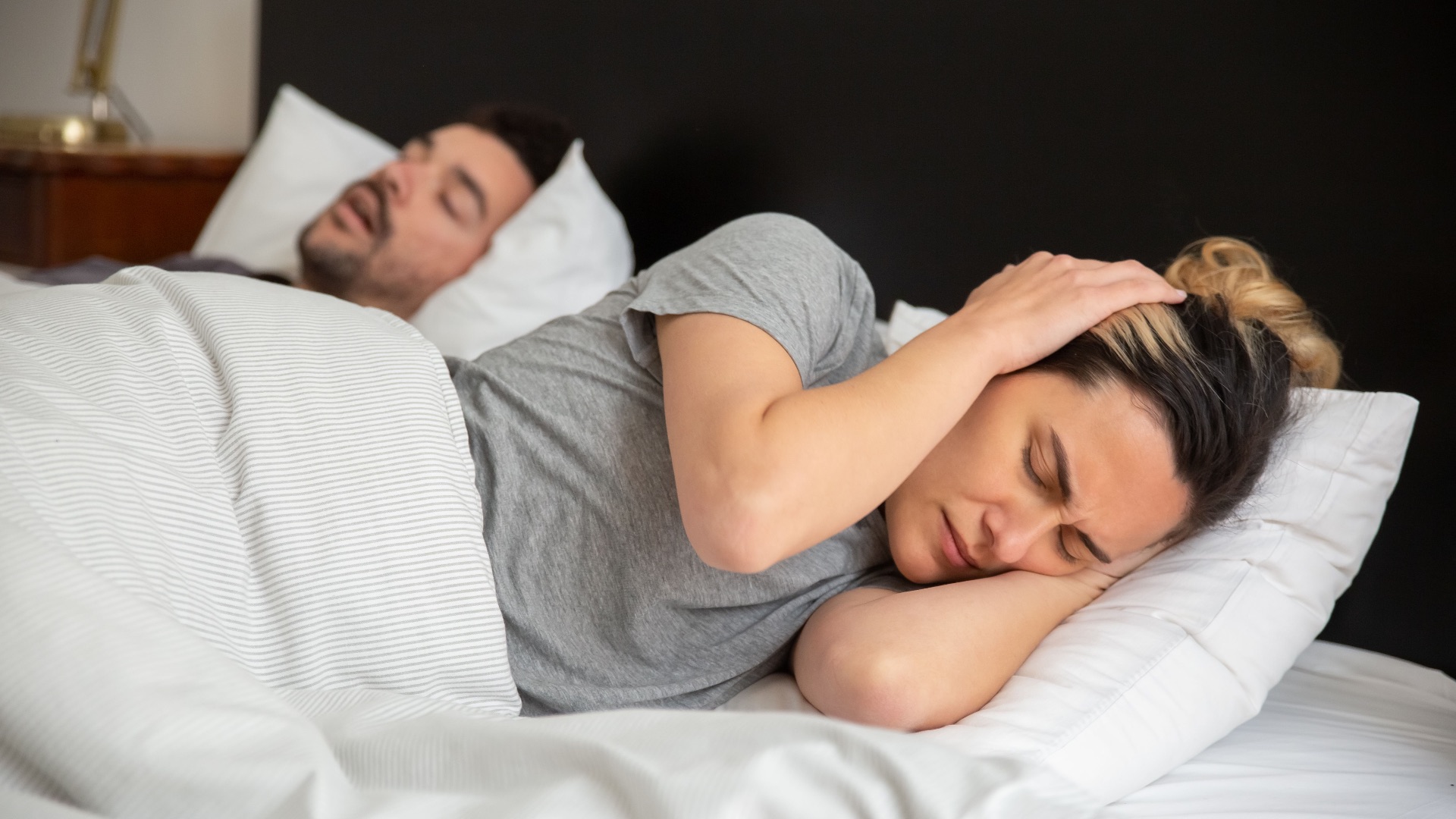
2. Someone Notices You Stop Breathing
A partner or family member may observe that your breathing pauses for several seconds while you’re asleep. These episodes can happen repeatedly throughout the night, even though you may have no memory of them the next morning. Witnessed breathing interruptions are among the clearest reasons to discuss sleep apnea testing with a healthcare professional.

3. You Wake Up Gasping or Choking
Suddenly waking while gasping, snorting, or feeling as though you’re choking can be frightening. This may occur when the body briefly rouses itself to reopen a blocked airway and restart normal breathing. Although the awakening might last only a few moments, repeated episodes can prevent you from progressing through healthy sleep stages.
 Andrew Patrick Photo on Pexels
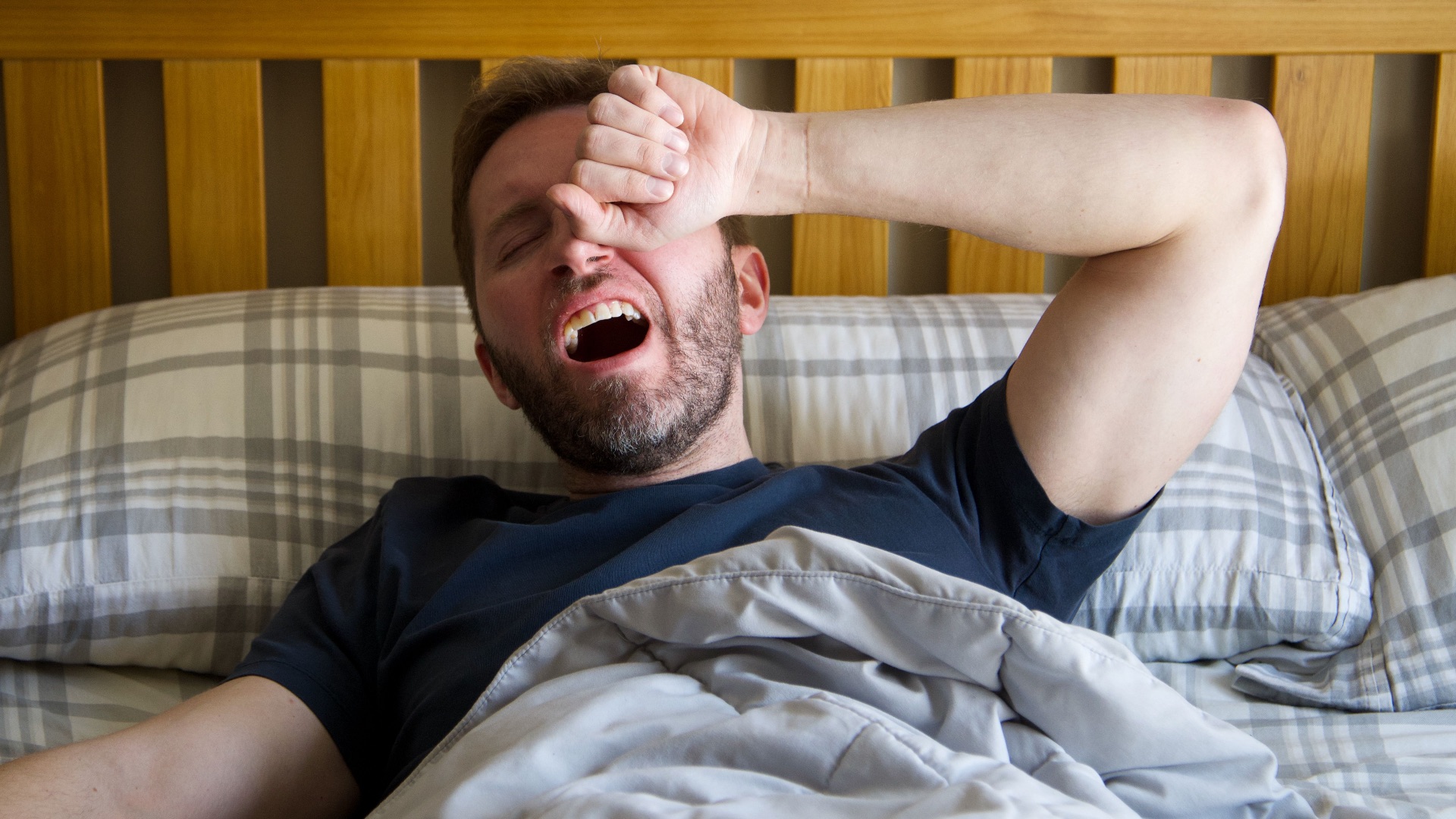
4. You’re Exhausted During the Day
Sleep apnea can leave you overwhelmingly tired despite spending seven or eight hours in bed. You might struggle to stay alert during meetings, while watching television, or when sitting in traffic. Feeling sleepy while driving is particularly dangerous, so you shouldn’t ignore daytime drowsiness that affects your ability to function safely.

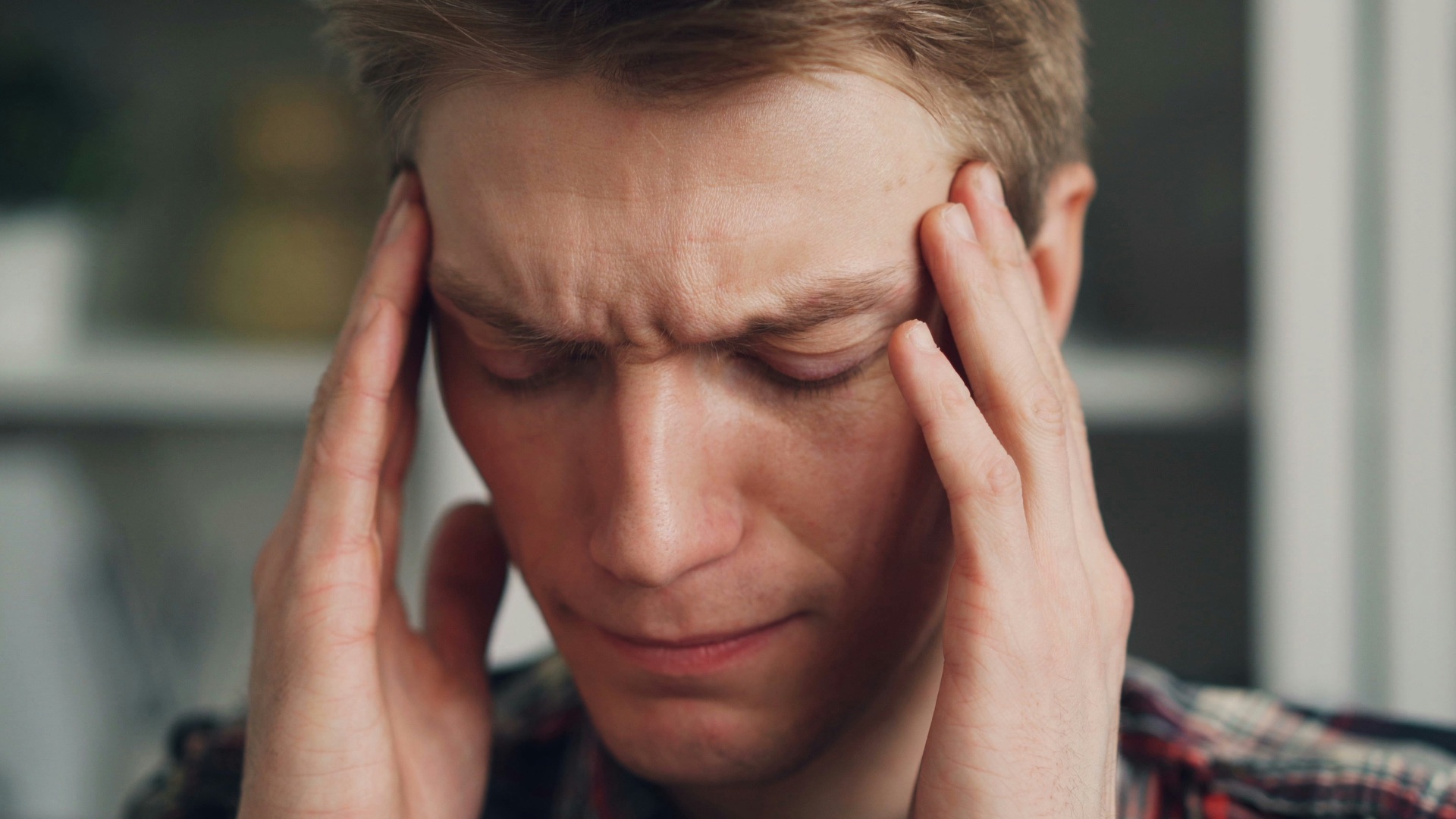
5. You Frequently Wake Up with a Headache
Regular morning headaches may develop when disrupted nighttime breathing affects oxygen and carbon dioxide levels in the bloodstream. The discomfort often appears soon after waking and may fade as the day continues. Headaches have many possible causes, but they deserve attention when they occur alongside snoring, fatigue, or witnessed breathing pauses.
6. Your Mouth Feels Dry in the Morning
A dry mouth or irritated throat upon waking can result from breathing through your mouth overnight. When the airway becomes restricted, you may instinctively open your mouth in an attempt to draw in more air. Persistent soreness or dryness shouldn’t be considered proof by itself, though it can strengthen the case for an evaluation when other symptoms are present.

7. Concentrating Has Become More Difficult
Poor-quality sleep can make it harder to focus, remember information, solve problems, or make decisions. You may reread the same material several times, forget routine tasks, or feel mentally sluggish during conversations. These difficulties can easily be blamed on stress or a busy schedule, which is why the underlying sleep problem sometimes goes undetected.

8. Your Mood Has Noticeably Changed
Repeated sleep interruptions can affect your emotional regulation, leaving you more irritable, impatient, anxious, or discouraged than usual. Small inconveniences may bother you more, and maintaining motivation can become increasingly difficult. Mood changes can stem from many conditions, but their connection to sleep is worth considering when they appear with physical symptoms.

9. You Make Several Bathroom Trips Overnight
Waking to urinate multiple times, known as nocturia, isn’t always caused by drinking too much before bed. Sleep apnea can trigger physical changes that increase nighttime urine production, while repeated awakenings may also make you more aware of the urge to go. A healthcare professional can help determine whether the cause involves your sleep, urinary system, medications, or another issue.

10. Your Blood Pressure Is Difficult to Control
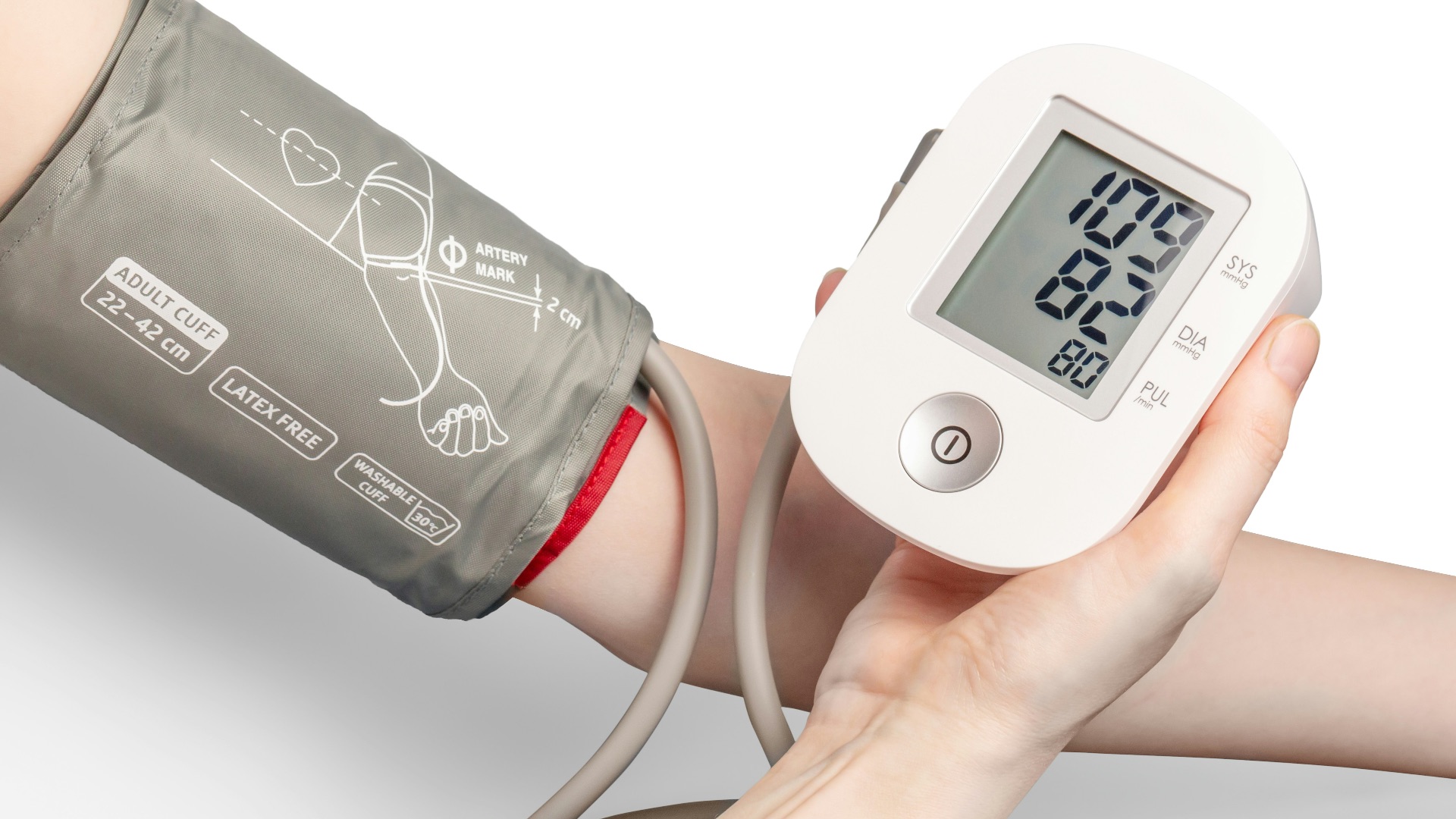
Obstructive sleep apnea is commonly associated with high blood pressure, particularly when readings remain elevated despite treatment. Each interruption in breathing can activate the body’s stress response and place additional strain on the cardiovascular system. Sleep apnea may not be the only explanation, but it should be considered when high blood pressure accompanies loud snoring and daytime fatigue.
These symptoms can also occur for reasons unrelated to sleep apnea, so noticing one doesn’t provide a diagnosis. A medical evaluation and sleep study can confirm what’s disrupting your breathing and help your healthcare team select an appropriate treatment.
1. Use a CPAP Machine
Continuous positive airway pressure, better known as CPAP, is one of the most established treatments for obstructive sleep apnea. The machine sends a steady stream of pressurized air through a mask, helping prevent the airway from closing during sleep. Finding the right mask shape, pressure setting, and humidification level can make the equipment significantly more comfortable to use.
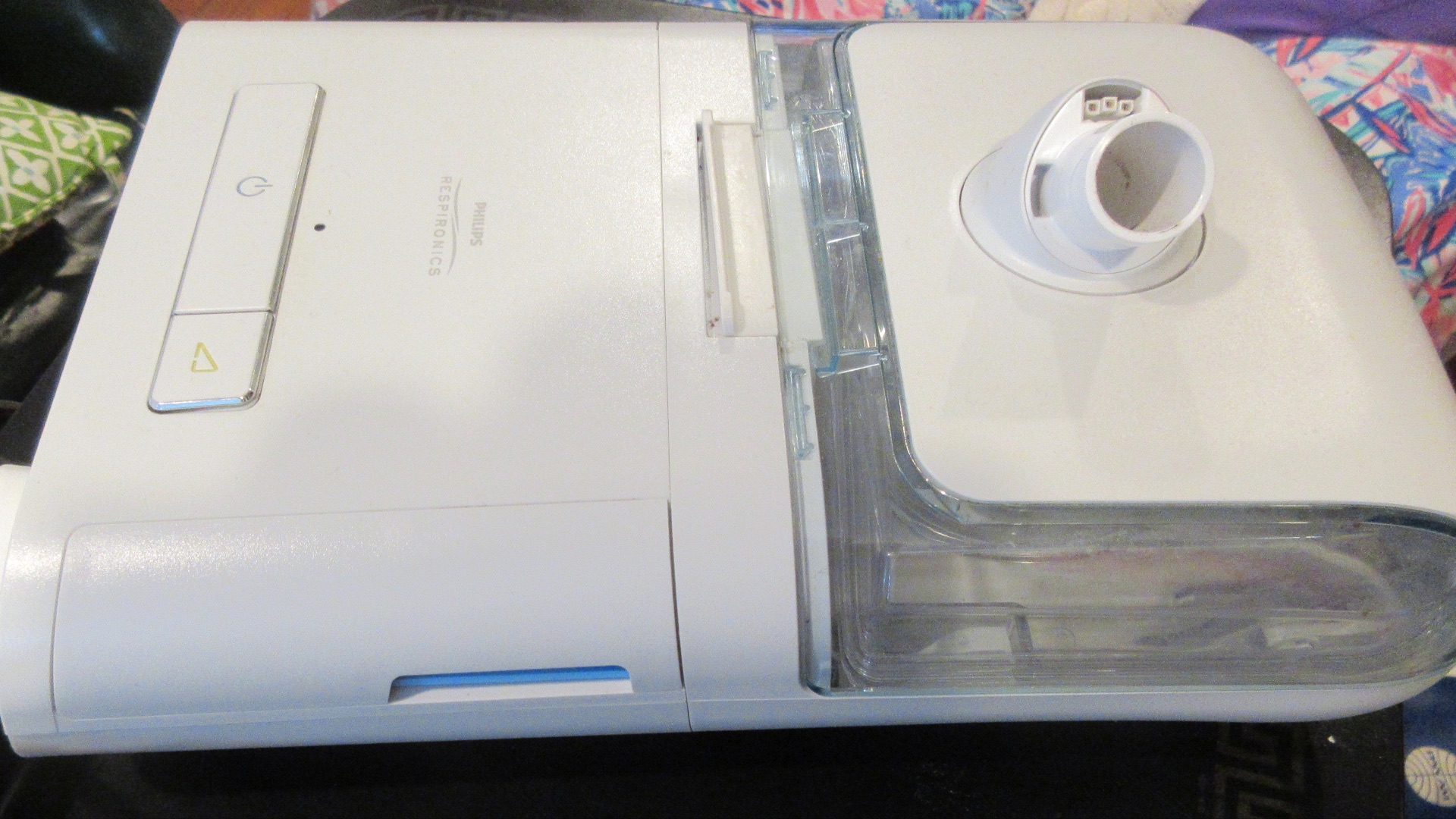 Infrogmation of New Orleans on Wikimedia
2. Ask About APAP or BPAP Therapy
Some people have trouble adjusting to the constant pressure delivered by a standard CPAP machine. An automatic positive airway pressure machine, or APAP, changes its pressure as your breathing needs shift, while BPAP provides different pressure levels for inhaling and exhaling. Your sleep specialist can determine whether either option is better suited to your breathing patterns, comfort, or other medical conditions.

3. Get Fitted for an Oral Appliance
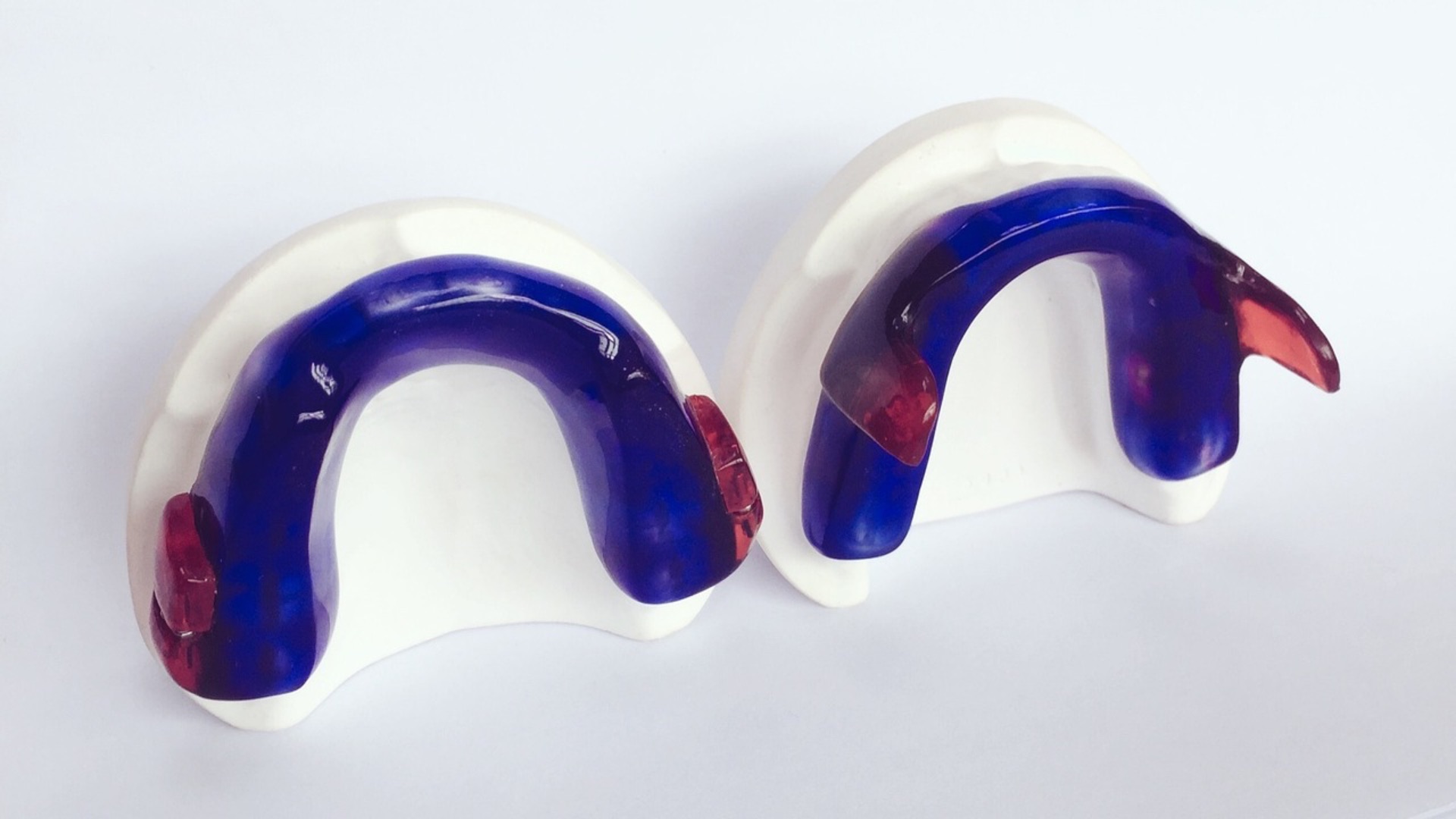
A custom oral appliance may help certain people with mild or moderate obstructive sleep apnea, as well as those who can’t tolerate CPAP. These devices generally move the lower jaw forward or reposition the tongue to create more room in the airway. Proper fitting and follow-up with a dentist trained in dental sleep medicine are essential because an unsuitable device can cause jaw discomfort or changes to the teeth.
4. Work Toward a Healthier Weight
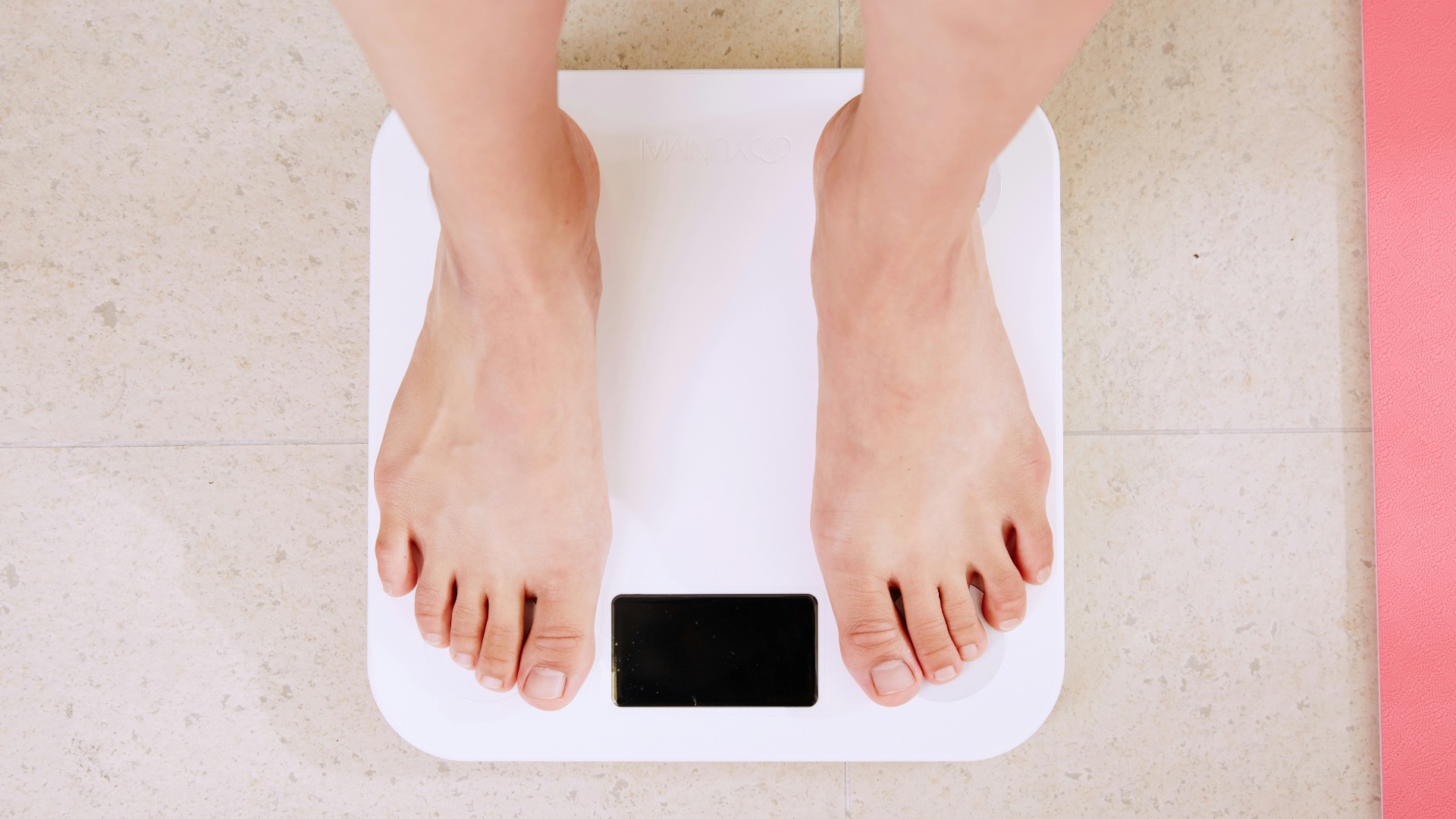
Excess tissue around the neck and upper airway can contribute to obstruction in some people with sleep apnea. Losing weight may reduce the severity or frequency of breathing interruptions, though it doesn’t guarantee that the condition will disappear completely. Sustainable nutrition, regular activity, and professional support are generally more useful than extreme plans that are difficult to maintain.
5. Change Your Sleeping Position
For some individuals, breathing problems become more frequent when they sleep flat on their backs. Side sleeping can help keep the tongue and surrounding tissues from falling backward and narrowing the airway. Positional therapy may involve wearable devices, specialized pillows, or other methods, but it’s most effective when testing confirms that position significantly affects your apnea.

6. Limit Alcohol and Review Sedating Medications
Alcohol relaxes the muscles surrounding the throat and can worsen airway obstruction, especially when consumed near bedtime. Certain sleeping pills, sedatives, and prescription pain medications may also interfere with nighttime breathing. Don’t stop taking prescribed medicine on your own; instead, ask the prescribing professional whether safer adjustments or alternatives are available.

7. Address Nasal Congestion
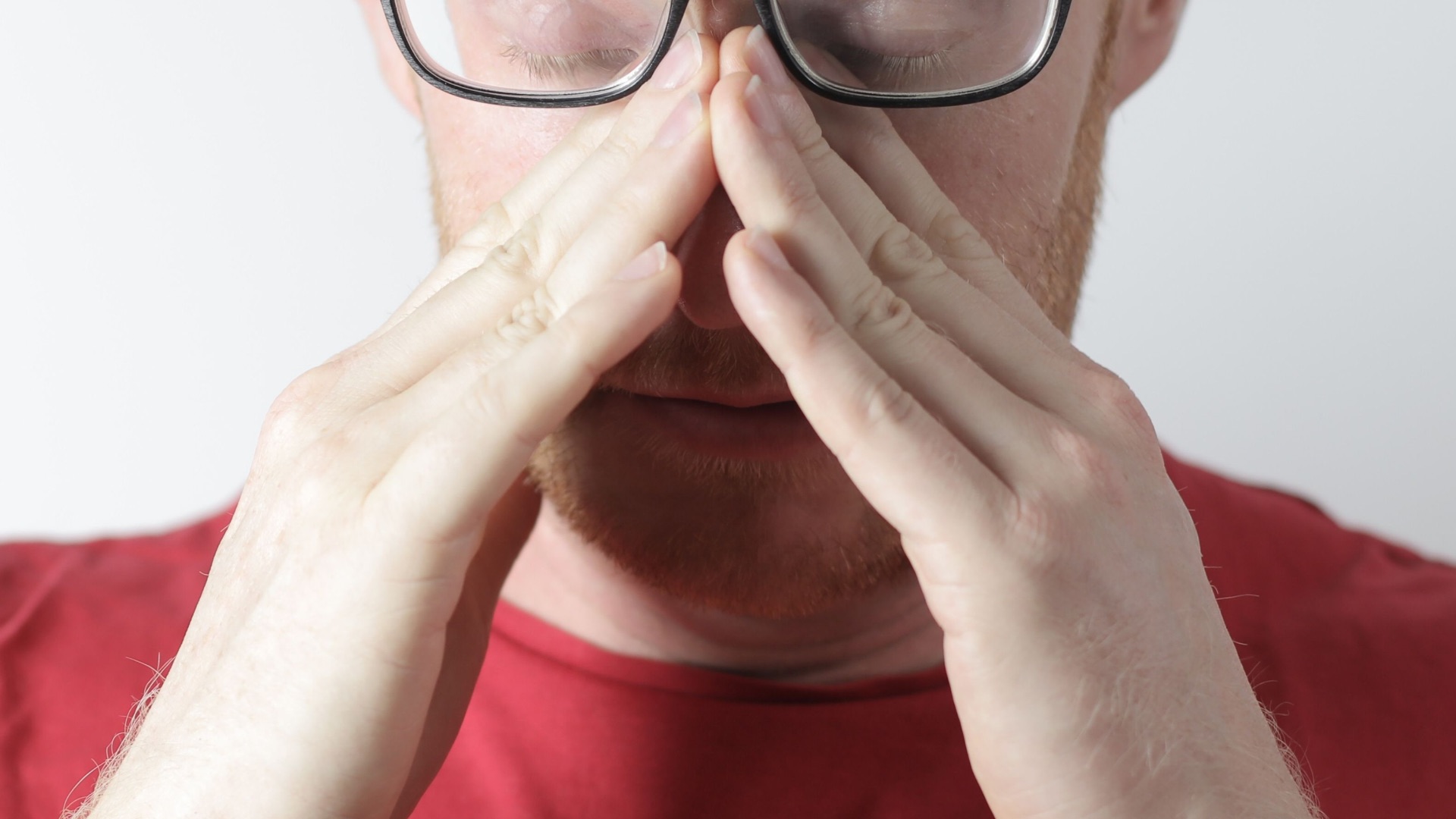
A blocked nose can make breathing devices harder to tolerate and may encourage mouth breathing while you sleep. Treating allergies, sinus problems, or structural nasal issues may improve airflow and make other therapies more comfortable. Depending on the cause, a clinician might recommend saline rinses, allergy management, medication, humidification, or an evaluation by an ear, nose, and throat specialist.
8. Consider Surgery for an Obstructed Airway
Surgery may be appropriate when enlarged tonsils, jaw structure, excess tissue, or another anatomical issue is contributing to the blockage. Procedures can remove tissue, reposition the jaw, or otherwise create more space within the upper airway. Because results and recovery vary, surgery is generally considered after a detailed evaluation and, in many cases, after less invasive treatments haven’t worked.

9. Explore Nerve Stimulation
Hypoglossal nerve stimulation may be an option for certain people with moderate to severe obstructive sleep apnea who can’t use positive airway pressure successfully. An implanted device monitors breathing and stimulates the nerve controlling tongue movement, helping keep the tongue from blocking the throat. Eligibility depends on factors such as anatomy, apnea severity, overall health, and the results of specialized testing.
10. Treat the Cause of Central Sleep Apnea
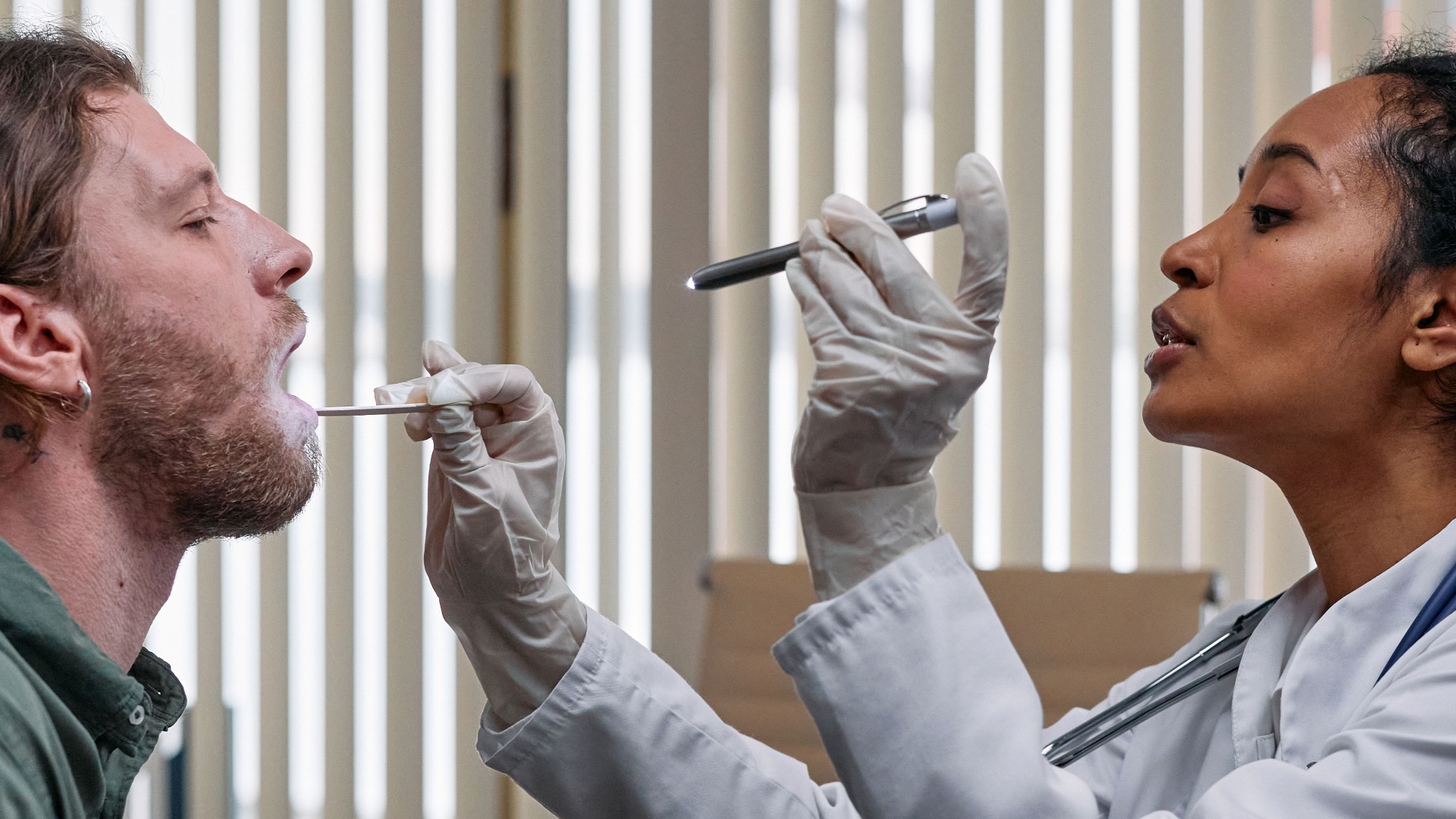
Central sleep apnea requires a different approach because it occurs when the brain doesn’t consistently send the signals needed for breathing. Treatment may involve managing an underlying condition, adjusting medications that suppress breathing, using an appropriate positive airway pressure device, or receiving supplemental oxygen. Since the safest option depends heavily on the cause, care should be directed by a sleep specialist familiar with central breathing disorders.

KEEP ON READING



20 Natural Ways You Can Boost Your Immune System

20 Ways To De-stress & Relax After Work
The 10 Most Common Diseases & The 10 Most Rare