
The Partnerships Happening Inside Every Multivitamin
Vitamins get sold in a bottle like they're each doing their own separate job, but the body doesn't actually work that way. A lot of them depend entirely on another nutrient just to get absorbed, activated, or put to any real use, which means taking one without its partner can mean wasting most of it. Others are refreshingly self-sufficient, absorbed and used with almost no help required at all. Knowing which is which changes how a multivitamin routine, or even just a plate of food, actually gets put together. Here's 10 vitamins that need backup to function and 10 that manage things entirely on their own.

1. Vitamin D
Vitamin D can't convert into its active form without magnesium, which means taking a high-dose supplement while running low on magnesium leaves a lot of it stuck in a useless intermediate state. It also needs vitamin K2 nearby to direct the calcium it helps absorb toward bones instead of soft tissue and arteries. The two are frequently sold together specifically because one without the other does an incomplete job.
2. Vitamin K1
As a fat-soluble vitamin, K1 needs to be eaten alongside some dietary fat to actually get absorbed from leafy greens, since taking it with a completely fat-free meal means most of it passes right through. It also works hand in hand with vitamin D to properly regulate how calcium gets used throughout the body. A salad with zero dressing is quietly wasting most of its vitamin K.
3. Vitamin A (Retinol)
Retinol depends on zinc to get mobilized out of liver storage and transported to where the body actually needs it, so a zinc deficiency can leave someone functionally low on vitamin A even with adequate intake. Like the other fat-soluble vitamins, it also requires dietary fat to absorb properly in the first place. Both gaps are common enough that vitamin A status often has more to do with zinc and fat intake than people realize.
4. Beta-Carotene
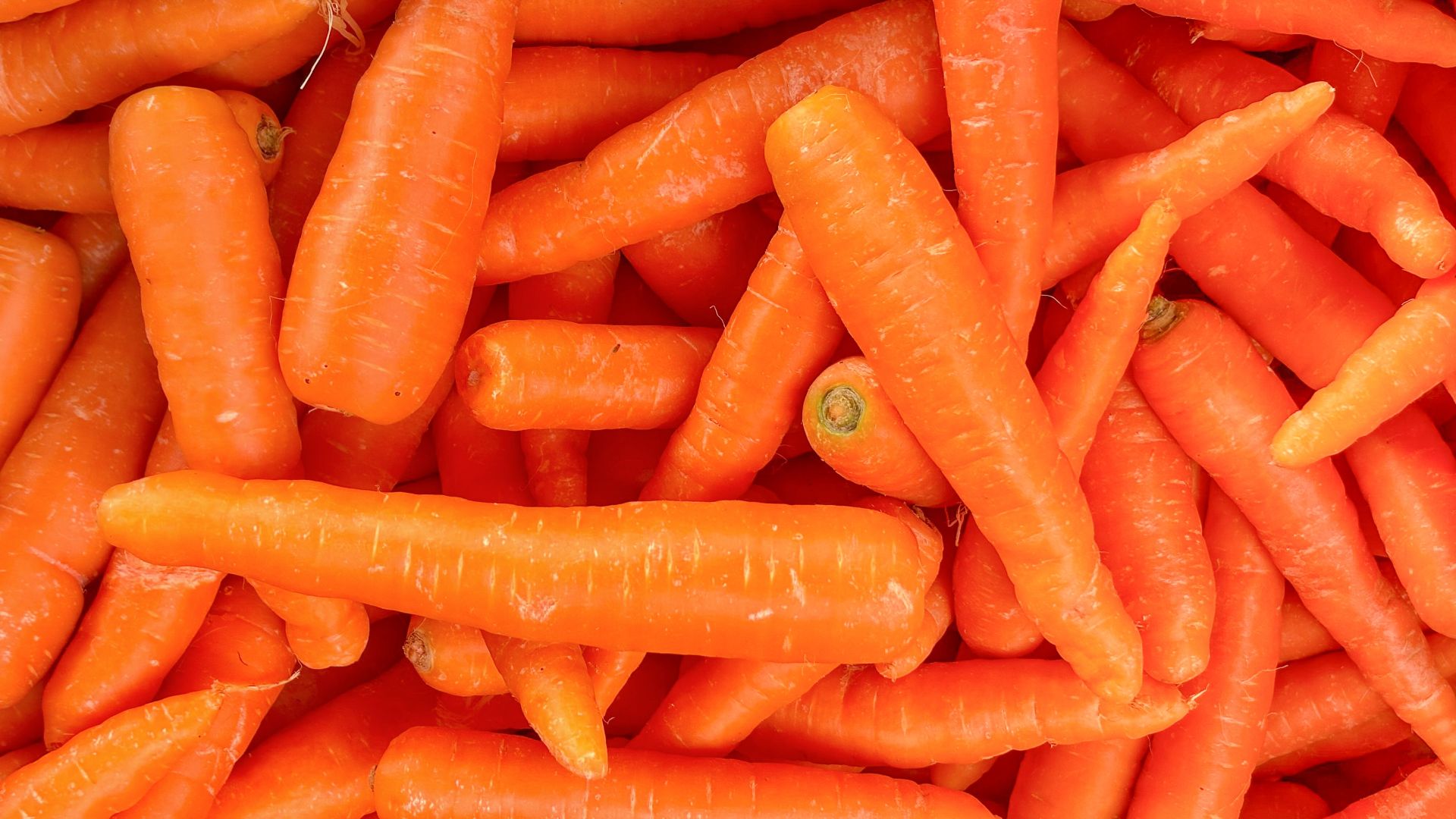
The plant-based precursor to vitamin A has to be converted into a usable form through an enzymatic process that depends on adequate fat intake and healthy thyroid and zinc status. People with poor thyroid function or low zinc levels convert beta-carotene noticeably less efficiently, even while eating plenty of carrots and sweet potatoes. It's one of the more common reasons someone can eat vitamin-A-rich produce and still test low.
5. Vitamin E
Vitamin E neutralizes free radicals and gets used up in the process, but vitamin C regenerates it back into an active form so it can keep working instead of becoming inert. Without enough vitamin C on hand, the antioxidant relay effectively stalls out. It also needs dietary fat to absorb in the first place, same as the other fat-soluble vitamins.
6. Vitamin B12 (From Food)
Dietary B12 has to bind with intrinsic factor, a protein made in the stomach, in order to be absorbed in the small intestine, and calcium plays a supporting role in that absorption process too. It also needs folate to properly complete red blood cell formation, since the two work as a matched pair in that specific pathway. A shortage of intrinsic factor, seen in conditions like pernicious anemia, can block B12 absorption almost entirely regardless of how much someone eats.
7. Folate
Natural folate from leafy greens and legumes works in close partnership with B12 in red blood cell production and DNA synthesis, to the point where a folate deficiency can actually mask an underlying B12 deficiency on standard blood tests. Correcting one without addressing the other can let a hidden problem continue unnoticed. The two are frequently deficient together in people with poor diets or absorption issues.
8. Vitamin B6
B6 requires magnesium as a cofactor to activate the enzymes it's involved in throughout the body, meaning a magnesium shortfall can blunt how effectively B6 actually functions even at adequate intake. The two are commonly low together in diets heavy on processed food. It's a quieter deficiency than most, since B6 alone often still shows normal on a basic panel.
9. Vitamin B1 (Thiamine)
Thiamine needs magnesium to convert into its active enzymatic form, which means someone can have plenty of thiamine on paper and still functionally run short if magnesium levels are poor. This pairing matters particularly for people with high alcohol intake, since alcohol depletes both nutrients simultaneously. Correcting thiamine alone without addressing magnesium often doesn't fully resolve the deficiency symptoms.
10. Niacin (Made From Tryptophan)
When the body synthesizes its own niacin from dietary tryptophan rather than getting it preformed from food, that conversion process depends on adequate vitamin B6 and riboflavin acting as cofactors. Low levels of either one can bottleneck the whole pathway, even when tryptophan intake looks perfectly fine. It's a good example of how one vitamin's production can quietly hinge on two entirely different ones.
Here's 10 that get the job done without needing a co-star.

1. Vitamin C
As a water-soluble vitamin, C dissolves and absorbs directly in the gut without requiring another nutrient to be present first. It happens to help other vitamins along the way, like regenerating vitamin E, but its own basic absorption and antioxidant function don't depend on anything else being on hand. Excess simply gets flushed out rather than stored, which is part of why deficiency and toxicity are both relatively rare.
2. Biotin (Vitamin B7)
Biotin functions as a standalone cofactor for the enzymes it supports, absorbed and used without needing a specific nutrient partner. Deficiency is genuinely rare, partly because gut bacteria produce a usable amount on their own in addition to whatever comes from food. It's one of the lowest-maintenance vitamins in the entire lineup.
3. Pantothenic Acid (Vitamin B5)
B5 converts into coenzyme A, a molecule involved in dozens of metabolic reactions, without depending on another vitamin to make that conversion happen. It's so widely available across ordinary foods, meat, grains, vegetables, that a genuine deficiency is almost never seen outside of severe overall malnutrition. It quietly does its job in the background without ever needing a co-pilot.
4. Vitamin B2 (Riboflavin)
Riboflavin functions largely on its own once absorbed, and rather than needing help from other vitamins, it actually helps activate several of them, including B6 and folate, into their usable forms. That makes it more of a support system for other nutrients than a dependent itself. It's one of the rare vitamins that gives more help than it asks for.
5. Preformed Niacin (From Food)
Niacin obtained directly from meat, fish, and fortified grains gets absorbed and used without requiring the B6-and-riboflavin conversion pathway that's only necessary when the body has to build niacin from tryptophan instead. For most people eating a reasonably varied diet, this direct route covers the bulk of their intake. It's a straightforward transaction compared to the more complicated synthesis route.
6. Folic Acid
The synthetic form of B9 used in fortified foods and supplements gets absorbed through a more direct pathway than the natural folate found in leafy greens, requiring less enzymatic processing along the way. That efficiency is part of why fortification programs rely on folic acid rather than natural folate to reach the general population. It doesn't need the same B12 partnership that food-based folate does to do its most basic job of getting absorbed.
 Supliful - Supplements On Demand on Unsplash
7. Vitamin B12 (High-Dose Supplement)
Taken in large enough doses, oral B12 gets absorbed through simple passive diffusion, a route that bypasses the intrinsic factor requirement entirely. This is exactly why doctors sometimes recommend high-dose oral B12 for people with absorption issues instead of jumping straight to injections. Roughly one to two percent of a large dose still gets through, which is more than enough to correct a deficiency on its own.
8. Vitamin K2 (Gut-Produced Portion)
While dietary vitamin K still needs fat to absorb properly, a meaningful portion of the body's K2 supply gets produced directly by bacteria living in the gut, independent of what's actually being eaten. That internal production offers a bit of a safety net that plant-based K1 doesn't have. It's one of the few nutrients the body partially manufactures for itself.
 Supliful - Supplements On Demand on Unsplash
9. Natural Vitamin E (D-Alpha-Tocopherol)
The body recognizes and retains the natural form of vitamin E considerably more efficiently than synthetic versions, without needing anything else to help it get recognized in the first place. This is part of why supplement labels distinguish between the two forms so specifically. It's a case where the source of the vitamin matters just as much as the dose.
 Supliful - Supplements On Demand on Unsplash
10. Choline
Though it's not always classified among the official thirteen vitamins, choline is essential enough that it's frequently grouped alongside the B-complex on supplement labels and nutrition charts. It gets absorbed and used by the body for things like liver function and brain development without needing another vitamin's help along the way. It's the closest thing on this list to an honorary vitamin that still manages to handle its job entirely on its own terms.
KEEP ON READING


20 Red Flag Signs You Need To See A Dentist

20 Ways To Prevent Kidney Stones

20 Things That Can Make You Short of Breath