The Ugly Tooth
Dental problems get louder when they’re ignored, and waiting for unbearable pain can turn a manageable issue into a much bigger treatment. Though it’s easy to fluff off the occasional pang of soreness (though those shouldn’t be ignored either), lingering sensitivity, bleeding gums, or a rough spot on your tongue can signal all kinds of trouble. While not every symptom is an emergency, these 20 red flags mean it’s time to stop hoping the problem disappears.

1. A Toothache That Won’t Go Away
Odd discomfort after biting the wrong thing may settle down, but tooth pain that lasts longer than a day or two? That deserves attention. A persistent ache can be caused by decay, a cracked tooth, an irritated nerve, or an infection near the root. None of those things should be ignored or dealt with on your own.

2. Your Face or Jaw is Swelling
Visible swelling around your cheek or gums can point to an abscess or some sort of infection. Swelling isn’t the only thing you’ll notice, either. You may also spot warmth, tenderness, fever, or a bad taste coming from the affected area.

3. Your Gums Bleed Regularly
It’s not uncommon to bleed after flossing, especially if you haven’t done it for several months. However, frequent bleeding shouldn’t become your new normal. Red, puffy gums that bleed during brushing can be an early sign of gingivitis or more advanced gum disease. A dentist can check whether you need a professional cleaning or a more in-depth look.
4. Hot and Cold Foods Hurt
A quick twinge from ice cream usually comes from ordinary sensitivity. Pain that’s new, intense, or continues for prolonged periods of time could indicate enamel damage. Worse still, it’s hard to pinpoint the issues, and those symptoms could also signal a cavity or an inflamed tooth nerve.

5. One of Your Adult Teeth Feels Loose
Permanent teeth aren’t supposed to wobble, even as you get older. If you ever notice that one of your adult teeth has a mind of its own, it’s time to schedule time in the chair. Movement can result from gum disease, bone loss, an injury, or pressure caused by grinding and clenching.
 Kamal Hoseinianzade on Unsplash
6. Your Breath Stays Bad After Brushing
Garlic at lunch is one thing, but unpleasant breath shouldn’t just linger after brushing or cleaning your tongue. Persistent bad breath is actually connected to all sorts of things, like gum disease, trapped food, dry mouth, an infected tooth, or a poorly fitting dental appliance. Your dentist can look for causes and figure out where to go next.

7. You Can See a Hole or Dark Spot
A brown or chalky white mark on a tooth may represent an area of decay rather than a harmless stain. Keep in mind that some cavities don’t hurt until they’ve reached deeper layers of the tooth, which is why appearance can provide an earlier warning. Book an appointment before the damage gets out of control.
8. Your Gums Are Pulling Away
Teeth may appear unusually long when the surrounding gum tissue begins to recede. Recession happens for several reasons, though the main ones are usually gum disease, aggressive brushing, tobacco use, grinding, or simply naturally thin gum tissue. A dentist can help protect the exposed roots from sensitivity and decay.

9. A Sore Isn’t Healing
We’ve all accidentally bitten our cheek, and those minor ulcers tend to improve within a week or two. A sore red or white patch, however, needs to be evaluated. It’s an even bigger cause for concern if it remains for more than two weeks.
10. Chewing Has Become Painful
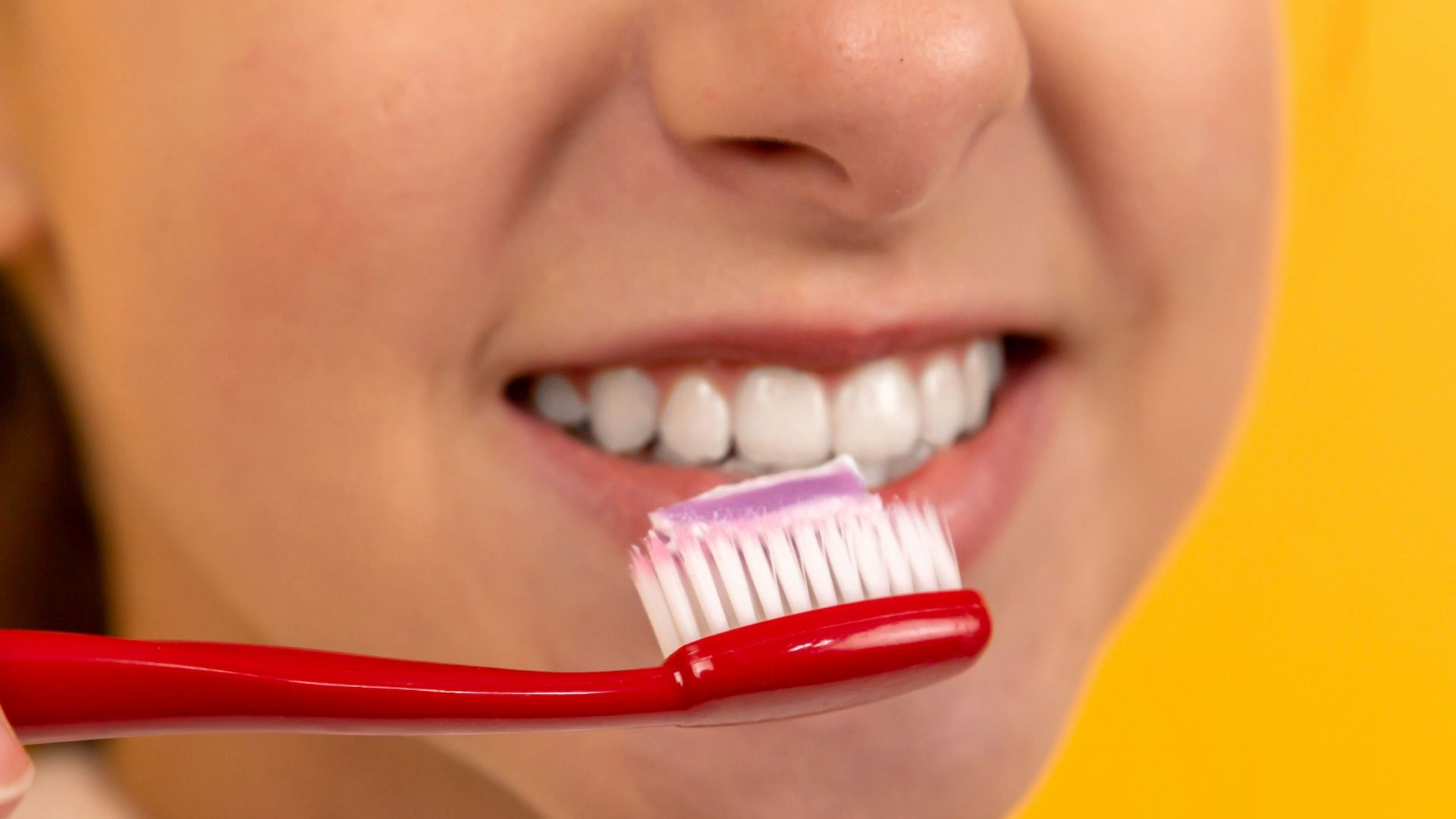
Meals shouldn’t require you to avoid one side of your mouth, so if that’s happening, it might be time to get on the horn to your dentist. Pain when biting down may come from a cracked tooth, loose filling, cavity, infected root, or inflammation around the tooth. When you call, be sure to describe whether the pain happens as you bite or release; that detail can help narrow down the cause.
11. You Wake Up With Jaw Pain
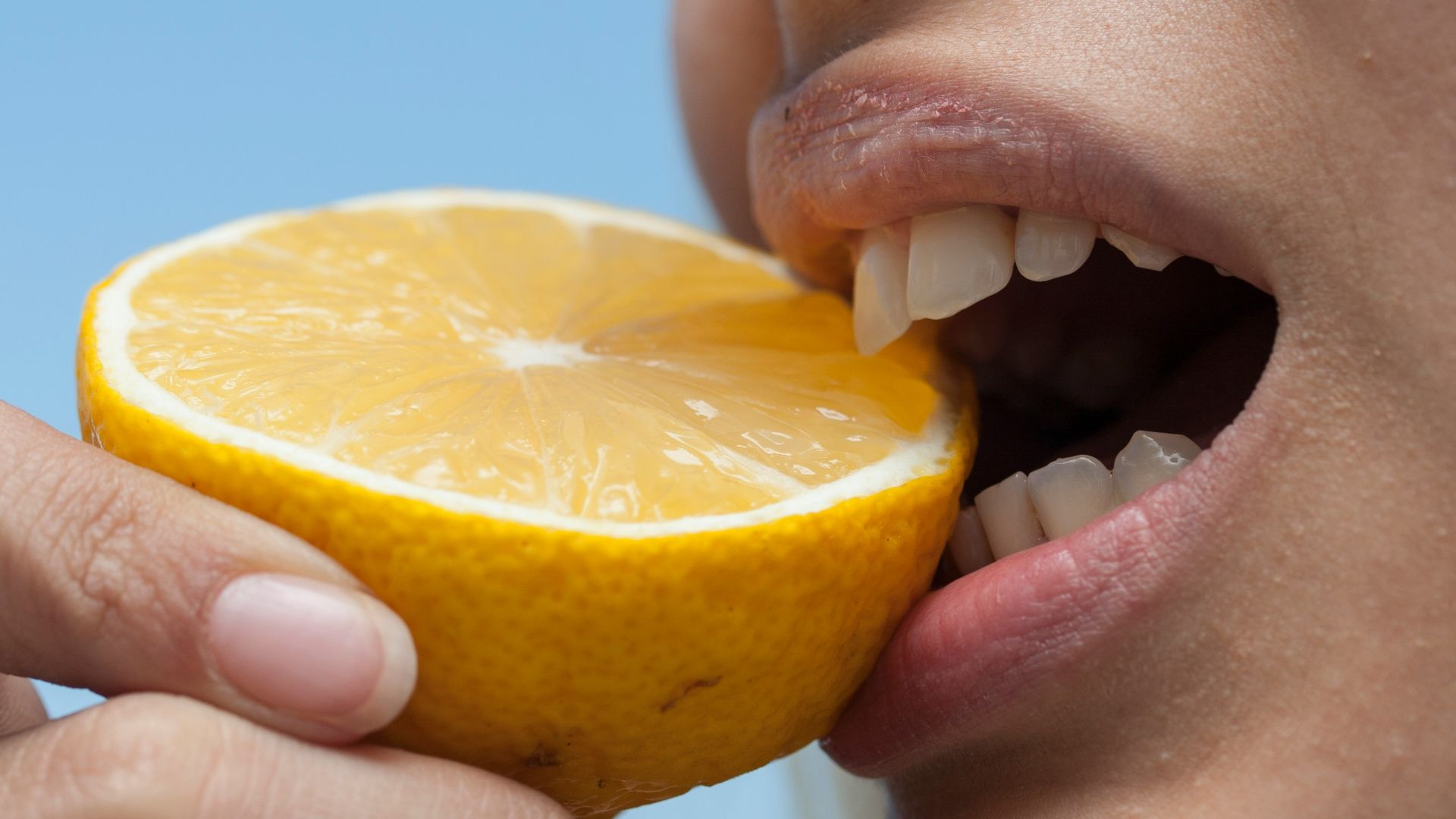
Morning jaw soreness, headaches, or tired muscles can suggest that you’re clenching your teeth overnight. Don’t just write that off, either! Over time, that pressure may flatten the chewing surfaces, create small cracks, or damage crowns and fillings. Your dentist might have you fitted for a mouthguard.

12. A Filling or Crown Has Fallen Out
Losing dental work isn’t merely inconvenient—it’s downright dangerous. The tooth underneath is now exposed and vulnerable. What that means for you is that food and bacteria can enter the open area, while chewing on it may cause additional breakage or sensitivity. Save the crown if you can and contact your dentist instead of attempting a repair at home.
13. You Notice Pus
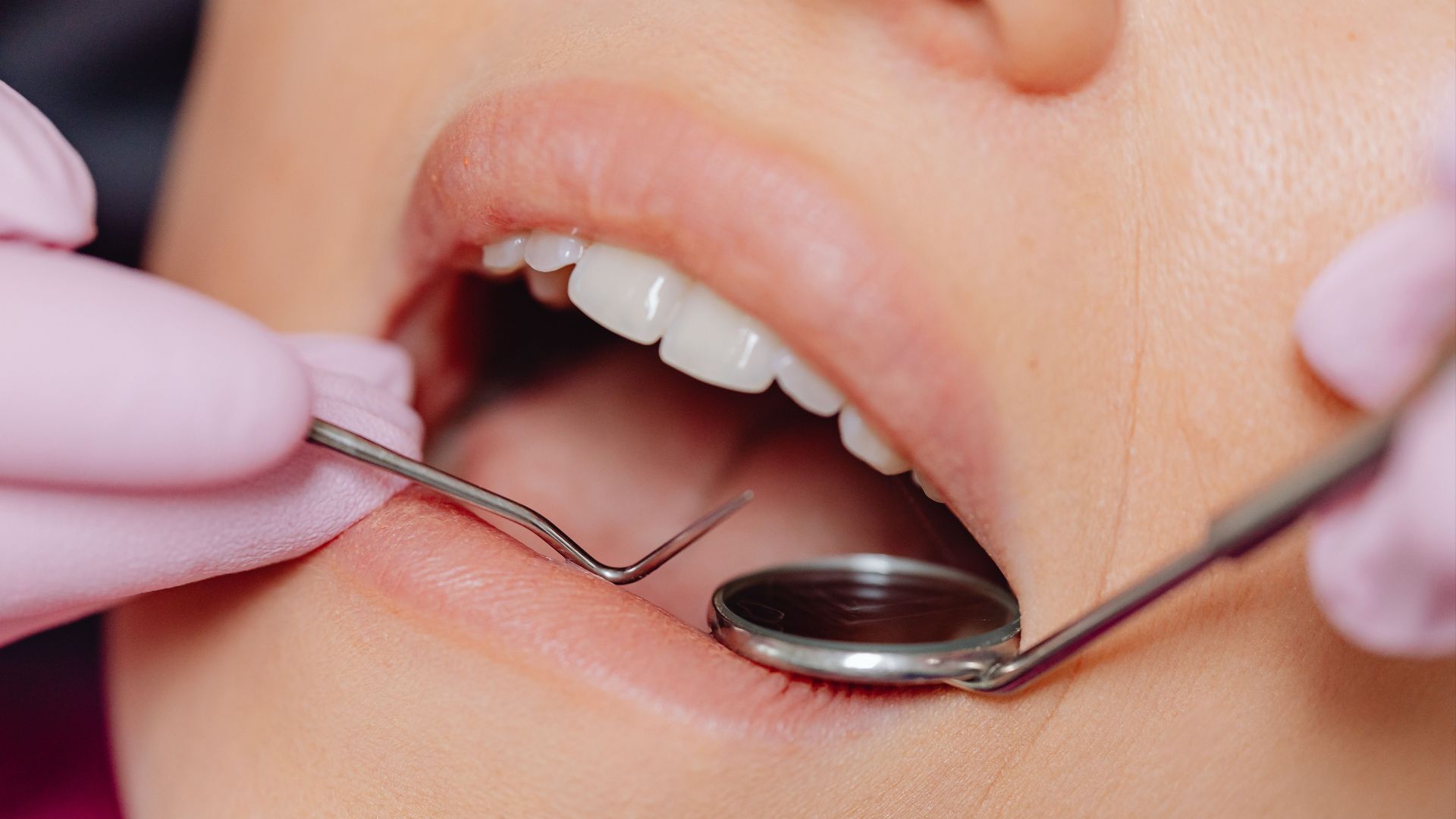
A small pimple-like bump on the gum can be a drainage point for an infection near a tooth root. It’s not something you want to poke around, especially if it releases fluid or creates an unpleasant taste. Even when there’s little pain, this one requires prompt treatment.
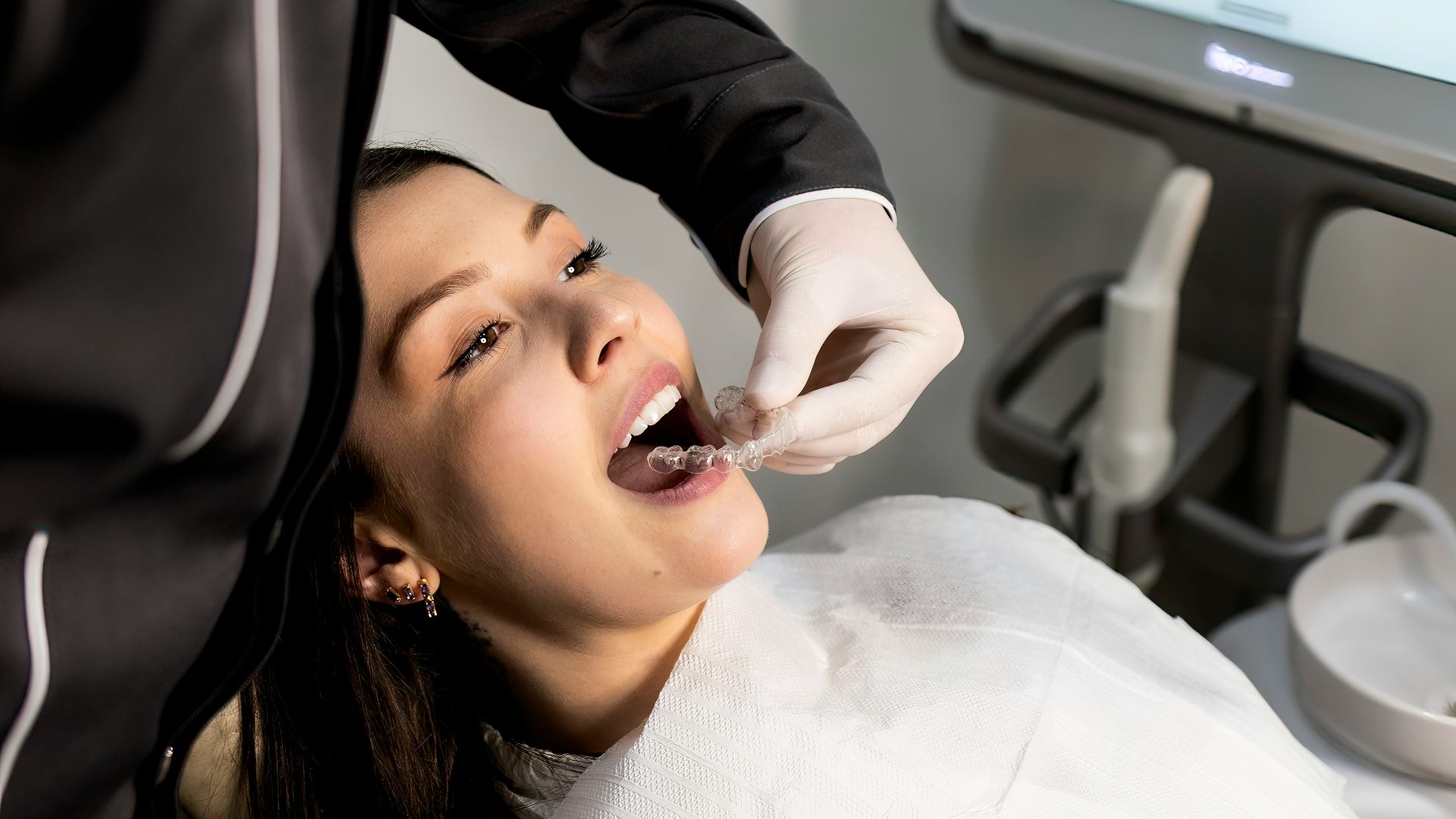
14. Your Teeth Chip More Often
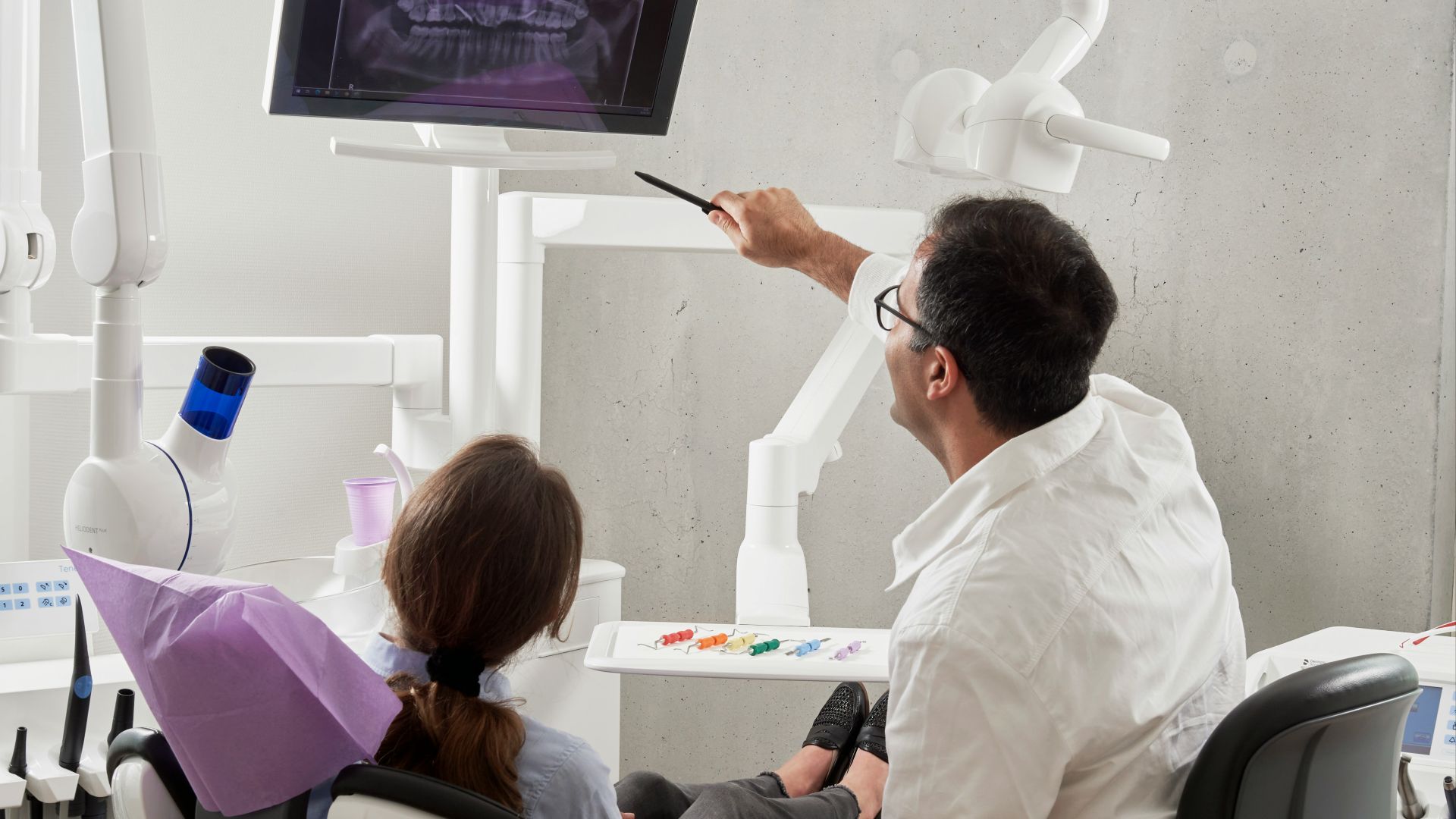
Repeated chips can indicate weakened enamel, which is always something to mention to your dentist. Chips can also be a sign of untreated decay, grinding, or acid erosion. If you notice small pieces breaking away while eating, a dentist can repair the damage while also investigating why it’s happening.
 Filip Rankovic Grobgaard on Unsplash
15. Your Mouth is Constantly Dry
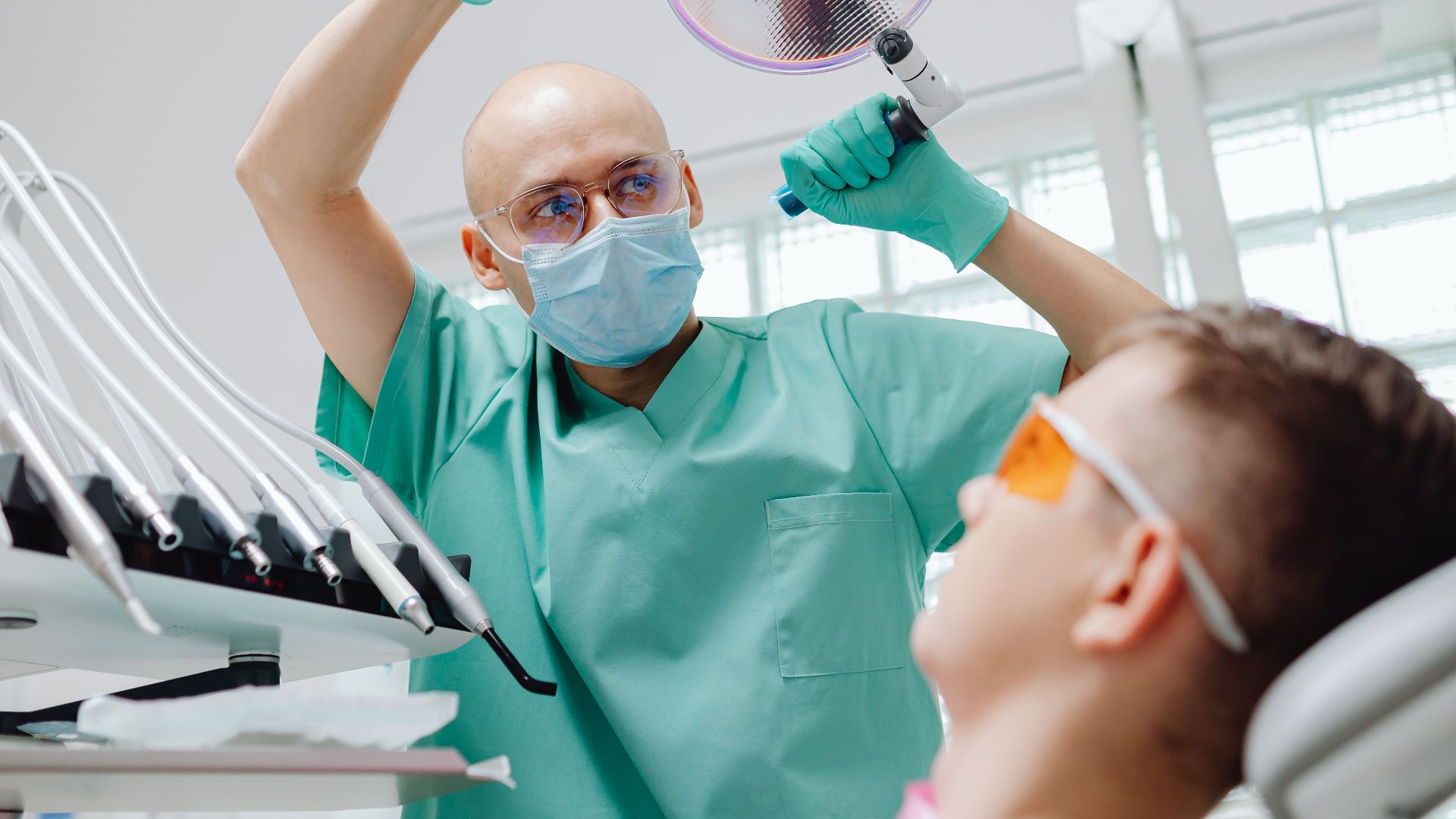
Dry mouth can develop for a couple of reasons: dehydration, medication side effects, tobacco use, or reduced saliva production. Either way, it’s hard to know without talking to a professional. A dental examination can identify signs of dryness and help you discuss practical ways to manage it.
16. Your Dentures Have Started Hurting
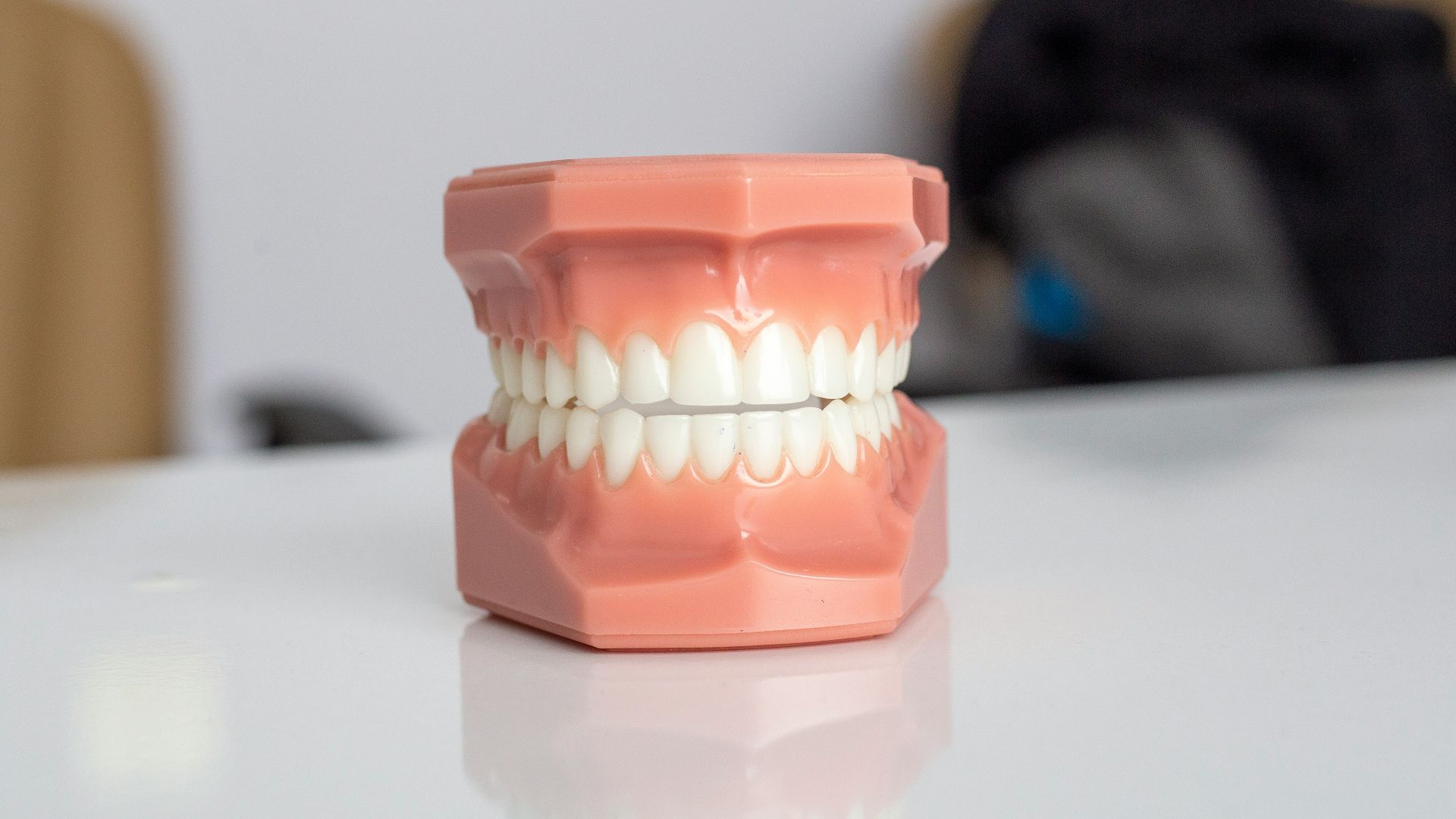
Dentures that once felt comfortable can become loose or even painful as the gums change over time. Anything like clicking, slipping, pressure sores, or difficulty chewing might suggest that the fit needs to be reassessed. Don’t keep adjusting them with store-bought adhesive, either; a dentist may need to repair or replace it altogether.
17. Your Wisdom Tooth Area is Swollen
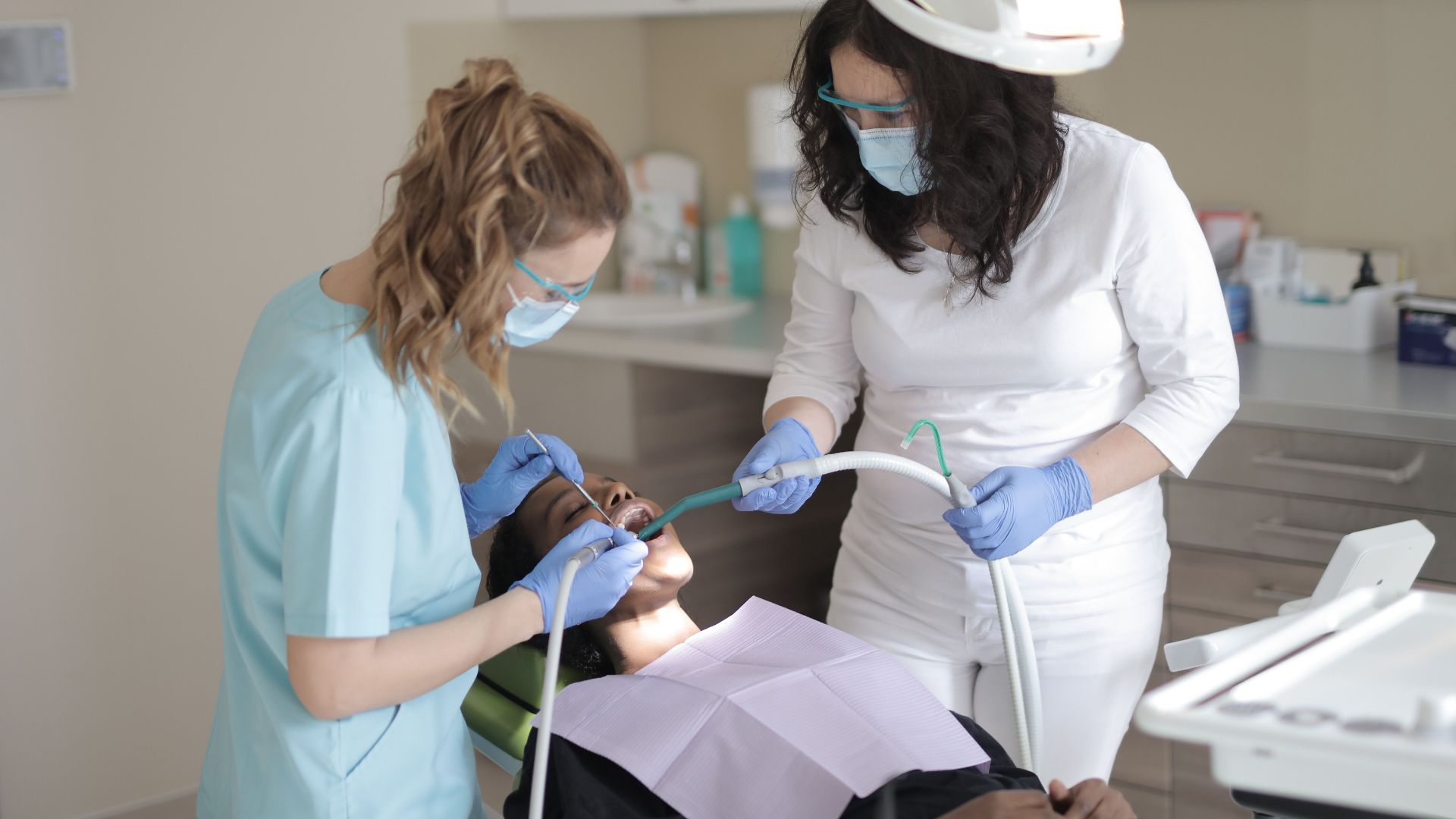
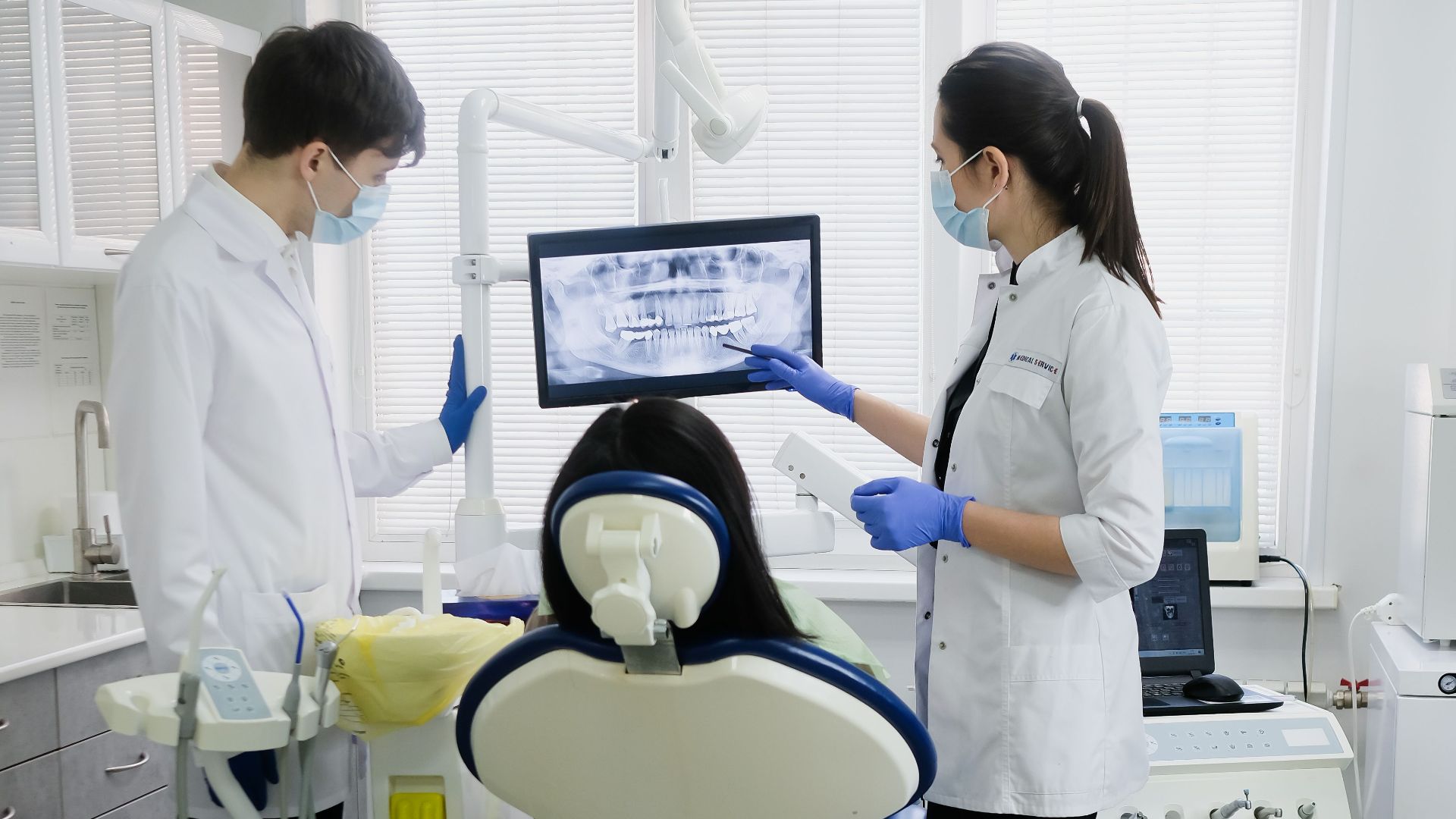
Tenderness behind the last molar can develop when a wisdom tooth is partly trapped beneath the gum. It’s not a pleasant sensation, and can even lead to food and bacteria collecting under the gum flap. A dentist will not only clean the area, but they’ll take X-rays and decide whether the tooth should be monitored or pulled.
18. Your Teeth Look Worn Down
Flattened edges and shorter-looking teeth often reveal years of grinding—and it’s worth mentioning to your dentist. Even without grinding, your poor teeth can suffer from frequent reflux, acidic drinks, and aggressive brushing. Early dental advice matters because enamel can’t naturally grow back once it has been lost, so you should get a head start on looking at it.
19. Your Bite Suddenly Feels Different
If your teeth no longer meet properly, that might happen because of an injury, swelling, or a problem with a filling. You may even find yourself shifting your jaw to chew comfortably or hitting one tooth before the others. Do yourself a favor: arrange an examination rather than forcing yourself to adapt.
20. Pain is Disrupting Your Life
Pain that prevents you from normal life has moved beyond a minor annoyance. Severe throbbing, facial swelling, or pain spreading toward the ear or jaw may indicate an urgent infection. Contact a dentist immediately, and if you can’t get a hold of one, it might be worth emergency medical care—especially when swelling affects breathing or swallowing.
KEEP ON READING

20 Ways Perimenopause Changes Fitness and Appetite


20 Unhealthy Obsessions People Have

20 Gut-Friendly Fermented Foods For Everyday Meals