Tried and True(ish) Remedies
Long before cleansers, prescription retinoids, and dermatologist appointments, people were already chasing the same dream: clear, smooth, blemish-free skin. Unfortunately for them, they just had to work with what was on hand: kitchen staples, crushed minerals, bathwater, borrowed spells, and the occasional bottle of poison sold as a beauty aid. Some of these old remedies hold up surprisingly well. Others were, in hindsight, not so much. Because ideas about acne were tangled up with the medical beliefs and beauty standards of the day, a treatment didn't need to work to become popular; it just needed to feel like it might. Here are 20 of the strangest, smartest, and occasionally most alarming things people have done for clear skin.
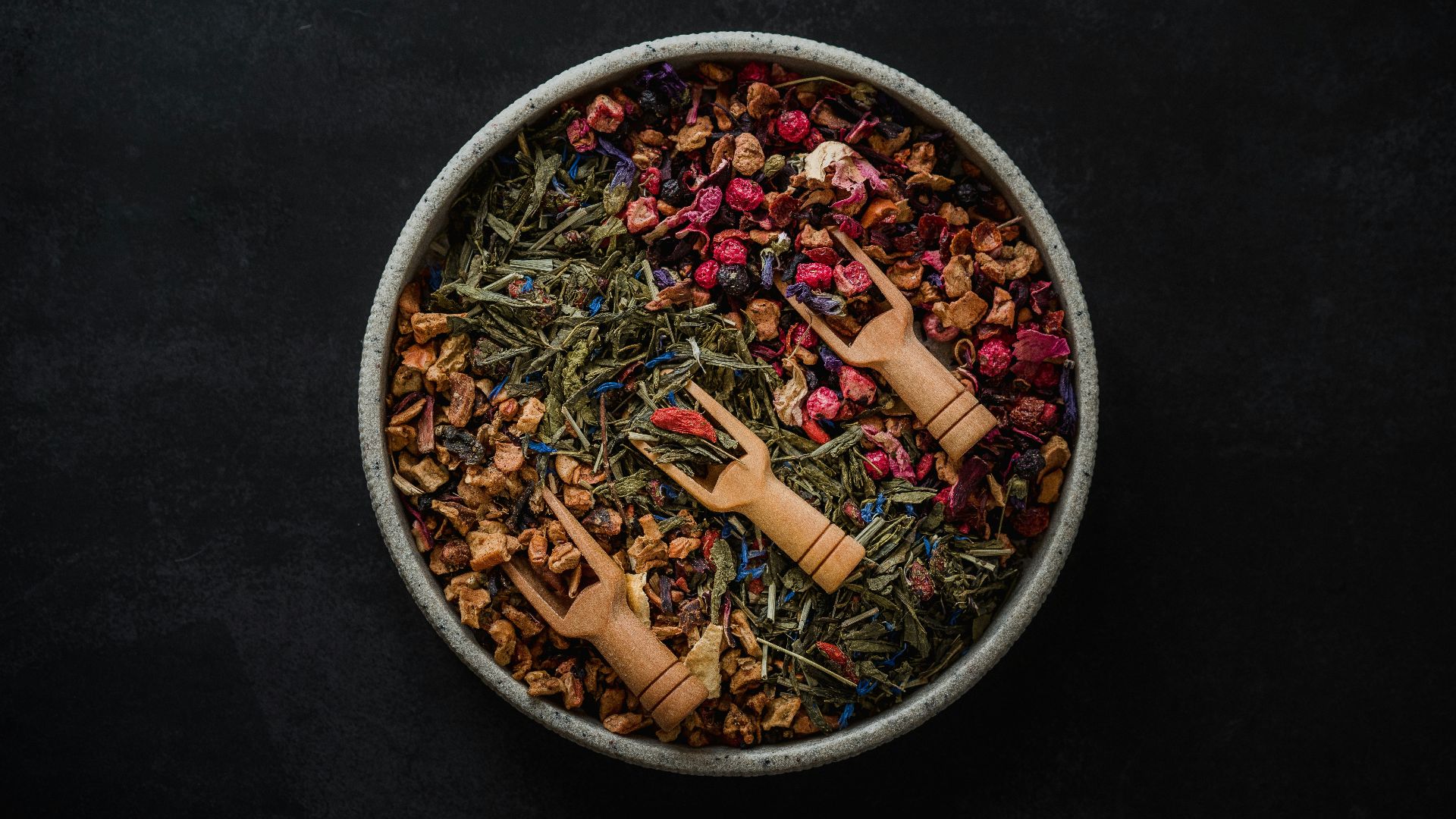 Neringa Normantaite on Unsplash
1. Honey
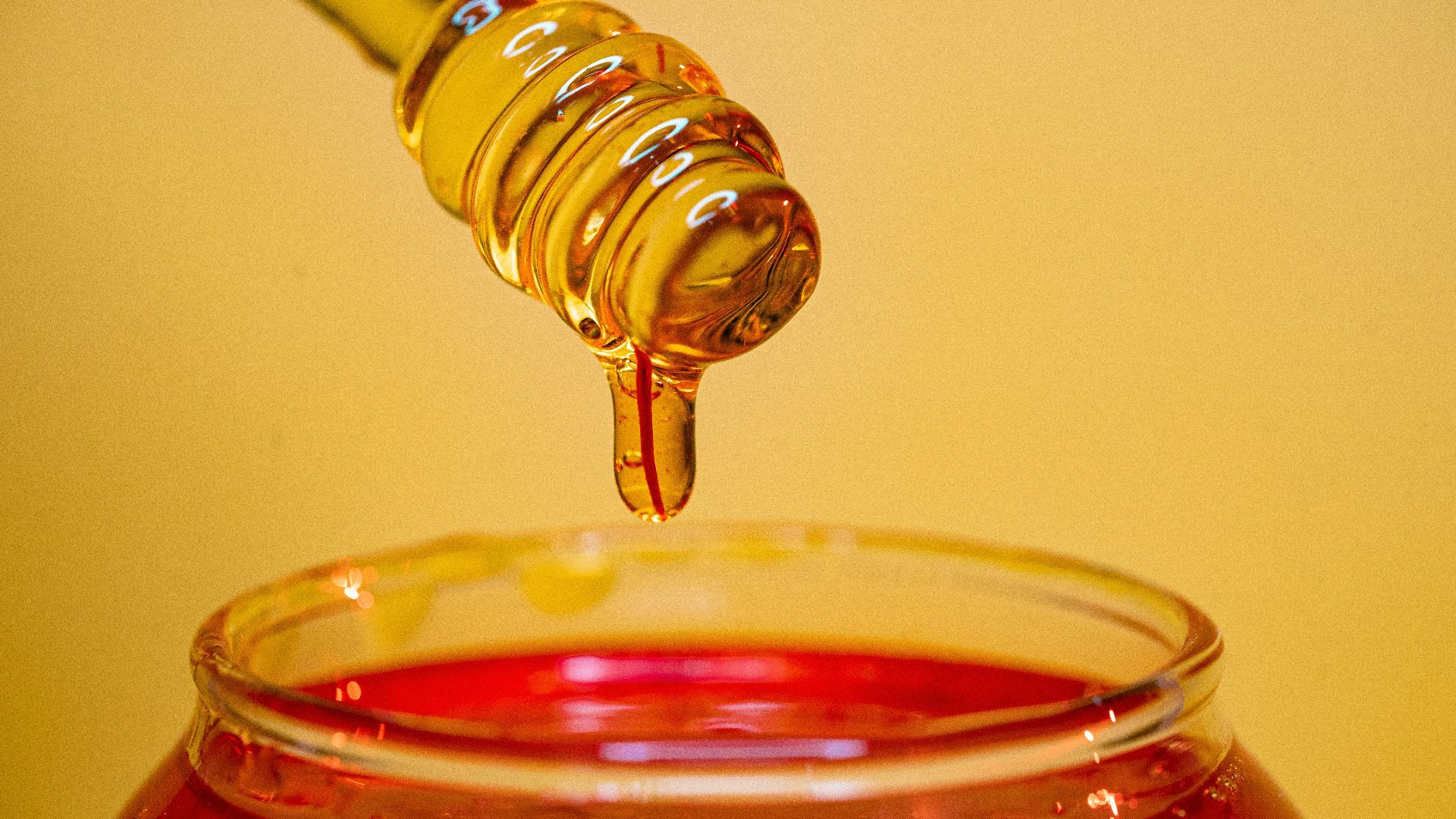
Sticky, golden, and surprisingly practical: raw honey turns up again and again in early treatments for damaged or blemished skin. Its thick, clingy texture made it easy to keep in place on a sore spot. Long before anyone understood germs or inflammation, people had already connected honey with soothing and healing.
2. Sulfur
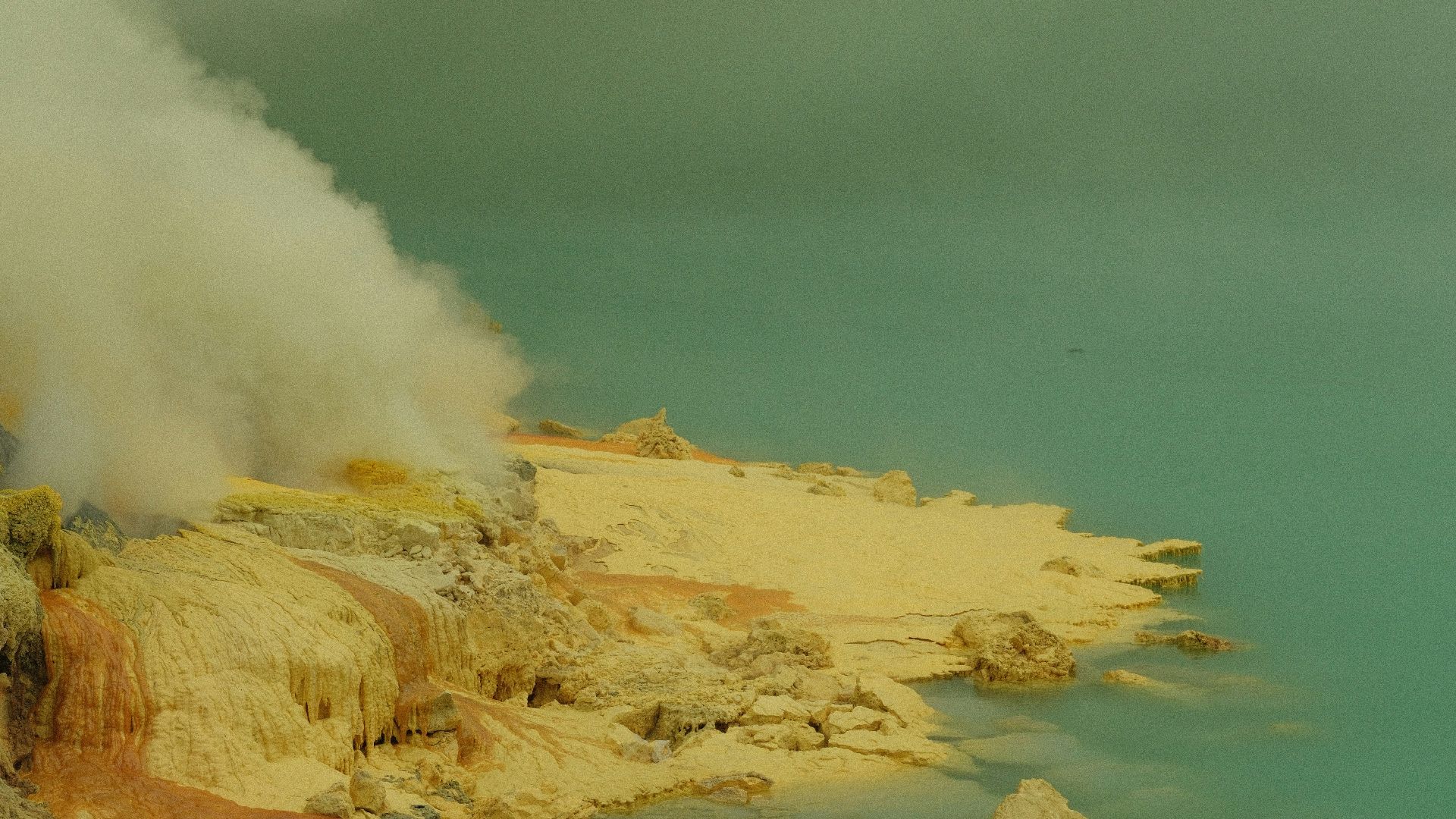
Sulfur has been a go-to blemish fighter for thousands of years, showing up in both ancient Egyptian and Greek remedies. Its sharp smell and drying effect attracted people to its advertised healing properties. The catch: a rough homemade paste could just as easily leave skin flaky and irritated as it could clear it up.
3. Sour Milk
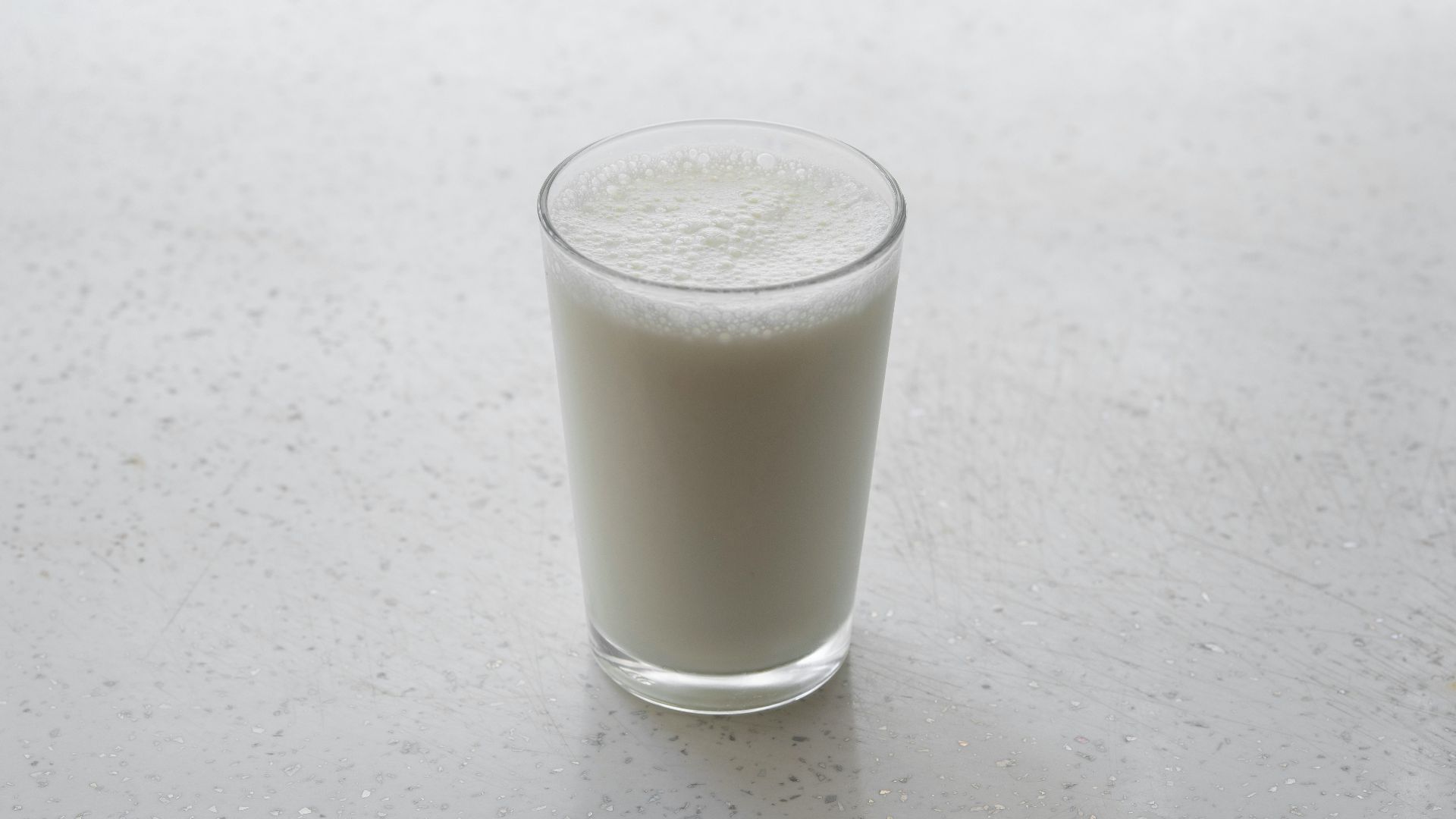
Splashing sour milk on the face sounds unpleasant, but people likely kept doing it because it visibly changed how skin looked and felt. Fermented milk naturally contains lactic acid, which can soften rough texture, which is the same idea behind some modern exfoliants. The problem was the lack of protection from contamination.
4. Aloe
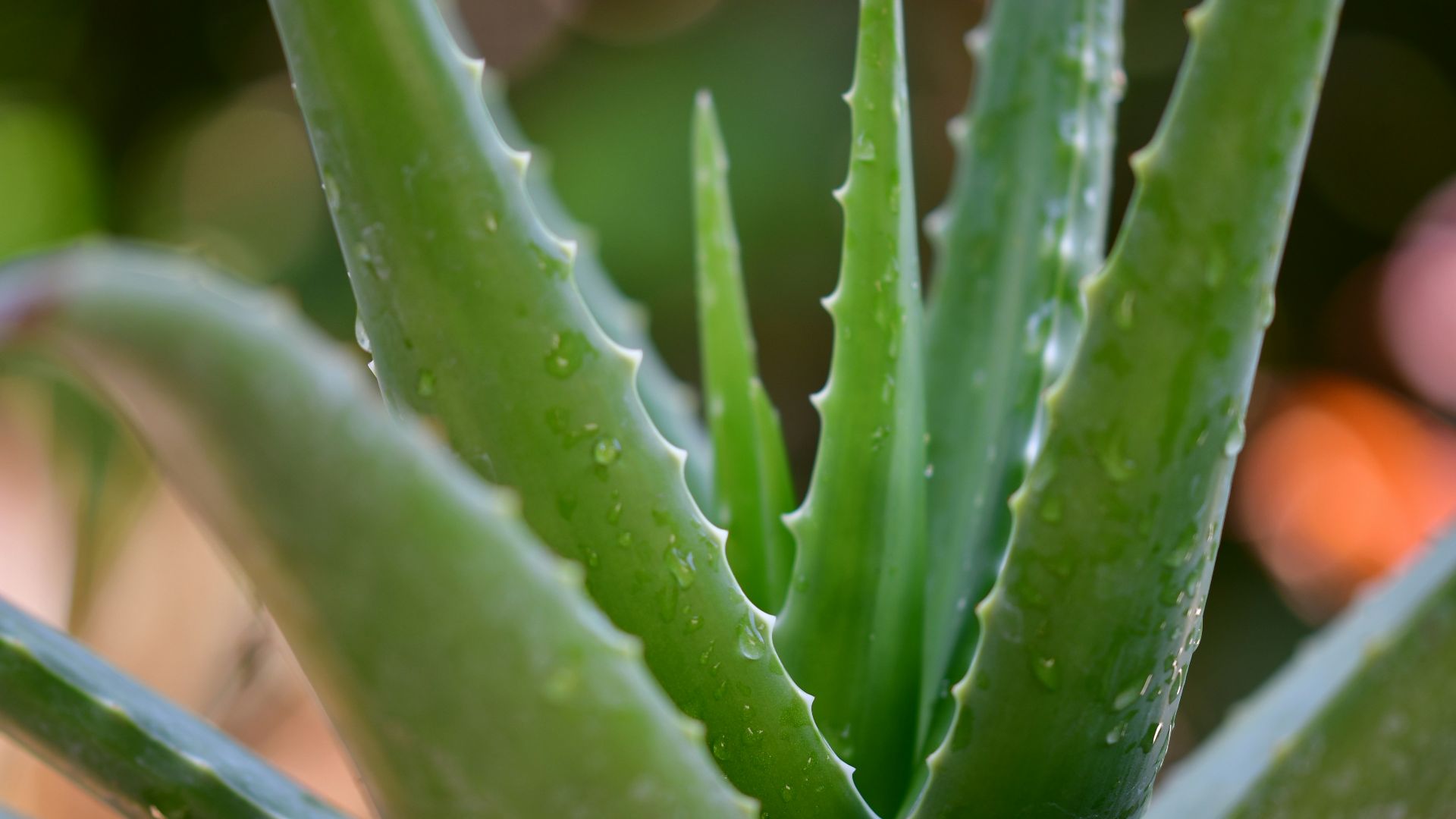
Aloe earned its place in early Egyptian skin care thanks to its cool, gel-like center. It's one of the rare ingredients from this list still trusted today — though the purified, tested aloe gel on pharmacy shelves now is a world away from whatever was scraped straight from the plant.
5. Myrrh And Honey
Honey, myrrh, oils, and wax were blended into thick, fragrant ointments used for all sorts of visible skin complaints. These all-purpose salves show how much early healers leaned on combination remedies rather than single-ingredient fixes. The oily base had one clear advantage: it stayed on the skin far longer than a thin liquid ever could.
6. Natron And Salt Mixtures
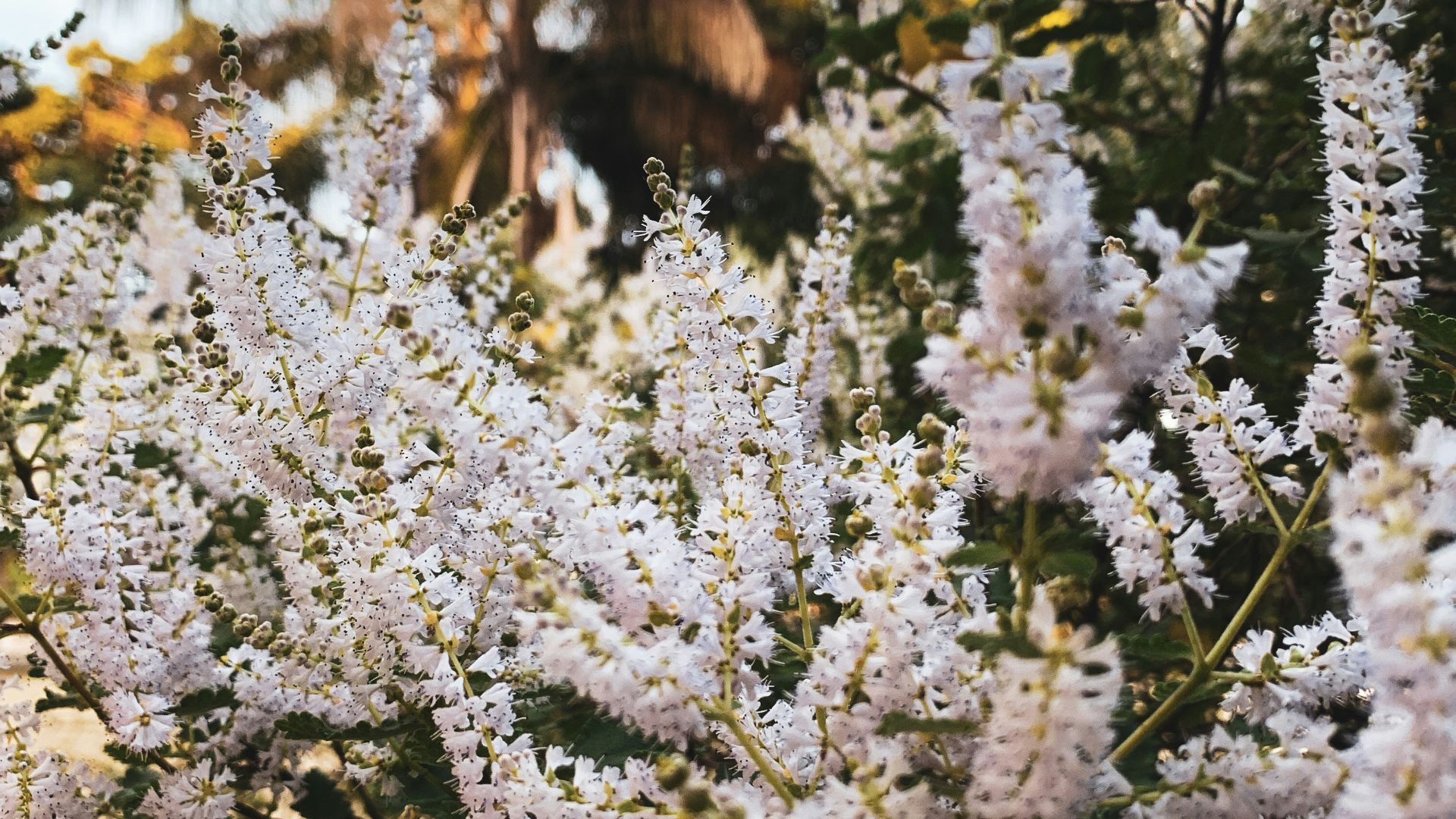
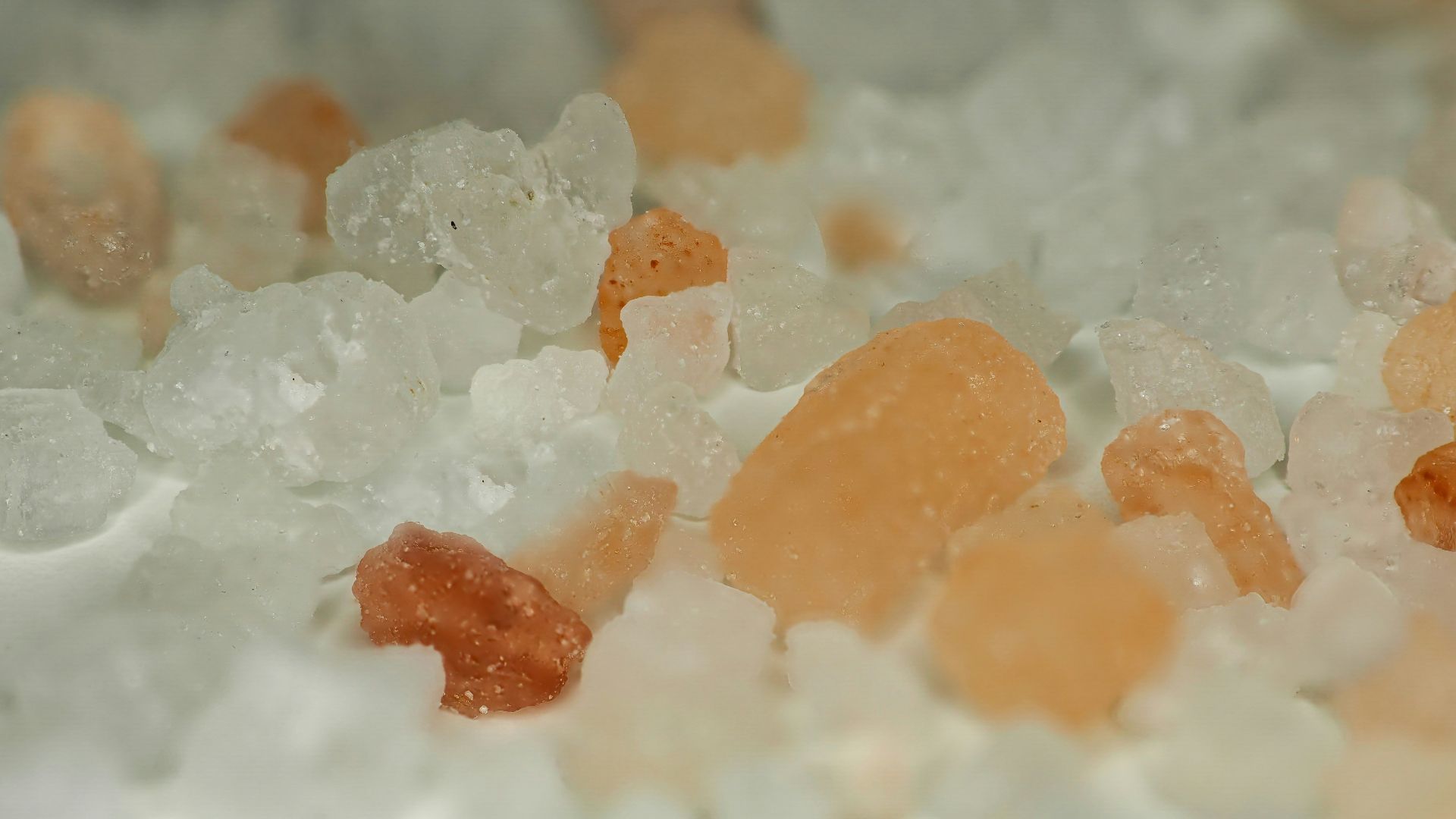
Natron, the alkaline mineral blend famous for its role in Egyptian mummification, also found its way into skin treatments alongside salt, oils, fats, or plant extracts. It left skin feeling almost squeaky clean. That intense cleaning power came at a cost, stripping the skin of its protective oils.
 Marian Florinel Condruz on Unsplash
7. Oils, Waxes, And Animal Fats
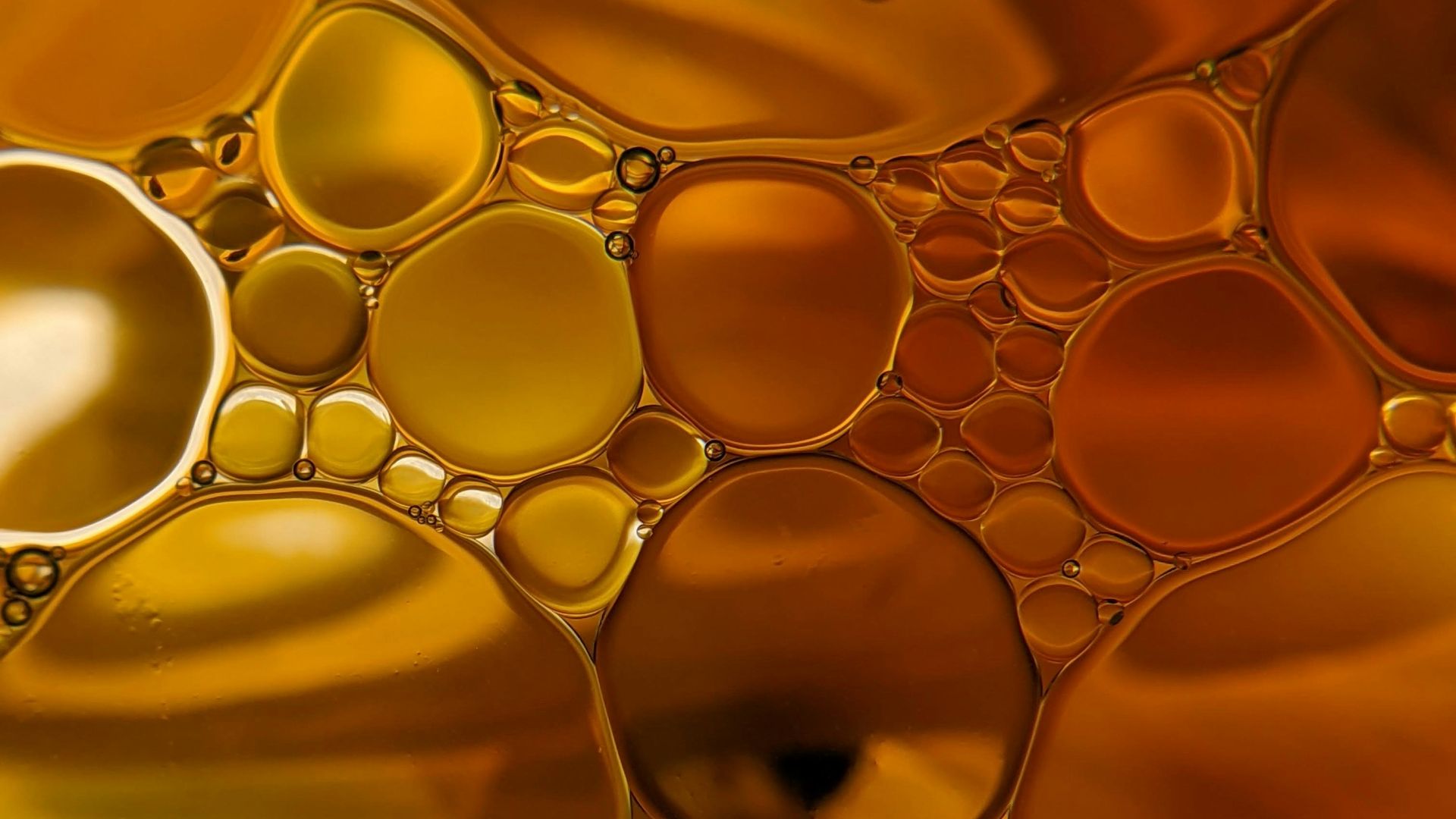
Long before "moisturizer" came on the scene, plant oils, waxes, and animal fats formed the greasy backbone of ancient skin ointments. They carried herbs and minerals into the skin, locked in moisture, and softened rough, cracked patches. The downside was obvious to anyone with oily, blemish-prone skin: a thick layer just felt greasy.
8. Oil And A Strigil
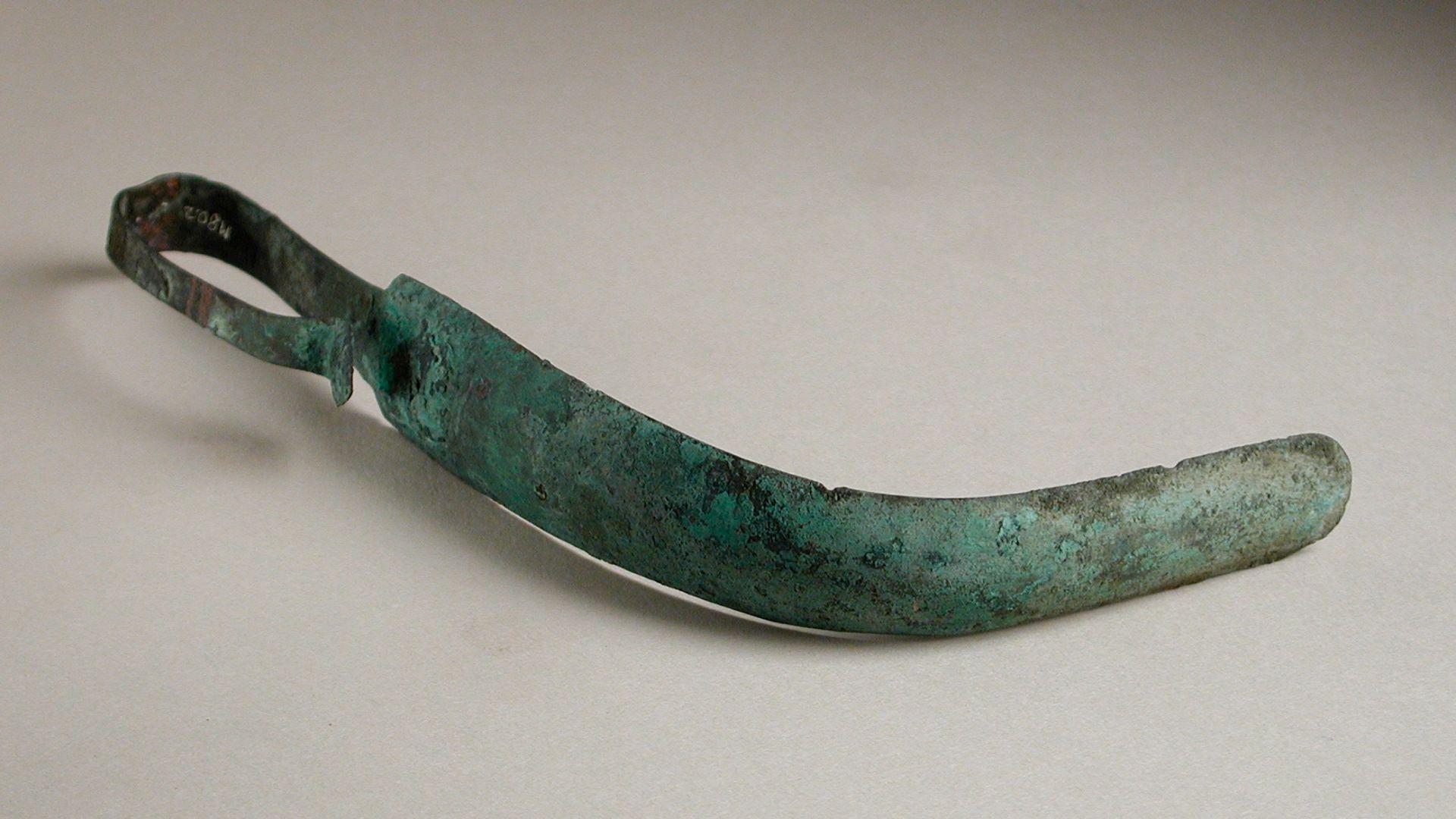
Picture a Greek or Roman bathhouse: bodies coated in oil, then scraped clean with a curved metal tool called a strigil. It effectively lifted off sweat, dirt, and grime, especially after a workout.
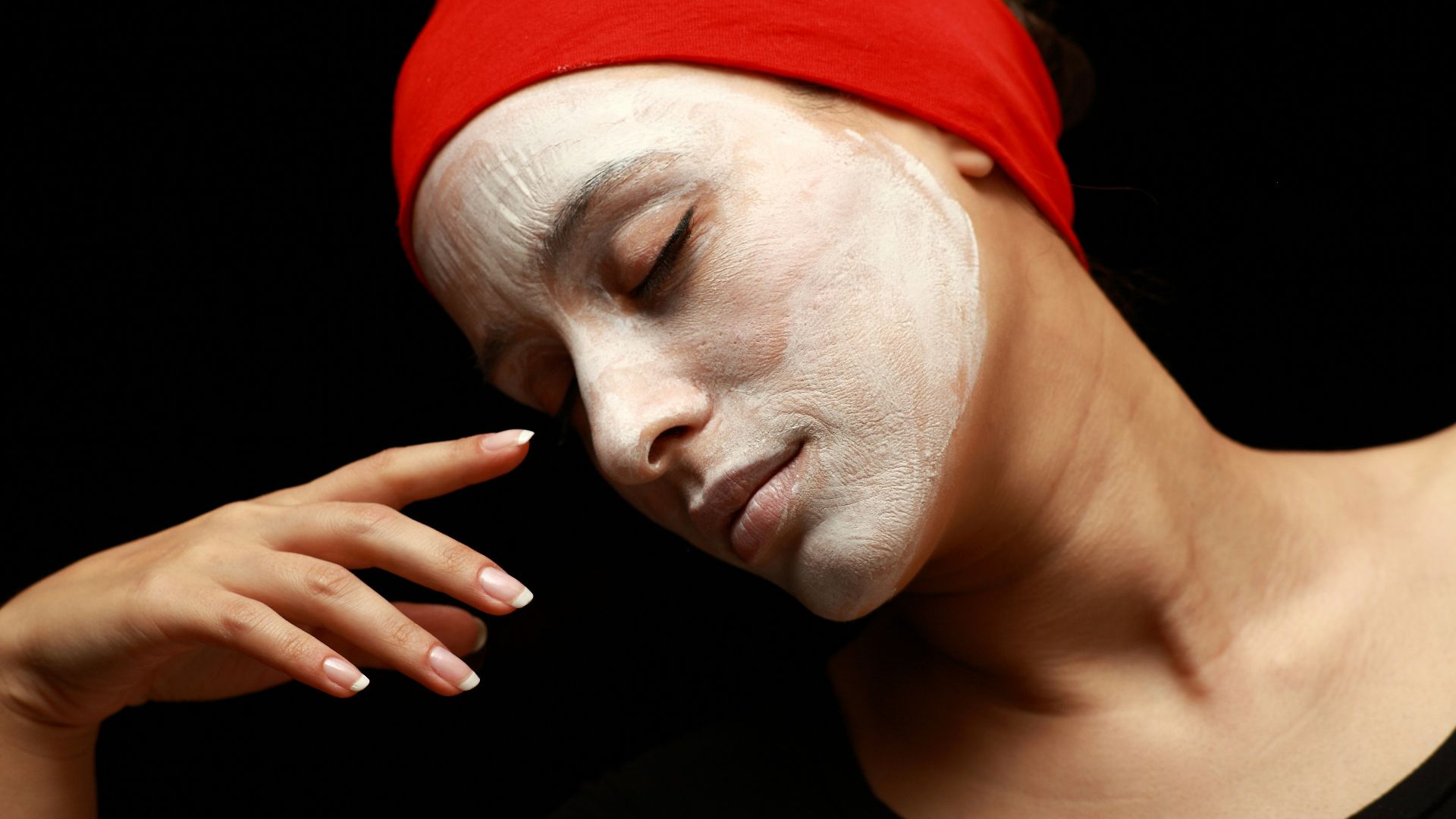
9. Clay
For centuries, people have smeared clay and mineral-rich earth straight onto their faces; the great-great-grandparent of today's clay masks. It absorbs oil and moisture, cutting down shine temporarily while leaving skin drier. As any skincare aficionado knows, though, clay masks can definitely leave you feeling more irritated.
10. Mineral-Rich Water
People once traveled long distances to soak in mineral springs, hoping the water would calm itching, scaling, inflammation, and other stubborn skin issues. By the 1800s, mineral bathing had become an established medical treatment, complete with dedicated spa towns.
11. Reciting Spells
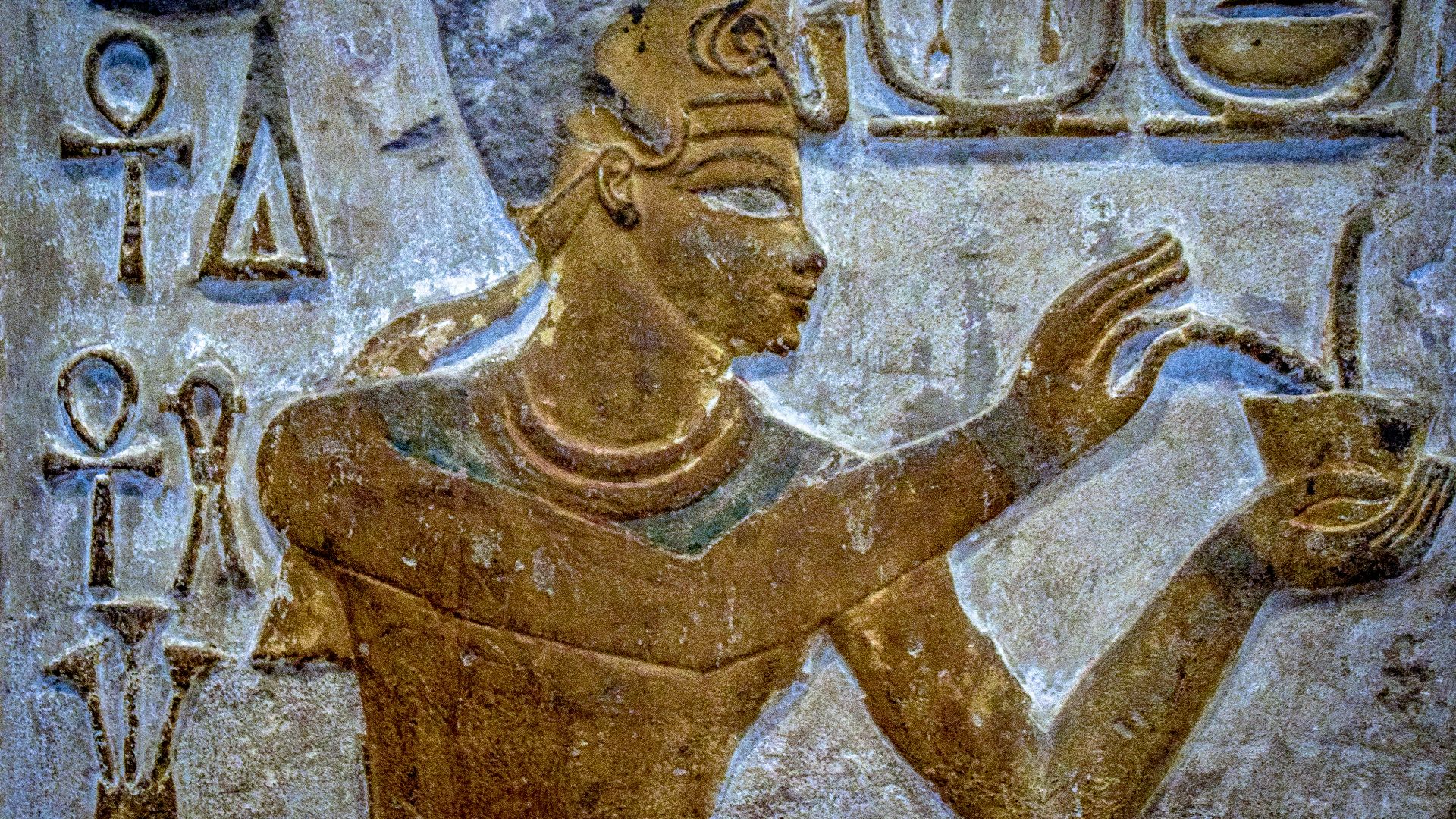
In ancient Egypt, a skin ointment was often accompanied by a ritual. Someone applying a salve might also recite a spell, since illness was understood as part natural, part spiritual, part supernatural. The words did nothing for the skin itself, but the ritual likely offered comfort to whoever was suffering.
12. Turmeric
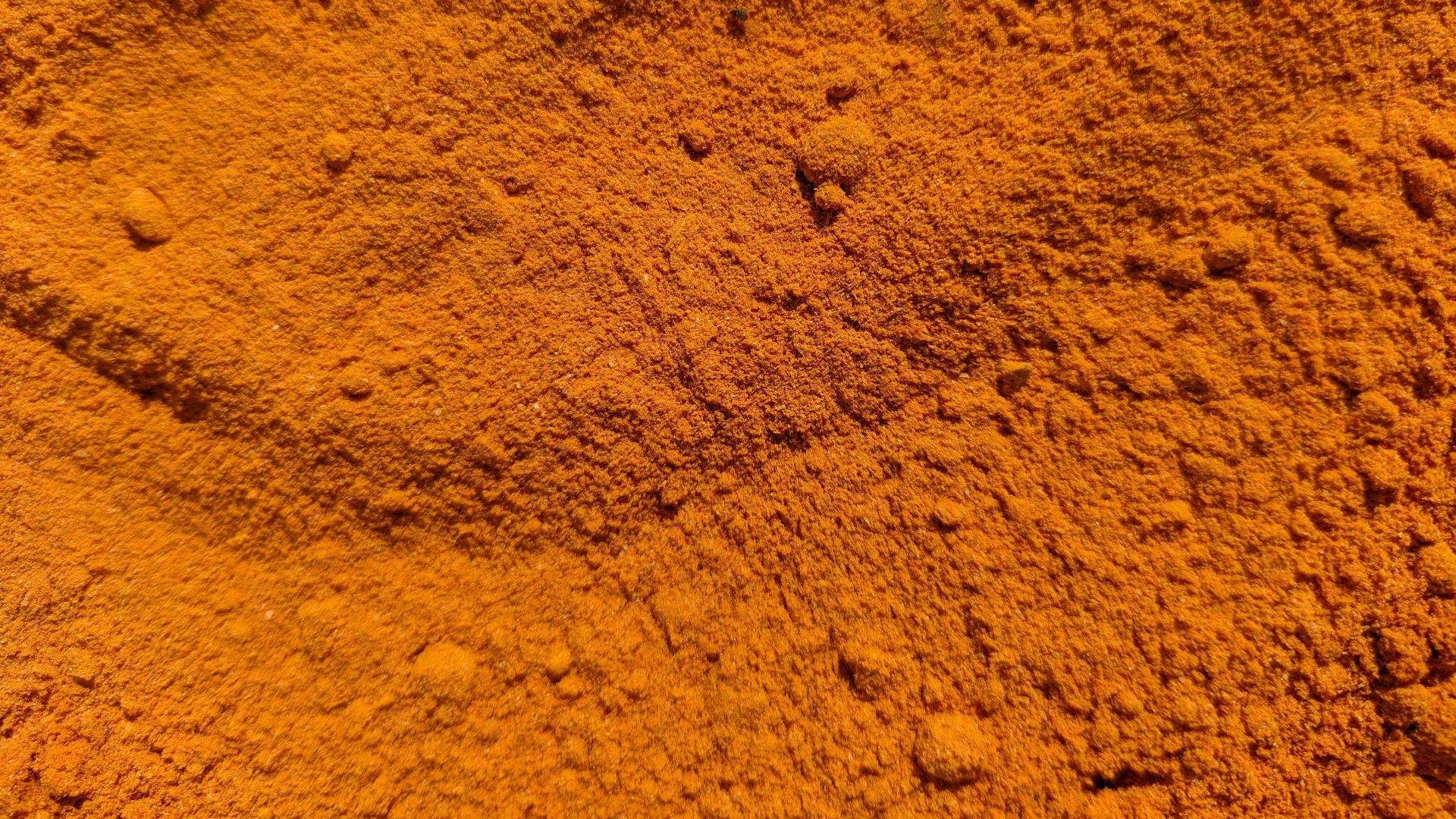
Turmeric has deep roots in South Asian medicine, personal care, and ceremonial beauty traditions, often mixed with liquids or other plants into a bright golden paste. It made for a striking, fragrant treatment… with one obvious side effect. That vivid pigment had a habit of staining faces, hands, and clothing.
 Md Shakil Photography on Unsplash
13. Complex Herbal Formulas
Historical Chinese skin-care traditions relied on elaborate mixtures of flowers, roots, seeds, and powders aimed at pigmentation and complexion issues. These recipes grew out of much larger ideas about balance within the body. With so many ingredients stacked into one formula, it was nearly impossible to tell which one, if any, was doing the work.
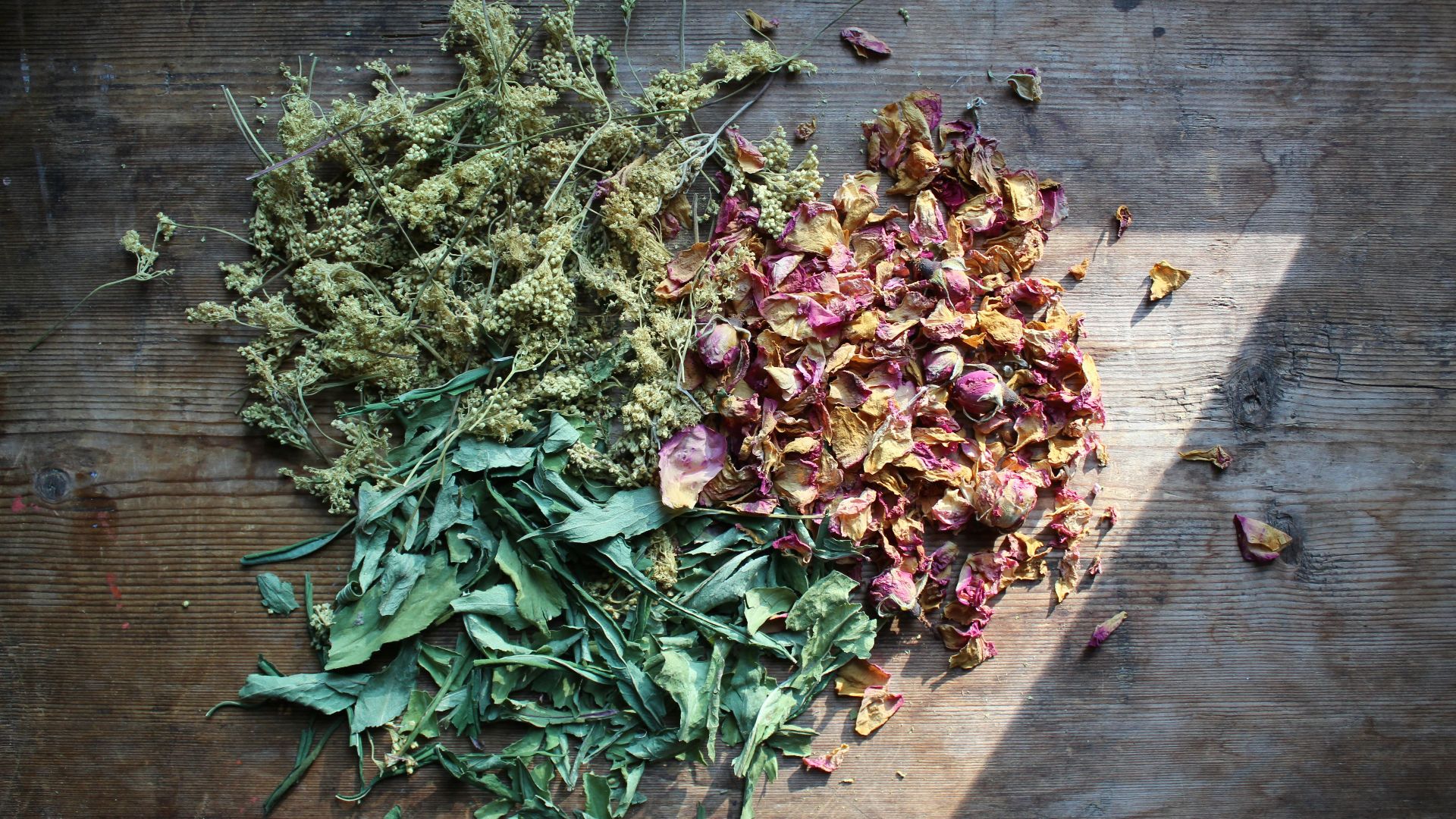
14. Rosewater And Dill Water
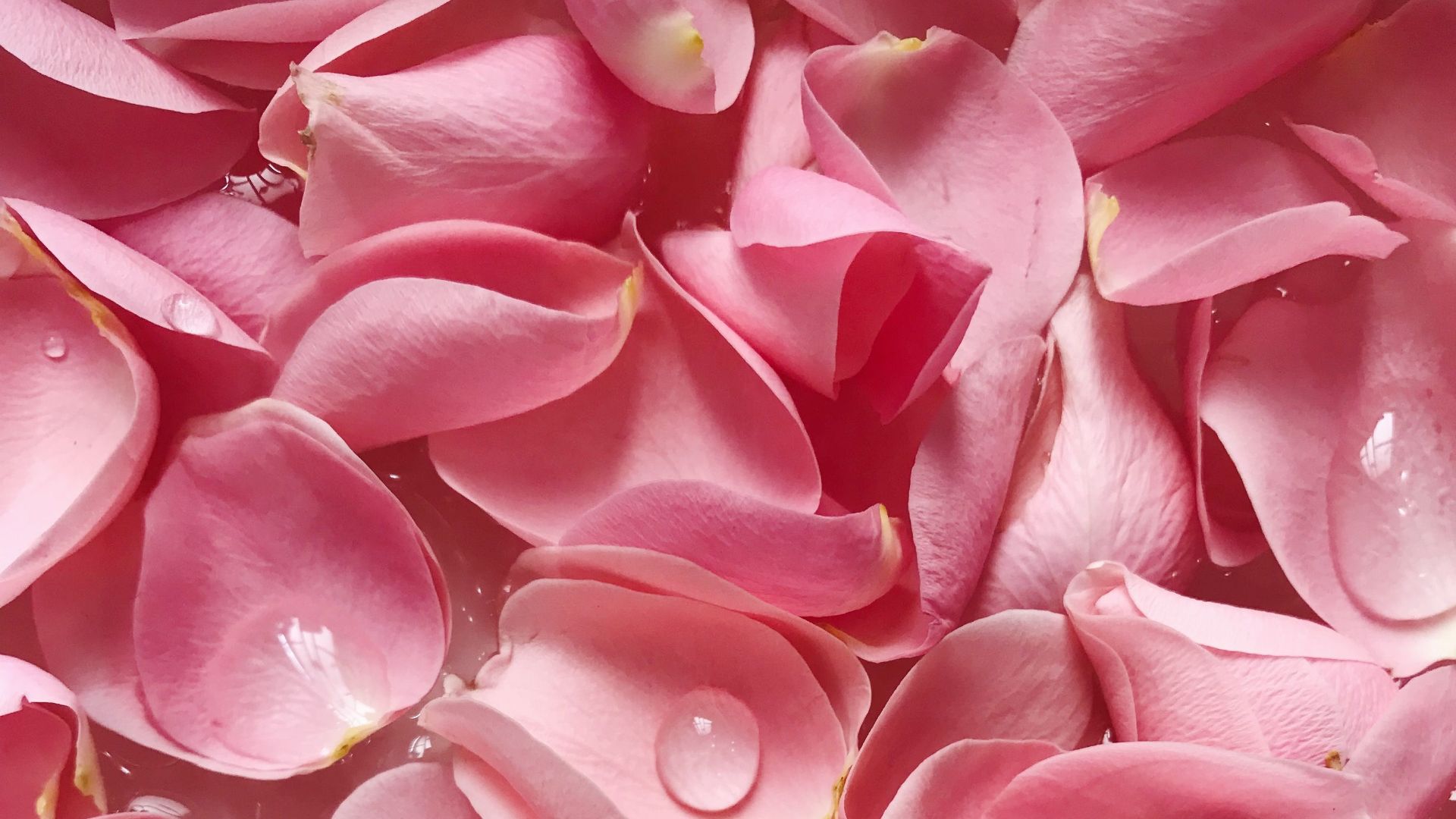
One 19th-century beauty manual recommended a simple mix of equal parts rosewater and dill water for clearing the complexion. It probably smelled wonderful and felt refreshingly cool on the skin. As a treatment, though, it was better suited to a quick freshen-up than to clearing acne.
 Nubia Navarro (nubikini) on Pexels
15. Swallowing Powdered Charcoal
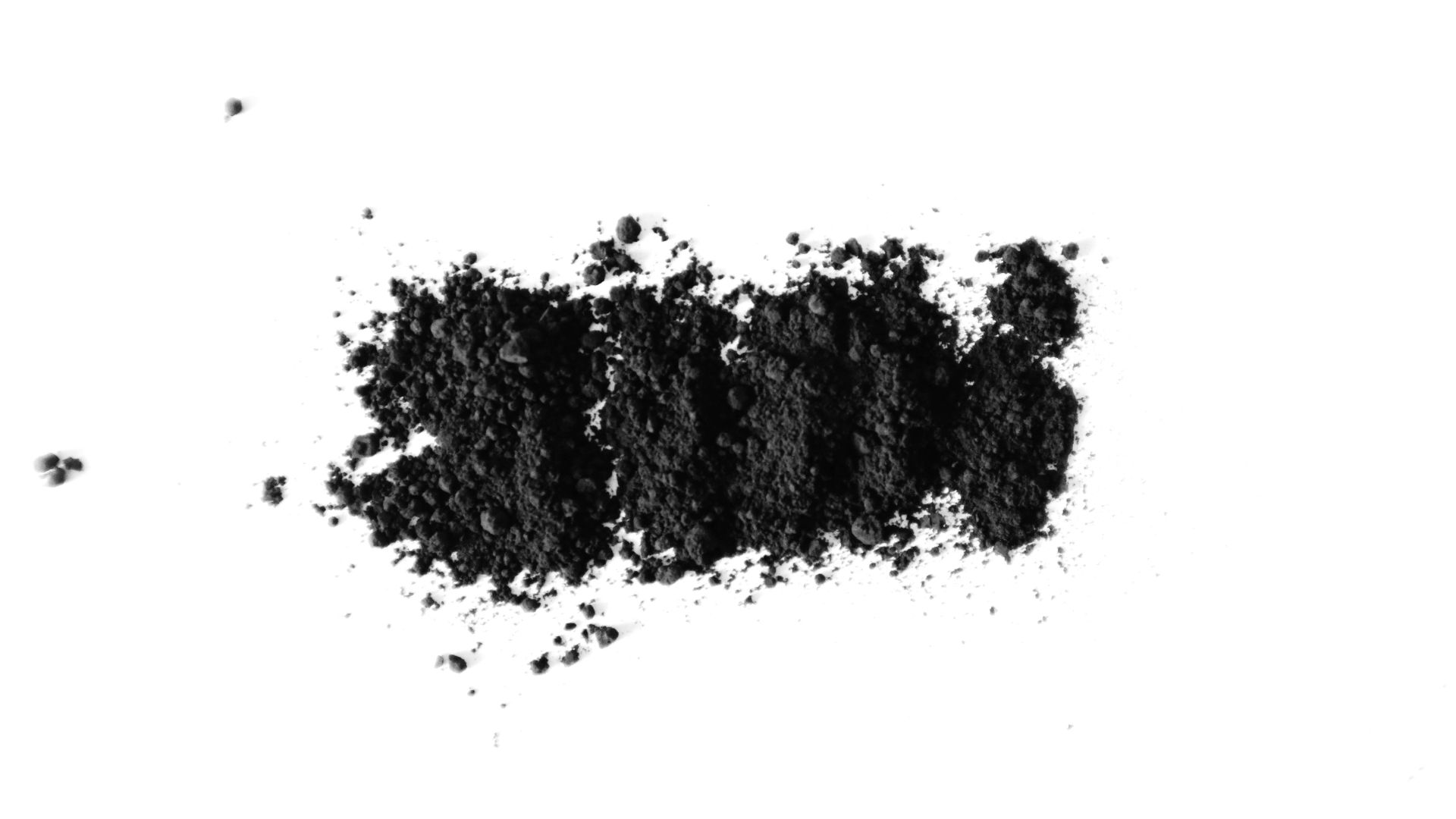
Victorian beauty advice sometimes strayed far from the face entirely. One guide suggested drinking powdered charcoal mixed with water or honey, then following it with a purgative to flush the system. The logic came from an old belief that blemishes signaled impurities lurking inside the body.
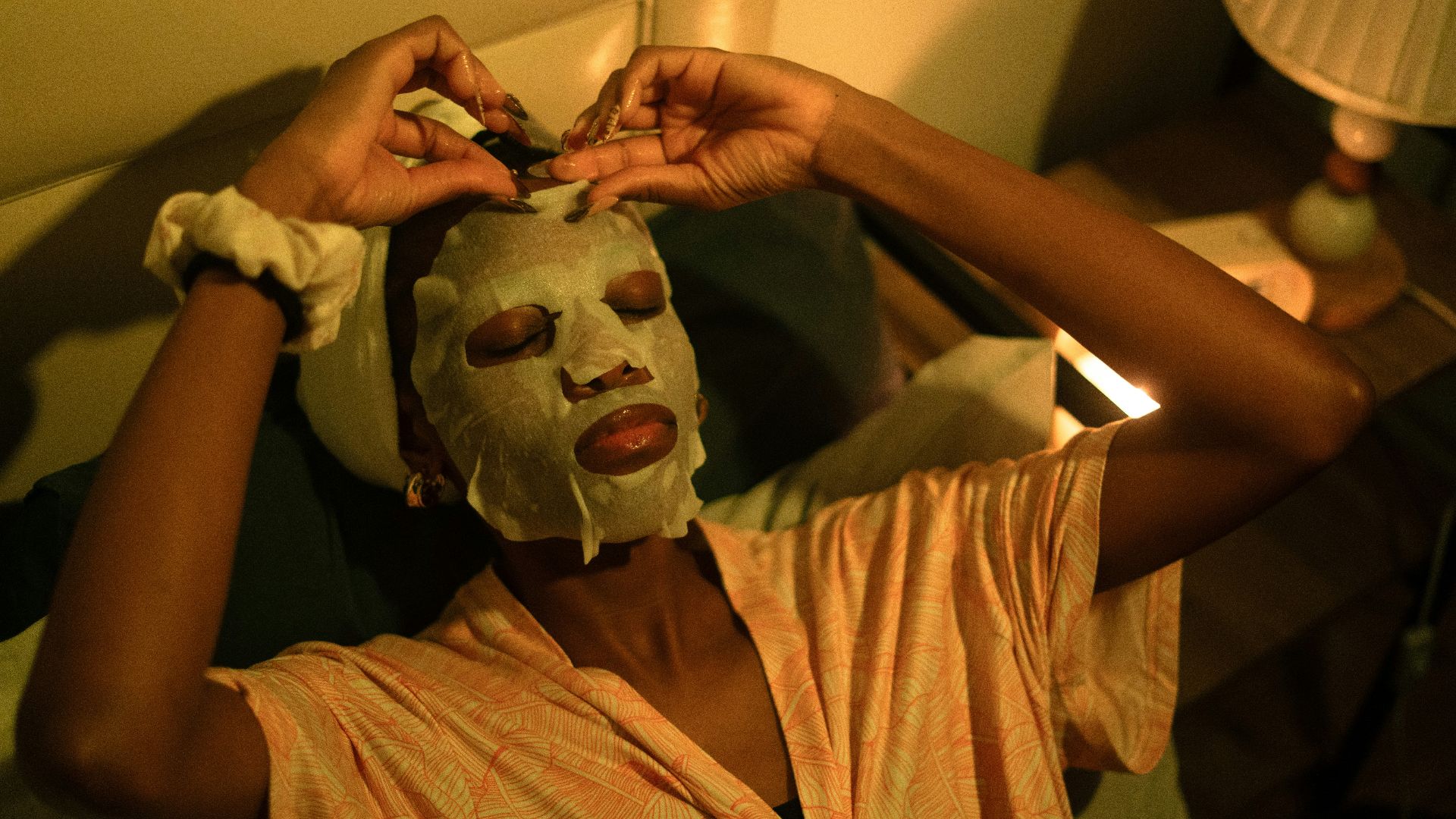
16. Sleeping In A Wet Face Mask
Also popular in the Victorian era: sleeping all night in a quilted cotton mask soaked in cold water. Keeping the skin damp for hours could briefly plump up the outer layer, making it look smoother by morning. Less appealing was the flip side — a soaked mask pressed against the face overnight could just as easily cause chafing and an uncomfortable rash.
17. White Lead
To hide freckles, redness, scars, and uneven tone, and to achieve the pale complexion prized in several historical eras, people painted their faces with lead-based powders and paints. The coverage was immediate and dramatic. The long-term cost was steep: repeated exposure could damage the skin, hair, teeth, nerves, and internal organs.
 After Levina Teerlinc on Wikimedia
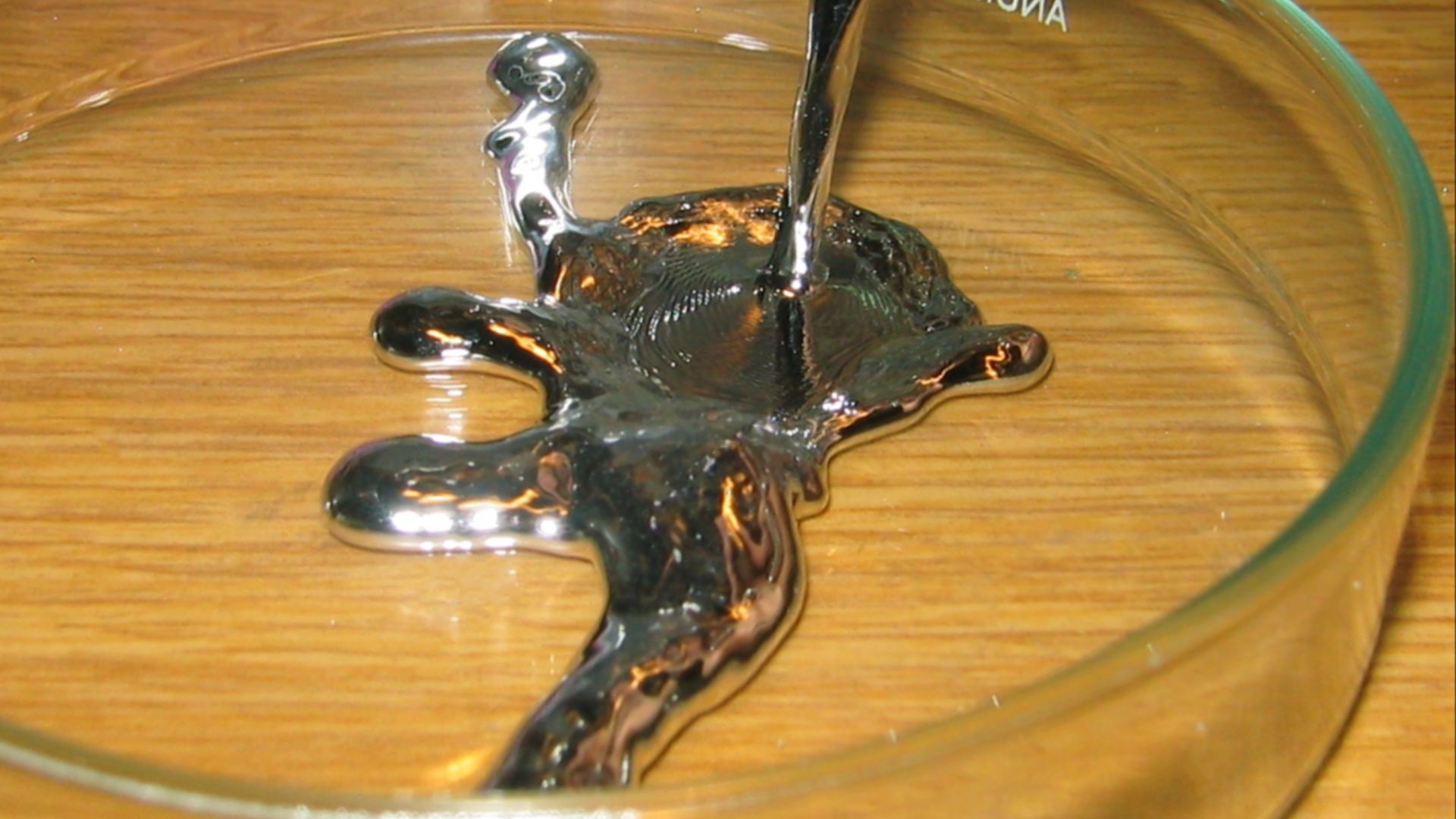
18. Mercury-Based Creams
Mercury compounds were mixed into creams marketed for blemishes, spots, and unwanted pigmentation, and they really did seem to lighten treated areas at first glance. That surface-level success masked a serious danger. With repeated use, mercury is absorbed into the body and could harm the nervous system, kidneys, gums, and teeth.
19. Arsenic Complexion Wafers
In the late 1800s and early 1900s, arsenic wafers were sold as an all-in-one fix for pimples, freckles, blackheads, redness, and muddy-looking skin. Swallowing them meant swallowing, well, poison, one capable of damaging the skin, nerves, heart, and liver.
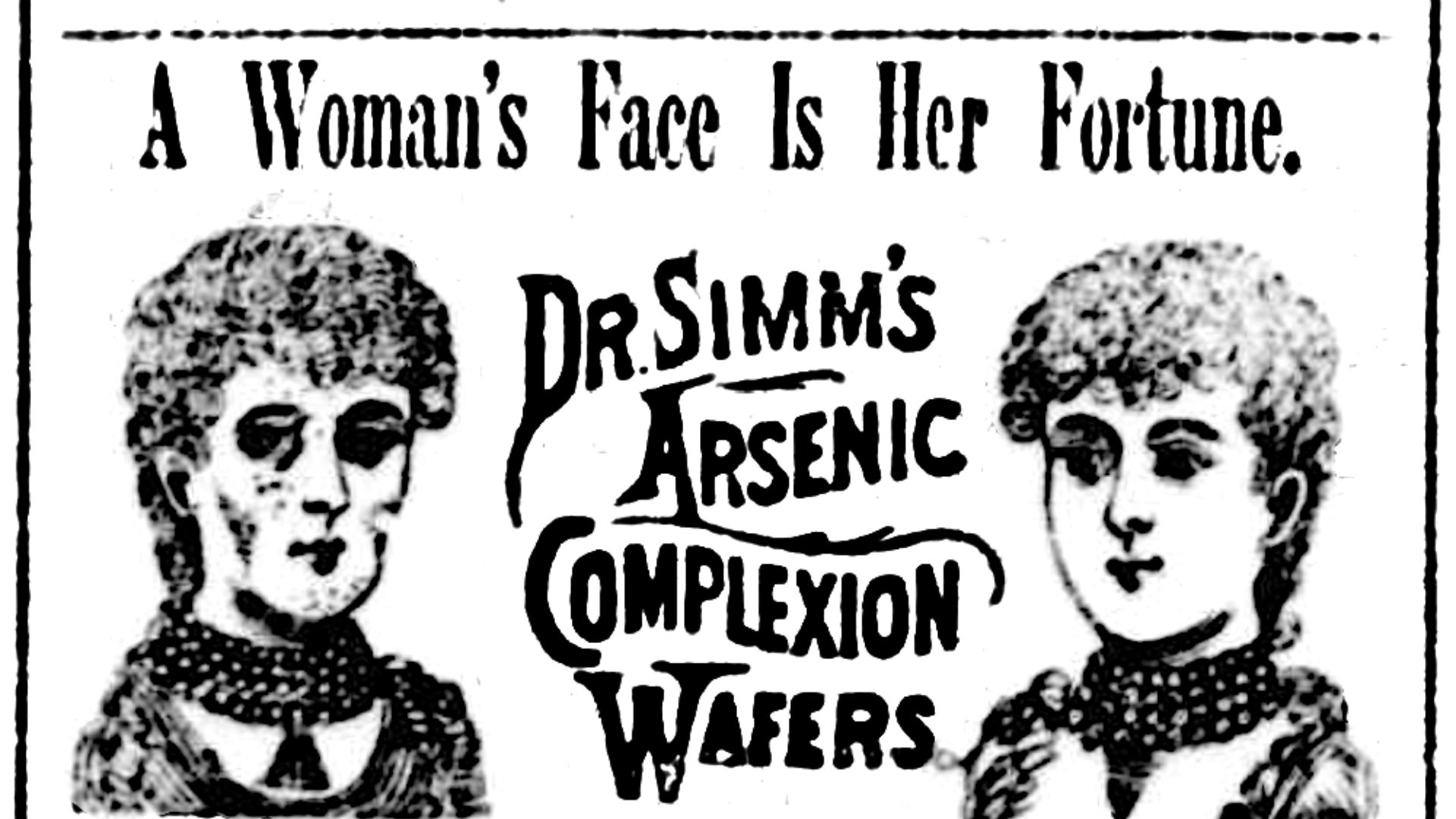 The Helena Independent (newspaper) on Wikimedia
20. Bloodletting And Purging
Under the old system of humoral medicine, blemishes were often blamed on some internal imbalance or trapped impurity that needed to be forced out. That belief led people toward bloodletting, purging, restrictive diets, sulfur treatments, arsenic wafers, and countless folk remedies, all in pursuit of clearer skin. More often than not, these methods left people weaker, while their acne simply ran its natural course, unaffected by any of it.
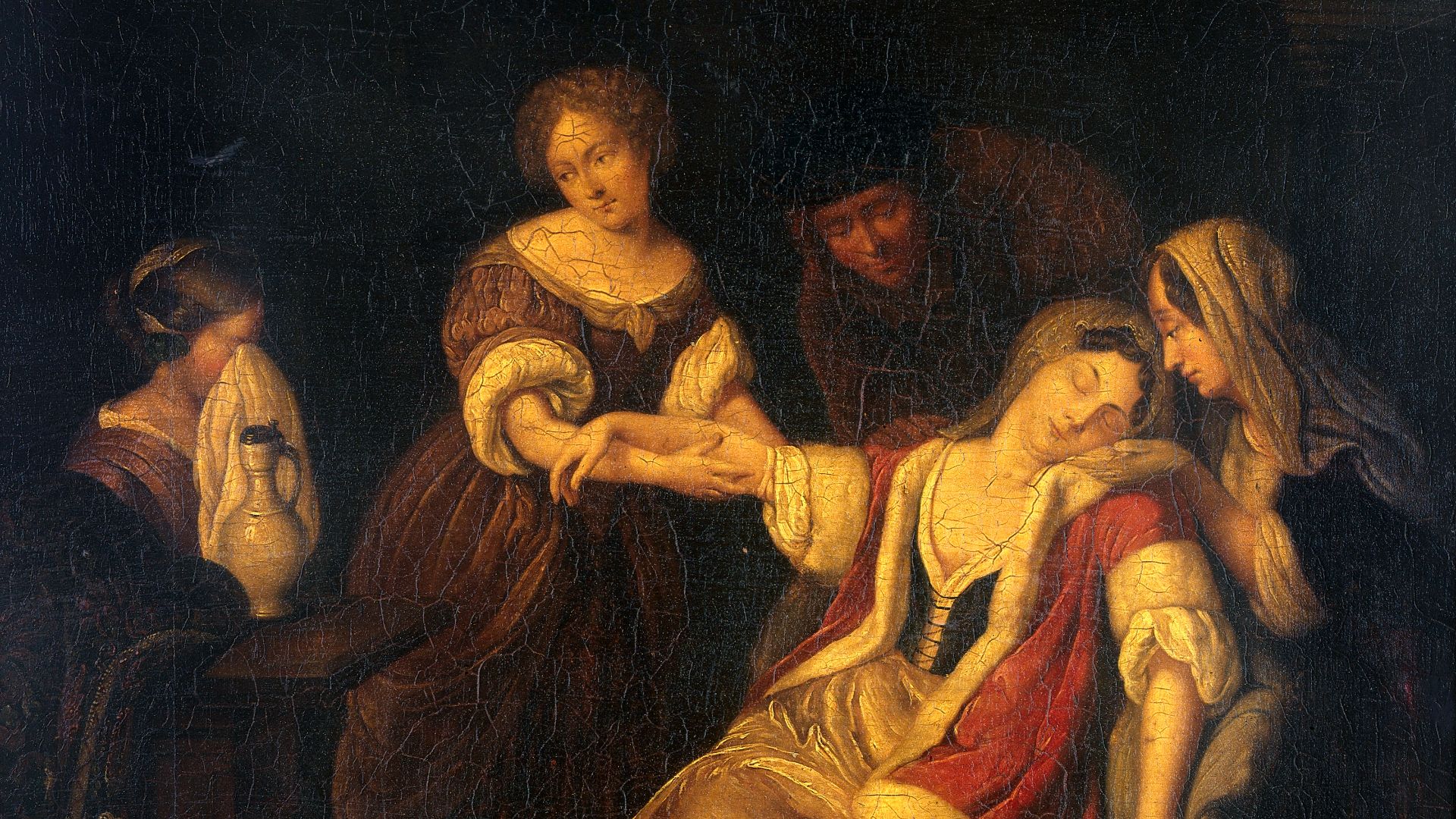 After Eglon van der Neer on Wikimedia
KEEP ON READING



10 Pre-Workout & 10 Post-Workout Tips To Follow